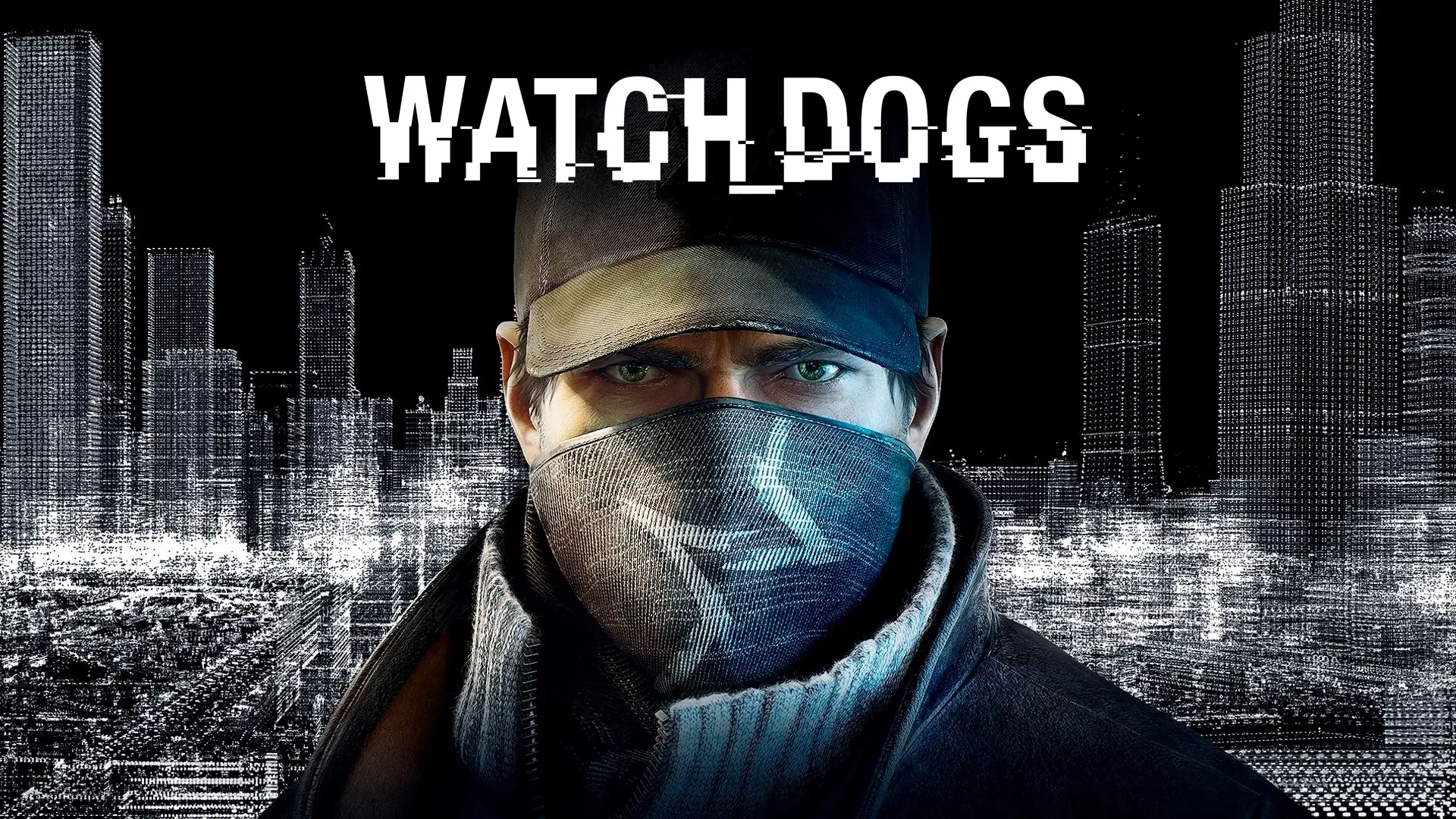
I have spent an unhealthy, obsessive amount of my life simply walking the rain-slicked streets of Chicago with my hands shoved deep into a trench coat, listening to the ambient digital hum of a million interconnected lives. Watch Dogs is a game that is often unfairly remembered for its infamous E3 downgrade controversy, but beneath that incredibly superficial complaint lies one of the most mechanically fascinating, atmospheric, and deeply immersive open-world games Ubisoft has ever crafted. I am completely obsessed with the world of the Central Operating System (ctOS) and the grim, morally grey crusade of Aiden Pearce. I don't just play this game; I live in its digital shadows.
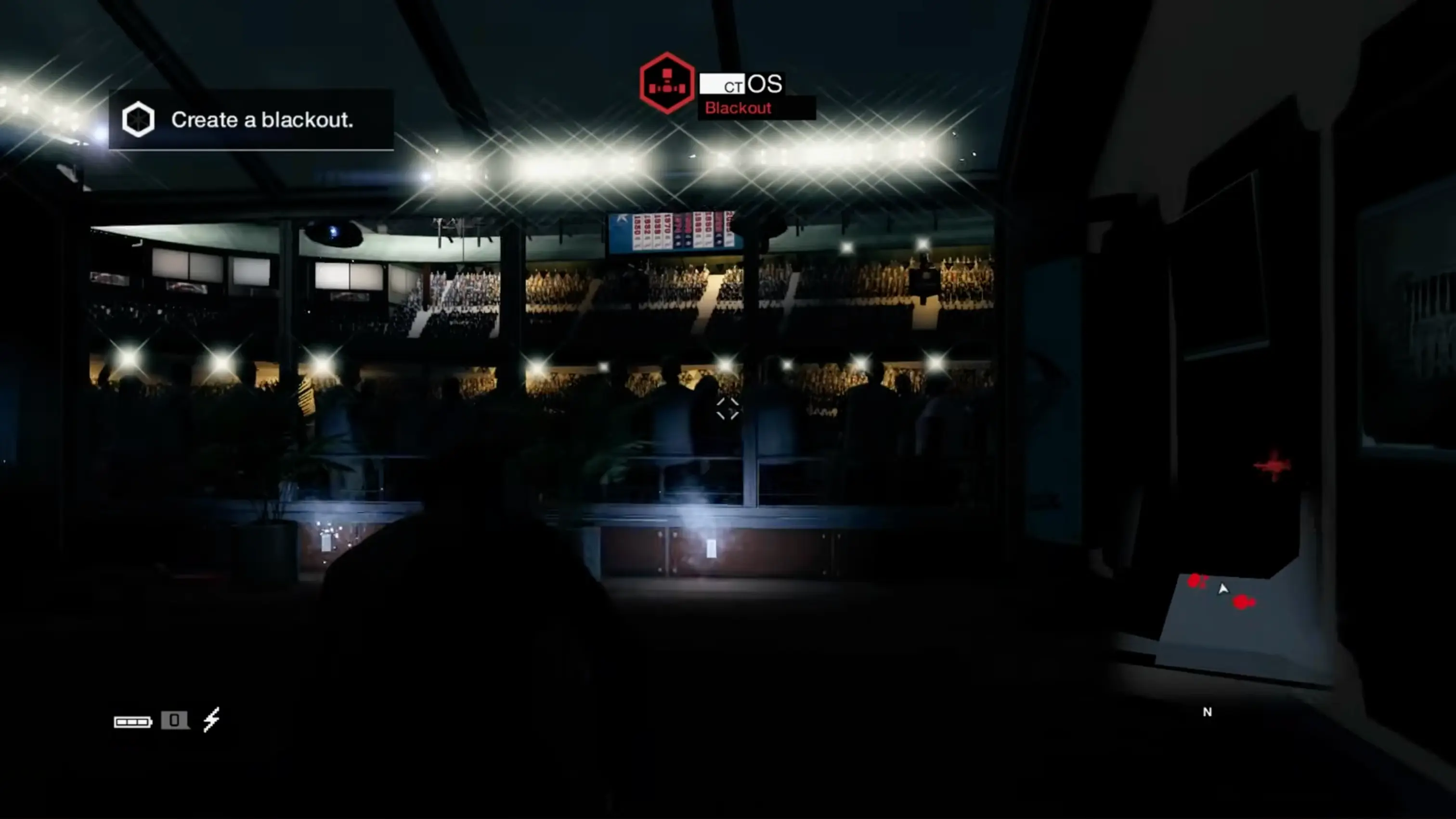
From the exact moment you trigger your very first city-wide blackout, plunging a massive, heavily fortified urban block into total, suffocating darkness just so you can slip past a SWAT team unseen, the power fantasy of Watch Dogs grips you and absolutely refuses to let go. You aren't a traditional superhero; you are a digital ghost, a predator armed with nothing but a heavily modified smartphone and an expandable baton, tearing through the vulnerable infrastructure of a corrupt metropolis. The obsession starts when you realize that every single person, every security camera, and every traffic light is a tool waiting to be exploited. It is an intoxicating blend of stealth, action, and voyeurism that makes you feel like an omnipotent digital god walking among helpless mortals.
Gameplay: Weaponizing the Digital Infrastructure
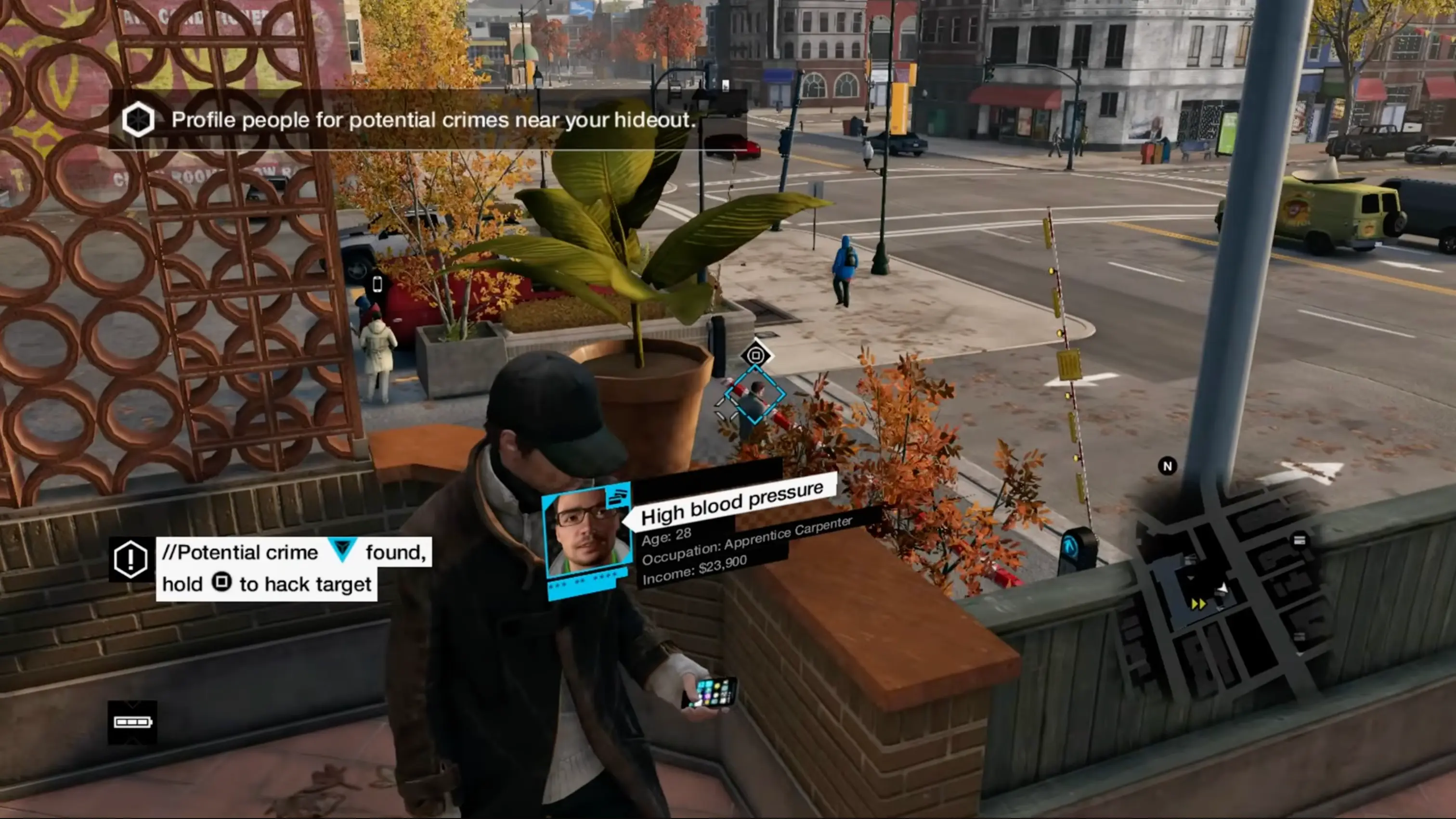
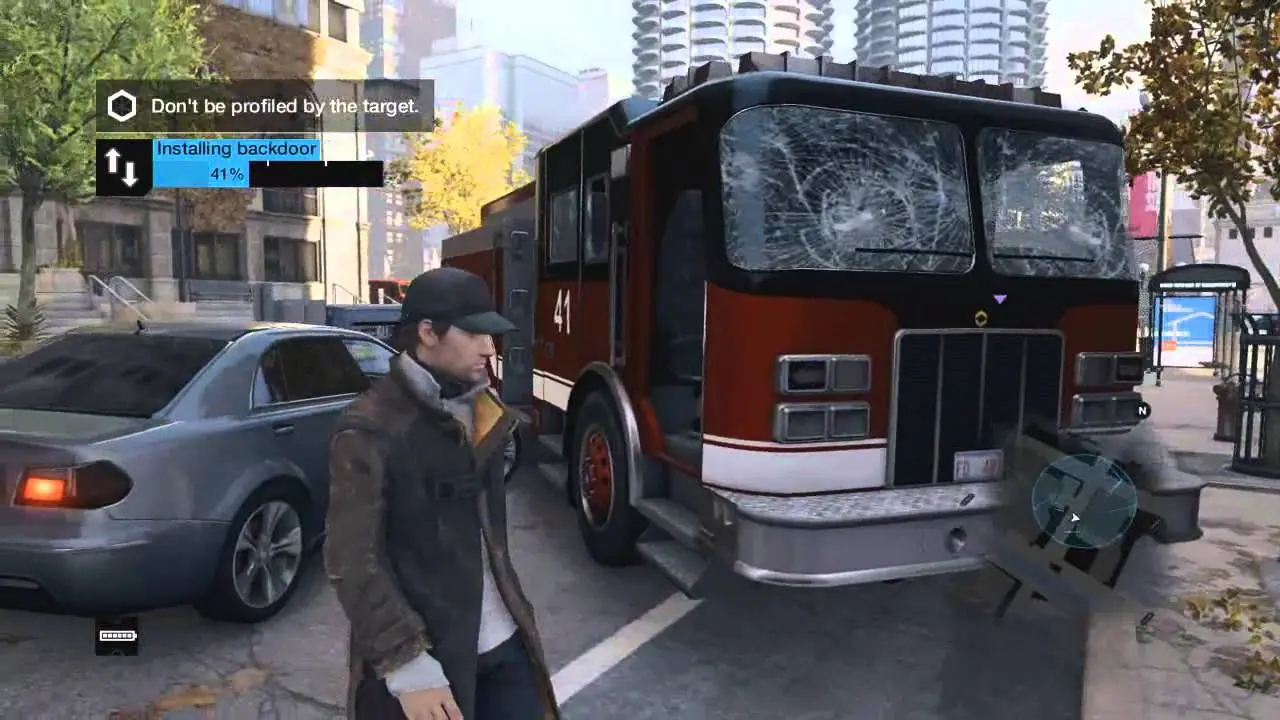
When people think of open-world sandbox games, they immediately think of guns, fast cars, and random chaos. Watch Dogs provides those elements in spades, but its true genius—and the primary source of my manic obsession—lies entirely in the Profiler. The simple act of holding your smartphone up and instantly seeing the dark secrets, bank accounts, and private lives of every single NPC you walk past is intoxicating. I have spent hours doing absolutely nothing but reading the profiles of random citizens standing at bus stops. 'Recently diagnosed with cancer.' 'Frequent buyer of illegal firearms.' 'Annual Income: $120,000.' This game transforms the city of Chicago into a voyeuristic playground of raw information.
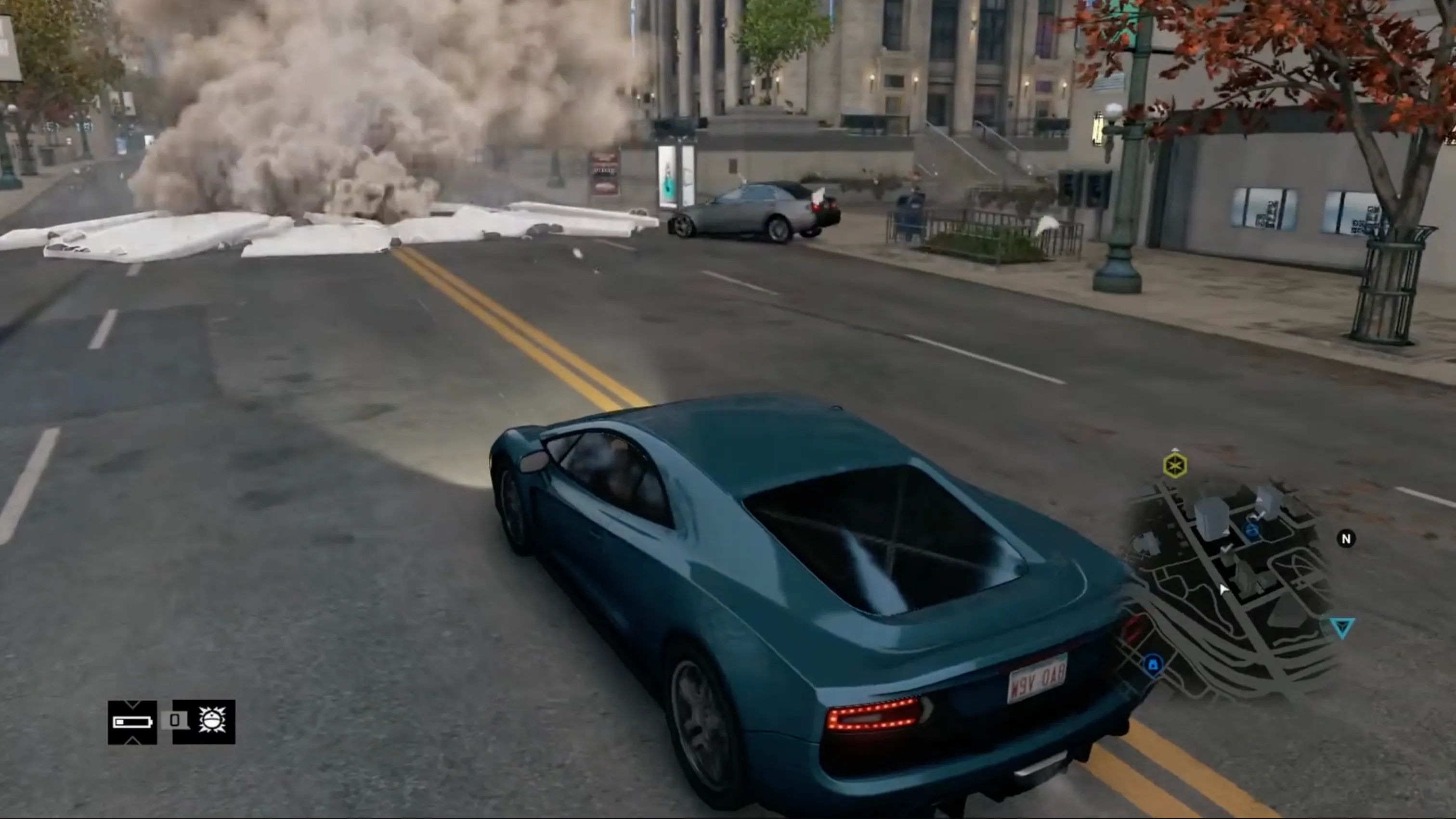
But the hacking mechanics during active combat are where the game transcends its genre. Why bother engaging in a generic shootout when you can simply hack the grenade hanging on a mercenary's belt? Why participate in a tedious car chase when you can precisely time the burst of an underground steam pipe, sending your pursuers flying thirty feet into the air in a spectacular, slow-motion explosion of metal and fire? The traffic lights, the raising bridges, the spike strips—everything is a weapon. Furthermore, the game's seamless online invasions are a stroke of multiplayer brilliance. Having a real-world player secretly enter your game to steal your data, forcing you to frantically scan a crowd of hundreds of NPCs to find the one person who is acting just a little too human, induces a level of paranoia and adrenaline that I have never felt in any other game.
Story: A Gritty Tale of Vengeance and Surveillance
Aiden Pearce is a deeply flawed, hyper-fixated, and utterly uncompromising protagonist, and that is exactly why I adore him. He is not a charming rogue or a witty anti-hero; he is a broken, grieving uncle whose own criminal hubris got his young niece killed. His relentless pursuit of revenge drives the narrative into some incredibly dark, uncomfortable places that most AAA games are terrified to explore. The story tackles massive, terrifying themes of mass surveillance, corporate data mining, and the horrifying reality of a hyper-connected society years before these concepts dominated mainstream news cycles.
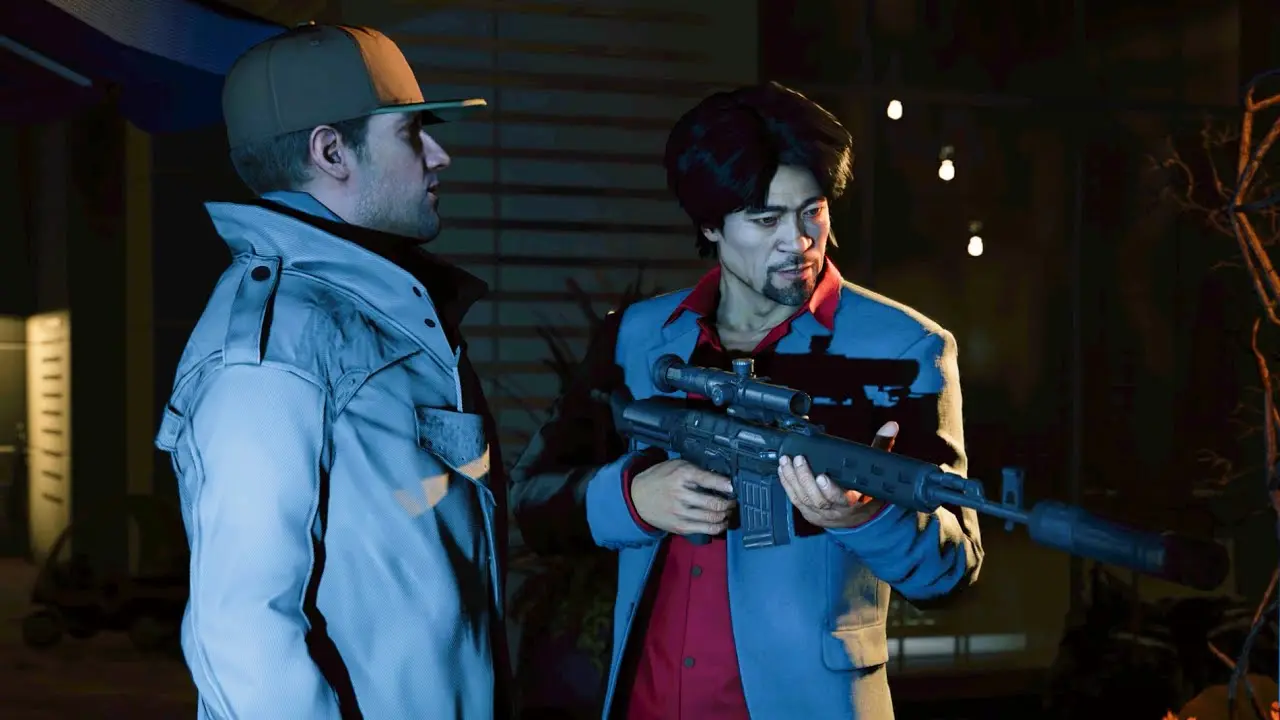
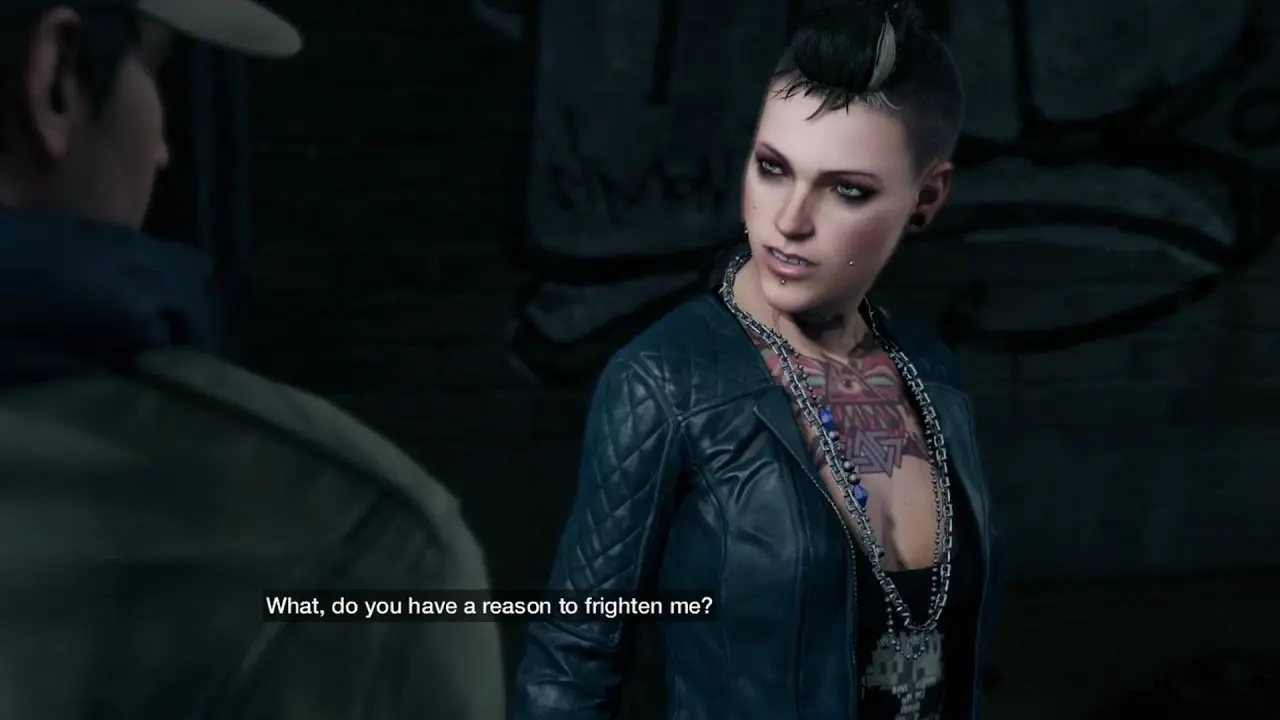
I am obsessed with the brilliant rogues' gallery of hackers, fixers, and corporate overlords that Aiden encounters. The enigmatic, chaotic genius of the rat-masked hacker Defalt, the ruthless, cold-blooded pragmatism of the hitman Jordi Chin, and the tragic loyalty of Clara Lille add immense depth to the underworld. The narrative doesn't pull its punches, plunging you headfirst into the horrific human trafficking rings of the Chicago mob and the corrupt political machinations of the Blume Corporation. It is a cynical, gritty, tech-noir thriller that takes itself completely seriously. It forces you to watch as Aiden's obsessive crusade alienates his sister Nicole and traumatizes his nephew Jackson, making you question if the vengeance is actually worth the collateral damage. It is a story about the heavy cost of living outside the law, told with an uncompromising, grim sincerity.
Atmosphere & Music: The Rain-Slicked Noir of Chicago
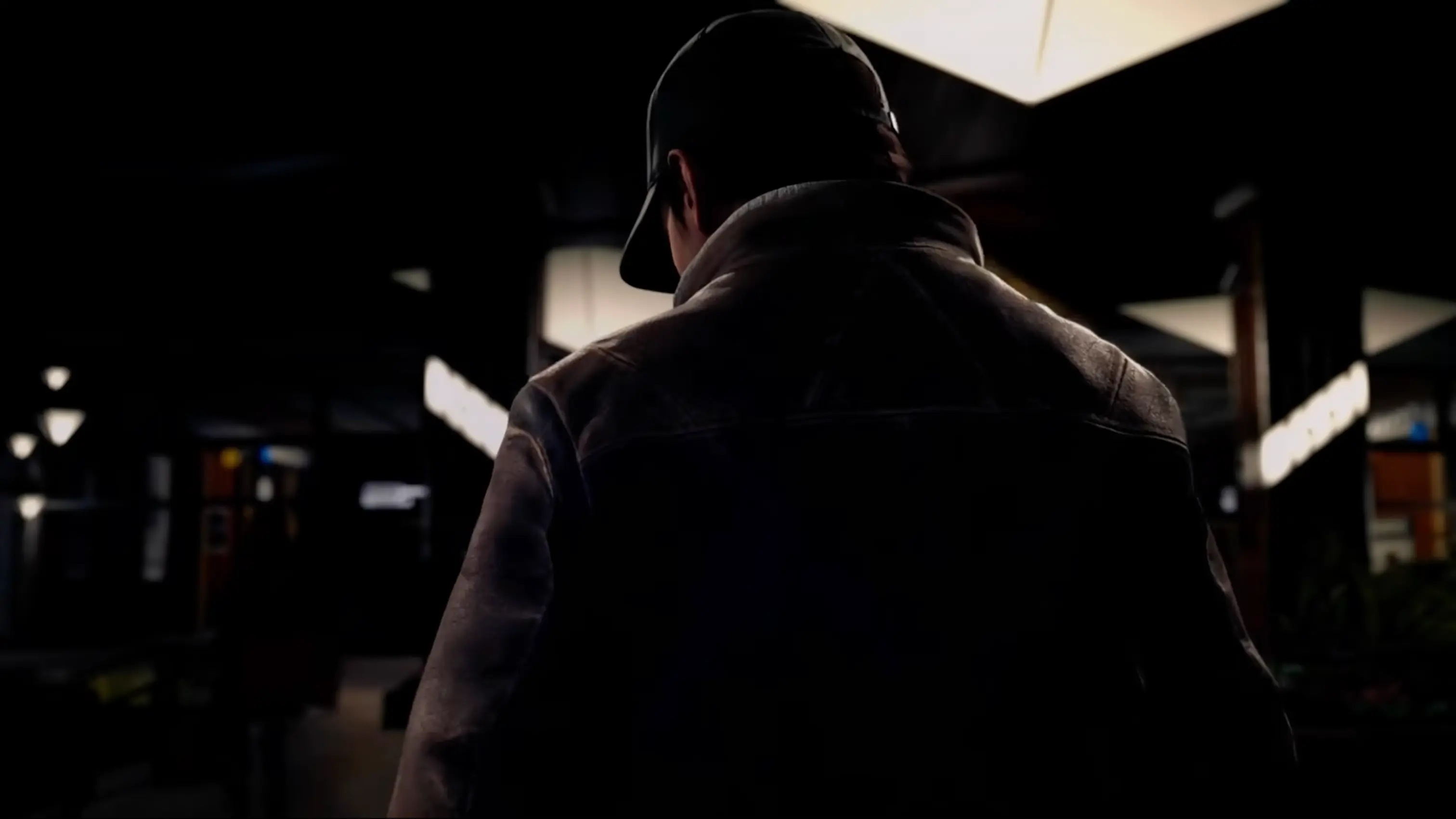
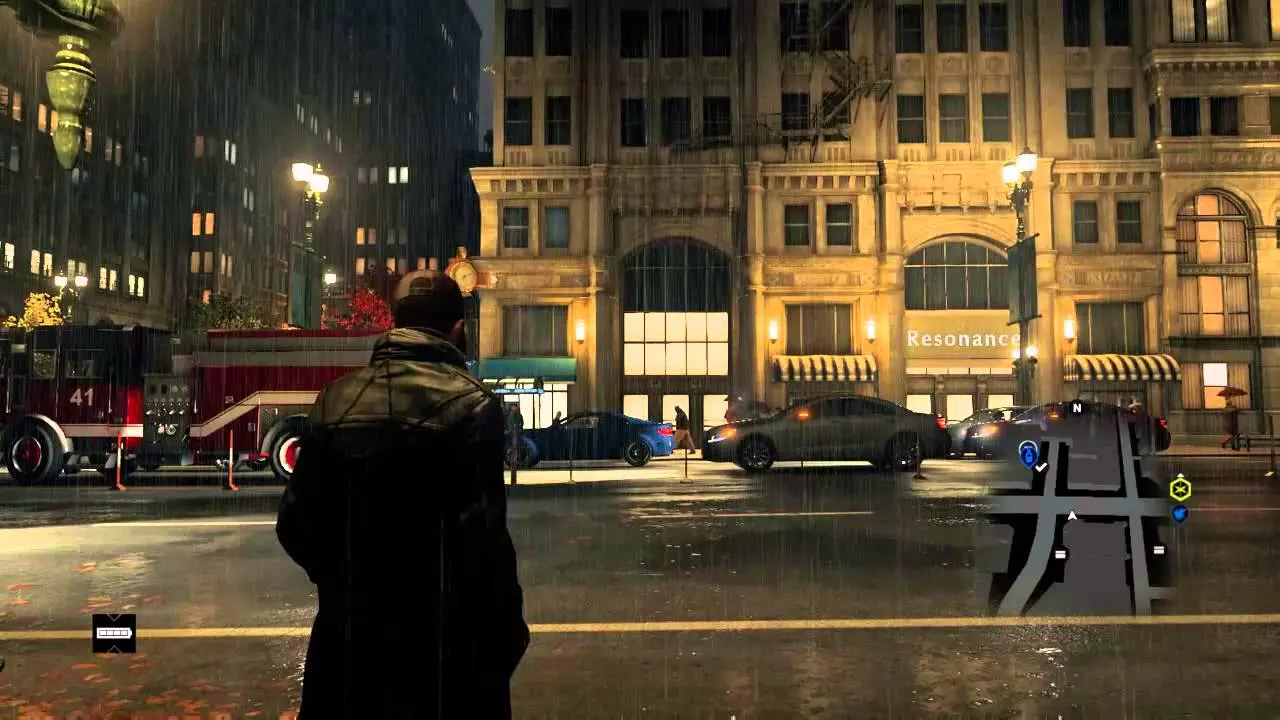
If you want to understand the true, atmospheric brilliance of Watch Dogs, you must play it at night, during a heavy thunderstorm, with Aiden wearing his iconic leather trench coat. The atmospheric design is thick, oppressive, and utterly captivating. The way the bright neon signs of the Loop reflect off the wet pavement, the way Aiden dynamically puts his hands in his pockets and hunches his shoulders when the freezing wind blows, the ambient, rhythmic sound of the L-Train rattling overhead—it is a masterclass in environmental world-building. I have actively avoided using the fast travel system entirely, opting instead to drive a stolen muscle car down the rain-lit streets just so I can listen to the game's stellar soundtrack.
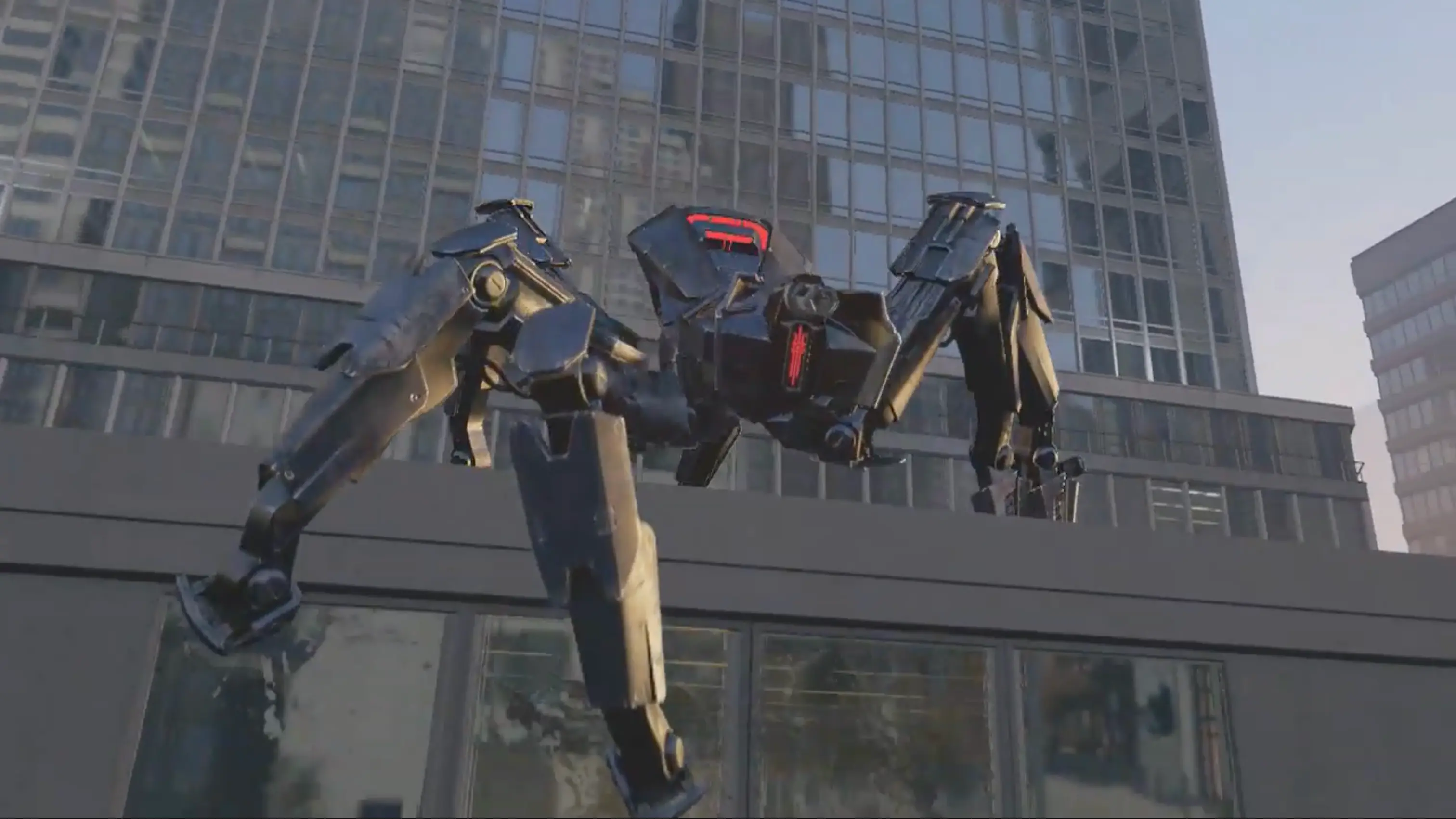
The licensed music, combined with the moody, electronic, pulse-pounding original score by Brian Reitzell, perfectly encapsulates the feeling of being a lone wolf hunting in a digital wilderness. The city of Chicago feels incredibly alive, not just because there are thousands of NPCs walking around, but because the game lets you actively intercept their private text messages, listen to their intimate phone calls, and peek into their living rooms through hacked webcams. It is deeply voyeuristic, intentionally unsettling, and atmospherically flawless. Moving from the towering, glossy skyscrapers of downtown to the rusted, industrial decay of the Pawnee district feels like a genuine journey through a city that is rotting from the inside out. Even the 'Digital Trips'—hallucinogenic augmented reality minigames where you pilot a massive, heavily armed mechanical Spider-Tank through the city streets—add a layer of surreal, cyberpunk flair to the otherwise grounded world.
Conclusion: The Enduring Legacy of the Fox
Watch Dogs is undeniably a flawed masterpiece, but its rough edges and unwavering commitment to its dark tone only make me love it more passionately. It dared to introduce a completely new verb to the open-world action genre—hacking—and executed it with a level of style, tactical depth, and kinetic energy that has rarely been matched since its release. I have replayed the campaign more times than I can count, constantly discovering new ways to manipulate the AI, new environmental takedowns, and new secrets hidden deep within the ctOS network. The legacy of Aiden Pearce, the Vigilante, the Fox, casts a massive, undeniable shadow over the entire franchise.
While the subsequent sequels pivoted to a much lighter, more colorful, and satirical tone, the original Watch Dogs remains a dark, brooding, and essential tech-noir experience. To be obsessed with this game is to deeply appreciate the ambition of a development team trying to simulate a smart city, and the terrifying realization of how fragile our own modern world actually is. If you have previously dismissed this game because of old internet controversies regarding puddle reflections, I am begging you to put on the trench coat, pull out your smartphone, and see Chicago through the eyes of the ultimate hacker. The city is your weapon, and it is time to take control.
Review Score
Based on overall narrative, gameplay, and experience.