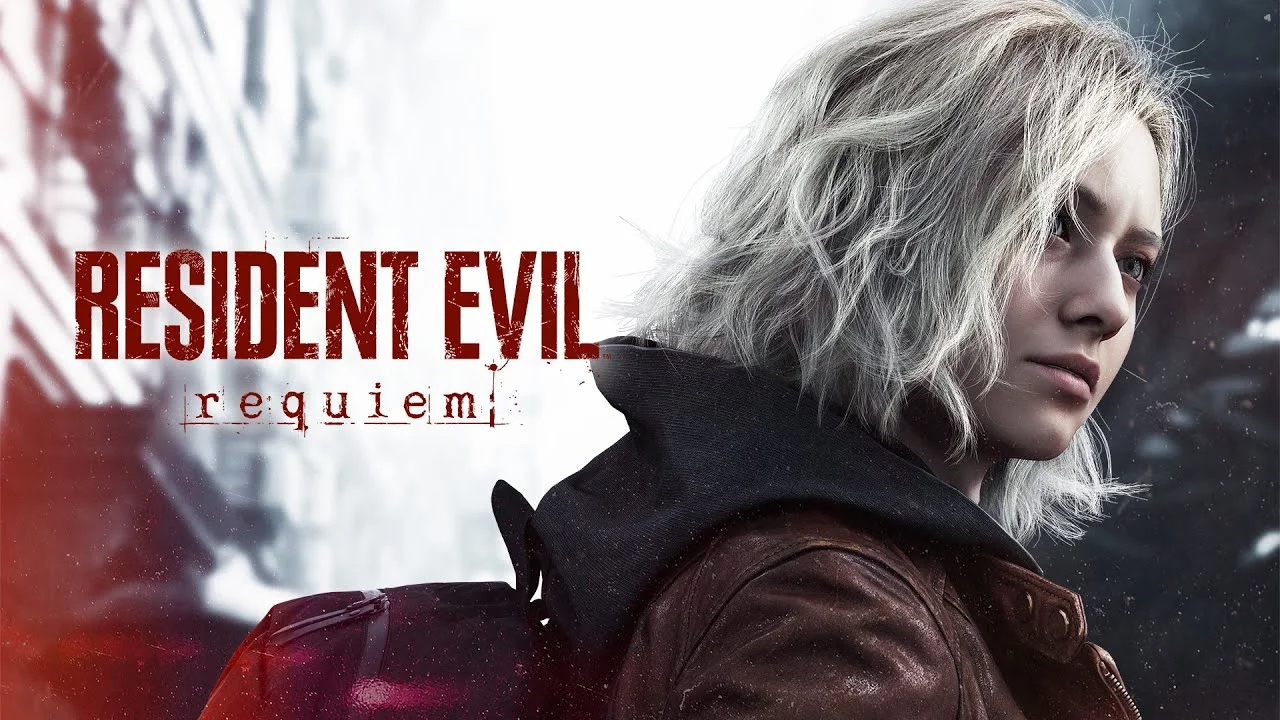
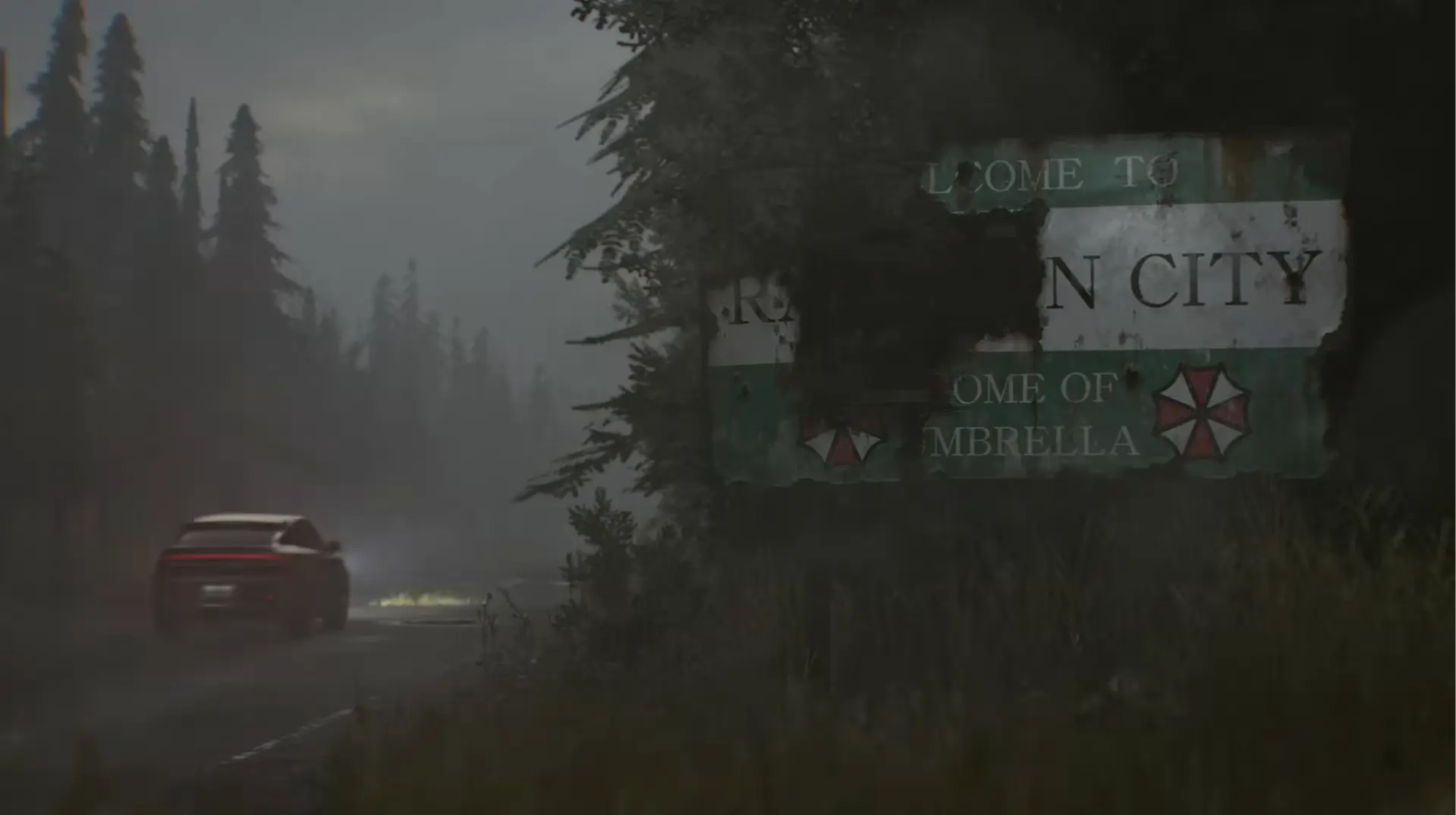
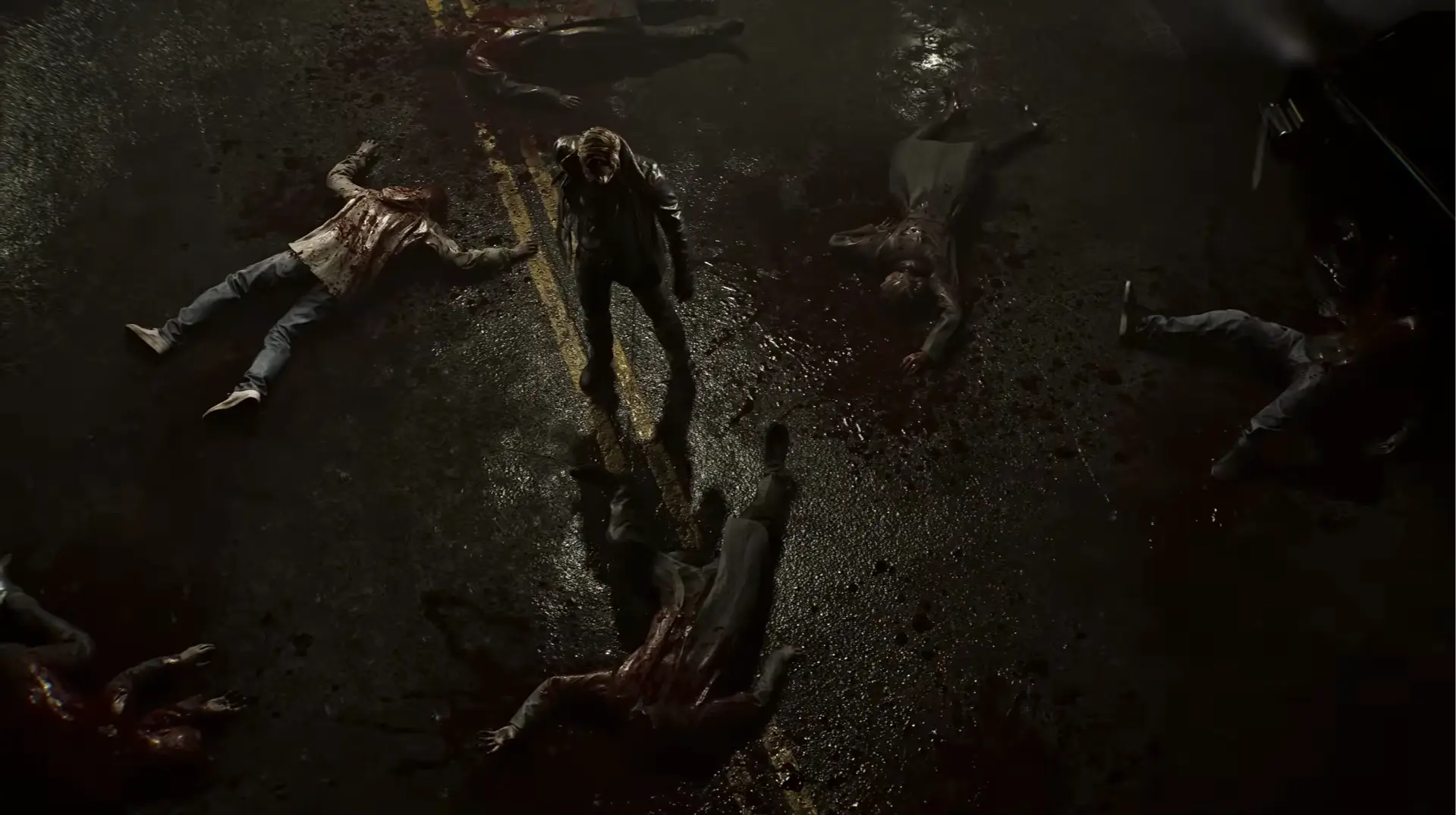
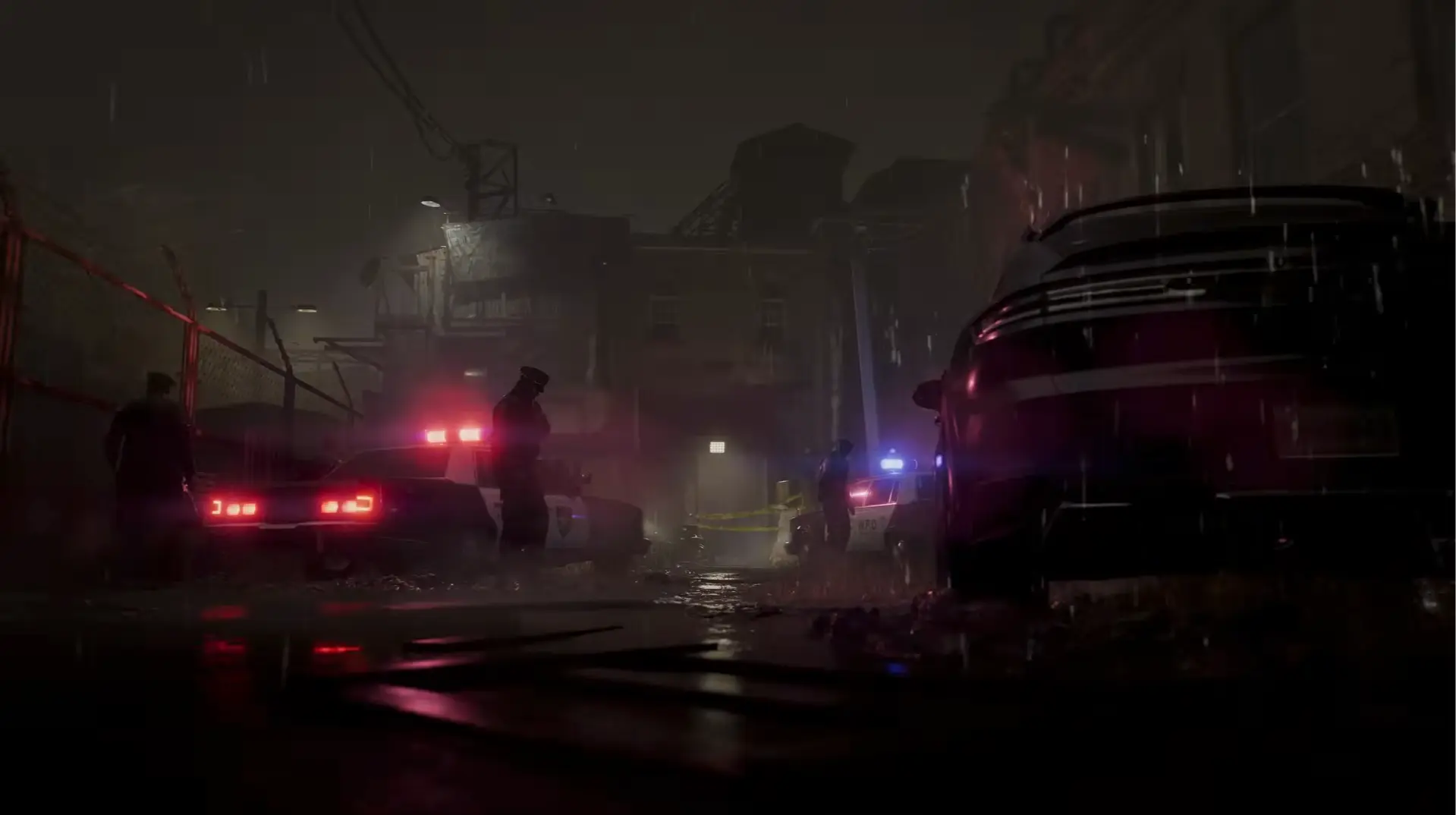
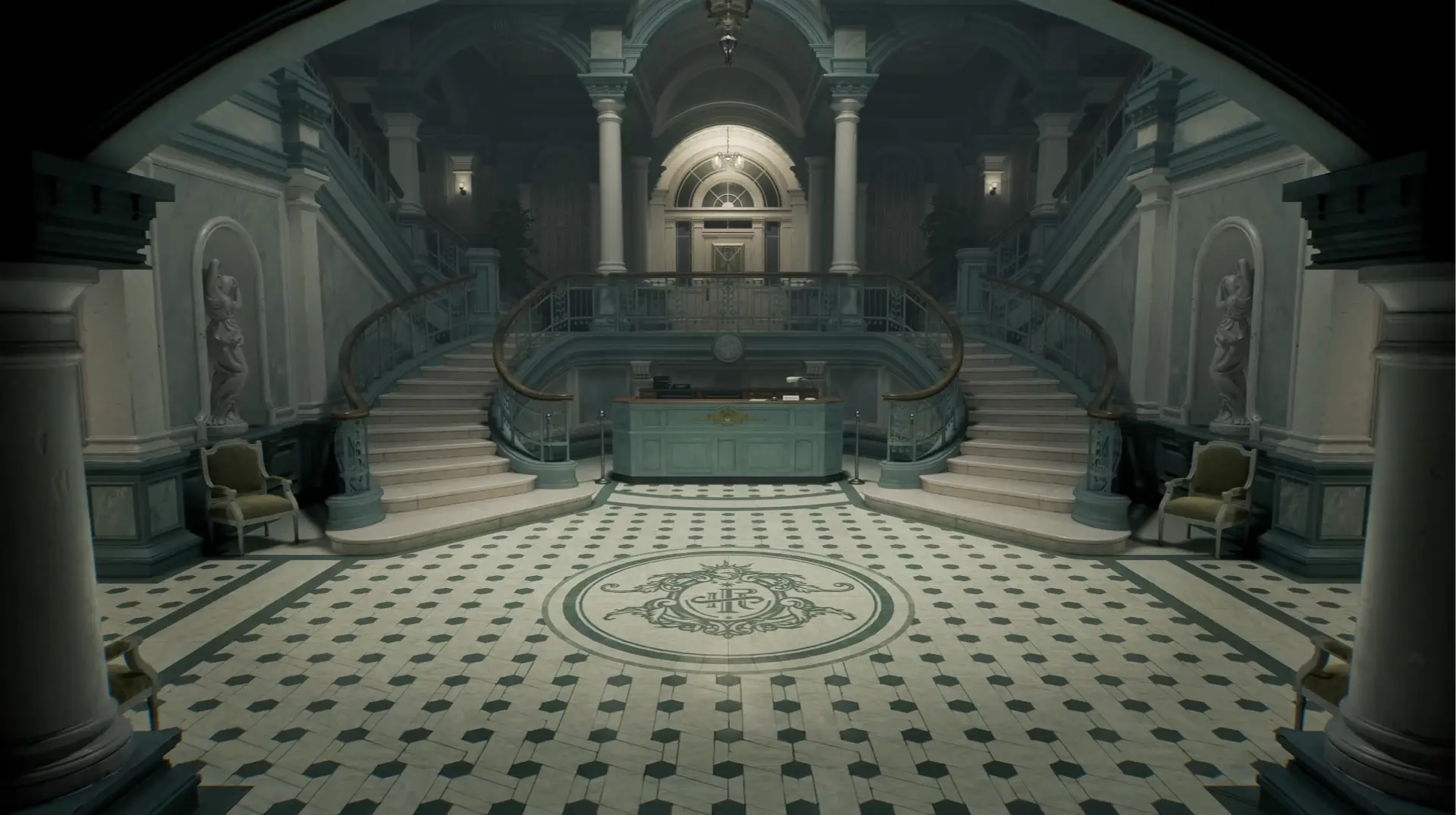
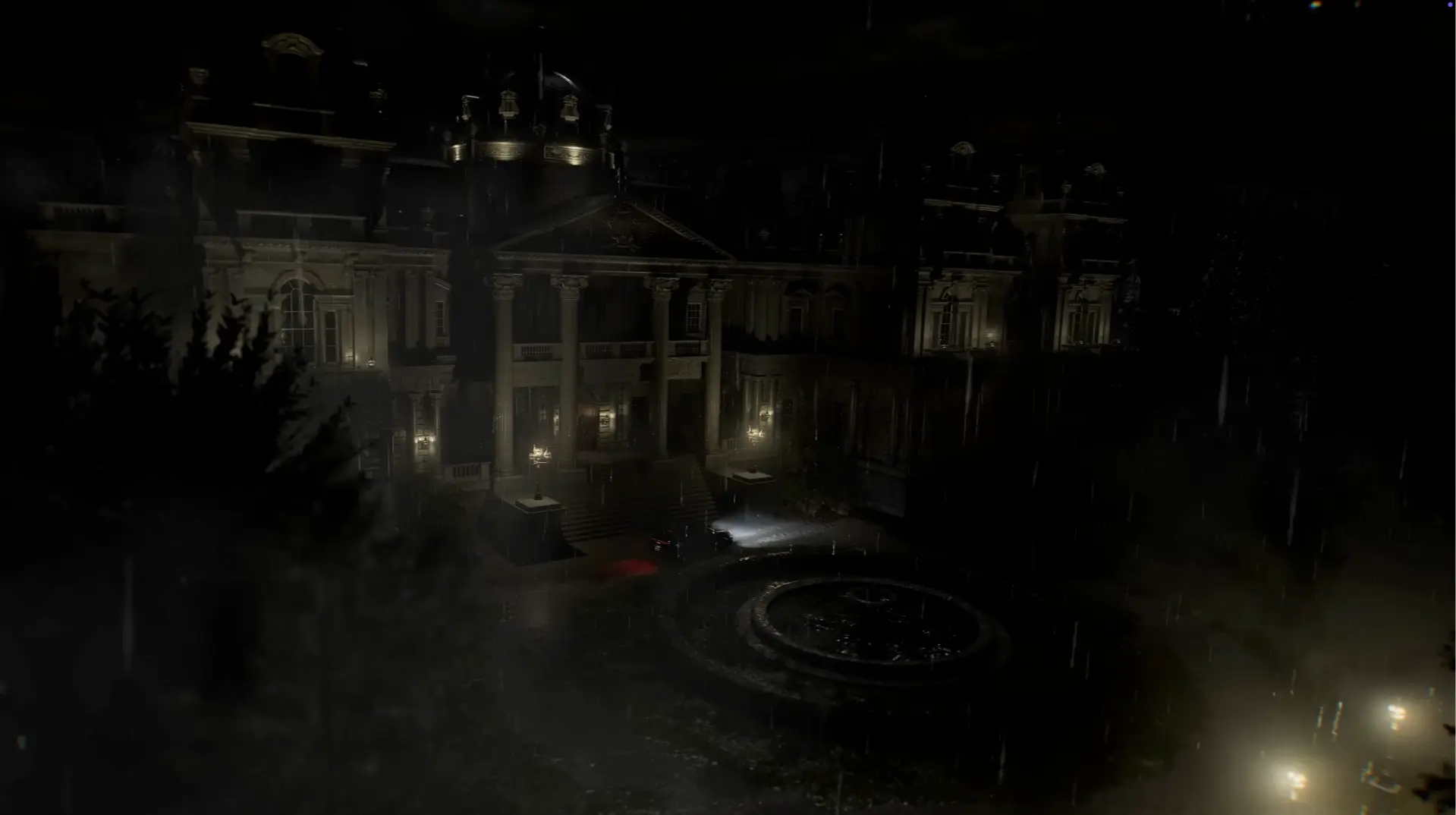
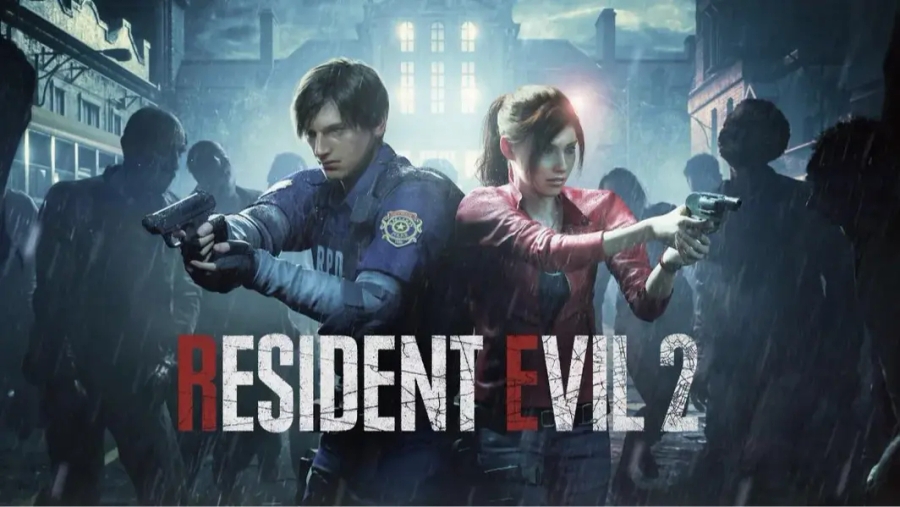
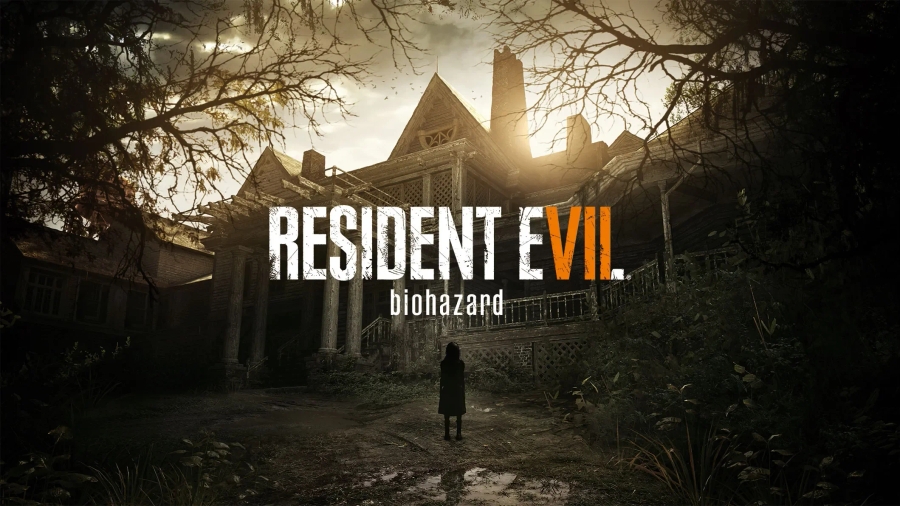
It has been thirty years since the Raccoon City incident changed the geopolitical landscape and the world of gaming forever. For decades, fans have whispered about the ultimate conclusion to the storylines that defined a generation of survival horror. We have seen the rise and fall of Umbrella, the terrifying evolution of bio-organic weapons, and the personal tolls taken on the few who survived. Now, the wait is finally over. Resident Evil Requiem (often styled as Resident Evil 9) isn't just another sequel to throw onto the pile; it is a somber, terrifying, and masterfully crafted homecoming.
Capcom has boldly decided to return to the radioactive ashes of Raccoon City, promising a narrative that closes the book on one of gaming's most iconic heroes. This isn't just about shooting zombies anymore; it is about confronting the legacy of trauma that has festered for three decades. If you thought you knew fear—if you thought you had mastered the art of survival—wait until you step back into the ruins that started it all, guided by a legend who has seen too much and a rookie who knows too little.
About the Game
Resident Evil Requiem marks a significant evolution for the franchise, a confident stride that blends the claustrophobic, psychological horror of Resident Evil 7 with the high-octane, cinematic action of the recent remakes. Set for release in February 2026, this title serves as a bridge between the old guard and the new generation, both narratively and mechanically.
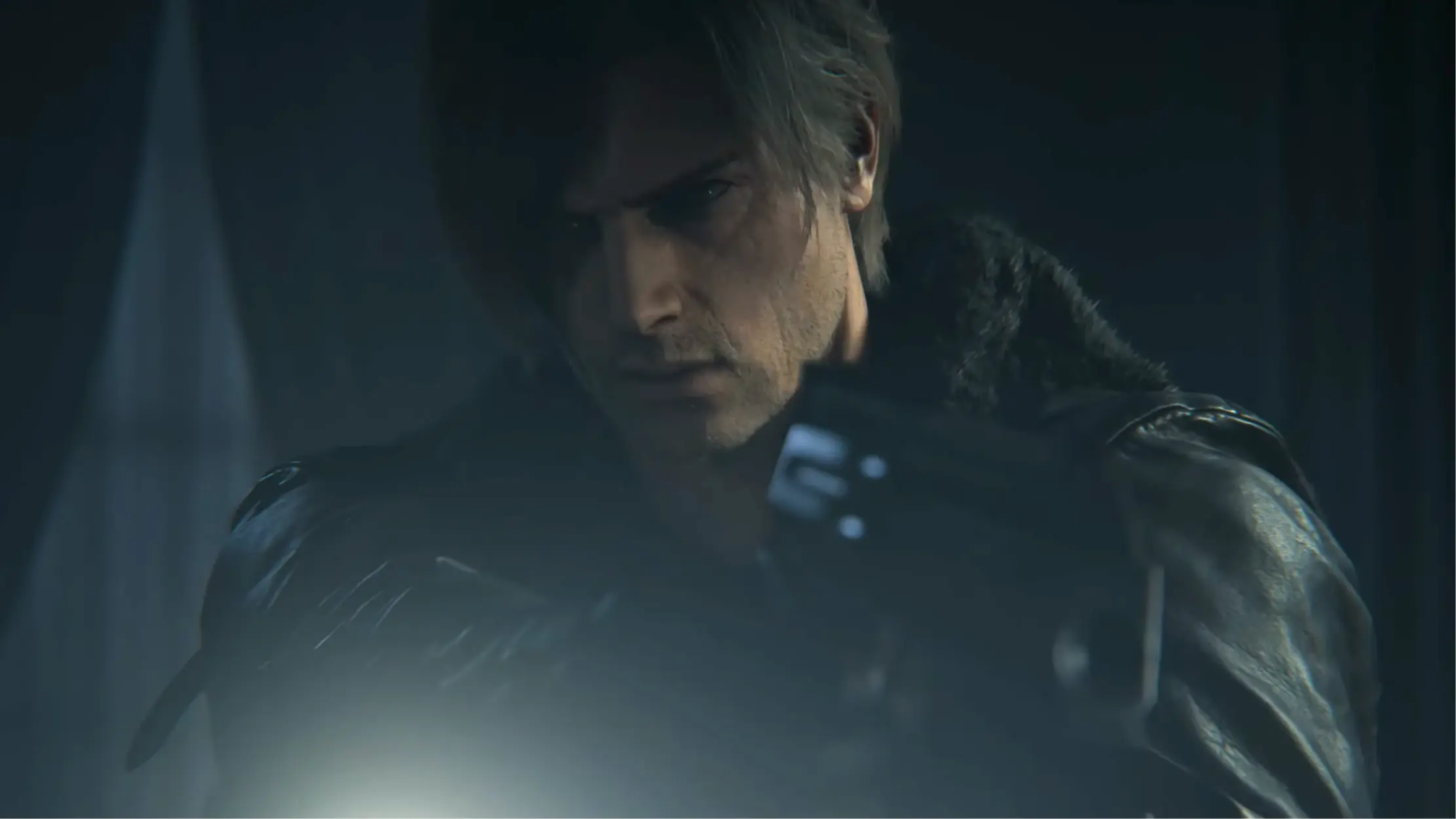
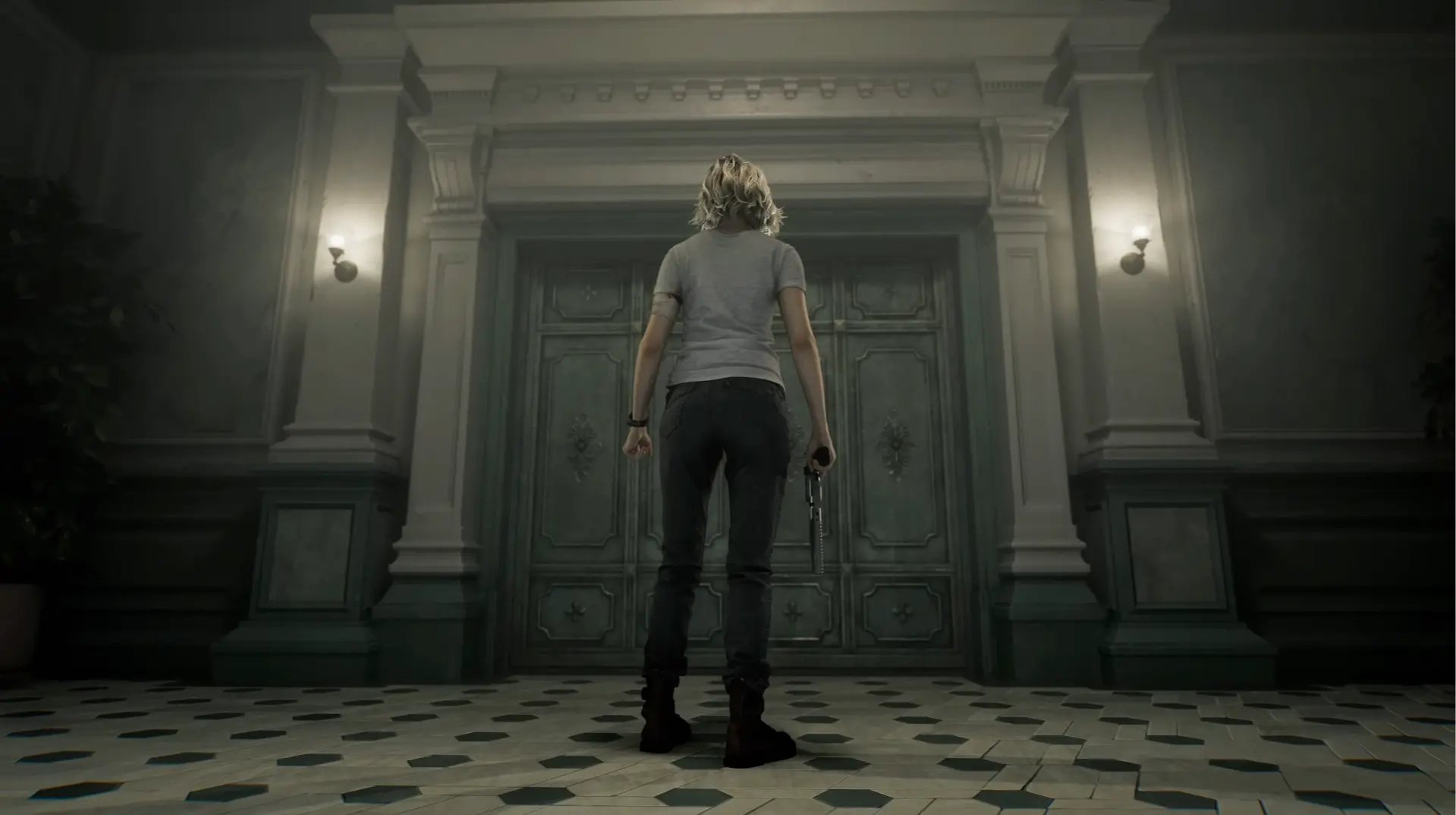
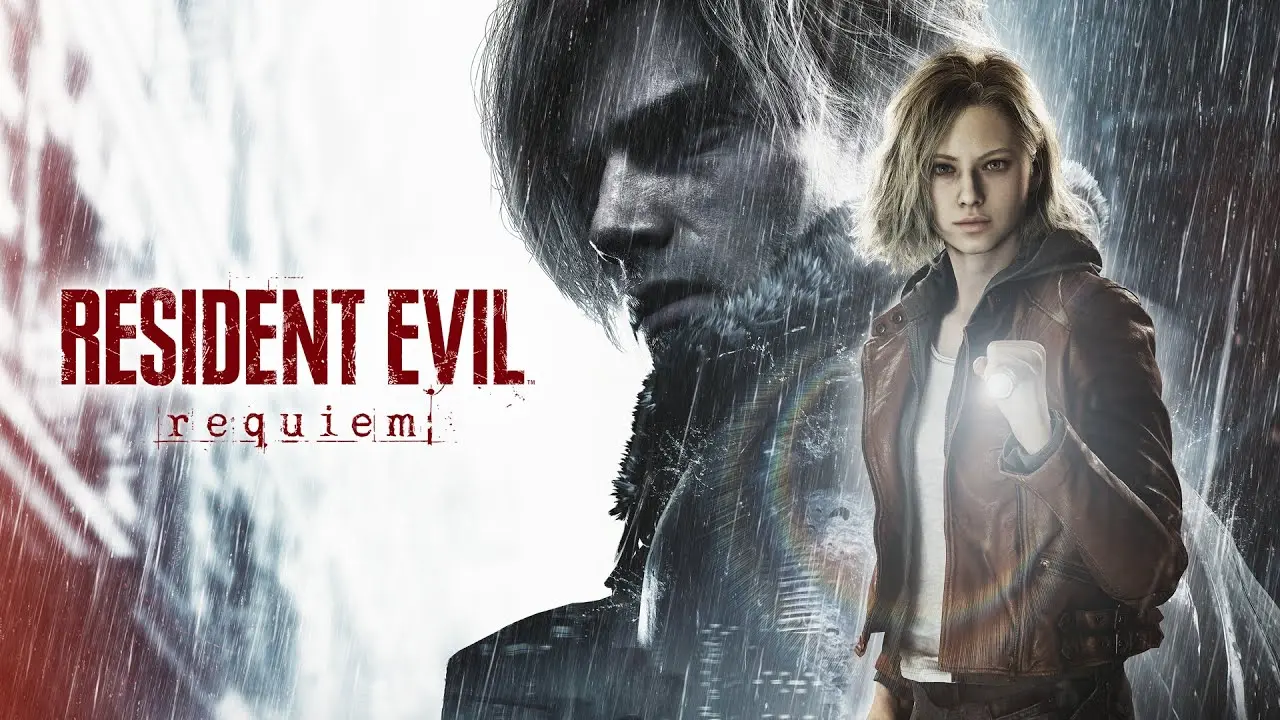
The game introduces a dual-protagonist system that feels entirely distinct from previous entries like Resident Evil 2. You aren't just playing two sides of the same coin or seeing the same events from slightly different angles; you are playing two completely different genres of horror that weave together into a cohesive nightmare. One half of the game casts you as Grace Ashcroft, a rookie FBI analyst with a personal connection to the city's dark past and zero combat experience. The other half puts you in the worn combat boots of Leon S. Kennedy, now in his 50s, grizzled, slower, but more dangerous than ever.
This dichotomy allows Capcom to flex every muscle in their design philosophy. Grace's sections are a masterclass in disempowerment, forcing players to unlearn the confidence they've gained from other action titles. Leon's sections, conversely, are a study in controlled chaos, rewarding precision and tactical aggression. It is a daring structure that pays off, ensuring that the pacing never stagnates.
Story
The narrative premise is a gut-punch for longtime fans, steeped in lore yet accessible enough for newcomers. The story picks up roughly 30 years after the missile strike that supposedly wiped Raccoon City off the map. However, contrary to public knowledge, the ruins were not completely destroyed. Instead, the blast created a quarantine zone, a "no man's land" protected by government embargo and teeming with new, radiation-accelerated biological horrors.
Grace Ashcroft enters the zone illegally, searching for answers regarding the murder of her mother, Alyssa Ashcroft—a nod to Resident Evil Outbreak fans that suggests a deep respect for the franchise's extended universe. Grace is unprepared, vulnerable, and terrified. Her journey is one of discovery and survival, unearthing the conspiracy that the government tried to bury under nuclear fire. Through her eyes, we see the human cost of the tragedy, finding journals of those left behind and witnessing the environmental storytelling of a city frozen in time.
Then there is Leon. He isn't here by accident. Rumored to be the final chapter in his personal trilogy, Leon's return is heavy with the weight of his past. He is sent in on a black-ops mission to retrieve Grace, but he finds himself confronting the physical and psychological ghosts of his youth. The villain, a mysterious and sophisticated figure named Victor Gideon, seems to hold the keys to a new virus—the "Requiem Strain"—that thrives in the radiation. Gideon challenges Leon not just physically, but morally, forcing him to question if the world he spent his life saving was worth the price of his soul.
Gameplay
The gameplay in Requiem is a masterclass in pacing, utilizing a dynamic "Fear Engine" that adjusts the game's intensity based on your playstyle.
Grace's sections are pure survival horror in its most distilled form. Ammo is non-existent. You are not a soldier; you are an investigator. Her gameplay loop revolves around stealth, distraction, and solving intricate environmental puzzles that require reading files and piecing together clues from the environment. The tension in these segments is palpable; you feel small and helpless against the monstrosities stalking the ruins. A new "Heart Rate" mechanic requires you to manage Grace's panic; if she gets too scared, her vision blurs, her breathing becomes loud enough to attract enemies, and her hands shake, making interactions difficult.
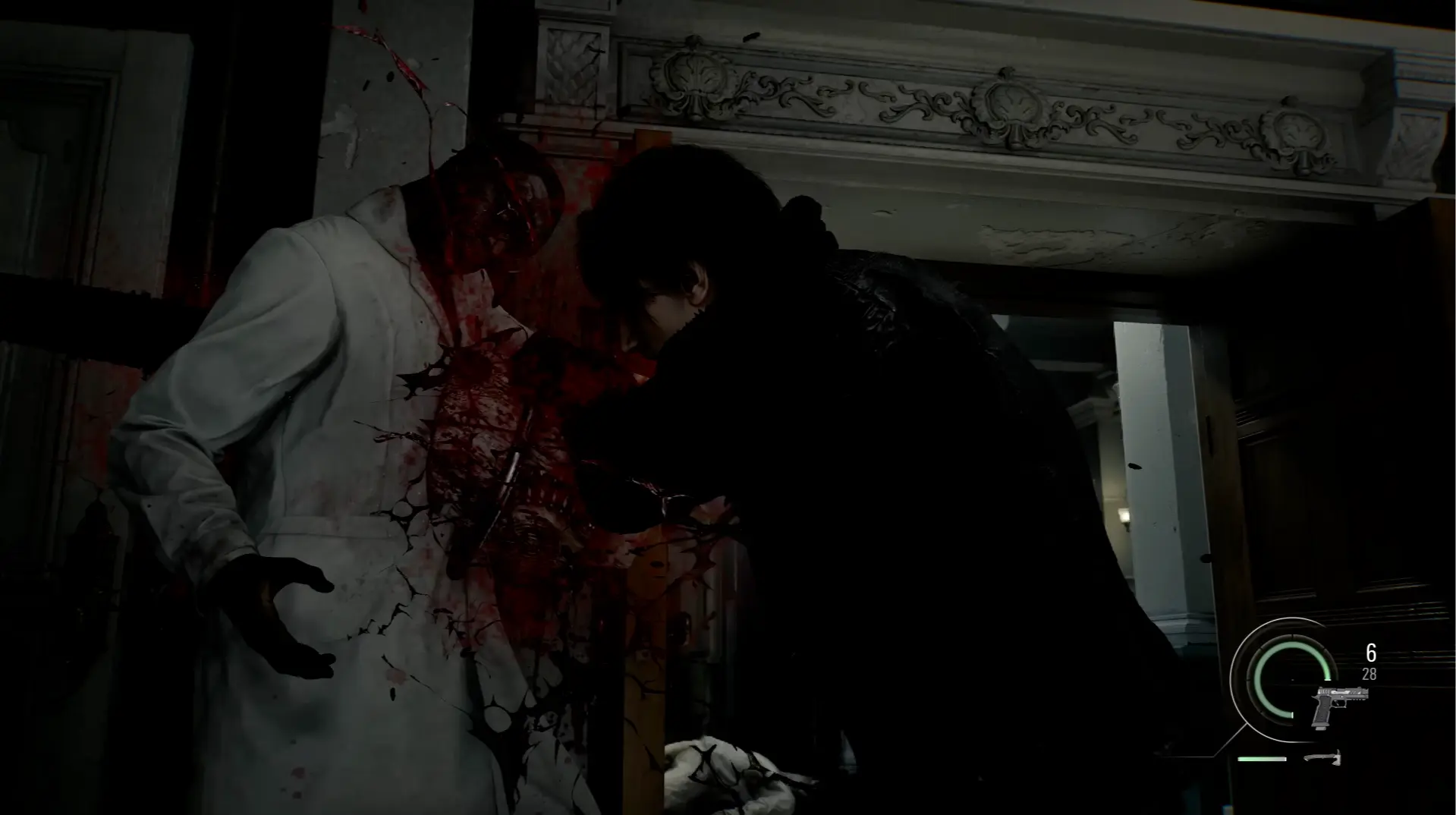
Conversely, Leon's sections are a cathartic release of tension, though they are far from easy. Capcom has refined the third-person combat to a razor's edge. Leon moves with the efficiency of a lifetime soldier, but he also moves with the weight of age. He isn't flipping through laser grids anymore. His movements are grounded, heavy, and impactful. He has access to a wider arsenal and new CQC (Close Quarters Combat) moves that allow him to parry and counter attacks with brutal precision.
Recent trailers even showed him wielding a chainsaw against enemies, turning the tables on a classic trope. The "Dismemberment System" is back and more detailed than ever, allowing players to strategically cripple enemies to manage crowd control. However, resources are still limited. You must craft ammunition, manage the durability of your melee weapons, and decide when to fight and when to retreat. The contrast between Grace's vulnerability and Leon's lethality creates a dynamic rhythm that keeps the player constantly engaged, swinging from sheer terror to adrenaline-fueled action.
Atmosphere & Themes
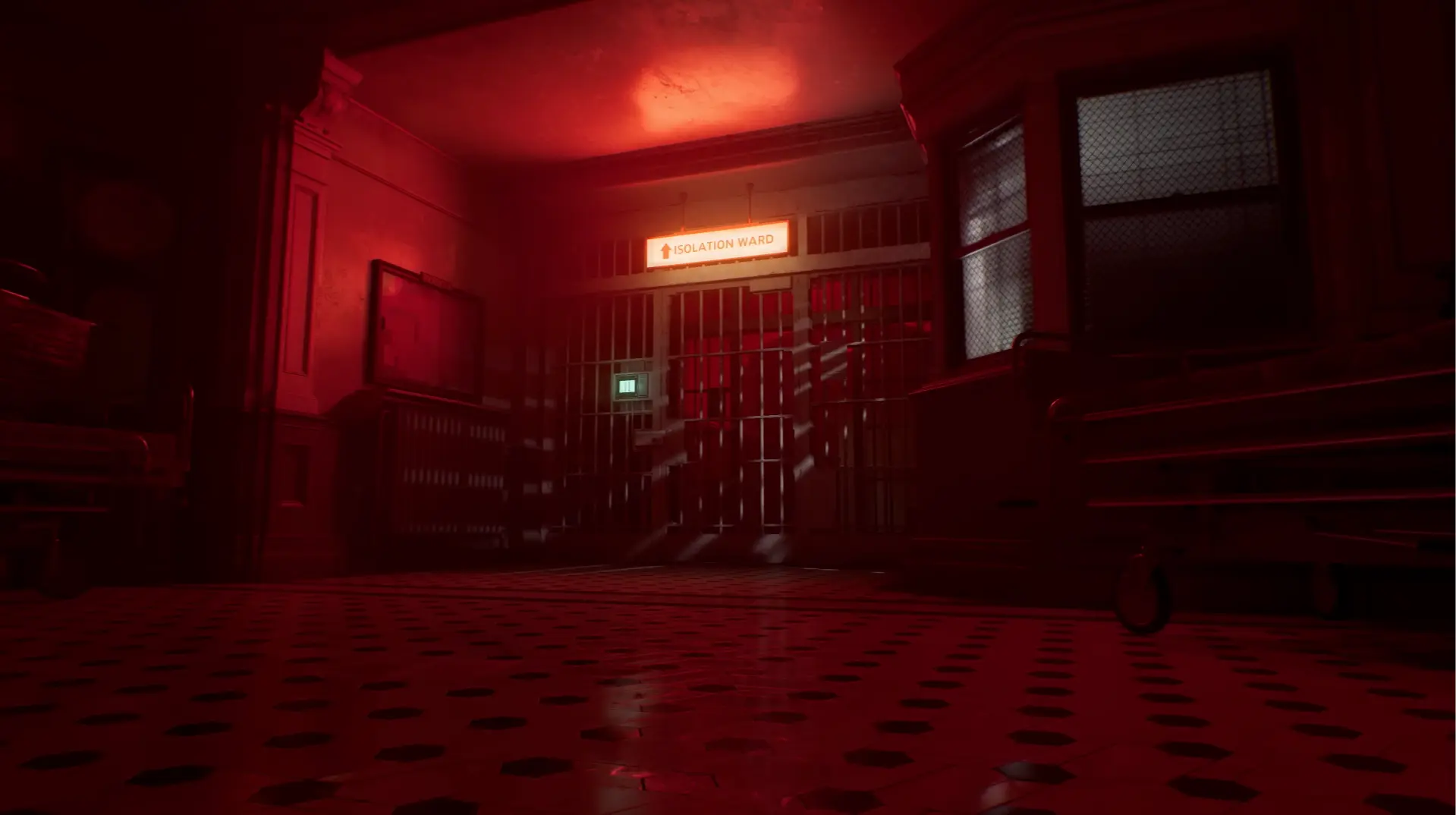
Returning to Raccoon City allows for an atmosphere that is thick with nostalgia and decay. The RE Engine Apex (the latest iteration of their tech) flexes its muscles here, rendering wet, crumbling concrete, rusted metal, and mutated flora with sickening realism. The lighting is particularly noteworthy; the game utilizes full ray-tracing to create shadows that feel oppressive and heavy. The way your flashlight cuts through the radioactive fog is both beautiful and inducing of claustrophobia, hiding threats just inches from your face.
The sound design is equally oppressive. The use of binaural audio means playing with headphones is almost mandatory. You can hear the wet slaps of footsteps on the ceiling, the distant groans of the city settling, and the guttural breathing of things that should be dead.
Thematically, the game deals heavily with legacy, trauma, and the concept of "letting go." It asks what happens to the survivors when the fighting stops. For Grace, it is about uncovering a legacy she never wanted and understanding the mother she lost. For Leon, it is a requiem—a final song for a soldier who has been fighting the same war for thirty years. It explores the idea that you can leave the battlefield, but the battlefield never leaves you. The audio design mirrors this, moving from quiet, eerie ambient tracks in Grace's sections to pounding, industrial synths during Leon's combat encounters, reminiscent of the industrial decline of the city itself.
Conclusion
Resident Evil Requiem is shaping up to be the definitive survival horror experience of the generation. It honors the past without being shackled by it, offering a fresh perspective through Grace while giving fans the Leon S. Kennedy encore they have been begging for. It is a game that understands that horror is not just about jump scares; it is about atmosphere, tension, and the emotional stakes of survival.
This isn't just a game; it is an event. It is a farewell to an era and a bold step into the future of the franchise. Whether you are here for the scares, the visceral action, or just to see Leon one last time, Requiem demands your attention. Prepare yourself—going back to Raccoon City might be the hardest, and most rewarding, thing you've ever done in a horror game.