Welcome to a nightmare from which waking is impossible. Junji Ito Maniac: An Infinite Gaol plunges the player into the deep, indescribable dread of the legendary horror mangaka's universe. This is not a title about power fantasies or triumphant victories; it is a desperate, first-person scramble for survival in a world that fundamentally wants the protagonist broken. It represents a bold attempt to translate the specific, cerebral terror of Ito's panels—where the horror lies in the inevitability of the grotesque—into an interactive medium.
About the Game
Developed by SOFTSTAR ENTERTAINMENT and released on November 11, 2025, An Infinite Gaol serves as a bridge between the passive horror of the Netflix anime series "Junji Ito Maniac" and the active terror of survival gaming. It bravely attempts to translate Ito's signature style—a horror that relies on obsession, inescapable fate, and grotesque body imagery—into a digital space. The design philosophy strips the player of all agency, forcing a game of hide-and-seek where the protagonist is always the prey. This experience is not about fighting monsters; it is about enduring them and the madness they bring.
The Story: A Prison of Flesh and Mind
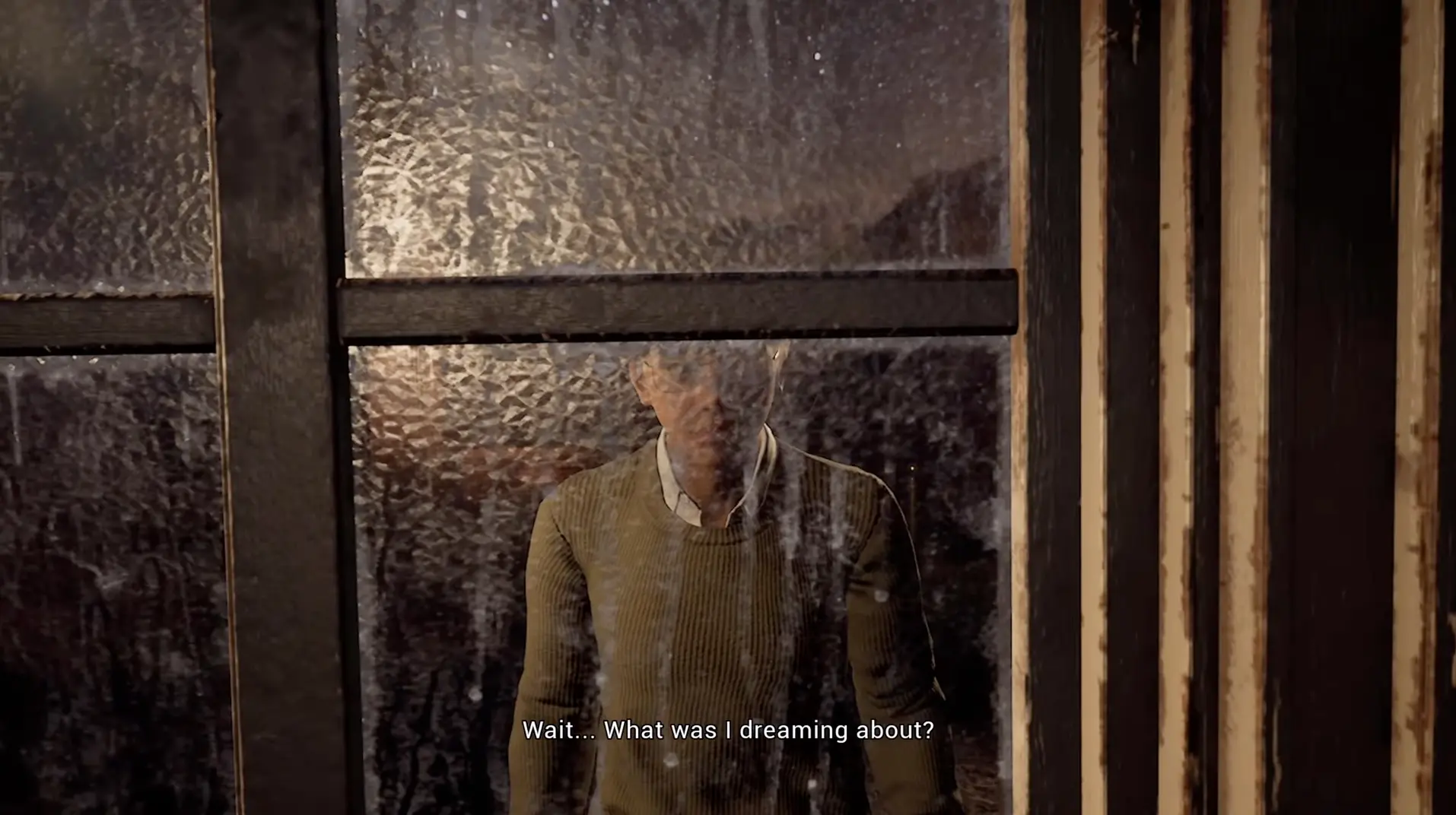
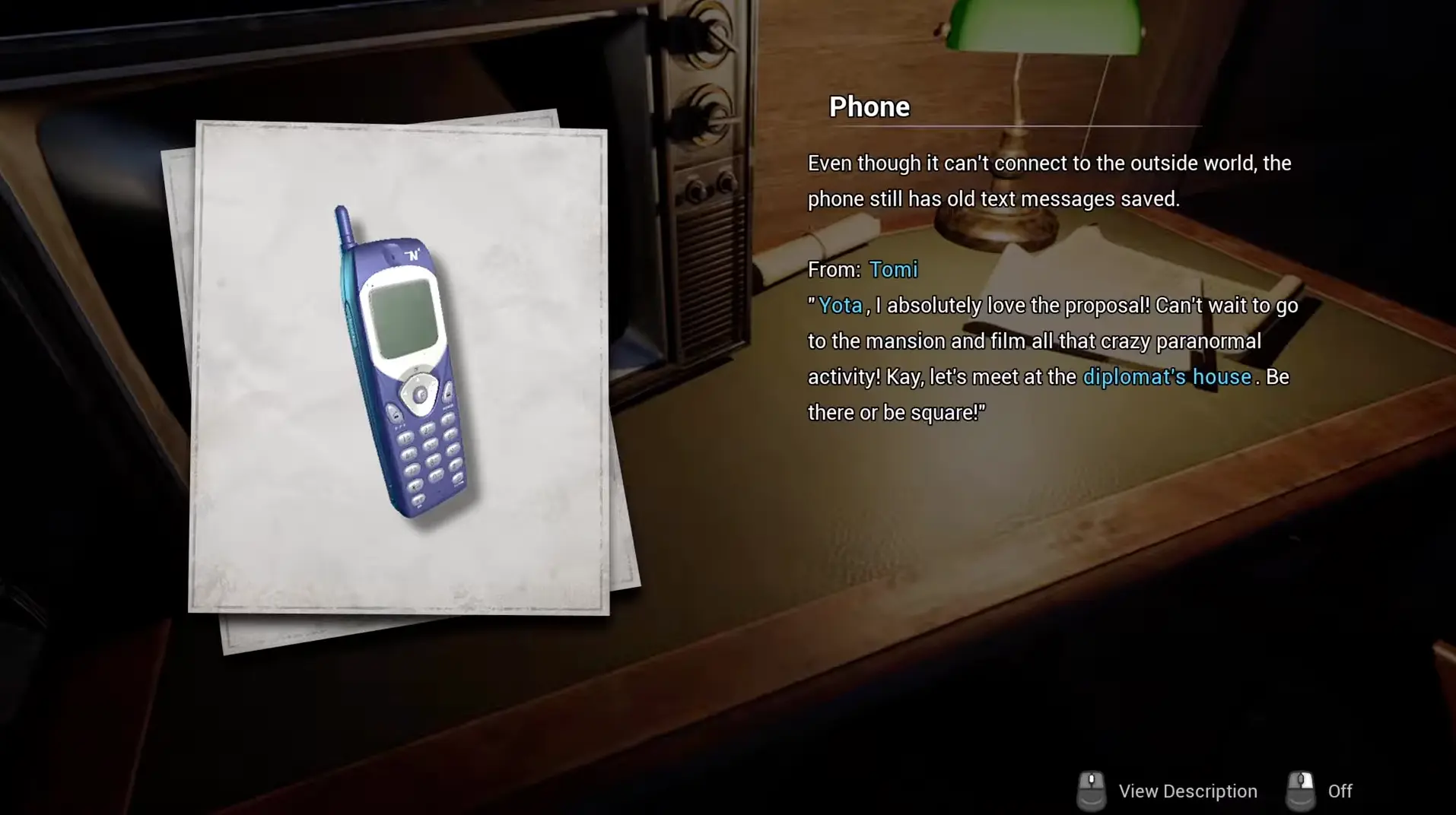
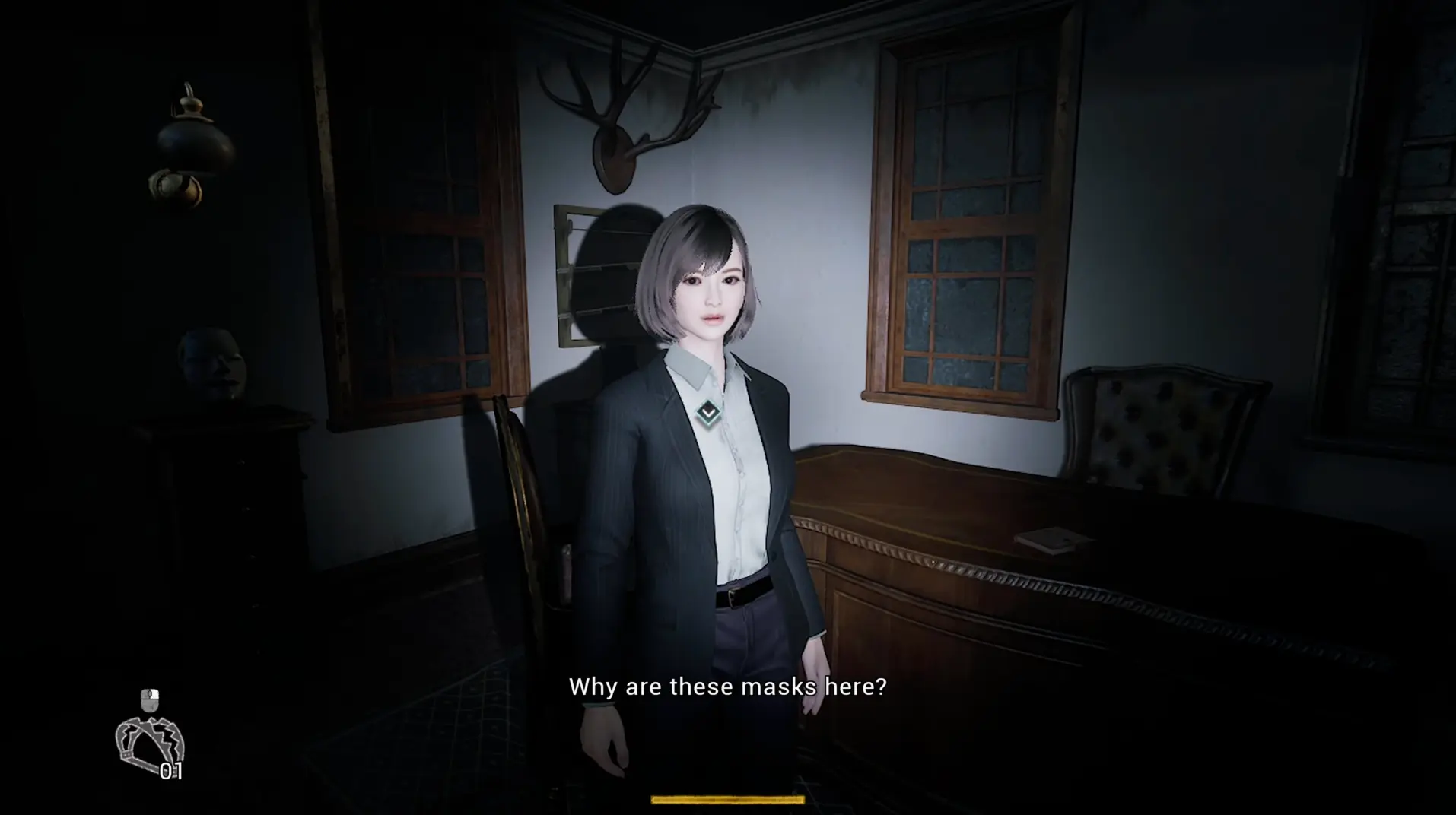
The narrative begins with a gasp on the cold, wooden floor of a sprawling, Western-style mansion. The air is stale, thick with dust and a faint, metallic tang. The protagonist is Yota Takahashi, a college student, though this fact is only known because a broken smartphone in his pocket says so. Memory is a total void, a black hole where identity and past should be. He is not alone. Soon, two other 'guests' are met in this impossible place, each harboring their own fractured memories and creeping paranoia.
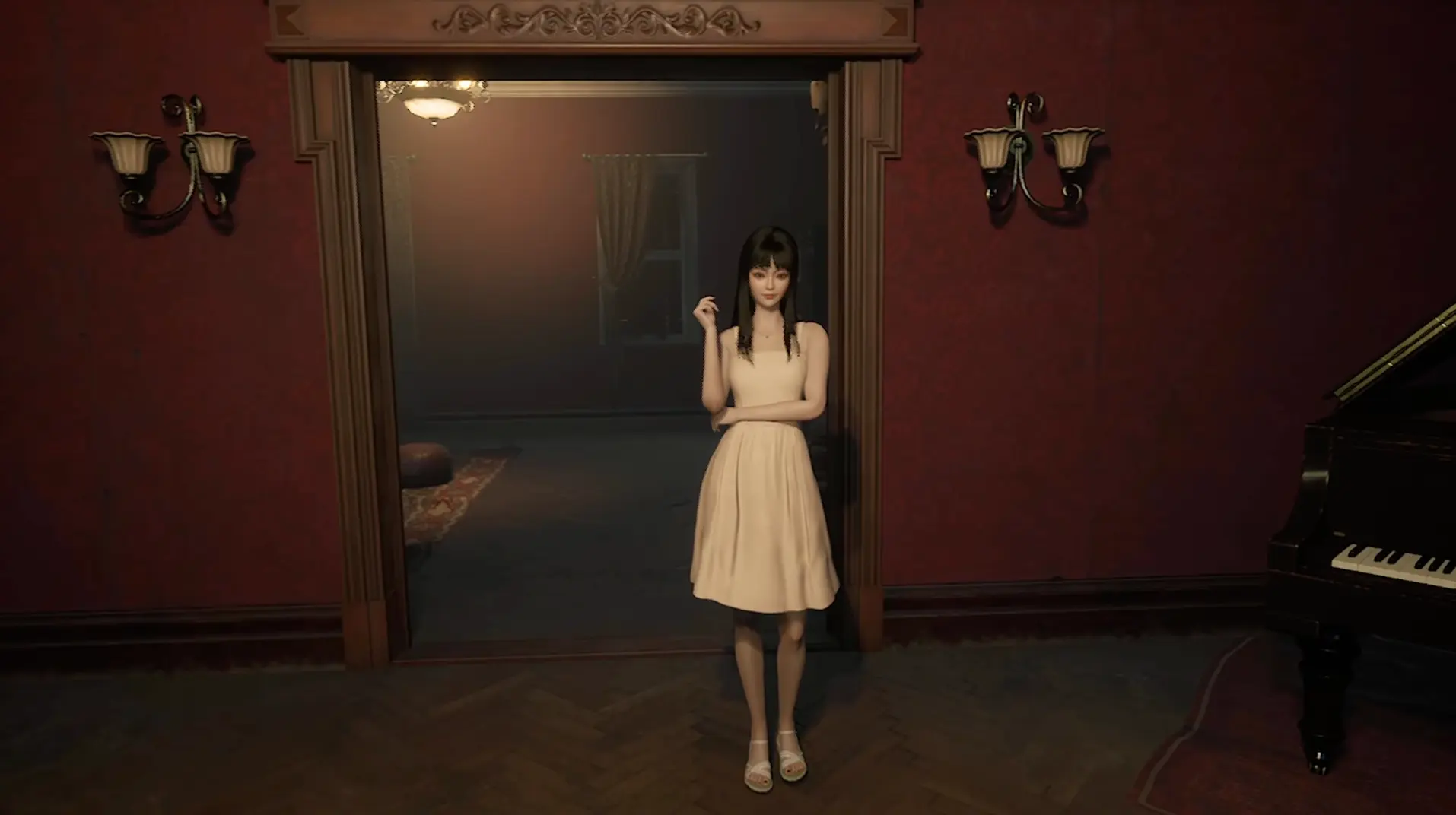
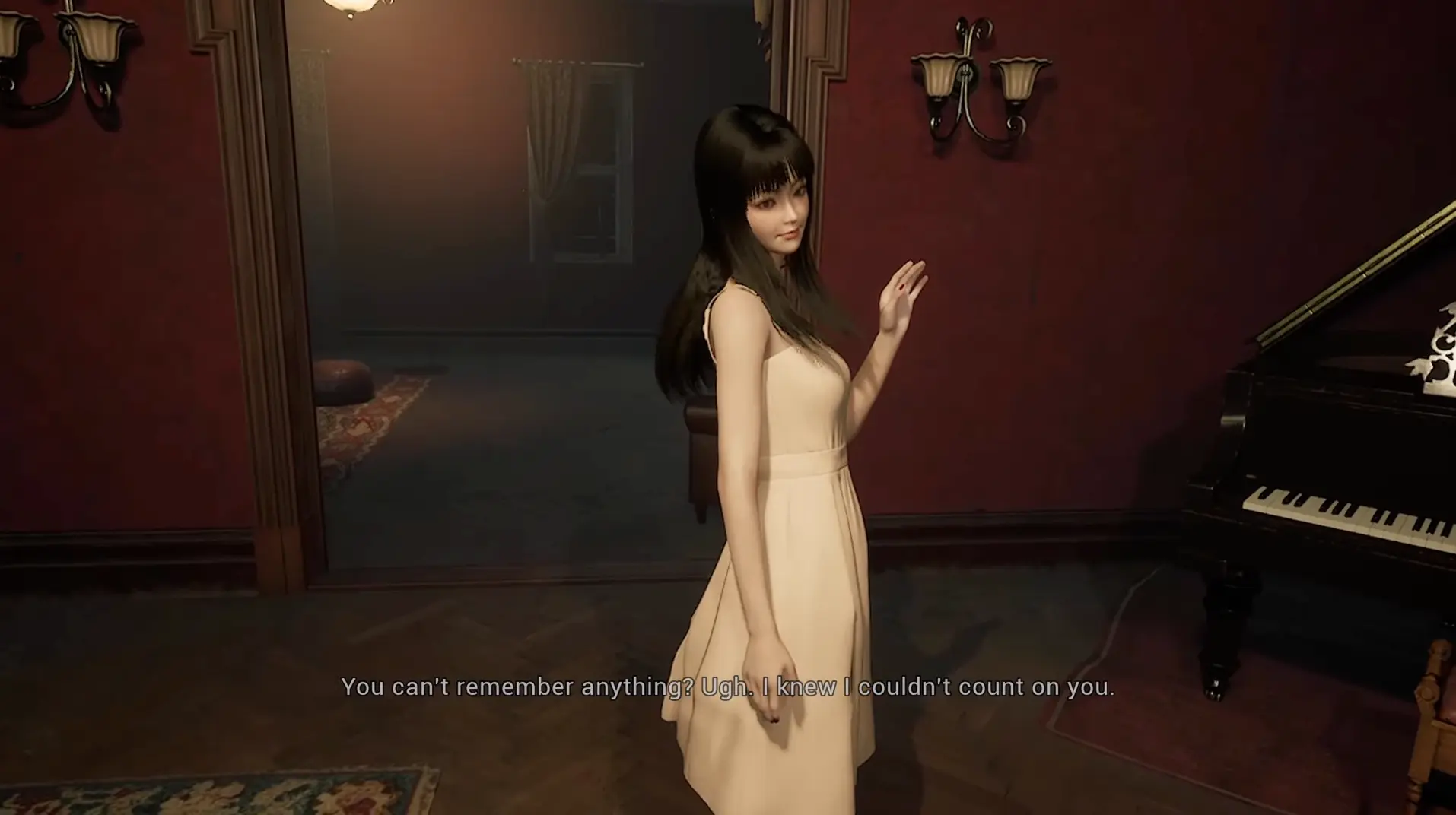
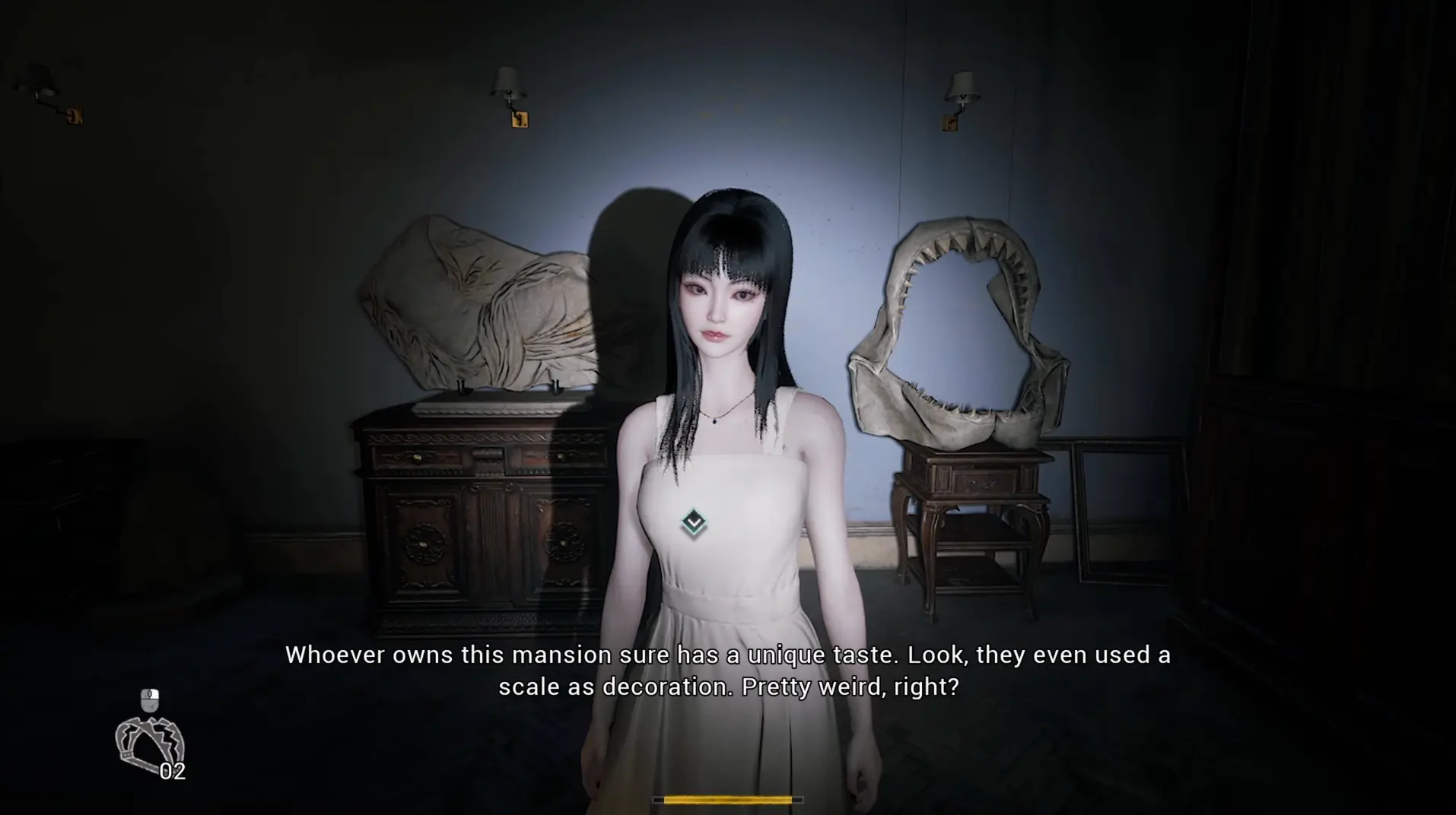
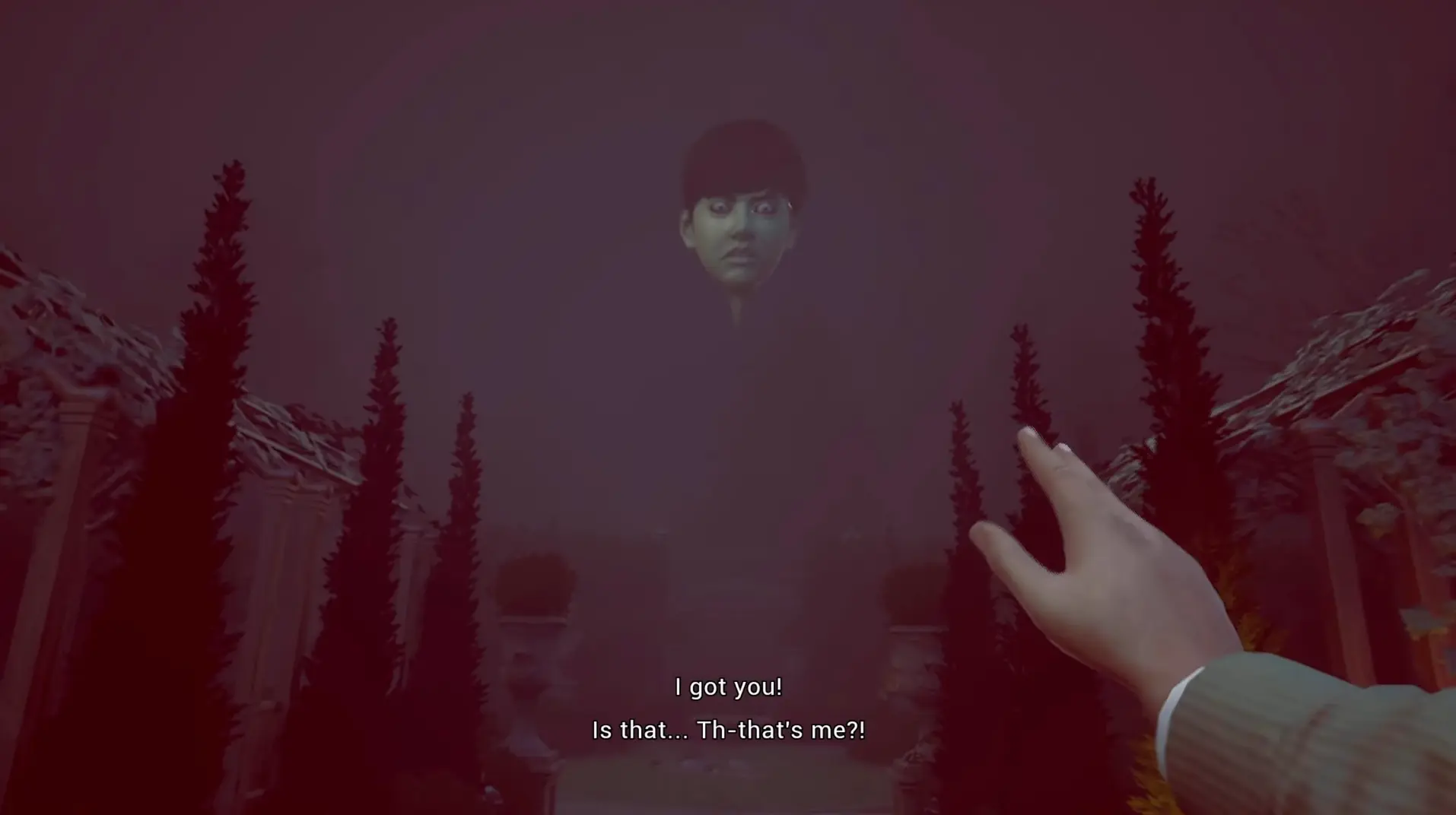
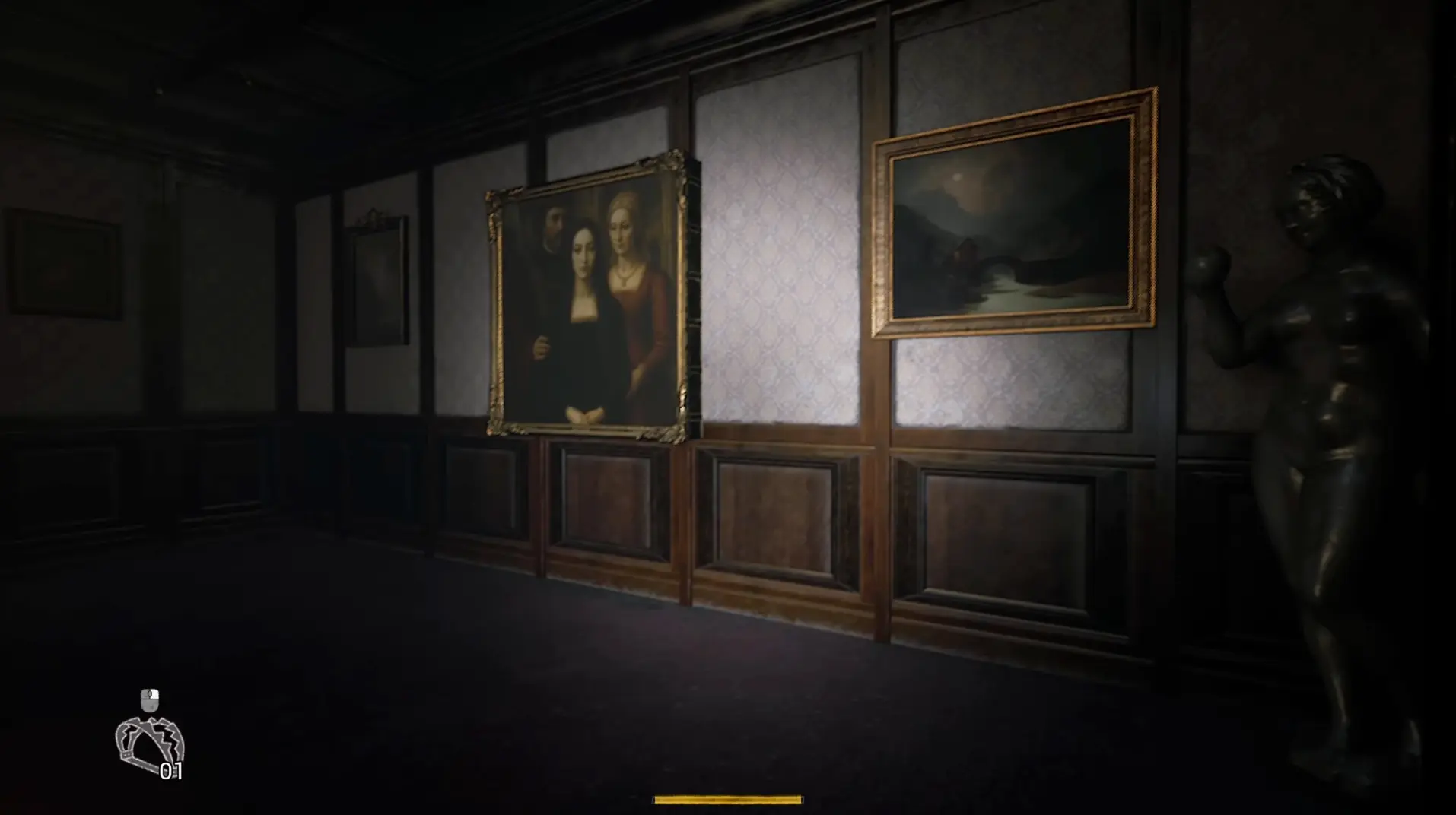
The mansion is not just a building; it is a prison, a non-Euclidean maze of impossible geometry, shifting hallways, and grotesque art that seems to watch the inhabitants. The goal is simple yet feels insurmountable: escape. To do so, the fragmented narrative must be pieced together by finding notes, witnessing spectral visions, and solving the house's dark riddles. The story is a mystery told through an amnesiac's lens, forcing the question of identity, the origin of arrival, and whether the 'monsters' patrolling the halls are any more dangerous than the ones lurking in the missing memories. The narrative heavily features iconic figures and themes from Ito's work, including the chilling presence of Tomie and the visual horror of the Hanging Balloons, creating a tapestry of dread for fans to unravel.
Gameplay: The Art of Helplessness
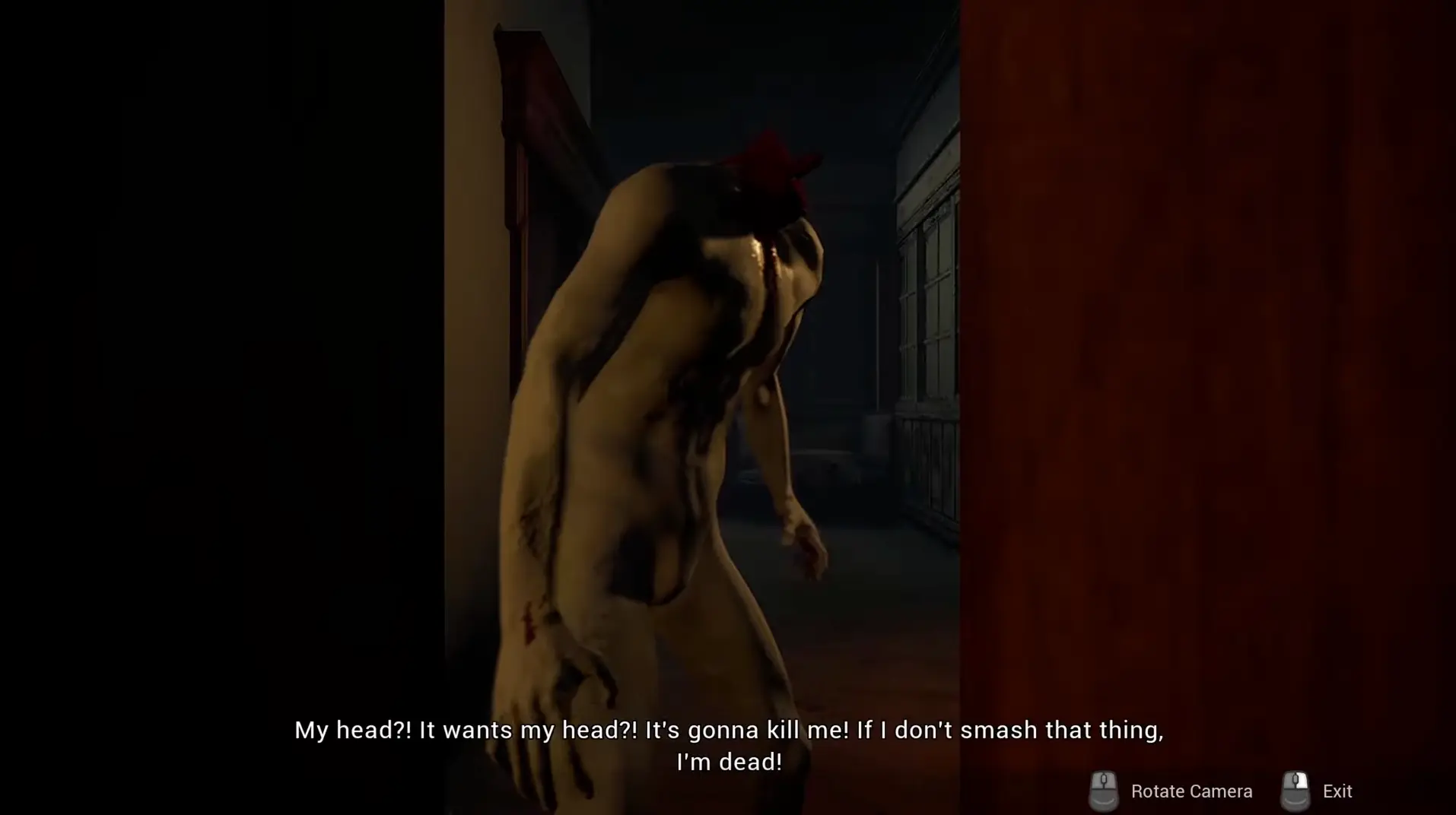
An Infinite Gaol's gameplay is built on a single, terrifying pillar: the player is completely powerless. The core loop is a tense, agonizing cycle of exploration, puzzle-solving, and frantic flight. There is no combat, no parry, no way to fight back. The only tools available are wits, feet, and the ability to hold breath. The primary antagonists are the Hunters—grotesque manifestations of Ito's imagination, from the iconic Headless Statue to other shambling, twisted humanoids.
The stealth system is the only defense. Crouching behind furniture, slipping into closets, and peeking around corners becomes mandatory survival behavior. Timing movements to the patrols of these horrors is critical. If spotted, the chase sequences kick in. The stamina bar is punishingly short, a design choice meant to amplify panic. A monster cannot be outrun for long; a few desperate seconds of sprinting are allowed to break line of sight and find a new hiding spot. This makes every encounter a heart-pounding, breathless scramble that often ends in a brutal 'game over' screen if a single mistake is made.
The mansion itself operates as one giant escape room. Progression requires finding key items, deciphering cryptic clues, and solving intricate environmental puzzles. These range from simple 'find the key' objectives to complex, multi-stage riddles that require observing the environment, cross-referencing notes, and understanding the mansion's twisted logic. The game's non-linear design and branching paths lead to multiple endings, all dependent on the clues uncovered and the choices made under pressure, adding a significant layer of replayability for those who can stomach the terror.
Atmosphere & Themes: Living in an Ito Panel
This is where An Infinite Gaol truly succeeds. The developers' reverence for the source material is evident in every frame. The game's art direction is its strongest feature, a disturbing and beautiful love letter to Junji Ito's aesthetic. The mansion is a masterpiece of decaying opulence, with lighting used to create deep, terrifying shadows and an overwhelming sense of claustrophobia. The character models and monsters look as if they were ripped directly from the manga, capturing that wide-eyed, on-the-verge-of-madness look that defines Ito's victims.
The sound design is a masterclass in tension. The game is often unnervingly quiet, forcing the player to listen to their own frantic heartbeat, the creak of the floorboards, and the distant, wet footsteps of a Hunter. When the score does swell during a chase, it is a chaotic, screeching string section designed to spike adrenaline. The entire experience is built to keep the player permanently on edge.
Finally, the game explores Ito's signature themes: obsession, inescapable fate, and the profound horror of the human form and mind. It is a game about paranoia, about not being able to trust one's own senses or even memories. It is an imperfect, often clunky, but undeniably passionate and terrifying experiment in interactive horror.