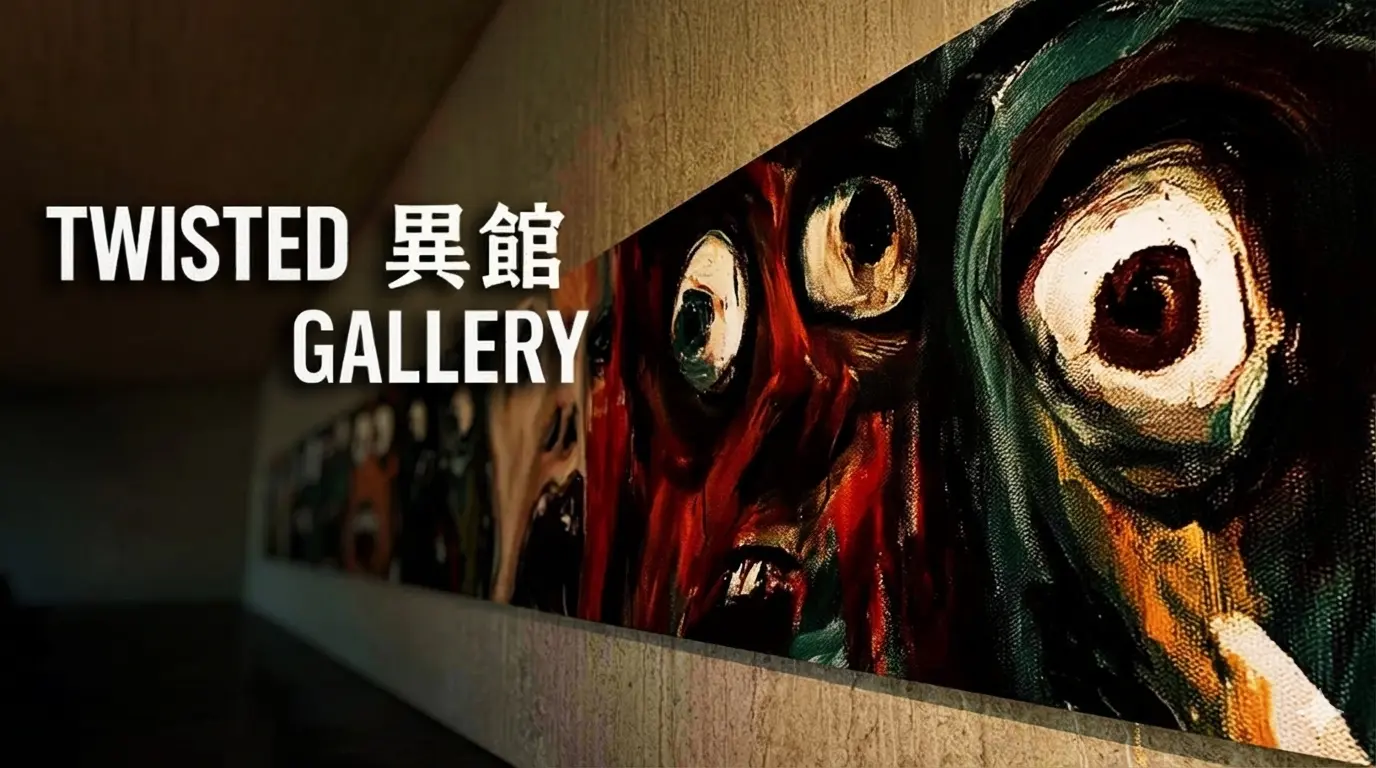
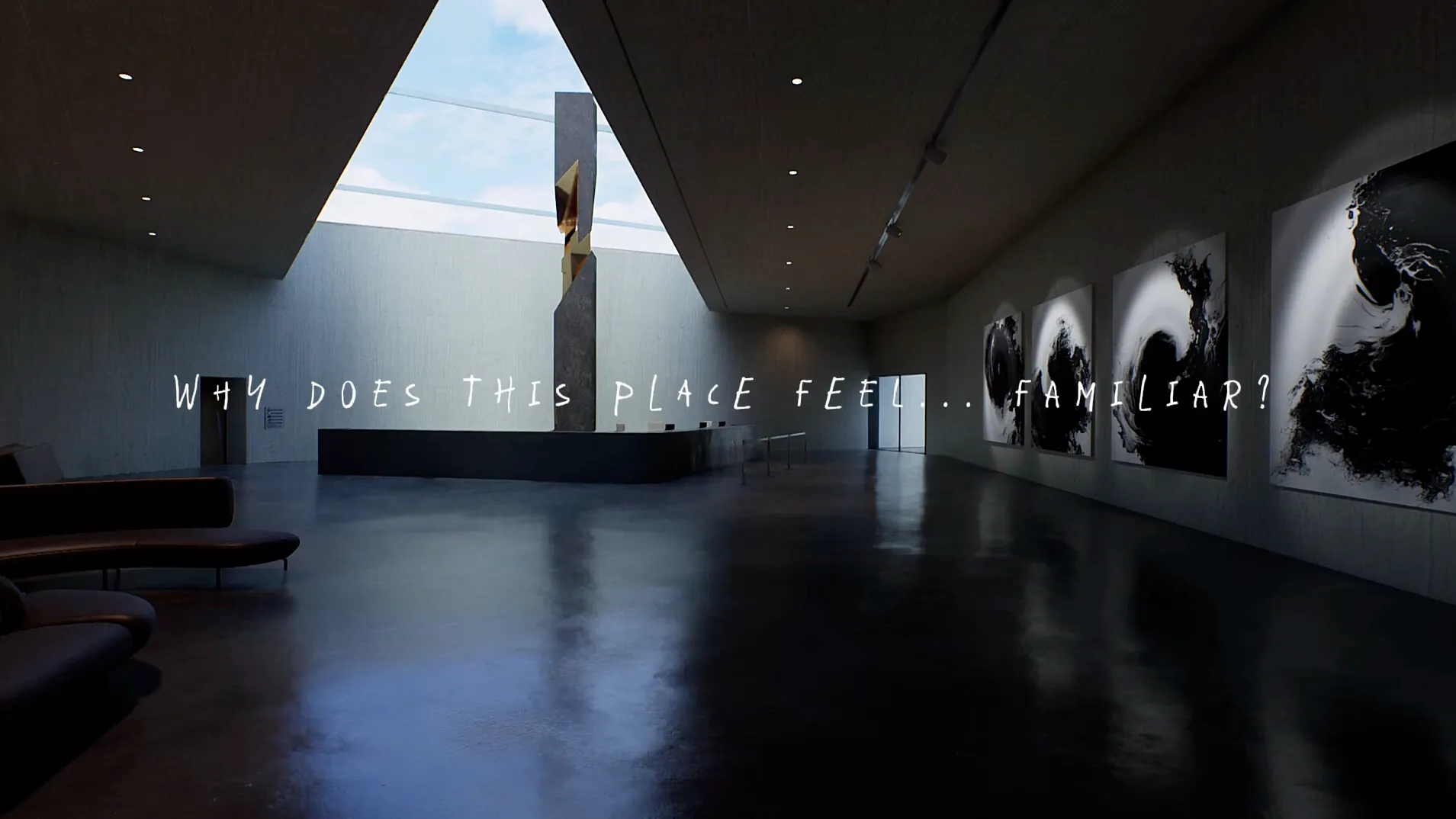
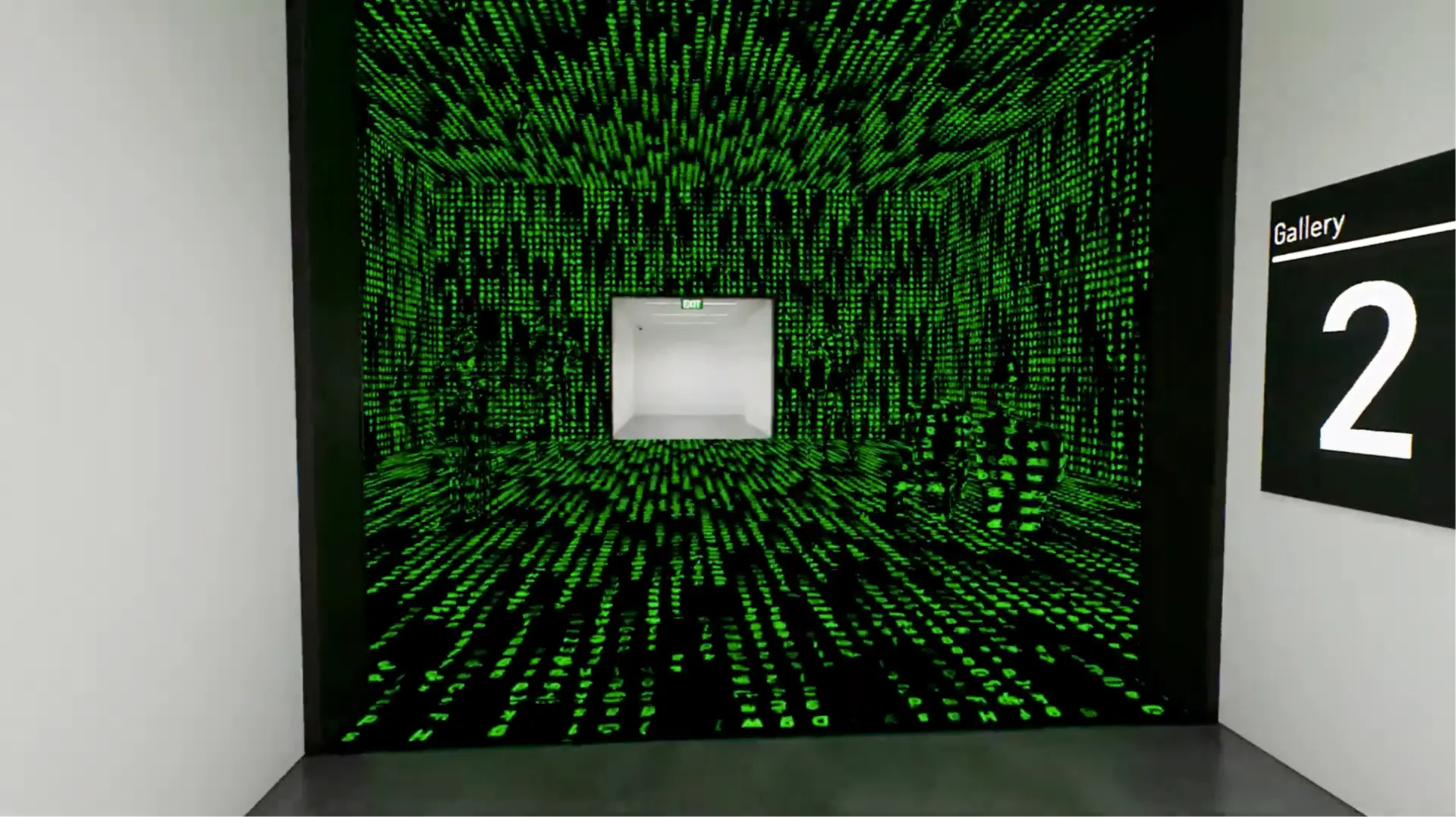
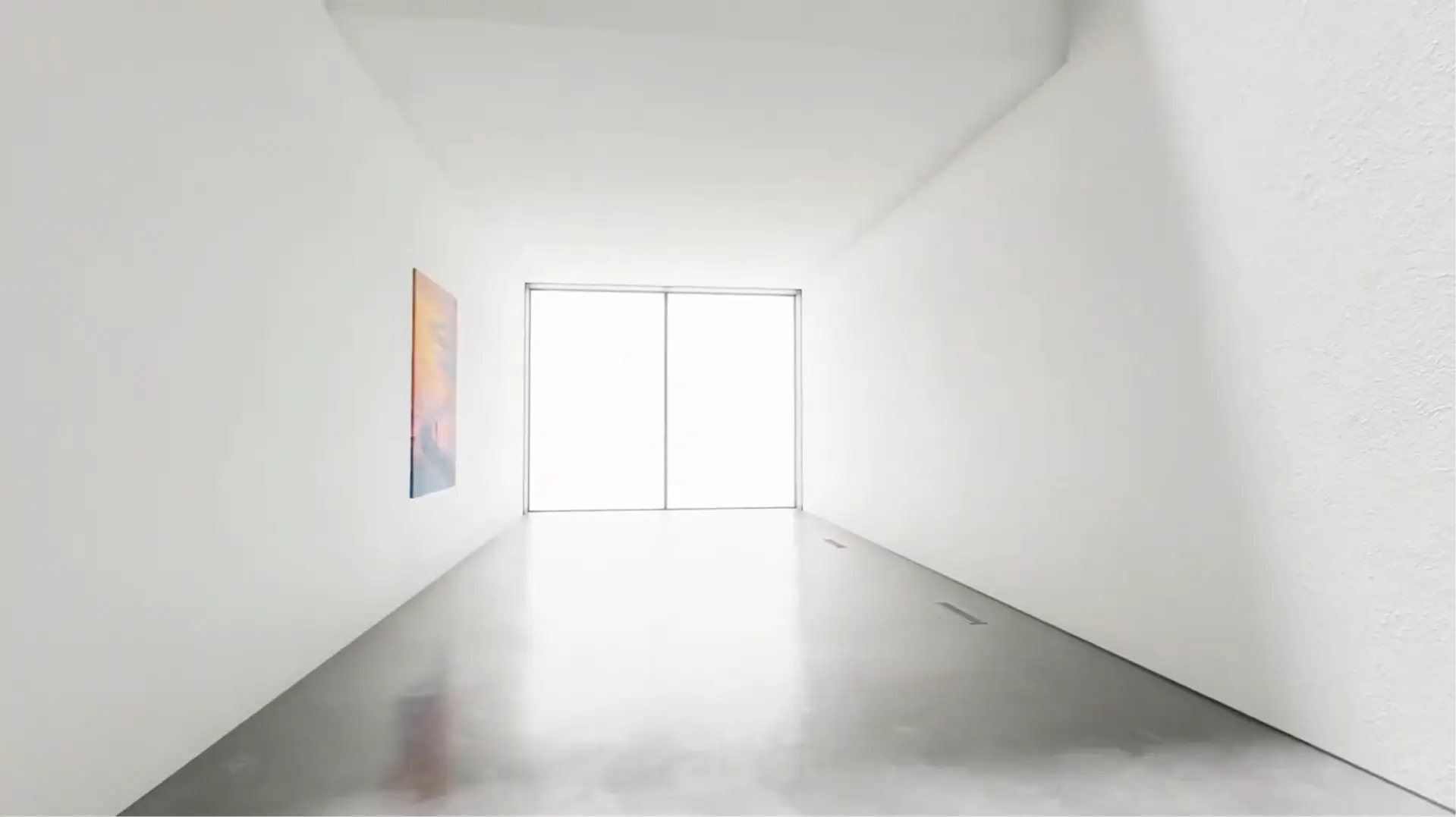
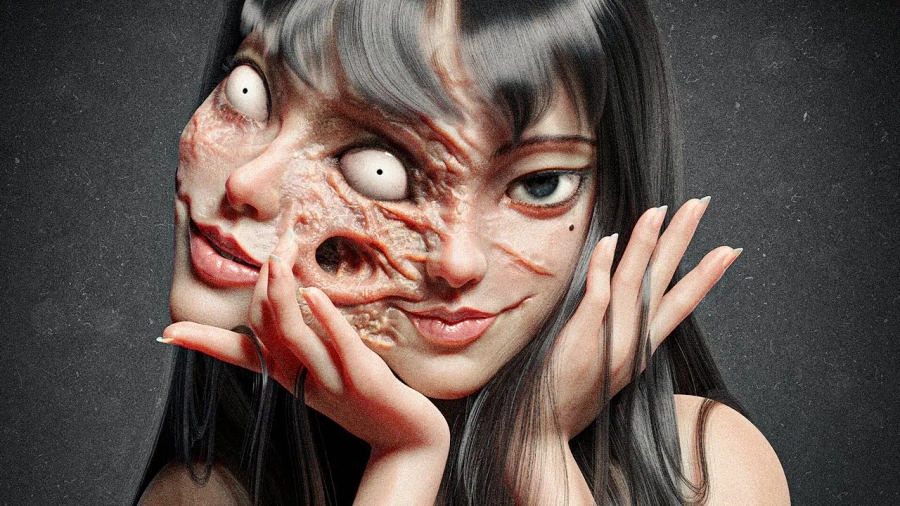
You think you know this room. You’ve walked it a dozen times. The white walls, the polished black floor, the hum of the air conditioning—it all feels sterile, safe, controlled. But then you blink, and the painting on the left isn't just a painting anymore. It’s watching you. The silence here isn’t empty; it’s holding its breath, waiting for you to make a mistake.
Twisted Gallery is an interrogation of your own perception. It doesn't care about your reflexes or your ability to chain combos. It cares about how much attention you are paying to the world around you. In an industry often obsessed with loud explosions and dopamine loops, this title demands something far more expensive: your patience and your sanity. It strips away the UI, the health bars, and the hand-holding, leaving you naked before the art. And the art is hungry. This is not just a game about walking; it is a game about the uncanny valley of spaces, where the familiar becomes the most terrifying thing of all.
About the Game
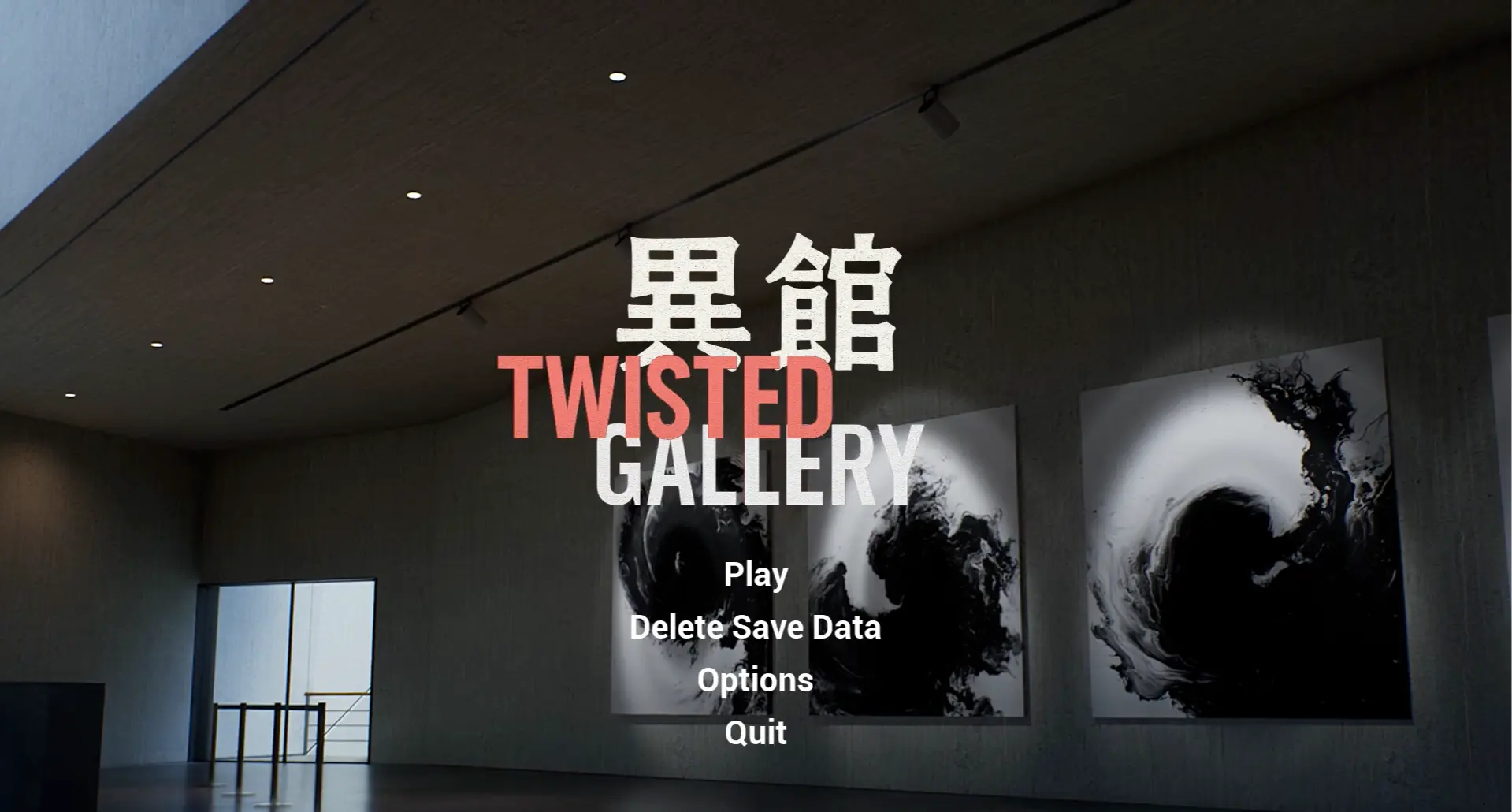
Twisted Gallery, released in July 2025 by FH Create Inc., positions itself in the growing genre of "anomaly hunt" horror, clearly taking inspiration from titles like The Exit 8, but recontextualizing the loop into a modern art museum. The premise is deceptively simple: you are trapped in an endlessly looping corridor of exhibits. Your goal is to reach the exit. To do so, you must memorize the "correct" state of the gallery. If you see an anomaly—a distortion, a change, a presence—you must turn back. If the path is normal, you proceed.
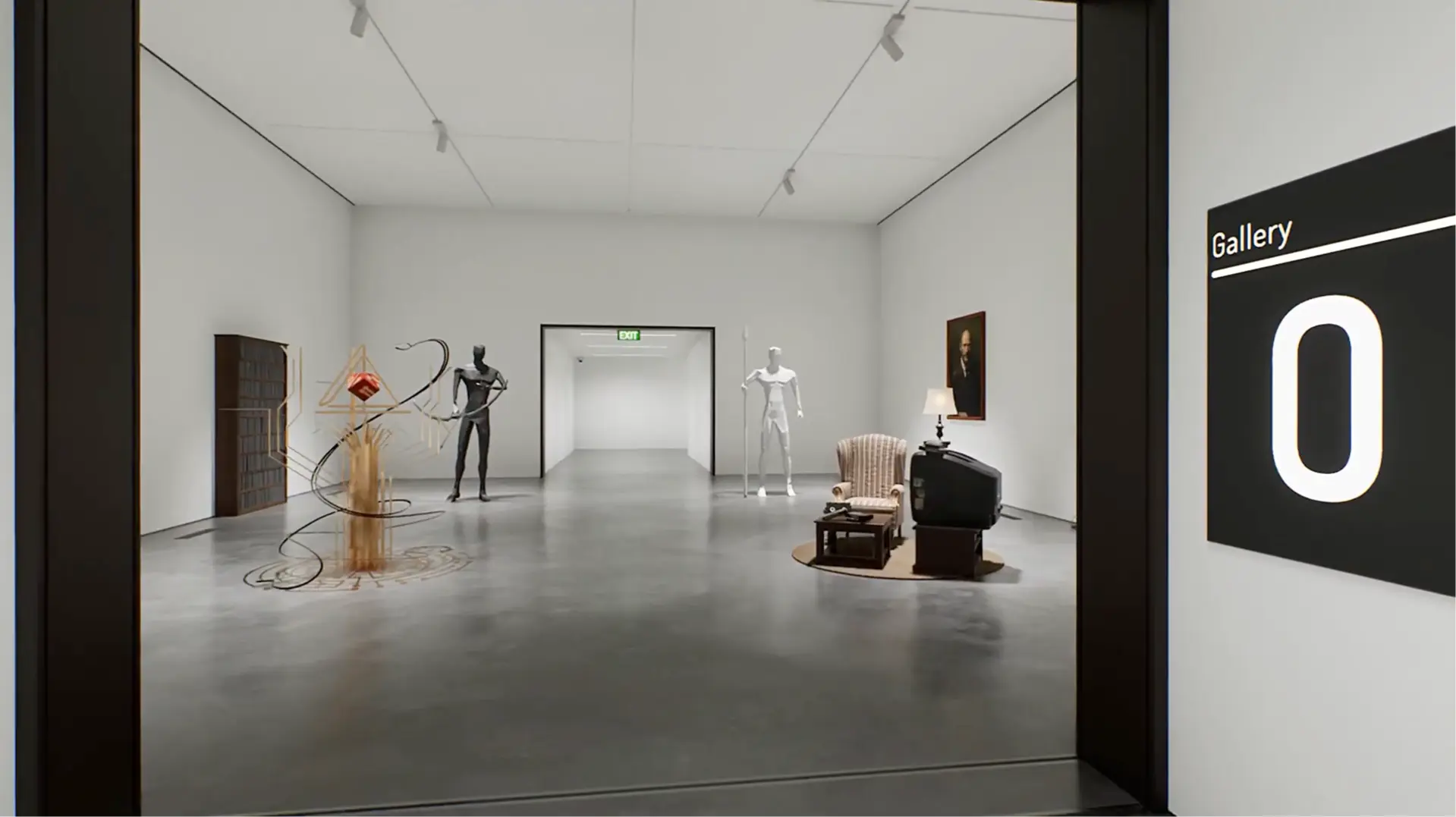
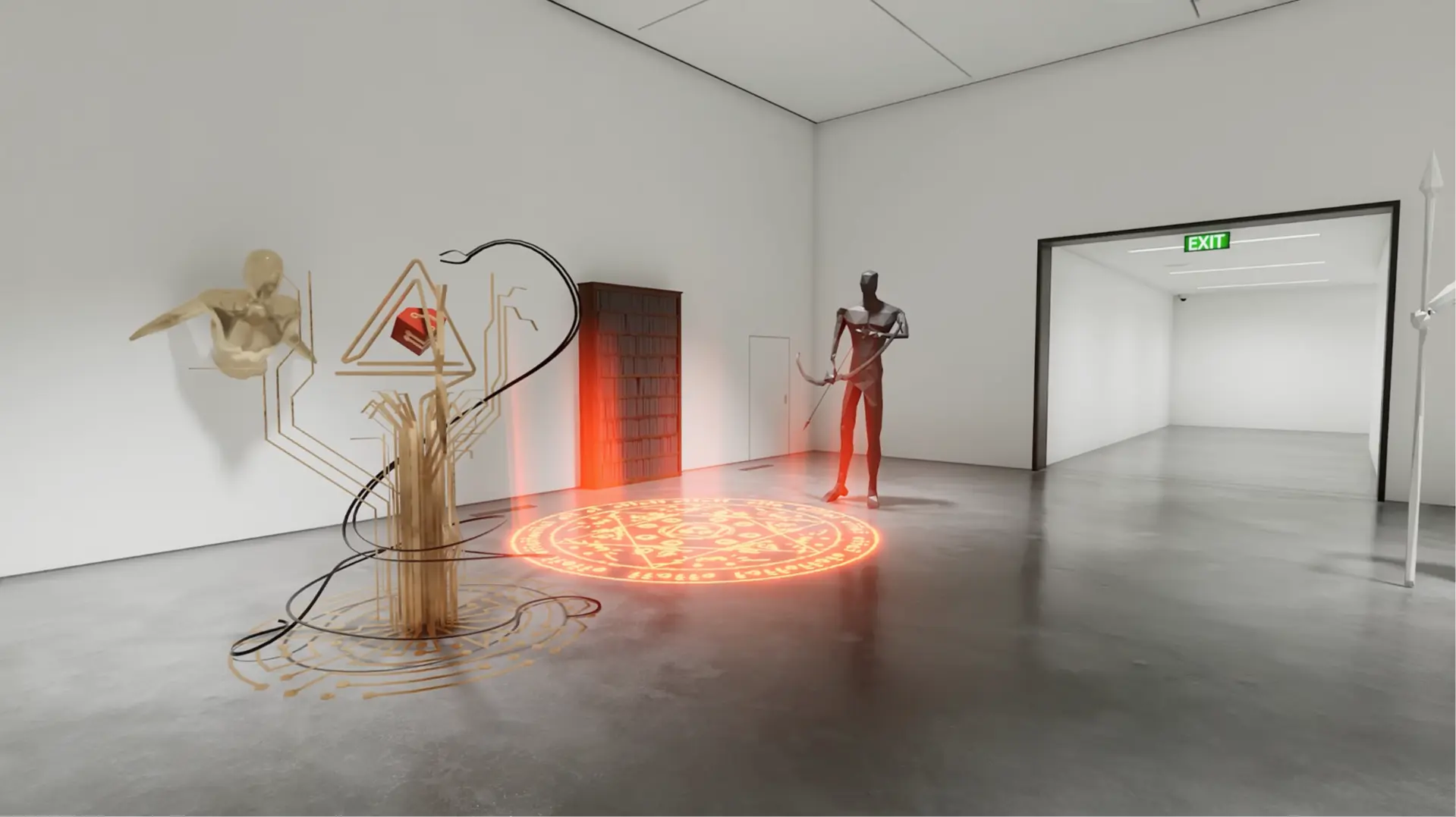
But to reduce it to mechanics is to miss the point. This is a game about the psychological weight of liminal spaces. The developers have crafted a pristine, almost sterile environment—white walls, black polished floors, high-contrast lighting—that feels safe at first glance but quickly becomes oppressive. It plays on the fear of transition, those zones where reality feels thin. It forces you to look at art, really look at it, until the lines blur between what is painted and what is real. It is a masterclass in minimalism, proving that you don't need a monster chasing you to feel hunted. The horror here is intellectual as much as it is visceral; it questions your trust in your own eyes.
Story
There is no cutscene explaining why you are here. There is no voiceover from a disgruntled security guard. You simply are. You are a visitor, a critic, or perhaps a prisoner of this curated hell. The narrative is not told; it is felt. It is environmental storytelling in its purest form. As you loop through the gallery, the anomalies begin to tell a fragmented story of obsession and madness.
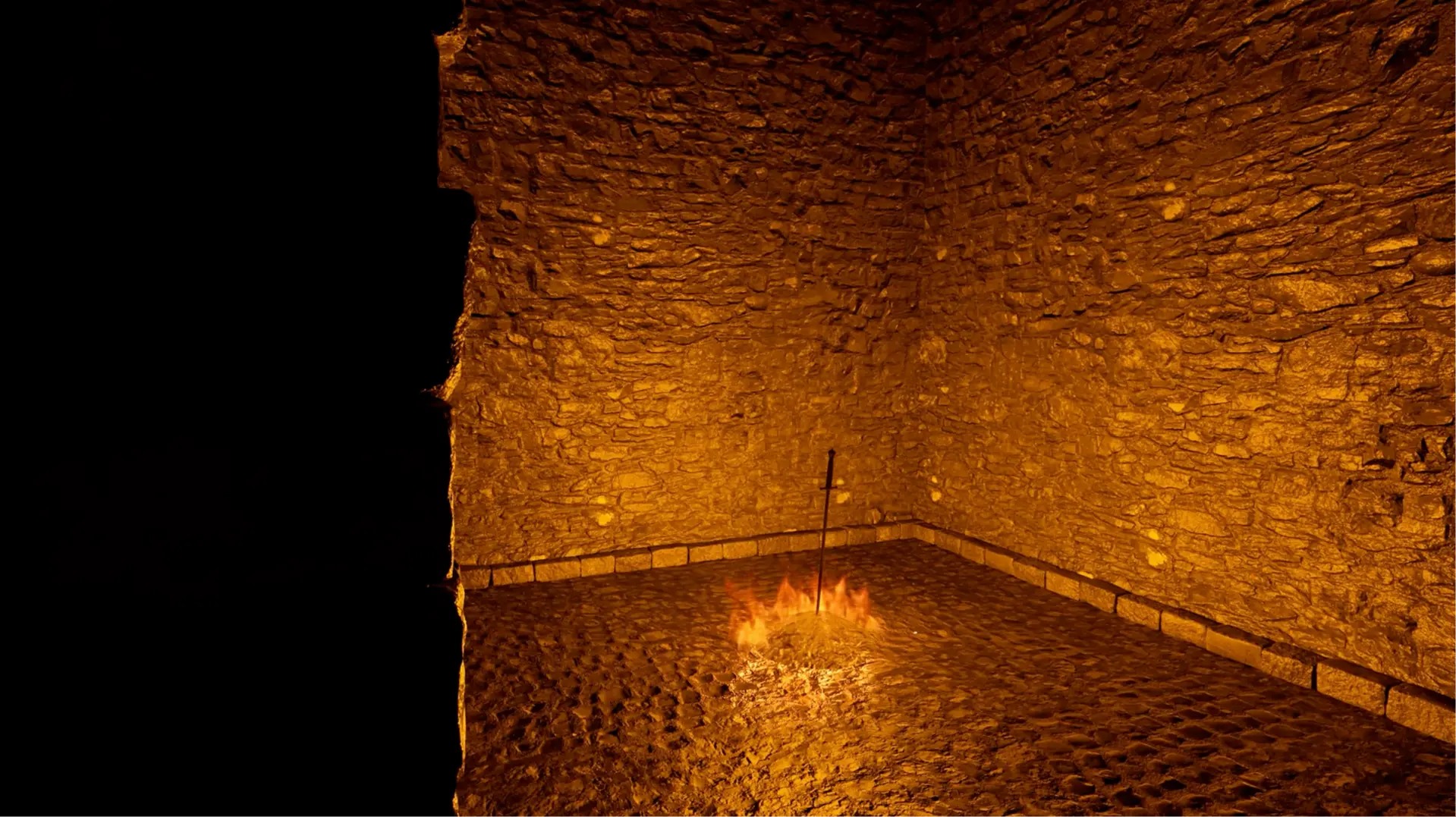
One loop might show a painting of a serene landscape; the next, that same landscape is on fire. A statue of a woman might be facing the door in one iteration, and in the next, she is weeping black tears. The "story" is the degradation of reality itself. It suggests that the gallery is a living organism, digesting its visitors. The paintings are not static; they are windows into other, darker places.
The lack of explicit dialogue or text logs makes the experience more personal. You project your own fears onto the canvas. Is this a purgatory for those who didn't appreciate art? Is it the mind of a dying artist? The game refuses to answer, leaving you with the lingering, gut-punch realization that the only meaning here is the one you construct to keep yourself from screaming. It is a narrative arc that feels more real than most movies because you are the protagonist, and your only dialogue is the gasp when you realize the room has no exit.
Gameplay
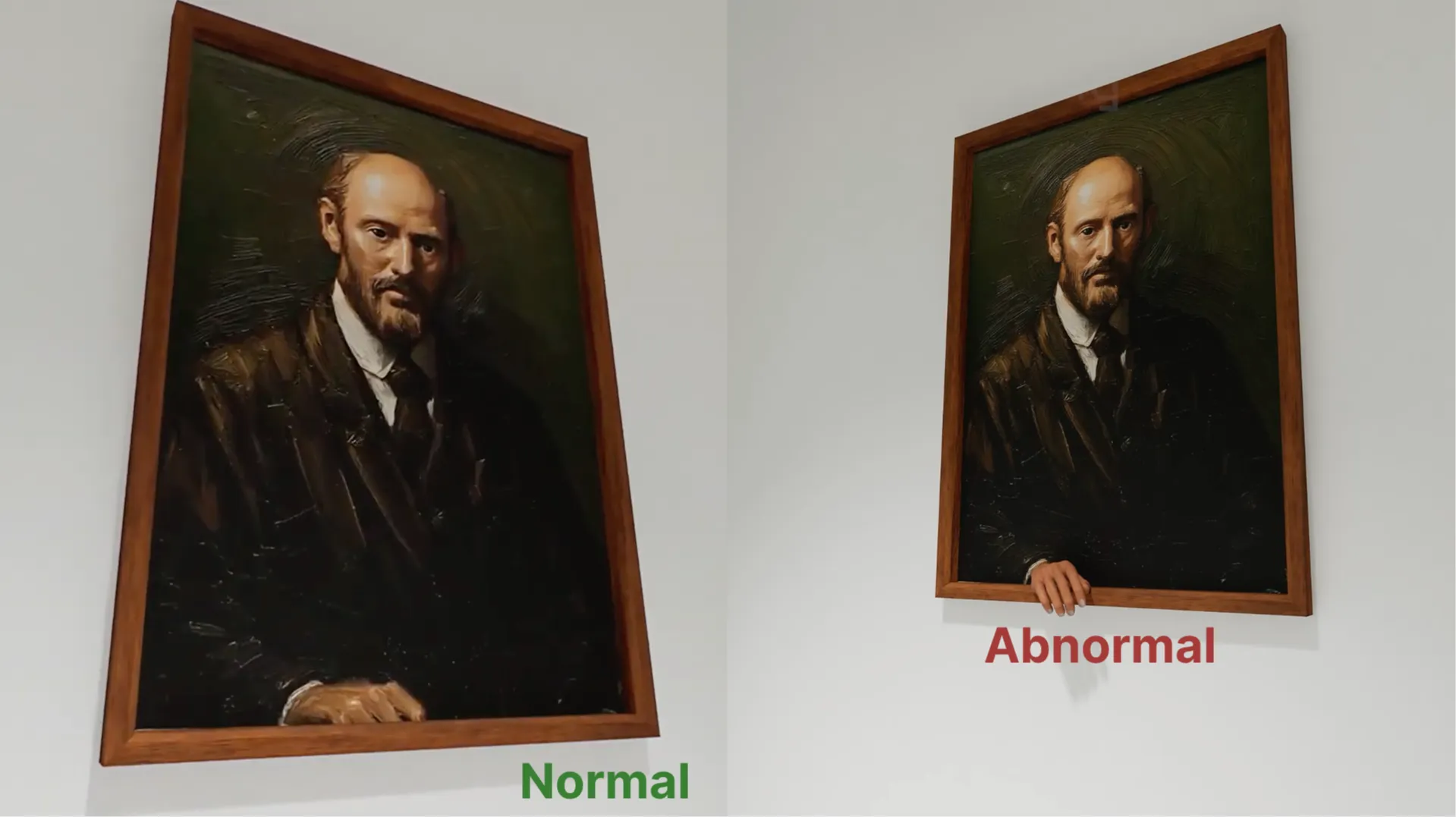
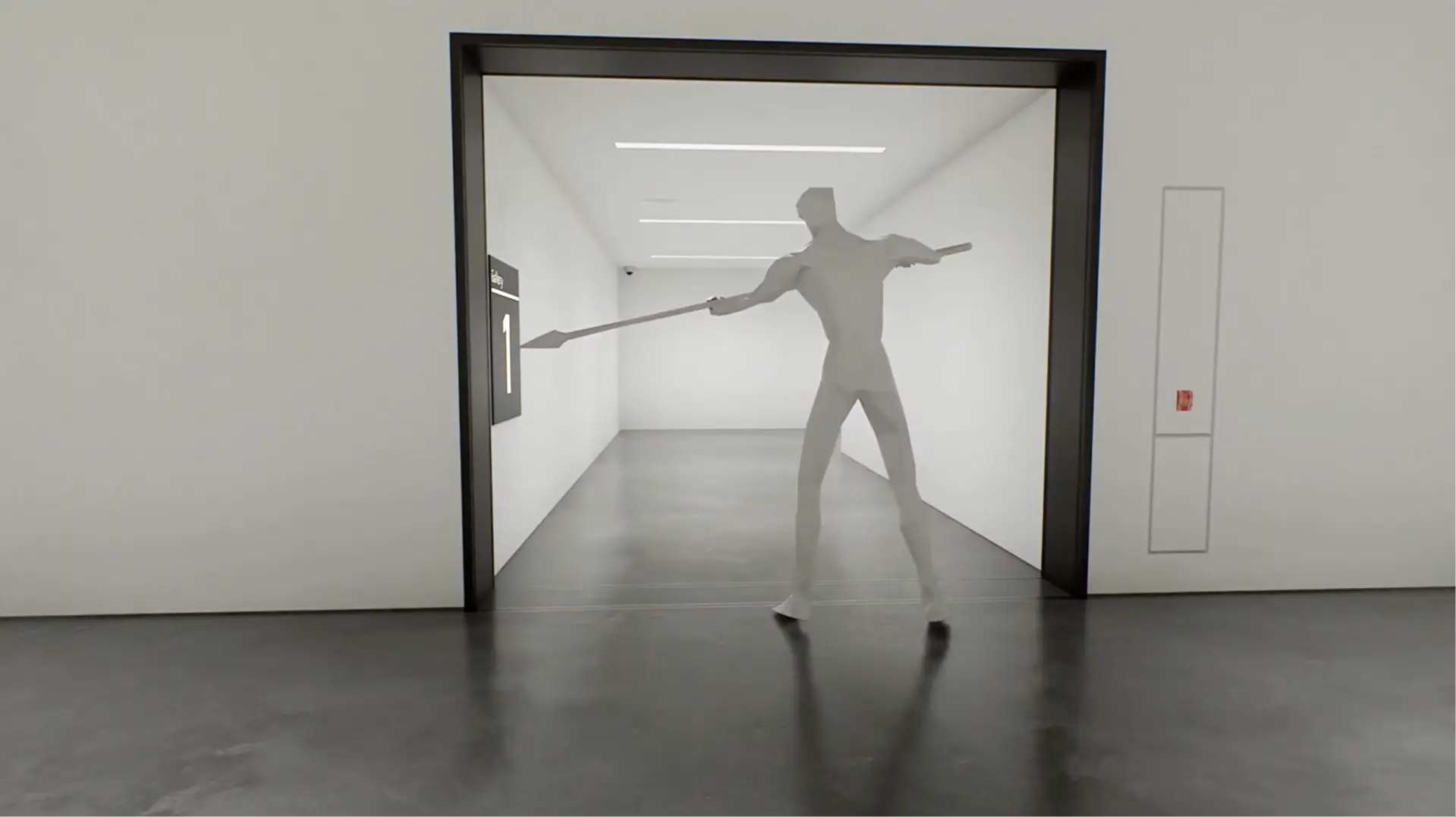
The gameplay loop is a test of observation and memory. You spawn in "Section 0." You walk forward. If the environment matches your memory of Section 0 perfectly, you continue to the next sign. If anything is different—a flickering light, a missing stanchion, a painting that is upside down, or something far more sinister—you must turn around and head back. Correct decisions move you forward; mistakes reset your progress to zero.
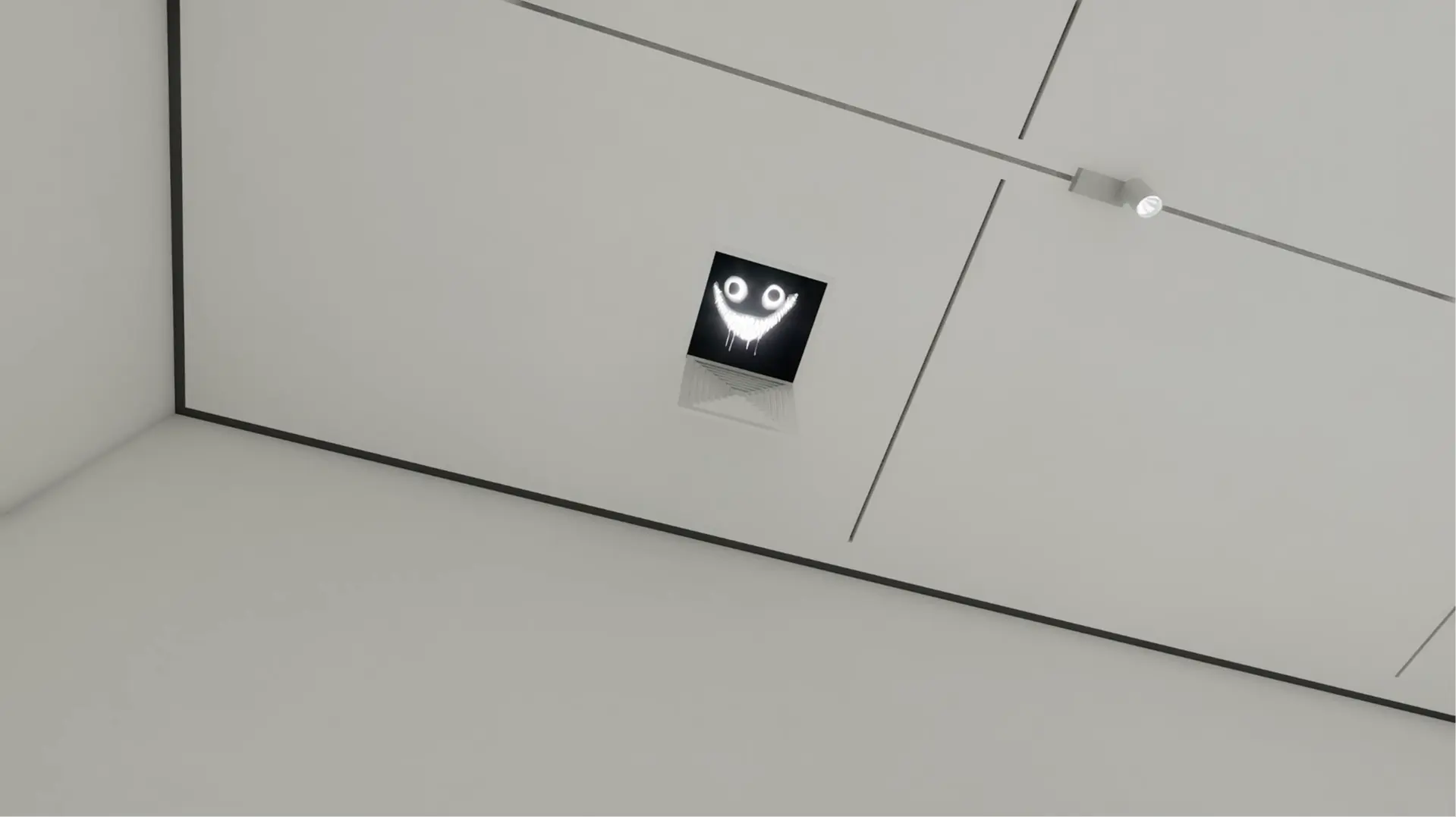
Mechanically, it sounds simple. In practice, it is grueling. The game features over 40 unique anomalies, ranging from the blatantly obvious to the microscopic. Some anomalies are terrifying, like a sudden shadowy figure rushing you. Others are psychological gaslighting—did that pot plant move three inches to the left? Was that portrait always smiling?
The genius lies in the tension. You find yourself walking slower and slower, checking every corner, obsessing over the details. The game weaponizes your own paranoia. You start seeing things that aren't there. You hesitate. You doubt. And when you finally spot a subtle anomaly—a slight tilt of a frame, a color shift—the rush of relief is palpable. It turns the act of "walking" into a high-stakes puzzle. There are no weapons to reload, no skills to upgrade. Your only weapon is your eye. The controls are fluid, designed to get out of your way so you can focus entirely on the visual data being fed to you. It is a pure, unadulterated loop of tension and release.
Atmosphere & Themes
We are here to obsess over the art, and Twisted Gallery gives us plenty to dissect. The atmosphere is heavy, thick with a silence that feels like it has weight. The sound design is sparse but effective—the click-clack of your footsteps on the polished floor, the hum of electricity, and the occasional, heart-stopping sound of something wet moving behind you.
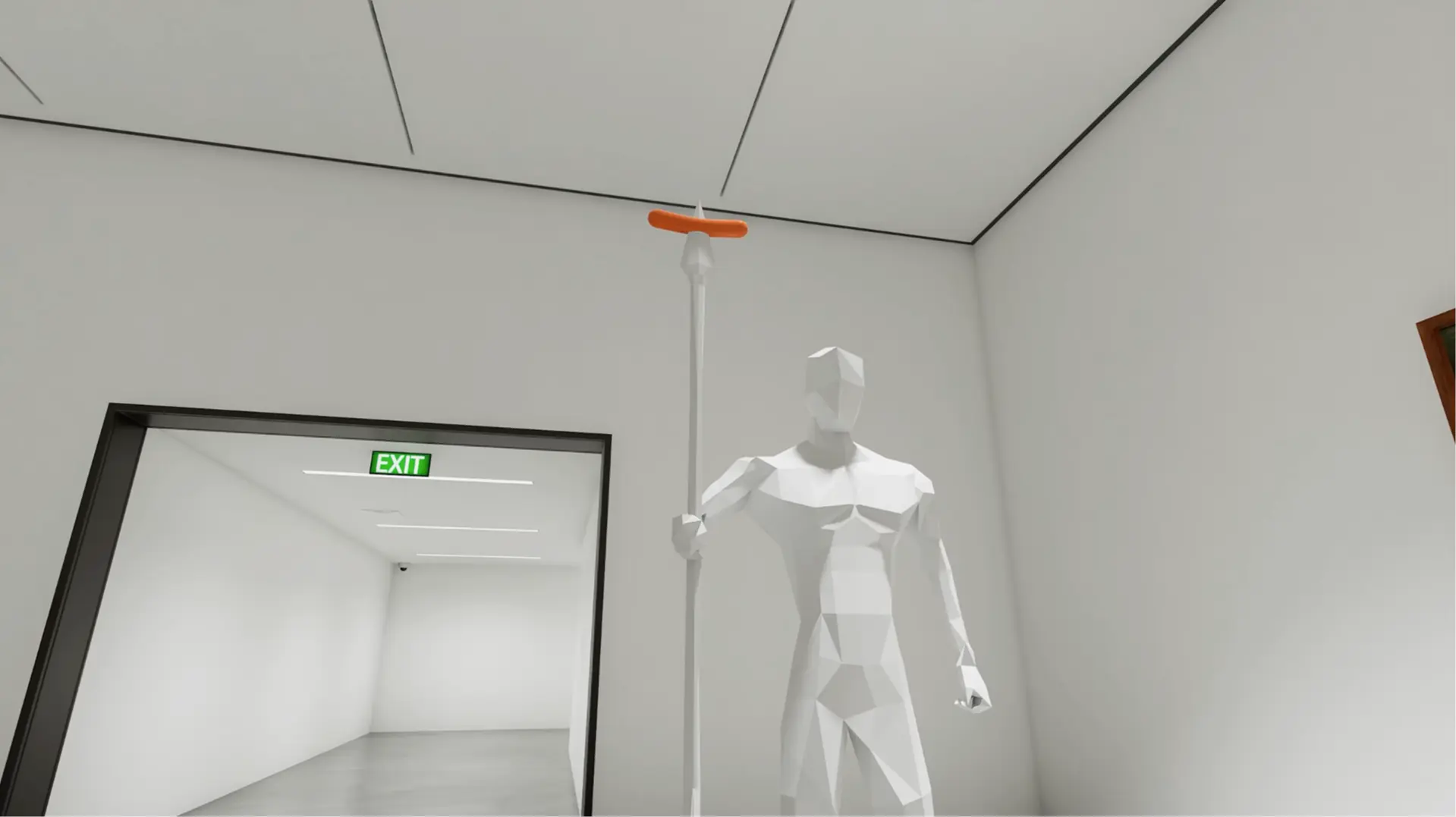
The theme of "The Gaze" is central here. Usually, in a gallery, the viewer looks at the art. Here, the art looks at you. It reverses the power dynamic. The statues follow you; the portraits track your movement. It critiques the passive consumption of media. You cannot be passive here. You must engage.
Furthermore, the stark, modern aesthetic contrasts with the visceral horror of the anomalies. It explores the idea that cleanliness and order are just a thin veneer over chaos. The pristine gallery is a lie; the twisted, bleeding, shifting reality underneath is the truth. It taps into the fear that our civilized world is fragile, that one wrong turn can lead us into a nightmare where the rules of physics no longer apply. It is an aesthetic triumph, using the Unreal Engine to create textures so realistic that when they start to melt, it feels genuinely violating.
Conclusion
Twisted Gallery is not for everyone. If you want a scoreboard, go elsewhere. If you want a hand-holding tutorial, leave. But if you want an experience—if you want to feel the cold sweat of uncertainty and the thrill of noticing the impossible—then this is your game.
It respects your intelligence. It challenges your perception. It is a short, sharp shock to the system that lingers long after you've closed the application. It proves that a team of artists (or even a small indie team) can build an experience that transcends polygon counts and frame rates. It captures the performance of fear itself. We skip the fluff because no metric can quantify the feeling of being watched by a room full of inanimate objects. Twisted Gallery is a masterwork of tension, a love letter to the uncanny, and a reminder that sometimes, the scariest thing in the world is a painting that isn't quite right.