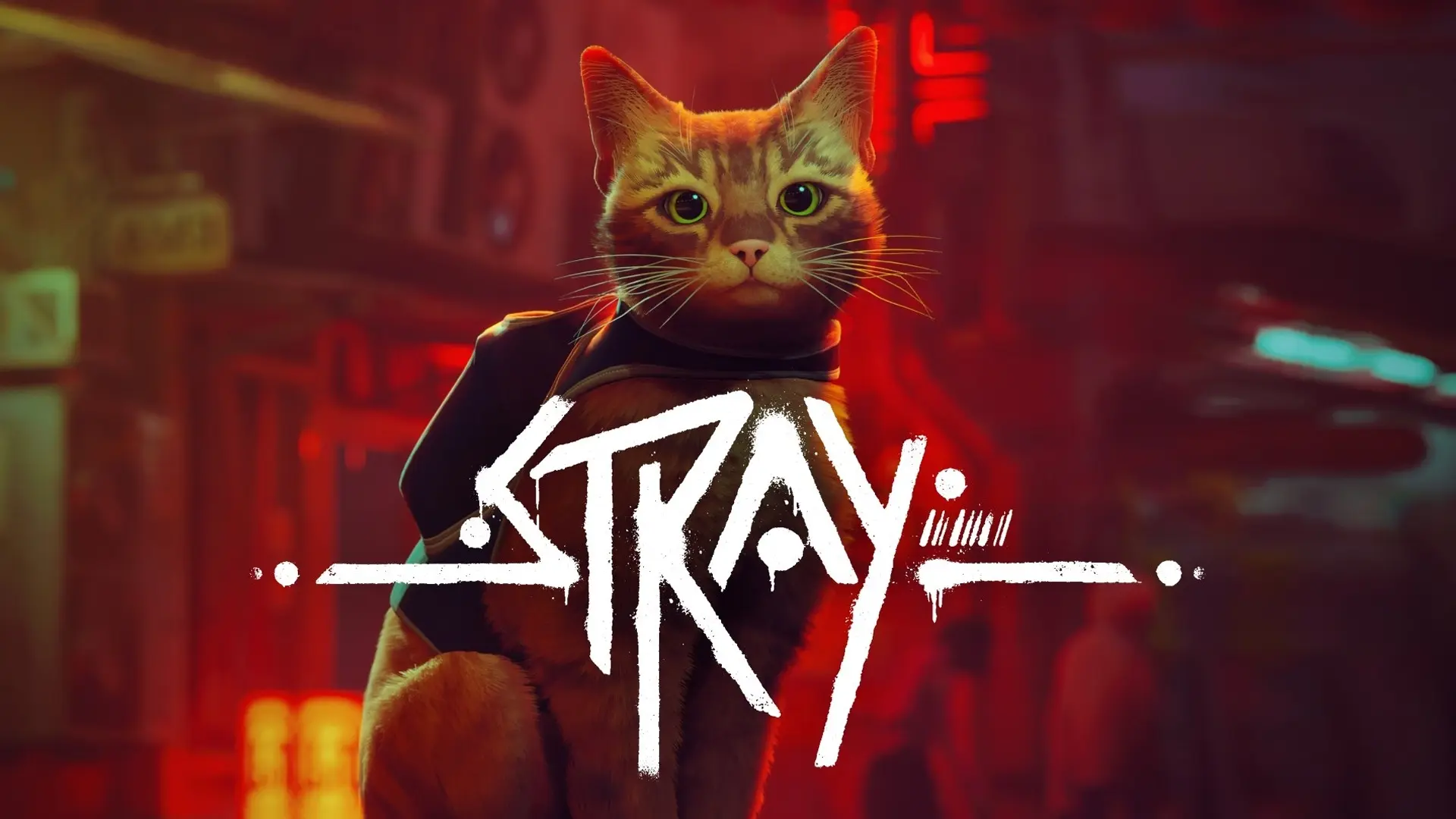
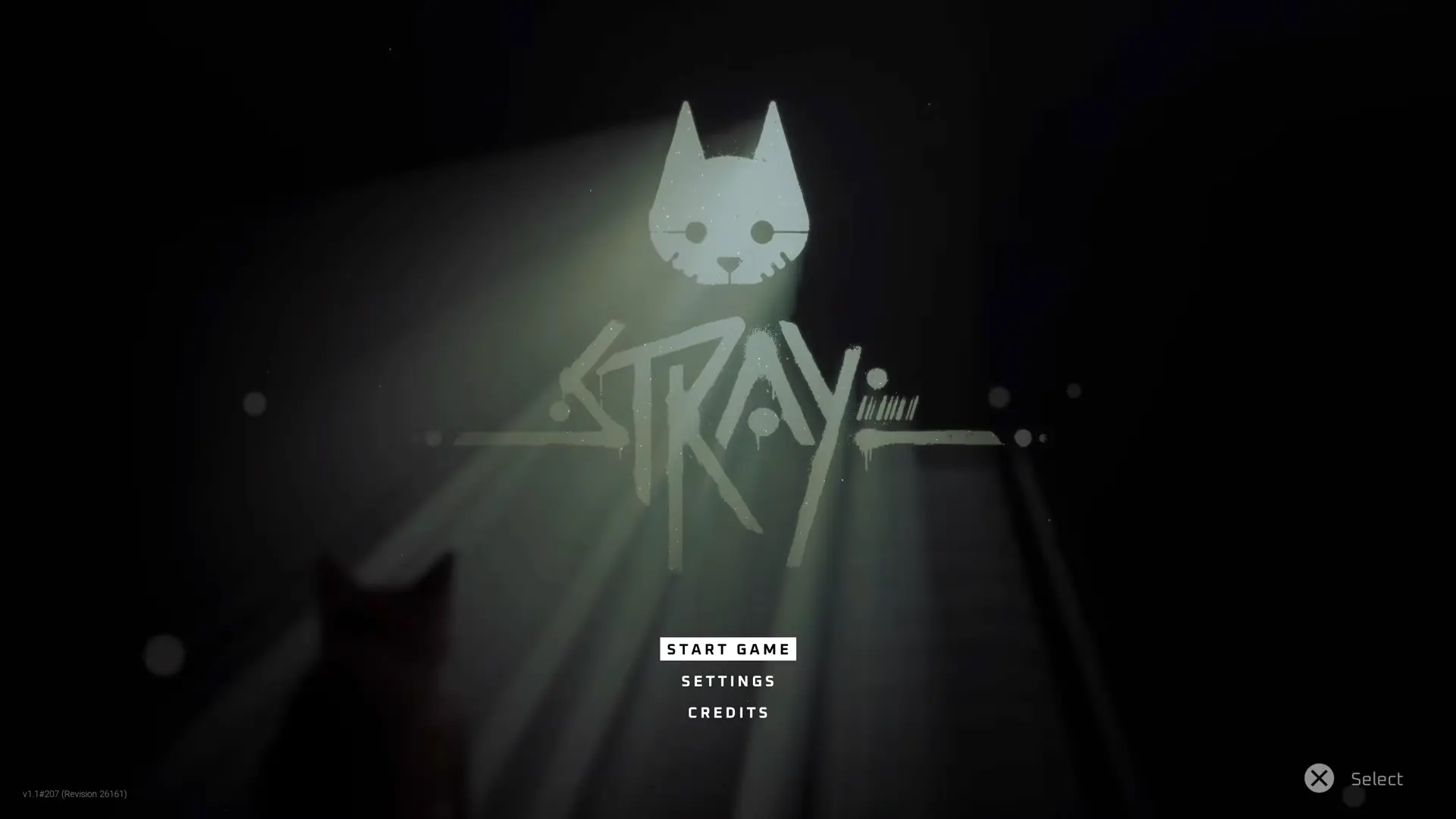
When Annapurna Interactive first teased a game where you play as a stray cat in a cyberpunk city, the internet collectively lost its mind. But the biggest fear was always that it would just be a cute gimmick—a novelty that would wear off after an hour. Instead, BlueTwelve Studio delivered an absolute masterclass in atmospheric world-building and environmental storytelling. Stray doesn't just let you look at a cat; it forces you to be the cat.
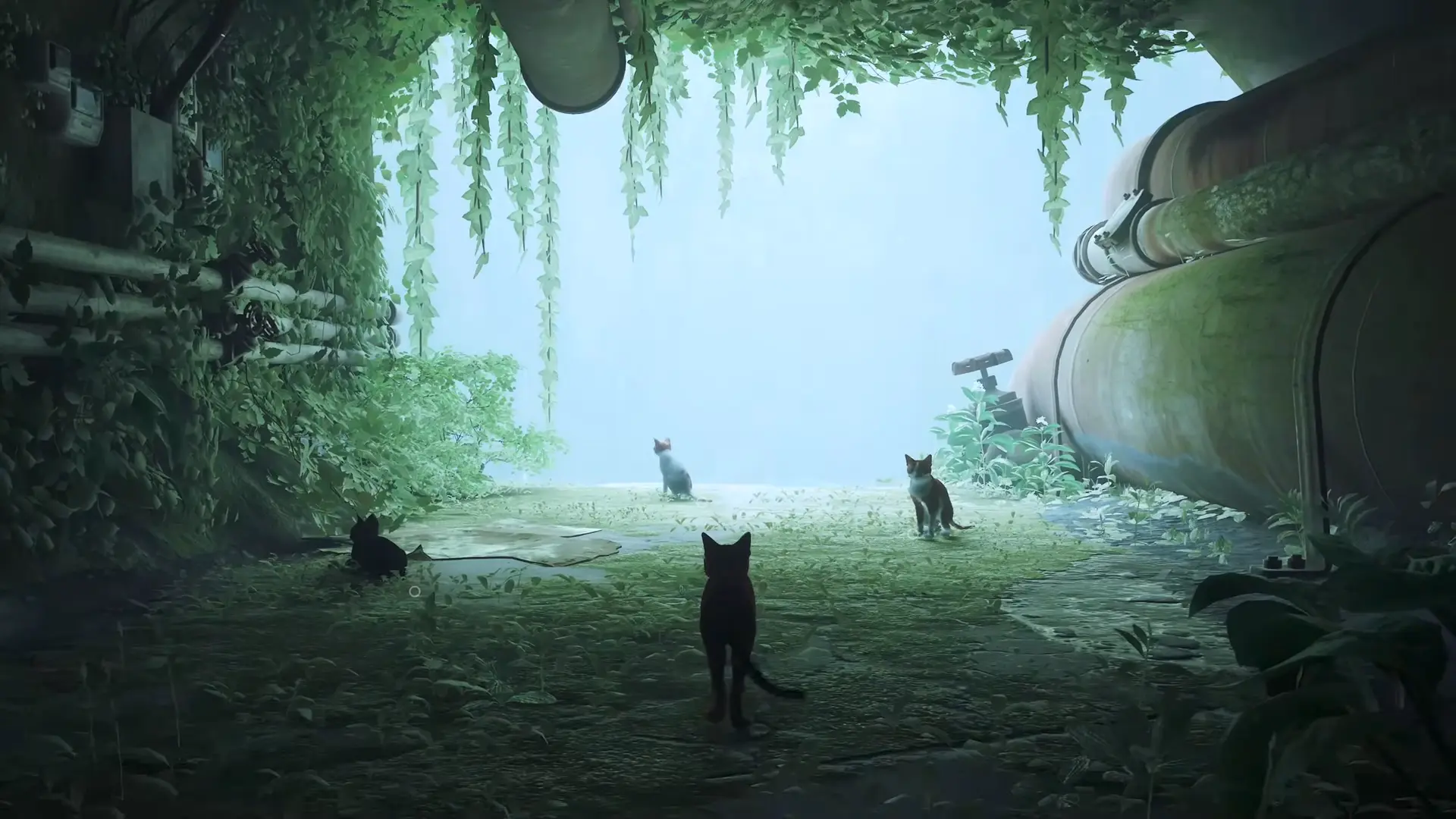
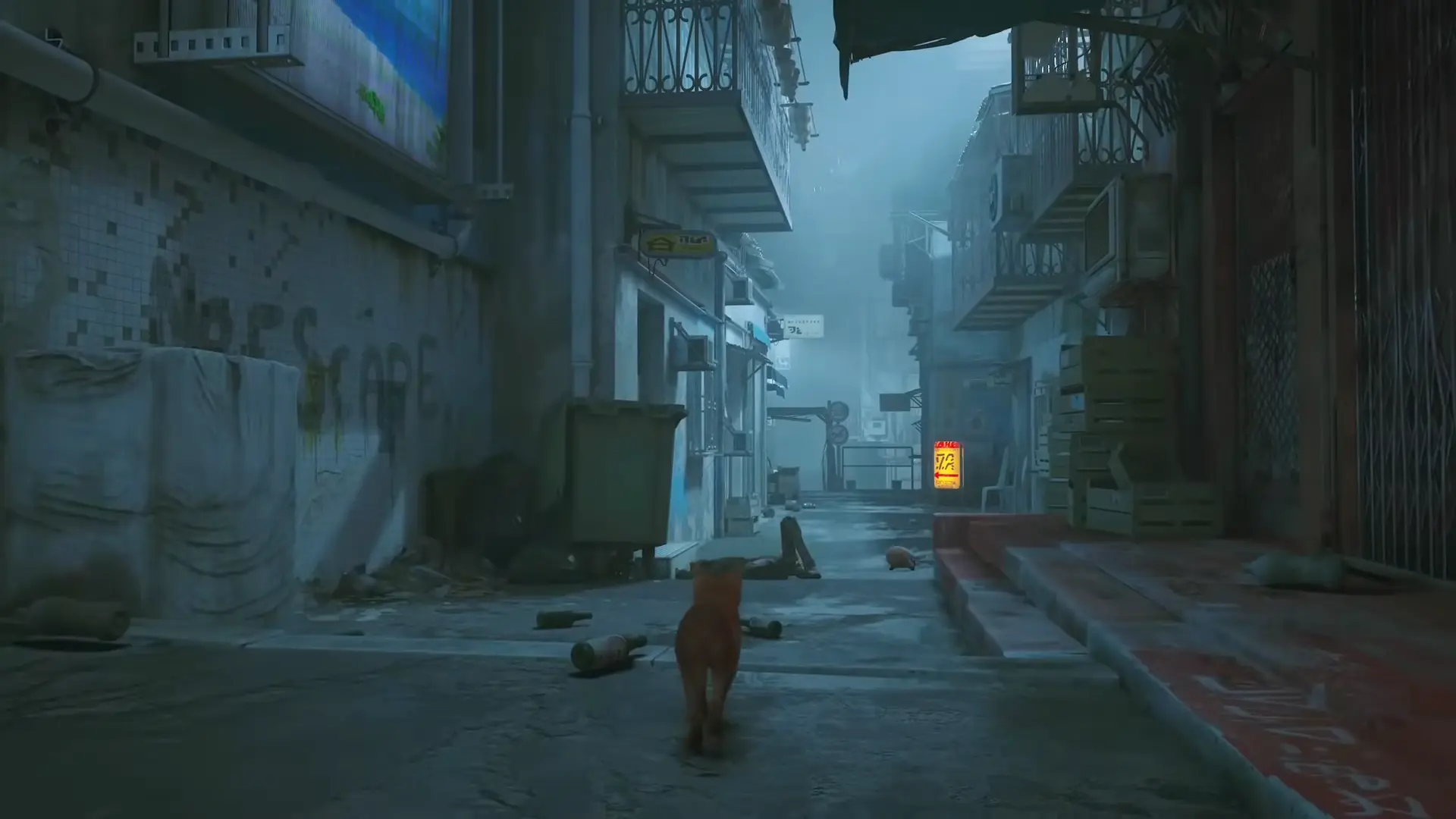
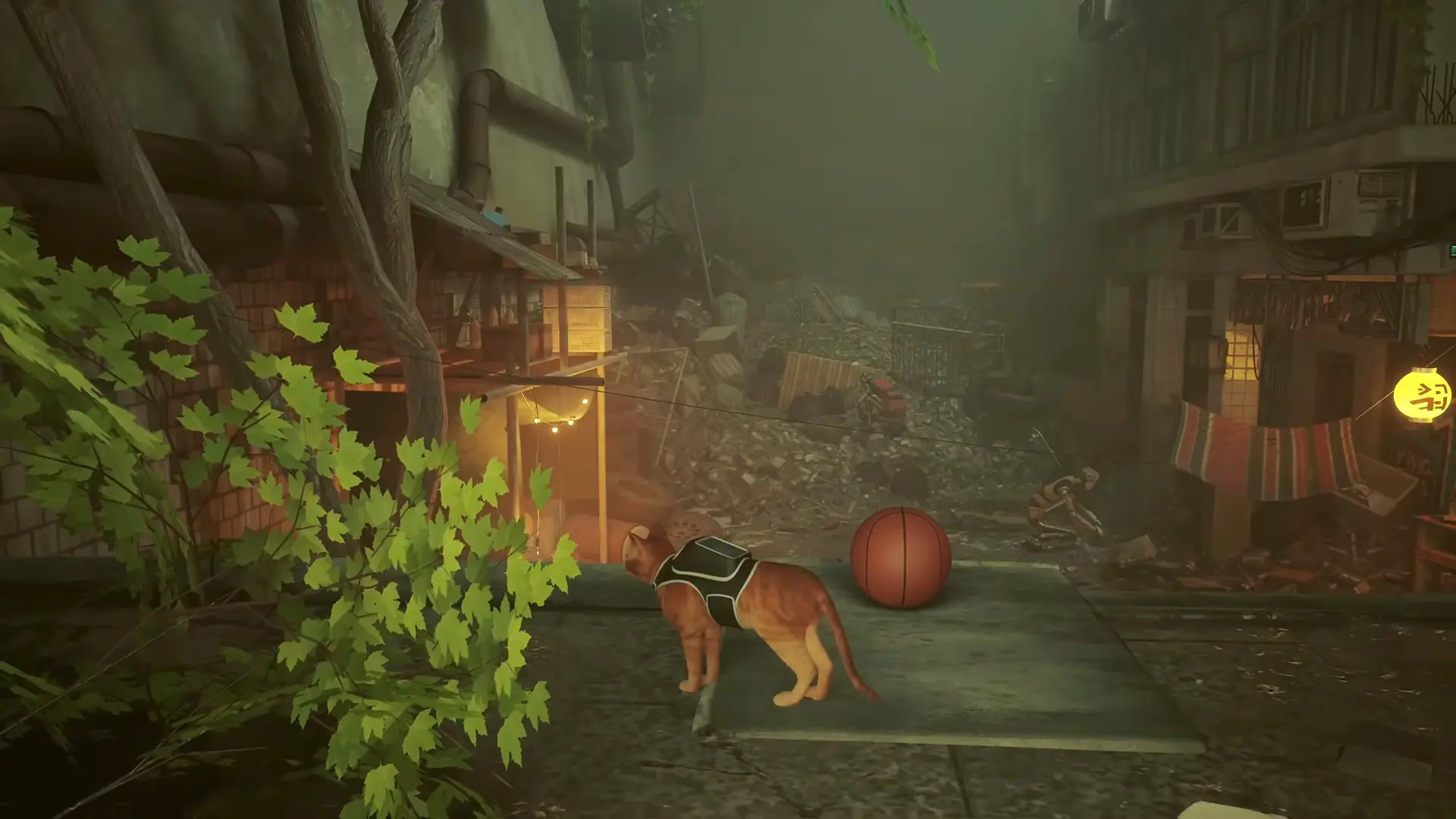
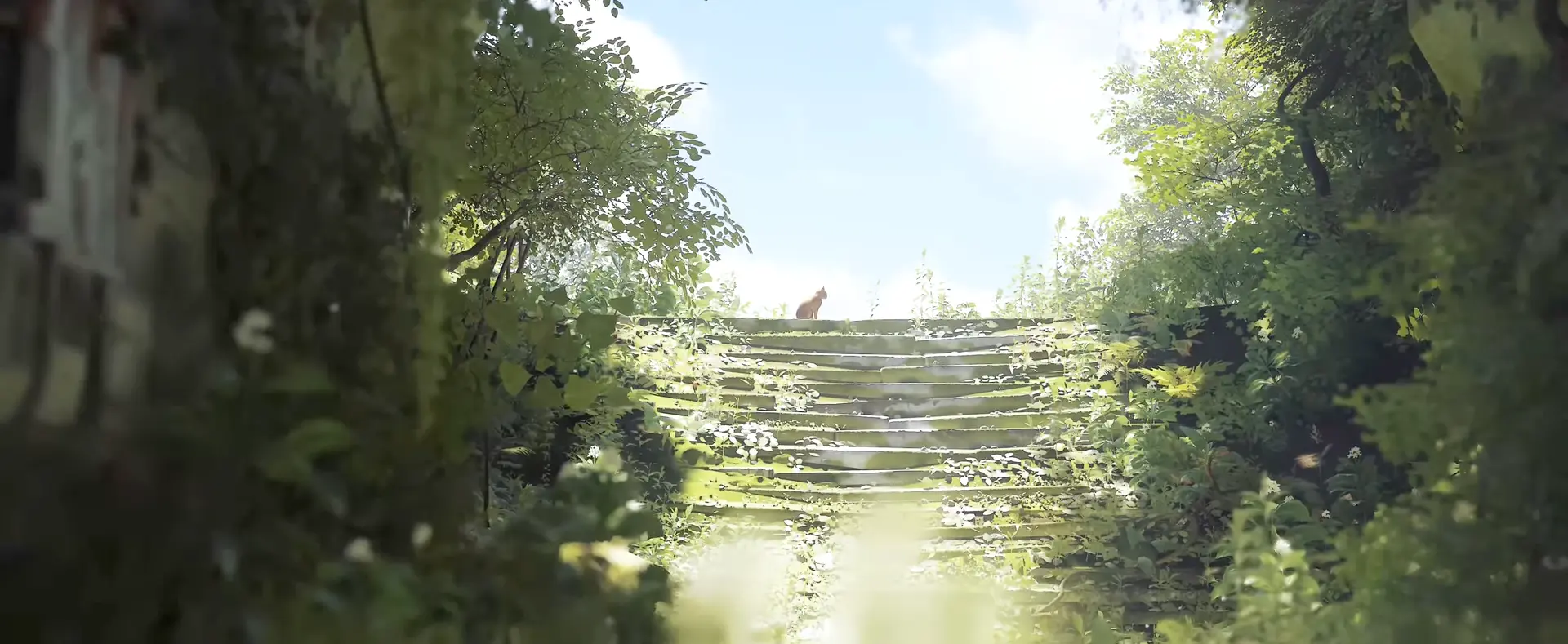
The opening sequence is a brilliant, wordless tutorial in feline mechanics. You are wandering through overgrown, sun-drenched ruins with your stray family, communicating only through chirps, grooming, and playful nudges. Then, the unthinkable happens. A pipe gives way, and you plunge into the claustrophobic, sunless depths of Dead City. The sheer scale of the environment completely changes. You are no longer a powerful video game protagonist; you are a tiny, vulnerable animal completely dwarfed by rusted iron, towering concrete, and flickering neon lights. It is one of the most effective perspective shifts in modern gaming.
About the Game: Purr-fect Mechanics
What makes Stray so ridiculously addictive is how faithfully it commits to the bit. The developers obsessively studied cat behavior, and it shows in every single frame of animation. The platforming isn't a free-flowing jump system where you can accidentally yeet yourself off a ledge; it’s a deliberate, contextual leap system that mimics a cat calculating its trajectory before jumping to a precarious AC unit or a narrow pipe.
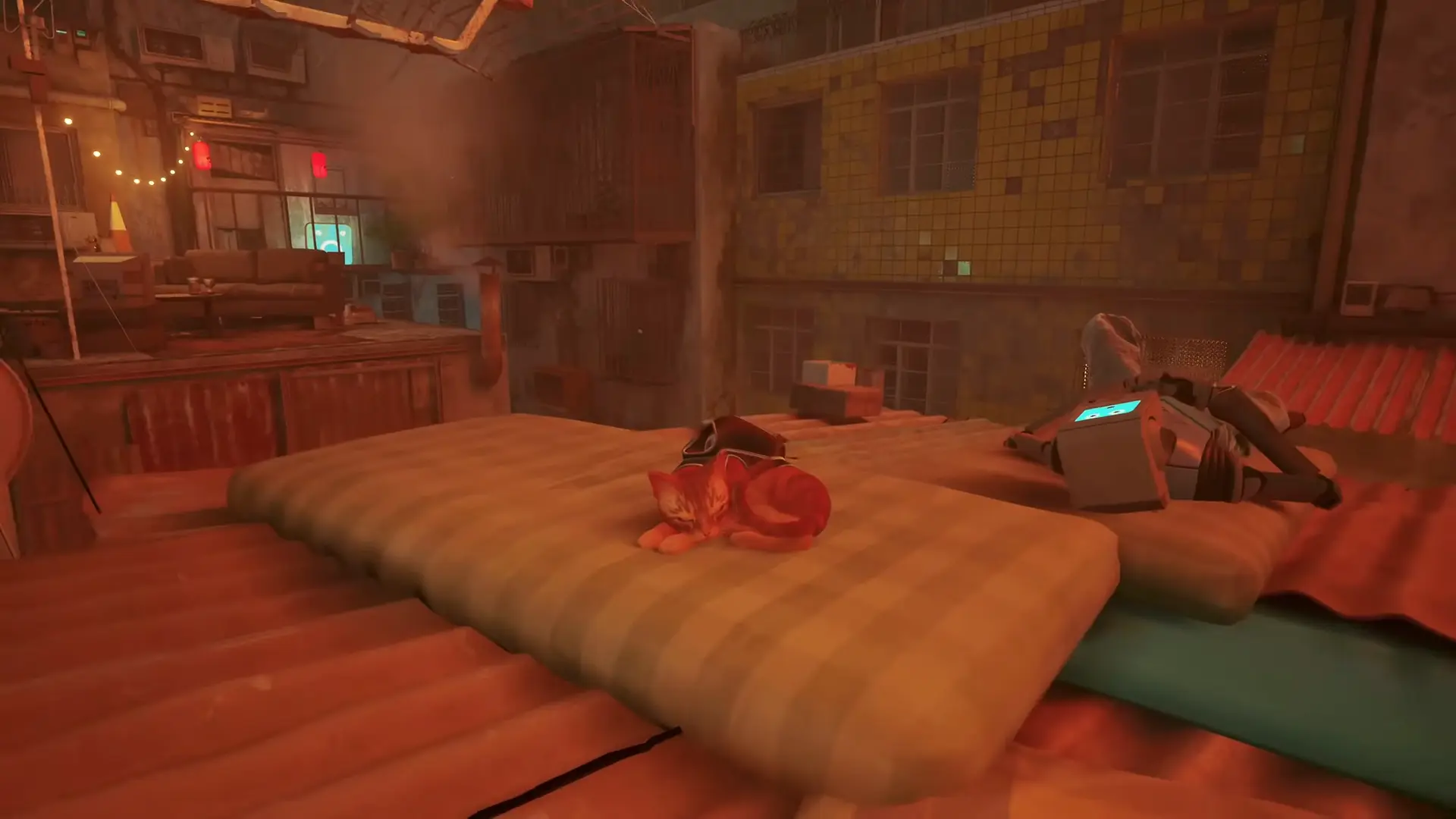
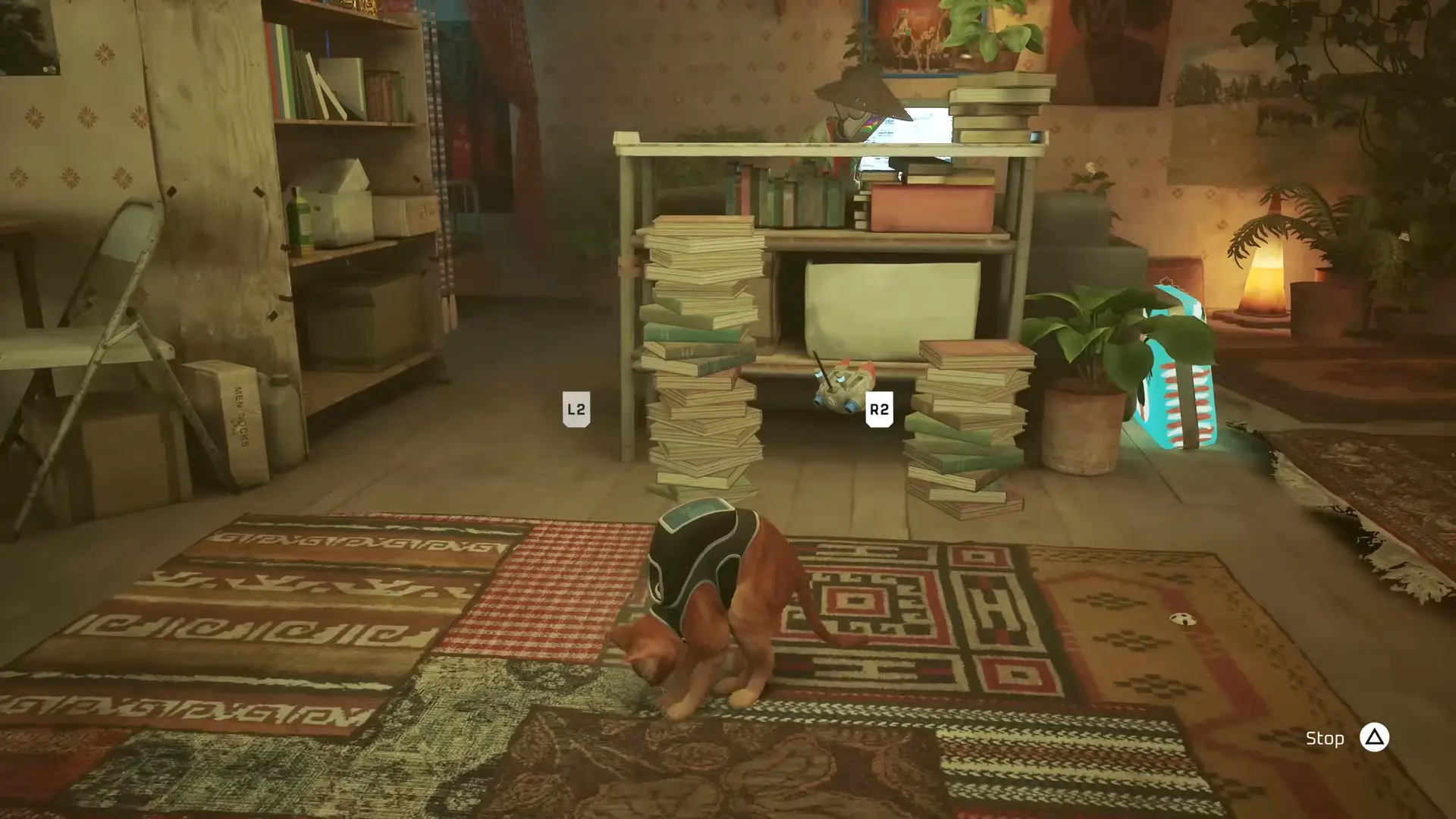
But the true joy is in the completely unnecessary, yet totally vital, feline interactions. You can walk across a robot's keyboard and ruin their typing. You can scratch up vintage rugs, destroying the upholstery while your controller's haptic feedback purrs in your hands. You can rub against the metallic legs of the city's robotic inhabitants, causing a digital heart to momentarily flash on their monitor faces. You can even find a cozy spot on a pile of pillows, curl up into a ball, and simply sleep for hours while the camera slowly pans out. Oh, and yes—there is a dedicated button to meow, and you will press it constantly.
Story: A Boy and His Drone
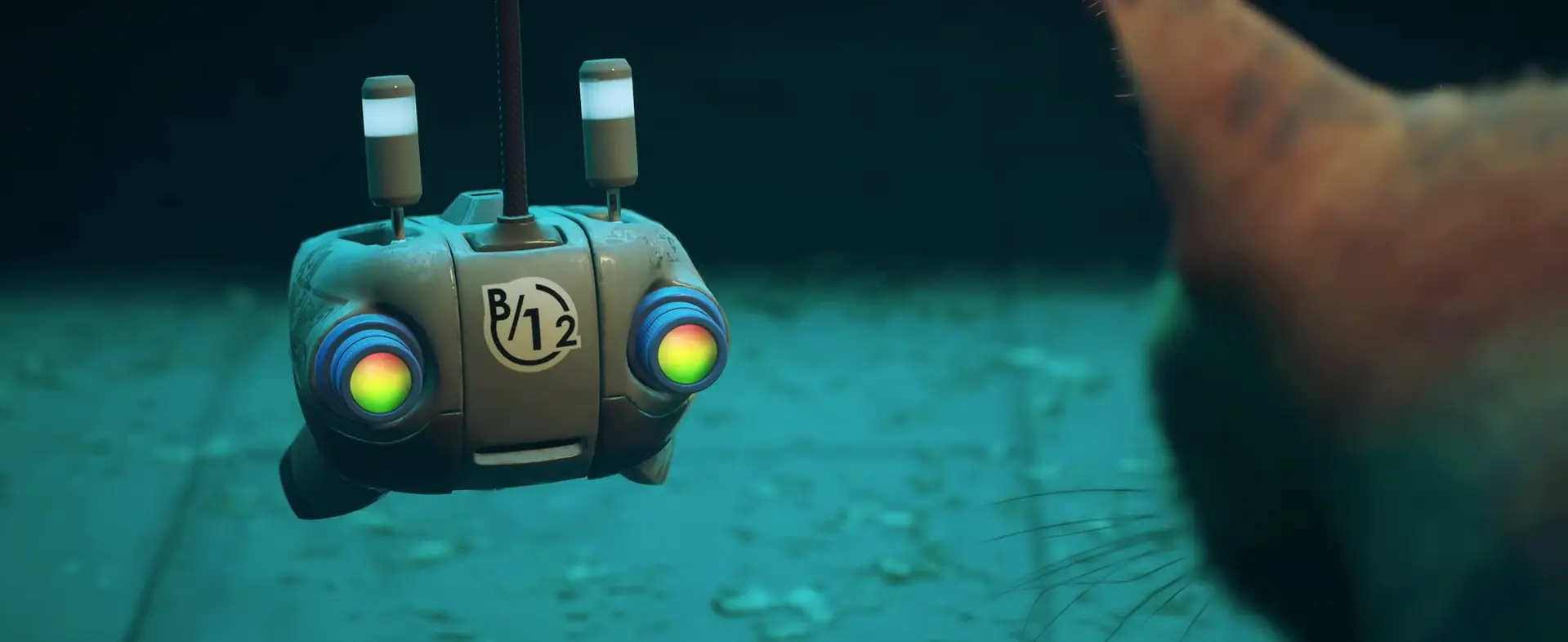
The narrative is the emotional anchor of the game. Shortly after landing in the Slums, you meet B-12, a small, highly advanced flying drone harboring fragmented memories. B-12 acts as your translator, your inventory system, and your connection to the lore of this forgotten world. The dynamic between the silent, instinct-driven cat and the highly analytical, existential drone is pure storytelling magic.
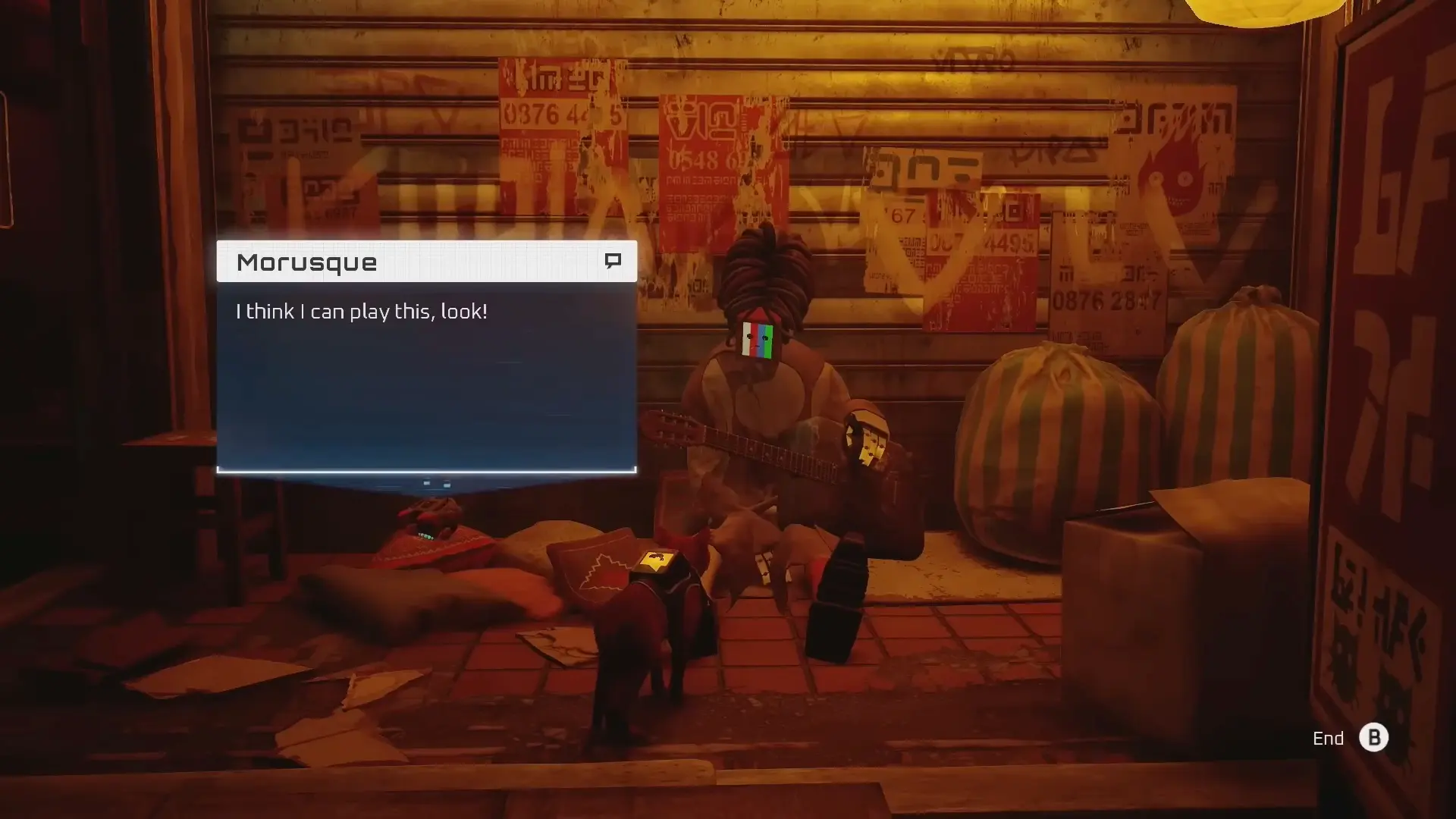
The city is populated by 'Companions'—humanoid robots with old CRT monitors for heads who have spent centuries mimicking human behavior long after humanity went extinct. They wear clothes, sweep floors that don't need sweeping, and form deep communities. As you help various factions—like the fiercely rebellious Outsiders who dream of seeing the outside sky—you slowly unravel the dark, tragic mystery of what happened to the 'Soft Ones' (humans). It’s a story that manages to be deeply melancholic, surprisingly hopeful, and emotionally devastating.
Gameplay: Stealth, Speed, and Survival
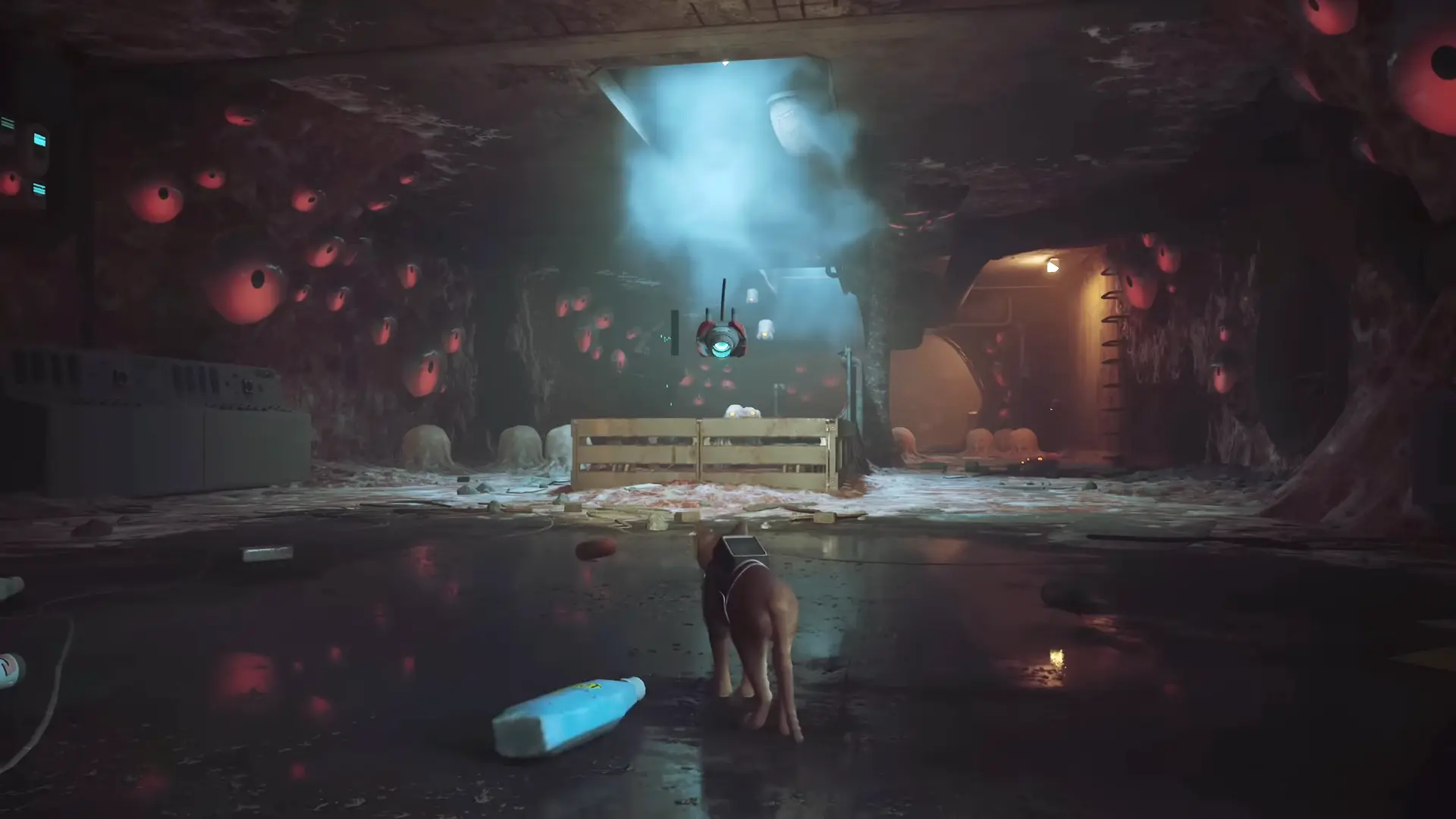
Stray isn't a combat game, but it has plenty of terrifying threats. The primary enemies are Zurks—grotesque, rapidly multiplying, flesh-eating bacteria blobs that resemble Half-Life Headcrabs. They swarm you in massive numbers, and your only defense early on is pure agility. The chase sequences are incredibly tense; you have to weave through narrow gaps, leap over barricades, and shake them off your fur in a desperate sprint for safety.
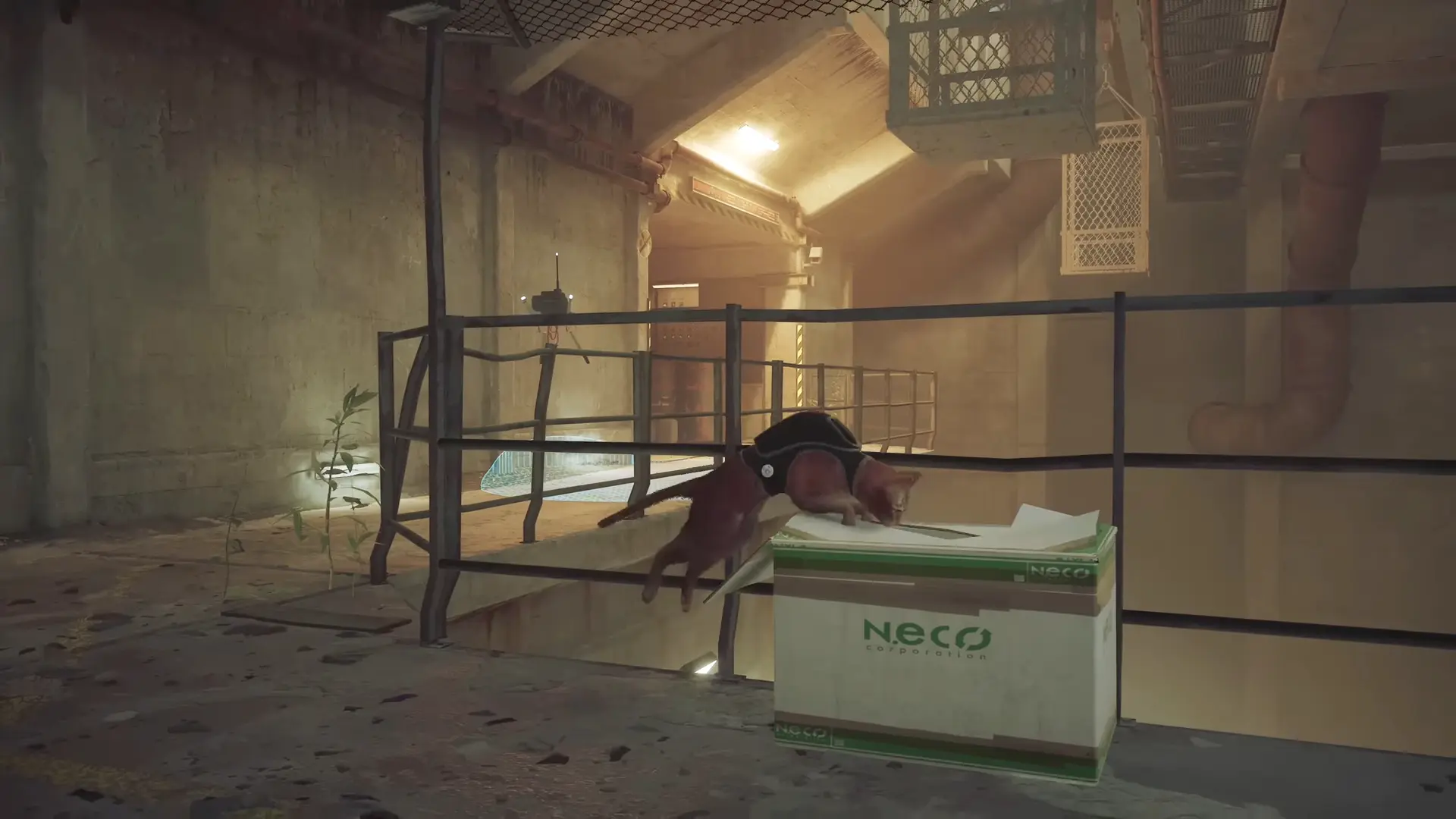
Later in the game, the stealth mechanics take over as you infiltrate heavily guarded corporate areas patrolled by deadly Security Sentinels. Because you are a cat, your stealth options are hilariously literal: you hide in cardboard boxes. The puzzles are brilliant, entirely physics-based, and rely on your unique feline perspective. Whether you are dropping a paint can from a roof to shatter a skylight below or walking inside a metal barrel to roll it past a laser grid, the game constantly challenges you to 'think like a cat' to progress.
Atmosphere & Themes: Neon and Rust
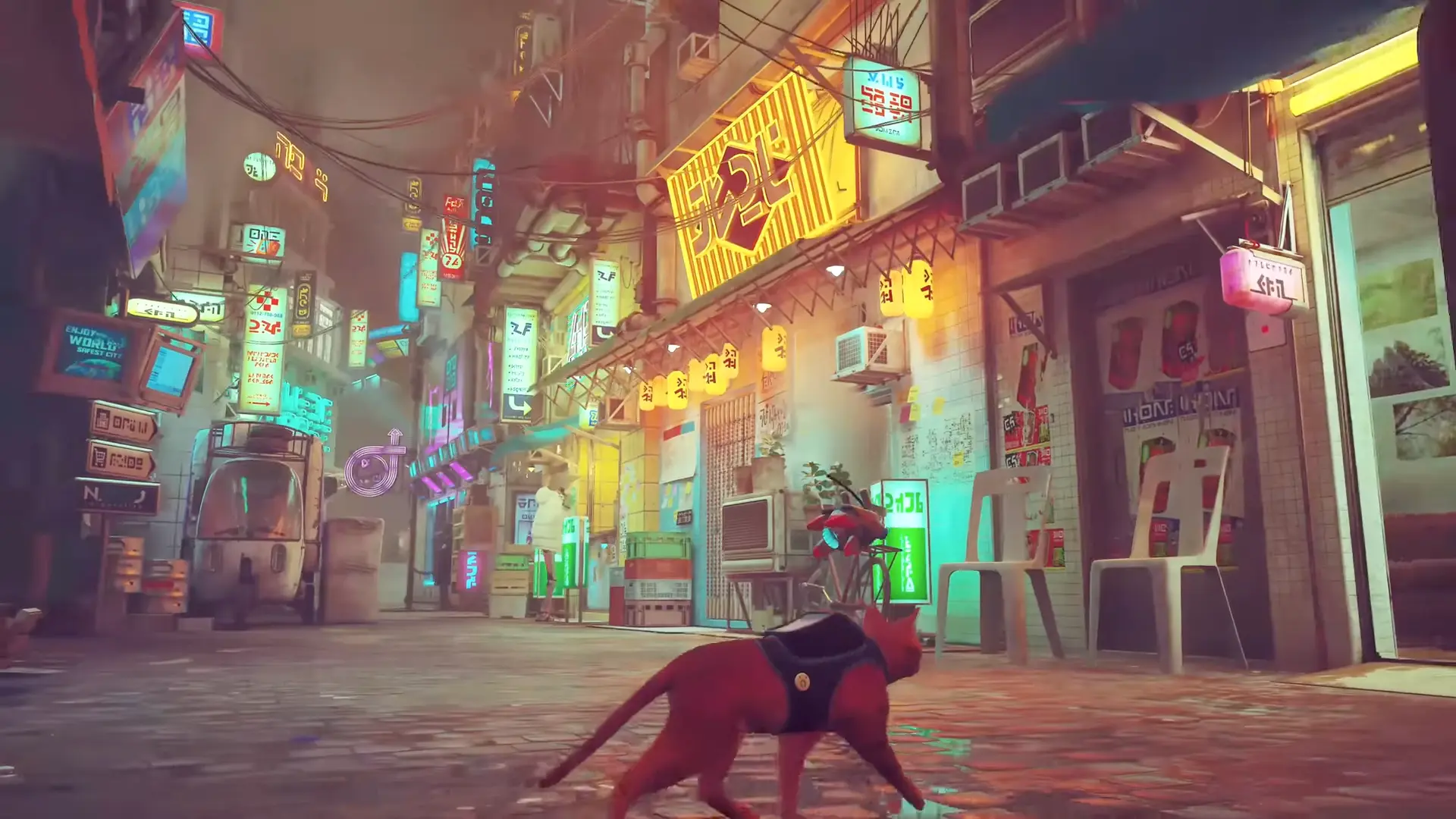
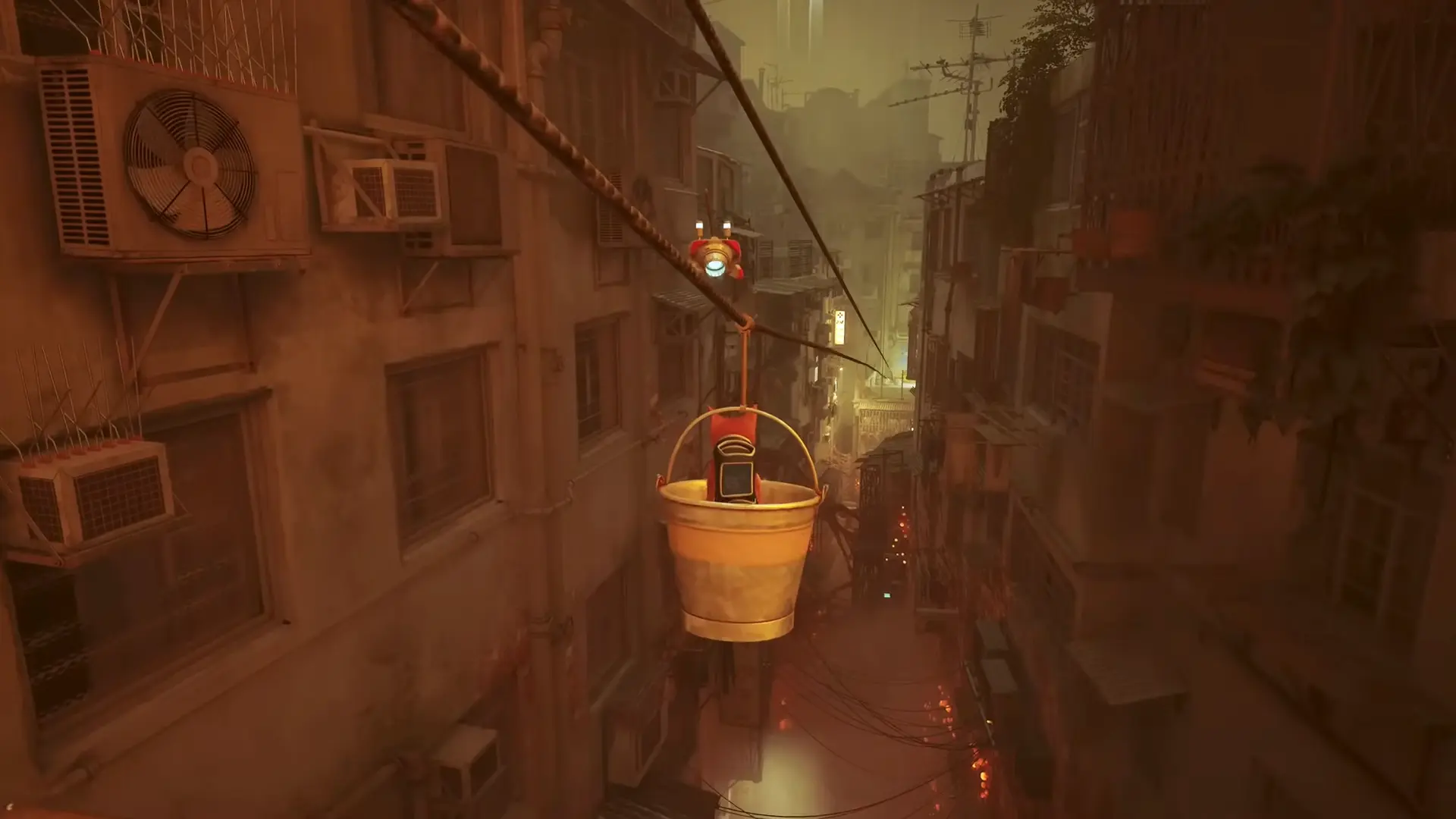
Visually, Stray is one of the most stunning indie games ever created. The lighting engine is completely absurd. The way the vibrant, saturated neon signs reflect off the stagnant puddles in the Slums, or the way the claustrophobic, cyberpunk architecture of Midtown looms over you, makes every single frame look like concept art. Because the camera sits so low to the ground, the verticality of the world feels oppressive and grand at the same time.
The soundtrack by Yann Van Der Cruyssen is a masterclass in atmospheric synth. It perfectly balances the cold, mechanical reality of the robot city with warm, ambient melodies that capture the innocence of the feline protagonist. The world of Stray feels incredibly tactile; it is dirty, lived-in, and dripping with history. It’s a post-apocalyptic game that finds incredible beauty in the decay.
Conclusion: Nine Lives Well Spent
Stray is a triumph. It takes a premise that could have easily been a joke and executes it with an astounding level of polish, heart, and artistic vision. It’s a beautifully paced, 5-to-6 hour adventure that never overstays its welcome and leaves a lasting impact on your soul.
BlueTwelve Studio didn't just build a game; they built an experience that reconnects you with a sense of pure, animalistic curiosity. By the time the credits roll, you will have formed a profound attachment to a little orange tabby cat and a floating drone. If you love cyberpunk aesthetics, brilliant environmental storytelling, or just really, really love cats, Stray is an absolute mandatory play. It is purr-fection.