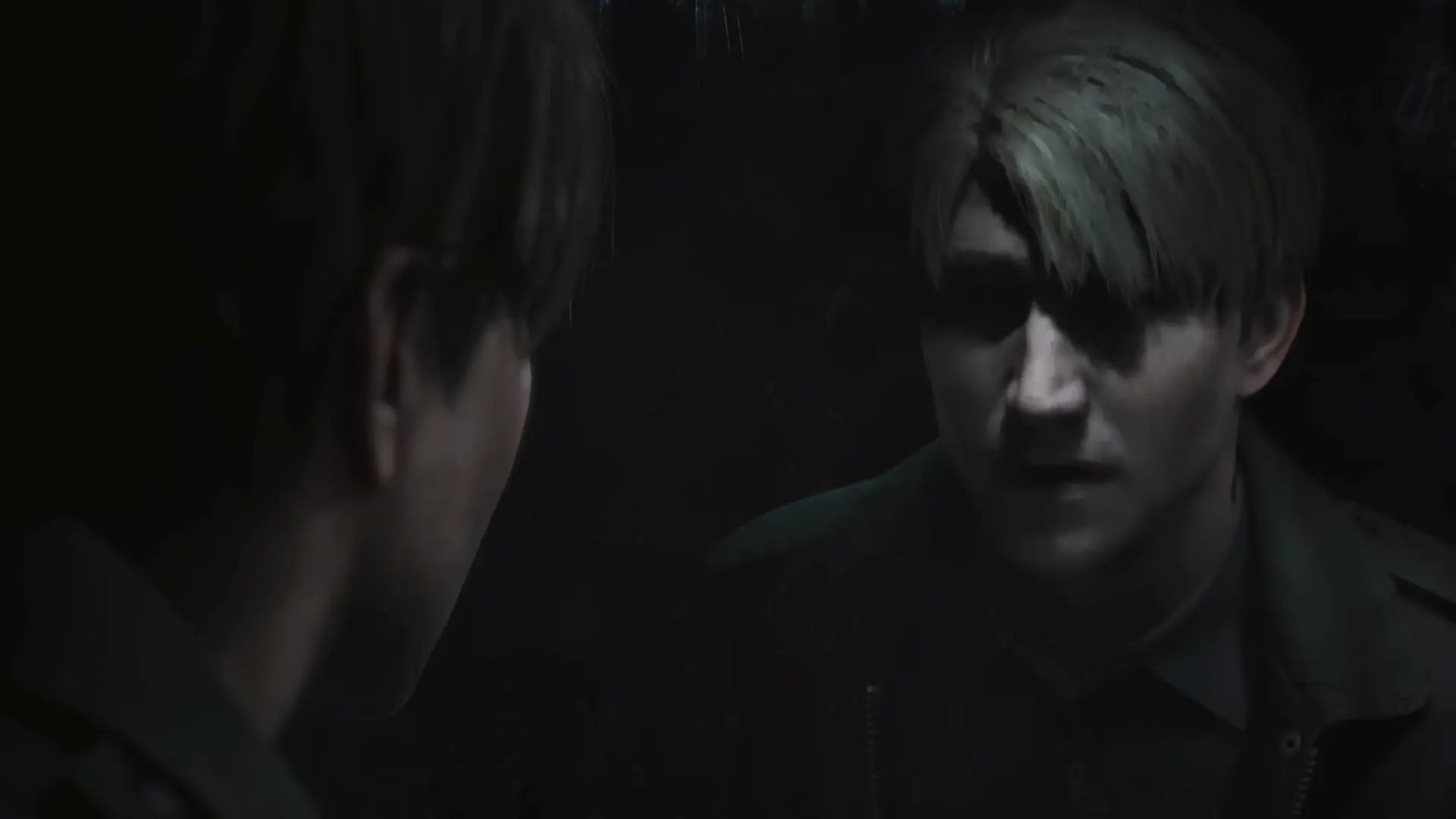
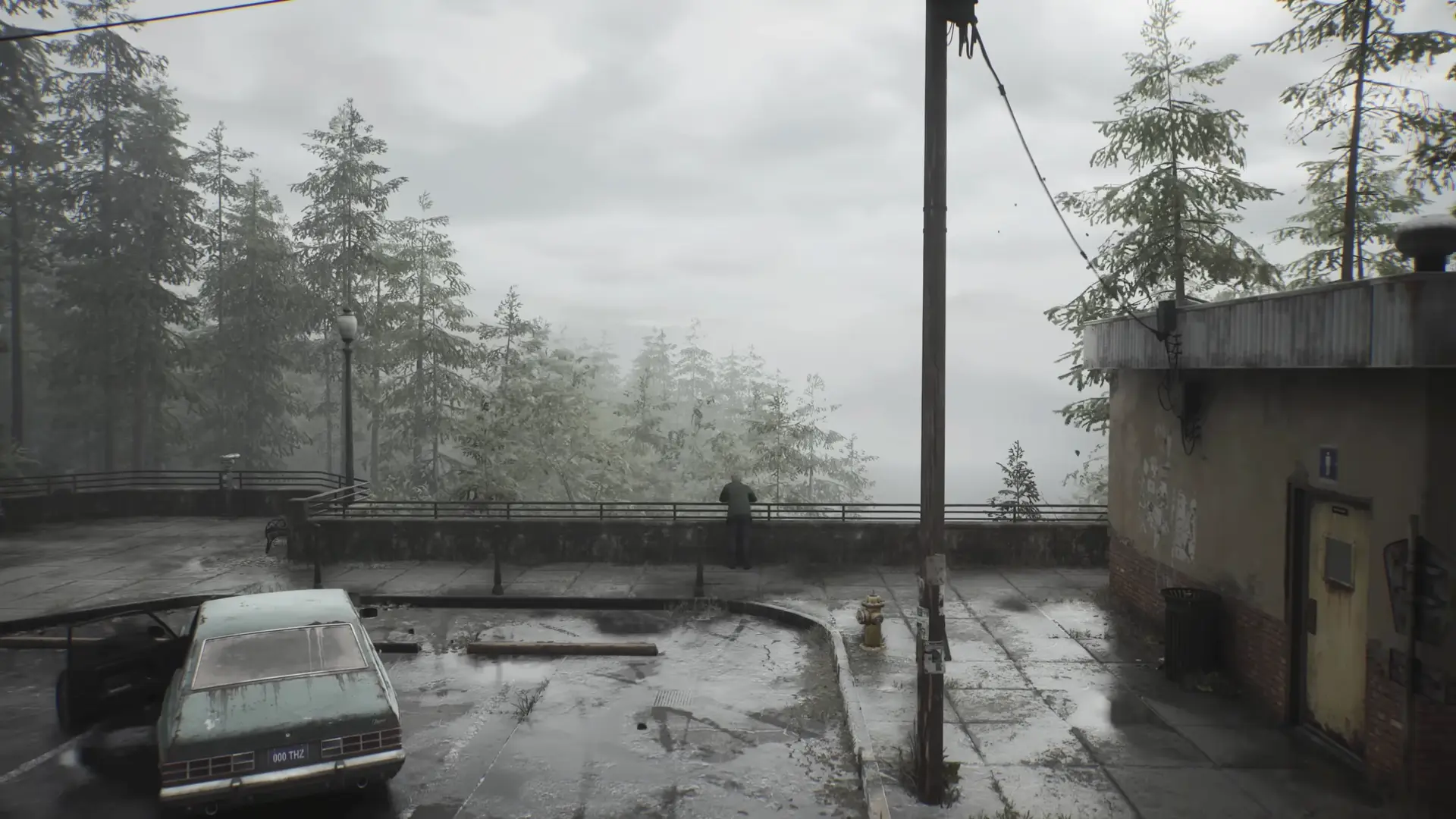
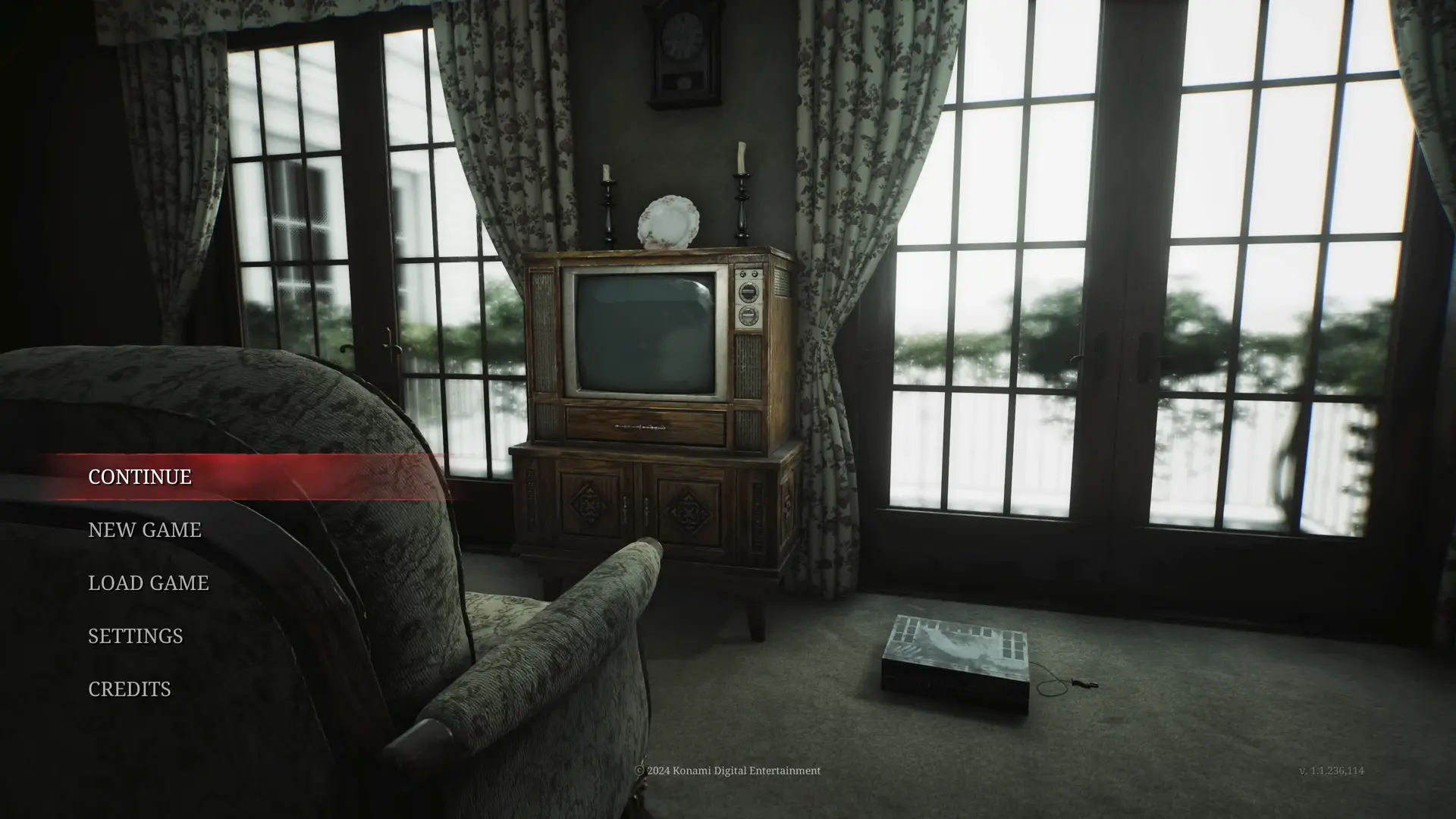
For over two decades, the name 'Silent Hill 2' has been whispered with a reverence usually reserved for religious icons. It was a game that didn't just define a genre; it defined a specific, suffocating kind of grief. When the remake was first announced, a collective shiver of both hope and terror ran through the community. Could modern technology truly capture the soul of a game that relied so heavily on what was not seen? The answer is etched into the very first frame of the bathroom mirror. The 2024 remake is a tectonic achievement in atmosphere, beginning with a protagonist whose exhaustion is visible in every pore, every twitch of a tired eyelid, and every heavy breath that misted in the cold air of a roadside rest stop.
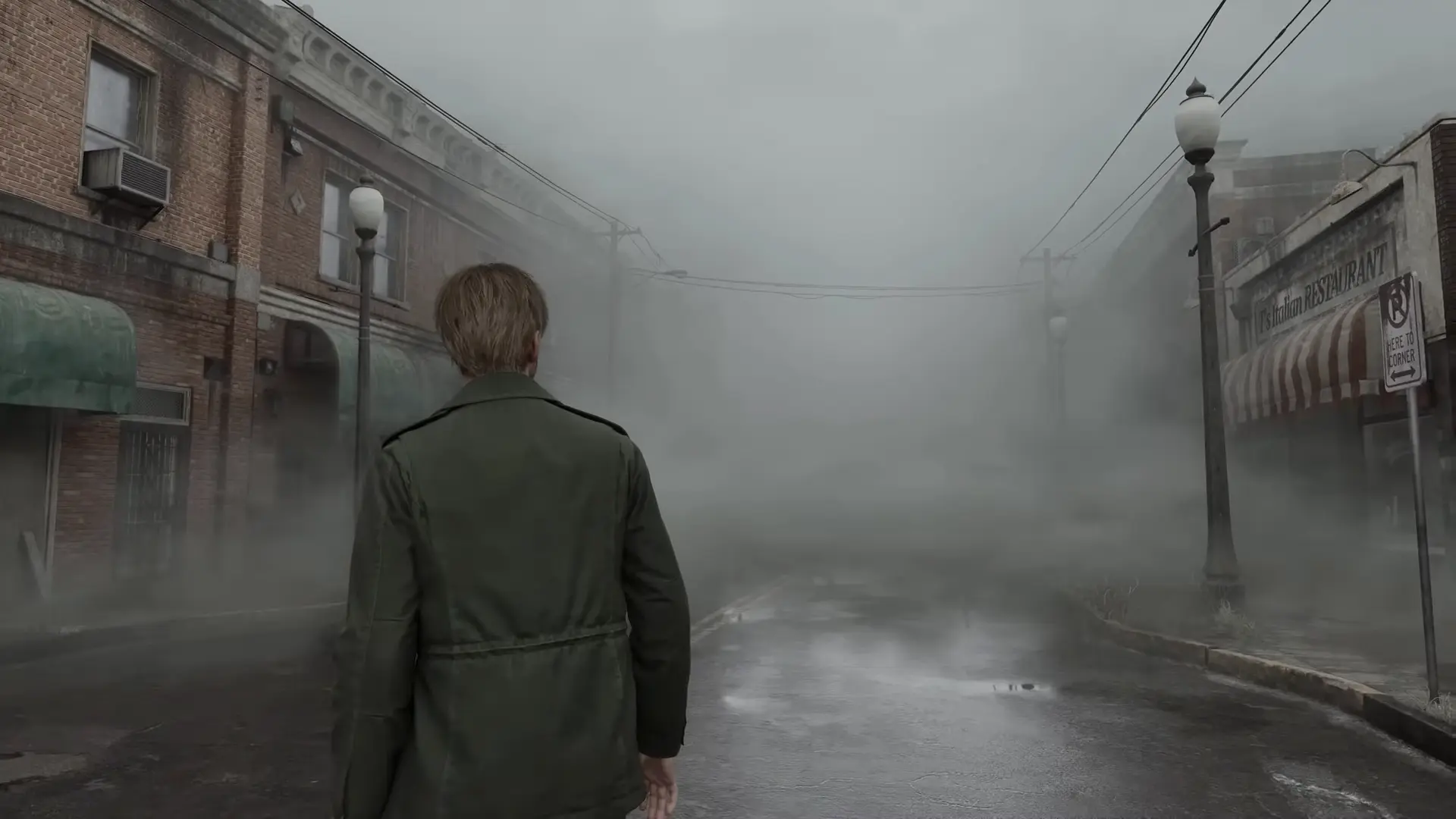
The journey through the forest trail toward the town is no longer just a loading screen or a simple path; it is a ritualistic descent. The way the light filters through the skeletal trees, struggling to pierce a fog that feels alive and sentient, sets a tone of absolute, crushing isolation. This isn't just a town being visited; it is a psyche being flayed open. The reverence for the original 2001 vision is palpable in the way the camera lingers on the iconic landmarks, yet it possesses the courage to expand those spaces, making the walk into Silent Hill feel as long and arduous as the years spent waiting for this homecoming. It is a masterclass in tension, understanding that the greatest horror is not the monster in the dark, but the realization that one has finally arrived exactly where they deserve to be.
About the Game: The Architecture of Sorrow
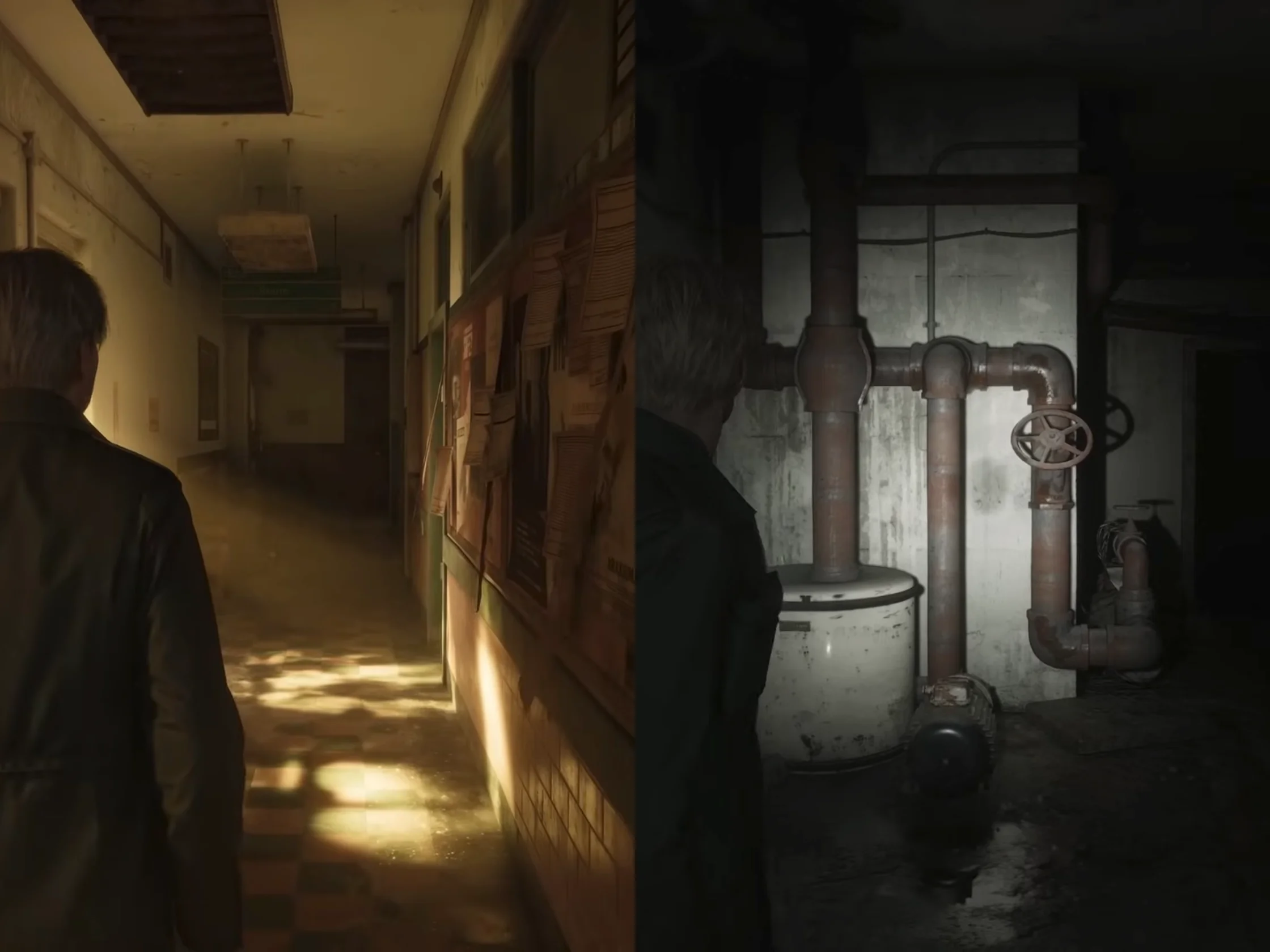
Bloober Team, working under the watchful eyes of the original creators, has performed a feat of digital necromancy. Utilizing Unreal Engine 5, they have reconstructed Silent Hill not as a static map, but as a rotting, breathing organism. This reimagining extends the narrative footprint significantly, turning previously two-minute exploration beats into twenty-minute descents into environmental storytelling. The decision to open up buildings that were once merely background textures serves a profound purpose: it makes the town feel lived-in and subsequently died-in. Every apartment room, every commercial shop, and every damp basement tells a wordless story of the people who were caught in the town's shifting reality.
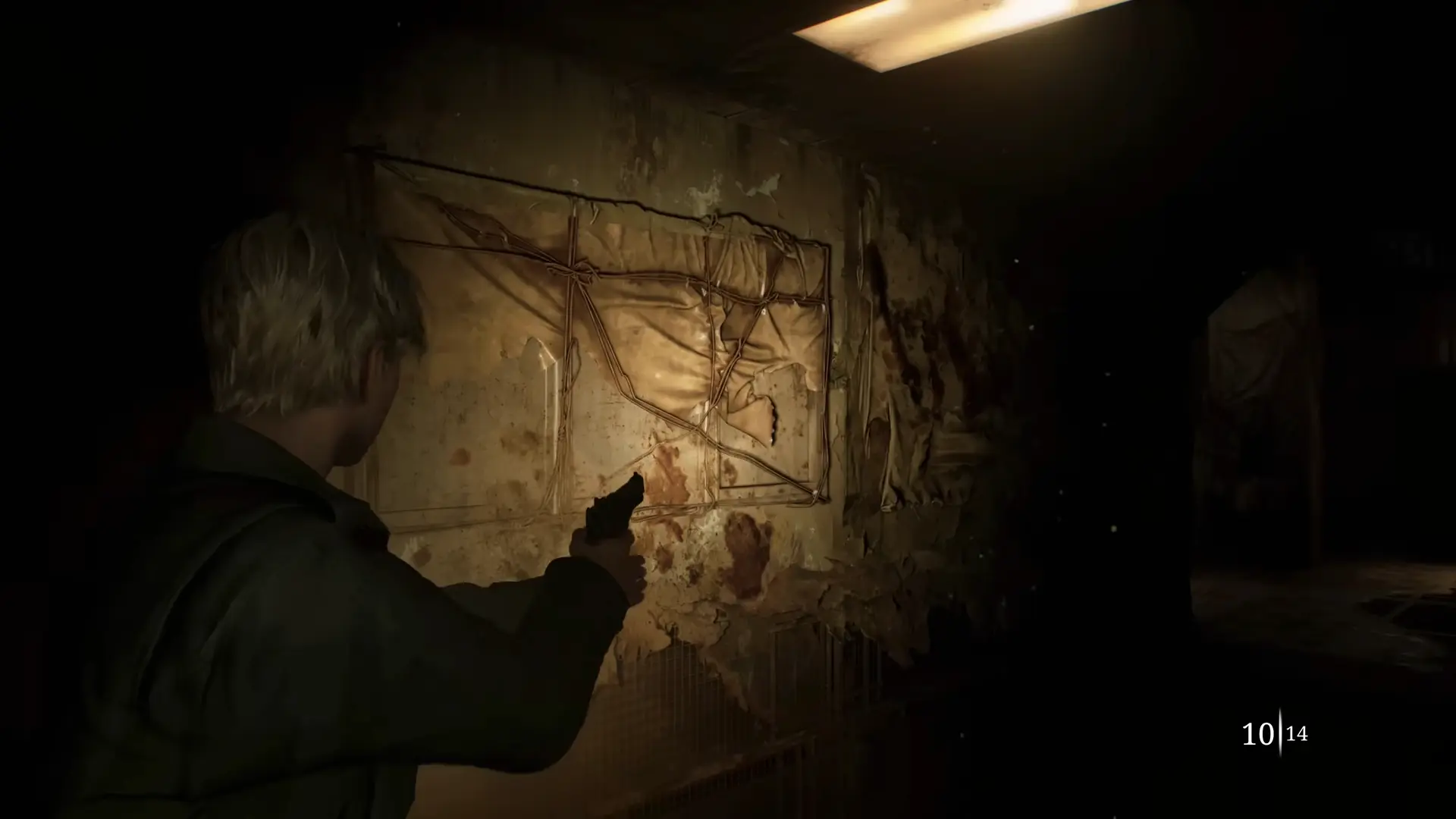
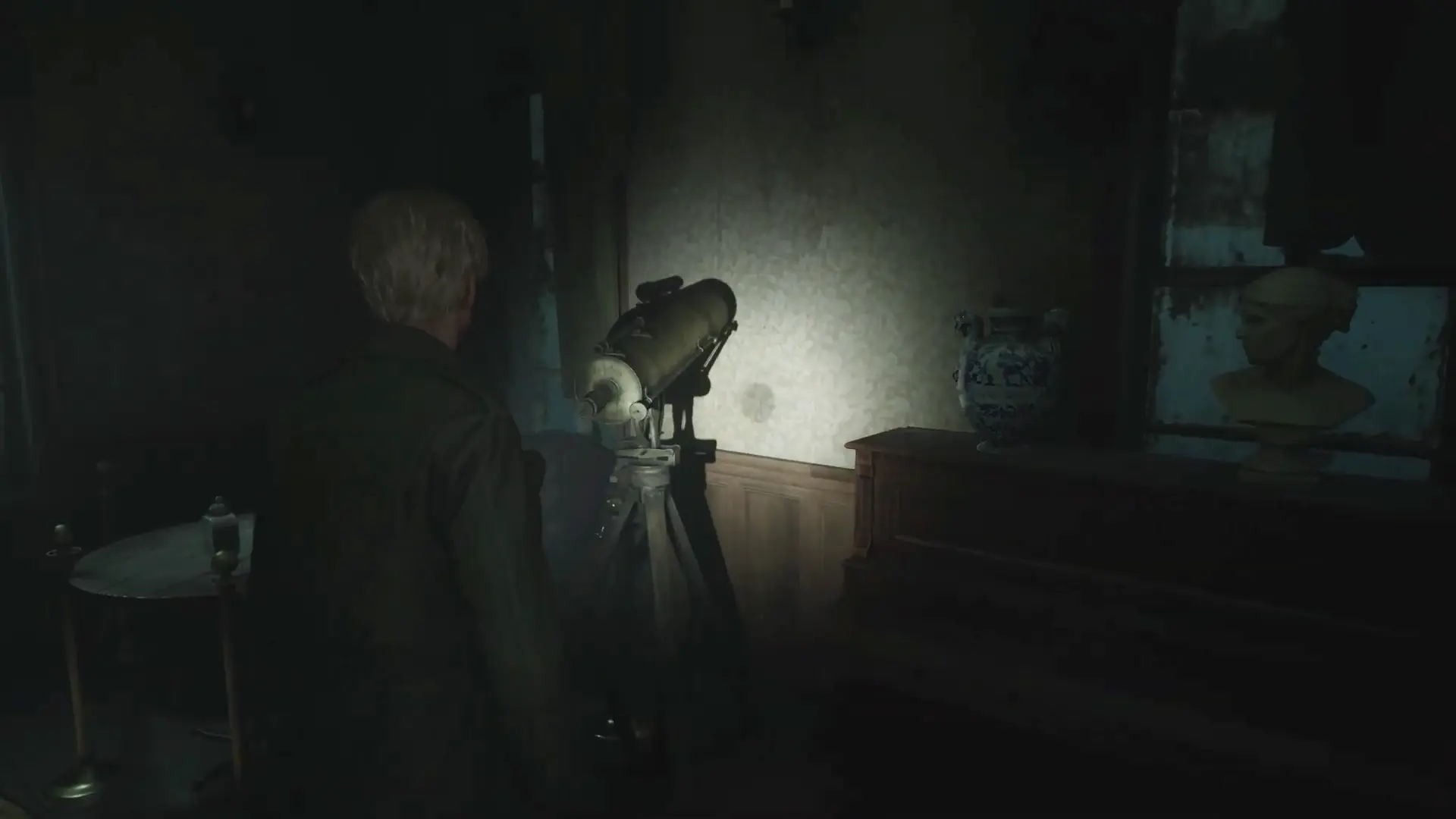
The technical fidelity is used here not for spectacle, but for intimacy. The way the rust spreads across the walls in real-time, the sound of water dripping onto a linoleum floor that hasn't seen sunlight in years, and the oppressive weight of the volumetric lighting all combine to create a sense of 'terminal decay.' The game demands a methodical pace. It punishes those who try to rush through its corridors, instead rewarding the obsessed who stop to examine the peeling wallpaper or the cryptic graffiti. This version of the game understands that the horror of Silent Hill is found in the details—the mundane objects turned into symbols of trauma. It is a restoration that respects the silence of the original while filling the gaps with a richness that only modern hardware and a deep, fanatical love for the source material could provide.
Story: The Performance of Guilt
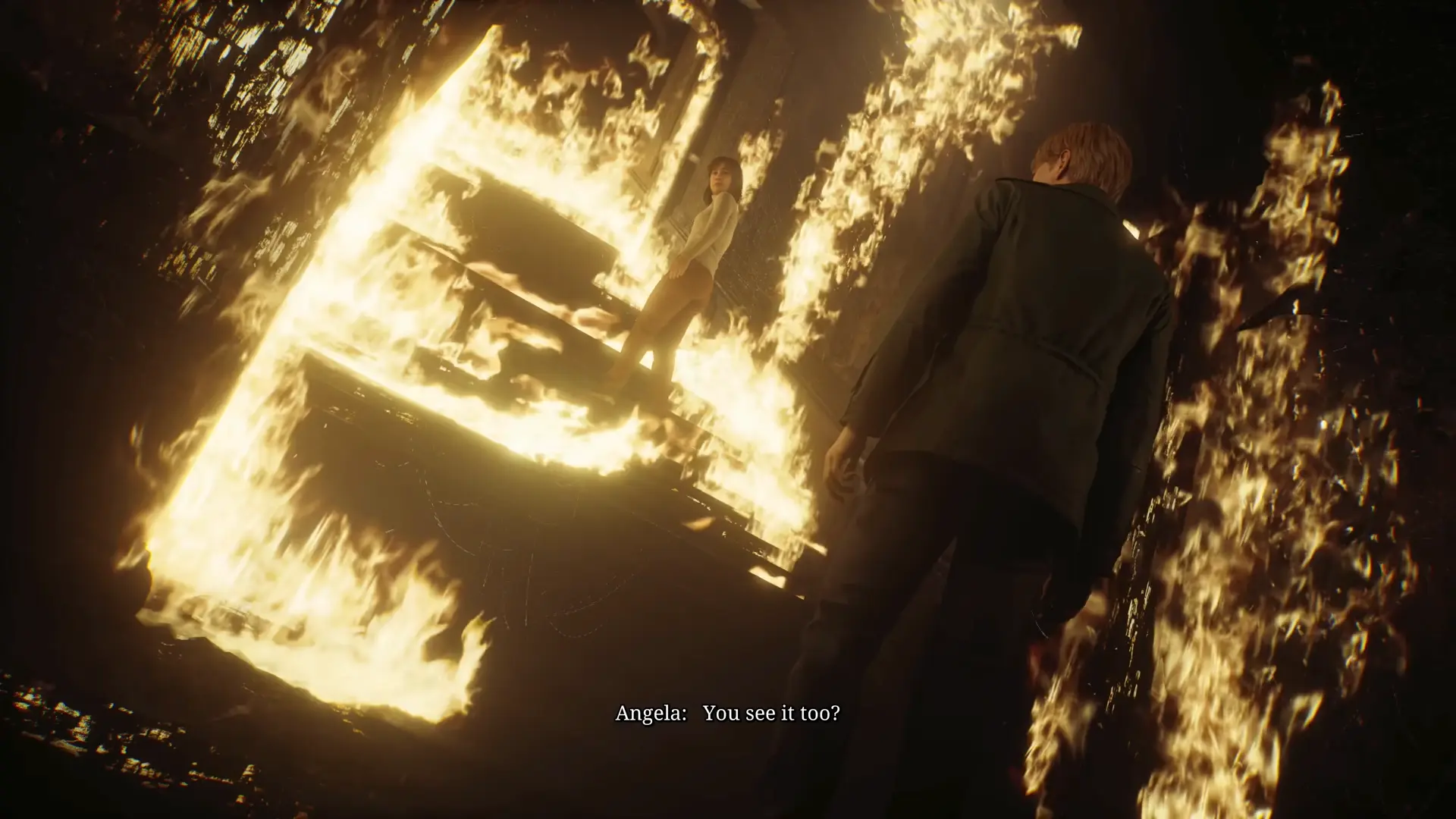
At its heart, the story remains the odyssey of James Sunderland, a man lured to a ghost town by a letter from his deceased wife. However, the remake elevates this narrative through performance capture that is nothing short of breathtaking. The emotional weight of the story no longer relies solely on the script; it is written in the micro-expressions of the cast. When James encounters Angela on the mirrored staircase or Eddie in the cold darkness of the bowling alley, the instability and tragedy of these characters are conveyed with a heartbreaking realism. They are no longer just NPCs; they are mirrors of James's own fractured state.
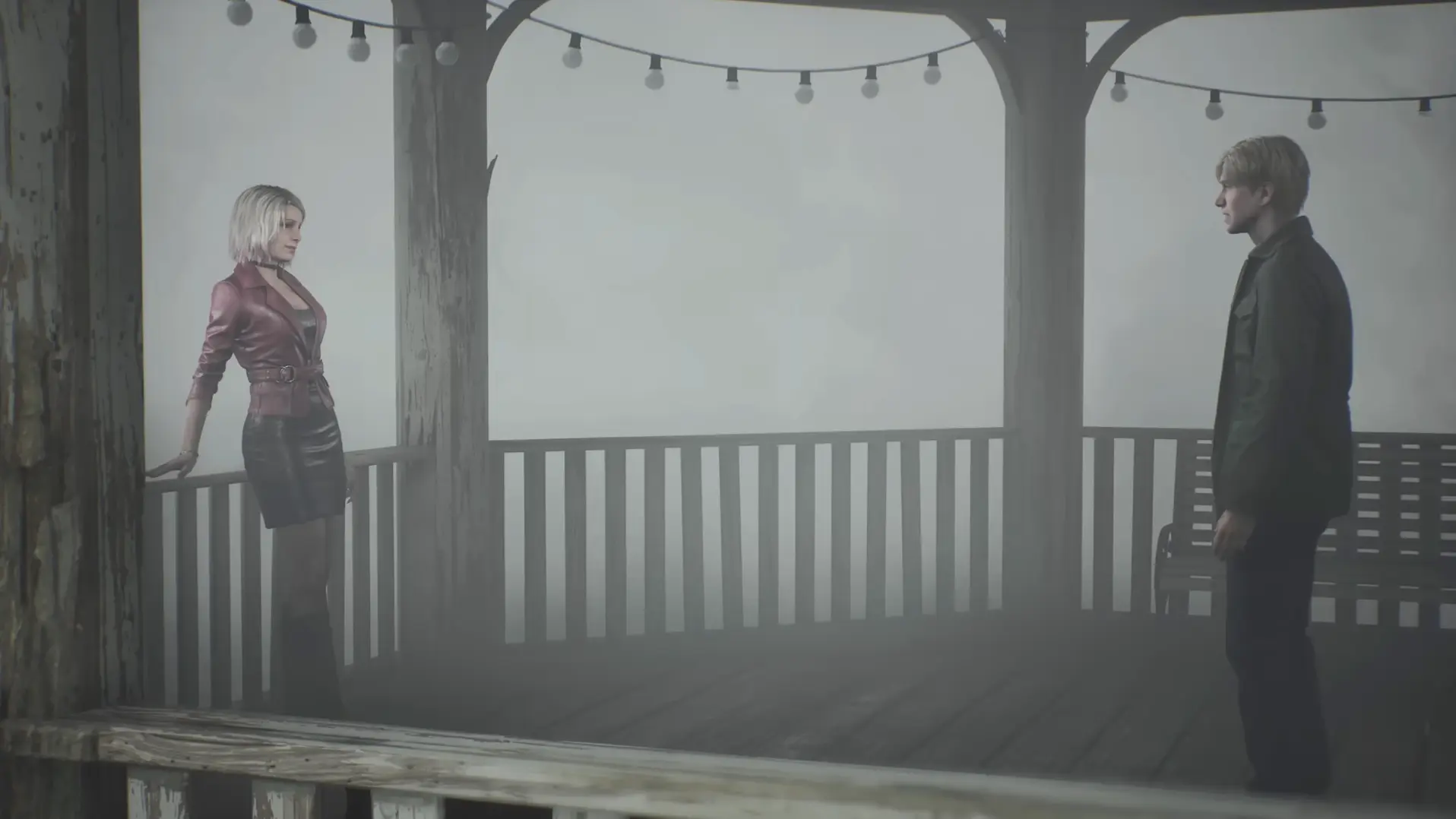
The introduction of Maria at Rosewater Park remains a pivot point of the experience. Her design and performance capture the uncanny valley perfectly—she is familiar yet fundamentally 'wrong,' a manifestation that oscillates between comfort and cruelty. The writing maintains the original's commitment to ambiguity, refusing to over-explain the supernatural elements. Instead, it leans into the 'Glimpses of the Past,' subtle environmental echoes that act as love letters to long-time fans while grounding the current experience in a sense of cyclical suffering. It is a story about the stories we tell ourselves to survive, and the remake ensures that the eventual confrontation with the truth is as physically and emotionally draining as it was in 2001, if not more so due to the sheer fidelity of the pain on screen.
Gameplay: The Weight of Every Step
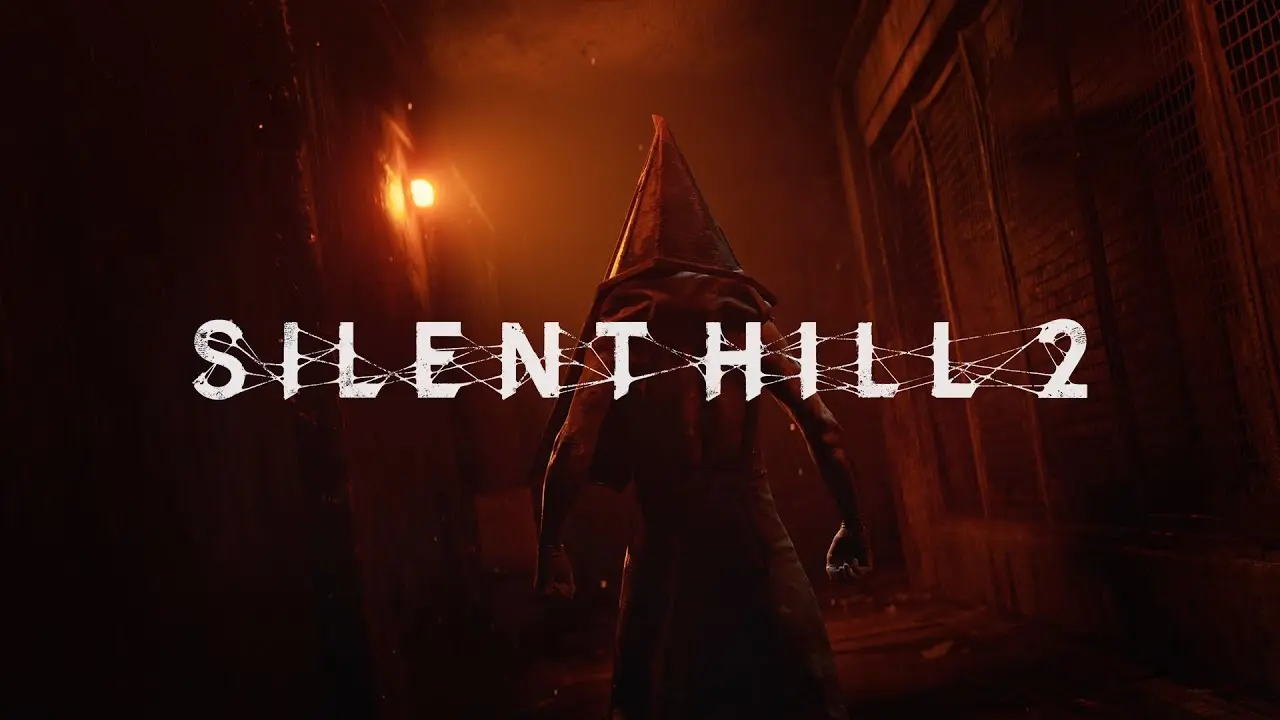
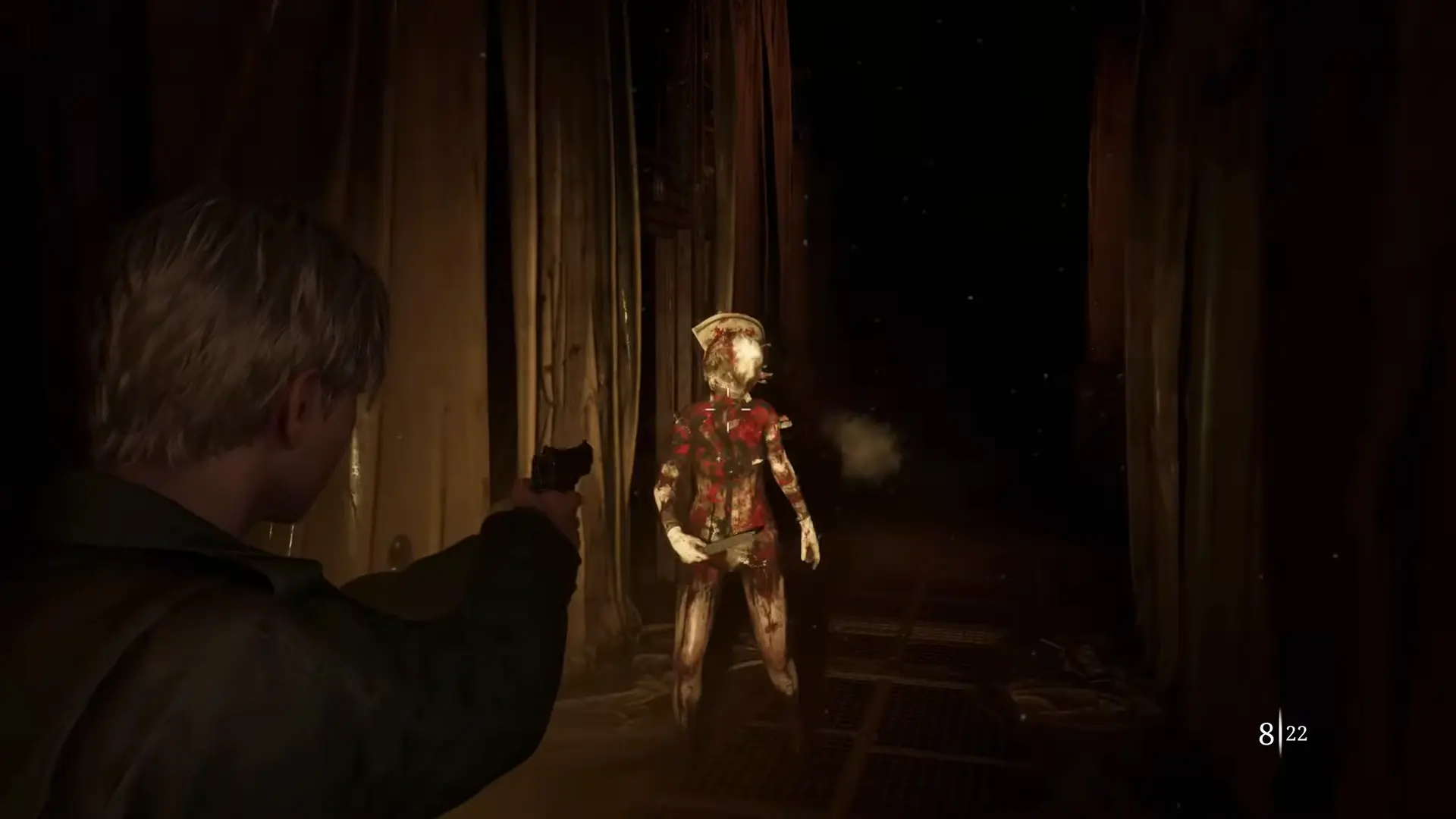
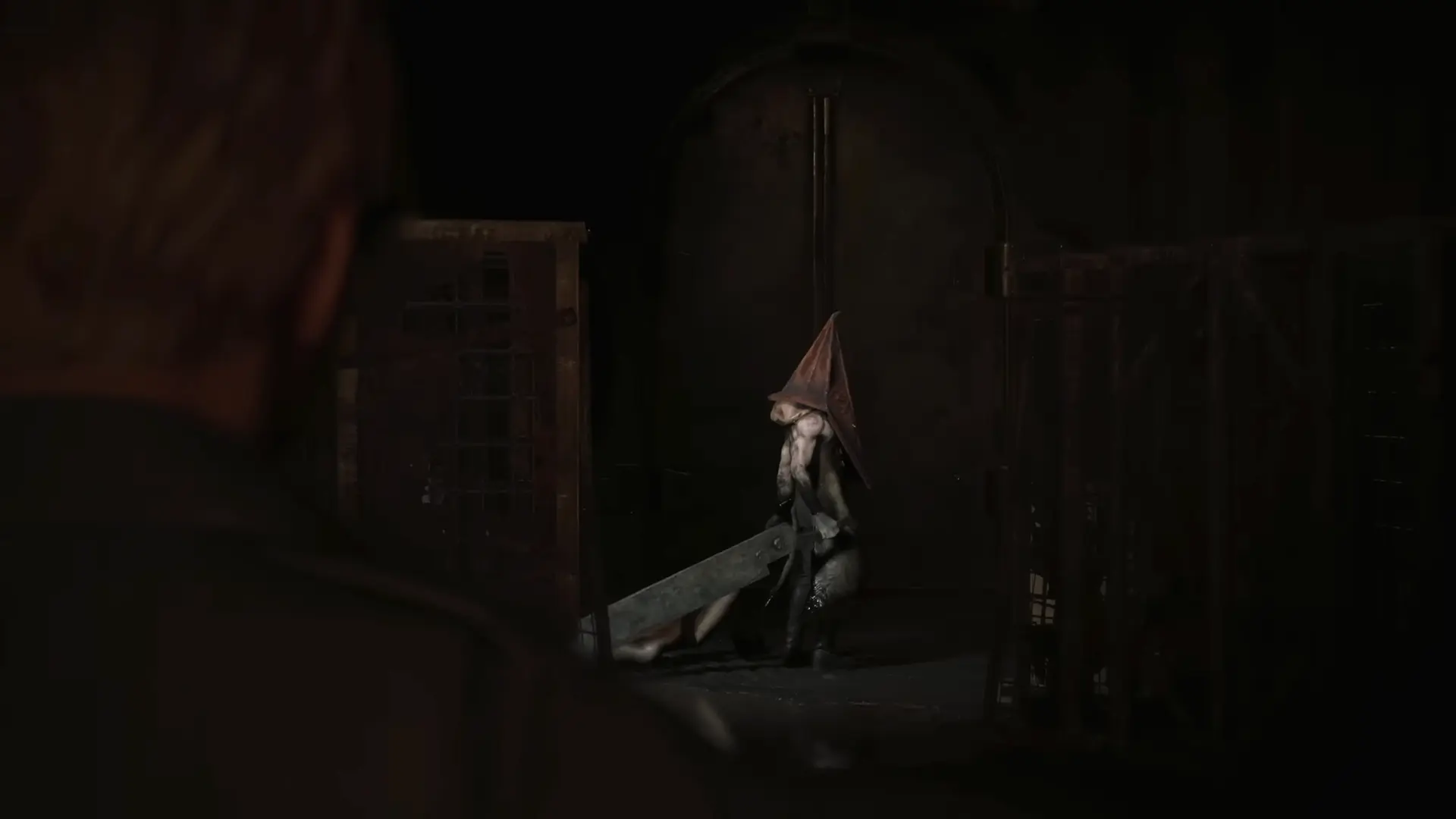
The shift to an over-the-shoulder camera could have easily turned the game into a generic action title, but the developers avoided this trap with surgical precision. Combat in the remake is a desperate, ugly affair. James is not a soldier; he is a grieving clerk, and every swing of the steel pipe feels heavy, uncoordinated, and frantic. The feedback of the combat—the crunch of metal on bone and the way James recoils after a hit—creates a visceral sense of vulnerability. The enemy AI has been transformed into a nightmare of unpredictability. Mannequins no longer just stand still; they scuttle across ceilings, hide behind mannequins of the non-living variety, and wait for the flashlight to pass over them before striking.
The 'radio static' mechanic remains the most effective tension-builder in gaming history, now enhanced with 3D audio that makes every scrape and moan feel like it is happening just inches behind the player's head. The puzzles have been intelligently expanded, offering multiple layers of logic that require a genuine understanding of the town’s lore to solve. Managing resources like health drinks and handgun ammunition is a constant psychological burden. There is never enough of anything, and the game excels at making the player feel that their next encounter might be their last. It is survival horror in its purest, most stressful form, where the 'survival' part is never a guarantee and the 'horror' is constant.
Atmosphere & Themes: The Sound of Silence
One cannot speak of Silent Hill 2 without acknowledging the auditory nightmare crafted by Akira Yamaoka. In the remake, the soundscape is a crushing wall of industrial noise and mournful melody. The music doesn't just play; it haunts. The transition between the 'Fog World' and the 'Otherworld' is no longer a simple cutscene, but a terrifying, seamless metamorphosis of the environment. Walls peel away like dead skin to reveal a world of mesh, dampness, and eternal shadow. The themes of sexual repression, guilt, and the desire for self-punishment are woven into the very fabric of the monster design, which has been meticulously updated to look even more like the manifestations of a diseased mind.
The game weaponizes its lighting engine to create a darkness that feels physical. The flashlight is a fragile lifeline that only reveals enough to make the imagination fill in the rest. Whether it’s the oppressive hallways of the Wood Side Apartments or the sterile, horrifying depths of Brookhaven Hospital, the atmosphere never lets up. It is a constant, low-level dread that occasionally spikes into pure, unadulterated panic. The remake understands that Silent Hill is a place where time has stopped, and it forces the player to exist in that stillness, making every shadow a potential threat and every silence a scream waiting to happen. It is an aesthetic of misery that is, paradoxically, impossible to look away from.
Conclusion: A Monument to Trauma
Silent Hill 2 (2024 Remake) is a staggering achievement that defies the usual cynicism surrounding industry remakes. It is a work of profound empathy and obsession, a project that clearly understood the weight of the crown it was attempting to wear. By modernizing the mechanics while deepening the emotional resonance of the narrative, Bloober Team has delivered the definitive version of James Sunderland's journey. It is a game that leaves the player feeling hollowed out, emotionally exhausted, and deeply contemplative—exactly as it should.
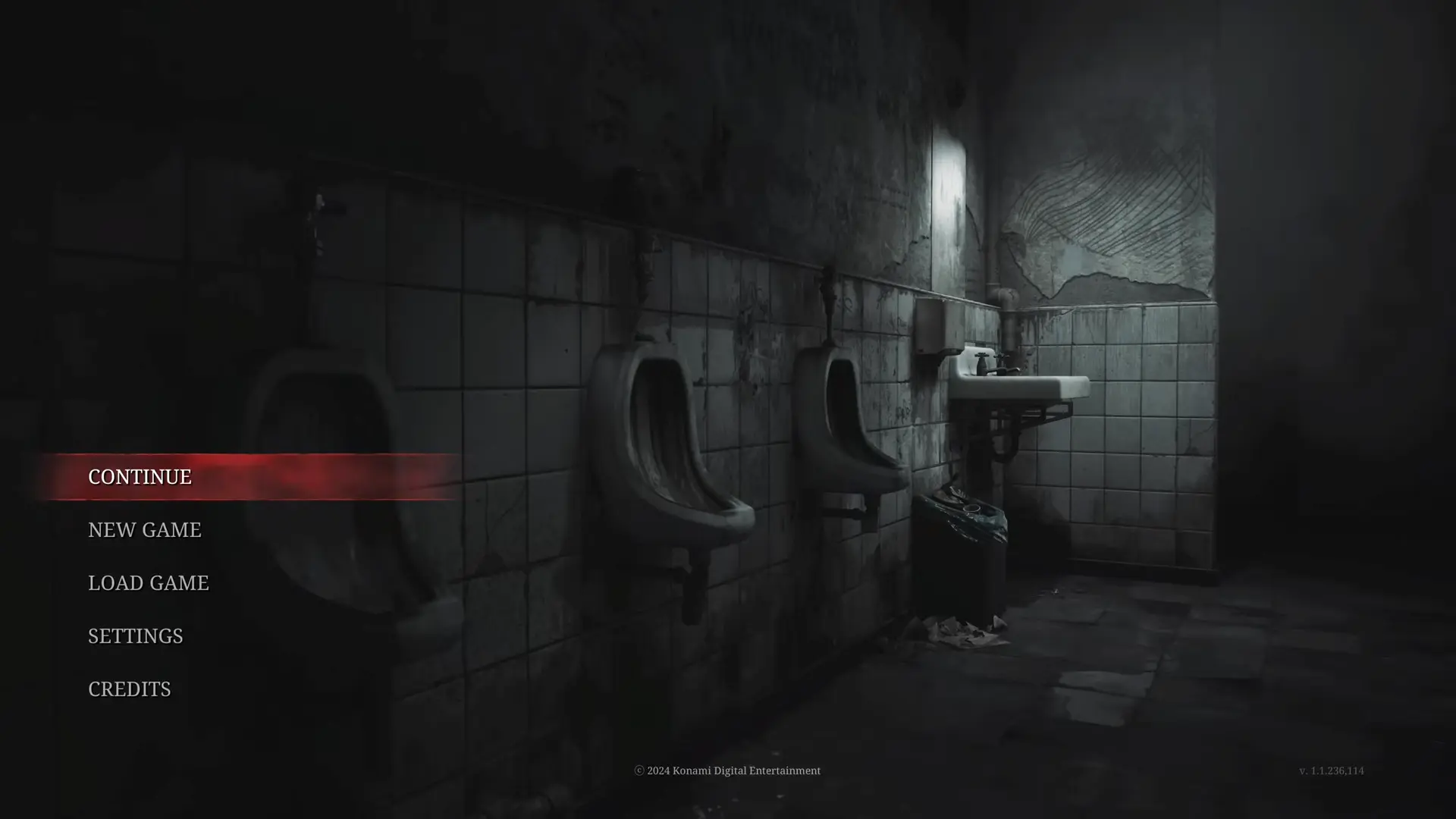
This is not a game to be 'beaten,' but an experience to be endured and reflected upon. It honors the legacy of the Team Silent original by proving that its themes are timeless and its horror is universal. For those who have waited two decades to see the fog roll in with this level of clarity, the wait is over, and the result is nothing short of a masterpiece. As the credits eventually roll and the menu returns to that familiar, foggy stillness, one is left with the realization that Silent Hill never really leaves you; it just waits for you to come back. This remake is the homecoming that fans deserved—a beautiful, terrifying, and perfect descent into the darkness of the human heart.
Review Score
Based on overall narrative, gameplay, and experience.