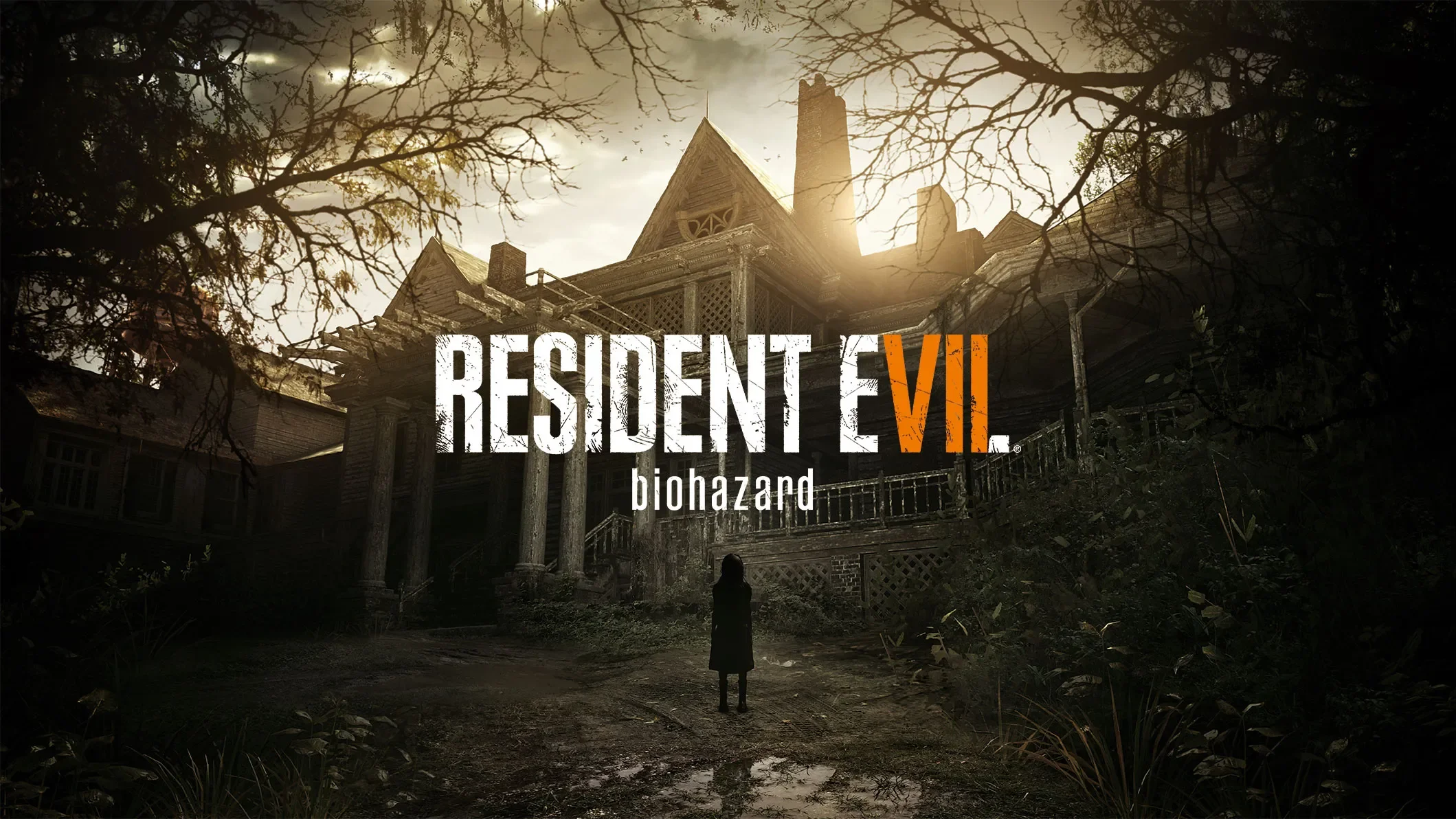
In 2017, the horror landscape shifted fundamentally when Capcom executed the most daring pivot in the series' history. After years of escalating global bio-terrorism and high-octane action, Resident Evil 7: Biohazard stripped everything back to a primal, suffocating core. It traded sprawling cityscapes for the decaying, mold-infested Dulvey plantation. The shift to first-person was a psychological assault; the game demands you exist within the filth, feeling every creak of the floorboards.
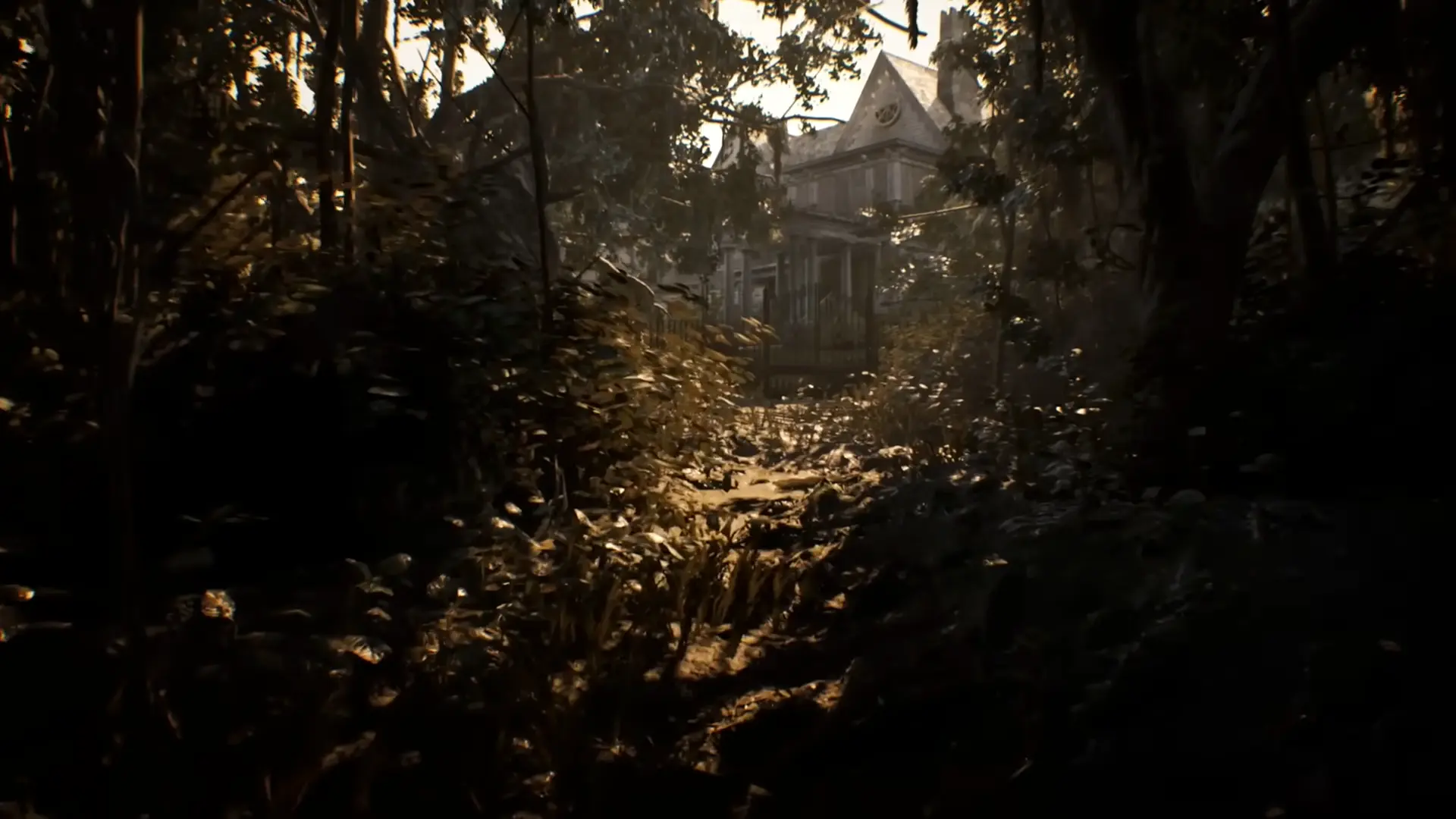
The technical debut of the RE Engine provided a level of photorealism that made the Southern Gothic aesthetic feel uncomfortably tangible. The way light filters through the dust-choked air and the sickeningly detailed food on the Baker's table established a new standard for atmospheric immersion. For the truly obsessed, this entry represents the moment Resident Evil remembered that its greatest strength wasn't the size of the explosion, but the depth of the silence before a door creaks open. The walk through the tall, dead grass toward the Guest House sets a tone of inevitable doom that remains unmatched.
About the Game: The Architecture of a Nightmare
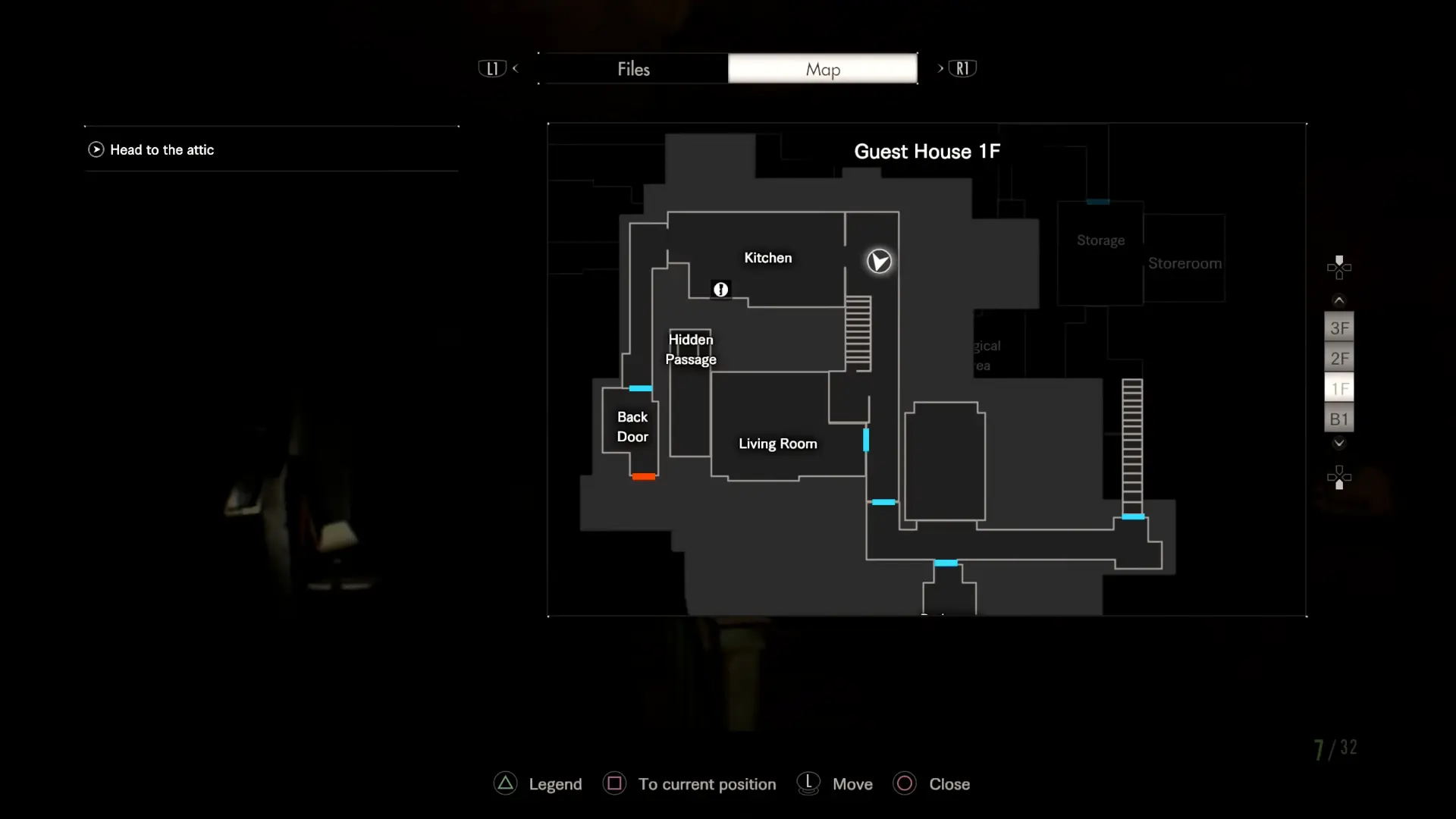
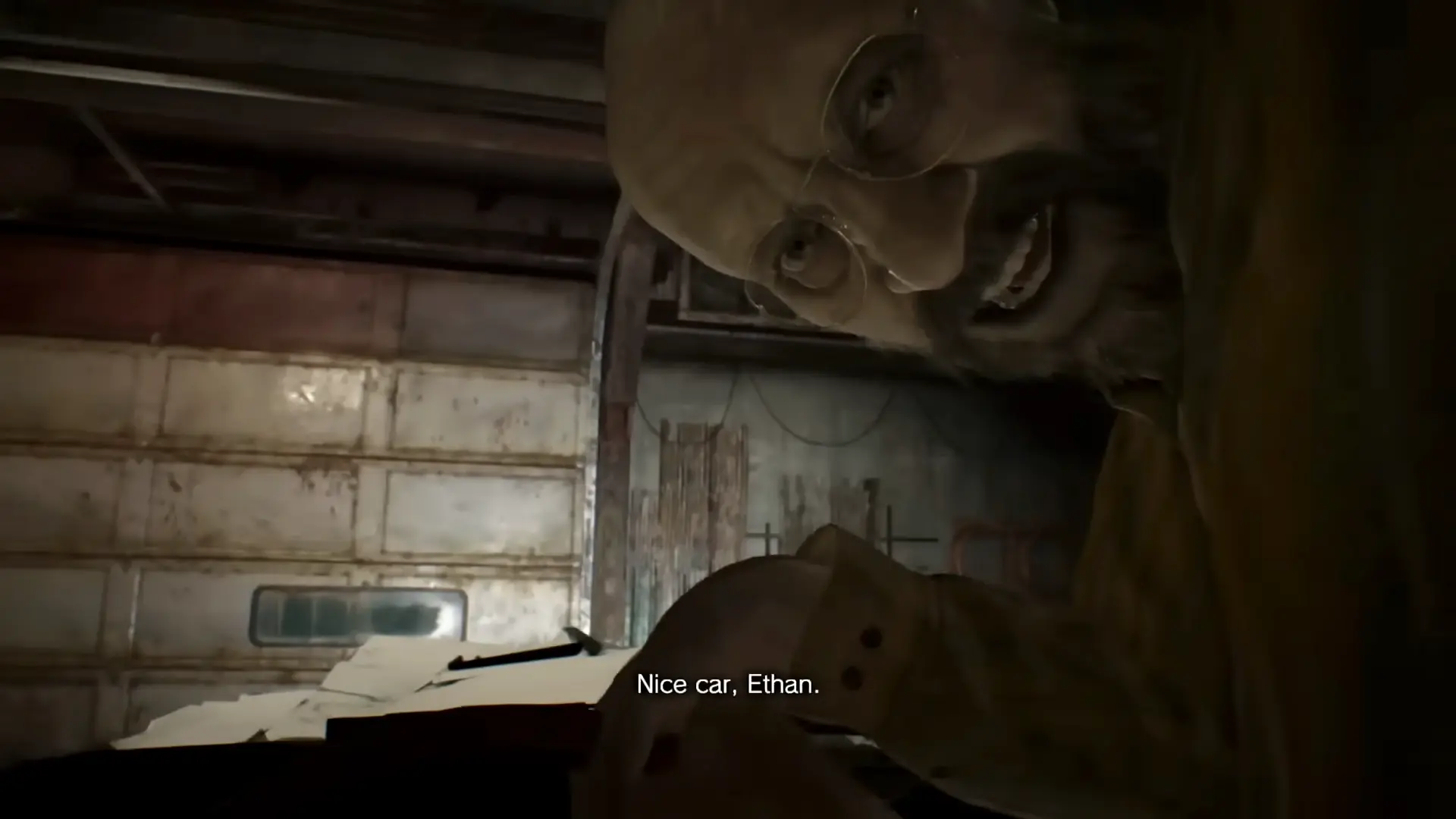
At its heart, Resident Evil 7 is a survival horror simulation that weaponizes domesticity. The Baker family—Jack, Marguerite, and Lucas—are distorted reflections of a family unit, making their pursuit of Ethan feel incredibly personal. The game’s structure is a masterclass in 'Metroidvania' style exploration, requiring the navigation of the labyrinthine halls of the Main House and Old House. Every key found—be it the Scorpion Key or the Snake Key—feels like a hard-won victory against a shifting, hostile environment.
The technical execution focuses on sensory overload. The sound design is particularly oppressive, utilizing binaural audio to place Jack’s heavy footsteps or Marguerite’s skittering insects directly behind the listener. The environmental storytelling is unparalleled; every discarded note and moldy photograph tells the tragedy that befell the Bakers before Ethan's arrival. This isn't just a place where horror happens; it is a place that is horror. The game rewards the player who stops to examine the rot, finding beauty in the terminal decay of a world left to fester in the Louisiana heat.
Story: The Search for a Ghost
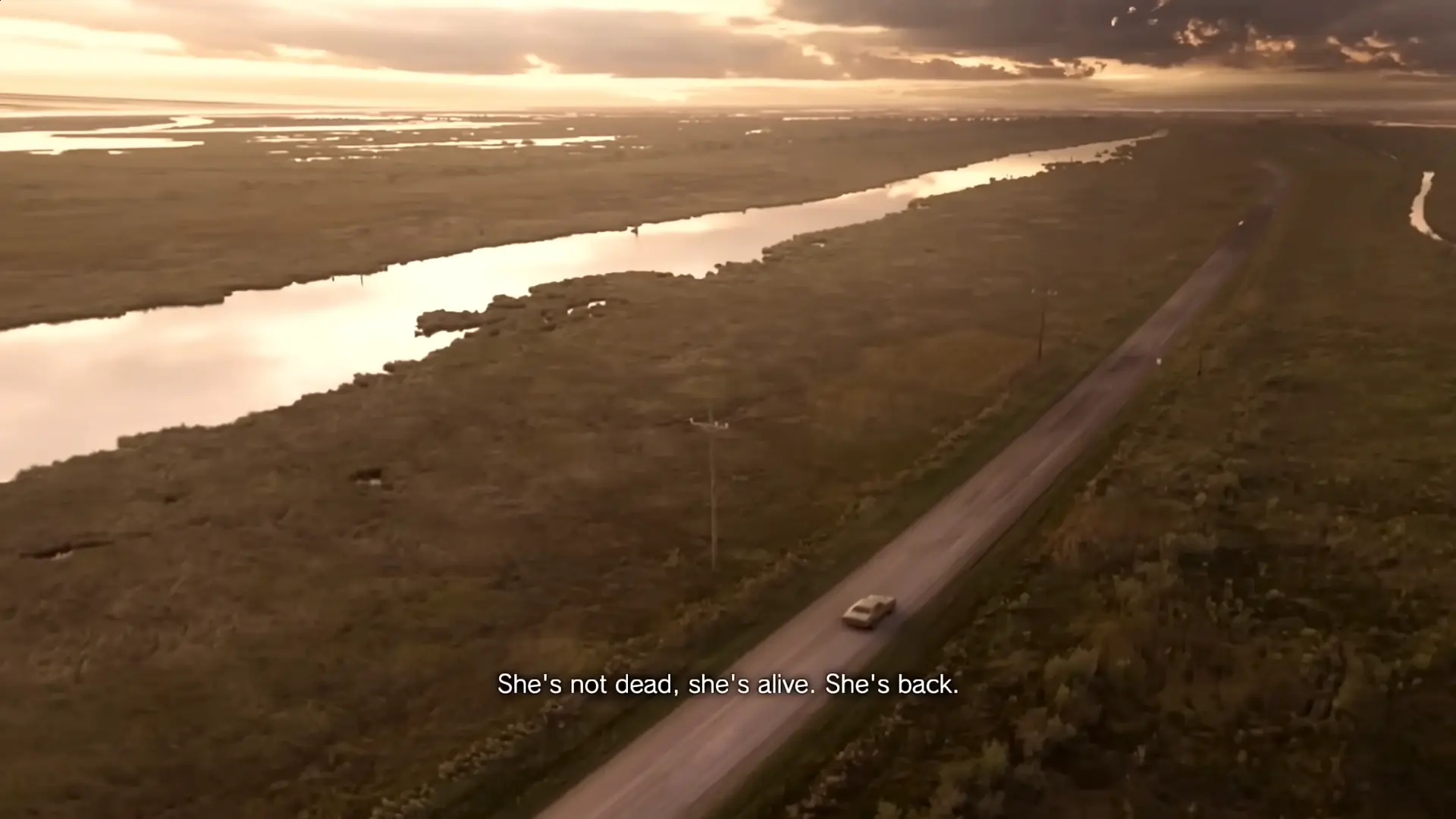
The narrative is driven by the desperate search for Mia Winters, Ethan’s wife who has been missing for three years. Unlike previous protagonists who were highly trained soldiers, Ethan is an everyman, making his vulnerability the focal point. The writing avoids the bloated lore of previous entries, focusing instead on the intimate horror of a man trying to save the person he loves from a family that refuses to let her go.
The story is told through layers of perspective, primarily using 'VHS tapes' scattered throughout the house. These segments allow the player to experience the past through the eyes of other victims, providing essential clues while deepening the sense of inevitable doom. The characterization of the Bakers is the game's greatest strength; they are tragic figures whose humanity is visible beneath the infection. The narrative explores themes of possession and maternal love, maintaining a mystery that keeps the tension high until the final act. It respects the audience's intelligence, leaving the deeper lore to be discovered through environmental clues, making the revelation of the plantation's history feel earned and devastating.
Gameplay: Survival in its Purest Form
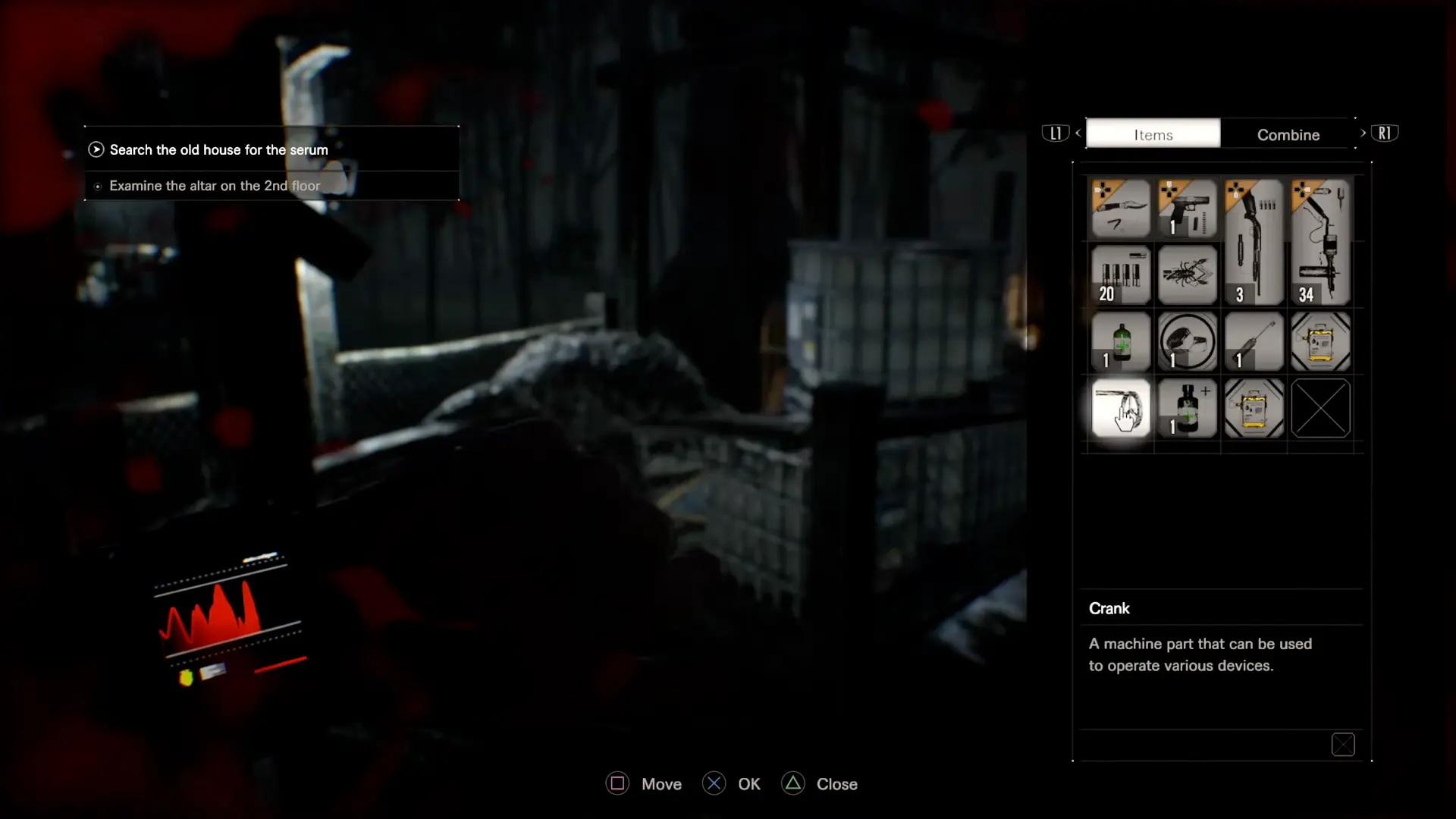
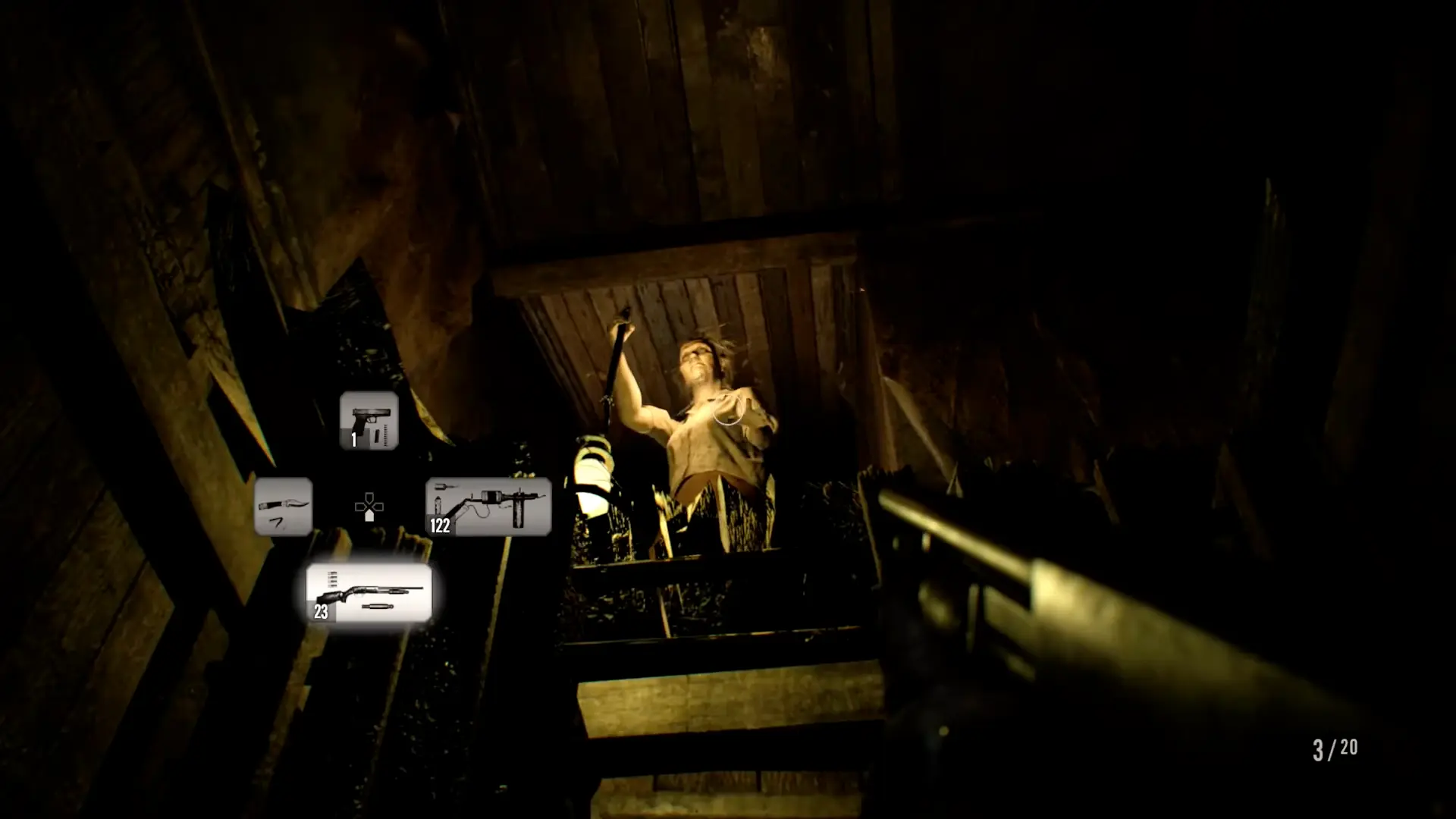
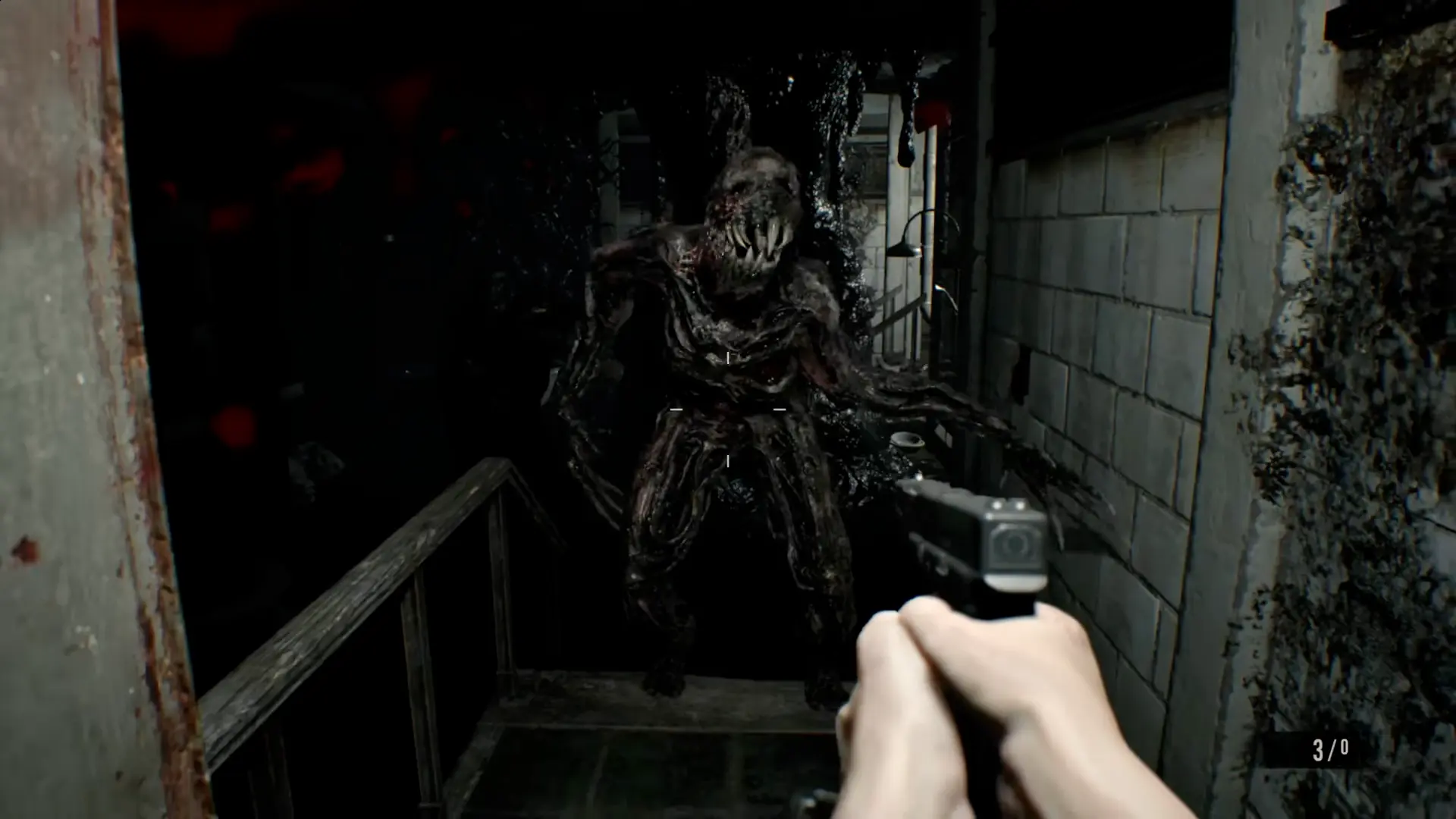
Gameplay is a return to the 'resource management' pillar of the original trilogy. Inventory space is extremely limited, forcing agonizing decisions: do you carry more handgun ammo or a much-needed First Aid Med? Every bullet fired is a gamble. Combat is slow and deliberate; the Molded are resilient enemies that require precision. Ethan’s movements are intentionally heavy, reflecting his lack of training and the physical toll the house takes on him.
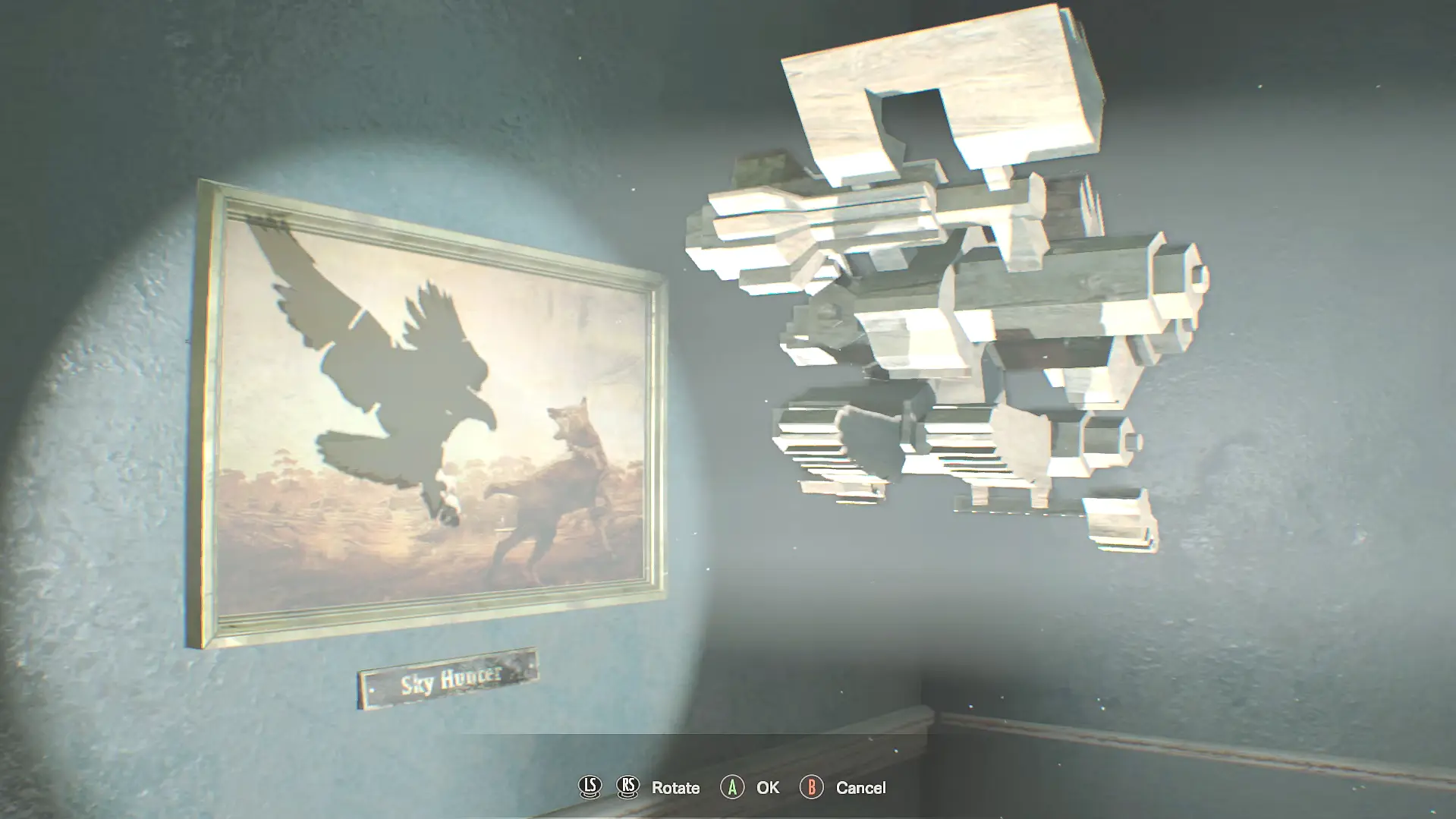
The introduction of 'Chemical Fluid' for crafting allows for tactical flexibility, but you never feel truly powerful. Stealth is often the only viable option when Jack Baker is actively patrolling the corridors. The boss encounters turn domestic spaces into arenas of absolute carnage. Puzzles are integrated naturally into the environment, often involving light, shadow, and mechanical contraptions that feel period-appropriate. It is a grueling, rewarding experience that understands that horror is most effective when survival feels earned by the skin of your teeth. The tension of hearing Jack smash through a wall while you're carefully organizing a three-slot inventory is peak survival horror.
Atmosphere & Themes: The Aesthetic of Rot
The atmosphere is a suffocating mix of humidity, decay, and Southern Gothic dread. The visual design weaponizes the mundane, turning everyday objects into symbols of terror. The mix of high-fidelity textures and grimy lighting creates an 'uncanny valley' effect that makes the Baker house feel corrupted by something alien. The thematic core—the collapse of the family unit—is woven into every aspect.
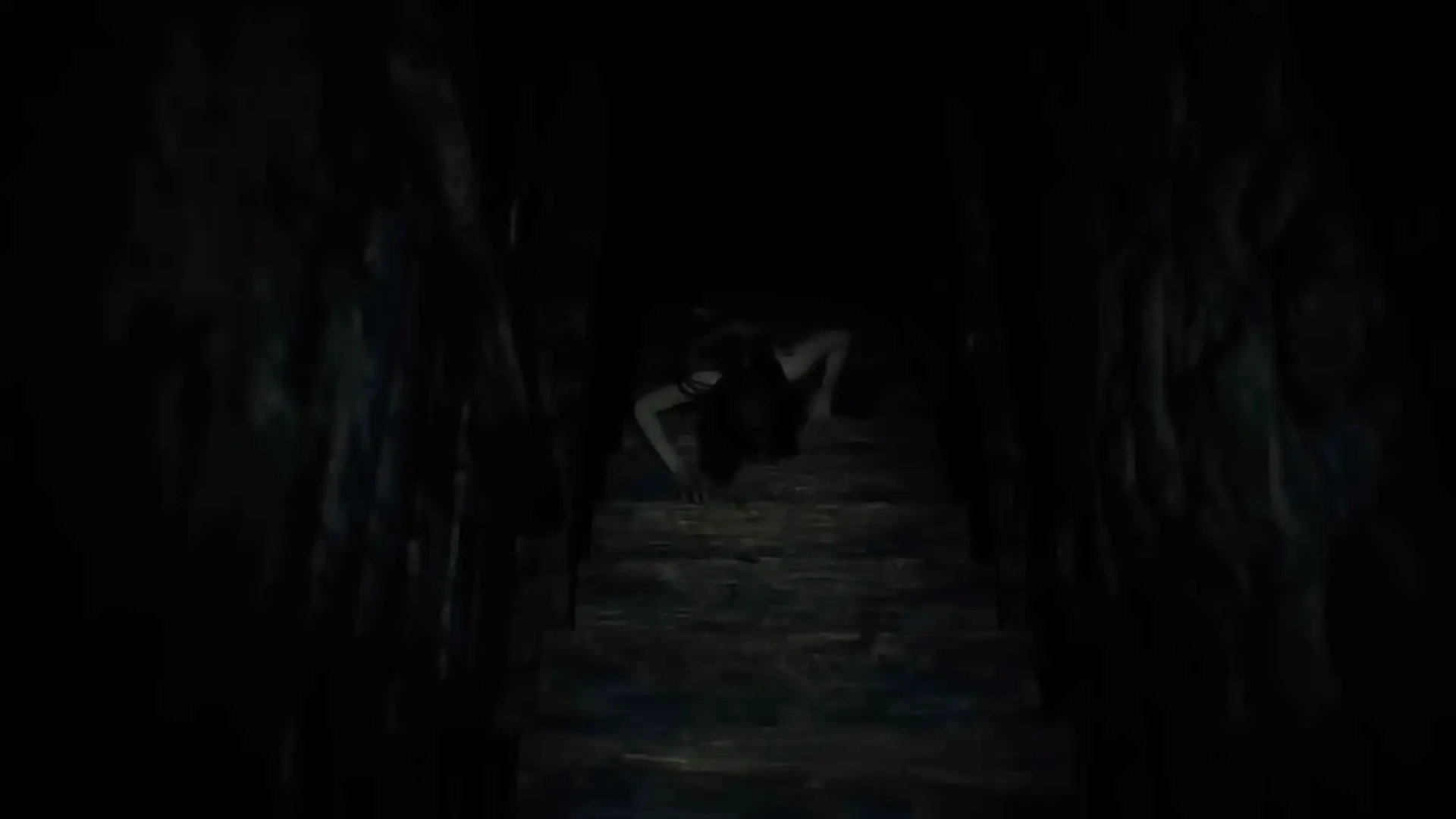
The 'Otherworld' here is the physical manifestation of the Mold itself, coating the walls in a black, pulsating substance. The sound design utilizes creaks, groans, and distant whispers to ensure unease even in seemingly empty rooms. Thematically, the game is obsessed with the 'ghost in the machine'—the lingering humanity of the Bakers and Mia as they struggle against the infection. It is a deeply philosophical take on bio-horror that uses the language of the Southern Gothic to talk about the inevitability of decay. It is an aesthetic of misery that is impossible to look away from, a monument to environmental storytelling that peaks in the pitch-black basement.
Conclusion: A Legacy Reclaimed
Resident Evil 7: Biohazard is a staggering achievement that revitalized the series. By embracing a new perspective and a focused narrative, Capcom delivered a game that respects the ambiguity of the original masterpieces while providing a tactile, emotional experience. The journey is heavy, profoundly moving, and essential for anyone who values the art of the nightmare. It is a landmark in psychological and body horror that proves the genre is at its best when it tries to understand the darker corners of the human condition.
By the time the credits roll, the experience leaves the player feeling hollowed out and contemplative. For the obsessed, this was the homecoming the series deserved—a beautiful, terrifying descent into the darkness of the Bayou. The Bakers may be gone, but the memories of the rot will never truly clear. This isn't just a game; it is a monument to the enduring power of horror. It paved the way for the future, ensuring that 'Biohazard' remains a name feared and respected. As the morning sun rises over the swamp, the nightmare ends, but the psychological impact lingers.