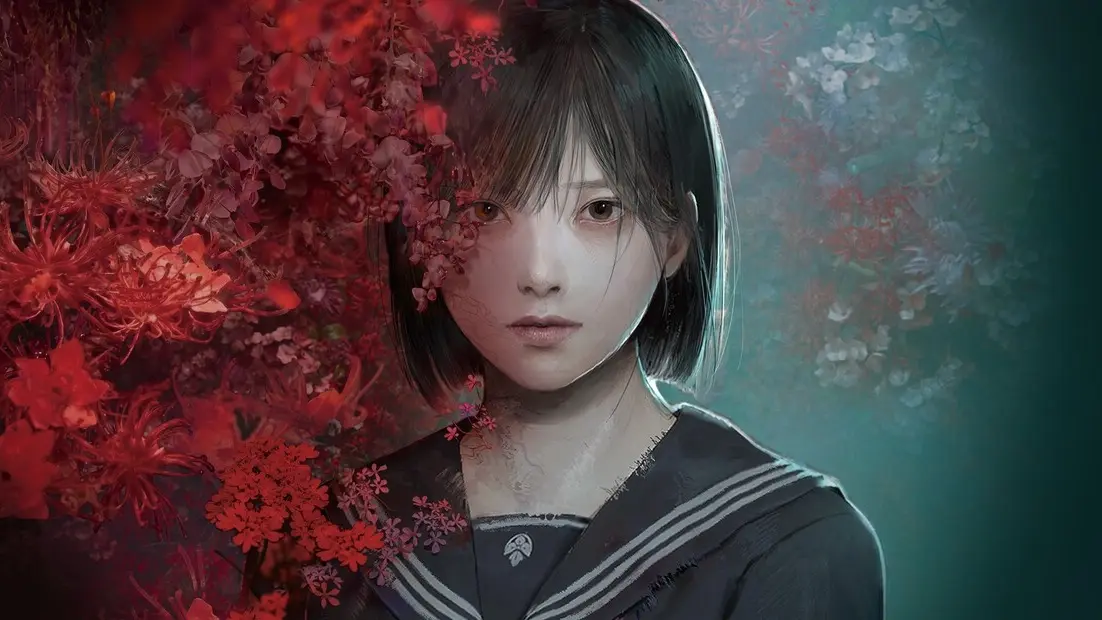
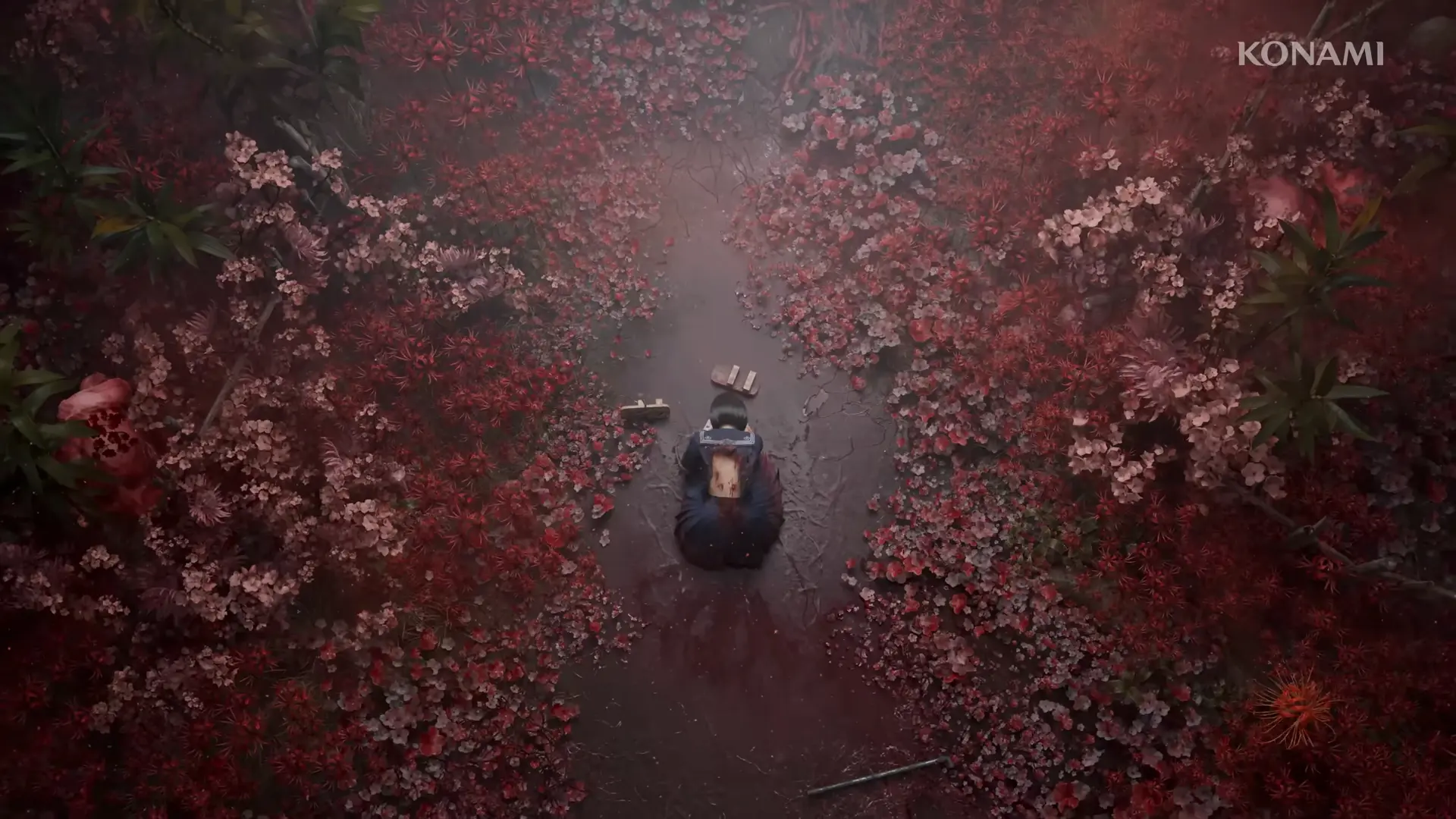
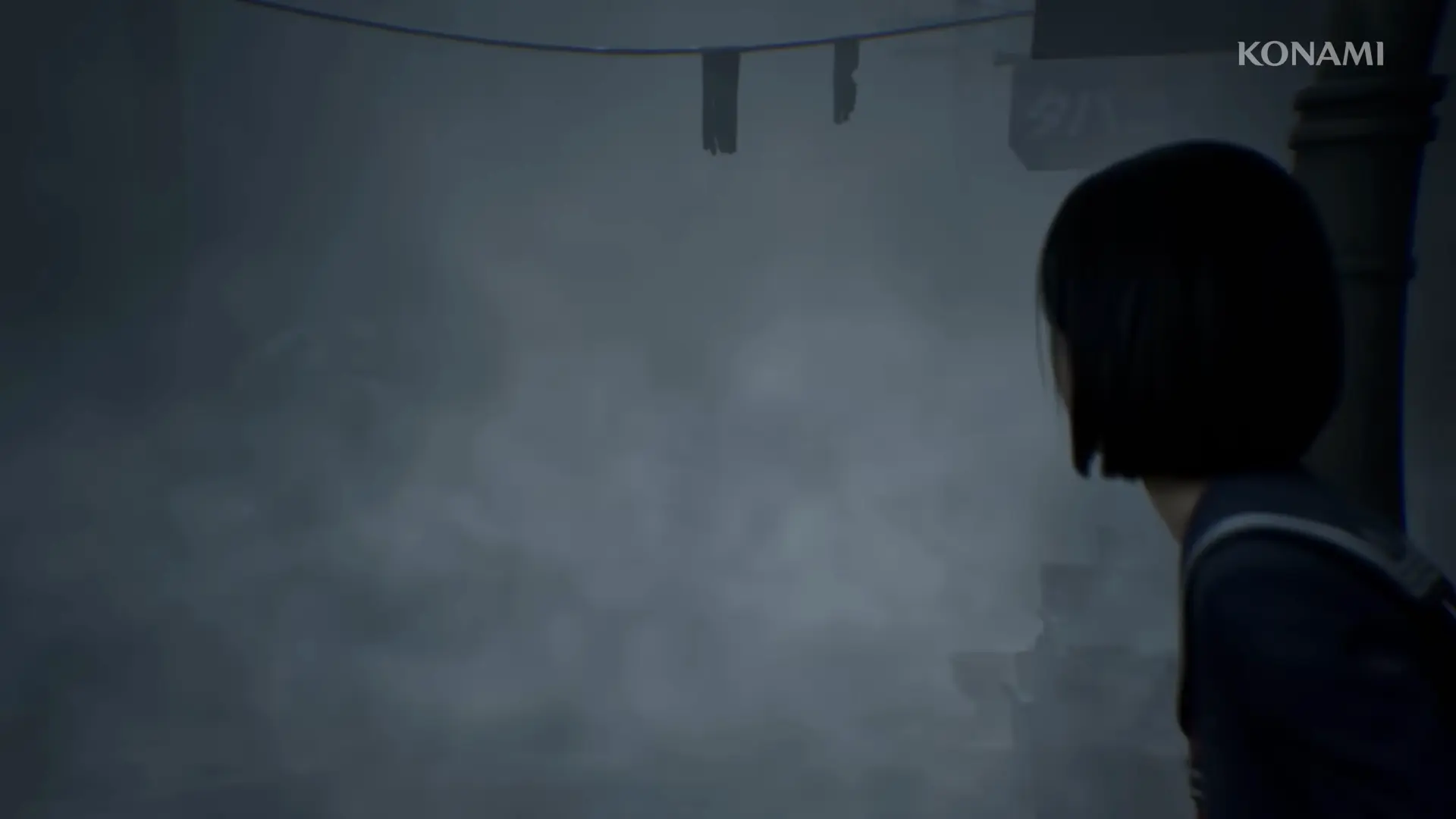
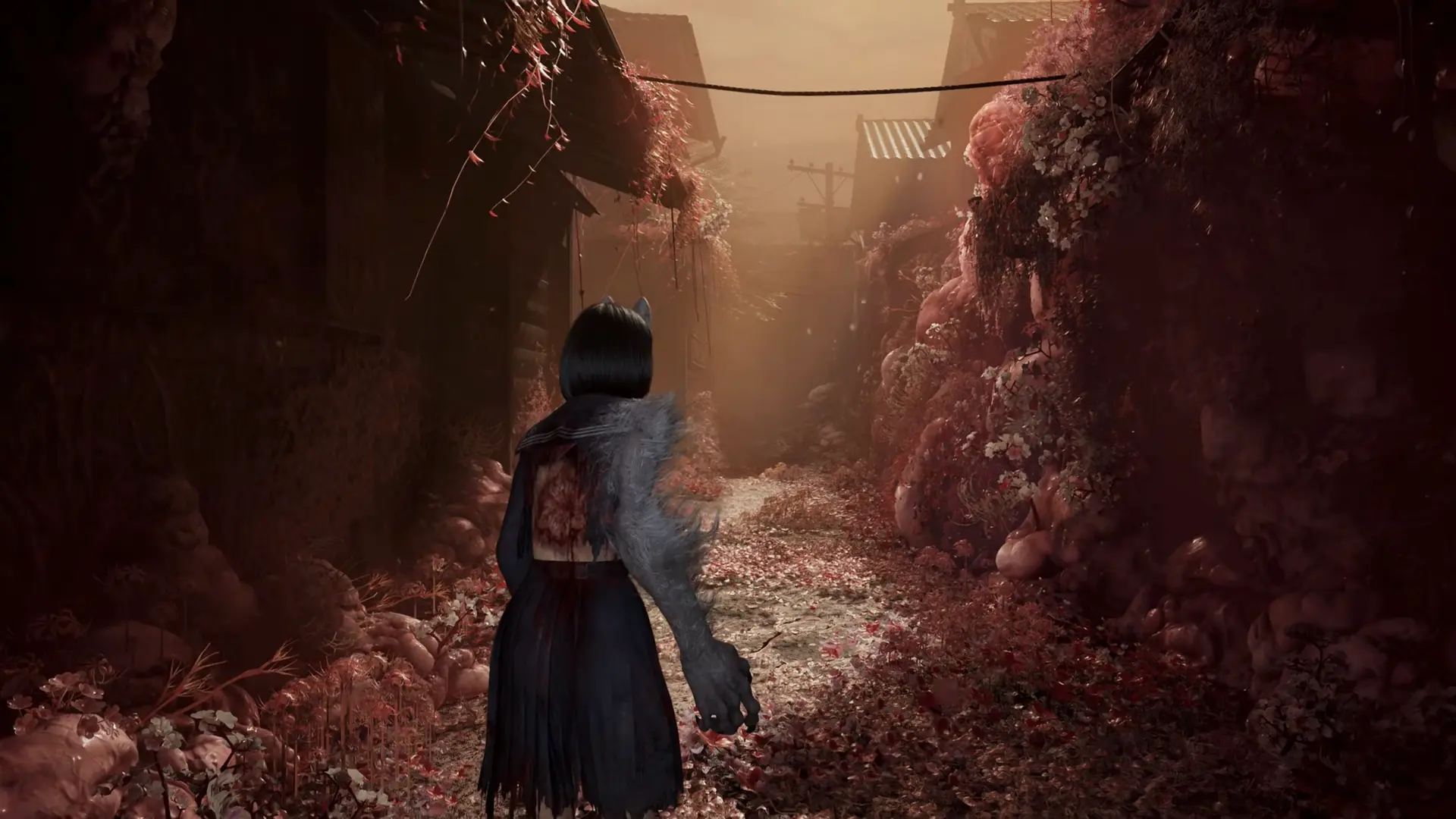
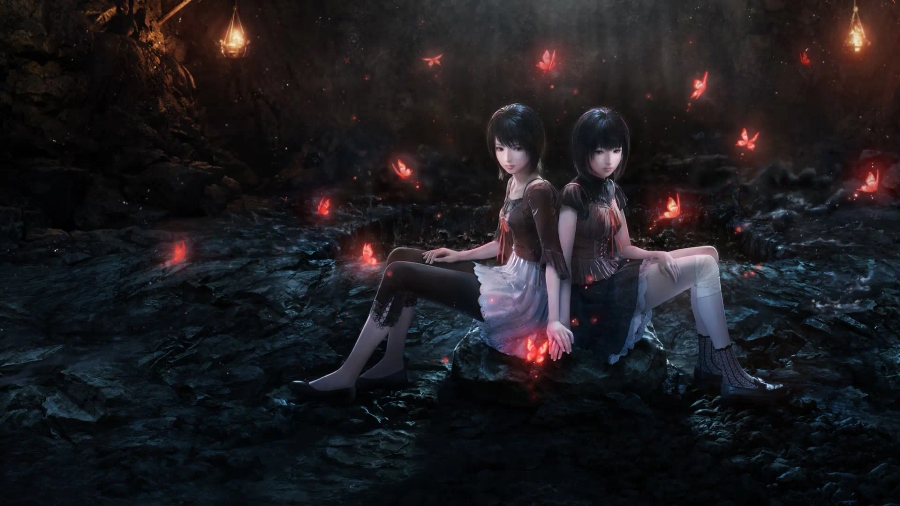
For decades, the fog was the only language the Silent Hill franchise spoke—a grey, damp Americana that eventually started to feel like a cage. But with the release of Silent Hill f in late 2025, the series underwent a radical, soul-shattering transformation that feels like a spiritual homecoming despite the geographical shift. Moving the nightmare to 1960s rural Japan was a stroke of absolute genius by Neobards Entertainment, trading rust and concrete for the vibrant, suffocating red of the Higanbana—the red spider lily. This isn't just a change of scenery; it is a total reconstruction of the series' core philosophy.
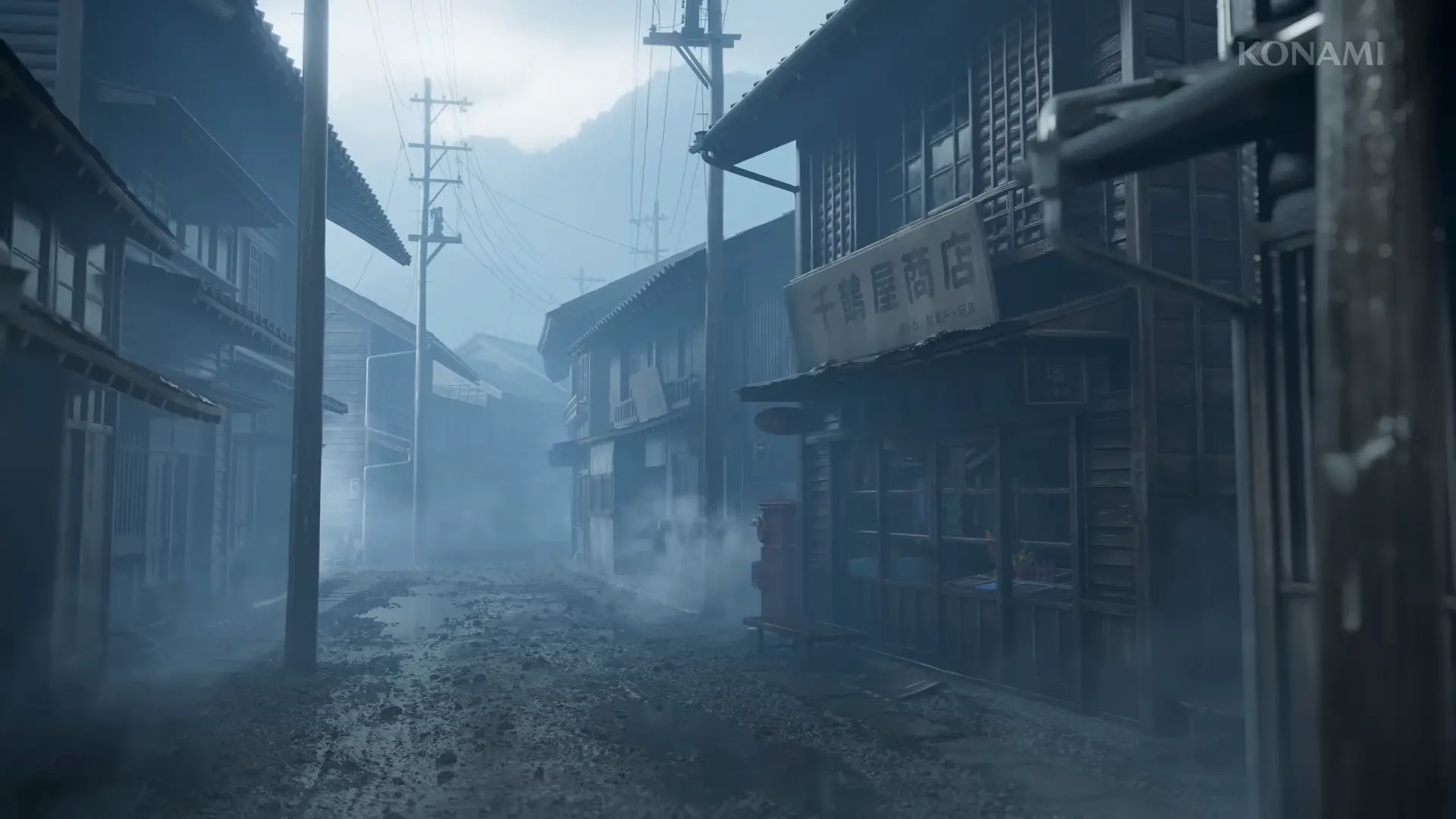
The long, agonizing wait for a mainline entry that matches the psychological complexity of the early Team Silent era is finally over. From the very first cinematic of the protagonist, Hinako Shimizu, standing amidst a sea of swaying lilies, it is clear that the focus has shifted from external monsters to the internal rot of a society in transition. The game manages to capture a specific kind of 'Showa Era' nostalgia and weaponize it, turning the familiar sights of traditional Japanese architecture and rural isolation into a tapestry of absolute dread. It is a masterclass in 'beautiful horror,' proving that a world saturated in color and life can be even more terrifying than one hidden in shadows. Six months since its release, the community is still reeling from how deeply this game understands the 'uncanny'—the feeling of a home that has become a stranger.
About the Game: A New Cycle of Suffering
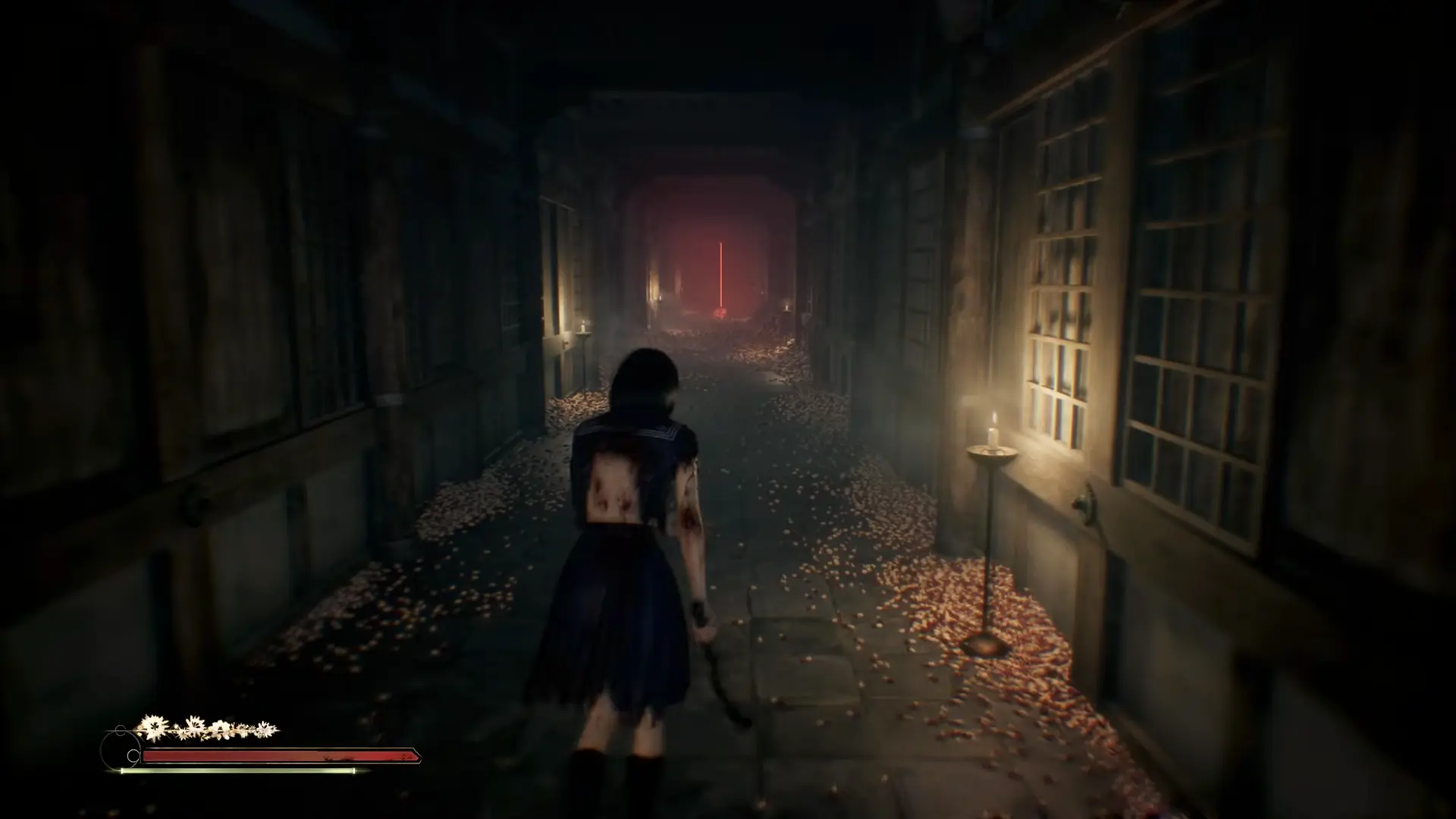
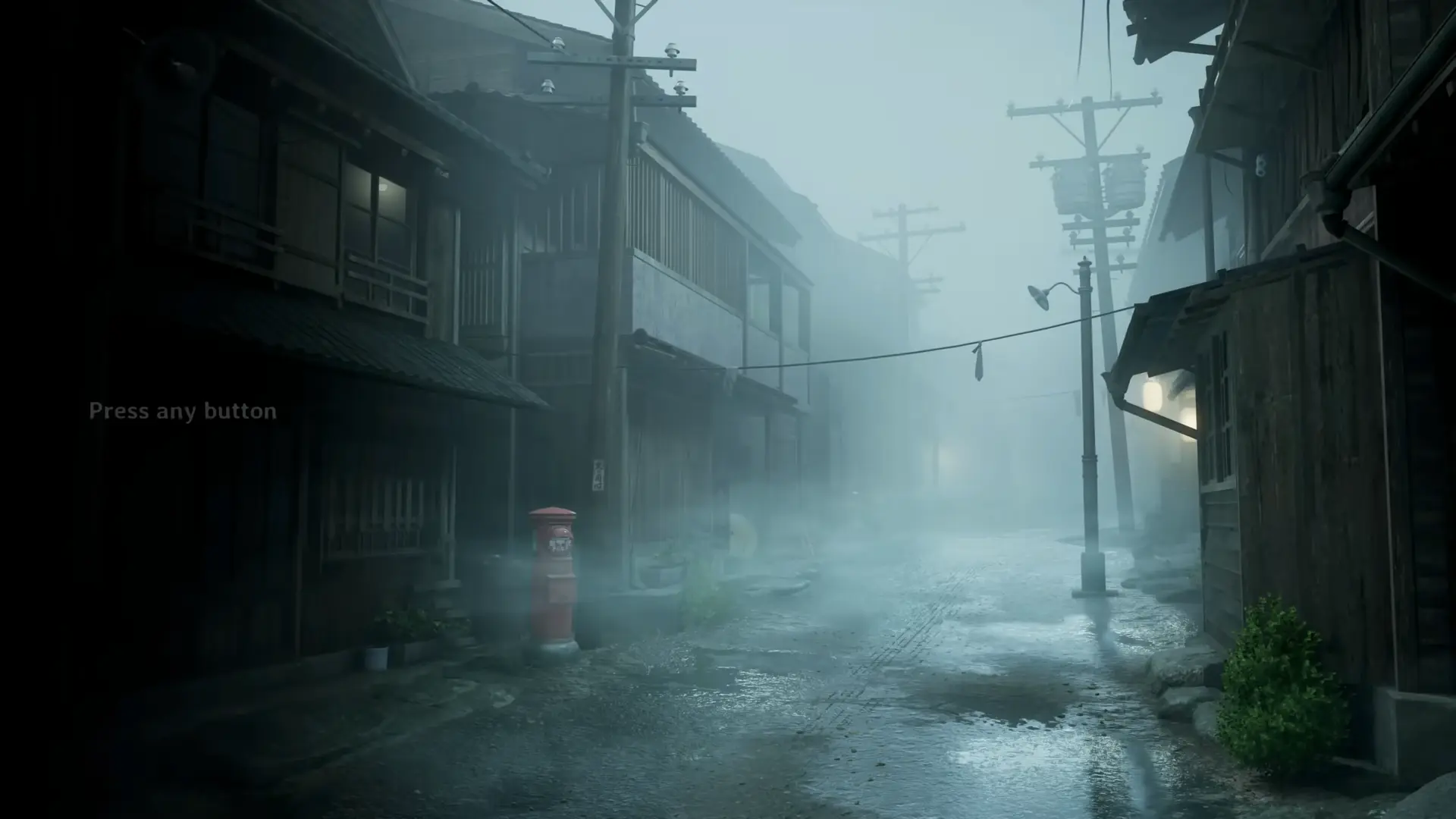
Silent Hill f is a bold step forward that respects the series' past while forging a terrifying new path, largely thanks to the pen of legendary writer Ryukishi07. The 1960s setting allows for a unique aesthetic that blends traditional Shinto and Buddhist imagery with the encroaching 'Otherworld' that has come to define the series. Every grain of weathered wood in Hinako's family home and every parasitic petal is rendered with a fidelity that turns the environment into a source of constant, creeping unease.
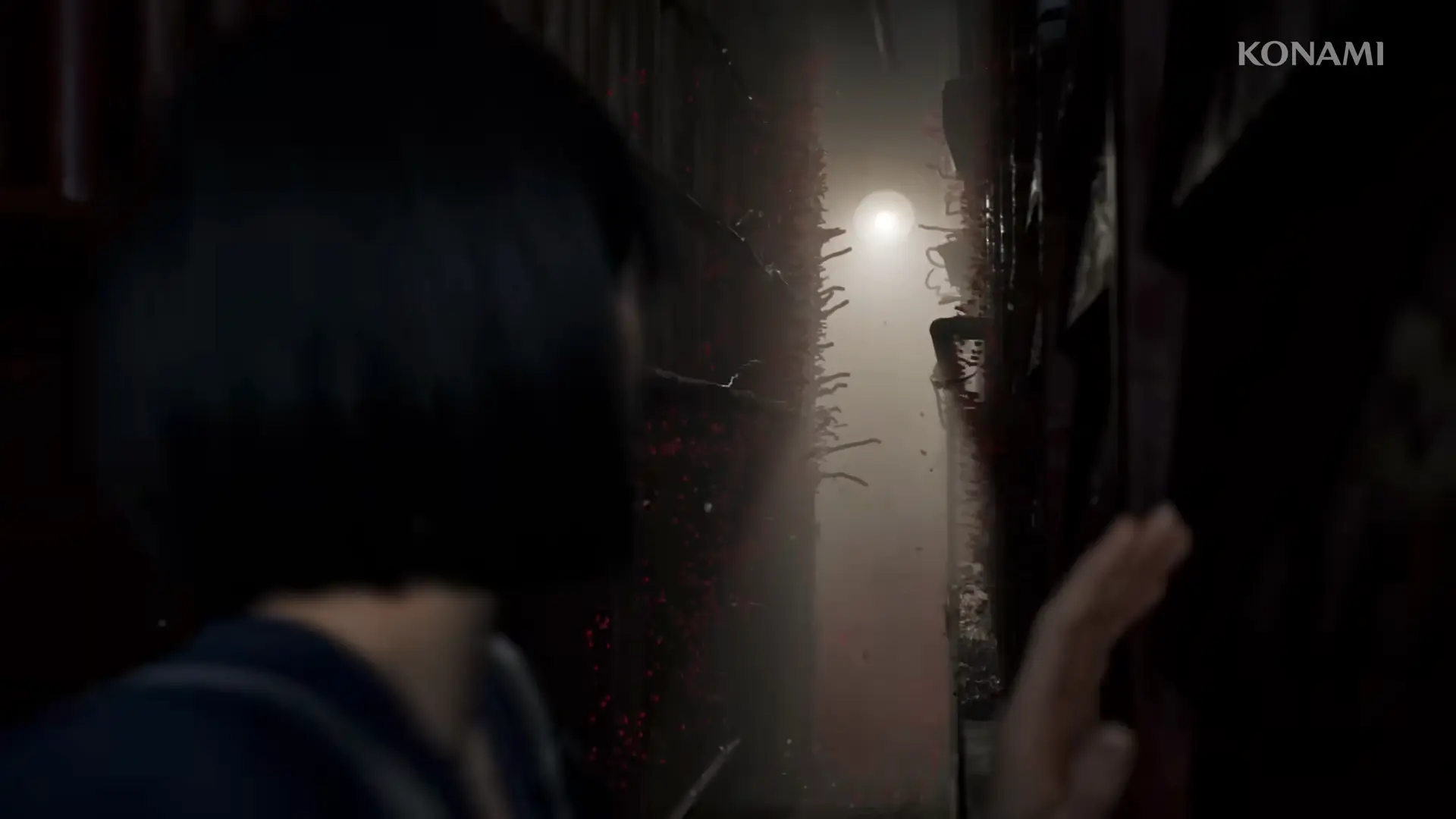
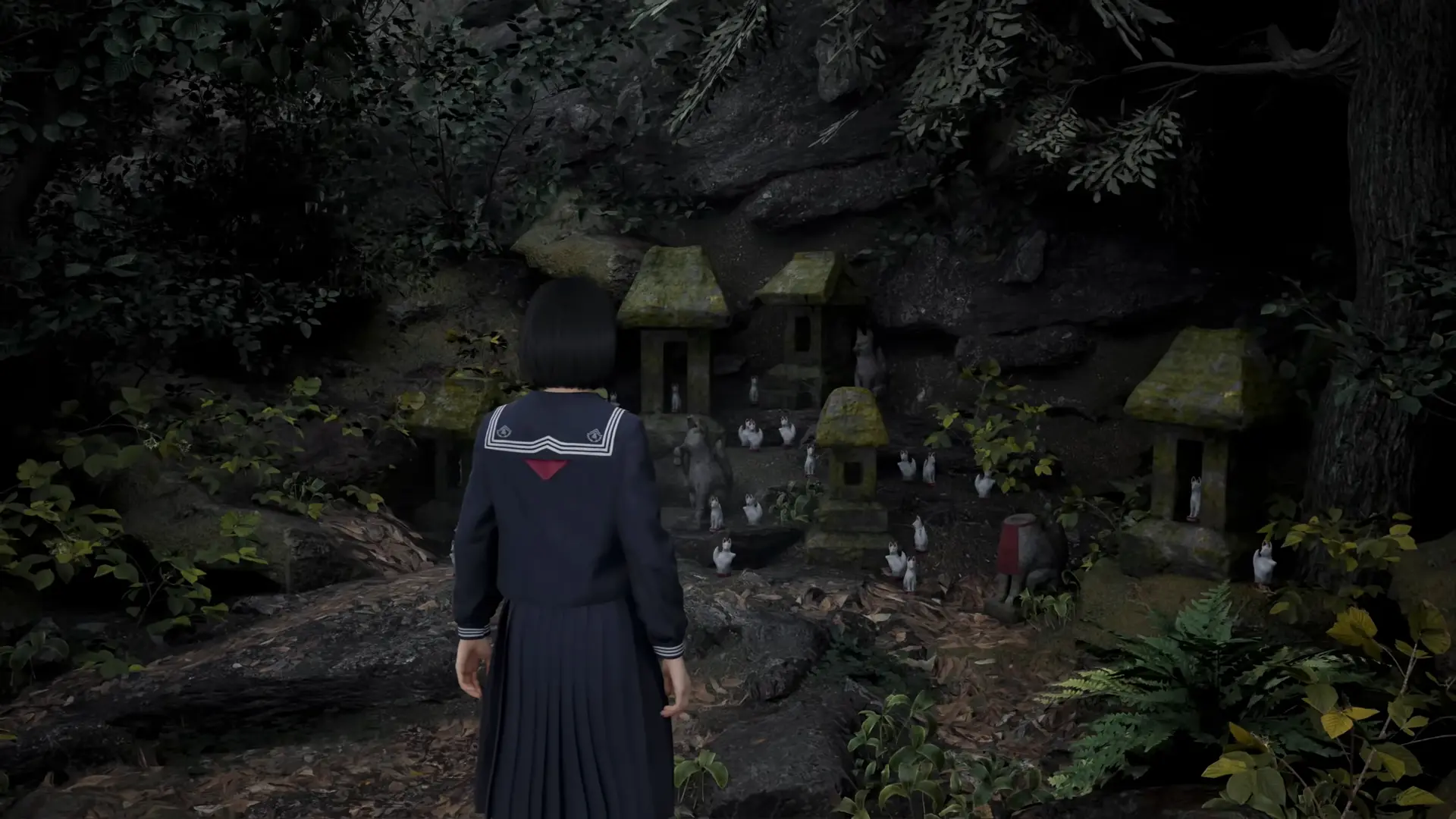
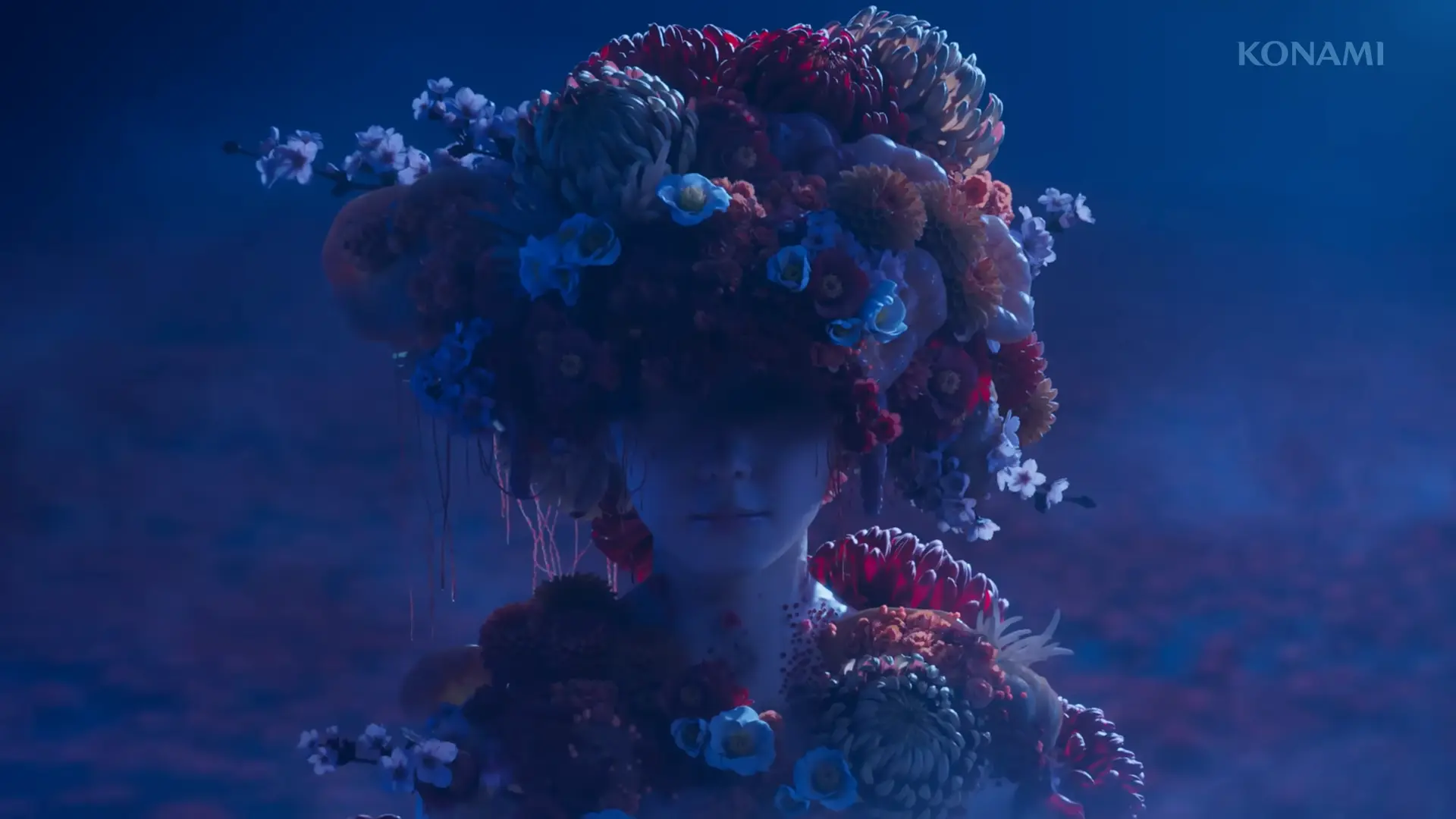
The technical execution is focused on 'organic' horror. Instead of the rust and metal of previous titles, the world here is consumed by a 'Neo-flowering' infection that replaces human tissue with blooming petals. This visual motif creates a sense of terminal beauty—a world that is being overtaken by something ancient and uncaring. The game operates on a level of psychological nuance that hasn't been seen in the genre for years, asking players to investigate the dark undercurrents of Ebisugaoka, where tradition and modernity clash with violent results. It is a slow-burn experience that rewards the truly obsessed, turning the simple act of walking down a muddy rice field into a high-tension exercise in survival. The 'Dark Shrine' segments that appear between major story beats serve as a ritualistic descent, stripping away Hinako's defenses until she is forced to face the 'Fox Mask' entity that haunts her dreams.
Story: The Written Word of Ryukishi07
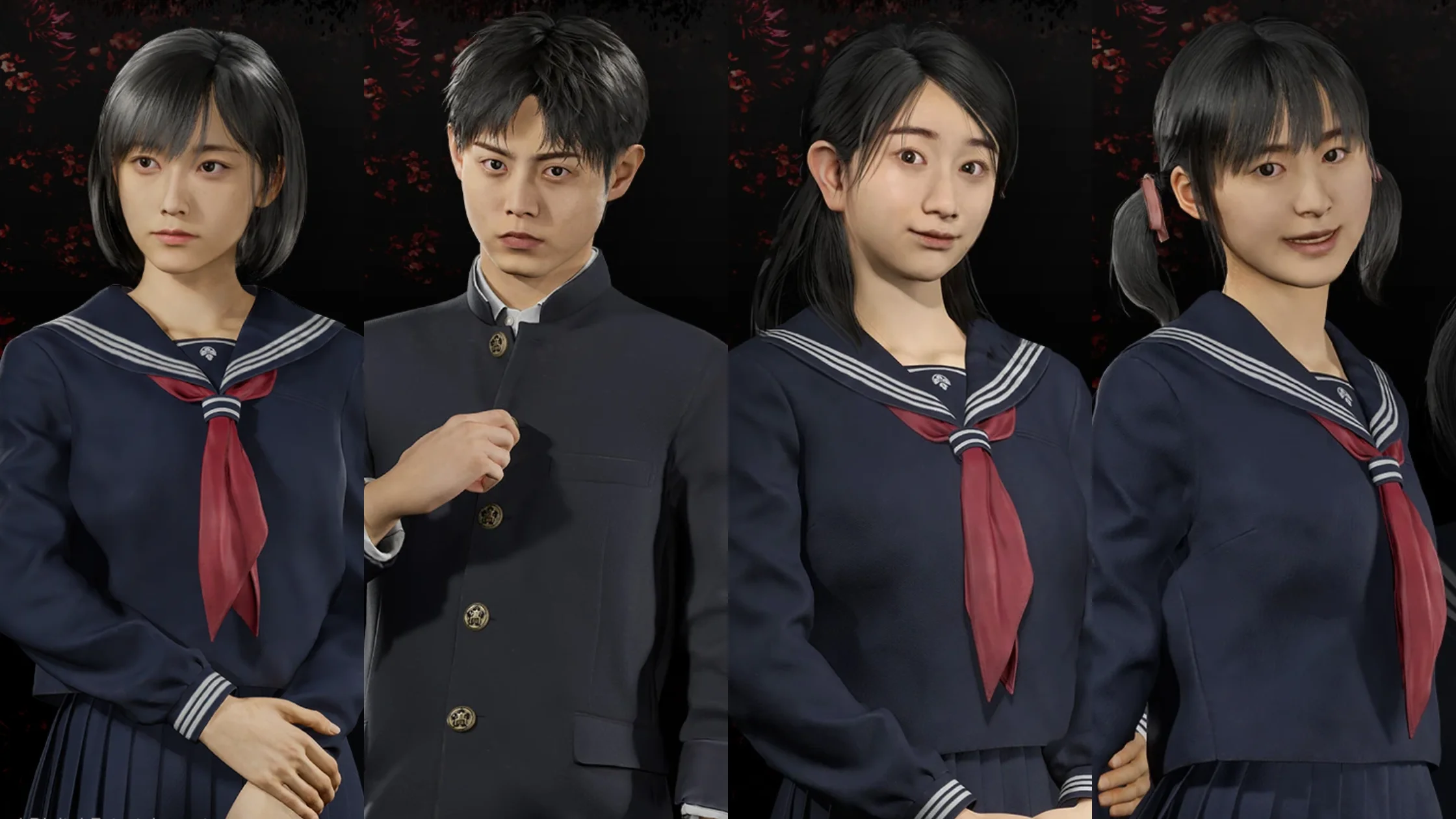
The narrative is the game's greatest hook. Hinako Shimizu is perhaps the series' most vulnerable protagonist—a teenage girl struggling under the weight of an abusive father and a subservient mother. Her older sister, Junko, has already 'escaped' through a formal marriage that has left her distant and robotic, serving as a grim foreshadowing of Hinako's own potential future. The story explores the 'erasure of self' that occurs through forced tradition, using the 'Bride' imagery as a source of pure claustrophobia rather than romance.
The supporting cast—the doctor-in-training Shu, the jealous Rinko, and the ill-fated Sakuko—provide the emotional stakes that make the horror personal. Hinako’s reliance on the 'red capsules' Shu provides for her headaches creates a layer of unreliable narration that keeps the player guessing: is Ebisugaoka truly transforming, or is Hinako’s mind simply unraveling? The environmental storytelling is razor-sharp; every note found in a deserted post office or a discarded diary in a shrine adds a piece to a puzzle that feels genuinely unsolvable until the final act. It respects the player's intelligence, refusing to over-explain the 'f'—letting it stand for flowers, fungus, or fate—and leaving the audience to grapple with the true cost of community pressure.
Gameplay: Survival in the Bloom
Gameplay in Silent Hill f is a return to the roots of survival horror, emphasizing resource management over action. In a radical move for the series, firearms are entirely absent. Instead, Hinako must rely on a melee-focused system inspired by the weight and deliberate pace of 'Soulslike' titles. Whether wielding a fragile lead pipe, a rusted sickle, or a heavy sledgehammer, every swing feels desperate and unrefined. The addition of a 'Sanity Meter' adds a tactical layer: as Hinako's mental state deteriorates from witnessing horrors, her health bar becomes more vulnerable to damage, forcing players to manage her stress as much as her physical wounds.
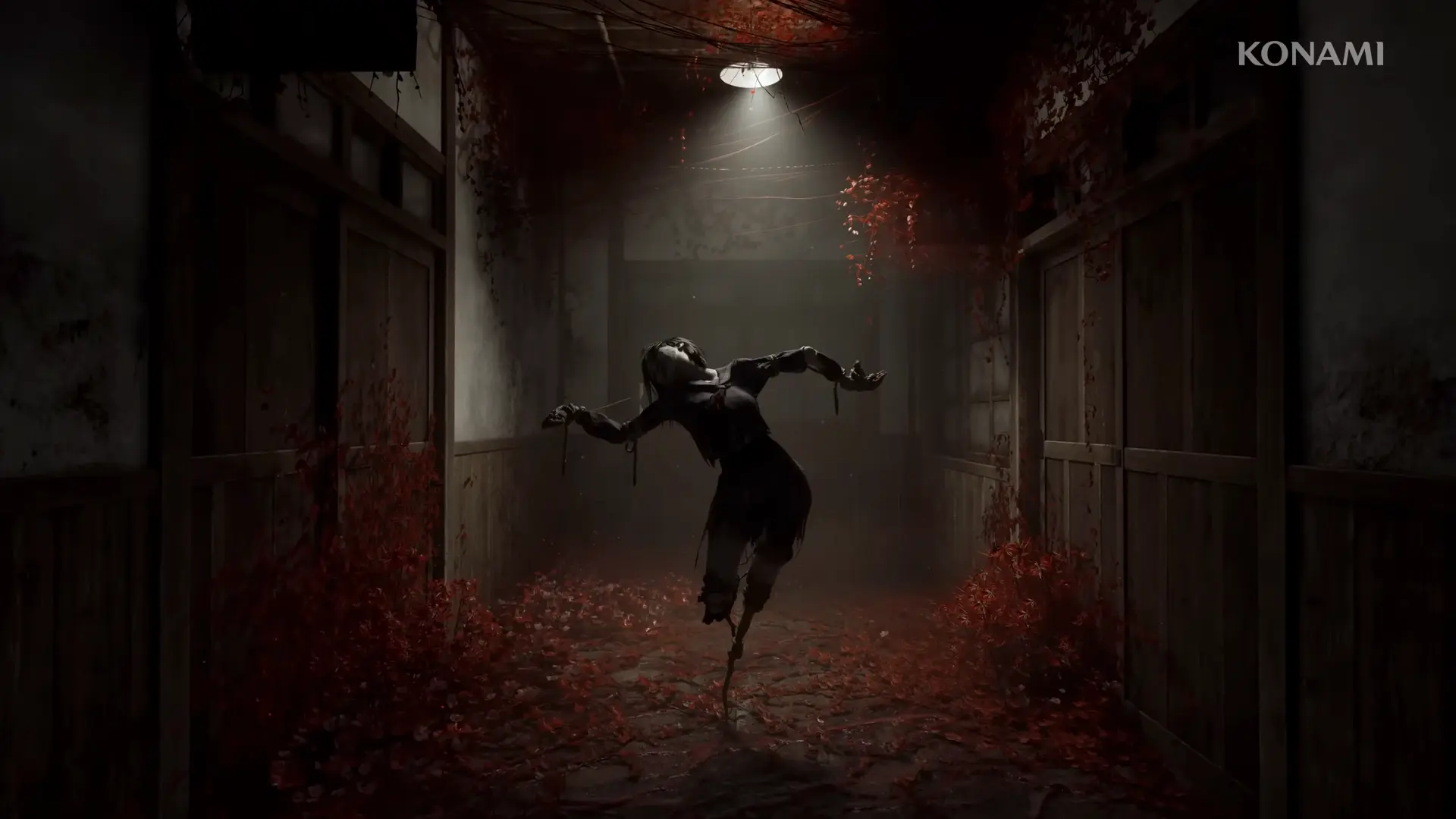
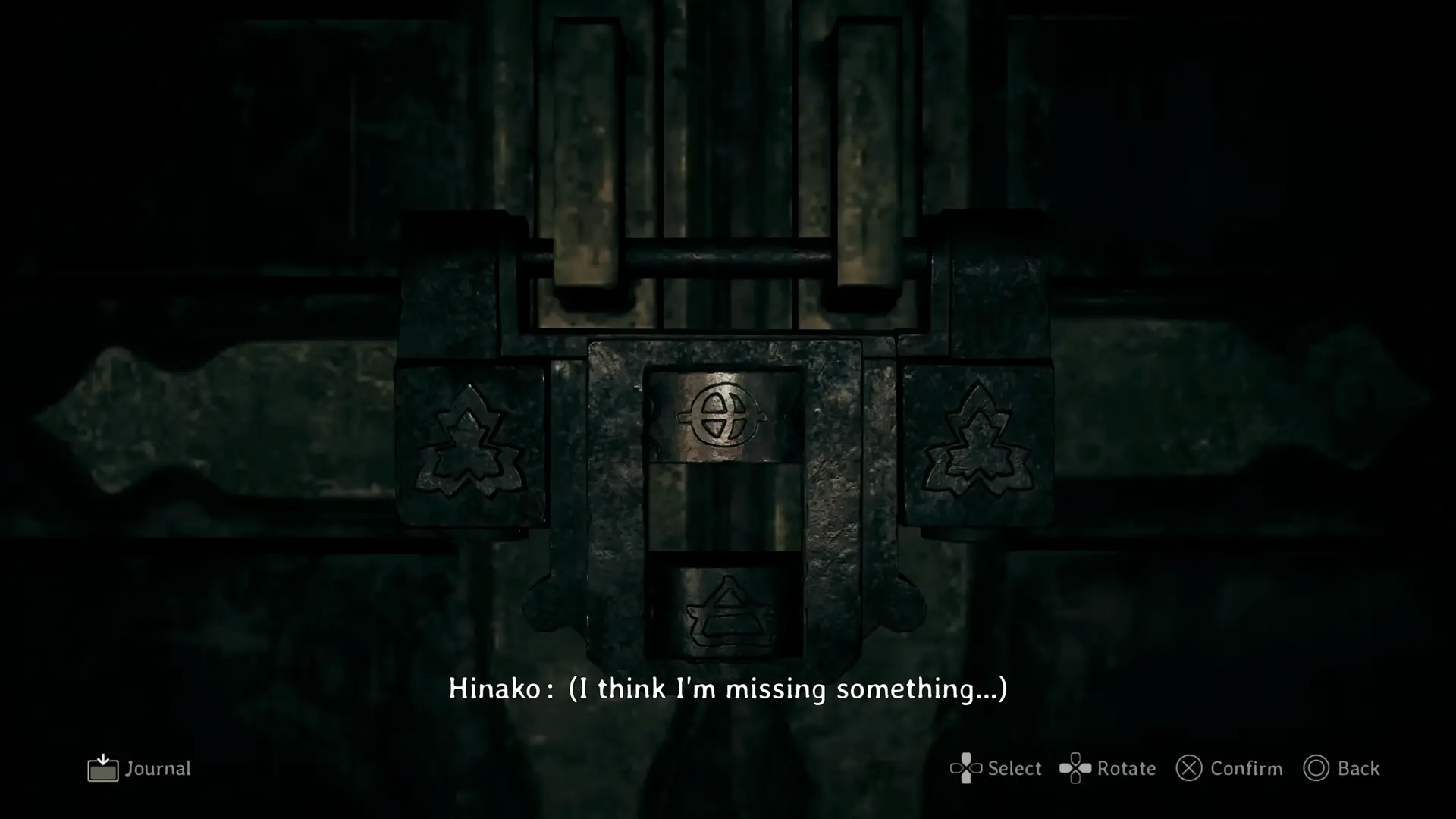
The 'Focus attacks' allow for powerful counters but drain Hinako's composure, making every offensive move a risk. The enemy AI is particularly disturbing; the 'Kashimashi' (Stitched Stalkers) move with a disjointed, doll-like gait, while 'Ayakakashi' (False Scarecrows) blend into the rural landscape, waiting for the player to pass before striking with their rusted farming tools. Puzzles are integrated seamlessly, often involving traditional Japanese mechanics—like arranging Hina dolls or deciphering Shogi patterns—that require a genuine understanding of Hinako’s world. It is a grueling, rewarding experience that understands that horror is most effective when one feels they are barely holding on.
Atmosphere & Themes: The Aesthetic of Terminal Beauty
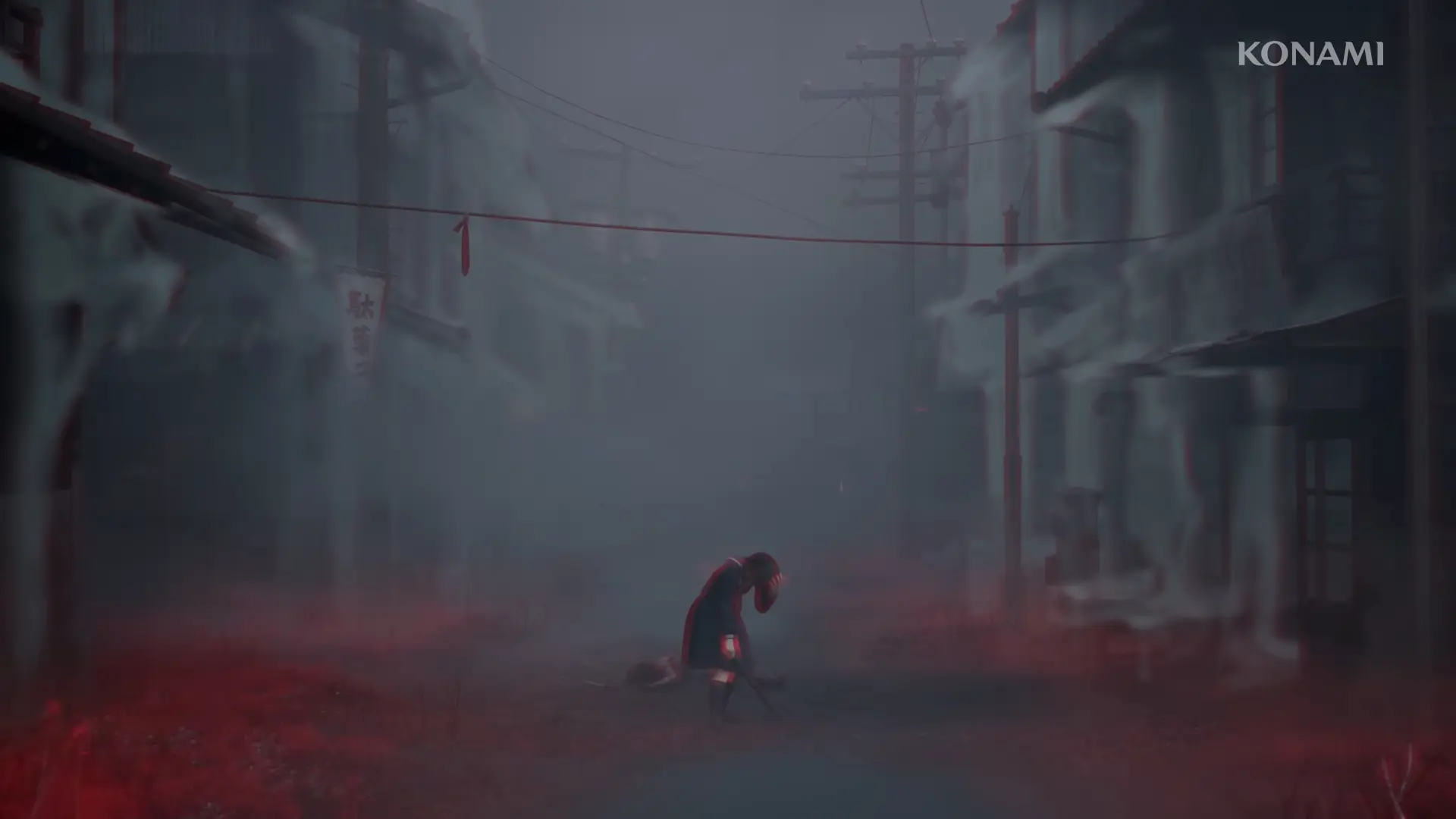
The atmosphere is the most unique in the history of the medium, weaponizing 'Mono no aware'—the pathos of things—to create a world that is as sad as it is scary. The visual contrast between the lush, vibrant red flowers and the grey, rotting architecture creates a sense of cognitive dissonance that keeps the nerves raw. The 'Otherworld' transitions are breathtakingly organic; the town doesn't just change—it 'blooms' into a nightmare of wire, blood, and petals in real-time. The soundtrack, a collaboration involving Akira Yamaoka, layers traditional Japanese instruments like the Shamisen over industrial screams and muffled radio static, creating a soundscape that is both ancient and alien.
Thematically, the game is obsessed with the idea of 'the end'—not just of a life, but of a way of being. The 1960s were a time of massive change in Japan, and the floral infection serves as a metaphor for an old world being consumed by something unrecognizable. The 'Drum Monsters' that haunt the shrines use rhythmic attacks to instill a primal terror, while the 'Ara-abare' (Rampaging Bloom) bosses force a methodical approach to combat that prizes observation over brute force. It is a deeply philosophical experience that uses the language of horror to talk about the inevitability of change and the terrifying beauty of absolute surrender.
Conclusion: The Definitive Return
Silent Hill f is a staggering achievement that proves the franchise's best days are not behind it. By embracing a new culture, a new era, and a new visual language, it has revitalized a series that many thought had lost its way. It is a game of immense courage—it is beautiful when it should be ugly, and patient when it should be frantic. It is an experience that lingers in the mind like the scent of lilies after a funeral, demanding to be analyzed long after the credits roll. For those who seek the true soul of psychological horror, Ebisugaoka is a mandatory destination.
With five distinct endings to uncover and a New Game+ mode that introduces entirely new interiors and lore documents, the depth of the experience is almost overwhelming. It respects the legacy of the Team Silent original by proving that its themes are timeless and its horror is universal. As the final notes of the score fade and the player is returned to the stillness of the menu, there is a profound sense of awe. Silent Hill has returned, and it has never looked more beautiful or more terrifying. The flowers are in bloom, and for those who have experienced the descent, the nightmare has only just begun. This is not just a game; it is a monument to the enduring power of the human heart in the face of the unknown.