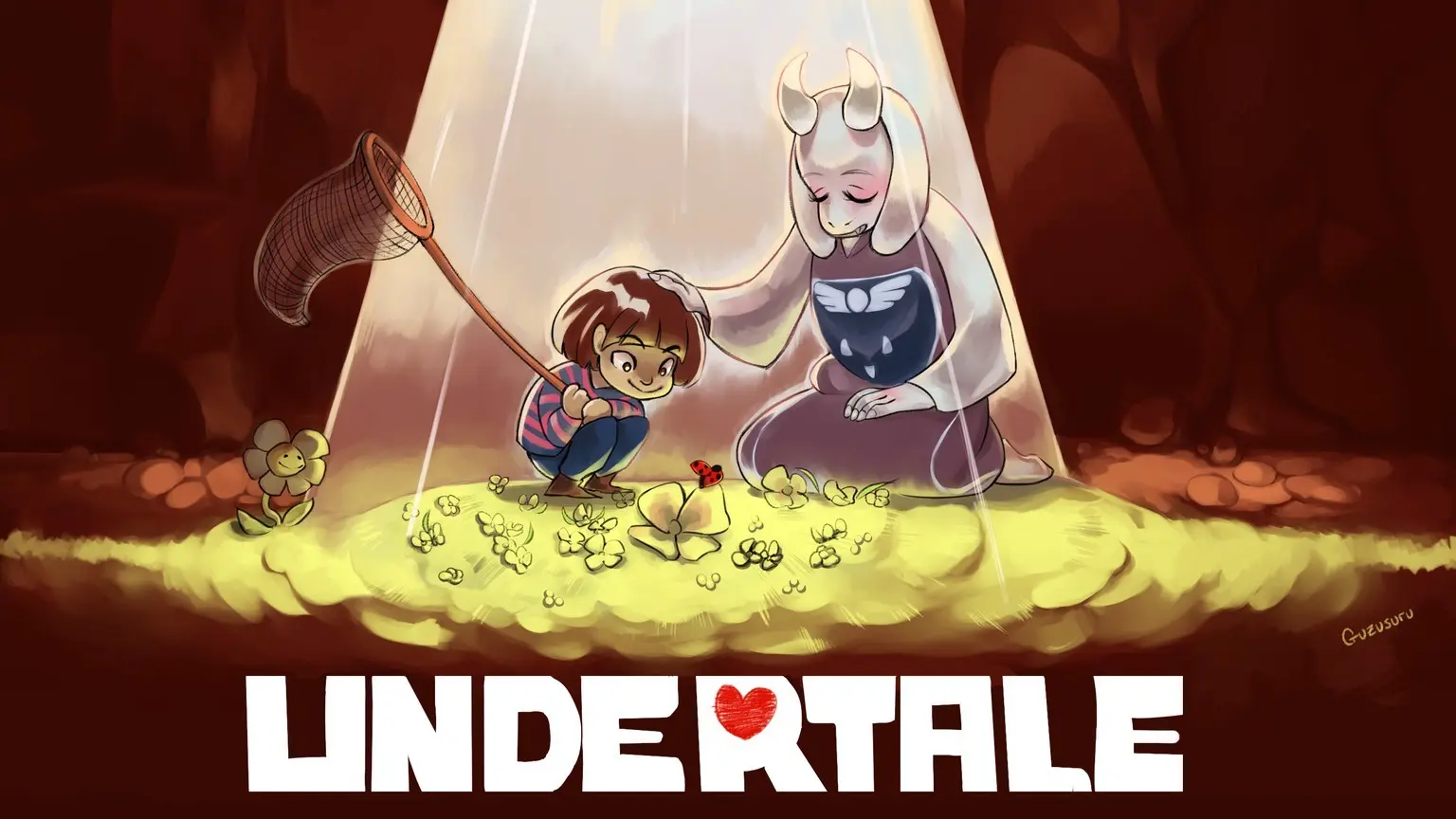
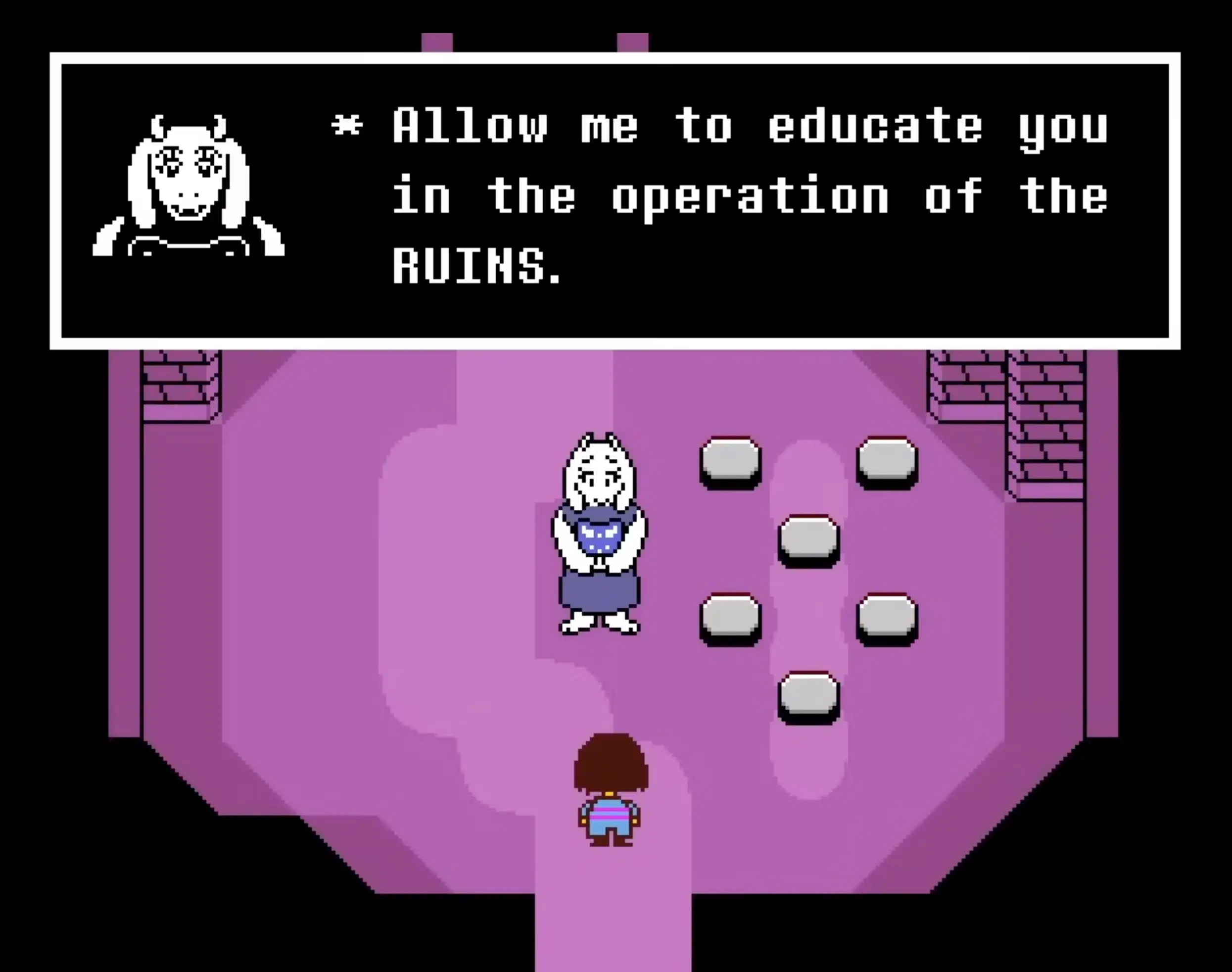
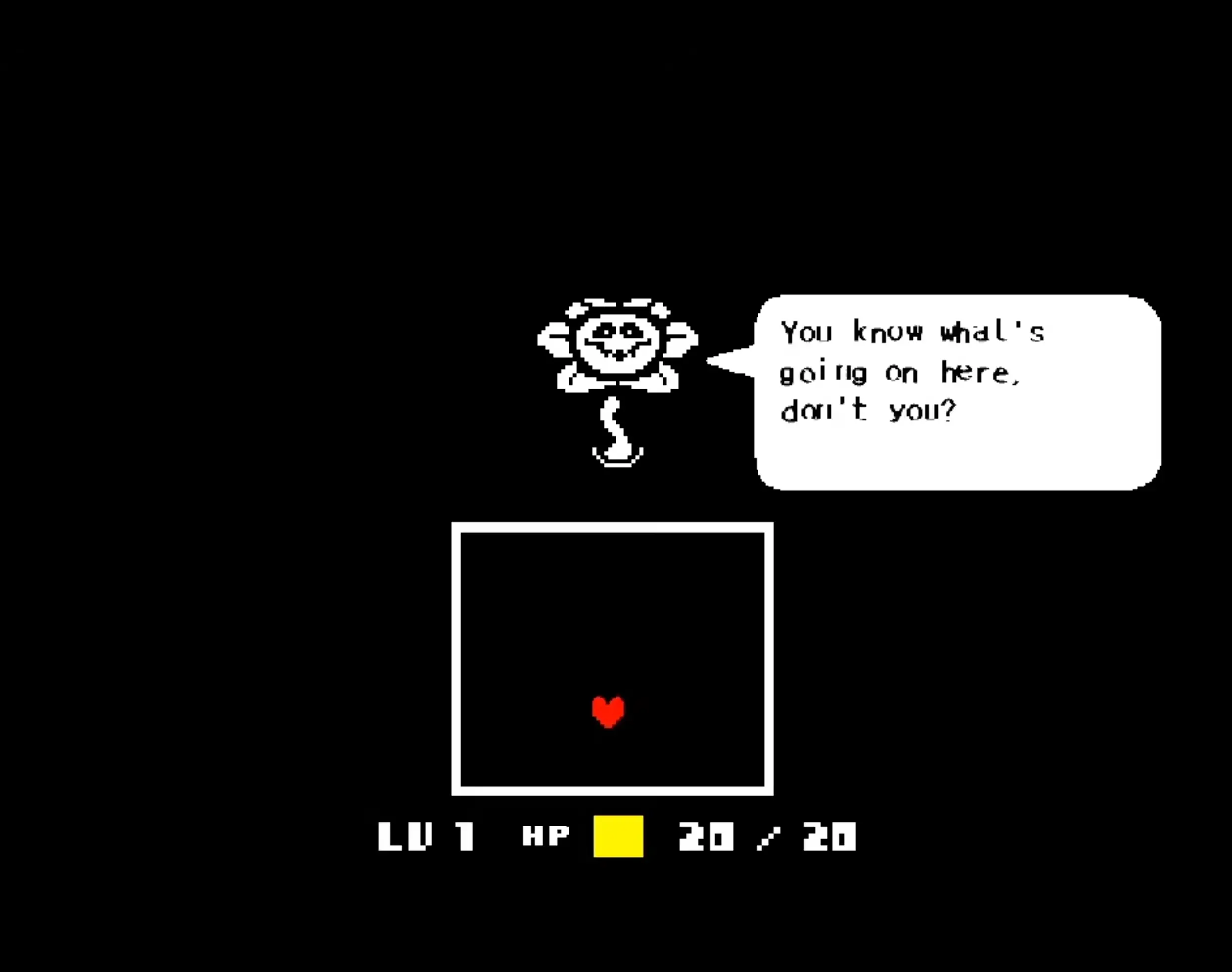
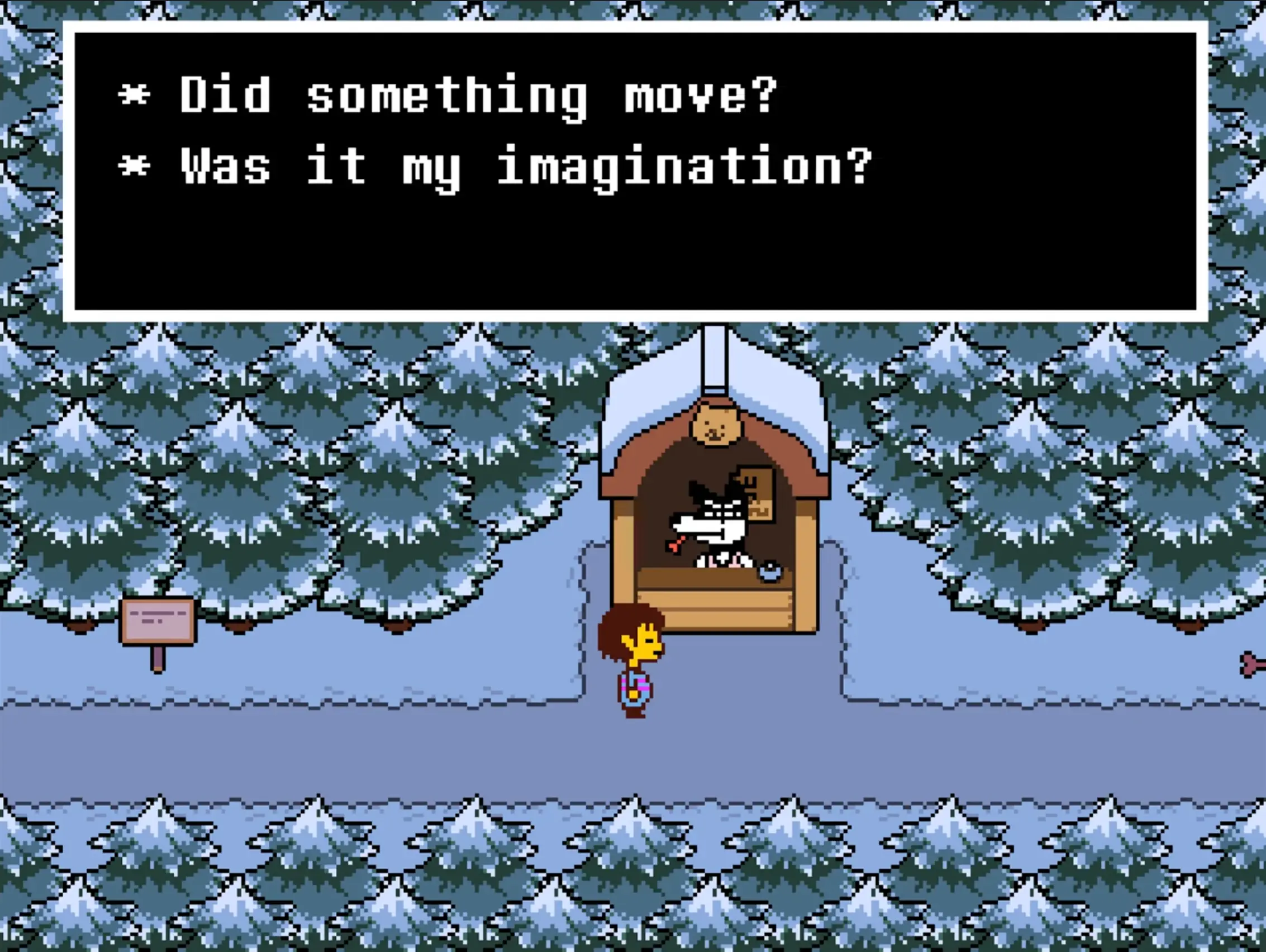
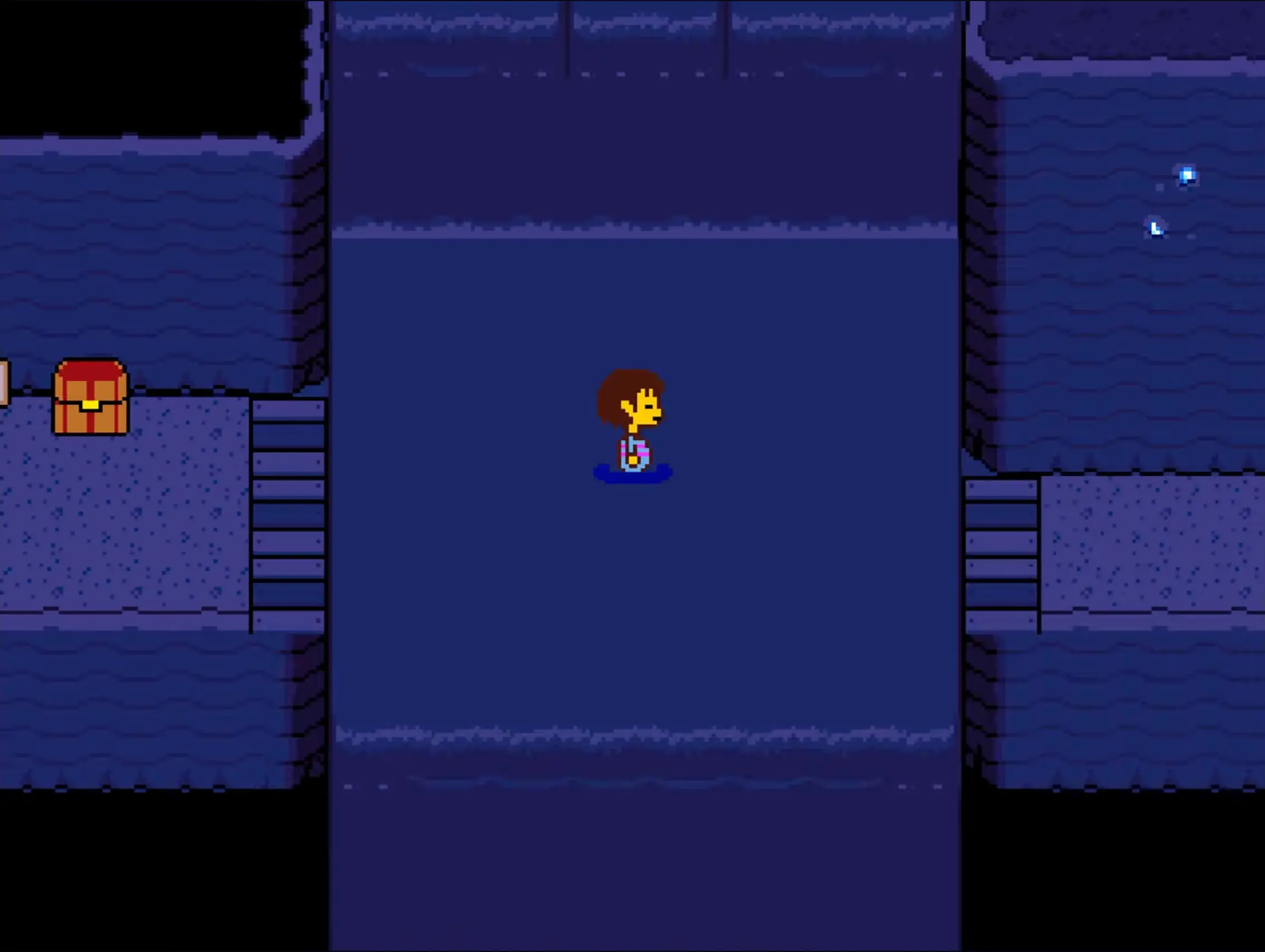
For a game built on seemingly simple 8-bit aesthetics, Undertale harbors a labyrinth of emotional depth that revolutionized the indie gaming landscape. When Toby Fox released this unassuming RPG in 2015, few could have predicted the seismic cultural shift it would trigger. You begin as a nameless child who has fallen down a gaping chasm into the Underground, a subterranean realm populated by monsters who were banished from the surface world after a devastating war with humanity. But the genius of Undertale lies in how quickly it subverts every expectation you might carry from decades of traditional role-playing games. The tutorial itself, guided by the deceptively nurturing Flowey the Flower and the genuinely maternal Toriel, sets the stage for a game that actively watches your behavior.
It is a world where every action has permanence. The descent into the Underground isn't just a physical journey through caves and whimsical snowy towns; it is a moral excavation of the player themselves. The game asks a fundamental, startling question right from the opening screen: what if you didn't have to destroy the things you encounter? This seemingly innocuous premise blossoms into a profound meditation on empathy, consequence, and the immense weight of the choices we make when we think no one is truly watching. It is a masterful setup that instantly hooks the player, transforming a classic setup of a child lost in a magical world into a deeply psychological journey.
About the Game: The Architecture of Choice
At first glance, Undertale masquerades as a nostalgic tribute to 16-bit classics like EarthBound, but beneath its retro exterior lies a radically dynamic narrative framework. The game’s tagline, 'The friendly RPG where nobody has to die,' is not a mere marketing gimmick—it is the foundational mechanic upon which the entire experience is built. Players are presented with a revolutionary paradigm: you can engage in turn-based combat, fighting your way through random encounters to earn EXP (Execution Points) and LV (Level of Violence) to grow stronger, or you can choose the path of pacifism.
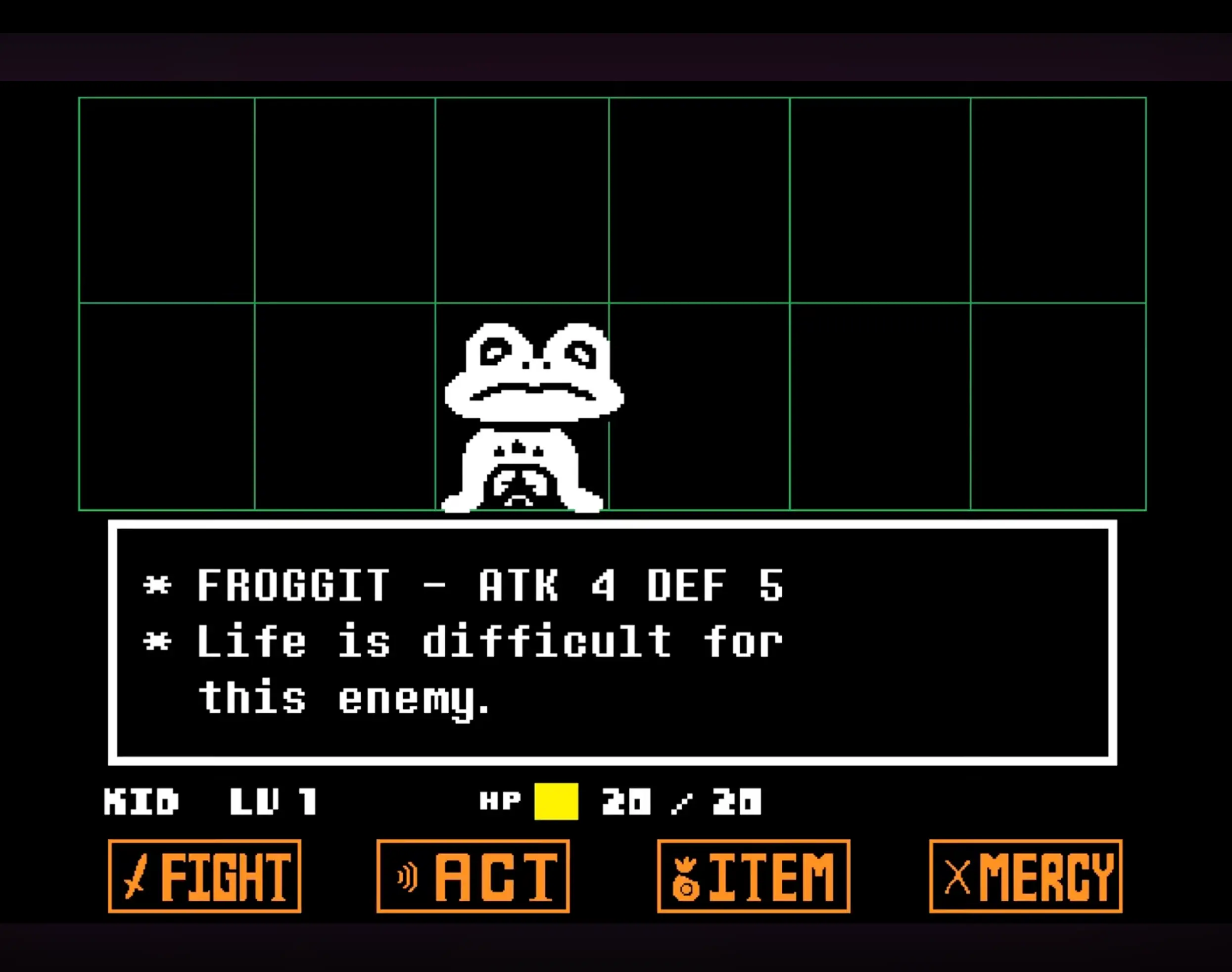
Through the ingenious 'ACT' menu, you can talk, joke, pet, and comfort your adversaries, solving their emotional dilemmas until they no longer wish to fight. The brilliance of this system is how it tracks your morality. Undertale remembers everything. It remembers if you reload a save file to undo a mistake; characters will experience déjà vu or outright comment on your temporal manipulation. This meta-narrative awareness turns the save file from a simple game mechanic into a canonical superpower, forcing the player to confront the reality that their 'sandbox' is a living, breathing ecosystem. Whether you choose to be the savior of monster-kind or their ultimate nightmare, the game dynamically morphs to reflect your internal compass, resulting in wildly divergent playthroughs that feel profoundly personal and deeply unsettling in their reactivity.
Story: The Heart and Soul of Monsters
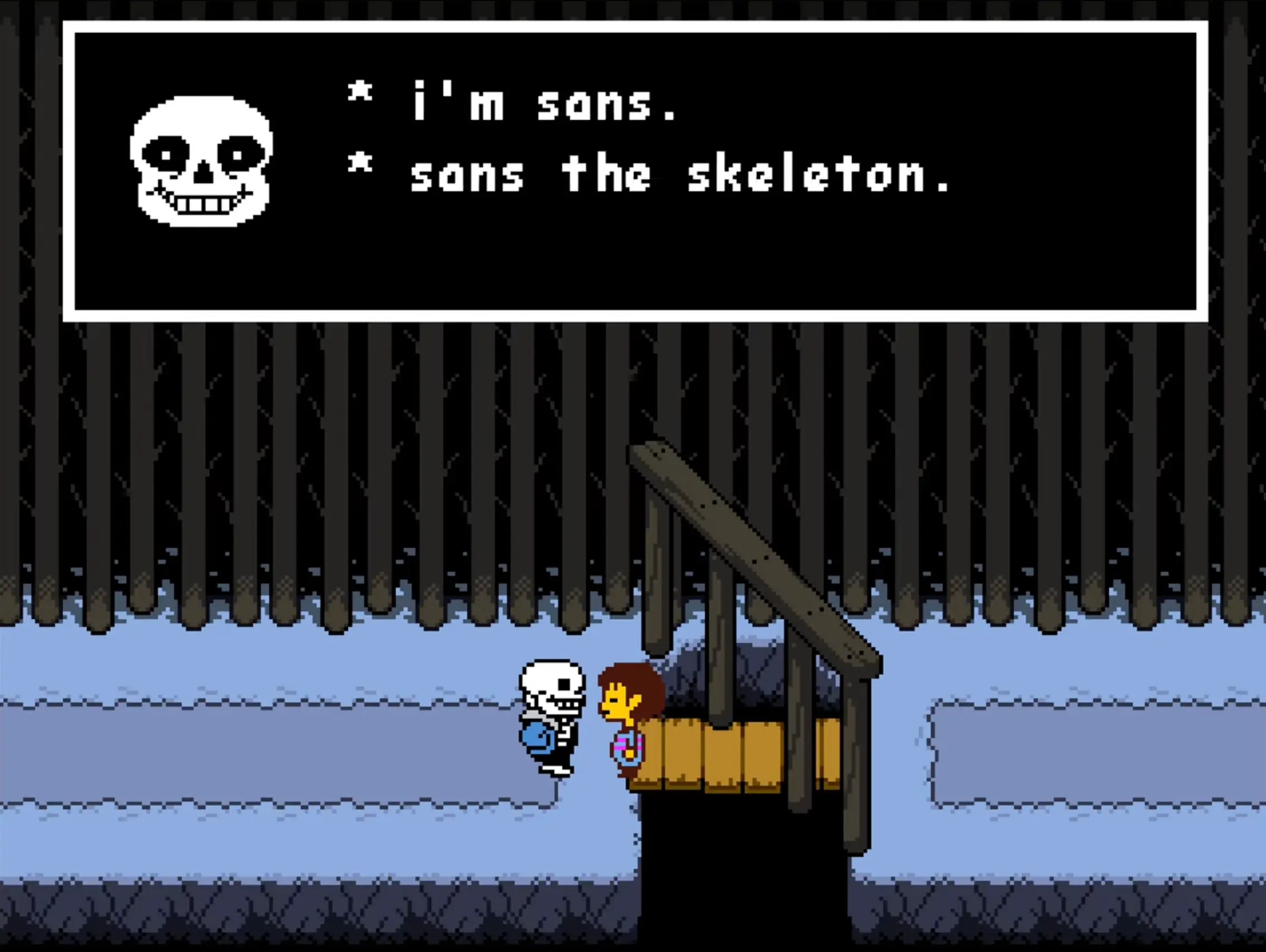
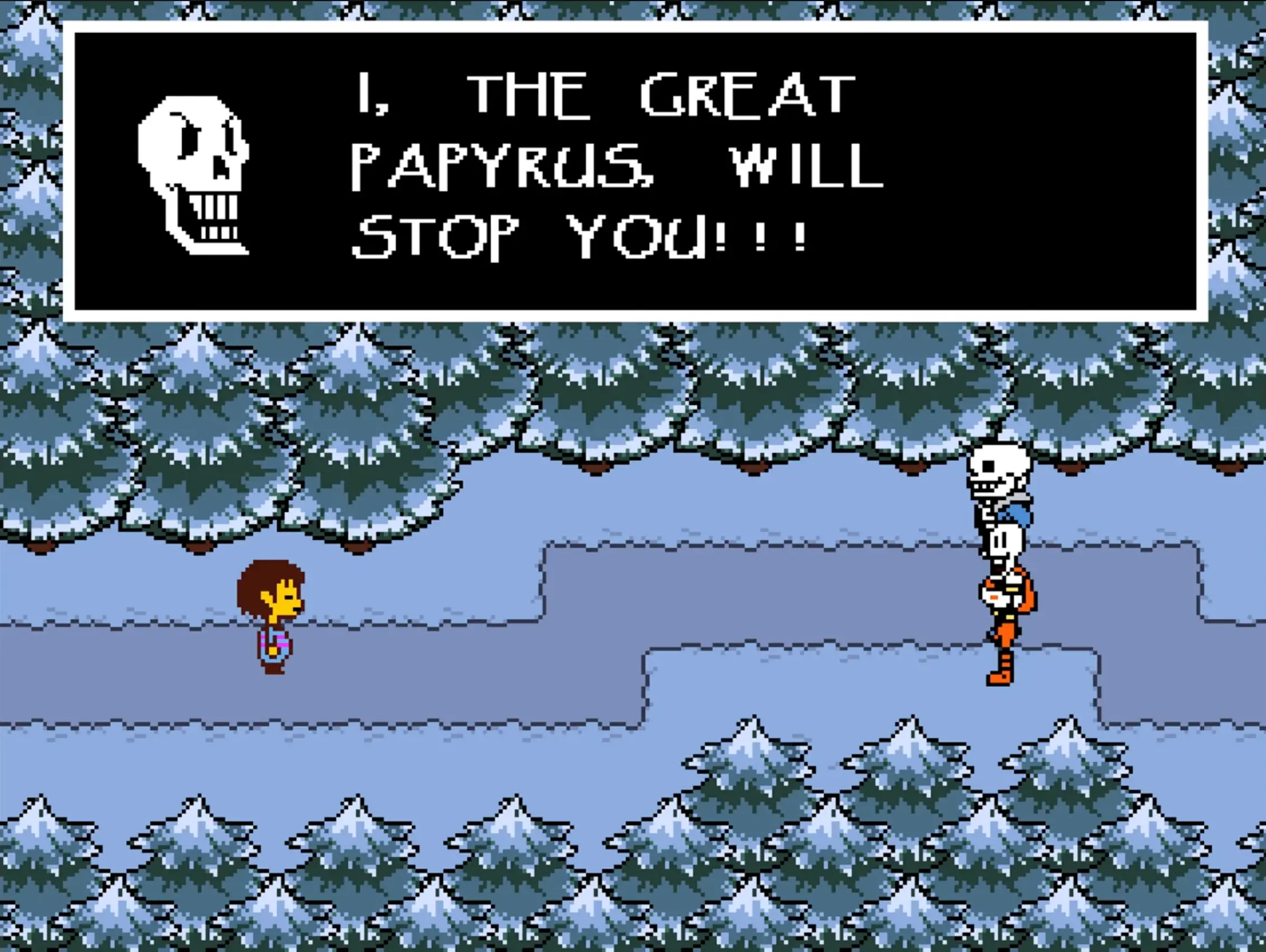
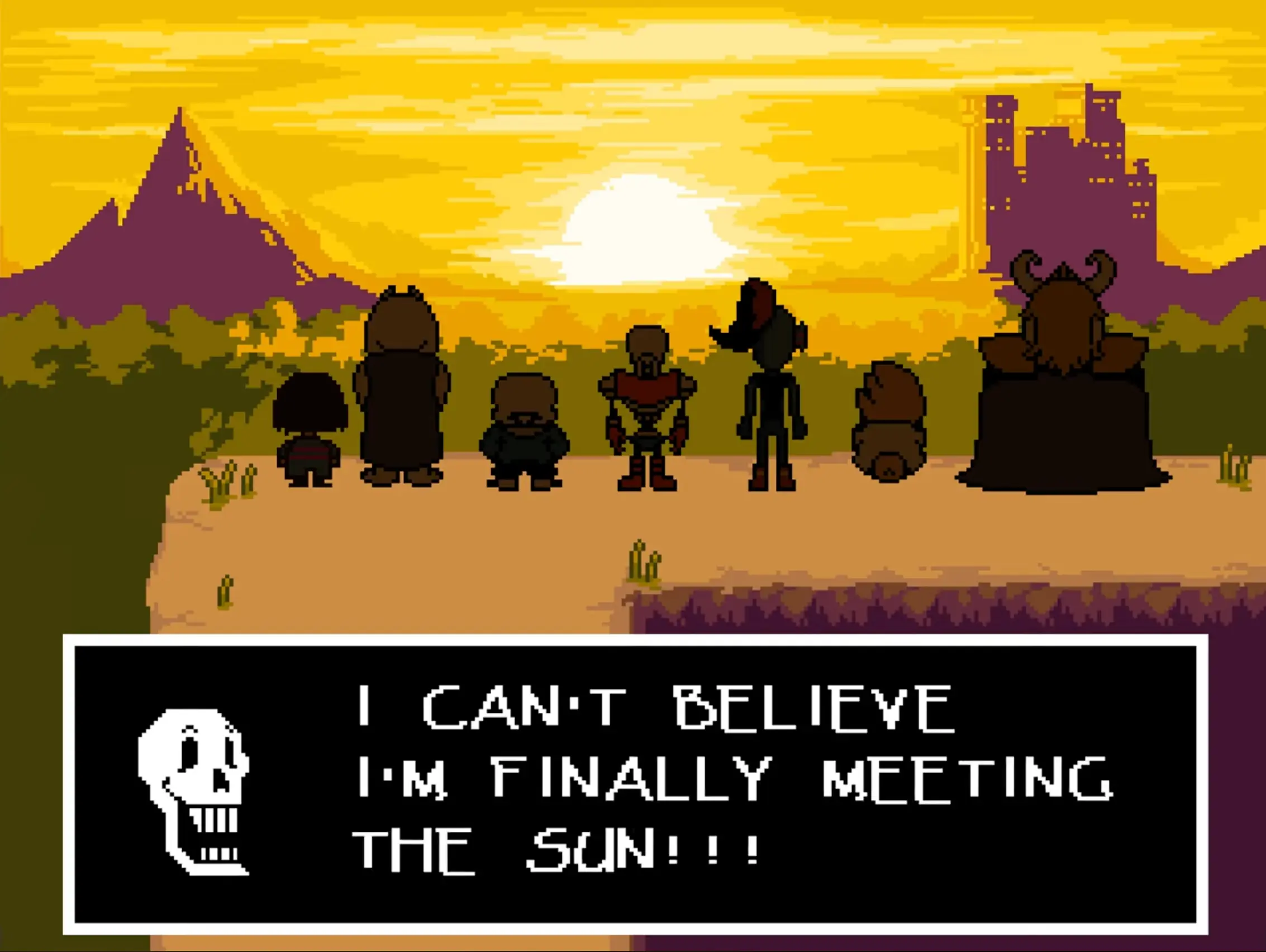
The true beating heart of Undertale is its phenomenal cast of characters, an eclectic ensemble of monsters who exhibit more humanity than most video game protagonists. The narrative is driven by these vibrant personalities, each struggling with their own hopes, insecurities, and the collective despair of their subterranean imprisonment. There is Papyrus, a delightfully naive and boastful skeleton whose singular ambition to capture a human is constantly eclipsed by his own incredibly good nature. His brother, Sans, provides a masterclass in tonal duality—a pun-loving slacker who secretly harbors a terrifying understanding of the universe's mechanics and the player's ability to reset time.
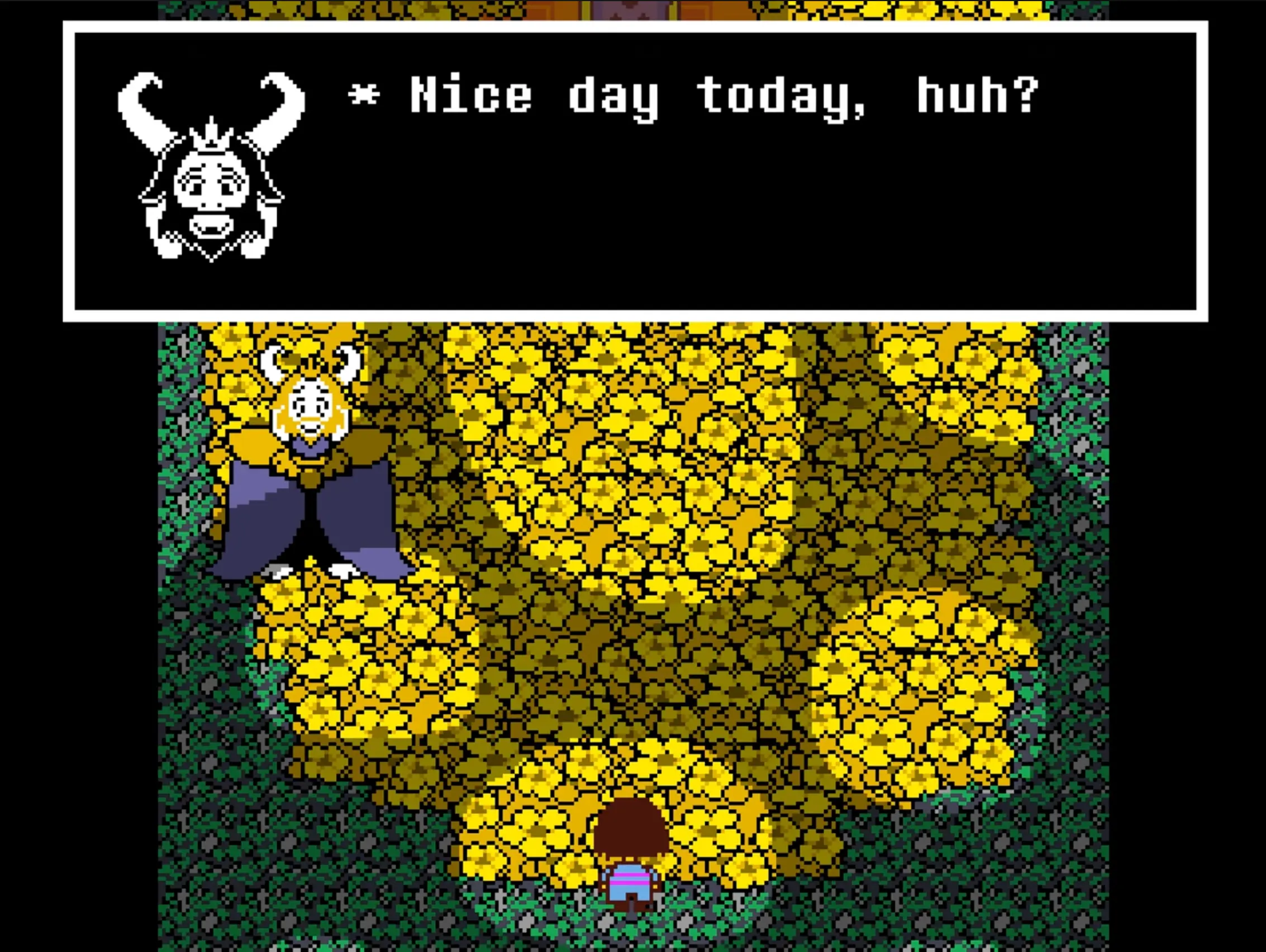
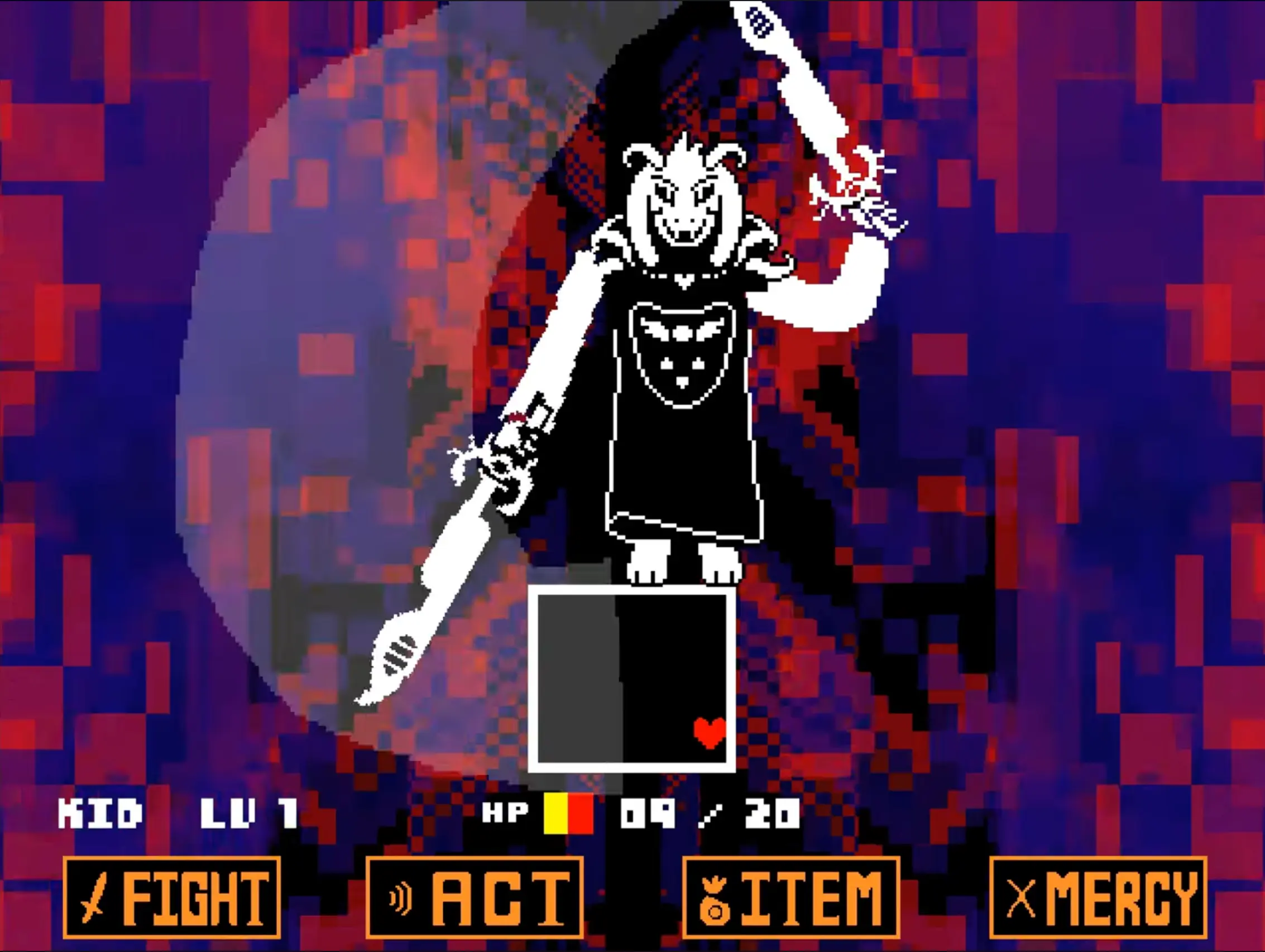
Undyne, the captain of the royal guard, brings boisterous anime-esque heroism to the forefront, while Dr. Alphys struggles with crippling anxiety and the guilt of her past scientific failures. Finally, the tragic figure of King Asgore Dreemurr looms over the narrative, a reluctant monarch driven to terrible deeds by the grief of losing his children and the desperate hope of freeing his people. Toby Fox weaves these character arcs together with surgical precision, utilizing humor as a trojan horse for devastating emotional payloads. You don't just learn about these characters; you go on dates with them, cook pasta with them, and uncover their deepest traumas, making the prospect of harming them utterly unthinkable for most players. The world feels alive entirely because the people in it feel so incredibly real.
Gameplay: A Dance of Hearts and Bullets
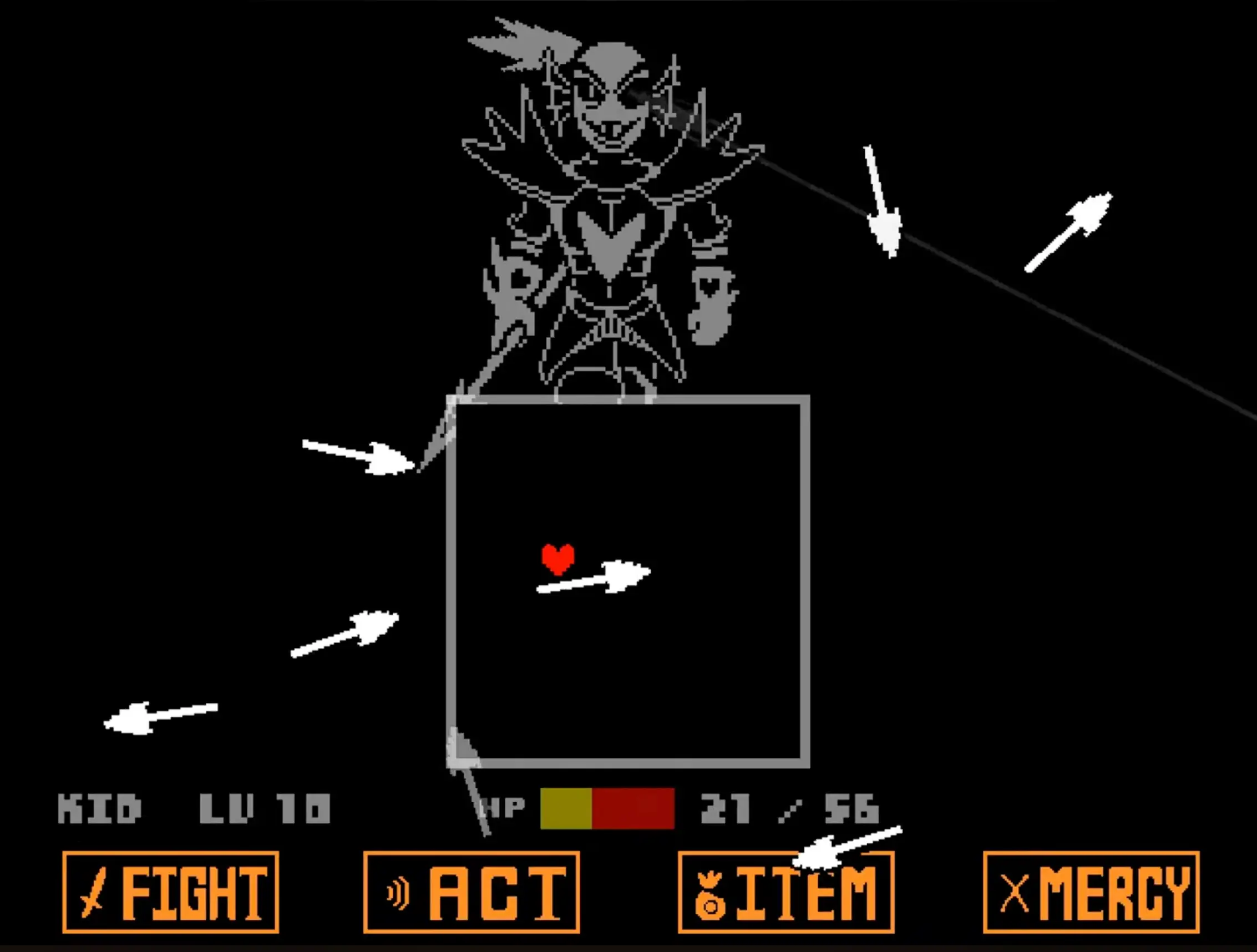
Mechanically, Undertale defies easy categorization by fusing traditional RPG exploration with intense, skill-based bullet hell combat. During enemy encounters, the player's soul is represented by a small red heart confined within a box. As monsters unleash their attacks, you must actively dodge a frantic barrage of projectiles. However, these attacks are never generic; they are brilliant expressions of the attacker's personality and current emotional state. A Froggit might awkwardly hop a single projectile toward you, while a depressed ghost named Napstablook attacks with tears born from his own low self-esteem.
As the game progresses, the battle system constantly reinvents itself to keep the player on their toes. Your red heart might suddenly turn blue, subjecting you to gravity and turning the bullet hell into a platforming challenge; or it might turn green, locking you in place and forcing you to block incoming spears like a rhythm game. This constant mechanical evolution ensures that combat never grows stale, demanding razor-sharp reflexes while simultaneously engaging your problem-solving skills to figure out the correct sequence of 'ACT' commands to peacefully end the encounter. The final boss fights in both the True Pacifist and Genocide routes are legendary achievements in game design, pushing these mechanics to their absolute limit while perfectly syncing the escalating gameplay with jaw-dropping narrative revelations.
Atmosphere & Themes: A Symphony of Pixels and Leitmotifs
If the characters are the heart of Undertale, its soundtrack is undoubtedly its soul. Composed entirely by Toby Fox, the music of Undertale is a staggering achievement in digital orchestration, featuring over a hundred bespoke tracks that range from infectious chiptune melodies to sweeping, emotional piano ballads and pulse-pounding boss anthems. The soundtrack is heavily reliant on leitmotifs—recurring musical themes associated with specific characters or ideas—that are brilliantly interwoven and recontextualized throughout the journey. A simple, upbeat melody heard in a starting town might be slowed down into a haunting dirge later on, or sped up and layered with electric guitars for a climactic showdown.
This auditory tapestry elevates the 8-bit visuals into something profoundly cinematic. The pixel art, while intentionally rudimentary in places, is highly expressive, using its limitations to foster a sense of childlike imagination before subverting it with shockingly detailed, sometimes disturbing imagery when the narrative demands it. The thematic exploration of 'determination'—which operates as a literal metaphysical force in the game's lore—resonates on every level of the game's atmosphere. It is a story about the sheer willpower required to keep moving forward, whether that willpower is used to spread infinite kindness, heal broken communities, or—in its darkest iteration—extinguish all life just to see what happens.
Conclusion: A Determination that Lasts Forever
More than a decade after its release, Undertale remains a towering monument of independent game development, proving unequivocally that a singular creative vision can rival the impact of the largest AAA blockbusters. It is a game that deconstructs the medium of video games itself, interrogating why we play them, how we interact with digital worlds, and what our choices say about our own morality. It makes us laugh out loud with its incredibly sharp, internet-fluent humor, only to leave us sobbing an hour later at the sheer beauty of its emotional climax.
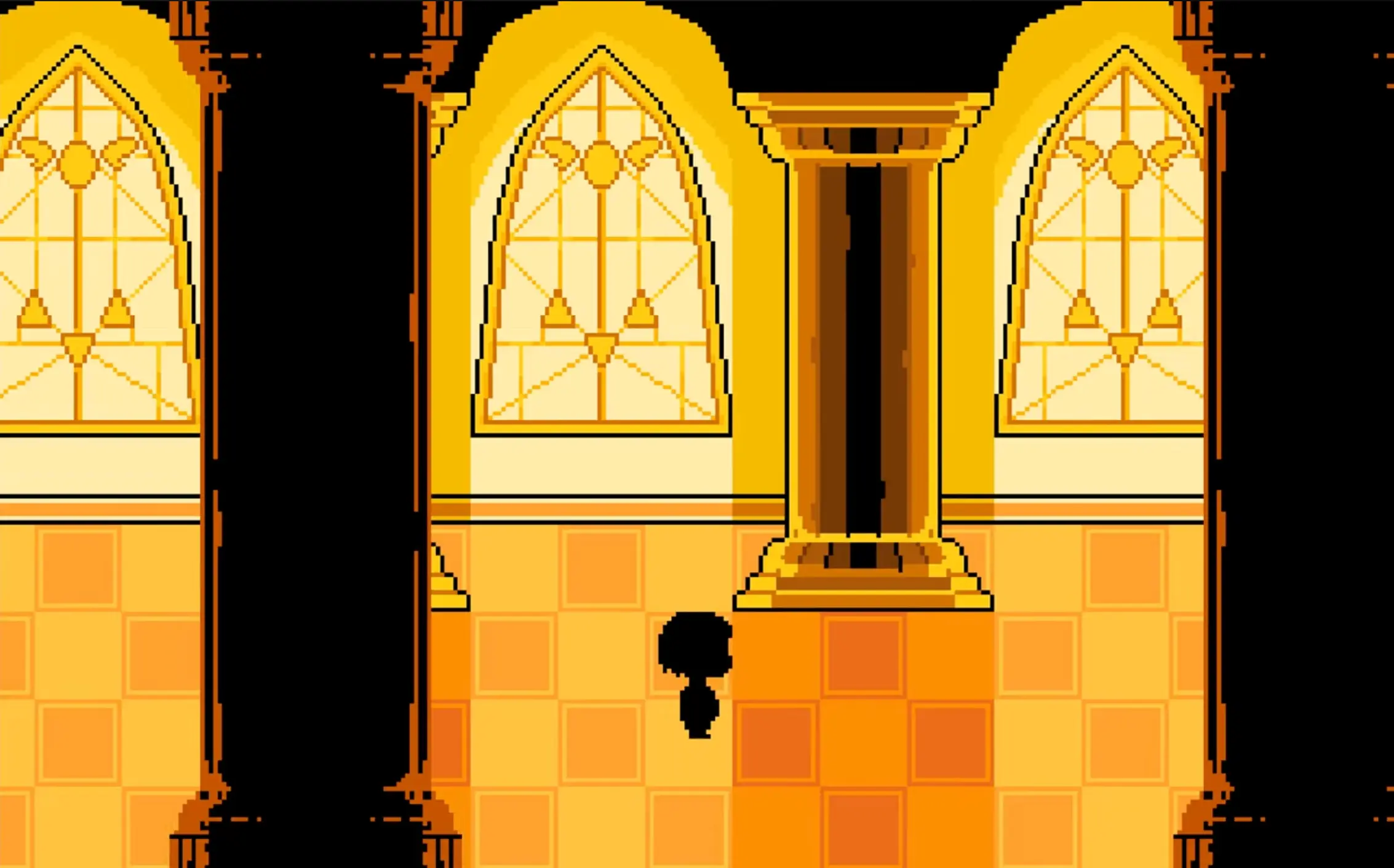
Undertale is a transformative experience. Completing the True Pacifist route provides one of the most cathartic, deeply satisfying conclusions in entertainment history, while the infamous Genocide route serves as a harrowing, chilling examination of completionism and apathetic curiosity. To play Undertale is to be fundamentally changed by it. It fills you with determination, reminding you of the power of mercy, the importance of understanding those who are different from us, and the enduring bonds of friendship that can bloom in the darkest of places. Toby Fox didn't just create a video game; he crafted a digital sanctuary, an unforgettable tale of monsters and magic that will continue to resonate in the hearts of players for generations to come.