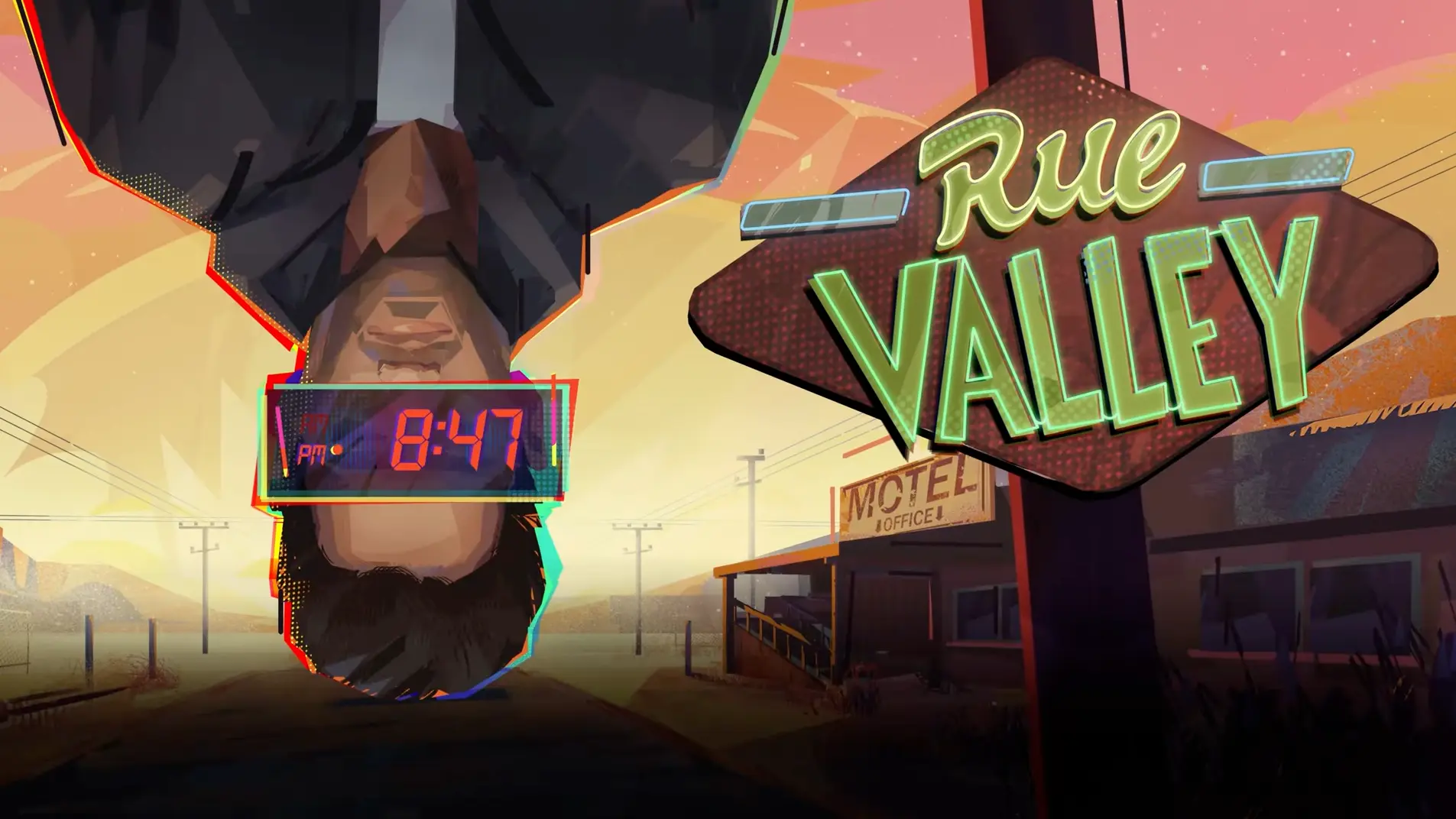
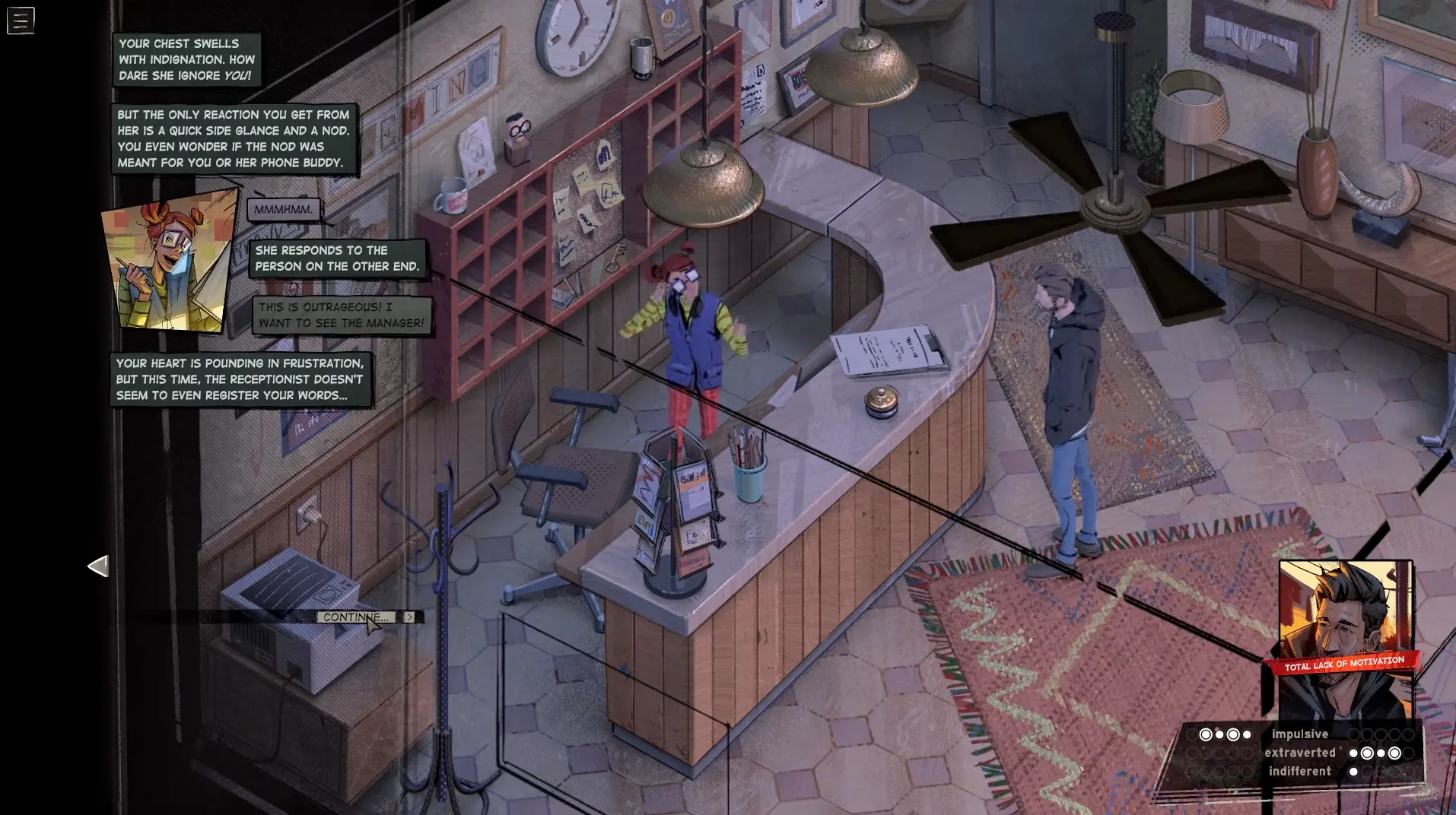
Rue Valley arrives carrying the heavy, intellectual torch lit by genre-defining titles like Disco Elysium, but it refuses to simply walk in those footsteps. Instead, it carves out a jagged, personal path through the psyche. This is an isometric RPG that abandons the sword for the therapy session, replacing health potions with coping mechanisms. Trapped in a rundown motel at the edge of reality, the protagonist faces a threat far more terrifying than a dragon: a 47-minute time loop that resets the world just as progress feels within reach. It is an experience that defies easy categorization, blending the mechanical depth of a CRPG with the claustrophobic intimacy of a psychological thriller.
About the Game
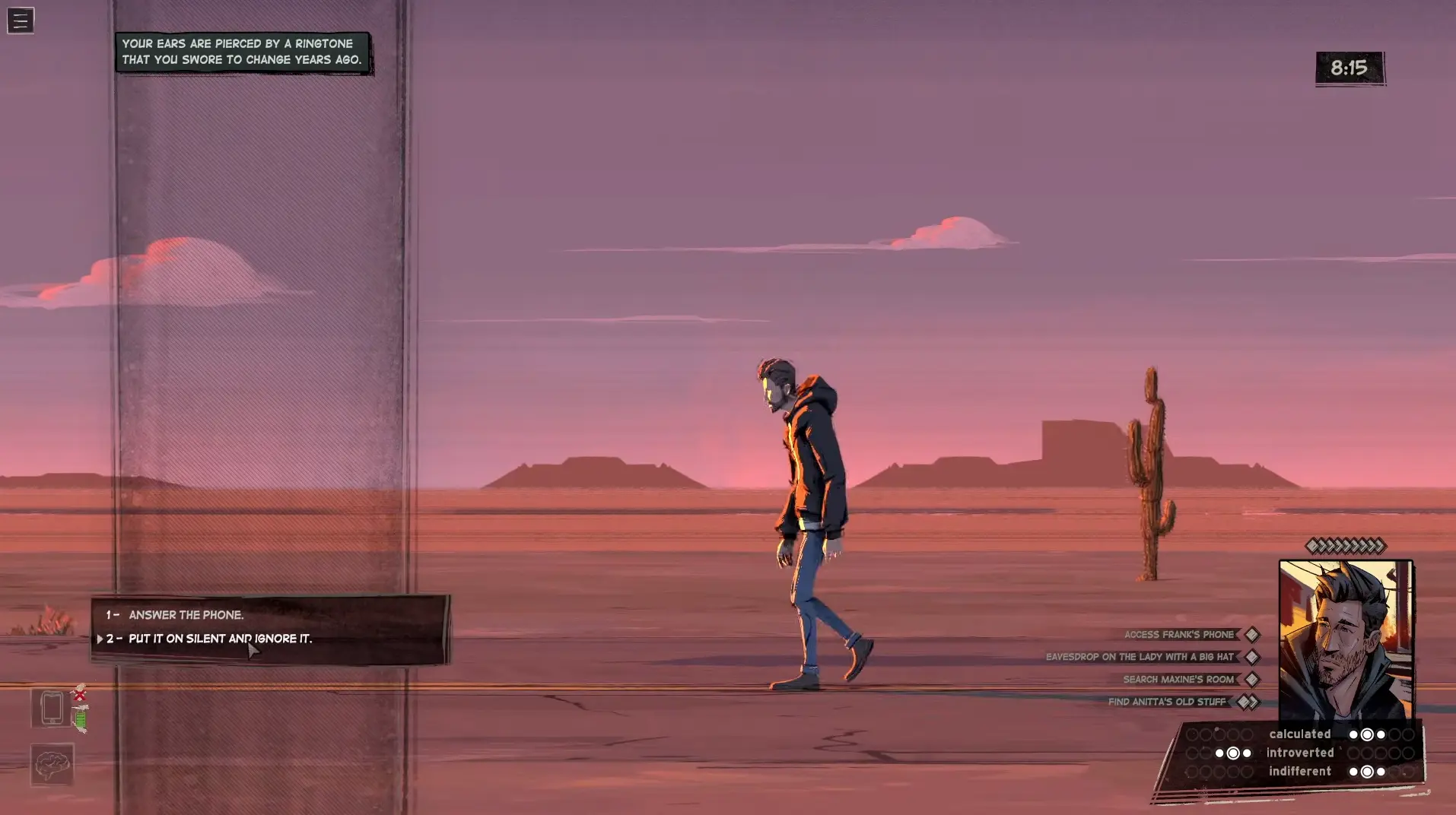
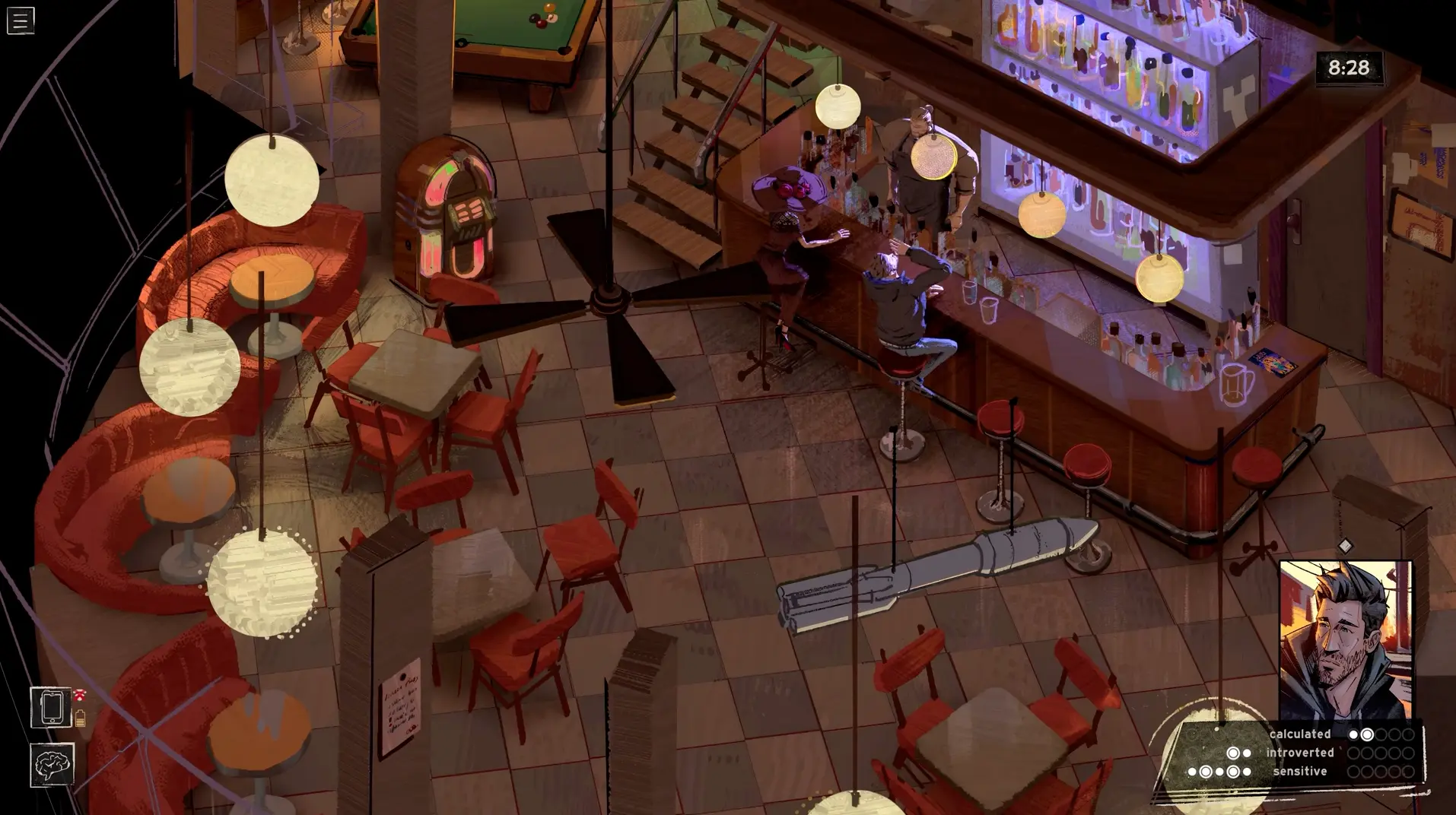
Developed by the Belgrade-based Emotion Spark Studio and backed by Owlcat Games (known for their deep, crunchy CRPGs), Rue Valley is a bold artistic statement. Released in late 2025, it sets itself apart with a visual style that demands attention—a 2D parallax, hand-drawn aesthetic that gives the world the depth of a living comic book or a surrealist diorama. But the true audacity lies in its design philosophy: the complete removal of combat. There are no random encounters, no experience points for killing rats. The conflict is entirely internal and social. It is a game about fighting inner demons using words, choices, and self-reflection, proving that a dialogue tree can be just as lethal as a skill tree.
The Story: Anomaly and Therapy
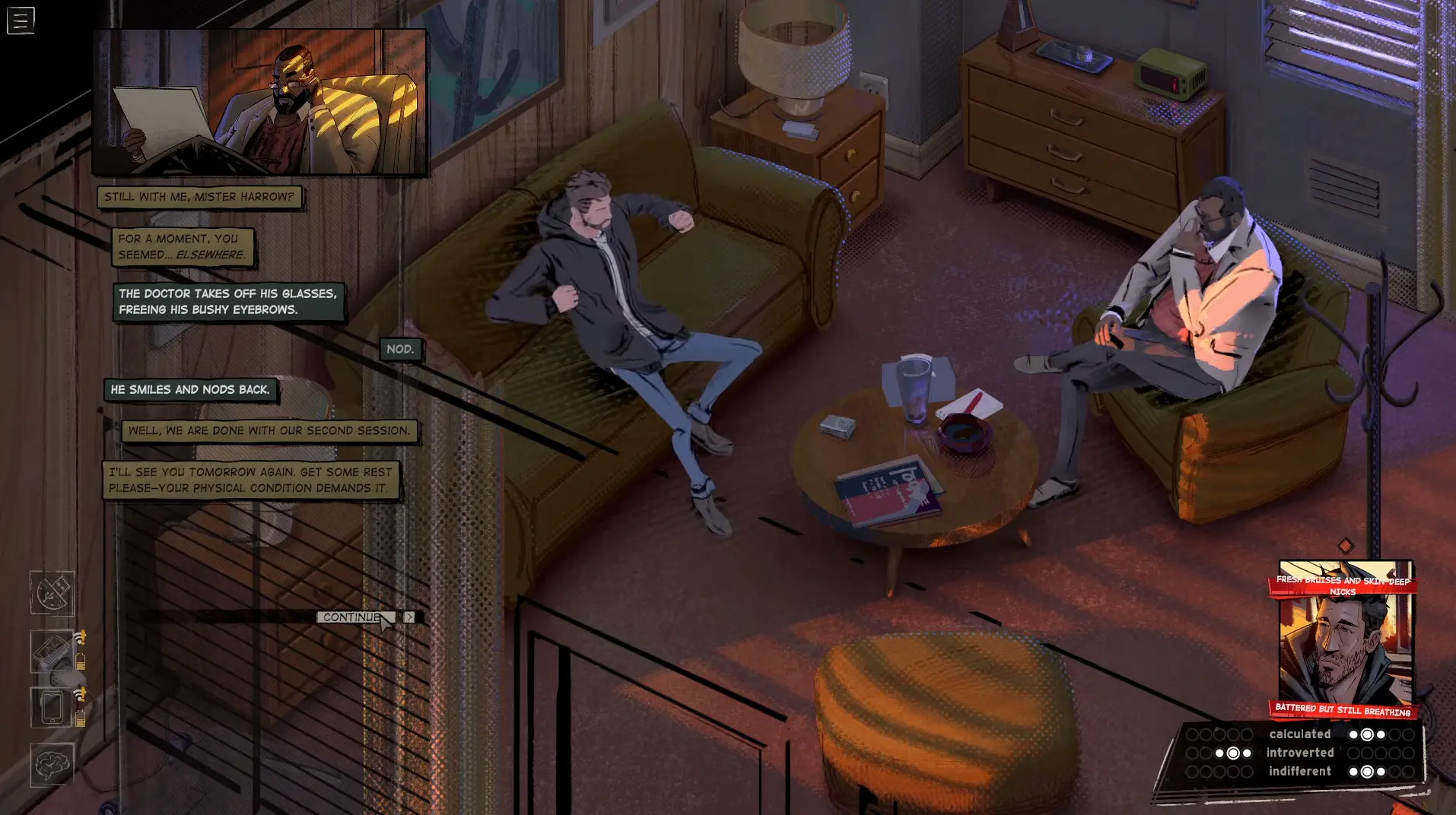
The narrative premise is a dual-pronged mystery wrapped in an existential crisis. The protagonist is a man hanging by a thread, attending court-appointed psychotherapy in the enigmatic Rue Valley. But the therapy is cut short. Every 47 minutes, a mysterious anomaly resets the clock, wiping away the world's physical progress while leaving the protagonist's memory—and trauma—intact.
The brilliance of the narrative lies in how it weaponizes this loop. It is not just a gameplay mechanic; it is a metaphor for the cyclical nature of mental illness. The player must investigate the supernatural anomaly to break the loop, but doing so requires delving into the psychological mystery of the protagonist's past. The other residents of the motel are equally trapped, wrestling with their own secrets. In a move that lends significant weight to the writing, the developers partnered with Movember, the global men's health charity, to ensure the themes of depression, anxiety, and resilience are handled with authenticity rather than melodrama.
Gameplay: The Mind Map
Without combat, the gameplay loop revolves entirely around exploration, dialogue, and the unique internal architecture of the protagonist's mind. The RPG systems here are recontextualized for social survival.
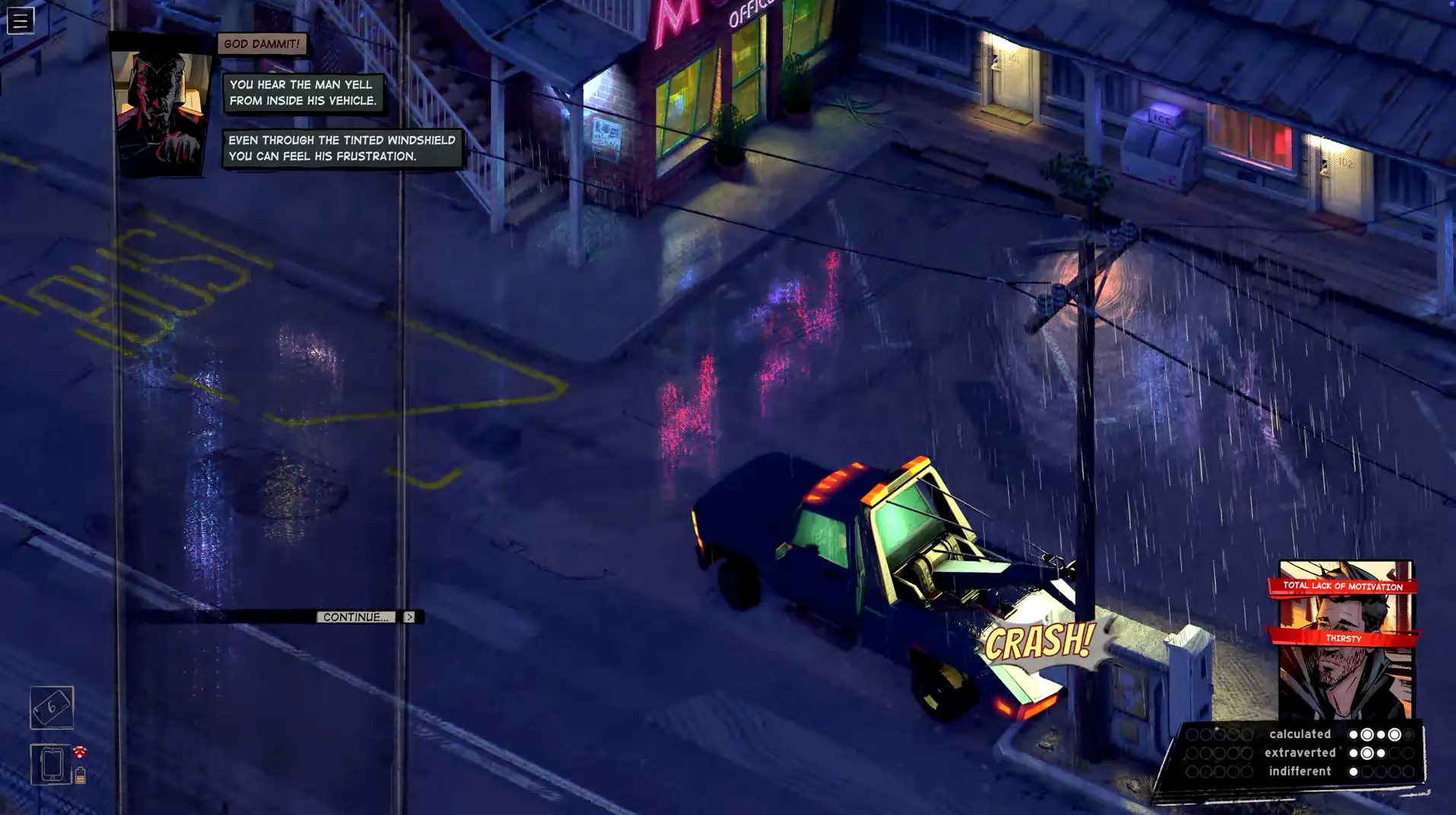
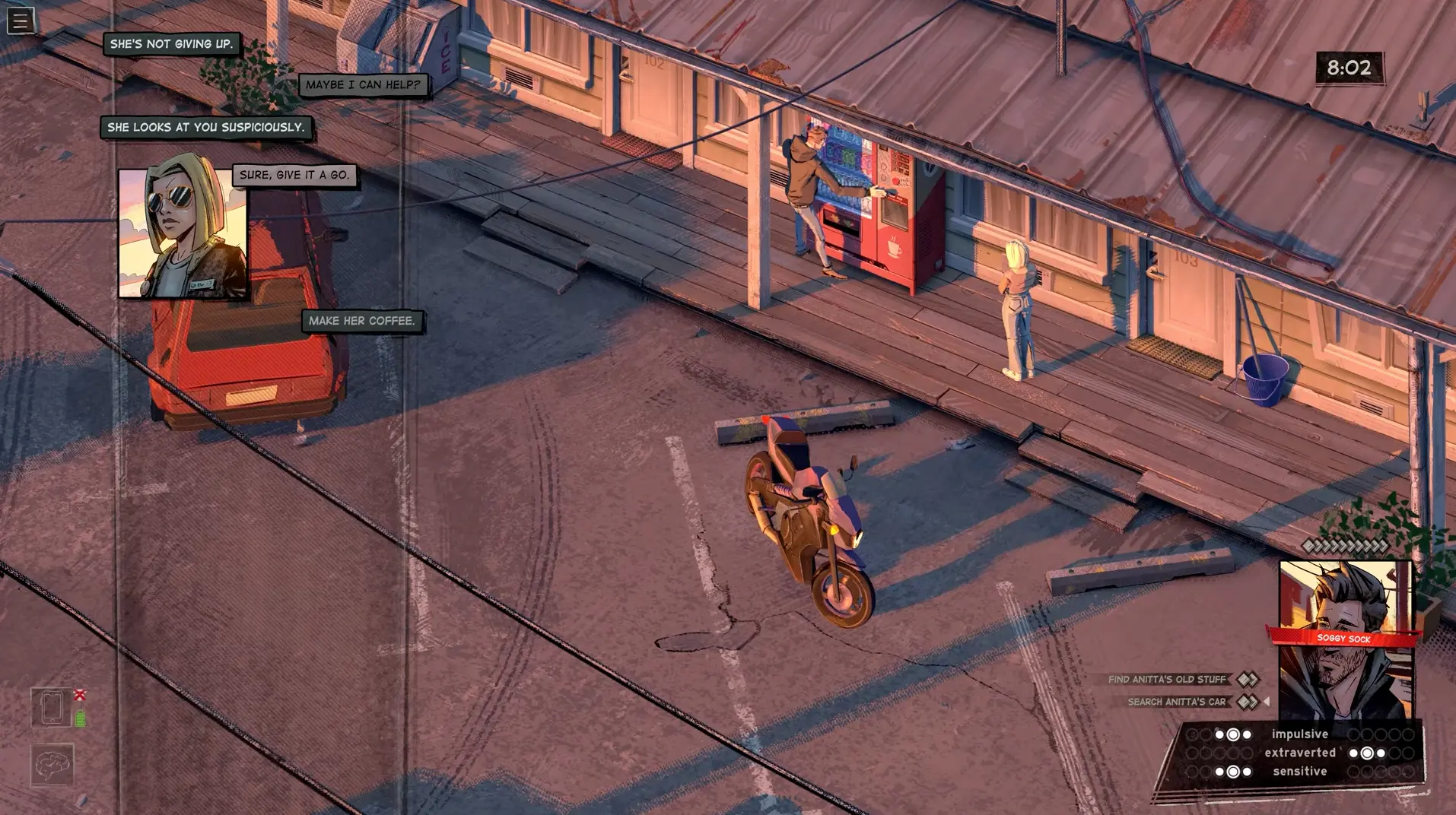
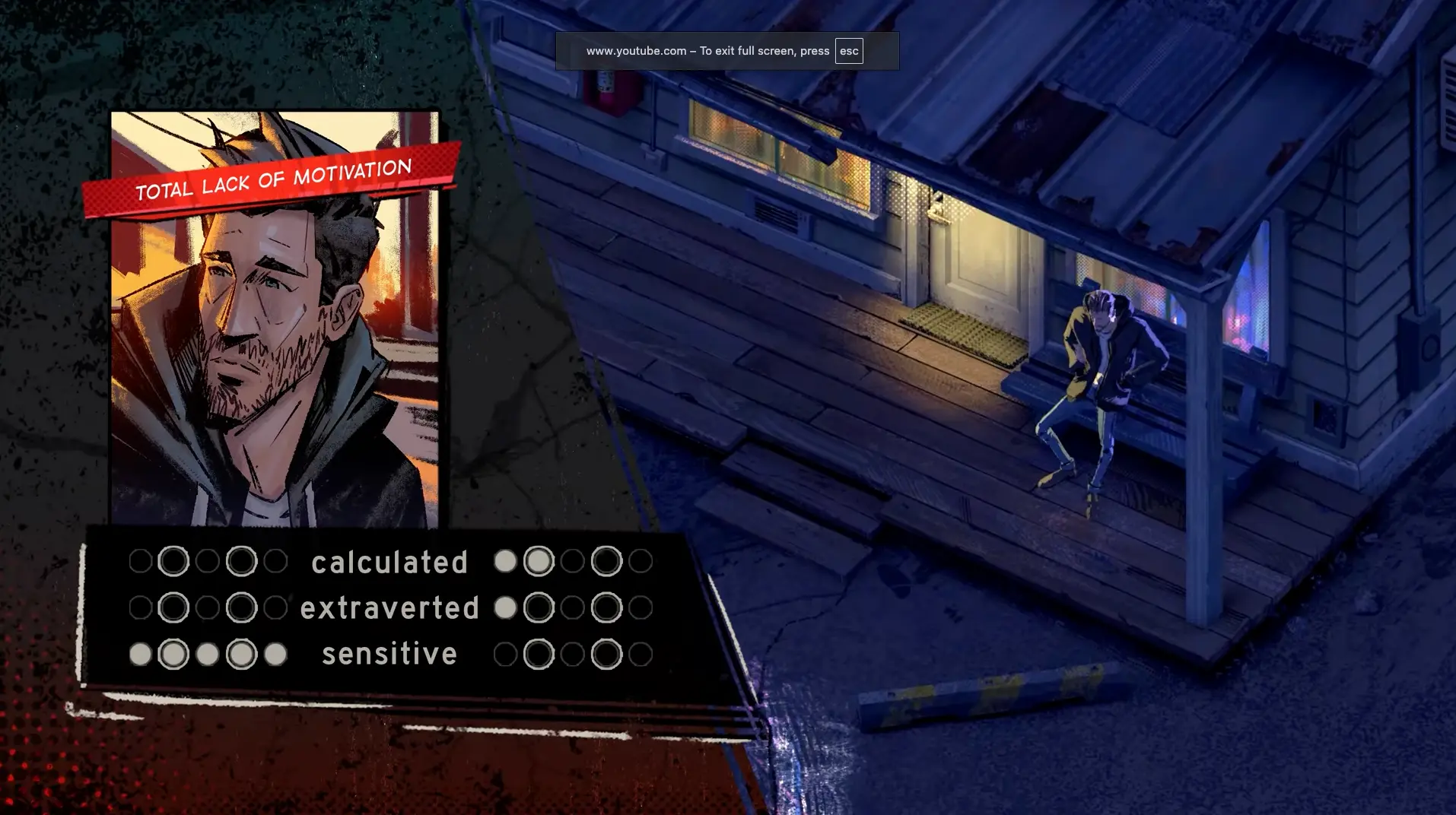
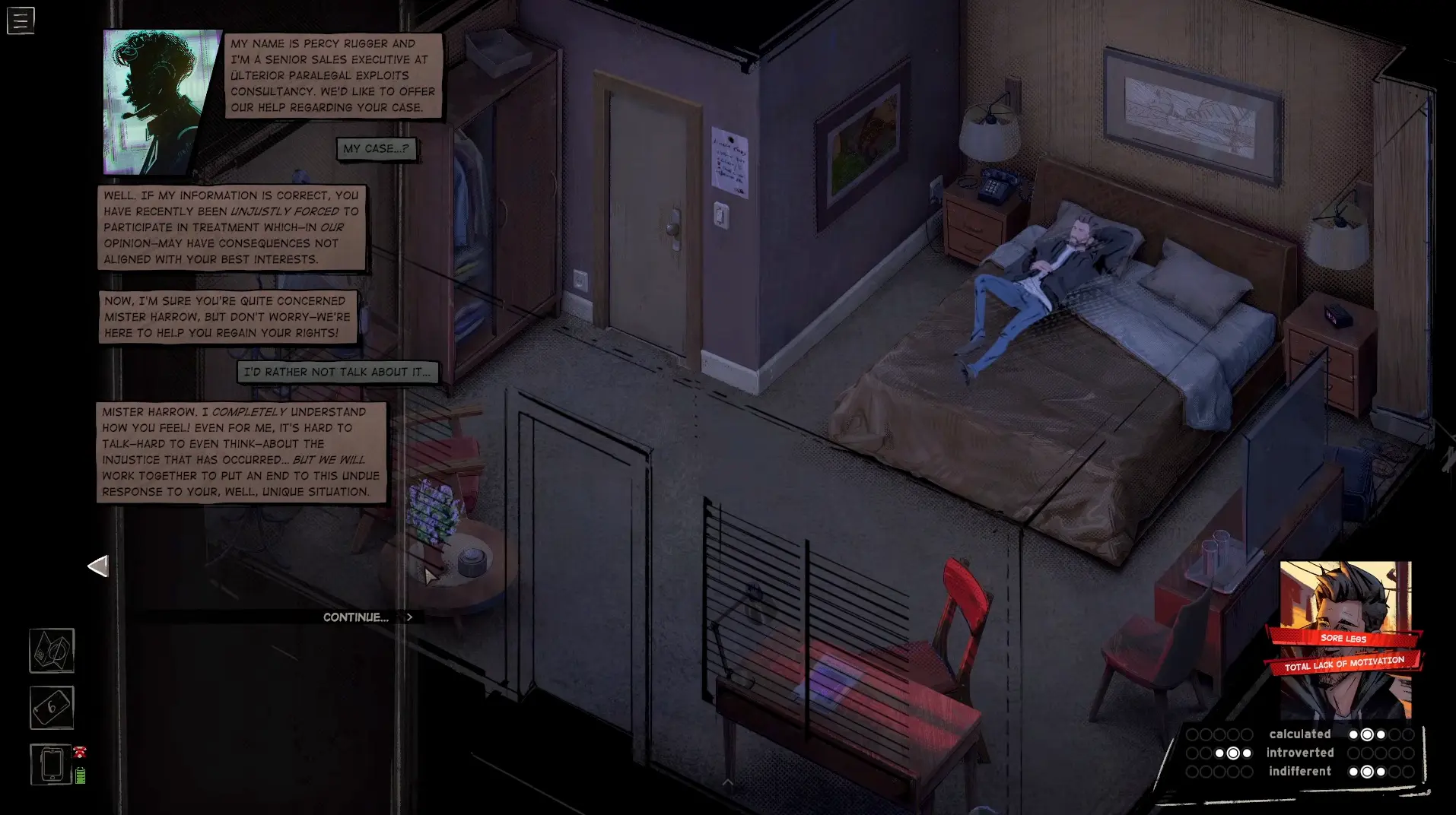
Character creation does not involve assigning points to Strength or Agility. Instead, the personality is defined along three axes: Impulsive vs. Calculated, Introverted vs. Extraverted, and Sensitive vs. Indifferent. These are not flavor text; they are the stats that dictate how the world interacts with the character. An Introverted build might notice subtle environmental storytelling cues missed by a loud Extravert, while an Impulsive character might unlock chaotic dialogue options that brute-force a solution.
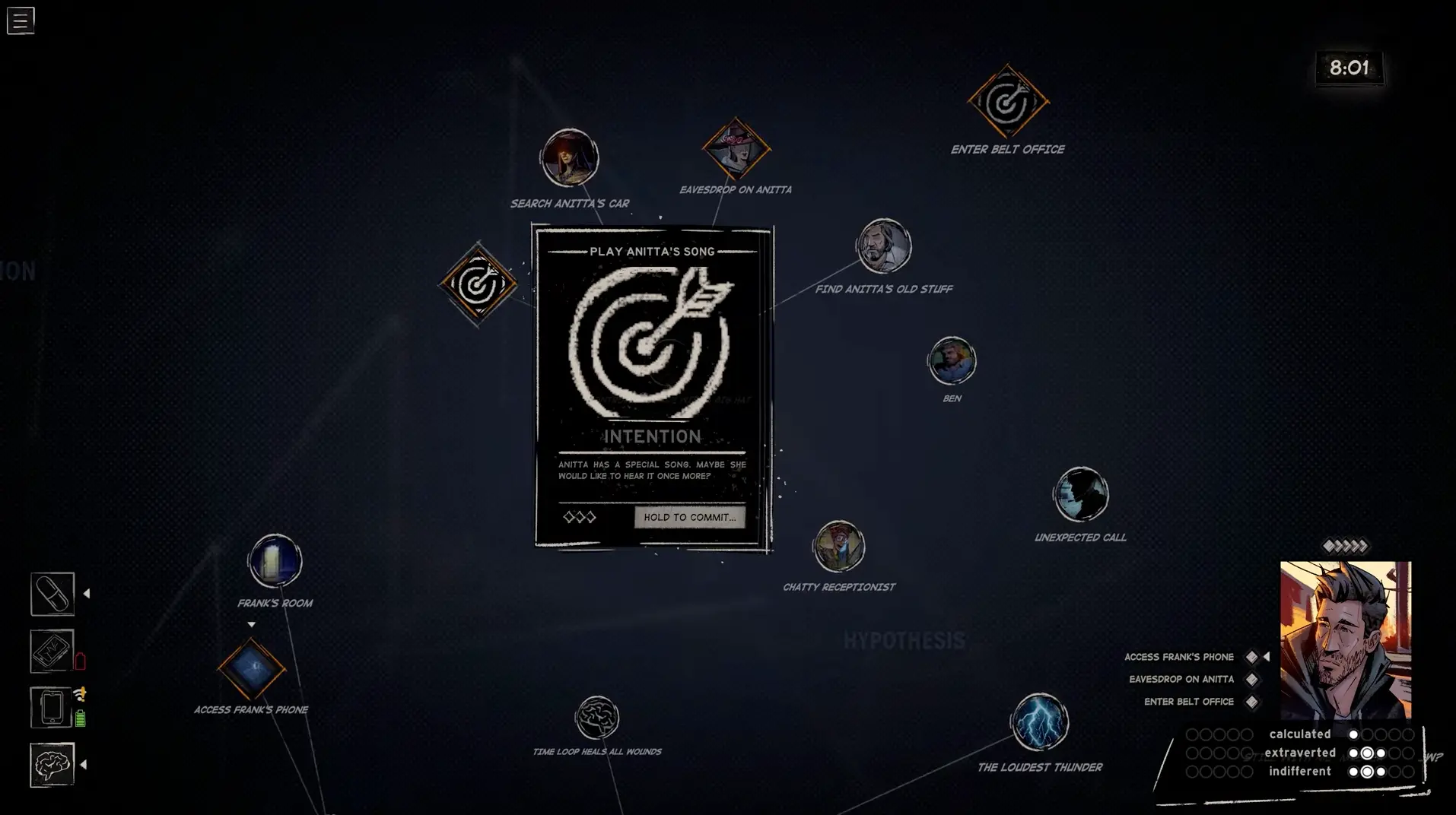
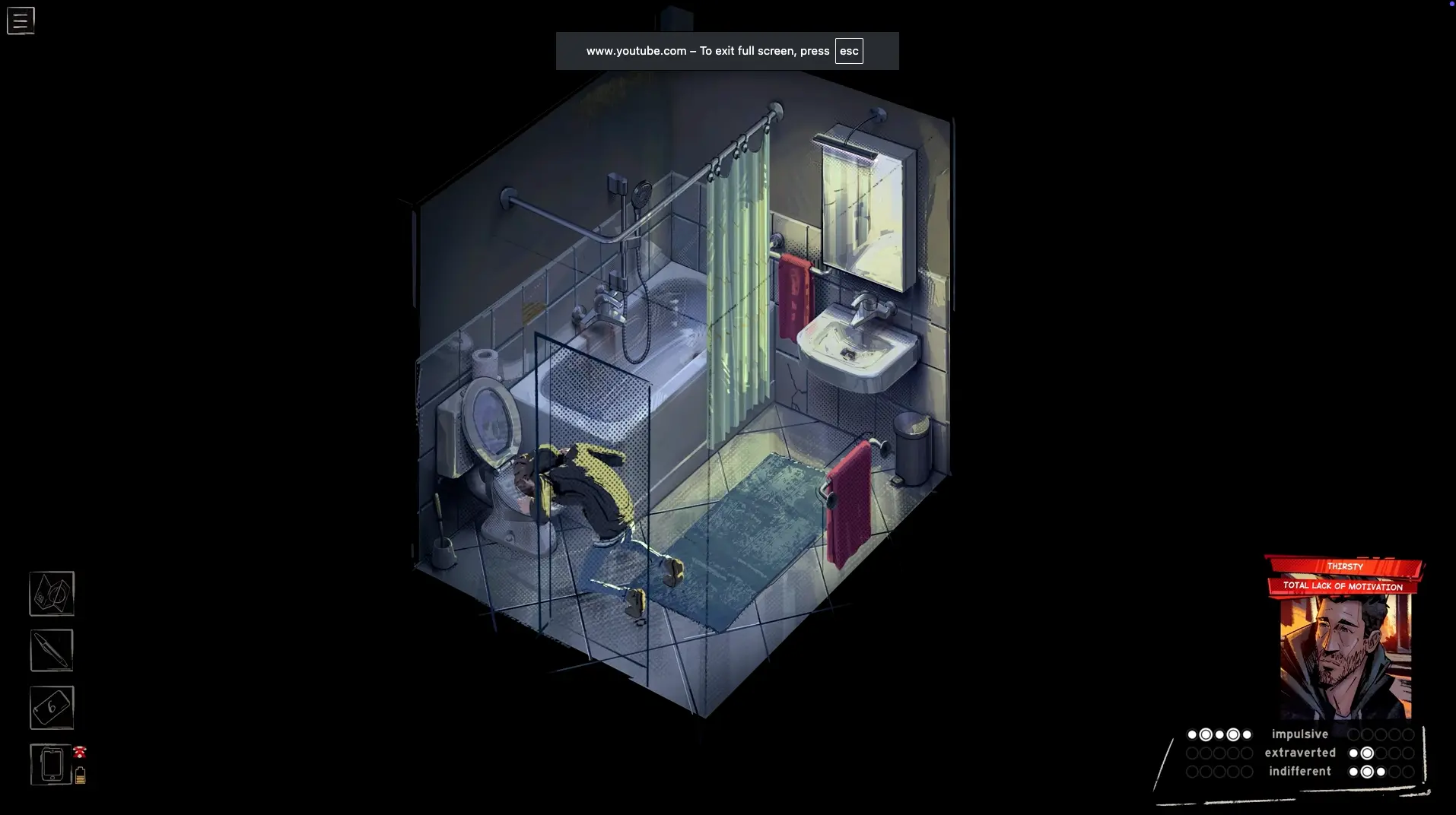
The progression system is the innovative Mind Map. As the protagonist discovers clues and navigates conversations, memories are "stored." These memories are not just lore entries; they are inventory items for the mind. A secret learned in one loop can be deployed as a dialogue weapon in the next. This system brilliantly simulates the process of learning and adapting. Furthermore, Status Effects play a crucial role. Being anxious triggers specific debuffs (or buffs to sensitivity), while being drunk might temporarily unlock confident dialogue options that were previously grayed out. It creates a web of choices where the greatest tool is the evolving mind.
Atmosphere & Themes
Rue Valley exercises emotional immersion through its atmosphere. The parallax art style creates a dreamlike, almost oppressive vibe, making the world feel tangible yet unstable. The lighting shifts with the ticking clock, and the sound design underscores the isolation of the setting.
Thematically, this is a title for those seeking meaningful, difficult interactive storytelling. It does not offer a power fantasy. It offers a reflection on the hard, often frustrating nature of healing. It respects the audience's emotional capacity, presenting a complex human journey where the "win state" is not saving the world, but simply understanding oneself. It proves that the most compelling battles in gaming don't need to involve a single shot fired.