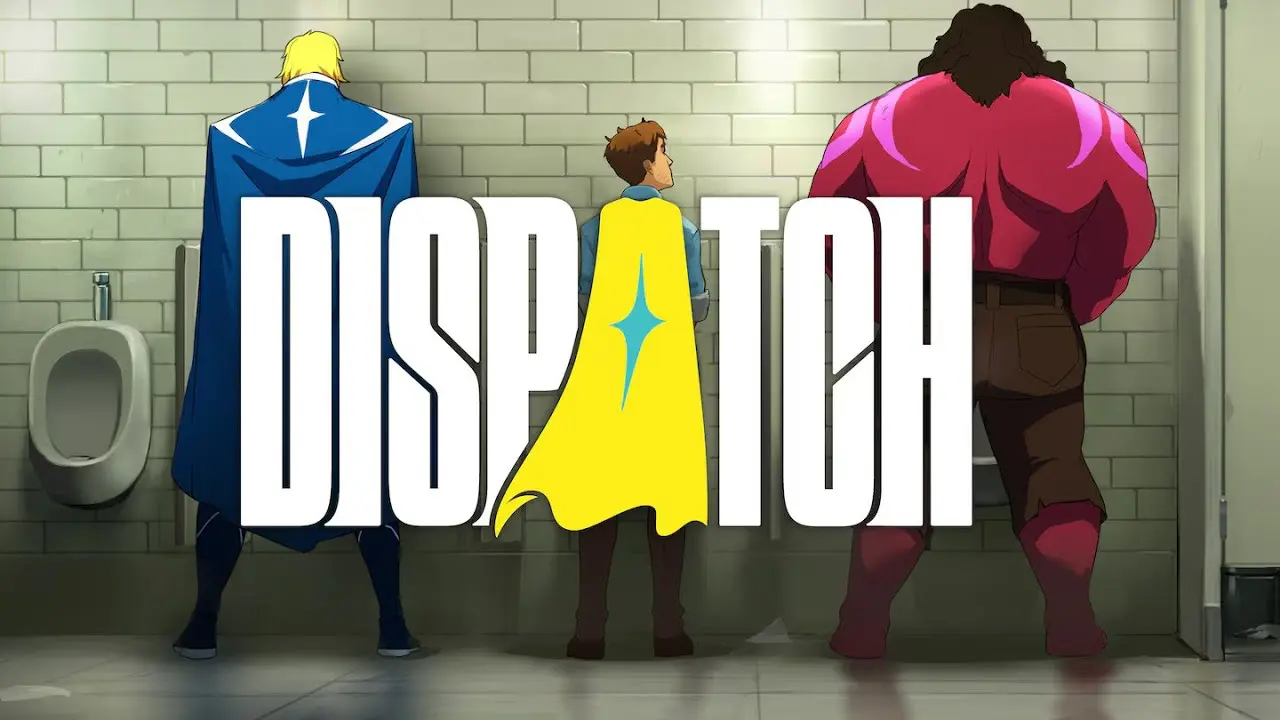
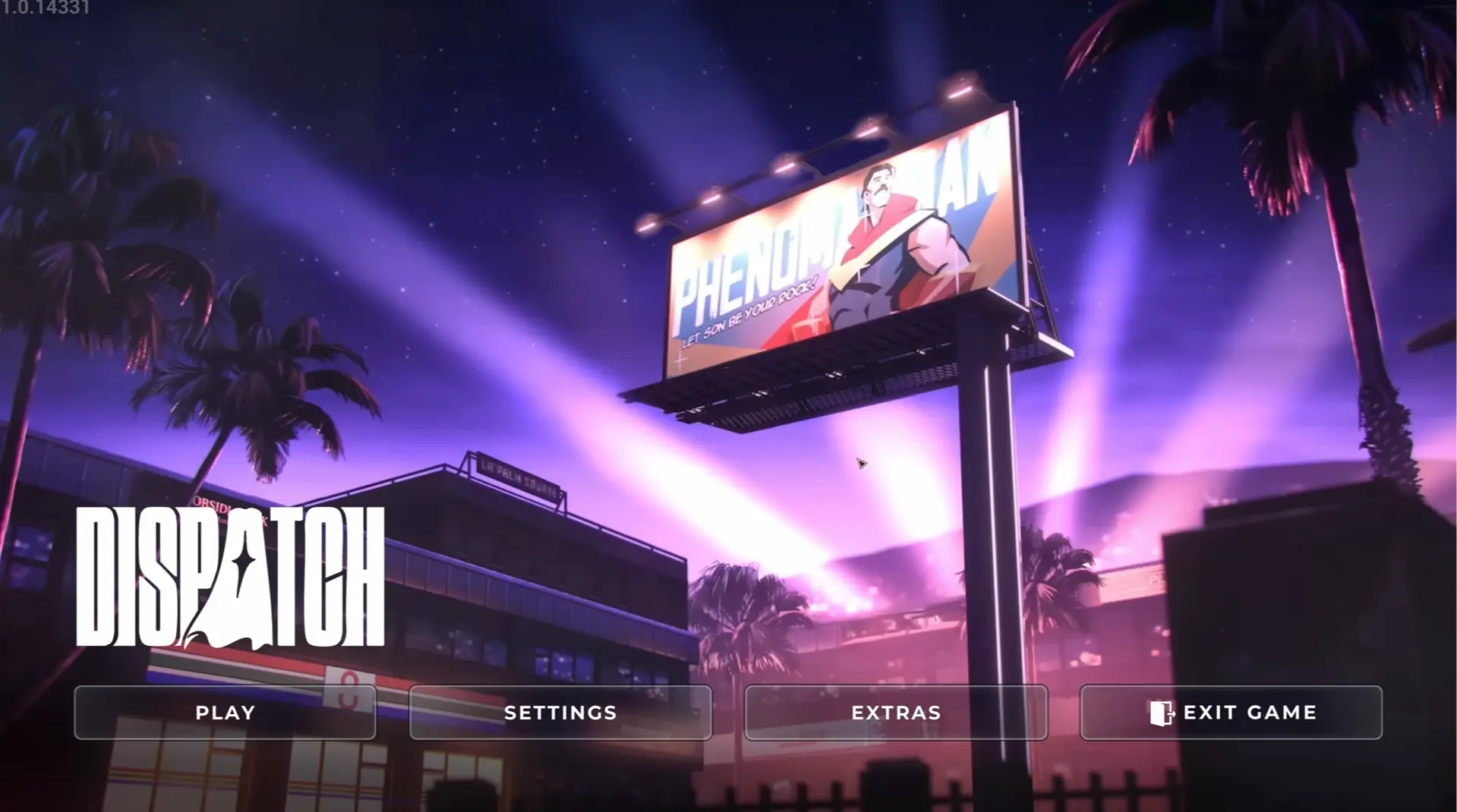
The superhero genre is typically defined by gods, billionaires, and sky-beams. Dispatch flips the script, focusing not on the jawline-heavy heroes trading punches in the stratosphere, but on the logistical nightmare happening on the ground. From AdHoc Studio—a team founded by veterans of the golden age of Telltale Games—comes a masterfully crafted adventure that blends the high stakes of a comic book universe with the mundane hilarity of a workplace comedy. It swaps the cape for a headset, exploring the chaotic, bureaucratic, and surprisingly heartfelt reality of the person who has to file the paperwork after the city gets saved.
About the Game
Dispatch is a single-player, narrative-driven strategy title set in modern-day Los Angeles. Unfolding over eight episodes released in a weekly cadence, the game mimics the tension and momentum of prestige television. The narrative centers on Robert Robertson, a man who knows the highs and lows of the hero business intimately. Once the celebrated Mecha Man, Robert is now washed-up, powerless, and suit-less, forced to take a desk job to make ends meet.
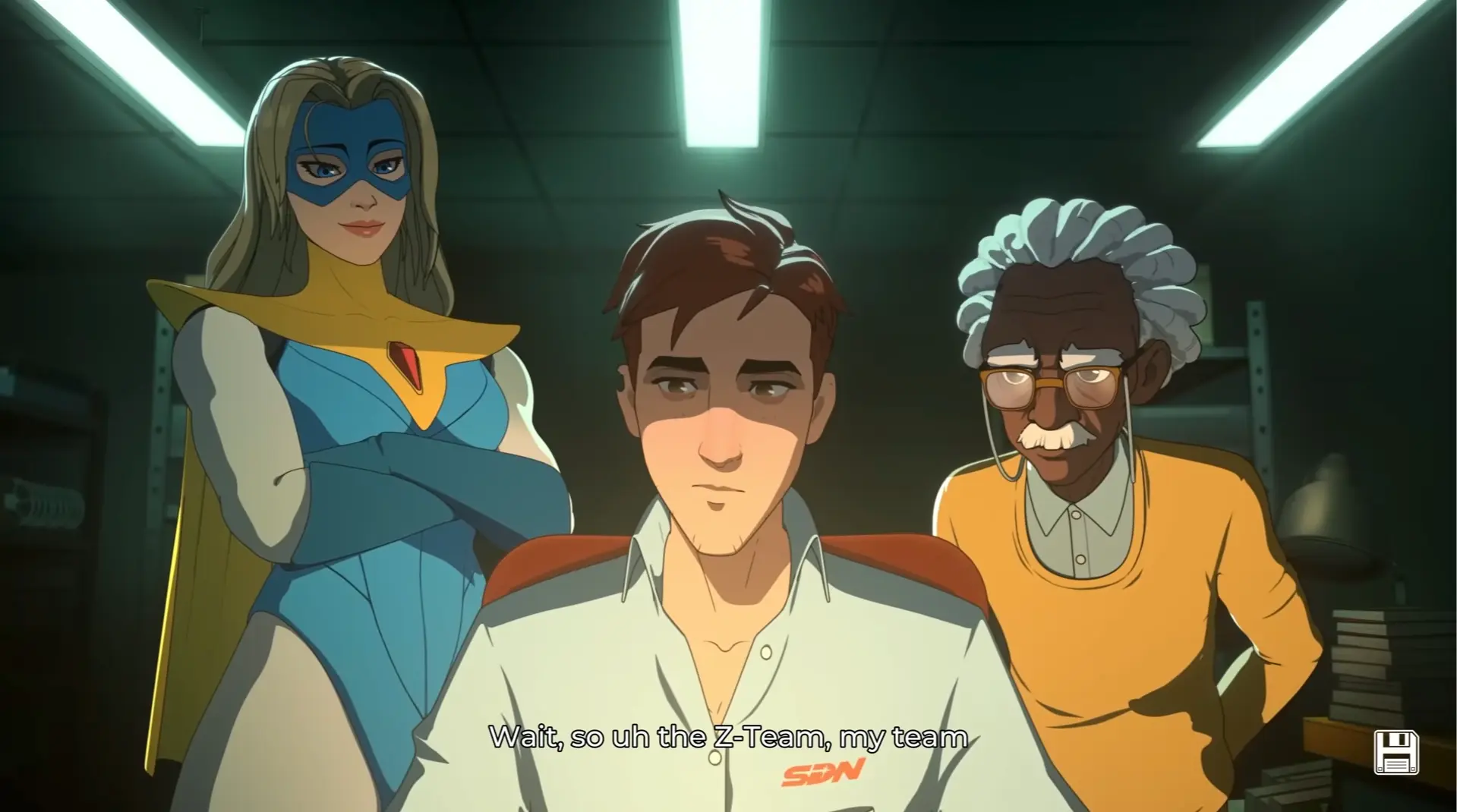
His new gig places him as a dispatcher at the Superhero Dispatch Network (SDN), a private military contractor managing a roster of... problematic... super-powered individuals. These are not the A-listers; they are ex-villains, misfits, and loose cannons given one last shot at redemption (or at least a steady paycheck). The game brilliantly marries the choice-based dialogue mechanics of classics like The Wolf Among Us with a surprisingly deep tactical management sim. Every decision, from breakroom banter to life-or-death deployment orders, shapes the story, interpersonal relationships, and the fate of the city.
The Story: From Hero to Middle-Management
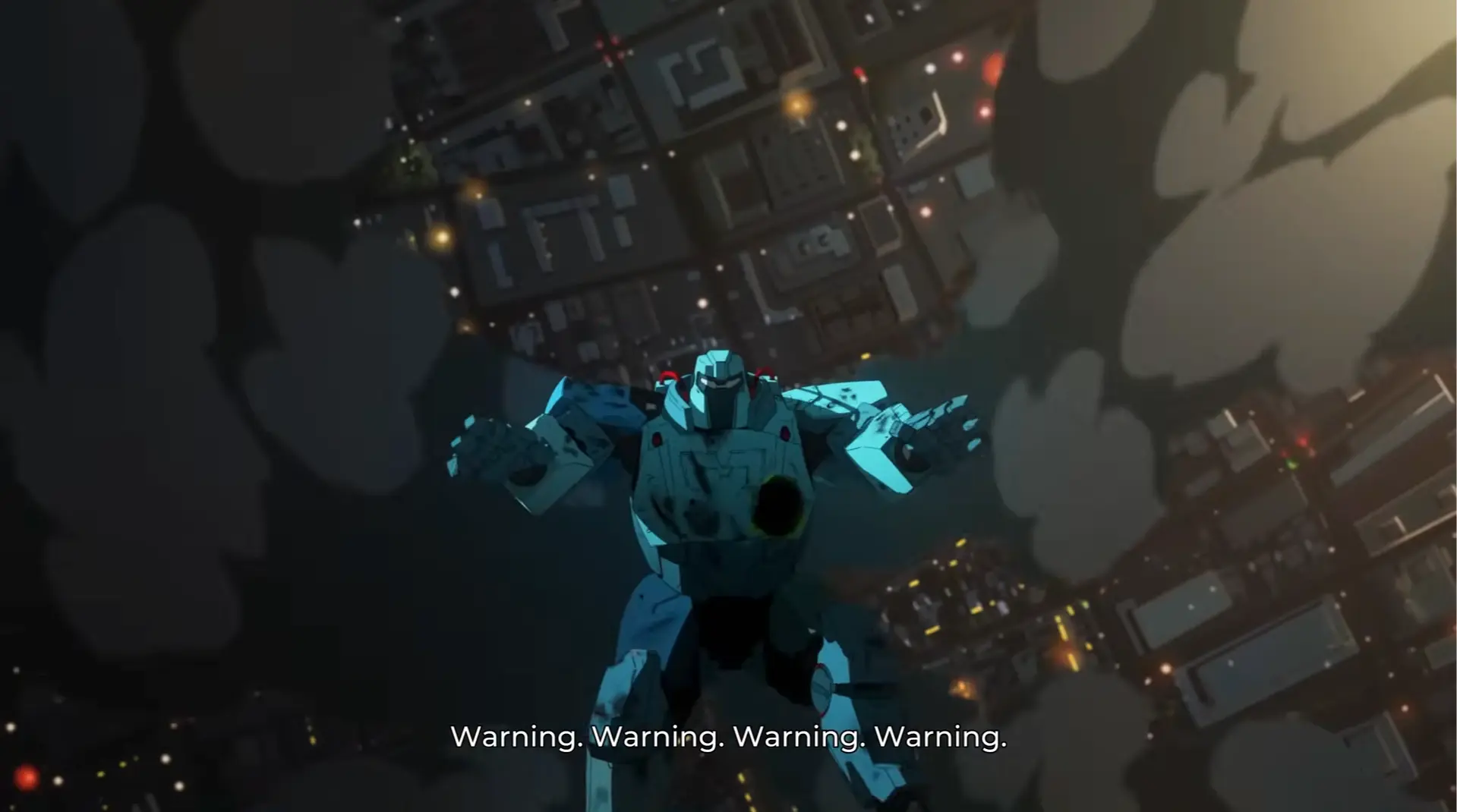
The narrative kicks off with a catastrophic failure. As Mecha Man, Robert is lured into a devastating trap by his nemesis, Shroud, resulting in the total destruction of his high-tech suit. This single event sends his life into a tailspin. Powerless and desperate, he is rescued by the impeccably corporate Blonde Blazer, who offers a lifeline: a job at the SDN. In exchange, the company promises to fund the repairs for his suit.
This establishes the core narrative hook. Robert is forced to work as a dispatcher, managing the very types of criminals he used to fight. Simultaneously, he secretly works to rebuild his suit and track down his father's killer. This dual life creates fantastic narrative tension. By day, the protagonist navigates office politics, placates an erratic boss, and tries to keep the team from killing each other. By night (or during downtime), the focus shifts to chasing leads and grappling with a thirst for revenge.
The story is brought to life by a truly all-star cast. Aaron Paul (Breaking Bad) voices Robert Robertson, perfectly capturing the character's world-weary frustration. He is joined by industry legends like Jeffrey Wright (Westworld), Laura Bailey (The Last of Us II), Matthew Mercer, and Travis Willingham, alongside a lineup of online personalities. This incredible voice talent elevates the sharp writing, transforming the script into a genuinely laugh-out-loud and emotionally resonant experience.
Gameplay: Narrative Logistics
Dispatch is not merely an interactive movie; it is a game of two distinct, interwoven parts.
Narrative & Relationships
True to the developer's lineage, managing dialogue is paramount. Complex conversations with the team, the boss, and other characters drive the plot. Choices in these dialogue trees have real consequences. They affect relationships, team morale, and the branching path of the story. Sticking to the company script versus going off-book to help a hero with a personal problem changes the outcome. Romancing a colleague versus keeping it professional alters the dynamic. These choices are rarely black and white; they are messy, human, and ripple outward in unforeseen ways.
The Dispatcher's Map
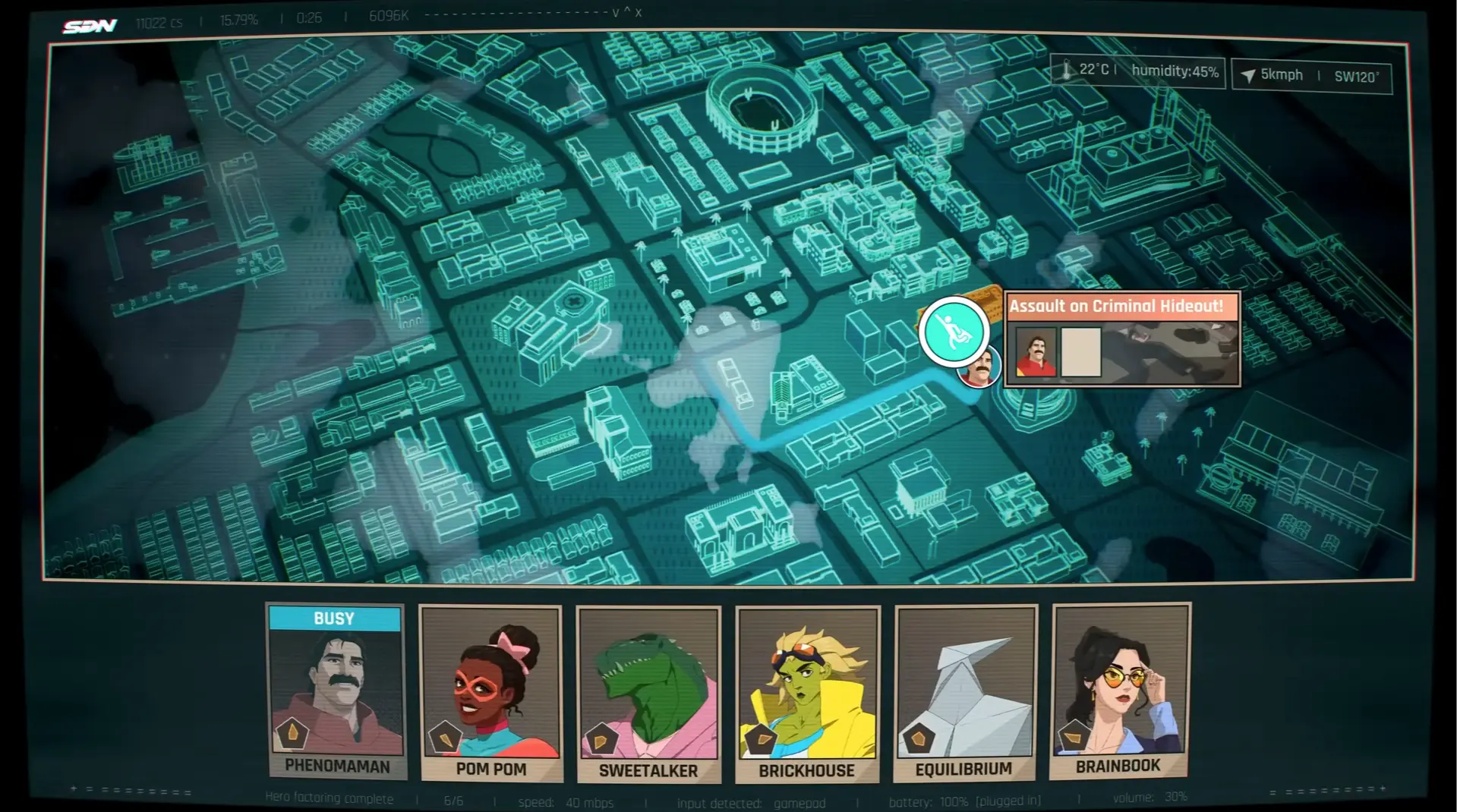
This serves as the strategic core. The player is presented with a tactical map of Los Angeles, buzzing with emergencies ranging from cat-in-a-tree mishaps to full-blown supervillain attacks. The job is deployment. However, the mission requirements are often vague, based on "vibes" rather than hard data. Each hero possesses a set of stats, abilities, quirks, and flaws. One might be a powerhouse but terrible at stealth. Another might be a lone wolf who suffers penalties when paired up. Matching the right hero (or the wrong one) to the job is critical. Success is determined by a mechanic where the chosen hero's stats create a victory zone on a probability meter. It forces the player to learn the team's strengths and weaknesses, turning bureaucracy into a high-stakes puzzle.
Themes & Atmosphere
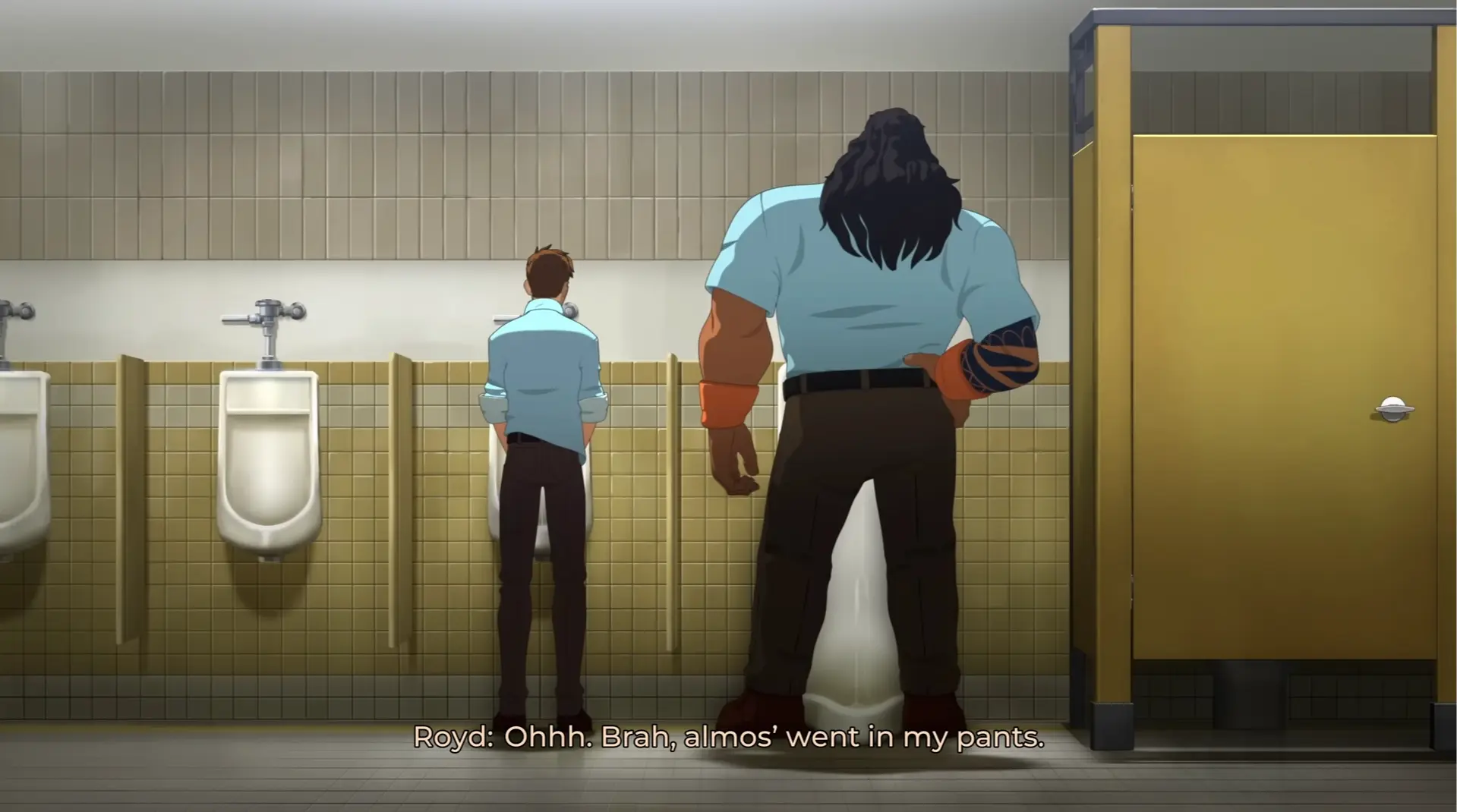
Dispatch nails the specific tone of a superhero workplace comedy. The writing is whip-smart and packed with clever jokes, yet beneath the humor, it explores themes of failure, redemption, and the definition of heroism when the spotlight fades. The visual style adopts a vibrant, high-production-value animated aesthetic, avoiding the technical stiffness often associated with the genre. It features fluid animations and expressive character designs that look lifted from a premium comic book. The sound design is top-notch, with the stellar voice acting backed by a score that perfectly balances comedic and dramatic beats. It is a game that looks as good as it sounds, proving that the most interesting stories in a superhero universe often happen in the breakroom.