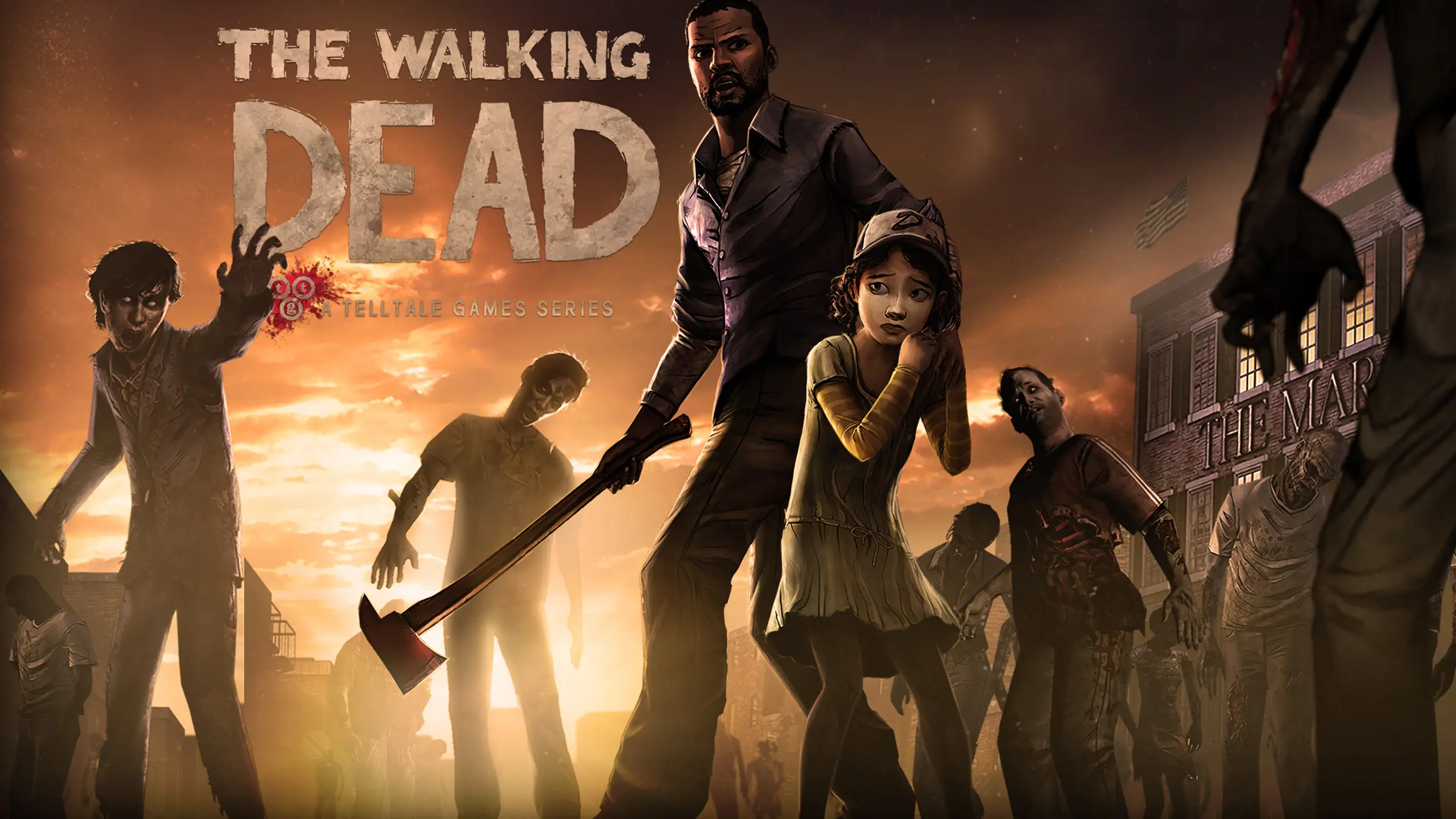
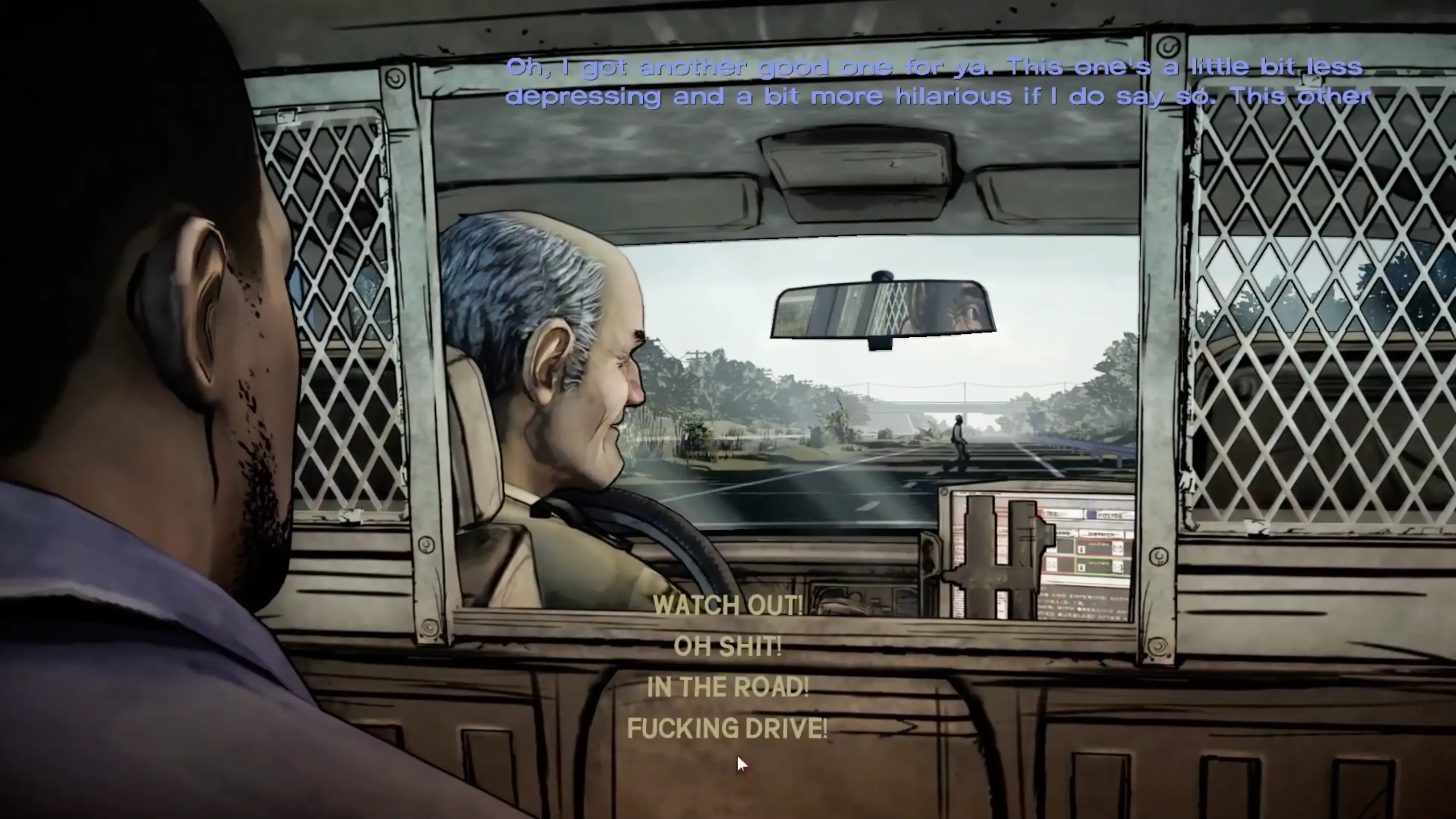
Before 2012, the zombie genre in video games was largely defined by high-octane action, endless ammunition, and cooperative shooting mechanics. When Telltale Games released the first episode of The Walking Dead, they fundamentally altered that paradigm. Instead of focusing on the physical mechanics of surviving a zombie apocalypse—shooting, looting, and crafting—Telltale focused entirely on the emotional and psychological toll of the end of the world. The story begins in the back of a police cruiser. You are Lee Everett, a former university professor on his way to prison for murder. A sudden, violent crash introduces you to a world that has completely fallen apart.
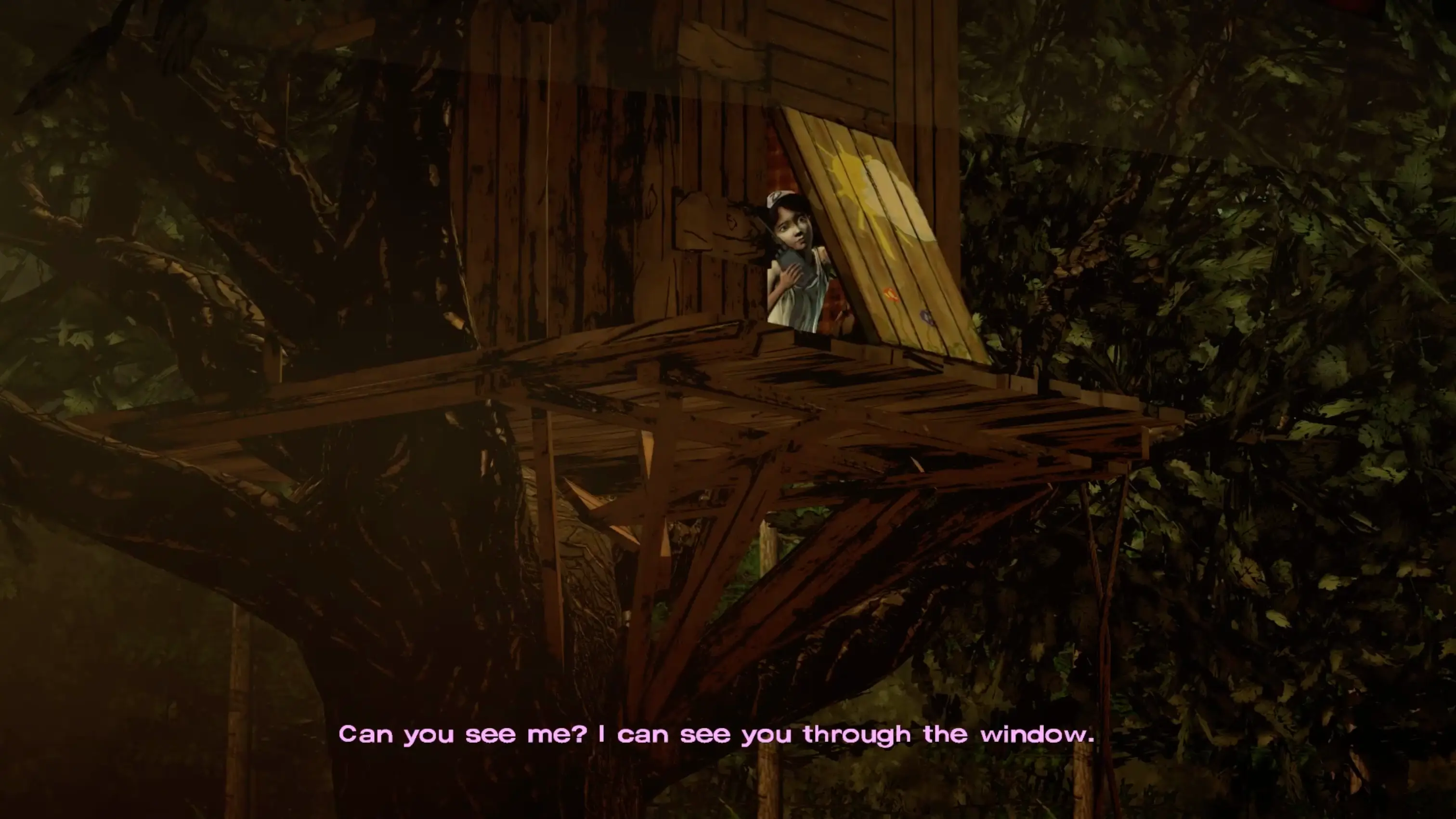
Shortly after escaping the wreckage, you stumble into a suburban backyard and meet Clementine, an eight-year-old girl hiding in her treehouse while her parents are away. In that singular moment, the game establishes its entire emotional core. You are no longer just trying to survive; you are trying to protect this innocent child from the horrors of the new world. This brilliant setup transforms a standard post-apocalyptic narrative into an intensely personal tale of found family and redemption, proving that the most terrifying aspect of the zombie apocalypse isn't the undead, but what the living must do to survive.
About the Game: The Weight of Your Words
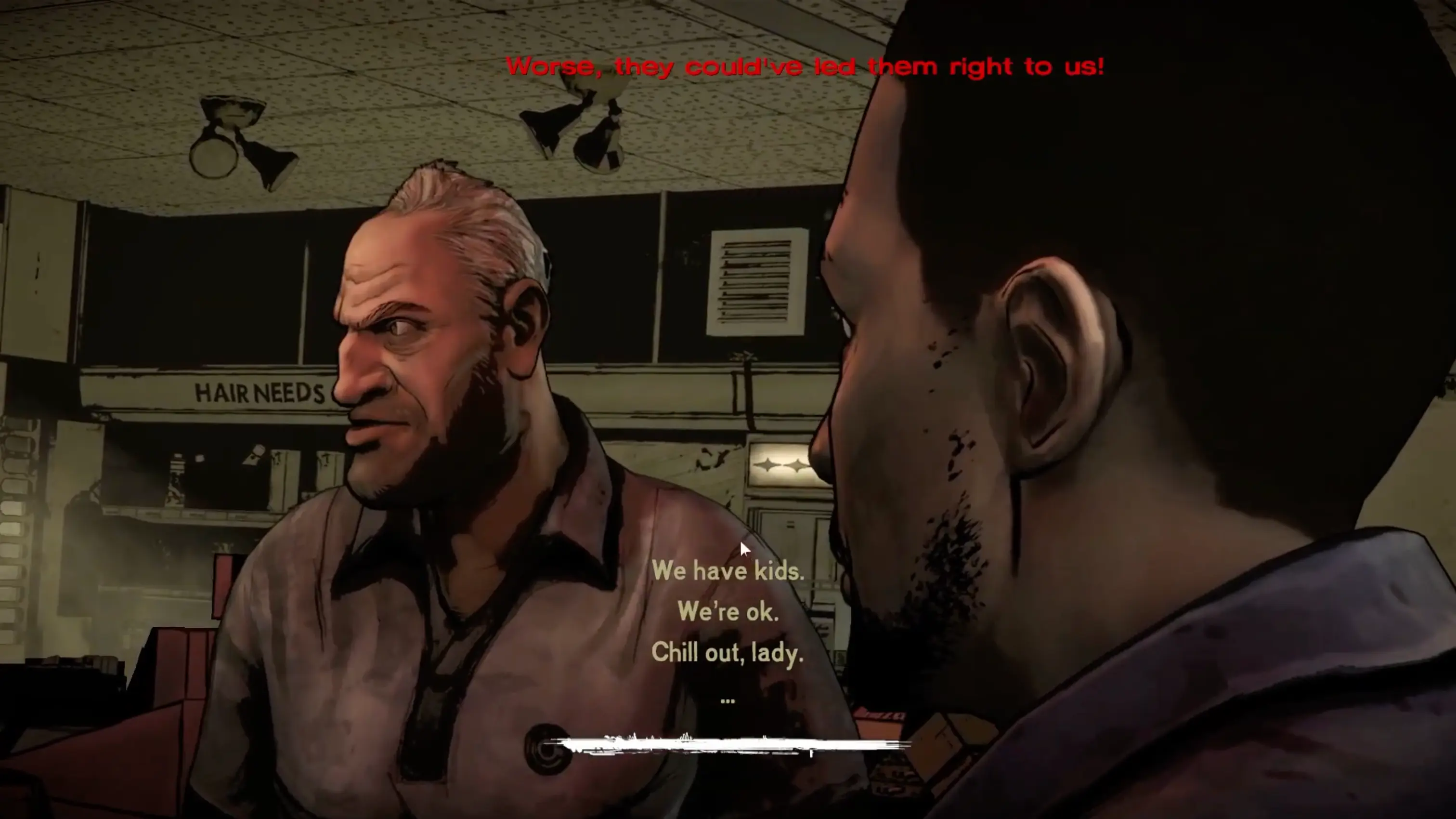
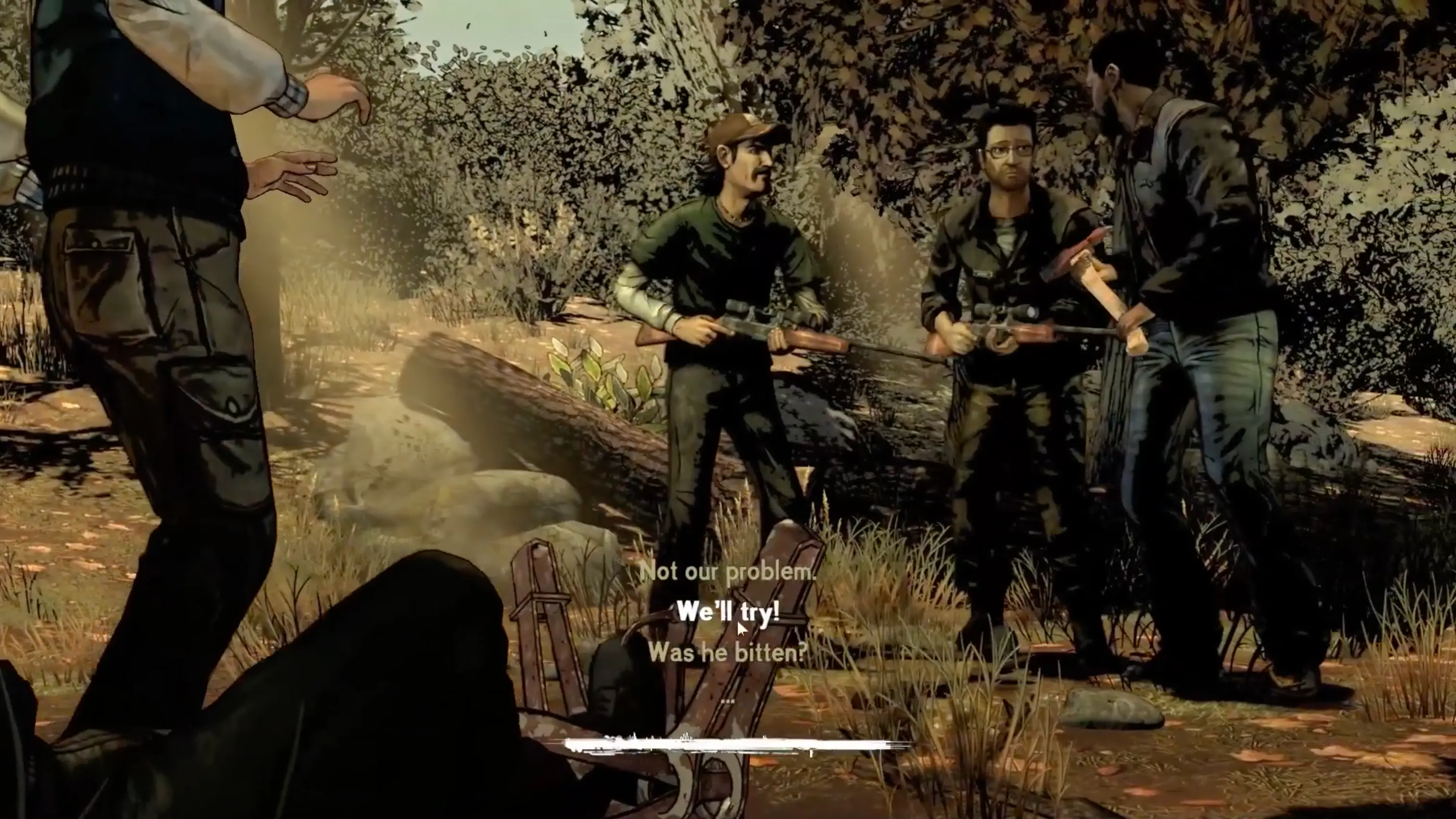
The Walking Dead is a point-and-click graphic adventure, but it modernized the genre by stripping away convoluted inventory puzzles in favor of high-stakes interpersonal drama. The defining mechanic of the game is its timed dialogue system. When confronted by a fellow survivor, you are given a handful of dialogue options and a rapidly depleting timer. If the timer runs out, Lee simply remains silent—which is itself a choice that characters will react to.
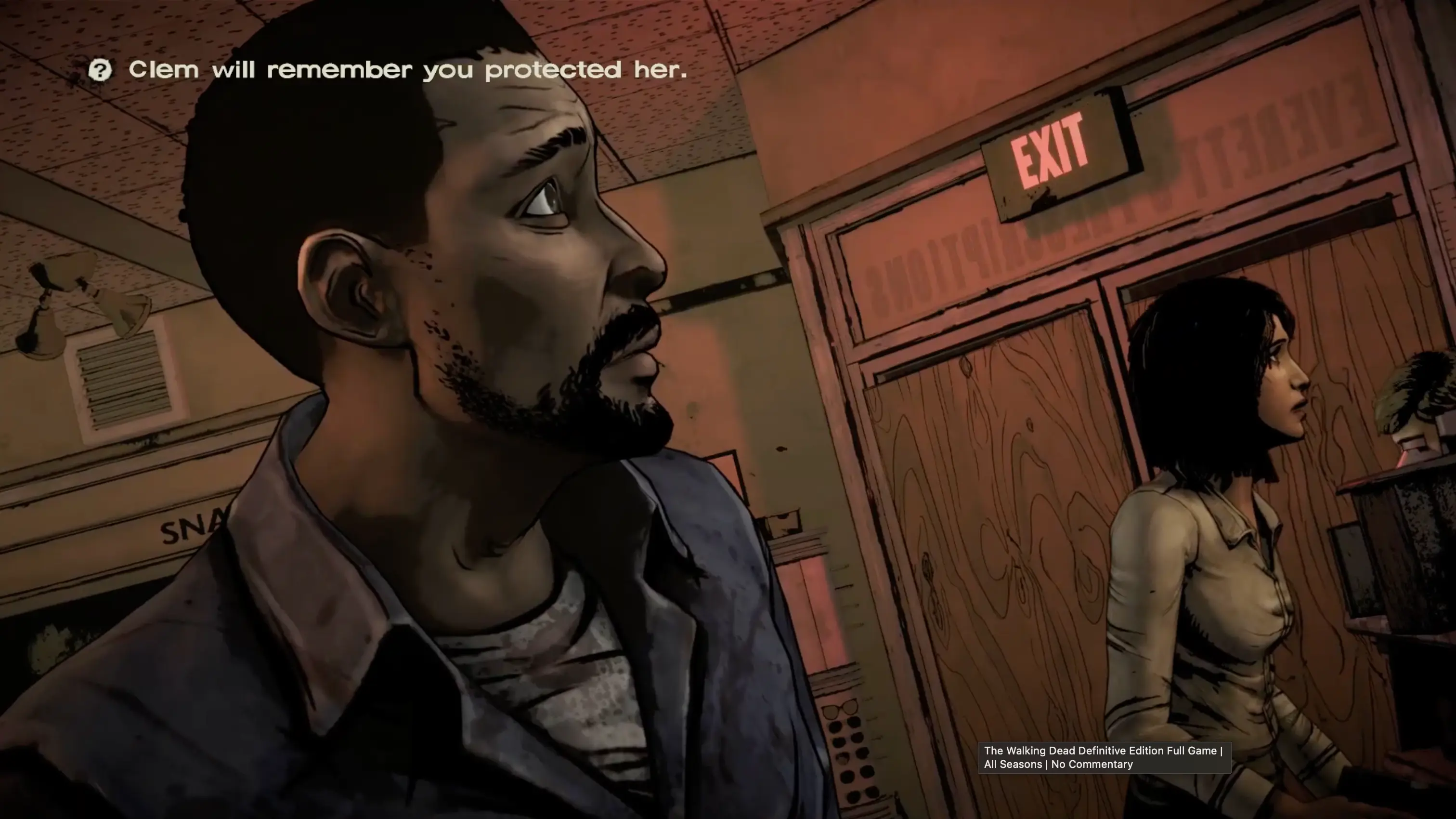
This mechanic birthed the iconic, screen-corner notification: 'Clementine will remember that.' This simple line of text became a cultural phenomenon because it perfectly encapsulated the game's central philosophy. The game constantly adapts to your choices, subtly altering character relationships and the flow of the narrative based on how you treat people. While the overarching plot points remain relatively fixed across playthroughs, the context of your journey changes drastically. Are you a ruthless pragmatist willing to steal and kill to protect your group, or are you desperately clinging to your humanity to set a good example for Clementine? The game doesn't judge you; it simply forces you to live with the agonizing consequences of the decisions you make under extreme pressure.
Story: A Masterpiece of Character Friction
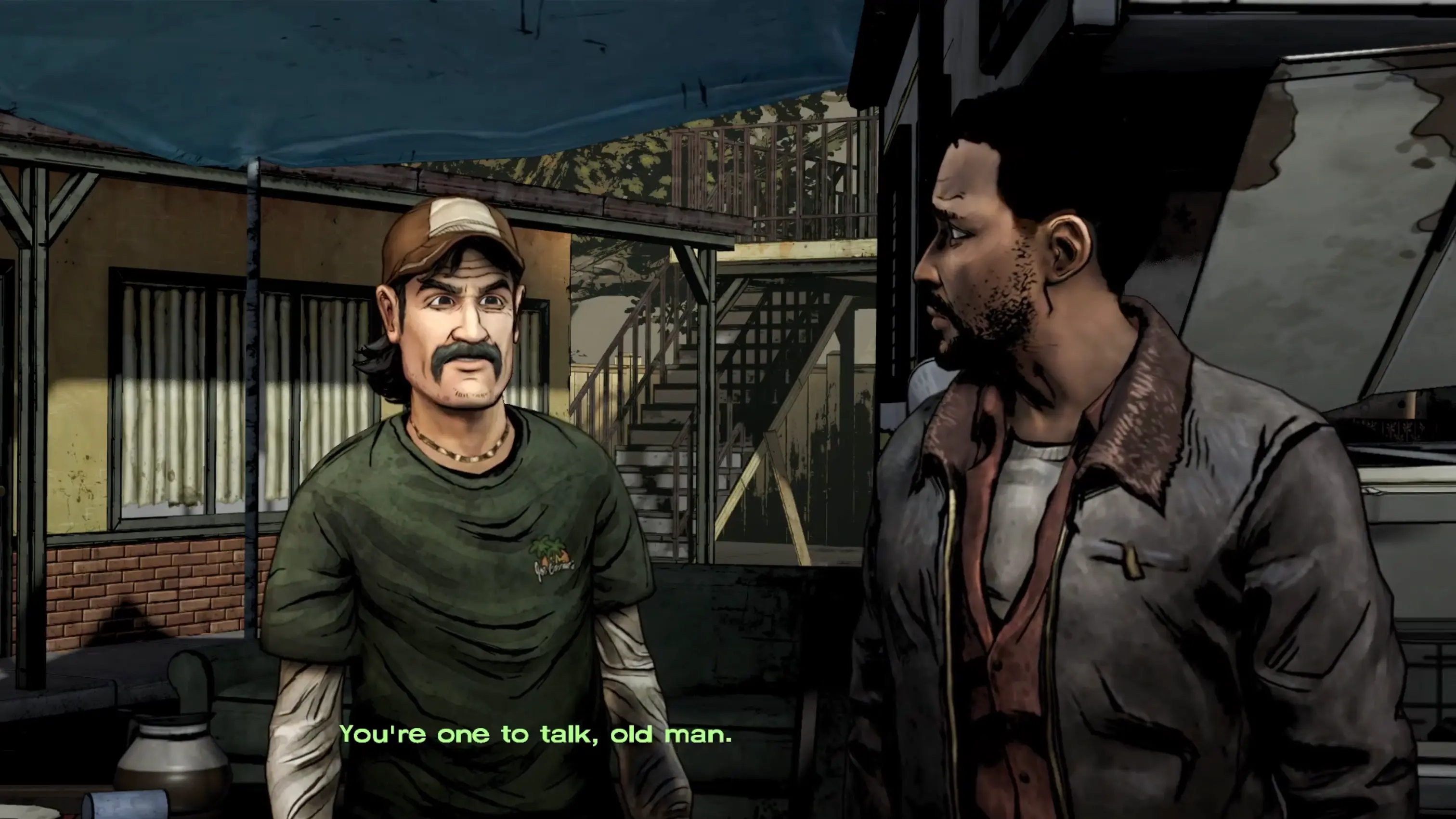
The true brilliance of Telltale's writing lies in its understanding of group dynamics and character friction. As Lee and Clementine join up with other survivors, the narrative becomes a pressure cooker of conflicting personalities, trauma, and desperation. There is Kenny, a fiercely protective but increasingly unstable family man whose loyalty is heavily dependent on whether you agree with him. There is Lilly, a pragmatic leader whose paranoia threatens to tear the group apart from the inside.
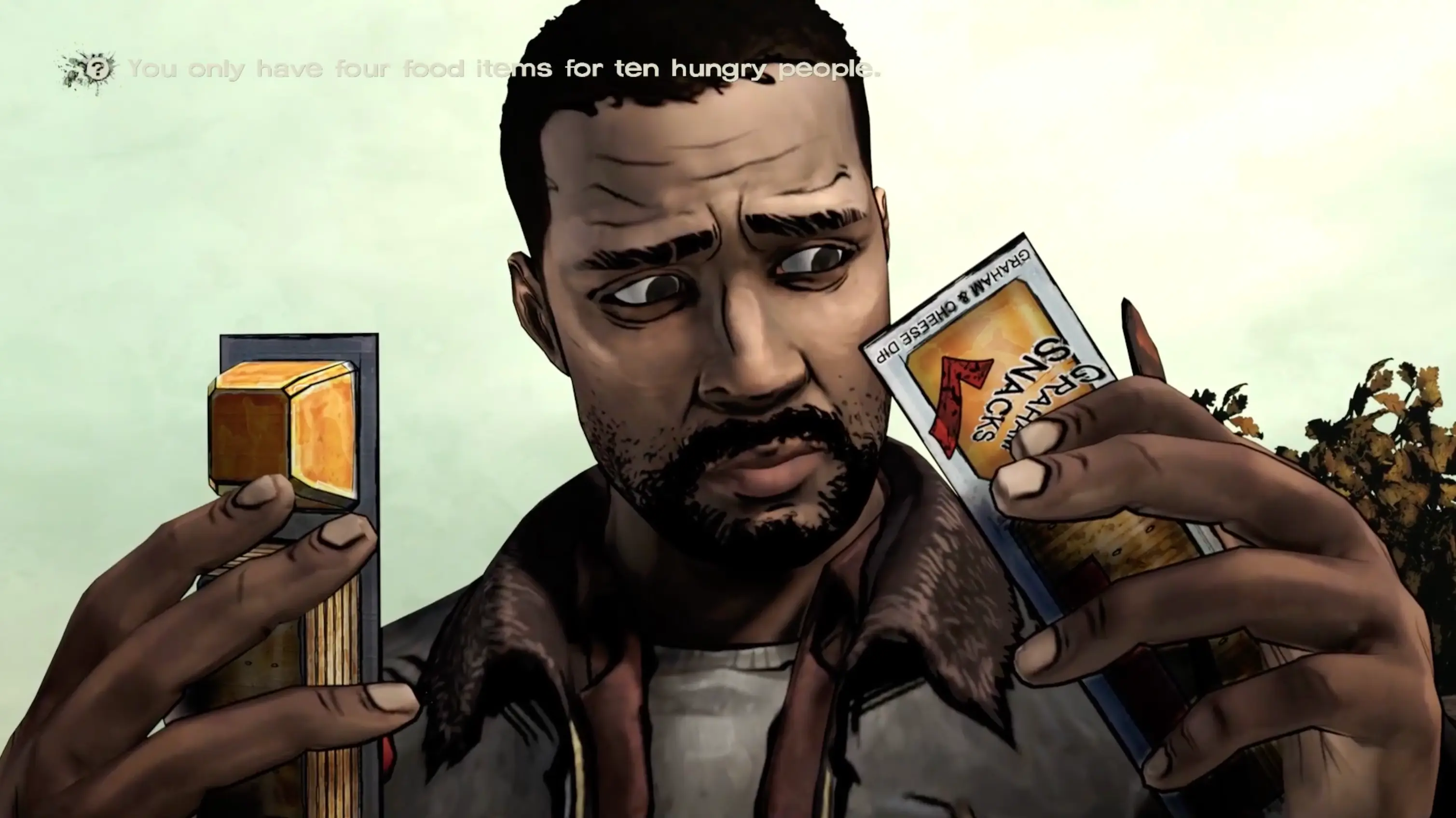
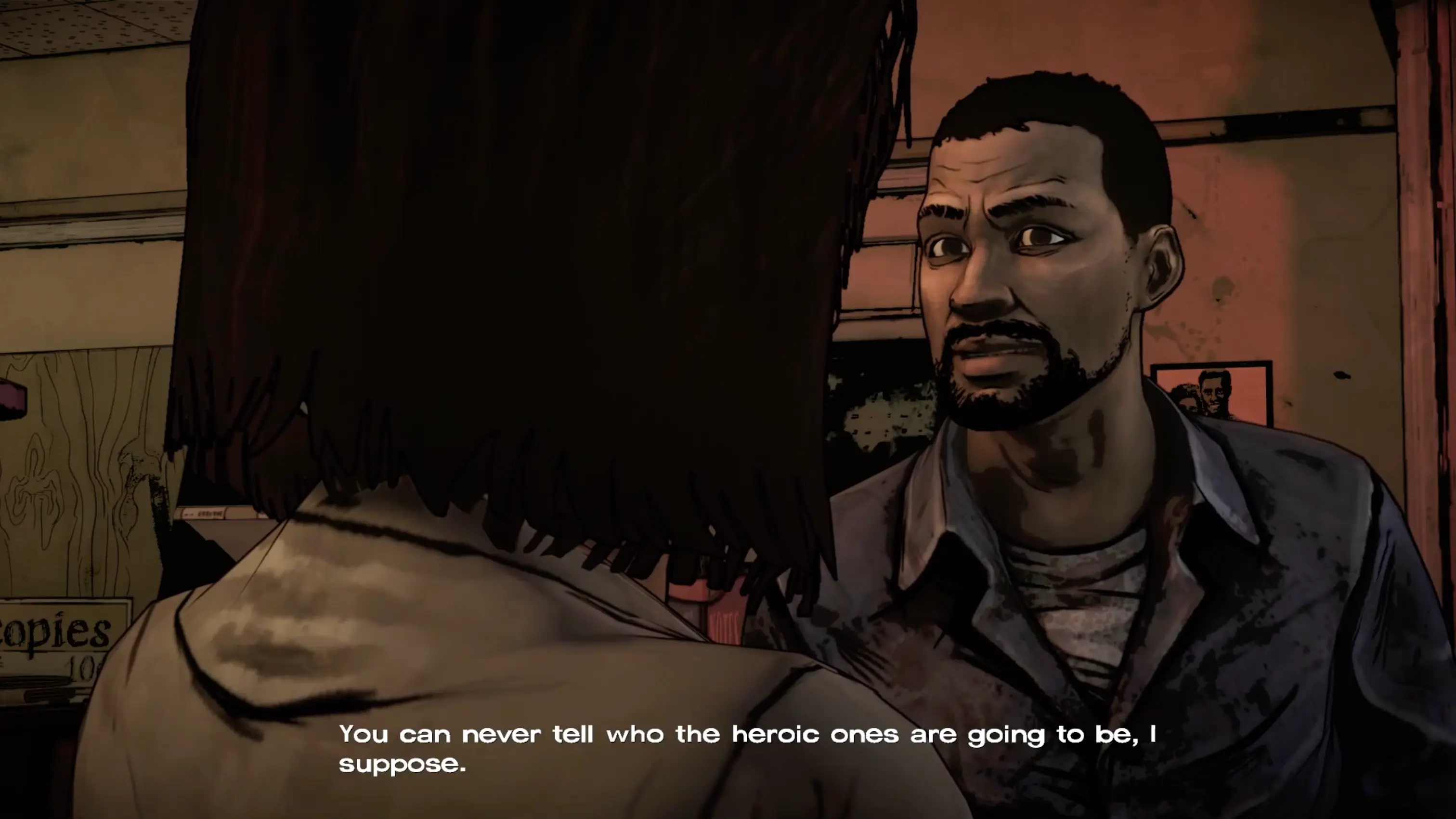
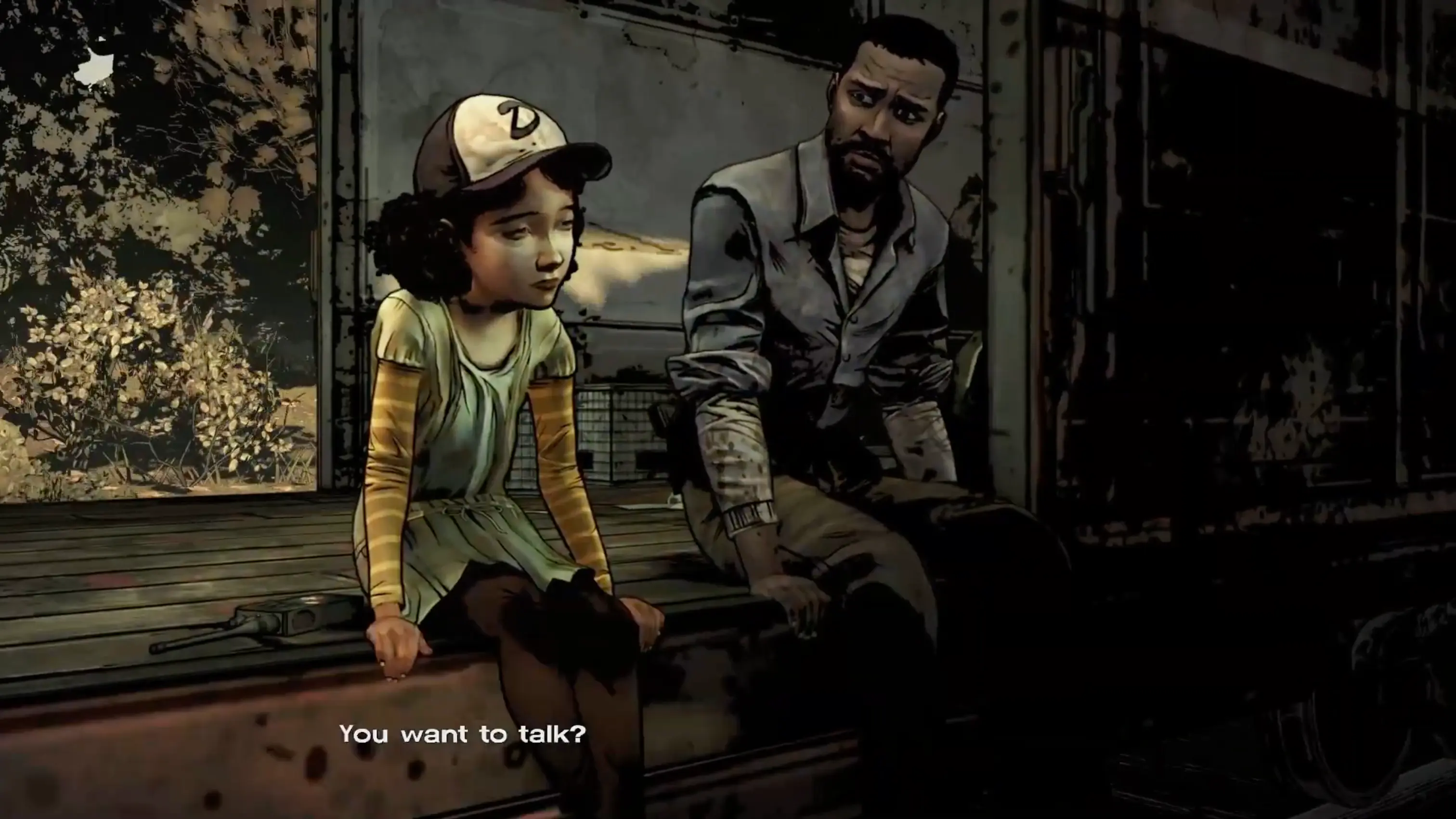
Over the course of five episodes, you are forced to mediate disputes, ration dwindling food supplies, and decide who lives and who dies in moments of sudden, violent crisis. The game pulls no punches, exploring incredibly dark territory, including starvation, betrayal, and the loss of loved ones. But at the center of all this misery is the blossoming father-daughter relationship between Lee and Clementine. Clementine acts as the player's moral compass; her innocent, questioning eyes make every violent act and every lie feel incredibly heavy. Telltale masterfully crafts this bond, making you genuinely care for her safety to such an extent that you will willingly sacrifice anything—and anyone—to keep her from harm.
Gameplay: Panic in Point-and-Click
While The Walking Dead is highly narrative-driven, its gameplay perfectly complements the tense atmosphere. It eschews the frustrating, esoteric puzzles of 90s adventure games for logical, context-sensitive actions. Exploring environments involves moving Lee around, examining objects, and piecing together small environmental clues to progress. However, the game frequently punctuates these quiet moments of exploration with sudden, terrifying action sequences heavily reliant on Quick Time Events (QTEs).
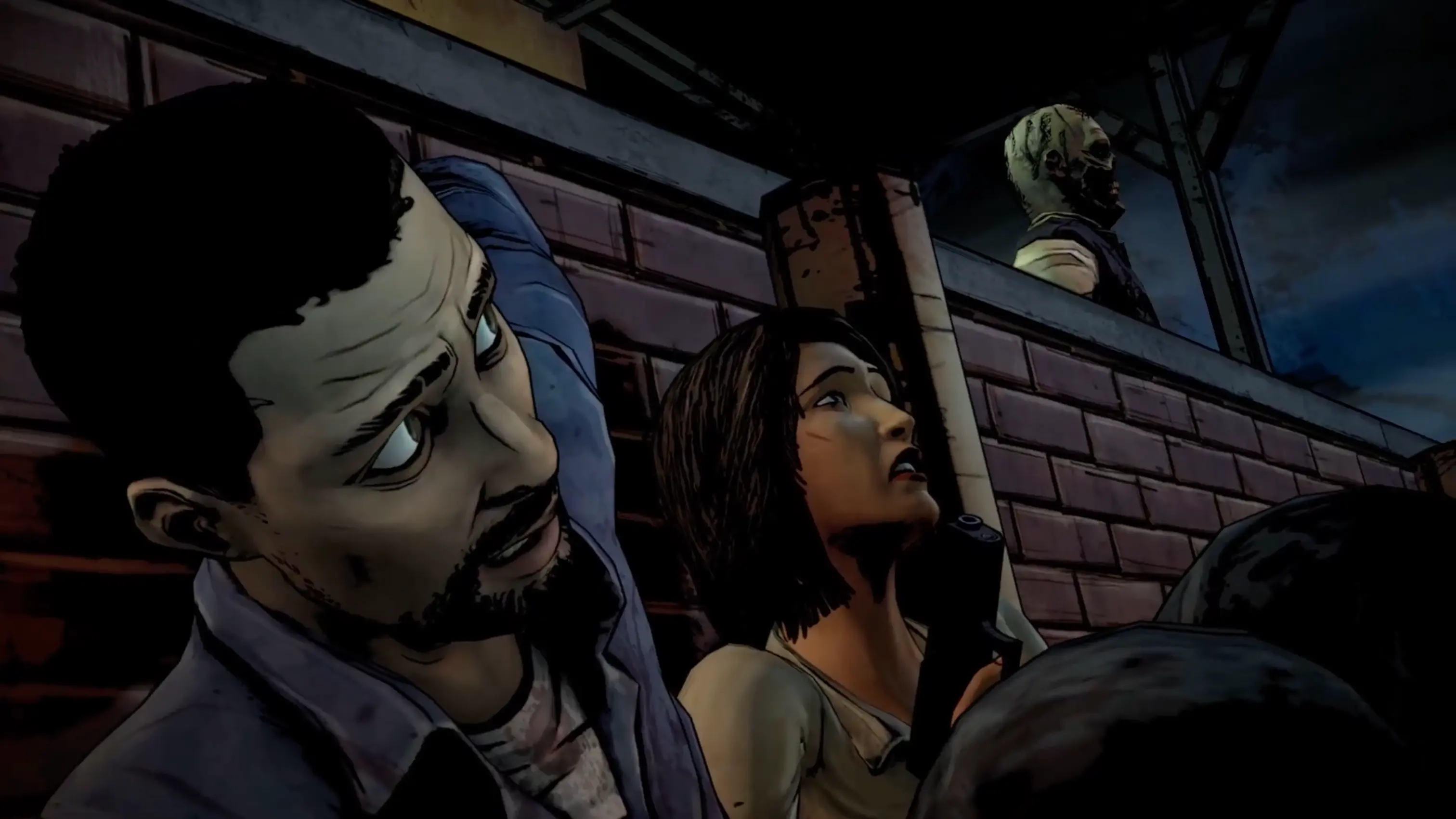
Normally, QTEs are maligned in gaming, but here, they are utilized brilliantly to simulate the clumsy, desperate panic of a real fight for survival. When a walker suddenly grabs Lee from the shadows, you must frantically mash a button to hold it back while scrambling your cursor across the screen to find a weapon—a screwdriver, a rock, anything within reach. You aren't executing stylish martial arts combos; you are fighting tooth and nail in the mud. The tension is palpable because failure often results in a gruesome death sequence. Furthermore, the game frequently forces you to make binary, split-second decisions—like choosing which of two characters to pull away from a horde of zombies—ensuring that the gameplay always serves the emotional narrative.
Atmosphere & Themes: Comic Book Bleakness
Visually, The Walking Dead adopts a striking, cel-shaded art style that pays direct homage to Robert Kirkman's original graphic novels. Characters are drawn with thick, inky black outlines and heavily crosshatched shadows, giving the 3D models the appearance of a living comic book. This aesthetic choice not only allows the game to age remarkably well, but it also heightens the grimy, exhausted reality of the characters. You can see the dark circles under their eyes deepening with each episode, visually mapping their physical and emotional degradation.
The audio design is equally crucial to the game's overwhelming atmosphere. The soundtrack by Jared Emerson-Johnson is a masterpiece of restraint. It relies heavily on melancholic string arrangements and haunting, minimalist guitar chords that swell perfectly during moments of tragedy or hard-fought victory. Moreover, the voice acting is universally phenomenal, anchoring the stylized visuals in raw, believable humanity. Dave Fennoy's deep, soothing, yet weary performance as Lee Everett, paired with Melissa Hutchison's incredibly nuanced, un-annoying portrayal of Clementine, forms the emotional bedrock of the game. Together, the art and audio create an atmosphere of suffocating dread, punctuated by fleeting, beautiful moments of human connection.
Conclusion: A Legacy of Tears
Upon its completion in late 2012, Telltale's The Walking Dead achieved something few thought a downloadable adventure game could: it won numerous Game of the Year awards, beating out massive AAA blockbusters. It proved that video games could deliver narrative experiences on par with the greatest prestige television shows and films. It single-handedly revived the adventure game genre, spawning countless imitators and solidifying the 'narrative choice' format that defined the 2010s.
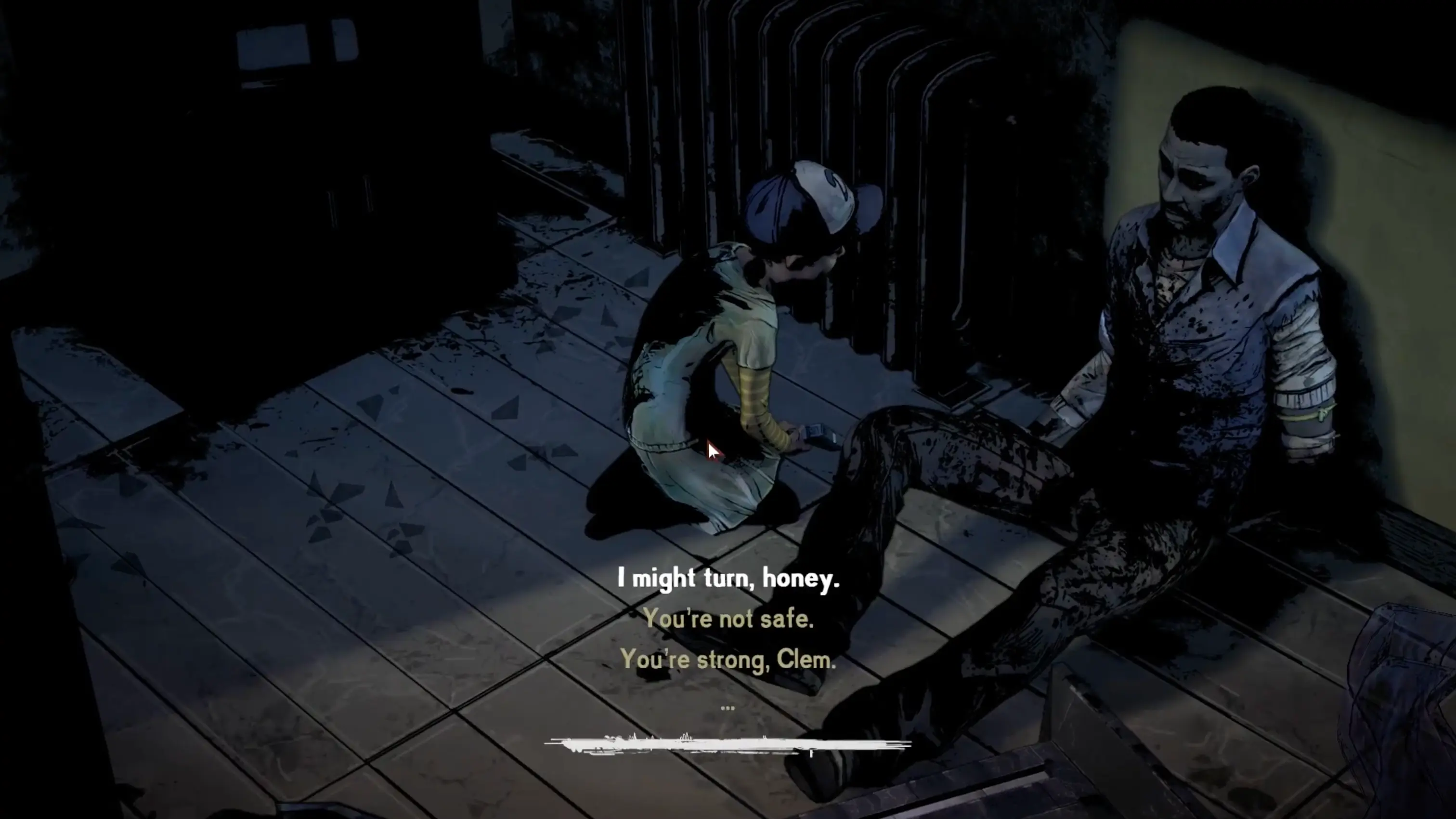
But beyond its industry impact, the game's true legacy lies in its devastating final act. The climax of The Walking Dead is widely considered one of the most emotionally shattering conclusions in gaming history. It forces the player to make one final, unbearable choice, culminating the themes of mentorship, sacrifice, and the loss of innocence in a way that will leave you staring at the end credits through tears. It is an unforgettable masterpiece that demonstrates the unique power of interactive storytelling: it doesn't just tell you a sad story, it makes you an active participant in it, ensuring that Lee and Clementine's journey stays with you long after the screen fades to black.
Review Score
Based on overall narrative, gameplay, and experience.