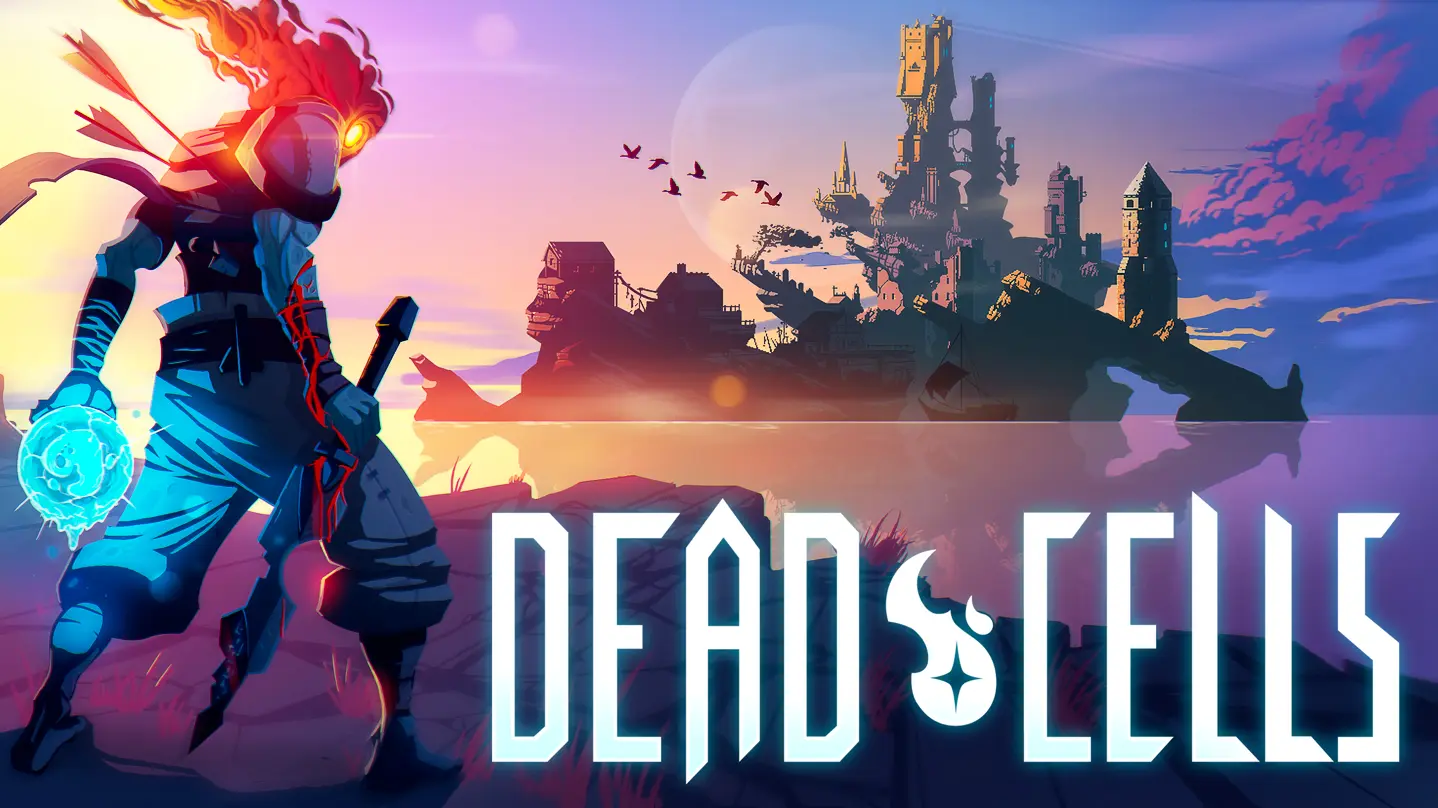
In the modern landscape of independent gaming, few titles have redefined genre boundaries as aggressively and successfully as Dead Cells. Developed by the French cooperative studio Motion Twin, this adrenaline-fueled action platformer birthed the 'Roguevania'—a seamless amalgamation of the interconnected, exploration-heavy world design of a Metroidvania and the brutal, procedurally generated, permadeath loop of a roguelike. You awaken in a dismal, dripping dungeon as the Prisoner, or the 'Beheaded,' an immortal, fiery mass of green sludge possessing a decapitated corpse. From this grimy starting point, you are thrust into an incredibly hostile island kingdom teeming with twisted monstrosities, deadly traps, and ancient secrets.
What immediately sets Dead Cells apart is its uncompromising dedication to fluidity and responsiveness. From the very first button press, the game feels electric. The controls are incredibly tight, allowing players to instantly transition from a frantic sprint to a desperate dodge roll, followed by a devastating sword slash. The brilliance of the introduction is how quickly it acclimates you to its central philosophy: you are going to die, and you are going to die often. But rather than framing death as a failure, Dead Cells frames it as a mandatory learning experience, a crucial step in the long, bloody journey of mastering its intricate systems and uncovering the mysteries of this wretched, infected island.
About the Game: Live, Die, Learn, Repeat
The core loop of Dead Cells is built on a foundation of intense risk and reward. As a roguelite, every time your health bar drops to zero, you lose all your currently equipped weapons, your amassed gold, and your unspent 'cells'—the glowing blue currency dropped by slain enemies. You are unceremoniously dumped back at the starting Prisoners' Quarters to try again. However, the island's layout reshuffles itself, ensuring that you can never rely on rote memorization of enemy placements or environmental hazards.
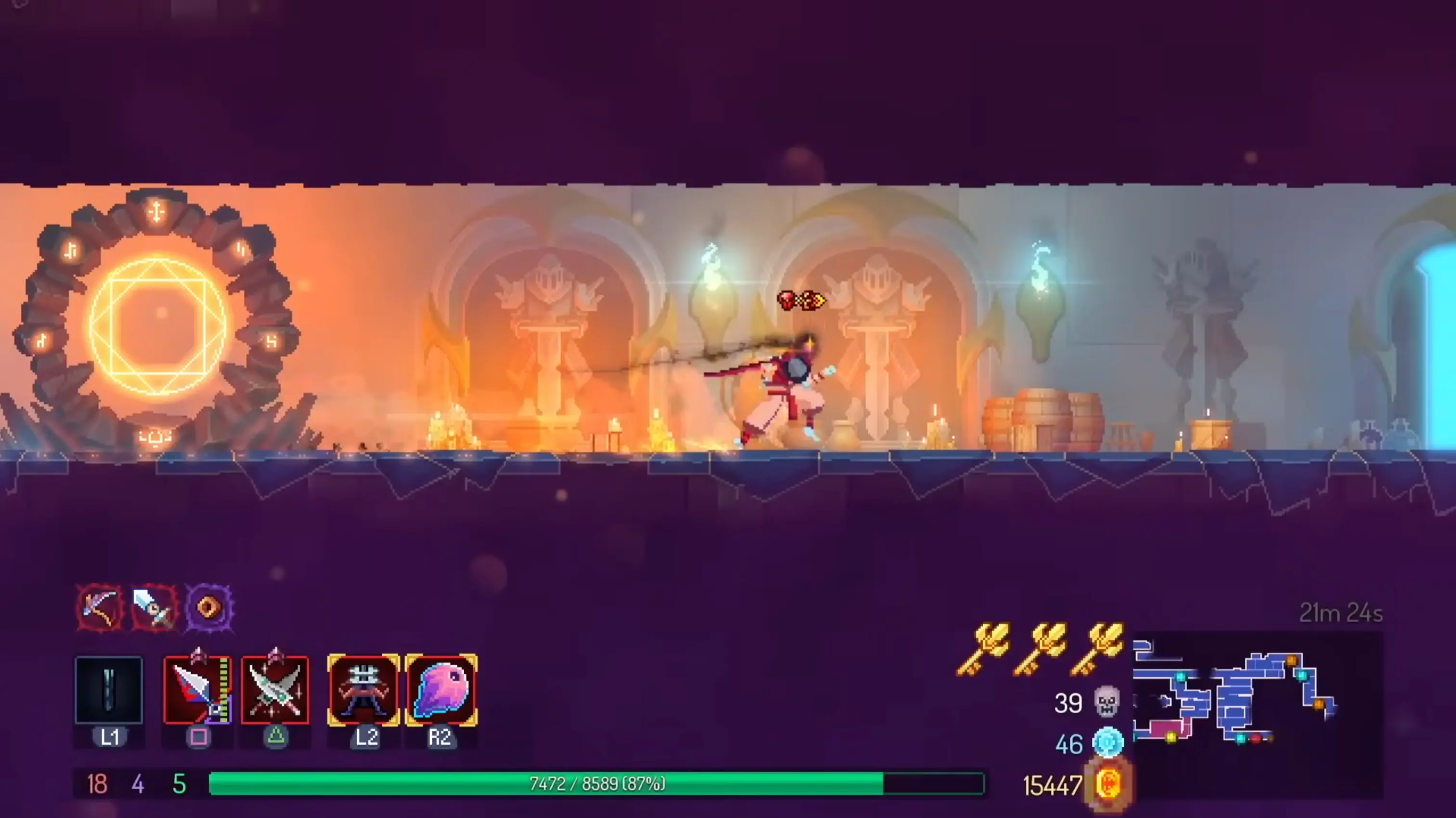
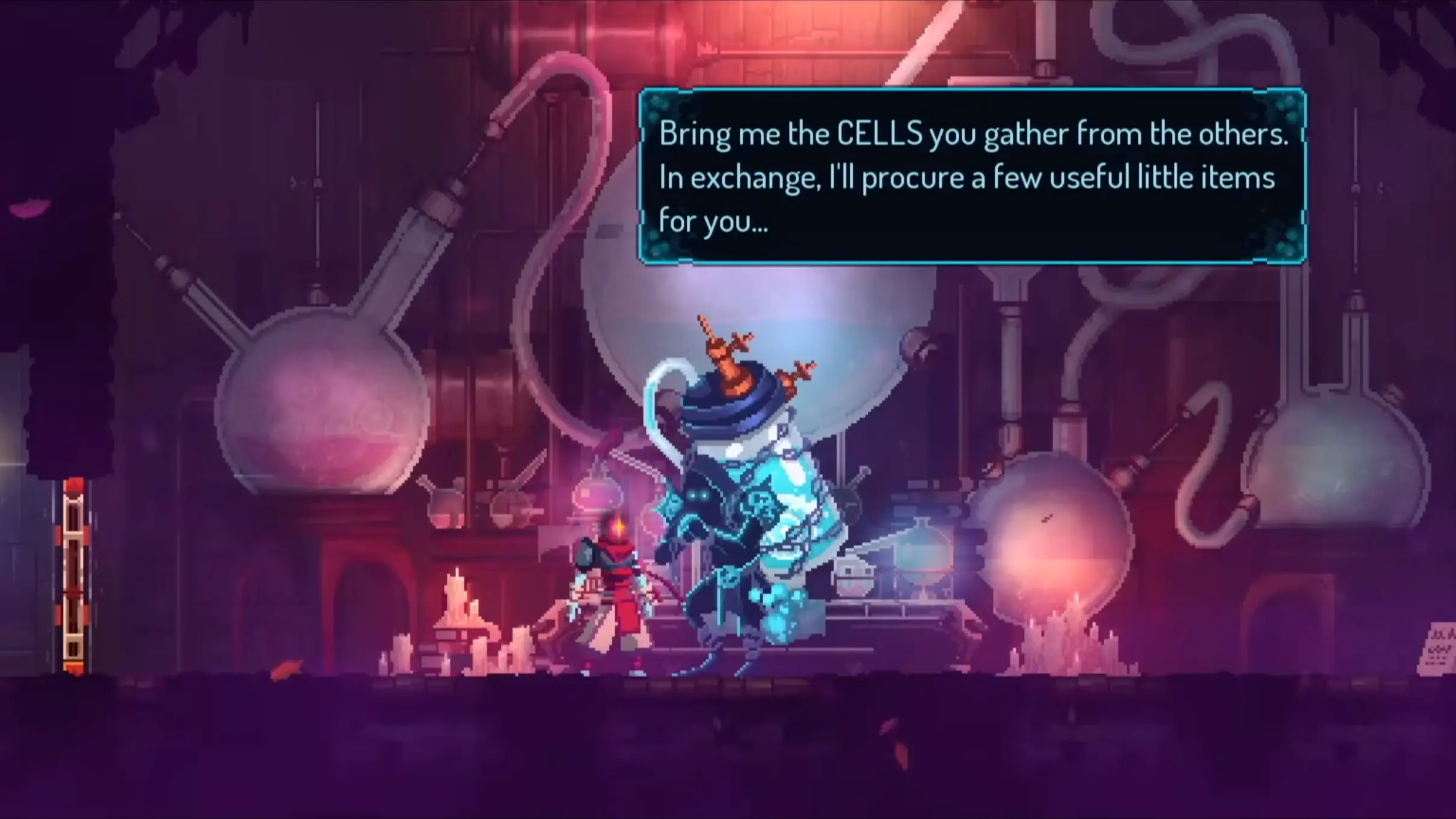
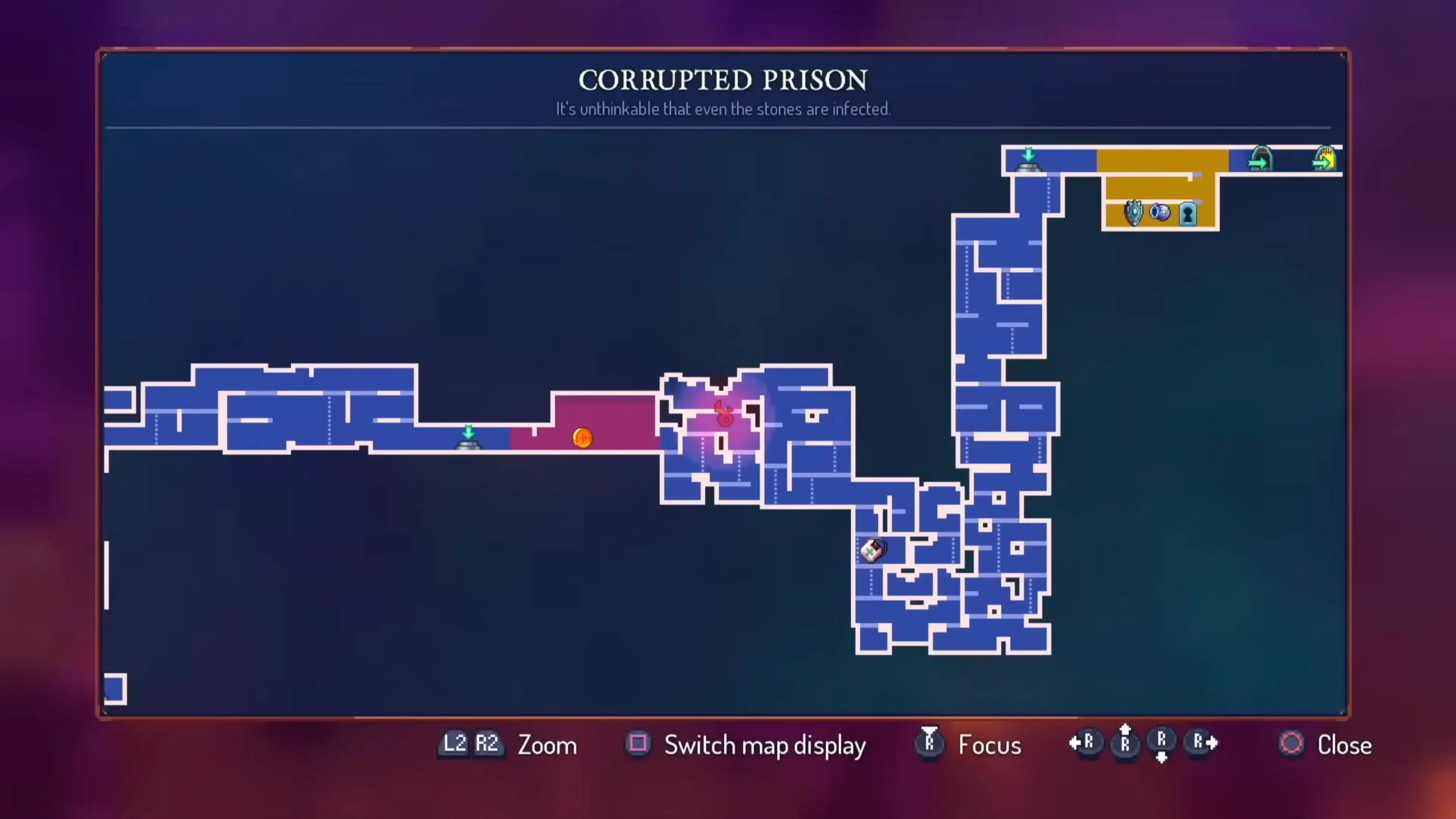
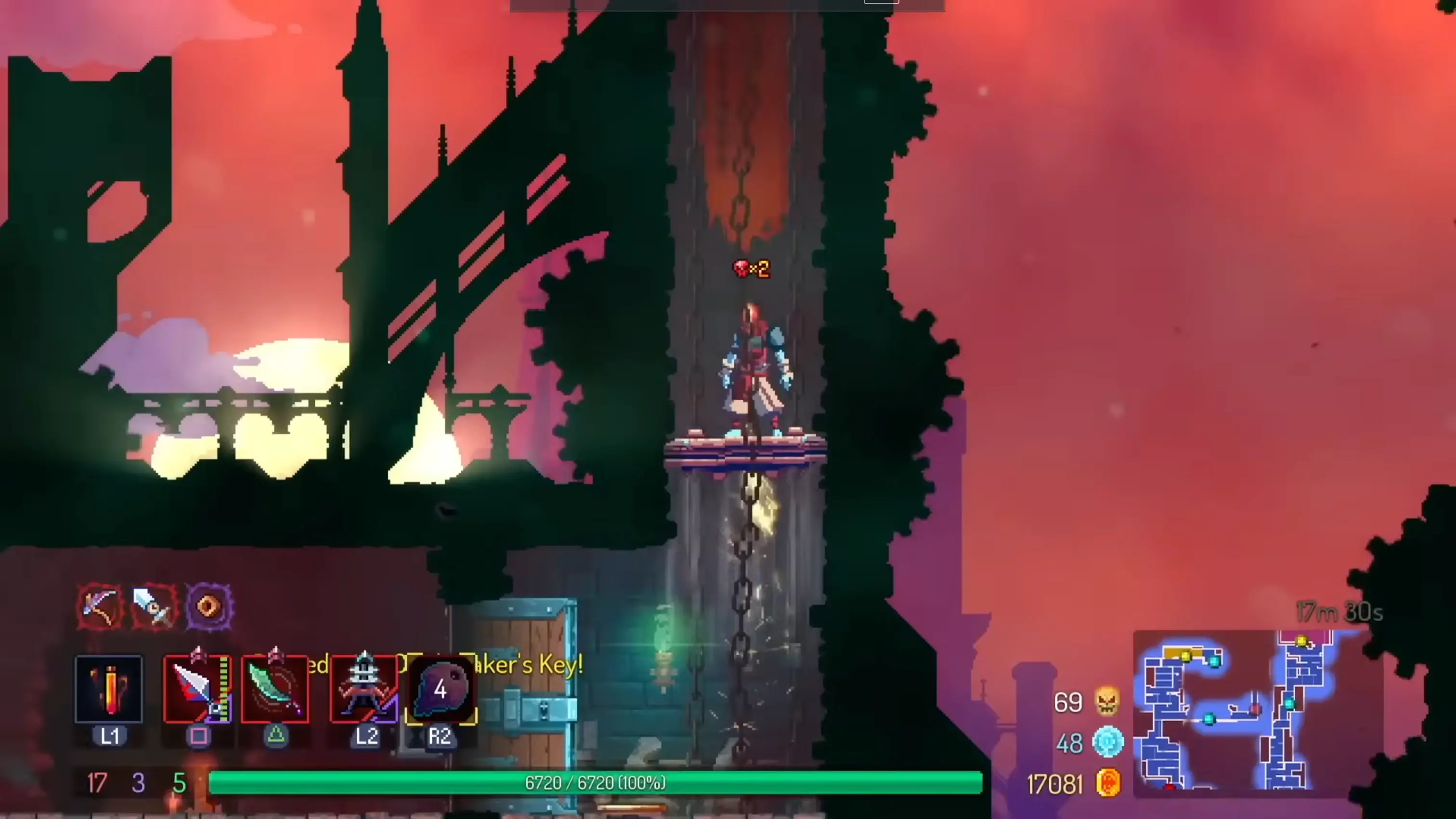
Despite this punishing setup, the game expertly mitigates frustration through its meta-progression systems. Between biomes, you meet the Collector, a mysterious figure who exchanges your hard-earned cells for permanent upgrades. These range from crucial health flasks and gold reserves to the unlocking of new, wildly creative weapons that will now have a chance to drop in all future runs. Furthermore, as you explore, you discover permanent Runes—classic Metroidvania abilities like wall-climbing, teleporting, or ground-smashing. These Runes not only unlock new combat options but permanently open up entirely new branching pathways through the island. This means that even a failed run where you died to a lowly zombie can still be incredibly productive if you managed to bank enough cells or secure a new traversal ability, making every single attempt feel inherently valuable.
Story: The Malaise and the Fallen Kingdom
While Dead Cells prioritizes action above all else, it features a surprisingly rich, deeply cynical narrative delivered through drip-fed environmental storytelling and dark humor. The island kingdom you are slaughtering your way through was once a prosperous realm ruled by an enigmatic and tyrannical King. However, the kingdom was brought to its knees by the 'Malaise,' a horrific, airborne plague that mutates its victims into the aggressive abominations you face.
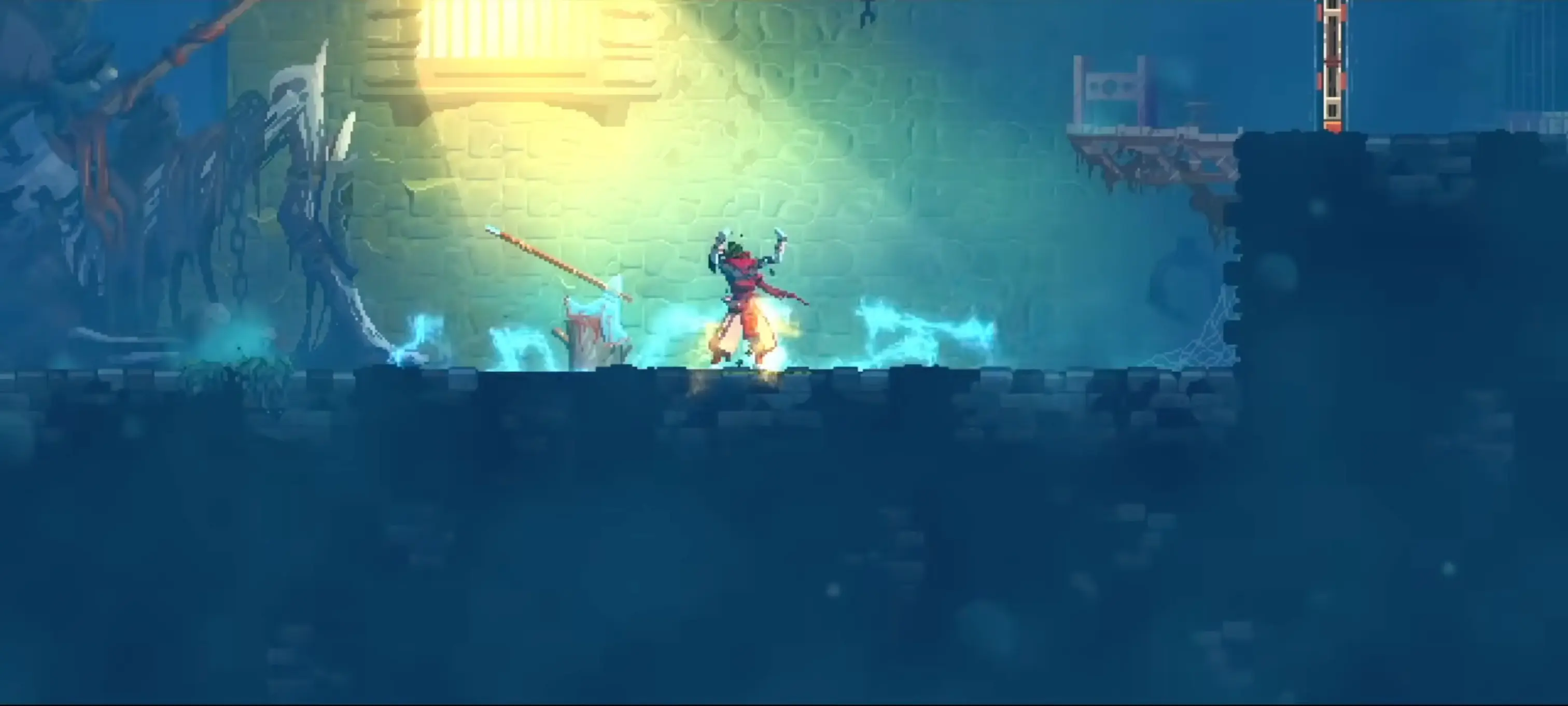
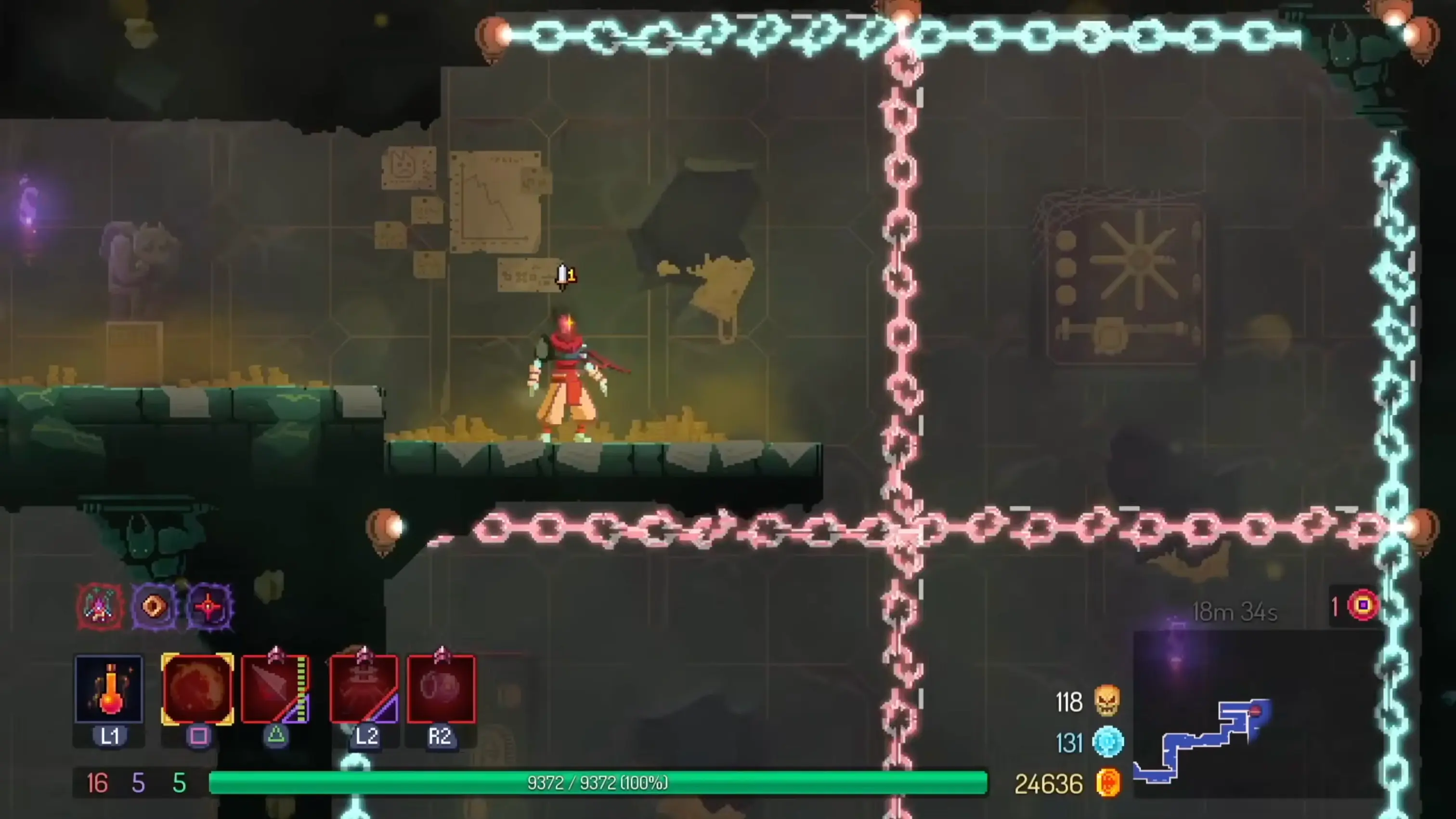
As you explore the ruined ramparts, toxic sewers, and opulent clock towers, you stumble upon lore rooms—abandoned prison cells, bloody torture chambers, and cryptic notes left by doomed citizens and guards. These snippets piece together a tragic tale of a kingdom that destroyed itself through paranoia, draconian quarantine measures, and failed scientific experiments in a desperate bid to stop the infection. The Beheaded protagonist provides a brilliant counterpoint to this grim lore; he is a silent protagonist who communicates entirely through highly expressive, often hilarious body language. Whether he is kicking a locked door in frustration, shrugging off a gruesome discovery, or casually flipping off an imposing boss, the Beheaded brings a much-needed levity to the dark fantasy setting, making him one of the most endearing anti-heroes in indie gaming.
Gameplay: A Symphony of Violence and Speed
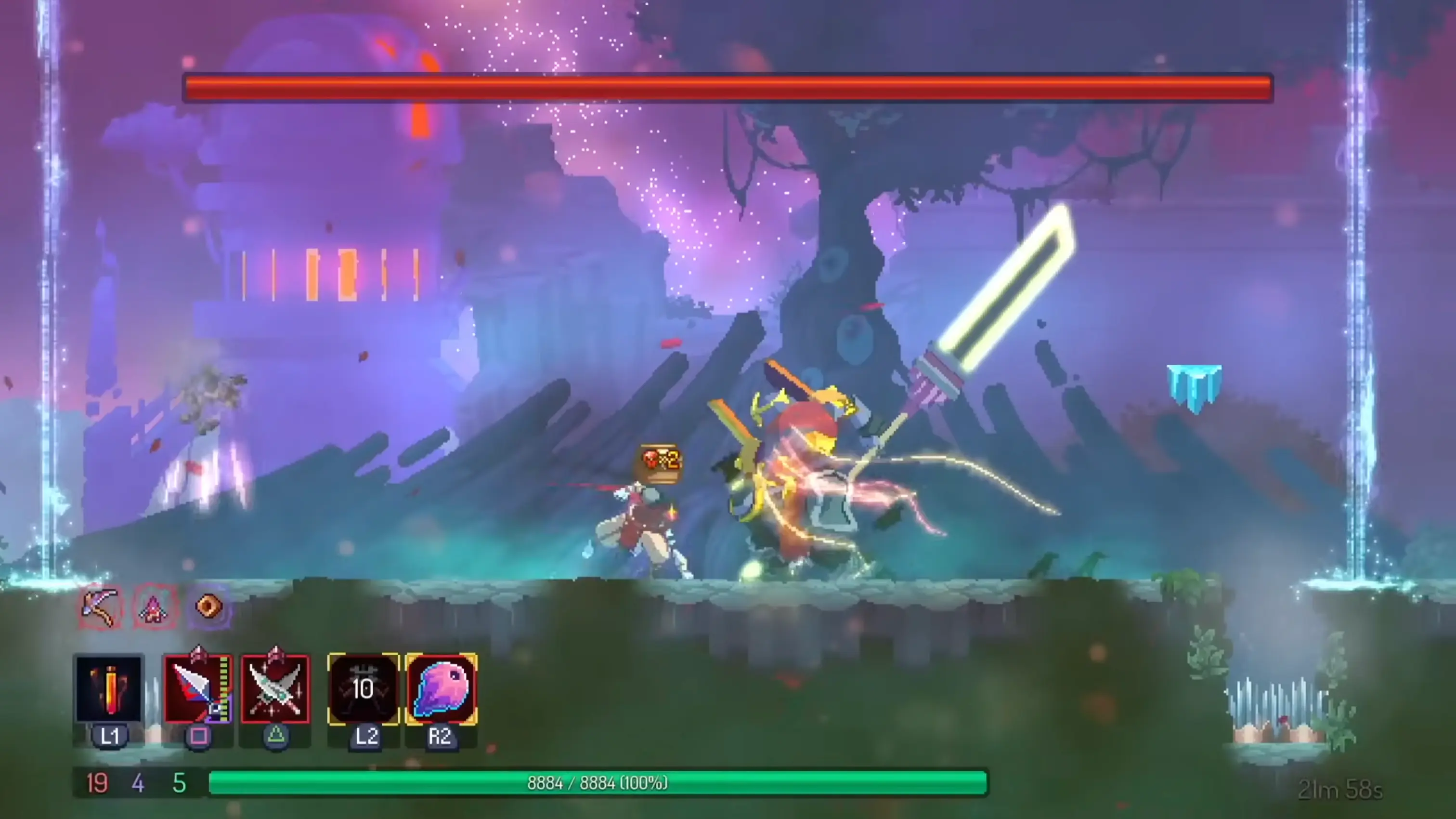
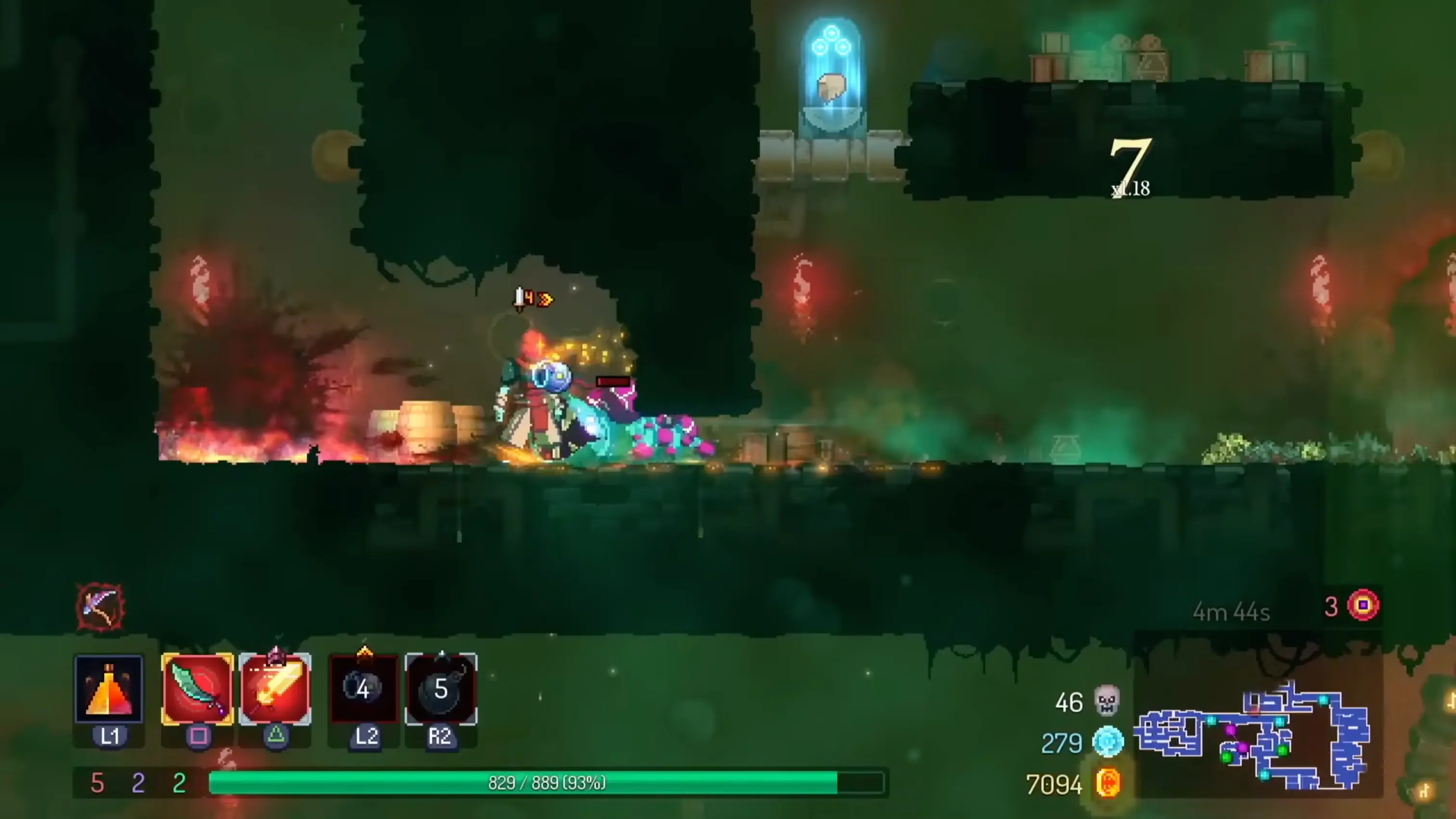
The true triumph of Dead Cells lies in its endlessly deep and satisfying combat system. The game features an astonishing arsenal of over a hundred distinct weapons, shields, spells, and deployable traps, all categorized into three primary stats: Brutality (fast melee), Tactics (ranged and traps), and Survival (shields and heavy hitters). Finding the perfect synergy between your gear is the key to victory. You might coat an enemy in oil with a specific sword, only to ignite them with a fire grenade, triggering a cascade of critical damage. You might rely on perfectly timed shield parries to stun-lock bosses, or deploy automated turrets while you dodge-roll to safety.
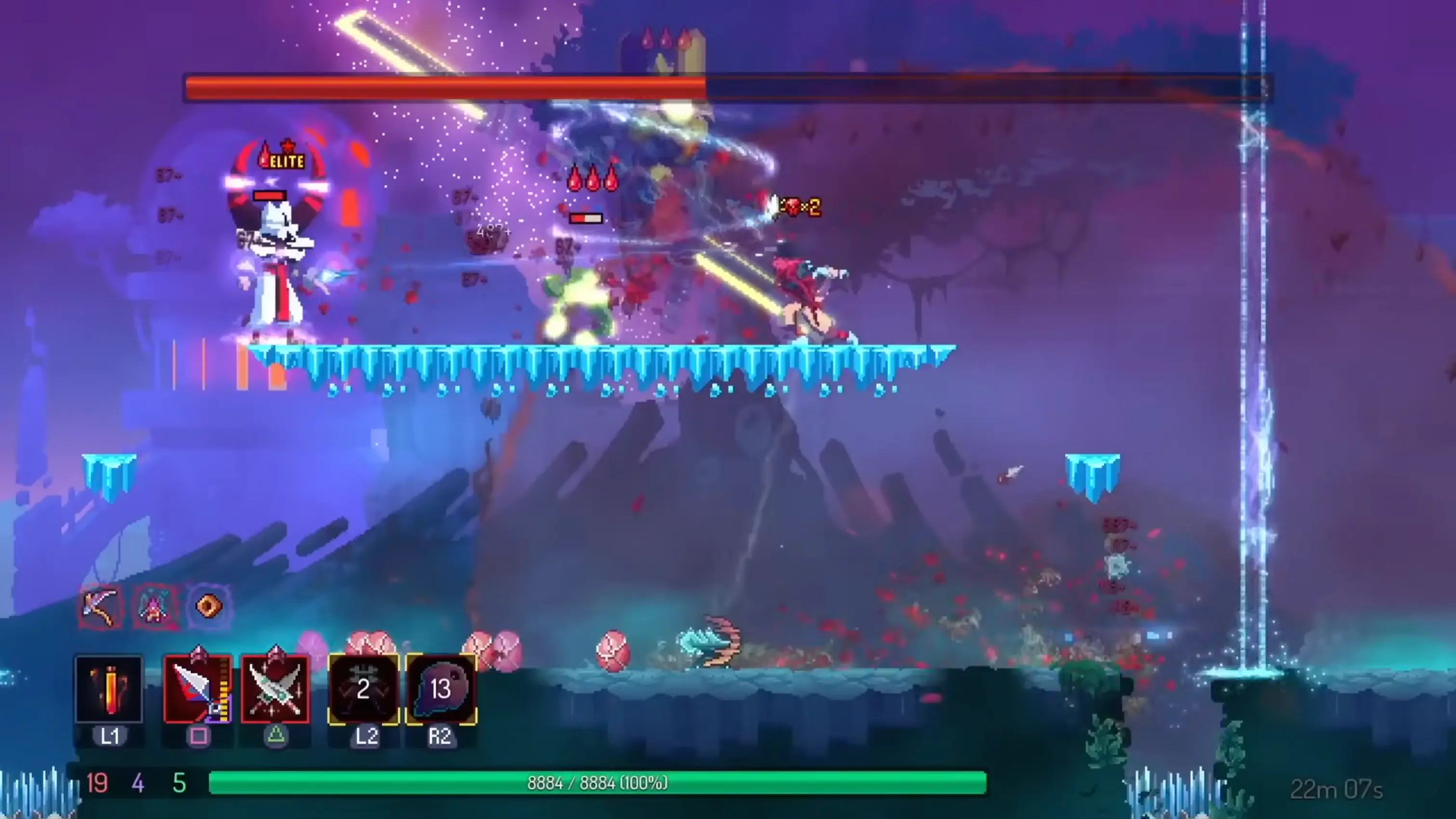
Combat is terrifyingly fast. The game actively encourages you to play aggressively, rewarding you with speed boosts for chaining kills and featuring a 'rally' system where you can recover recently lost health by rapidly striking back at your attacker. As you 'beat' the game for the first time, you are awarded a Boss Stem Cell. Activating this cell at the start of a run drastically increases the difficulty, introducing new enemies, limiting healing, and fundamentally changing how you must approach the game. This system scales up to five Boss Cells, turning Dead Cells from a challenging action game into an absolute crucible of mechanical perfection that demands flawless execution and strategic mastery, keeping hardcore players engaged for hundreds of hours.
Atmosphere & Themes: Pixel Art Perfection and Pumping Beats
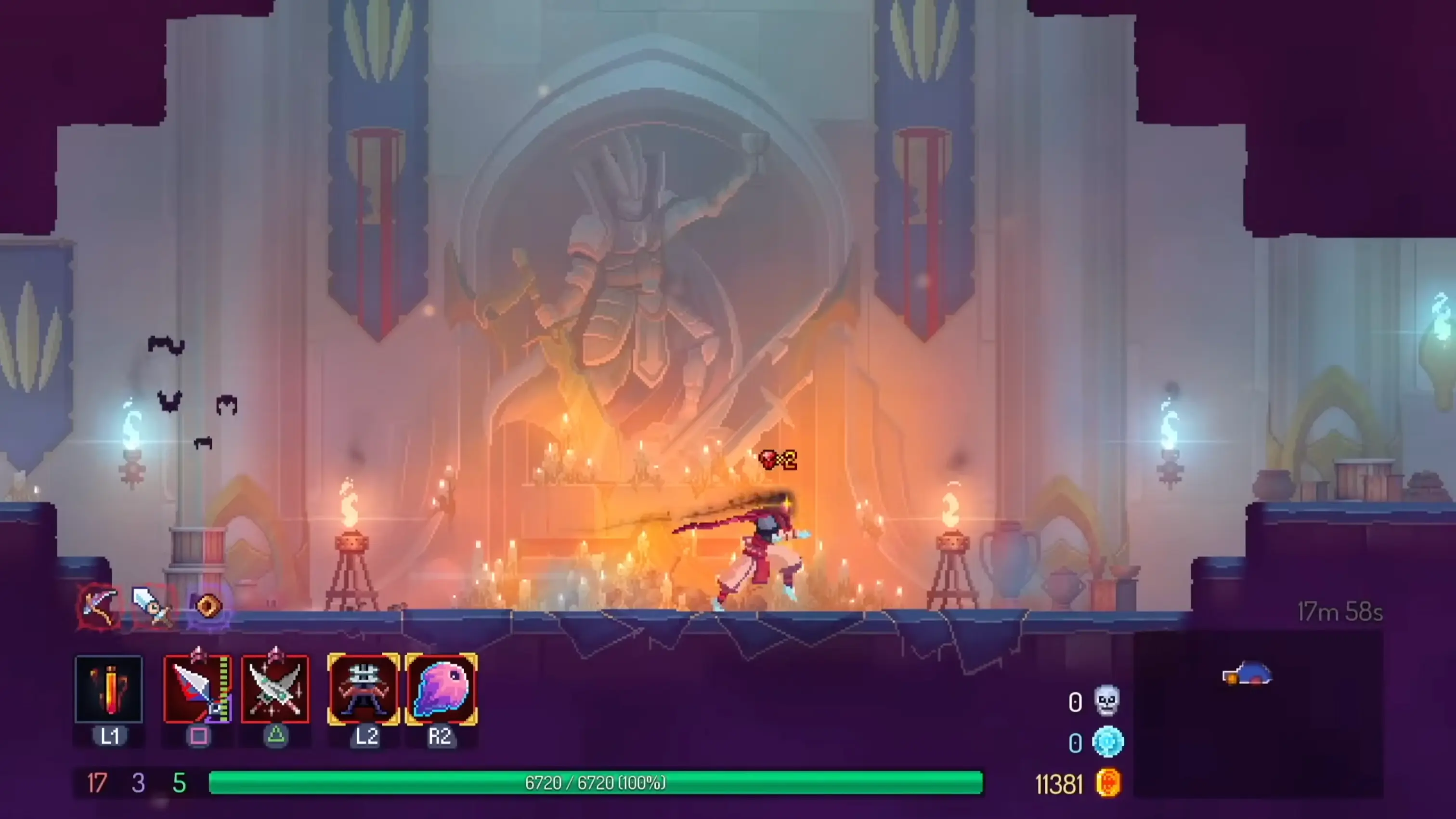
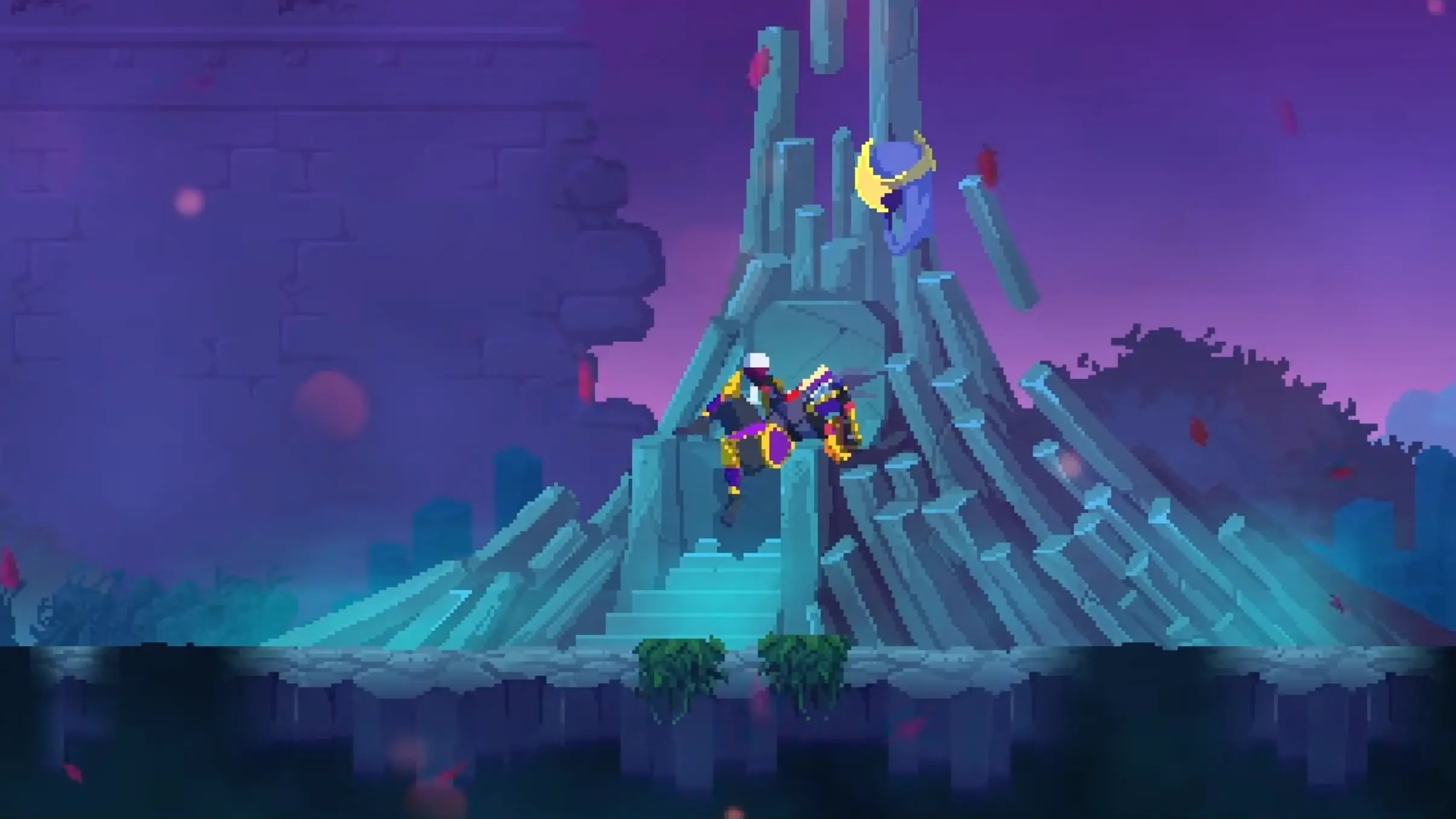
Visually, Dead Cells is a masterclass in modern pixel art. Motion Twin utilized a unique development technique where they animated 3D models and then rendered them down into highly detailed, 2D pixel sprites. This process gives the character animations a remarkable fluidity and weight that is rarely seen in traditional 2D games. Every weapon swing, spell cast, and enemy attack is telegraphed with beautiful, vibrant particle effects that make the chaotic combat readable even when the screen is overflowing with enemies and explosions.
The atmospheric design of the biomes is equally stellar. You transition from the dank, claustrophobic gloom of the Toxic Sewers to the soaring, sunlit heights of the Ramparts, all the way to the regal but corrupted halls of High Peak Castle. Each biome has its own distinct color palette, architectural style, and specific enemy ecosystem. This visual feast is propelled forward by an extraordinary, blood-pumping soundtrack composed by Yoann Laulan. The music blends classical acoustic instruments like acoustic guitars and strings with heavy electronic synths and driving percussion. The score perfectly matches the frantic pace of the gameplay, swelling with adrenaline during massive monster encounters and settling into moody, atmospheric rhythms during quieter moments of exploration.
Conclusion: A Masterclass in Action Game Design
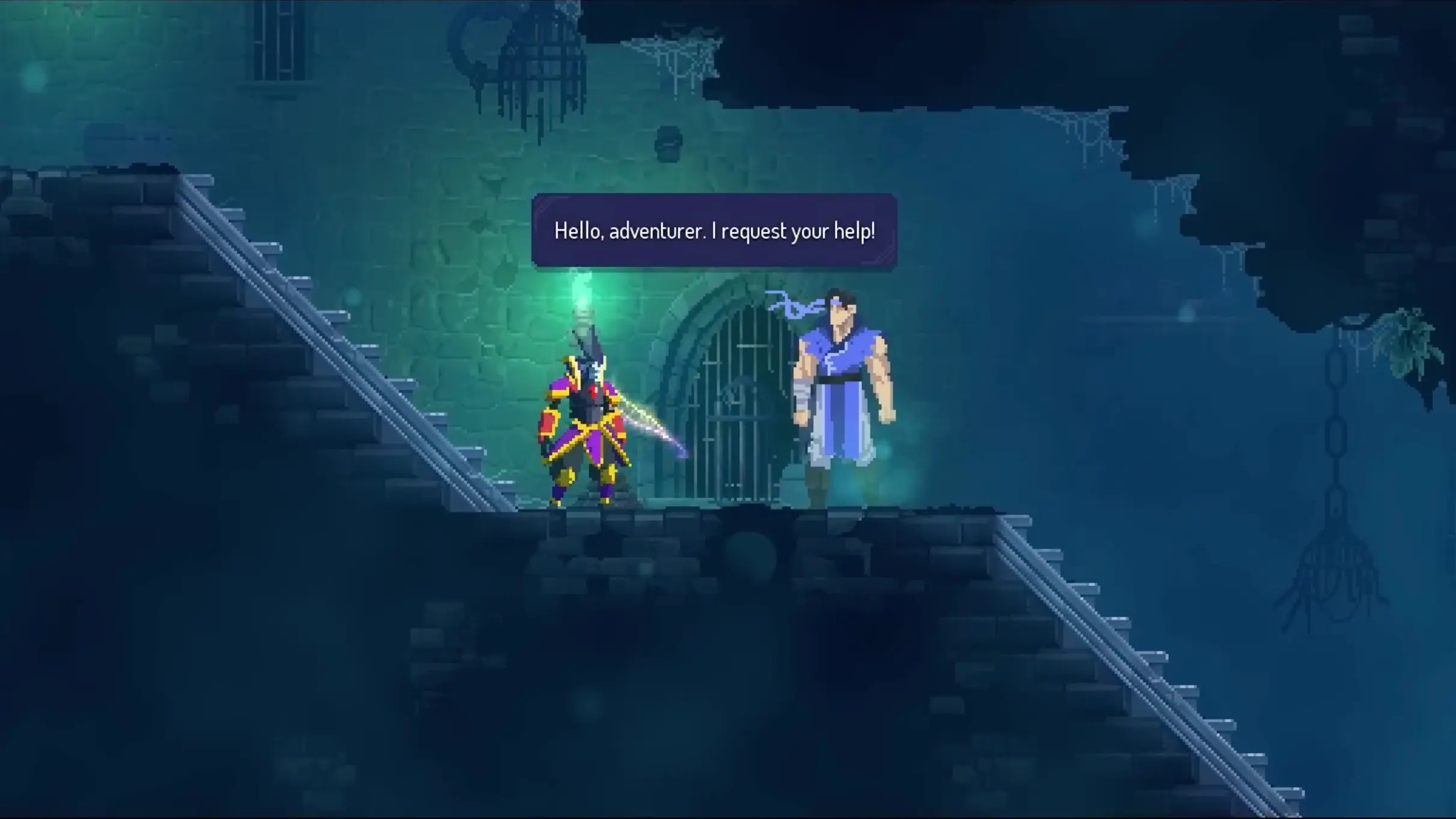
Dead Cells is not merely a great game; it is a definitive touchstone for the action-platforming genre. It takes the addictive 'just one more run' mentality of roguelikes and marries it flawlessly with the satisfying progression and exploration of Metroidvanias, creating an incredibly potent, immensely replayable experience. The dedication of Motion Twin and their subsidiary studio Evil Empire to continuously support the game with massive free updates and fantastic paid expansions—including a legendary crossover with the Castlevania franchise—has ensured that the island remains fresh and exciting years after its initial release.
It is a game that respects the player's time and skill, punishing mistakes relentlessly but always providing the tools and the knowledge needed to overcome the next hurdle. Whether you are a casual player looking to enjoy the incredibly satisfying, kinetic combat for a few hours, or a hardcore completionist determined to conquer the absolute nightmare that is the 5-Boss Cell difficulty, Dead Cells delivers an unforgettable experience. It is a symphony of pixelated violence, a masterpiece of game feel, and a shining example of indie development operating at the absolute peak of its creative power.
Review Score
Based on overall narrative, gameplay, and experience.