Some games you play to pass the time. Others you play to challenge your reflexes. Then, there are the rarefied few that you do not just play—you endure them, you inhabit them, and long after the credits roll, they haunt you. They are the games where, as the saying goes, you don't finish the game; the game finishes you. For years, a legion of devotees has waited in breathless anticipation for the follow-up to one such modern masterpiece. The silence from Team Cherry has been agonizing, a void filled only by the fervent hopes of a community desperate to return to their beautifully grim world. The wait is over. We are finally returning to the canvas of bugs and gods. We are here for Hollow Knight: Silksong.
This is not merely a sequel; it is a pilgrimage. We are here because we crave that specific brand of melancholy magic that only Team Cherry seems capable of weaving. We are here for the gut-punch lore hidden in item descriptions, the boss battles that feel like violent ballets, and the world-design that begs to be obsessed over. Hollow Knight: Silksong carries the terrifying burden of expectations set by its flawless predecessor. Does it buckle under the weight, or does it ascend? Let us step into the gilded cage of Pharloom and find out.
About the Game
Hollow Knight: Silksong is the epic sequel to Hollow Knight, the award-winning action-adventure that redefined the Metroidvania genre for a new generation. Originally conceived as a smaller DLC expansion centered on one of the original game's most compelling rivals, Hornet, the project ballooned with restless creative energy until it became a massive, standalone experience. Team Cherry has once again hand-drawn a sprawling, interconnected world, but they have inverted the paradigm. Where the Knight descended into the buried gloom of Hallownest, Hornet must ascend.
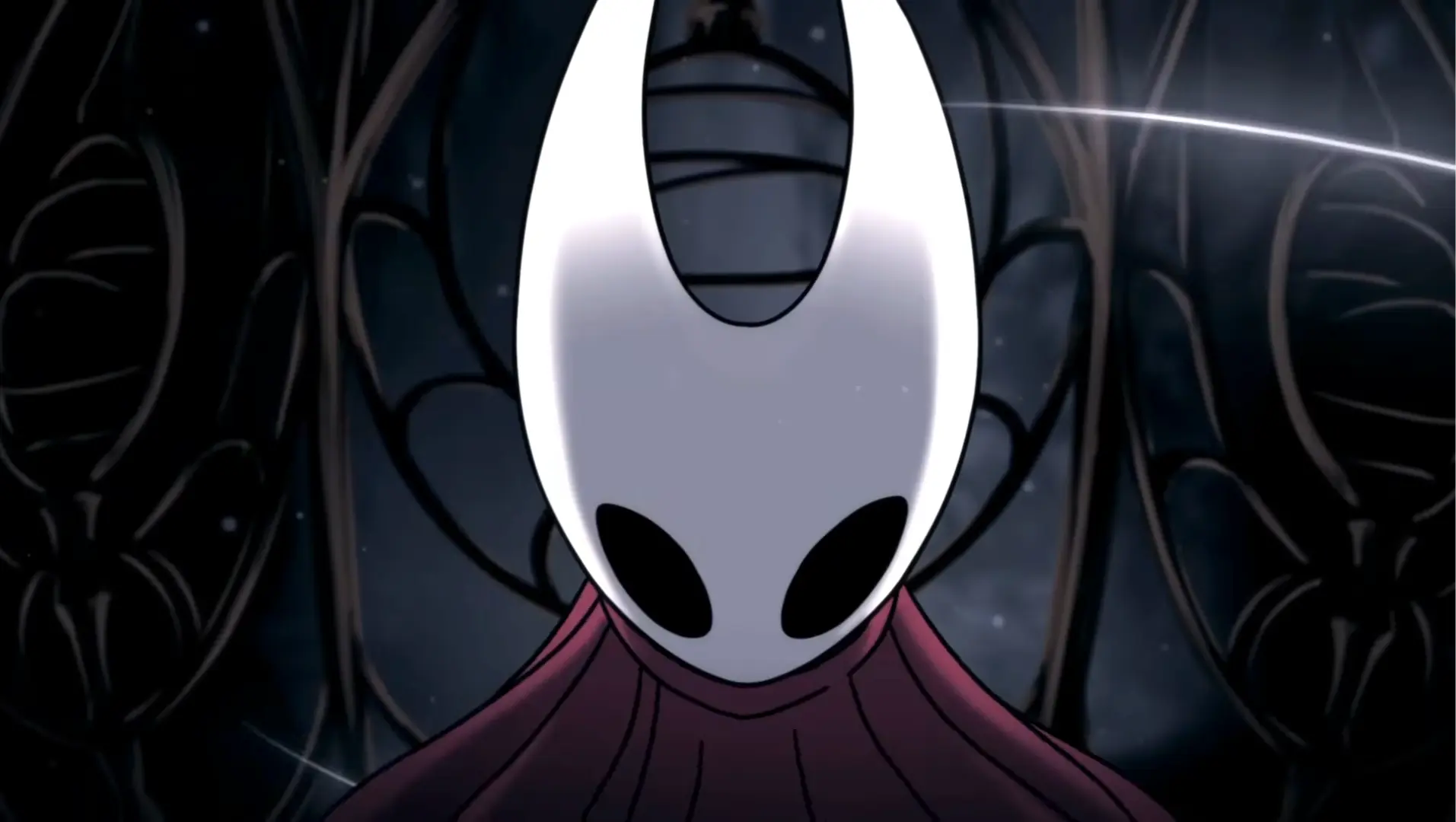
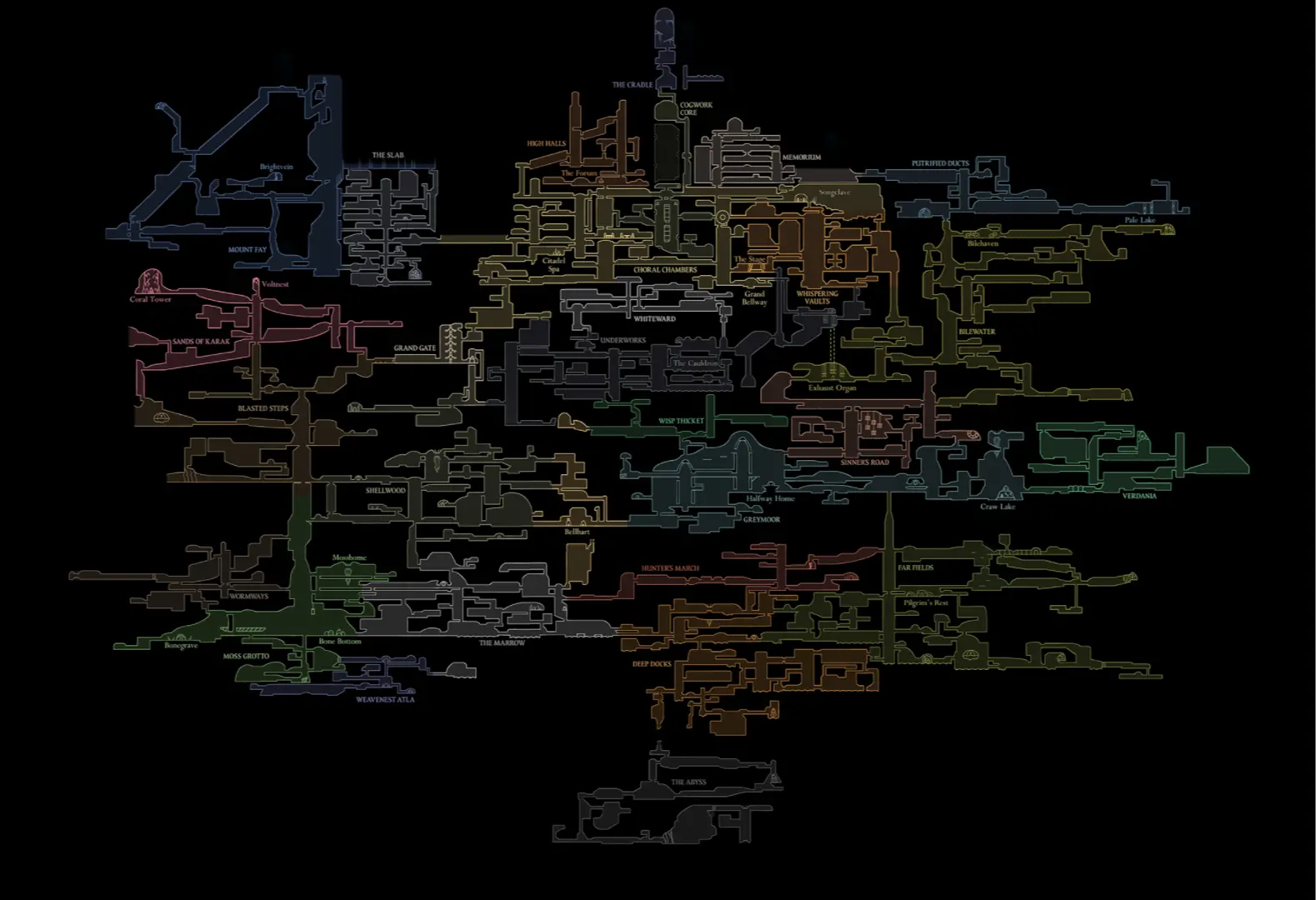
You play as Hornet, the princess-protector of Hallownest, who has been captured and brought to the unfamiliar, distant land of Pharloom. This is a kingdom ruled by Silk and Song, a place haunted by a strange, gilded curse. To uncover the truth behind her capture and the nature of this new realm, Hornet must battle deeper and climb higher, conquering a vast hierarchy of deadly new adversaries. Hollow Knight: Silksong promises a larger world than its predecessor, filled with new towns, quests, tools, and over 150 new foes, all brought to life with the studio's signature traditional 2D animation.
Story
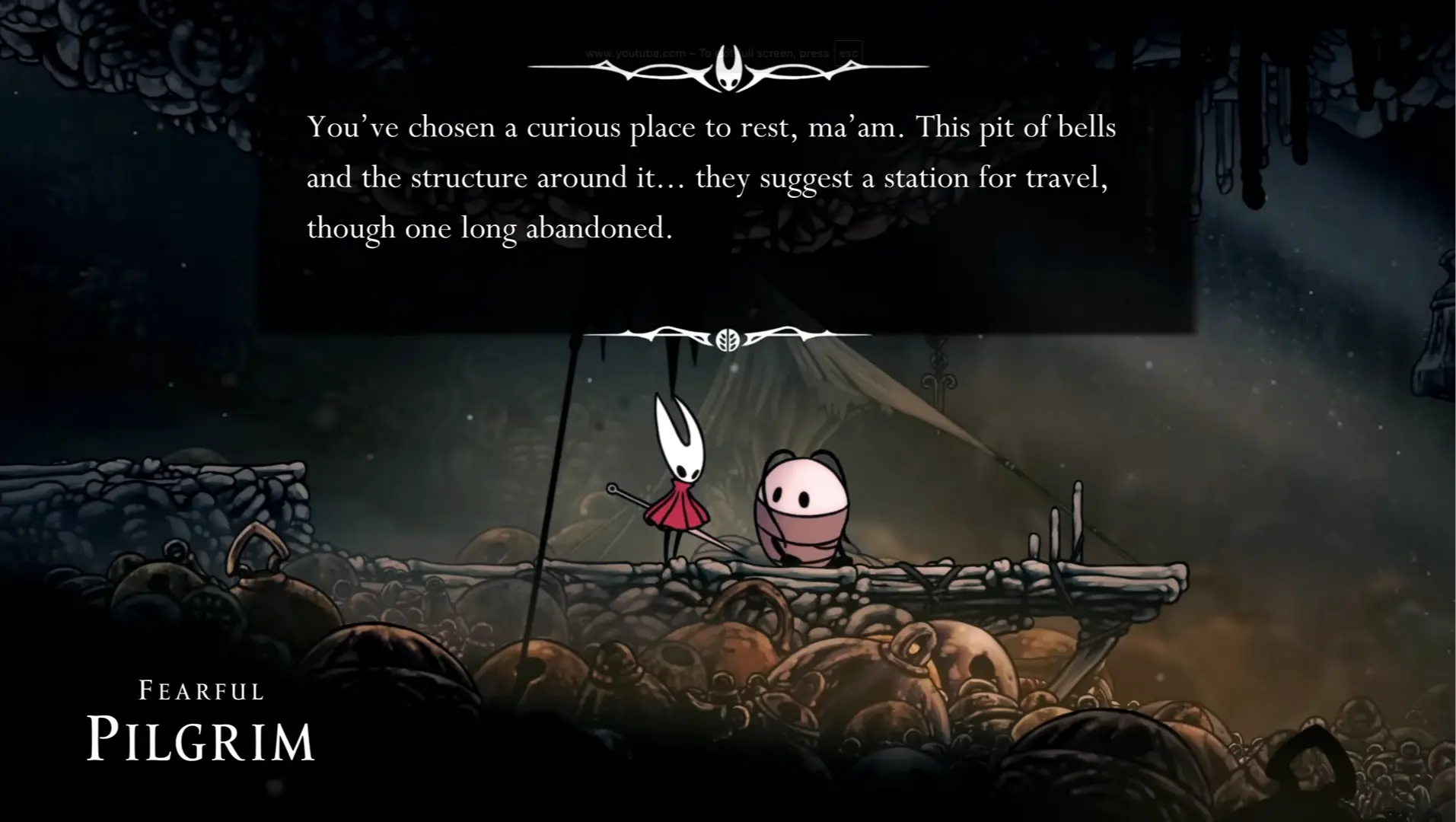
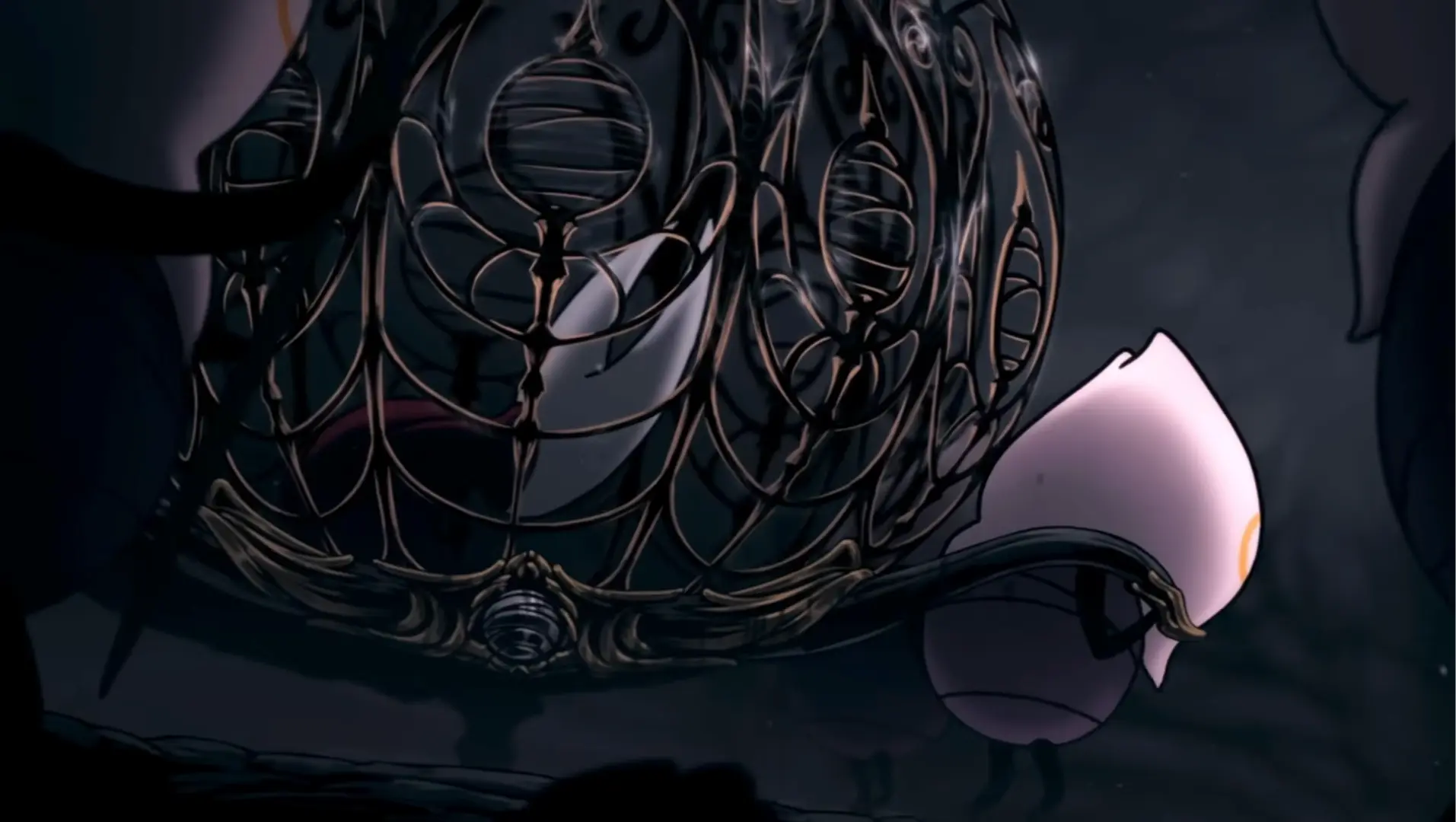
The narrative setup of Hollow Knight: Silksong is immediately compelling because it displaces a character we thought we knew. In Hallownest, Hornet was the known quantity—the sentinel, the test of resolve, the daughter of Pale lineage protecting her crumbling home. In Pharloom, she is the alien. The opening cinematic shows her captured, bound in silk, and transported across a wasteland in a cage. The game begins with her escape, thrusting her into a hostile, unfamiliar kingdom that seems obsessed with weaving and melody.
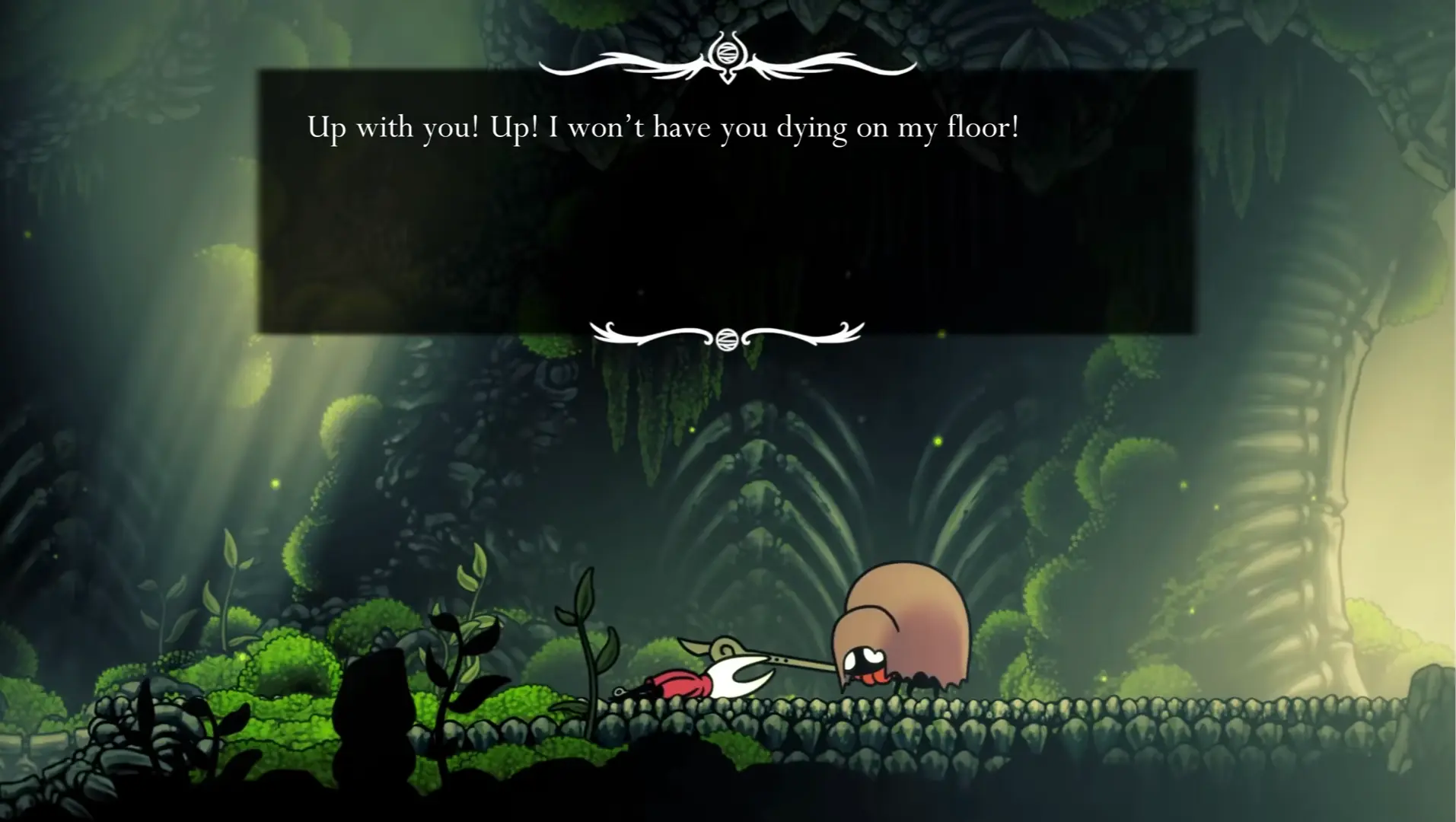
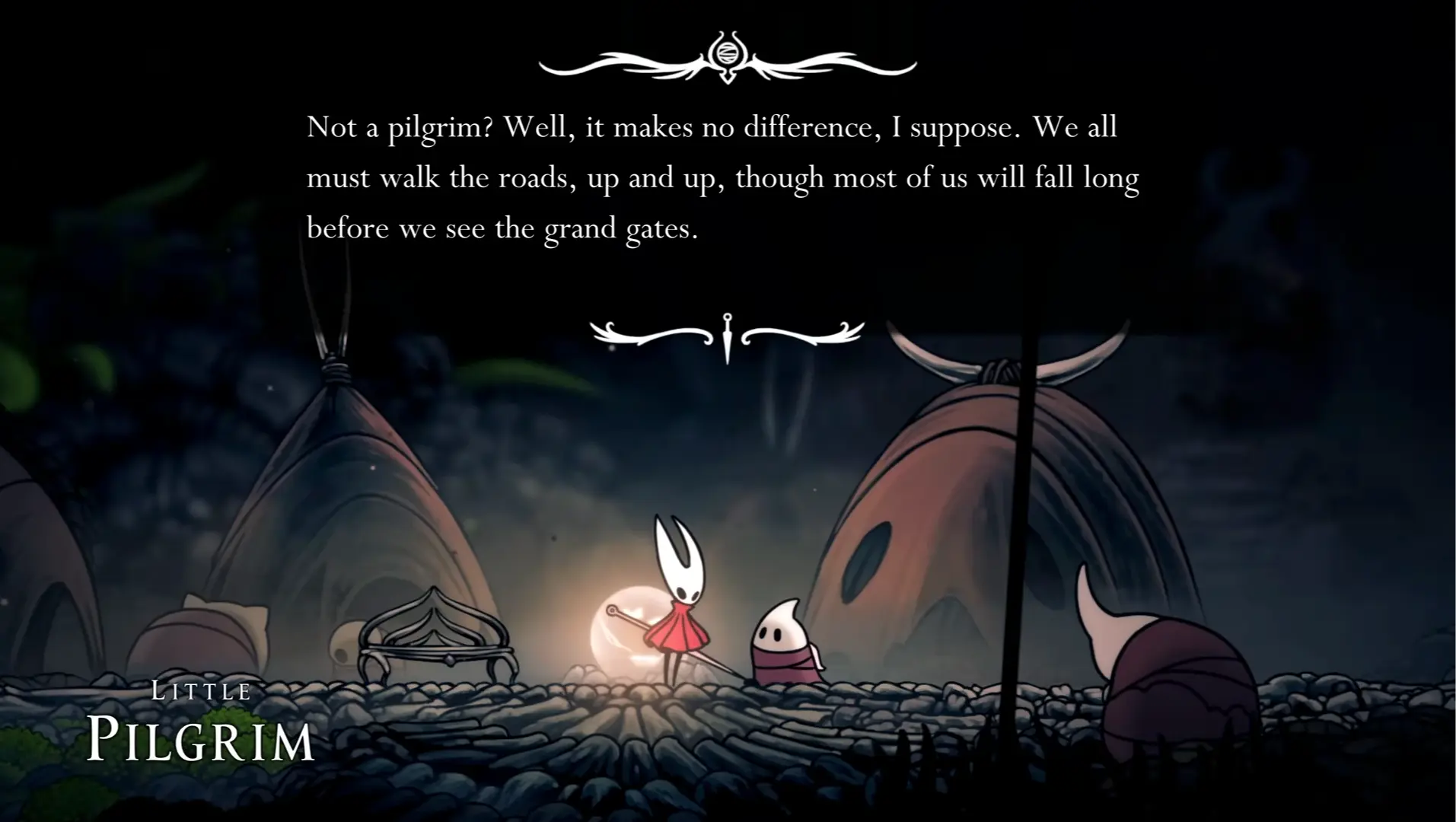
The central mystery drives the ascent: Why was Hornet brought here? What is the nature of the "shining citadel" at the peak of this world that calls to the pilgrims? Unlike the silent, empty vessel of the first game, Hornet is a character with a voice, a history, and a distinct personality. She is sharp, pragmatic, and lethal. Her interactions with the denizens of Pharloom—from the downtrodden bugs in the lower depths to the opulent, maddened aristocracy higher up—promise a narrative that is more active and immediate than the archaeological dig of Hallownest. Yet, we expect Team Cherry to maintain their environmental storytelling mastery, where the true tragedy of Pharloom is written in the background art and whispered in obscure lore tablets. The story of Hollow Knight: Silksong is not just about Hornet's survival; it is about unravelling a grand theological and mechanical mystery that binds this new kingdom together.
Gameplay
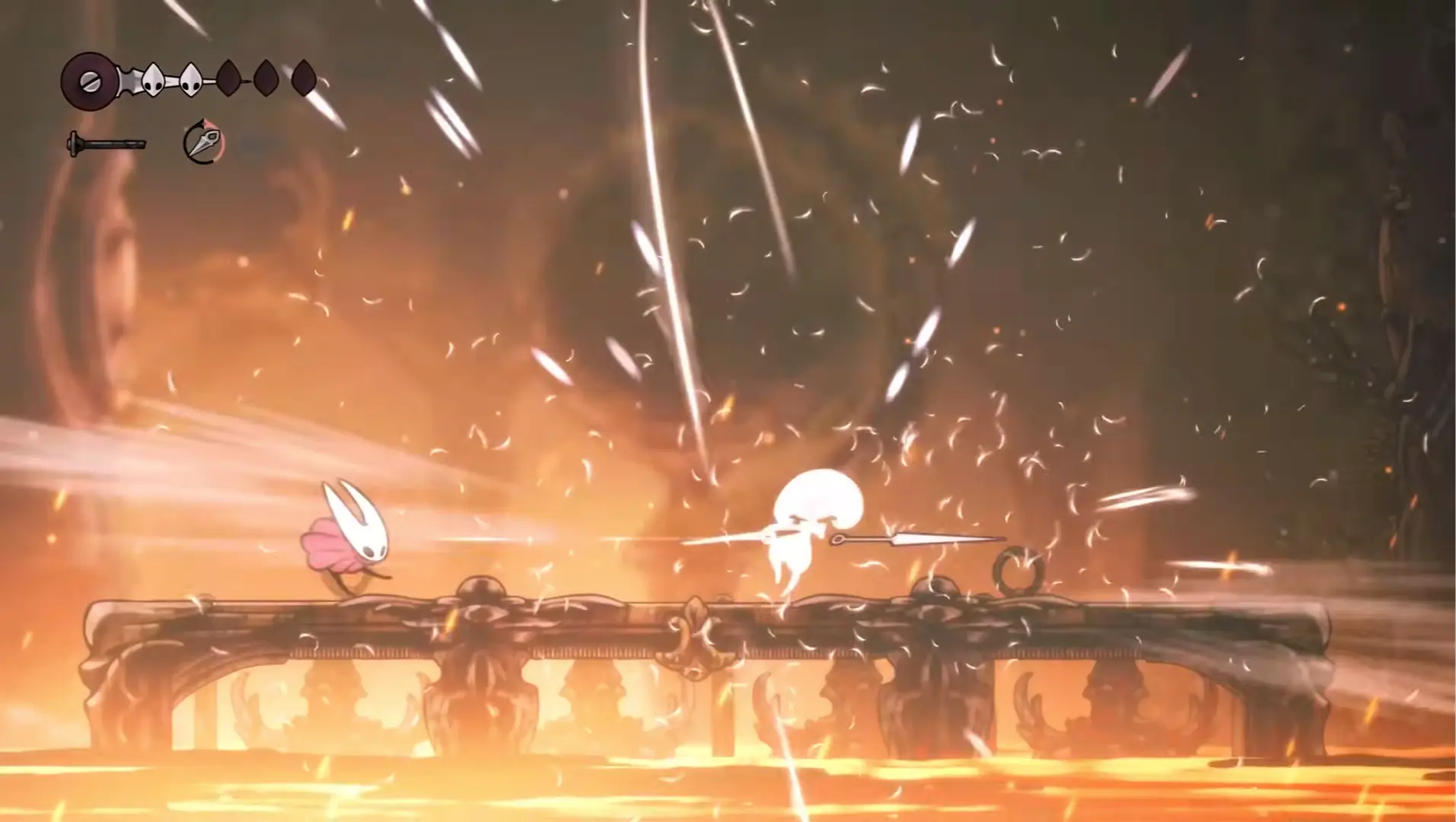
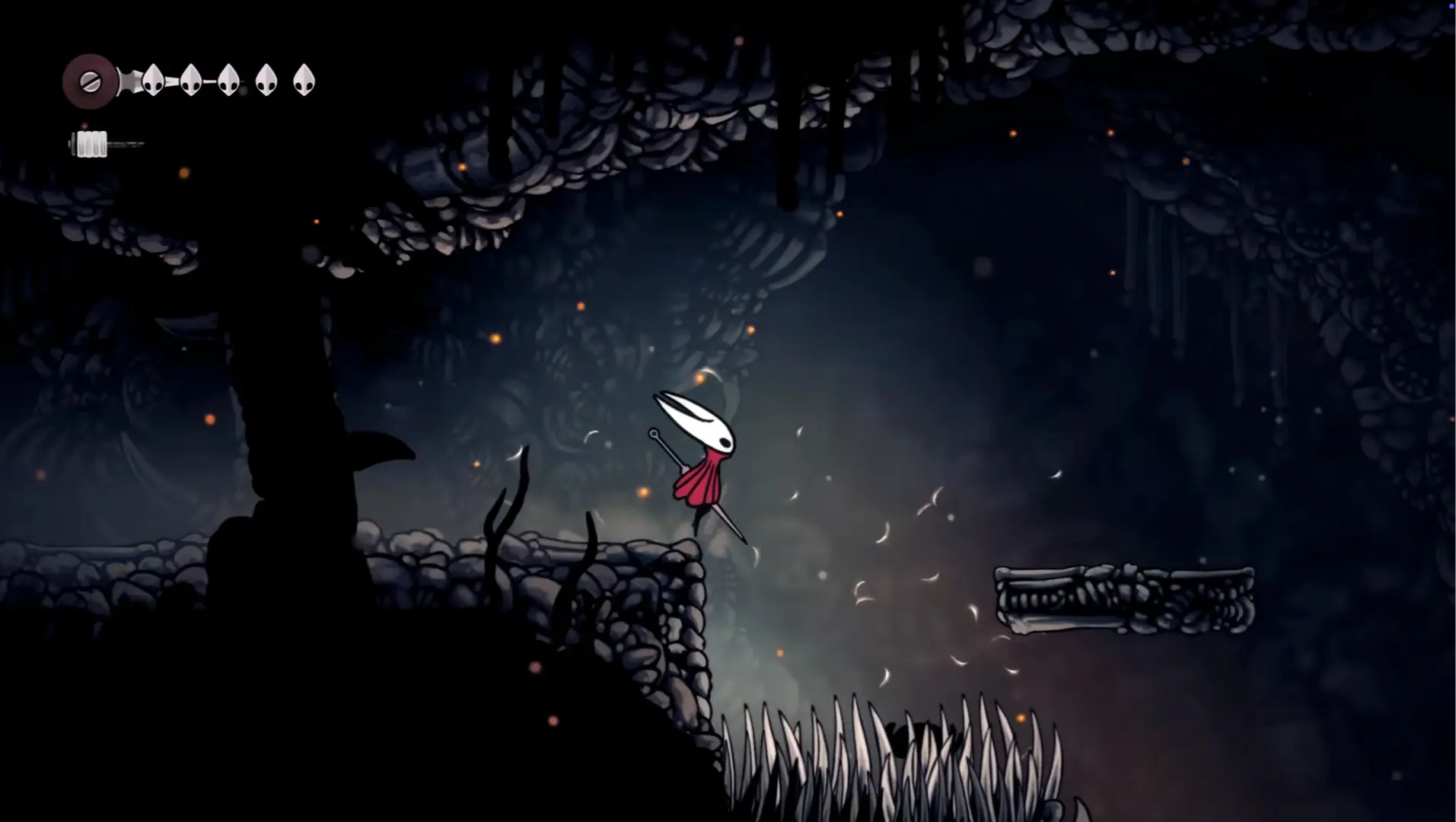
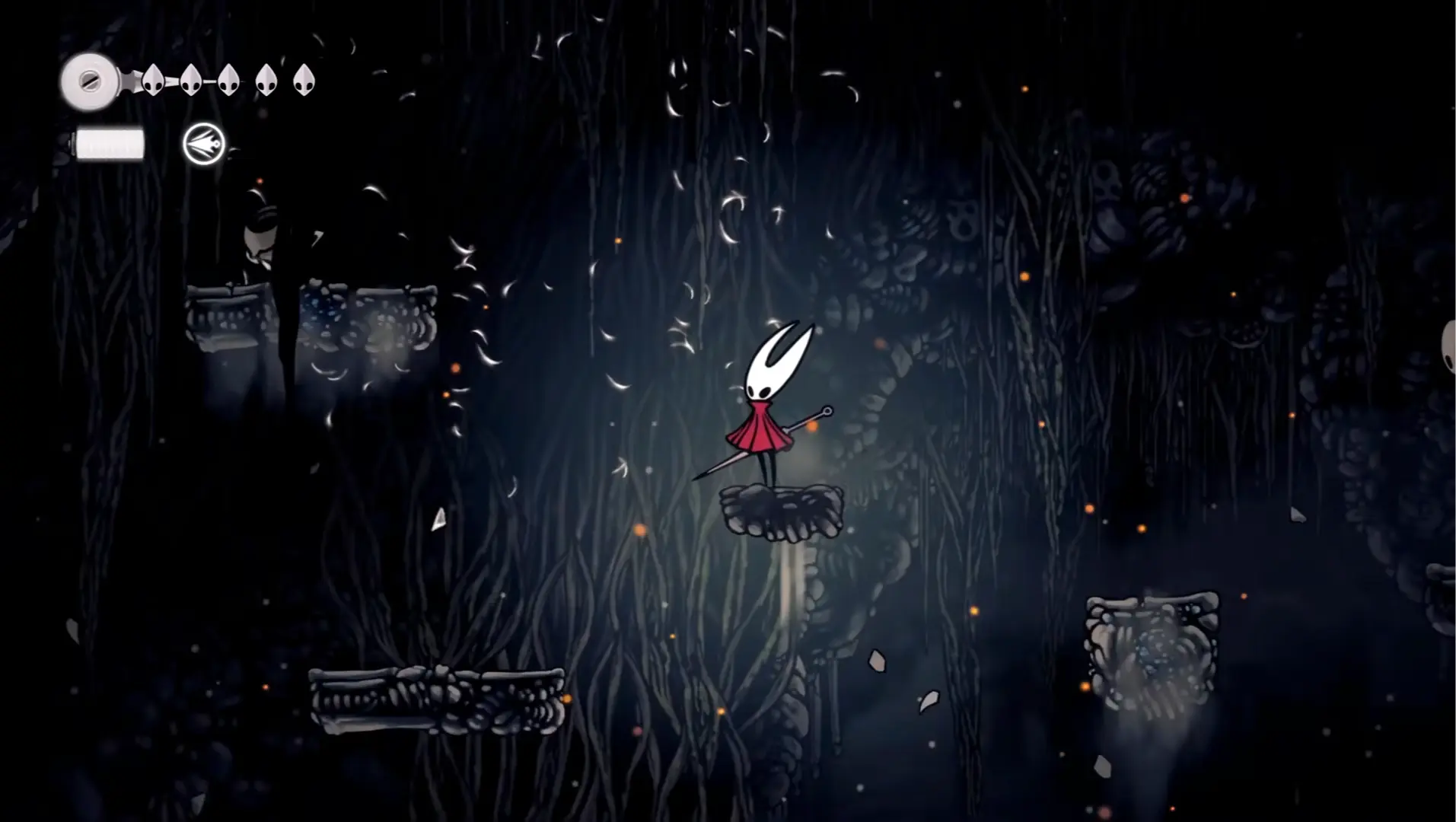
If you thought you mastered the dance in Hollow Knight, prepare to relearn everything. The gameplay in Hollow Knight: Silksong is a radical evolution, tailored specifically to Hornet’s physiology and combat style. The Knight was a grounded, reactive fighter. Hornet is an aerial, proactive predator. She is taller, faster, and significantly more acrobatic. The immediate difference is her movement suite; she can clamber up ledges, sprint instantly, and perform diagonal aerial lunges that open up combat and traversal in ways impossible in the previous game.
The core rhythm of combat has shifted from patience to aggression. Hornet wields her needle with blistering speed. The most significant change is the healing mechanic. Gone is the slow, stationary Soul focus. Hornet uses Bind, an incredibly fast ability that uses the silk she gathers from striking enemies to bandage her wounds in the blink of an eye—even in mid-air. This fundamentally changes the combat loop, encouraging relentless offense to fuel constant, rapid recovery.
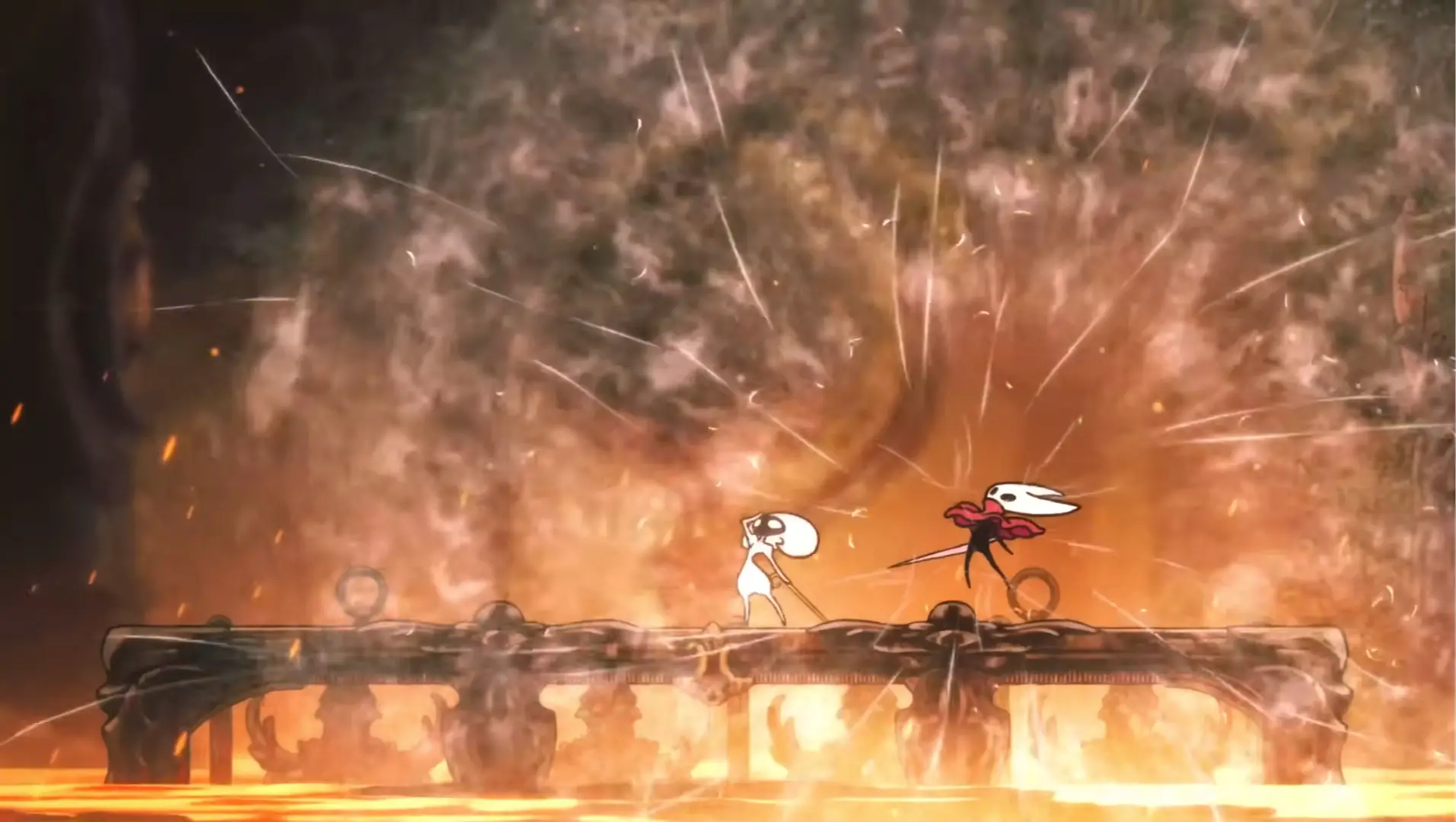
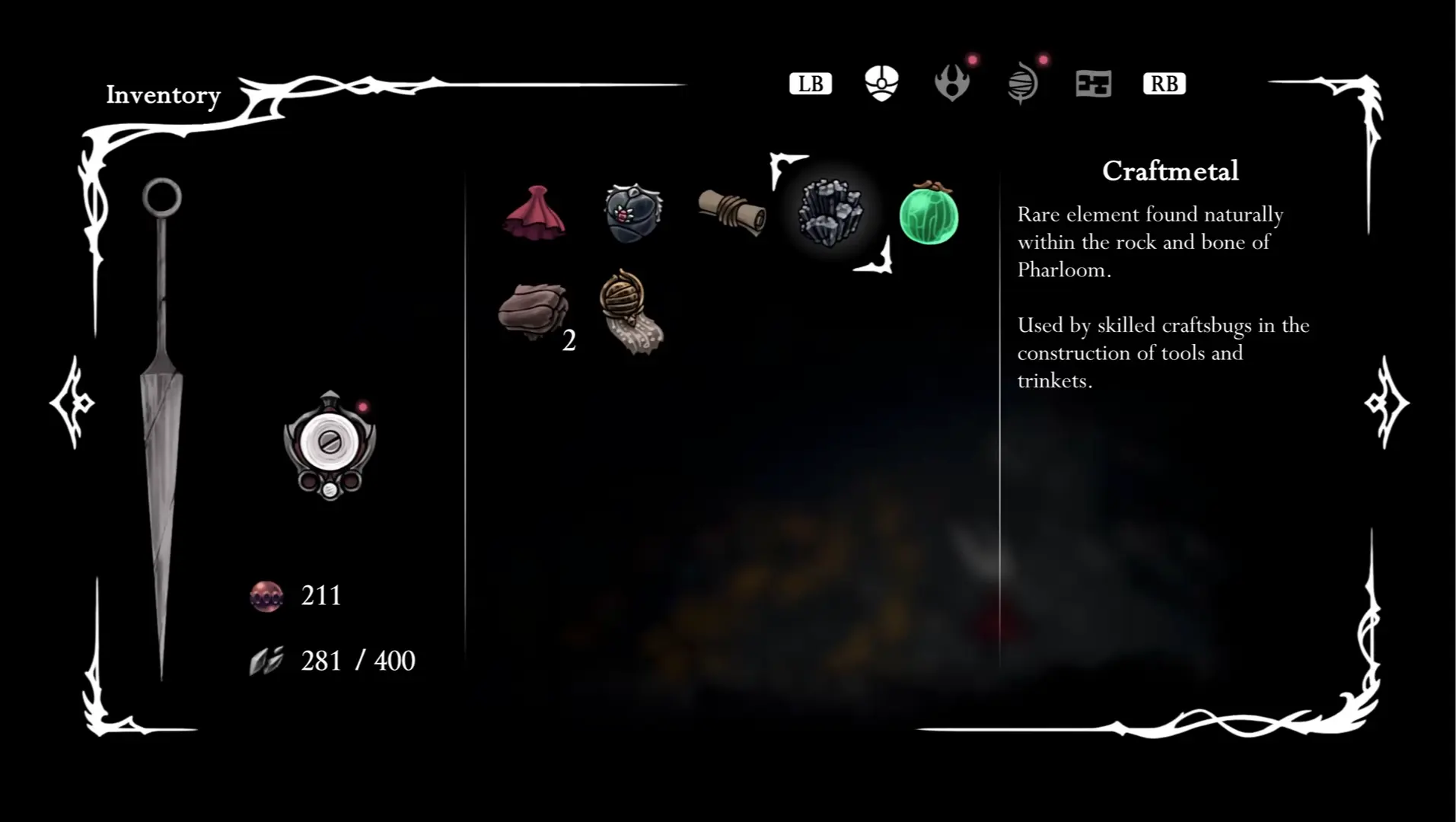
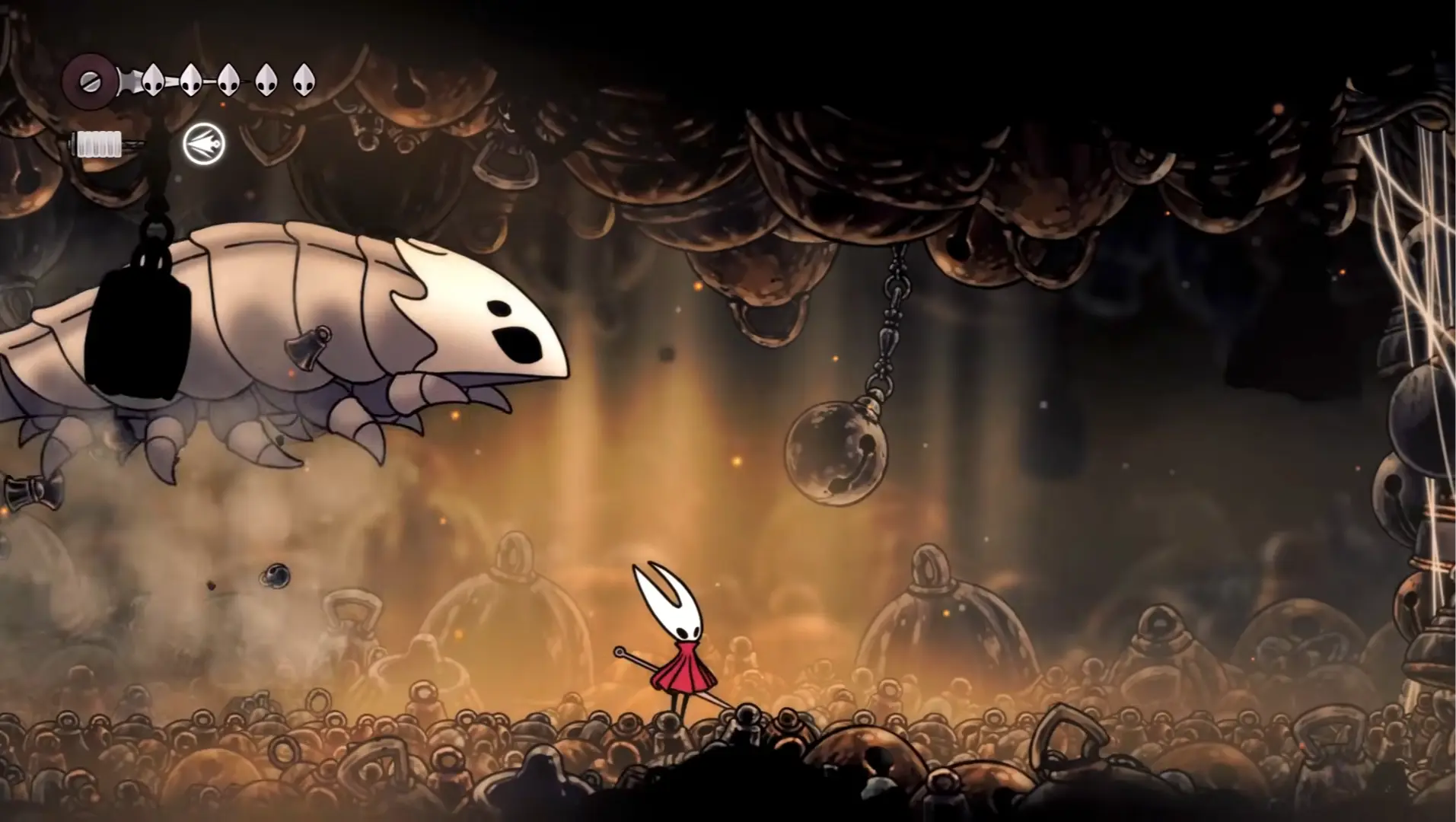
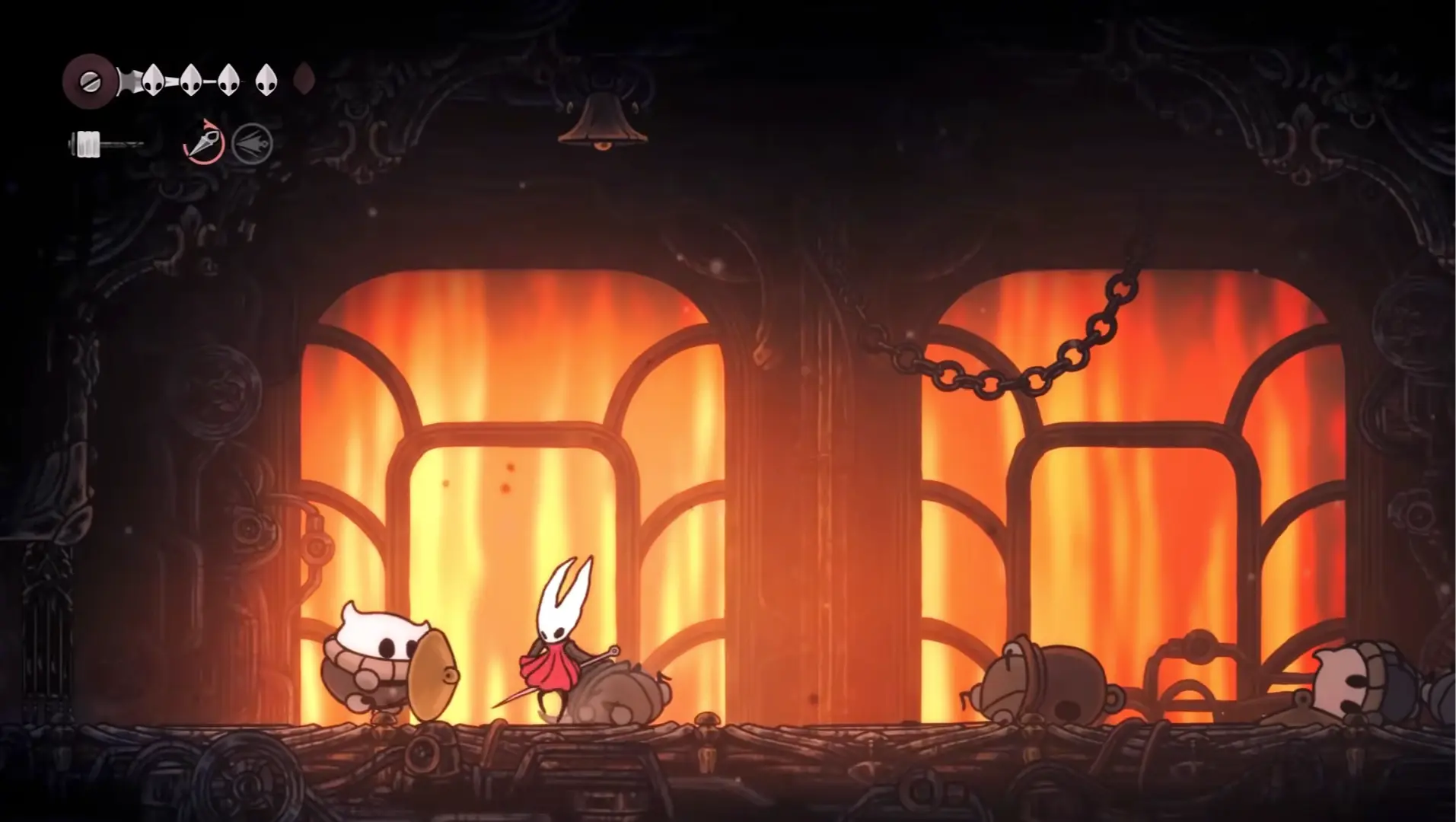
Furthermore, the Charm system is replaced by a robust crafting system involving Tools, Crests, and Traps. Hornet is a huntress and an artificer. You will gather shell shards and silk to craft weapons like the amazing Pimpillo (a disruptive bomb) or various lethal spikes. This system suggests a much higher degree of loadout customization tailored to specific bosses or biomes. The boss fights themselves look incredibly demanding, designed around Hornet’s enhanced mobility, requiring players to utilize the entire screen in dizzying displays of martial prowess. Hollow Knight: Silksong does not just look harder; it looks faster, meaner, and more technically demanding.
Atmosphere & Themes
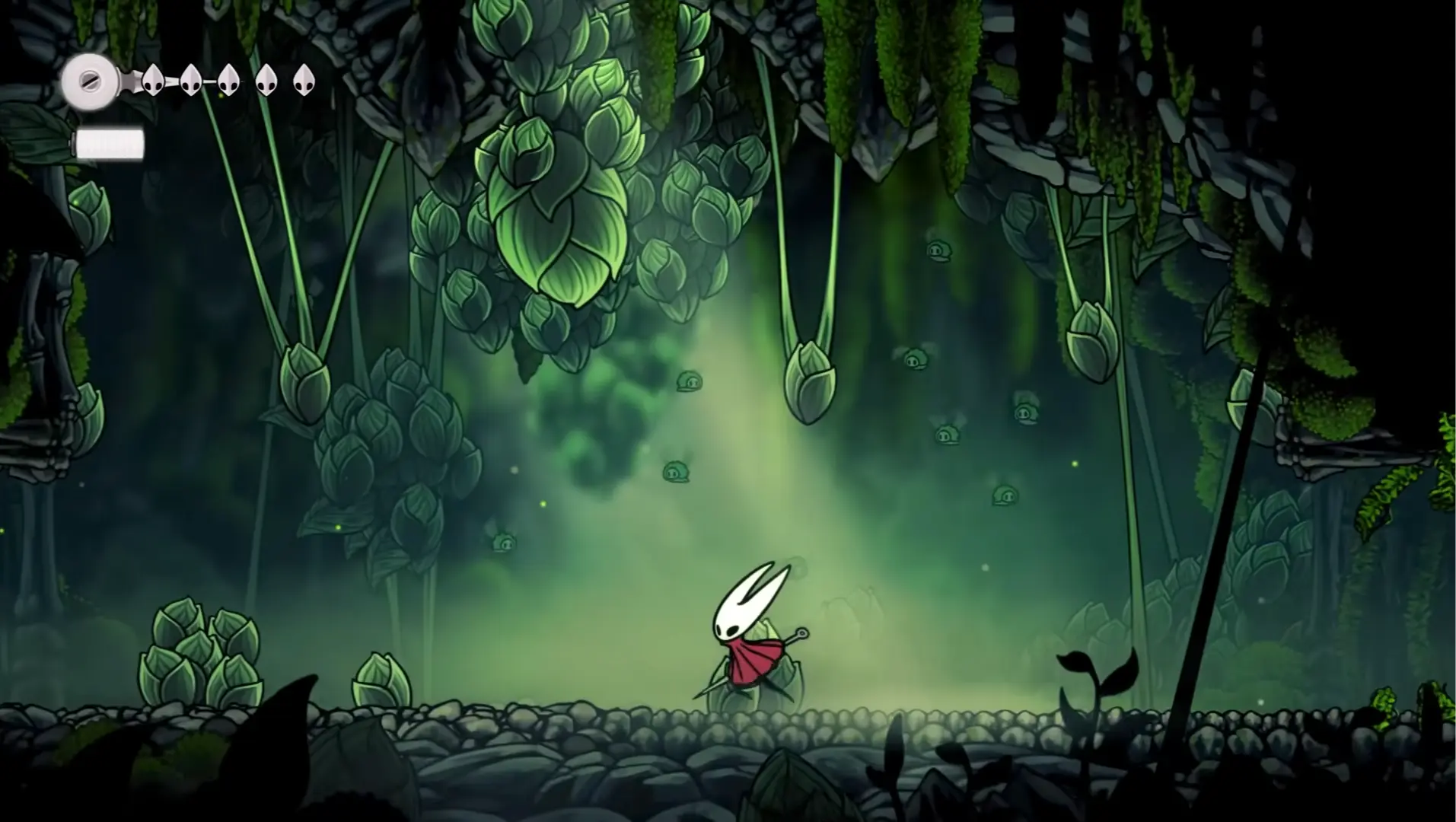
Team Cherry are masters of atmosphere, and Pharloom is a stunning, terrifying new canvas. While Hallownest was defined by decay, gothic gloom, and a somber blue-grey palette, Pharloom is defined by vibrant, dangerous majesty. The theme here is "ascension," and the environments reflect this. We see areas gilded in gold, bathed in bright corals, and draped in shimmering silks. Yet, underneath the shining facade, there is a pervasive sense of sickness and madness. It is a gilded cage, beautiful but oppressive.
The central themes revolve around the concepts of Song and Silk as sources of both divine power and industrial corruption. The enemies are often adorned with bells or instruments; the machinery of the world seems powered by woven threads. It feels like a society that worshipped art and industry until it consumed them. Crucial to this atmosphere is the return of composer Christopher Larkin. His new score is already piercing our souls. It feels more urgent, featuring more prominent strings and faster tempos to match Hornet’s speed, while still retaining that aching, melancholic undertone that defines the series. The combination of the handcrafted visuals—which somehow look even more detailed than before—and the haunting soundscape creates an immersive experience that is second to none.
Conclusion
Hollow Knight: Silksong is not just another video game release; it is a vindication of the art form. In an industry often obsessed with live services, bloated open worlds, and fleeting trends, Team Cherry has doubled down on crafted, singular excellence. They have taken the near-perfect foundation of their debut and dared to dismantle it, rebuilding it around a new protagonist with a completely different kinetic language.
The wait has been long, but the result appears to be a transcendent experience that respects the player's intelligence and skill. It is a game that invites obsession, offering a world rich enough to lose yourself in completely. It is beautiful, it is brutal, and it is undeniably a masterpiece in waiting. Prepare yourselves. The song of Pharloom is calling, and it is going to finish you.