Introduction: The End of the World as We Knew It
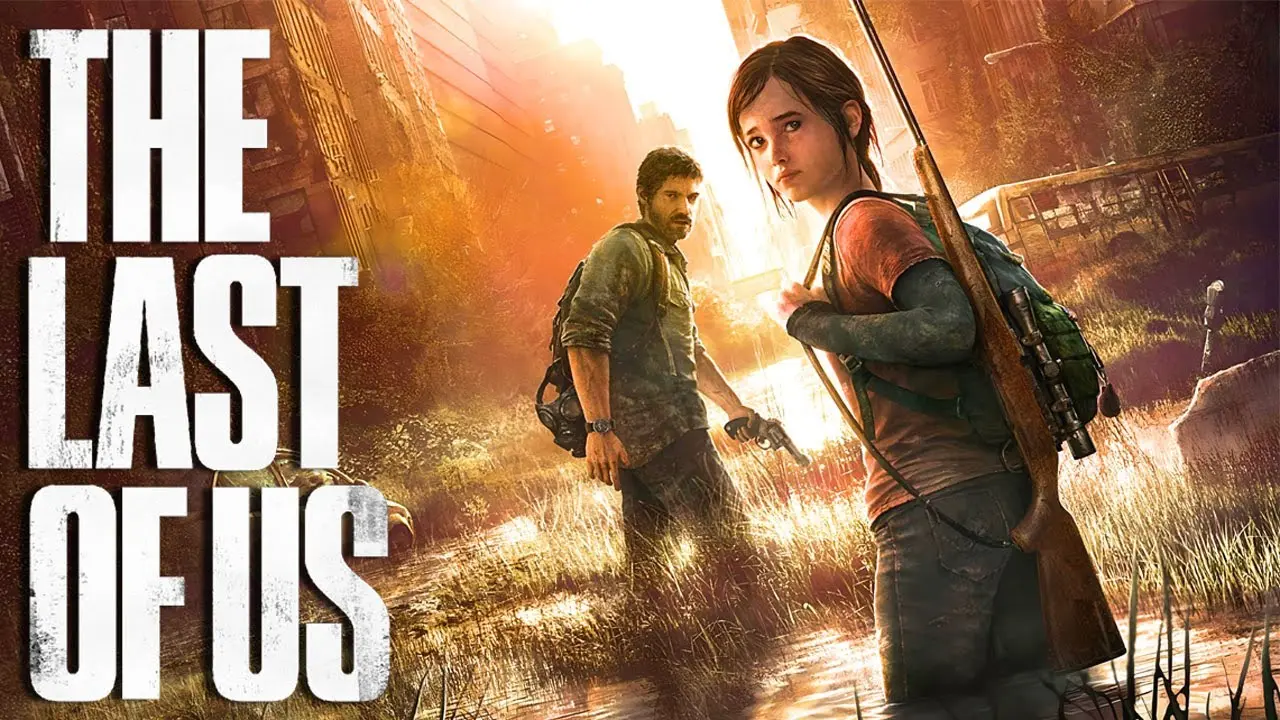
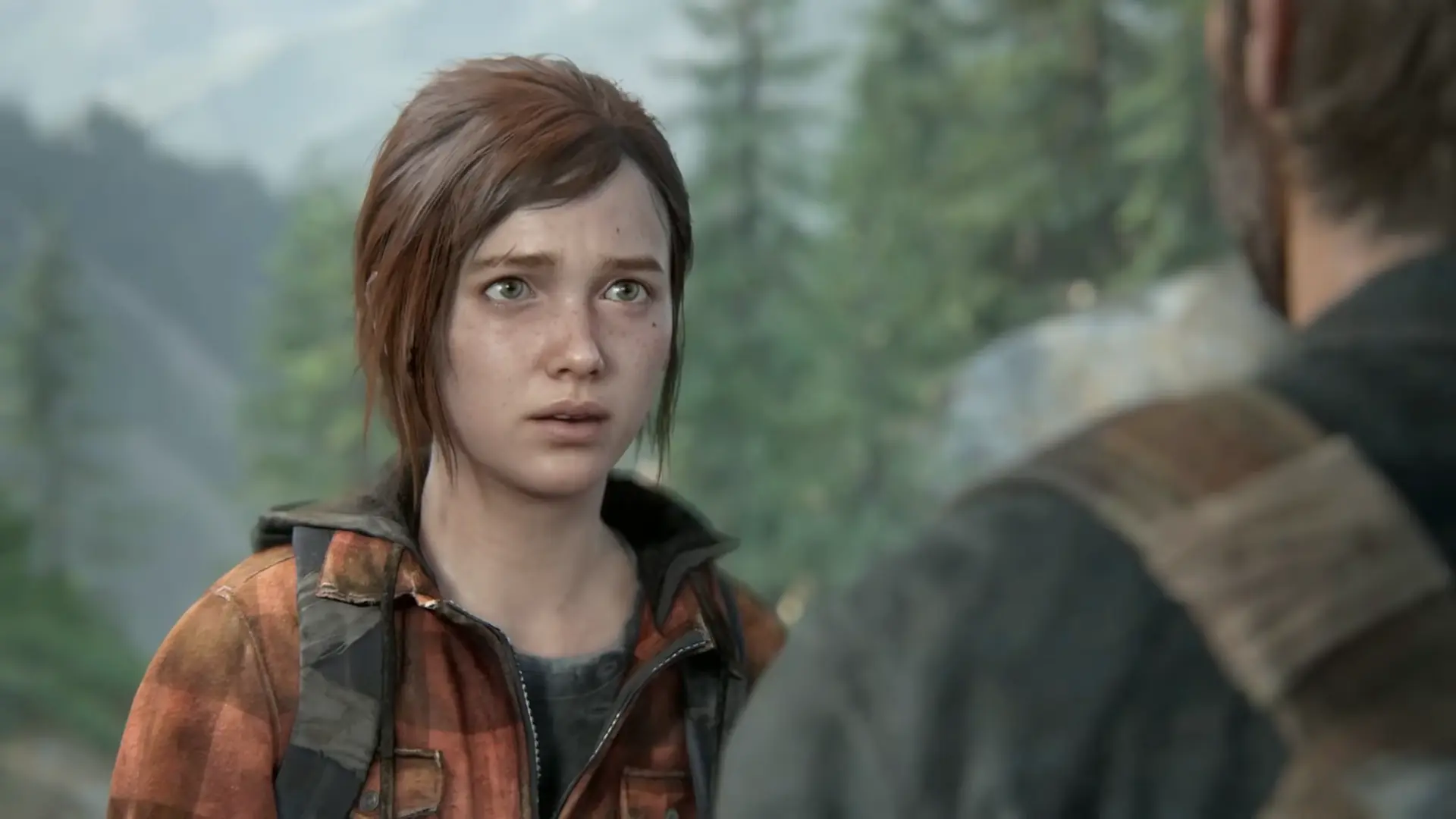
Listen to me, if you haven't played The Last of Us, you haven't truly experienced what video games are capable of as an artistic medium. Naughty Dog pivoted from the swashbuckling fun of Uncharted to deliver a bleak, grounded, and unapologetically brutal vision of a post-pandemic America. We follow Joel, a weary, broken smuggler who has survived twenty years of relentless loss, and Ellie, a fourteen-year-old girl who has never known a world before the infection.
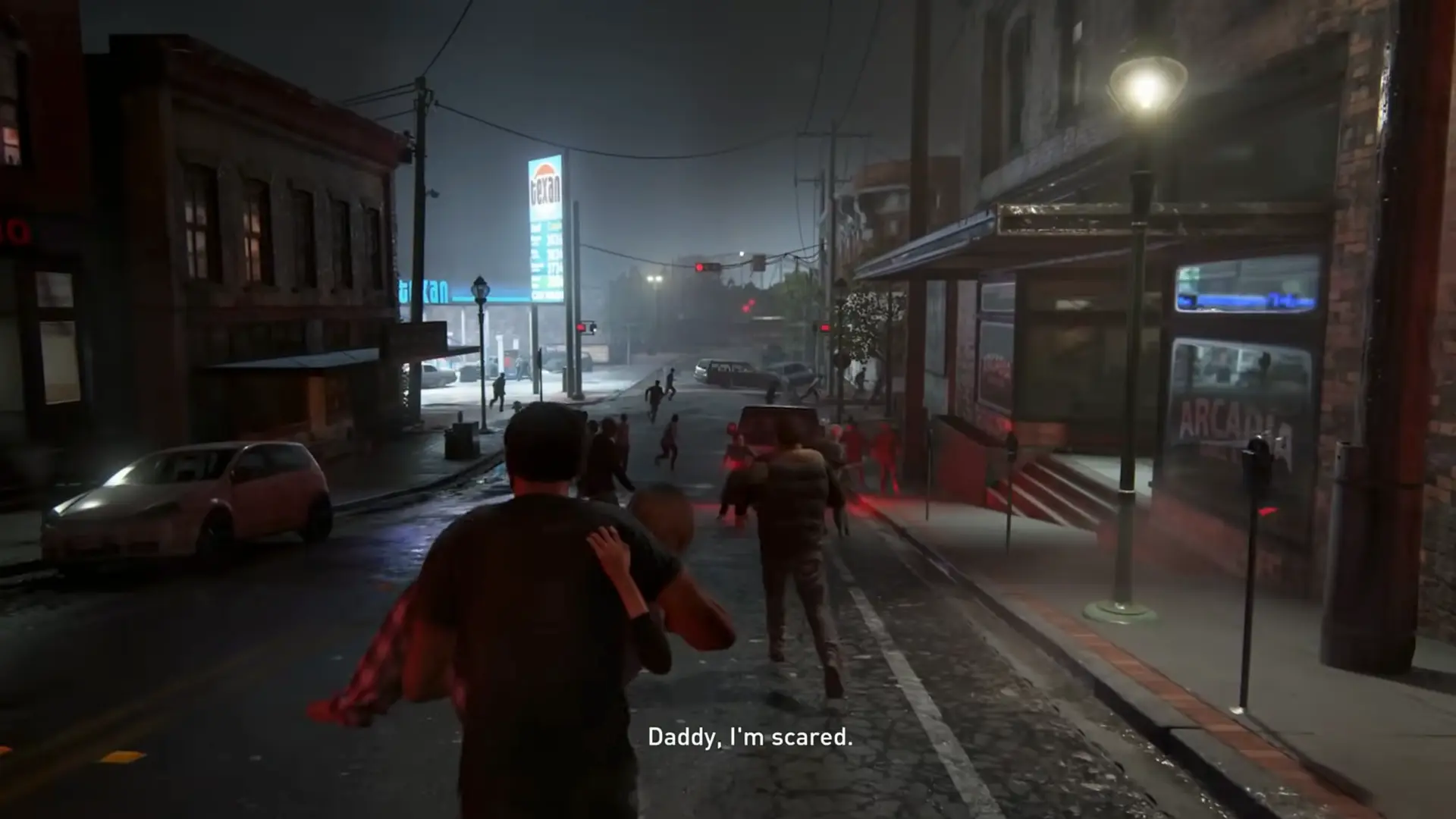
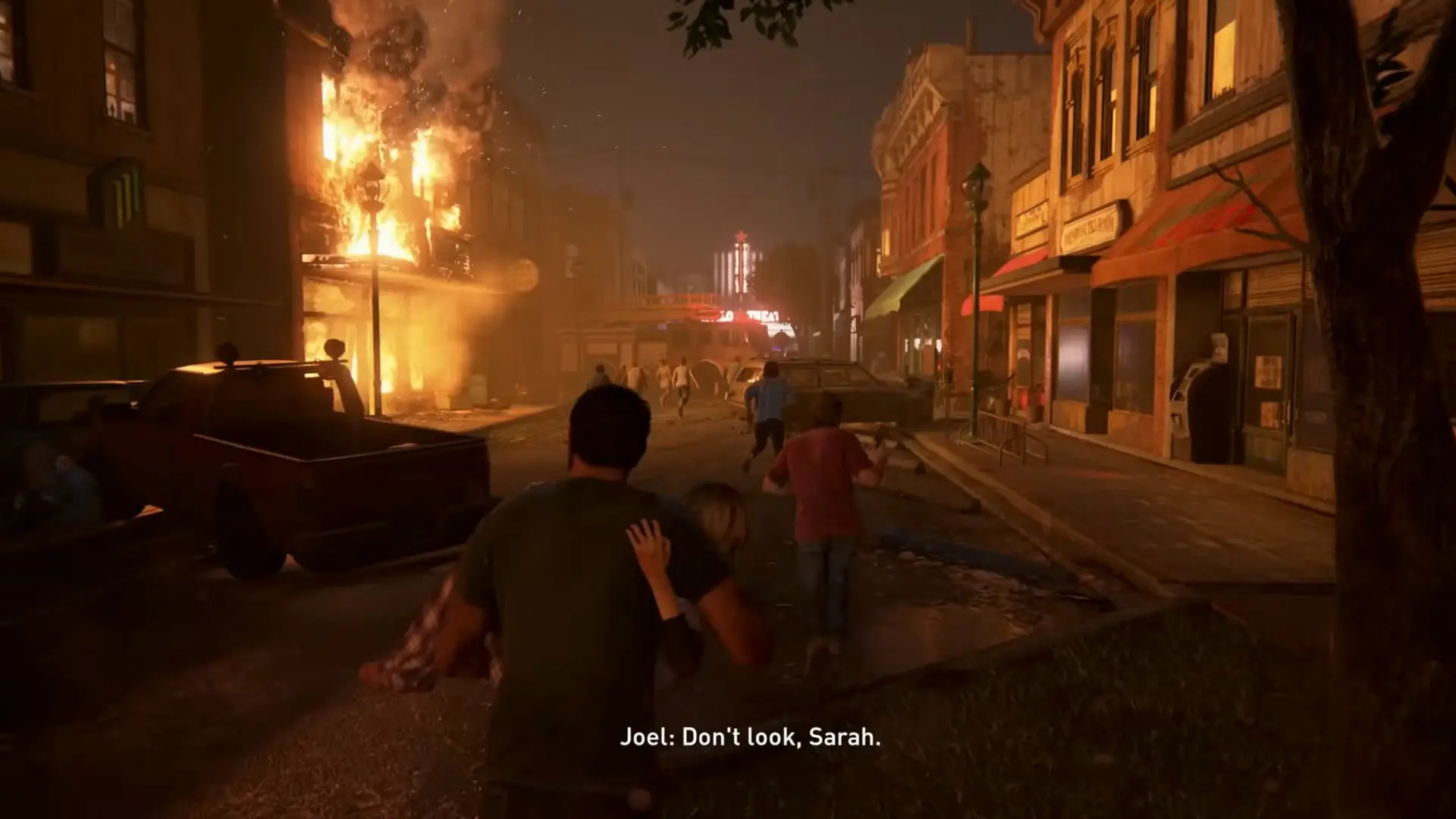
The game drops you immediately into the visceral chaos of Outbreak Day—a prologue so flawlessly executed it will leave you gasping for air within the first fifteen minutes. From that moment on, you are completely invested. It isn't just a game about zombies (or rather, the Cordyceps-infected); it’s an agonizing, beautiful exploration of what happens to our humanity when survival is the only thing left. You don't just play this game; you carry its emotional weight with you long after the credits roll.About the Game: The Architecture of Despair
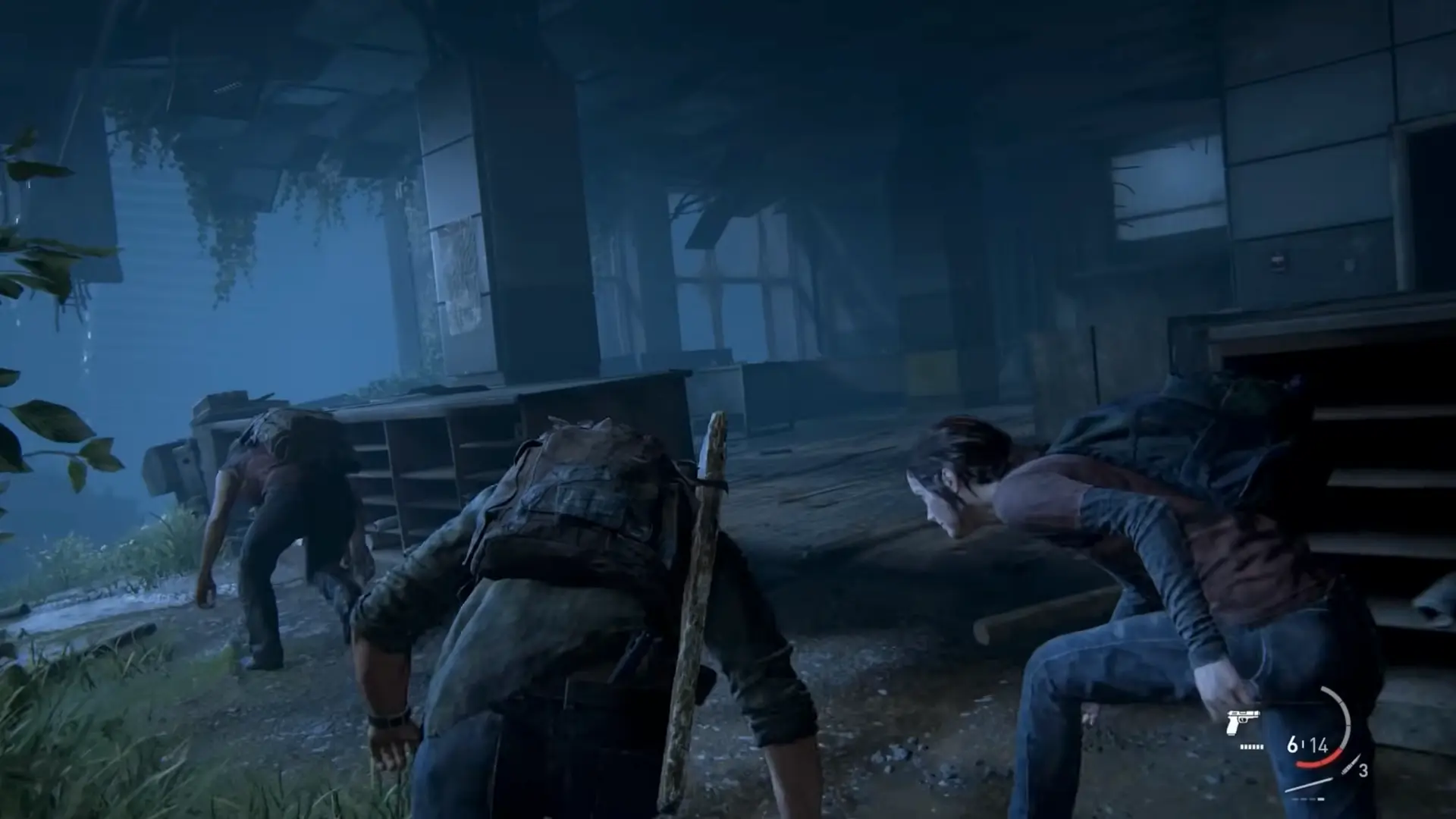
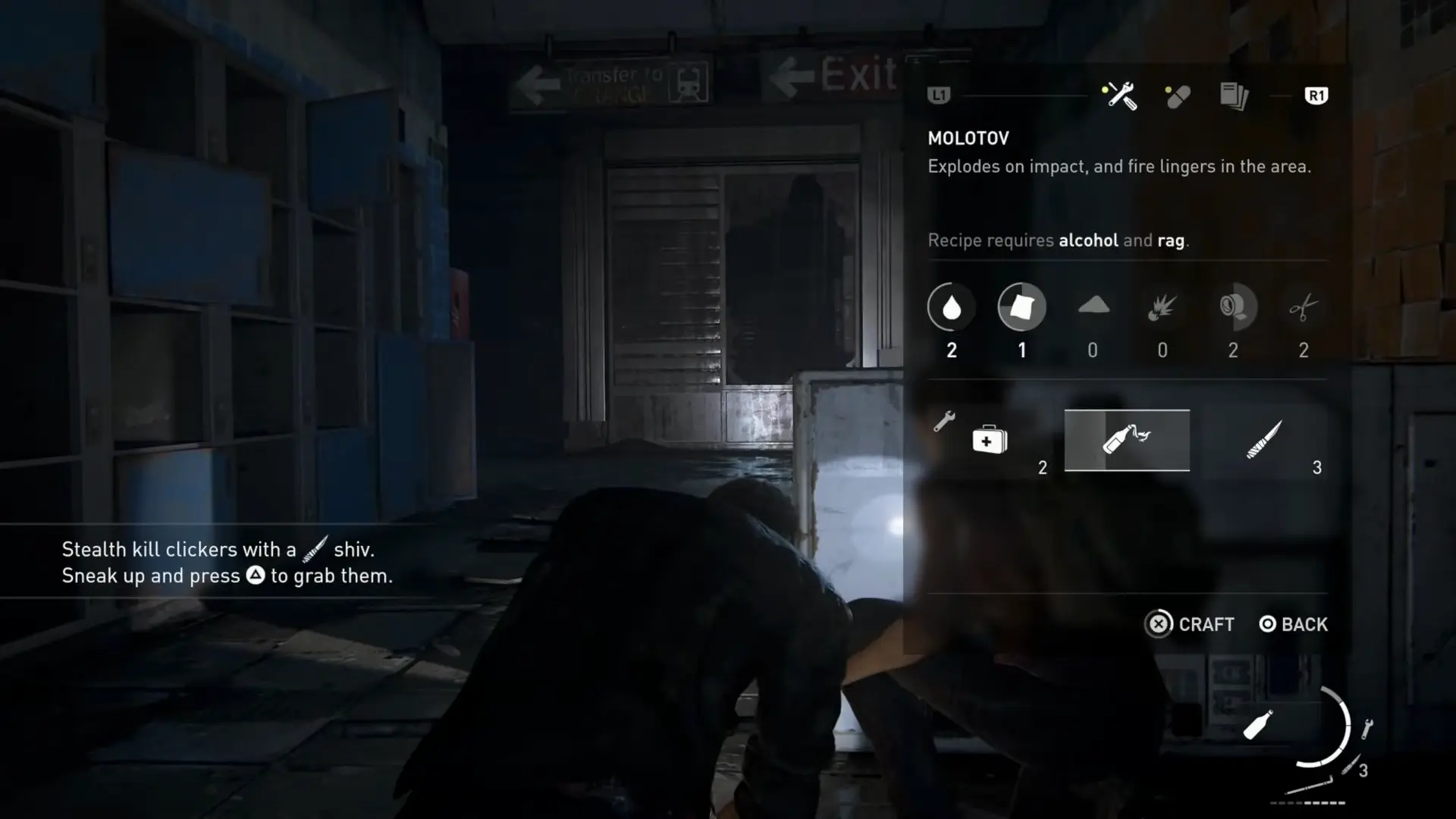
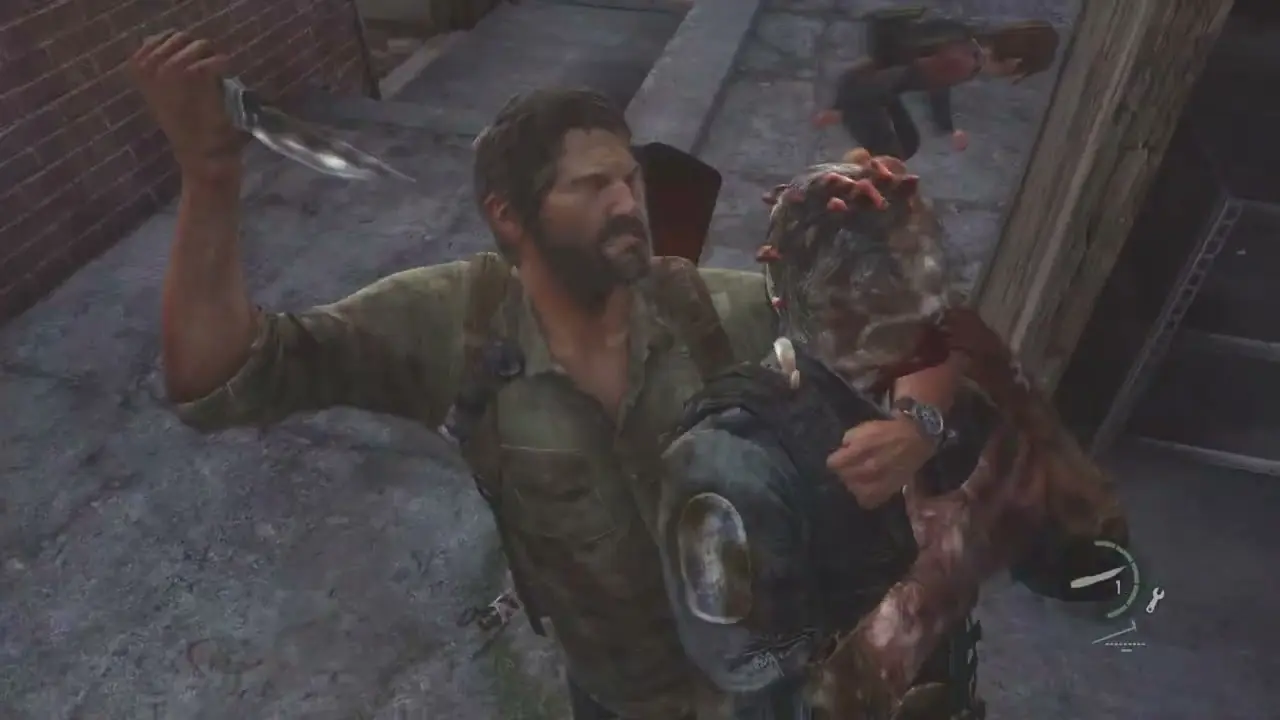
The Last of Us is a masterclass in tension. It perfectly balances heavy, impactful third-person action with terrifying stealth and resource management. You aren't a superhero; Joel is aging, easily overwhelmed, and bullets are agonizingly scarce. Every single encounter is a frantic puzzle where you must decide if it's worth spending a shiv to silently take out a Clicker, or if you should risk alerting the horde by firing your revolver.
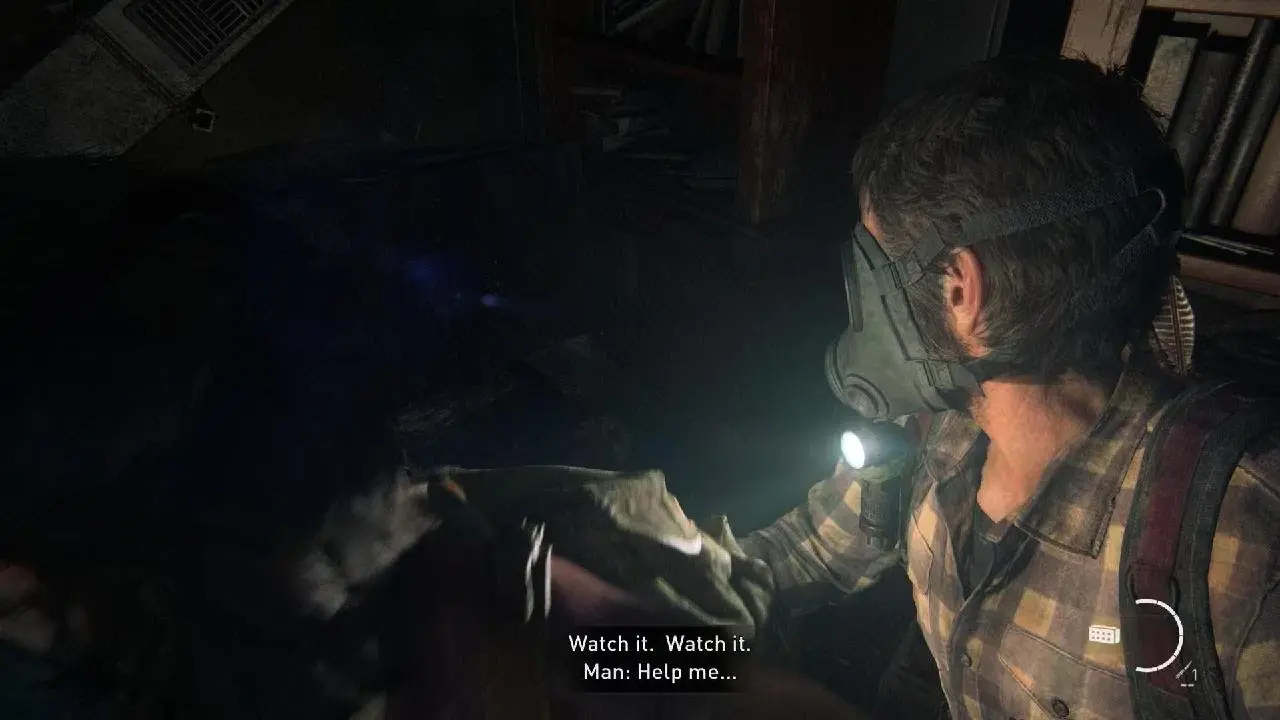
The crafting system happens in real-time, right out of your backpack. There's no pausing the game to comfortably make a medkit; you are frantically wrapping bandages while a Hunter is kicking down the door to your room. It is sweaty, nerve-wracking gameplay that constantly forces you to scavenge every drawer and closet, making the quiet moments of exploration just as engaging as the high-octane firefights.Story: A Journey Born of Blood and Loss
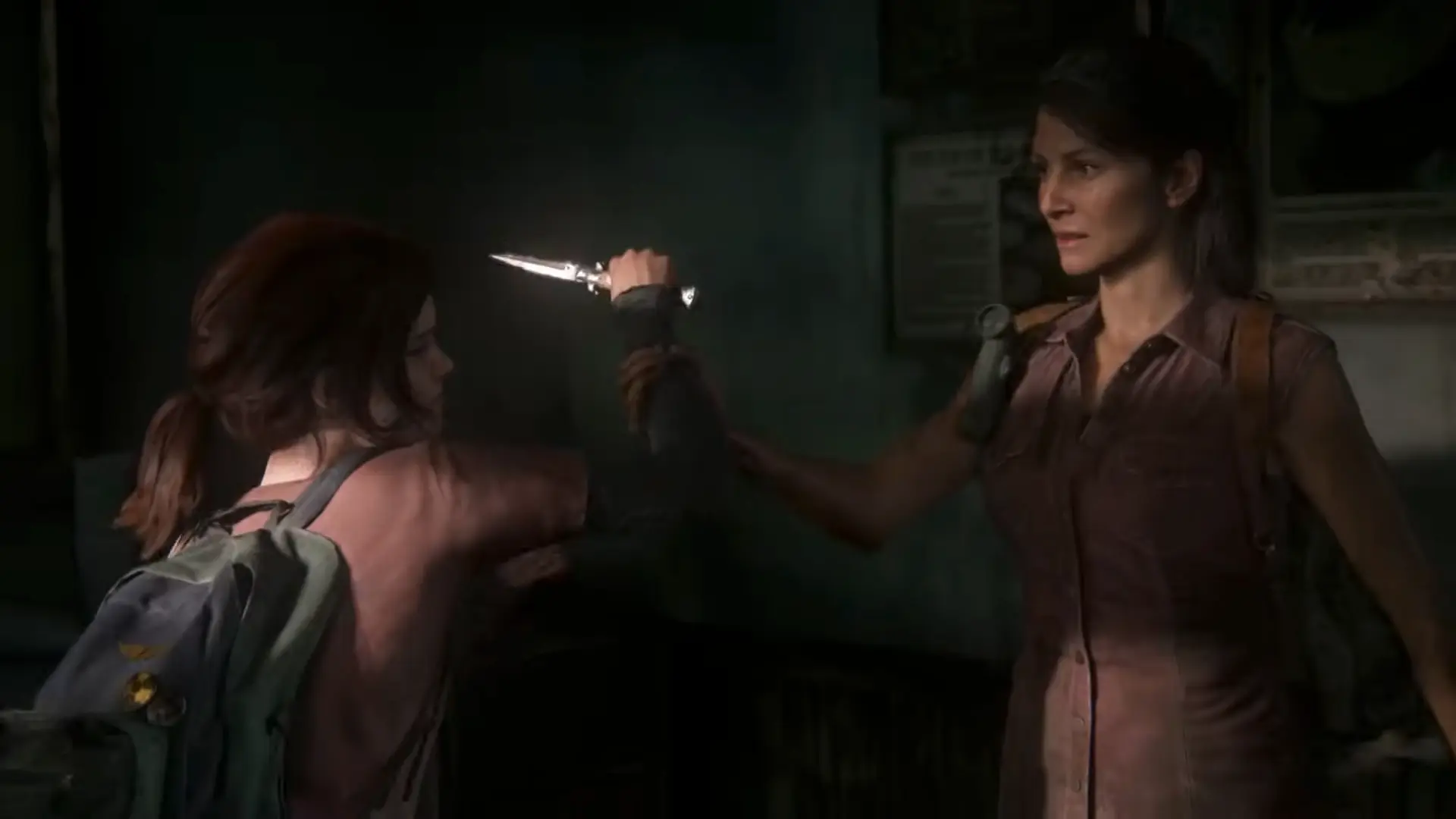
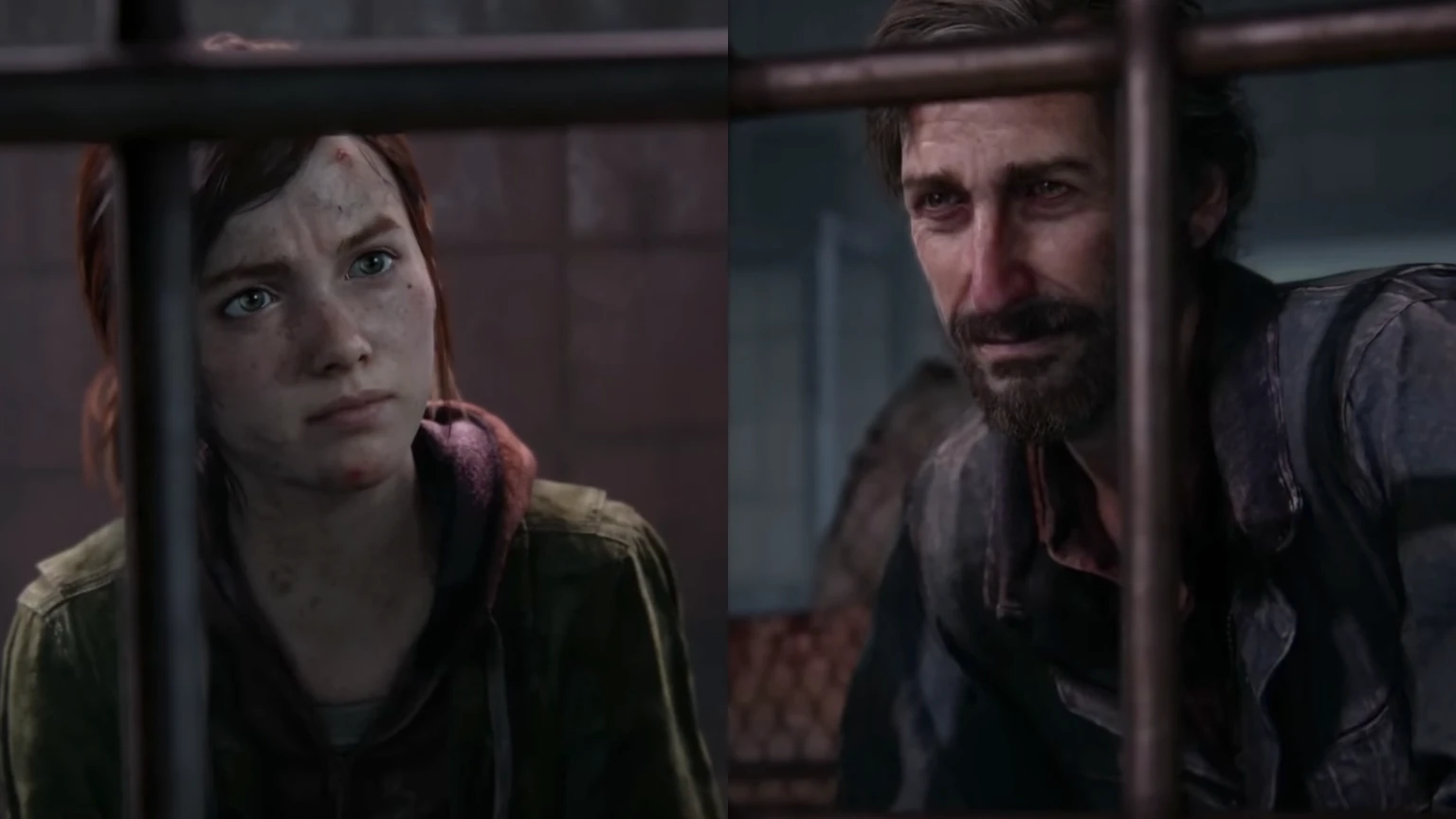
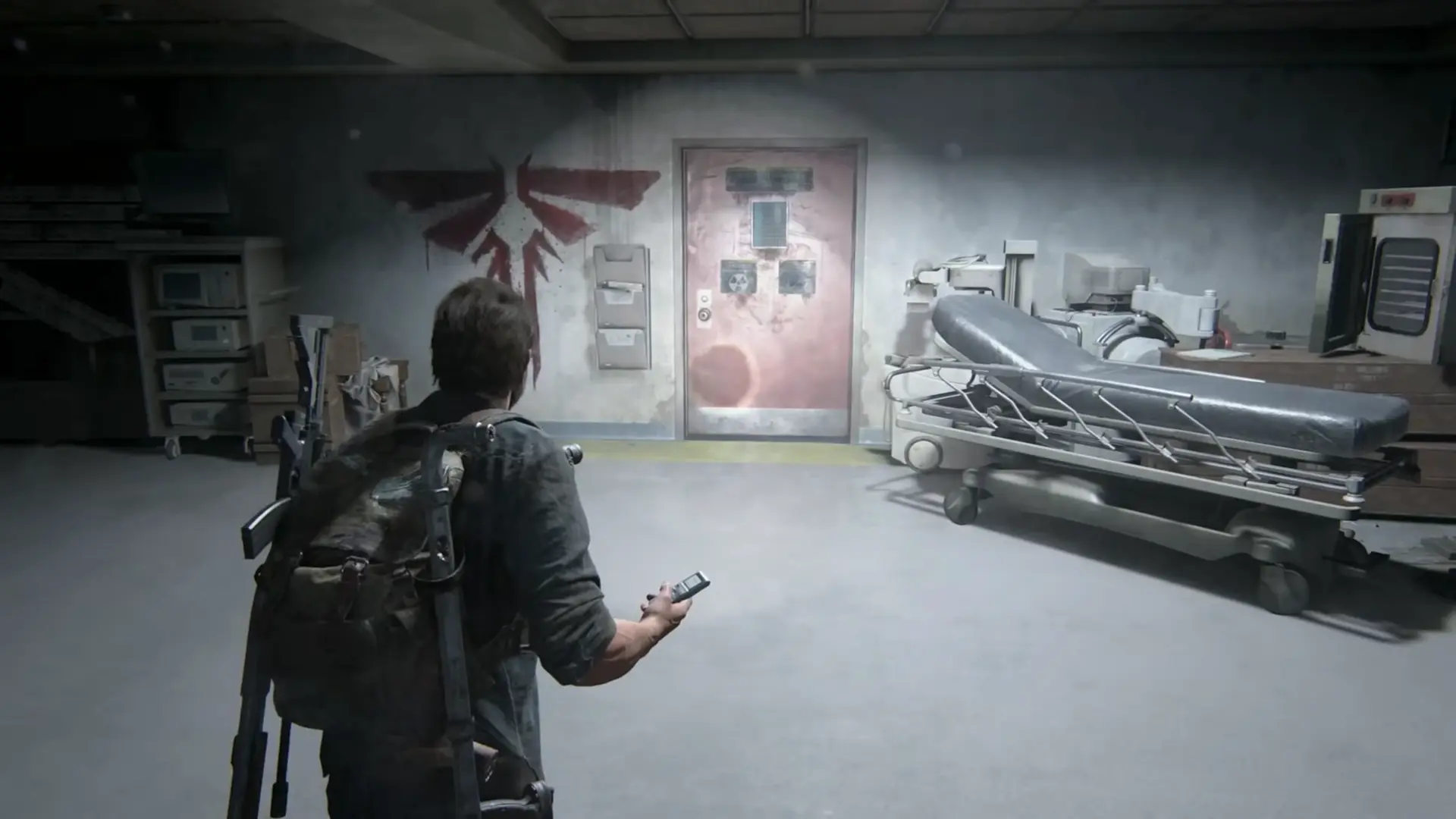
The narrative is the beating, bleeding heart of the experience. Joel and Ellie's cross-country trek to find the Fireflies—a revolutionary militia searching for a cure—is fraught with unspeakable tragedy, yet punctuated by moments of profound beauty and humor. The dialogue is overwhelmingly natural; their relationship evolves from mutual distrust to a fiercely protective bond through subtle gameplay interactions, optional conversations, and environmental storytelling.
And then there's the ending. No spoilers, but the climax of The Last of Us remains one of the most fiercely debated, morally ambiguous, and stunningly human conclusions in the history of fiction. It doesn't give you a neat bow; it forces you to sit in the uncomfortable silence of a decision made out of pure, selfish, unconditional love. It will tear you apart.Gameplay: Bricks, Bottles, and Brutality
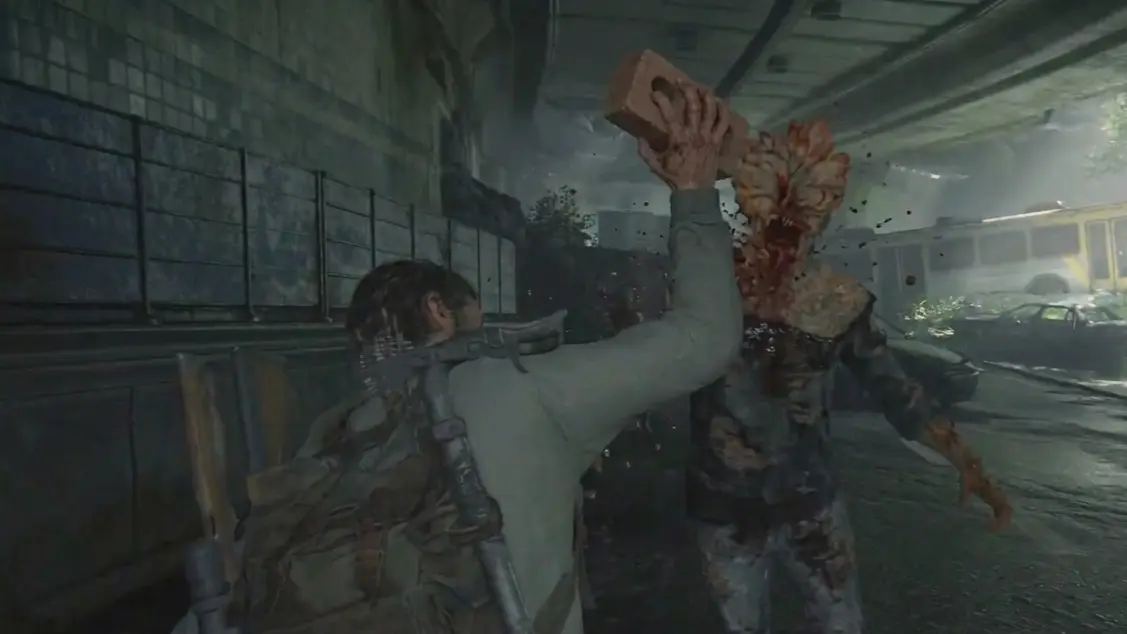
The combat loop is relentlessly physical. When Joel throws a punch, you feel the crunch of bone. When you strangle an enemy, the camera pulls in tight to show their desperate struggle. It is intentionally ugly and desperate. The game gives you incredible tools—the bow, the hunting rifle, nail bombs—but limits your ammunition so severely that a simple brick or empty glass bottle becomes your most treasured possession for causing distractions or setting up melee stuns.
The enemy AI was revolutionary for its time. Human enemies flank you, call out to each other, and react in horror when you take out their friends with a shotgun. And the Infected? The erratic sprinting of Runners, the terrifying one-hit-kill grabs of the blind Clickers, and the hulking horror of the Bloaters create an ever-shifting combat dynamic that keeps your heart rate spiked at all times.Atmosphere: The Beautiful Decay
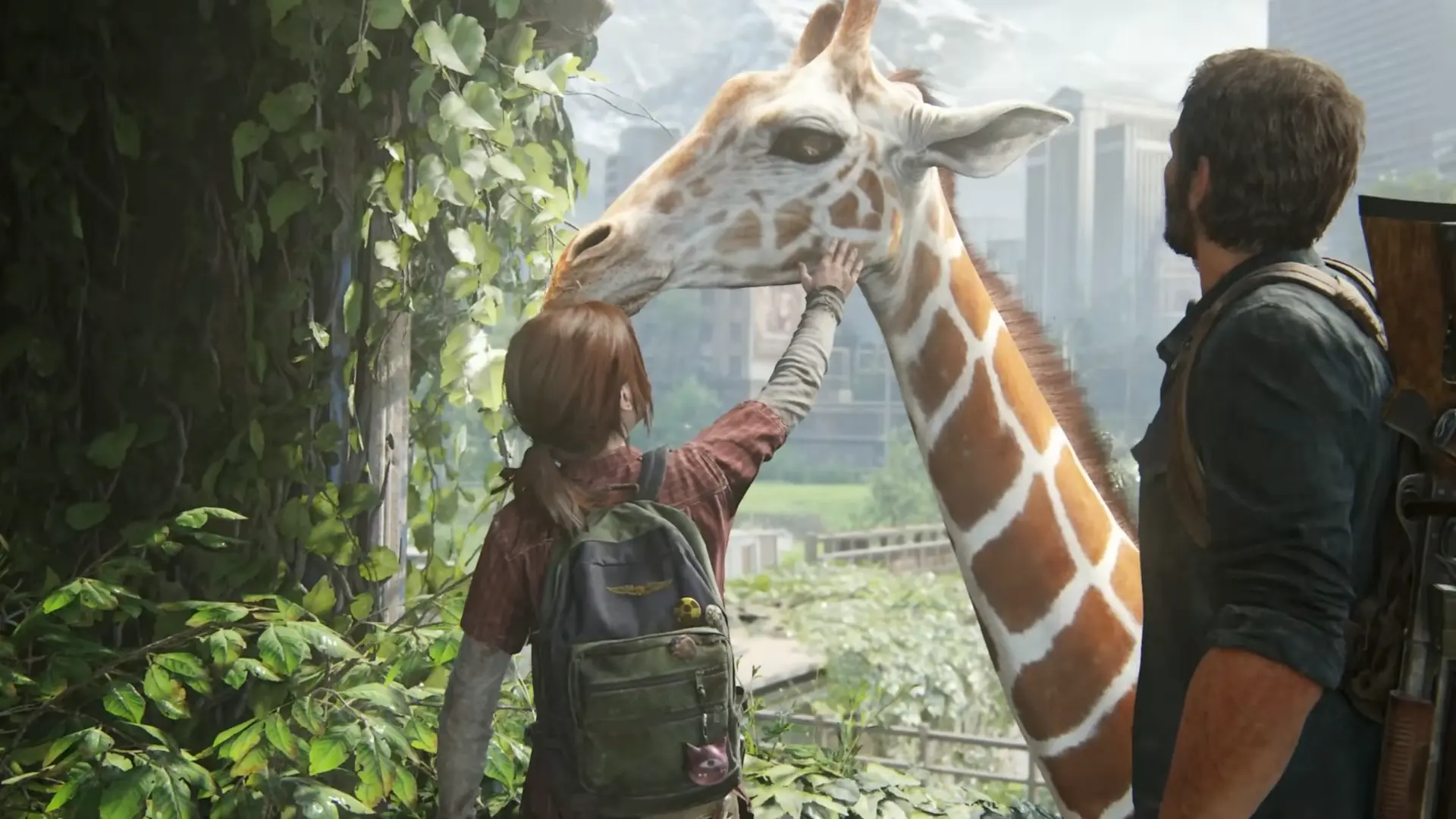
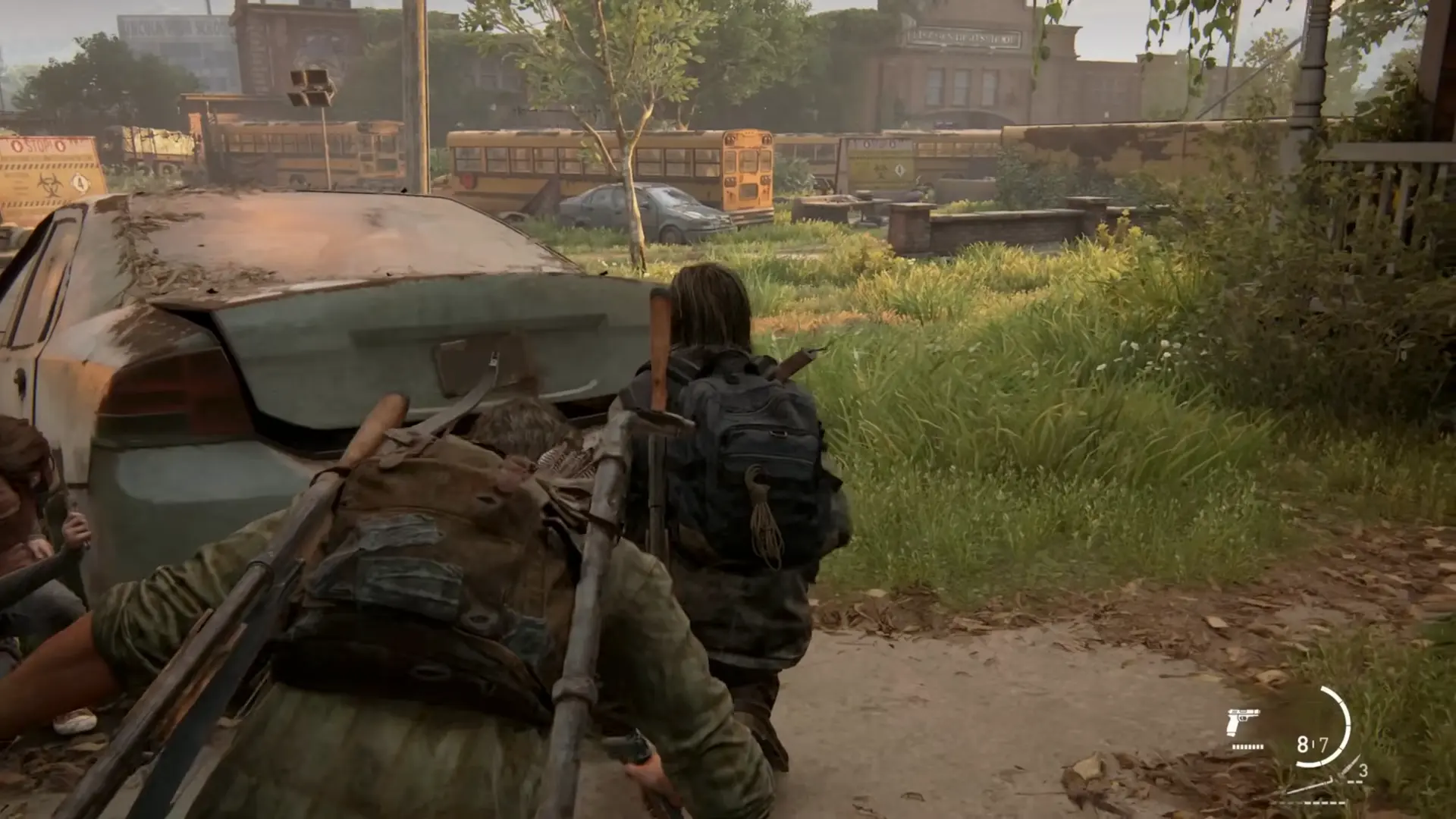
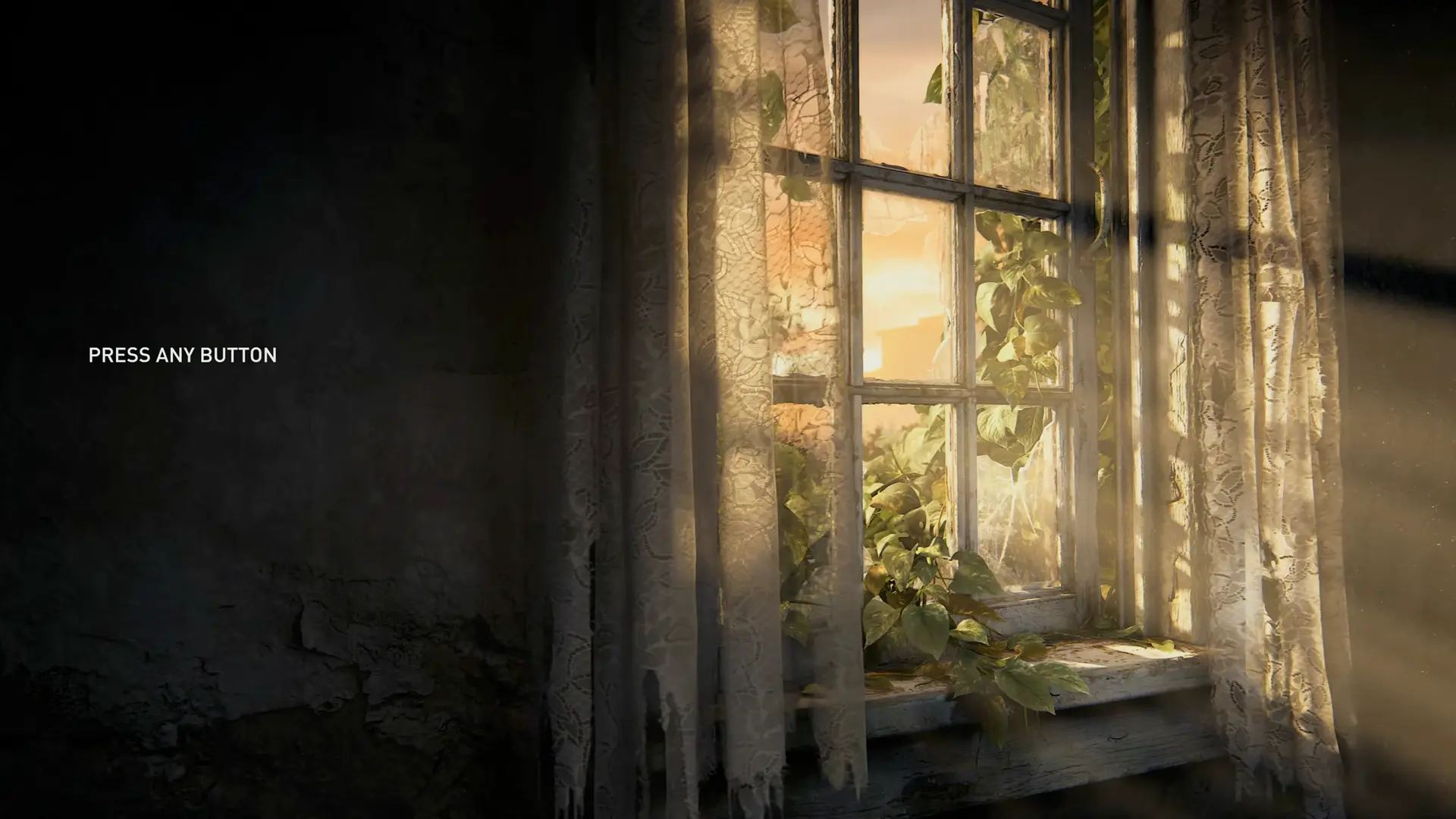
Visually, Naughty Dog created the standard for 'beautiful decay.' Nature has reclaimed the United States. Lush greenery wraps around collapsed bridges, flooded subways are illuminated by golden hour sunlight, and entire towns are frozen in the tragedy of evacuation. The environmental storytelling is unmatched; you can piece together the tragic fates of families just by reading the notes left behind in abandoned bedrooms.
The crowning jewel of the atmosphere, however, is Gustavo Santaolalla's minimalist, haunting acoustic score. Driven primarily by a lone ronroco and strings, the music knows exactly when to swell with emotion and when to completely drop out, leaving you with only the sickening, clicking sounds of the infected echoing down a dark hallway.Conclusion: Endure and Survive
The Last of Us is not just a game; it is an absolute watershed moment for interactive storytelling. Every animation, every line of dialogue, and every brutal encounter is crafted with an obsessive attention to detail that serves the core theme: finding something to fight for when you have nothing left.
Whether you are playing the original PS3 release, the PS4 remaster, or the stunning ground-up Part I remake for modern hardware, it remains a mandatory pilgrimage for anyone who considers themselves a gamer. It is punishing, it is gorgeous, and it will fundamentally change how you view narratives in this medium. Endure and survive.