Introduction: The Birth of an Icon
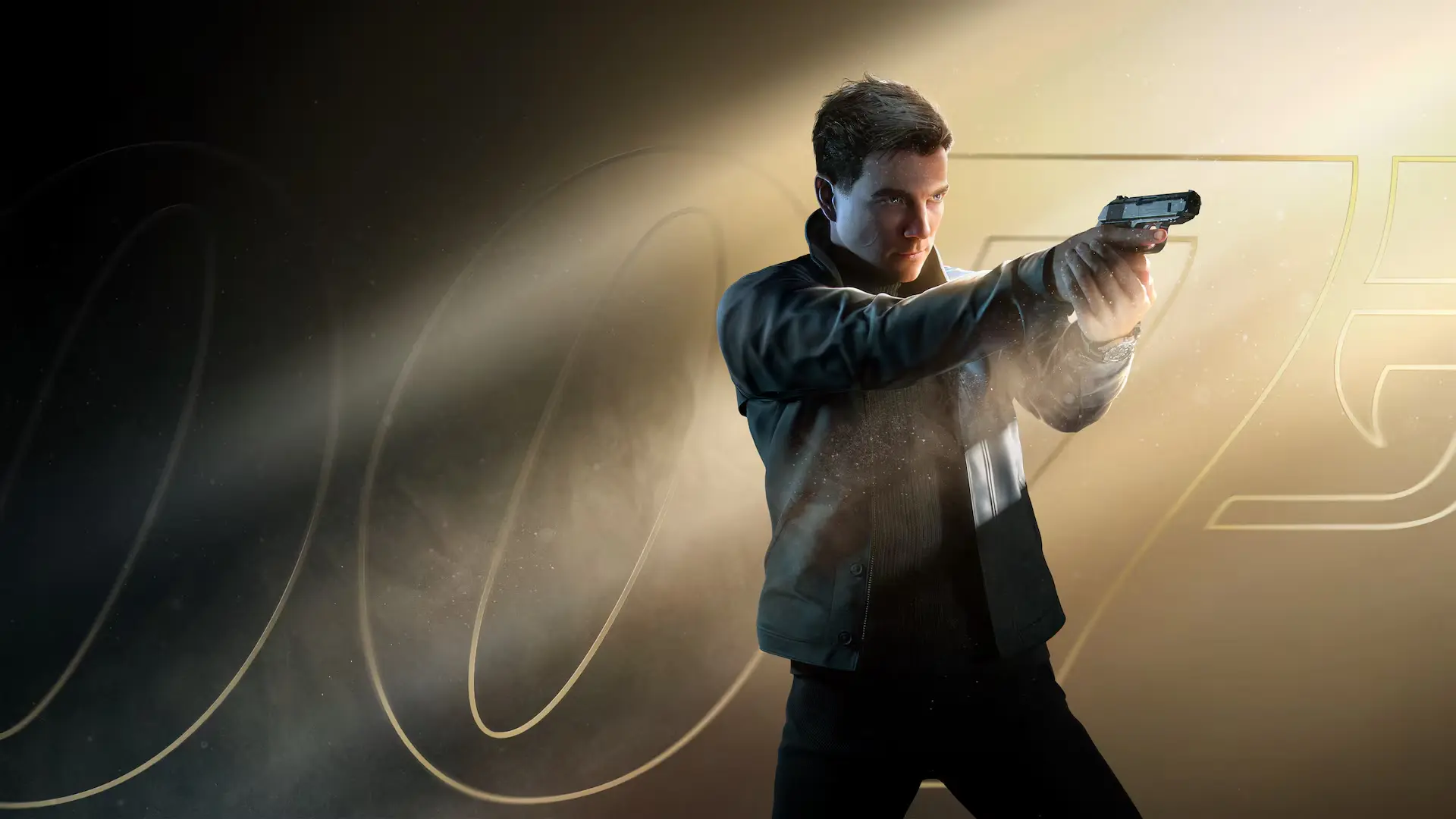
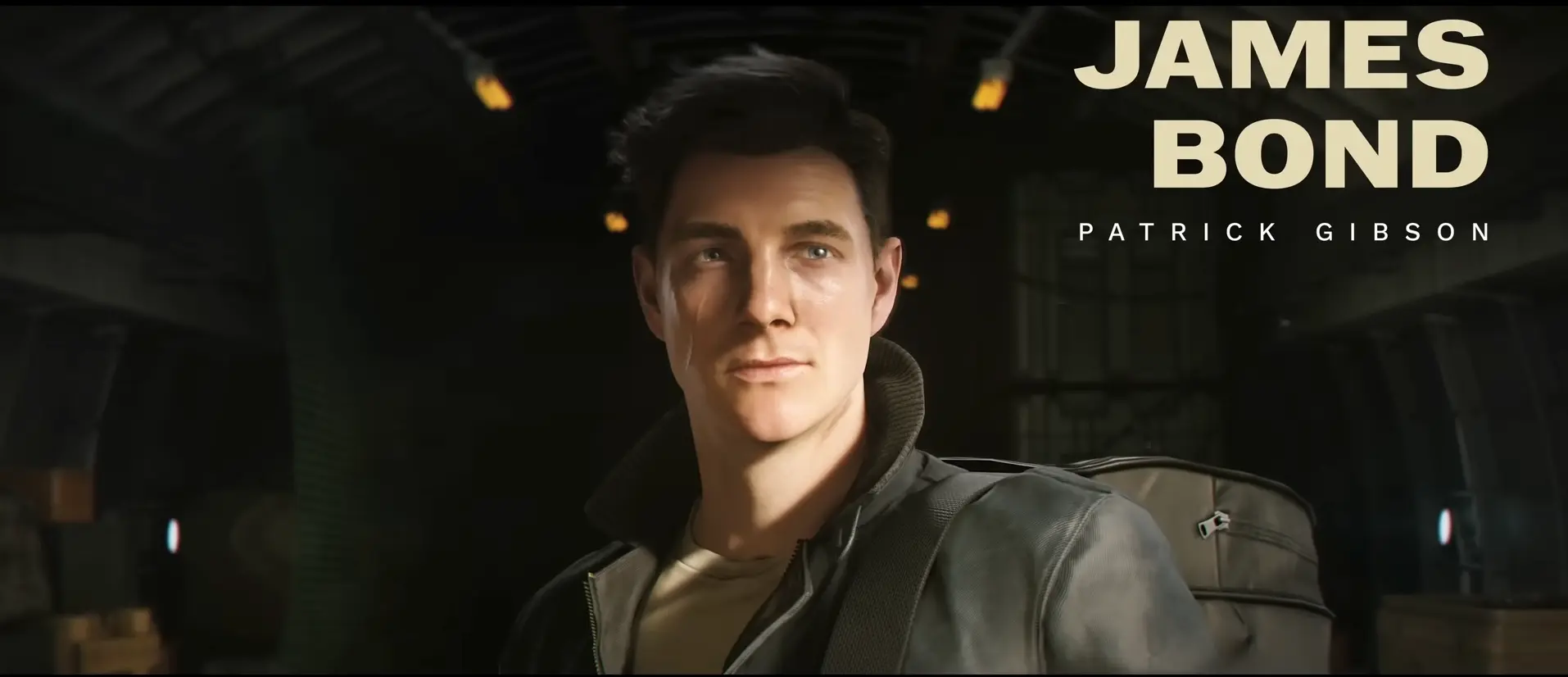
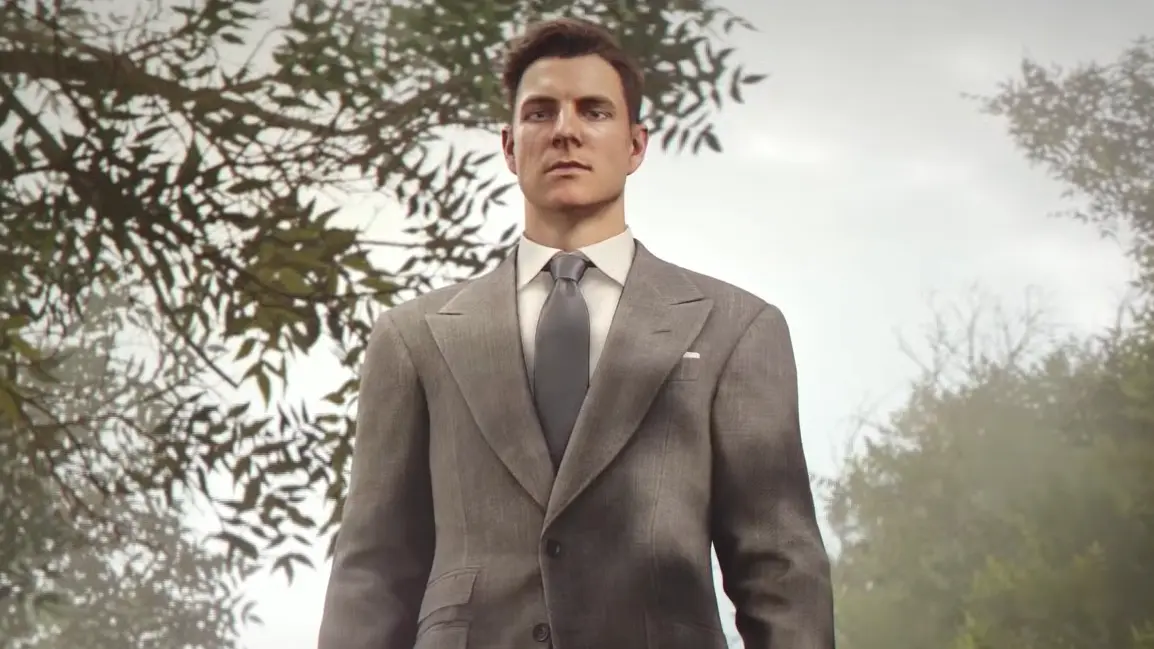
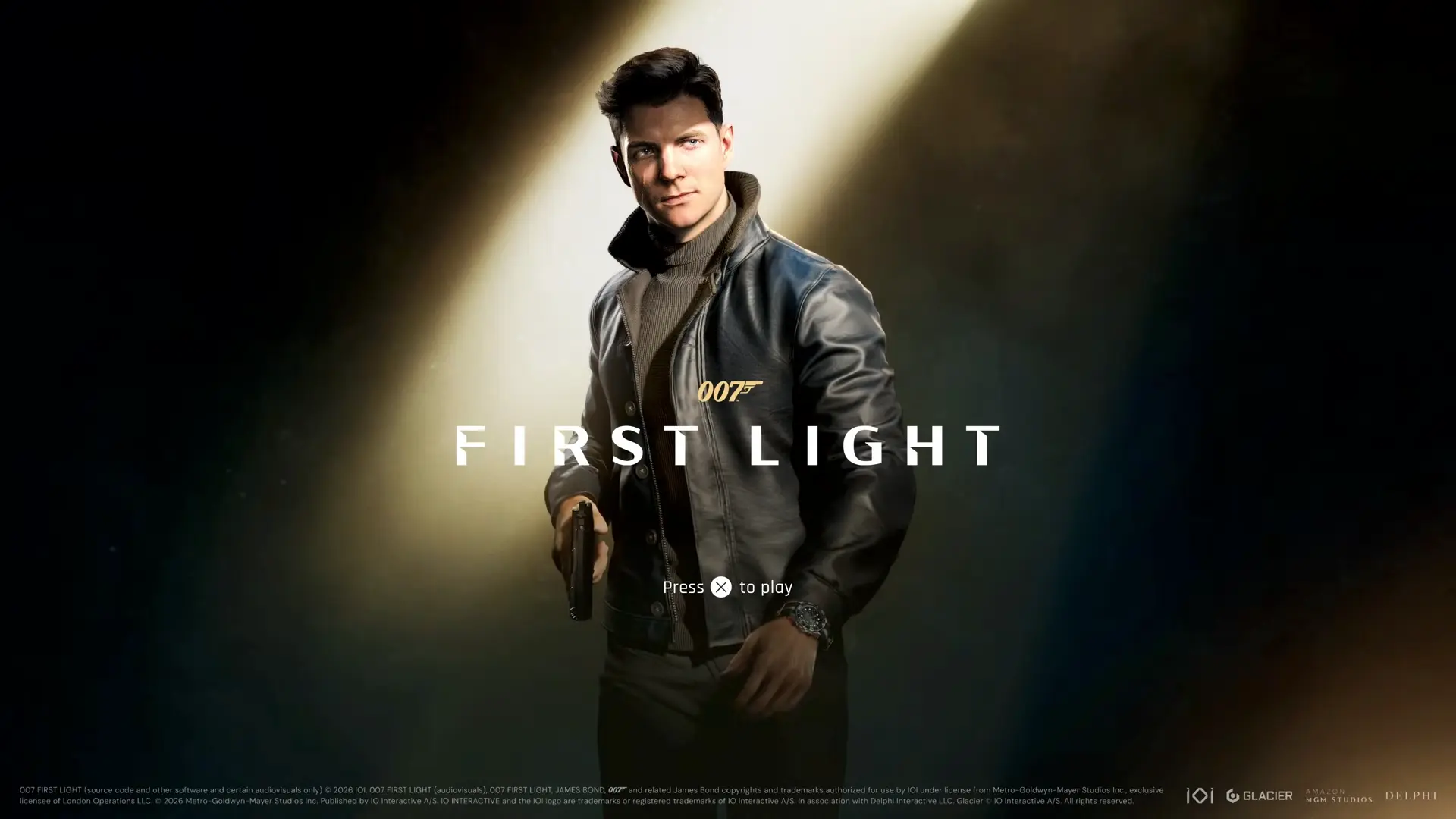
I don’t usually get obsessed with big spy franchises. I'm just a simple gamer looking for a story that hooks me from the start and makes me care about the characters. But 007 First Light did exactly that. It completely strips away the invincible, suited-up superspy we all know and throws us into the shoes of a 26-year-old James Bond—a raw, inexperienced Navy aircrewman.
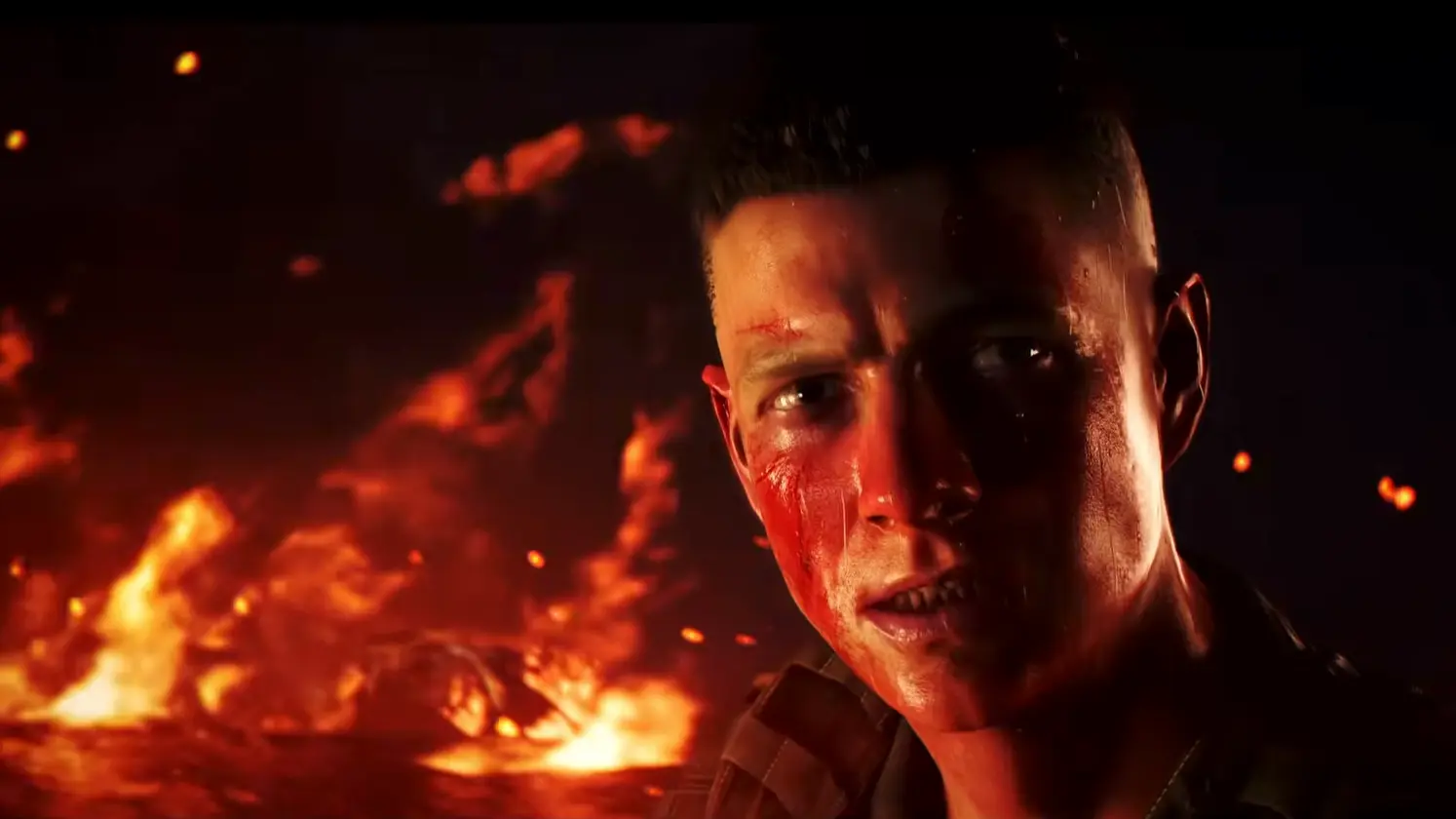
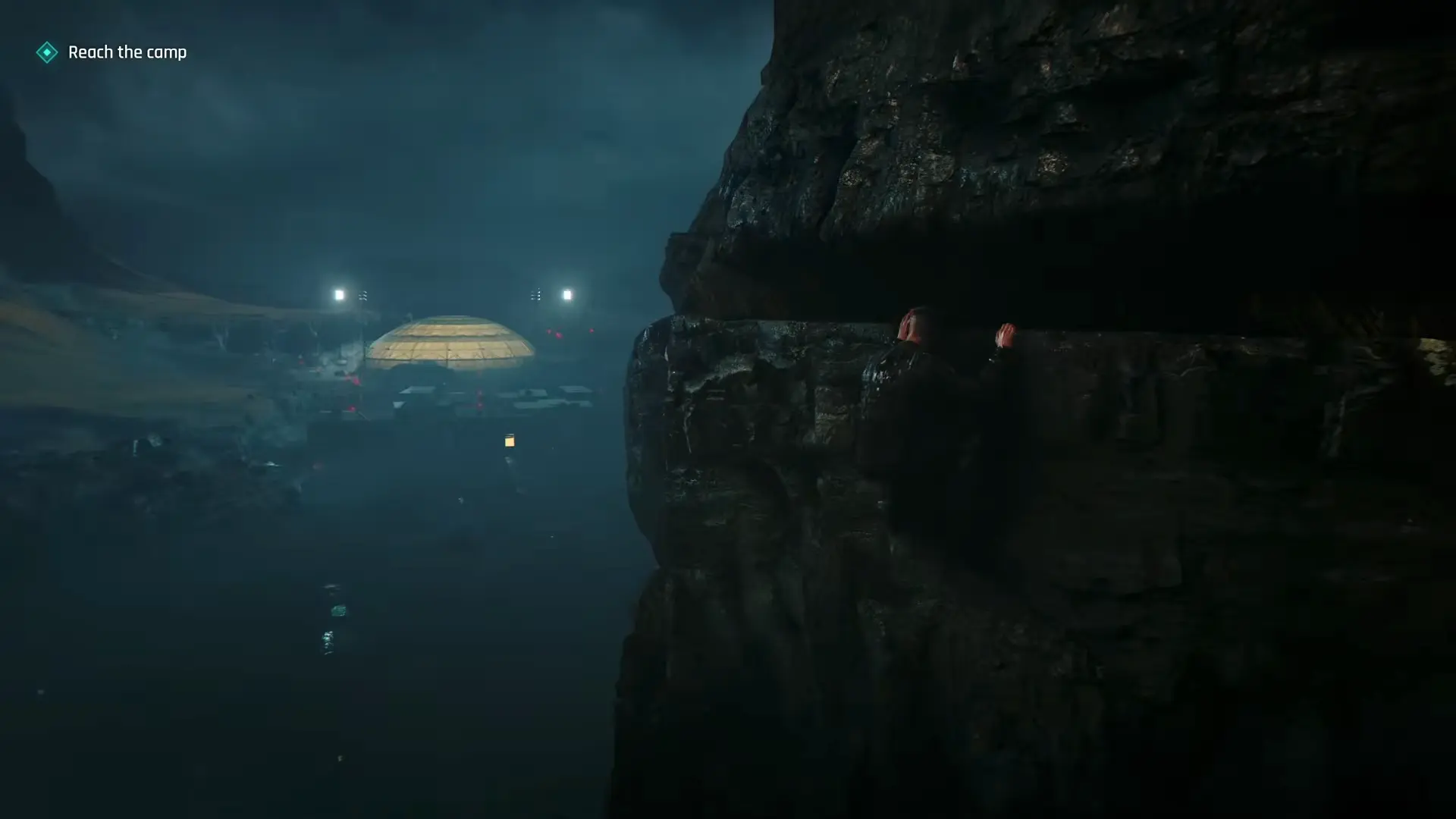
Right from the start, a brutal retrieval operation in Iceland goes terribly wrong, leaving Bond as the sole survivor. The game doesn't just hand him a martini and a tuxedo; it makes you earn every bit of his transformation. I found myself glued to the screen, completely invested in his training and his reckless attempts to prove himself to MI6. It’s an interactive origin story that preys on your need to see how the legend was actually built, flaw by flaw.About the Game: Uncharted Territory Meets Hitman
If you are expecting just another open-world sandbox or a pure stealth simulator, prepare to be surprised. Developed by IO Interactive—the minds behind the Hitman series—this game takes a completely different path. It trades endless freedom for a tight, cinematic, 15-to-20-hour linear campaign that feels almost like a playable movie.
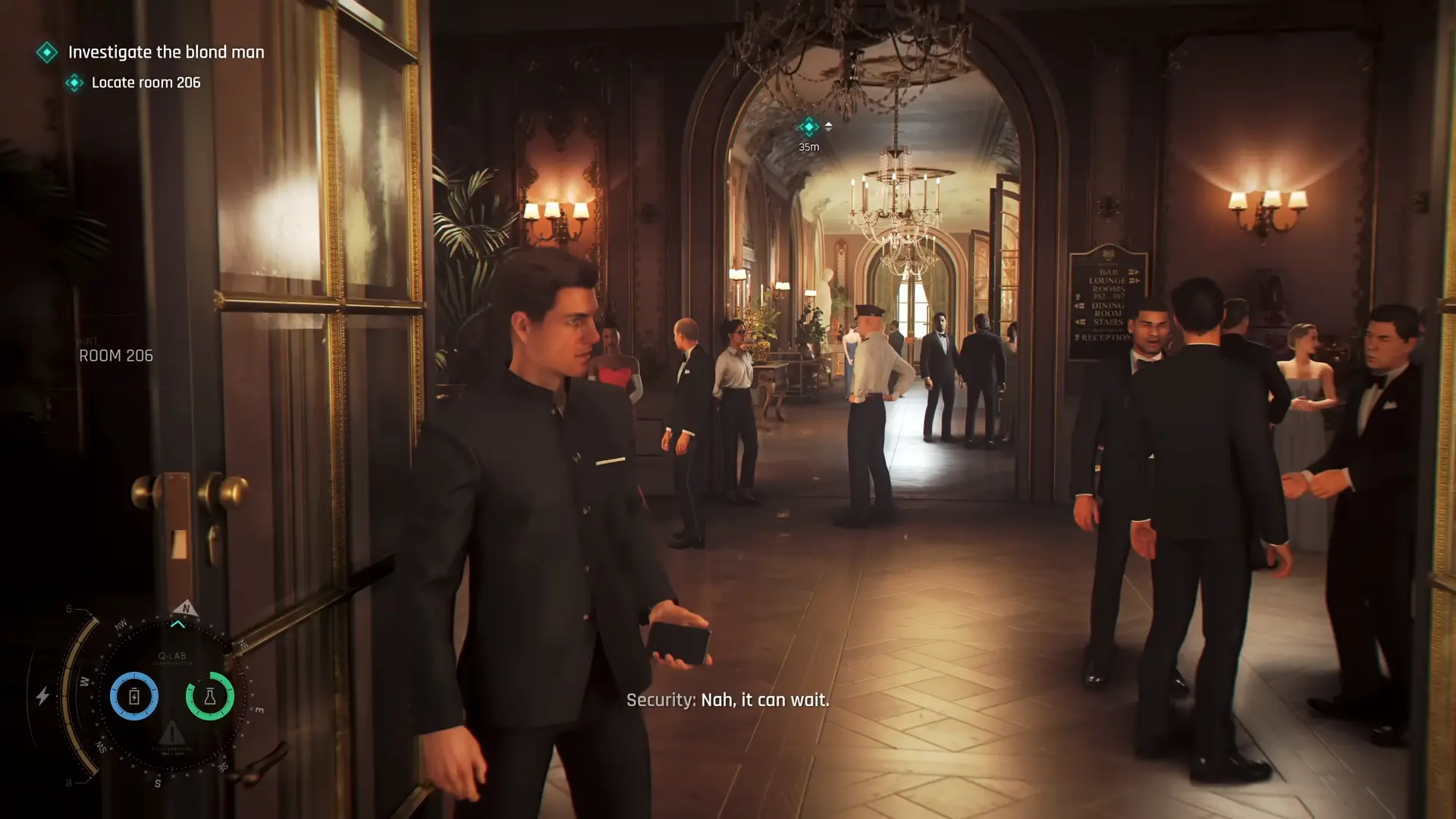
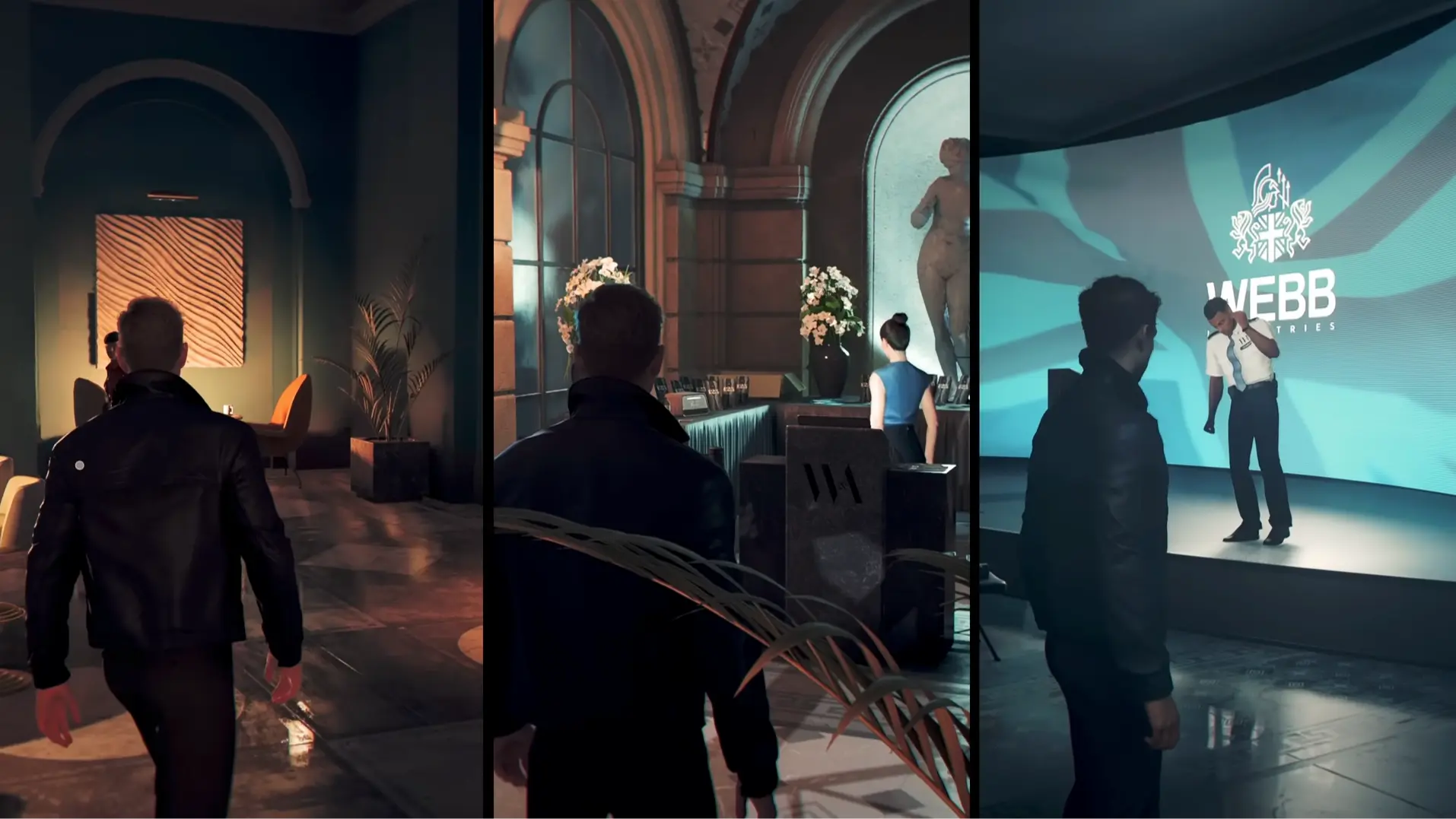
What kept me playing late into the night is how perfectly it balances different styles. One moment, you are utilizing classic 'social stealth,' blending into a high-society gala to gather intel, and the next, you are leaping across crumbling cliff edges in massive action setpieces that feel straight out of an Uncharted game. It demands your attention. The pacing is so deliberate that even an hour-long training sequence feels gripping because it’s deeply rooted in character growth. You aren't just clearing levels; you are actively shaping the mind of a spy.Story: A Conspiracy of Trust
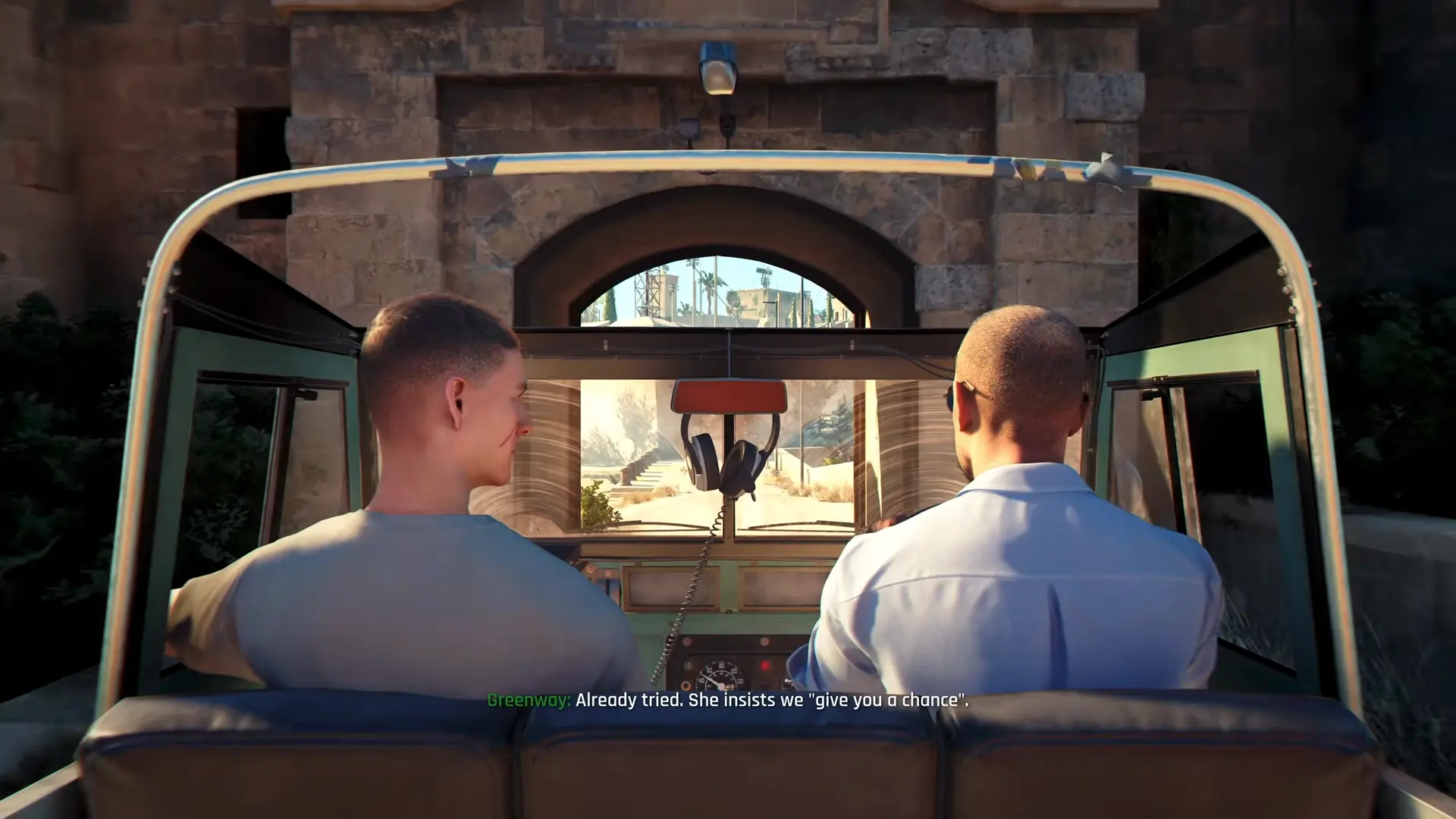
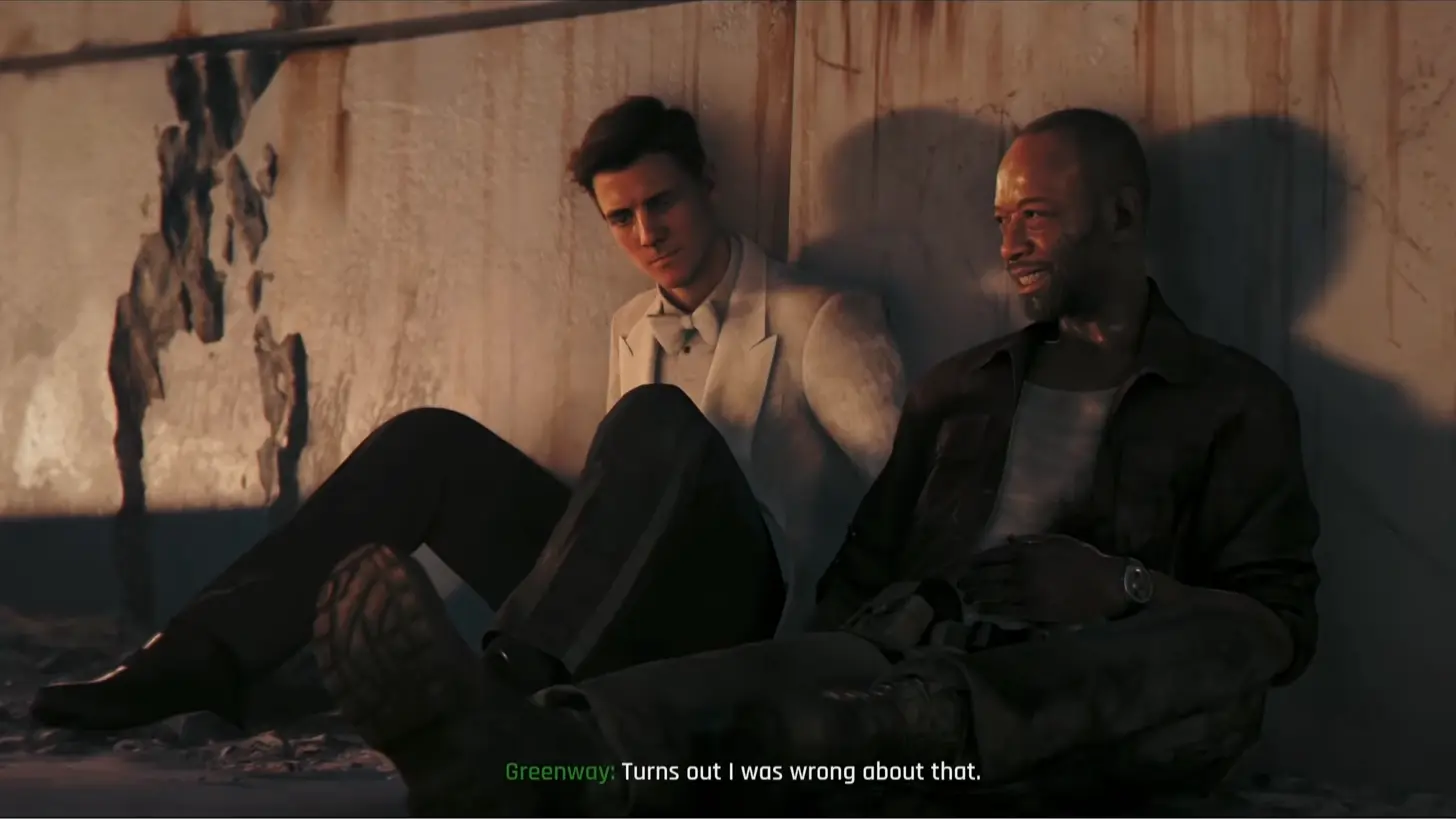
The narrative is what truly turned this game into my newest obsession. Bond is tasked with earning his fabled '00' status, but he is forced to team up with Greenway, an older mentor who clearly doesn't trust him. When a mission to stop a rogue agent ends in absolute tragedy, the game shifts from a simple spy-thriller to a deeply personal quest to uncover a state conspiracy.
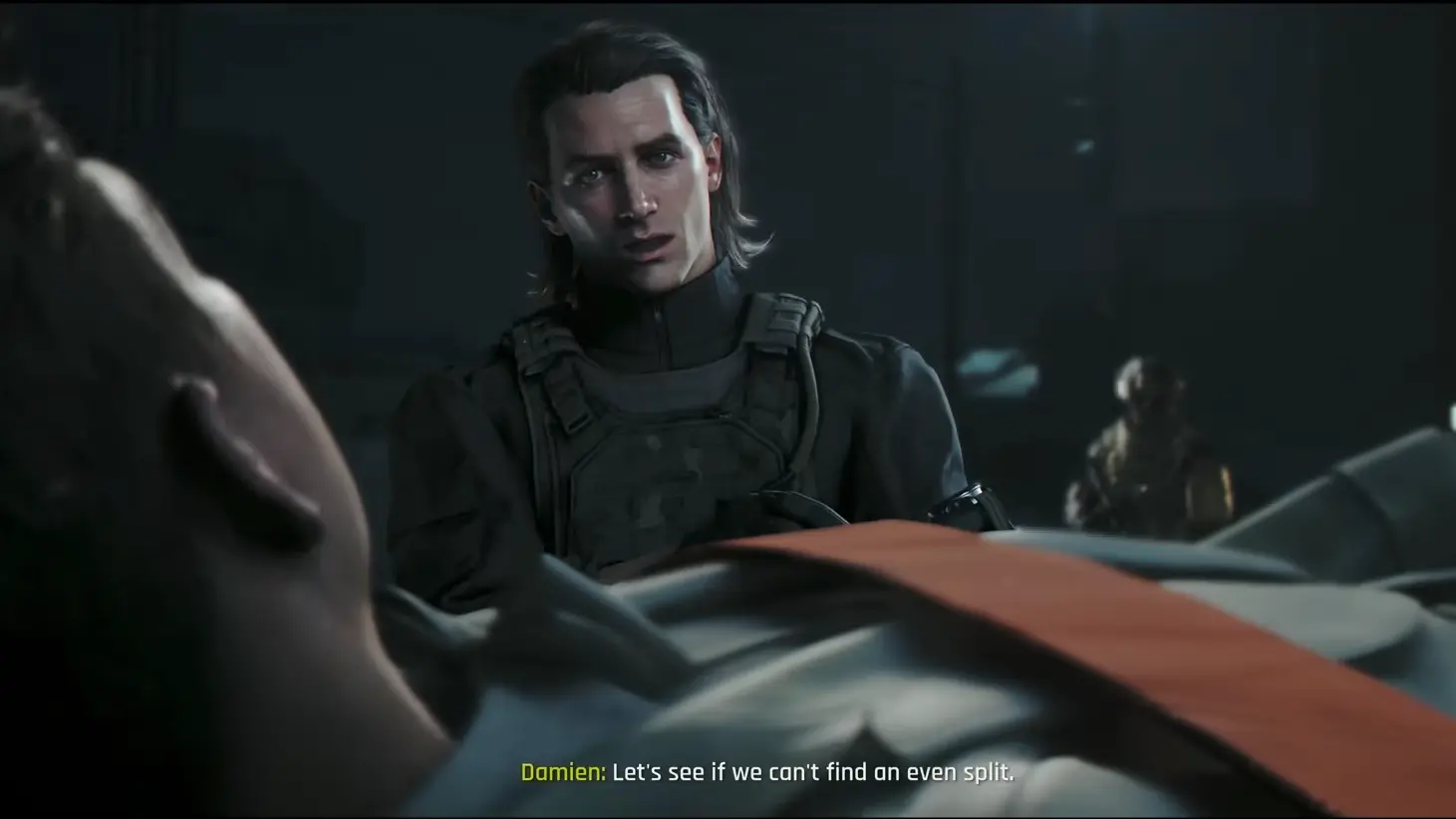
The writing is phenomenal, taking direct inspiration from Ian Fleming's original novels rather than just relying on the movies. As a player who just wants a good, easy-to-understand story, I appreciated how the game slows down to let you breathe. The conversations, the heavy moral choices, and the growing bond between the characters felt real. I found myself genuinely angry at the villains, especially the rogue mercenary Damien, pushing me to keep playing just to see justice served.Gameplay: Go Silent or Go Loud
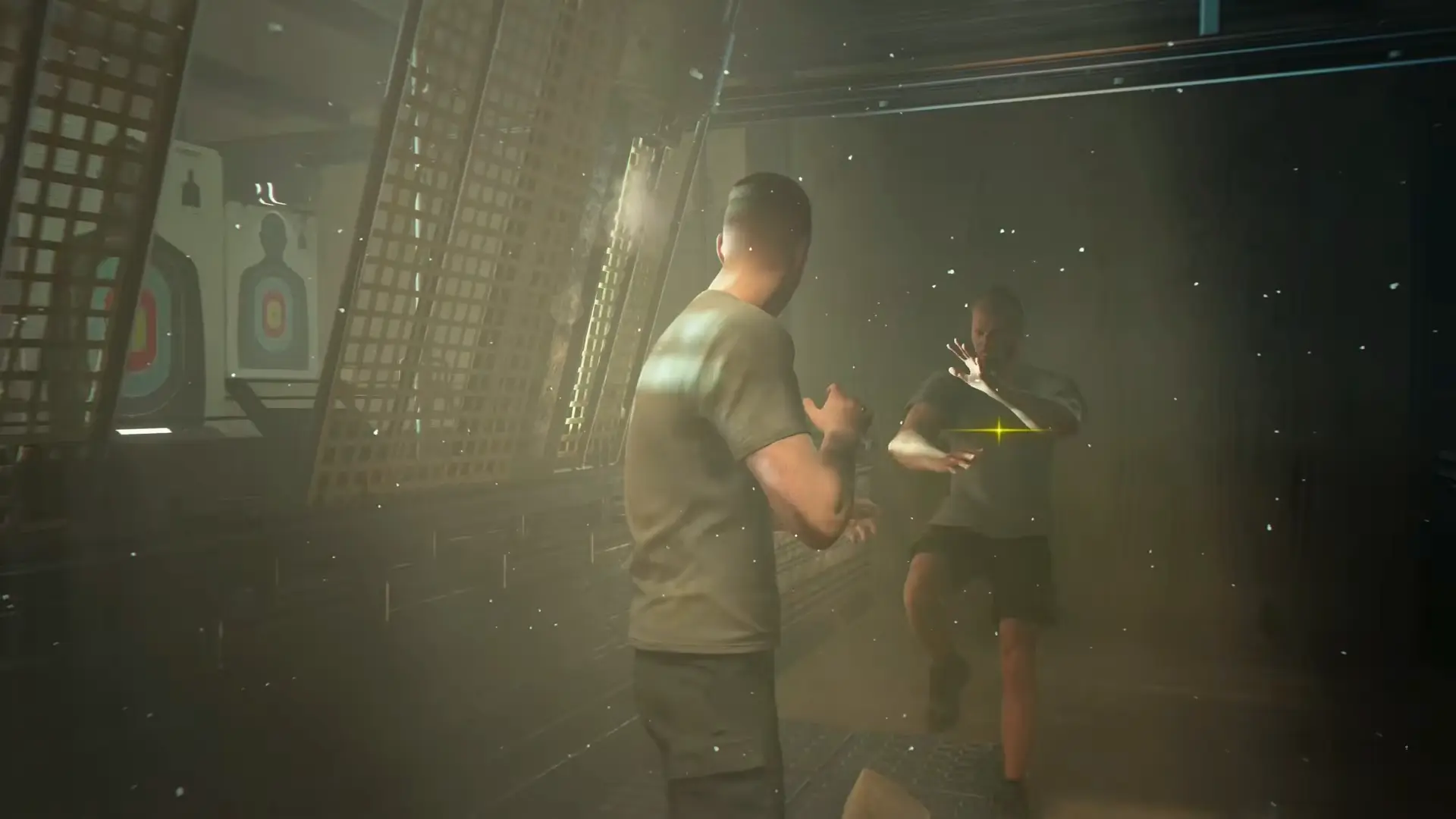
The mechanics in First Light are incredibly satisfying because they give you ownership over Bond's mistakes and triumphs. The Glacier engine makes every movement feel weighty and grounded. When you get into a fistfight, it is brutal, messy, and desperate—just like you'd expect from an untrained recruit.
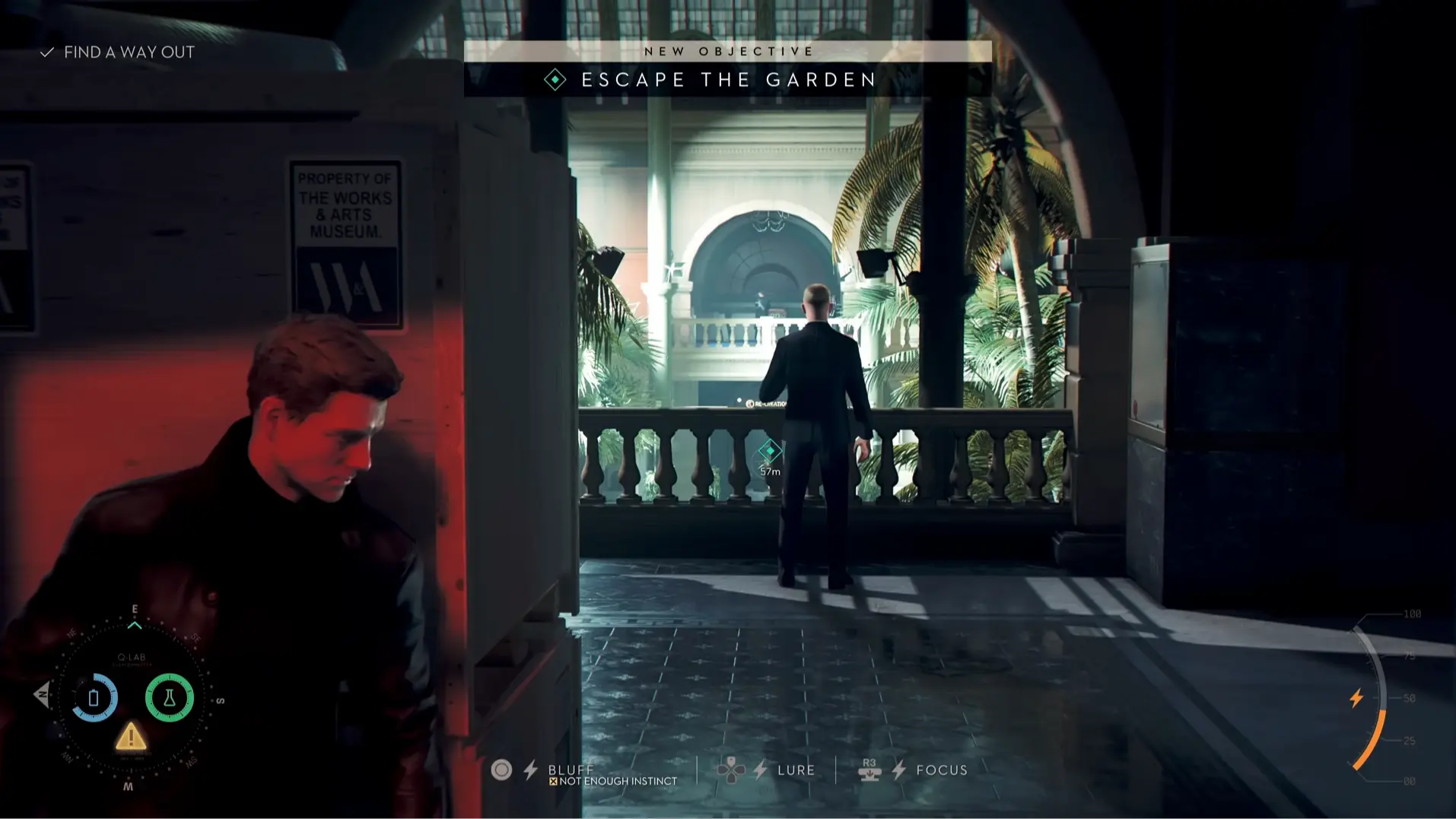
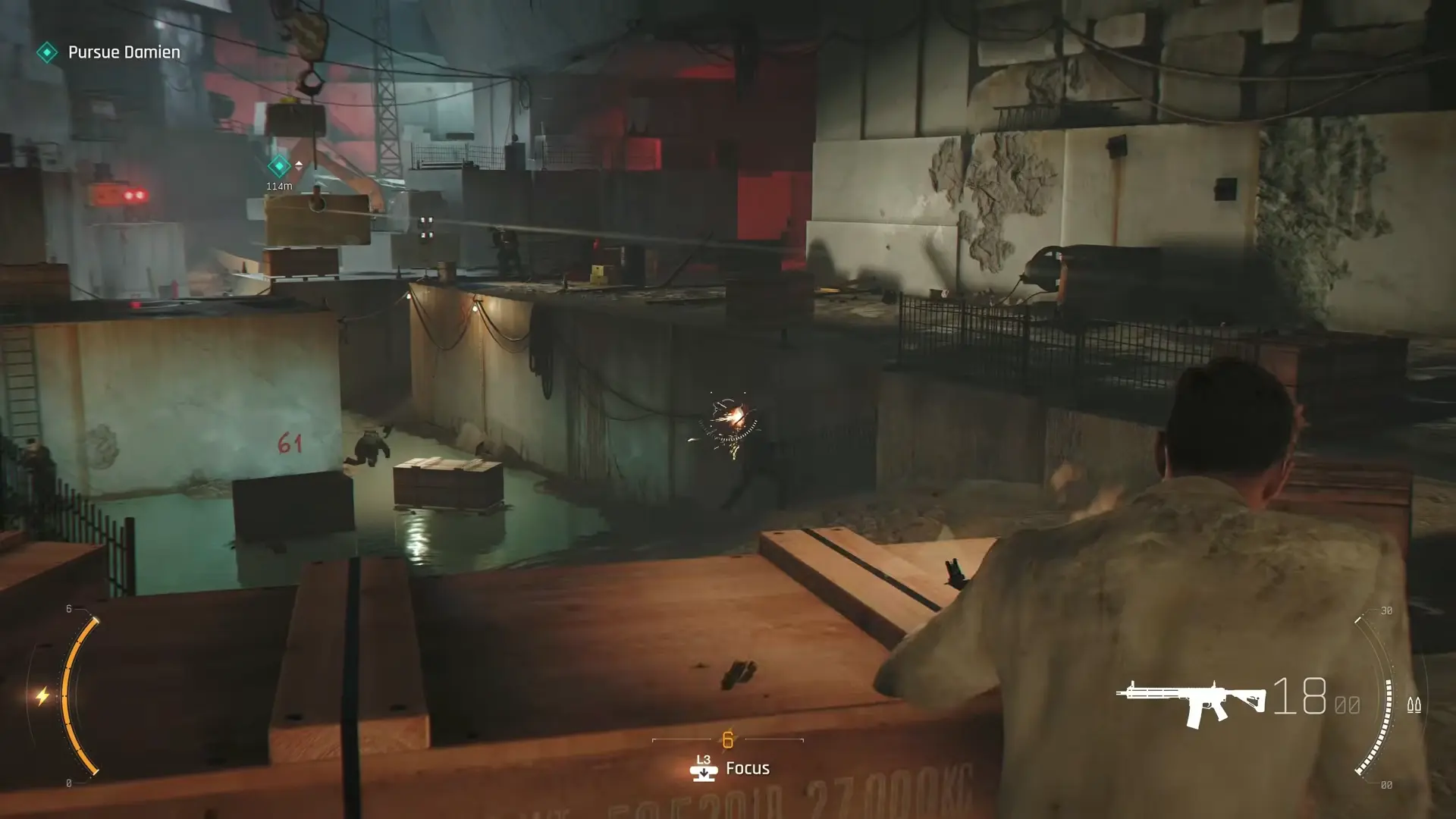
You can approach objectives however you want. Do you use experimental gadgets to silently infiltrate a heavily guarded research camp, or do you bluff your way past security wearing a stolen uniform? I often found myself messing up a stealth approach, which seamlessly triggered a chaotic, adrenaline-pumping shootout. The game doesn't punish you for failing to be a perfect ghost; it expects you to be a little messy, which makes the gameplay loop incredibly addictive and forgiving for a casual player like me.Atmosphere: From Brutalism to Elegance
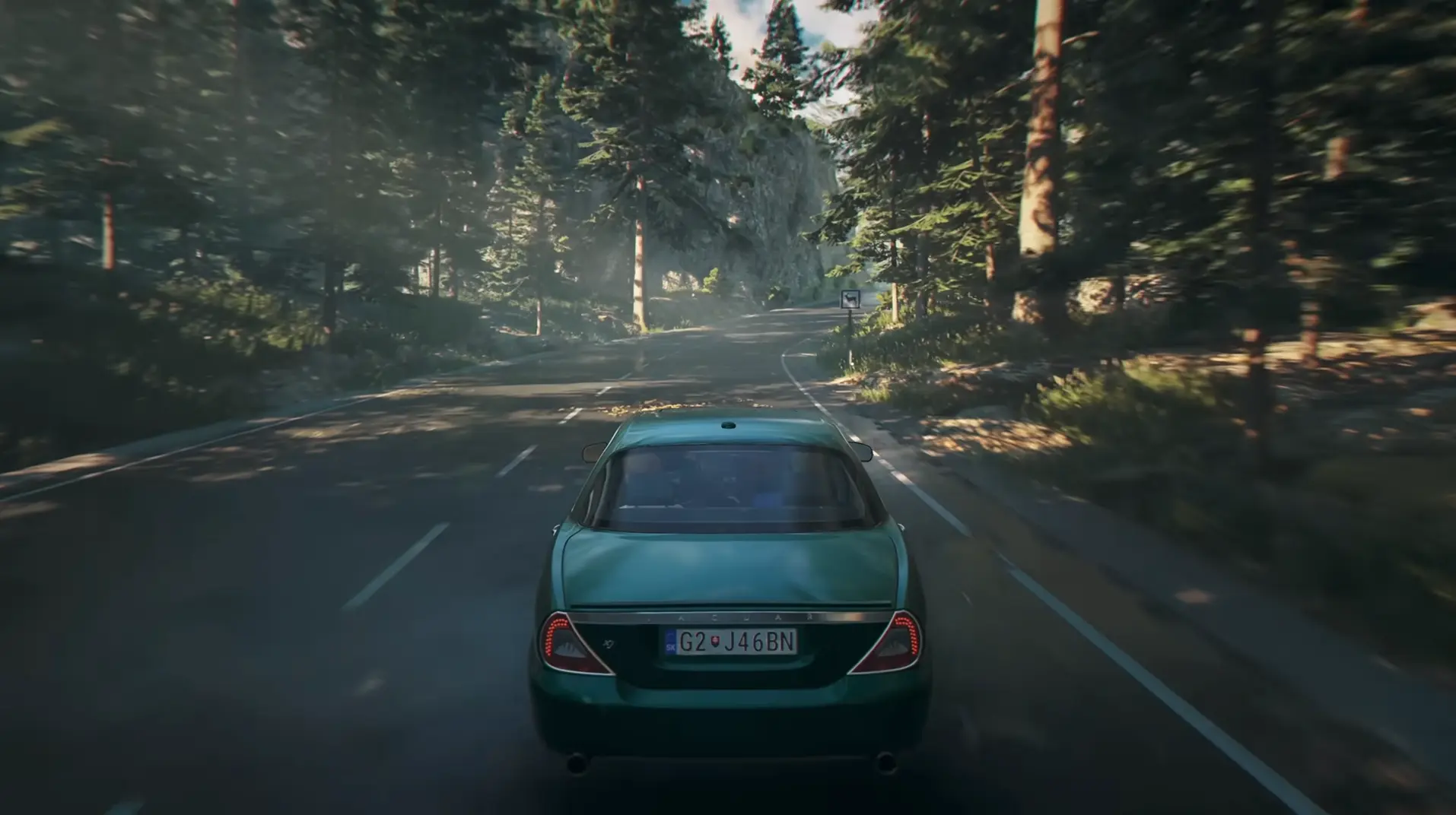
IO Interactive are absolute masters at crafting worlds, and First Light is breathtaking. They capture a very specific kind of espionage atmosphere: cold, corporate opulence mixed with brutalist, villainous architecture. The environments are so detailed that I often stopped just to look around.
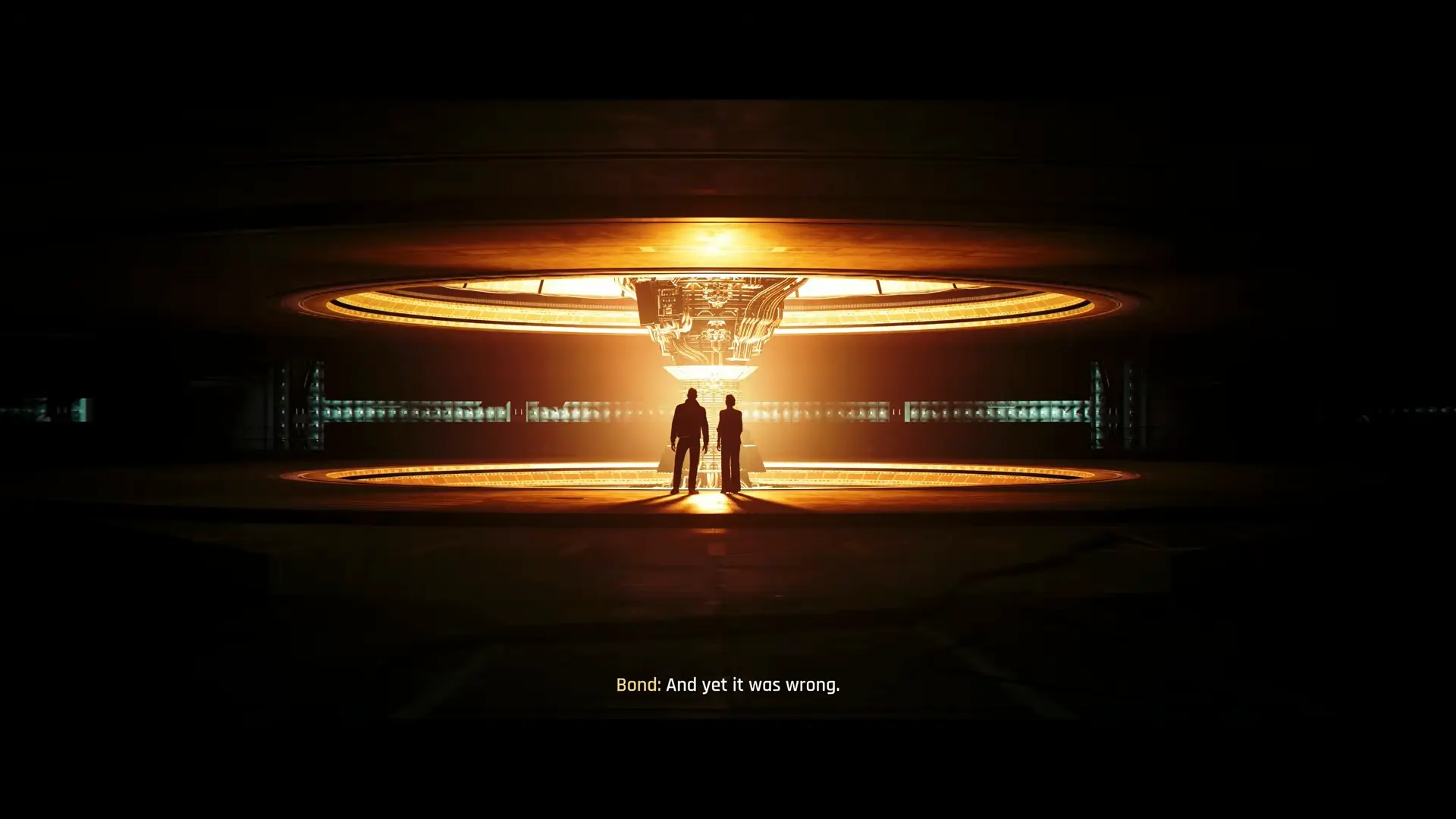
The game takes you all over the globe, contrasting the freezing, isolated darkness of an Icelandic research facility with the warm, vibrant, and incredibly dangerous streets of London under attack. The sound design pulls you in—the heavy thud of a silenced pistol, the tense orchestral swells during a chase, and the brilliant voice acting by Patrick Gibson, who perfectly nails a Bond who is still figuring out his own moral code.Conclusion: Earning the Double-0
007 First Light is not just a cheap movie tie-in; it is a meticulously crafted labor of love by developers who are clearly massive fans of the franchise. For someone like me, who just wants to get lost in a good narrative without getting overwhelmed by complex RPG stats or endless open-world chores, it was the perfect obsession.
It is a game about making mistakes, finding your footing, and eventually becoming the legend. By the time the credits rolled after the explosive London finale, I genuinely felt like I had earned that license to kill. It is a triumphant, must-play experience that proves linear, story-driven single-player games are still the absolute best way to deliver an unforgettable adventure.