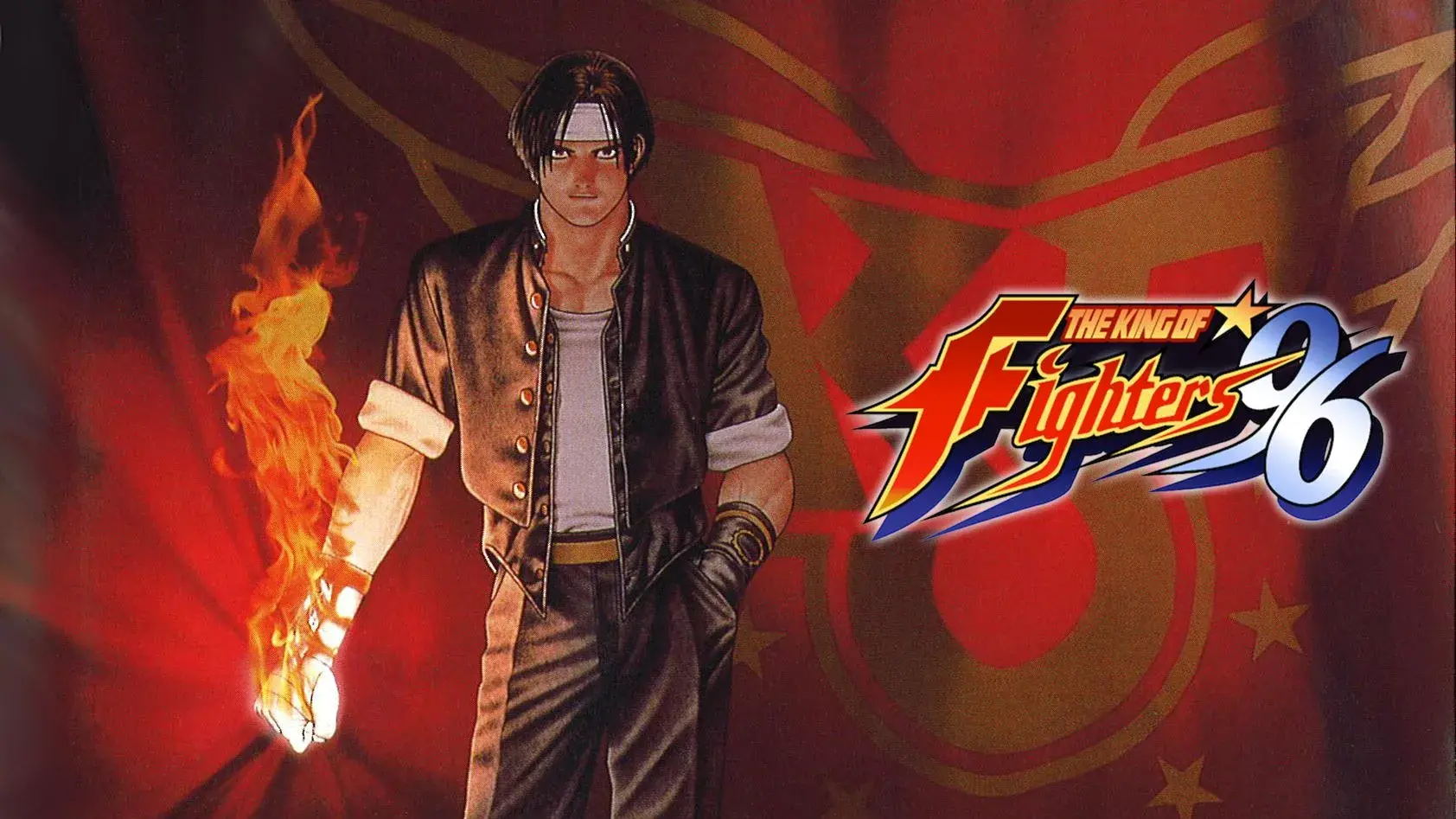
SNK had already established its crossover credentials with the previous two installments, but The King of Fighters '96 is where the franchise truly found its soul. It isn't just a sequel; it is a violent, chaotic mutiny against the traditional, passive design of 90s fighting games. For the first time, the tournament steps out of the criminal underground and into the blinding light of a massive, corporate-sponsored global spectacle. Yet, beneath the stadium lights and roaring crowds lies a dark, mythological undercurrent that threatens to tear the cast apart.
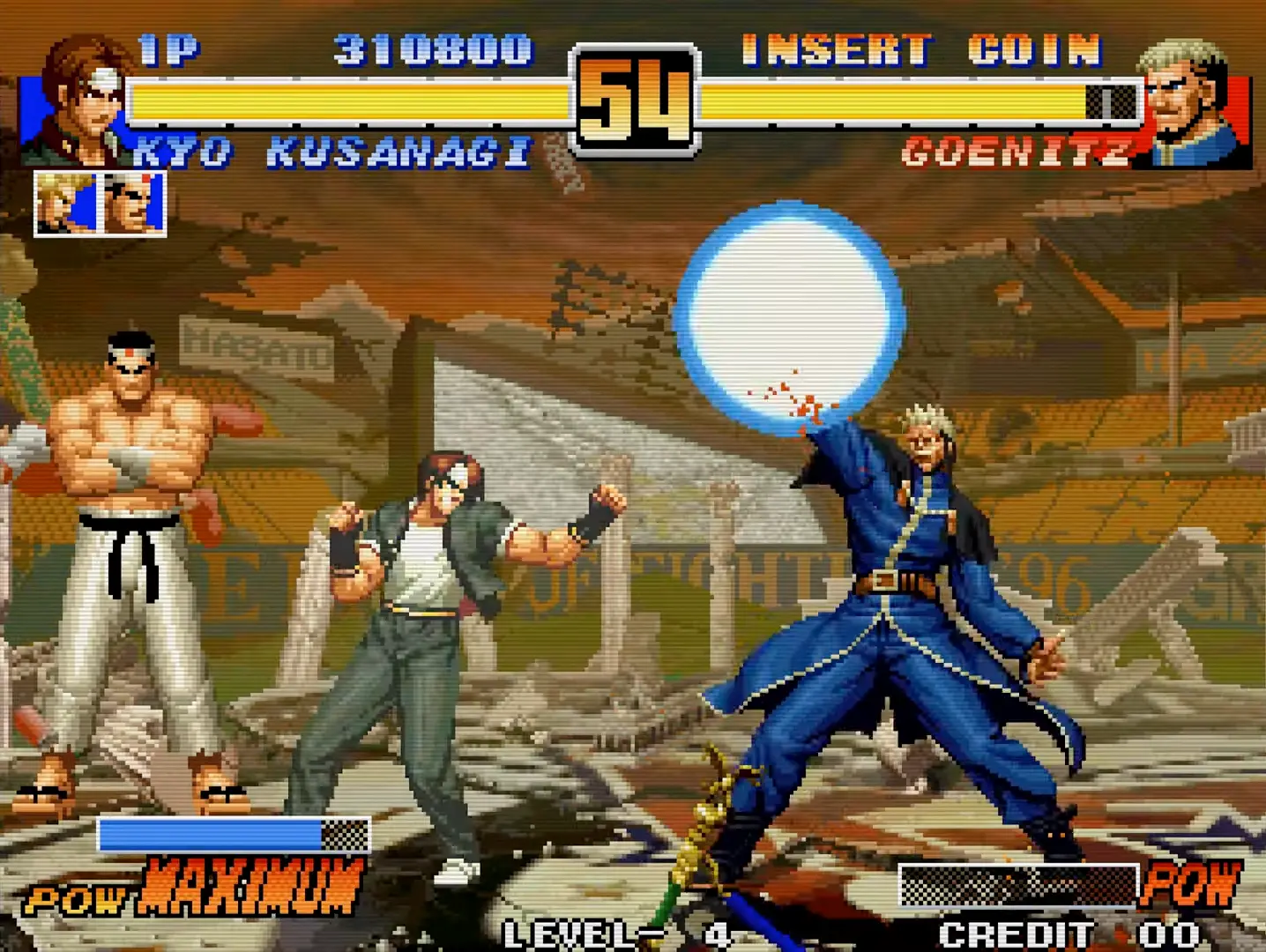
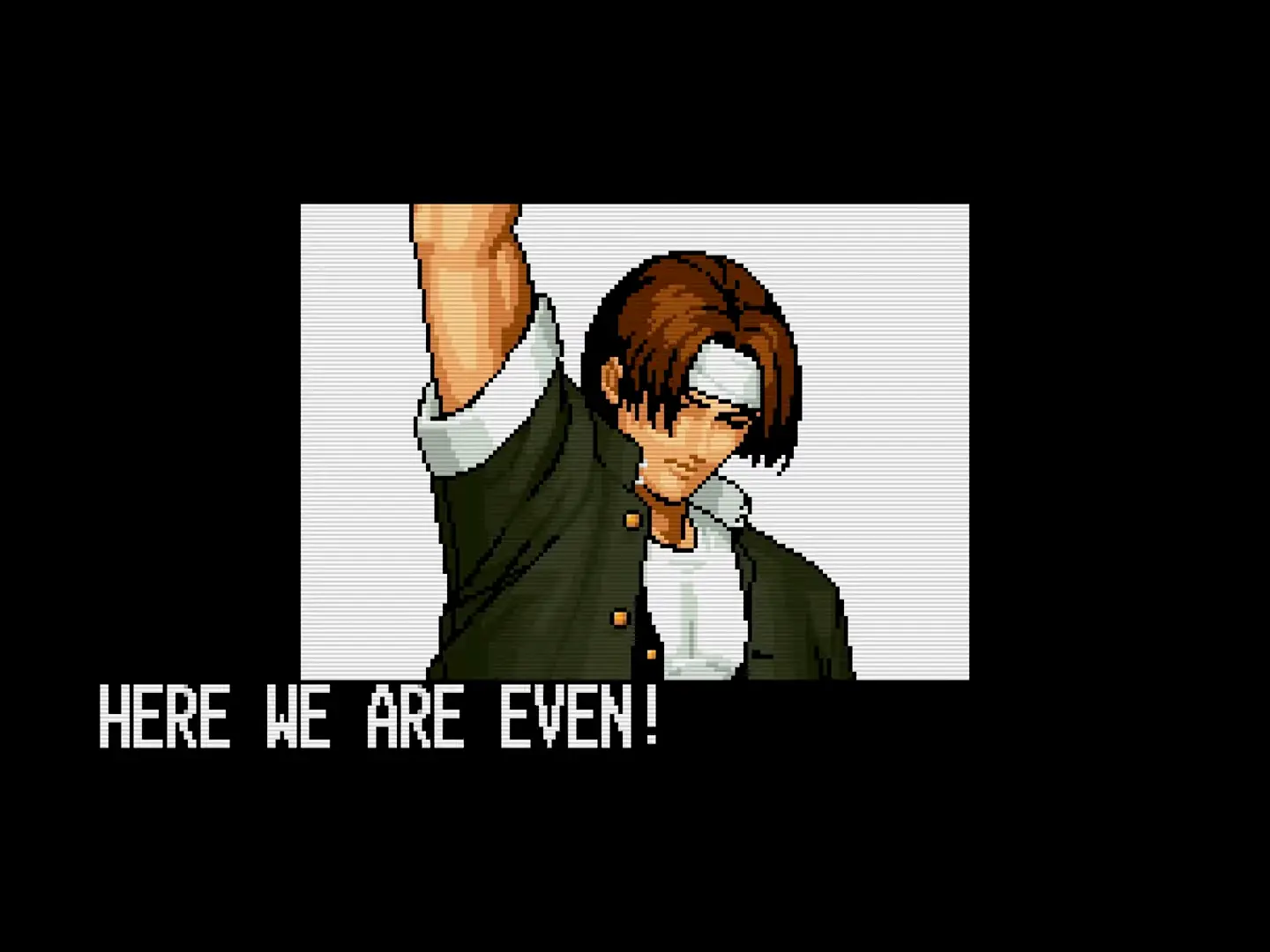
We are introduced to a world on the precipice of an ancient apocalypse. Kyo Kusanagi, humbled by a crushing defeat prior to the tournament, has radically altered his fighting style, abandoning his signature long-range projectiles for explosive, close-range fisticuffs. The air is thick with tension, fueled by a brilliant Shinkiro-art-directed urban aesthetic and an ominous, wind-whipped atmosphere that signals the awakening of the devastating Orochi bloodline.
About the Game: The Architecture of Absolute Aggression
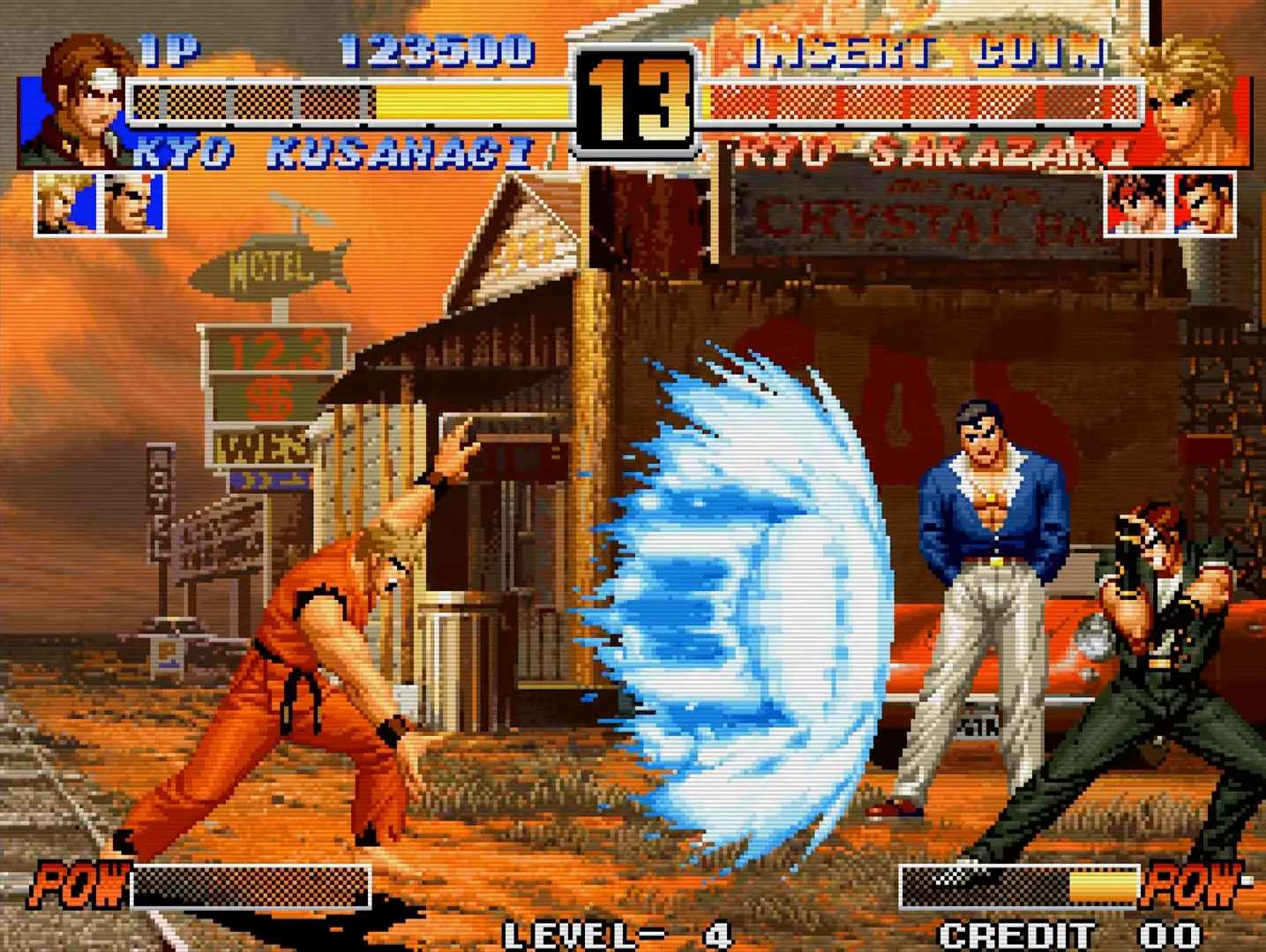
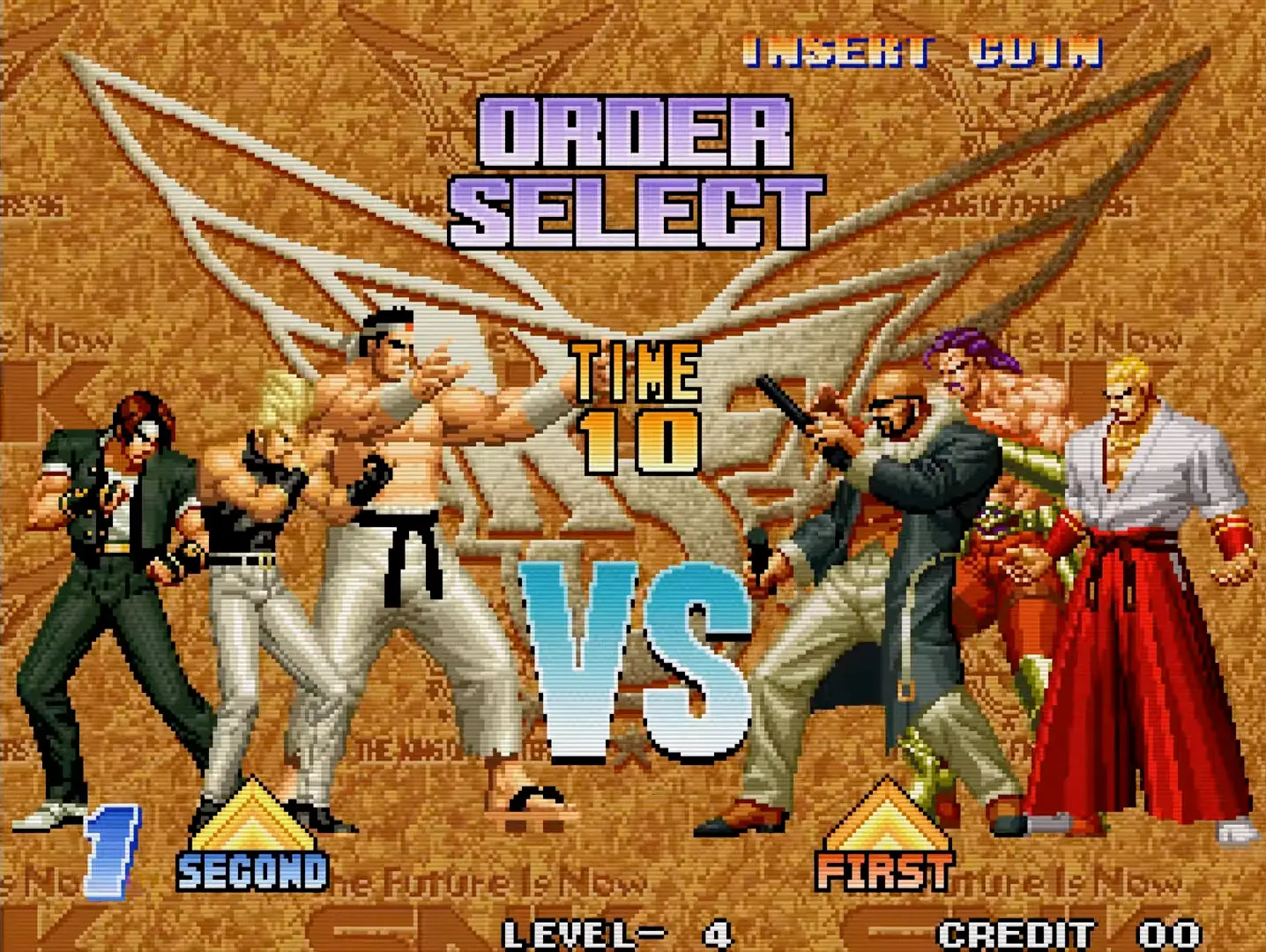
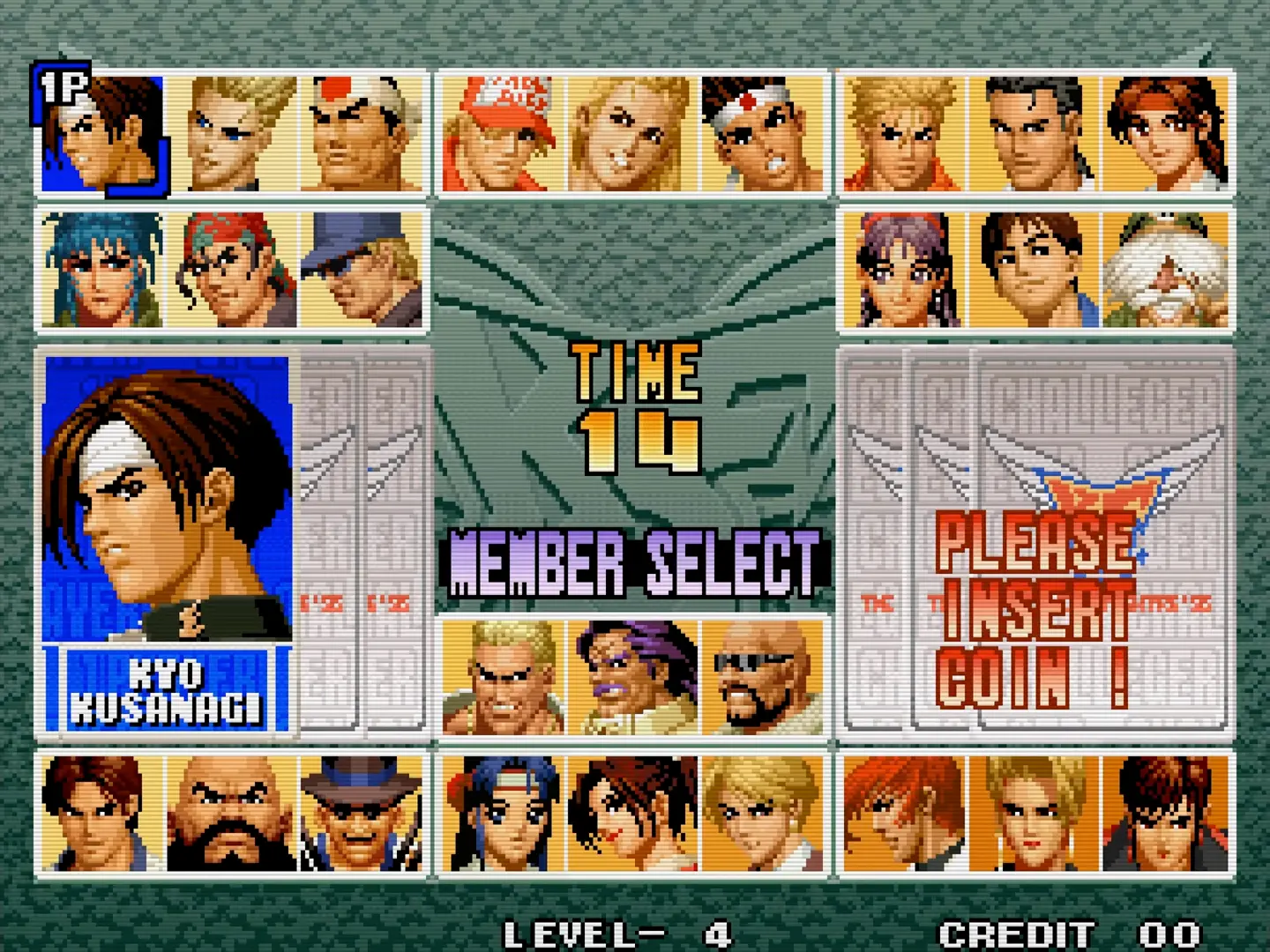
The King of Fighters '96 represents a complete mechanical teardown of what came before. SNK looked at the standard, defensive 'hadouken-throwing' philosophy of the genre and chose to utterly annihilate it. Projectiles were intentionally neutered into short-range bursts, forces of nature like Geese Howard, Wolfgang Krauser, and Mr. Big joined the fray as the legendary Boss Team, and the entire pacing of combat was rewritten.
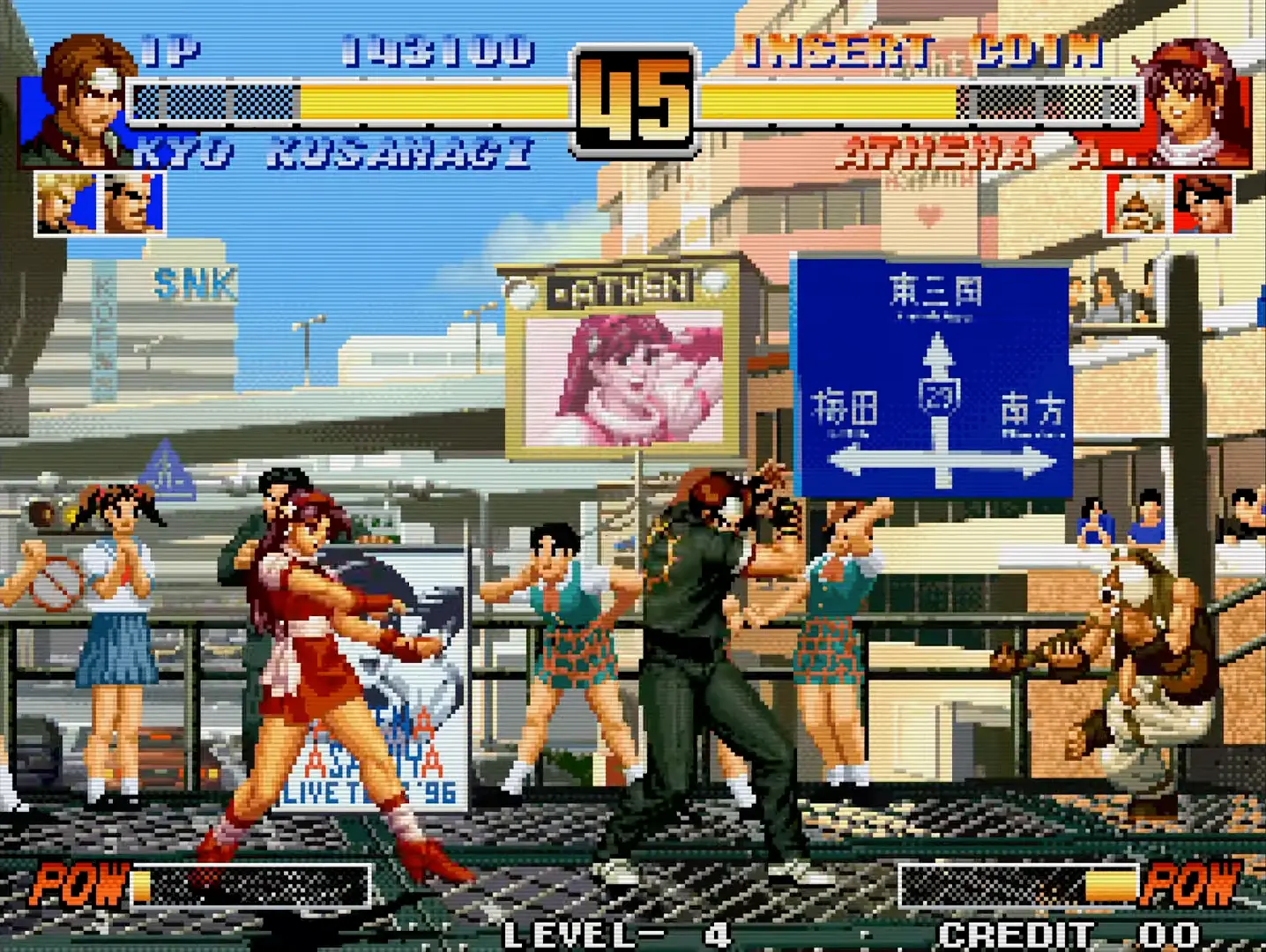
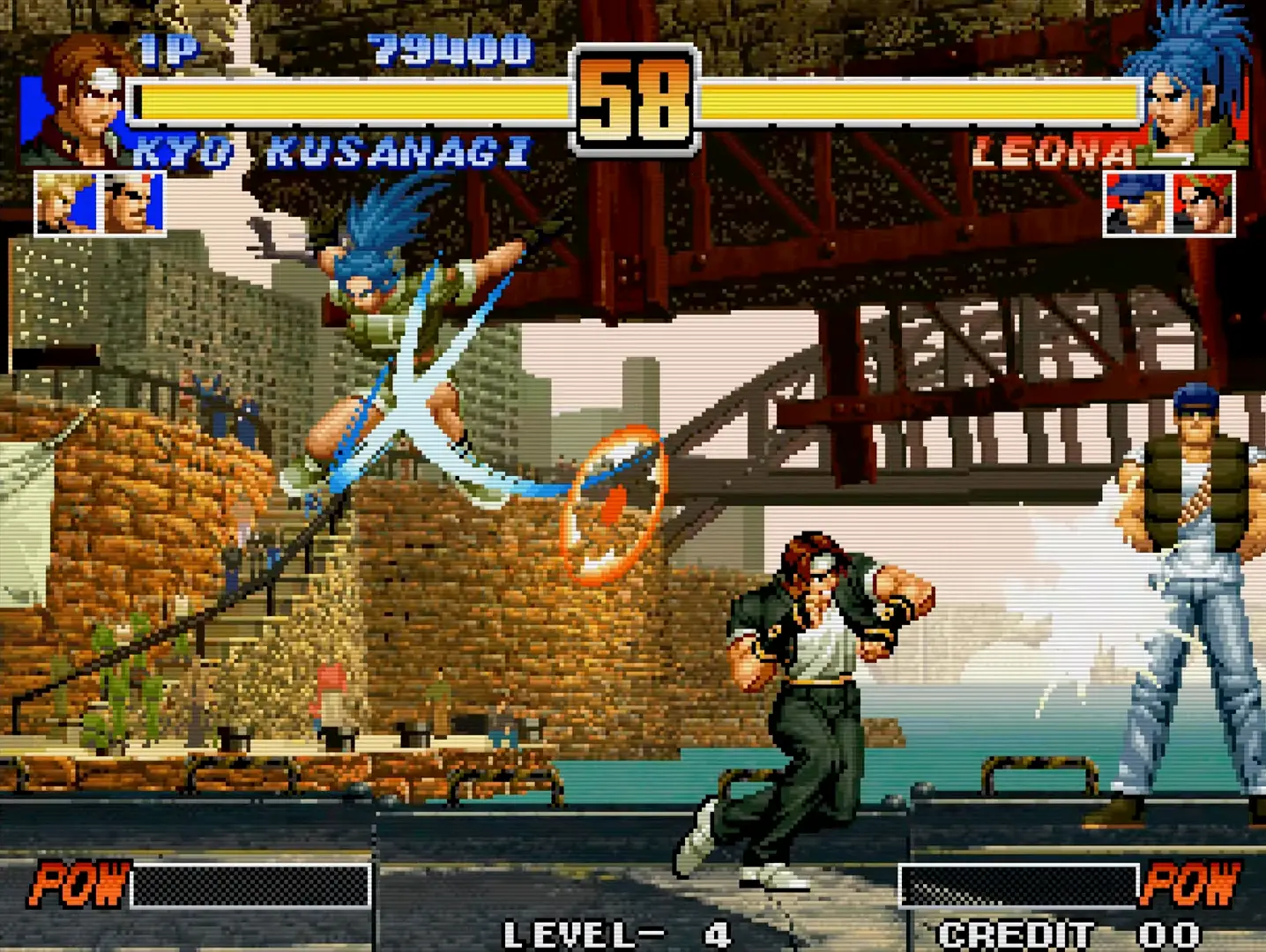
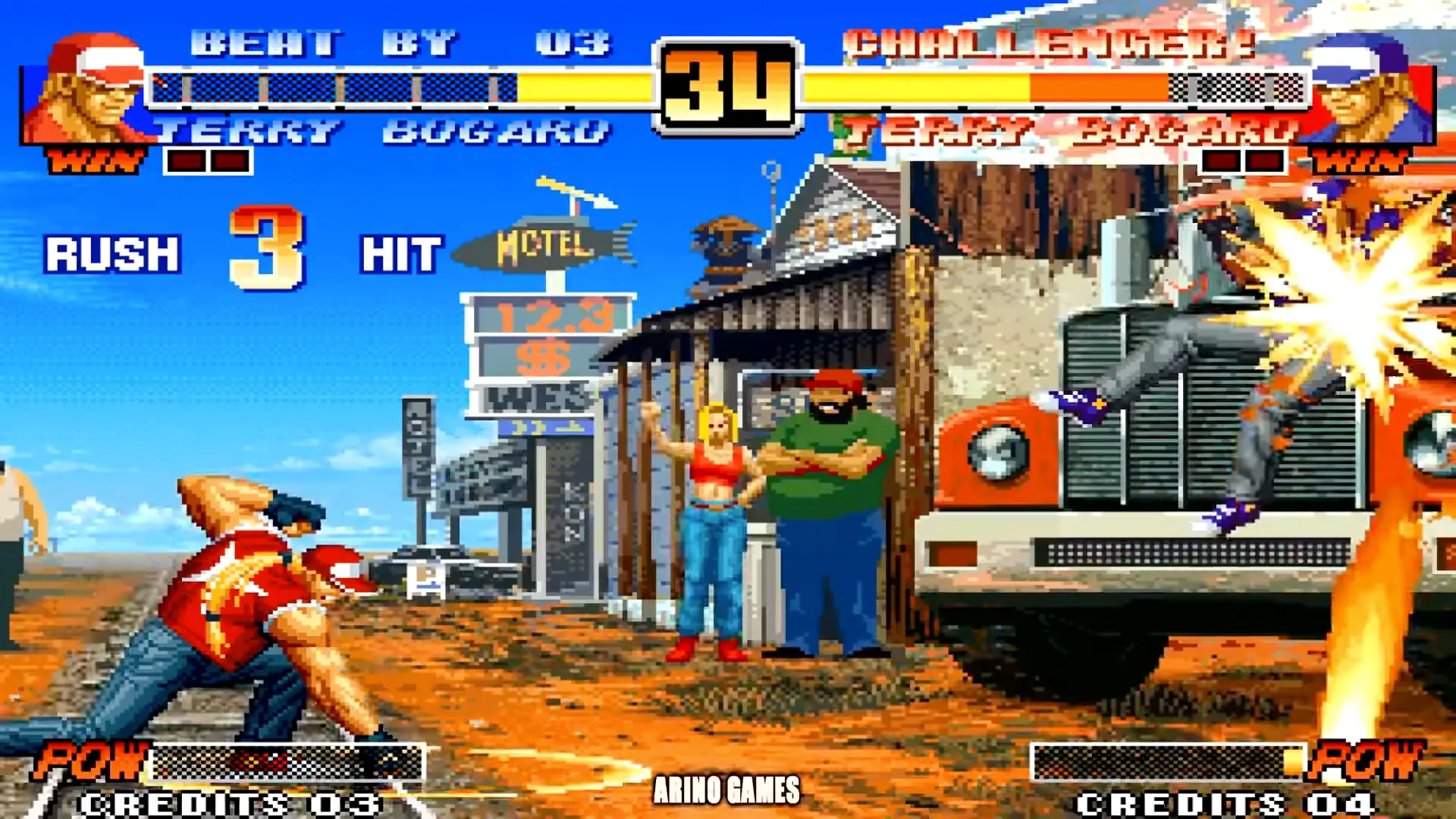
This is the game that introduced the foundational pillars of modern KOF: the 'Emergency Evasion' roll and varied jump heights—including the blistering small hops and hyper-hops. The stationary sidestep of the past was replaced by a forward-rolling rush that slips directly through attacks. It is a masterclass in 'pressure gameplay,' where space is a luxury you cannot afford, and victory belongs entirely to the player who commands momentum.
Story: The Cursed Bloodline
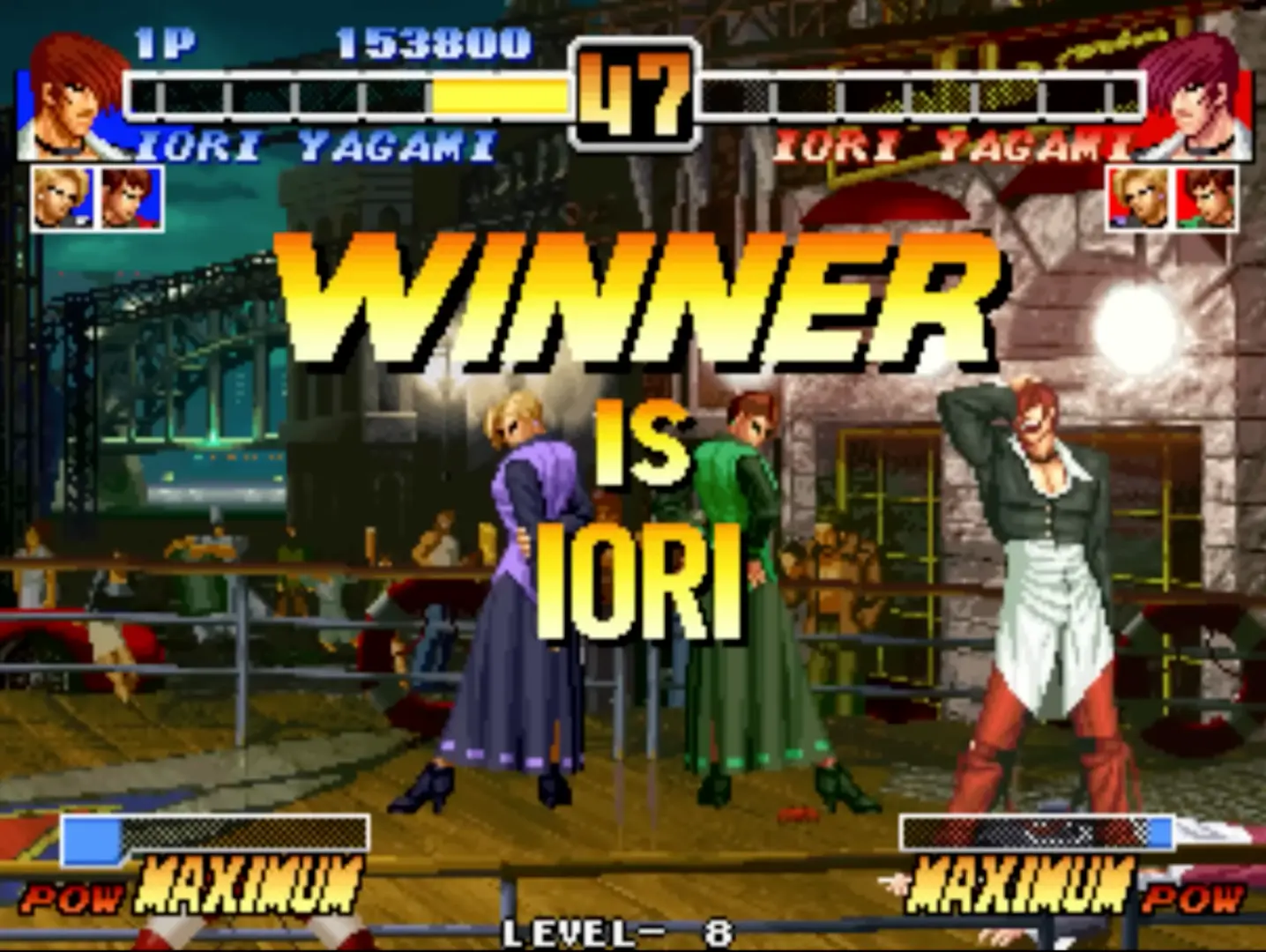
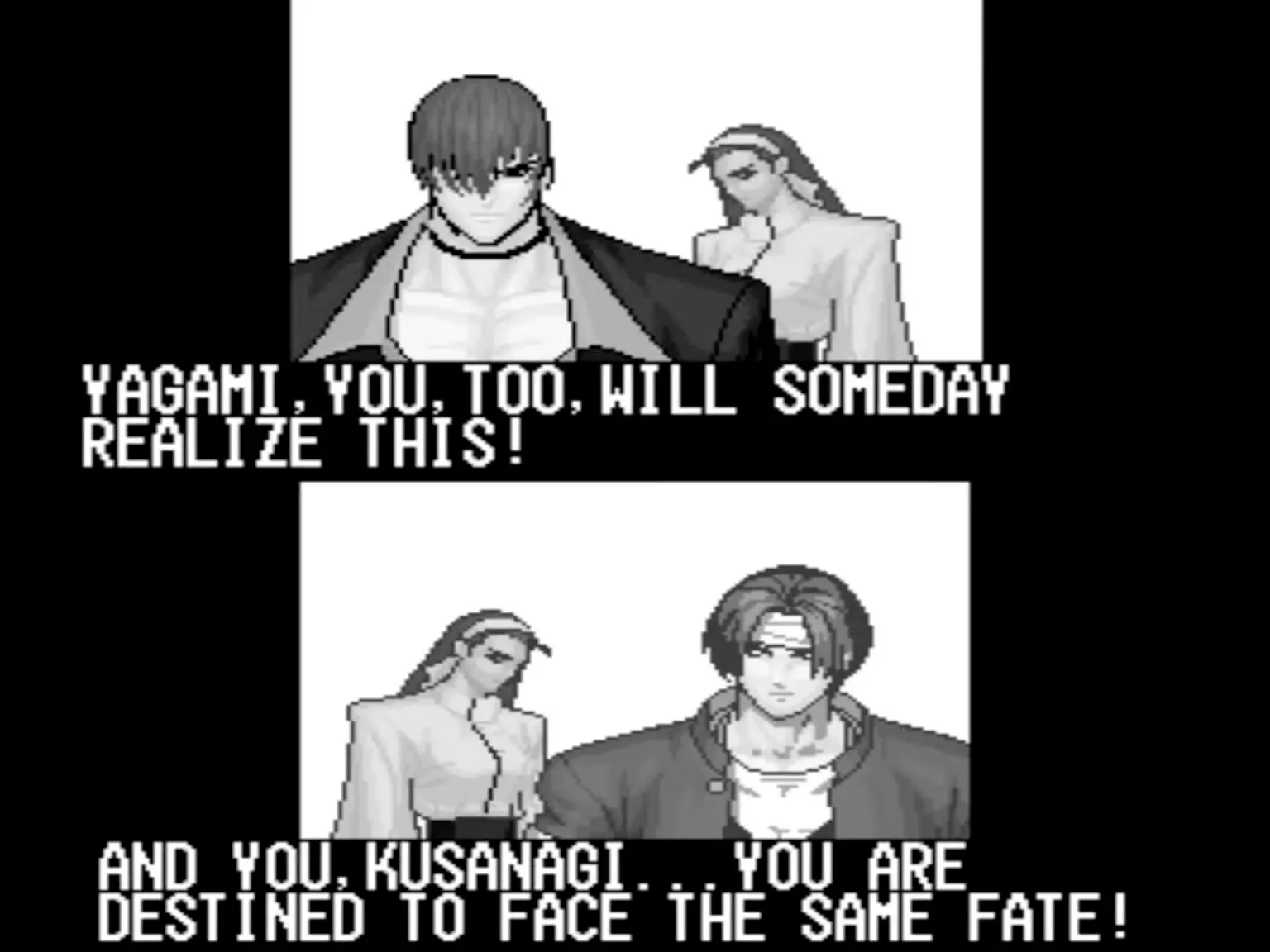
What makes KOF '96 so profoundly compelling is its commitment to visceral, high-stakes psychological drama. This isn't a friendly sparring match; it is a tragic, generational blood feud. The narrative centers heavily on the Orochi trilogy's secondary chapter, driving a permanent wedge between Kyo Kusanagi and his maniacal, purple-flamed rival, Iori Yagami.
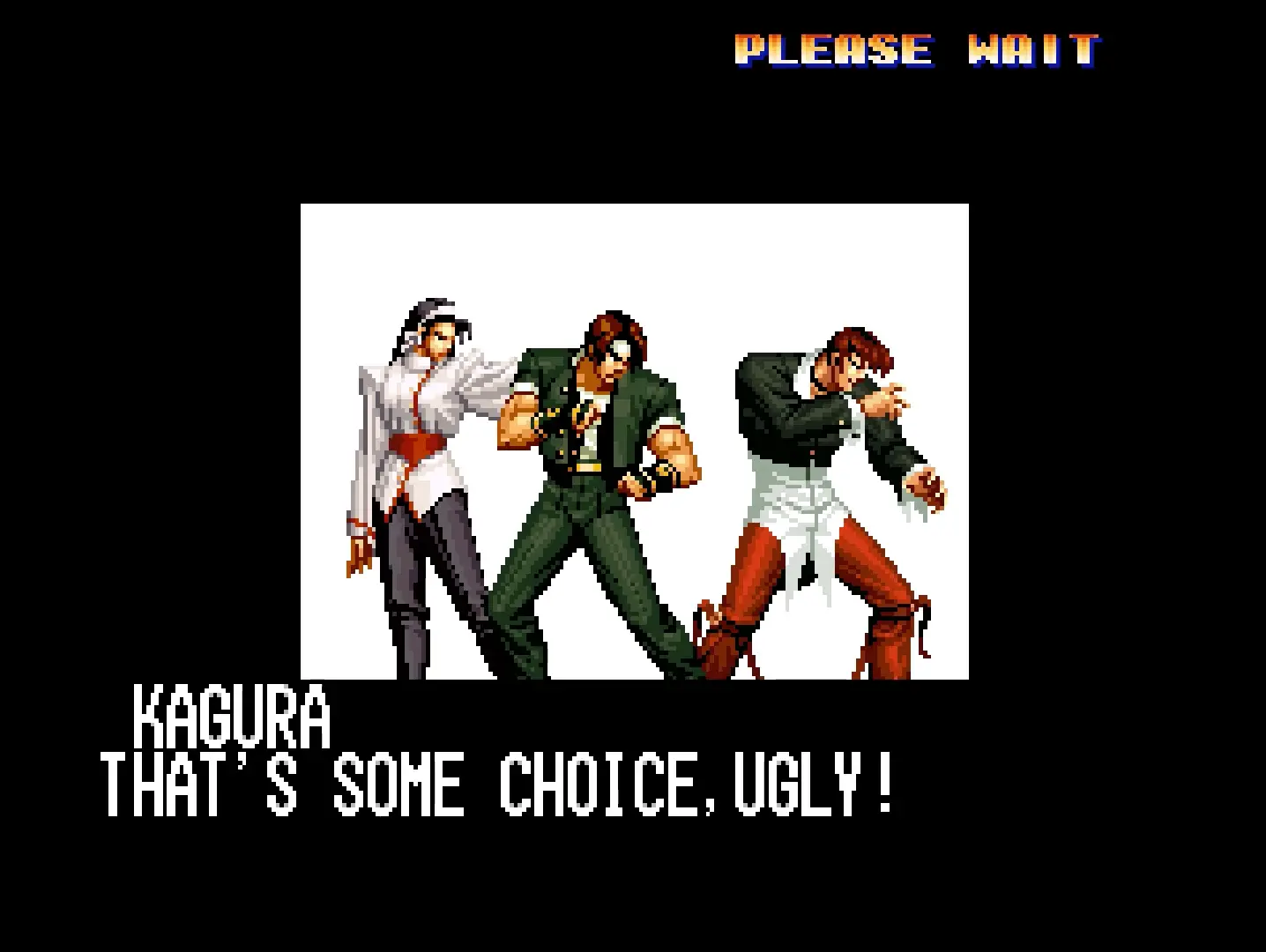
The horror elements are woven seamlessly into the competition. Characters like Mature and Vice act as sinister overseers, while the true threat manifests in Goenitz—a heavenly king of Orochi who wields the wind like a razor blade. The final encounters don't feel like arcade boss fights; they feel like desperate, existential struggles against a cold, uncaring deity. The narrative echoes through the characters' body language, their frantic pre-fight interactions, and the raw, unhinged energy of the Orochi curse.
Gameplay: Hops, Links, and Unforgiving Chaos
Don’t let the gorgeous 2D sprites fool you—the mechanical depth of KOF '96 is savagely steep and notoriously unforgiving. By removing the safety net of defensive zoning, the game forces players into high-speed, tactical chess matches played at point-blank range. You must learn the exact frames of your short hops to open up an opponent’s defense, or risk being blown up by a devastating, screen-shaking Desperation Move.
The game thrives on its raw, experimental nature. While later entries like '98 refined the balance, '96 possesses a beautiful, unhinged chaos where damage scaling is terrifyingly high and combos feel heavy, deliberate, and deeply impactful. The 3-on-3 team structure demands absolute mastery over multiple fighting styles, creating an addictive, high-octane feedback loop of 'rushdown, mix-up, and execute' that commands total, absolute focus from your thumbs.
Atmosphere: Acid Jazz, Concrete, and Crushing Wind
The aesthetic vibe of KOF '96 is utterly unparalleled. The soundtrack is an absolute tour de force, blending gritty rock anthems, heavy basslines, and haunting orchestral pieces—like Chizuru Kagura’s elegant, traditional theme—that amplify the tension tenfold. The audio design treats every punch with a crisp, bone-shattering impact, accompanied by iconic, passionate voice acting that echoes across the screen.
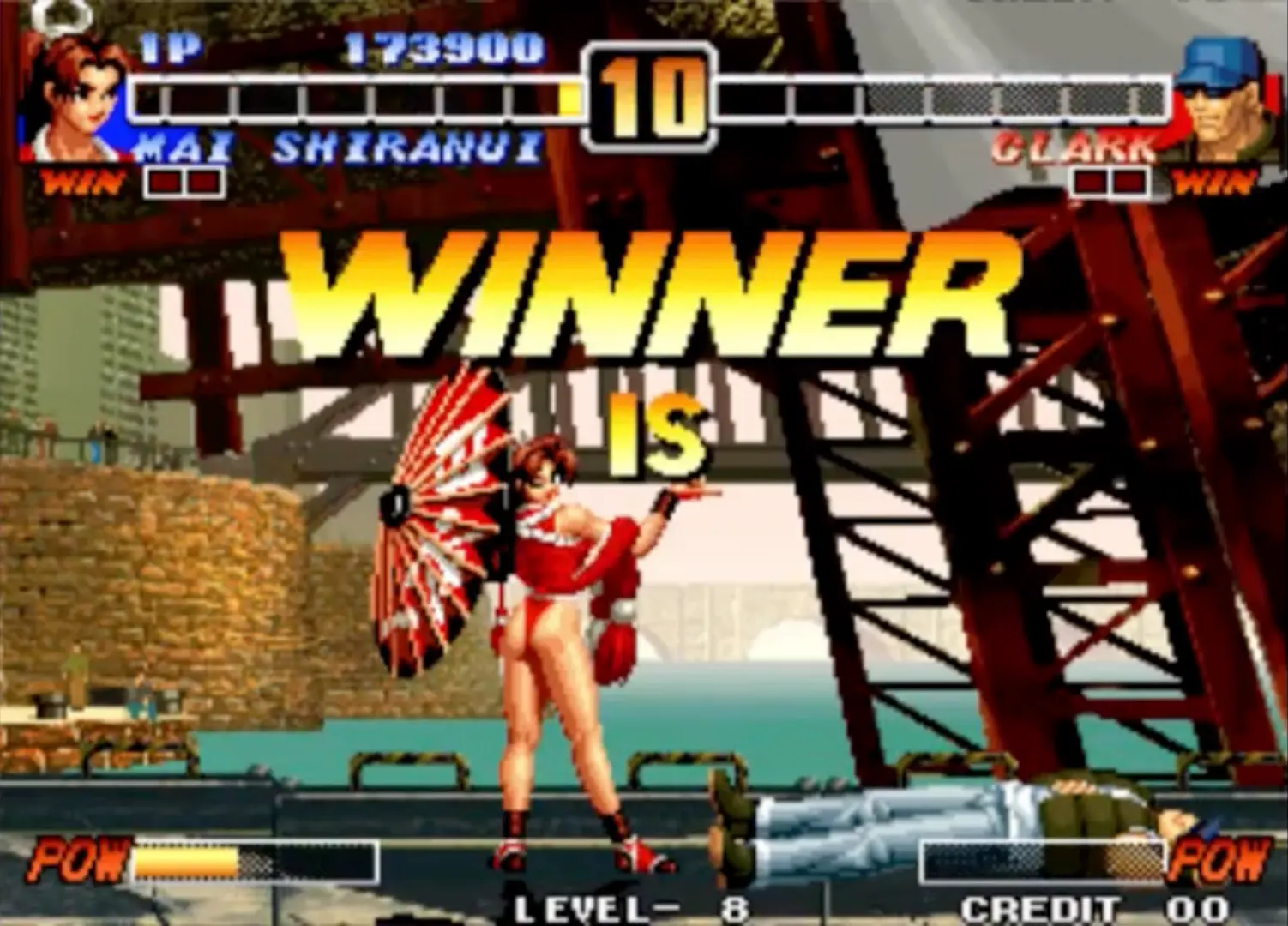
Visually, the game was completely redrawn from its predecessors, introducing fluid, hand-crafted sprite animations that breathed unparalleled life into the fighters. The stages are breathtaking triumphs of 2D art, transitioning from a bustling, neon-lit hot spring resort to a stark, terrifyingly quiet ceremonial altar under a blood-red sky. It is a sensory cocktail of style and adrenaline that perfectly encapsulates the peak of SNK's arcade dominance.
Conclusion: The King's Awakening
The King of Fighters '96 is a monumental milestone in fighting game history—a fiercely confident title that had the courage to alienate purists to redefine the future of competitive combat. It is a intoxicating, stylish dance of death that demands absolute spatial awareness and rewards uncompromising aggression. It forces you to abandon passive habits, look your opponent in the eyes, and fight for every single pixel of ground.
Whether you are drawn to the deep, tragic lore of the Orochi bloodline, the flawless 90s aesthetic, or the competitive rush of its revolutionary mechanics, KOF '96 leaves a permanent scar. It is provocative, breathtakingly kinetic, and profoundly radical. In a genre that was starting to grow comfortable, SNK delivered a thunderous wake-up call that proved true kings don't wait for their turn—they take it by force.