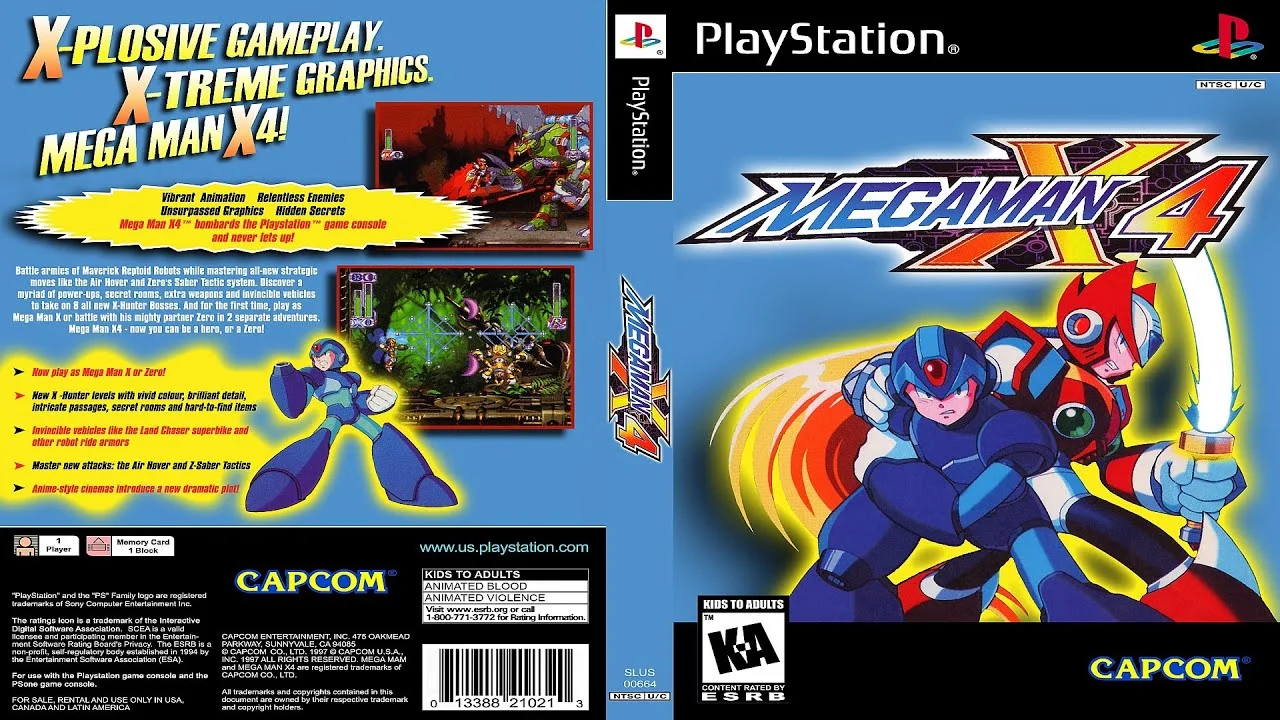
1997 marked a seismic shift for the Blue Bomber. After years of defining the 16-bit action platformer on the SNES, the franchise made the leap to the PlayStation and Saturn, and Mega Man X4 was not merely a sequel; it was a revelation. It stripped away the constraints of the past, utilizing the raw power of the new hardware to deliver a speed and fluidity that felt impossible just a few years prior.
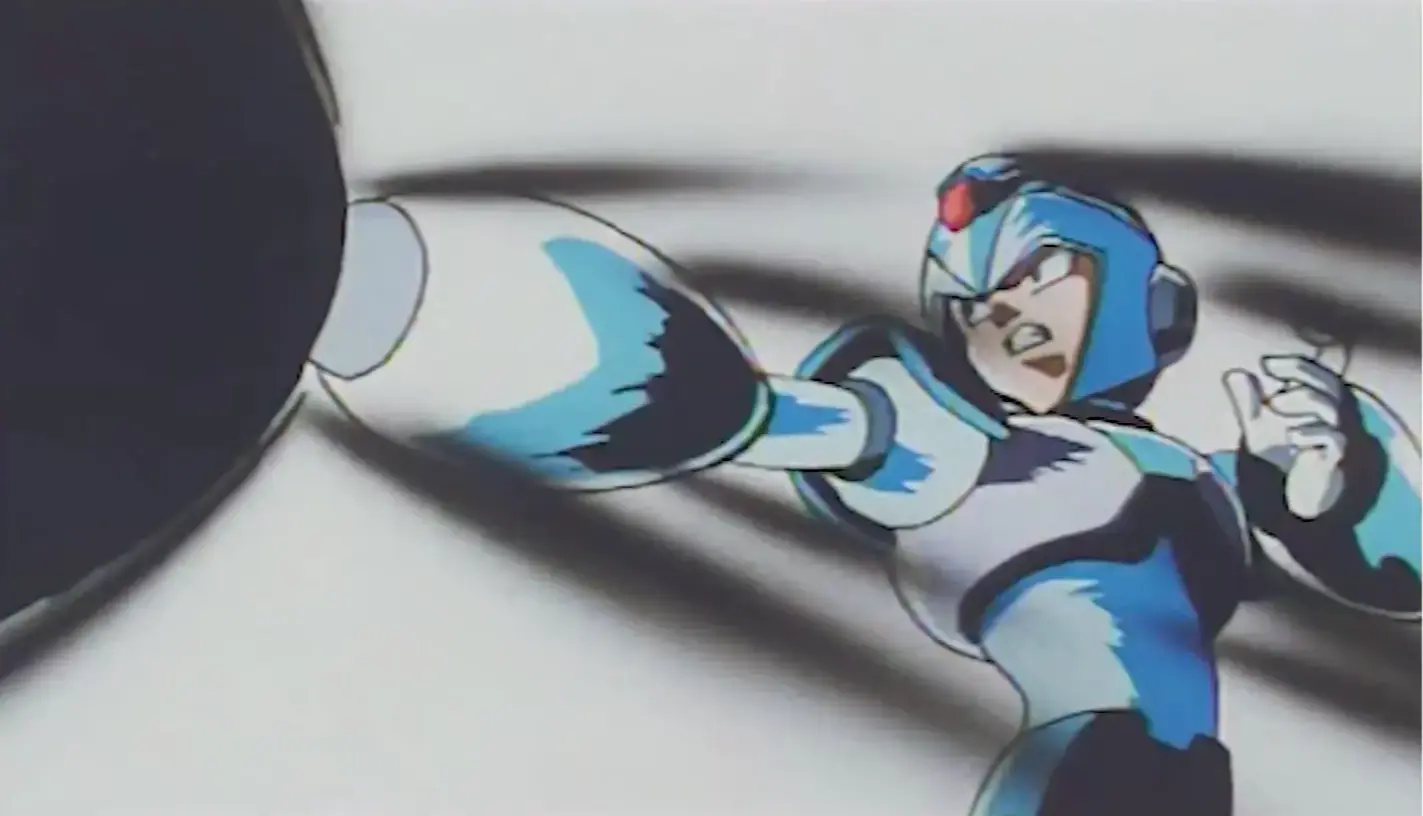
This title stands as the series' watershed moment. It transformed the Mega Man formula from a polished run-and-gun loop into a cinematic, high-octane space opera. It introduced fully animated anime cutscenes, a sweeping orchestral-rock score, and, most importantly, the ability to play a fully realized campaign as Zero. It is widely regarded as the zenith of the X series, a perfect storm of tight controls, tragic storytelling, and pixel art that remains beautiful nearly three decades later.
The Tale of Two Hunters
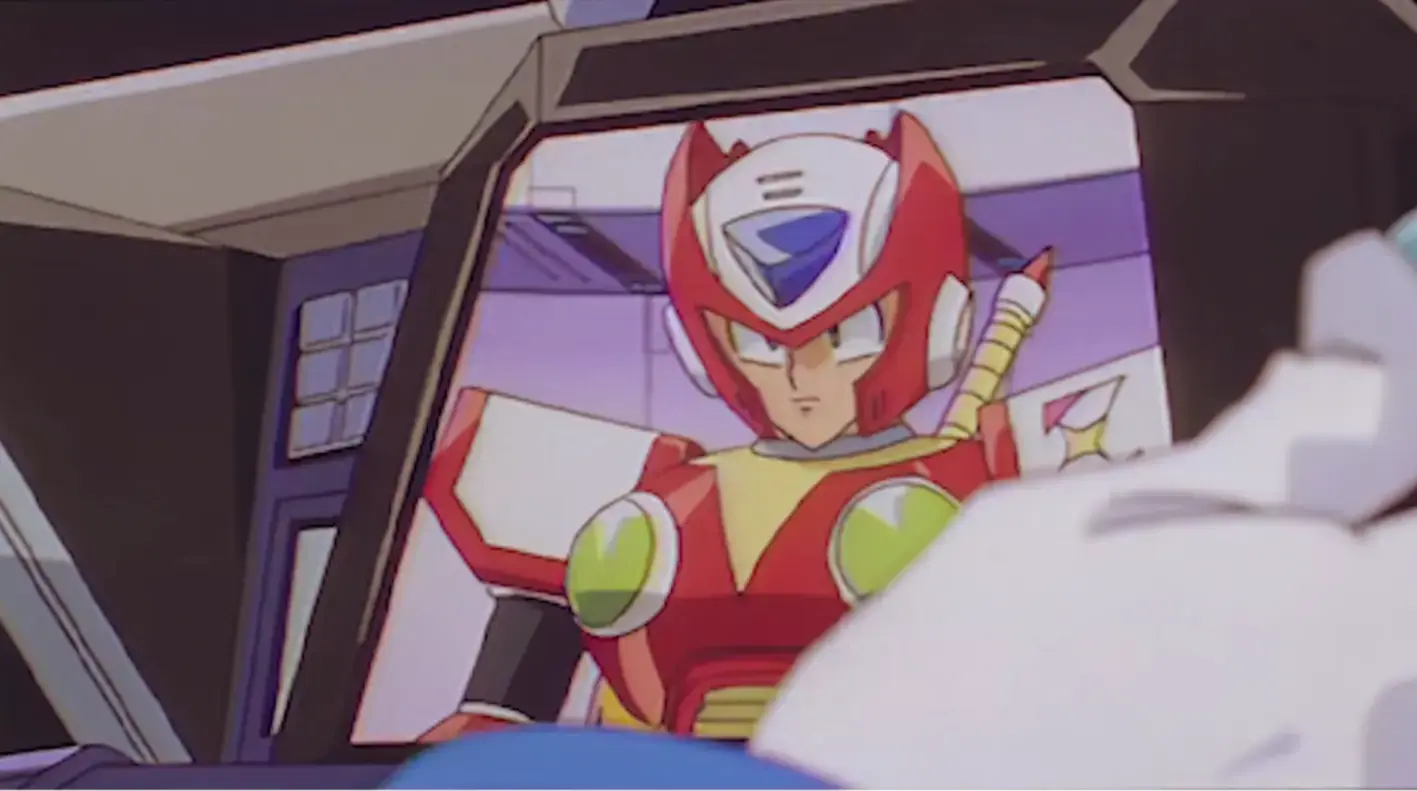
Previous entries teased the potential of Zero, the red-armored Hunter with the flowing blonde hair and the beam saber. Mega Man X4 finally delivers on that promise. The game is split into two distinct, parallel narratives. Choosing a character is not a cosmetic decision; it fundamentally alters the game's genre.
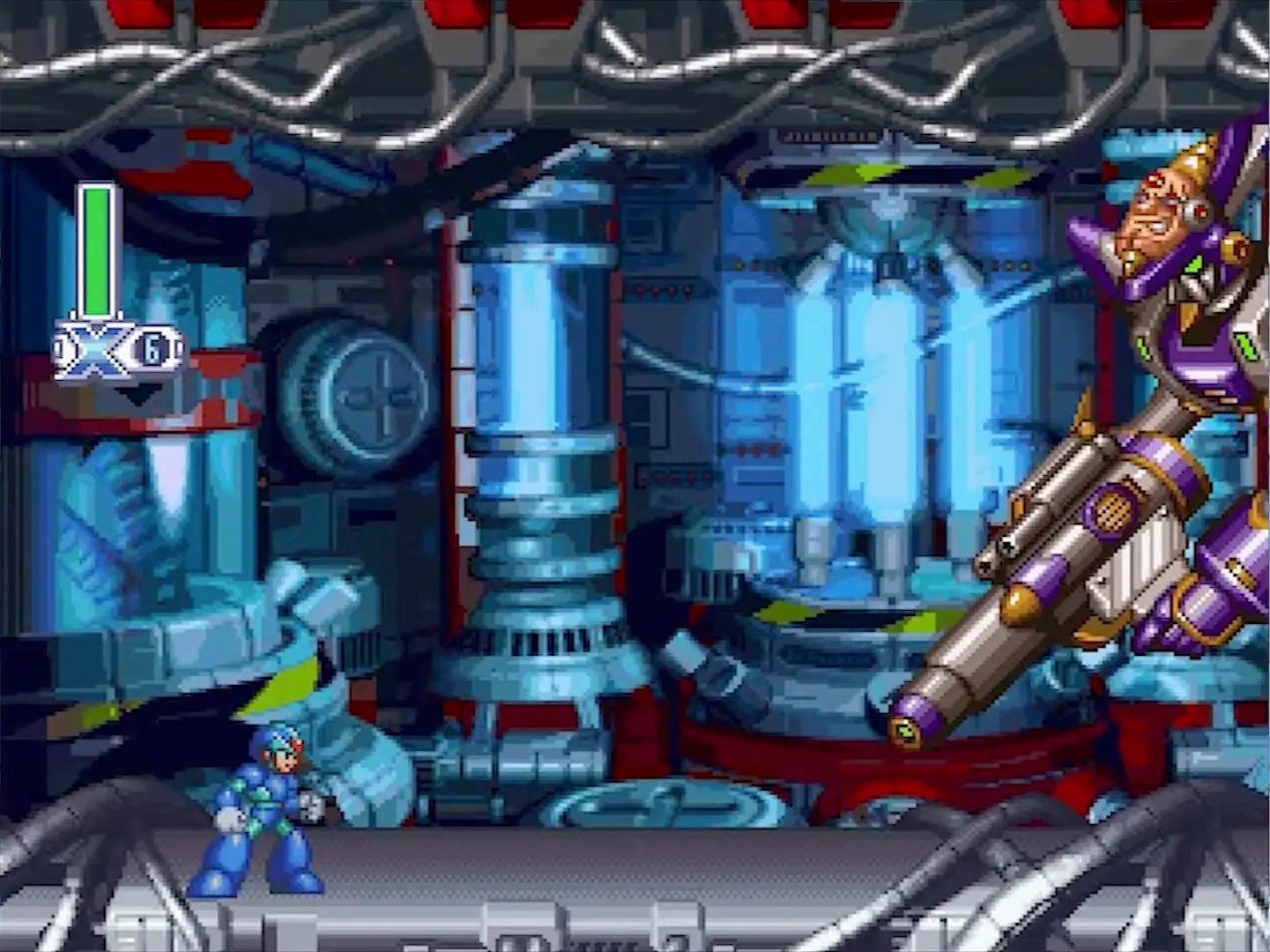
Selecting X offers the traditional, perfected Mega Man experience: seeking out armor capsules, charging the X-Buster, and systematically dismantling bosses from across the screen. It is a game of spacing, precision, and screen-clearing power trips.
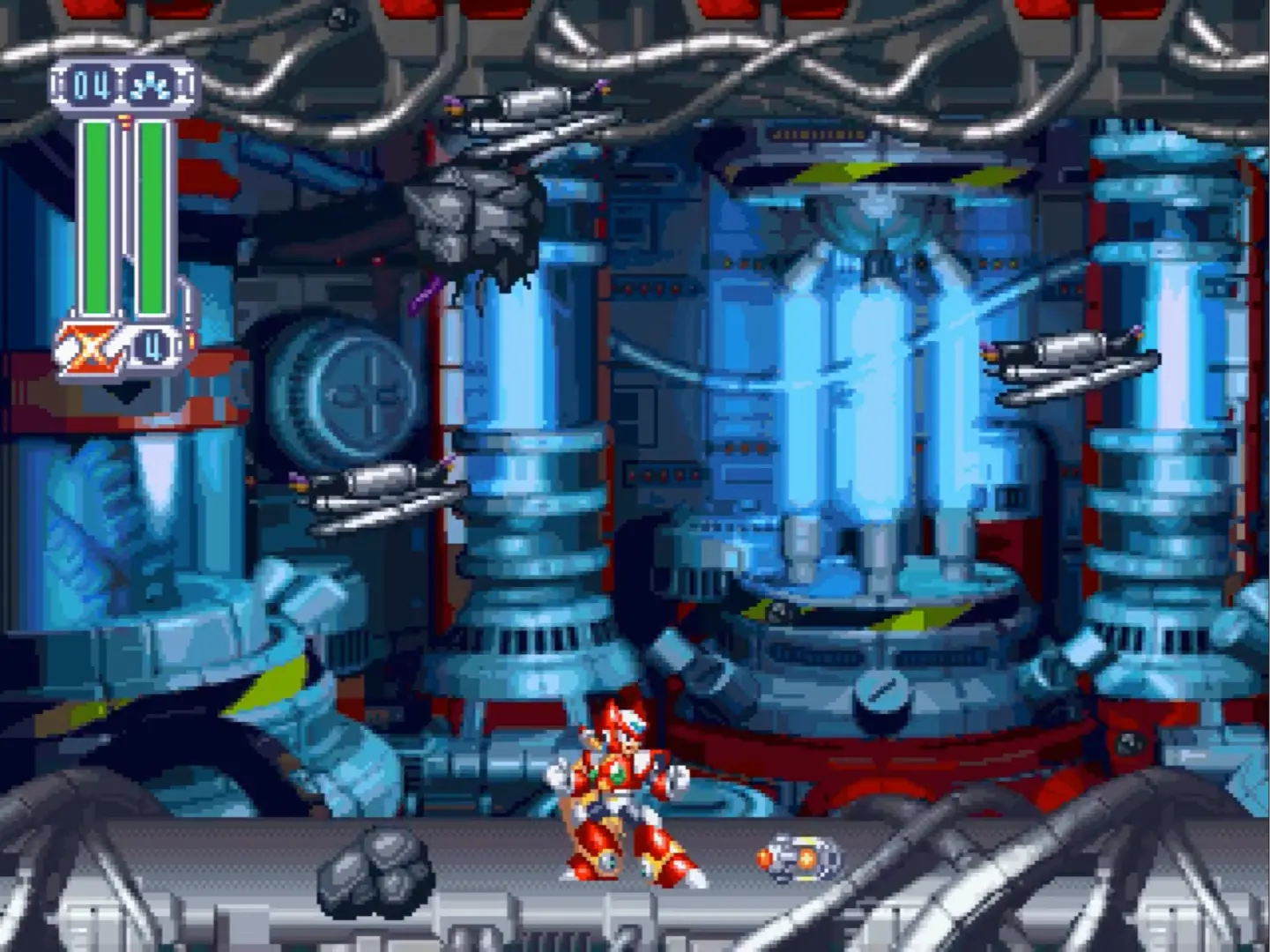
Selecting Zero, however, changes the game into a high-risk, high-reward hack-and-slash brawler. Zero cannot equip armor parts. He has no projectile attacks. To damage a boss, Zero must be within breathing distance. This forces an aggressive playstyle where learning attack patterns is mandatory. The Z-Saber combat is visceral and rhythmic, relying on button combinations to execute moves like the Ryuenjin (upward fire slash) or the Kuuenbu (double jump). The dichotomy between these two playstyles gives X4 endless replayability.
Story: The Tragedy of Repliforce
Mega Man X4 abandons the simple "good robot vs. bad robot" structure for a narrative steeped in political intrigue and personal tragedy. The conflict centers on the Repliforce, a military organization that seeks independence from humanity not out of malice, but out of pride. The war that ensues is framed not as a crusade against evil, but as a heartbreaking misunderstanding fueled by manipulation.
The emotional core of the game lies in Zero’s campaign. His relationship with Iris, the sister of the Repliforce's Colonel, serves as the emotional anchor. Watching Zero—a character defined by his cool, detached efficiency—slowly crumble under the weight of having to fight his own friends is genuinely compelling. The anime cutscenes, despite their infamous voice acting quirks, lend a gravitas to these moments that sprite text boxes simply could not achieve. The climax of Zero's story remains one of the most iconic, gut-wrenching scenes in the franchise's history, posing the eternal question: "What am I fighting for?"
Gameplay Mechanics: The Fourth Armor
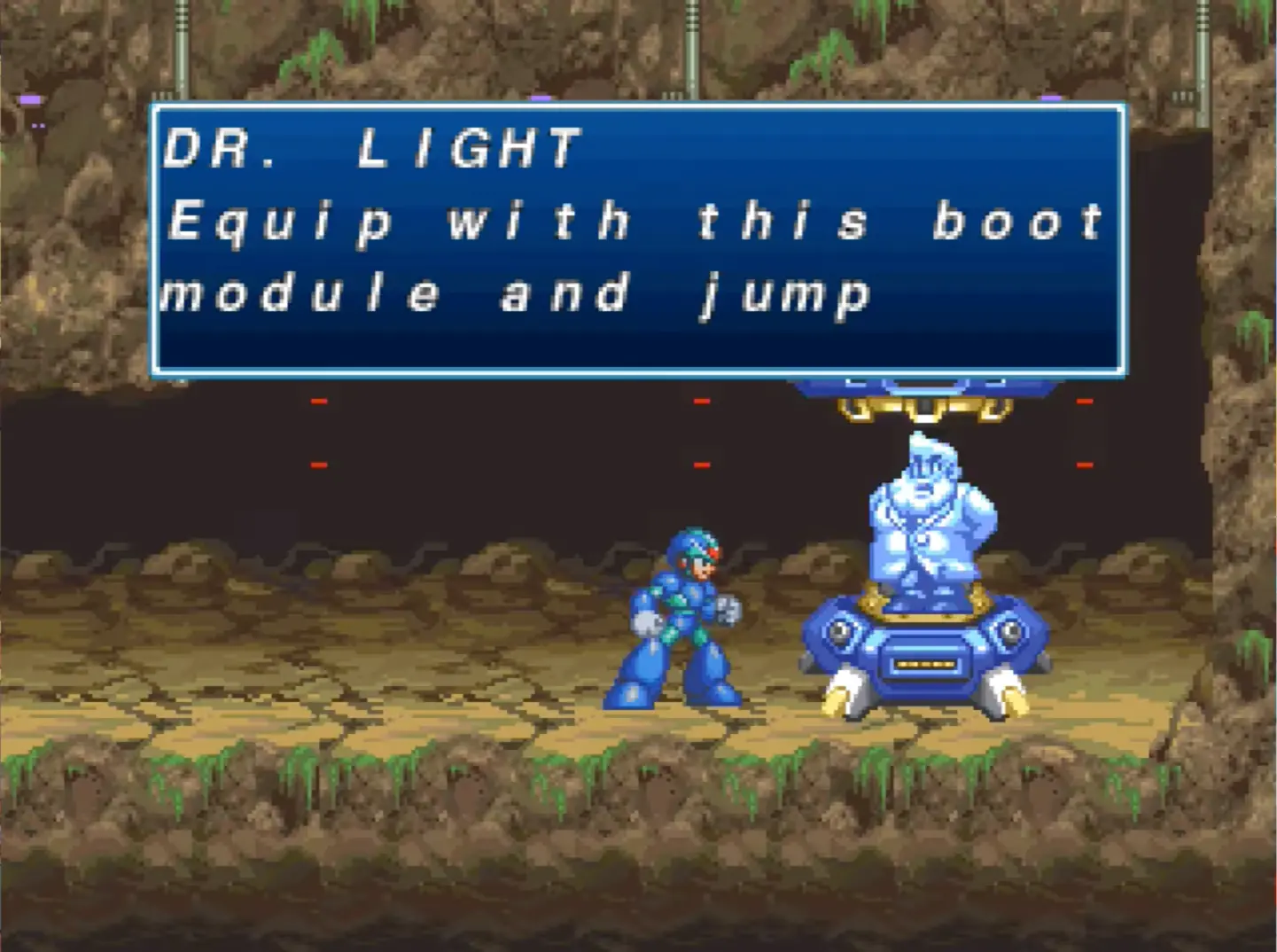
For those loyal to X, the game introduces the Fourth Armor (or Force Armor), a suit that essentially breaks the game in the most satisfying way possible. The ability to hover in mid-air changes platforming from a test of dexterity to a tactical glide. The stock charge shot—a massive ball of plasma that leaves a lingering damage field—melts through enemy health bars.
But the true highlight is the Nova Strike, an infinite-use ultimate attack (once the full set is acquired) that turns X into an invulnerable projectile. It is a power fantasy that rewards exploration. Finding the hidden Heart Tanks and Sub-Tanks is not just about survival; it is about becoming the ultimate Maverick Hunter. The level design accommodates these abilities perfectly, with stages ranging from the high-speed jet bike chase in Jet Stingray's stage to the vertical platforming hell of Split Mushroom's bio-lab.
Atmosphere & Audio
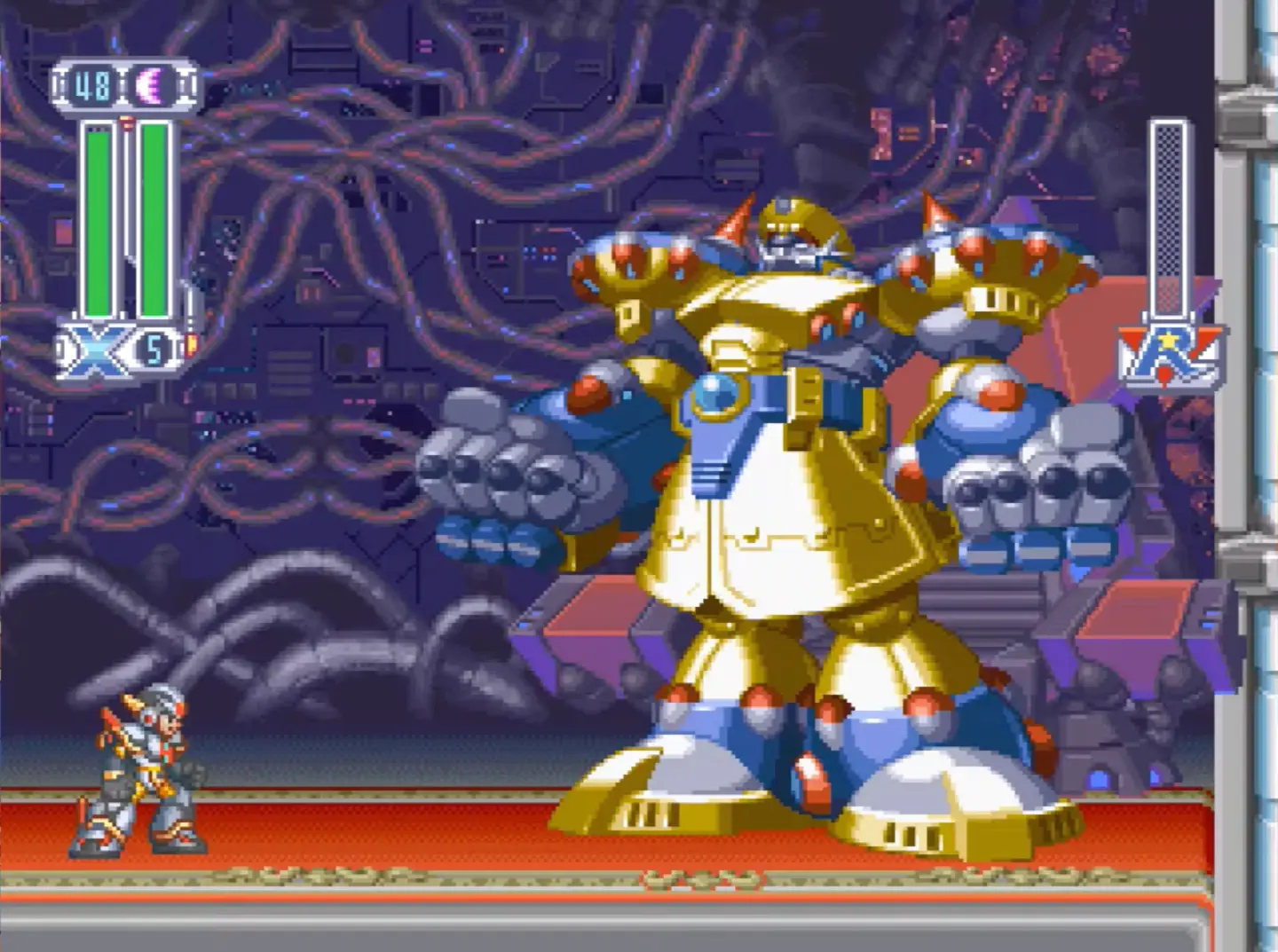
The presentation of X4 is a masterclass in 2D artistry. The sprites are large, detailed, and animated with a fluidity that 3D games of the era could not hope to match. Explosions are crunchy and satisfying; the screen shakes with every heavy hit.
The soundtrack mirrors the intensity of the visuals. From the melancholic piano intro of the title screen to the driving synth-rock of the Sky Lagoon, the music propels the action forward. It captures the futuristic, slightly dystopian tone of the X series perfectly. The sound effects—the hum of the Z-Saber, the charging whine of the Buster, the metallic clang of landing a jump—are iconic audio cues that are etched into the memory of anyone who played this in 1997.
Conclusion
Mega Man X4 is more than just a platformer; it is the definitive blueprint for how to evolve a franchise. It respects the legacy of the SNES era while fearlessly pushing the series into new territory. It proved that Zero was more than just a sidekick; he was a protagonist capable of carrying the emotional and mechanical weight of a full game.
Balancing the tactical, ranged precision of X with the frantic, combo-heavy aggression of Zero created a dual experience that has rarely been topped. It stands as a monument to the golden age of Capcom, a title that prioritizes fun, speed, and spectacle above all else. For the 2D action purist, this is not just a game; it is required reading.