Introduction: The Antidote to the Attention Economy
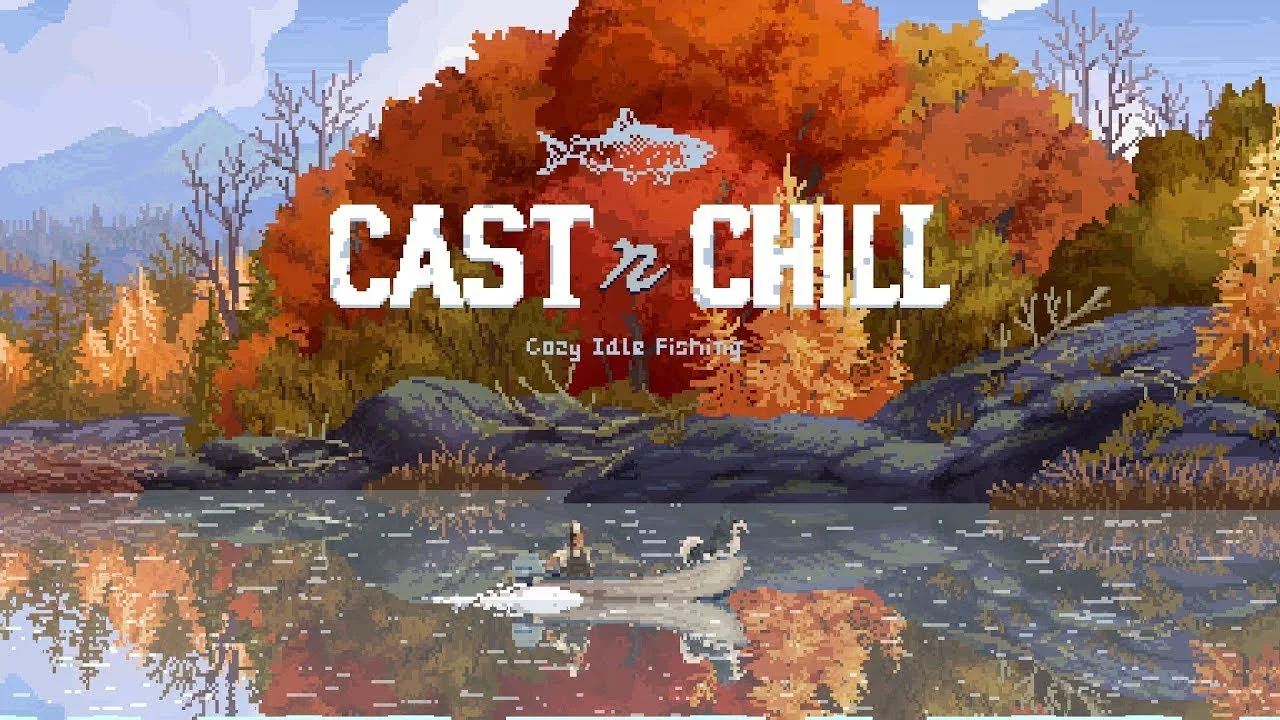
We currently inhabit a digital ecosystem defined by the relentless, weaponized commodification of human attention. Every application, from social media platforms to AAA video games, is designed to fight for engagement through a barrage of notifications, daily login bonuses, battle passes, and the perpetual fear of missing out. In this landscape of constant noise, Cast n Chill emerges not merely as a game, but as a quiet act of rebellion. Released in June 2025, this indie title operates as a digital sanctuary, a piece of software that looks at the frenetic hustle culture of the modern industry and politely declines to participate. It offers no adrenaline, no competition, and no urgency. Instead, it provides a profound silence that speaks louder than any explosion, inviting the player to simply sit down, shut up, and cast a line.
About the Game: The Art of Boredom
Developed by the distinctively named Australian studio Wombat Brawler, Cast n Chill has achieved phenomenon status precisely because it understands the value of "boredom." This is not boredom in the pejorative sense, but rather a meditative state of low-stakes existence—a mental space where the brain is allowed to idle and recover. Designed explicitly as a "second monitor" experience, the game asks nothing of the player but to exist within its world.
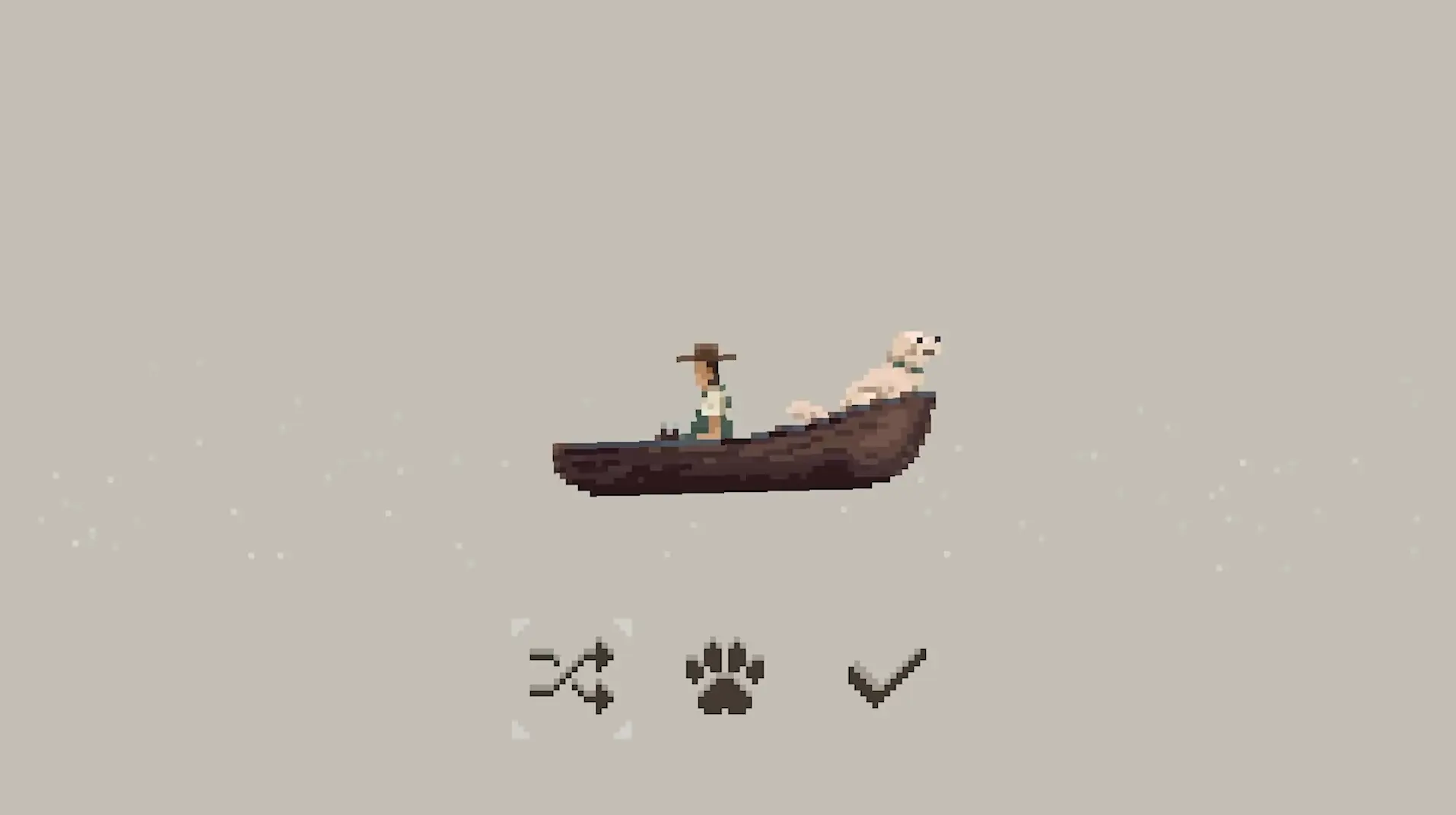
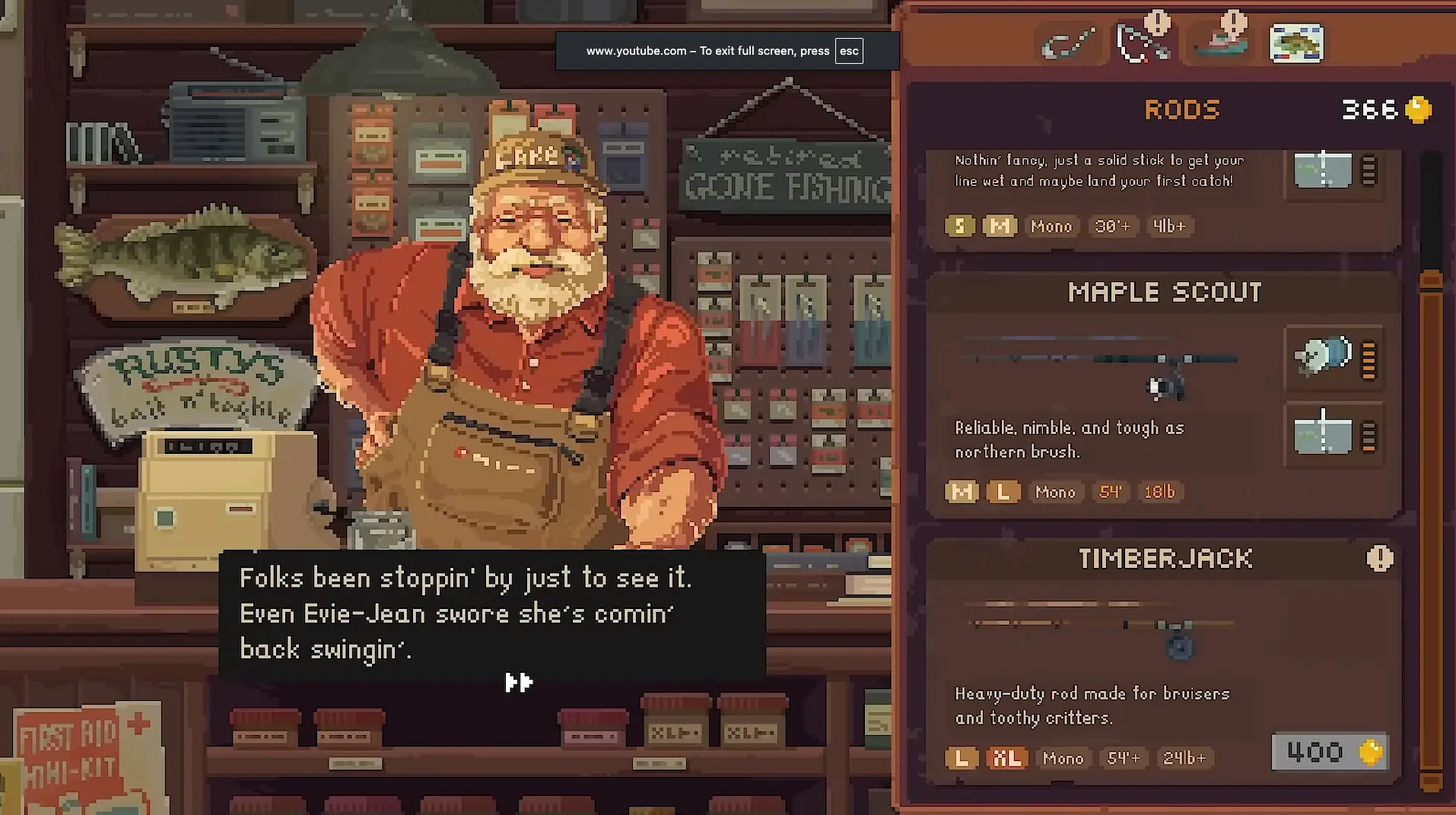
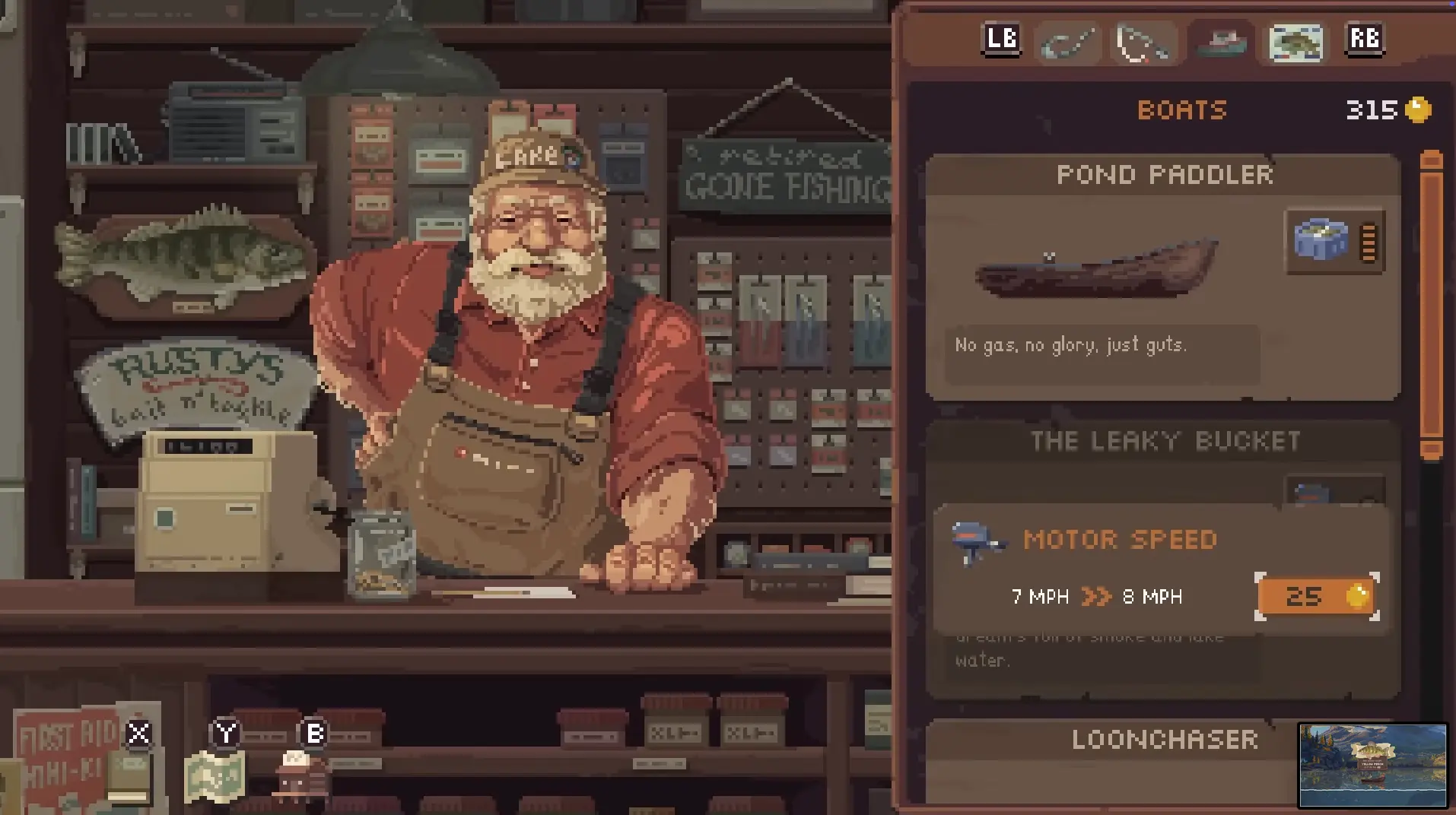
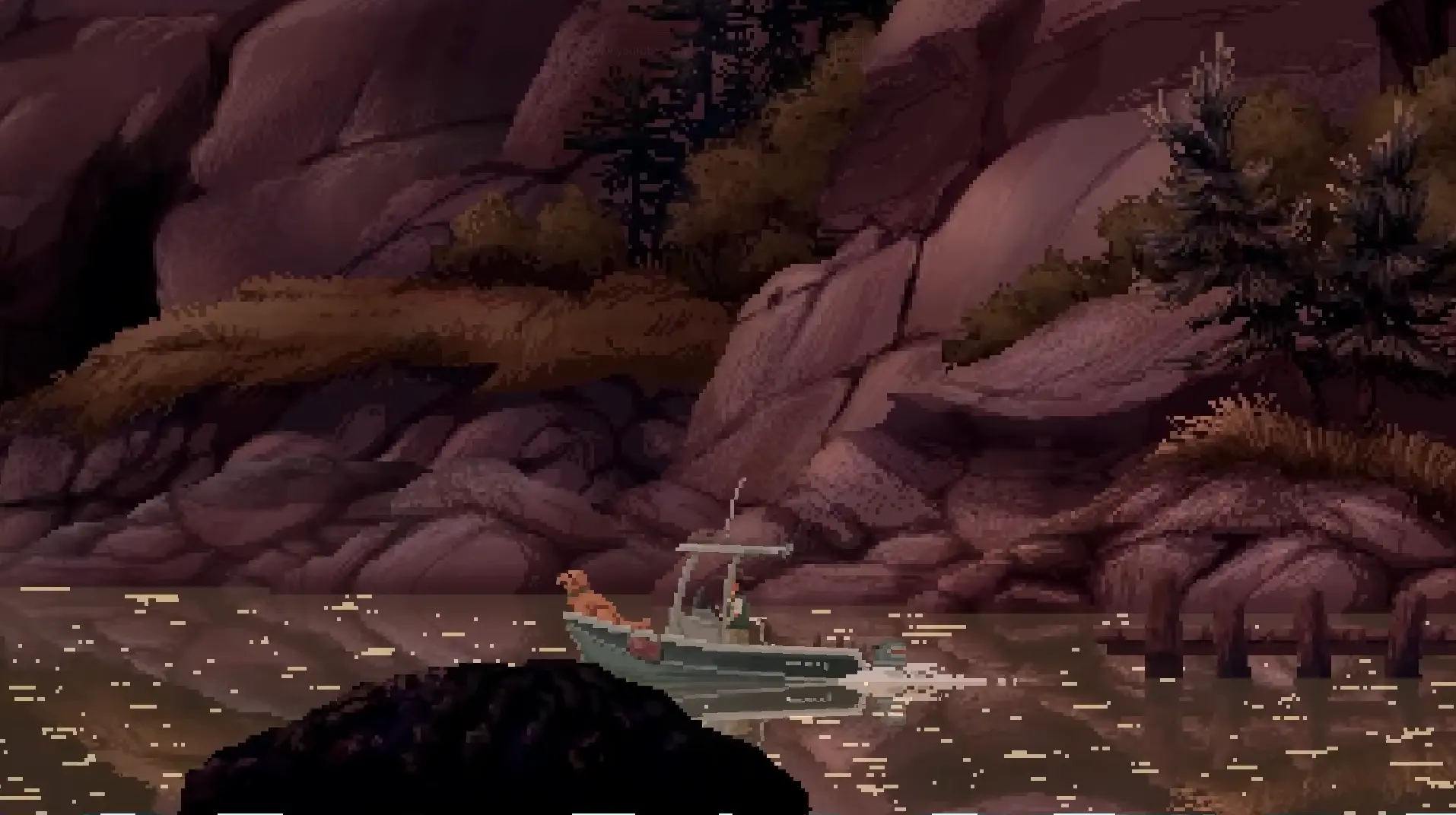
The premise is stripped to its absolute essentials, discarding the narrative bloat and complex systems of its contemporaries. The player controls a customizable avatar on a small boat, accompanied by a canine companion. The objective is deceptively simple: catalogue over 50 species of aquatic life, ranging from the humble Bluegill and Trout to the eldritch, glowing "Void Carp" and the elusive "Starlight Bass." The economic loop—catch fish, sell fish, upgrade gear to catch bigger fish—is standard fare for the genre. However, the execution elevates it to high art.
The visual presentation utilizes a stunning HD-2D aesthetic that rivals the fidelity of major RPGs like Octopath Traveler. The pixel art is crisp and nostalgic, but it is the lighting engine that truly sells the immersion. Dynamic water reflections shimmer with the movement of the waves; volumetric lighting rays pierce through the morning fog; and shifting weather patterns, from gentle sun-showers to heavy thunderstorms, create a living painting. It functions less as a game to be beaten and more as a window into a calmer reality, a digital terrarium that requires minimal maintenance but provides maximum aesthetic payout.
Gameplay Mechanics: The Dual State of Existence
Cast n Chill demonstrates a keen understanding of player psychology by bridging the gap between active simulation and idle progression. It acknowledges that a player's attention span is variable, offering two distinct modes of interaction that can be switched between seamlessly.
Active Mode: The Tactile Loop
When the player chooses to pay direct attention, the game functions as a satisfying, rhythm-based simulation. The mechanics of casting are physics-based; holding the button charges the power, and releasing it determines the distance and depth of the lure. Different fish inhabit different zones—some cling to the reeds near the shore, while others patrol the deep waters in the center of the lake.
The act of reeling is transformed into a tactile mini-game. Once a fish bites, the camera zooms in, and the player must counter the fish's struggle. This involves a "tension bar" mechanic where the player must reel in rhythm with the fish's movements, keeping a marker within a moving green zone. If the line tension gets too high, it snaps; too low, and the fish escapes. It is a mechanic that feels satisfyingly physical, akin to a high-quality fidget toy. Crucially, Active Mode is the exclusive method for capturing the game's 13 "Legendary Fish." These rare behemoths require specific bait, specific weather conditions (such as a thunderstorm at midnight), and genuine skill to land, rewarding the attentive player with trophy catches that sell for massive sums.
Idle Mode: The Screensaver Philosophy
This mode represents the title's true innovation. With a single click, the character can be set to "Auto-Cast." The UI fades away, and the avatar continues to fish autonomously. The catch rate is slower, and Legendary Fish will never bite, but the progression continues. This allows the application to be minimized or shifted to a secondary screen while the user attends to work, study, or domestic tasks. The player can glance over every few minutes to see their cooler filling up with fish, offering a steady drip-feed of dopamine without breaking their real-world workflow. Statistical analysis suggests that while many users log hundreds of hours in Cast n Chill, only a fraction of that time involves direct input. The game effectively transforms into a high-fidelity screensaver that rewards passivity, validating the player's time even when they aren't looking at the screen.
Atmosphere & Themes: Curated Solitude
While the visuals are striking, the audio engineering constitutes at least fifty percent of the total experience. Wombat Brawler partnered with lo-fi artist Space Banjo to compose an original soundtrack that is a masterpiece of background audio. It features a curated playlist of lo-fi hip-hop beats mixed with banjo-infused acoustic tracks and soft piano melodies. It is the sonic equivalent of a warm blanket—music designed specifically to induce a state of concentration or relaxation (alpha brain waves).
This musical layer is superimposed over a complex, high-fidelity ambient soundscape. The sound design is incredibly grounding: the rhythmic lapping of water against the hull of the fiberglass boat, the chirp of distant crickets in the evening, the crackle of a campfire on the shore, and the white noise of rain drumming on the tin roof of the boat cabin. The developers have included a "Mixer" in the settings, allowing players to independently adjust the volume of the music, the rain, the wind, and the sound effects, effectively letting them act as their own DJ for their relaxation environment.
Thematically, the game explores the concept of Solitude versus Loneliness. In a hyper-connected world, Cast n Chill posits that being alone is a luxury. It constructs a safe space devoid of failure states. The boat cannot sink. There are no storms that damage the player. The fish cannot escape once caught in auto-mode. There is no "Game Over" screen. It is a pure, undistilled interaction between the digital avatar and the water, a celebration of the quiet moments where nothing is expected of you.
Conclusion: Essential Utility Software
To classify Cast n Chill merely as a "video game" is to undervalue its function in the modern user's library. It operates more accurately as essential utility software for the modern human psyche, sitting somewhere between a meditation app and a productivity tool. It lowers blood pressure, quiets the noise of the outside world, and provides a digital space where progress is guaranteed and stress is non-existent.
For remote workers, university students, podcast listeners, and the perpetually anxious, Cast n Chill is not just a pastime; it is a necessity. It achieves the rare feat of being a perfect 10/10 experience precisely because it asks for nothing. In a world that demands everything, this game gives you permission to drift.