Introduction: The Mountain Within
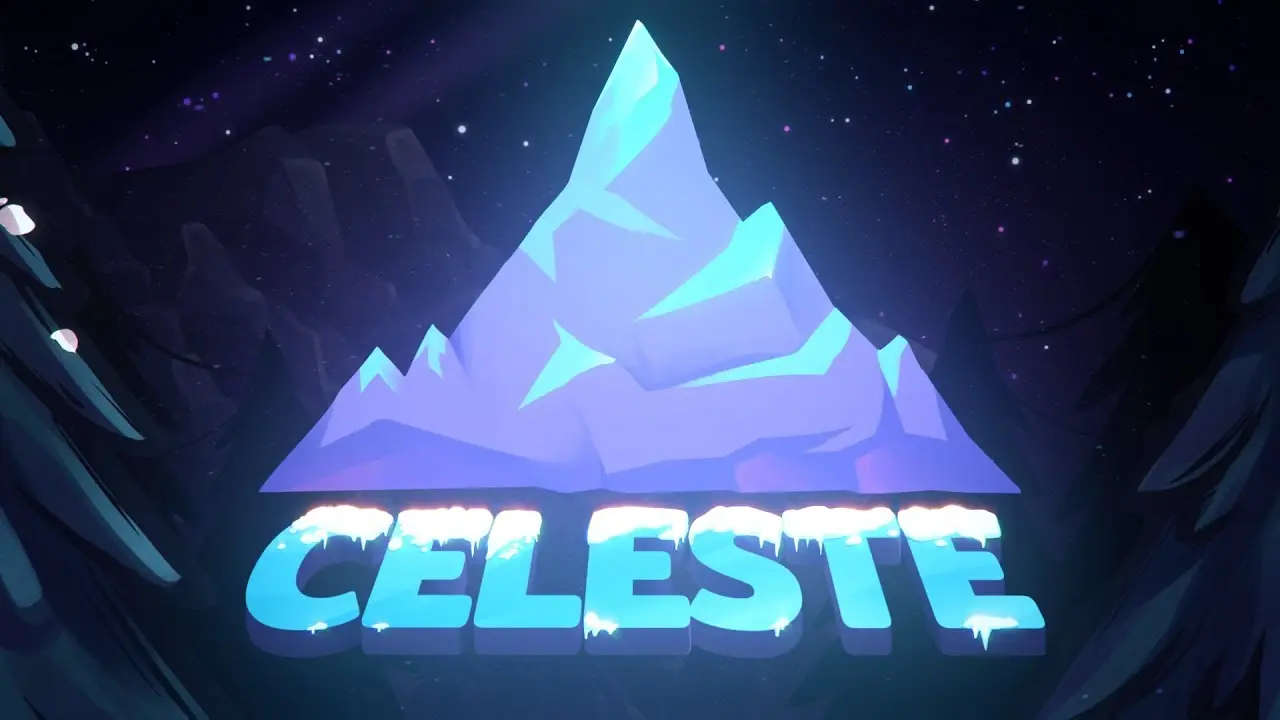
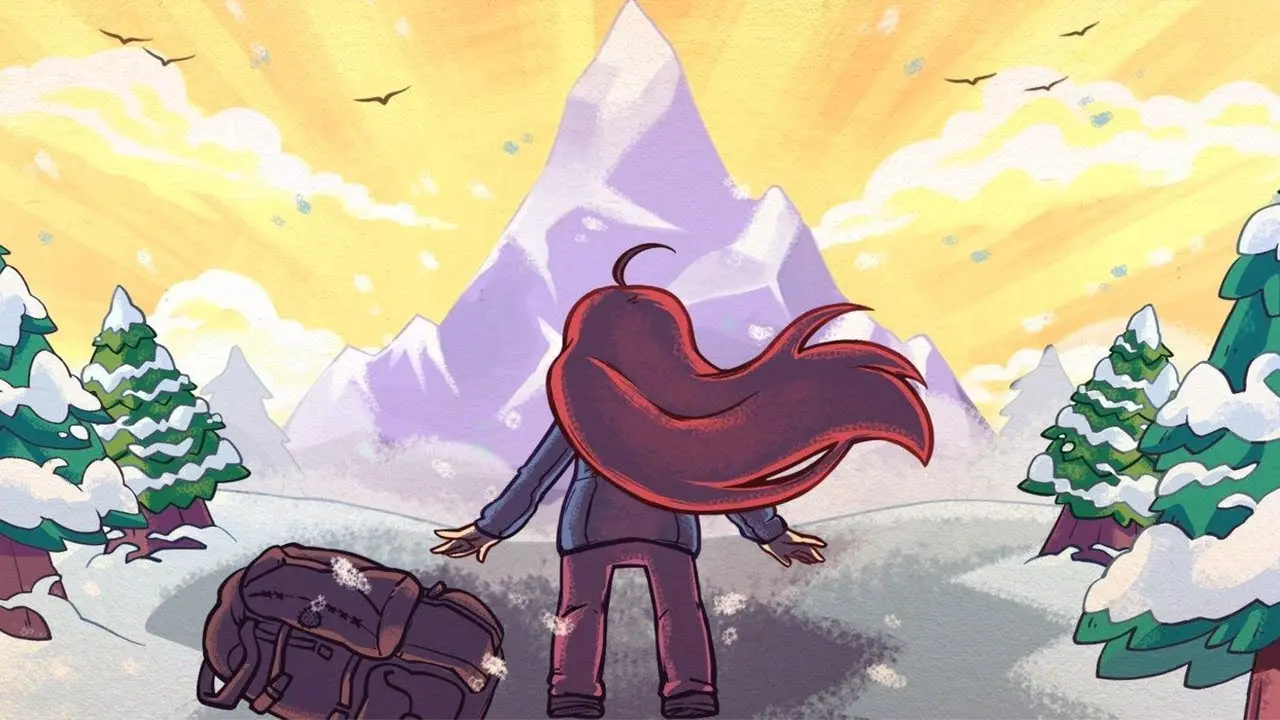
At first glance, Celeste looks like another punishing, retro-inspired 'masocore' platformer designed to break your controllers. But look closer, and you'll find one of the most mechanically tight, emotionally resonant games of the last decade. You play as Madeline, a young woman who decides to climb the treacherous Mount Celeste simply because she needs to prove to herself that she can.
What begins as a physical challenge quickly spirals into a deeply psychological journey. The mountain is a literal place, but it is also a manifestation of Madeline's inner turmoil, depression, and self-doubt. The genius of Celeste isn't just that it tells a compelling story about mental health; it's that it uses the very act of dying, trying again, and pushing through extreme frustration as the mechanical metaphor for overcoming anxiety. It respects your time by respawning you instantly, whispering a single, vital message: you can do this.About the Game: The Architecture of Ascent
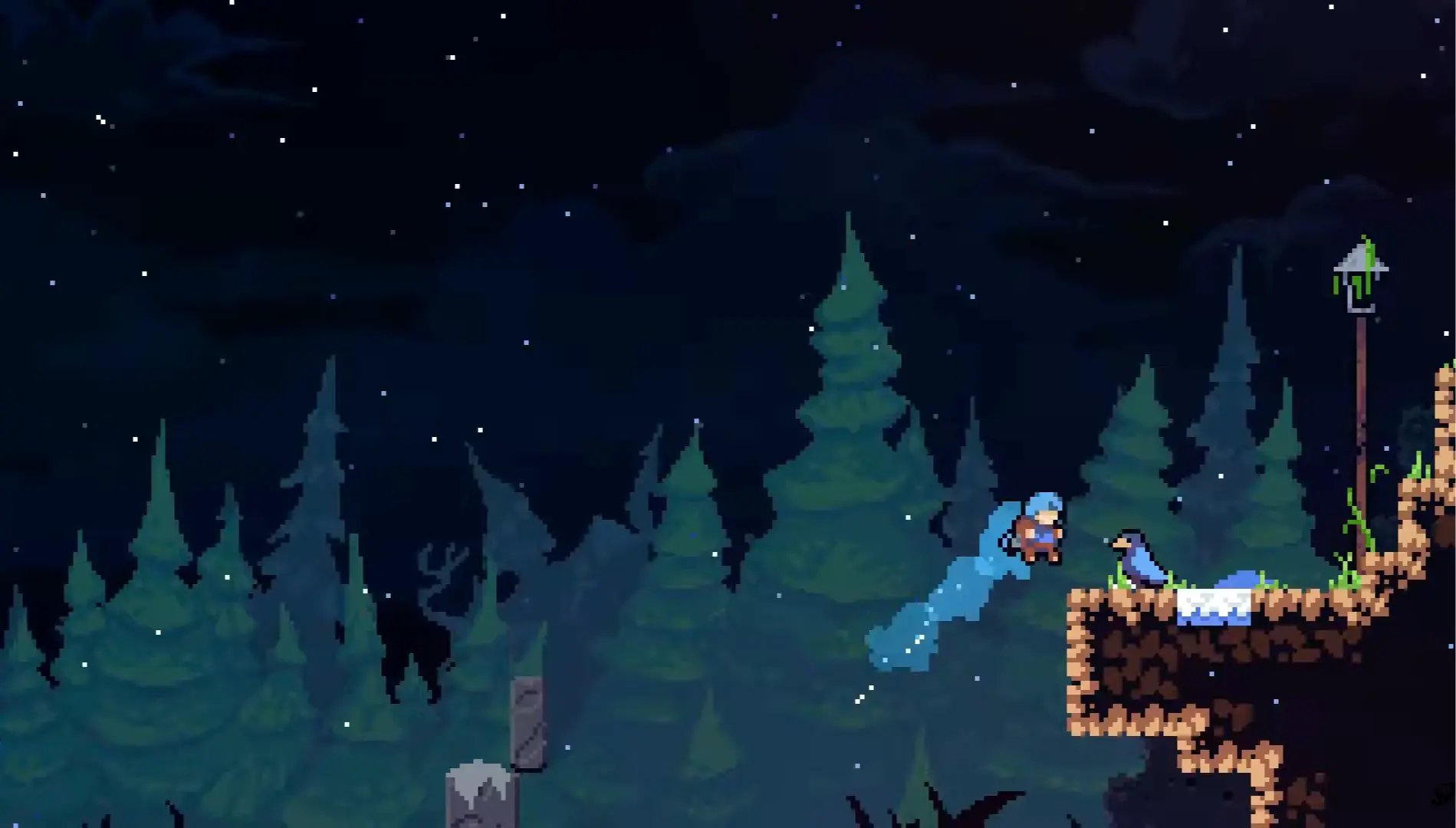
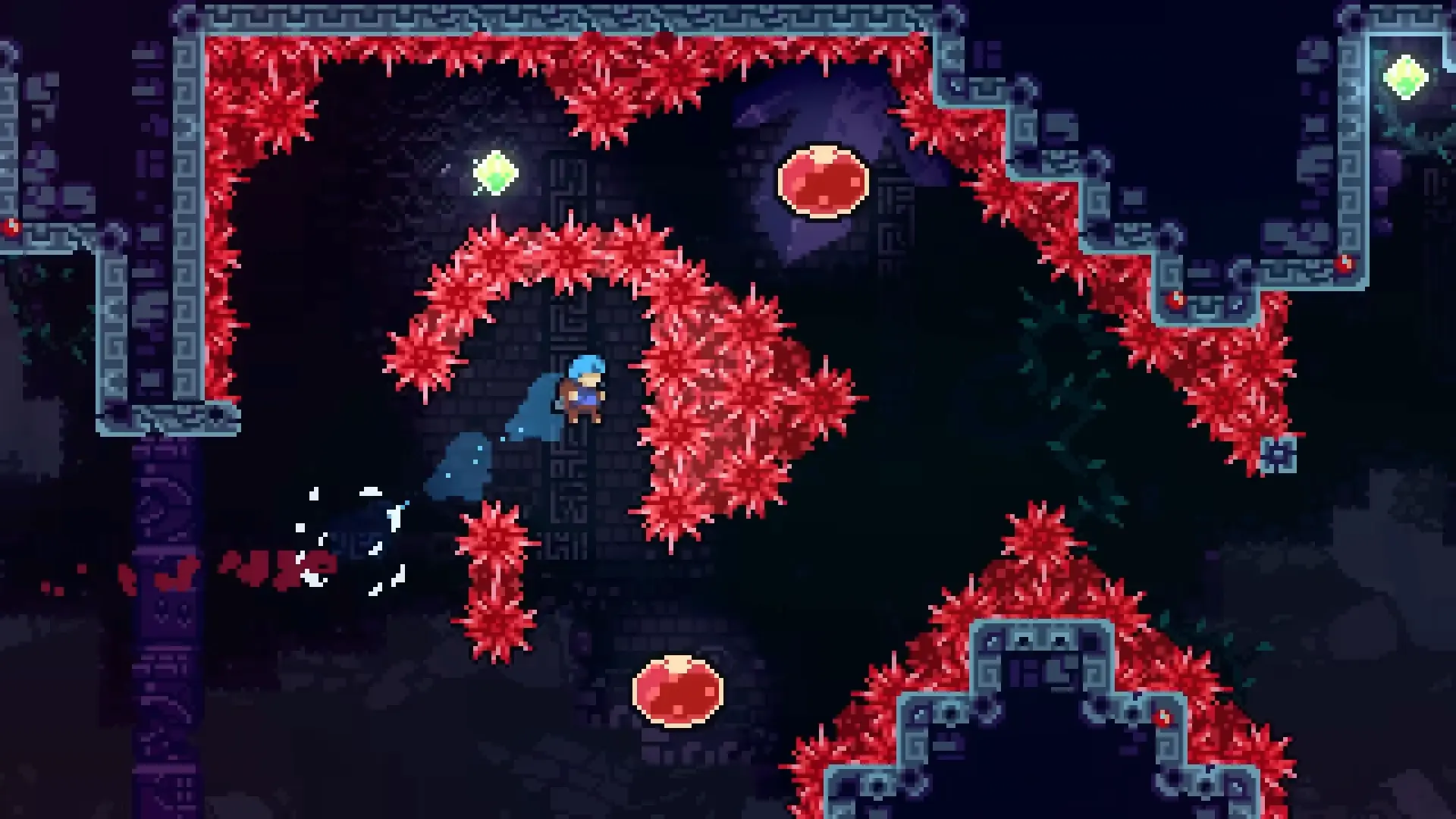
The core loop of Celeste is breathtakingly simple: run, jump, climb, and perform an eight-way mid-air dash. From these basic verbs, the developers construct a staggering variety of screen-sized puzzles that require absolute precision. You manage a finite stamina bar while clinging to walls, making every second spent hesitating a fatal mistake.
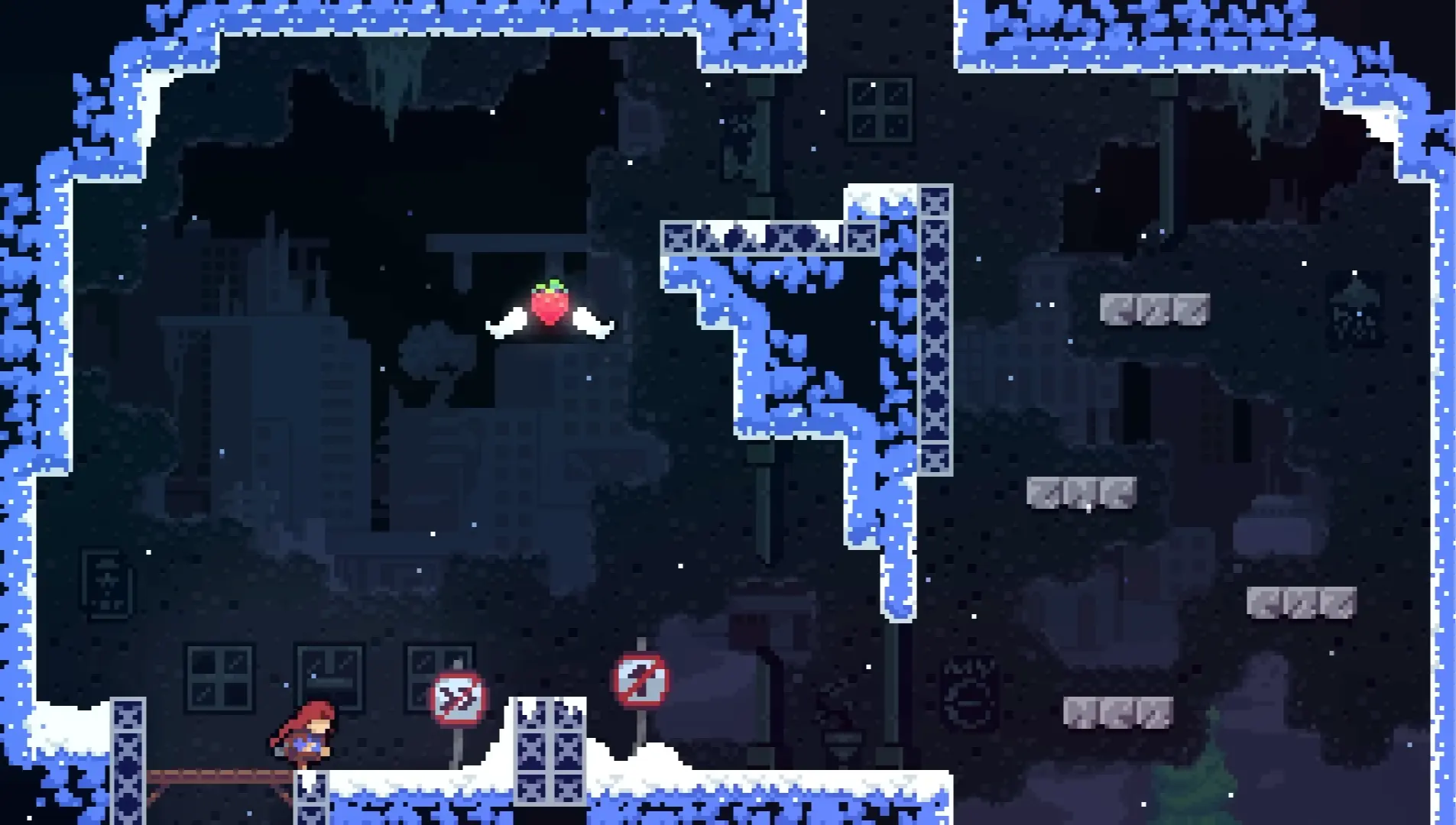
The game is divided into distinct chapters, each introducing a new mechanical gimmick—from cosmic blocks that launch you across the screen to fierce winds that alter your momentum. The optional collectibles, glowing Strawberries, are placed in devious, hard-to-reach spots. The game explicitly tells you they are just for 'bragging rights,' serving as a brilliant test of the player's own ego. Will you risk a flawless run just to grab a meaningless berry? For those of us who obsess over mastery, the answer is always yes.Story: Confronting the Mirror
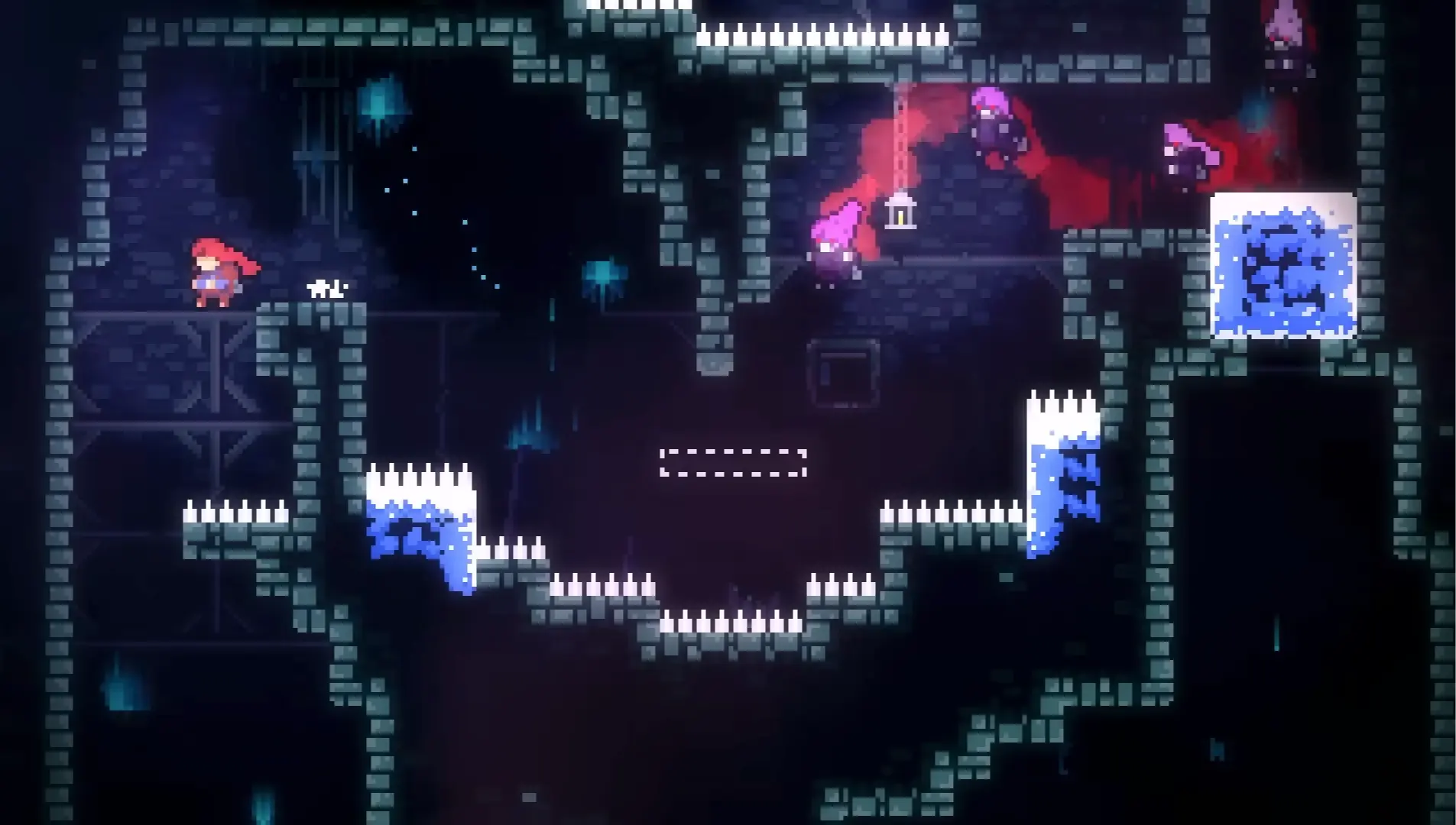
Where most games ask you to defeat your demons, Celeste asks you to understand them. Early in the climb, Madeline's anxiety physically separates from her, forming 'Badeline'—a cynical, pragmatic, and terrified goth reflection of herself who actively tries to stop the climb out of a misguided sense of self-preservation.
The narrative brilliance lies in how the game handles this conflict. The climax of their relationship isn't a triumphant boss fight where Madeline kills her dark half; it's a profound realization that she cannot survive without her. The famous 'feather breathing' minigame during a panic attack sequence is one of the most grounded, accurate depictions of anxiety in media. Celeste teaches that you don't cure depression by fighting it; you survive it by integrating it, listening to it, and working together.Gameplay: Frames, Feathers, and Flow
If you want to talk about raw mechanics, Celeste is a gold mine. It employs a ridiculous amount of hidden 'forgiveness mechanics' under the hood to make the movement feel perfect. 'Coyote time' lets you jump a few frames after walking off a ledge; corner correction nudges you around spikes if you barely clip them. These invisible systems ensure that every death feels like your fault, not the game's.
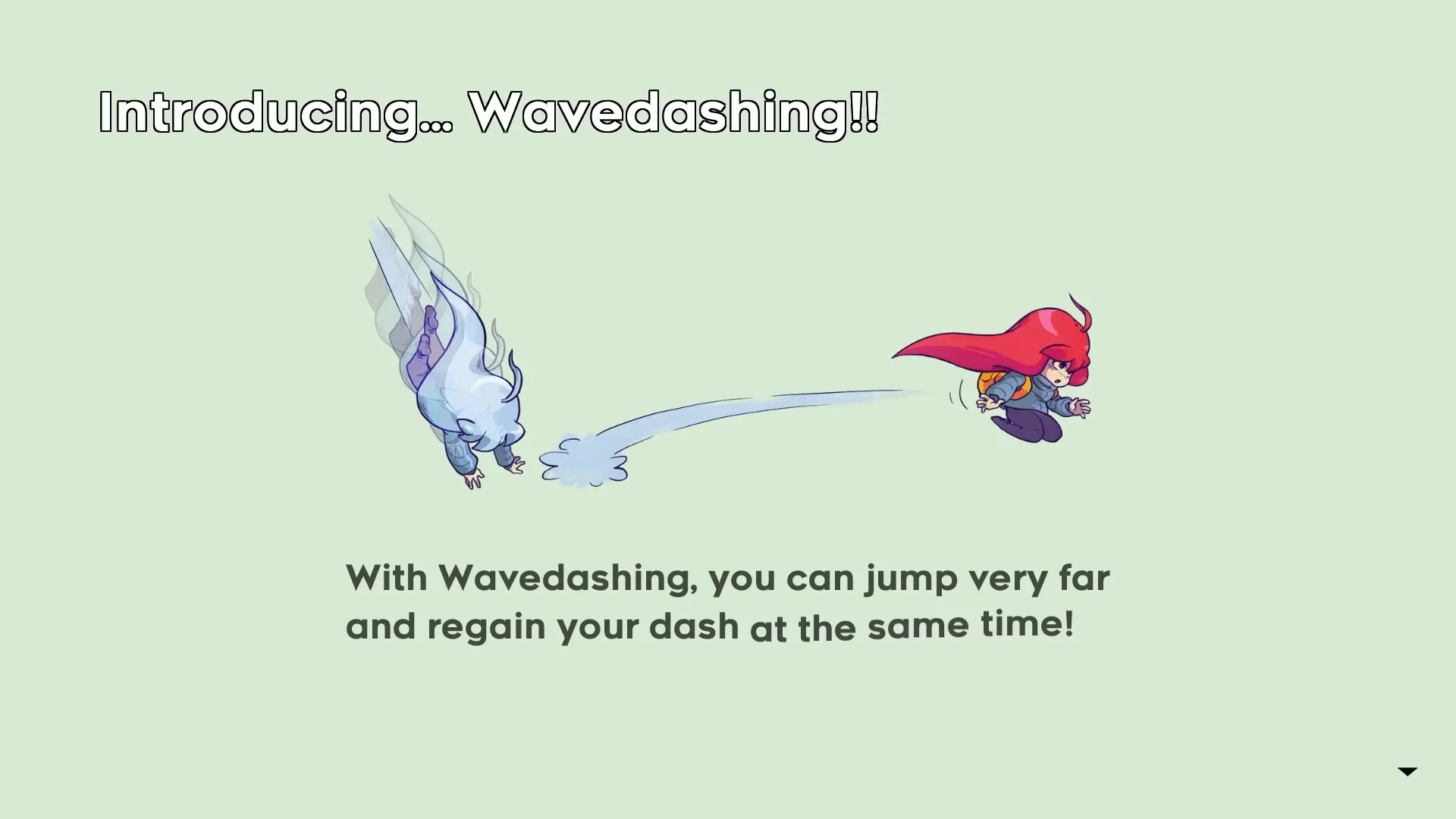
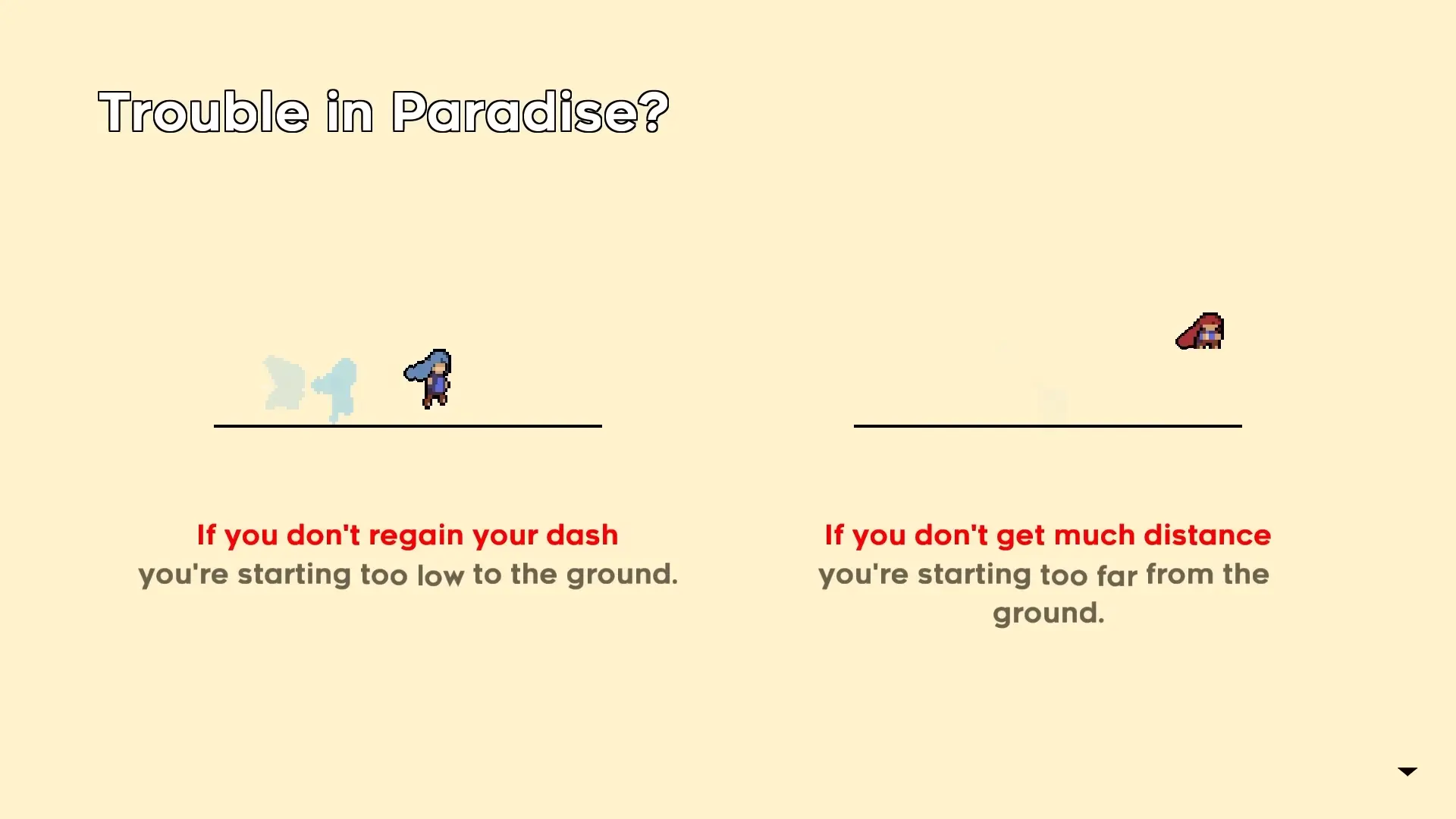
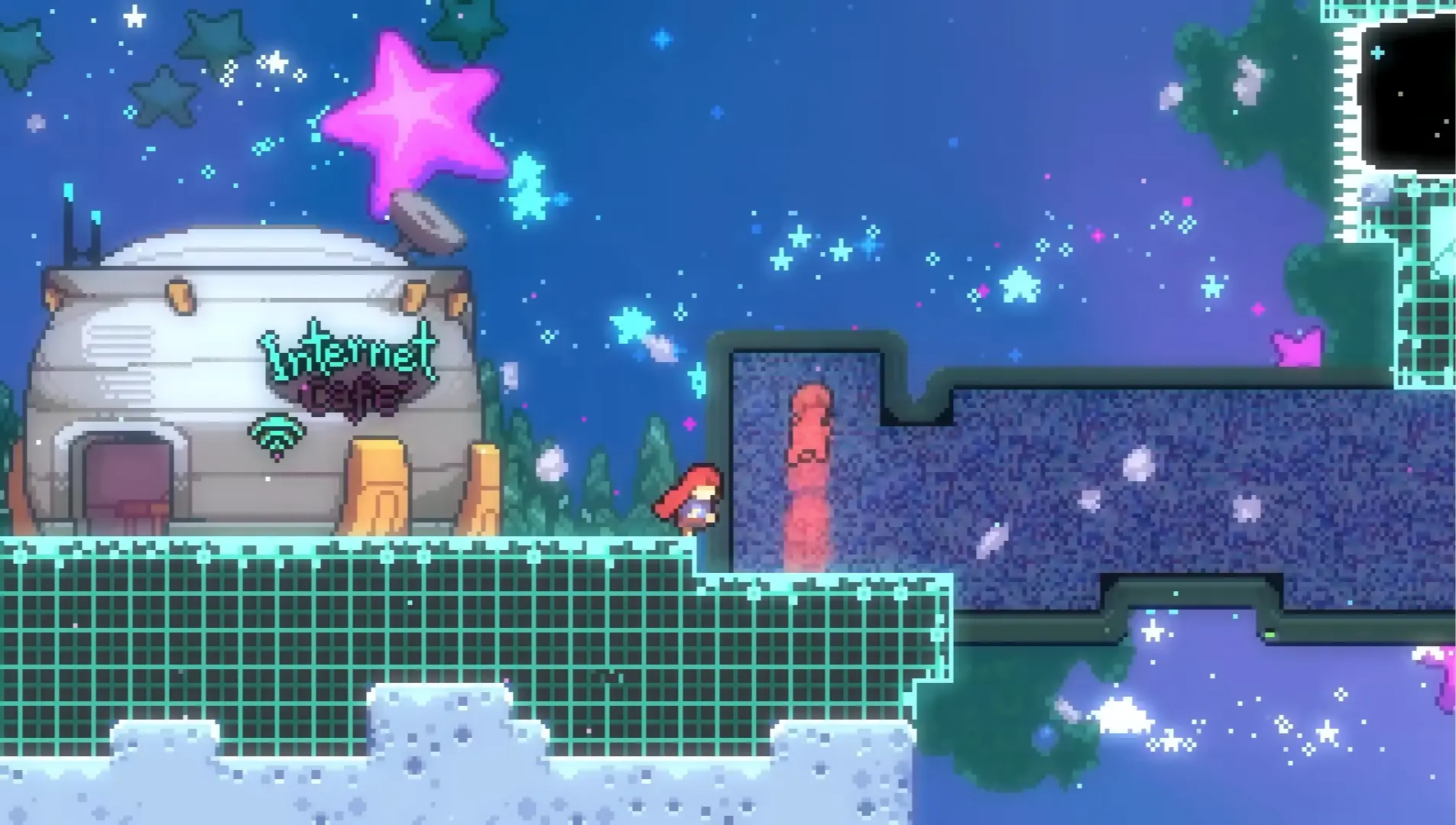
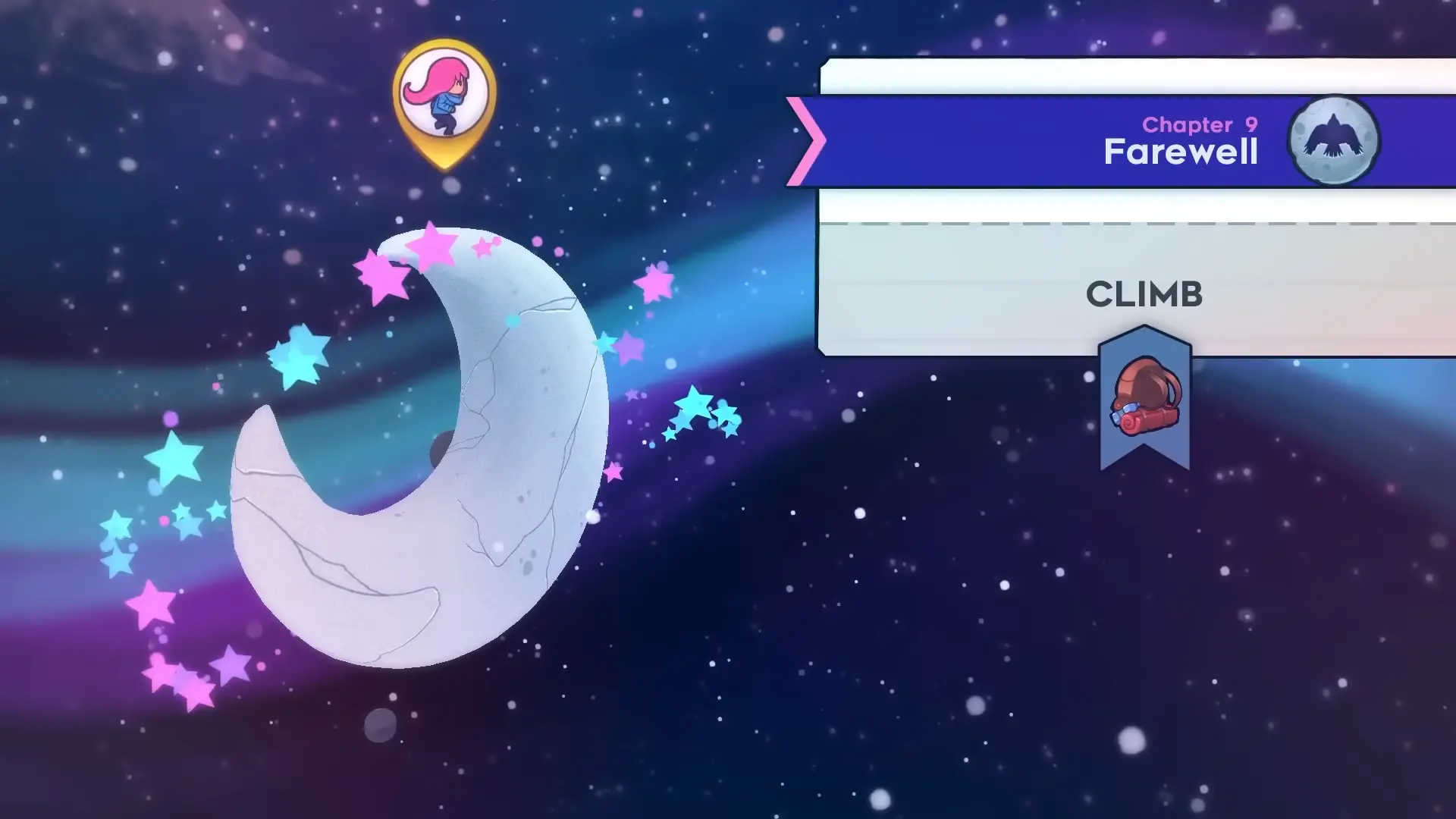
For the truly obsessive, the post-game content is where the real game begins. Unlocking the 'B-Sides' and 'C-Sides' transforms the game from a challenging platformer into an unforgiving execution test. And then there's the 'Farewell' DLC, which officially introduces speedrunning tech like the 'Wavedash' (a precise combination of a diagonal downward dash into a jump to preserve explosive forward momentum) into the core progression. When you finally chain together a perfect sequence of wall-bounces and wavedashes, the flow state is absolute nirvana.Atmosphere: Synths and Snowstorms
You cannot discuss Celeste without praising Lena Raine’s monumental soundtrack. The music is intrinsically tied to Madeline's emotional state. The upbeat, hopeful pianos of the early levels gradually warp into chaotic, reversed synth-heavy beats during the panic attacks, only to resolve into a sweeping, triumphant orchestral swell as you near the summit.
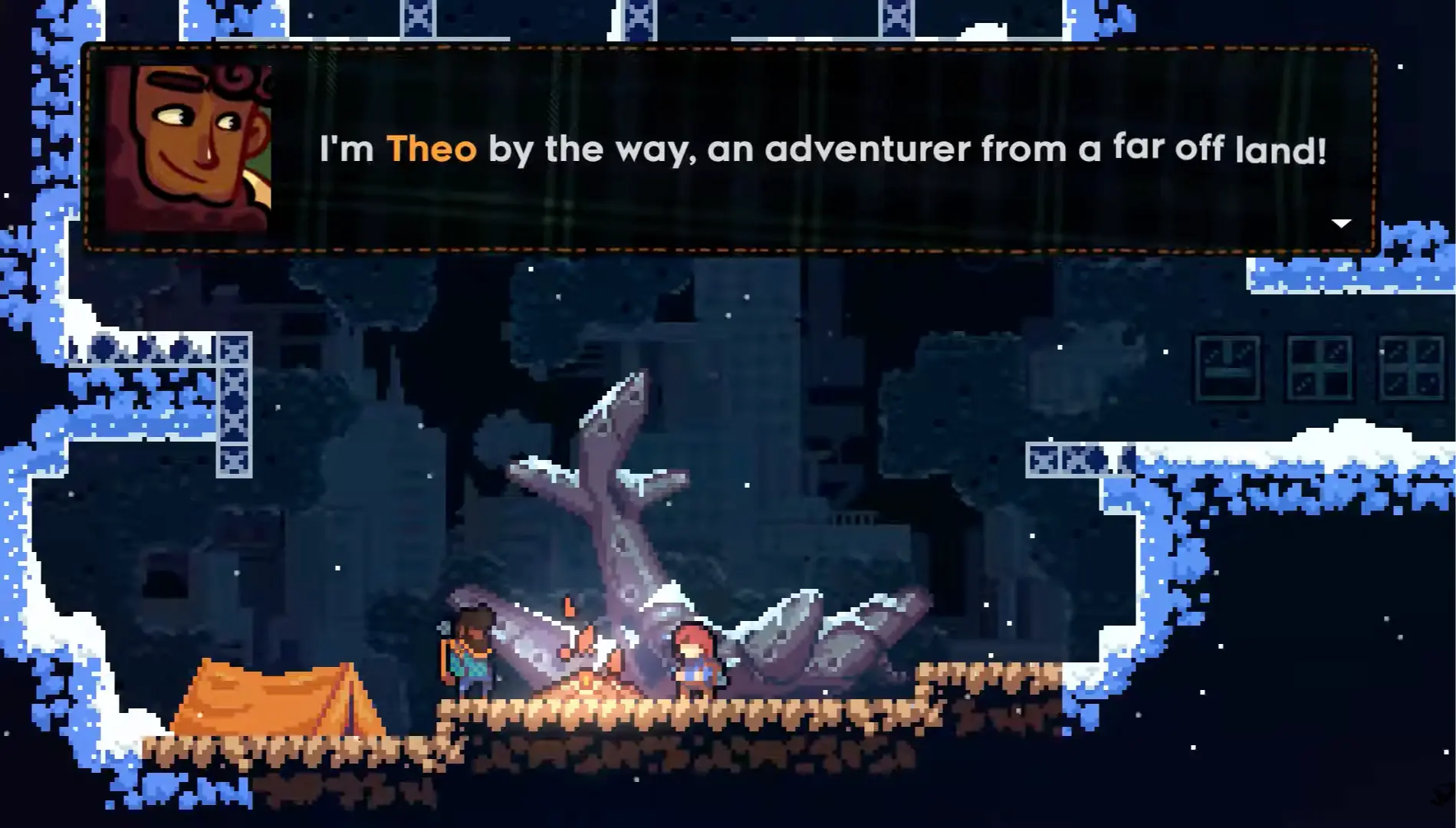
The pixel art is incredibly expressive, doing heavy lifting to communicate both the harshness of the environment and the micro-expressions of the cast. The contrast between the cold, isolating blues and whites of the mountain against the warm, inviting colors of your companion, Theo, creates a perfect visual shorthand for the game's themes of isolation and connection.Conclusion: Reaching the Summit
Celeste is a rare masterpiece where ludonarrative dissonance simply doesn't exist. The mechanics are the story. The thousand deaths you suffer are not punishments; they are the necessary steps of the climb. By the time you reach the summit, the sense of accomplishment is overwhelmingly real because the game demanded genuine growth from you—both in terms of muscle memory and emotional endurance.
It stands out as a triumph of independent game design. It proves that extreme difficulty and profound accessibility (thanks to its robust, judgment-free Assist Mode) are not mutually exclusive. Celeste respects your intelligence, it respects your struggle, and above all, it reminds you to just keep breathing. A masterclass in every sense of the word.