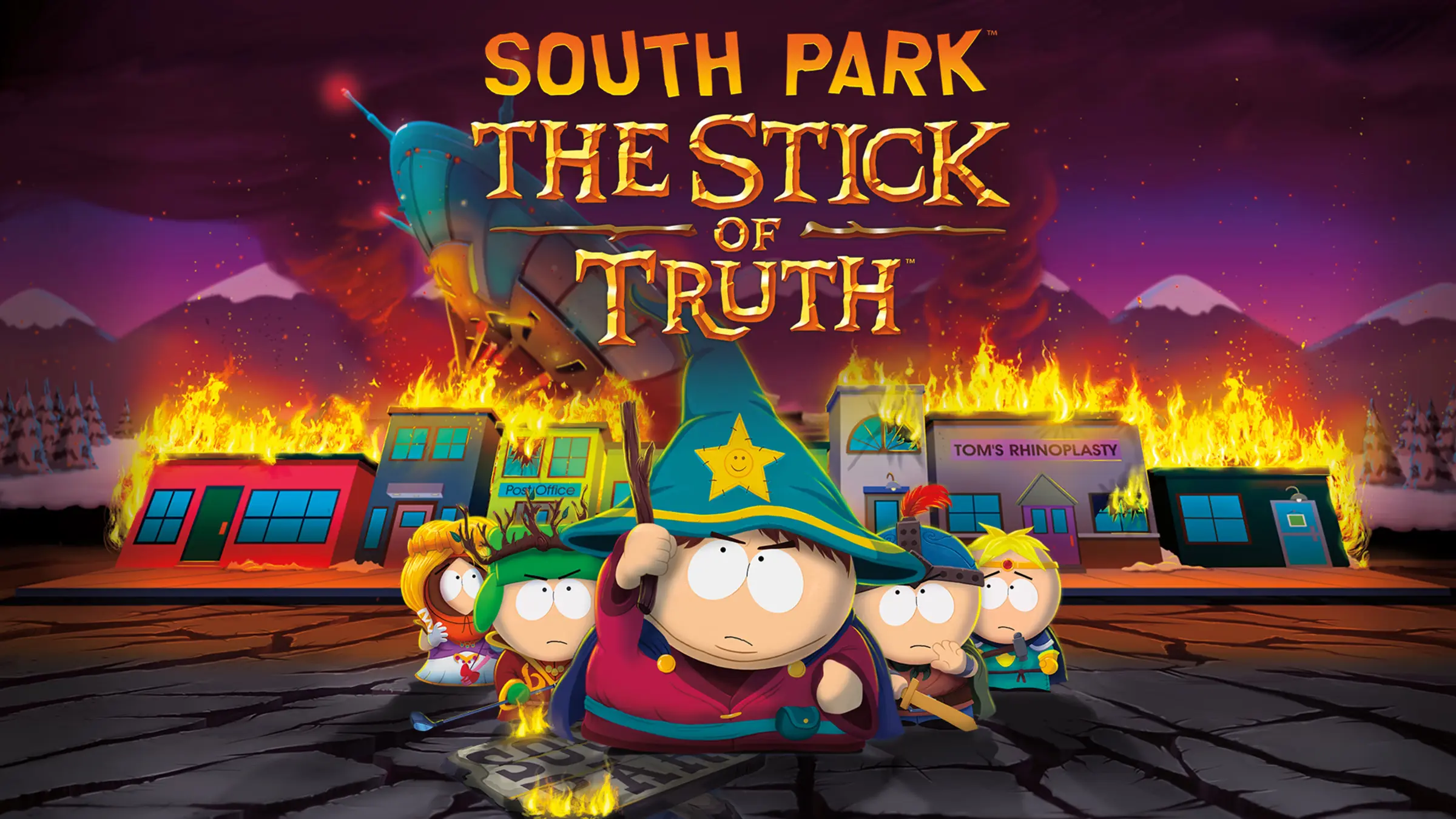
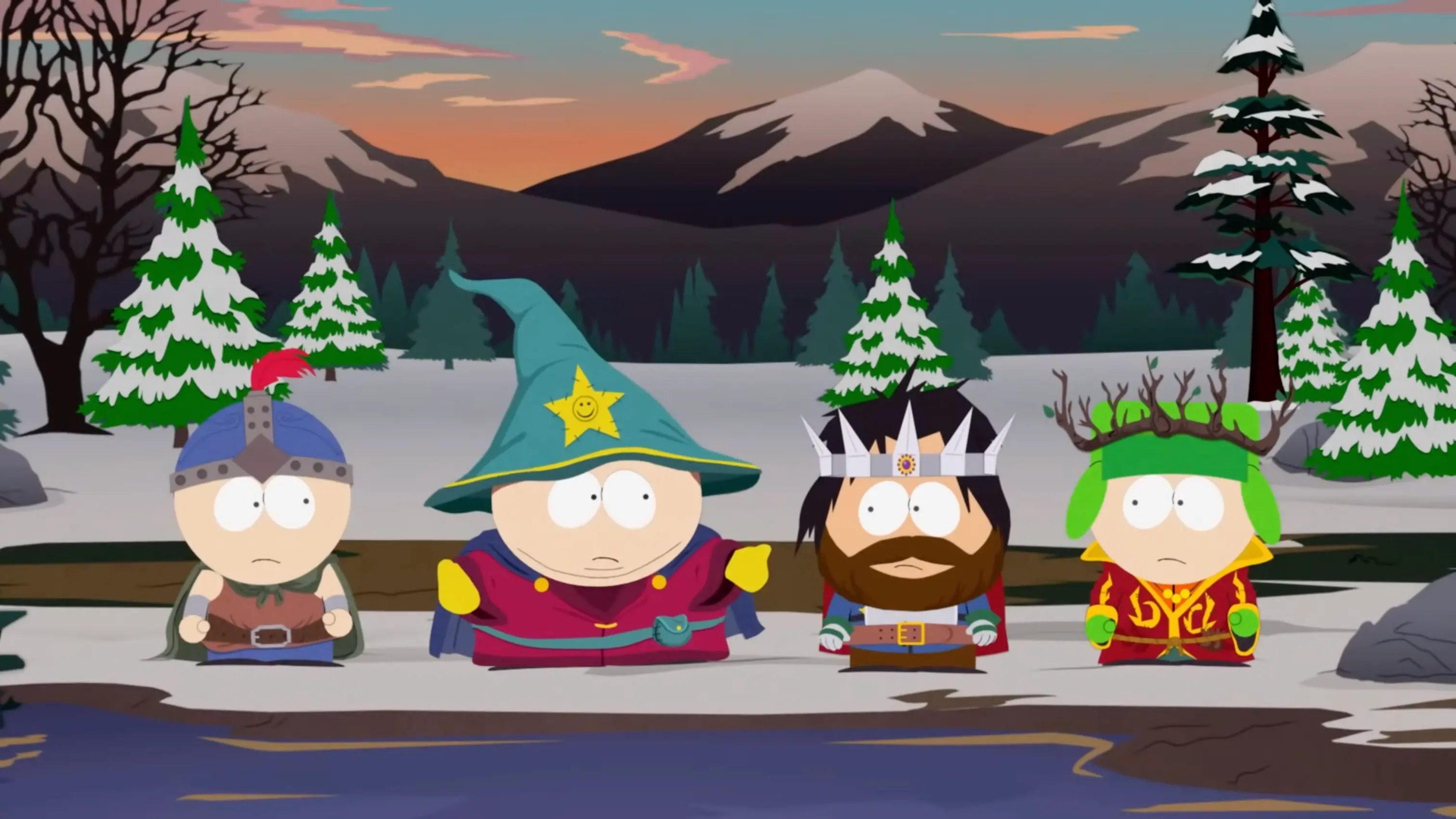
For decades, the video game industry was plagued by the infamous 'licensed game curse.' Titles based on popular movies or television shows were typically rushed, low-budget cash grabs that completely failed to capture the magic of their source material. The South Park franchise was no exception, having suffered through a string of mediocre 3D platformers and kart racers in the late 90s. However, in 2014, everything changed. Developers at Obsidian Entertainment, renowned for their deep role-playing games, teamed up directly with South Park creators Trey Parker and Matt Stone to create South Park: The Stick of Truth.
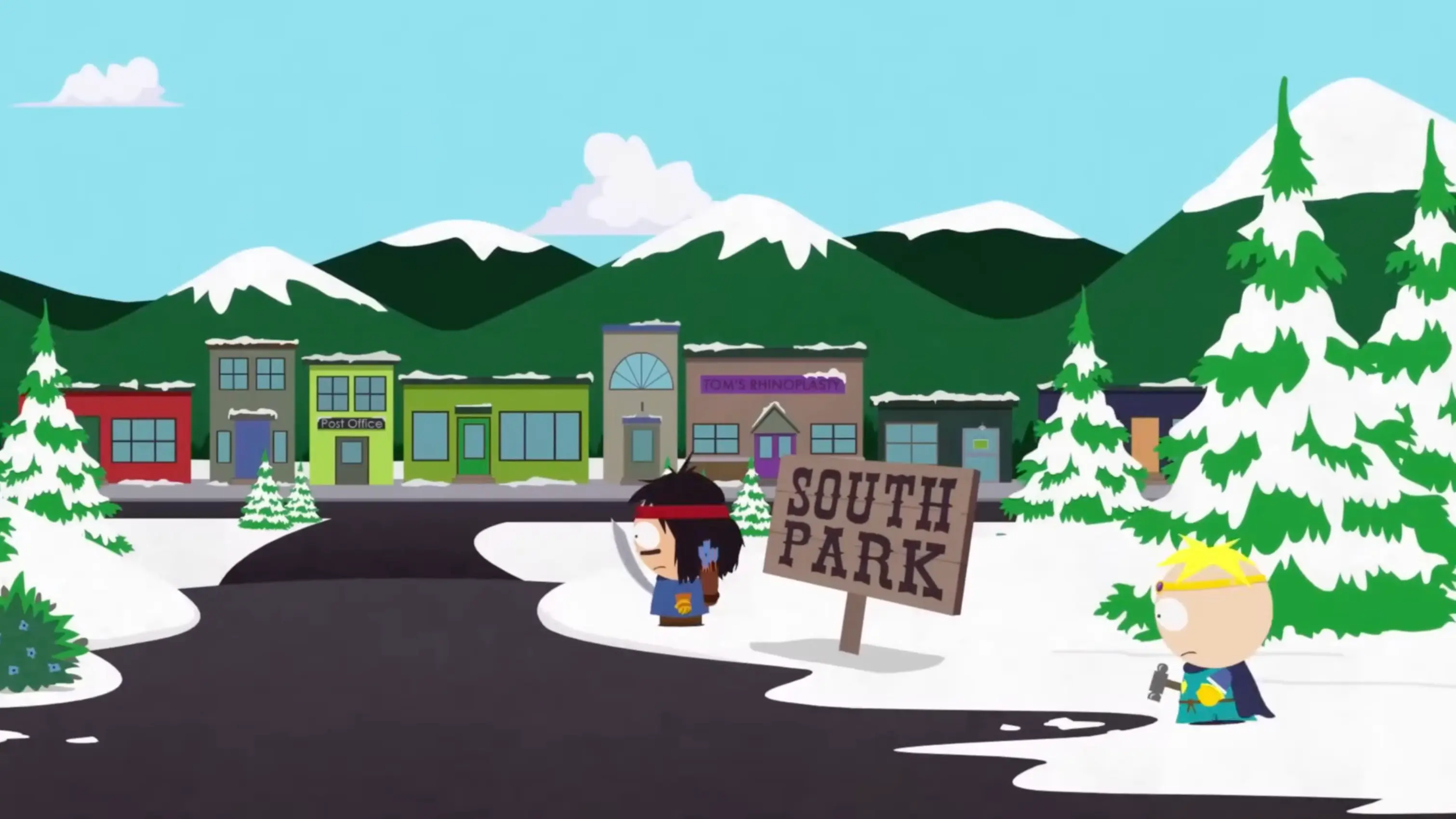
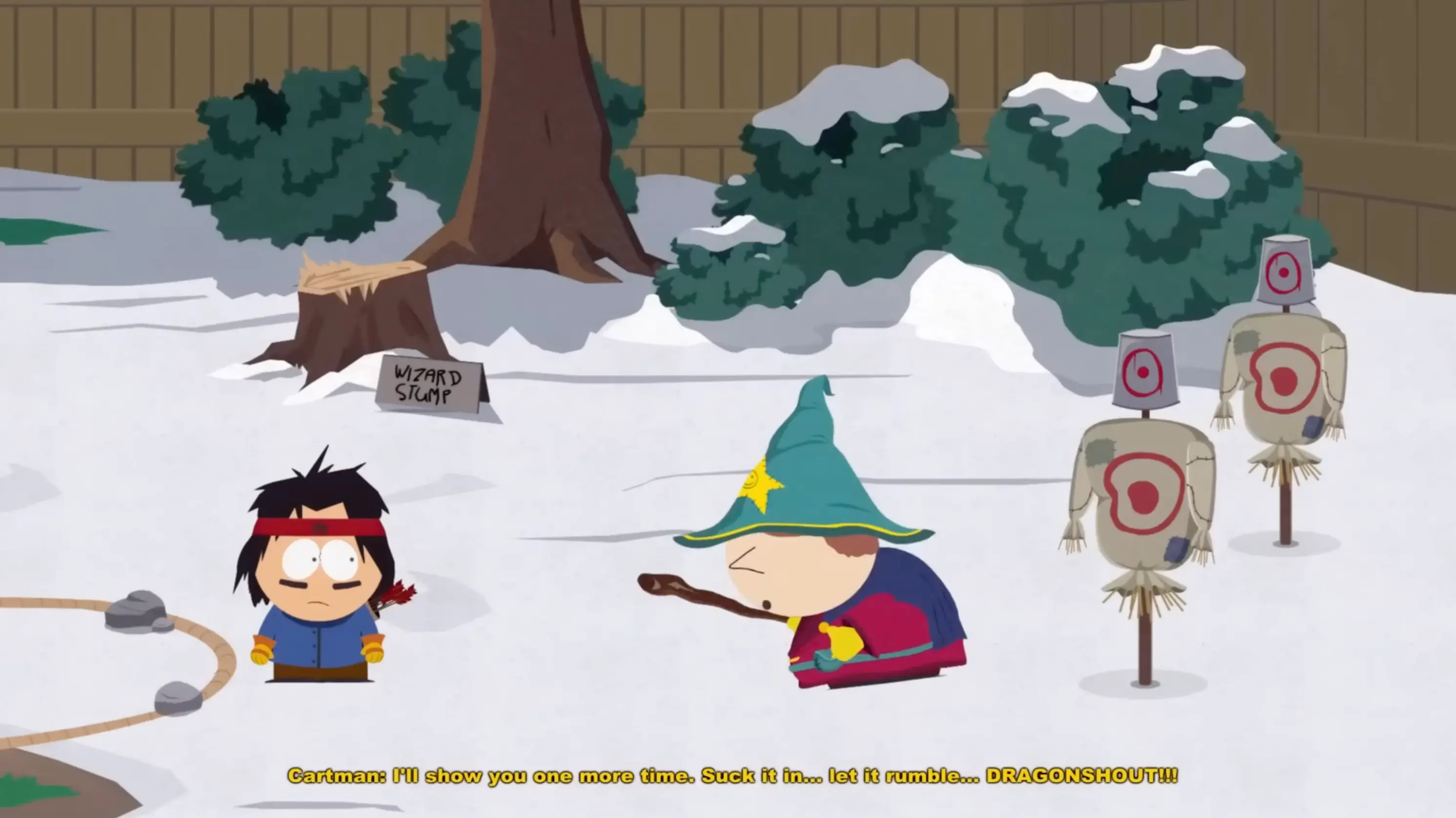
From the very opening cinematic, it becomes abundantly clear that this is not a cheap tie-in. The creators demanded that the game look and feel completely indistinguishable from an actual episode of the television show. By utilizing the exact same animation software, 2D construction-paper aesthetics, and original voice acting, they accomplished a visual miracle. You are no longer just watching the quiet mountain town of South Park; you are walking its streets, opening its doors, and interacting with its insane residents. It stands as a monumental achievement in interactive media, proving that with enough creative control and passion, a licensed game can actually surpass the medium it was adapted from.
About the Game: The Tale of the New Kid
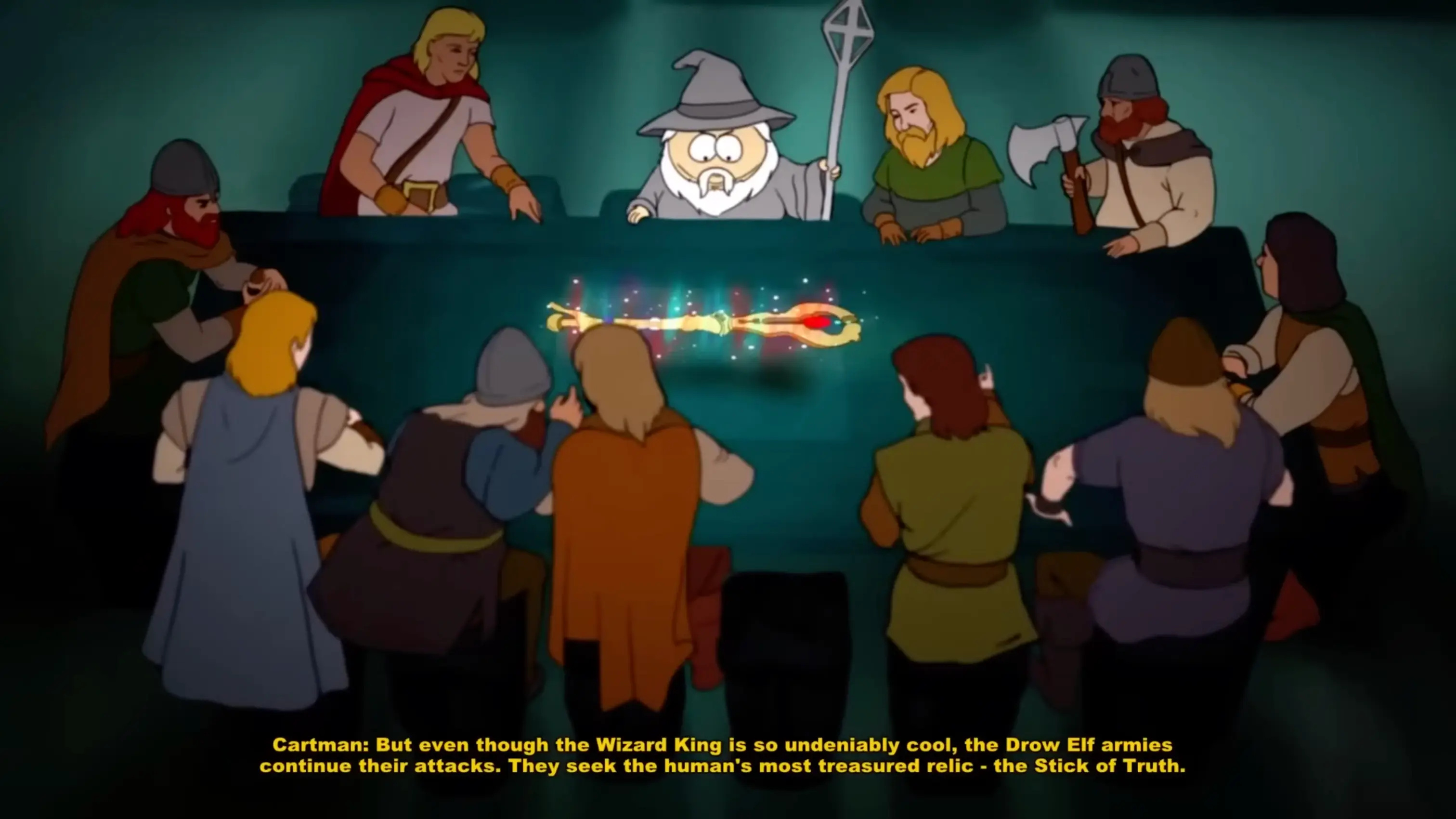
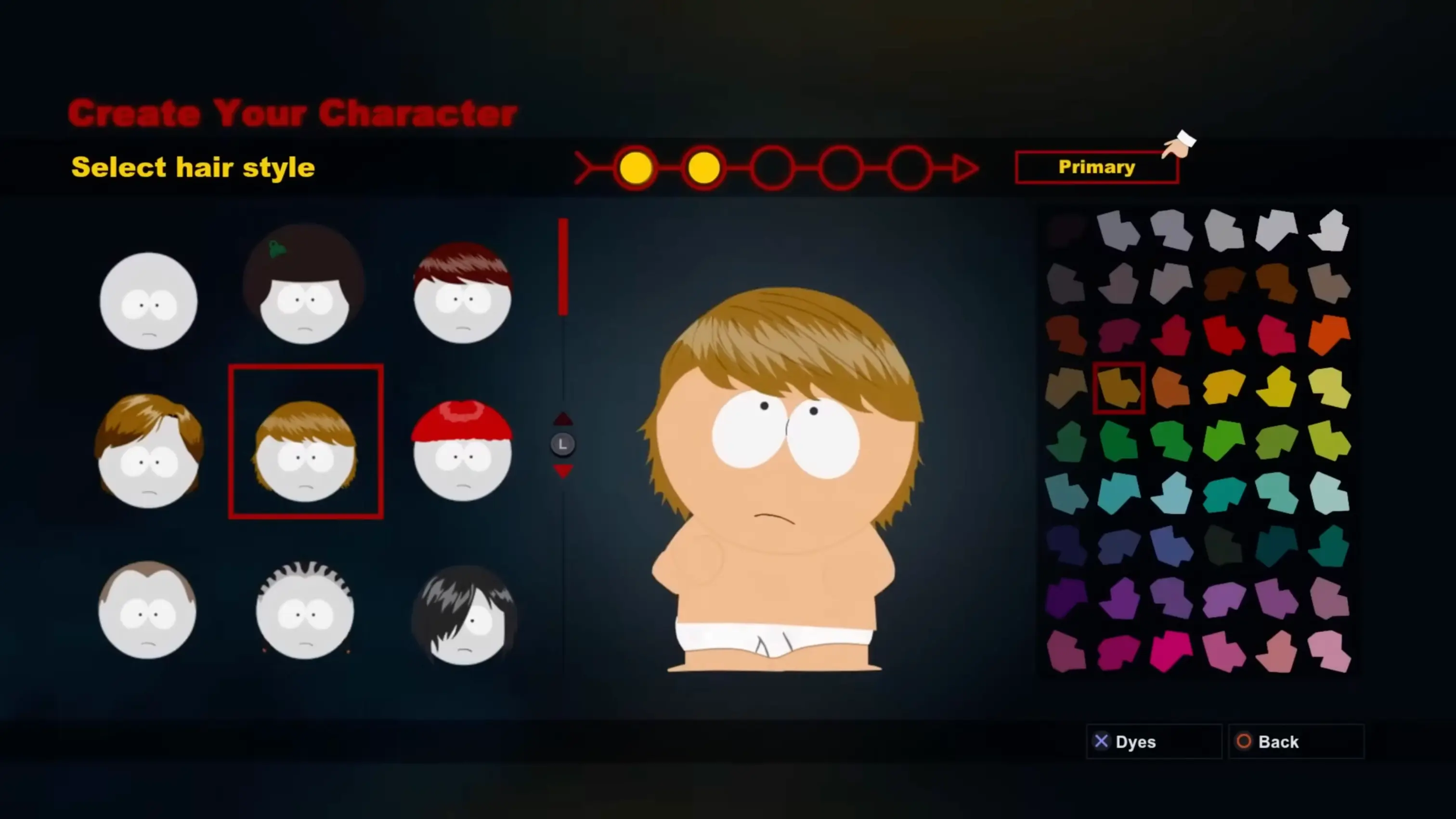
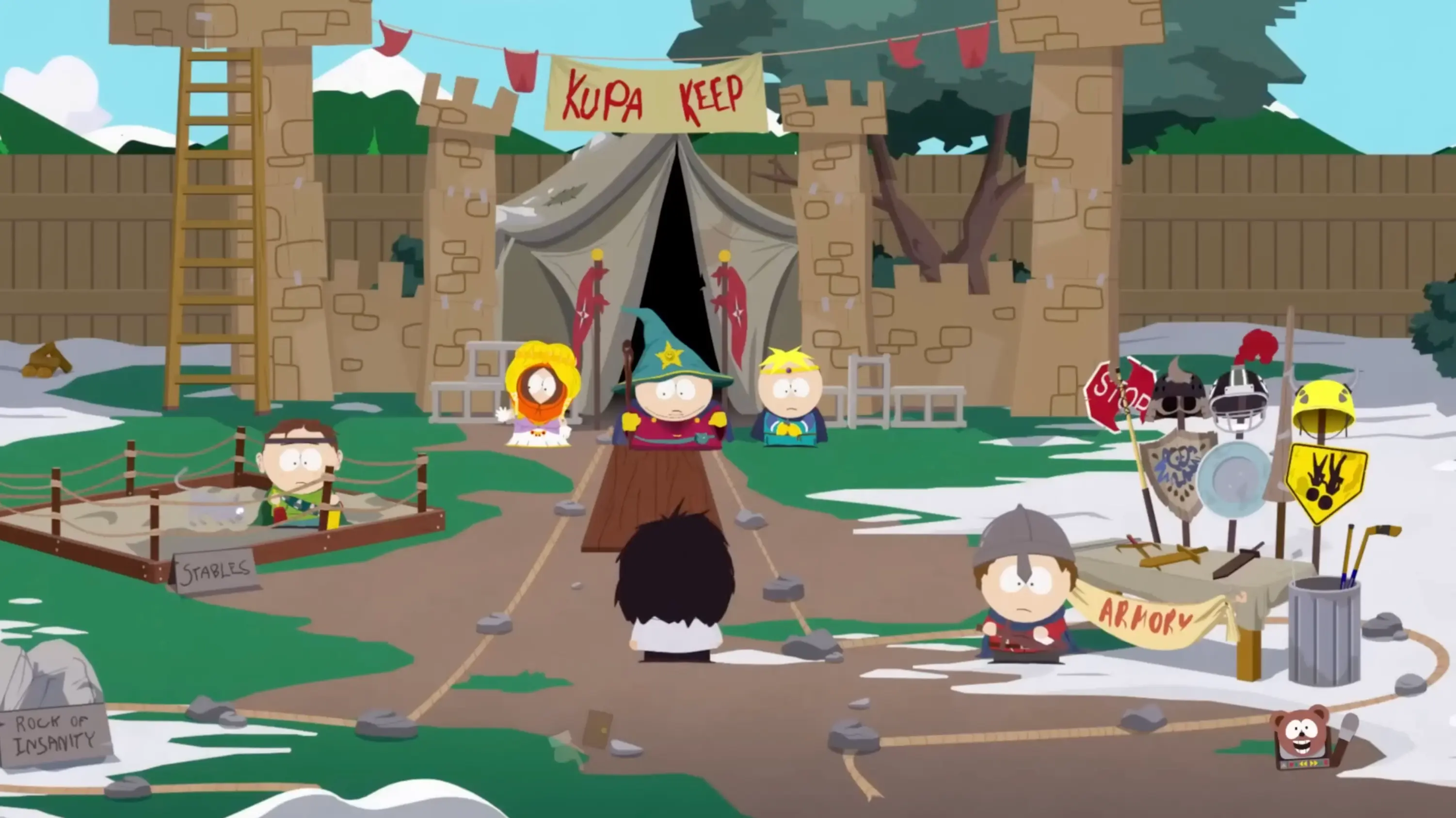
The premise of The Stick of Truth brilliantly grounds the player in the world by casting them as the 'New Kid.' You are a silent protagonist whose family has just moved to South Park to escape a mysterious, unspoken past. Pushed out the door by your parents to go make friends, you immediately stumble into a massive, town-wide Live Action Role-Playing (LARP) game being waged by the local children. The stakes are hilariously high in their imaginations: two warring factions—the humans led by Grand Wizard Cartman, and the drow elves led by High Jew Elf King Kyle—are locked in a bloody struggle for control of the titular 'Stick of Truth,' a completely ordinary twig that supposedly grants its wielder control over the universe.
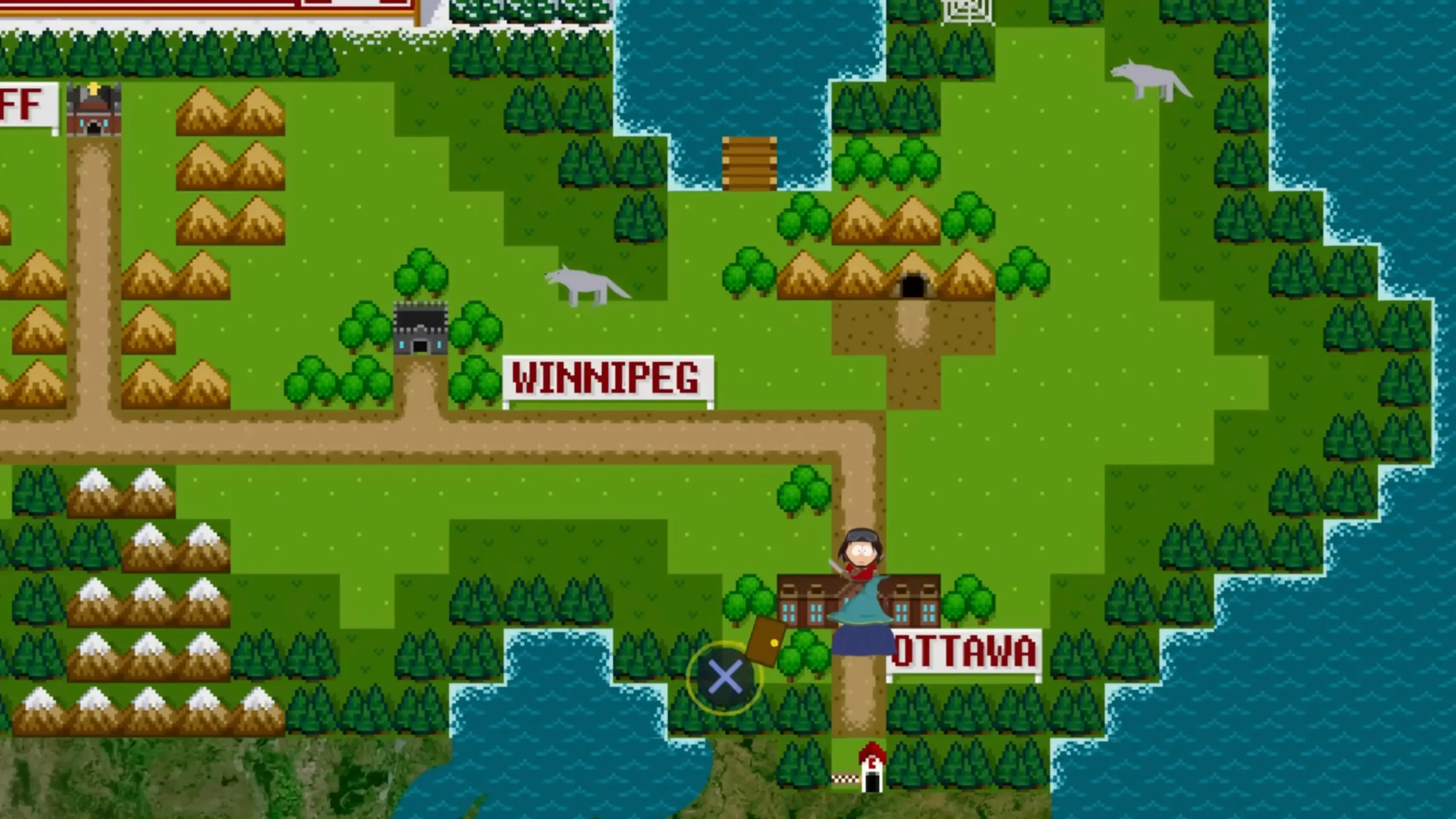
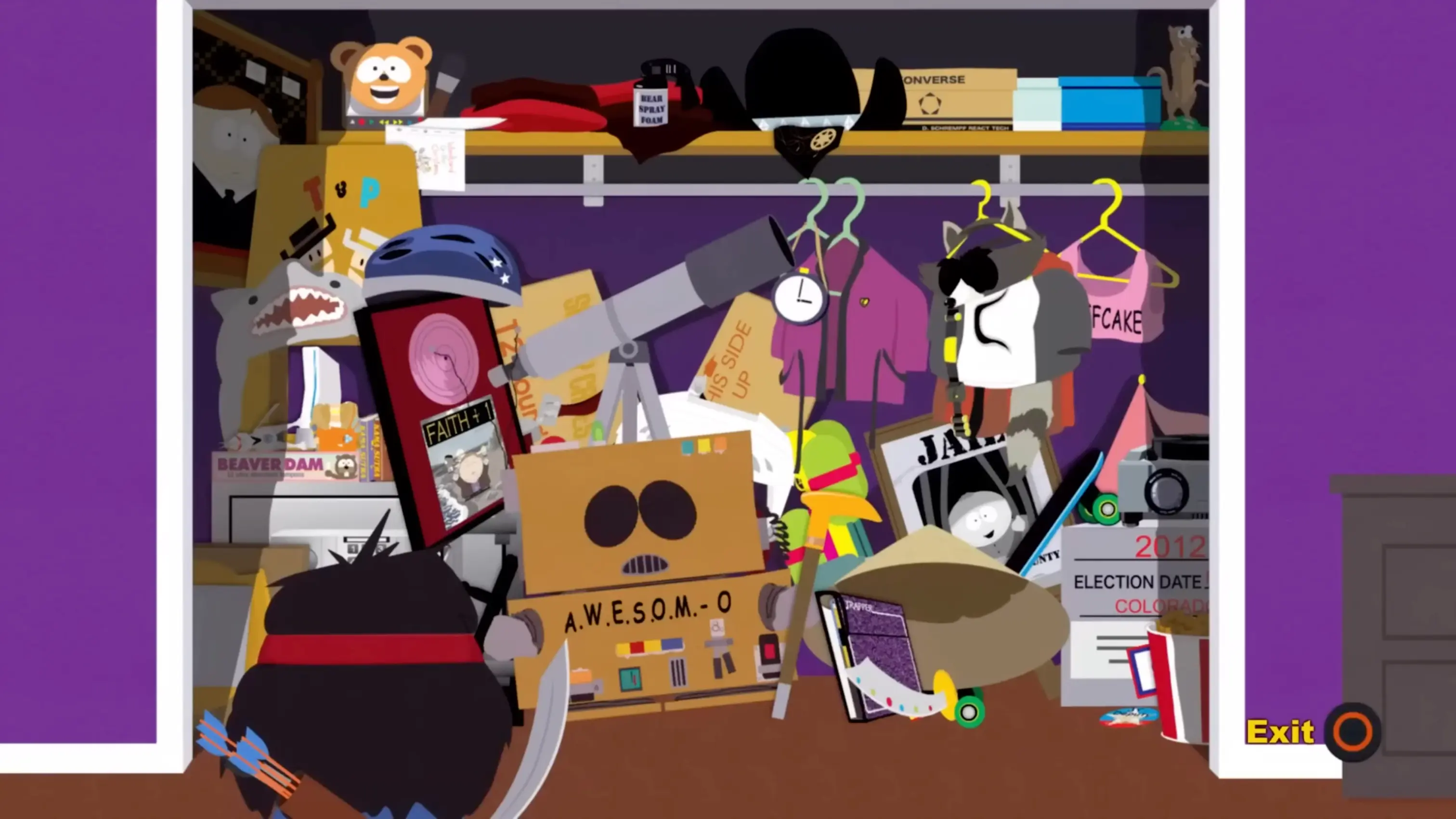
This LARP framing device is a stroke of genius. It allows the game to utilize traditional high-fantasy RPG tropes—wizards, warriors, magic spells, and ancient prophecies—while keeping everything grounded in the absurd reality of fourth-graders playing pretend in their backyards. A mighty steed is just a bicycle, a terrifying dragon is just a neighborhood dog wearing fake wings, and the local pub where you gather rumors is just the local coffee shop. The game encourages you to explore every inch of the town, rummaging through the closets, garages, and bedrooms of your favorite characters, each packed with visual gags and loving references to the show's extensive history.
Story: A Masterclass in Escalating Absurdity
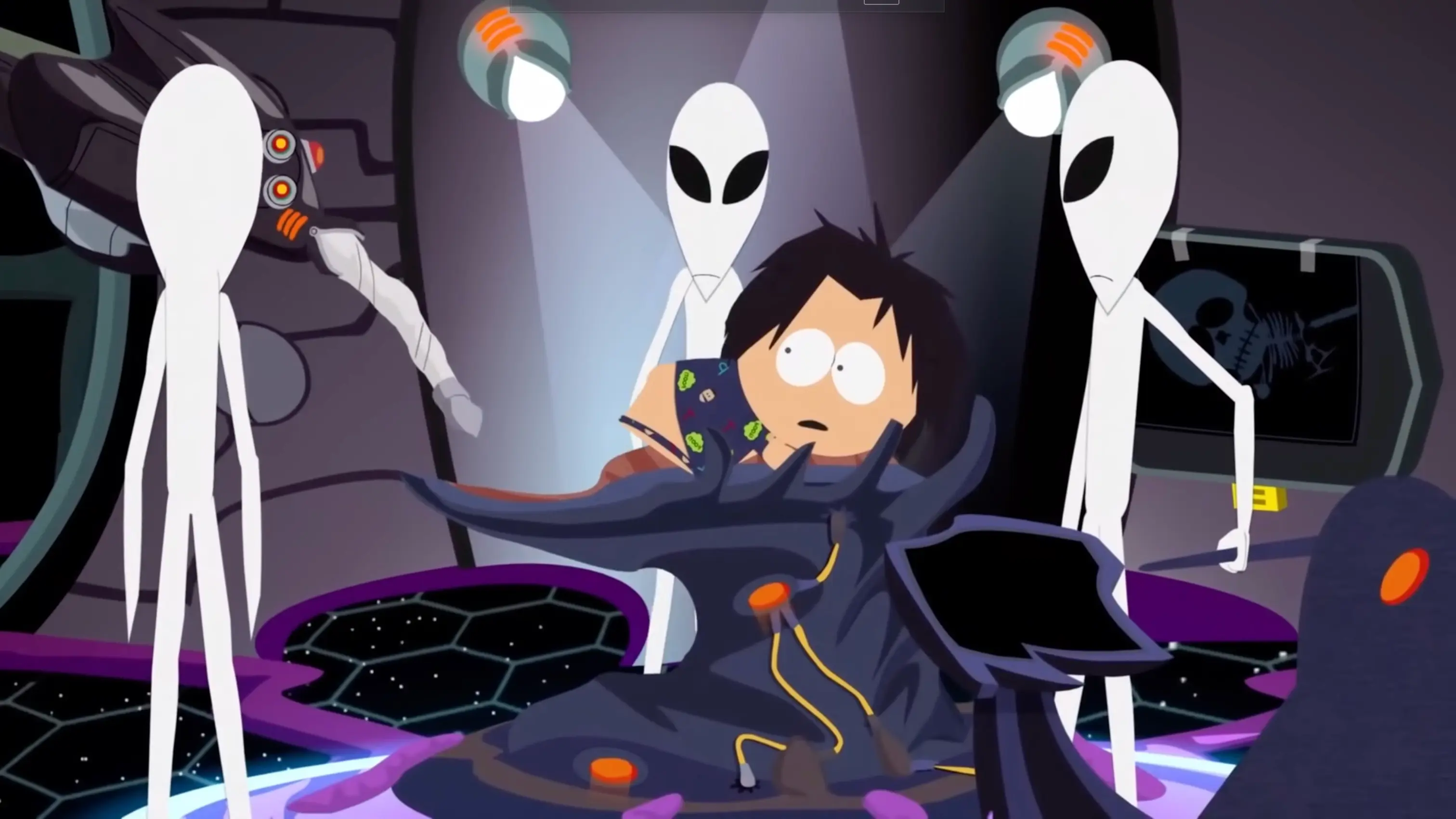
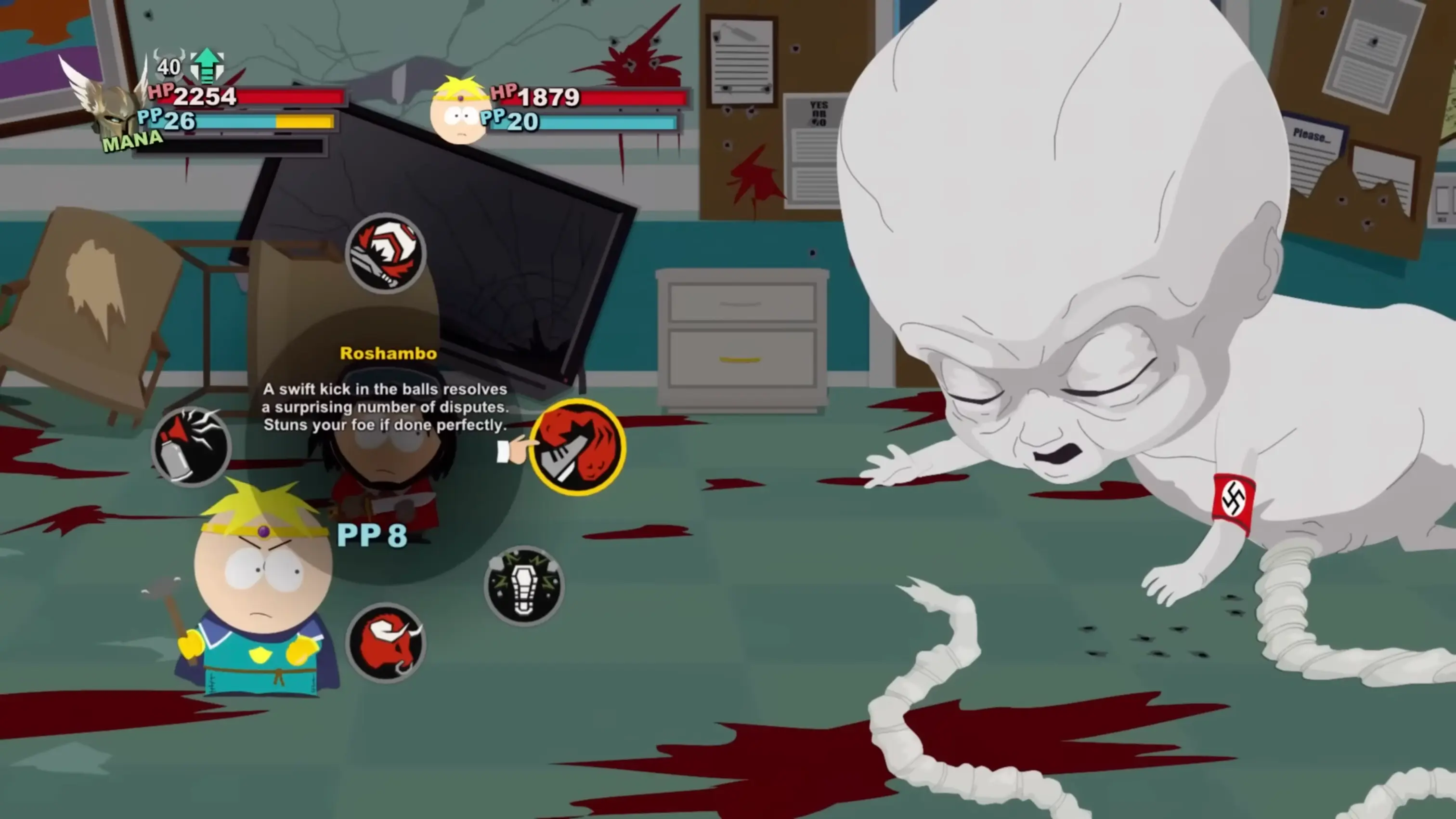
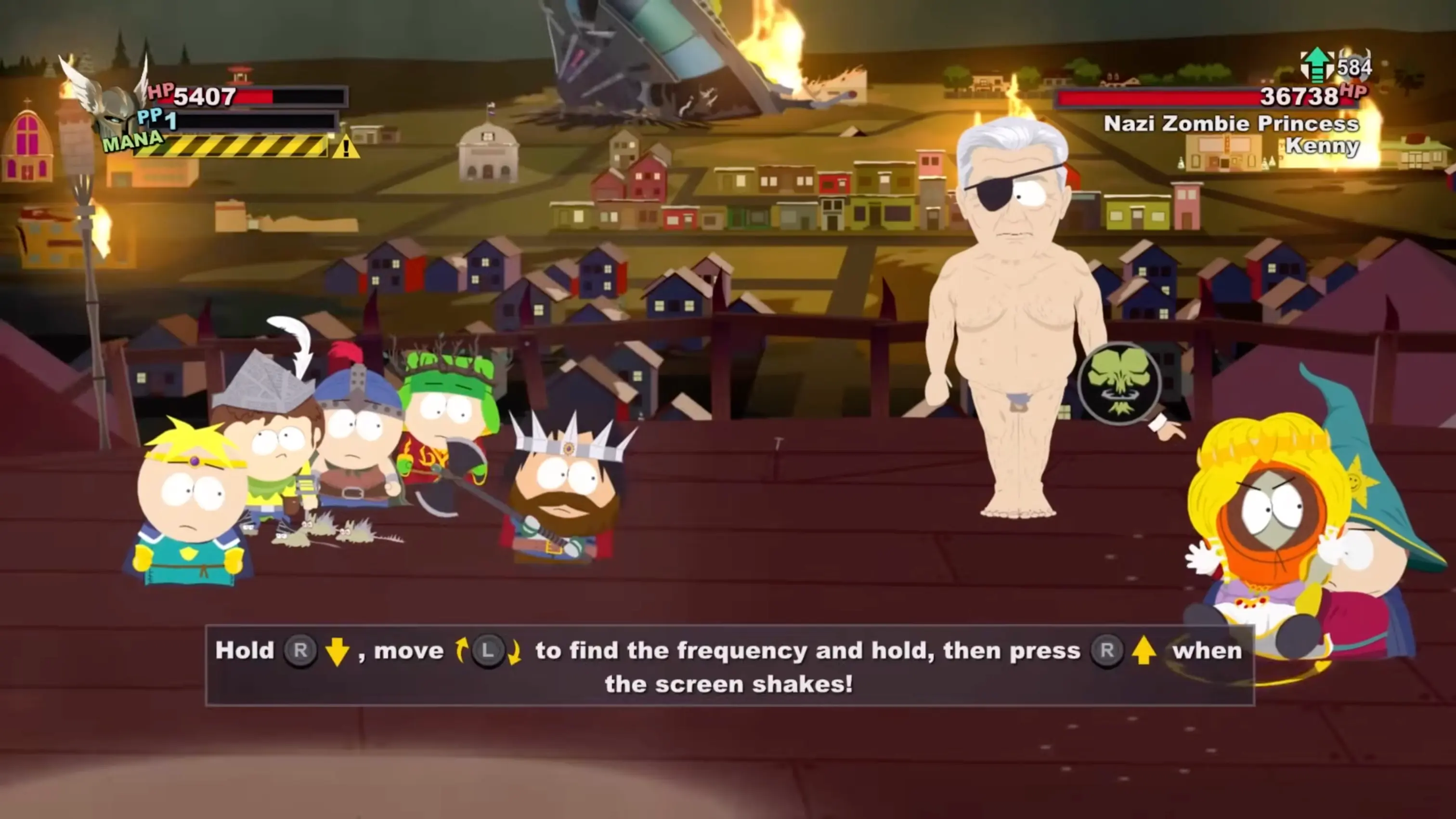
What begins as an innocent, albeit foul-mouthed, game of fantasy pretend rapidly spirals out of control in true South Park fashion. Trey Parker and Matt Stone penned a script that takes the narrative from a simple backyard skirmish to a world-ending catastrophe of unparalleled absurdity. Within the span of a few in-game days, the children’s quest for the Stick of Truth becomes entangled with alien abductions, a government cover-up, a glowing green mutagenic ooze, and an outbreak of Nazi Zombies that threaten to consume the entire town.
The pacing of the comedy is relentless. One moment you are helping Al Gore hunt for the elusive ManBearPig, and the next you are shrinking down to the size of an insect to fight Underpants Gnomes on your parents' bed while dodging their... nighttime activities. The story culminates in some of the most jaw-dropping, boundary-pushing sequences ever committed to a video game, including a literal dungeon crawl through the digestive tract of a beloved character. Despite the utter insanity of the plot, it remains remarkably cohesive, seamlessly weaving together decades of the show's lore, recurring jokes, and side characters into a tightly paced, 14-hour interactive movie that never overstays its welcome.
Gameplay: Paper Mario with a Mature Rating
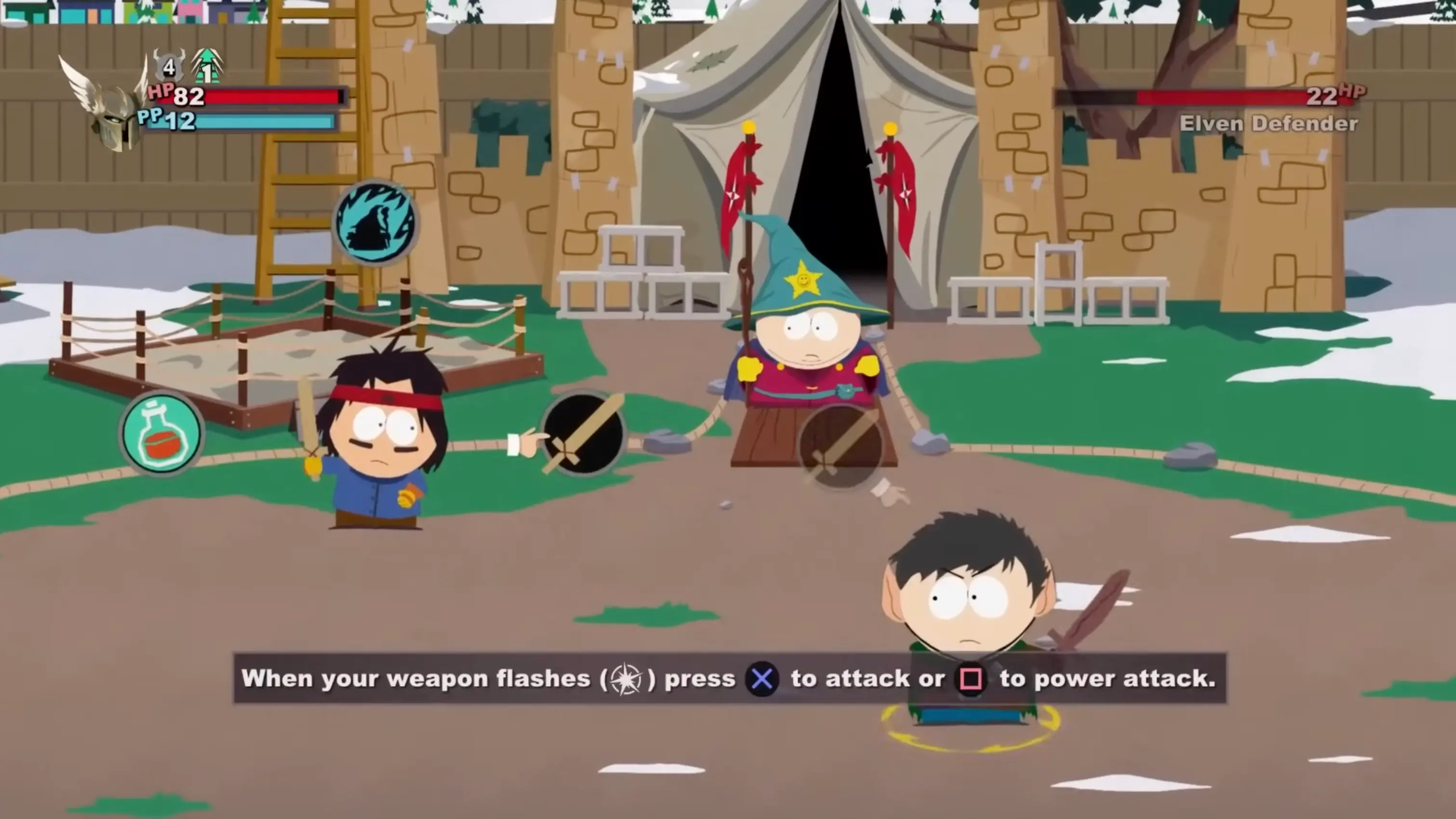
Beneath its crude exterior, The Stick of Truth hides a surprisingly robust and engaging combat system. Obsidian Entertainment drew heavy inspiration from classic Nintendo RPGs, specifically the Paper Mario series. Combat is turn-based, but it requires constant player engagement. When attacking, you must time your button presses perfectly to land critical hits, chain combos, or maximize the damage of your special abilities. Conversely, when enemies attack, perfectly timed blocks are crucial to mitigating damage and surviving tough encounters.
Players choose from four distinct classes: Fighter, Mage, Thief, and the Cartman-exclusive 'Jew' class, which hilariously deals more damage the closer the player is to death. Magic in this universe is, predictably, centered entirely around flatulence. You must master the ancient art of 'magic' by learning to manipulate the pitch, frequency, and devastating power of your farts, using them to bypass environmental puzzles or disgust enemies in battle. Furthermore, you can utilize devastating summons once per day. By befriending key characters, you can call upon the likes of Jesus Christ to rain down holy gunfire, or Mr. Slave to violently consume an enemy, instantly ending the fight. It is a system that perfectly balances deep, tactical buff/debuff management with outrageous, laugh-out-loud visual payoffs.
Atmosphere & Themes: Uncompromising and Uncensored
The atmosphere of The Stick of Truth is its most triumphant feature. The game does not just look like South Park; it sounds, moves, and feels exactly like it. The 2D paper cutout aesthetic is meticulously maintained, complete with the intentionally choppy walk cycles and simplistic facial expressions that define the show's iconic style. The user interface looks like a messy social media feed on a smartphone, and the menus are filled with crude, charmingly terrible crayon drawings.
Thematically, the game is fiercely unapologetic. It pushes the boundaries of its 'Mature' rating so aggressively that several scenes had to be heavily censored for release in Europe and Australia. No demographic, political figure, or societal taboo is spared from Trey and Matt's satirical crosshairs. Yet, beneath the layers of profanity, gross-out humor, and shock value, there is a genuine, underlying sweetness to the game. It perfectly captures the innocent, hyper-imaginative mindset of childhood, where a puddle is a treacherous ocean, a golf club is a legendary broadsword, and playing with your friends is the most important thing in the world.
Conclusion: The Definitive South Park Experience
South Park: The Stick of Truth is a rare gem in the gaming industry—a passion project that refused to compromise its vision. By combining the RPG expertise of Obsidian Entertainment with the unmatched comedic timing of Trey Parker and Matt Stone, the game transcended the typical pitfalls of licensed titles. It is widely regarded not only as the best South Park game ever made, but as one of the greatest licensed video games in the history of the medium.
Whether you are a hardcore fan of the television show looking to spot every obscure background reference, or an RPG enthusiast looking for a genuinely hilarious, well-crafted mechanical experience, The Stick of Truth delivers on every front. It proved so successful that it spawned a direct sequel, The Fractured But Whole, which shifted the satire from high fantasy to superhero franchises. However, the original Stick of Truth remains the groundbreaking pioneer. It is a hilariously offensive, impeccably designed, and wildly entertaining journey that permanently raised the bar for what a comedy video game can achieve.
Review Score
Based on overall narrative, gameplay, and experience.