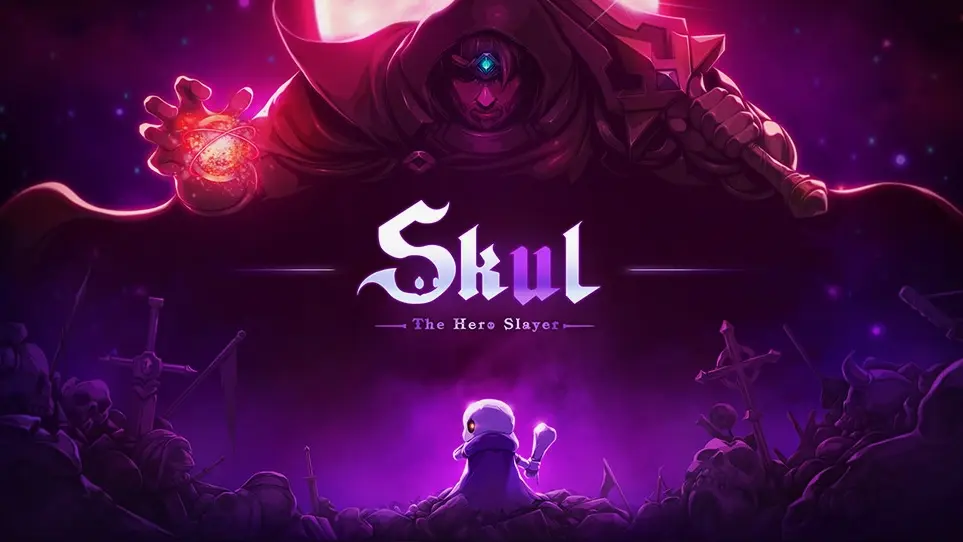
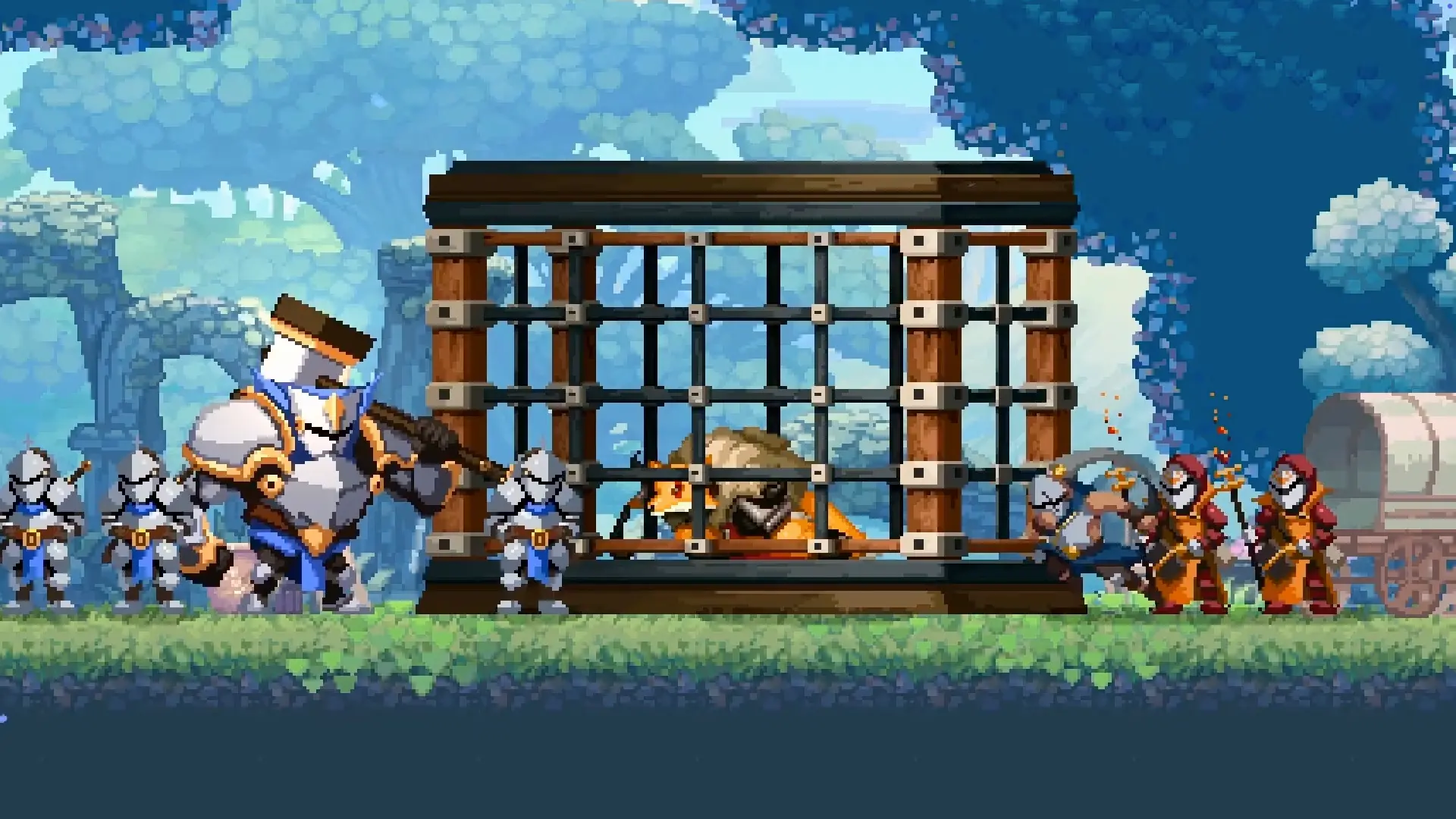
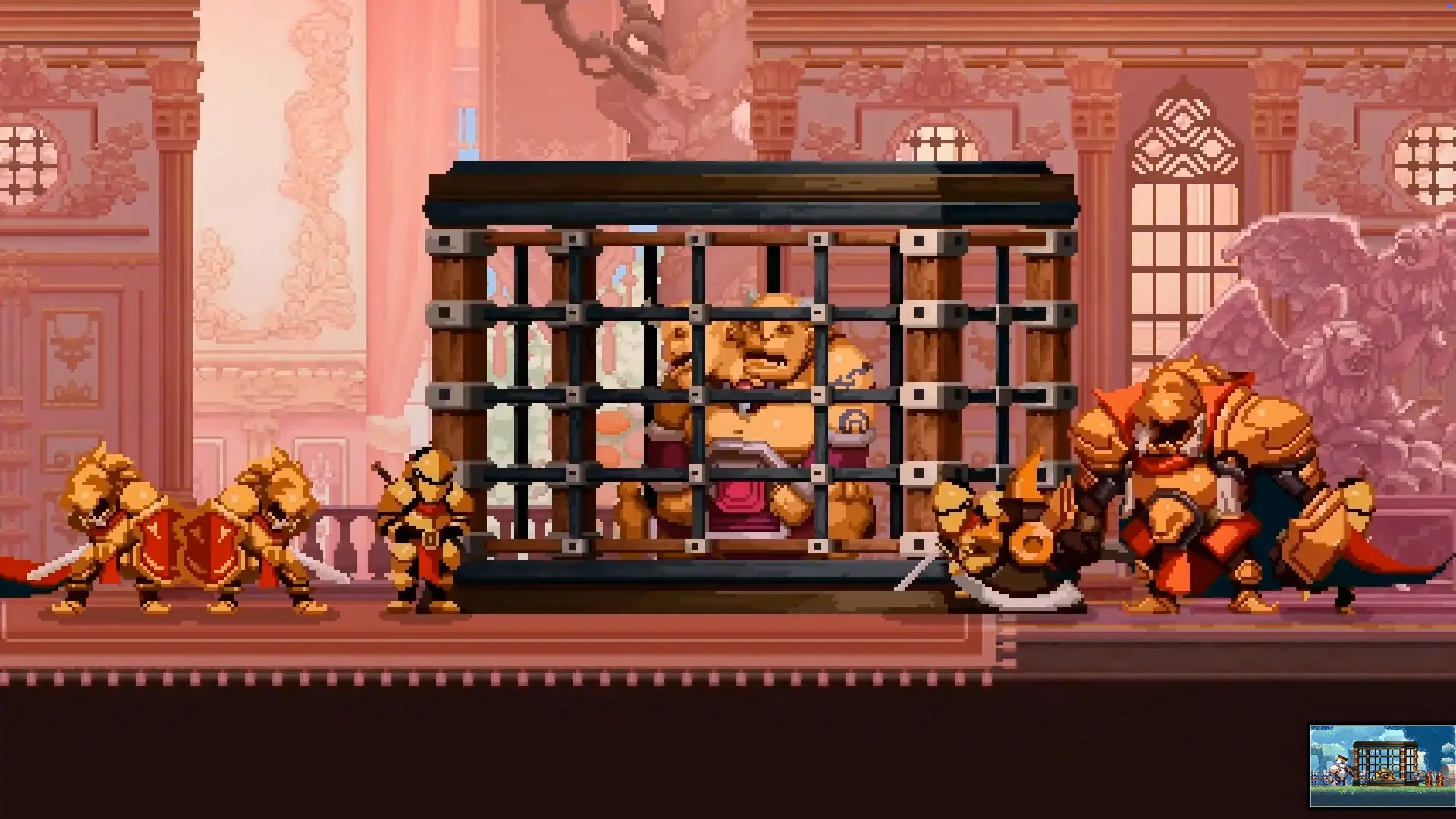
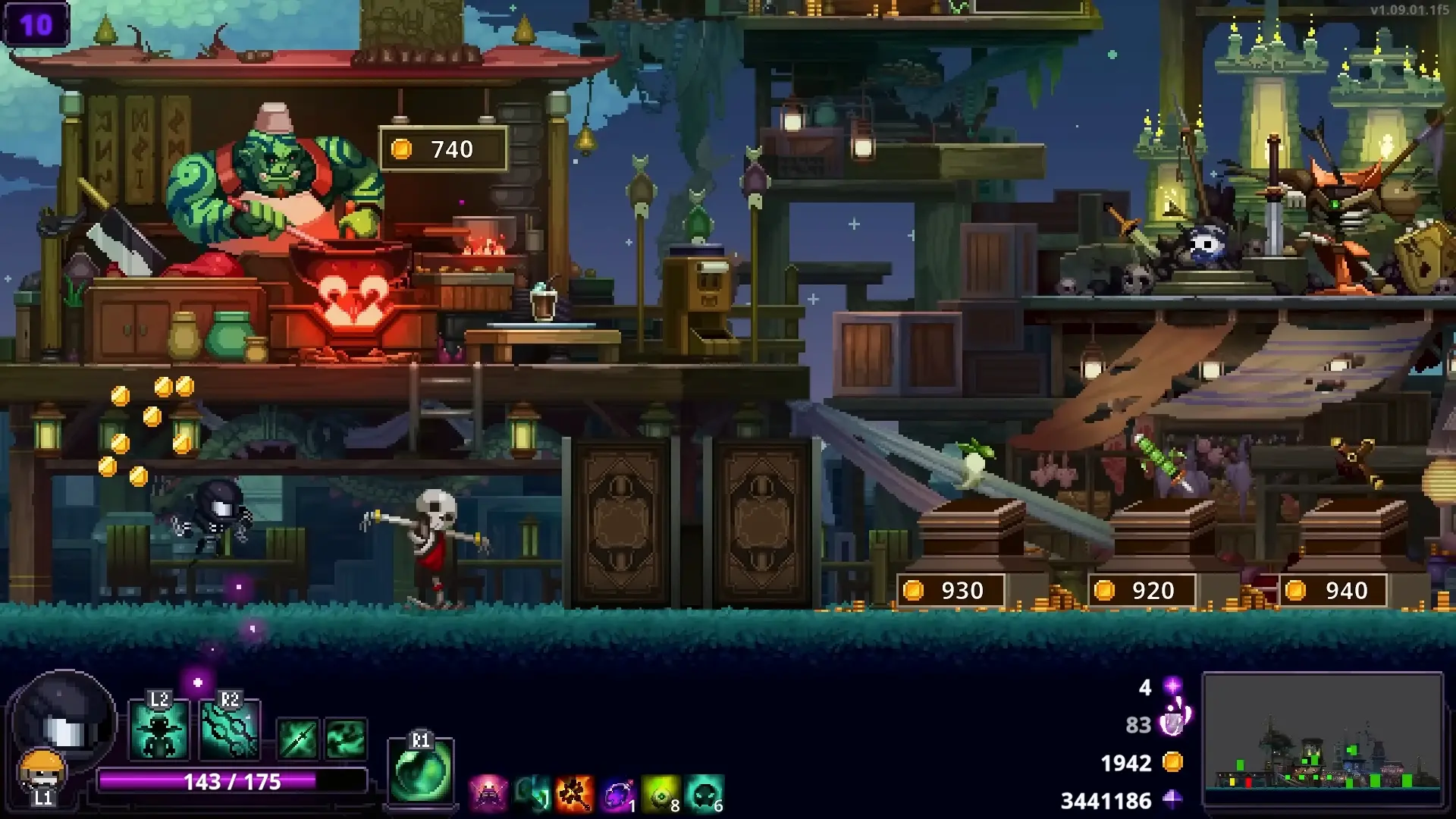
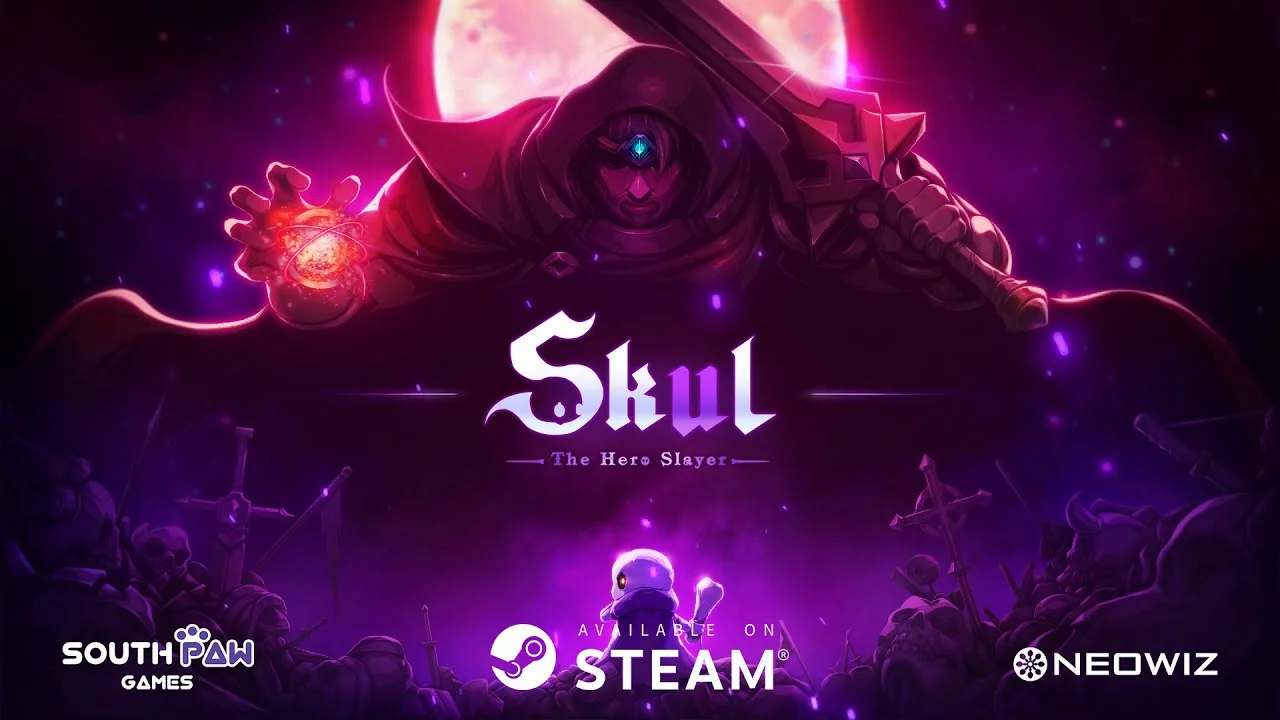
The scenario is a gaming cliché as old as the medium itself: a golden-clad warrior kicks down the dungeon door, holy sword gleaming, ready to smite the forces of "darkness." Audiences have been conditioned to cheer for this figure. But Skul: The Hero Slayer dares to shift the camera. It asks a simple, uncomfortable question: What happens when the so-called heroes are not noble saviors, but an invading force of genocidal zealots, and the protagonist is just a lowly skeleton guard trying to do a job?
This is the brilliant narrative hook of Skul. It does not merely ask for sympathy for the monsters; it forces an embodiment of their desperate struggle for survival against overwhelming, self-righteous odds. This title understands that sometimes, the most compelling stories are not about wielding the legendary blade, but about being the underdog armed with nothing but grit and a detachable head. It is an experience in subversion, mechanized through some of the tightest 2D action combat in modern gaming.
About the Game
At its marrow, Skul: The Hero Slayer is a 2D action-platformer roguelite. While those words might conjure images of a saturated market dominated by titans like Dead Cells and Hades, SouthPAW Games has carved out a distinct identity through a unique central mechanic and a charmingly macabre pixel-art aesthetic.
Within the roguelite framework, the goal is straightforward: battle through procedurally arranged rooms across varied biomes, defeat massive bosses, die, upgrade base stats, and try again. However, where many contemporaries focus on weapon variety, Skul focuses on Identity Variety. The protagonist is not a fixed character picking up tools; he is a blank slate that adopts entire personas—and their lethal skillsets—on the fly. It is a game that demands mastery of movement and positioning above all else, punishing greed and rewarding calculated aggression.
Story: The Crusade of Hypocrisy
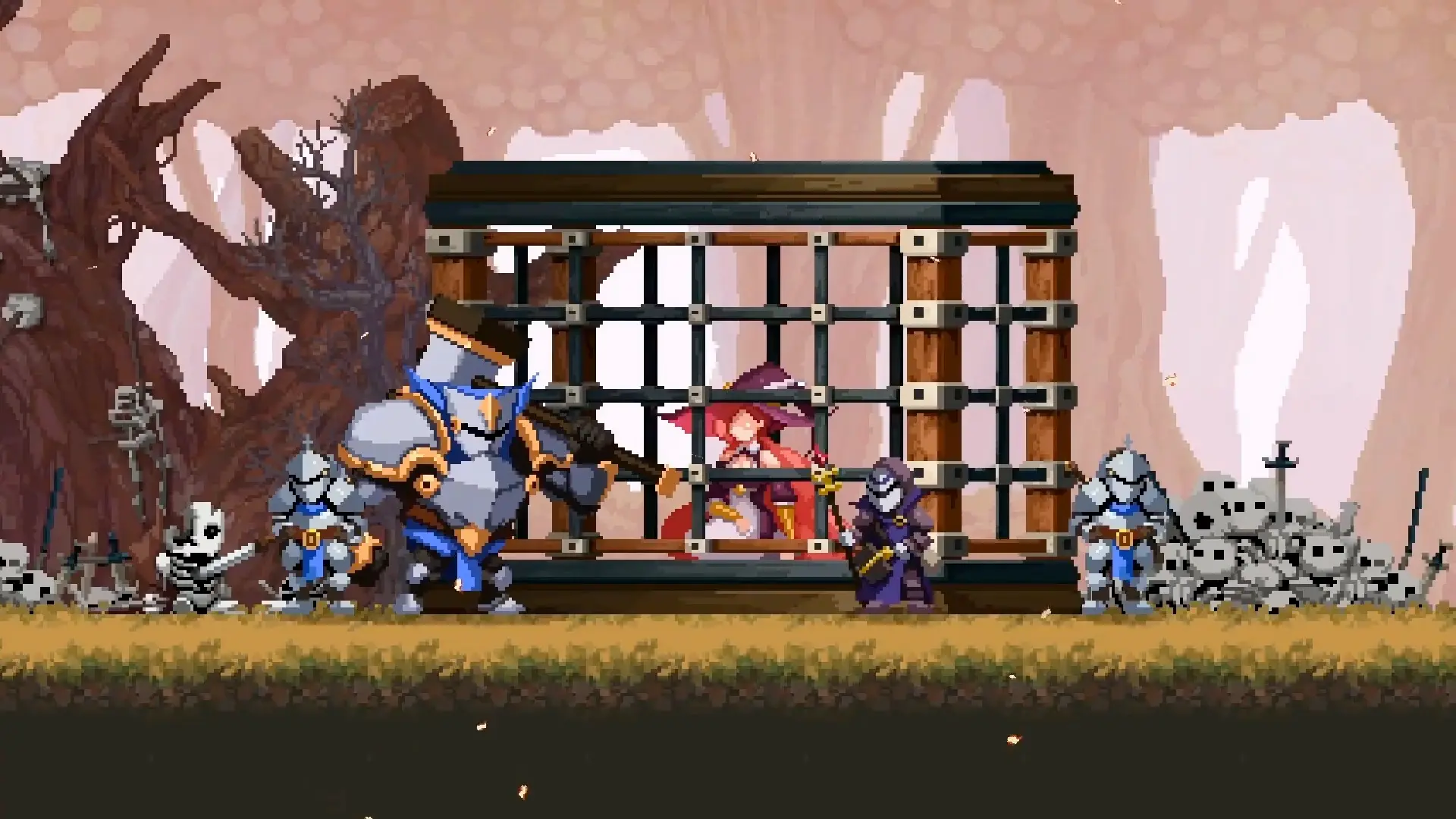
The premise is refreshingly straightforward yet deeply effective. The human race, led by the formidable Carleon Empire and the legendary "First Hero," has launched a devastating crusade against the Demon King's castle. They have succeeded. The Demon King is captured, his forces decimated, and his castle left in ruins.
Enter Skul, a diminutive, seemingly insignificant skeleton soldier who managed to avoid the initial slaughter. This is not a "chosen one" narrative. Skul is not powerful; he is simply the last line of defense. The mission is to single-handedly pursue the human armies, dismantle their leadership, and rescue the King.
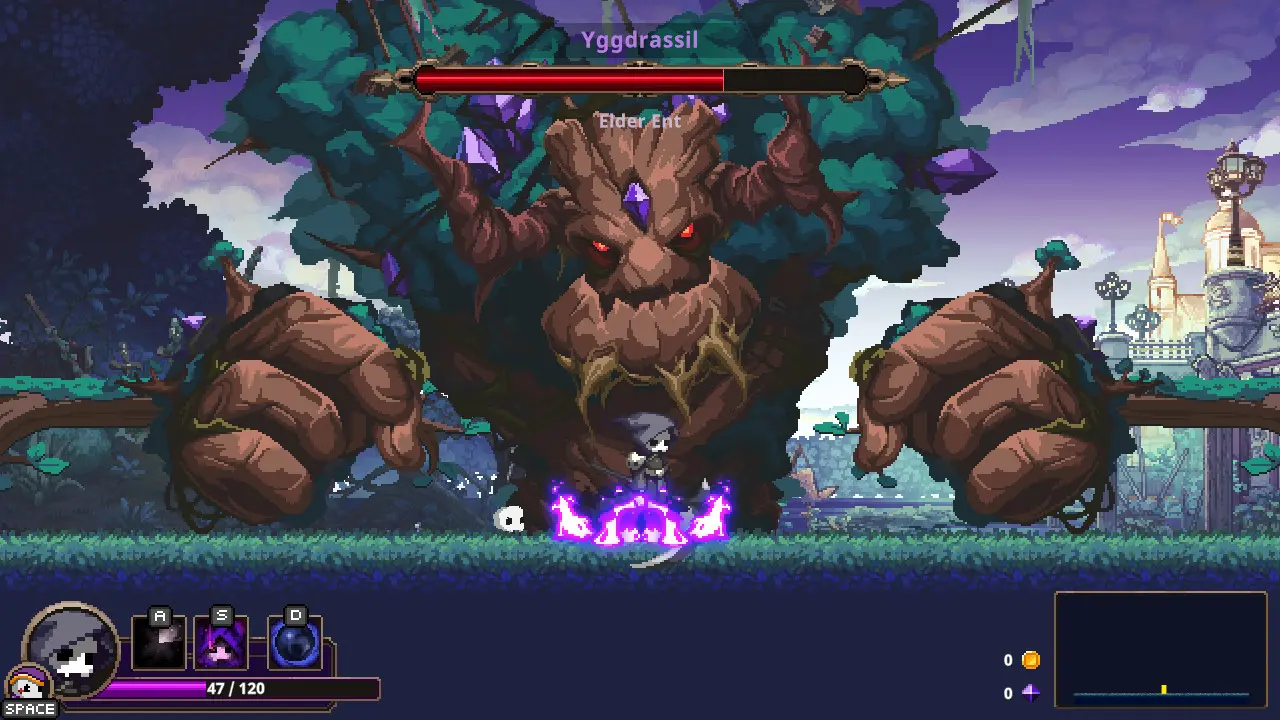
What makes the narrative stick is the execution. As progress is made, dark truths are uncovered behind the humans' sudden surge in power and the corrupting influence of unchecked "heroism." The bosses encountered are not just obstacles; they are caricatures of fantasy tropes—the greedy adventurer, the fanatical priestess, the arrogant knight—twisted into monstrous forms by their own righteousness. It serves as a surprisingly poignant critique of power dynamics, delivered between bouts of frantic combat.
Gameplay: The Art of the Swap
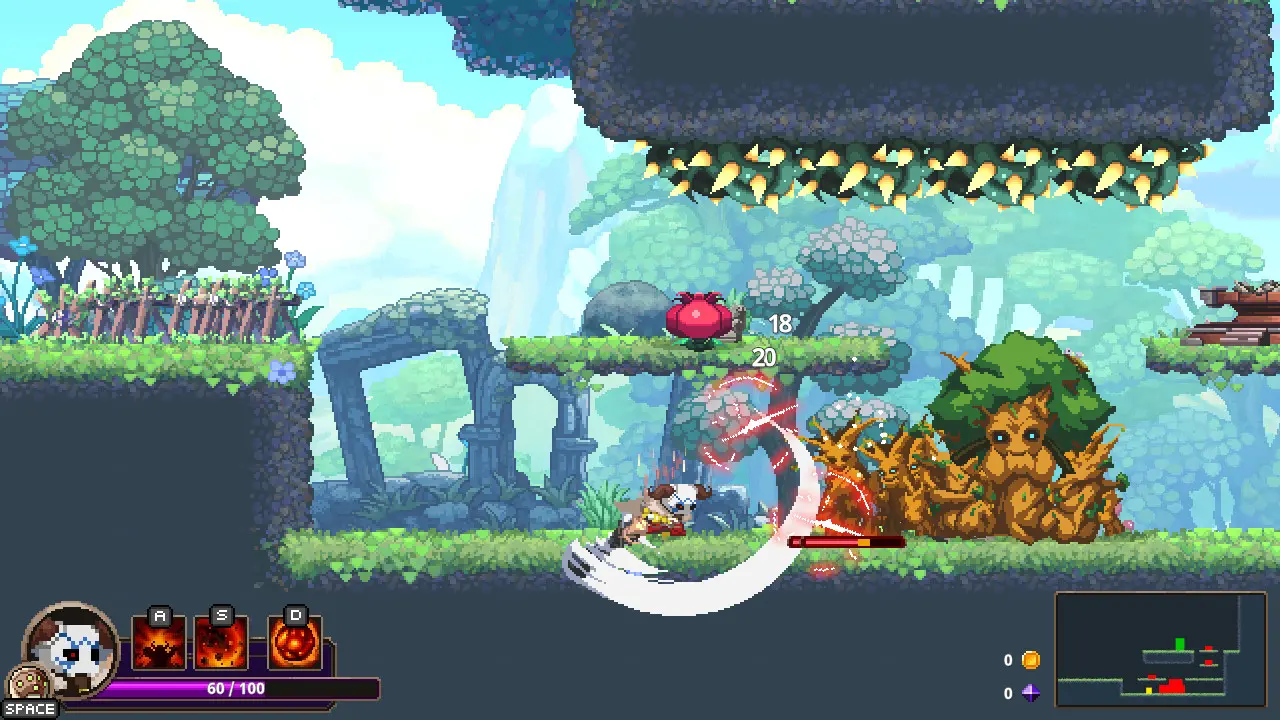
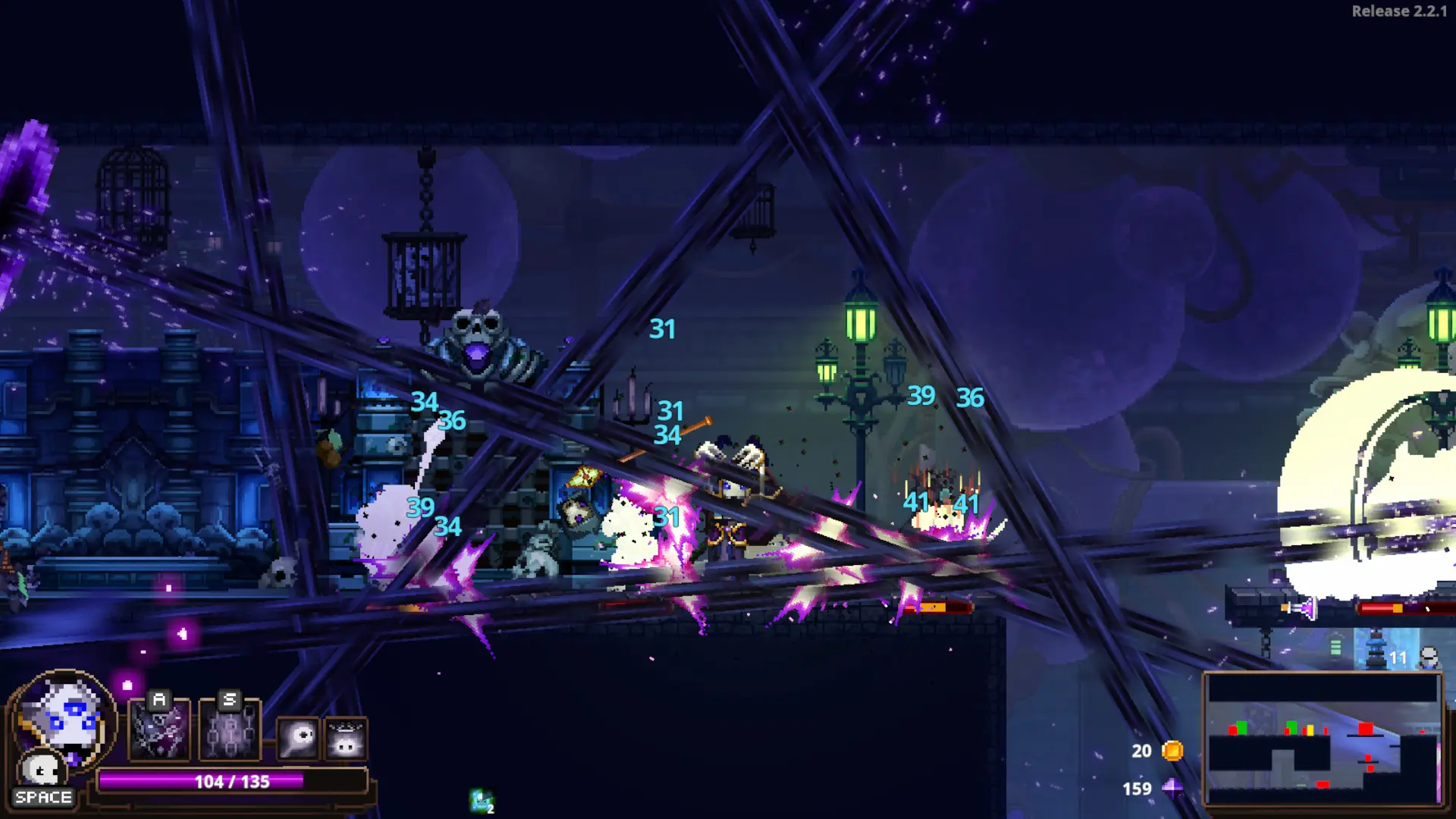
The gameplay is where Skul: The Hero Slayer cements its brilliance. Combat is fast, fluid, and incredibly responsive. Dashing is essential, providing crucial frames of invincibility to weave through curtains of enemy projectiles. But the defining feature is the Skull-Swapping System.
Skul can carry two skulls at a time. Each skull represents a completely different class with unique basic attacks, passive abilities, and two active skills. A run might involve a 'Werewolf' skull that offers fast-moving melee brawling, only to swap instantly to a 'Warlock' skull to rain down slow-moving chaotic magic from a distance. The magic lies in the swap itself; switching skulls triggers a powerful "Swap Skill," encouraging a constant cycling between forms rather than sticking to one.
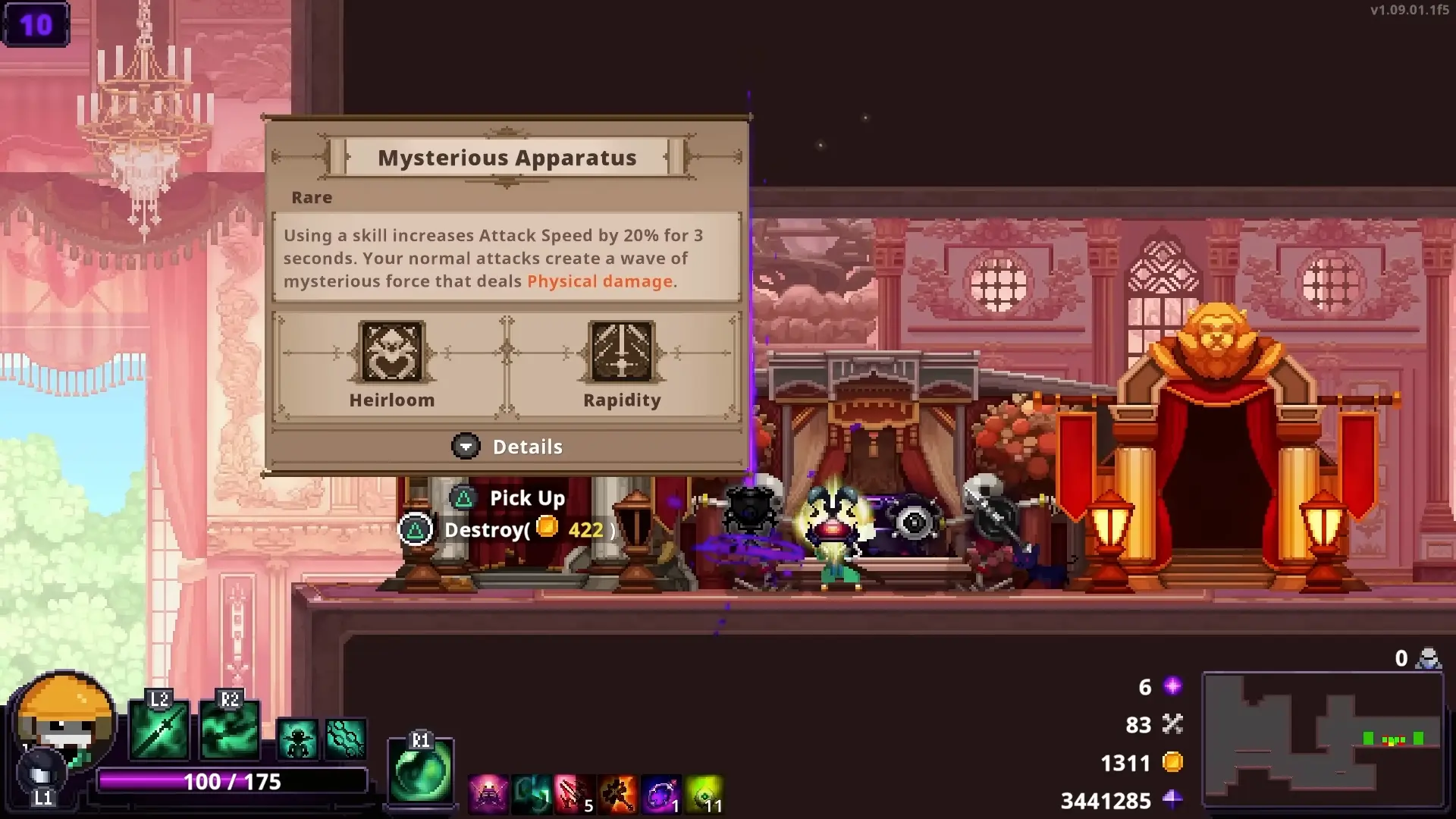
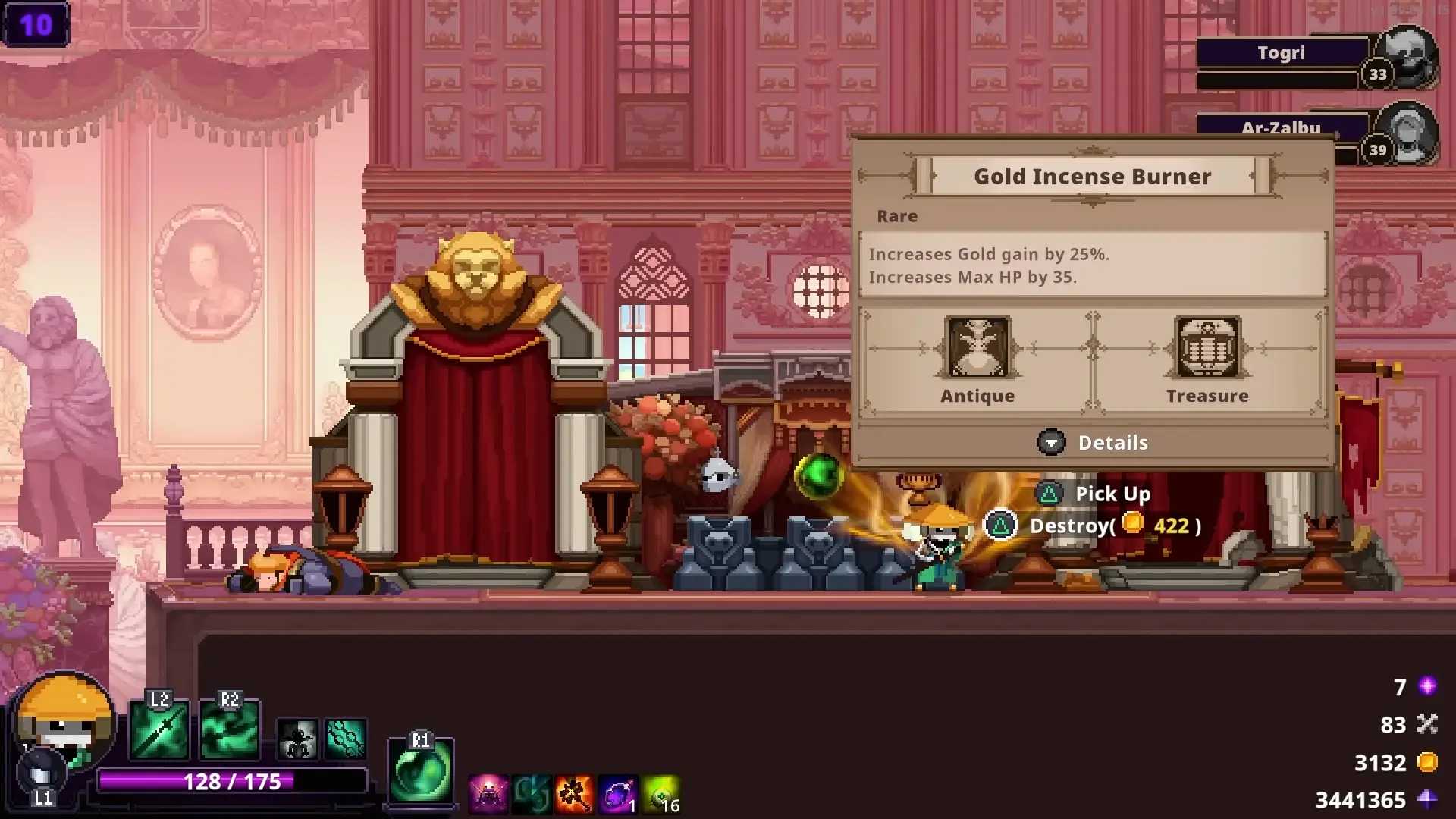
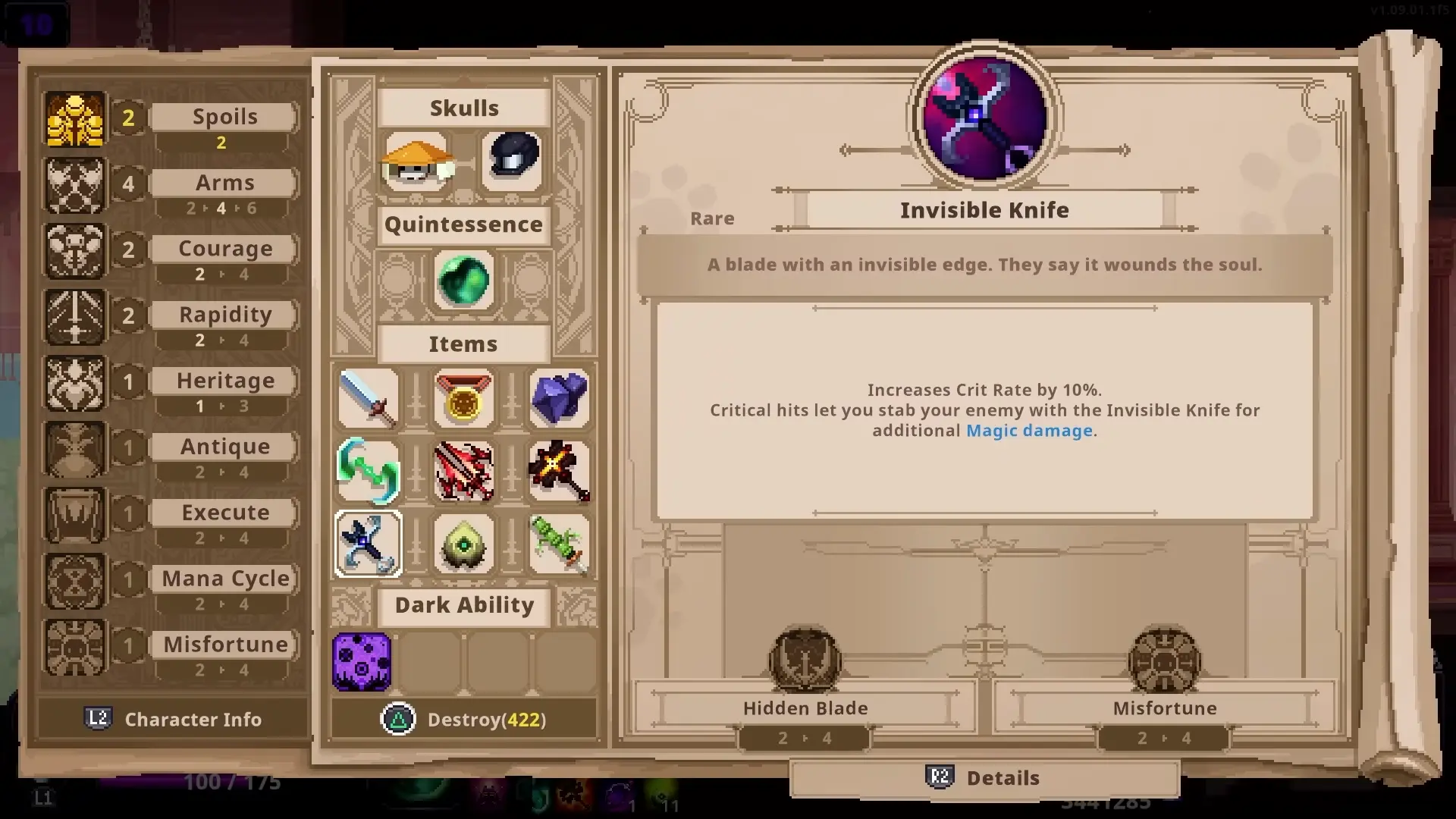
Depth is found in the synergy between skulls, items, and Quintessences (summonable monster attacks). The game rewards building a cohesive engine of destruction. Items have "Inscriptions" that provide set bonuses. Stacking enough 'Courage' inscriptions skyrockets physical attack. Combining that with a fast-attacking 'Samurai' skull that applies bleed effects results in melting boss health bars that seemed insurmountable hours prior. The progression loop is intoxicating: gathering gold for temporary items and bone fragments to upgrade skulls from Common all the way to Legendary tier. Watching a little 'Skeleton-Pike' evolve into a screen-clearing 'Warrior General' provides immense satisfaction.
Atmosphere & Themes
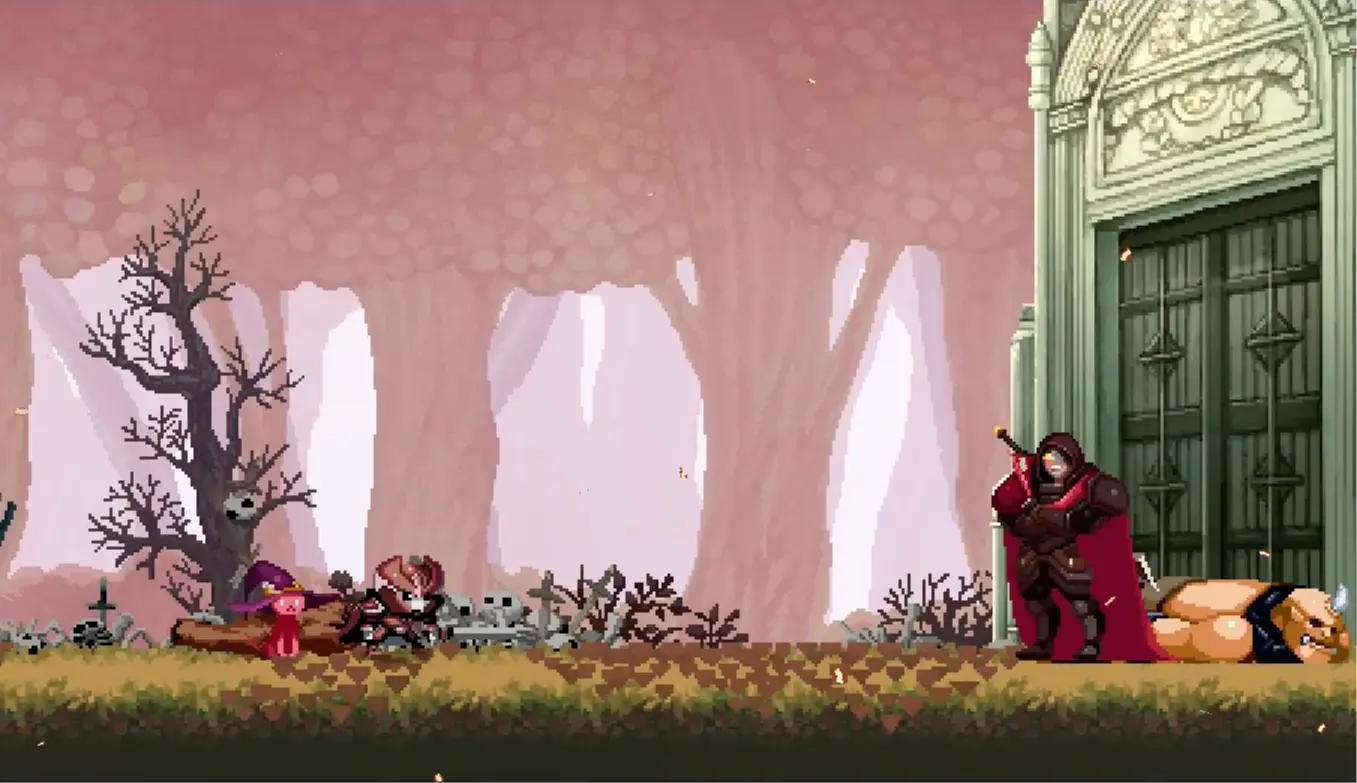
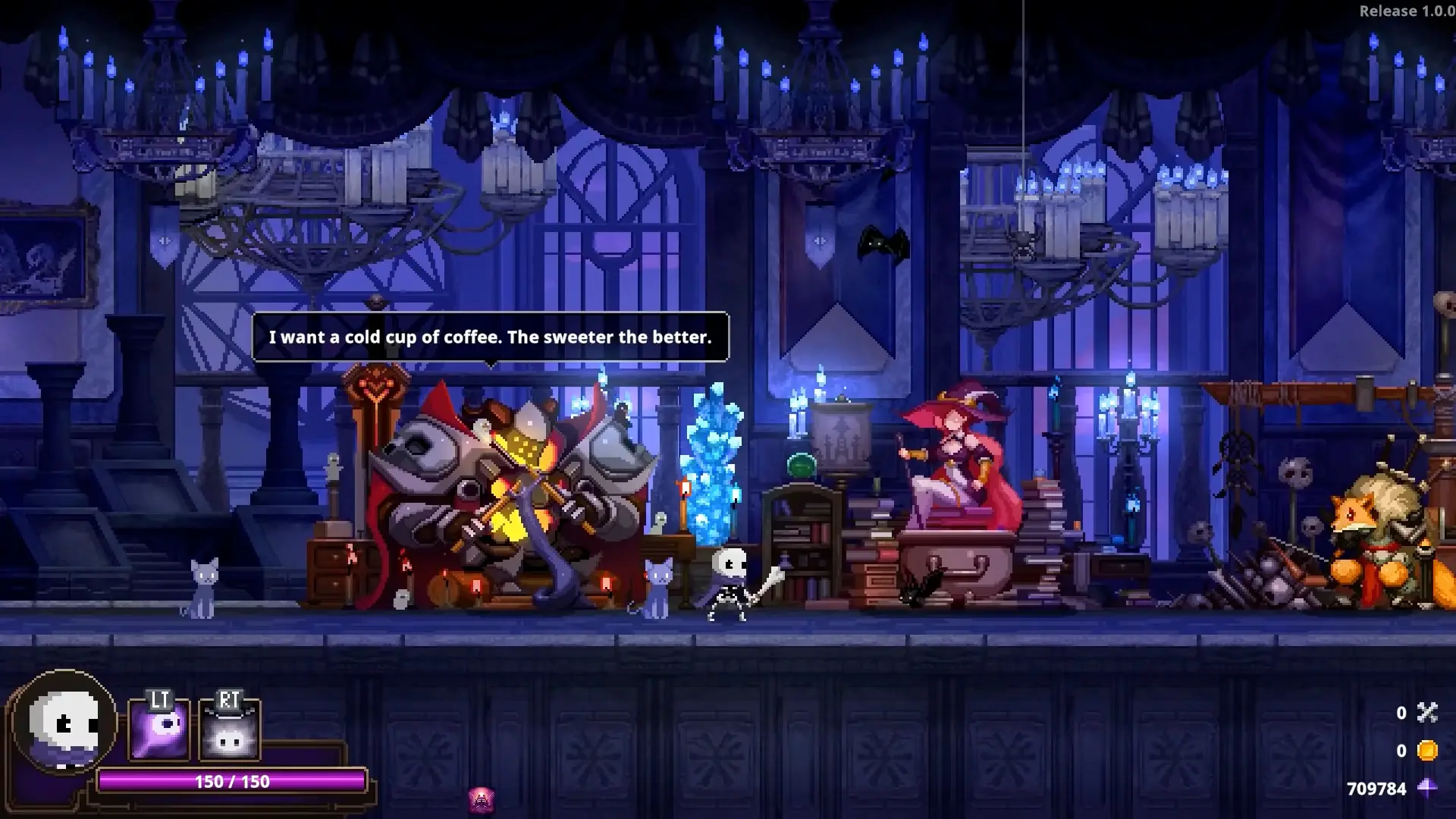
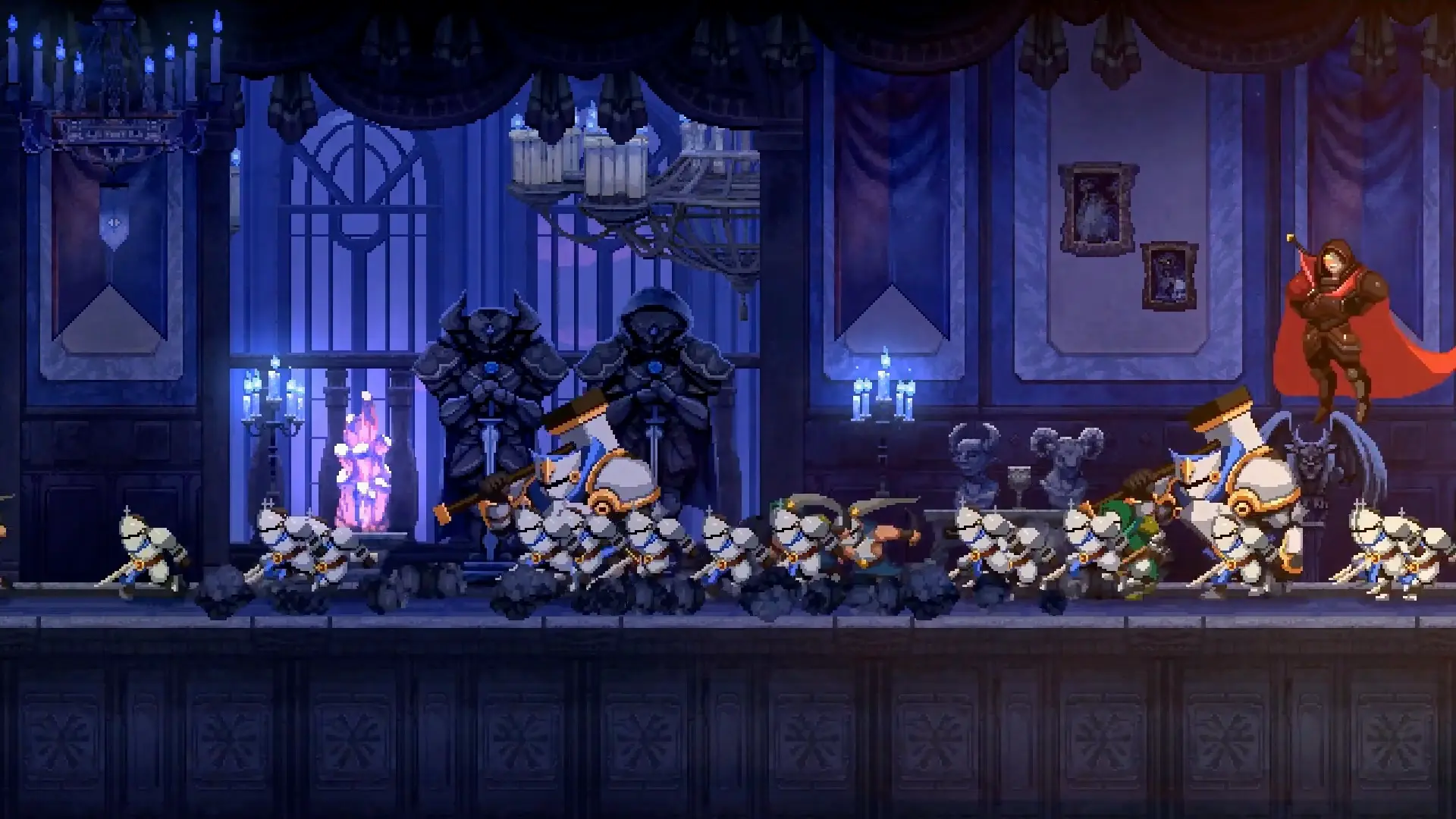
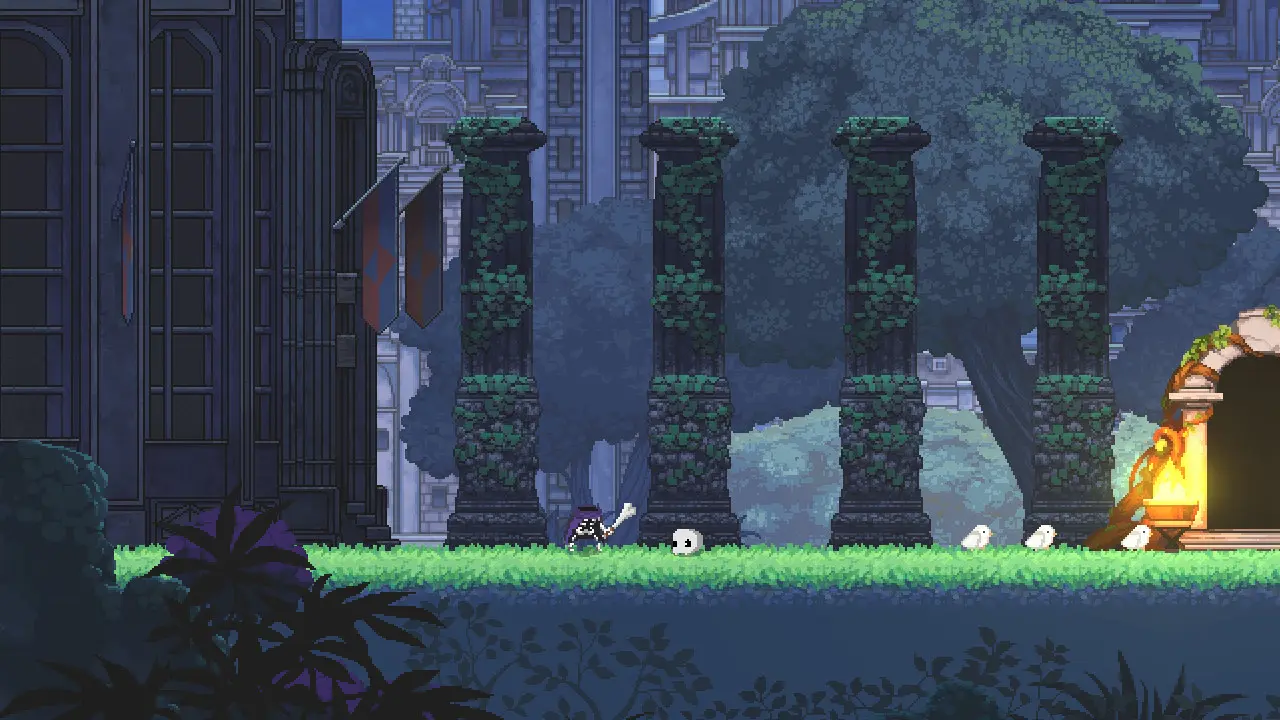
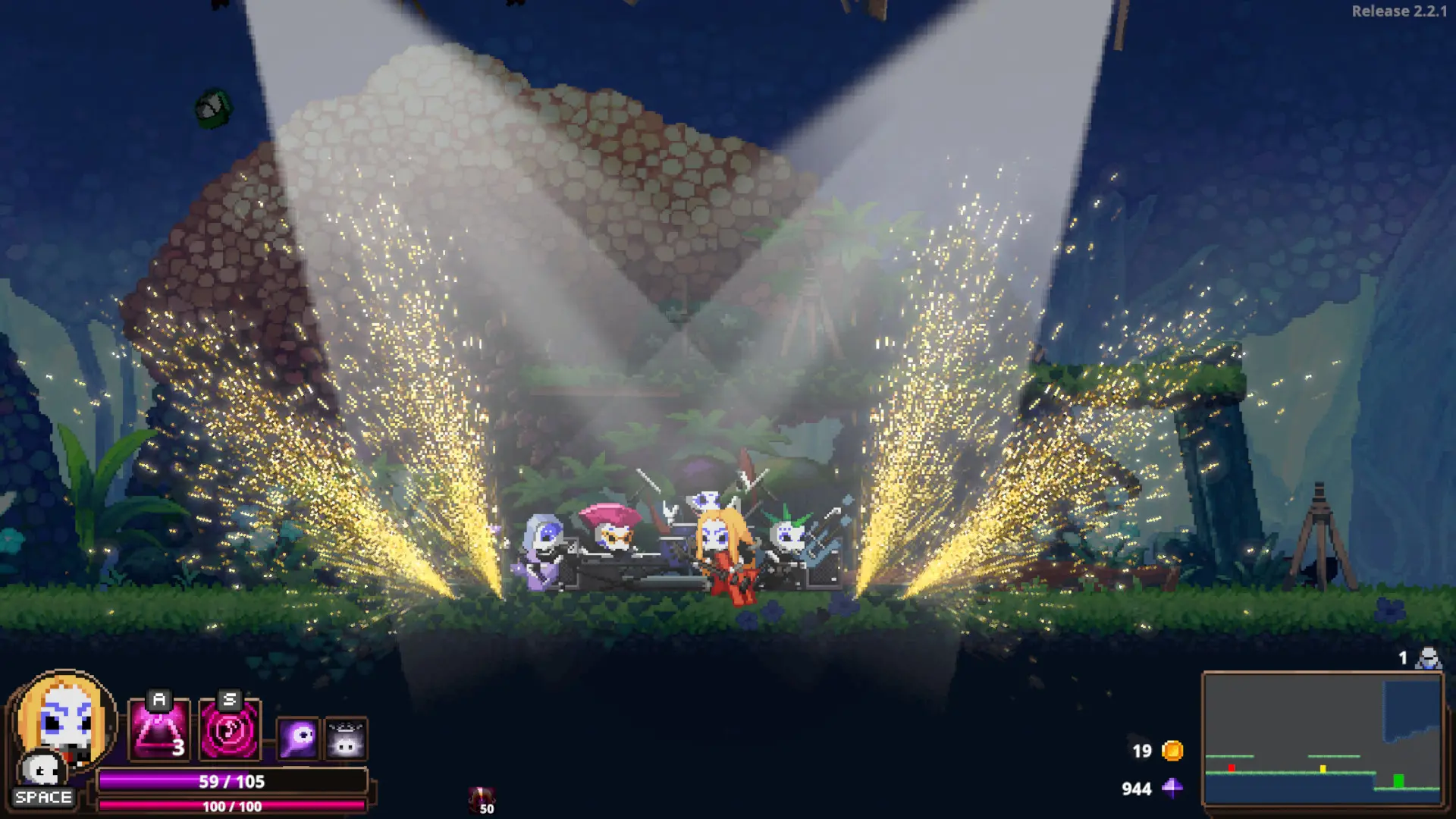
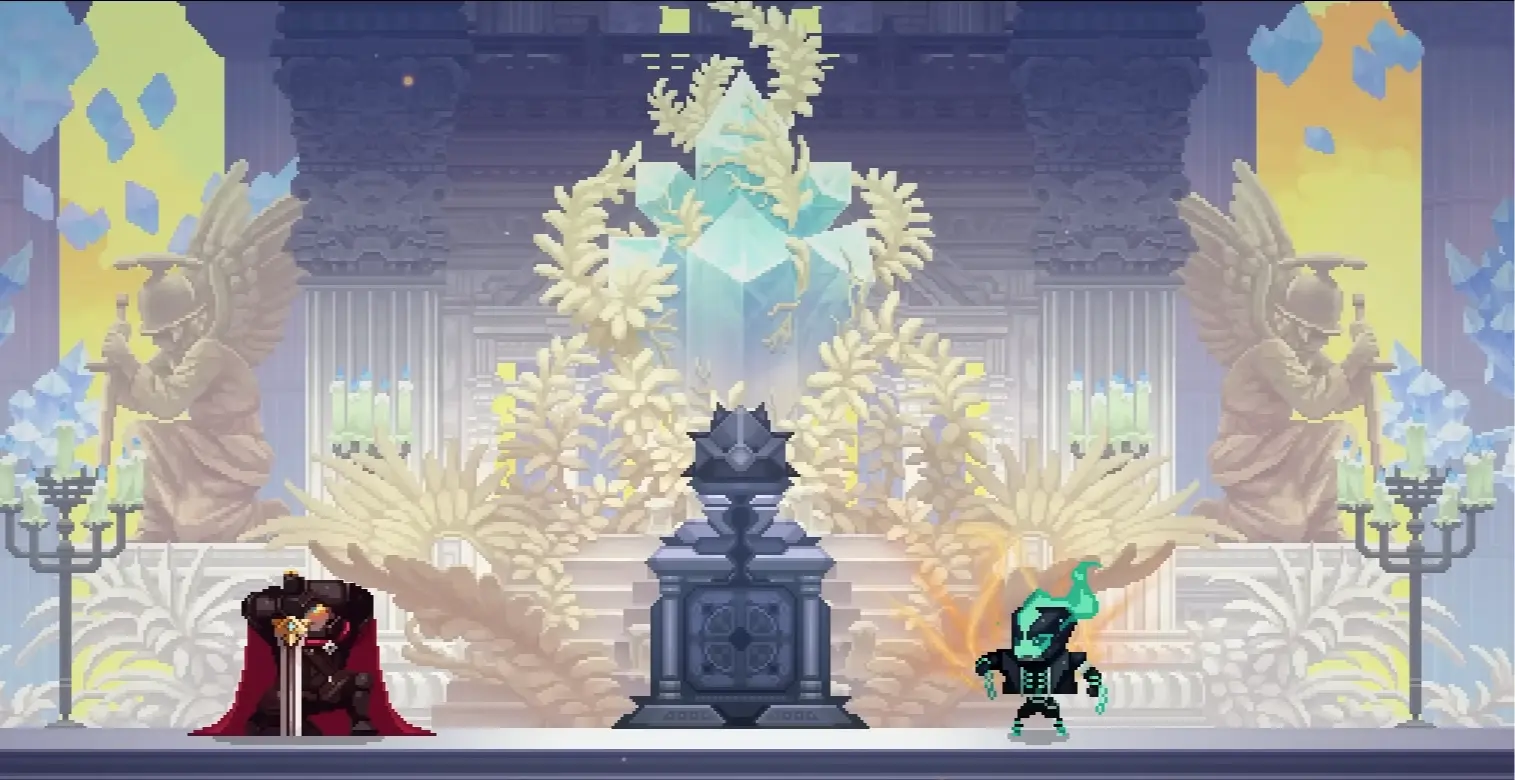
Skul is visually striking. The pixel art is incredibly detailed, featuring fluid animations that give weight to every swing of a giant club and snap to every rapid dash. The environments range from the corrupted forests of the Ents to the golden, sterile halls of the Carleon castle, each distinct and dripping with atmosphere.
The sound design complements the visuals perfectly. The soundtrack is high-energy, blending rock guitars with orchestral elements to match the frantic pace of combat. The sound effects—the crunch of bone hitting armor, the magical chime of a skull swap—are punchy and tactile.
Thematically, the focus remains on persistence in the face of hopelessness. Every time Skul is shattered, he pulls himself back together at the castle. It is a ludonarrative harmony where the roguelite mechanic of dying and restarting perfectly mirrors the protagonist's undying loyalty and determination. It reinforces the idea that true heroism is not about shining armor, but about the refusal to stay down.
Conclusion
Skul: The Hero Slayer does not rely on a numerical score to validate its existence. It proves its worth through the sheer craftsmanship of its combat loop and the confident execution of its charmingly subversive world. It respects the player's time by offering a challenge that feels fair, and progression that feels earned.
It takes the familiar framework of the action roguelite and injects it with enough personality and mechanical depth to stand shoulder-to-shoulder with the giants of the genre. For those who appreciate pixel-perfect combat, deep build-crafting theory, and the satisfaction of watching an underdog dismantle a corrupt regime one bone at a time, Skul is an essential experience. It serves as a potent reminder that sometimes, being the bad guy is the most heroic action one can take.