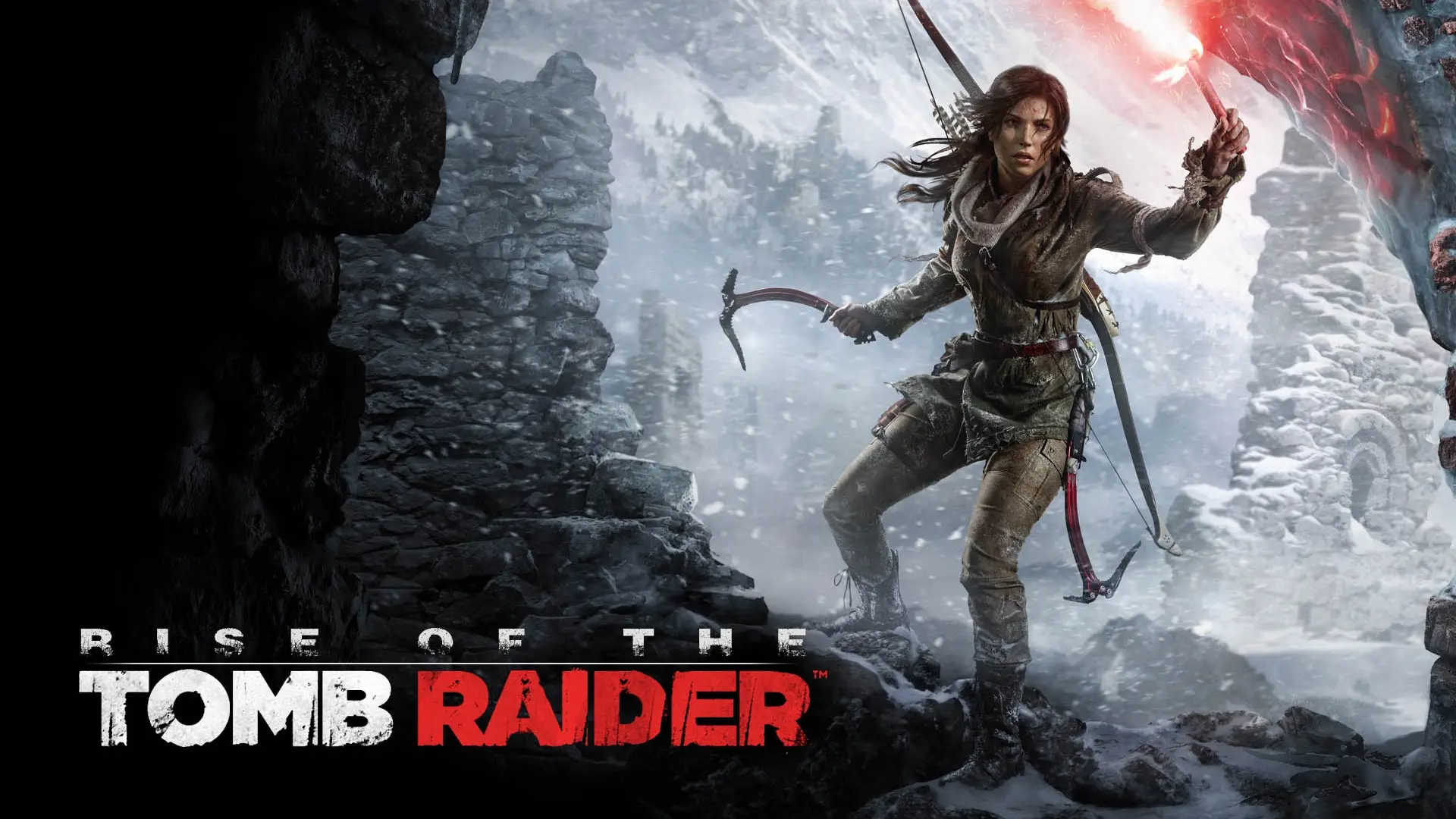
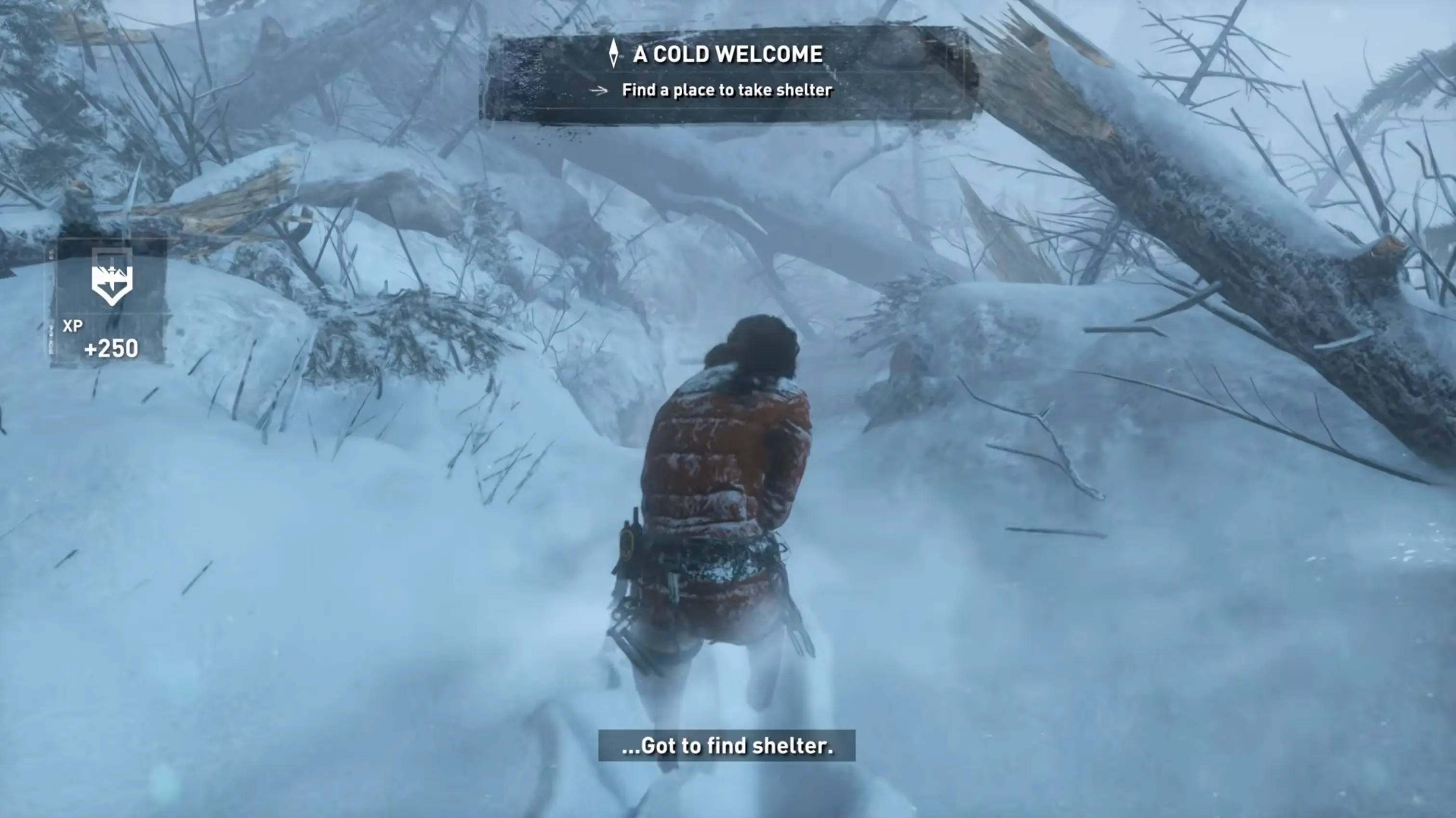
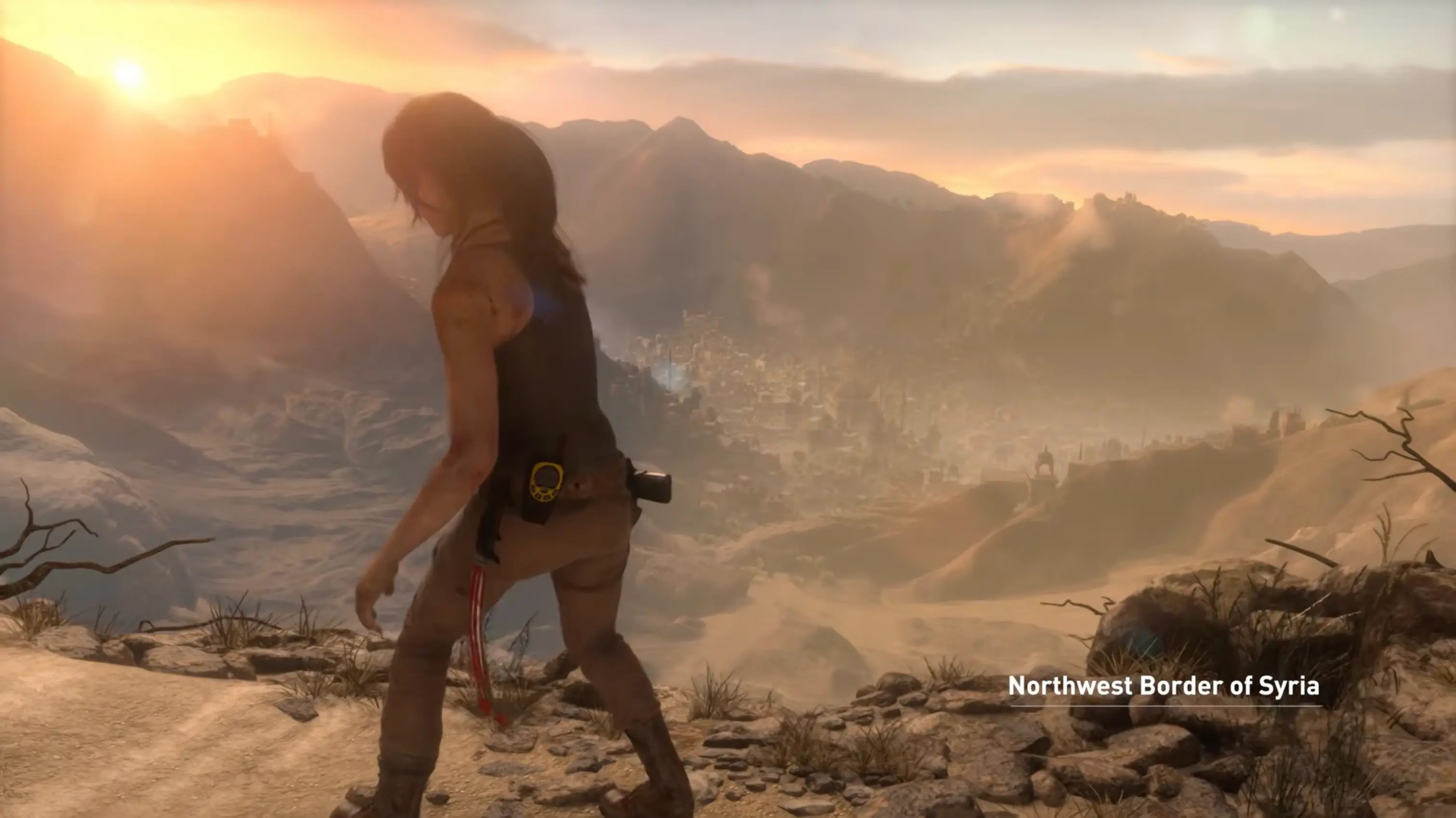
I have caught myself physically shivering while sitting in a heated room, entirely because the environmental design of Rise of the Tomb Raider is so overwhelmingly, brutally convincing. Following the harrowing events of the 2013 reboot, Lara Croft is no longer a terrified student trying to survive an island of cultists; she is a driven, deeply traumatized, and borderline unhinged explorer desperately chasing her disgraced father's research into the divine source of immortality. And I am right there with her, matching her obsession step for agonizing step. From the breathtaking, sun-drenched opening sequence scaling a crumbling tomb in Syria to the bone-chilling avalanches of the Siberian mountains, this game grabbed me by the throat and refused to let go.
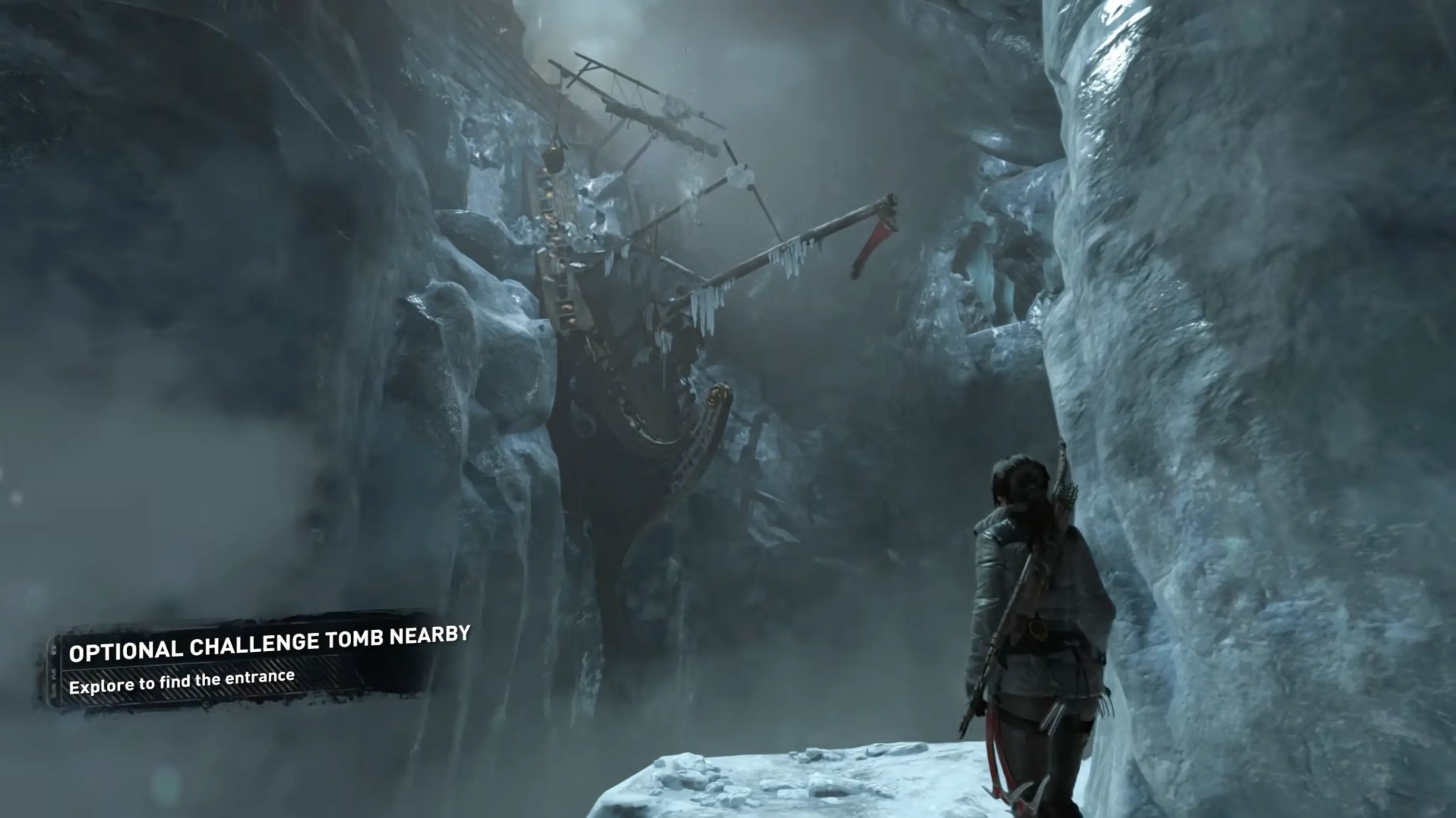
I have spent an unhealthy amount of time just trudging through the deep dynamic snow in the Geothermal Valley, listening to the agonizing crunch of Lara's boots and watching her dynamically reach out to touch the freezing rock walls as she passes them. The animation work by Crystal Dynamics is a triumph of character grounding. When Lara wrings the freezing water out of her hair after swimming through an ice-choked subterranean river, or when she violently shivers at a campfire while crafting bandages, you feel her exhaustion in your own bones. I found myself deliberately avoiding the main objective for hours, fueled by a manic compulsion to hunt razorback boars and mine magnesite ore just so I could upgrade my climbing axes. The game conditions you to view the harsh wilderness not as an enemy, but as a heavily armed playground just waiting to be conquered.
Gameplay: The Apex Predator and the Perfect Bow
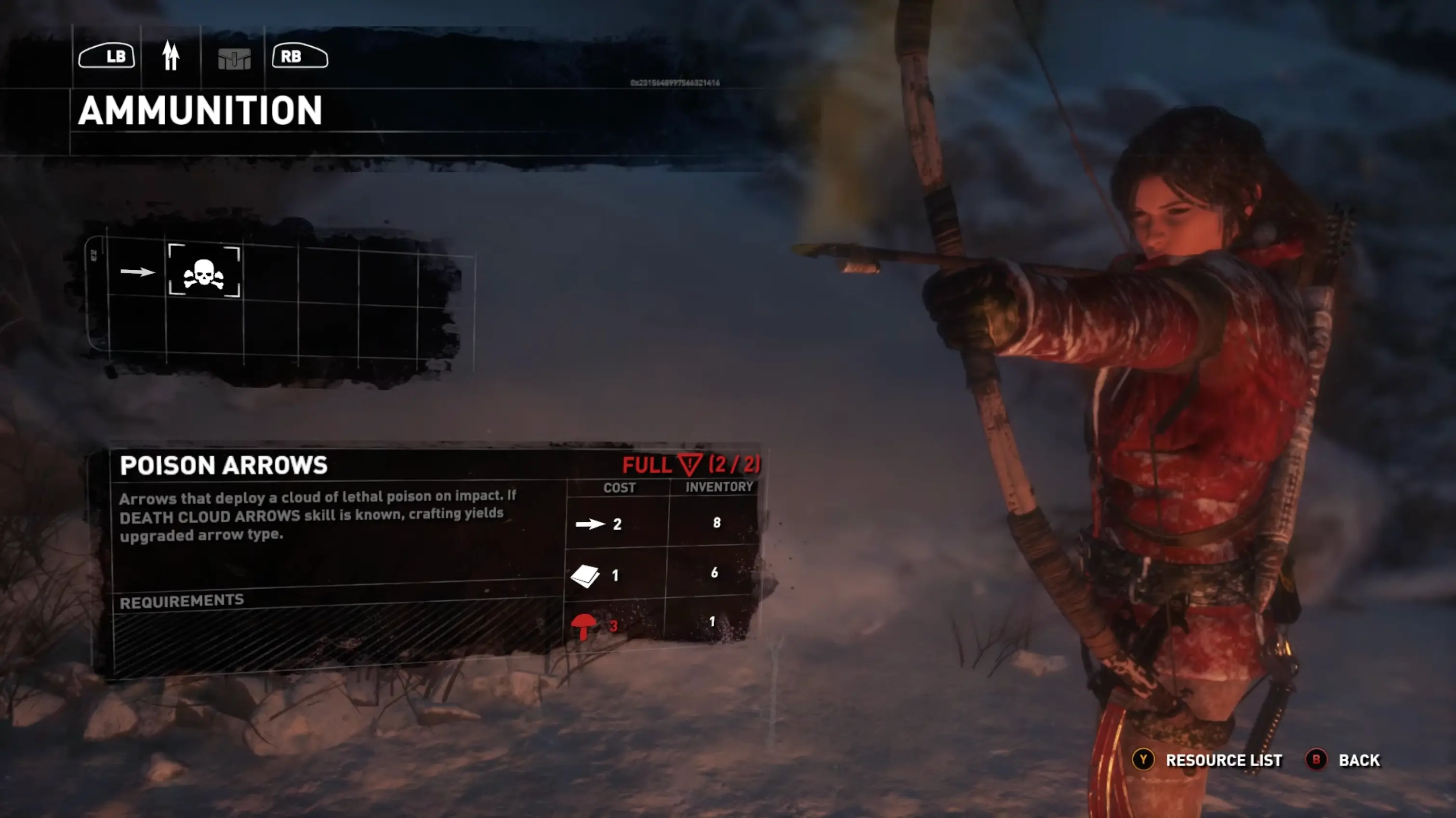
If there is a religious cult dedicated to the mechanics of video game archery, I am its high priest, and Rise of the Tomb Raider is our holy text. The bow in this game is arguably one of the most satisfying weapons ever coded into existence. I refuse to use the assault rifles or shotguns. I am completely addicted to the stealth mechanics, dropping from the branches of snow-covered pines to silently eliminate heavily armed Trinity mercenaries. The crafting system is a flawless loop of predatory preparation. You don't just shoot arrows; you craft poison arrows from death-cap mushrooms mid-sprint, turning a squad of elite soldiers into a coughing, incapacitated mess before finishing them off with a climbing axe.
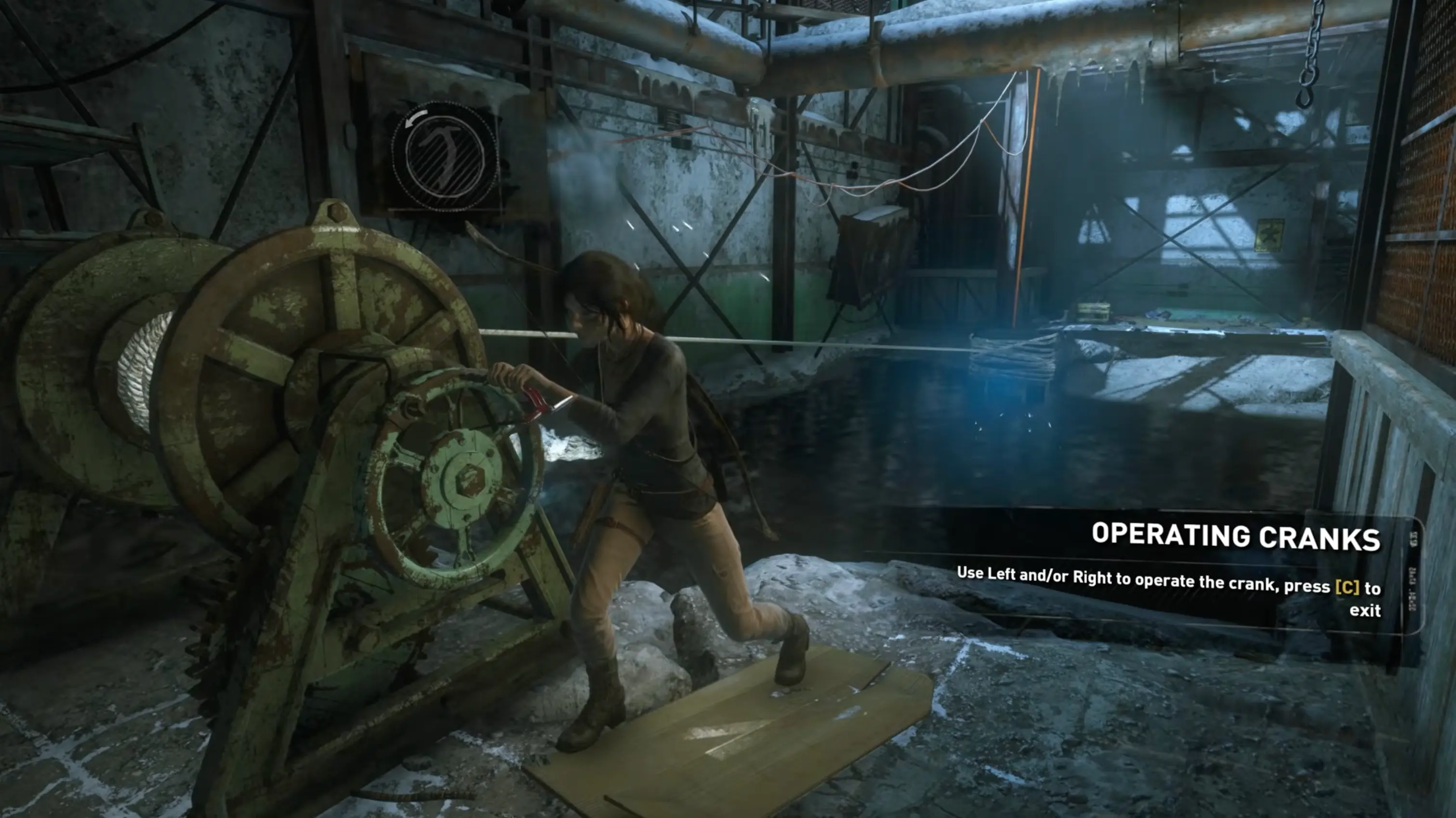
The combat encounters are brilliant, multi-layered sandboxes. I have reloaded checkpoints dozens of times not because I died, but because I was unhappy with how messy my stealth run was. I wanted perfection. I wanted to drag a mercenary under the ice, string another up in a tree, and shoot a lantern to burn the remaining three, all without setting off an alarm. But the true obsession lies in the traversal. Upgrading your gear to unlock the wire spool for grappling across massive chasms, or finally acquiring the broadhead climbing arrows to create your own pathways up sheer wooden cliffs, transforms Lara into an unstoppable force of momentum. You are constantly scanning the environment, dissecting the verticality of the world, and executing flawless, heart-stopping leaps of faith that make your palms sweat.
The Tombs: A Return to Form
The 2013 reboot was heavily criticized for lacking actual tombs. Crystal Dynamics heard that criticism and responded by injecting Rise of the Tomb Raider with some of the most intricate, massive, and awe-inspiring Challenge Tombs in the history of the franchise. This is where my brain truly locks in. I have spent entire evenings deep underground, ignoring the Trinity invasion entirely, just to solve these colossal physics puzzles.
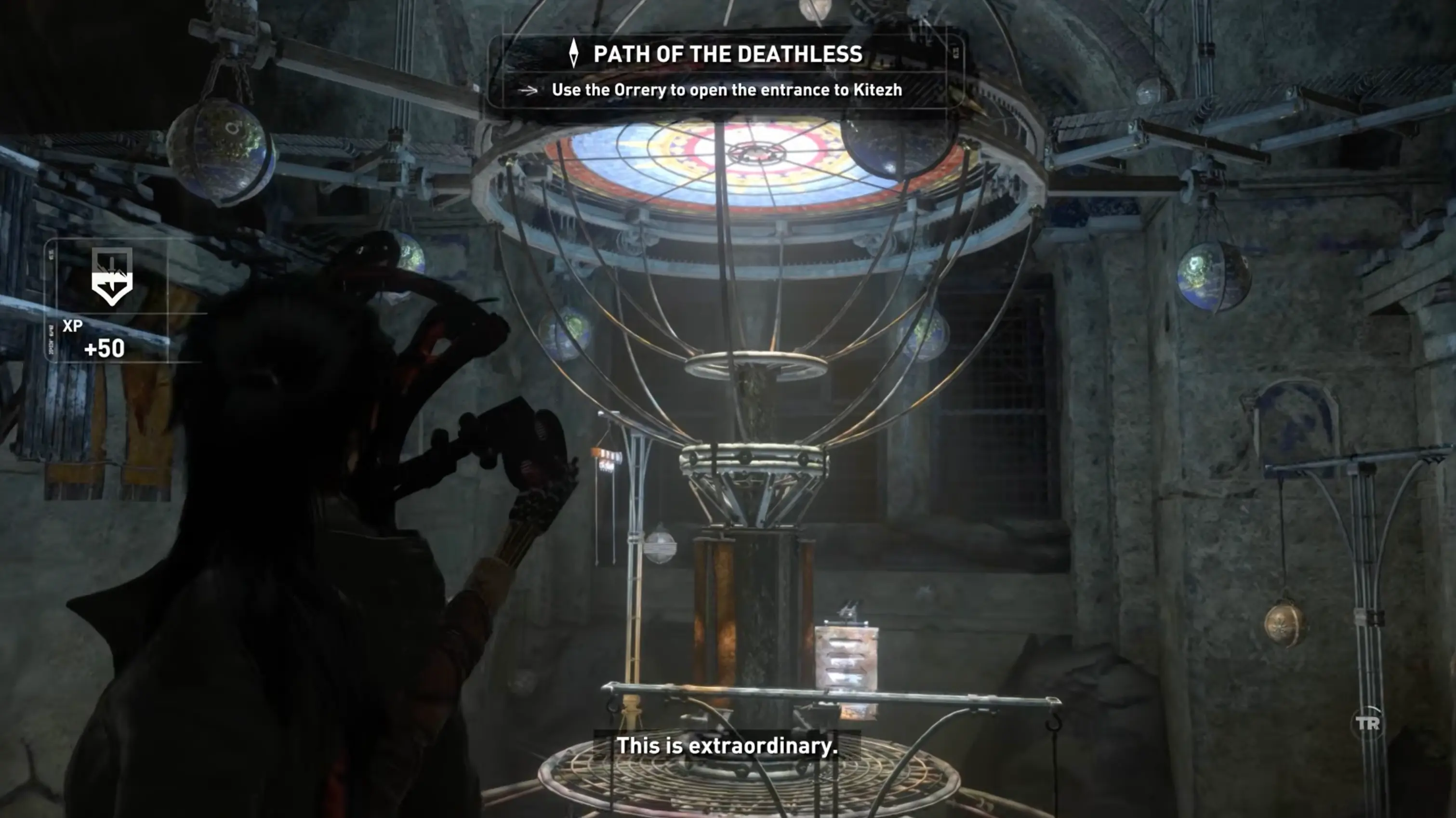
These tombs are not just side quests; they are mechanical masterpieces. From the Voice of God tomb, where you must manipulate freezing winds to smash through a frozen gate, to the hauntingly beautiful Orrery, where you are jumping across a massive, rotating celestial model of the solar system, every single one is a unique, self-contained triumph. The sound design inside these ancient spaces is incredibly eerie—the creaking of thousand-year-old wood, the echoing drip of water, and the wind howling through the cracks in the stone. Completing them doesn't just give you a generic resource; it rewards you with ancient skills, like the ability to shoot two arrows at once or to take less damage from fire. The sheer, euphoric hit of dopamine when the solution to a massive water-displacement puzzle finally clicks in your brain is the exact feeling that defines what it means to be a Tomb Raider.
Story & Atmosphere: The Madness of Trinity
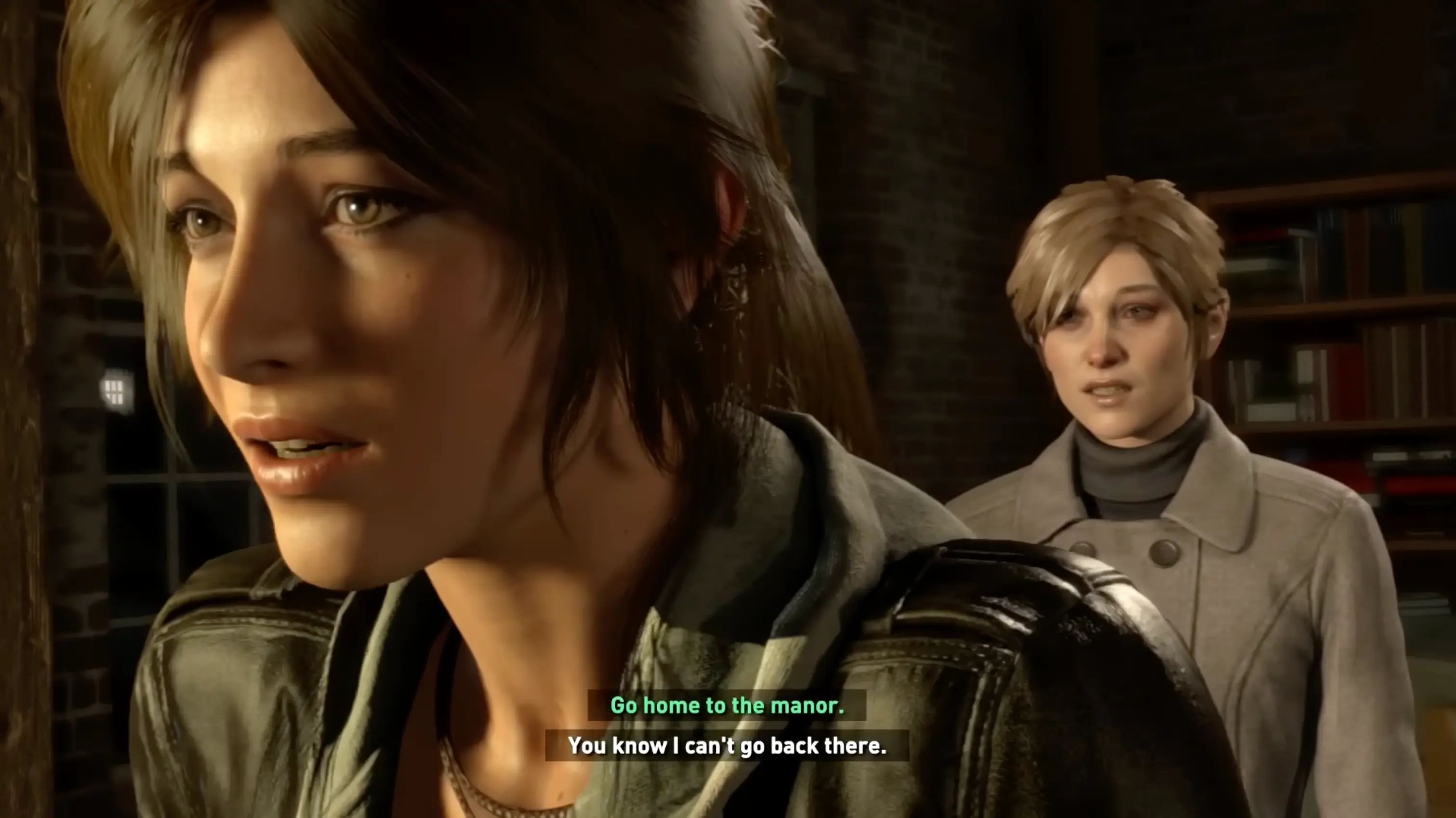
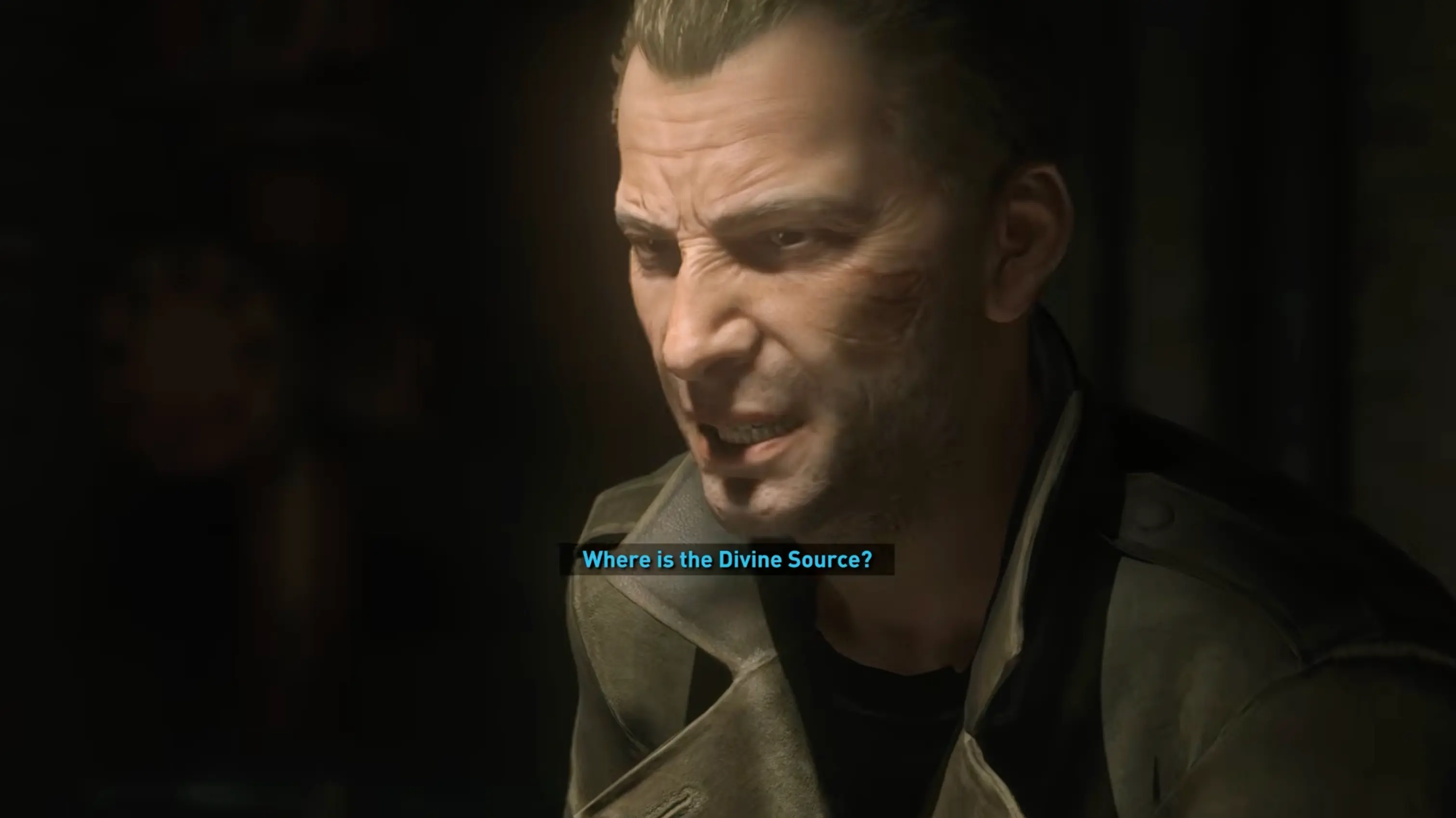
The narrative of Rise of the Tomb Raider feeds directly into my own obsessive tendencies, because it is fundamentally a story about the destructive nature of obsession. Lara is trying to clear the name of her father, Lord Richard Croft, who was driven to suicide after the media and the academic world mocked his belief in the Divine Source—an artifact said to grant immortality. Opposing her is Trinity, an ancient, ruthless militaristic order led by Konstantin, a terrifyingly calm fanatic who genuinely believes he has been chosen by God to lead a holy army of immortals.
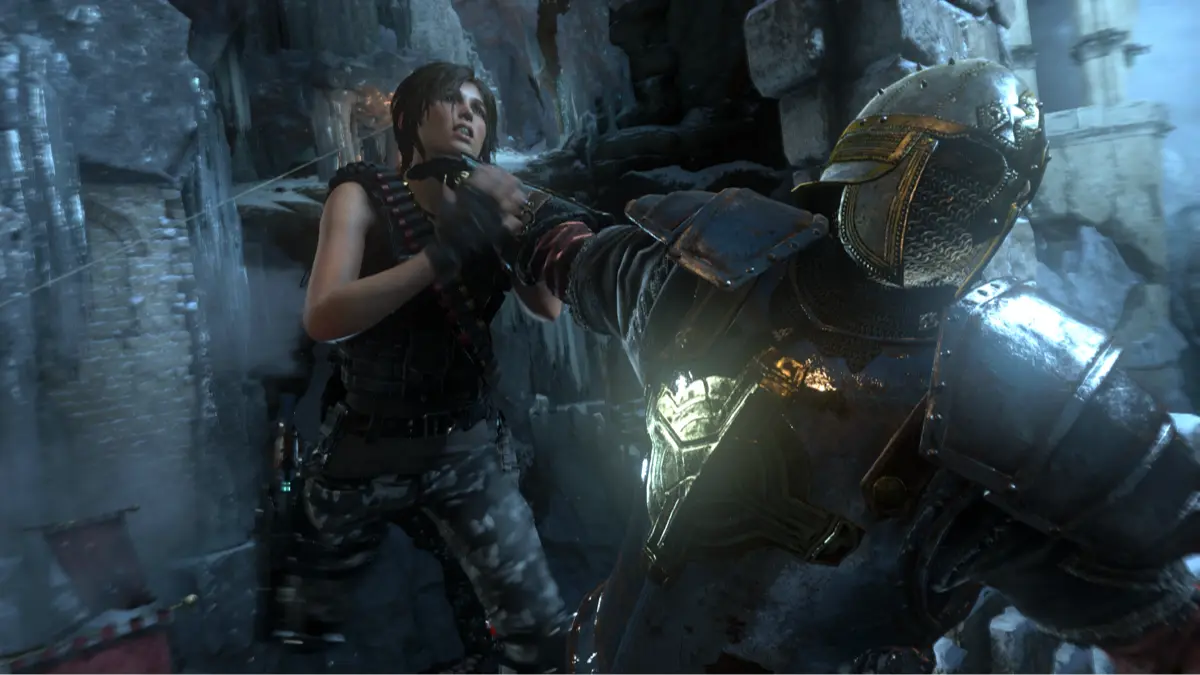
The discovery of the lost city of Kitezh, hidden deep beneath the Siberian ice, is one of the most visually staggering reveals I have ever experienced. The atmosphere shifts from a gritty wilderness survival game to a dark, mystical epic. When the game finally introduces the Deathless Ones—the ancient, terrifyingly powerful guardians of Kitezh clad in heavy Byzantine armor and wielding Greek Fire—the tension skyrockets. I am deeply captivated by how the game handles Lara's psychological state; she is isolating herself from her only friend, Jonah, pushing herself to the absolute brink of death, and slowly realizing that her father's obsession is destroying her own humanity. The environmental storytelling found in the hidden audio logs, detailing the tragic history of the Prophet and the Soviet gulags built over the ruins, adds a crushing weight to every step you take through the frozen valleys.
Conclusion: The Definitive Lara Croft
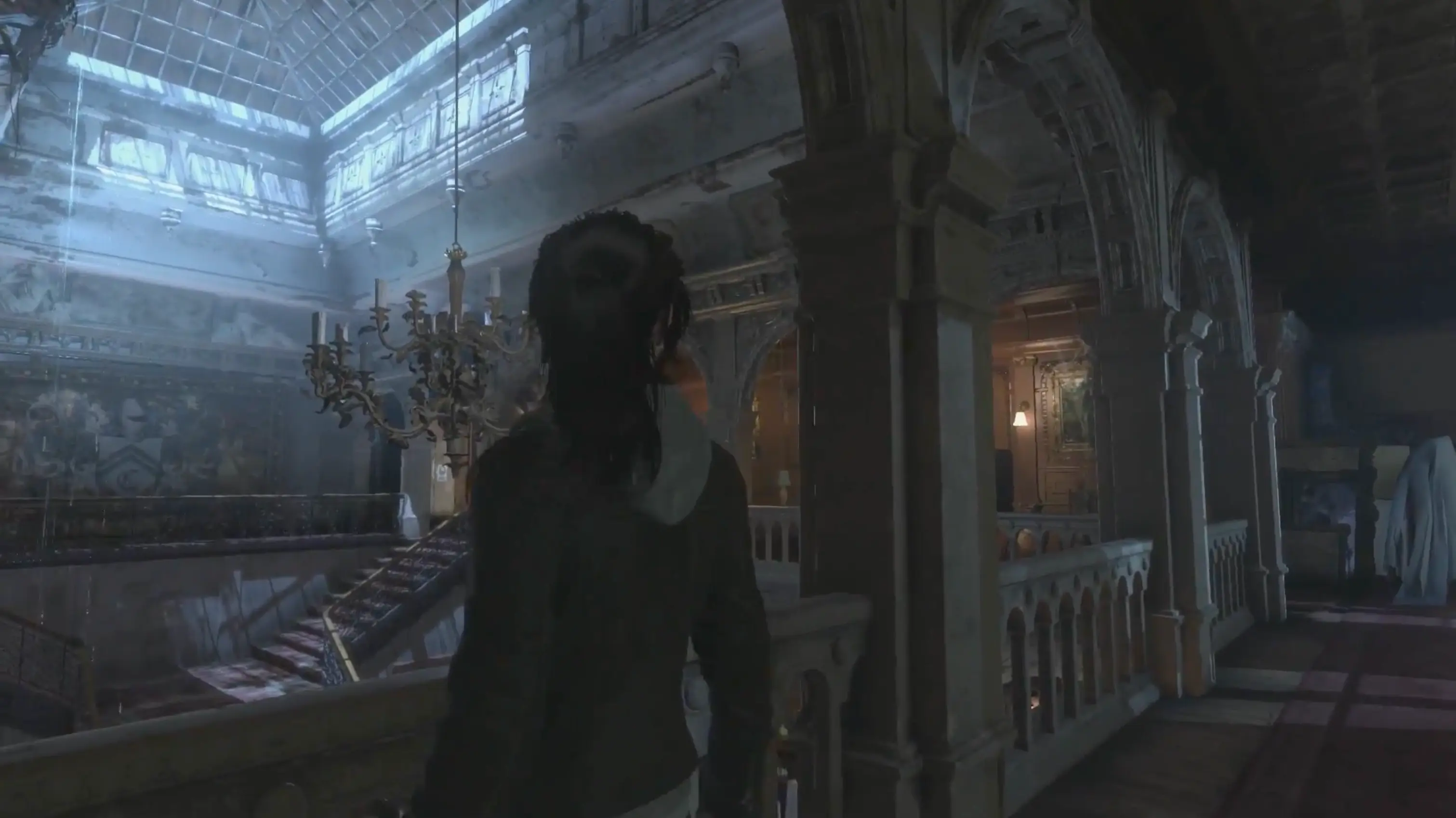
There is a reason this game is considered the absolute peak of the survivor trilogy. It perfectly balances the gritty, desperate survival mechanics of the first game with the confident, puzzle-solving archaeology that defined the classic PS1 era. And my obsession doesn't stop with the campaign. The 20 Year Celebration edition includes 'Blood Ties,' an entirely combat-free, deeply emotional exploration of Croft Manor. I spent three hours just wandering the dusty, decaying halls of Lara's childhood home, reading her father's journals, and sobbing at the tragic history of her parents. It is a phenomenal, quiet palate cleanser that adds profound emotional context to the high-octane explosions of the main game.
Rise of the Tomb Raider is a flawless action-adventure game that respects your intelligence, challenges your reflexes, and consistently drops your jaw with its visual fidelity. Whether you are meticulously hunting a rare albino bear for its hide, deciphering a monolithic Greek translation, or raining explosive death on a Trinity helicopter, the game makes you feel incredibly capable and dangerously smart. It is the exact moment Lara Croft transitions from a victim of circumstance to a master of her environment. I will inevitably replay this game every time the winter snow starts to fall outside my window, forever chasing the perfect headshot and the thrill of the hidden tomb.
Review Score
Based on overall narrative, gameplay, and experience.