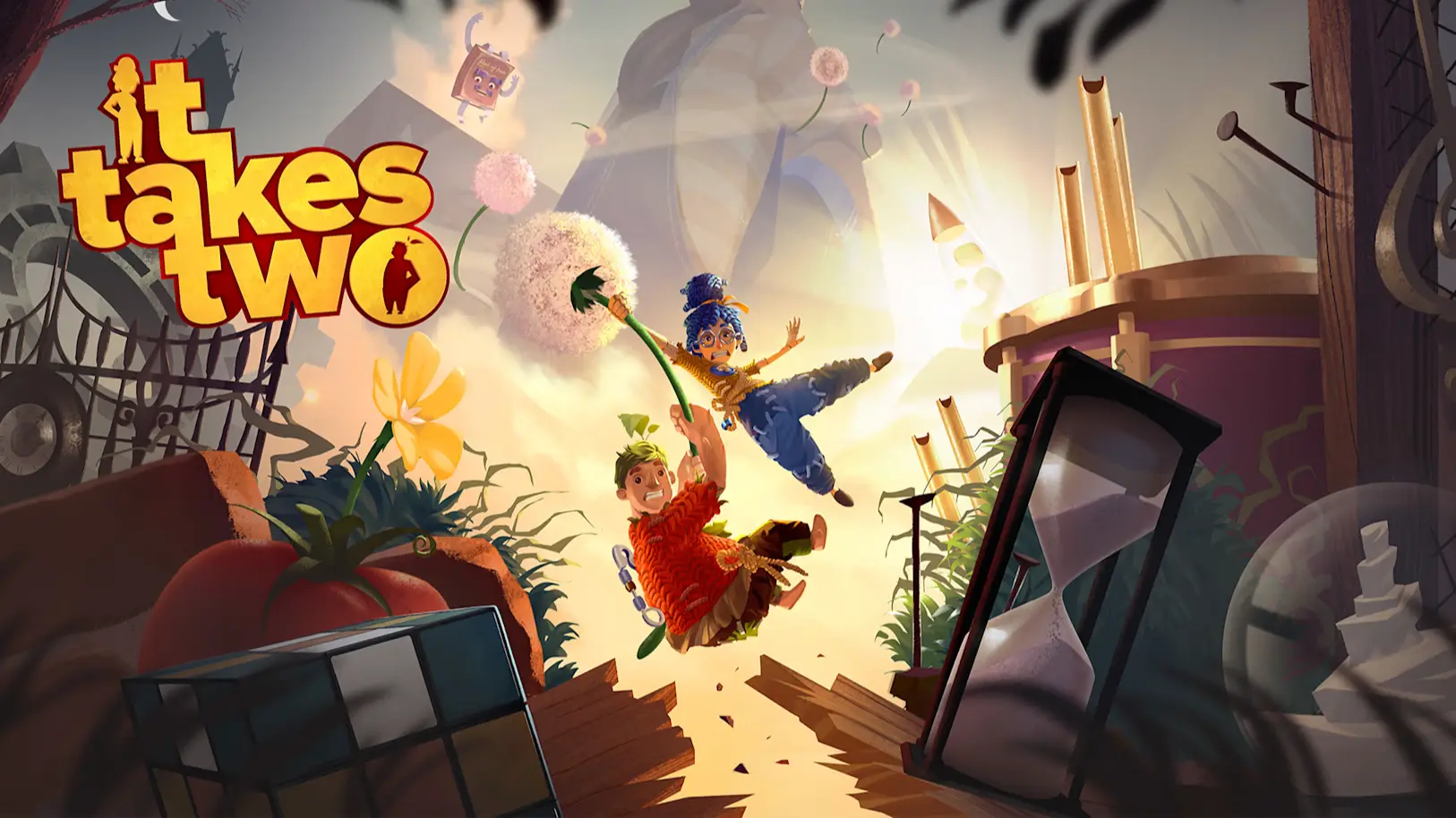
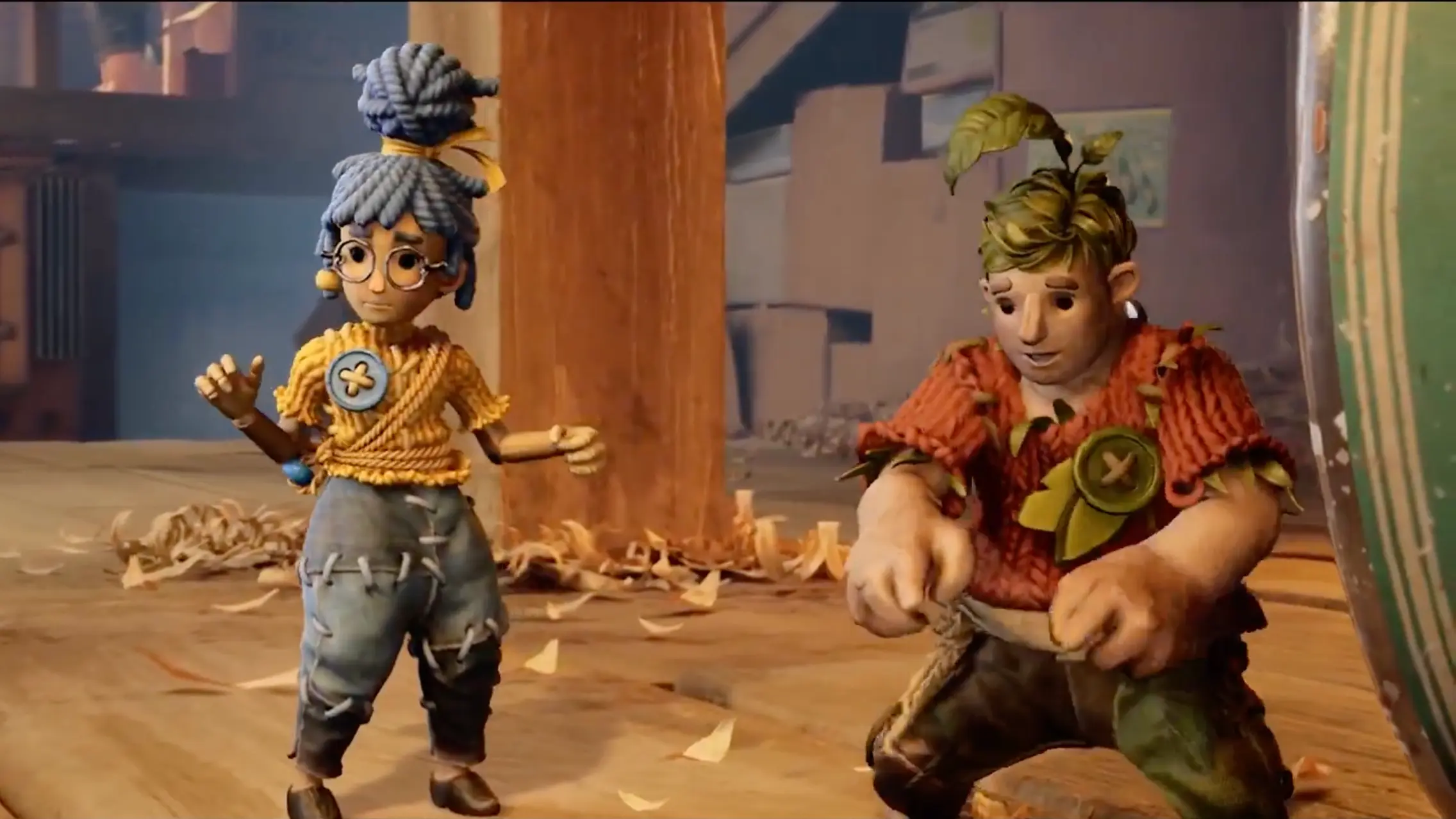
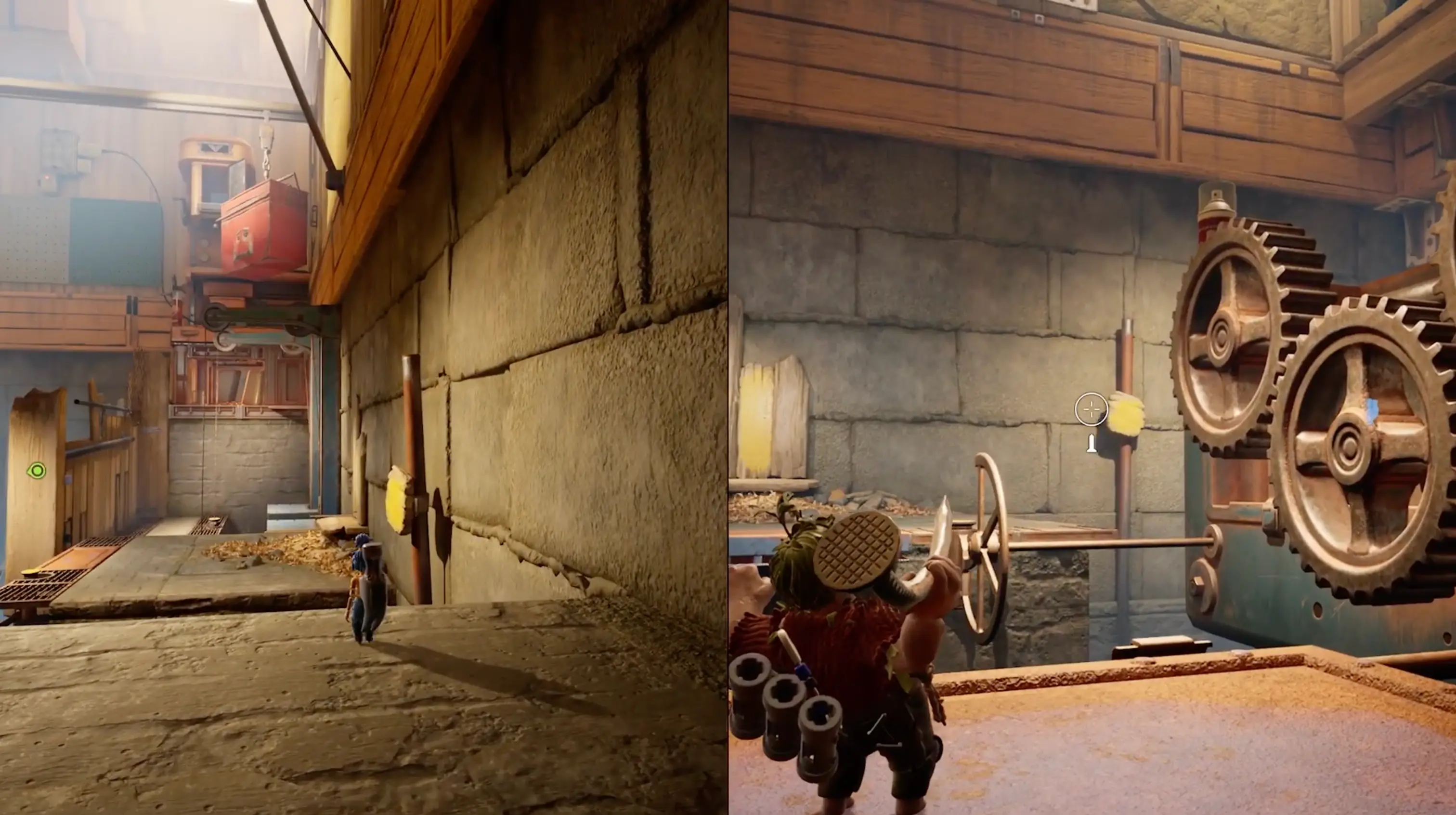
There is a specific kind of madness required to design a game that absolutely cannot be played alone. In an industry obsessed with single-player power fantasies and massive multiplayer battle royales, Hazelight Studios director Josef Fares looked at the landscape and decided to bet everything on mandatory, split-screen cooperation. It Takes Two is not just a game you play; it is a profound, shared psychological evaluation. I have forced three different friends to play through this entire campaign with me, entirely because I am obsessed with watching their brains break as they process the sheer density of its creative vision. You take on the roles of Cody and May, a deeply unhappy married couple on the brink of a bitter divorce.
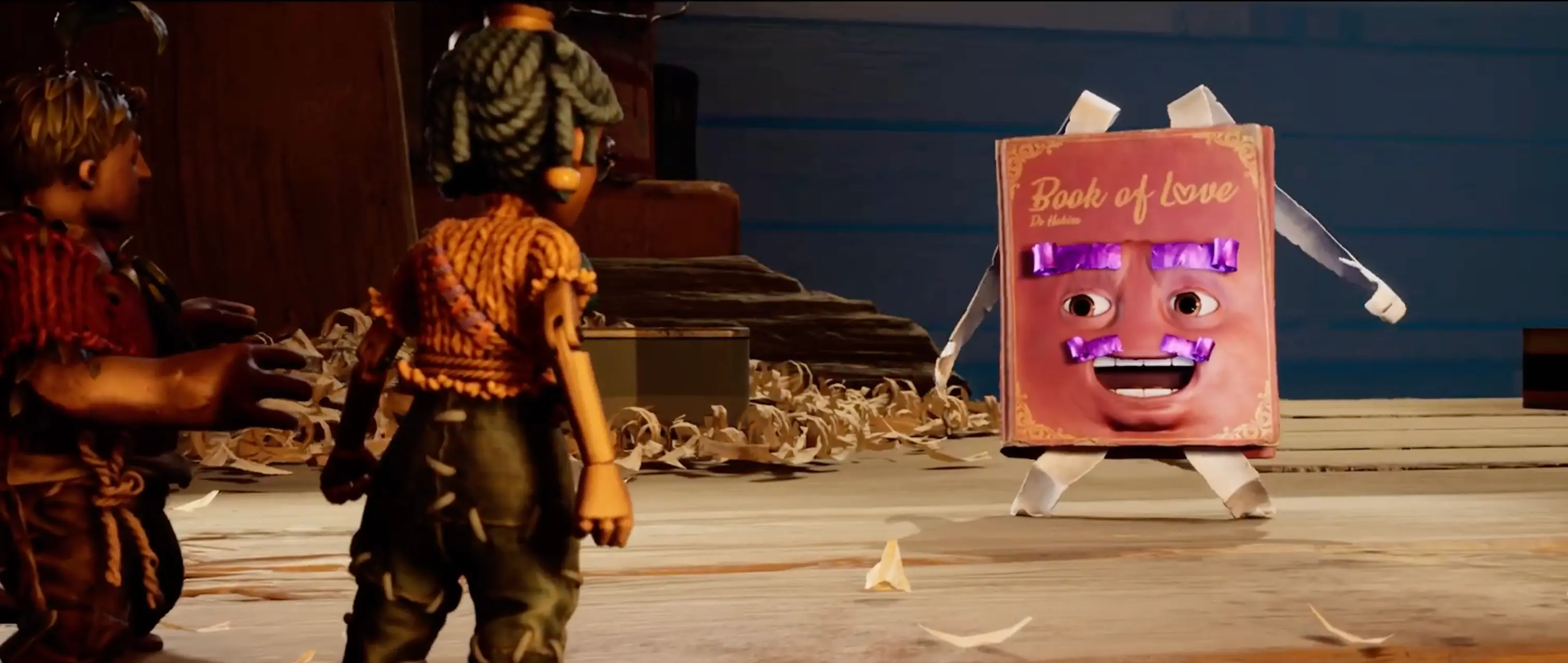
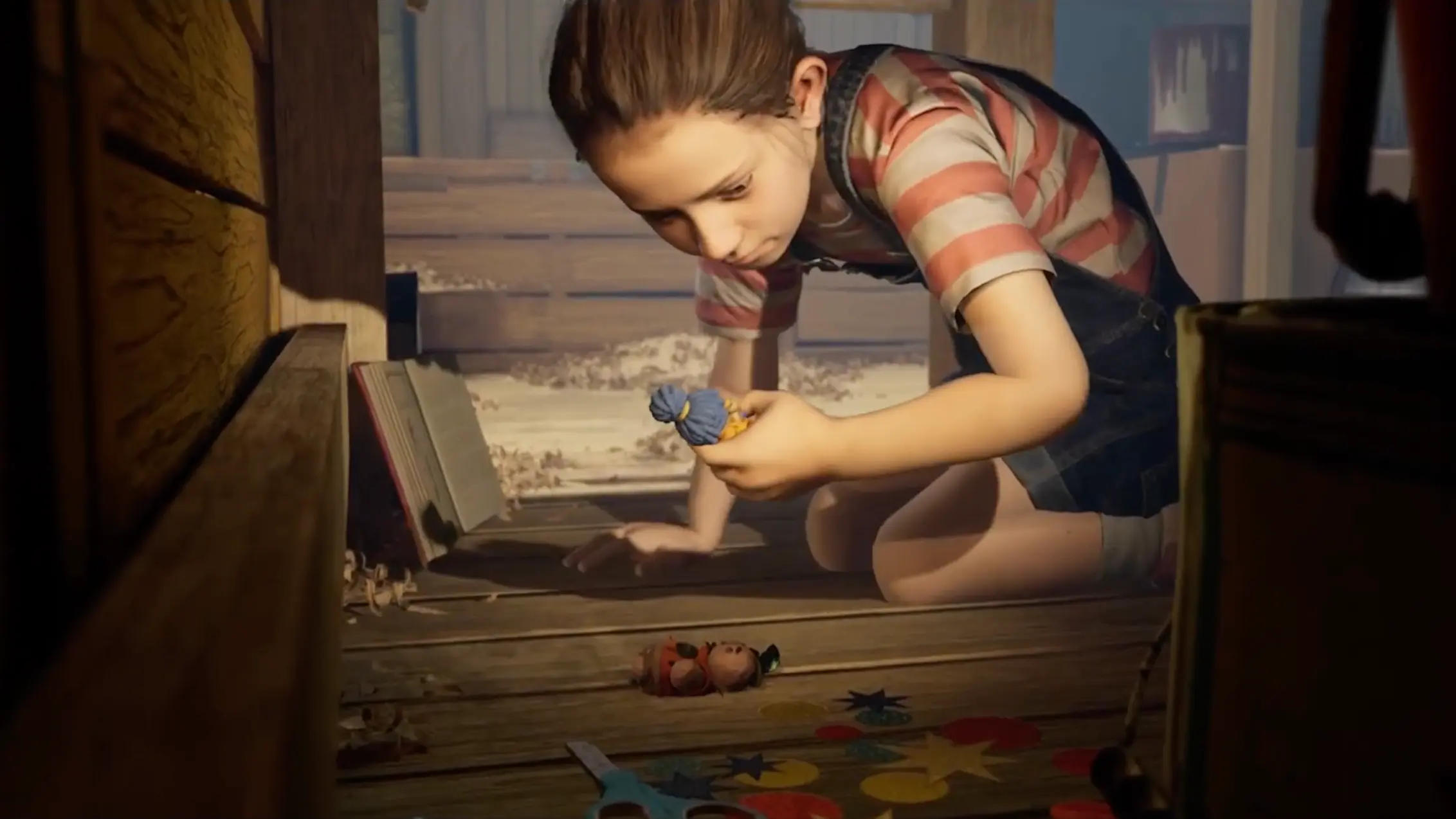
Through the tears of their neglected daughter, Rose, the couple's consciousnesses are magically transferred into two tiny, hand-crafted dolls. What follows is a descent into a micro-world governed by a flamboyant, anthropomorphic relationship therapy book named Dr. Hakim. From the moment this heavily accented, hip-thrusting book forces you into your first puzzle, the game seizes you by the collar and refuses to let go. It is a wildly colorful, Pixar-level visual feast that aggressively masks the heavy, uncomfortable themes of parental neglect, resentment, and the agonizing work required to salvage a broken bond. You don't just communicate with your co-op partner to solve puzzles; you find yourselves actively arguing, laughing, and reconciling right alongside the characters. It is an absolute triumph of narrative and mechanical integration, and it consumed my life the second I picked up the controller.
Gameplay: A Relentless Barrage of Brilliance
The true obsession of It Takes Two lies in its outright refusal to recycle mechanics. Most video games establish a core gameplay loop in the first hour and then iterate on it for the next twenty. Hazelight Studios throws that rulebook into a woodchipper. Every single level, sometimes every single section of a level, introduces a completely bespoke set of mechanics that would be the entire foundation of a lesser game, only to discard them thirty minutes later. It is a dizzying, staggering display of developer flex. In one chapter, Cody is given a handful of throwable nails, and May is given the head of a claw hammer. You must perfectly synchronize your actions—Cody pinning platforms to walls while May violently swings across them in mid-air.
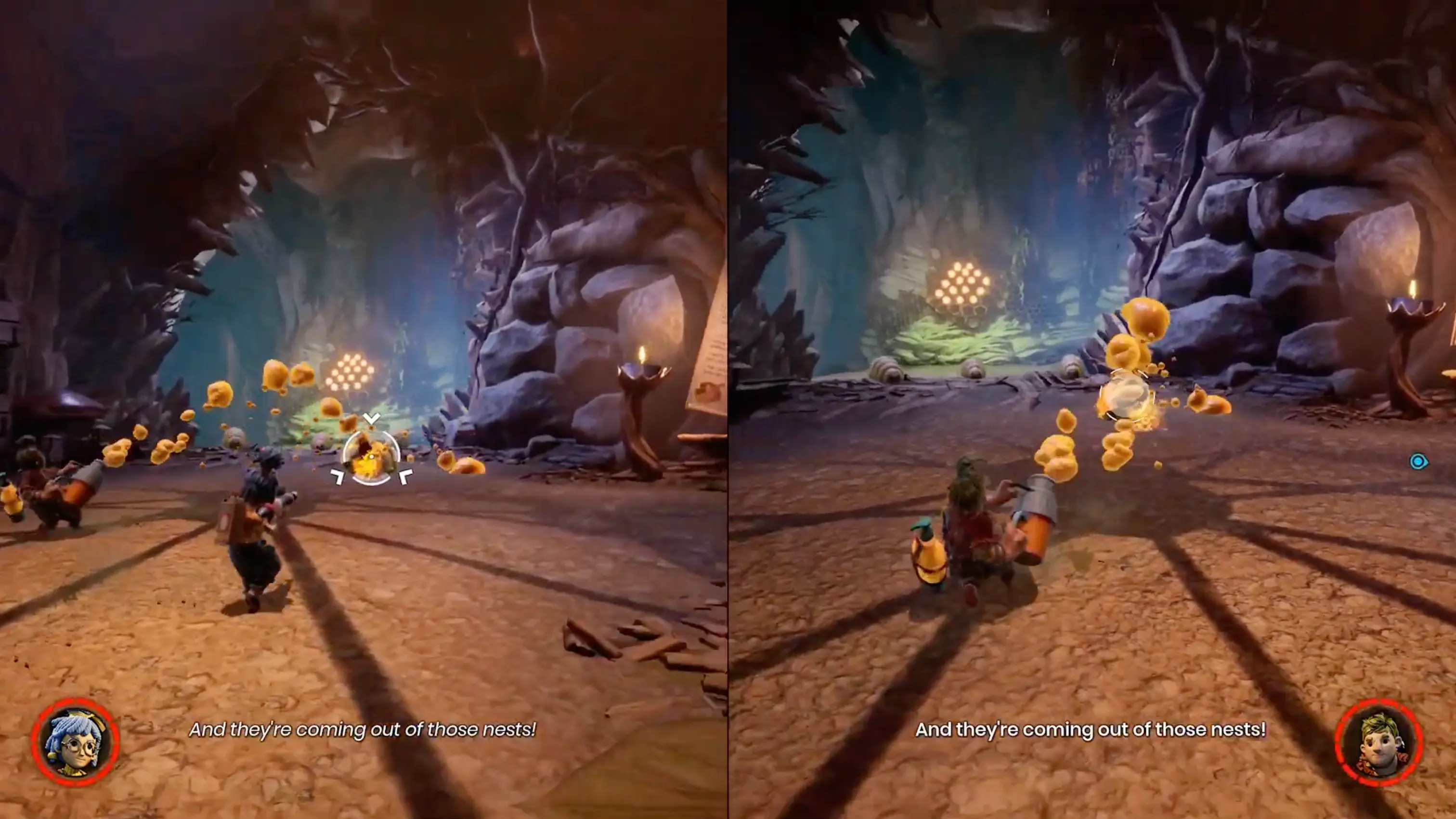
Before you even get used to that, the game strips those tools away and hands Cody a nectar gun that shoots highly flammable tree sap, while giving May a matchstick gun to ignite it, instantly turning the game into a frenetic, third-person cooperative shooter against an army of militarized wasps. Later, it becomes a top-down dungeon crawler. Then a 2D fighting game. Then a rhythm game. Then you are piloting a pair of magical fidget spinners. Then you are navigating a zero-gravity space station by altering the polarity of magnets. The sheer volume of ideas is so overwhelming it makes you giddy. And the brilliance is that the mechanics are always asymmetrical; Cody and May are never doing the same thing. You are heavily dependent on your partner's specific abilities, forcing genuine communication. 'Shoot the sap on the shield!' 'I'm out of matches, run!' The chaotic symphony of yelling at your partner on the couch is the purest distillation of cooperative joy ever put to code.
Story: The Trauma of Cutie the Elephant
Beneath the vibrant colors and the whimsical platforming lies a narrative that is shockingly dark and emotionally uncompromising. Cody and May are, frankly, terrible to each other at the start of the game, and they are even worse to their environment. As they try to break the spell and return to their human bodies, they rationalize that they must make their daughter Rose cry again. This twisted logic leads to one of the most notoriously traumatizing sequences in modern gaming: the murder of Cutie the Elephant.
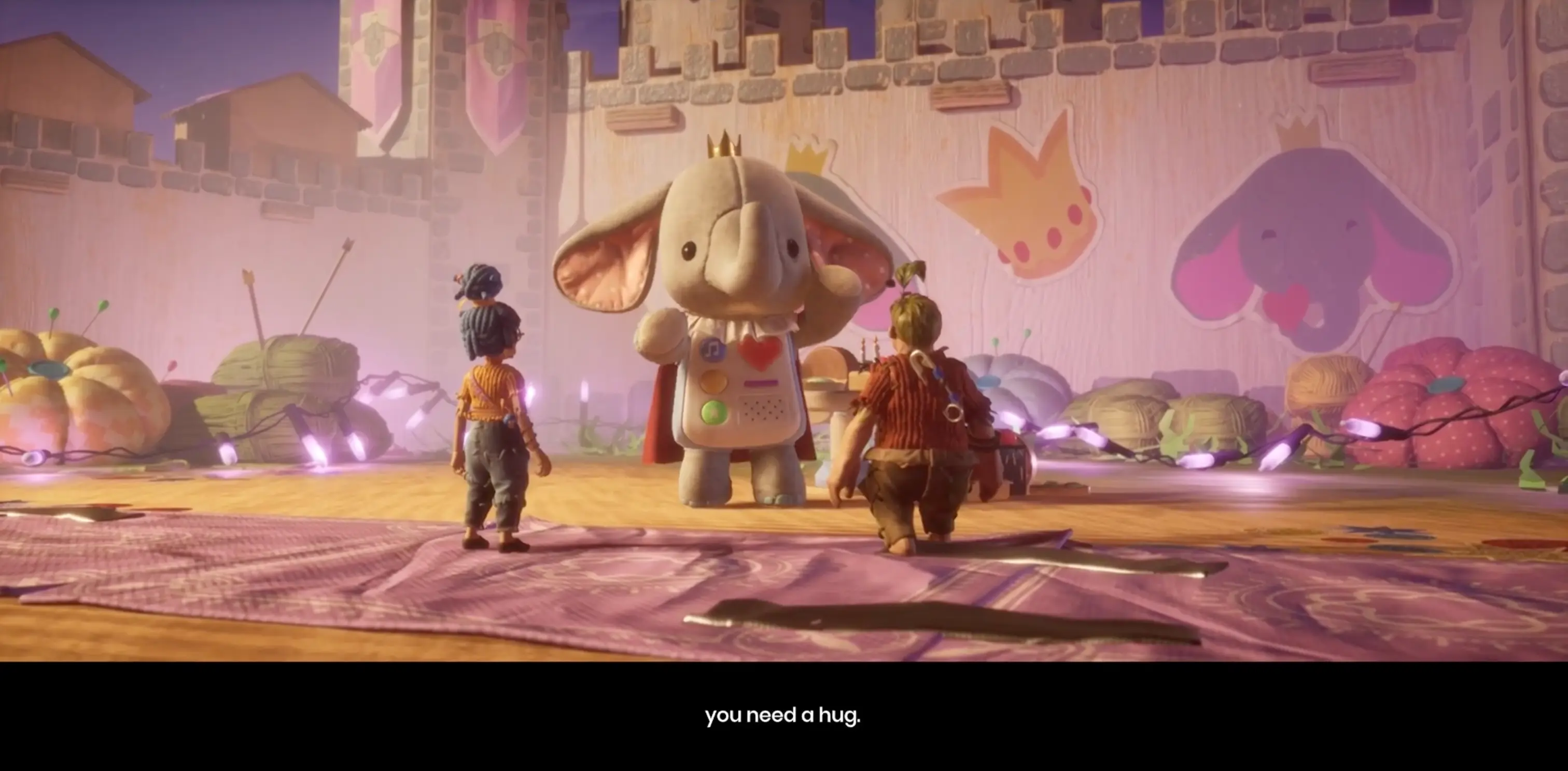
Cutie is Rose's beloved, stuffed elephant toy—the reigning queen of the playroom, sweet, innocent, and deeply loving. In their desperate, selfish quest to make their daughter cry, Cody and May decide they must drag Cutie to the edge of a shelf and throw her off. I vividly remember playing this sequence, my jaw physically dropping as the game forces you and your partner to actively coordinate the brutal dismemberment of this pleading, crying stuffed animal. It is pitch-black comedy mixed with genuine psychological horror, and it perfectly encapsulates the selfish blindness of a couple going through a bitter divorce. They are destroying the things their child loves because they are too obsessed with their own misery. The game forces you to be complicit in their flaws before you can guide them toward redemption. It is a masterful, unsettling narrative choice that elevated my obsession with the game, proving it wasn't just a quirky family-friendly romp, but a deeply mature exploration of adult failure.
Atmosphere & Music: The Macro scale of a Micro World
The environmental design in It Takes Two is a masterclass in scale and perspective. When you are reduced to the size of an apple, a dusty old shed is no longer just a shed; it is a terrifying, rusted industrial nightmare filled with sentient, angry vacuum cleaners and precarious towers of cardboard. Hazelight turns mundane household environments into sprawling, imaginative landscapes that demand exploration. I spent hours just wandering around the interactive hubs, ignoring the main objective just to play the dozens of competitive mini-games seamlessly hidden in the world, from tug-of-war to slot car racing.
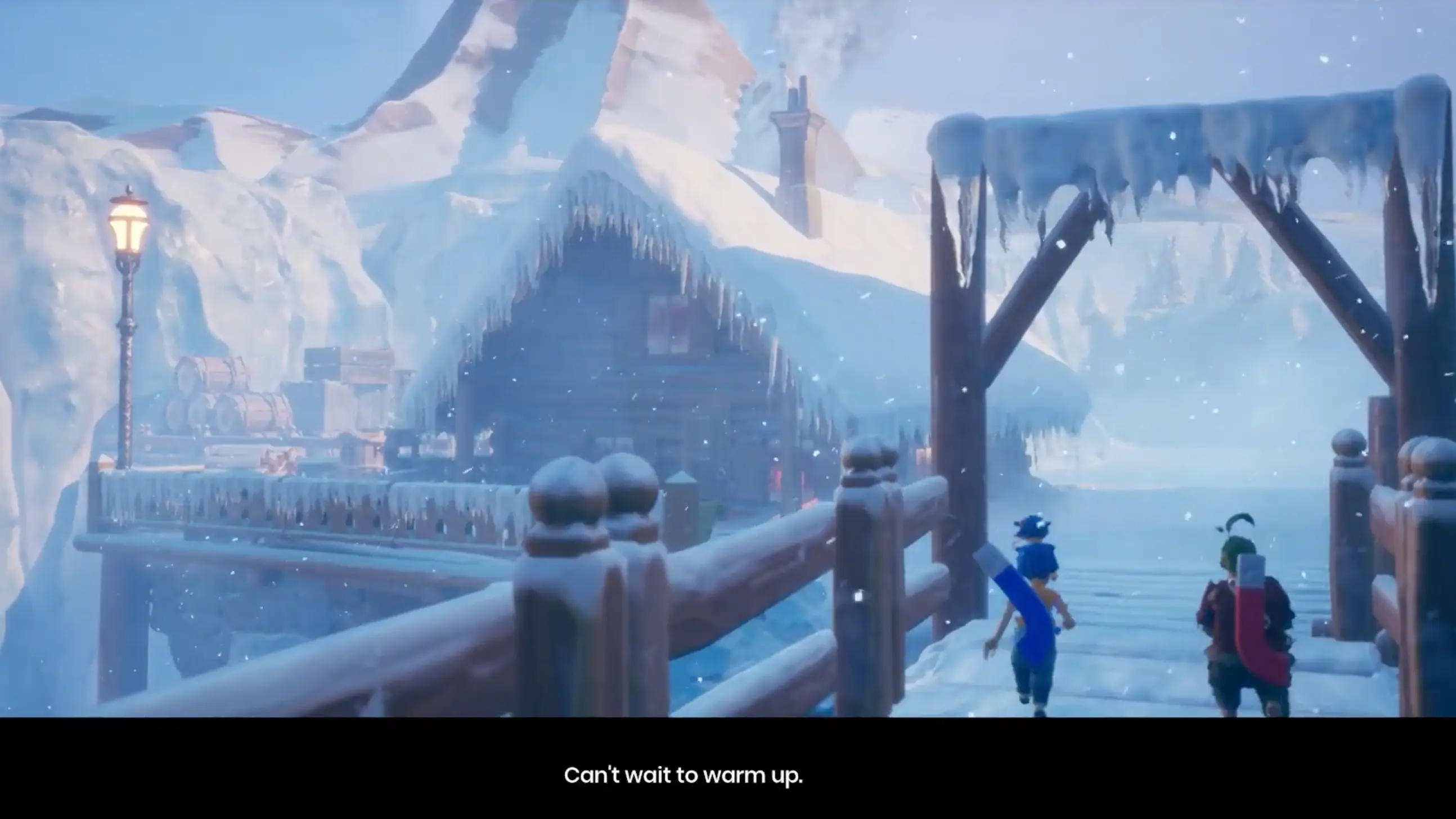
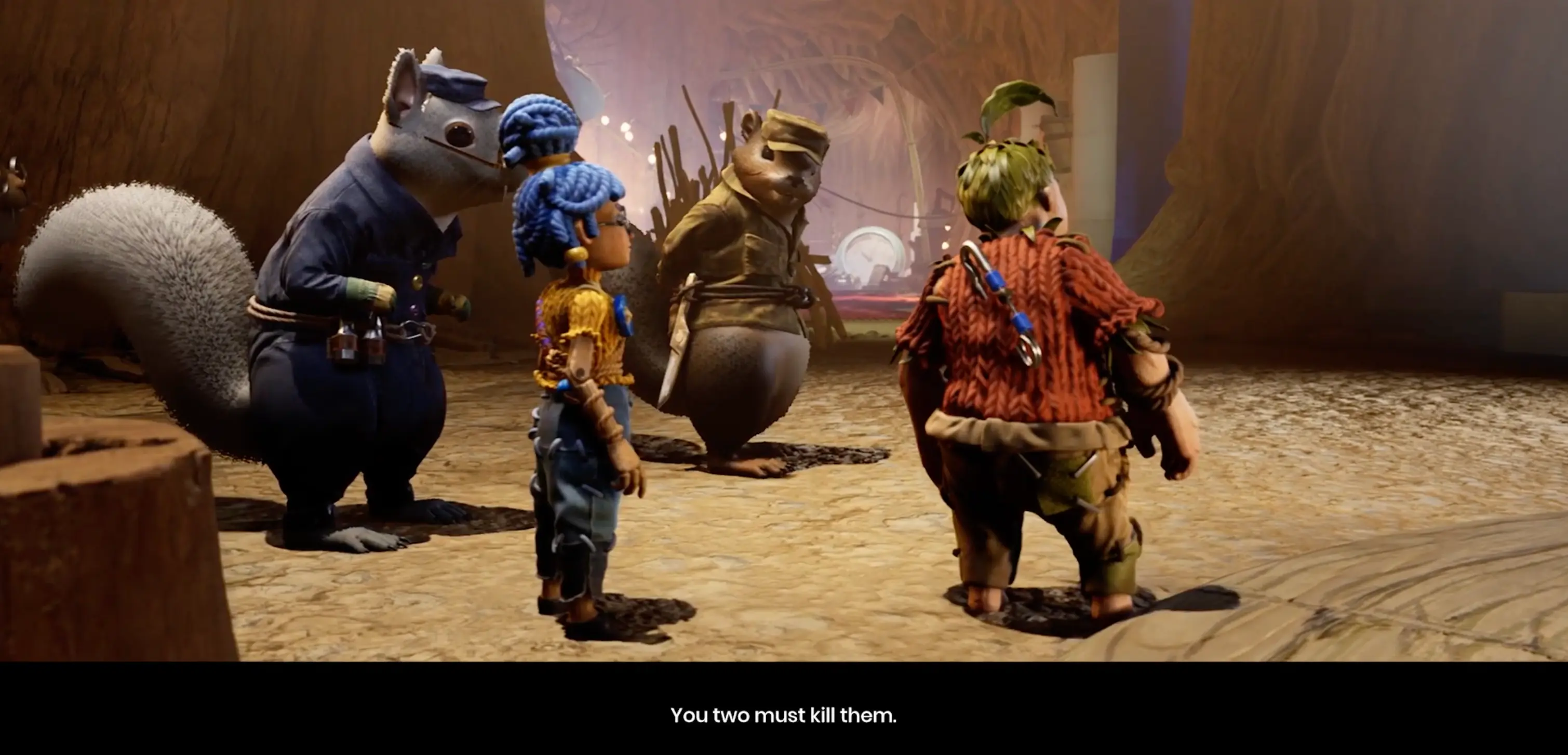
The transition between biomes is breathtaking. One moment you are inside a hollowed-out tree, navigating the political warfare between militant squirrels and insurgent wasps; the next, you are dropped into the pristine, frozen village inside a magical snow globe where you ice skate across frozen ponds and magnetically attach to massive clockwork gears. The musical score wraps around this shifting atmosphere perfectly, changing genres just as quickly as the gameplay does. The soundtrack swells into epic, orchestral grandeur during boss fights against a giant robotic baboon, and then shifts into a quiet, jazzy lullaby when you are exploring the attic. The world feels incredibly alive, deeply tactile, and meticulously crafted. Every single inch of the screen is packed with interactive joy, rewarding players who take the time to poke, prod, and smash the oversized world around them.
Conclusion: The Ultimate Couch Co-Op Experience
There will likely never be another game quite like It Takes Two. It is an act of sheer creative defiance. To build a 15-hour adventure with zero filler, where every single level is a completely new game, requires a level of vision and development talent that is exceedingly rare. It demands that you share the experience, fundamentally tying the emotional resonance of the game to the person sitting next to you on the couch or on the other end of the headset. My obsession with this game is rooted in the memories it creates outside the screen—the high-fives after perfectly timing a jump, the frantic screaming during a boss fight, the shared silence after a particularly emotional cutscene.
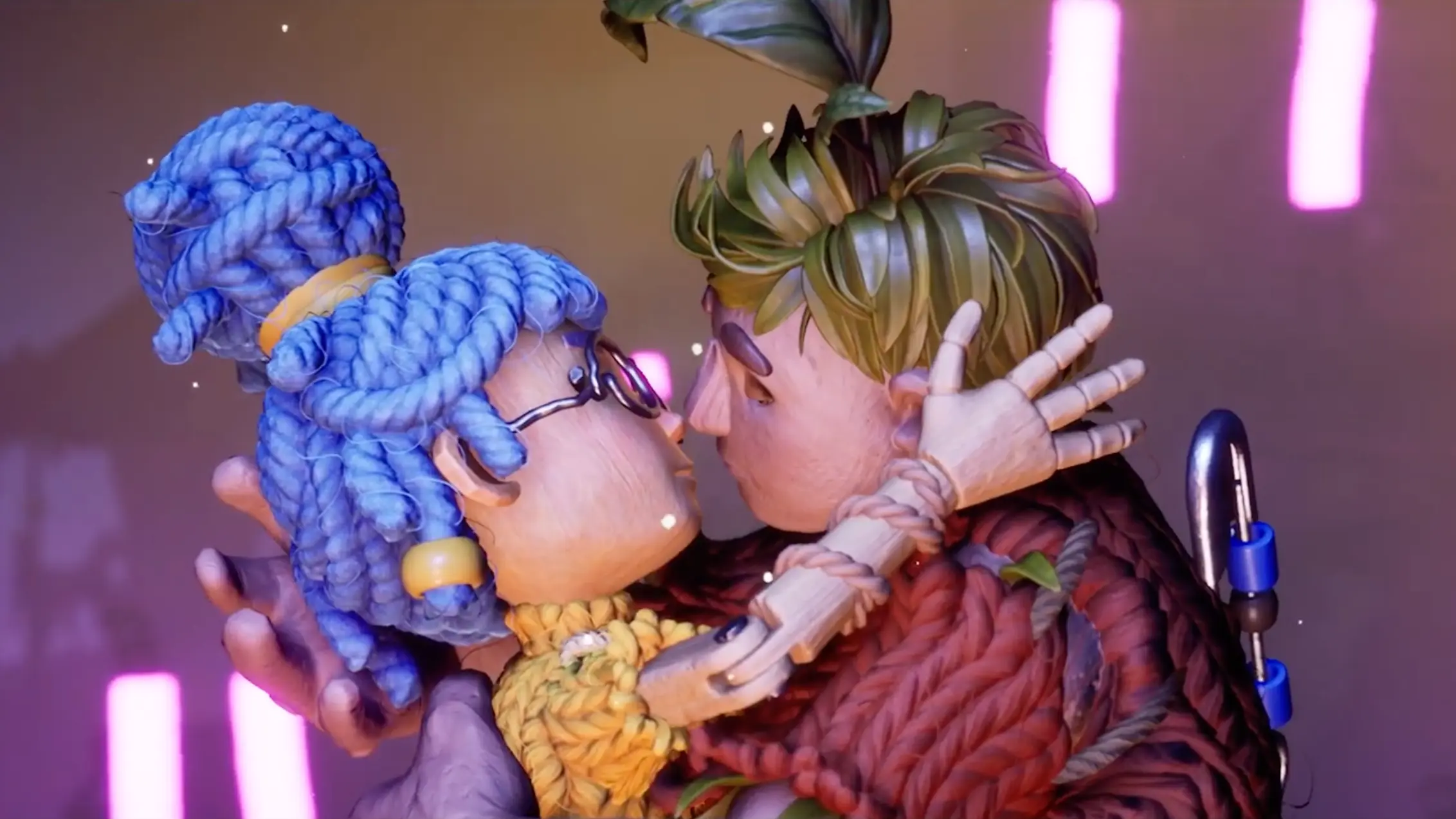
Josef Fares famously stated that he would give $1,000 to anyone who legitimately got bored playing this game, and it is easy to see why he was so confident. It is a masterpiece of pacing, mechanical diversity, and heartfelt storytelling. It takes the shattered pieces of a broken family and asks you and a friend to meticulously, painfully, and joyfully glue them back together. When the credits finally roll, you don't just feel like you've beaten a video game; you feel like you've survived a marathon of couples therapy, and you are immeasurably better off for it. This is the absolute pinnacle of cooperative gaming.
Review Score
Based on overall narrative, gameplay, and experience.