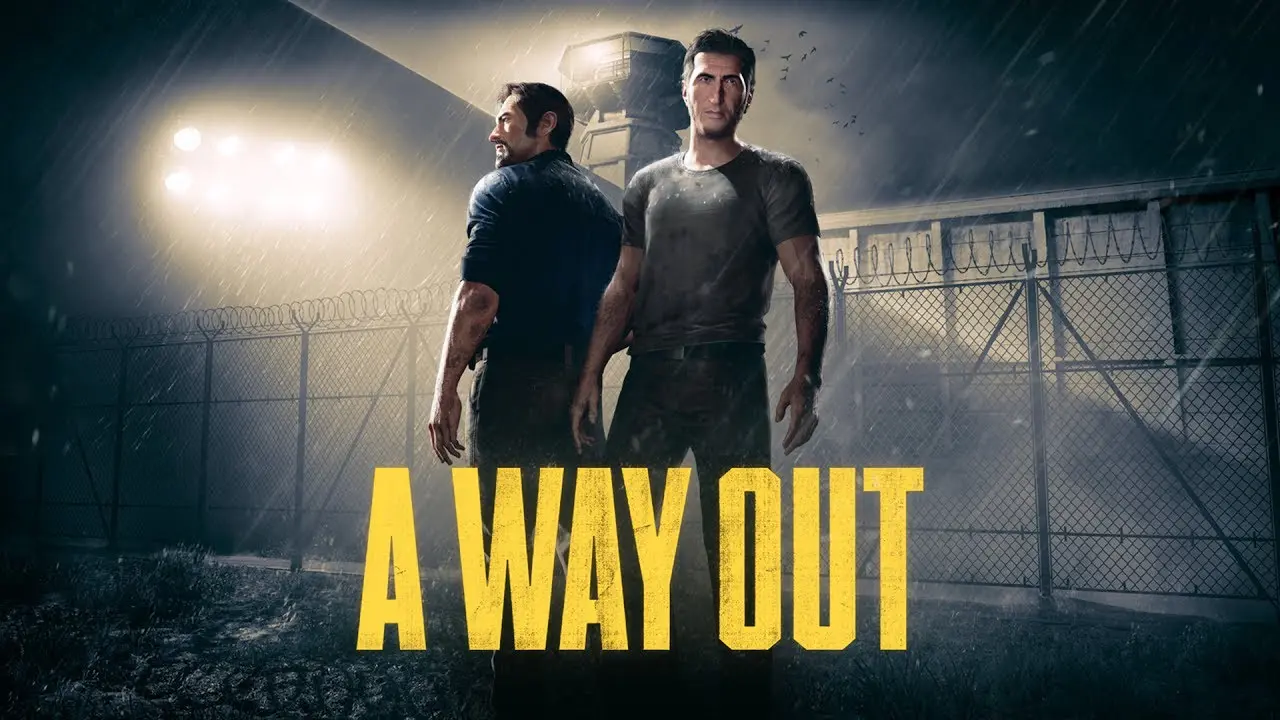
Video games often celebrate the lone wolf, the singular hero who conquers insurmountable odds entirely alone. But A Way Out violently rejects this premise, replacing the isolation of solo play with an obsessive, inescapable reliance on another human being. It isn't just a game about breaking out of a 1970s penitentiary; it’s a meticulously crafted interactive experiment that preys on our ability to communicate, compromise, and trust.
We follow two very different inmates: Vincent, a calculating and pragmatic white-collar criminal, and Leo, a brash, volatile inmate who solves his problems with his fists. The game introduces us to a world where progress is physically impossible without synchronicity. You cannot play this game alone. Whether sitting on the same couch or connected online, the screen is permanently fractured, forcing you to constantly monitor your partner's reality while navigating your own. It is a thrilling, gritty love letter to buddy-cop and prison-break cinema that uses the mandatory co-op mechanic to explore the very real weight of codependency and the dangerous obsession with vengeance.
About the Game: The Architecture of Trust
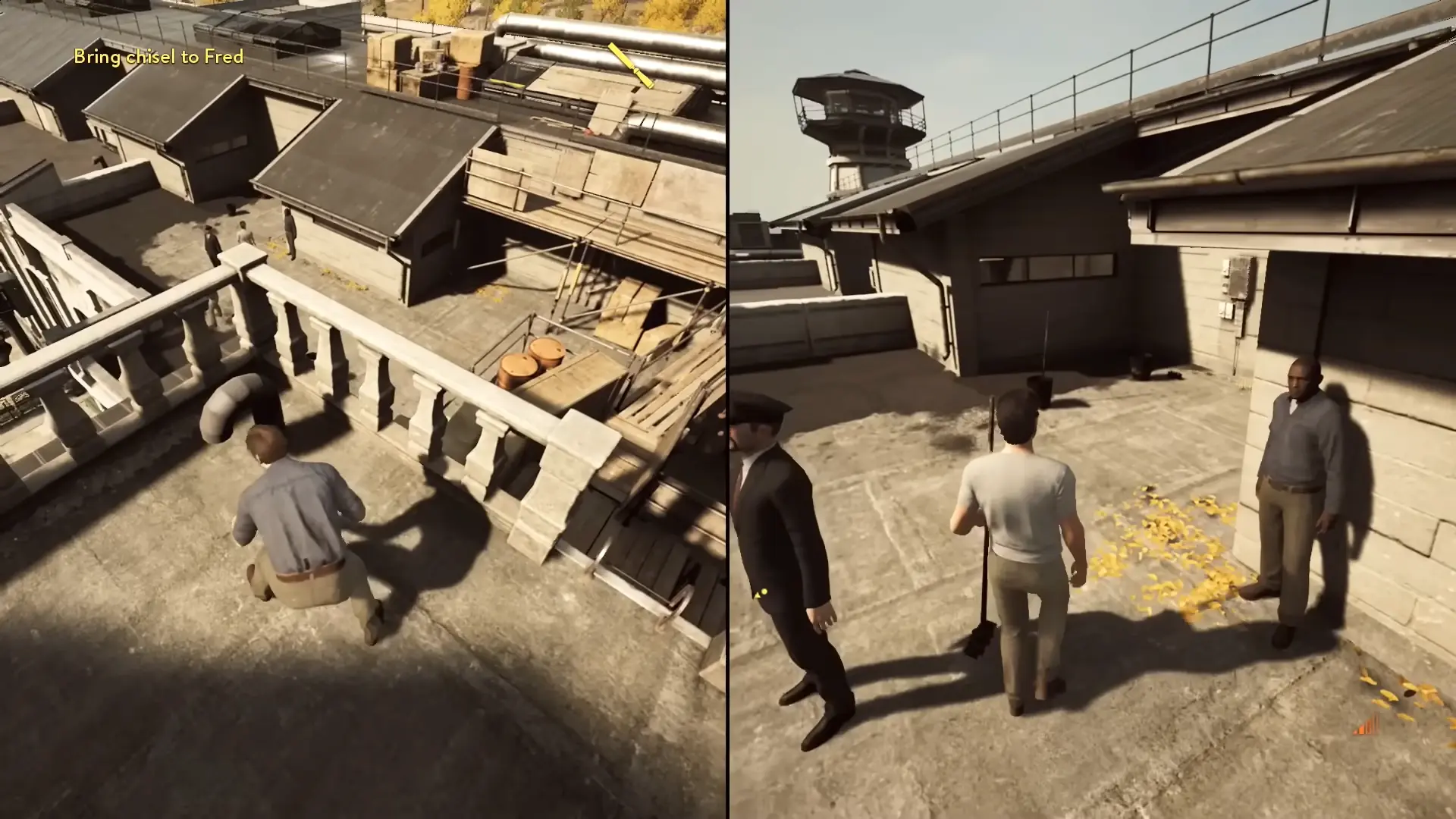
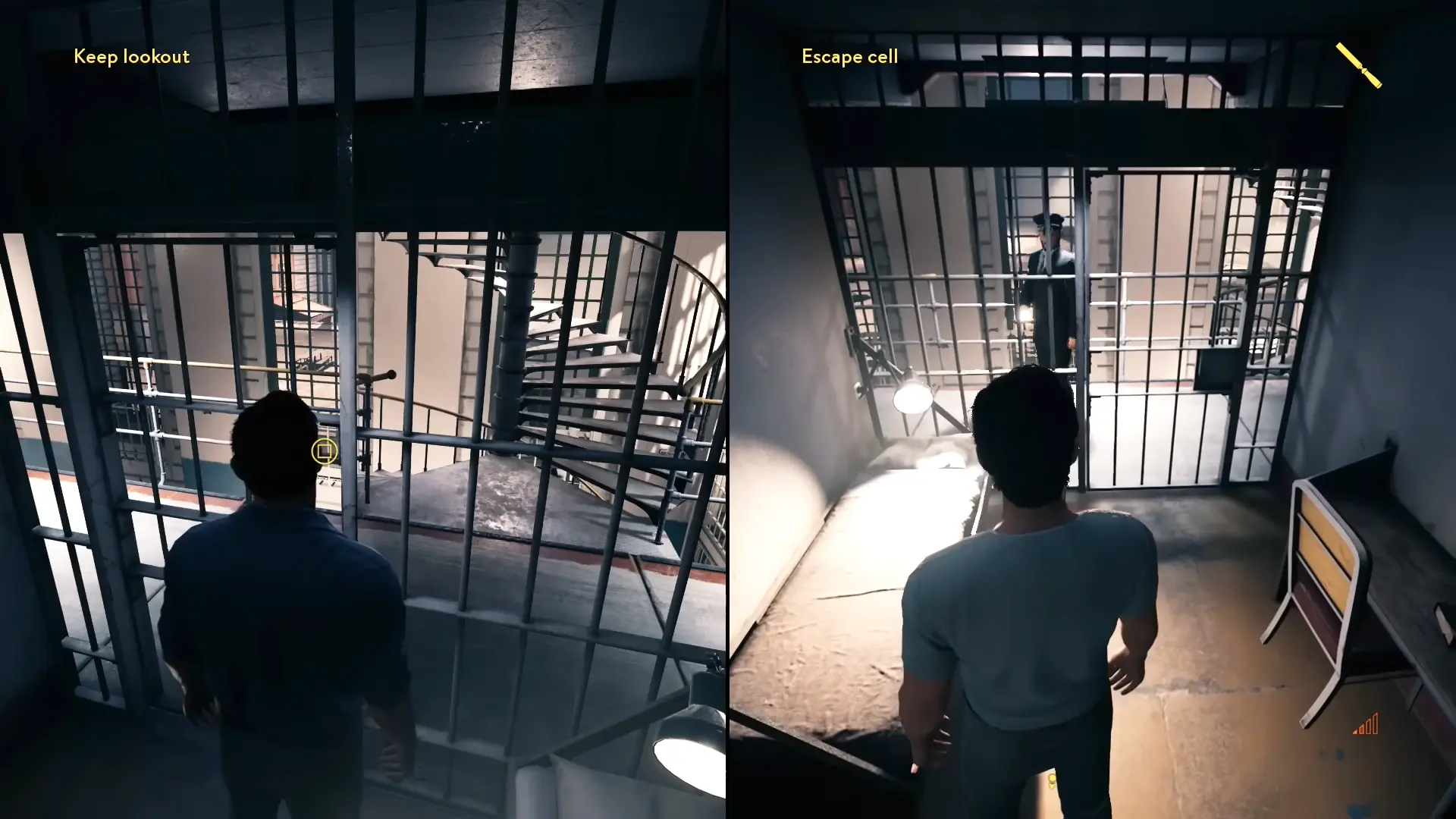
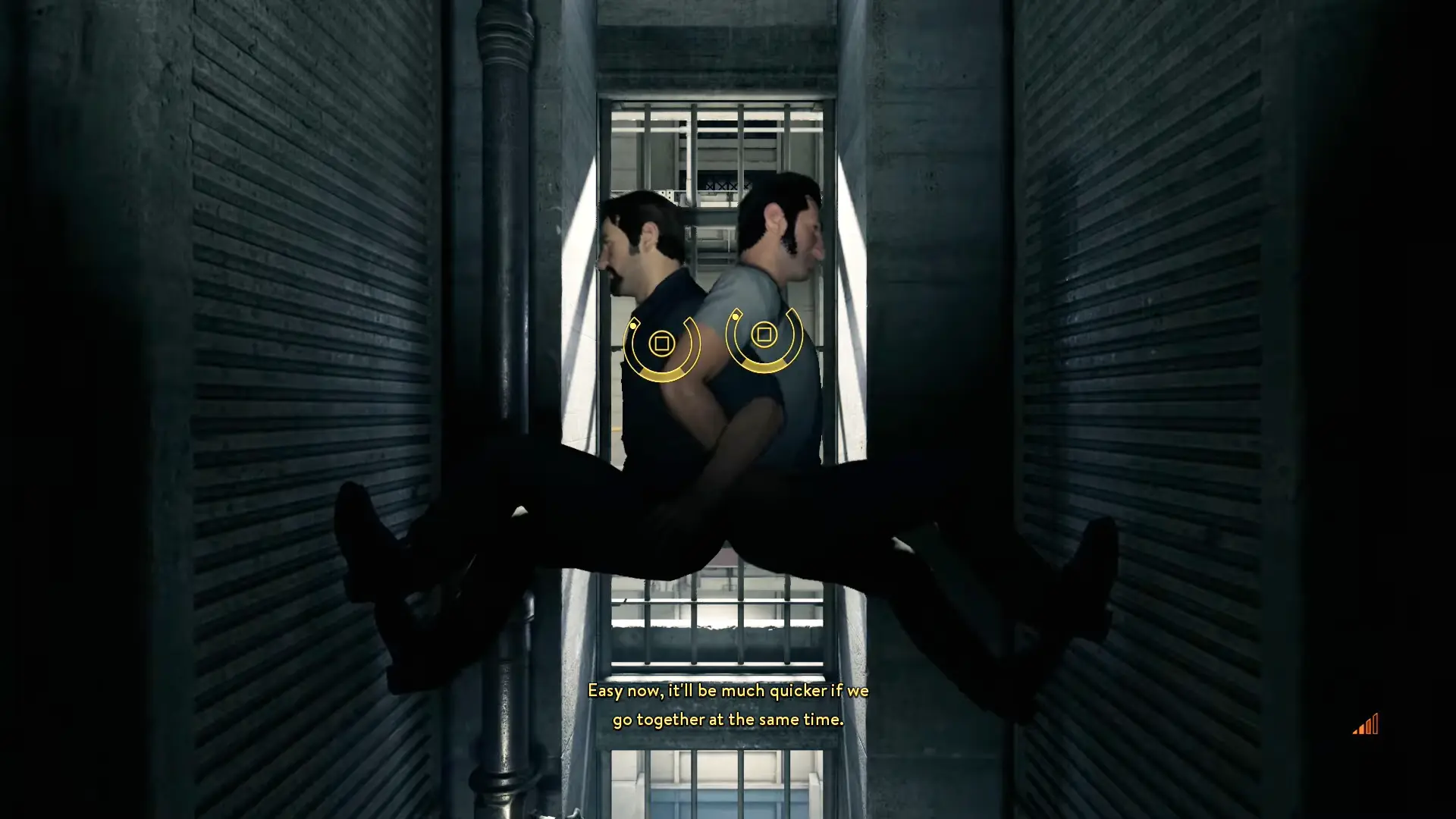
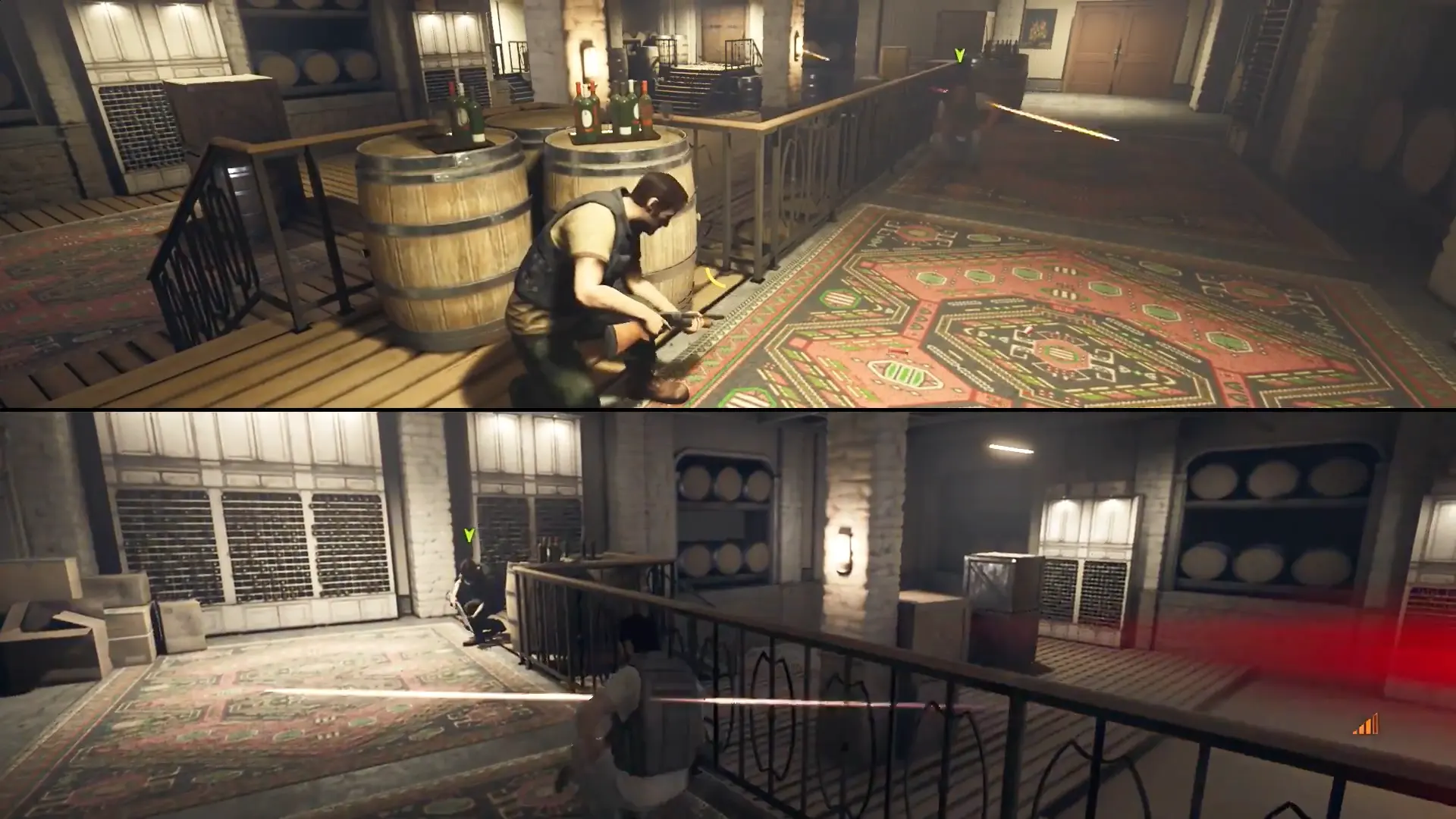
A Way Out is a masterclass in asymmetrical design. It expands the traditional co-op formula into a sprawling, unpredictable web of shared responsibilities. The game loop is built entirely on communication: one player must distract a guard, while the other sneaks behind a desk to steal a chisel. If one player fails, both are punished.
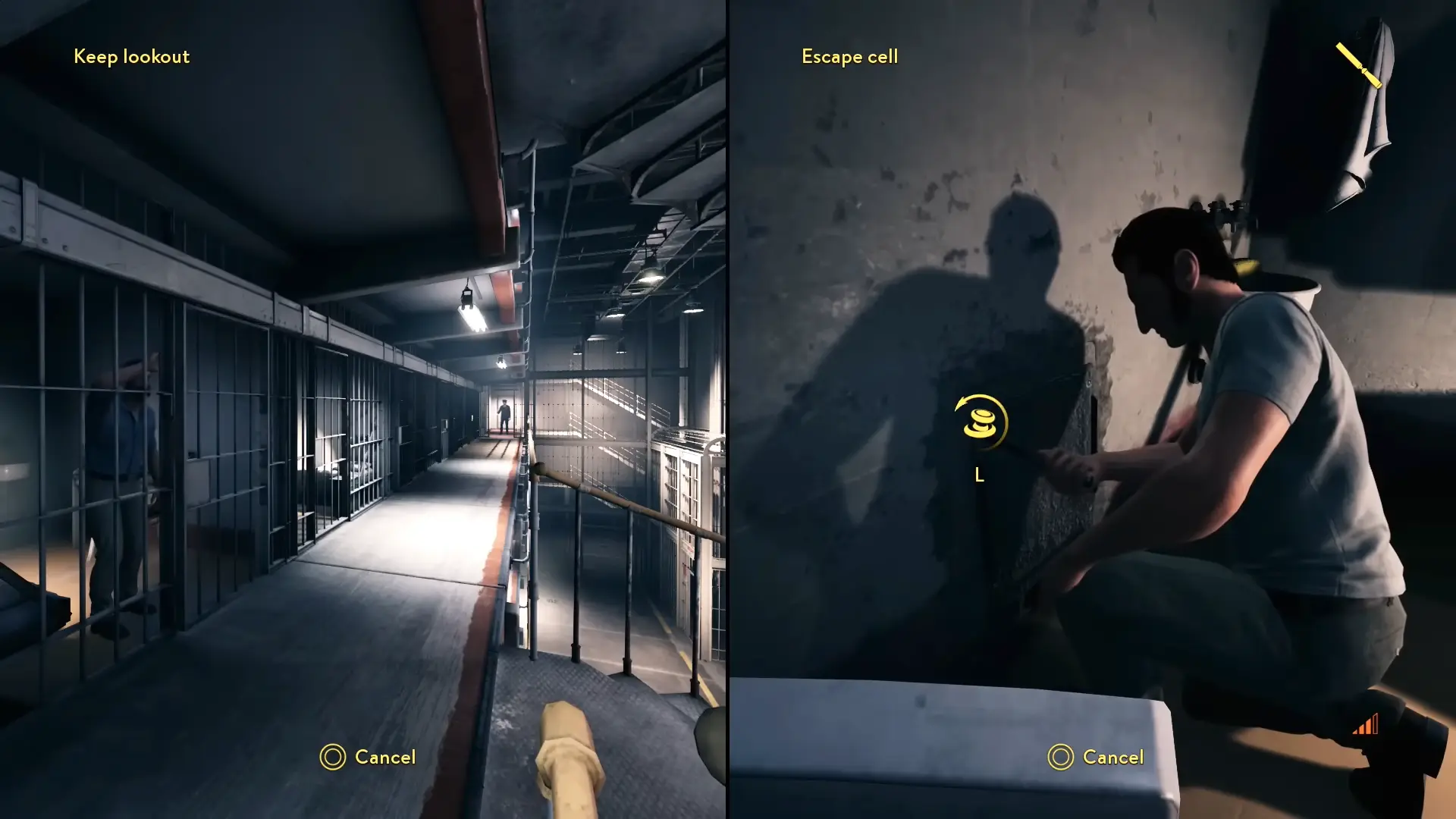
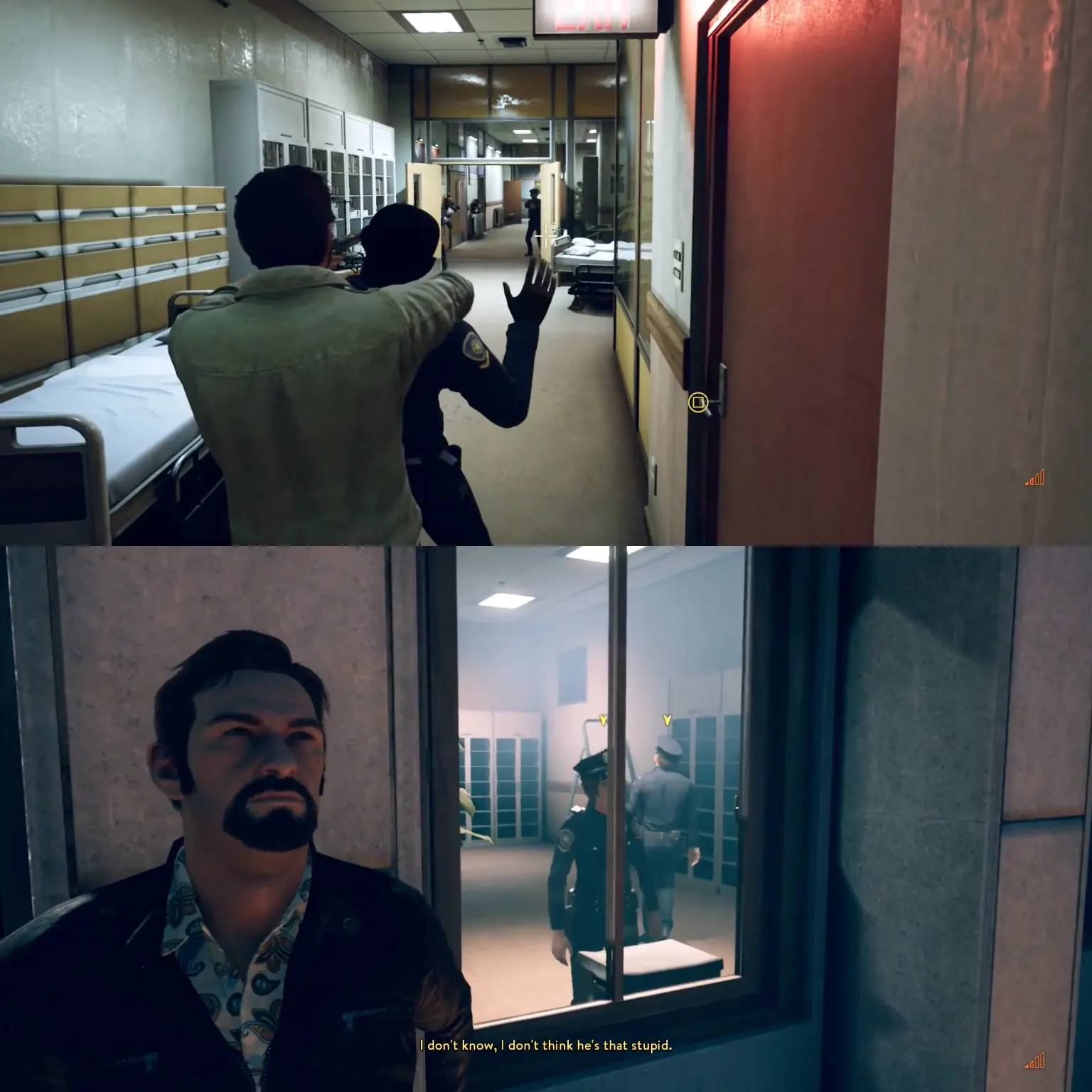
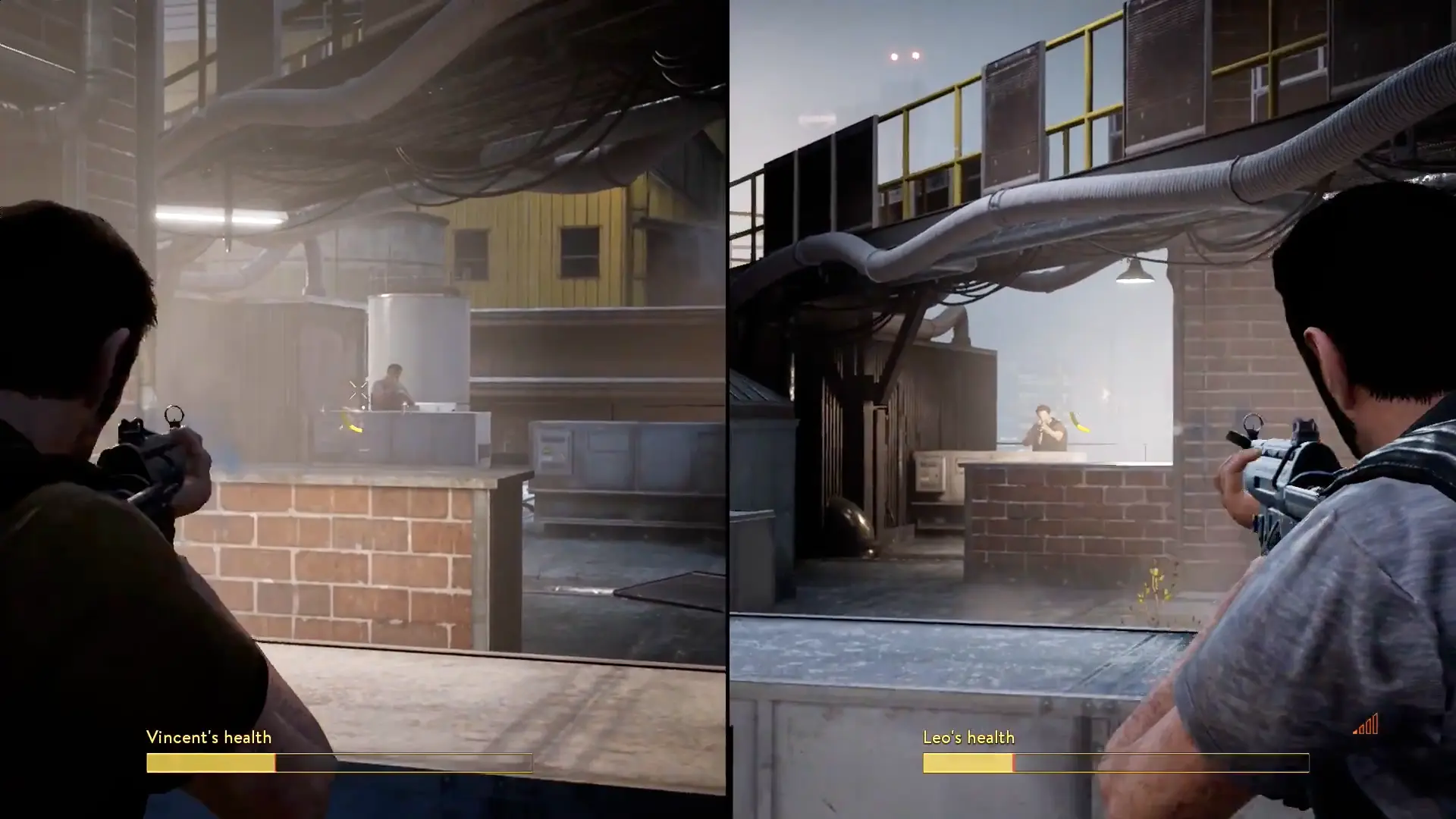
However, the core mechanic is its unyielding obsession with the split-screen dynamic itself. Hazelight treats the dividing line not as a UI limitation, but as a cinematic tool. The line pans, shifts, merges, and divides based on the emotional tension of the scene. When Leo is engaged in a brutal fistfight, his side of the screen expands, shrinking Vincent’s view as he desperately tries to pick a lock to save him. It is a masterclass in 'synchronization gameplay,' where the claustrophobia of the prison is manifested as a desperate scramble to map out your actions perfectly with the person sitting next to you.
Story: The Prison of Vengeance
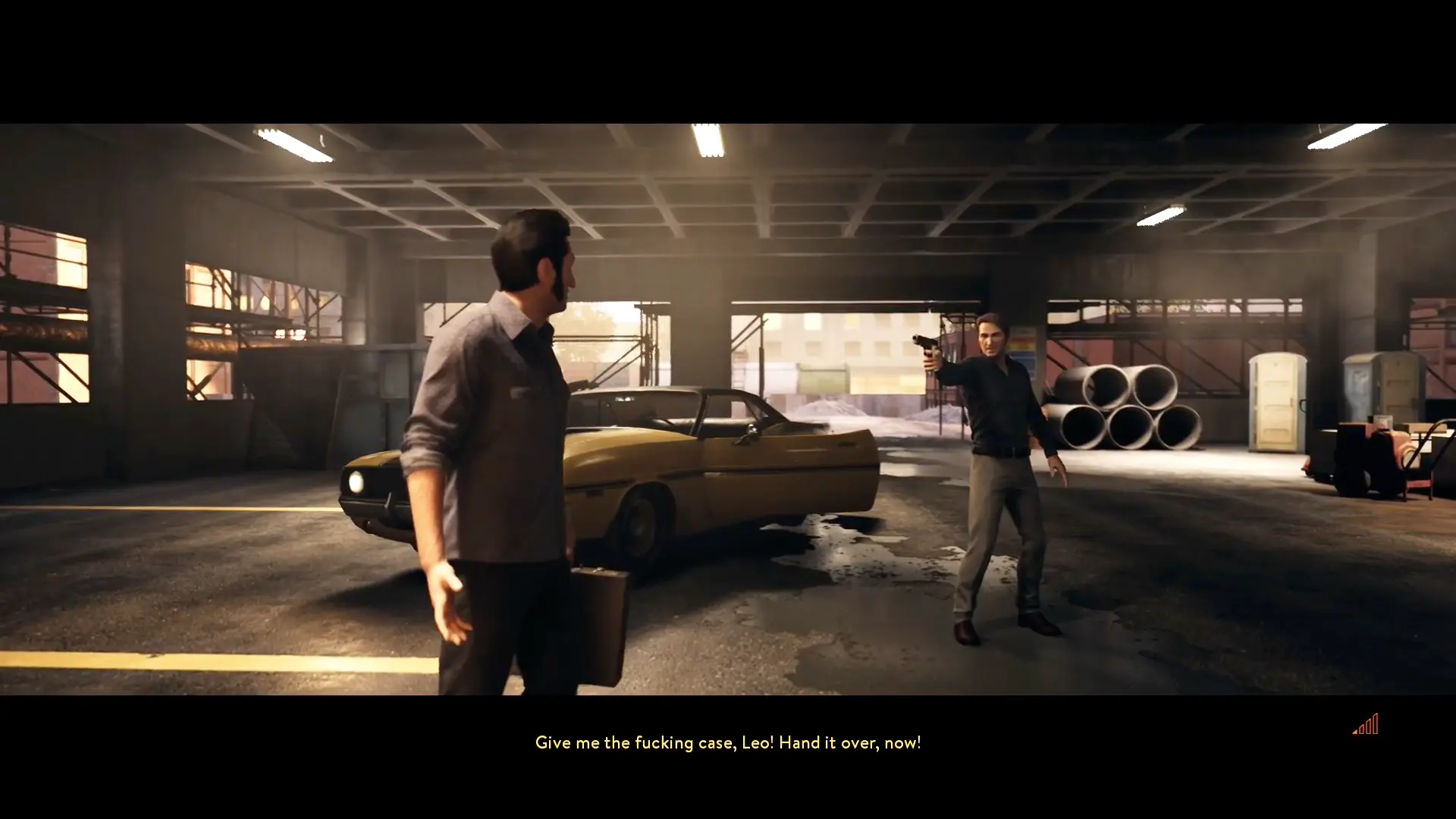
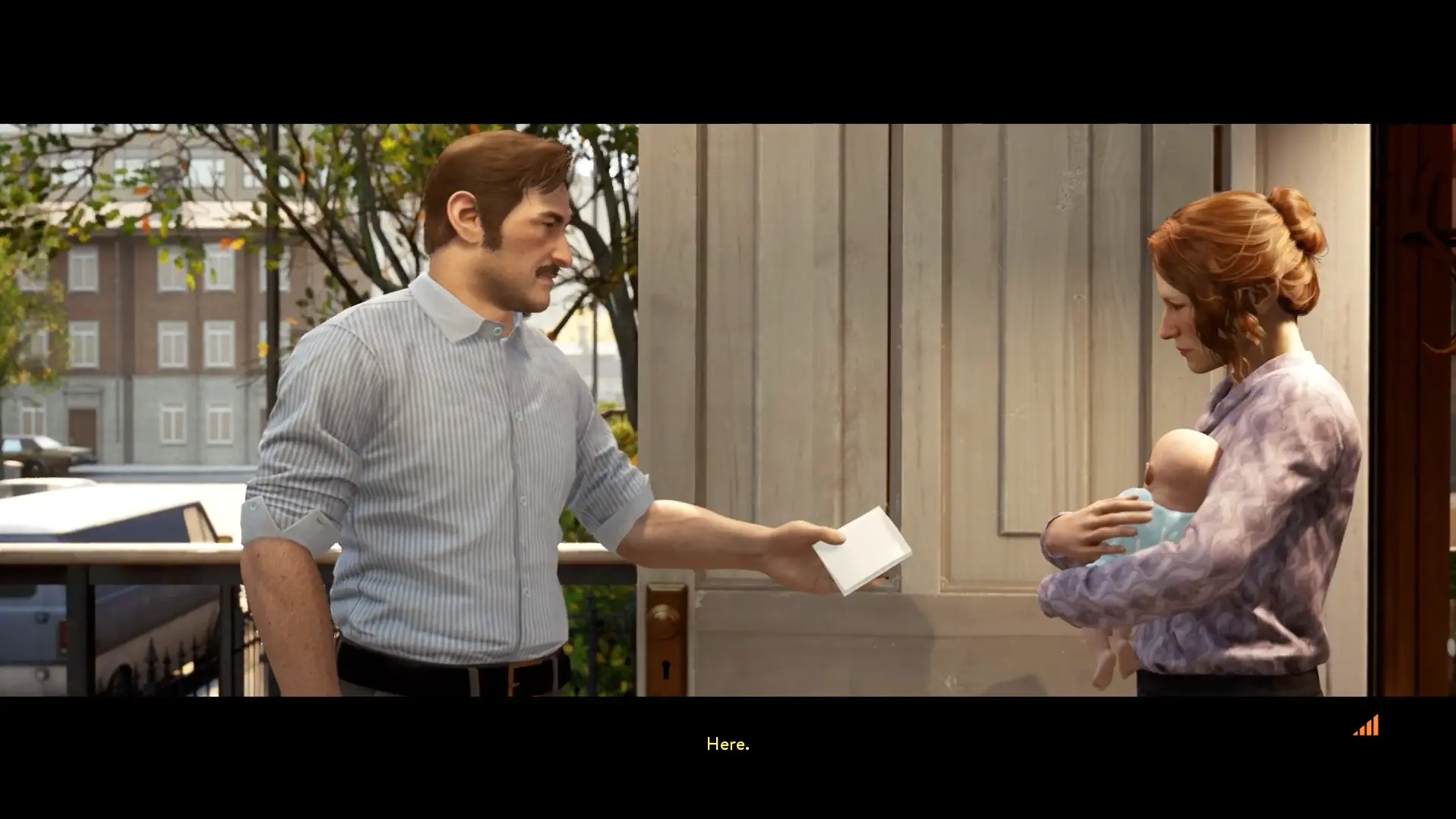
What makes A Way Out so utterly compelling is its exploration of blind obsession. The narrative is driven by a singular, shared threat: a ruthless crime boss named Harvey, who betrayed both men and landed them behind bars. You begin believing you are simply playing a prison escape simulator, but the game slowly peels back layers of deep-seated trauma, fractured families, and the intoxicating, destructive allure of revenge.
The emotional elements are visceral and deeply psychological. The narrative functions as a reactive mirror to the players' own relationship. As Leo and Vincent bond, the game frequently forces the players to make binary choices on how to proceed—do you take Leo's violent, aggressive approach to ambush a police checkpoint, or Vincent's calm, deceptive strategy? Both players must agree to move forward, leading to actual real-world debates on the couch. Are you obsessed with pure survival, or are you willing to risk everything to settle the score?
Gameplay: Sync, Distract, and Strike
Don’t let the cinematic presentation fool you—the mechanics in A Way Out constantly subvert expectations. The game refuses to settle into a single genre. One chapter is a tense stealth puzzle, the next is a high-speed police chase, followed immediately by an intense, cover-based shootout or a seamless 2D brawler sequence.
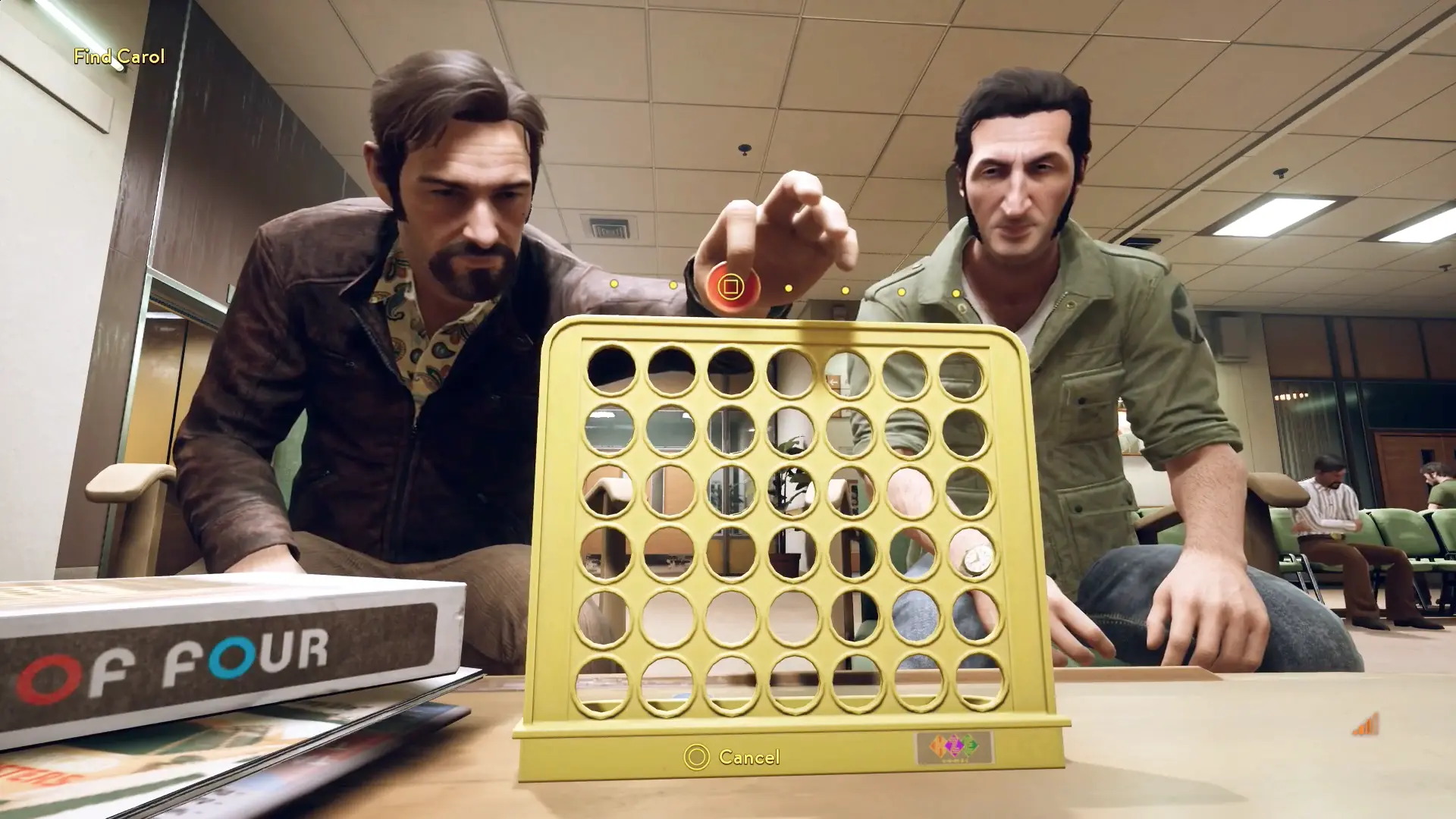
But the true stroke of genius is the inclusion of mundane, interactive bonding moments. Amidst the chaos of running from the law, the game scatters incredibly detailed mini-games: Connect Four, arm wrestling, darts, or playing a duet on a banjo and a piano. These moments serve no mechanical purpose for the escape, but they are vital for building the shared obsession with the characters' brotherhood. The feedback loop of 'cooperate, survive, and bond' creates an exhausting but deeply satisfying rhythm that keeps you hyper-engaged until the staggering finale.
Atmosphere: Concrete, Rain, and Retribution
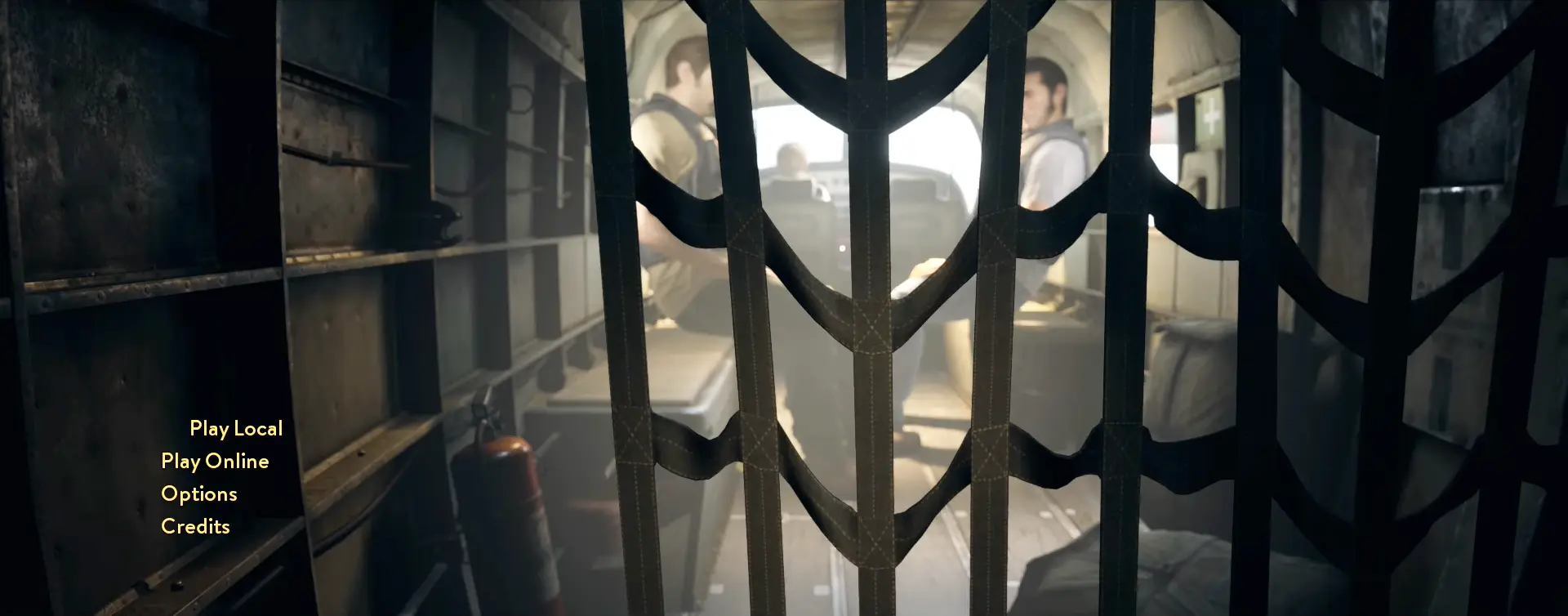
The vibe of A Way Out is oppressively grounded and undeniably cinematic. The soundtrack, composed by Sam Hulick and Gustaf Grefberg, is a pulse-pounding mix of 1970s acoustic grit and tense, driving orchestral strings that ramp up the anxiety during stealth sequences. The sound design—the echoing clangs of metal doors, the relentless pouring rain during the breakout, and the roar of a stolen pickup truck—creates a world that feels genuinely authentic and hostile.
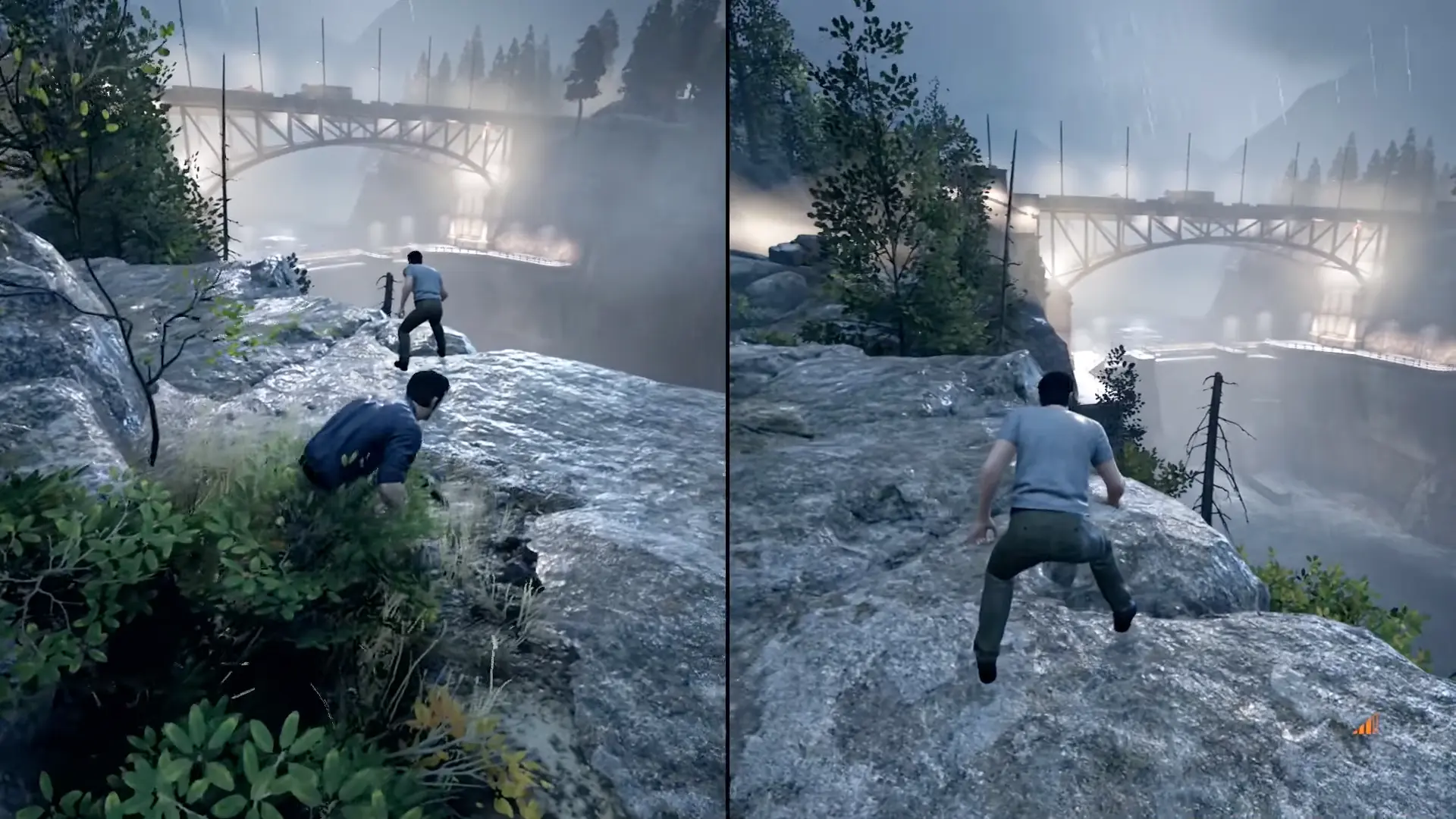
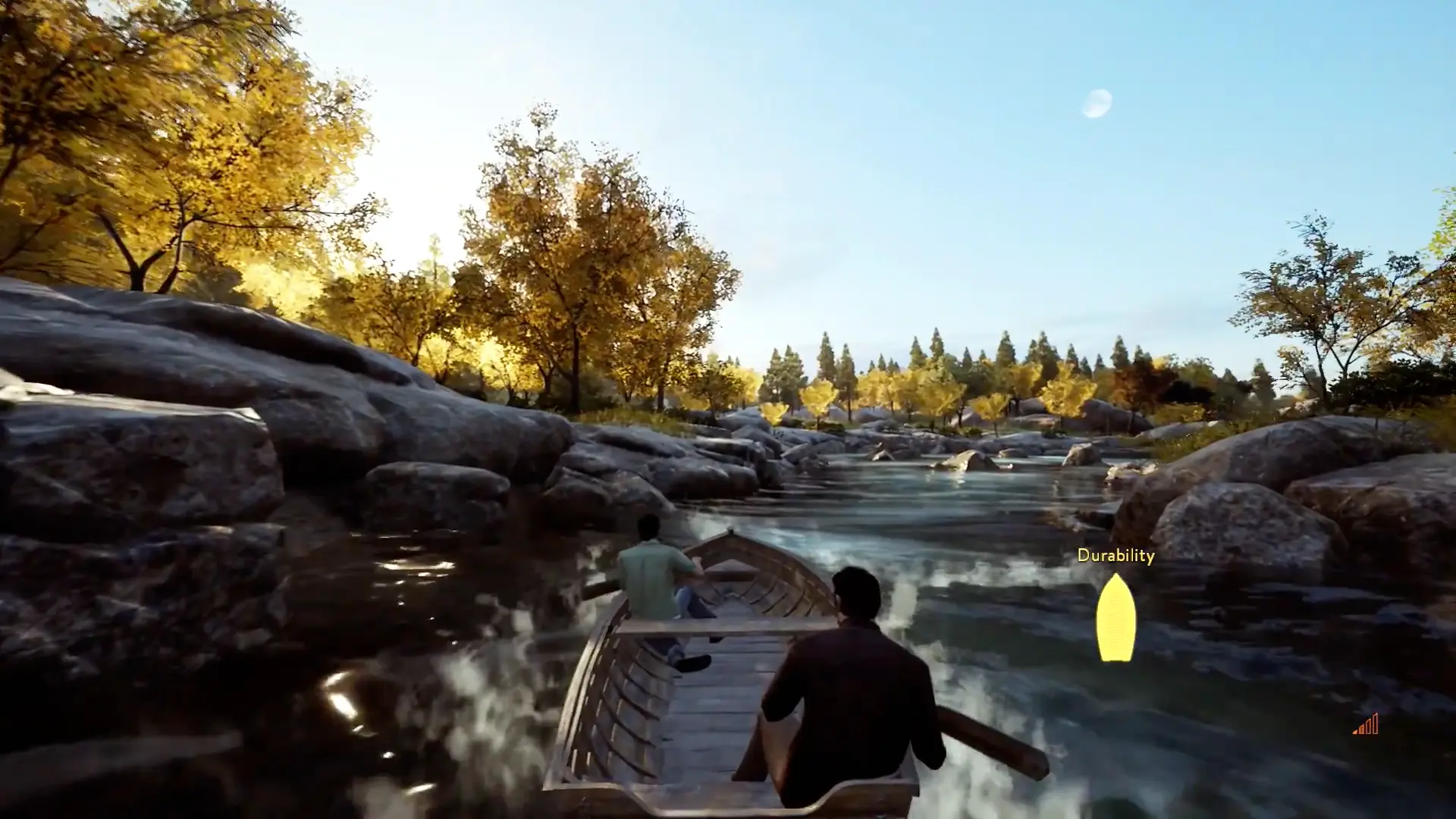
Visually, the game utilizes stunning, continuous camera shots that pass seamlessly between the two halves of the screen. The environments shift drastically from the suffocating, gray concrete of the penitentiary to lush, sun-drenched forests and neon-soaked Mexican estates. It is a symphony of style and pacing that perfectly serves the theme of a desperate, breathless flight toward freedom.
Conclusion: The Final Test
A Way Out is a rare gem in the gaming landscape—a title that takes the gimmick of split-screen co-op and elevates it into a demanding, high-stakes emotional crucible. It is a dizzying exploration of brotherhood, wrapped in an interactive movie that demands absolute focus and constant communication. It asks us to look at the person sitting next to us and decide just how deeply we trust them.
Whether you’re there for the brilliantly tactile tension of the prison break or the messy, complicated drama of the ensuing manhunt, A Way Out leaves a permanent mark. It is provocative, exhausting, and deeply moving. In a medium filled with predictable power fantasies, there is something profoundly radical about a game that builds an unbreakable bond between two players, only to relentlessly test whether that obsession with loyalty can survive the devastating truth.