Introduction: A New Challenger
The open-world action RPG genre is a battlefield littered with giants. From the snowy peaks of Skyrim to the colossal shadows of Black Myth: Wukong, the bar has been raised to the stratosphere. For a new challenger to survive in this arena, it requires more than just a pretty face rendered in Unreal Engine 5; it requires a soul. Enter Project TAL, a title that seeks to carve a new niche by blending the visceral thrill of monster climbing with the untapped depth of Korean folklore.About the Game
Developed by Madngine and published by Wemade Max, this project is not merely borrowing the skin of Korean mythology; it attempts to surgically graft its beating heart into a modern action framework. Announced with a blistering trailer in late 2025, Project TAL posits a world where traditional 'Tal' masks are central to a narrative of healing a fractured world. The premise draws the audience in not with the promise of loot, but with the allure of a cultural tapestry rarely explored with this level of AAA fidelity. It is a bold gamble: a bet that a game rooted deeply in specific folklore can resonate with a global audience fatigued by generic fantasy tropes. Based on early footage, the potential for success is undeniable.Gameplay: Kinetic, Vertical, and Cooperative
The gameplay loop rests on three pillars: verticality, exploitation, and synergy.
Climbing Action & Weak Points
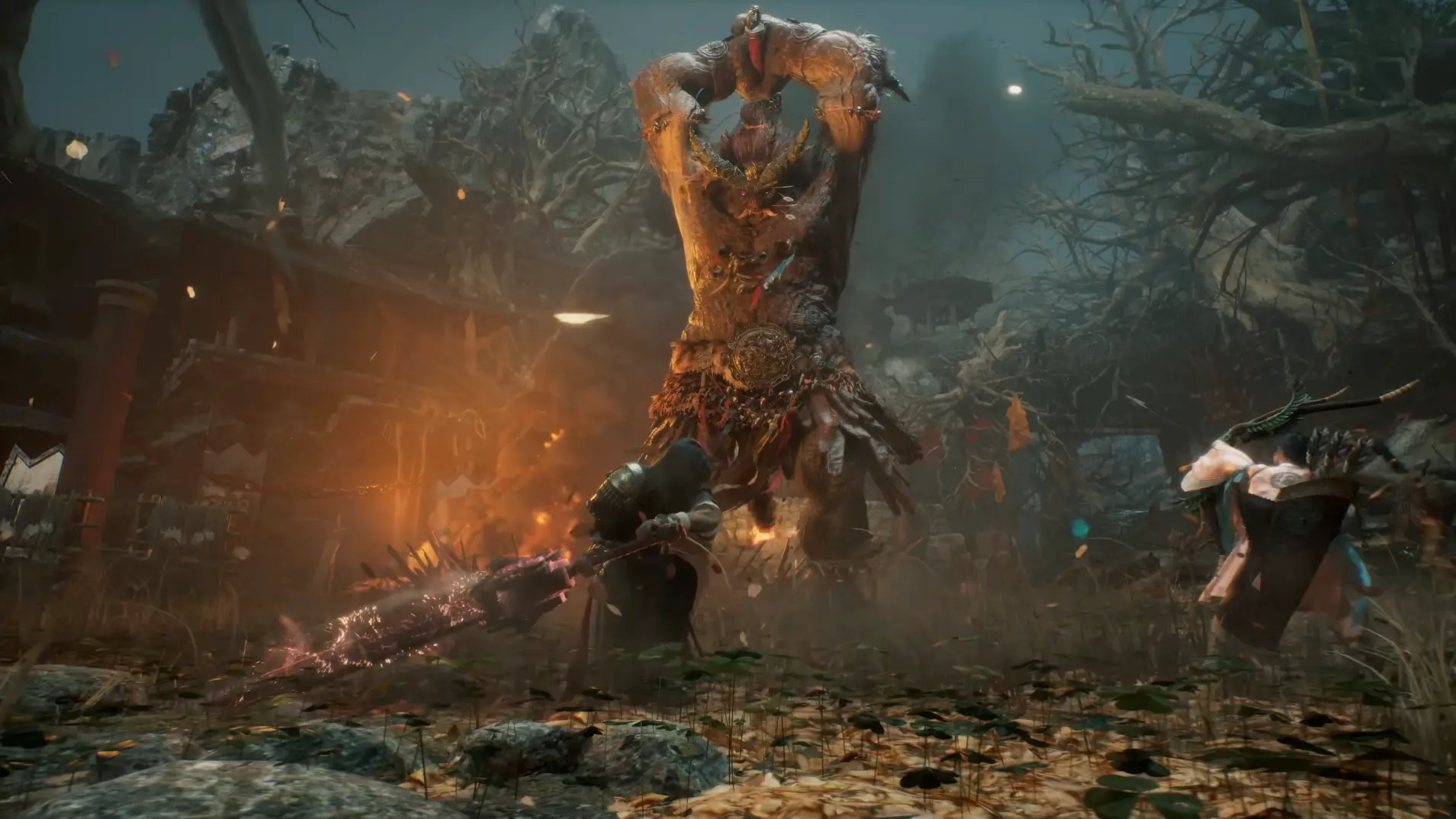
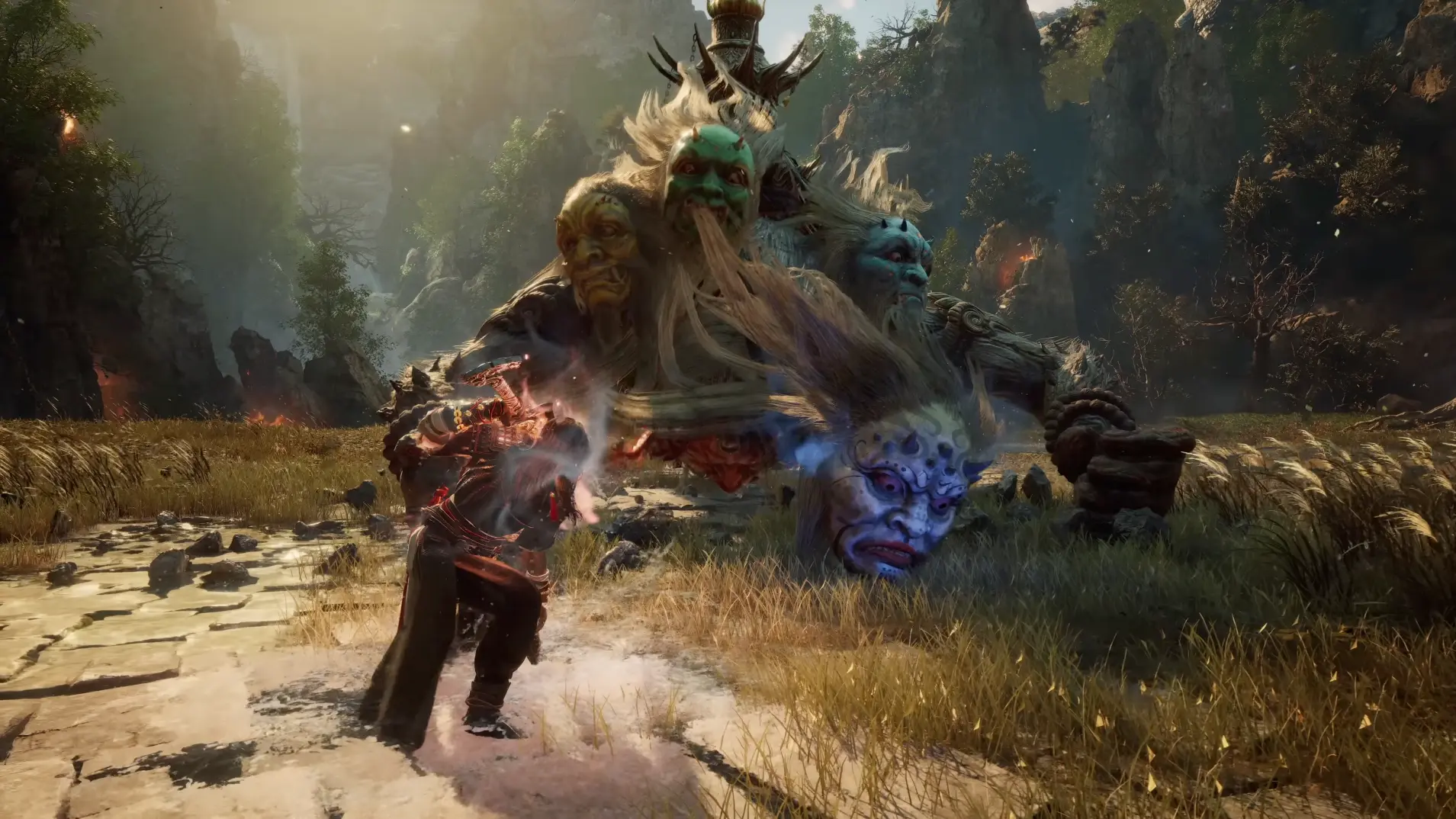
The most immediate comparison is Dragon’s Dogma, and the comparison is apt. The game features a robust climbing mechanic allowing players to physically scale massive enemies. It is not about hacking at a giant's ankles; it is about leaping onto its back, finding the chinks in its armor, and driving a blade into its weak points. This turns every boss encounter into a dynamic puzzle of movement and stamina management. The thrill of holding on while a colossal beast thrashes creates a scale of combat that emphasizes the hero's vulnerability against nature's titans.
The Dynamic Companion System
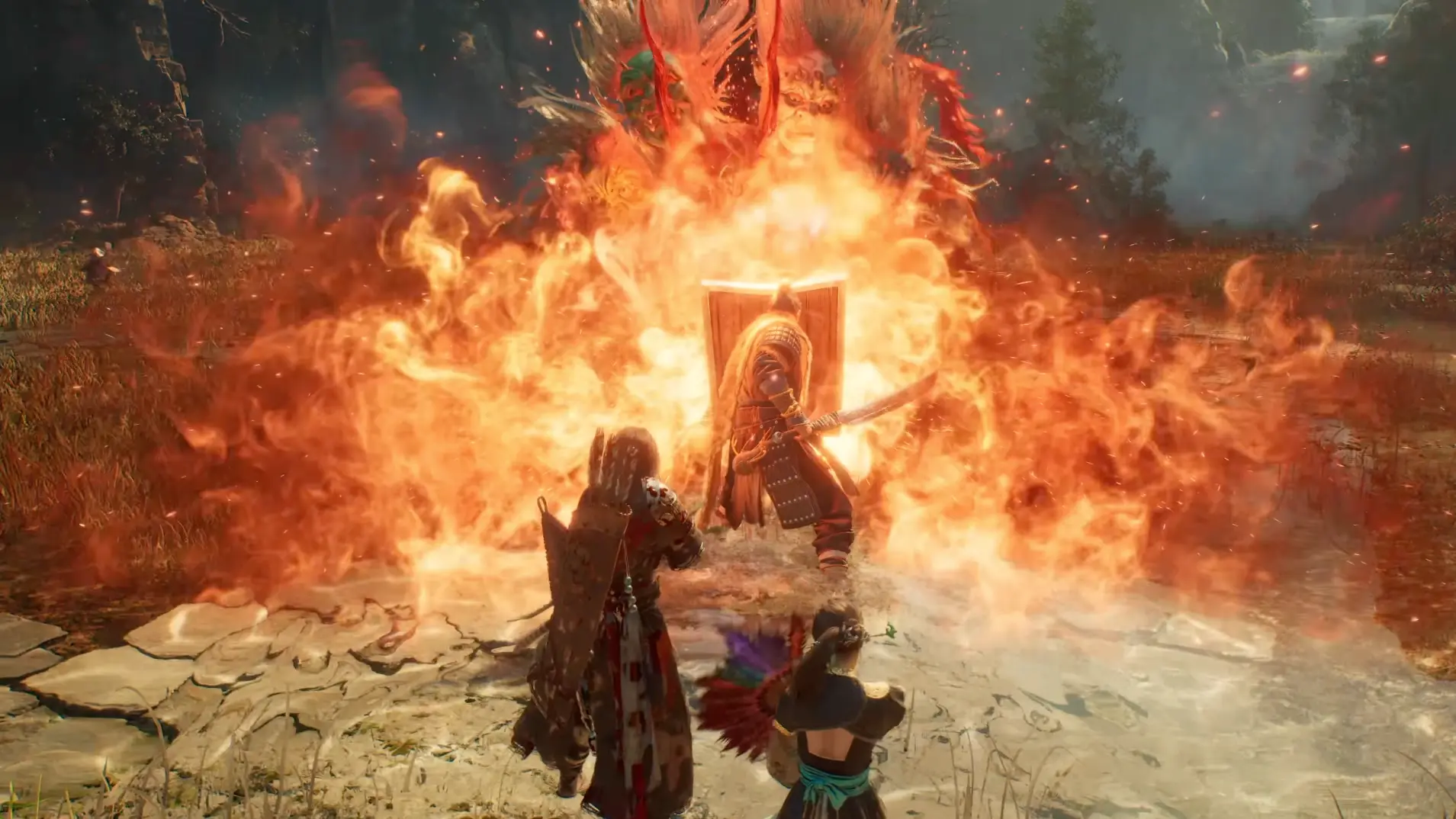
Project TAL aims to revolutionize the AI ally. These are not static followers; the intelligent companion system is programmed to react dynamically to the combat state. If the protagonist is knocked airborne, a companion might jump to catch them. If a heavy strike is charging, a mage ally might deploy a barrier to ensure the attack isn't interrupted. The developers emphasize "seamless cooperation," where the AI adapts to the playstyle, creating emergent moments that feel scripted but are procedurally generated. This system stands as the game's defining mechanical innovation.
Fast-Paced Combat
The moment-to-moment action is fast, fluid, and impactful. Weapons range from massive two-handed swords carrying immense weight to mystical fans suggesting a magic-heavy playstyle. The combat relies on tactical counterattacks and skill combos, eschewing the sluggishness of some "Souls-likes" for an acrobatic, high-octane rhythm that rewards aggression and precision equally.Atmosphere & Design: Masks and Myths
Visuals & Art Style
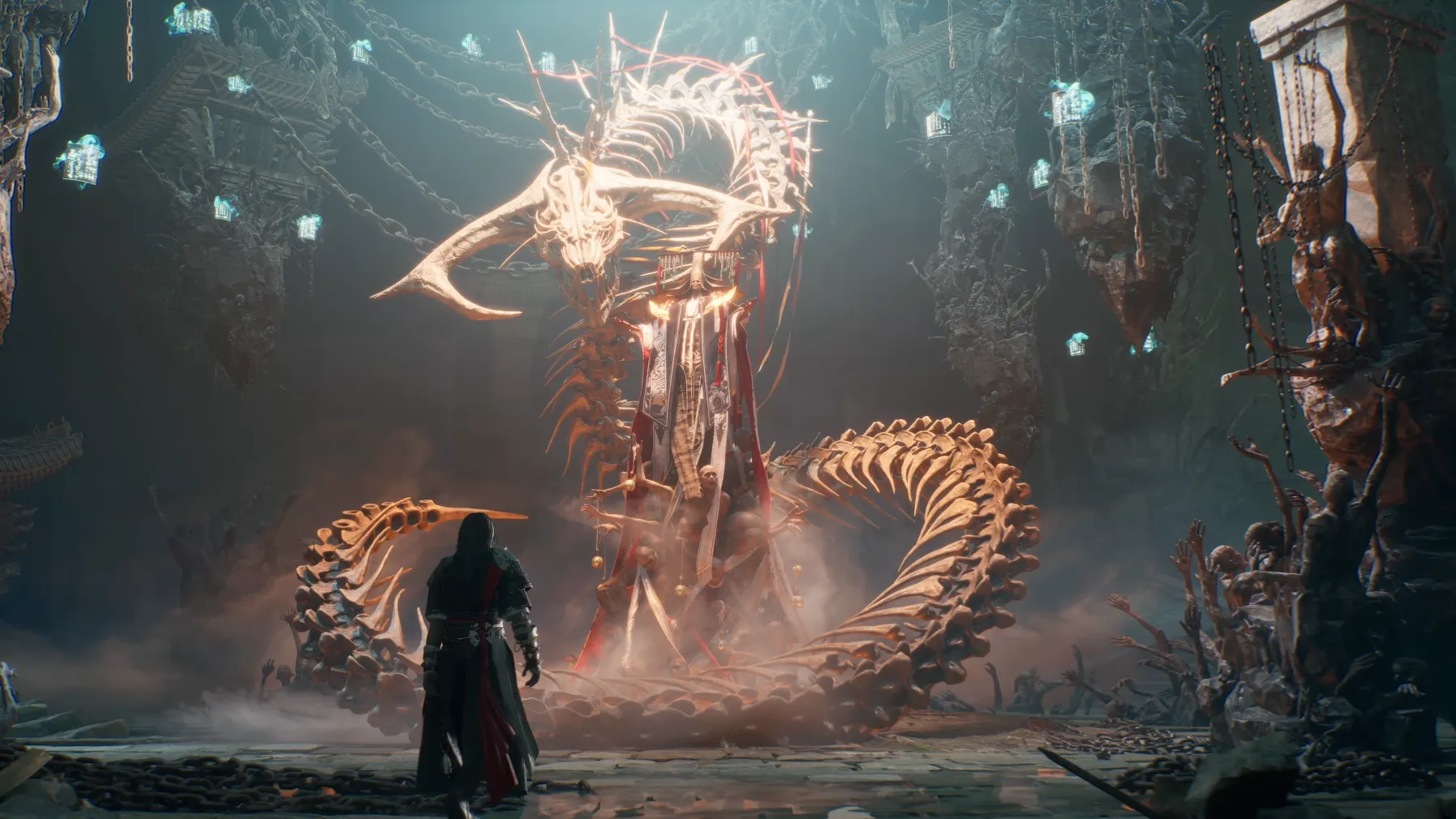
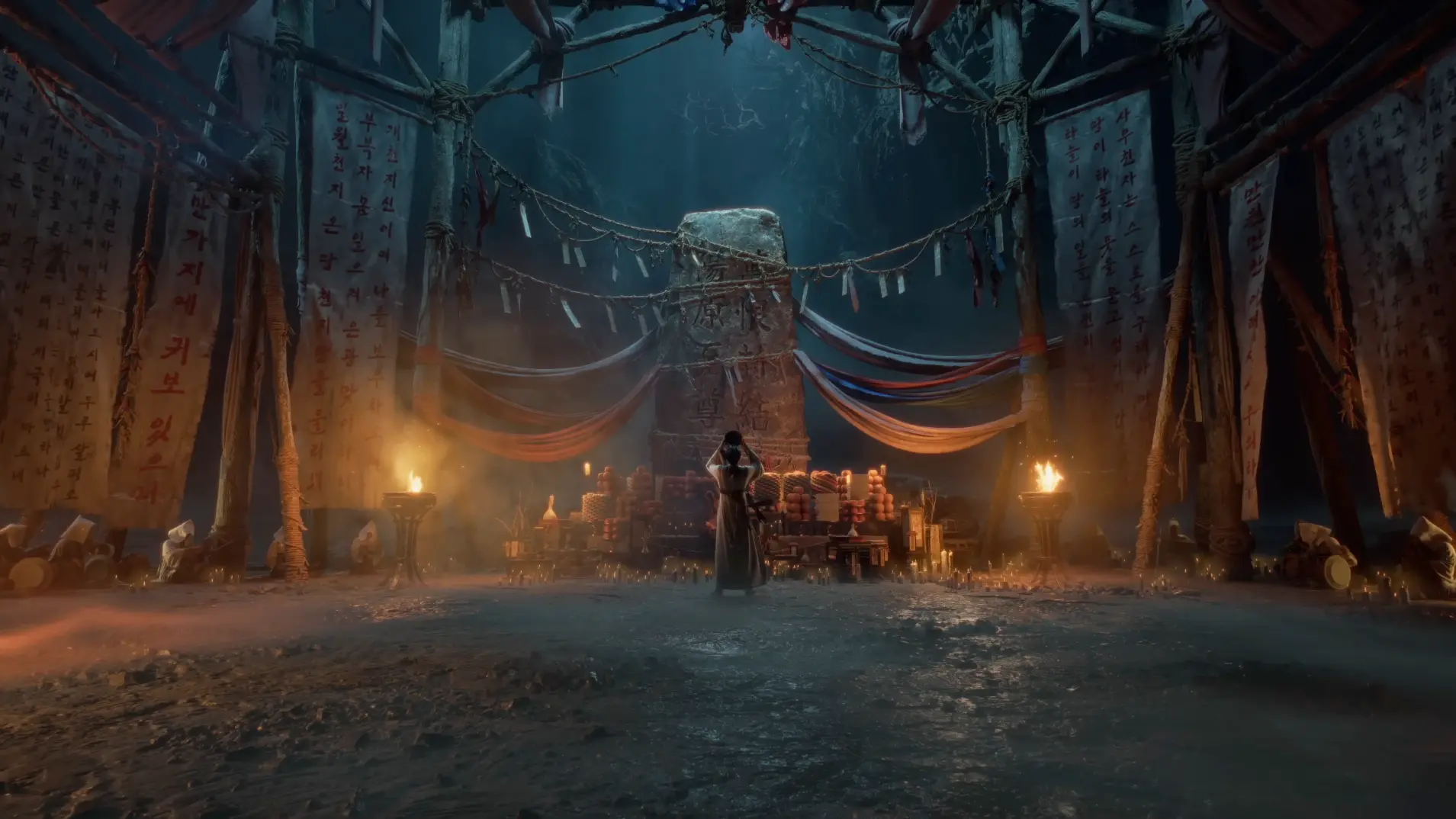
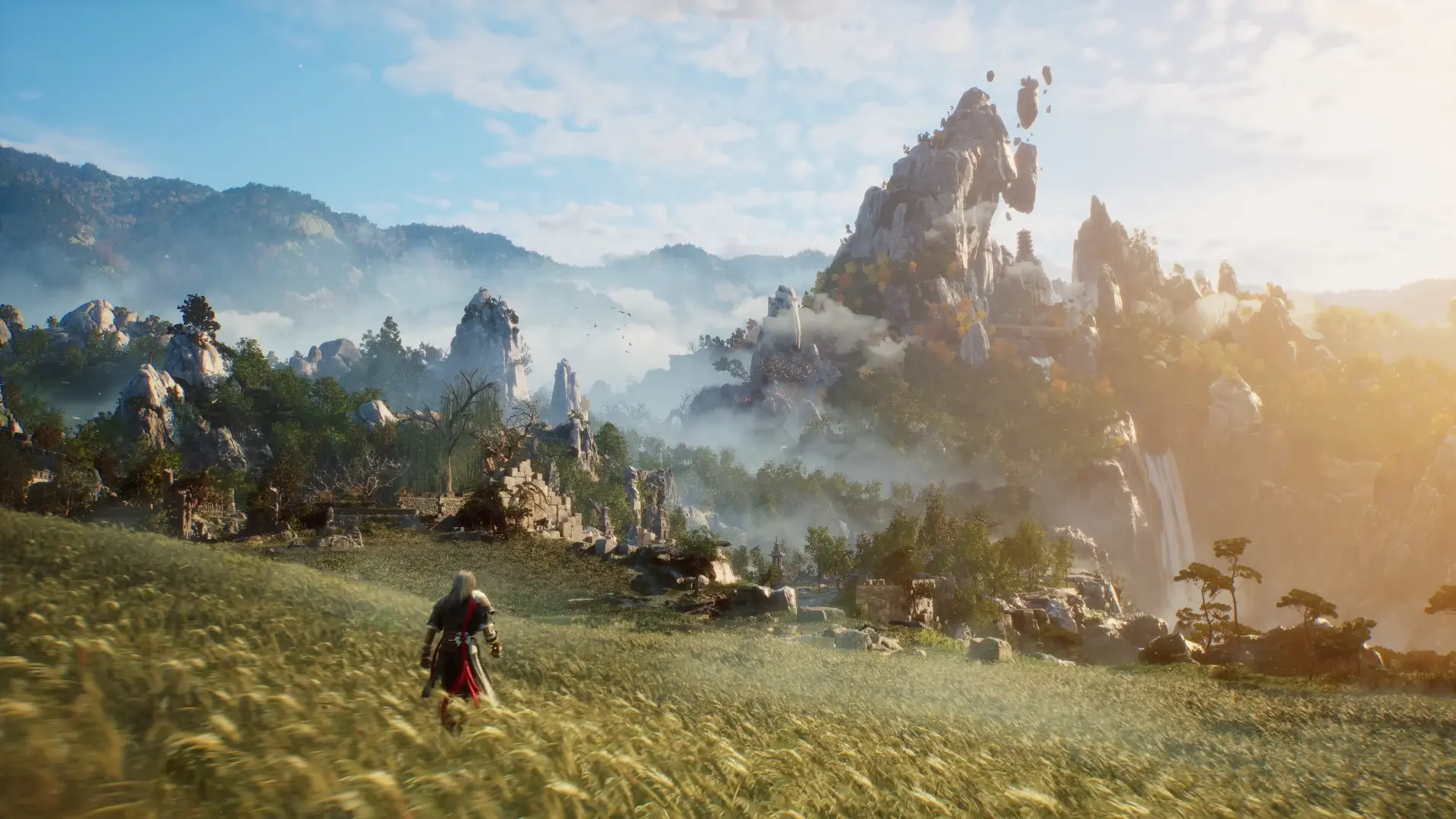
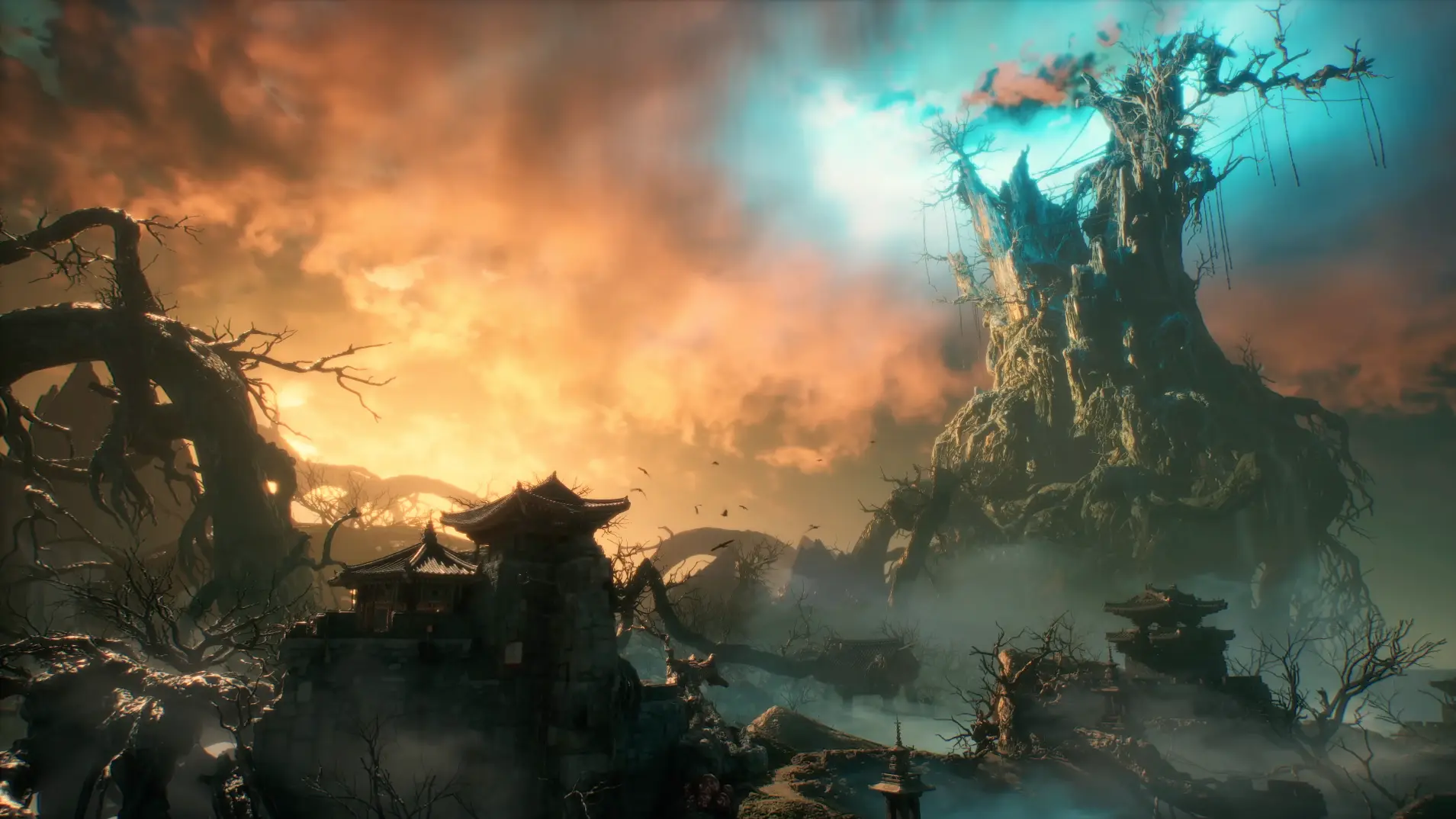
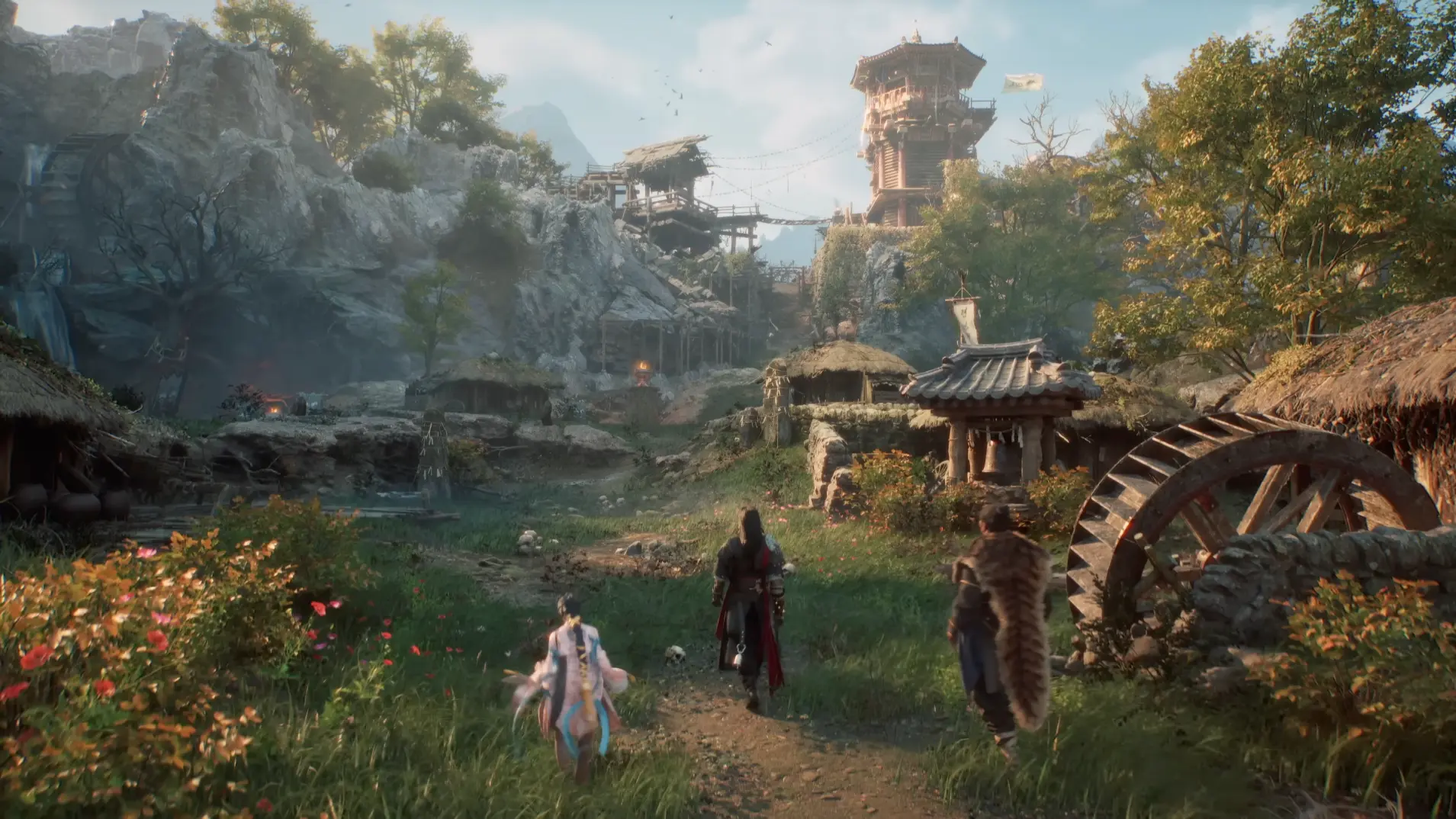
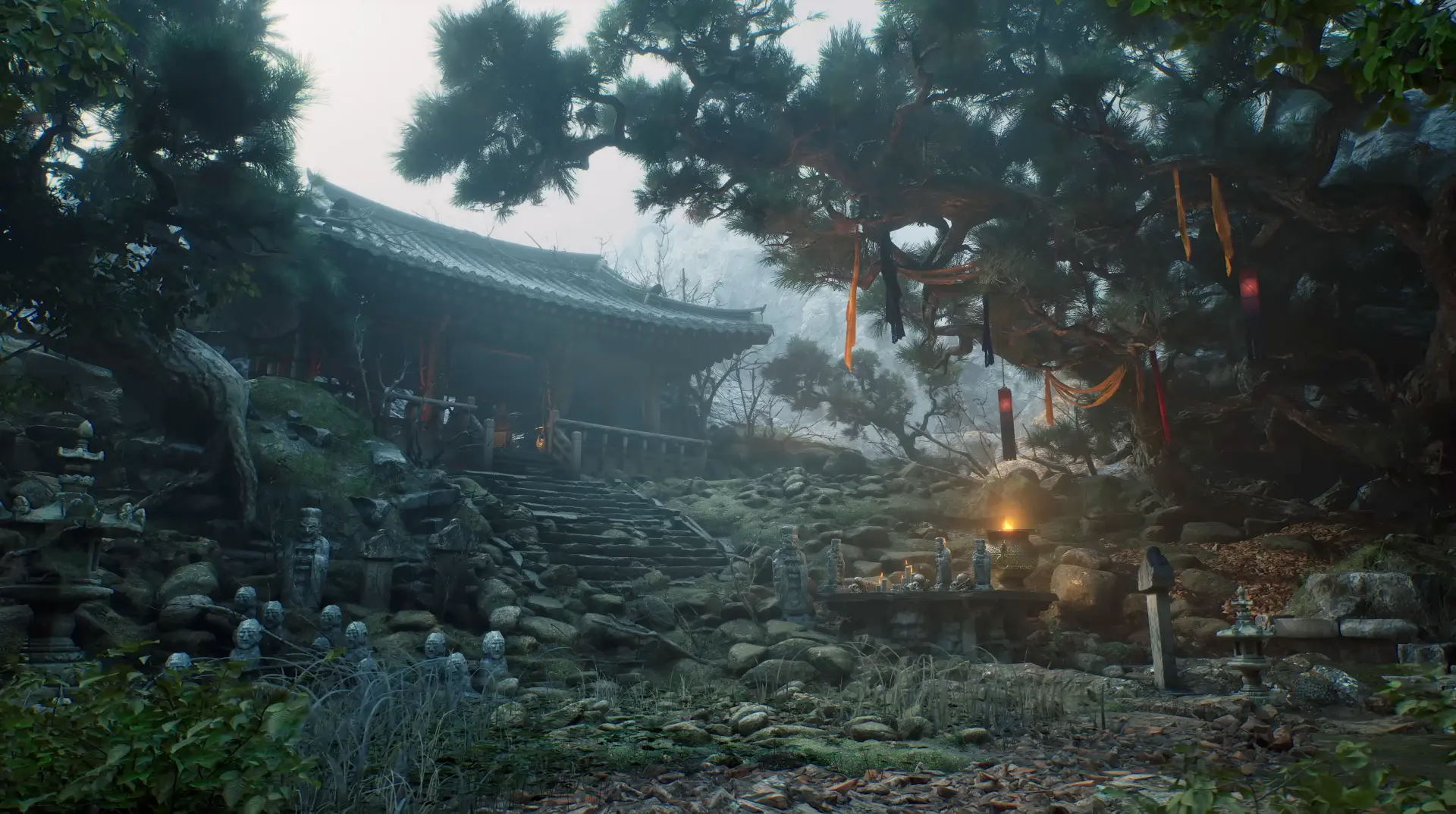
Powered by Unreal Engine 5, Project TAL presents a visual feast. The developers aim for photorealism without sacrificing artistic identity. The world blends ancient Korean architecture—reminiscent of the Joseon Dynasty—with high-fantasy surrealism. Sweeping vistas of misty mountains, vibrant autumn forests, and villages that feel lived-in are rendered with lighting that casts long, dramatic shadows, emphasizing the game's darker themes.
Sound & Music
The audio design is heavy and atmospheric. The clash of steel sounds dangerous, and the roars of the monsters are guttural. The score leans into traditional Korean instruments—likely using the gayageum or haegeum—mixed with orchestral swells to create a soundscape that is both haunting and epic, grounding the fantasy in a distinct cultural reality.Story: The Mask of Truth
The narrative centers on the concept of "Tal" (traditional Korean masks). In this world, these are tied to the identity of reality itself. Described as an "emotionally resonant" journey about healing a wounded land, the plot moves beyond simple villain-slaying into territory exploring trauma, restoration, and identity. The "Tal" act as key plot devices, likely granting powers or revealing hidden truths about the characters and the history they inhabit.The Verdict: A Titan on the Horizon
While the full release is targeted for 2027, the footage shown indicates a developer that understands the mechanics of the genre. It is not content to copy; it innovates with AI synergy and dives deep into a fresh cultural setting. For fans of Dragon’s Dogma, Monster Hunter, and Black Myth: Wukong, Project TAL is shaping up to be a masterpiece of terror and beauty. It deserves to be analyzed, dissected, and anticipated.