Video games often cast us as the saviors of humanity, tasked with rescuing entire galaxies from impending doom. But Pragmata violently rejects this macro scale, replacing it with an obsessively micro focus: the absolute, uncompromising protection of a single little girl. It isn't just a game about surviving on a dystopian lunar colony; it’s a meticulously crafted interactive experiment that preys on our instincts of guardianship in an environment completely devoid of human warmth.
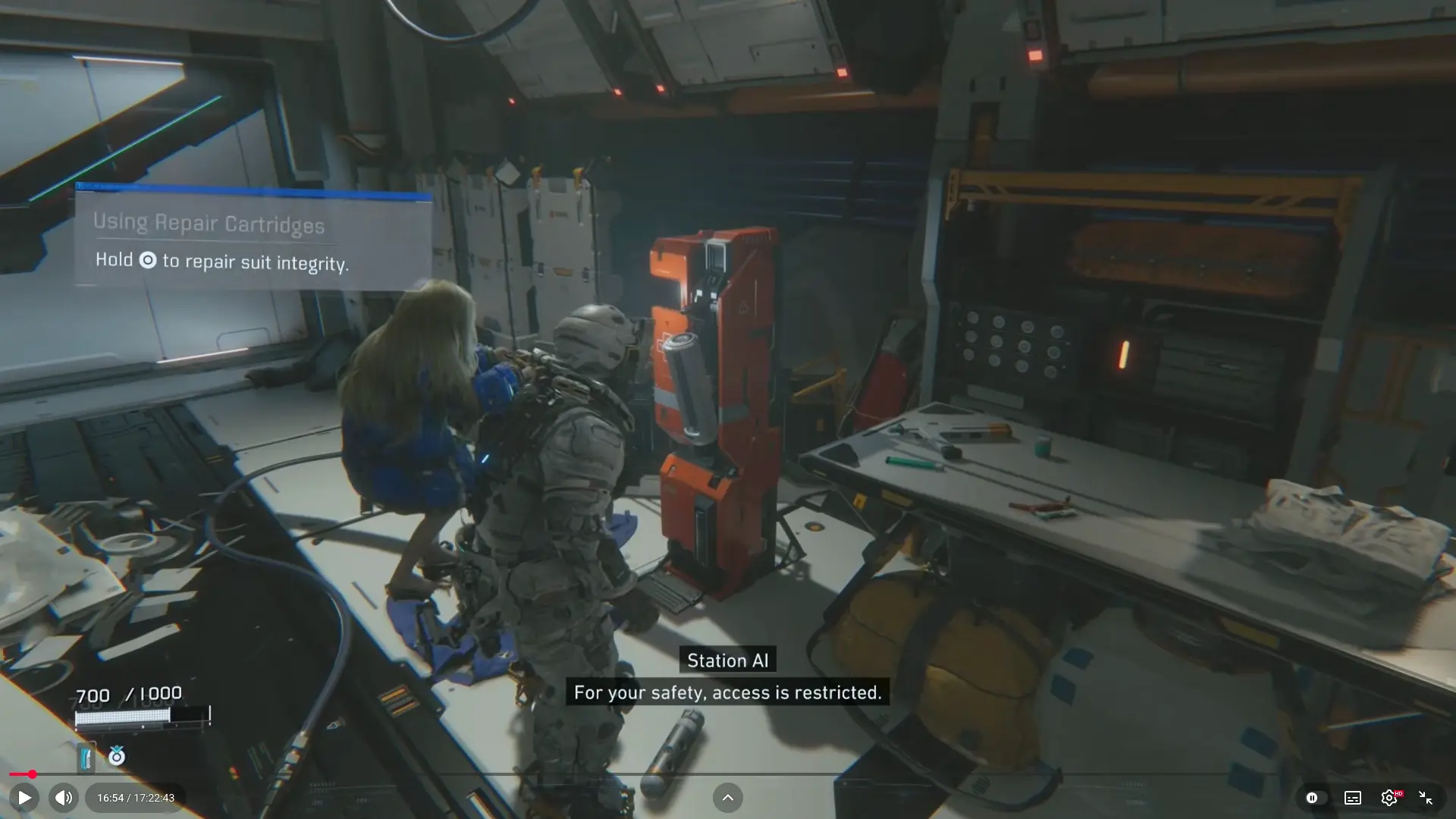
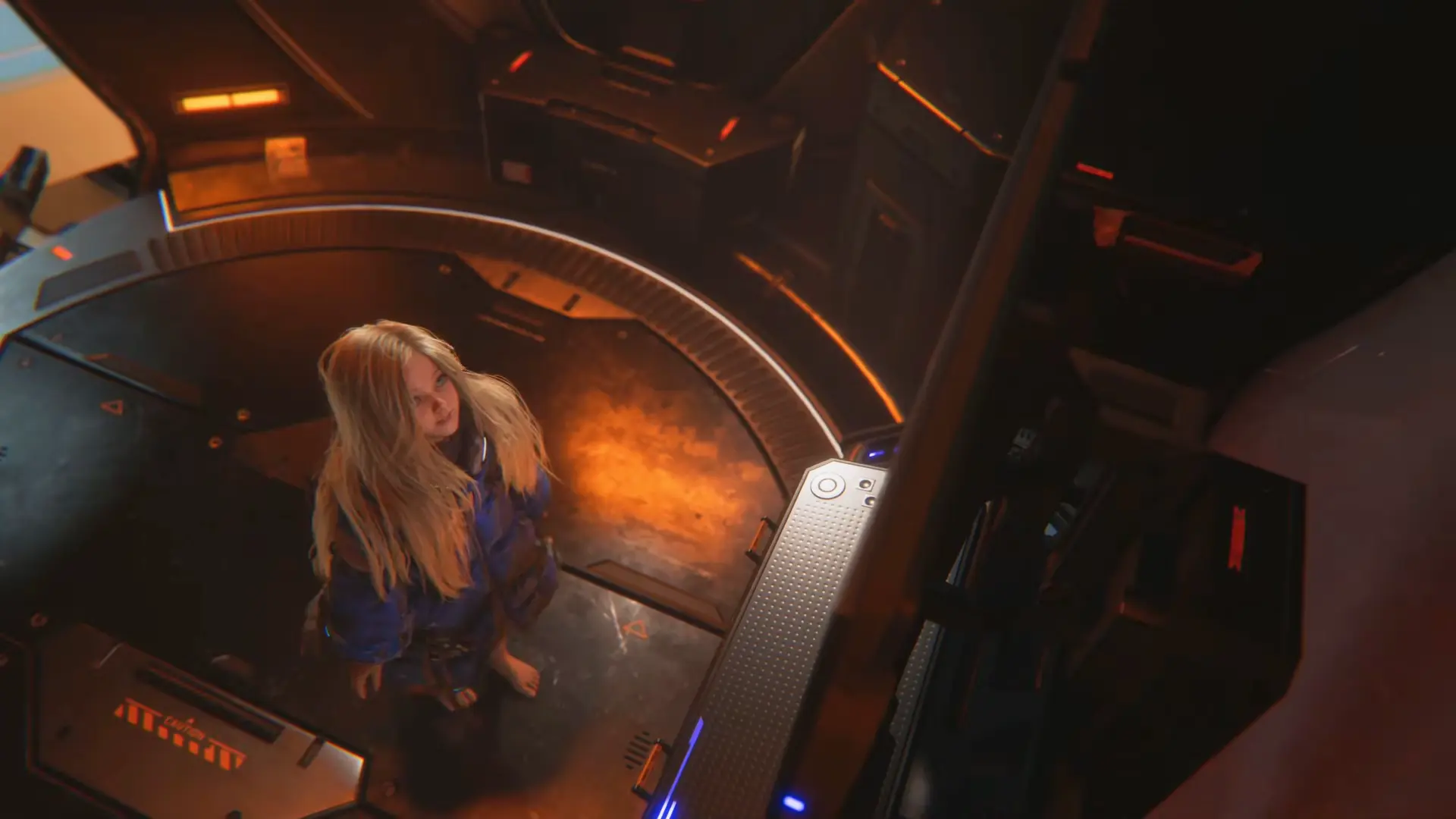
We are thrust into the boots of an unnamed, heavily armored protagonist, stranded on a chillingly artificial moon base constructed by the enigmatic Delphi Corporation. The game introduces us to a world where reality is augmented by 'Luna filament,' and progress is physically impossible without relying on your companion—a girl originally designated as D03367, whom you name Diana. You are entirely alone against swarms of rogue security androids. It is a thrilling, surreal sci-fi odyssey that uses its punishing environment to explore the very real weight of paternal responsibility and the dangerous obsession with keeping innocence alive in a dead world.
About the Game: The Architecture of Orbital Survival
Pragmata is a masterclass in subverting the traditional action-adventure formula. Built from the ground up on Capcom's RE Engine, it expands standard third-person combat into a sprawling, unpredictable web of physics manipulation and environmental protection. The game loop is built entirely on synergy: you provide the brute force and heavy artillery, while Diana manipulates the digital fabric of the world to bypass security systems.
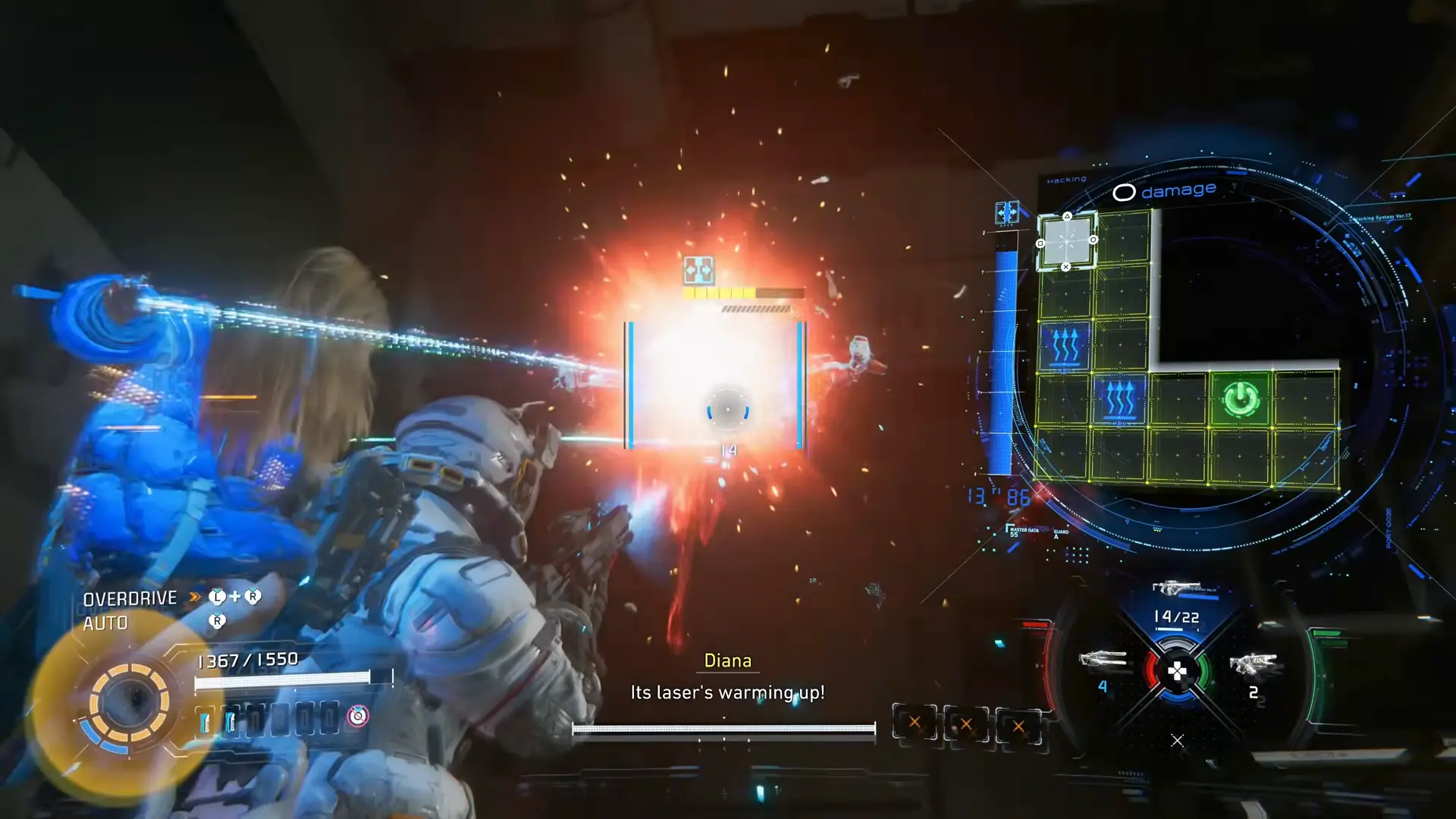
However, the core mechanic is its unyielding obsession with vulnerability. Capcom treats the lunar vacuum not just as a setting, but as a malicious, living entity. During a brutal firefight against terrifying, skeletal cybernetic security forces wielding energy blades, you must desperately anchor yourself while physically keeping Diana tethered to your back. It is a masterclass in 'protective gameplay,' where the claustrophobia of the space station is manifested as a frantic scramble to shield her from the literal gravity of the situation.
Story: The Prison of the Moon
What makes Pragmata so utterly compelling is its exploration of blind obsession in the face of corporate hubris. The narrative is driven by a singular, overwhelming mystery: What exactly is Delphi Corporation's 'advanced generative AI,' and why are they hunting Diana? You begin believing you are simply playing a high-tech escort mission, but the game slowly peels back layers of deep-seated corporate conspiracy, artificial consciousness, and the intoxicating, destructive allure of reshaping reality.
The emotional elements are visceral and deeply psychological. The narrative functions as a reactive mirror to the player's own protective instincts. As the astronaut and Diana bond, the game forces you to witness the toll this apocalyptic environment takes. A profoundly moving quiet moment occurs when the hardened soldier decides to abandon her sterile D03367 designation, offering her the human name 'Diana.' Are you obsessed with simply finding an escape pod, or are you willing to risk everything to uncover the truth and give her a real future?
Gameplay: Defy, Hack, and Protect
Don’t let the cinematic presentation fool you—the mechanics in Pragmata demand intense spatial awareness and aggressive resource management. The game refuses to settle into a generic cover-shooter rhythm. One moment you are engaged in tense stealth, and the next you are in a pulse-pounding firefight against swarms of malfunctioning AI constructs in a lockdown zone.
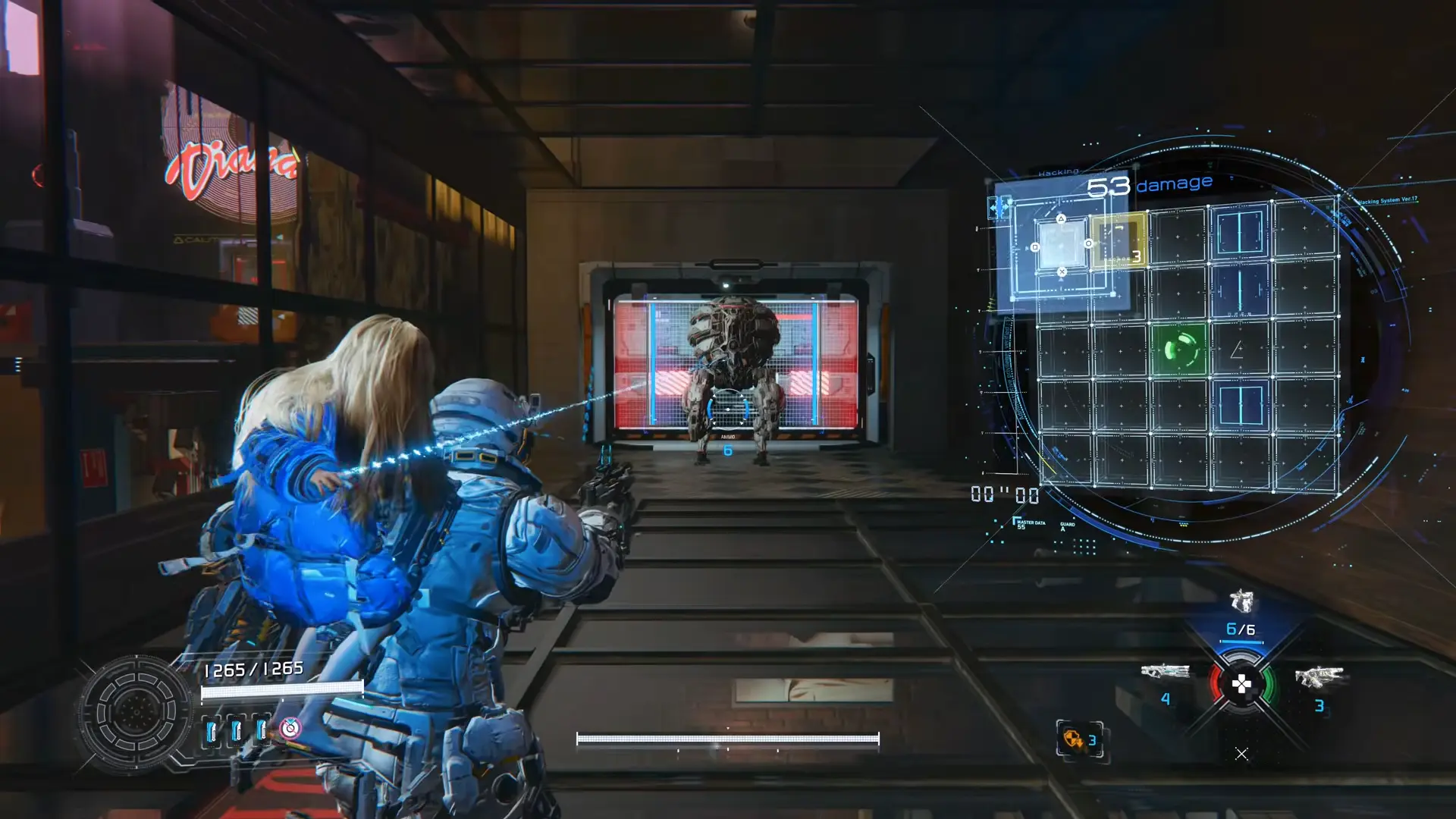
But the true stroke of genius is the integration of Diana's hacking mechanics directly into the combat loop. Amidst the chaos of running from robotic anomalies, she can rewrite the environment. You must physically position her near terminals and defend her while she is bypassing firewalls and hooking control protocols. The feedback loop of providing suppressive fire while she projects complex holographic code creates an exhausting but deeply satisfying rhythm that keeps you hyper-engaged until the staggering finale.
Atmosphere: Vacuum, Neon, and Silence
The vibe of Pragmata is oppressively isolating and undeniably cinematic. The soundtrack is a pulse-pounding mix of eerie, ambient vacuum noise and tense, driving strings that ramp up the anxiety the moment a lockdown warning flashes on the combat HUD. The sound design—the heavy, rhythmic thud of magnetic boots, the crisp digitized sound of Diana's code rings, and the synthetic hum of enemy targeting lasers—creates a world that feels genuinely authentic and hostile.
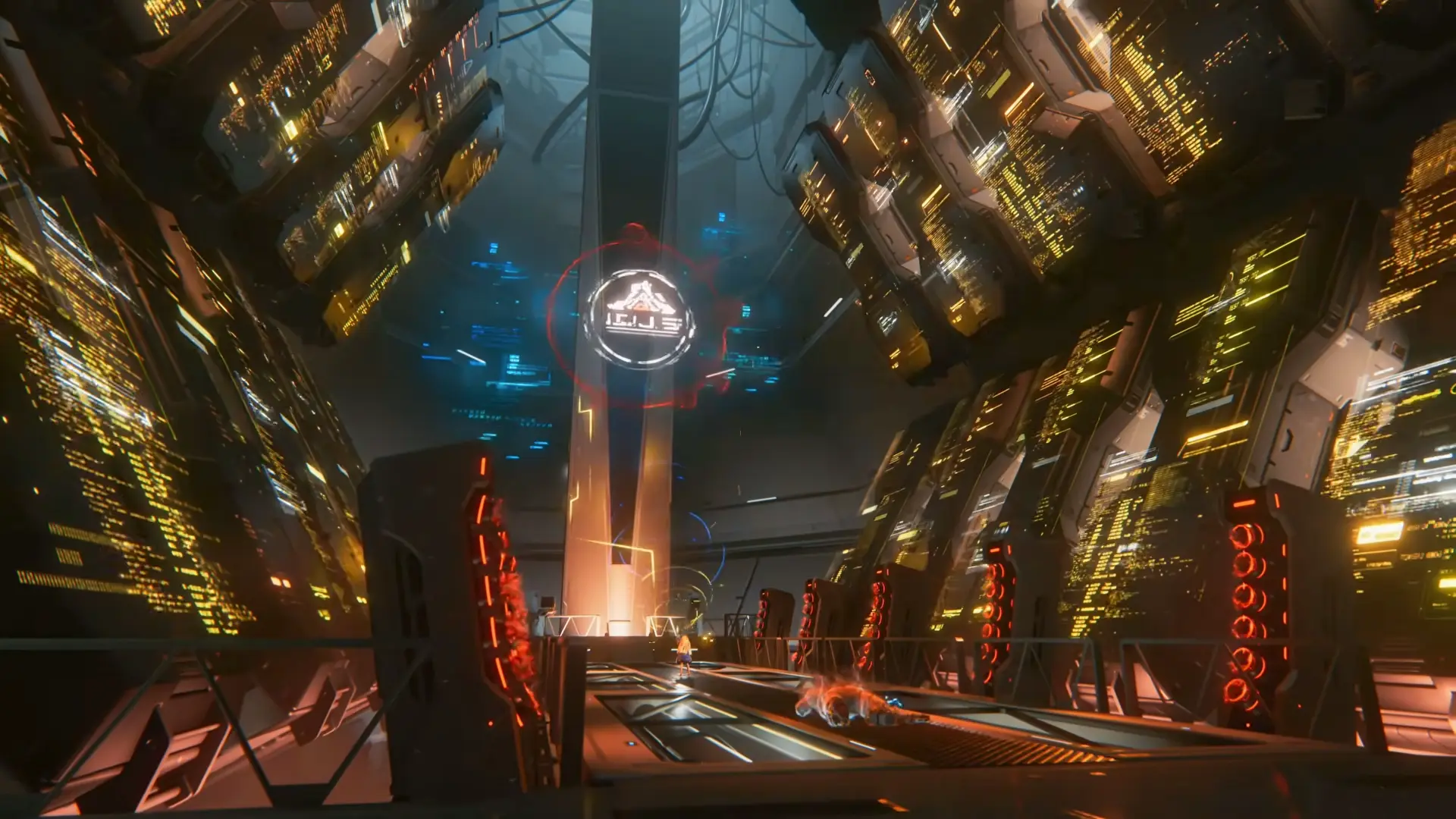
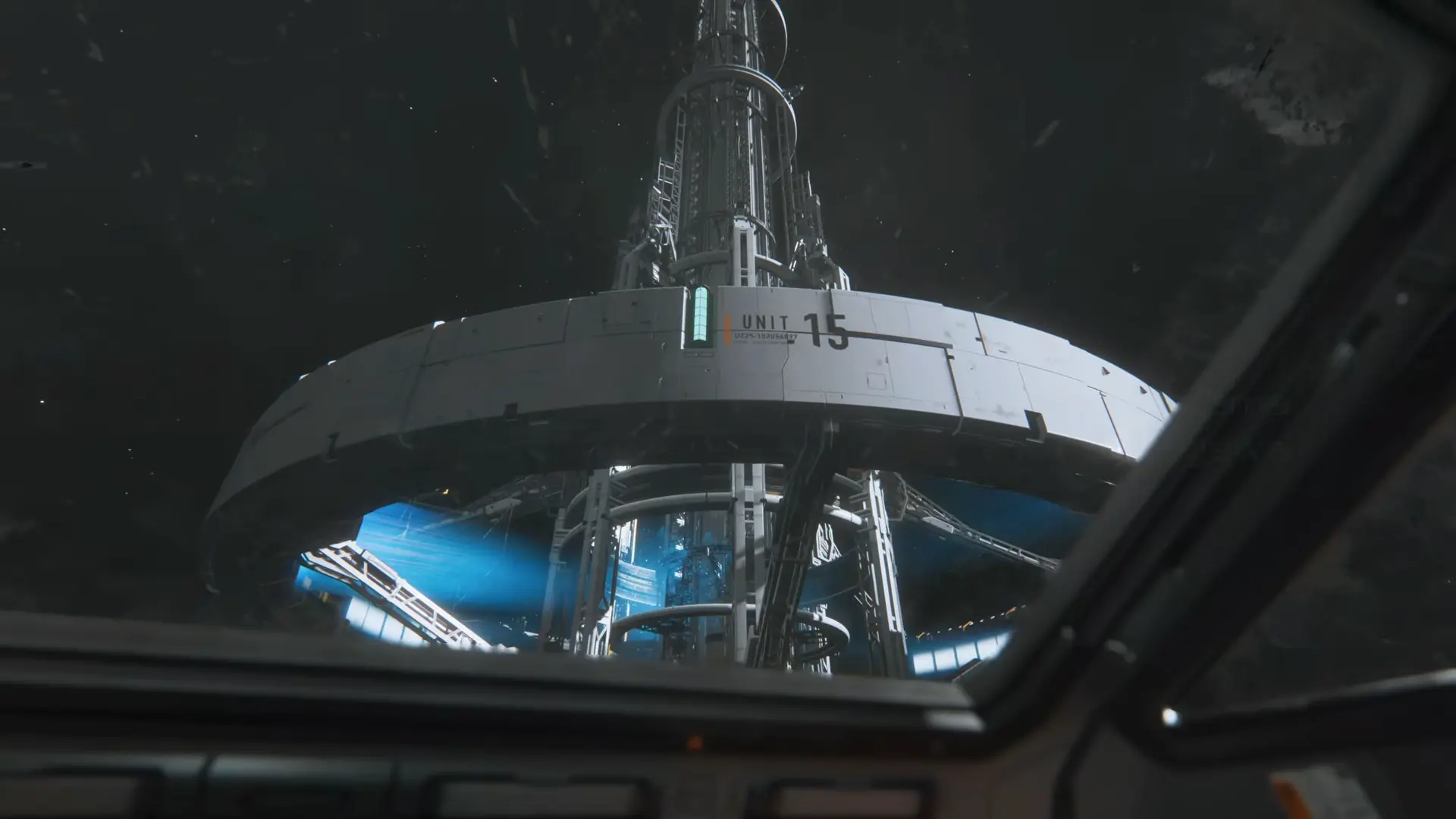
Visually, the game utilizes stunning ray-tracing technology to contrast the cold, sterile metal of the lunar base with the vibrant, colorful holograms that Diana interacts with. The environments shift drastically from suffocating, dark maintenance airlocks bathed in red warning lights, to sprawling exterior views of the moon's surface under massive geodesic domes. It is a symphony of style and pacing that perfectly serves the theme of a desperate, breathless fight for survival.
Conclusion: The Final Orbit
Pragmata is a rare gem in Capcom's modern lineup—a brand new IP that takes the premise of an escort mission and elevates it into a demanding, high-stakes emotional crucible. It is a dizzying exploration of paternal obsession, wrapped in a next-generation sci-fi thriller that demands absolute focus and environmental mastery. It asks us to look at the fragility of humanity and decide just how fiercely we are willing to fight to preserve it.
Whether you’re there for the brilliantly tactile tension of the combat or the messy, complicated drama of protecting a child in a dead world, Pragmata leaves a permanent mark. In a medium filled with predictable power fantasies, there is something profoundly radical about a game that builds an unbreakable bond between a hardened soldier and a mysterious girl, only to relentlessly test whether that obsession can survive the devastating truth of the cosmos.