Introduction: The Camera and the Nightmare
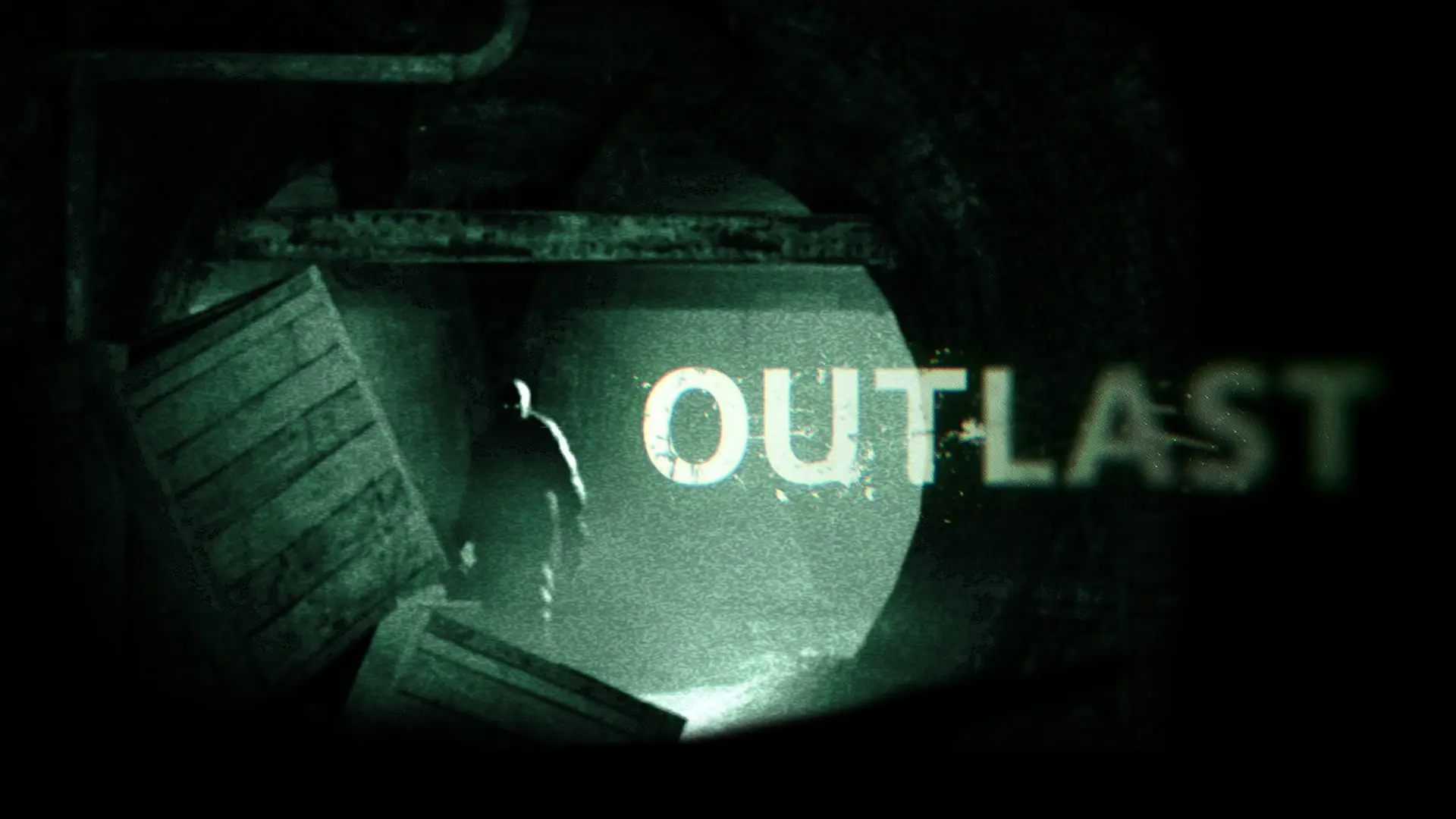
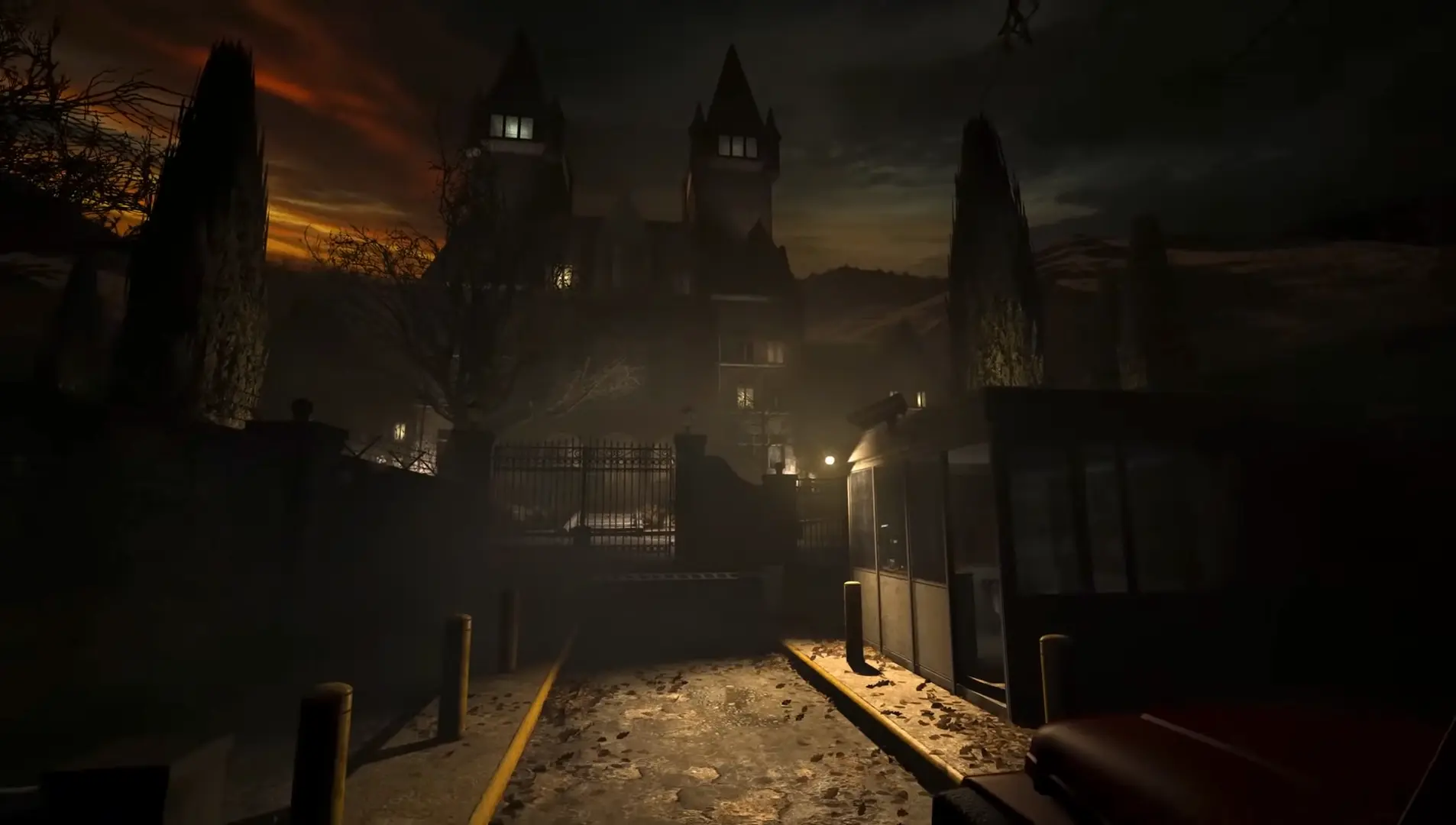
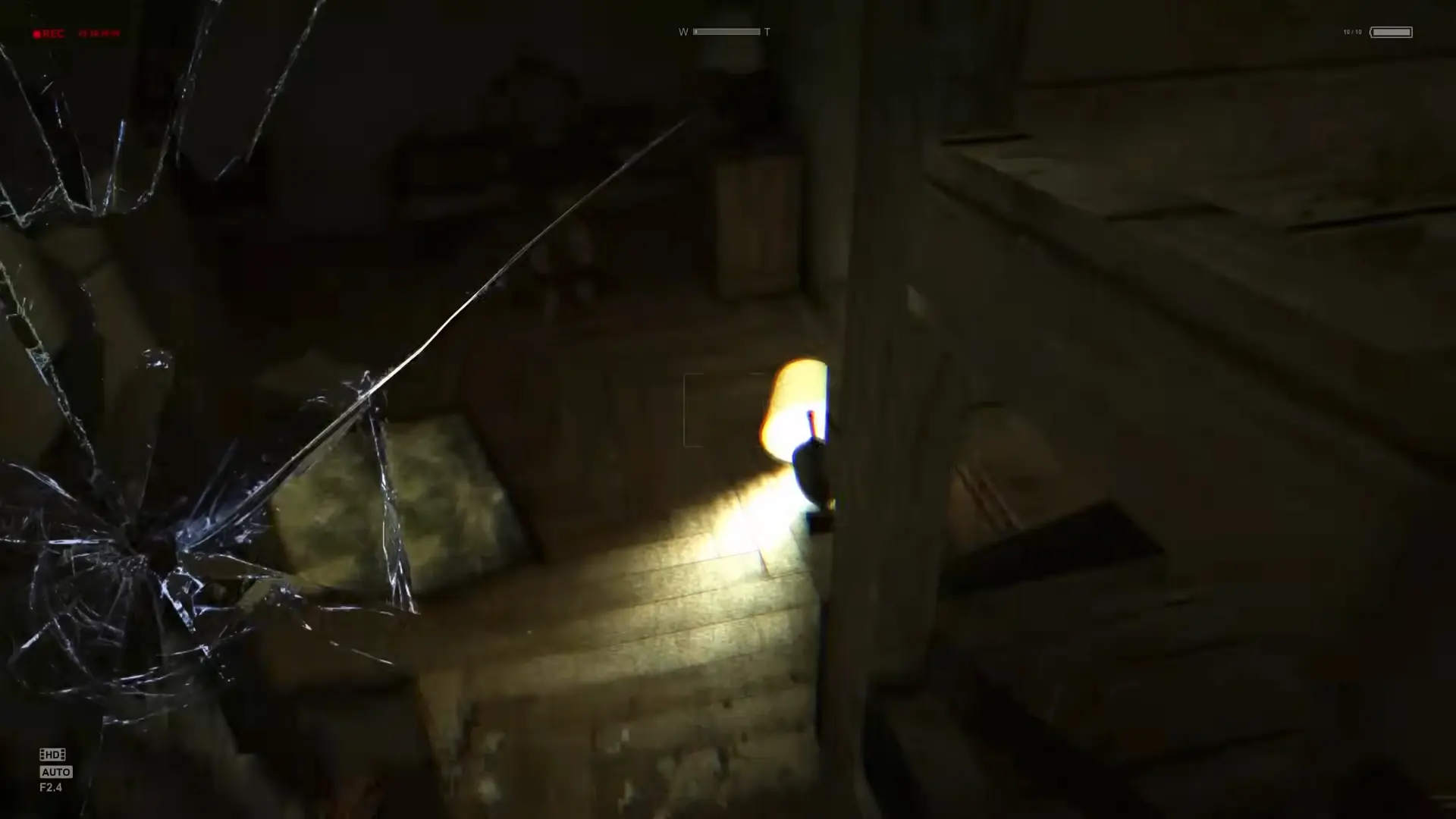
I didn't boot up Outlast because I wanted to feel powerful; I was just a simple gamer looking for a good weekend scare. What I got instead was a sweat-inducing obsession that completely hijacked my nervous system. You play as Miles Upshur, an investigative journalist who makes the incredibly poor decision to break into the abandoned Mount Massive Asylum following an anonymous tip.
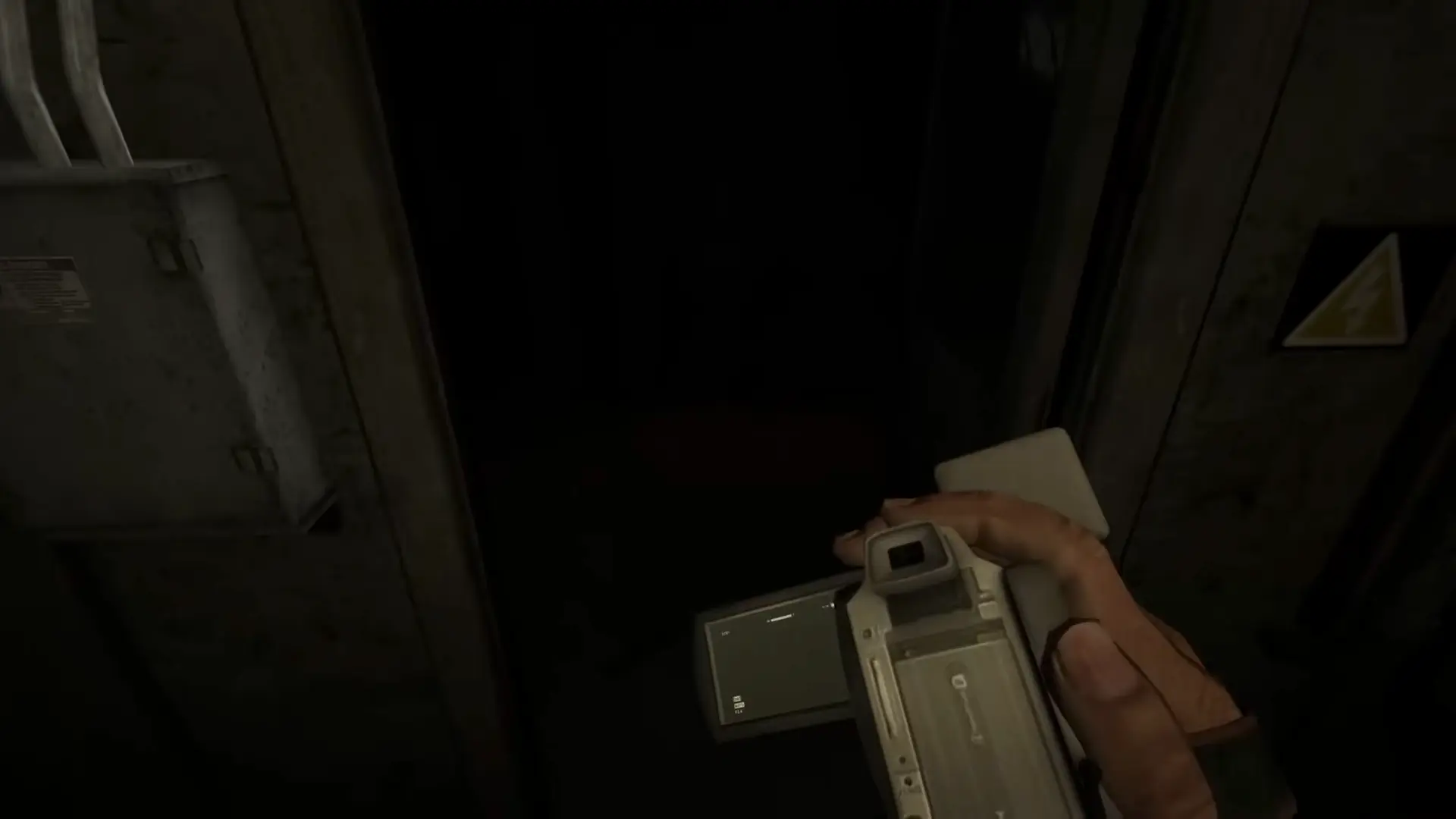
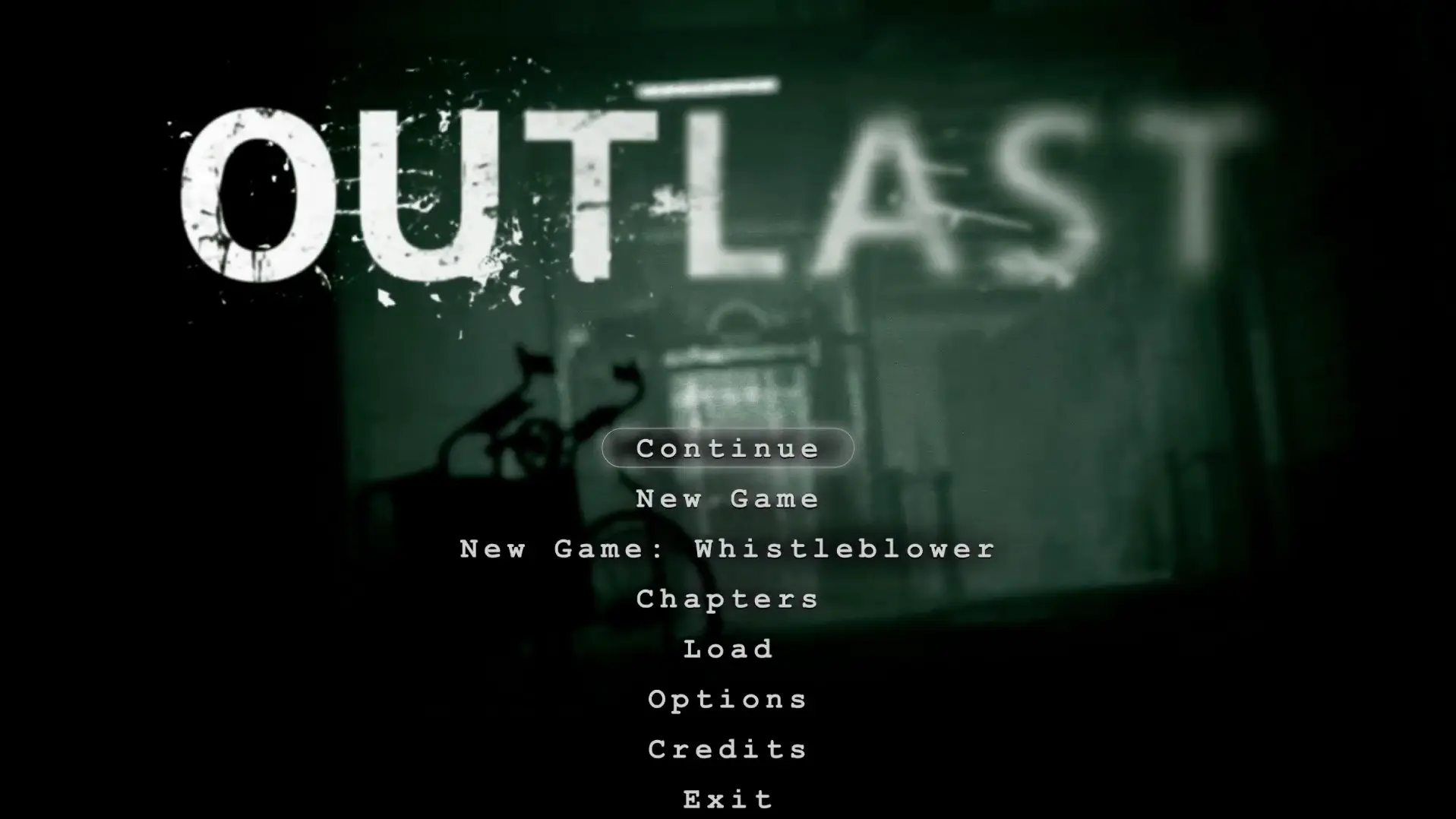
From the moment you push open those heavy, creaking front doors, the game strips away every safety net you are used to. You are not a supersoldier, and you do not have a gun. Your only tool is a handheld camcorder with a battery-draining night vision mode. It forces you to view the horror through a literal lens, creating an intimate, suffocating connection to the screen. I found myself physically holding my breath while gripping my controller, completely hooked by the overwhelming, desperate need to simply find an exit.About the Game: The Architecture of Helplessness
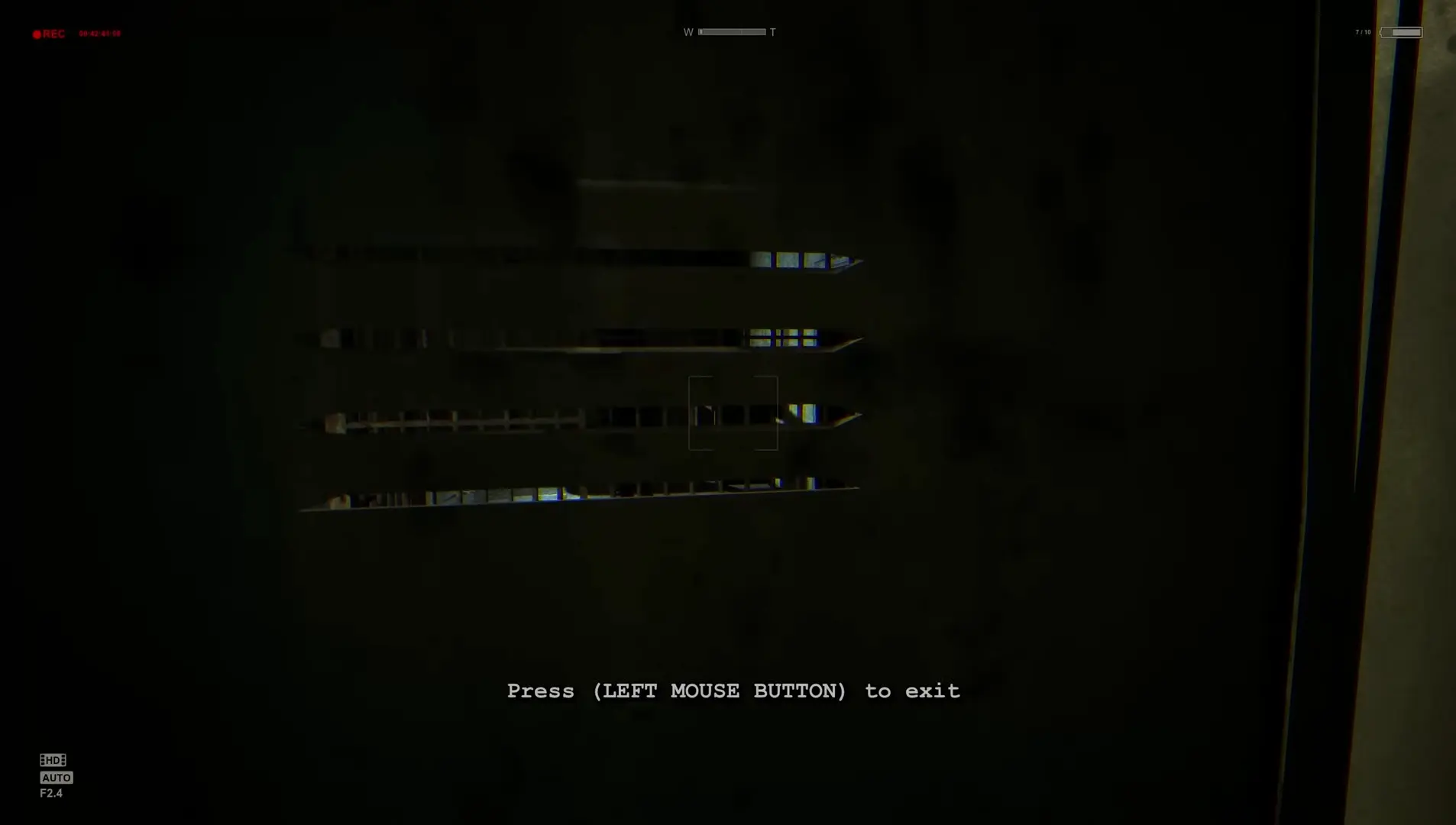
The true genius of Outlast is how it weaponizes your own vulnerability. The core design philosophy is absolute helplessness. Because you cannot fight back, every encounter becomes a terrifying puzzle of stealth and panic. If an inmate spots you, your only options are to run, slam doors behind you, and pray you find an empty locker or a bed to slide under before they catch up.
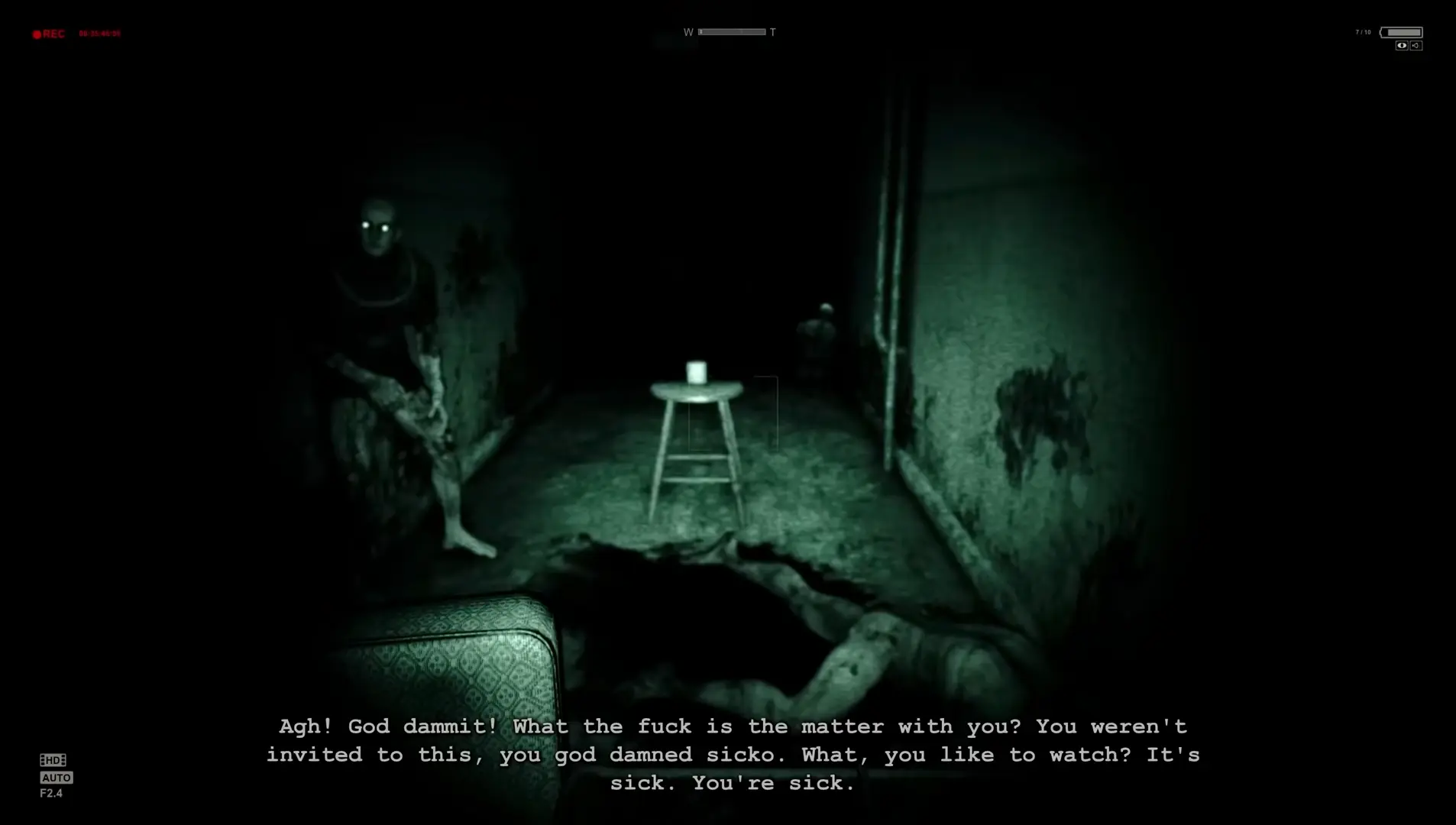
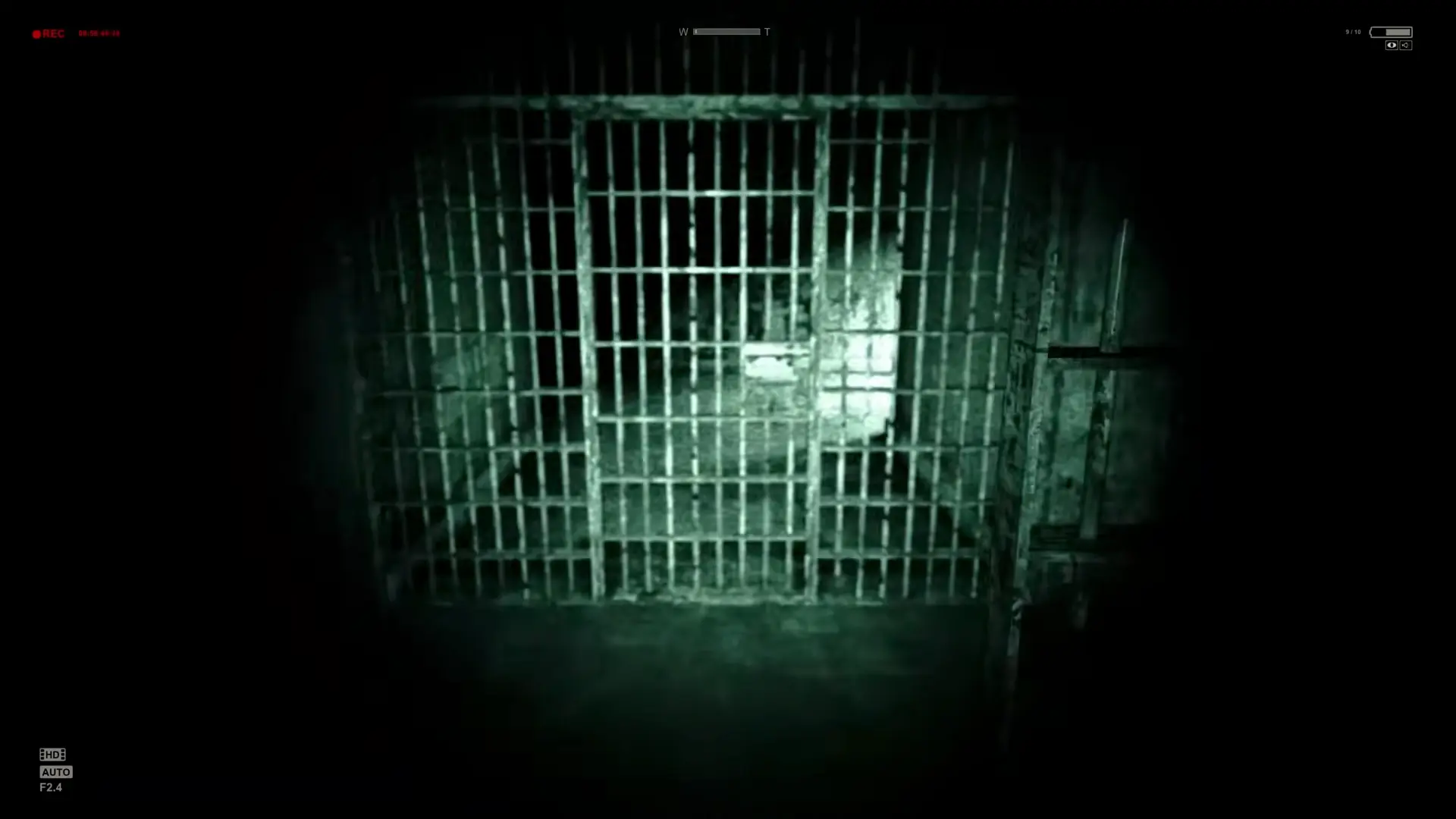
This creates a terrifying psychological loop. I became obsessed with battery management. In this game, darkness is absolute, and the green glow of your night vision is your only lifeline. Exploring a pitch-black basement while watching your battery indicator flash red is one of the most stressful experiences I have ever had in a video game. It demands a morbid curiosity—you are terrified to move forward, but the need to uncover the truth and survive forces you deeper into the madness.Story: The Truth in the Dark
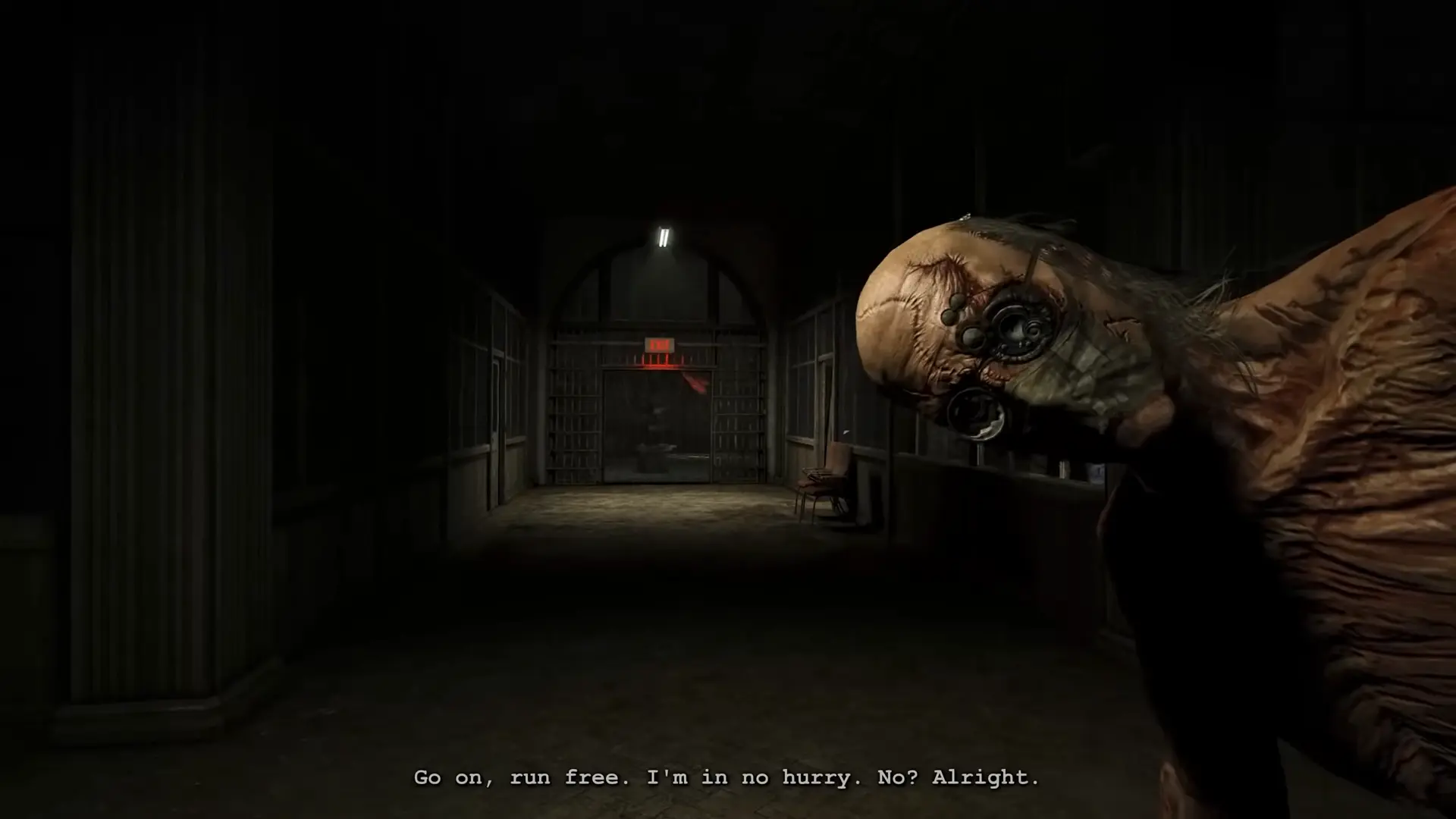
What kept me pushing through the sheer terror was the incredibly grounded, disturbing narrative. This isn't a story about ghosts or demons; it's a story about human cruelty and corporate corruption. The Murkoff Corporation has been using the asylum's inmates for horrific, unethical experiments, turning them into violent, unstable 'Variants.'
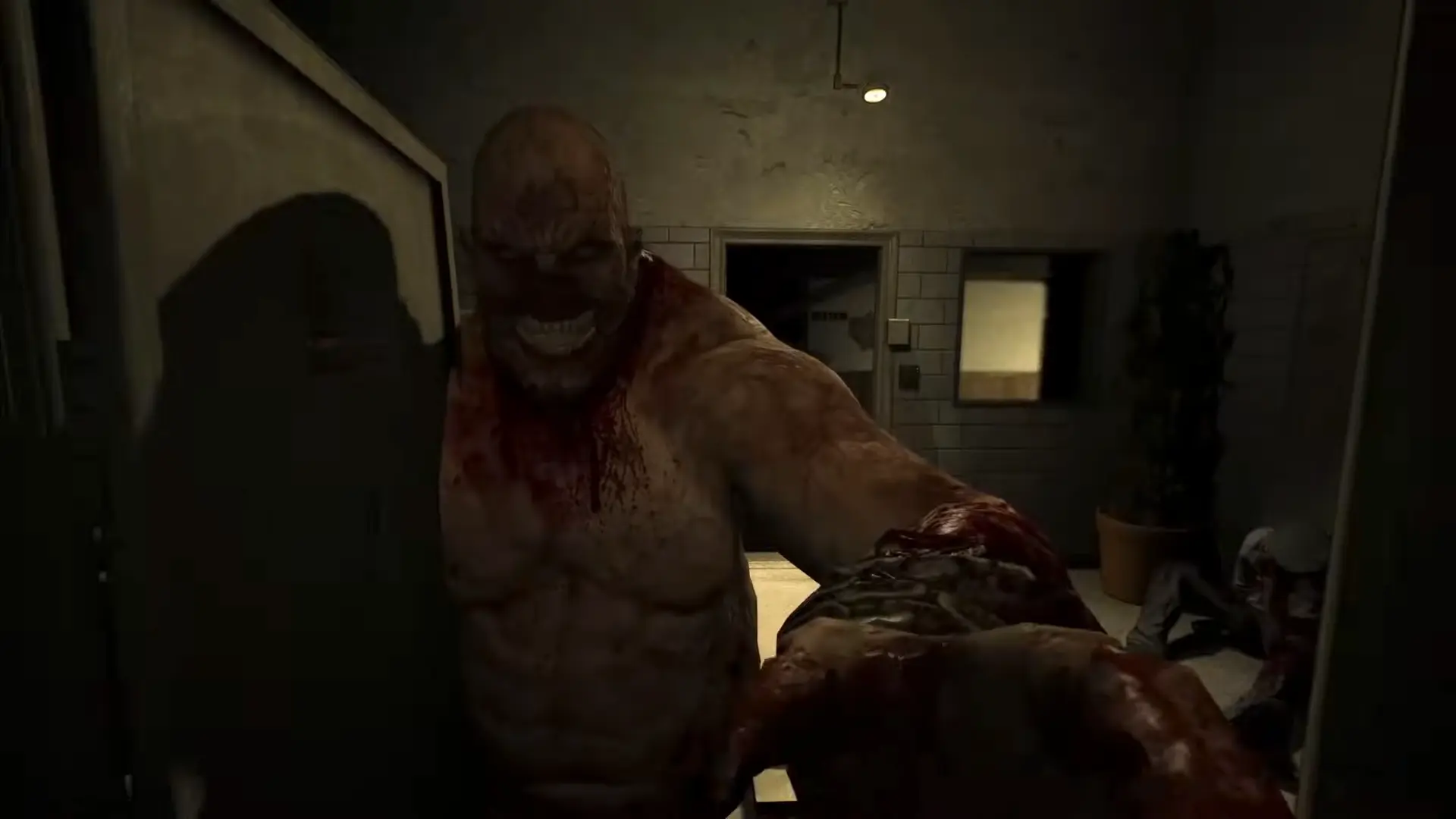
As a player who just wants a gripping, easy-to-understand mystery, I loved how the story is uncovered organically. You piece it together by recording specific horrifying events with your camera and finding documents scattered amidst the gore. The villains are terrifyingly personal—especially Chris Walker, a massive, relentless brute who stalks you throughout the entire game, and Dr. Trager, whose terrifyingly calm demeanor during a gruesome torture sequence will forever be burned into my memory. It’s an obsessive pursuit of a story that punishes you for looking too closely.Gameplay: Run, Hide, or Die
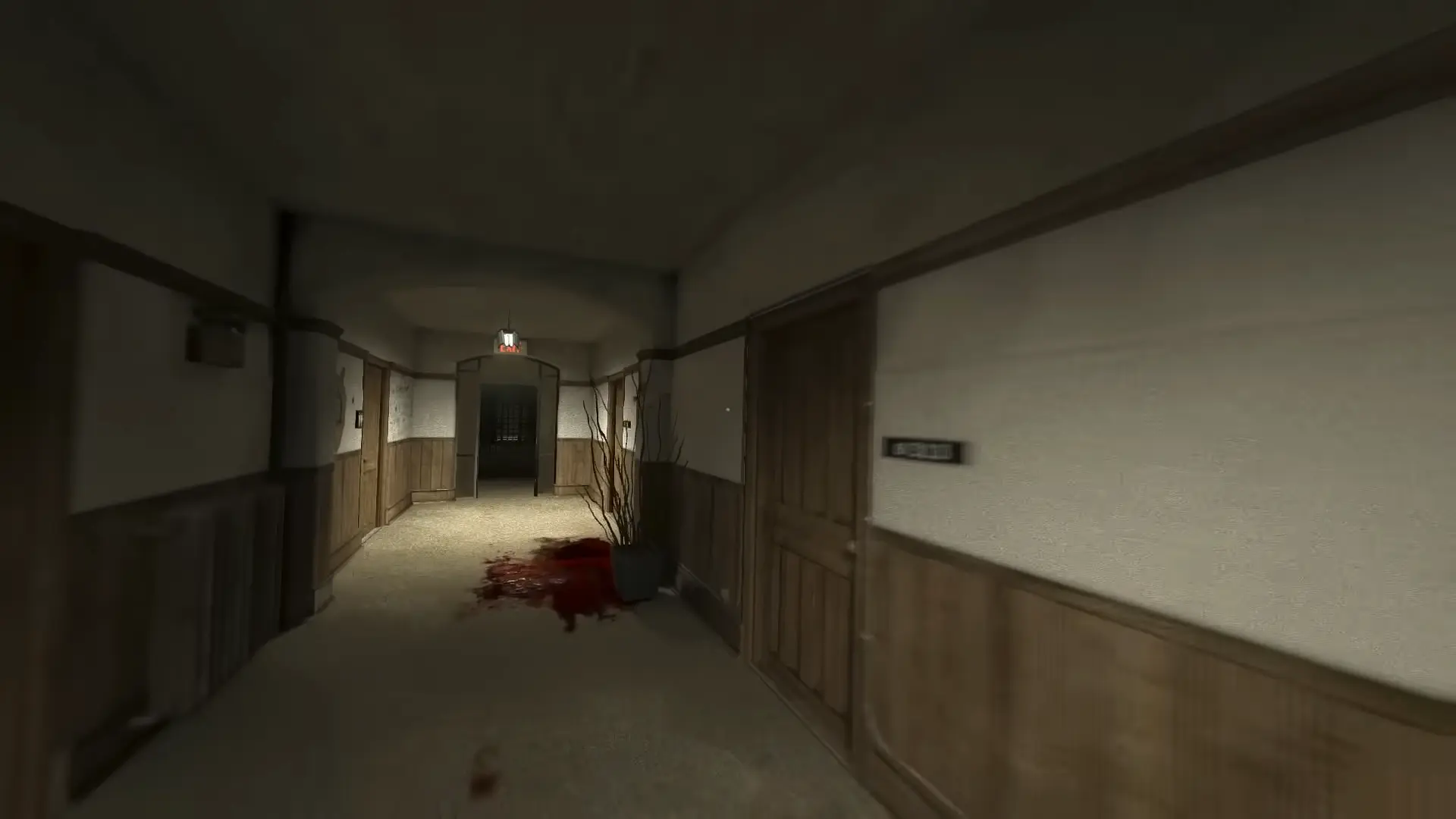
The mechanics in Outlast are incredibly visceral and physical. When you run, the camera bobs heavily, capturing the desperate, uncoordinated sprinting of a normal guy running for his life. You can look over your shoulder while sprinting, a mechanic that always resulted in me screaming because the pursuer was inevitably right behind me.
The game constantly funnels you into high-stress chase sequences. You have to vault over desks, squeeze through narrow gaps in the wall, and frantically navigate labyrinthine corridors while the heavy, thudding footsteps of a maniac echo behind you. The physical feedback—Miles' panicked, ragged breathing, the realistic sound of his hands slapping against walls as he scrambles in the dark—creates an unparalleled immersion. You aren't just playing a character; you share his complete, unadulterated panic.Atmosphere: Blood, Rust, and Static
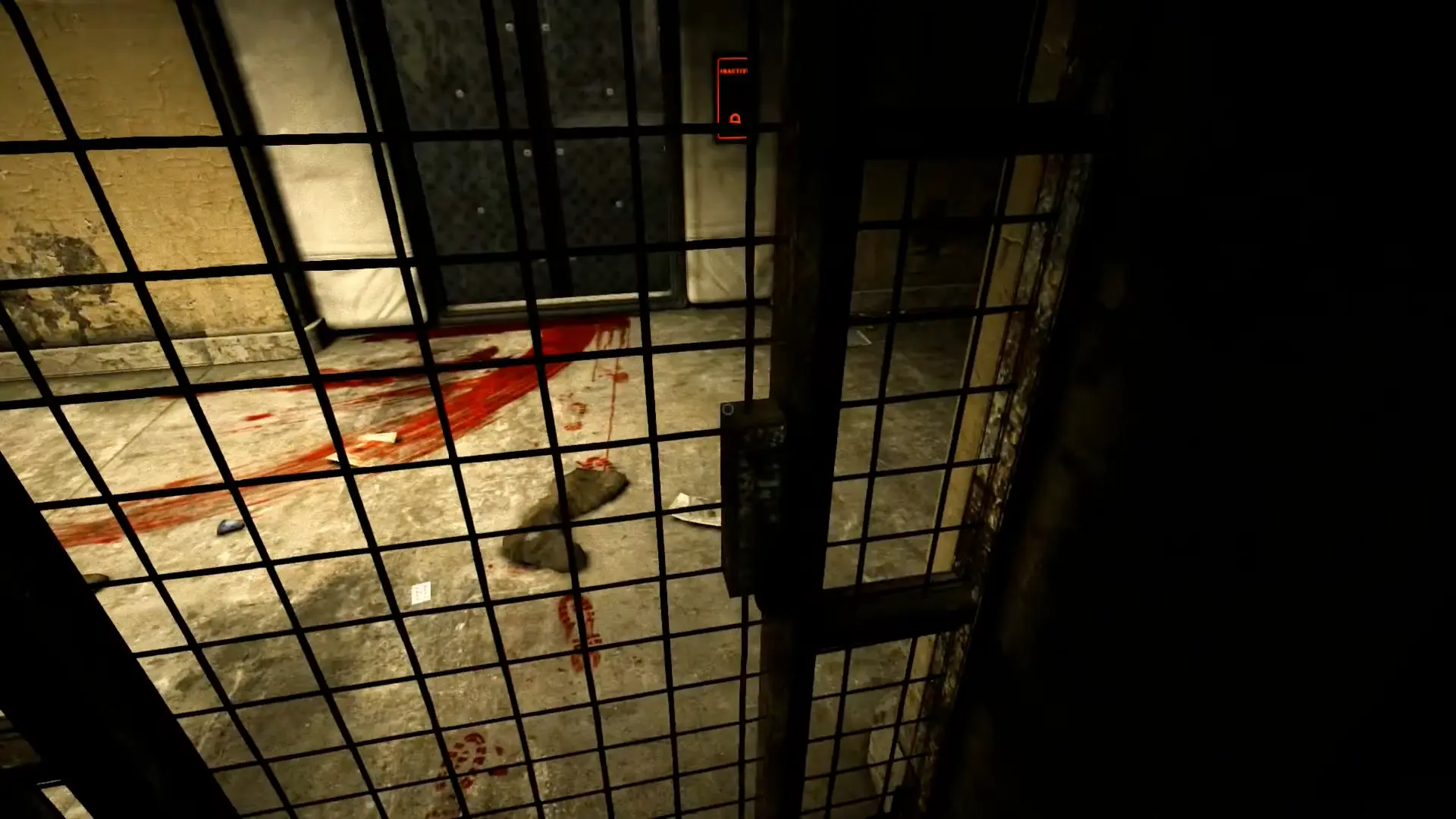
The atmosphere of Mount Massive Asylum is oppressively hostile. Red Barrels built a masterclass in environmental storytelling. Every room feels lived-in, decaying, and deeply corrupted. The visual design heavily relies on contrasting absolute darkness with the eerie, unnatural green filter of the night vision, making every shadow look like a potential threat.
But the sound design is the true star. The asylum is never truly quiet. You hear distant screams, maniacal rambling from unseen inmates, the buzzing of faulty fluorescent lights, and the horrifying sound of chains dragging across tile floors. The silence is often worse than the noise, building a suffocating tension that makes you dread turning the next corner. It is a symphony of dread that completely swallows you whole.Conclusion: The Descent into Madness
Outlast is not for the faint of heart, but for those who want to experience the absolute peak of survival horror, it is a mandatory obsession. It takes a very simple premise—a guy with a camera trapped in a crazy place—and executes it with flawless, ruthless precision.
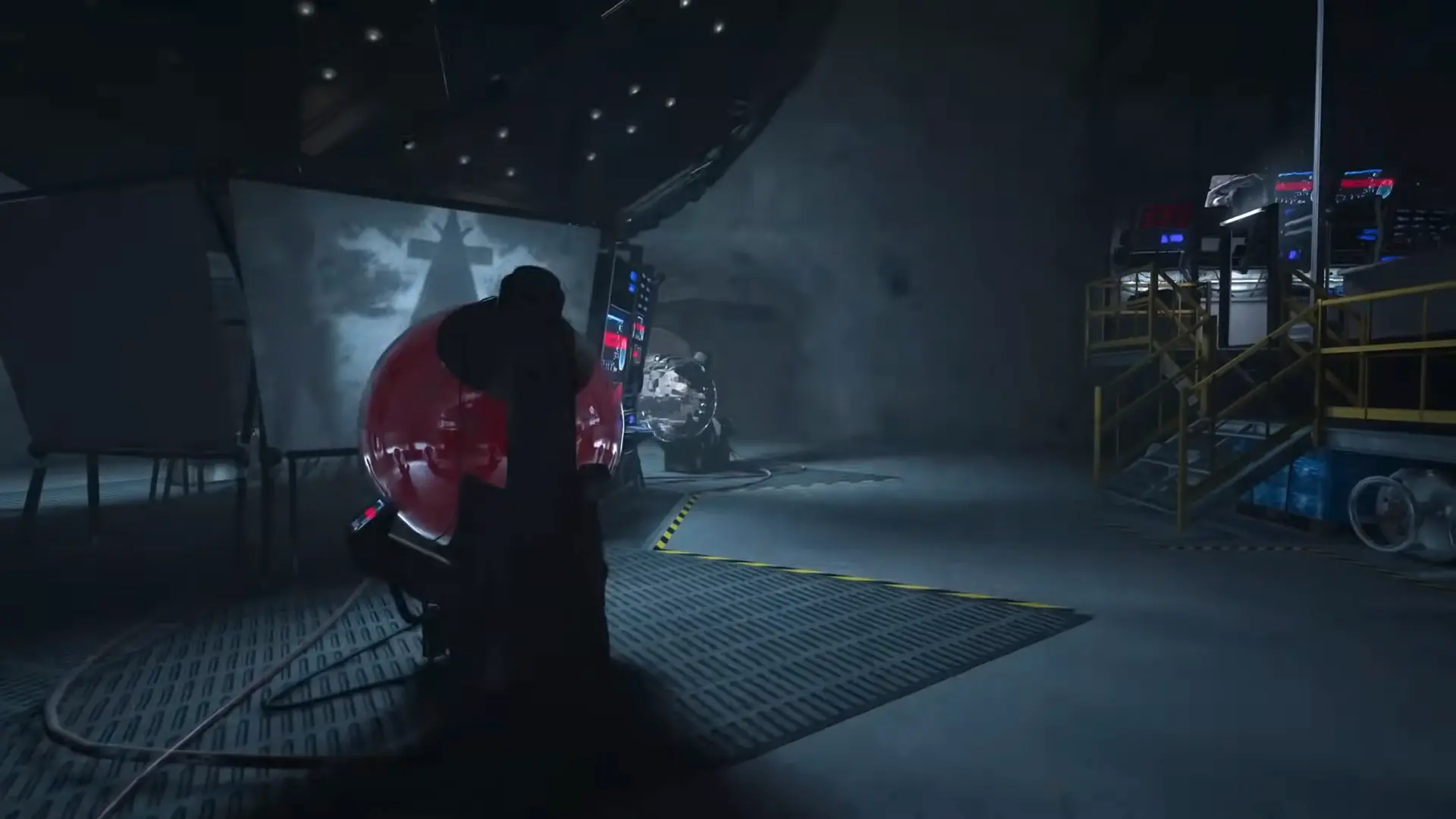
It is an exhausting, traumatic, but deeply rewarding experience. When I finally reached the jaw-dropping, chaotic climax in the underground laboratory, my hands were literally shaking. It is a game that tests your nerve and punishes your curiosity, leaving a permanent mark on how you view horror in gaming. If you are willing to let fear hook you, Mount Massive Asylum is waiting.