Introduction: The Resurrection of Pain
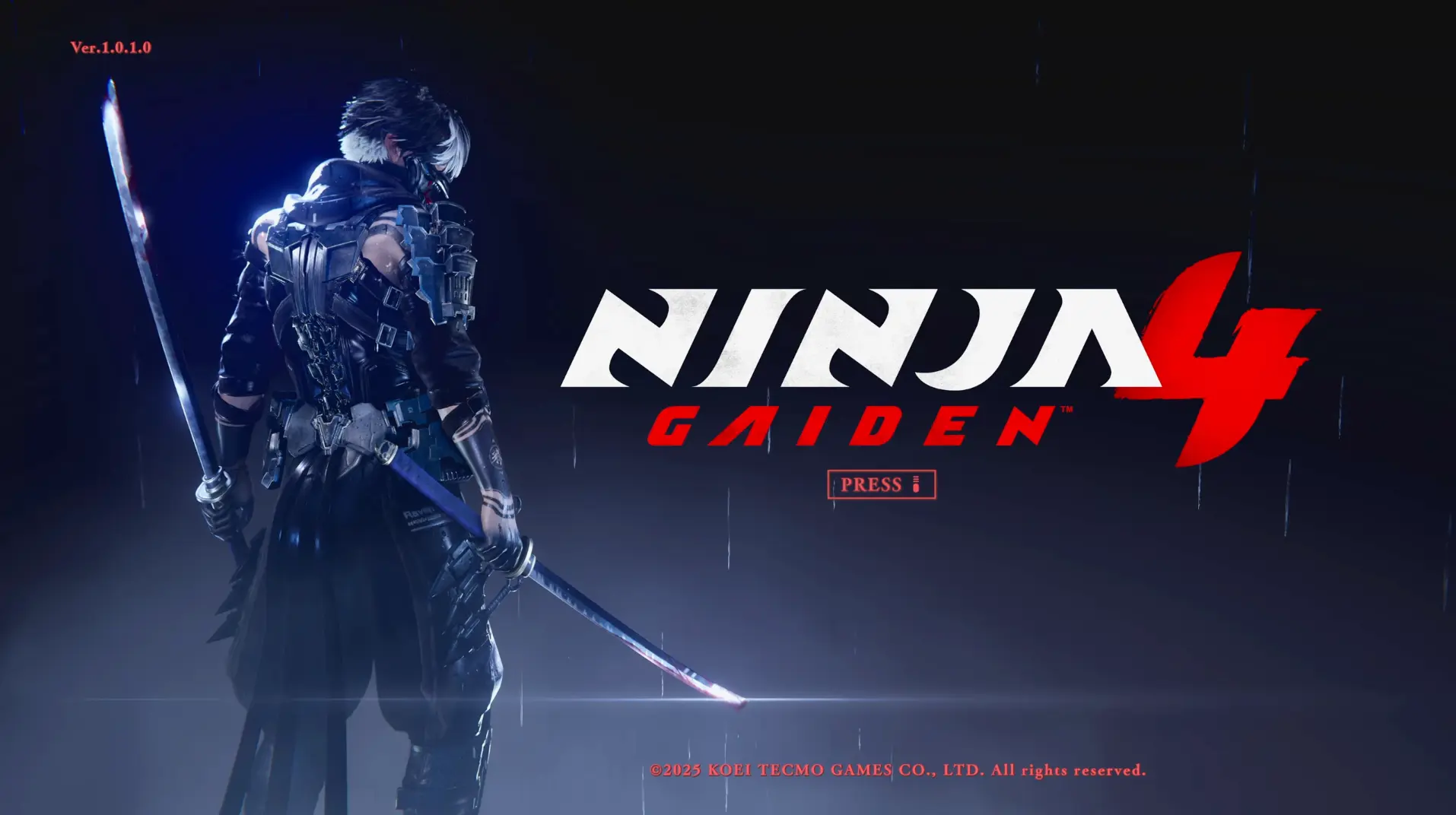
Critics claimed the character action genre had gone soft, asserting that modern audiences only desired open worlds with waypoints and difficulty sliders. NINJA GAIDEN 4 enters the room, locks the door, and breaks the handle. Released in October 2025, this collaboration between Team Ninja and PlatinumGames is not merely a reboot; it is a resurrection of a philosophy. It is a title that fundamentally understands that true satisfaction does not come from winning; it comes from surviving.
This is not a game played to relax. It is a game played to test the limits of human reaction time. The first death—likely occurring within the opening three minutes—is not a mistake; it is a lesson. The enemies do not wait their turn. They flank, they bait, and they punish button mashing with a brutality that feels personal. NINJA GAIDEN 4 does not just challenge the player; it dismantles them, piece by piece, until only instinct remains.About the Game
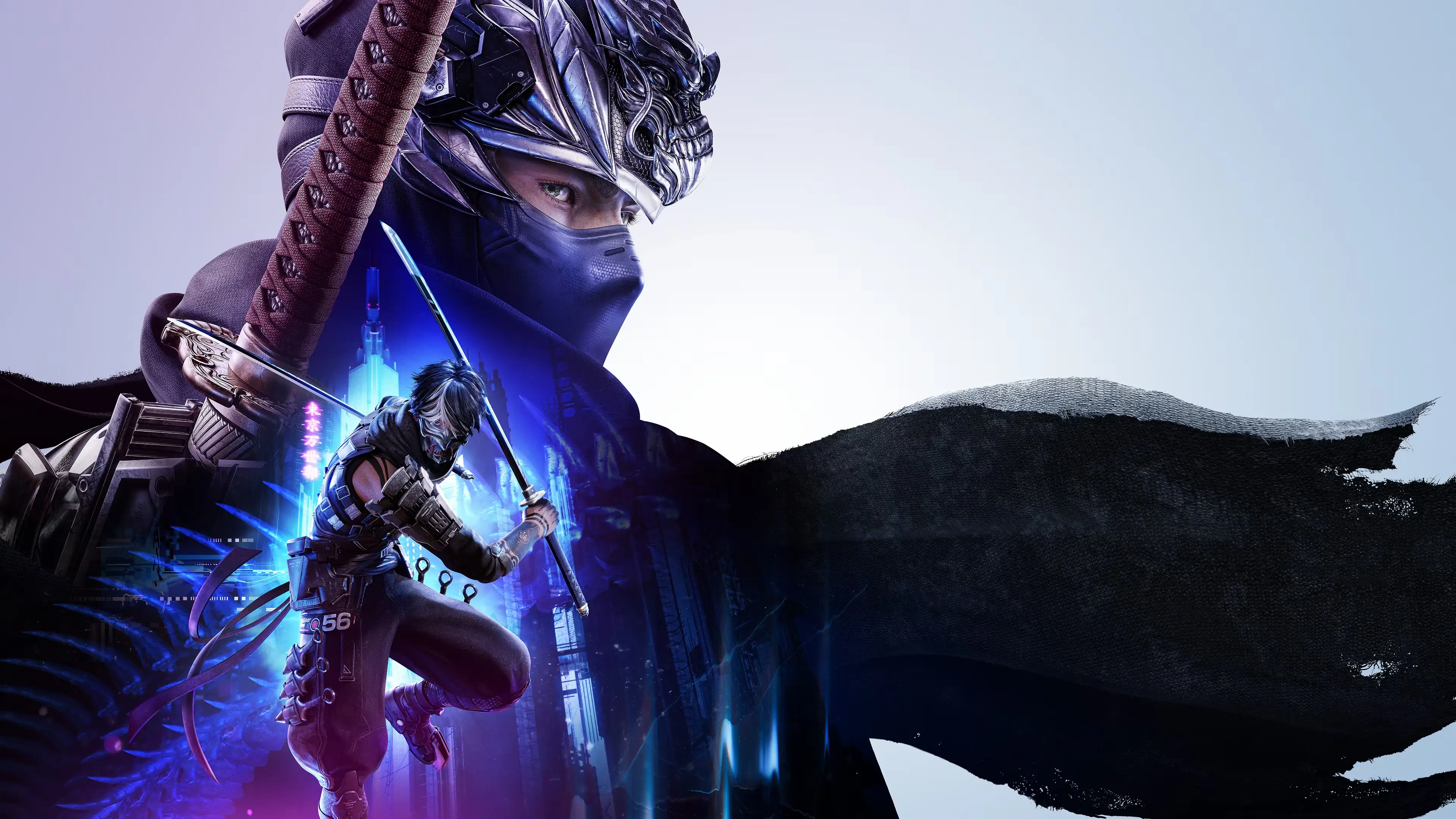
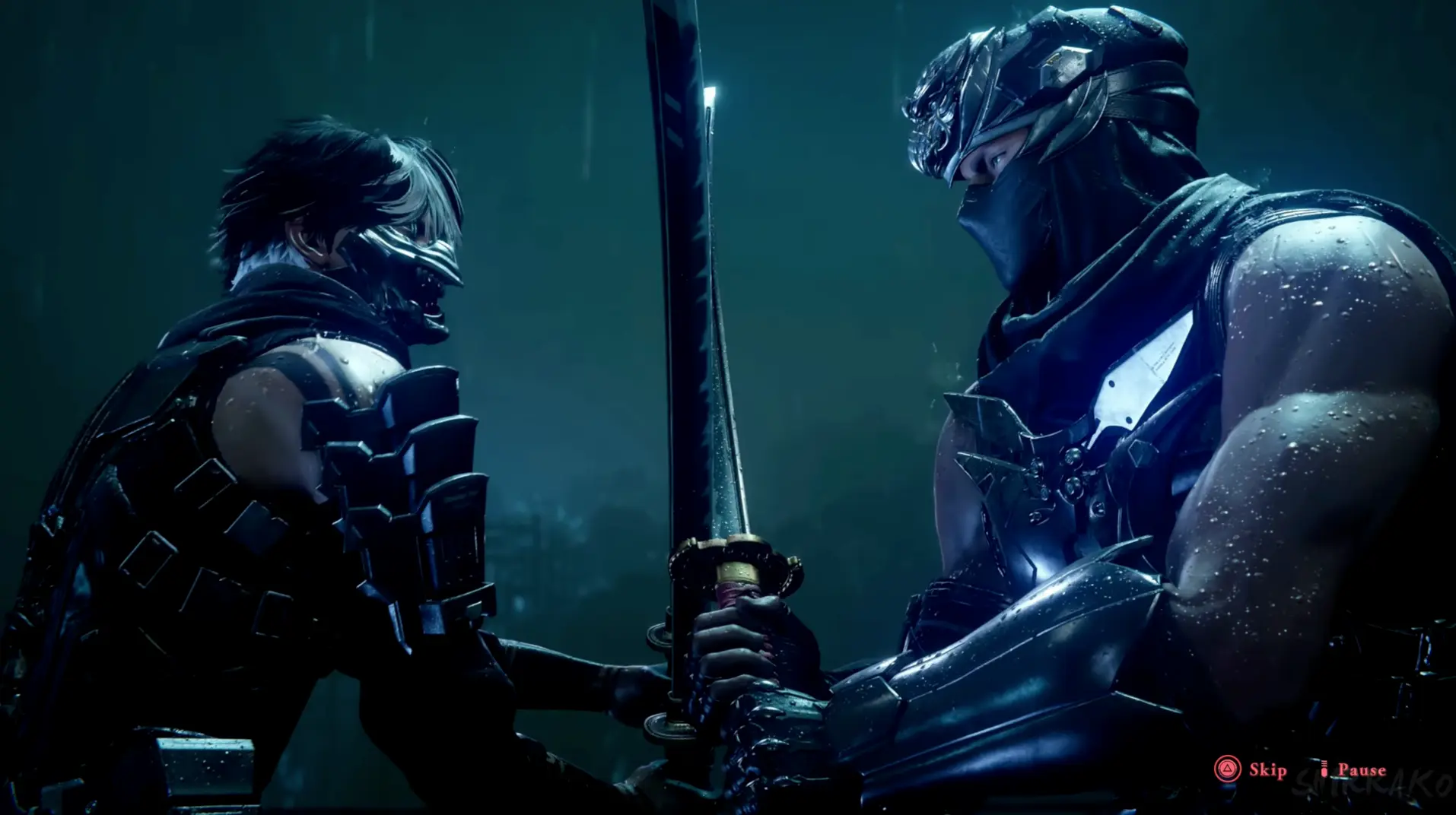
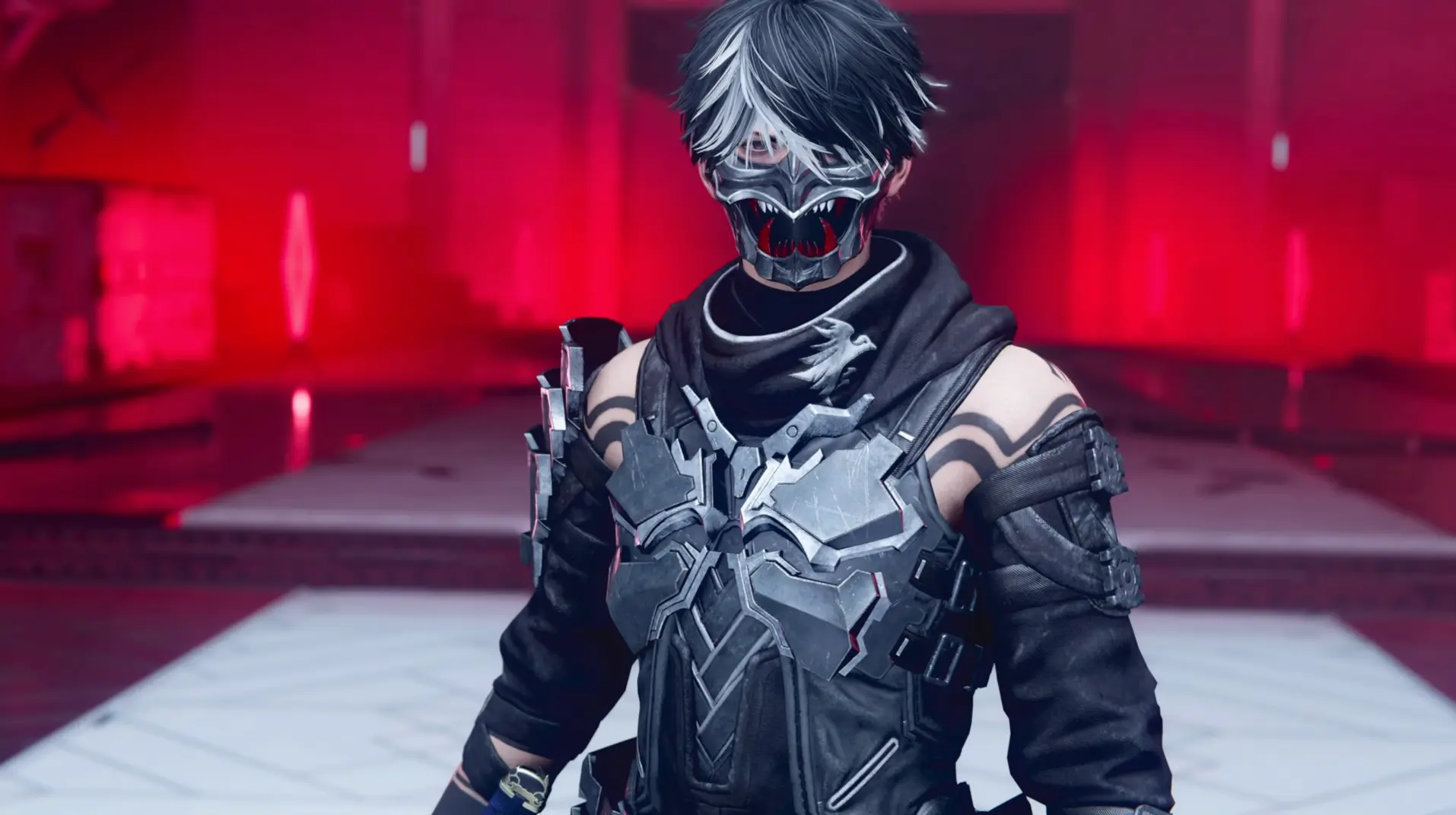
The narrative serves as a thin veneer of pulp nonsense over a framework of pure violence. A techno-occult organization threatens the world, and demons flood Neo-Tokyo. The plot is irrelevant; it is merely the excuse needed to dismember cybernetic ninjas. The focus is on the dual-protagonist system: the legendary Ryu Hayabusa and the controversial newcomer, Yakumo.
Yakumo is the antithesis of Ryu’s disciplined silence. She is loud, brash, and fights with a heavy, industrial style that resembles wielding a car engine on a stick. Running at a locked 60fps on consoles and an uncapped 120fps on PC, the technical performance is not a luxury—it is a requirement. Every single frame is a necessary tool to read the telegraphs of enemies designed to exploit the slightest hesitation.Gameplay: Frame-Perfect Aggression
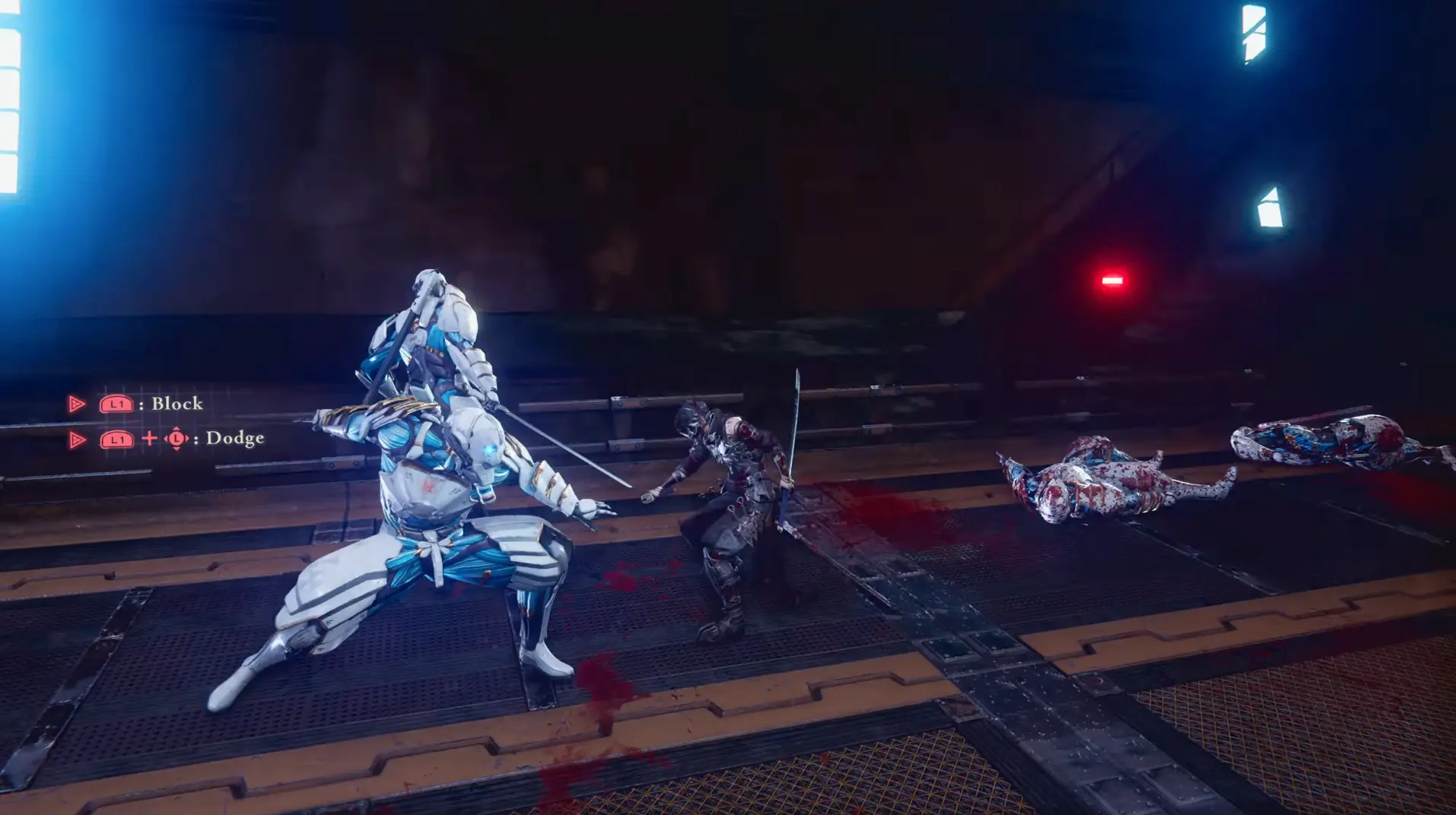
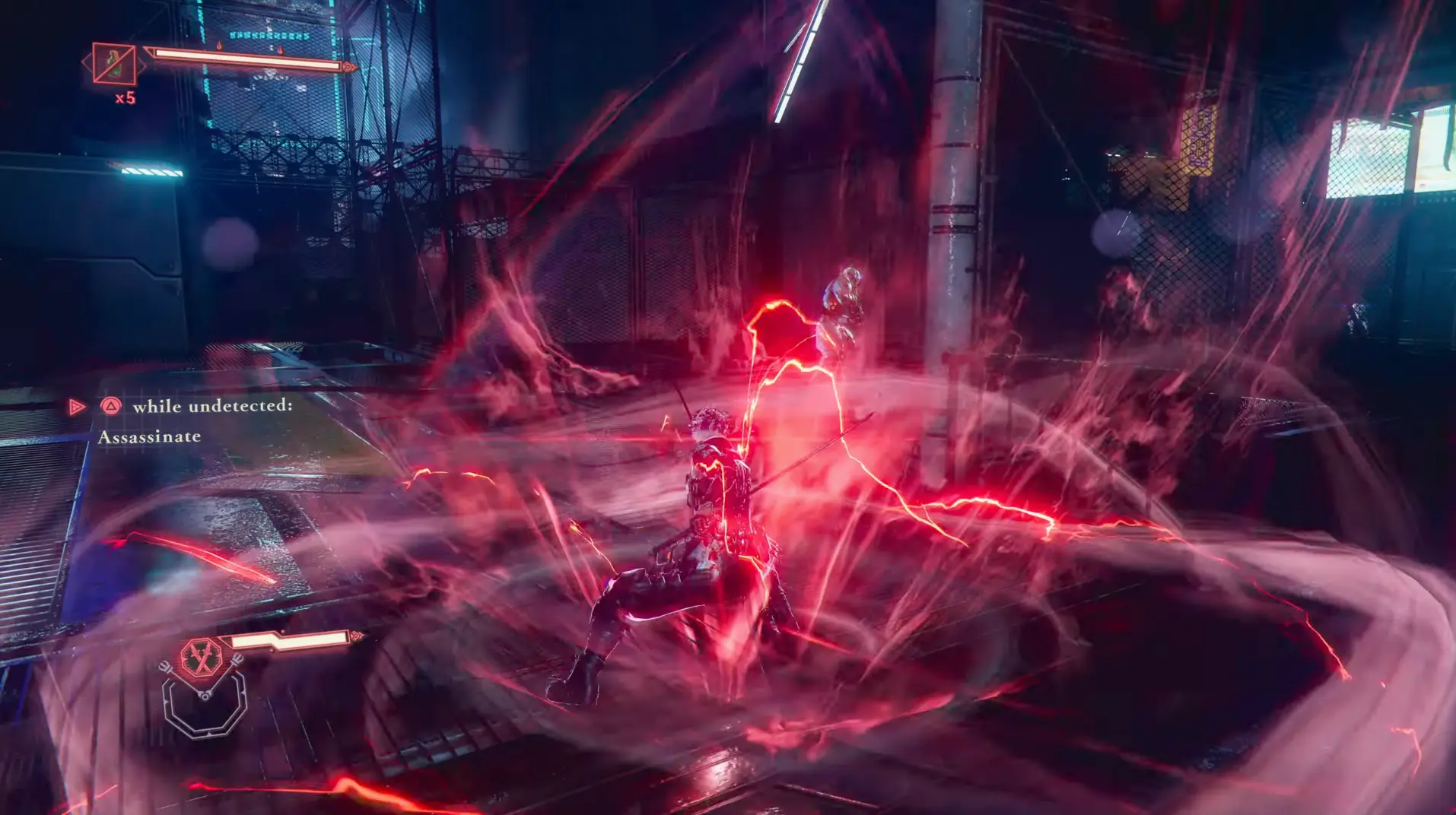
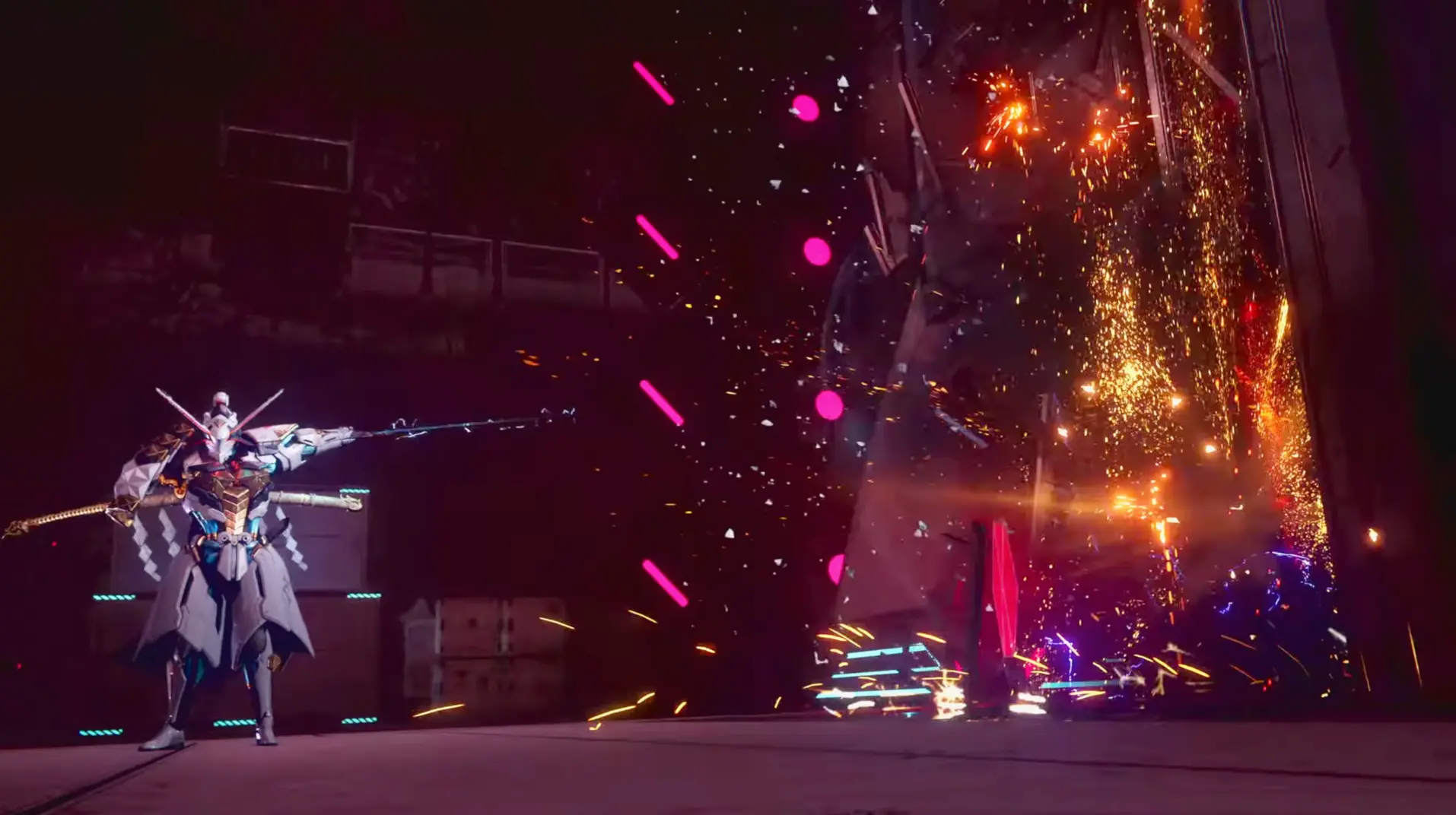
This is where the experience separates the tourists from the residents. The combat system has been stripped of the "bloat" from Razor's Edge and refocused on a terrifying level of precision. The defining mechanic is Flux. Switching between Ryu and Yakumo is instantaneous and mid-combo. Ryu acts as the scalpel—fast, precise, and essential for single-target damage. Yakumo is the sledgehammer—slow, wide-reaching, and vital for crowd control.
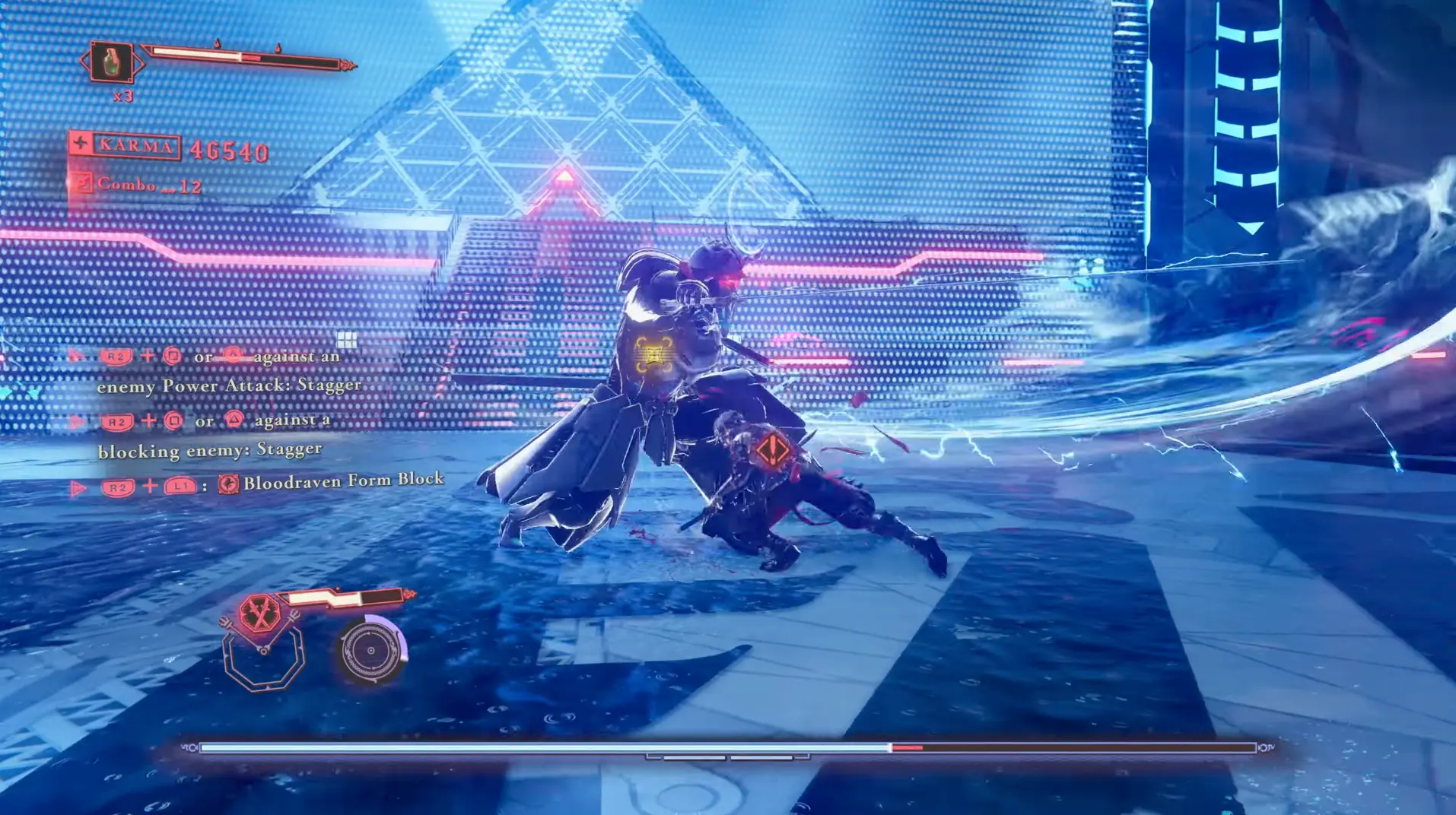
However, the true psychological toll comes from the revamped Steel on Bone system. In previous entries, this was a cinematic Quick Time Event. Now, it is a frame-perfect counter. A heavy attack must be input exactly as an enemy initiates a grab. Success triggers an instant-kill animation and restores Ki. A millisecond of error results in catastrophic damage. It forces a stare-down with death without blinking.
The Berserk Meter offers a fleeting release. Filling as damage is taken or executions performed, it allows for a state where speed doubles and stagger immunity is granted. It is the game’s way of offering a brief moment of godhood in a simulation of hell. Yet, the bosses serve as multi-stage endurance tests. A fight against the Kurobo (a massive obsidian samurai) is not just a battle; it is an ordeal that leaves the hands trembling and the eyes dry from a refusal to blink.Atmosphere & Themes: Cyber-Feudalism
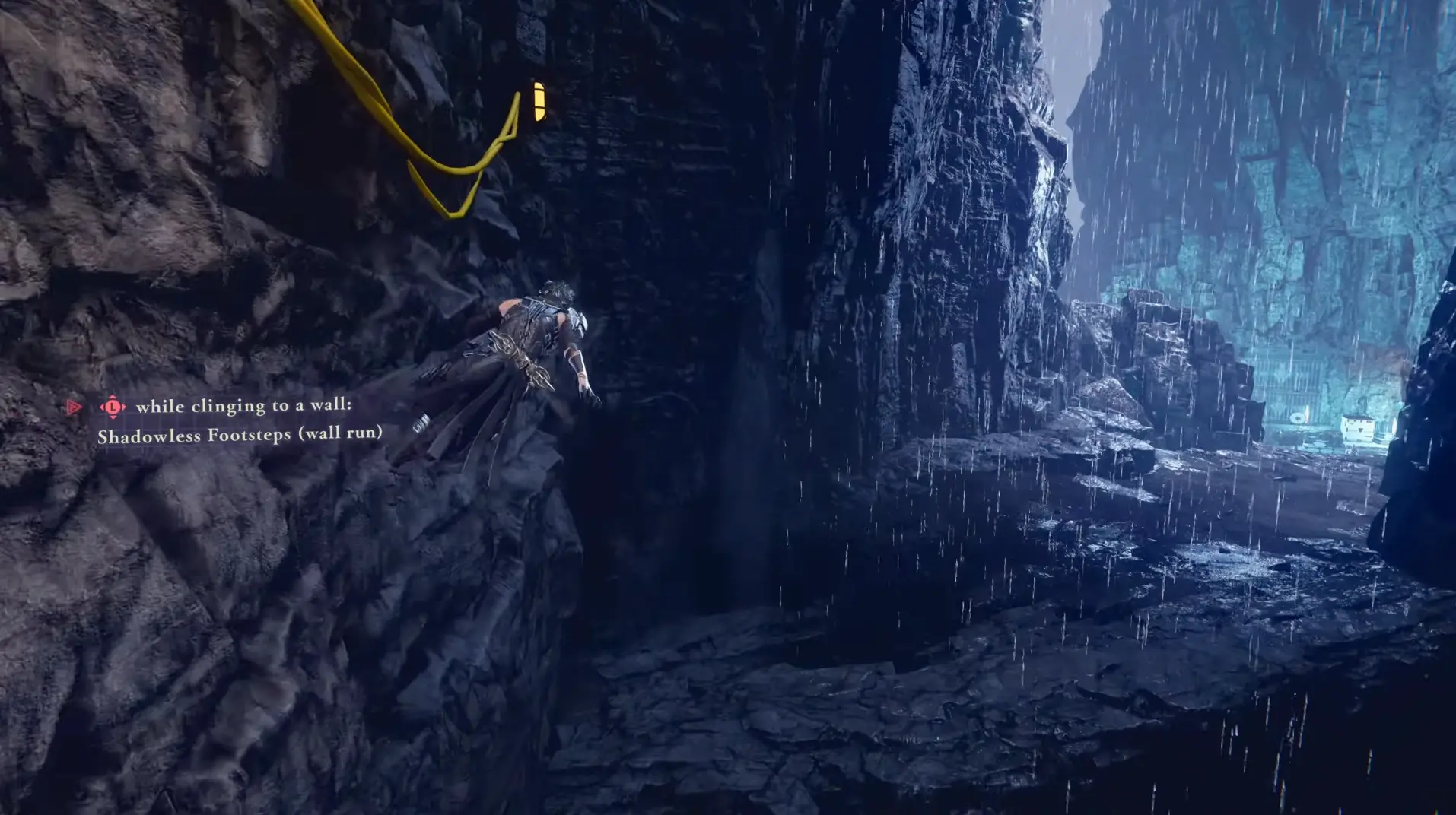
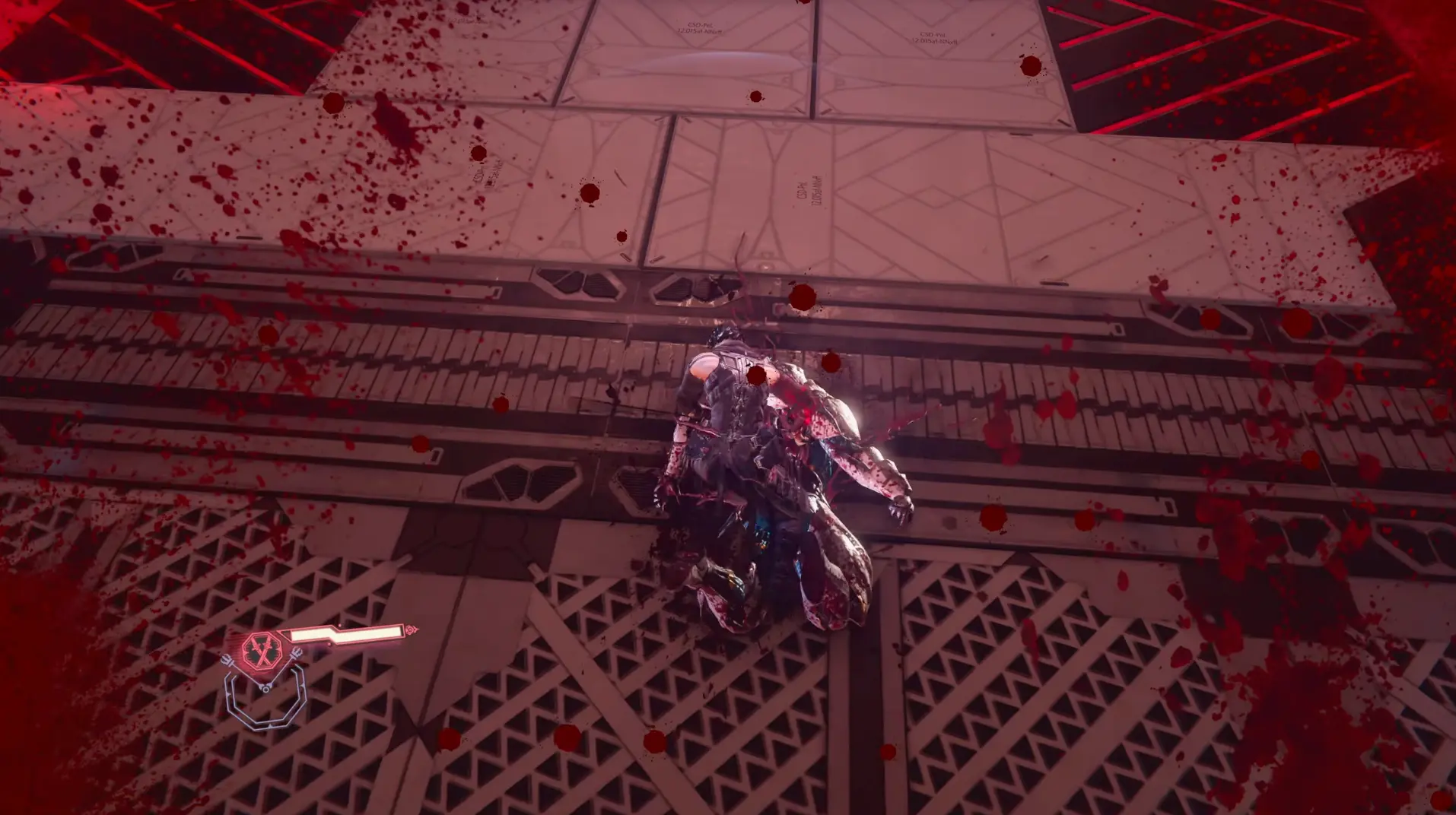
The aesthetic is "Cyber-Feudalism." Traditional Torii gates are draped in fiber-optic cables; ancient temples house supercomputers. It is gorgeous, grimy, and hostile. The gore system is extensive—blood does not just splash; it pools, stains, and remains, turning the arena into a slaughterhouse by the end of an encounter.
The sound design conditions the player like a Pavlovian experiment. The sound of a successful parry—a high-pitched, metallic DING—cuts through the industrial metal soundtrack like a bell of mindfulness. The overarching theme is Perfection. The game demands it. It does not respect the player's time; it respects their effort. It acts as a gatekeeper, refusing passage until the mechanics are not just learned, but metabolized.Conclusion
NINJA GAIDEN 4 is a hostile piece of art. It is frustrating, punishing, and occasionally unfair. When the credits finally roll, there is no sense of triumphant joy, but rather the heavy, breathless silence of a survivor. It is a game that is not finished by the player; rather, the player is finished by the game. And for the masochistic devotees of the genre, that exhaustion is the only review score that matters.