The Legend of Zelda timeline has long been a subject of intense scrutiny and debate, a tapestry woven from myths, legends, and half-remembered histories. Within this complex chronology, few events hold as much narrative weight—or as much ambiguity—as the Imprisoning War. Referenced in A Link to the Past and serving as the foundational tragedy for The Legend of Zelda: Tears of the Kingdom, this conflict has always been depicted through the hazy lens of retrospection. Hyrule Warriors: Age of Imprisonment shatters that distance. Developed by Koei Tecmo’s renowned Omega Force team in close collaboration with Nintendo EPD, this title is not merely a spinoff; it is a historical document of Hyrule's darkest hour.
Following the massive success of Hyrule Warriors: Age of Calamity, which reimagined the events preceding Breath of the Wild, this new entry moves beyond the "what-if" scenarios of its predecessor to explore a conflict of cataclysmic scale. It offers players the unprecedented opportunity to stand on the front lines of the war that shaped the kingdom's destiny forever, bridging the gap between historical footnote and visceral reality. It is a title that understands the gravity of its source material, delivering a darker, more desperate experience that befits a war for the very soul of the world.
Narrative: The Tragedy of the First King
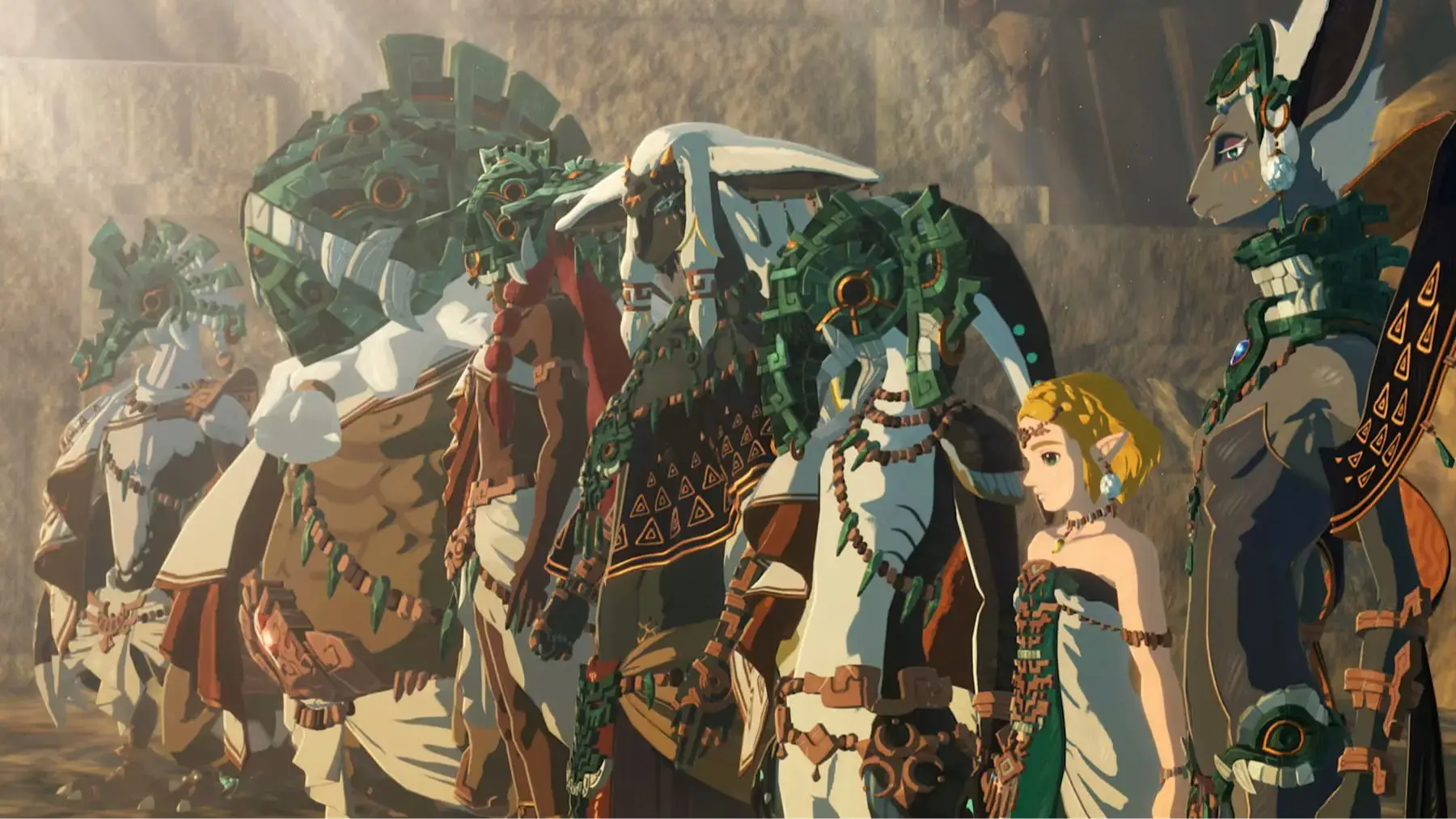
Age of Imprisonment represents a dramatic expansion of the lore surrounding the founding of Hyrule. The narrative premise offers a captivating, albeit controversial, twist on existing canon. Rather than functioning as a direct historical reenactment, the game introduces a variable: Princess Zelda herself. Displaced in time, armed with the knowledge of the future and the sacred power of light, she arrives in the era of the Imprisoning War not as an observer, but as an active participant.
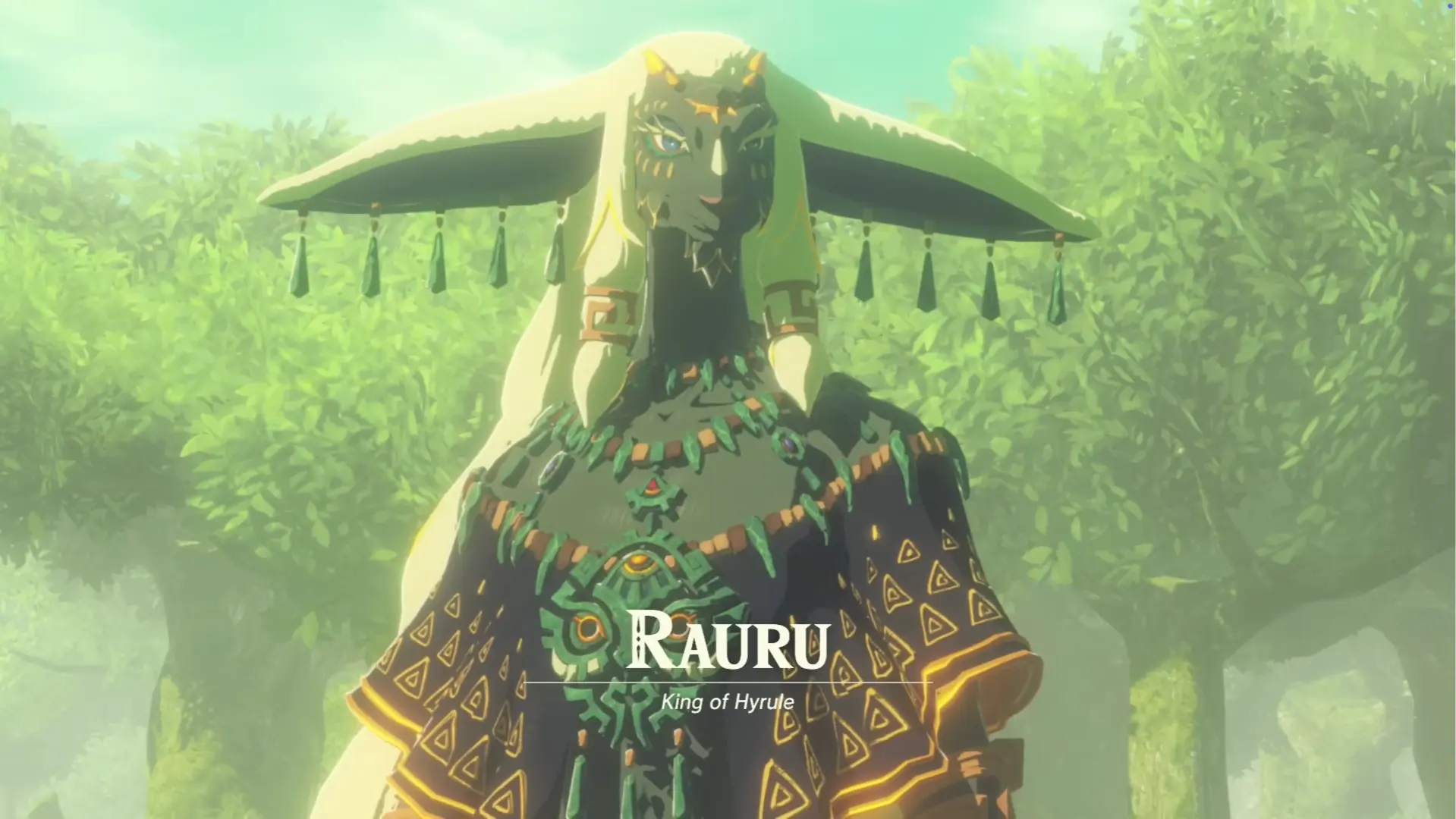
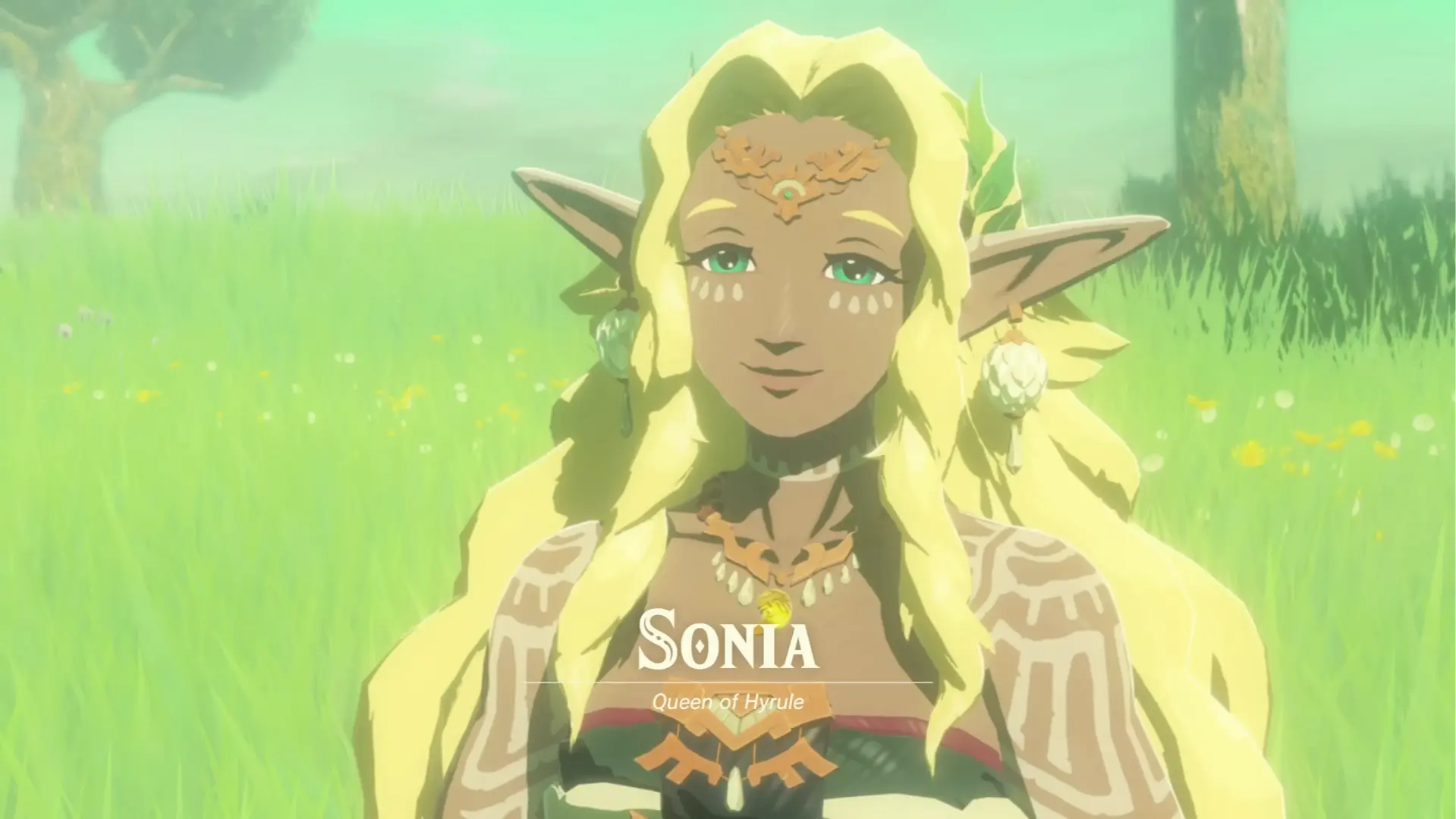
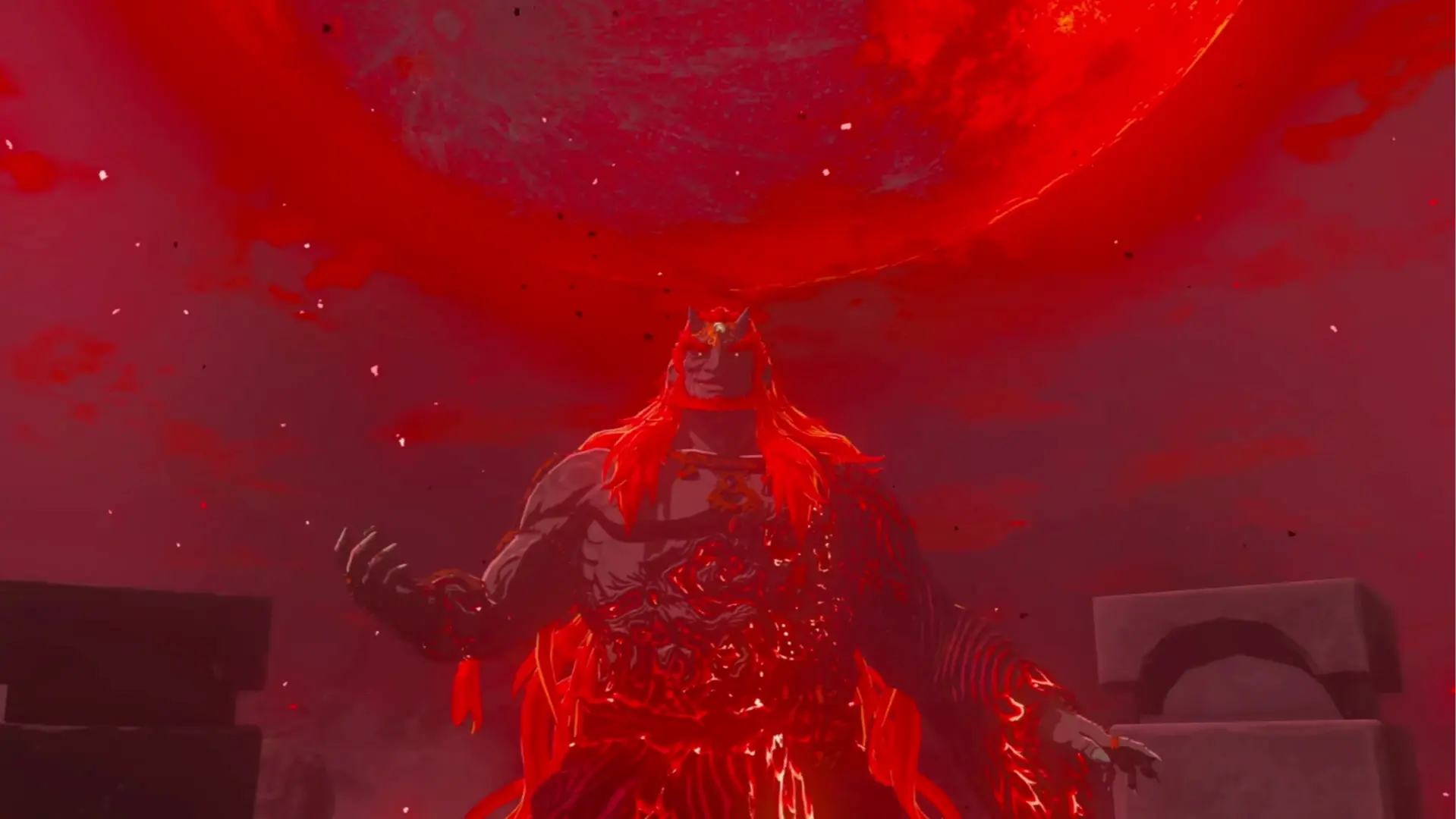
The narrative core is the desperate alliance formed between the time-displaced Princess and King Rauru, the first King of Hyrule. Rauru, a Zonai of immense power and wisdom, is portrayed with a depth that the mainline titles could only hint at. Alongside him stands Queen Sonia, whose gentle demeanor belies a terrifying mastery of time manipulation. The primary antagonist is Ganondorf, not as the mindless Calamity or the decayed corpse of later eras, but as the Gerudo King at the absolute zenith of his physical and magical potency. His ambition is raw, his charisma undeniable, and his power overwhelming.
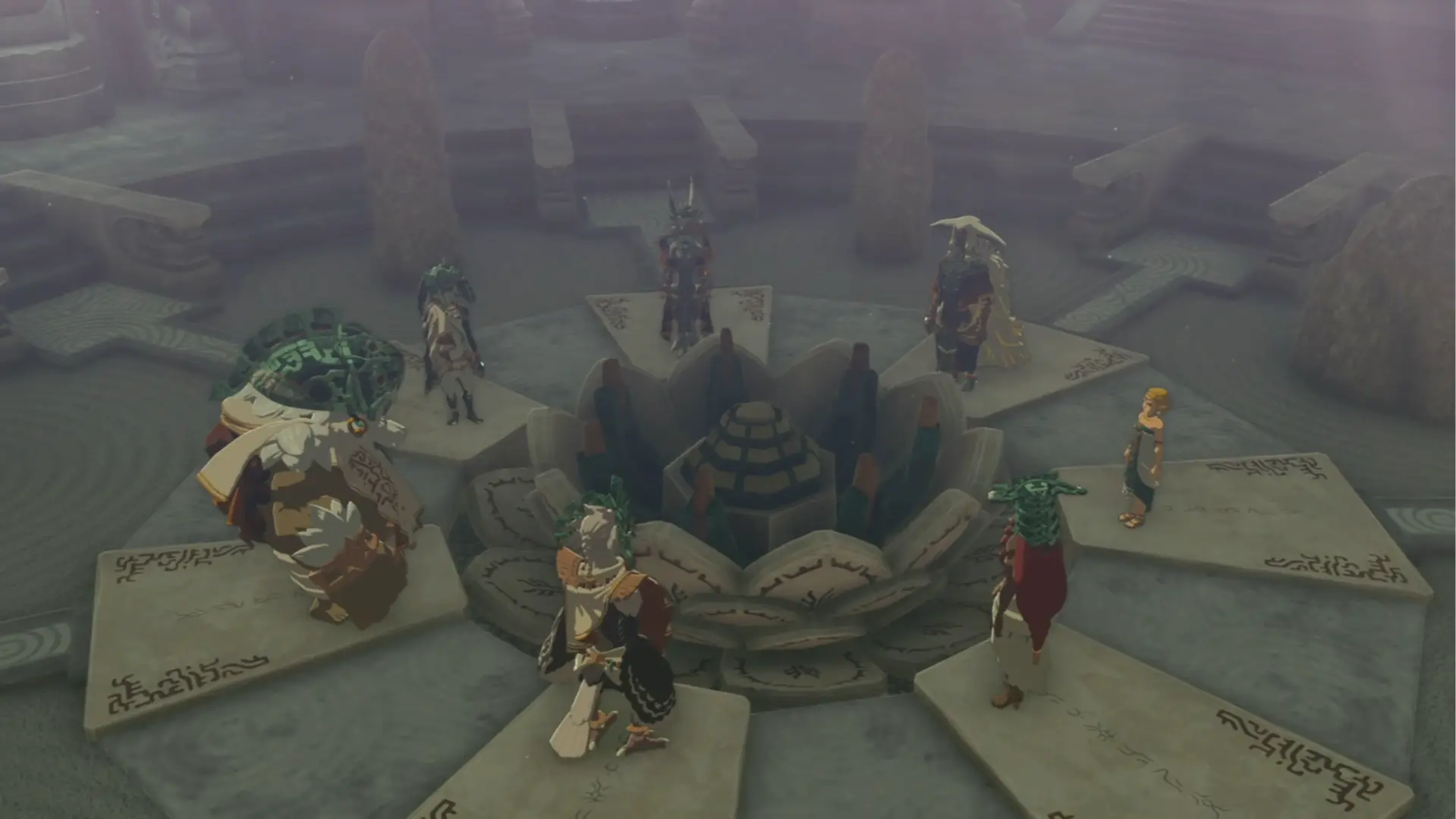
The game utilizes this setup to explore the interpersonal dynamics of the founding Sages. Players witness the forging of the original Secret Stones and the personal costs associated with their power. The narrative does not shy away from the tragedy inherent in this era. Zelda’s knowledge of the future becomes a double-edged sword; she knows the ultimate, heartbreaking outcome of this war—the sacrifice required to bind the Demon King—yet she must fight to ensure history follows its necessary course. Or perhaps, given the franchise's history with timeline bifurcation, she dares to alter it. The writing delves deep into themes of duty, the burden of foresight, and the cyclical nature of evil, painting a picture of a kingdom on the brink of total collapse where every victory is bought with blood.
The Roster: Legends of the Past
One of the most compelling aspects of Age of Imprisonment is its roster, which serves as a dream lineup for lore enthusiasts. The game finally allows players to control the ancient Sages—figures previously seen only as masked avatars in cutscenes. Each character is realized with a distinct, hyper-stylized moveset that reflects their elemental affinity and cultural heritage.
King Rauru is a powerhouse grappler, utilizing his Zonai physiology to deliver devastating physical strikes enhanced by blinding light magic. Queen Sonia functions as a technical fighter, using time manipulation to freeze enemies in place or revert their positions to set up complex combos. The Sage of Lightning (the ancient Gerudo warrior) wields dual scimitars with a ferocity that rivals Ganondorf himself, chaining lightning strikes into acrobatic dances of death. The Sage of Fire (the Goron ancestor) operates as a heavy tank, using massive crushing blows and magma manipulation to control the battlefield.
Perhaps most intriguingly, the game introduces Mineru, the Sage of Spirit, as a playable character distinct from her Construct form. Her gameplay involves the remote manipulation of Zonai devices and spirit projection, allowing for a unique "puppeteer" playstyle. Even Ganondorf himself is featured in a separate, villain-centric campaign, allowing players to command the legion of monsters and experience the conquest of Hyrule from the perspective of the conqueror. This comprehensive roster ensures that every battle feels fresh, offering a diverse array of tactical options that cater to every playstyle.
Gameplay Systems: Chrono-Tactical Warfare
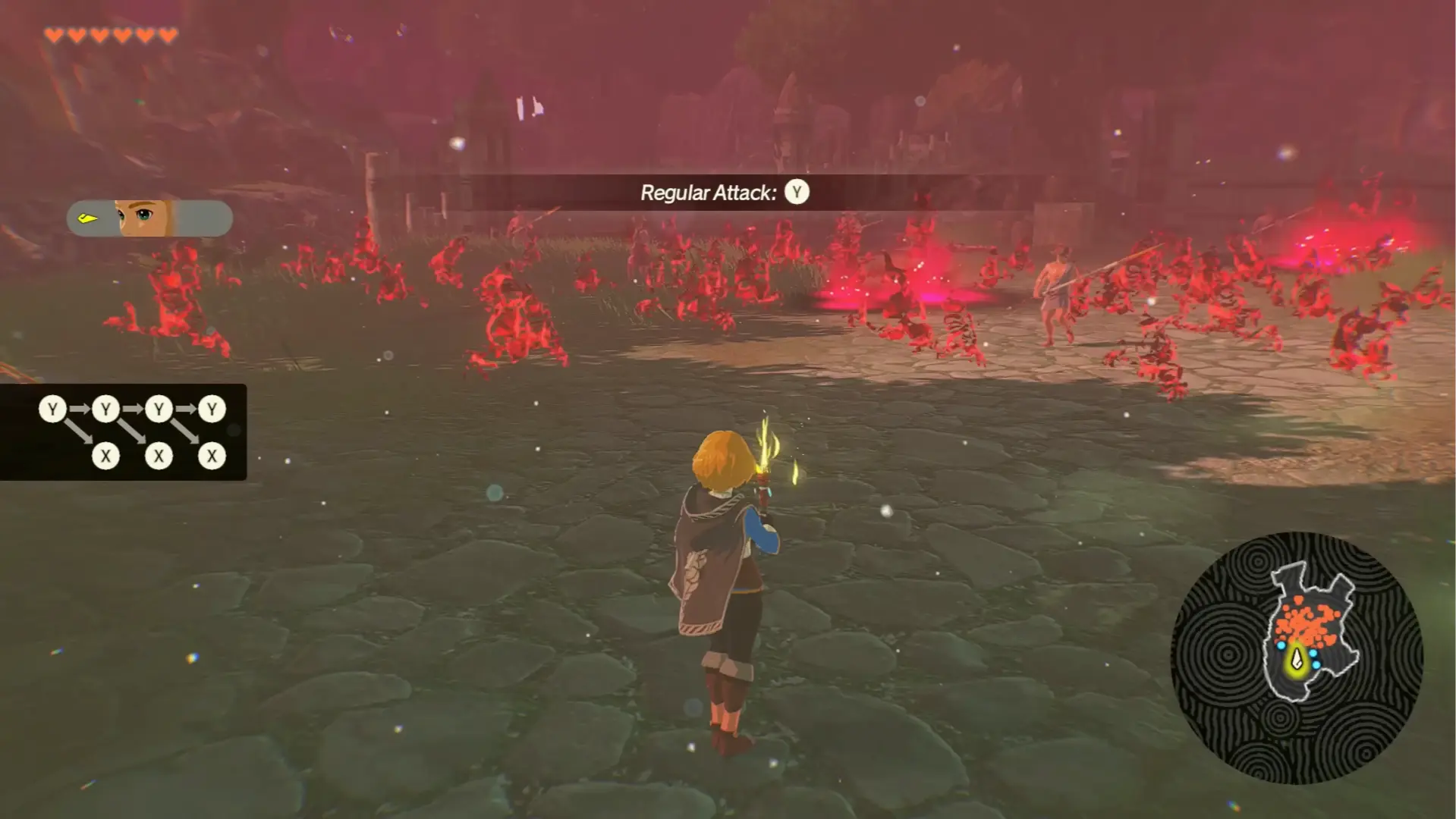
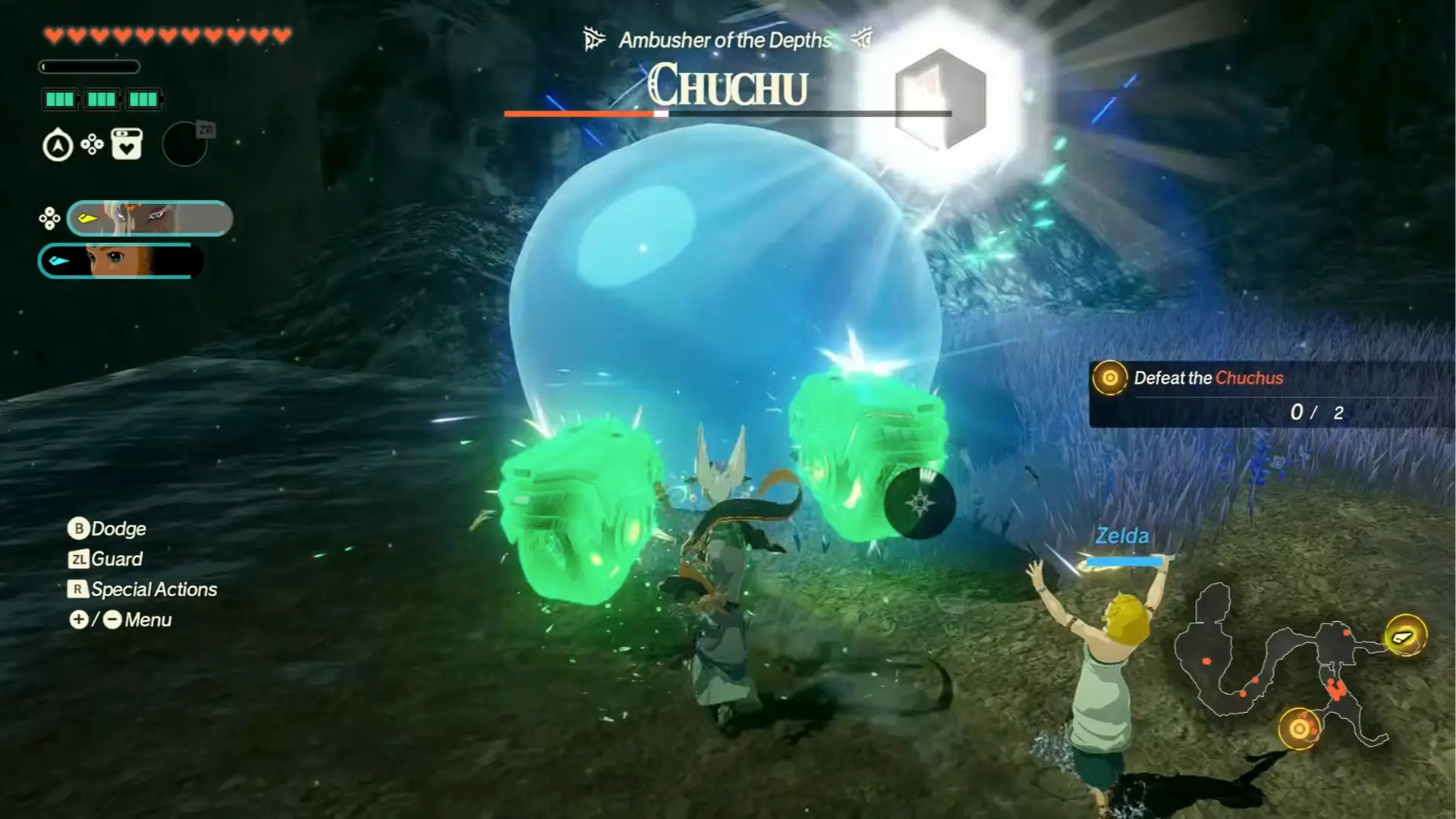
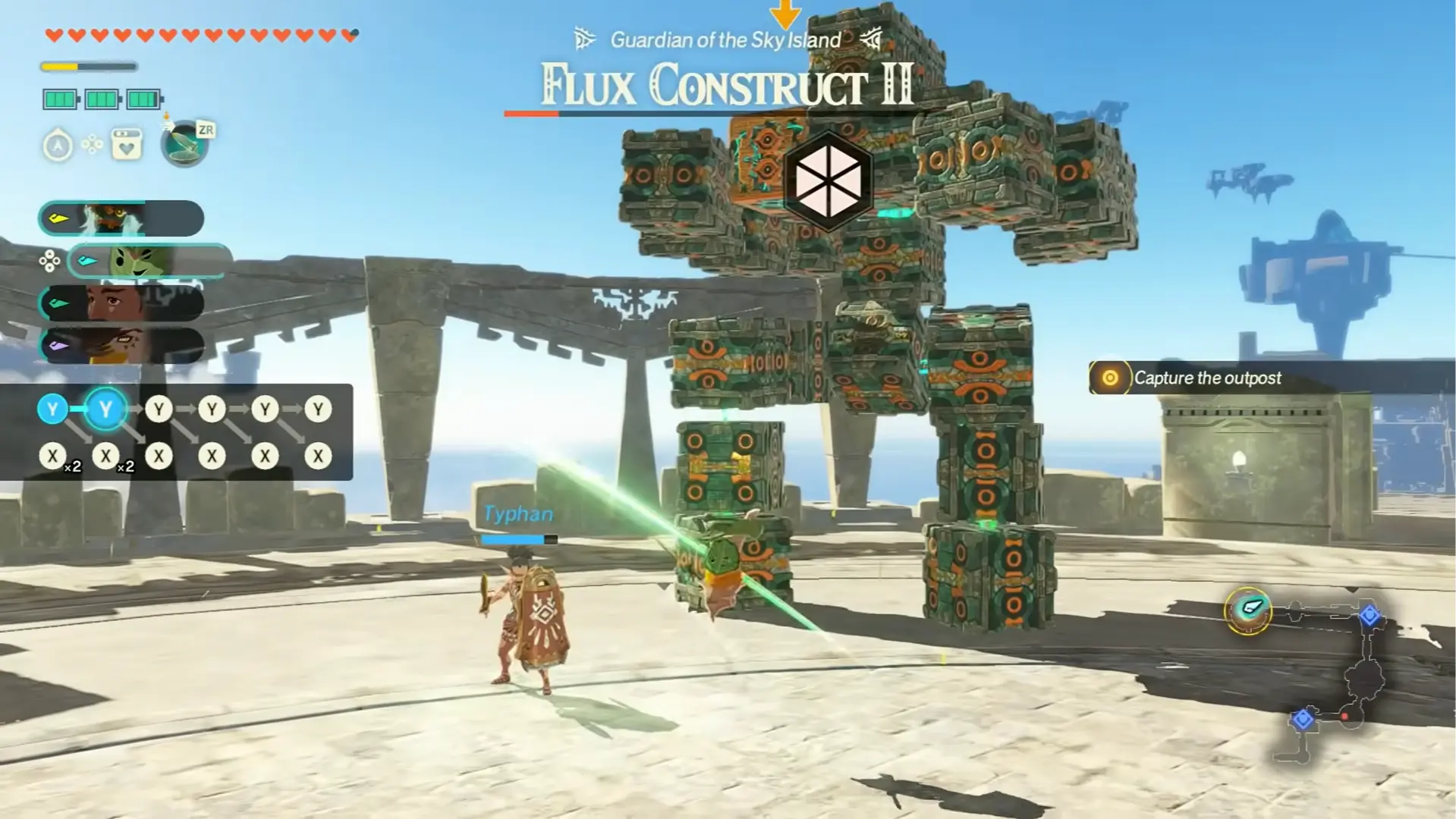
While the foundation remains the visceral, 1-vs-1000 combat loop that defines the Musou genre, Age of Imprisonment introduces significant mechanical enhancements to reflect the unique magic systems of the Tears of the Kingdom era. The defining innovation is the integration of Zonai abilities into the flow of combat.
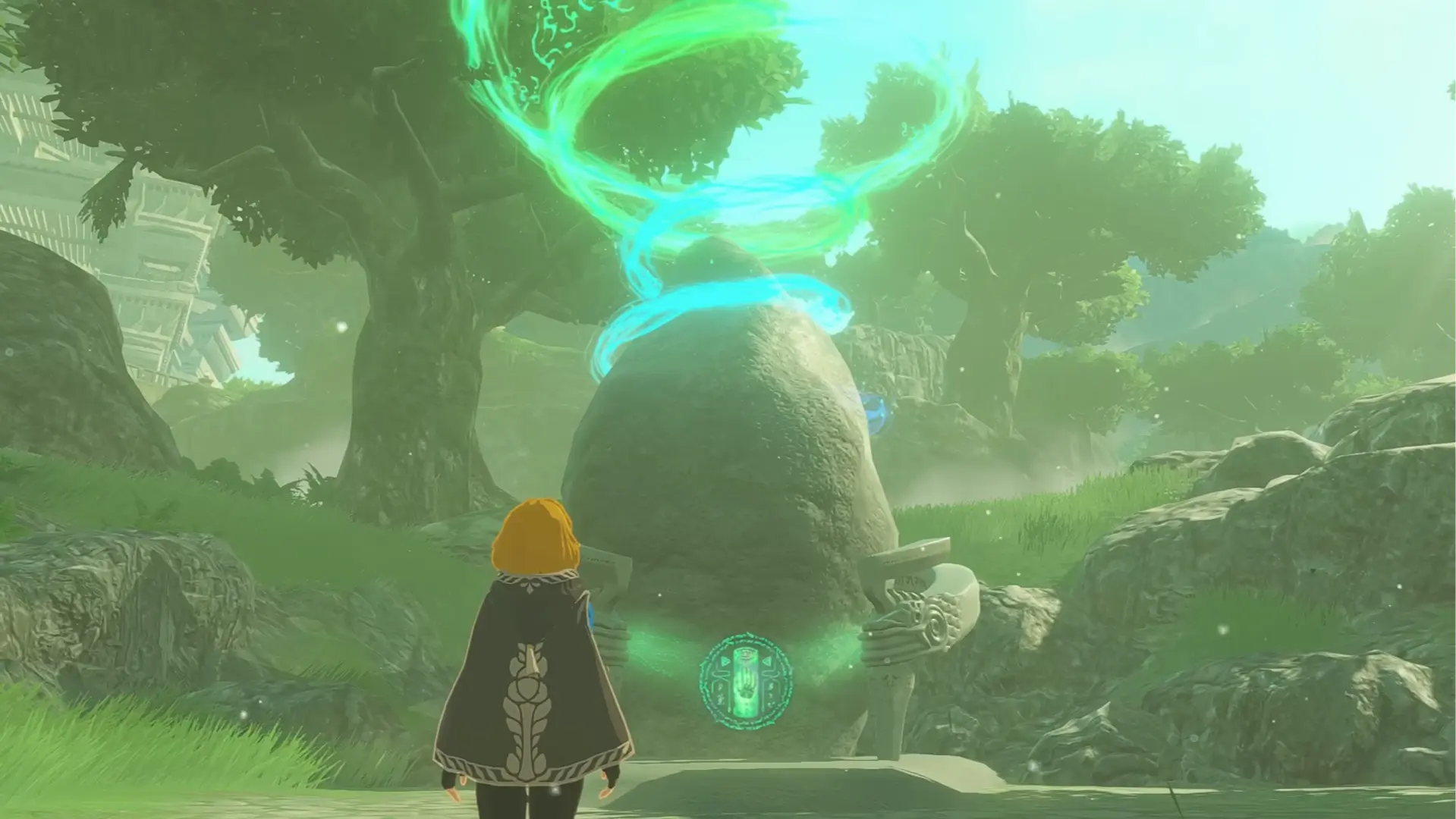
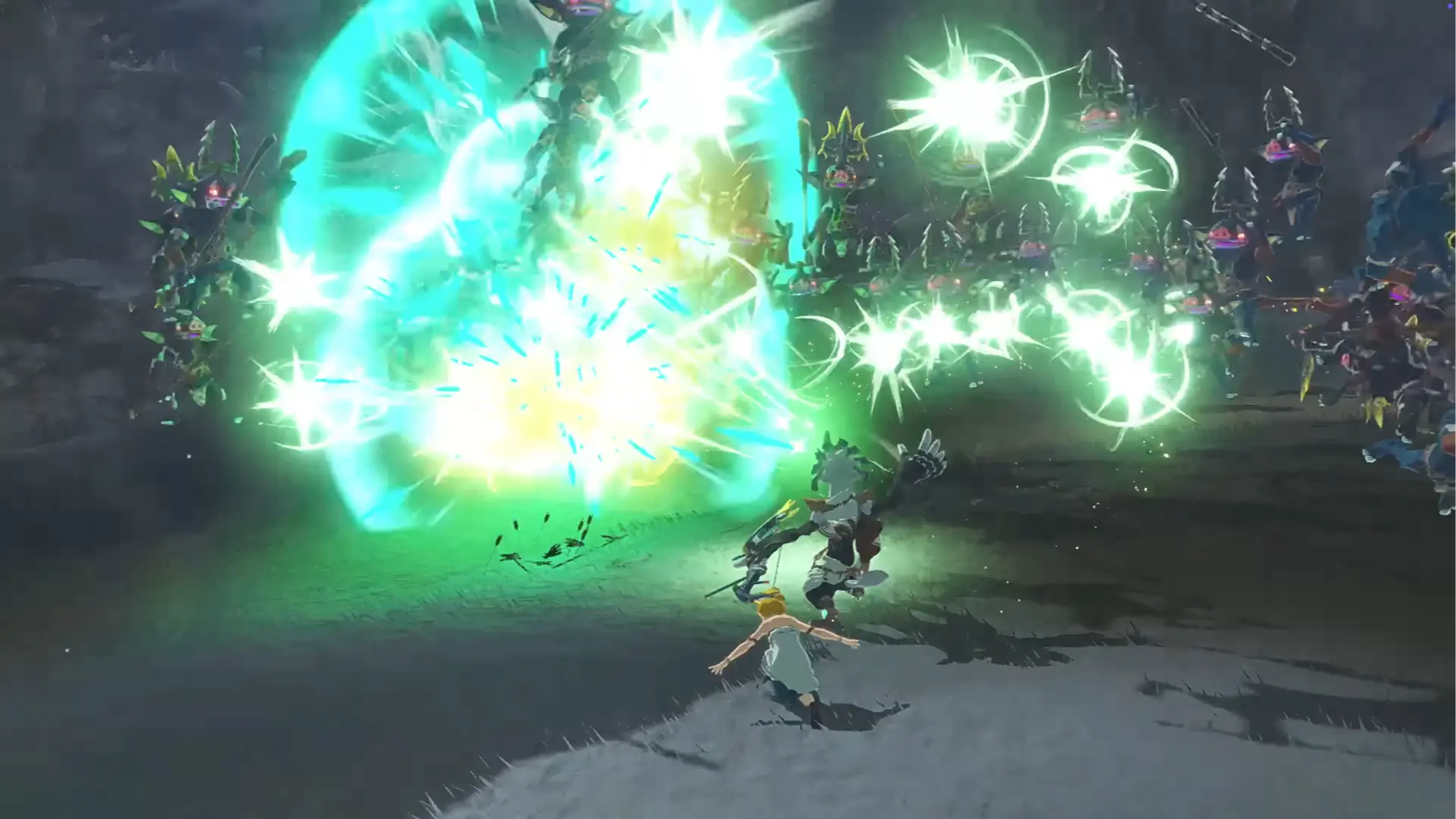
Zelda and Rauru can utilize the Recall ability in real-time. In gameplay terms, this functions as a powerful counter mechanic; incoming projectiles, such as boulders thrown by Bokoblins or energy blasts from Lynels, can be frozen and reversed, turning the enemy's strength against them. Ultrahand mechanics are recontextualized for battlefield control. Players can instantly assemble makeshift barricades, turrets, or bridge crossings using debris scattered across the map, adding a layer of environmental improvisation previously unseen in the genre. The Fuse mechanic also makes an appearance, allowing players to temporarily augment their weaponry with elemental materials dropped by foes, adding fire, ice, or electric properties to their standard combo strings.
Furthermore, the scale of the conflict has been expanded. The battlefields are massive, utilizing the increased processing power of the Nintendo Switch 2 to render thousands of distinct units without performance degradation. This allows for a greater emphasis on strategy; players must manage allied forces across multiple fronts, securing strongholds and directing troop movements to counter Ganondorf’s monstrous lieutenants. The enemy AI has been overhauled to be more aggressive, with "Commander" units coordinating wave attacks that require specific strategies to break. Boss battles against colossal demon beasts—such as the Molduga hordes or the Gleeoks—require the strategic application of Zonai siege weaponry, shifting the gameplay from hack-and-slash to spectacle management.
Audio-Visual Presentation: The Golden Age in Twilight
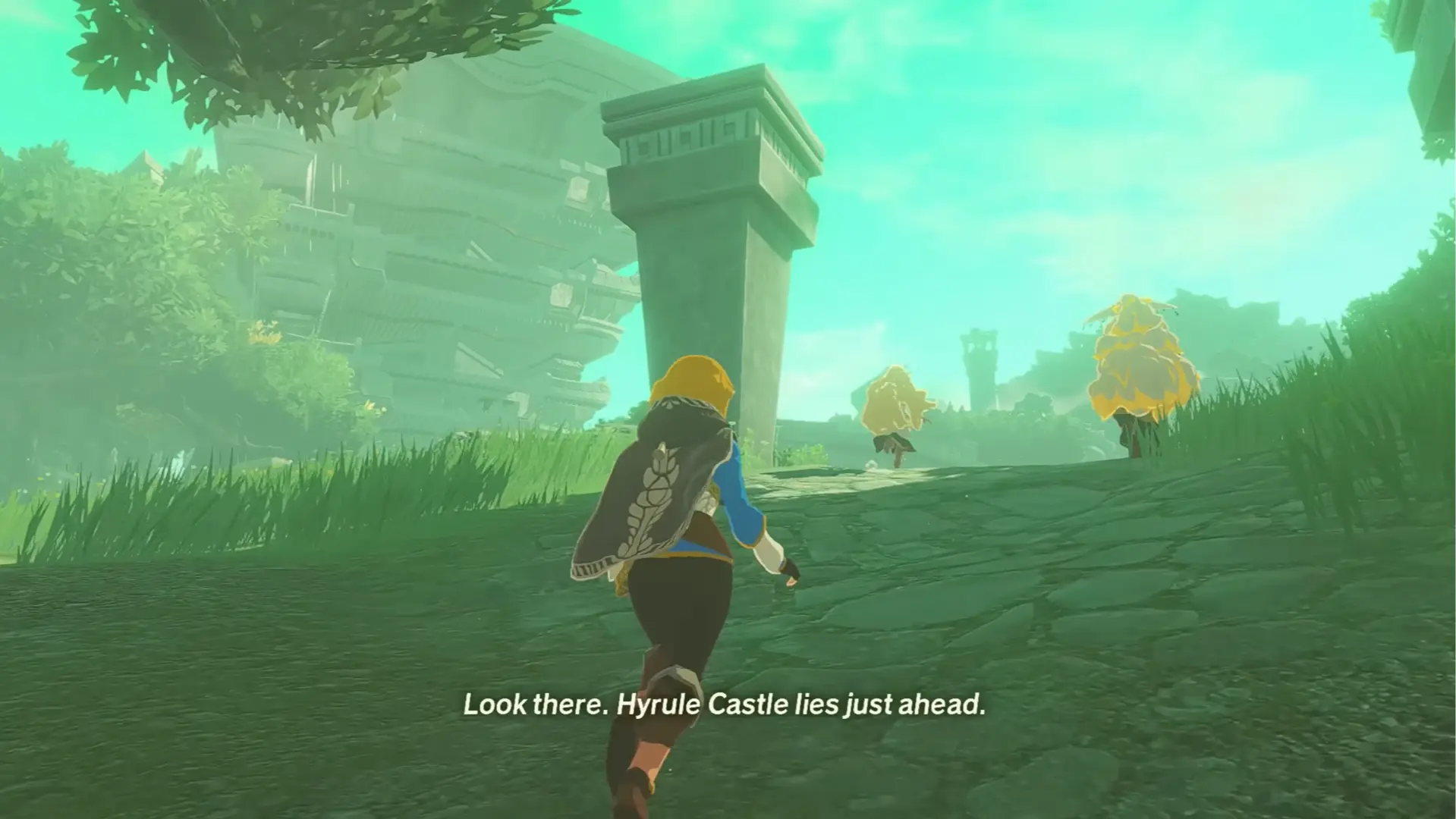
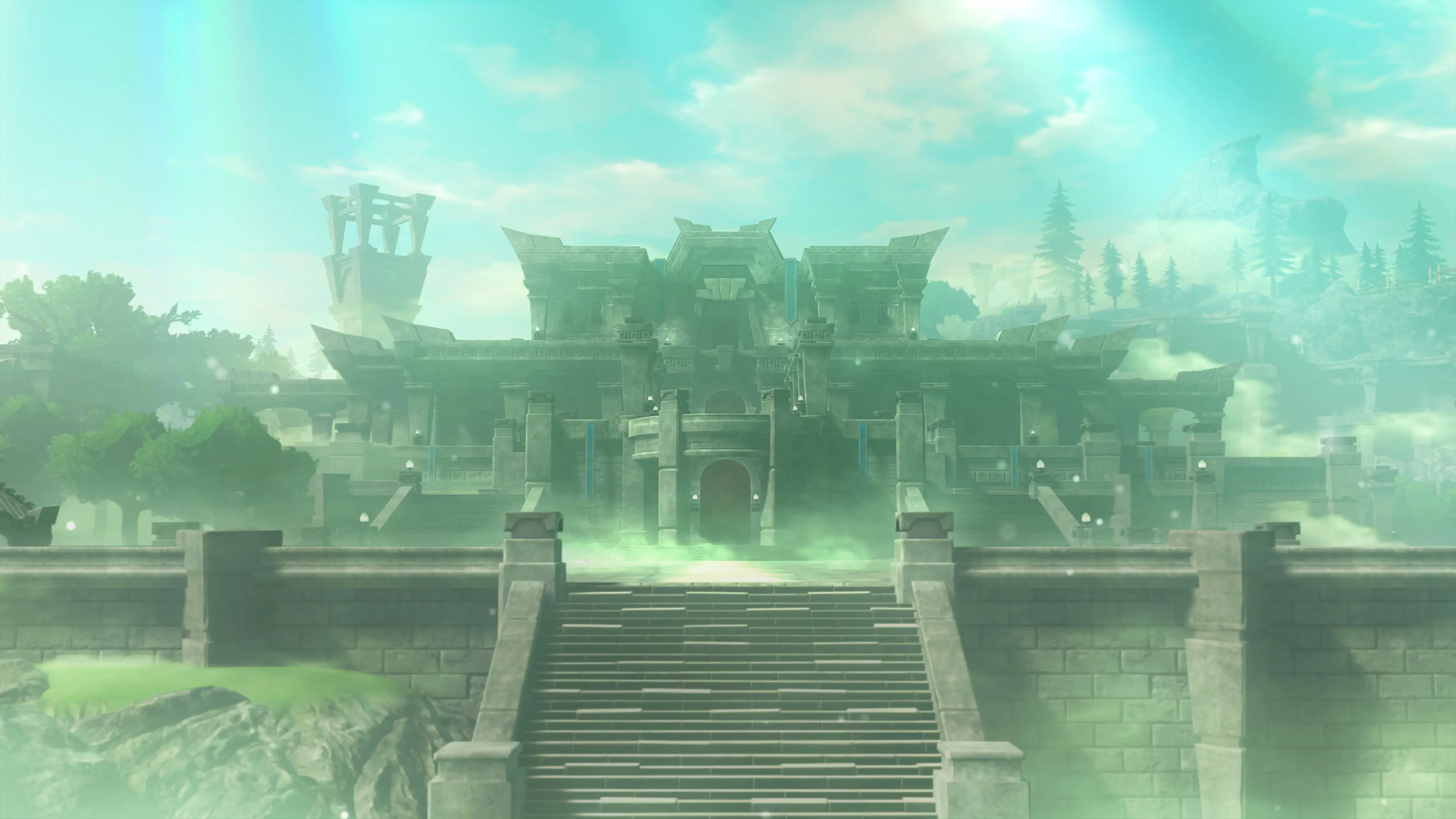
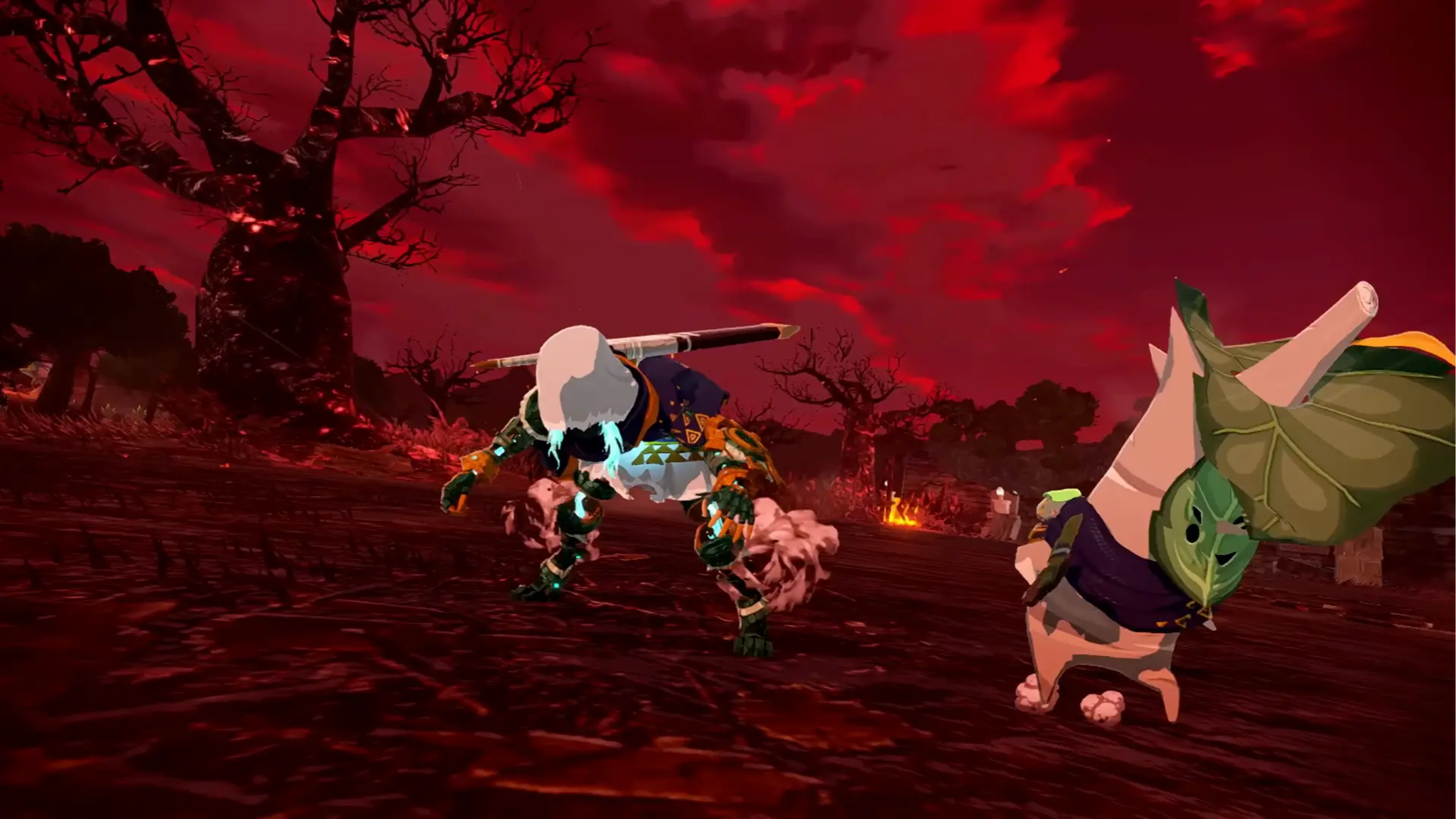
Visually, Age of Imprisonment serves as a technical showcase for Nintendo's new hardware. It maintains the celebrated, painterly aesthetic established in Breath of the Wild and Age of Calamity, but with a notable shift in tone and fidelity. The color palette is richer and more saturated, depicting a Hyrule that is still in its prime—lush, golden, and majestic—yet shadowed by the encroaching twilight of the Demon King's influence. Particle effects are dense and vibrant; the green swirls of Zonai magic and the crimson gloom of Ganondorf’s power clash in spectacular fashion, lighting up the screen with HDR-enhanced brilliance.
The auditory experience is equally grand. The score is a powerful orchestral arrangement that blends new compositions with ancient, primal variations of iconic Zelda themes. The soundscape utilizes traditional instruments—flutes, intense percussion, and choral chants—to evoke a sense of antiquity and myth. The music shifts dynamically with the tide of battle, swelling to triumphant highs when the Sages unite and descending into dissonant, terrifying lows when the Demon King takes the field. Voice acting is fully implemented, with standout performances expected for the central cast, grounding the fantastical events in genuine emotional stakes.
Crucially, the game performance targets a locked 60 frames per second, addressing the primary criticism of Age of Calamity. The fluidity of the animation combined with the sheer number of on-screen enemies creates a sense of kinetic power that is unparalleled in the franchise history.
Conclusion: The Sword That Seals the Darkness
Hyrule Warriors: Age of Imprisonment stands as a pivotal release for the Legend of Zelda franchise. It is more than a simple action diversion; it is a narrative keystone that supports the weight of the modern Zelda timeline. By illuminating the shadowy events of the Imprisoning War, it provides context and pathos to the struggle that defines Hyrule's history.
It is a game that celebrates the legacy of the series while pushing the boundaries of the Musou genre, offering a combat experience that is deep, strategic, and visually arresting. For fans, it offers the rare opportunity to witness the myths of the past come to life, proving that while the hero's journey is solitary, the war for survival is fought by many. It serves as a reminder that the sword that seals the darkness is heavy, and the cost of wielding it echoes through eternity.