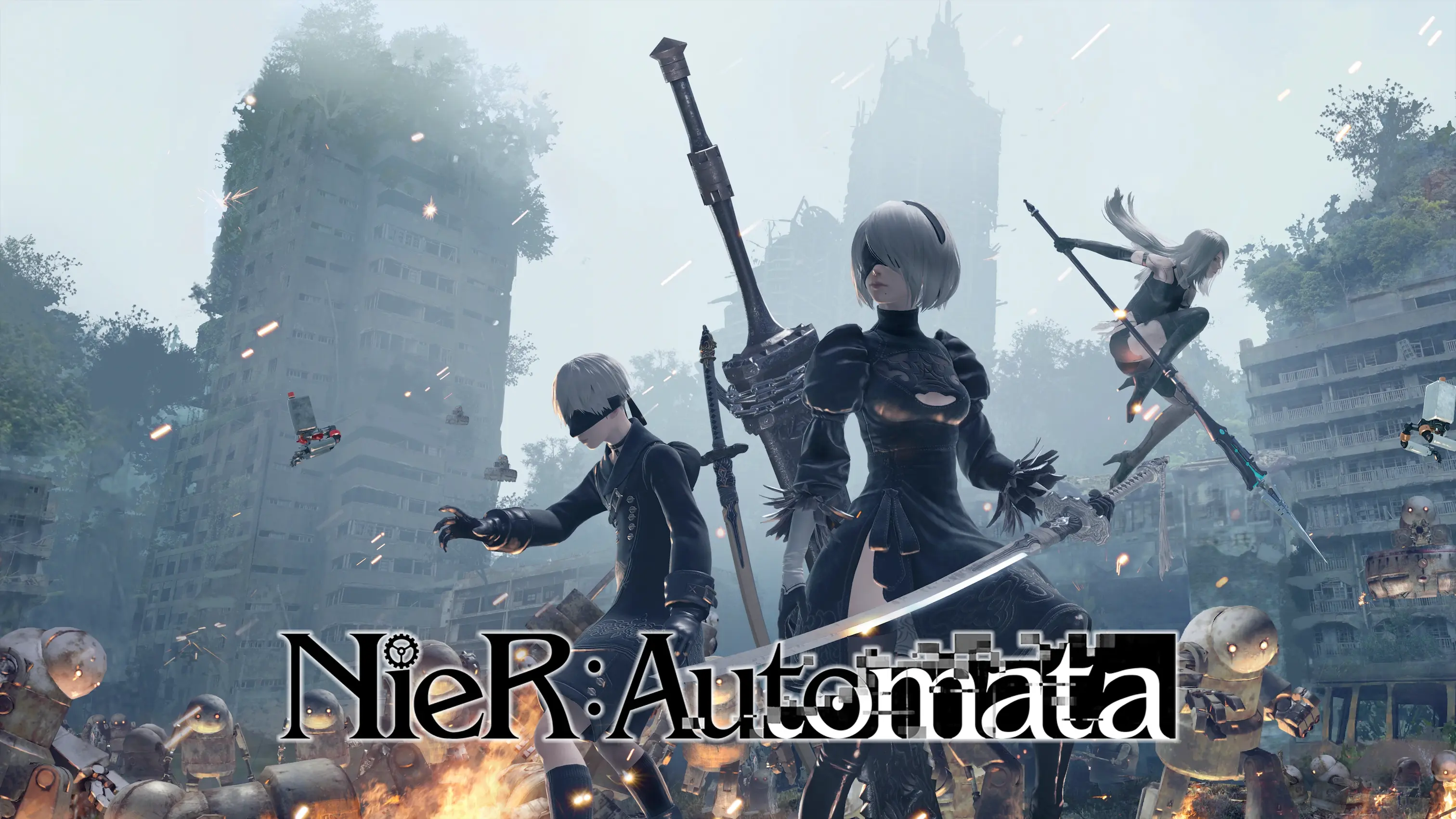
I cannot look at a clear blue sky or a rusted piece of machinery without hearing the haunting, melancholic chords of 'Weight of the World' echoing in the back of my mind. It has been years since I first played NieR: Automata, yet not a single day goes by without my thoughts drifting back to the desolate, overgrown ruins of Earth and the doomed androids cursed to walk upon it. To call this just a video game feels like a catastrophic understatement; it is a psychological evaluation, a philosophical thesis, and an emotional sledgehammer brilliantly disguised as a high-octane Japanese action game. Directed by the eccentric and visionary Yoko Taro, this game did not just entertain me—it fundamentally dismantled my understanding of what storytelling in an interactive medium can achieve.
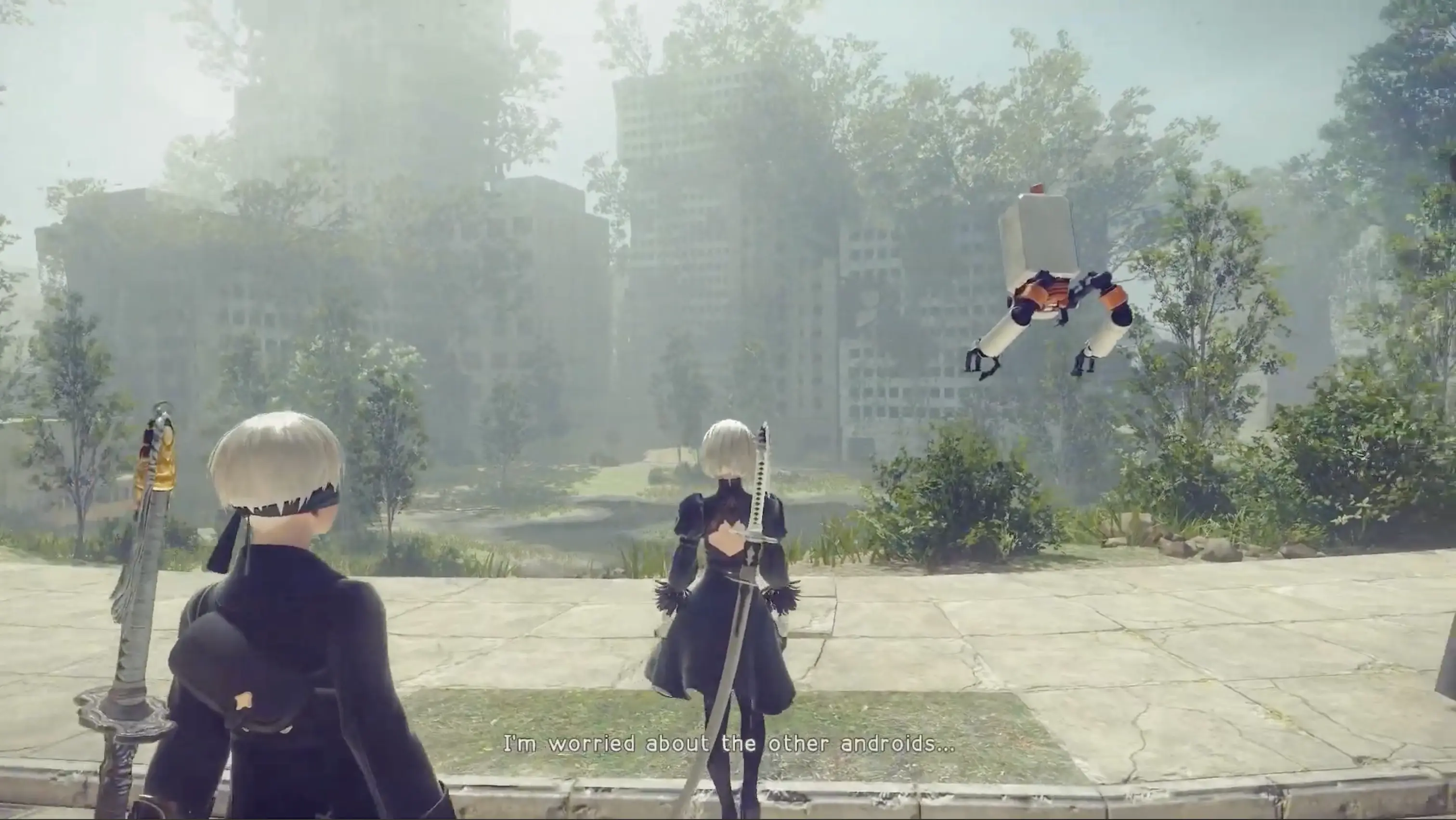
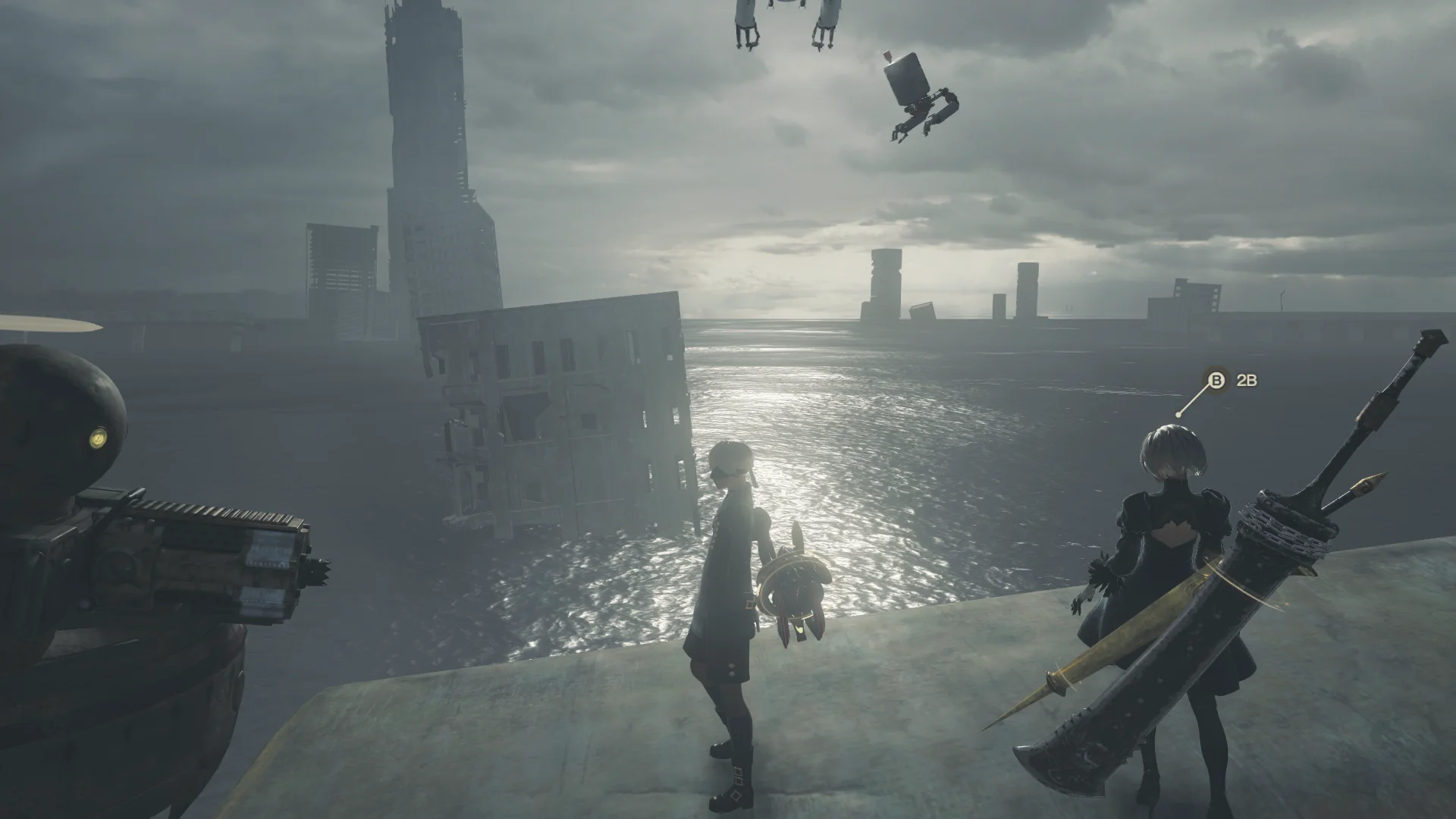
At first glance, it presents itself as a stylish, post-apocalyptic romp where you play as 2B, a breathtakingly elegant combat android, slicing through clunky robot enemies. But that is the trap. The game lures you in with PlatinumGames' signature buttery-smooth combat and stunning visual aesthetics, only to slowly pull the rug out from under you, dropping you into a suffocating abyss of existential dread. I became obsessed. I spent hundreds of hours deciphering every weapon story, exploring every inch of the shattered City Ruins, and plunging into the lore to understand the cyclical nature of this tragic universe. The obsession isn't just about the lore, though; it is about the emotional tether it creates. NieR: Automata demands your empathy in a way that feels almost invasive, forcing you to question the nature of consciousness, duty, and what it truly means to be alive in a world devoid of purpose. I gave this game my heart, and it returned it in pieces.
Gameplay: A Seamless Genre-Defying Ballet
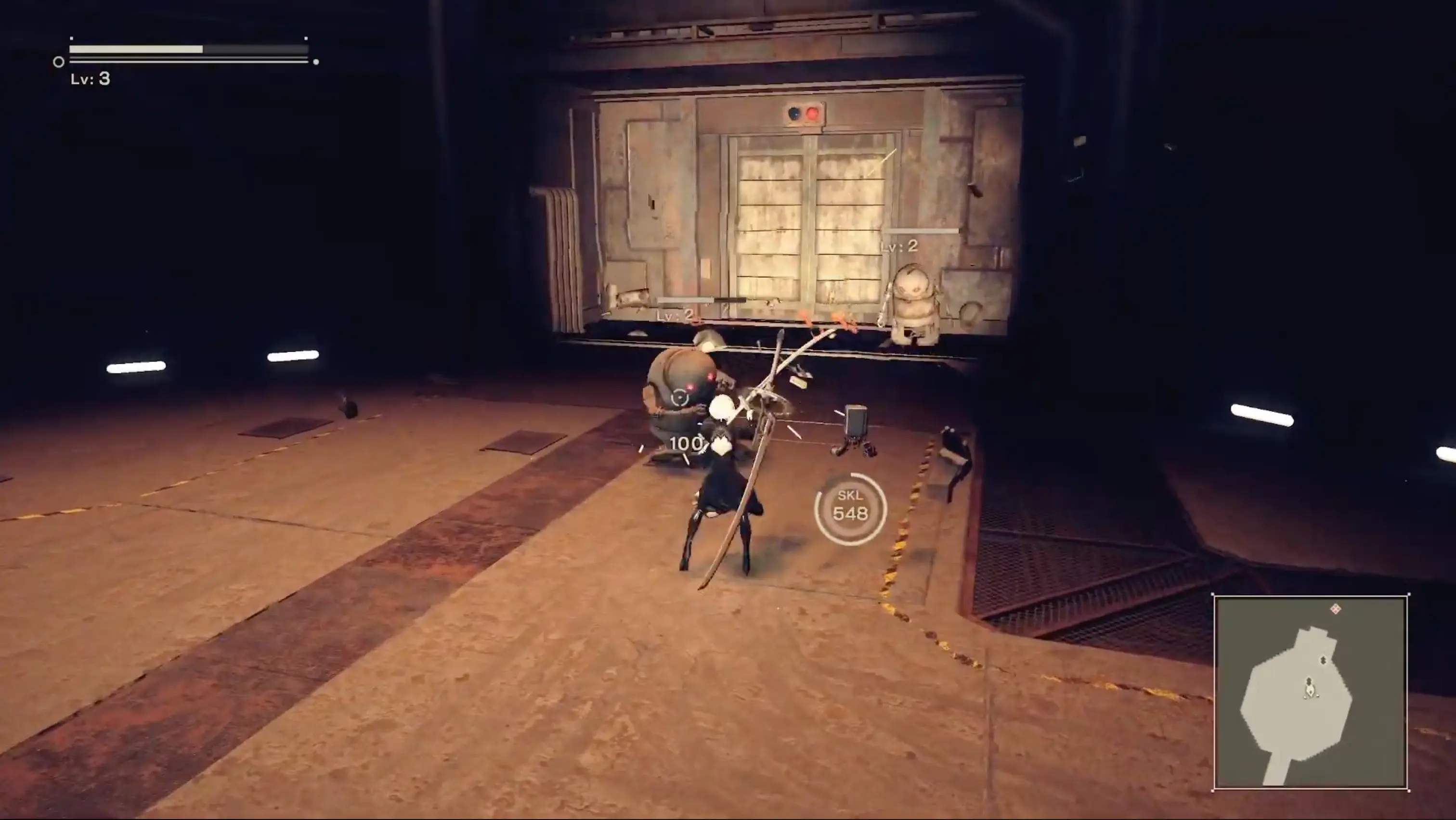
If the narrative is the soul of NieR: Automata, the gameplay is its violently beating heart. PlatinumGames, undisputed masters of the action genre, injected this world with a level of mechanical polish that borders on the miraculous. Combat is a breathtaking, high-speed ballet of steel and sparks. The transitions between dodging, parrying, and unleashing devastating pod-laser combos become second nature, creating a flow state that is deeply, almost dangerously addictive. But what fuels my obsession isn't just the swordplay; it is the sheer audacity with which the game constantly shifts genres.
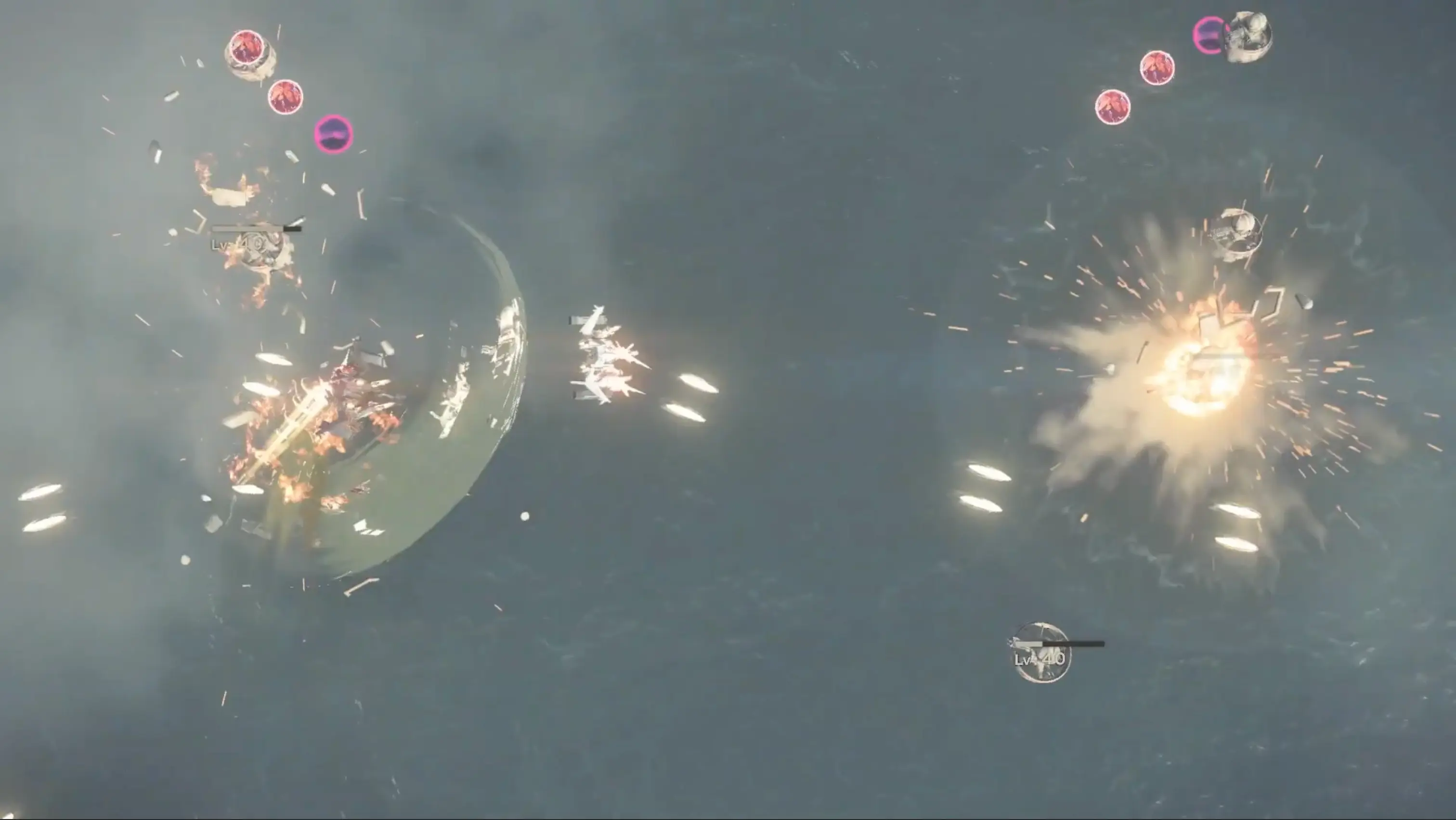
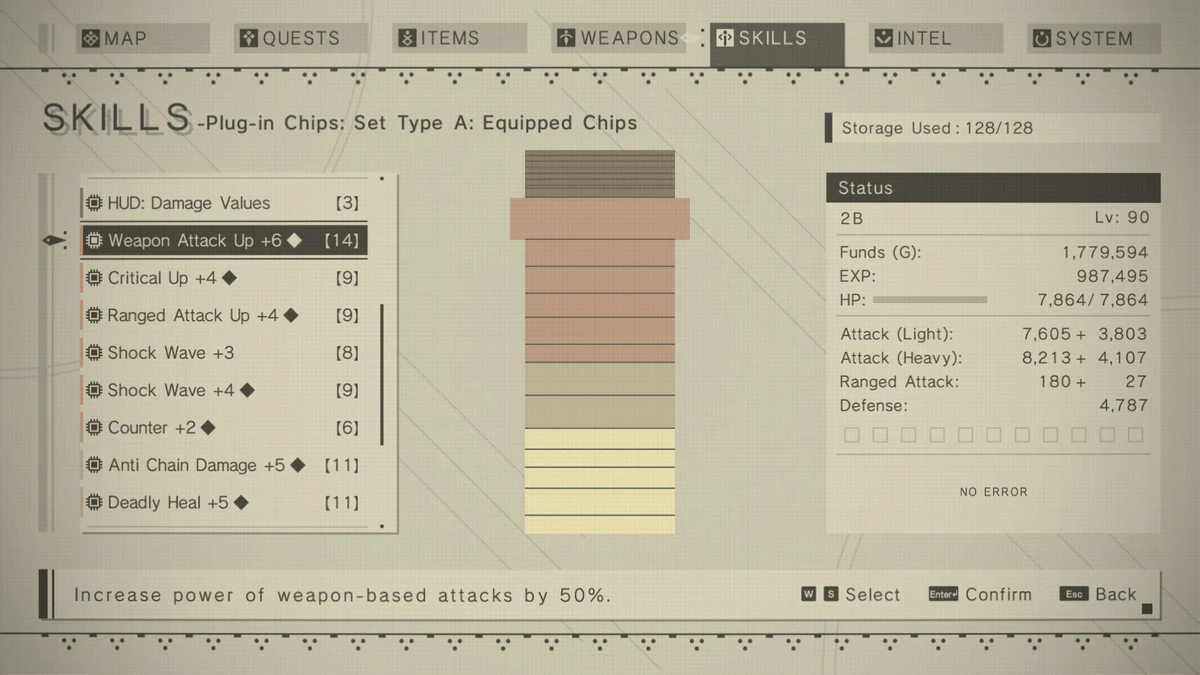
One minute, you are playing a traditional 3D character action game. You turn a corner, the camera dramatically pans above, and suddenly, you are playing a top-down twin-stick shooter. You enter a colossal factory, the perspective locks to the side, and you are navigating a 2D platformer, dodging environmental hazards. When you take control of the scanner android 9S, you hack into enemies, triggering intense, arcade-style bullet-hell minigames reminiscent of classic retro shooters. It sounds chaotic on paper, but the execution is so impossibly seamless that it feels like a natural extension of the androids' combat capabilities. The UI itself is tied into the lore; to optimize your character, you literally install and uninstall plug-in chips into your android's operating system. I spent hours agonizing over chip configurations, agonizing over whether to sacrifice my HUD map and health bar just to squeeze in an extra 5% damage boost. It’s a terrifyingly immersive system that reminds you at every moment: you are a machine, and every function has a physical cost.
Story: The Futility of the Infinite Cycle
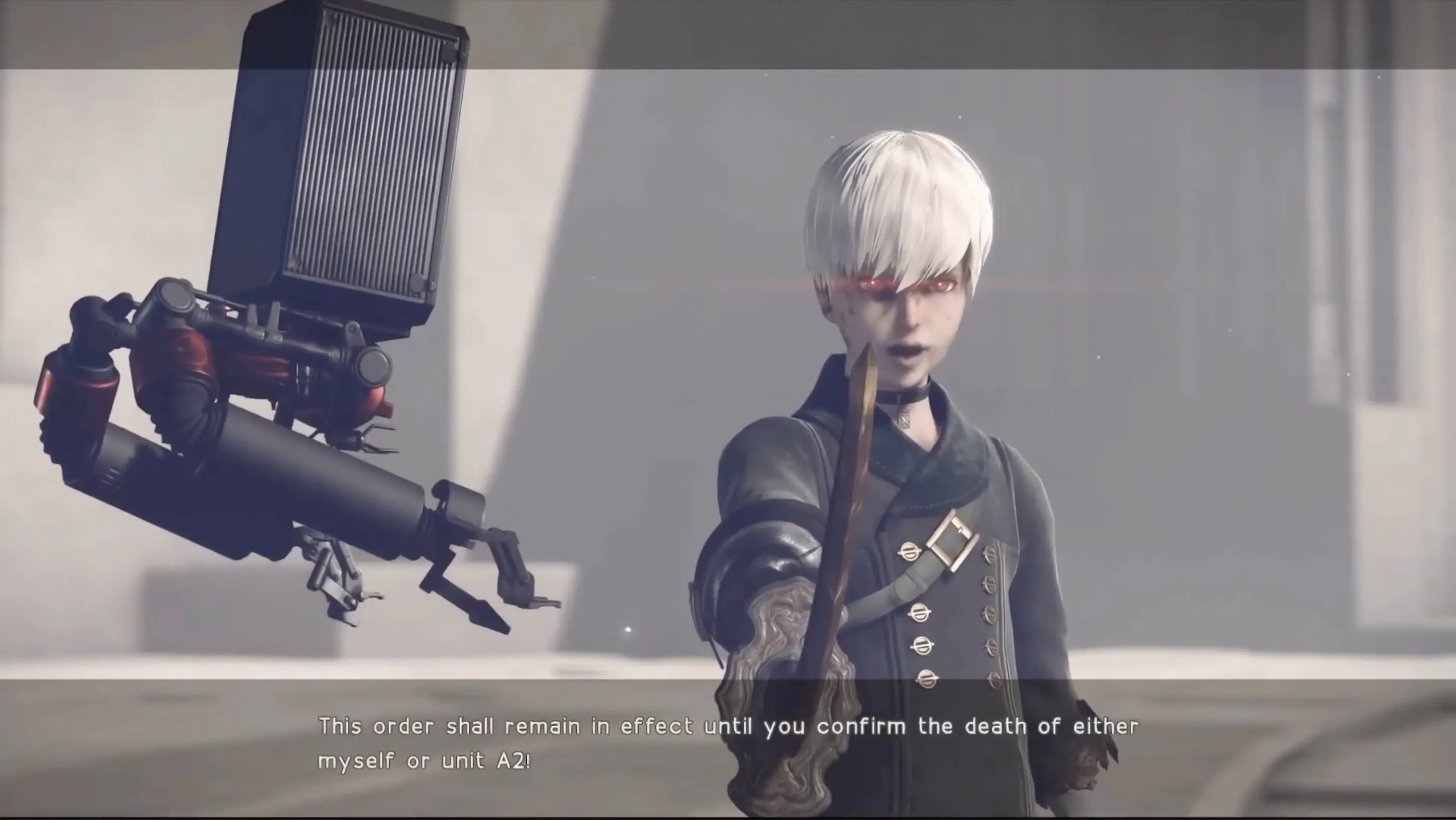
Trying to explain the story of NieR: Automata to an uninitiated person is an exercise in madness. It revolves around a proxy war that has been raging for thousands of years. The androids of YoRHa, stationed on an orbiting bunker, fight for humanity, who have allegedly fled to the moon. They fight against machine lifeforms, created by alien invaders who are nowhere to be found. It is a war where both the creators and the original combatants are long gone, leaving their creations to slaughter each other in a desperate, tragic search for meaning. I have spent countless sleepless nights dissecting the tragic arc of 9S, whose journey from a cheerful, inquisitive scout to a grief-stricken, vengeance-fueled phantom is one of the most harrowing character studies in fiction.
The true brilliance of Yoko Taro’s storytelling is how it utilizes the concept of multiple playthroughs. When the credits roll for the first time—Ending A—you have barely scratched the surface. The game forces you to start over, playing the same timeline from 9S's perspective, uncovering horrifying truths hidden just beneath the surface. And then comes Route C. Route C doesn't just continue the story; it burns everything you love to the ground. The narrative takes a devastating left turn into absolute despair, exploring themes of nihilism, religious fanaticism among machines, and the crushing burden of memory. I found myself sobbing violently at 3 AM as the game mercilessly stripped away the heroes' sanity and purpose. It is a masterclass in interactive tragedy, proving that video games can explore philosophical concepts with a depth and emotional resonance that cinema and literature could never replicate.
Atmosphere & Music: The Sound of a Broken World
You cannot discuss NieR: Automata without bowing in reverence to its soundtrack. Composed by the legendary Keiichi Okabe, the music is not just background noise; it is the lifeblood of the universe. It is an obsession all on its own. I own the vinyl records, the orchestral concert blu-rays, the piano collections—I consume this music like oxygen. The score uses a fictional 'Chaos Language', blending French, English, Japanese, and Gaelic to create vocals that sound hauntingly familiar yet entirely alien, perfectly mirroring the androids' attempts to mimic a lost humanity.
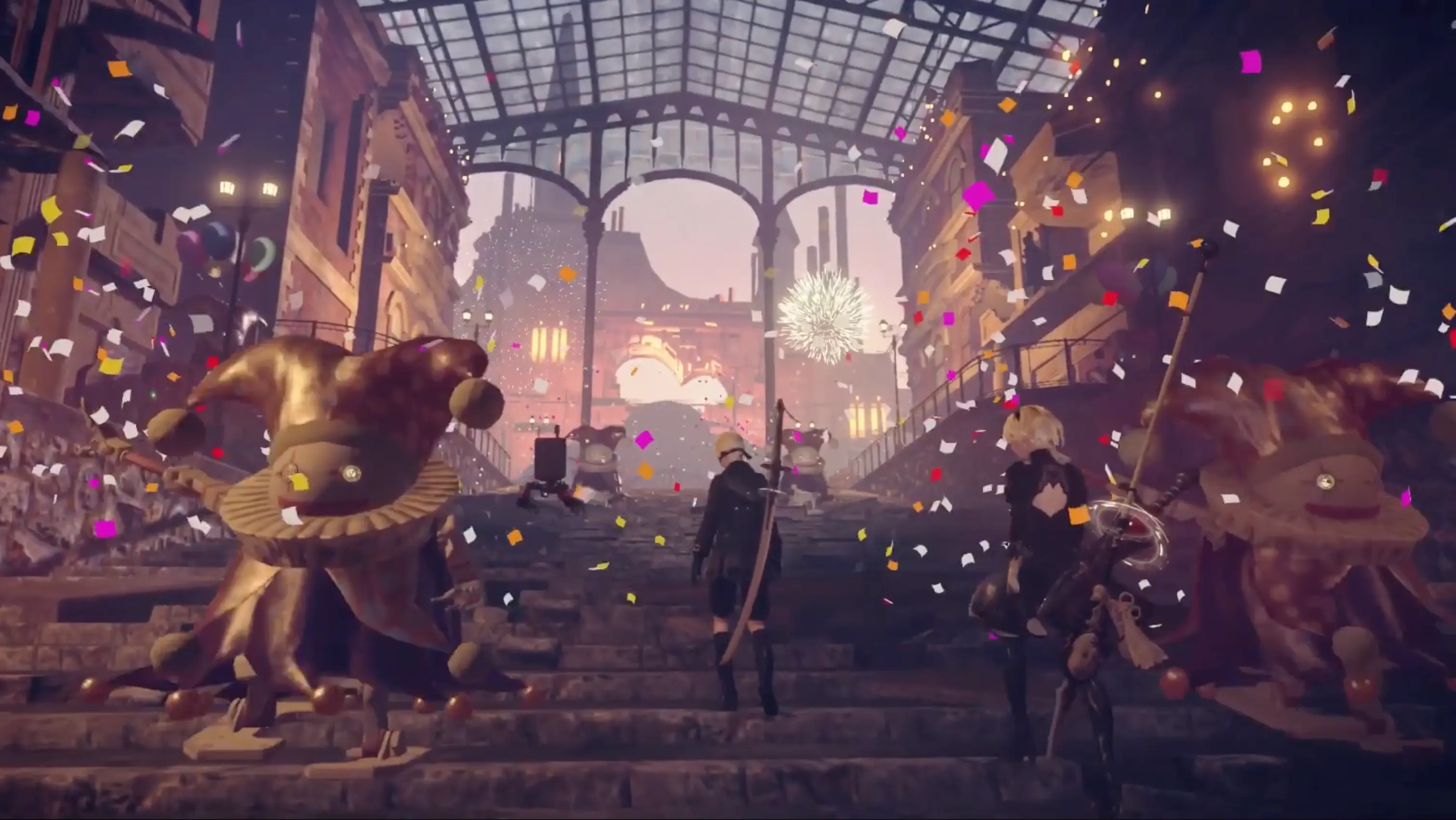
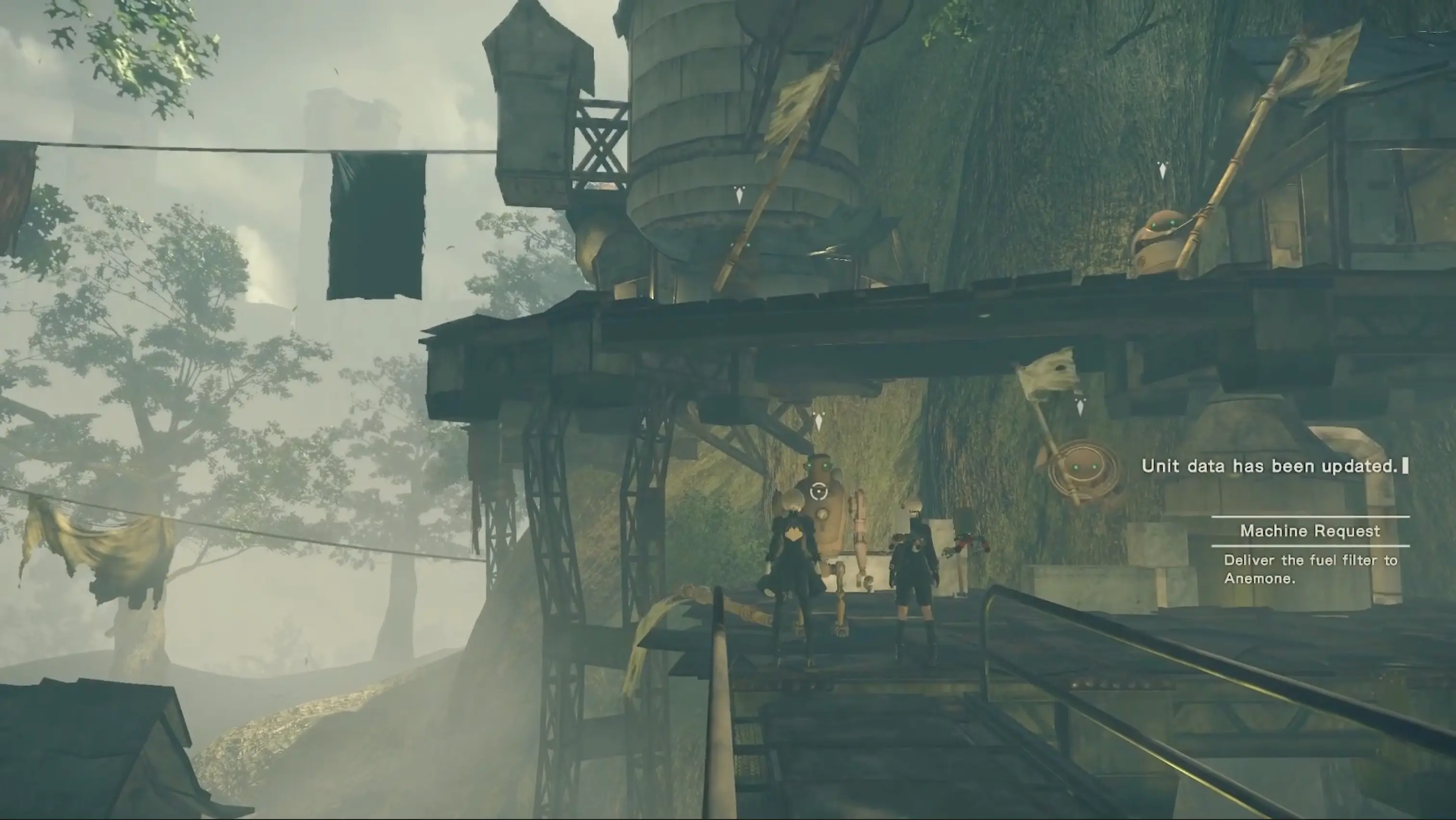
The atmosphere is relentlessly oppressive yet heartbreakingly beautiful. Walking into Pascal's Village for the first time—a commune of pacifist machines waving white flags and raising machine children—while a gentle, acoustic melody plays, instills a profound sense of cognitive dissonance. You were built to kill them, yet they are more 'human' than the androids. The environment tells a story of decay and reclamation; rusted rollercoasters choked by vines, a flooded city swallowed by the sea, and an expansive, sun-bleached desert where machines hopelessly try to mimic human courtship. Every location is drenched in sorrow, and the dynamic music engine shifts seamlessly from quiet, solitary exploration to thunderous, operatic choirs the moment a boss fight initiates. The world is empty, deeply tragic, yet so incredibly mesmerizing that you willingly choose to lose yourself in its ruins.
Conclusion: The Ultimate Sacrifice of Ending E
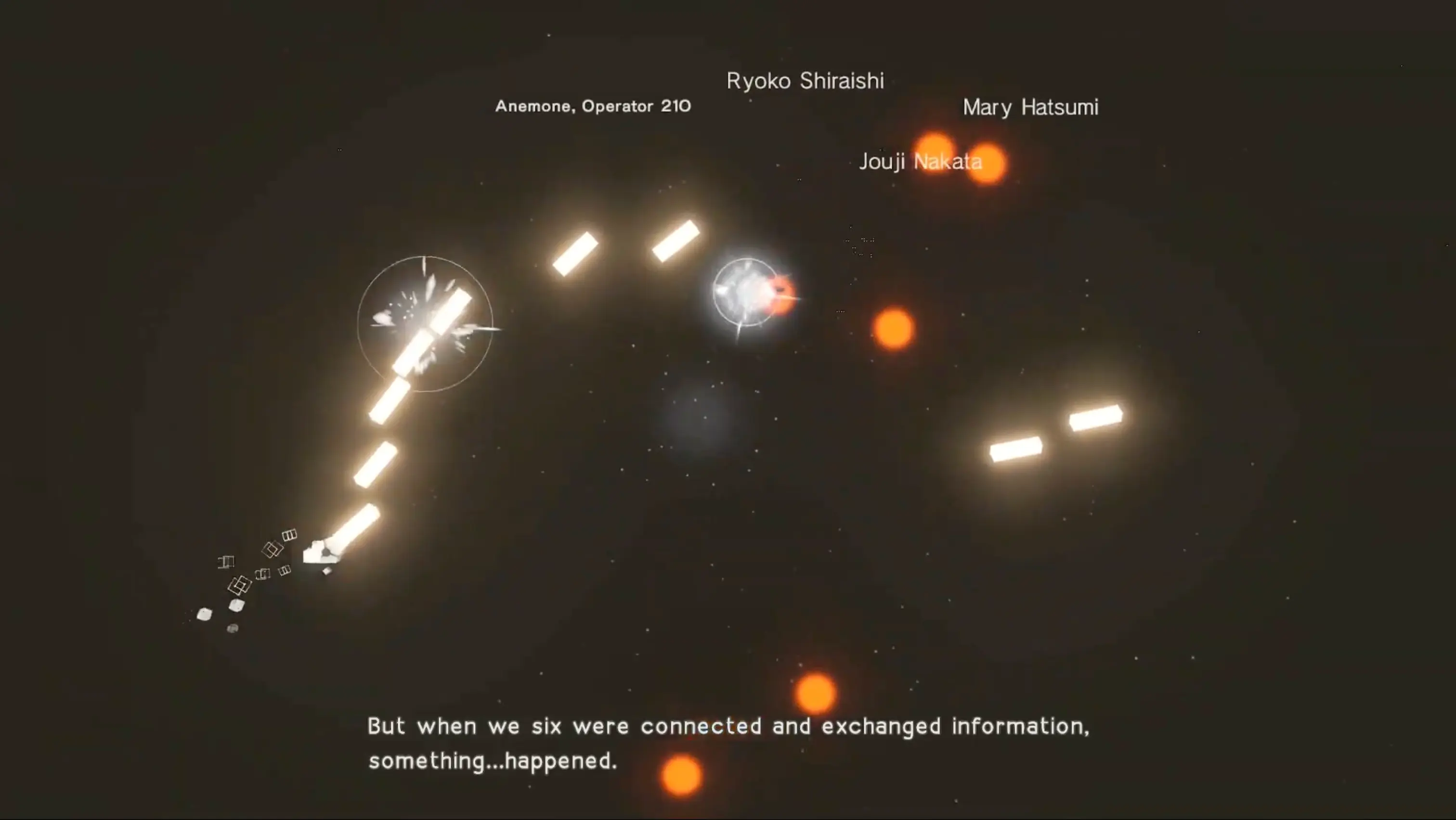
To truly understand the obsession surrounding NieR: Automata, one must experience its true ending, Ending E. I will never forget the moment it happened. After dozens of hours of pain, loss, and nihilistic despair, the game breaks the fourth wall in the most spectacular, emotionally overwhelming way imaginable. You are thrust into a literal bullet-hell battle against the game's own end credits, fighting the very developers to secure a hopeful future for the characters. It is impossibly difficult. You will die repeatedly. But then, you start receiving messages of encouragement from other real-world players who have suffered through the same journey.
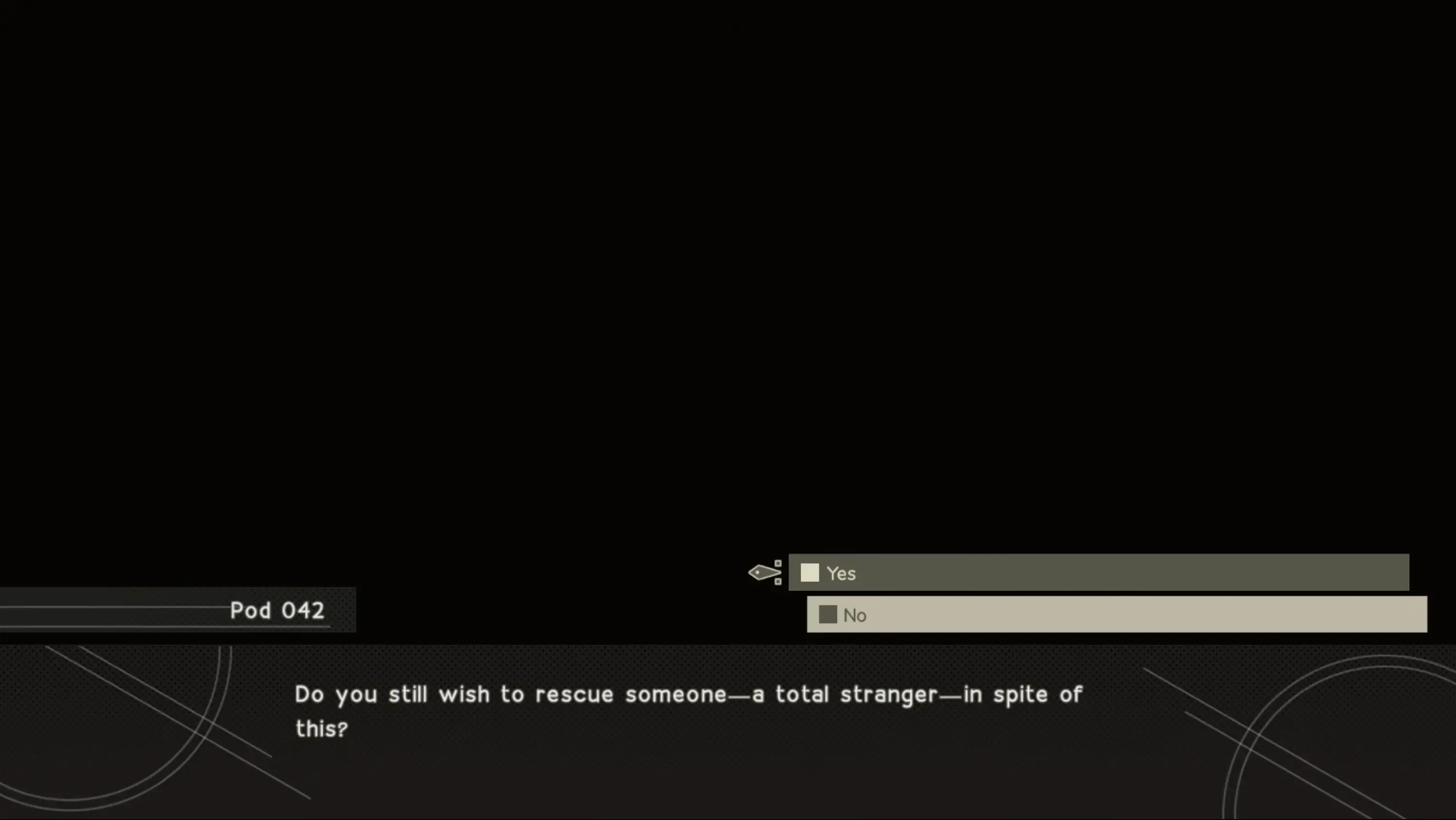
Then, the game offers you a choice. To help another struggling player reach the end, you can sacrifice your own save data. Everything. Your levels, your weapons, your 100 hours of agonizingly earned progress—deleted permanently, just to become a shield for a complete stranger. I sat in silence for twenty minutes, tears streaming down my face, before pressing 'Yes.' Watching the game systematically wipe out my interface, my menus, and my history was the most profoundly beautiful experience I have ever had in a video game. It taught me that even in a meaningless, cyclical world of pain, the simple act of choosing to help another person gives existence value. NieR: Automata is not a game you play; it is an event you survive. It is a transcendent, perfect masterpiece, and I will spend the rest of my life trying to fill the void it left behind.
Review Score
Based on overall narrative, gameplay, and experience.