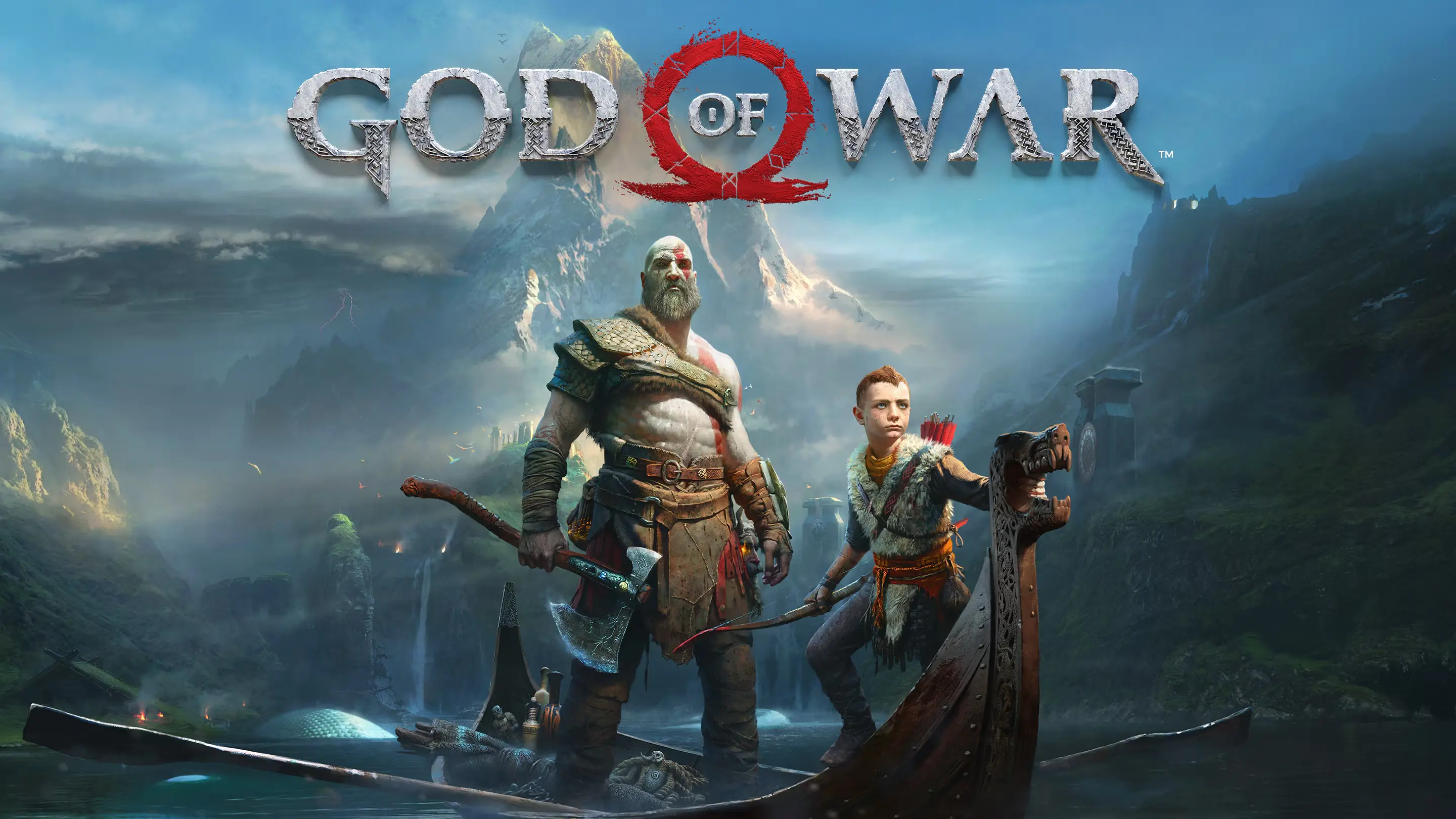
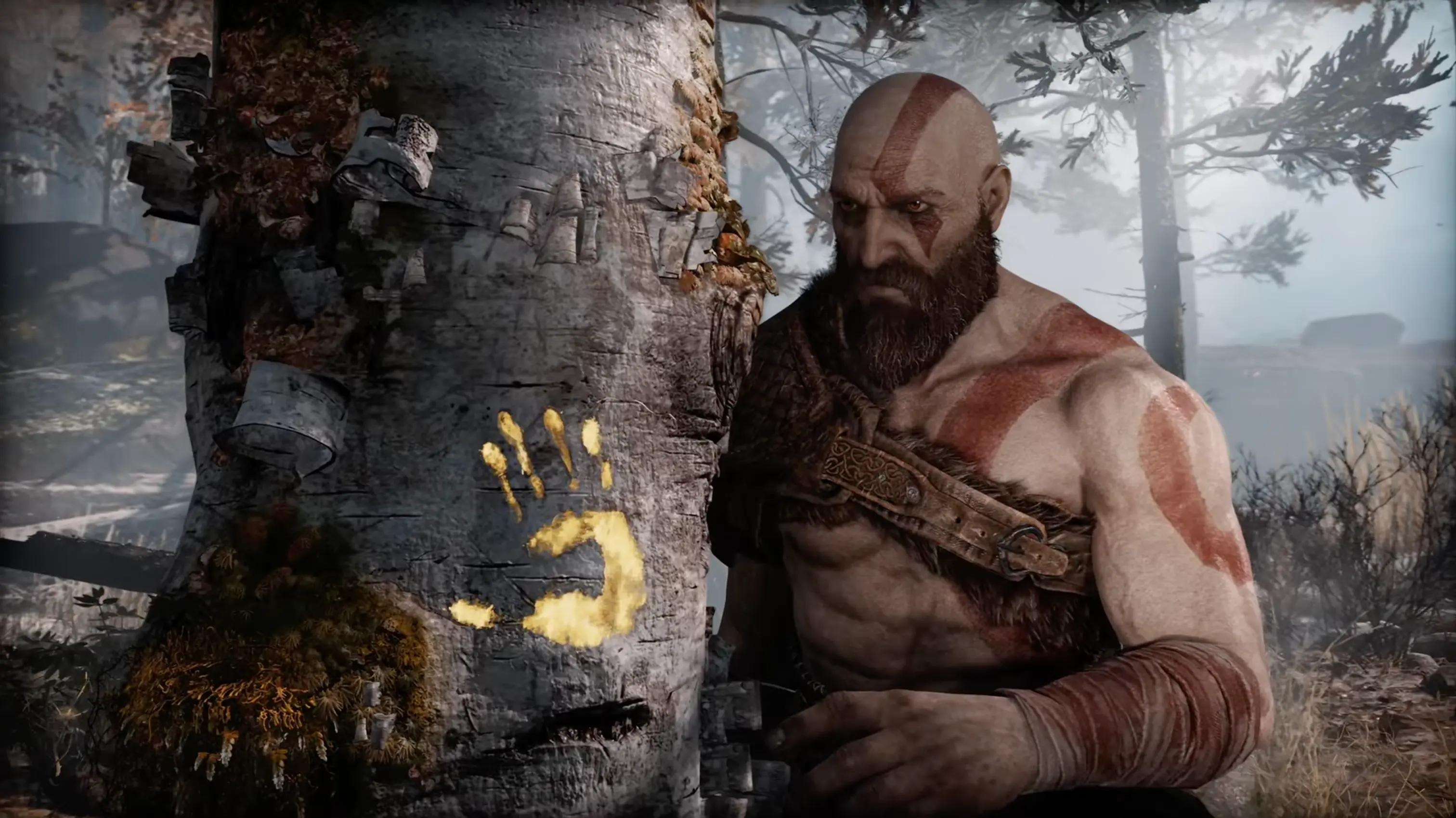
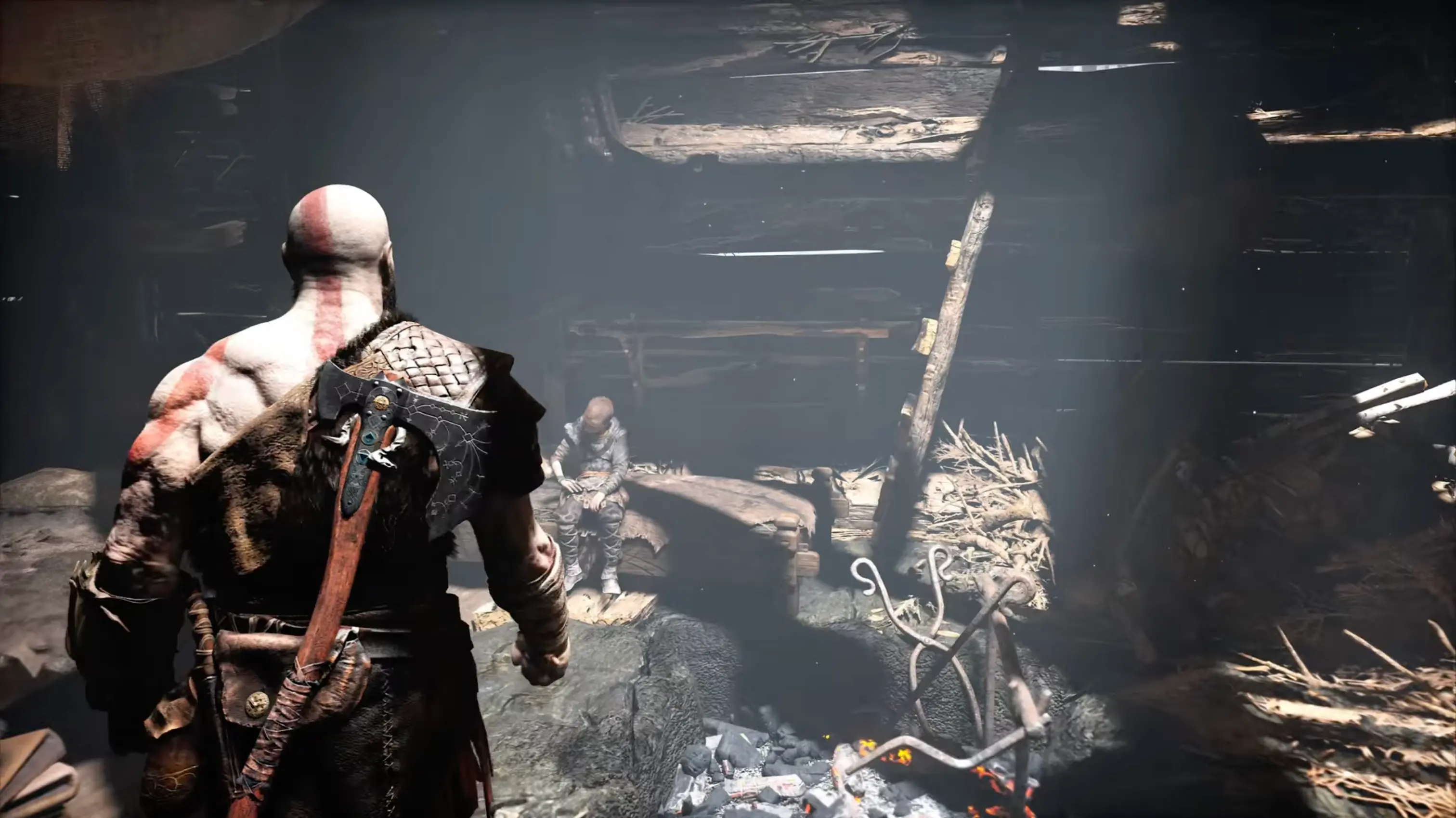
There is a very specific, quiet agony in starting God of War (2018) for the first time. I have restarted this game on my PlayStation 4, and later my PlayStation 5, no less than fourteen times. I am completely, irrecoverably obsessed with the opening twenty minutes. You don't start by killing a hydra or pulling down a god; you start by chopping down a tree. The sheer physical weight of Kratos swinging that axe, the deep, resonant thud of the wood splintering, and the somber silence of his grief instantly commanded my absolute reverence. From the exact moment the game begins, it utilizes a flawless, unbroken, one-shot camera technique that never cuts away. Not once. I have literally spent hours analyzing the cinematography of this game, marveling at how Santa Monica Studio managed to seamlessly transition from cinematic dialogue to brutal gameplay without a single loading screen or camera cut.
This isn't just a soft reboot; it is a profound deconstruction of one of gaming's most violently one-dimensional characters. Kratos, the Ghost of Sparta, is older, heavier, and drowning in the crushing regret of his Greek past. He is trying to hide his godhood, living as a mortal man in the harsh, pre-Viking Norse wilds. I found myself walking at a painfully slow pace just to observe the hyper-realistic rendering of the leather on his armor and the weary slump of his shoulders. The developers didn't just give him a beard; they gave him a soul. When he reaches out to comfort his son, Atreus, and his hand hovers, hesitating, unable to bridge the emotional distance, it shattered me. The obsession began right there. I knew I wasn't just going to play this game; I was going to live inside it.
Gameplay: The Mathematical Perfection of the Leviathan Axe
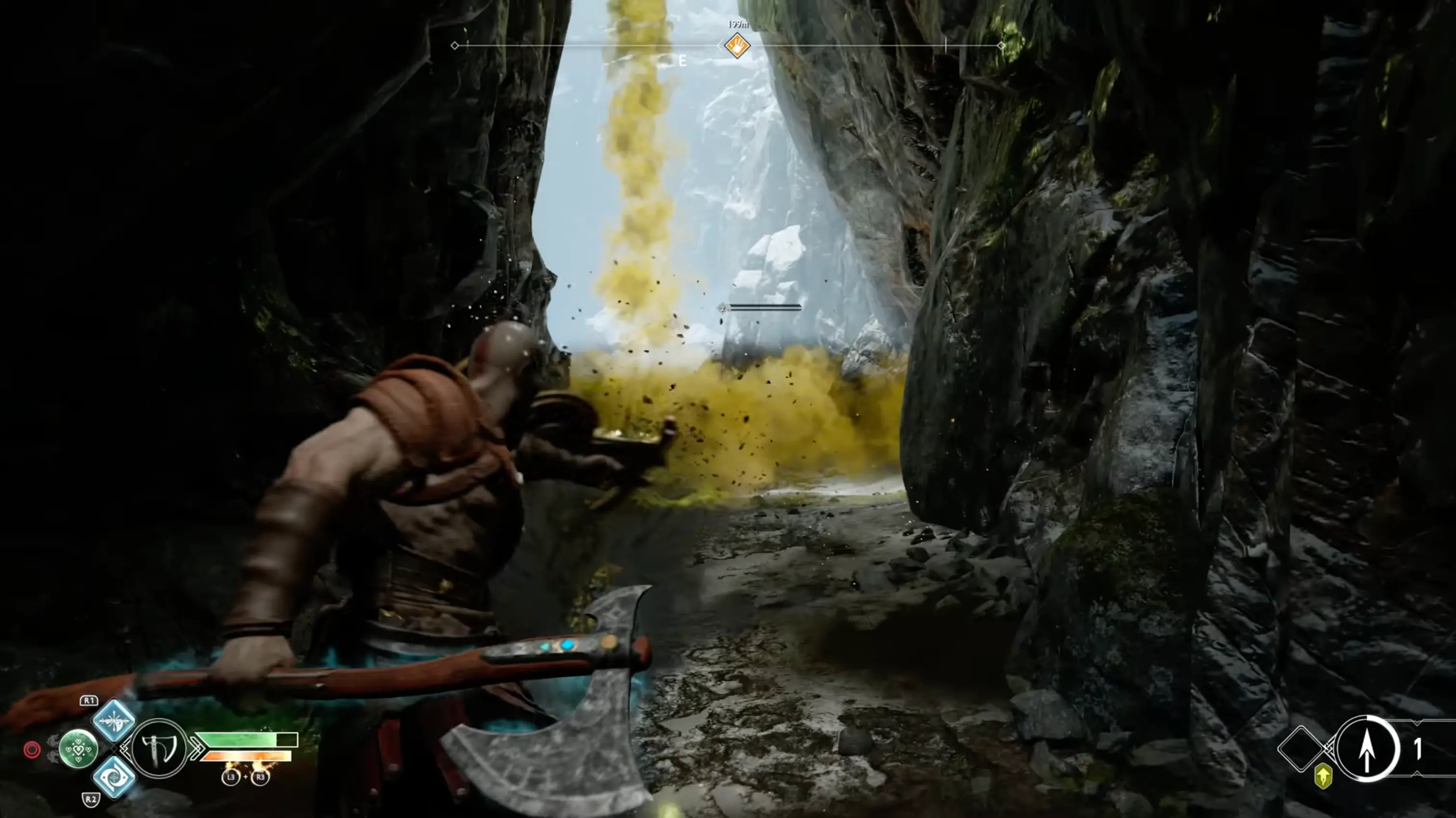
If I could physically marry a video game mechanic, I would marry the Leviathan Axe. I say this with absolutely zero exaggeration: it is the greatest weapon ever coded into a video game. I have, on multiple occasions, stood in an empty clearing in Midgard for thirty consecutive minutes just throwing the axe at a rock and pressing the Triangle button to recall it, entirely to feel the heavy, satisfying thwack as it snaps back into Kratos's hand. The haptic feedback on the controller is engineered to psychological perfection. But the combat is so much deeper than a satisfying recall. It is a brutal, high-IQ puzzle of crowd control, elemental runic attacks, and staggering enemy AI.
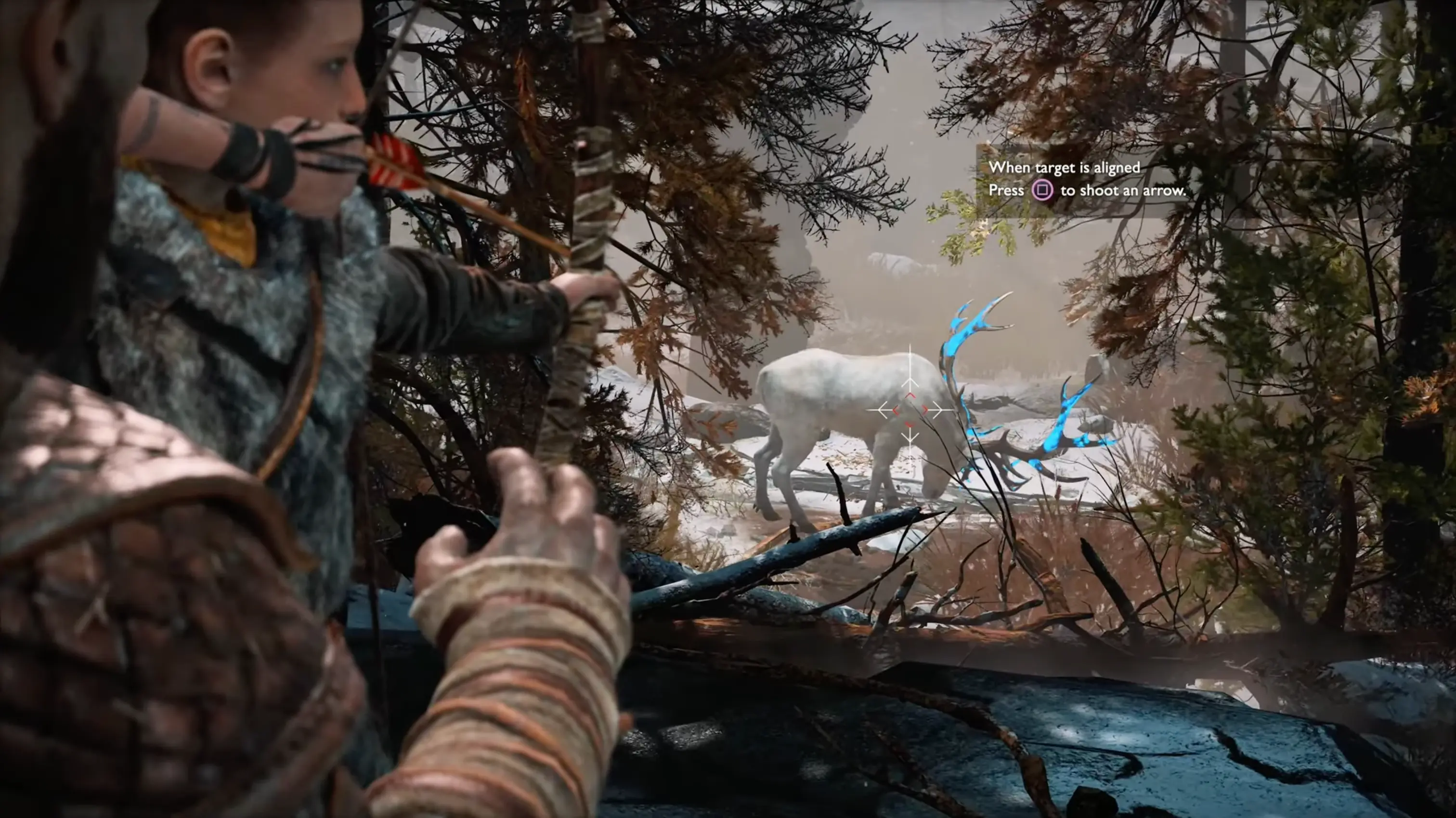
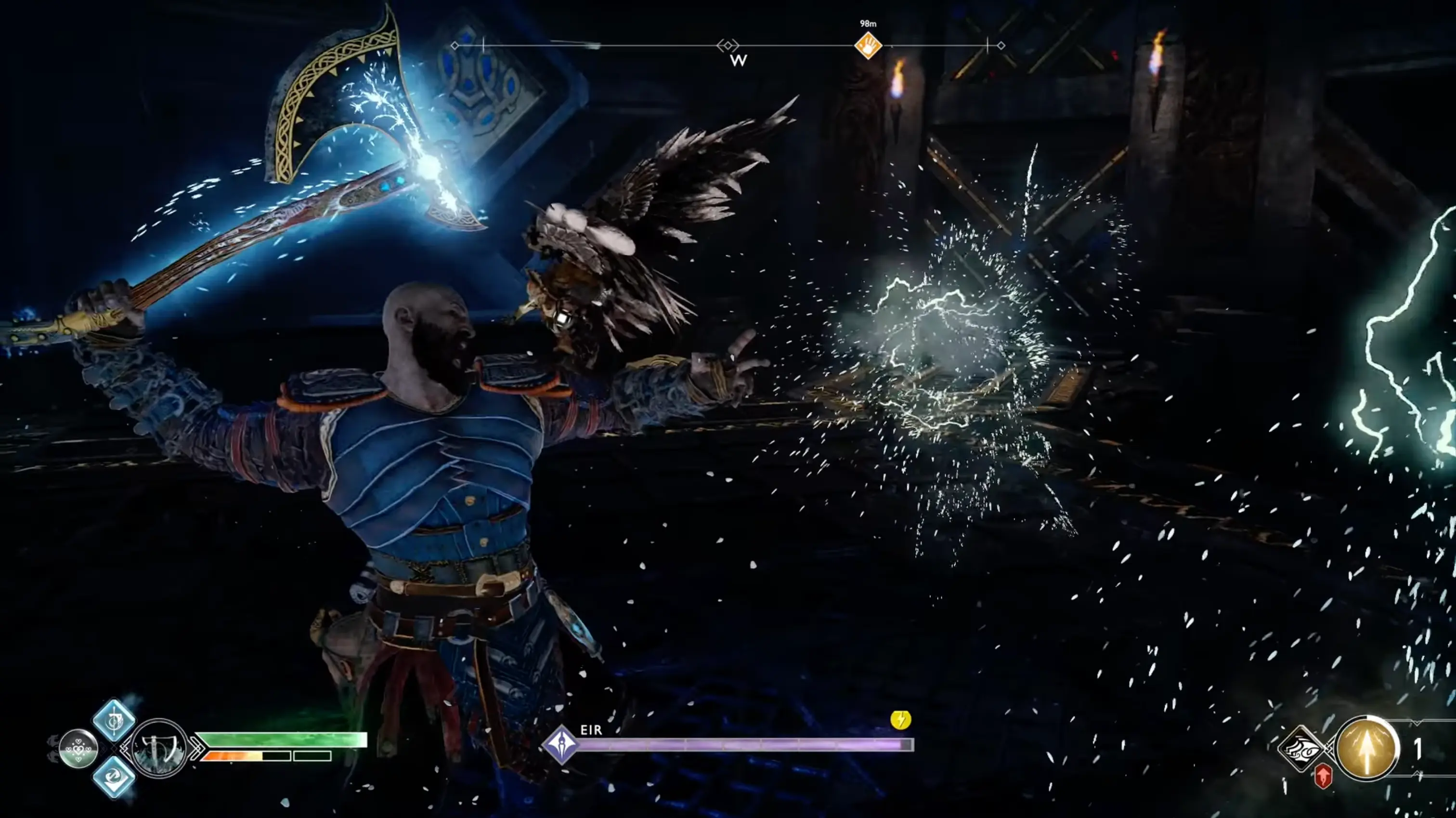
I have memorized the exact cooldown timers for every single Runic Attack. I know precisely when to use the 'Hel's Touch' to interrupt a Draugr's unblockable strike, and when to follow it up with a heavy cleave. And then there is Atreus. He isn't an escort mission; he is an extension of your own nervous system. You press the Square button, and he fires arrows that stagger enemies, creating a flawless symphony of father-son violence. My obsession pushed me to master the stance-switching combat, seamlessly putting the axe on my back to engage in bare-handed, shield-bashing brutality just to build up an enemy's stun meter for a cinematic execution. The flow state you enter when juggling three heavy Draugr, parrying a projectile, commanding Atreus to shoot a specific target, and recalling the axe to freeze an enemy in place is a combat nirvana that permanently ruined other action games for me. I literally keep a spreadsheet of optimal armor enchantments for my Cooldown build.
Story: The Agony of Breaking the Cycle
The narrative of God of War is a towering achievement in interactive storytelling, and I am obsessed with its thematic density. It is ostensibly a simple journey: a father and son traveling to the highest peak in the realms to scatter the ashes of Kratos's late wife, Faye. But beneath that simple premise is a suffocatingly tense exploration of generational trauma, the burden of godhood, and the terror of parenthood. The dynamic between Kratos and Atreus is the undisputed heartbeat of the universe. 'Boy.' I hear that word in my sleep. Watching Kratos desperately try to teach Atreus how to survive in a world of monsters, while simultaneously trying to prevent the boy from inheriting his own blinding rage, is a masterclass in character writing.
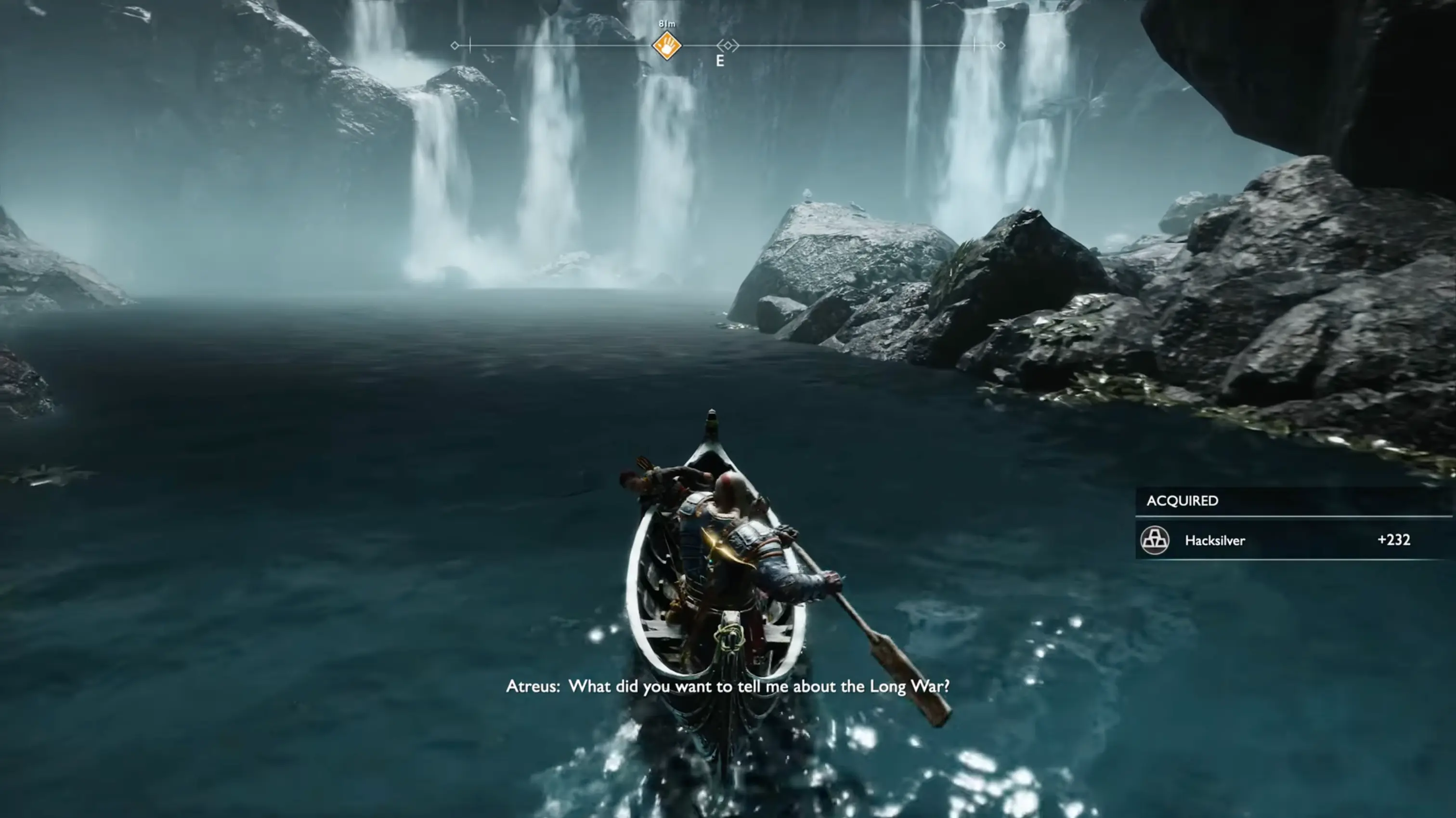
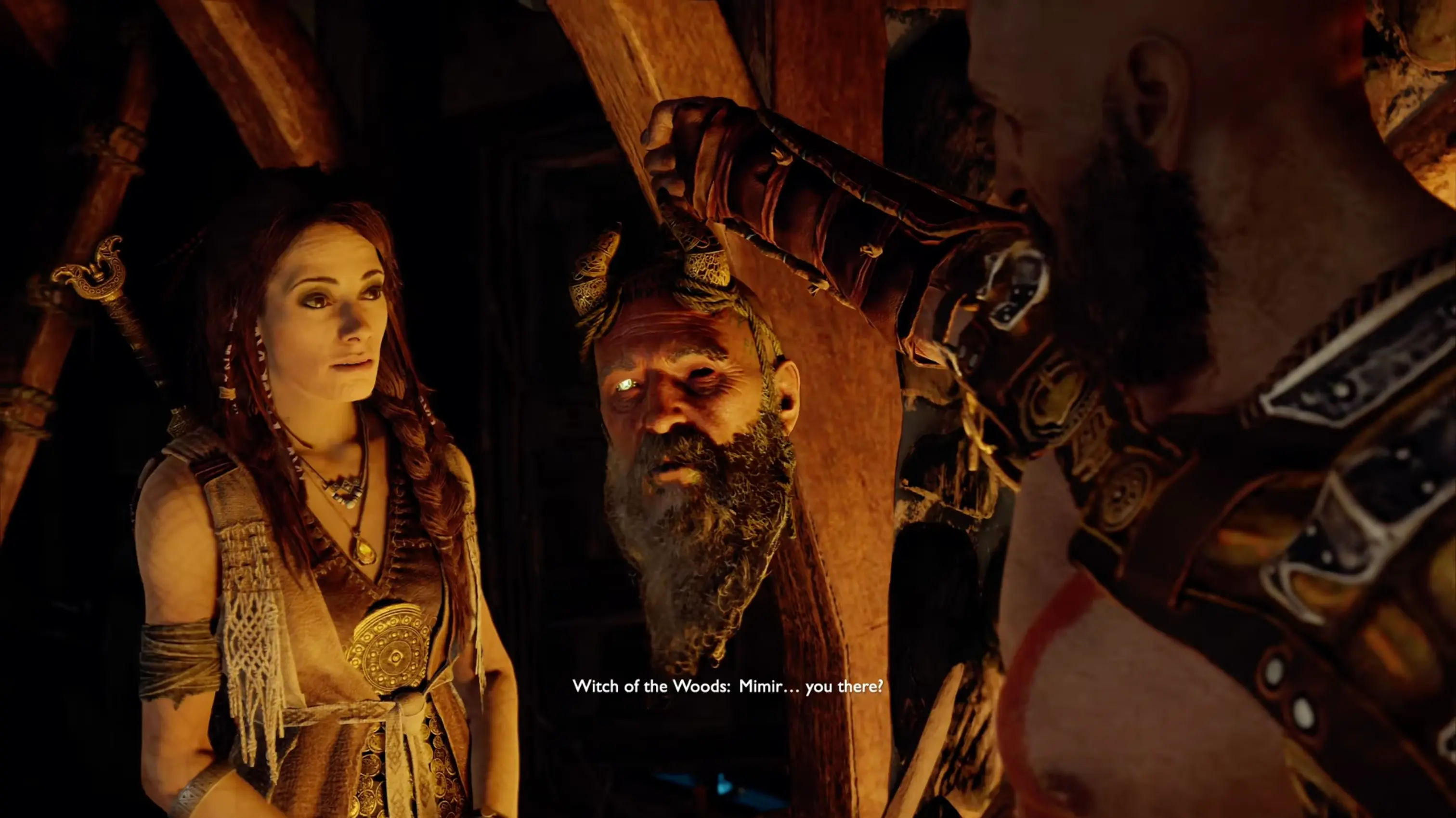
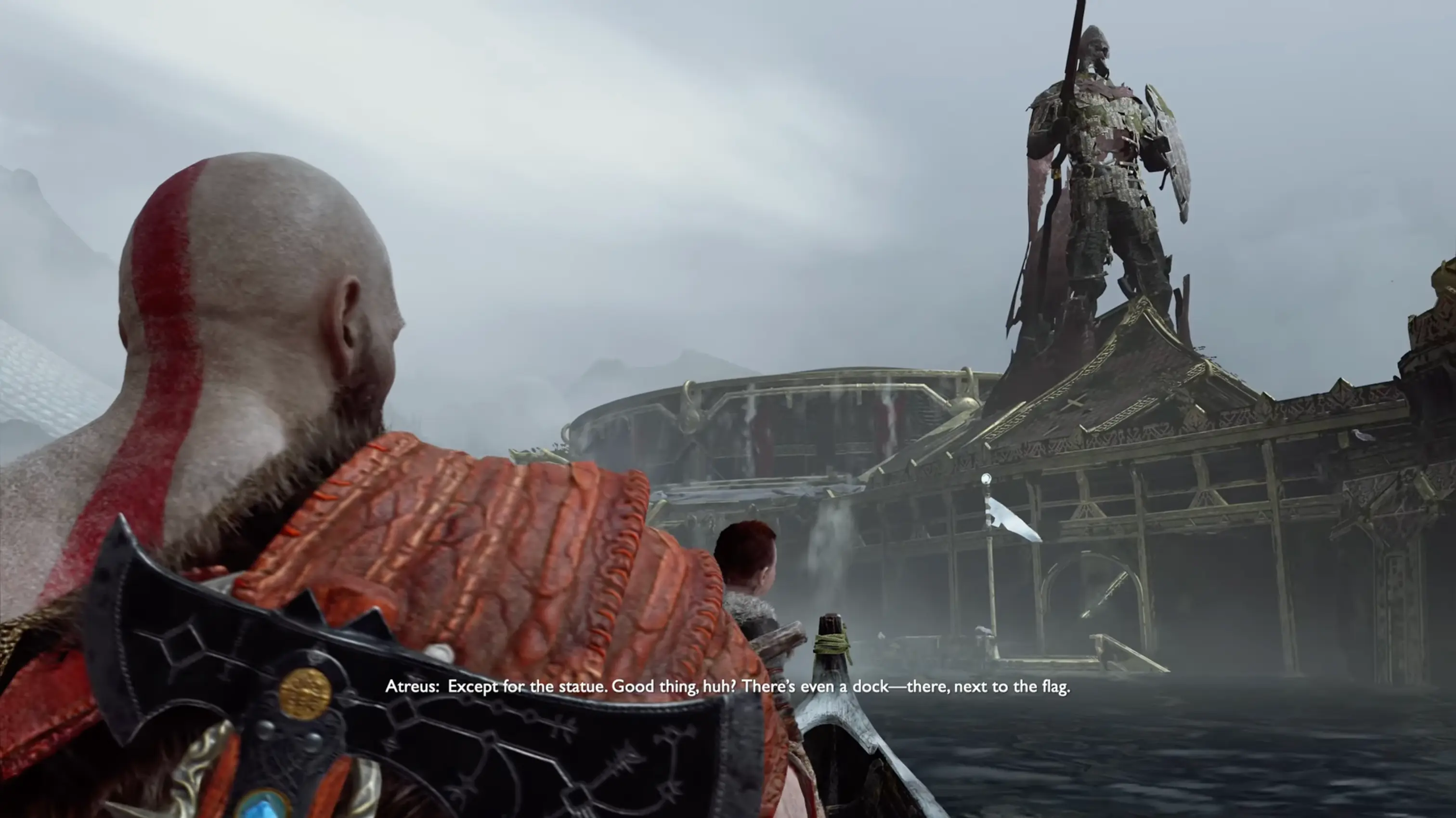
I am deeply fixated on the game's use of dialogue during travel. Whenever you get into the wooden canoe to paddle across the Lake of Nine, the lore begins. Mimir, the smartest man alive, whose severed head hangs from Kratos's belt, tells incredibly detailed stories of the Aesir gods, Odin's paranoia, and Thor's cruelty. I have actively refused to dock the boat—sometimes paddling in circles for twenty minutes—just so Mimir could finish a story about the Giant Thamur. The overarching tragedy of Baldur, the main antagonist who cannot feel physical pain or pleasure, perfectly mirrors Kratos's own emotional numbness. The game takes the ancient Greek tragedy of a son killing his father and places it directly into the Norse mythos, asking if we are forever doomed to repeat our bloodiest mistakes. I have analyzed every line of dialogue, seeking out the hidden foreshadowing that Santa Monica Studio brilliantly wove into the very first hours of the campaign.
Atmosphere & Myth: The Grandeur of the Nine Realms
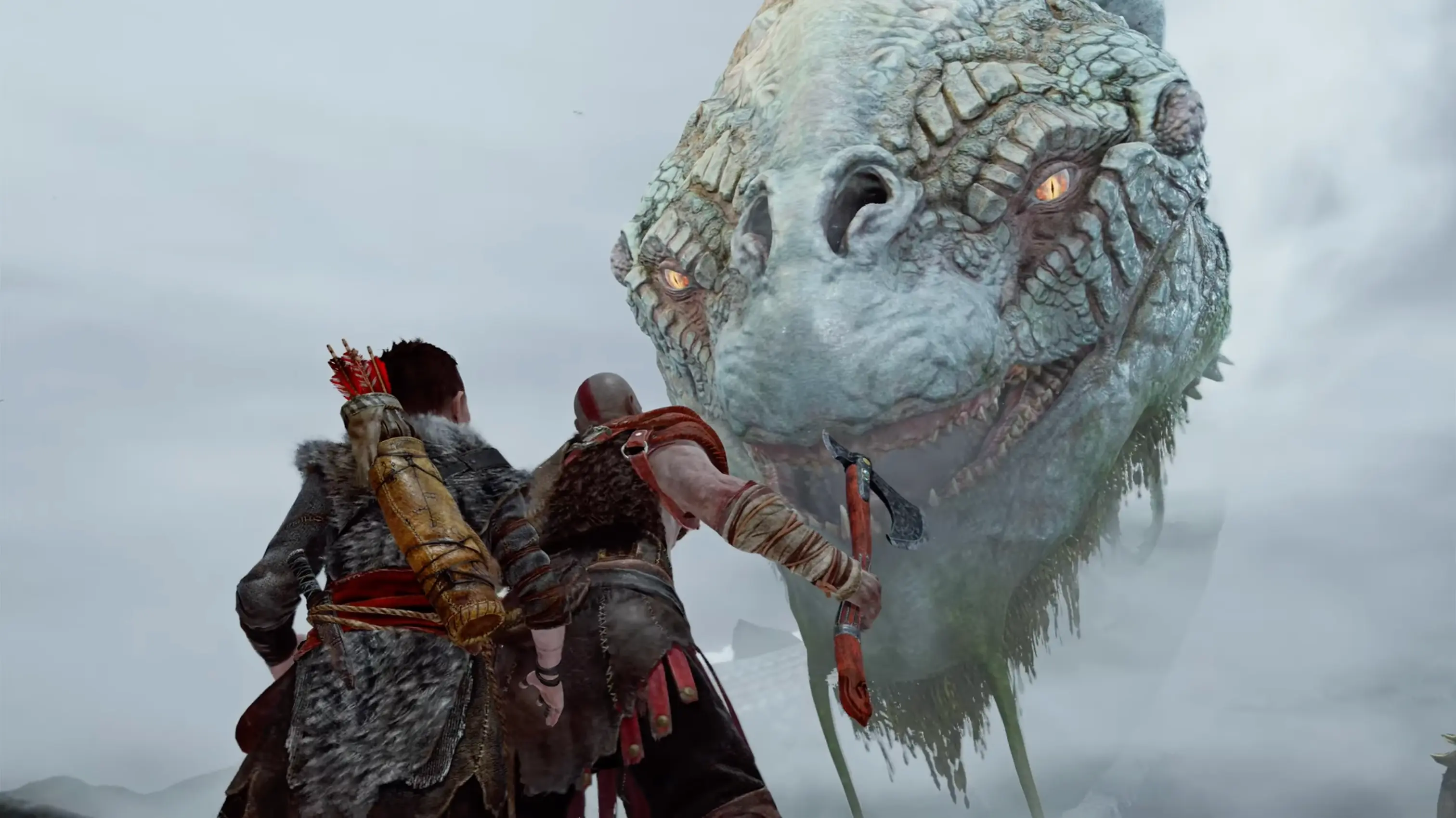
The world-building in this game is an architectural and artistic triumph that consumes my waking thoughts. Midgard is not just a hub world; it is a living, breathing ecosystem built around the Lake of Nine, which is occupied by the Jörmungandr, the World Serpent. I will never forget the physical chill that ran down my spine the first time the Serpent rose from the water, shifting the entire topography of the map and speaking in a language that literally vibrates your subwoofer. The scale is incomprehensible. I have spent countless hours in the game's photo mode, zooming in on the intricate, glowing dwarven runes etched into the temple doors, marveling at a level of detail that 99% of players will never even notice.
As the water level of the lake drops throughout the campaign, new islands, caves, and ruins are exposed, creating a Metroidvania-style exploration loop that feeds directly into my completionist sickness. And I cannot talk about the atmosphere without violently praising Bear McCreary's orchestral score. The deep, guttural chanting of the male choir, the tragic cello motifs representing Faye, and the pounding war drums that accompany the combat are permanently etched into my brain. Transitioning from the gritty, snow-choked forests of Midgard to the ethereal, pink-hued warzone of Alfheim or the freezing, agonizing purgatory of Helheim feels like stepping through actual dimensions. The game’s lighting engine treats every environment like a Renaissance painting. I have left the game running on my television just to use the ambient sound of the Lake of Nine as background noise while I work. It is a world that I simply do not want to leave.
Conclusion: The Valkyrie Queen and Eternal Mastery
If you want to know the true depth of my God of War obsession, look no further than the Valkyries. Scattered across the realms are nine optional boss fights, corrupted winged warriors that serve as the game's ultimate combat test. I dedicated an entire month of my life to hunting them down on the 'Give Me God of War' difficulty setting. But nothing—absolutely nothing—prepared me for Sigrun, the Valkyrie Queen. She possesses the combined moveset of all eight previous Valkyries, executed with zero telegraphing and horrifying speed. It took me 72 agonizing, sweat-drenched attempts to defeat her. I recorded my gameplay footage just to study her animation frames. I adjusted my Runic loadout, meticulously swapped out cooldown enchantments, and practiced my parry timing until it was muscle memory.
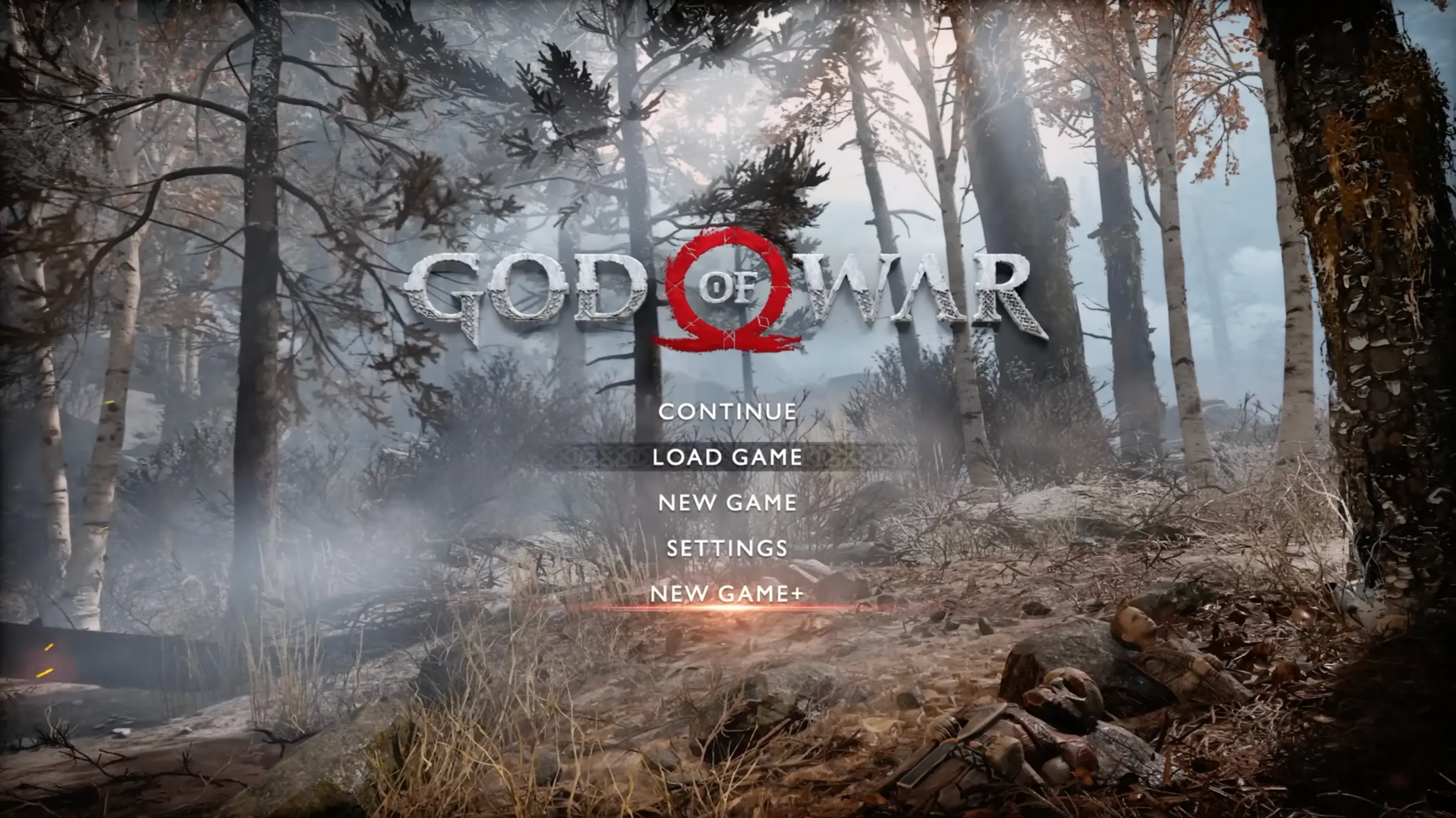
When I finally ripped her wings off, I legitimately screamed so loud I woke up my neighbors. That is the power of this masterpiece. Even after earning the Platinum trophy, I immediately launched into New Game Plus, obsessing over the new 'Ares' armor sets and upgraded enchantments. God of War (2018) is the absolute pinnacle of action-adventure gaming. It fundamentally altered my expectations for what a video game narrative can achieve, proving that hyper-violent action can seamlessly coexist with profound, tear-jerking emotional depth. It is a flawless, genre-defining event that demands absolute mastery. Until the day I die, my proudest gaming achievement will remain written in the snows of Midgard, and I will inevitably boot up the main menu yet again just to hear those deep cellos hum.
Review Score
Based on overall narrative, gameplay, and experience.