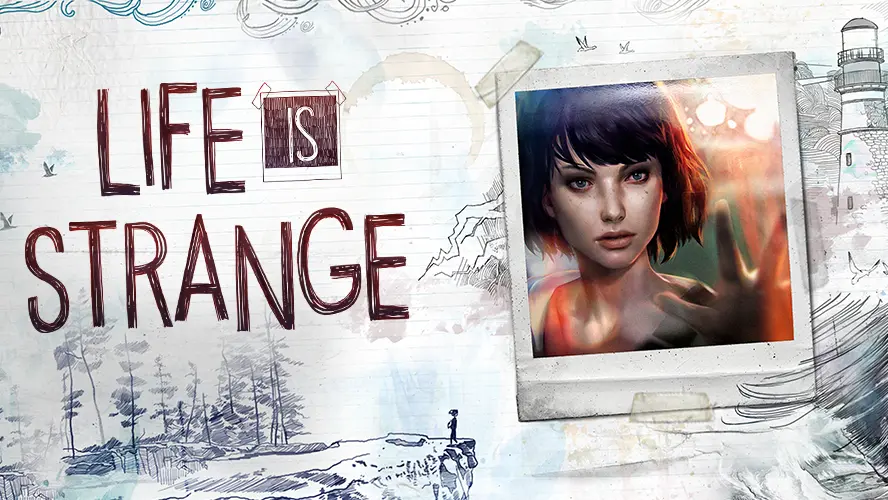
If we could rewind time, what would we change? And more importantly, what unintended consequences would we create? Life is Strange takes this universal human fantasy and weaves it into one of the most affecting narrative experiences in modern gaming. Developed by Dontnod Entertainment, this episodic graphic adventure isn't about saving the galaxy from an alien threat; it is about saving a best friend, navigating the brutal social hierarchy of high school, and wrestling with the weight of consequence.
In a medium often defined by twitch reflexes and mechanical mastery, Life is Strange asks you to slow down. It asks you to sit on a bench and listen to an acoustic guitar while the wind blows through the trees. It is a game that feels incredibly intimate, capturing the nostalgic, aching transition between adolescence and adulthood. Prepare yourself—because once you step into Arcadia Bay, the choices you make will leave a lingering mark on your heart long after the final credits roll.
About the Game
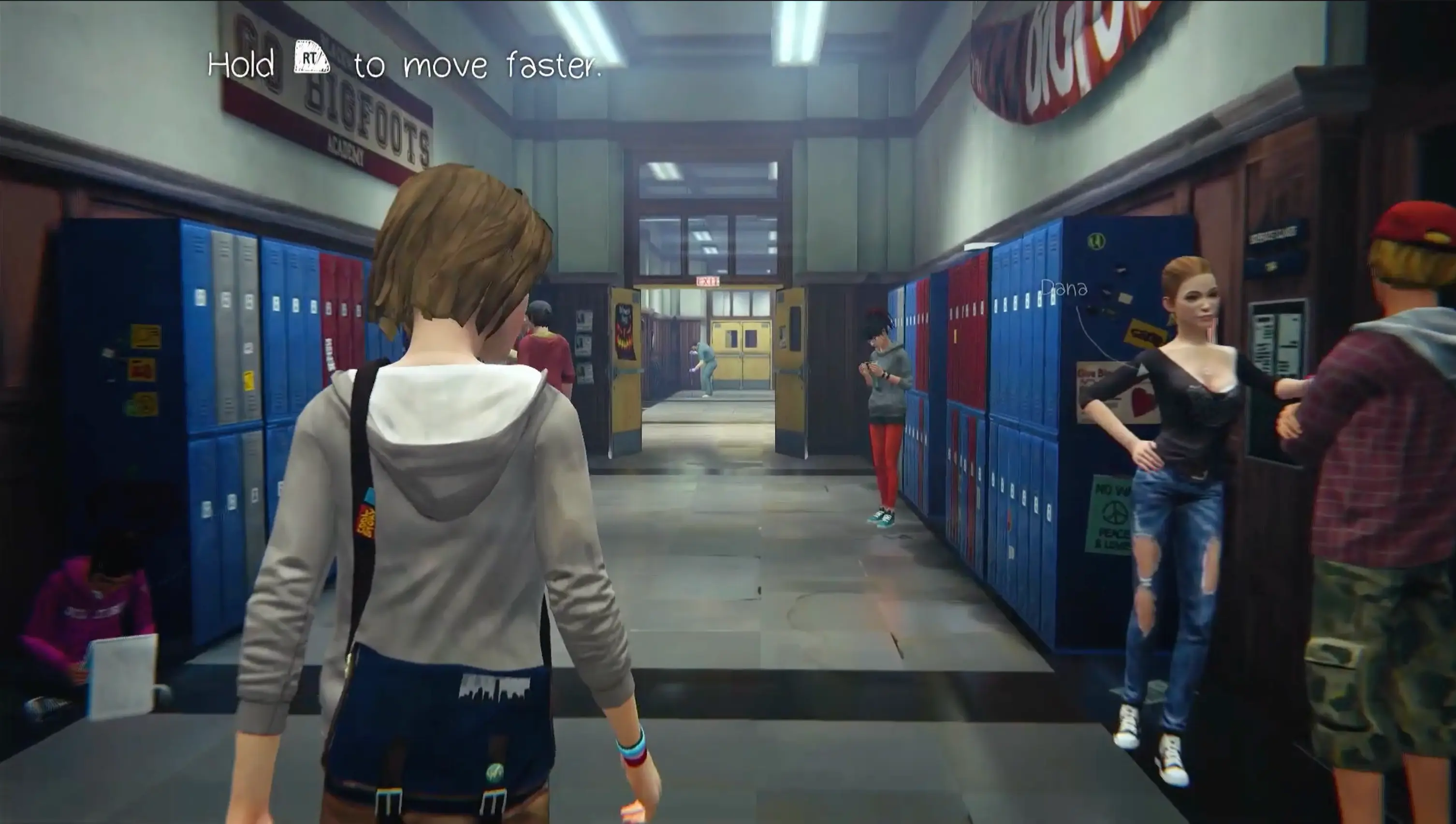
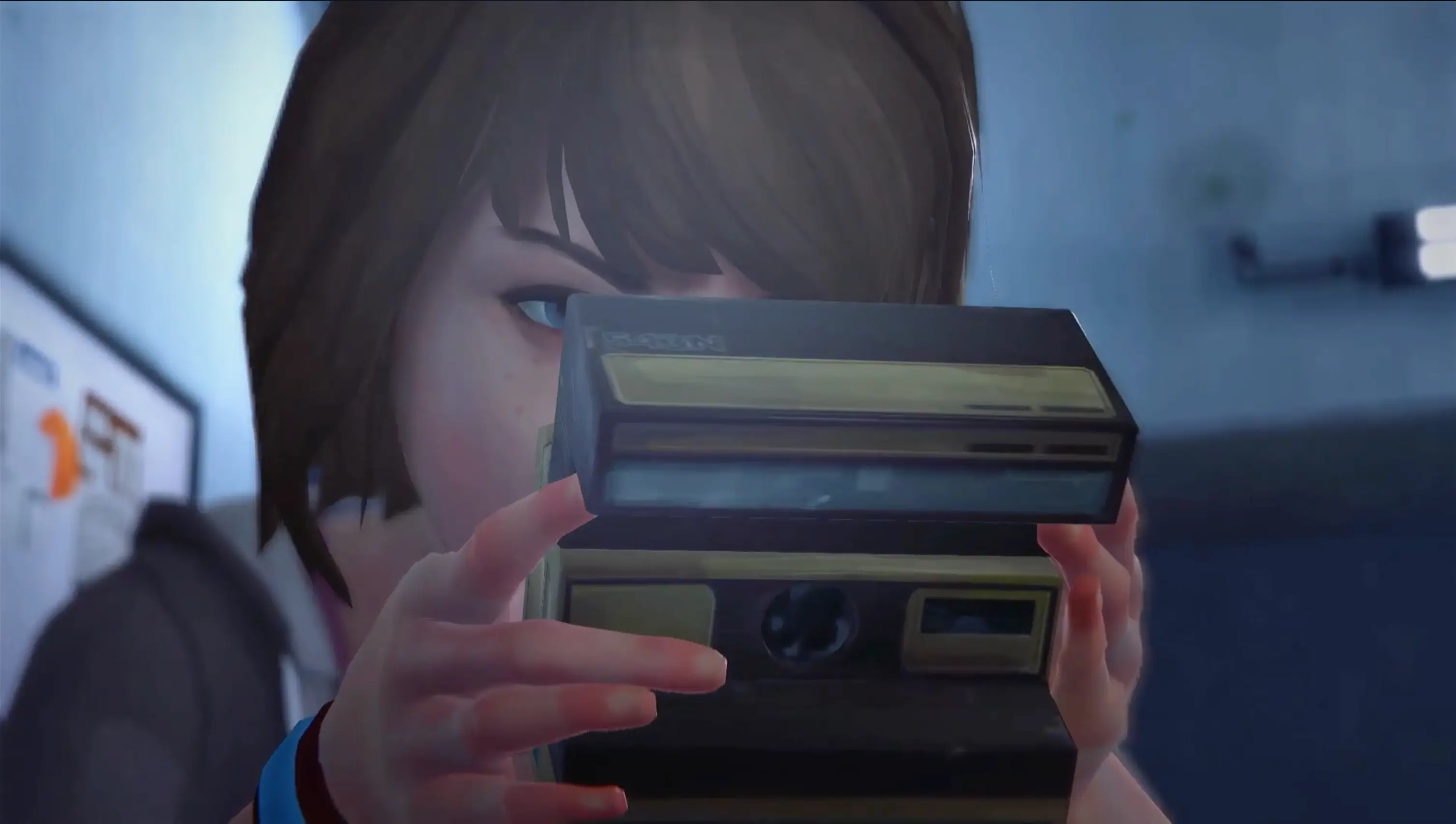
Life is Strange is an award-winning five-part episodic adventure that revolutionized the modern point-and-click genre. You play as Max Caulfield, an introverted 18-year-old photography student who has recently returned to her coastal hometown of Arcadia Bay, Oregon, to attend the prestigious Blackwell Academy.
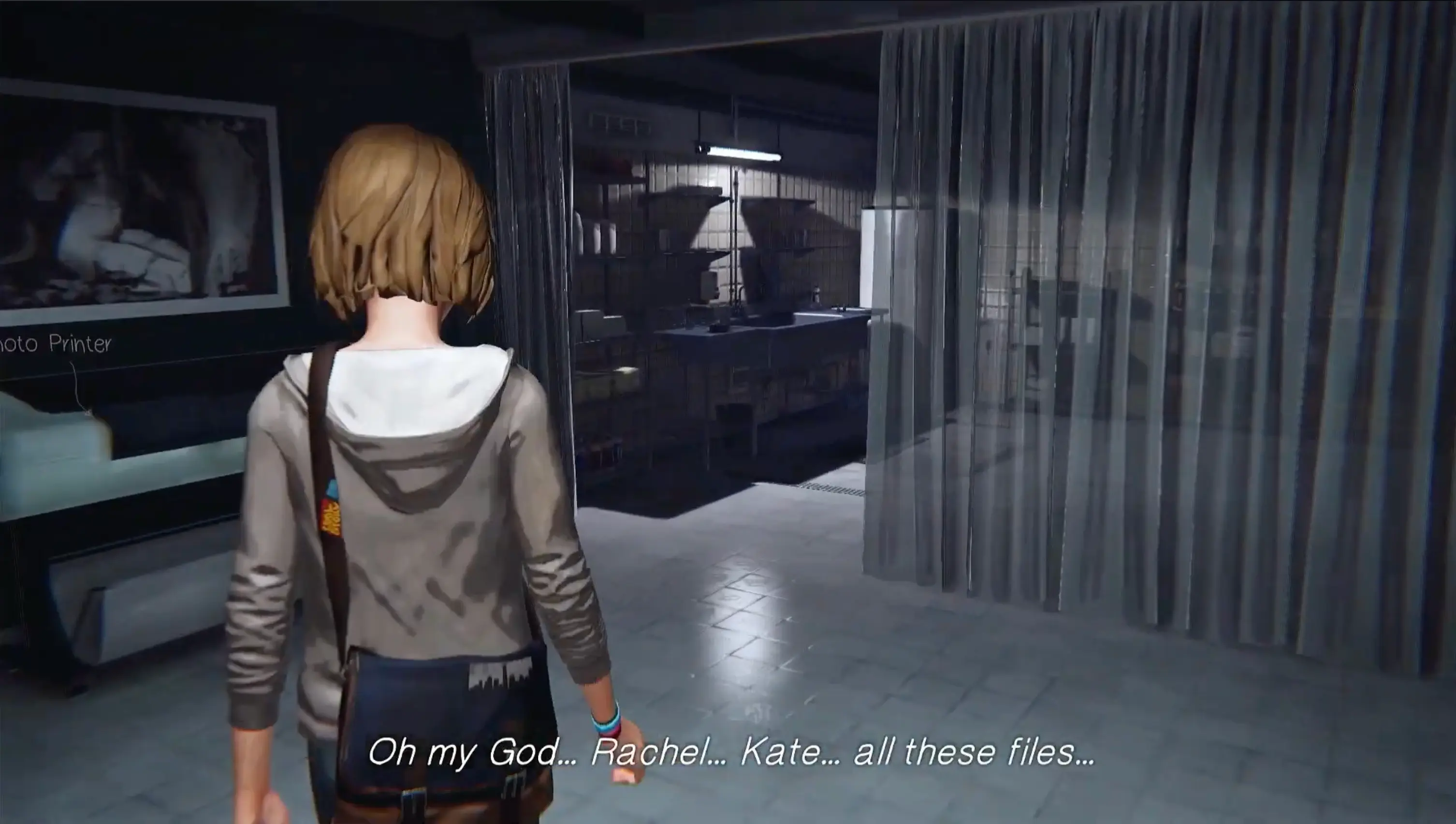
What begins as a grounded, relatable high school drama quickly pivots into a supernatural mystery when Max witnesses a fatal altercation in a school bathroom and spontaneously discovers she has the power to rewind time. Reunited with her estranged, blue-haired childhood best friend, Chloe Price, Max uses her newfound abilities to investigate the mysterious disappearance of another student, Rachel Amber. The game blends supernatural thriller elements with slice-of-life coming-of-age tropes, resulting in a deeply compelling, character-driven mystery.
Story
The narrative of Life is Strange is its beating heart. It tackles heavy, grounded themes—bullying, depression, wealth inequality, and grief—with a surprising amount of grace and rawness. As Max and Chloe dig deeper into the dark underbelly of Arcadia Bay, they realize the town's wealthy elites hide disturbing secrets behind their perfect facades.
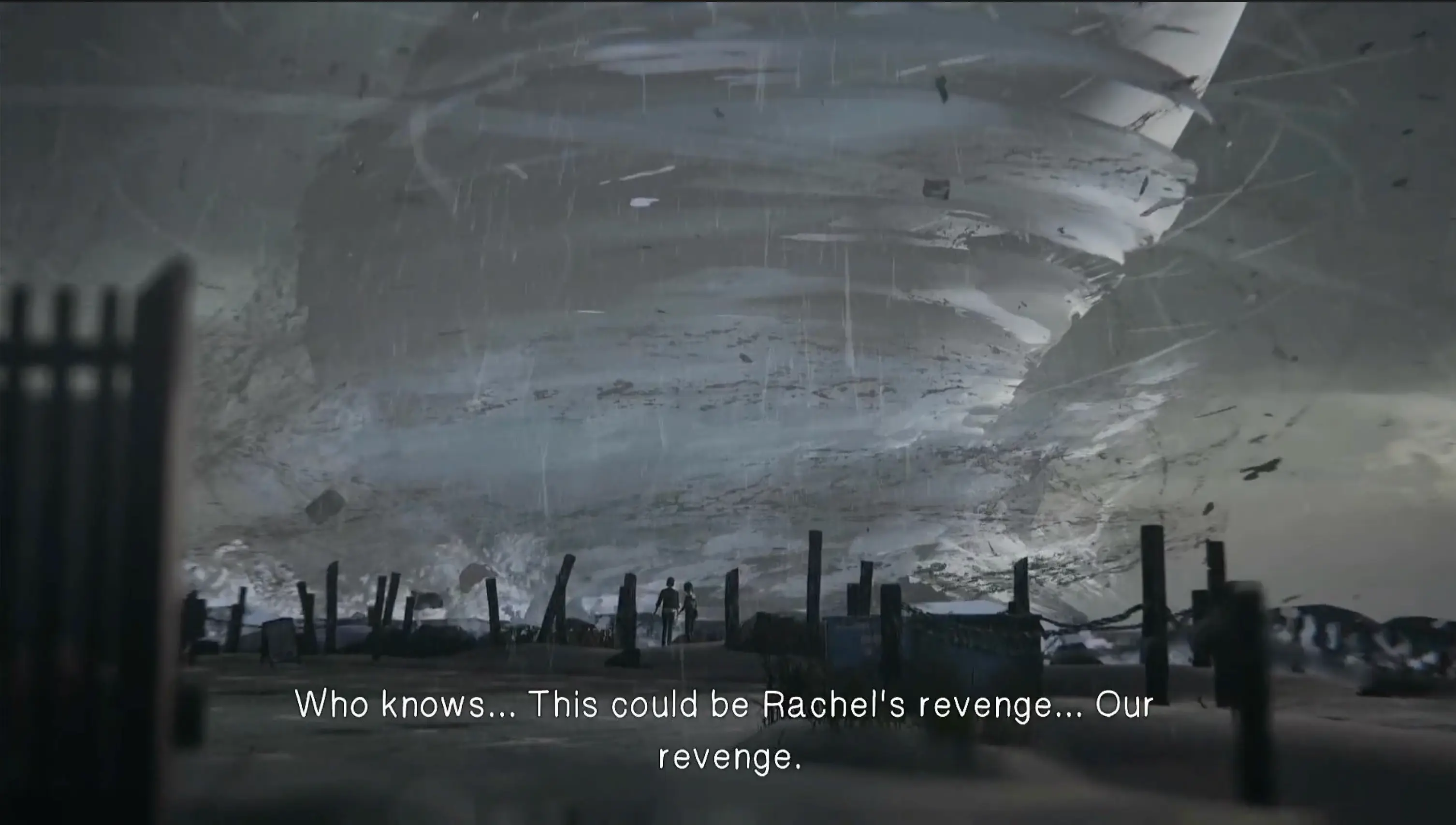
The dynamic between Max and Chloe drives the emotional core of the game. Max is cautious and observational, while Chloe is rebellious, deeply wounded, and impulsive. Their rekindled friendship feels incredibly authentic, filled with nostalgic callbacks, inside jokes, and deeply painful friction. However, Max's time manipulation comes with a terrifying cost. Throughout the game, Max is haunted by visions of a catastrophic, apocalyptic tornado hurtling toward the town. The story masterfully builds tension, forcing players to realize that altering the past might be the very thing destroying the future.
Gameplay
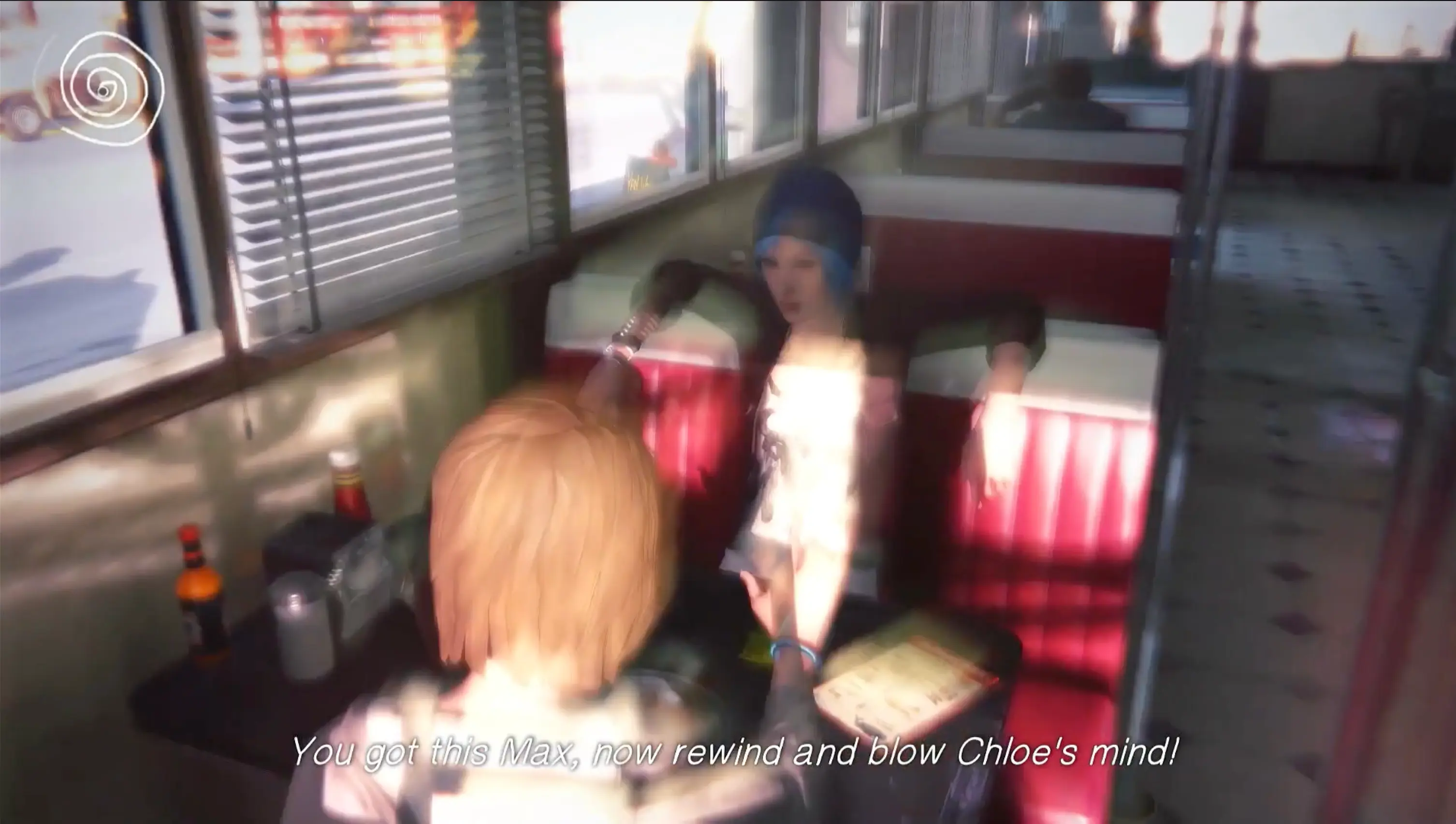
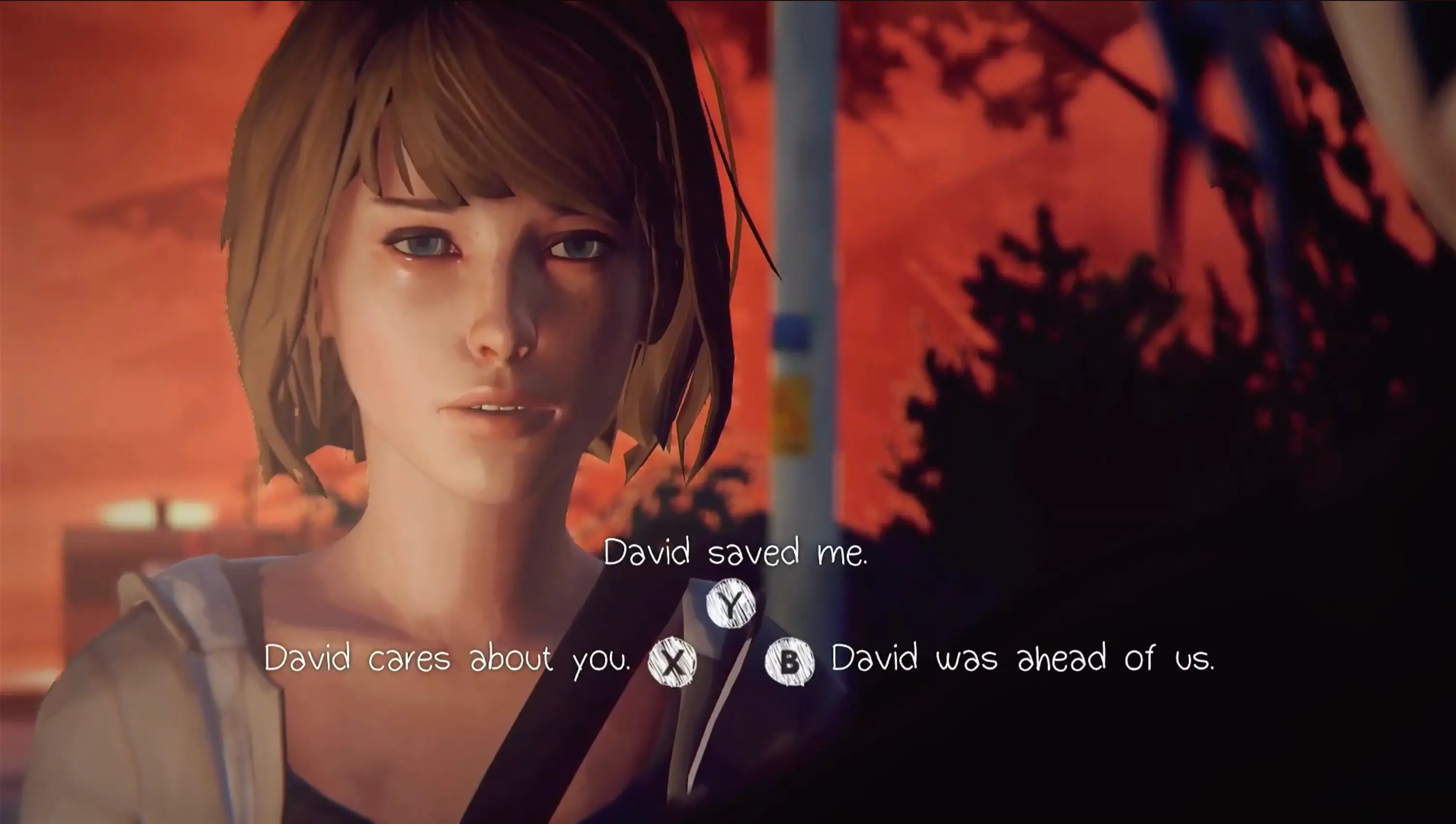
Mechanically, Life is Strange is built around exploration, puzzle-solving, and dialogue trees, but the rewind mechanic completely subverts the traditional "choice-based" formula. In most games of this genre, you make a choice and have to live with the immediate consequences. Here, you are encouraged to abuse your power. If you say the wrong thing to a classmate, you can simply rewind time, use the knowledge you just gained, and unlock a new dialogue option.
However, this mechanic is a brilliant narrative trap. The game operates on the "Butterfly Effect"—a short-term positive outcome might cause a devastating long-term disaster. The game constantly reminds you that "This action will have consequences," represented by a tiny butterfly icon in the corner of the screen. Beyond dialogue, the rewind power is used creatively for environmental puzzles, such as rewinding time to catch a dropped set of keys or repositioning items to prevent an accident. As a photography student, Max can also take optional polaroid photos scattered throughout the environments, encouraging players to explore every quiet corner of the game world.
Atmosphere & Themes
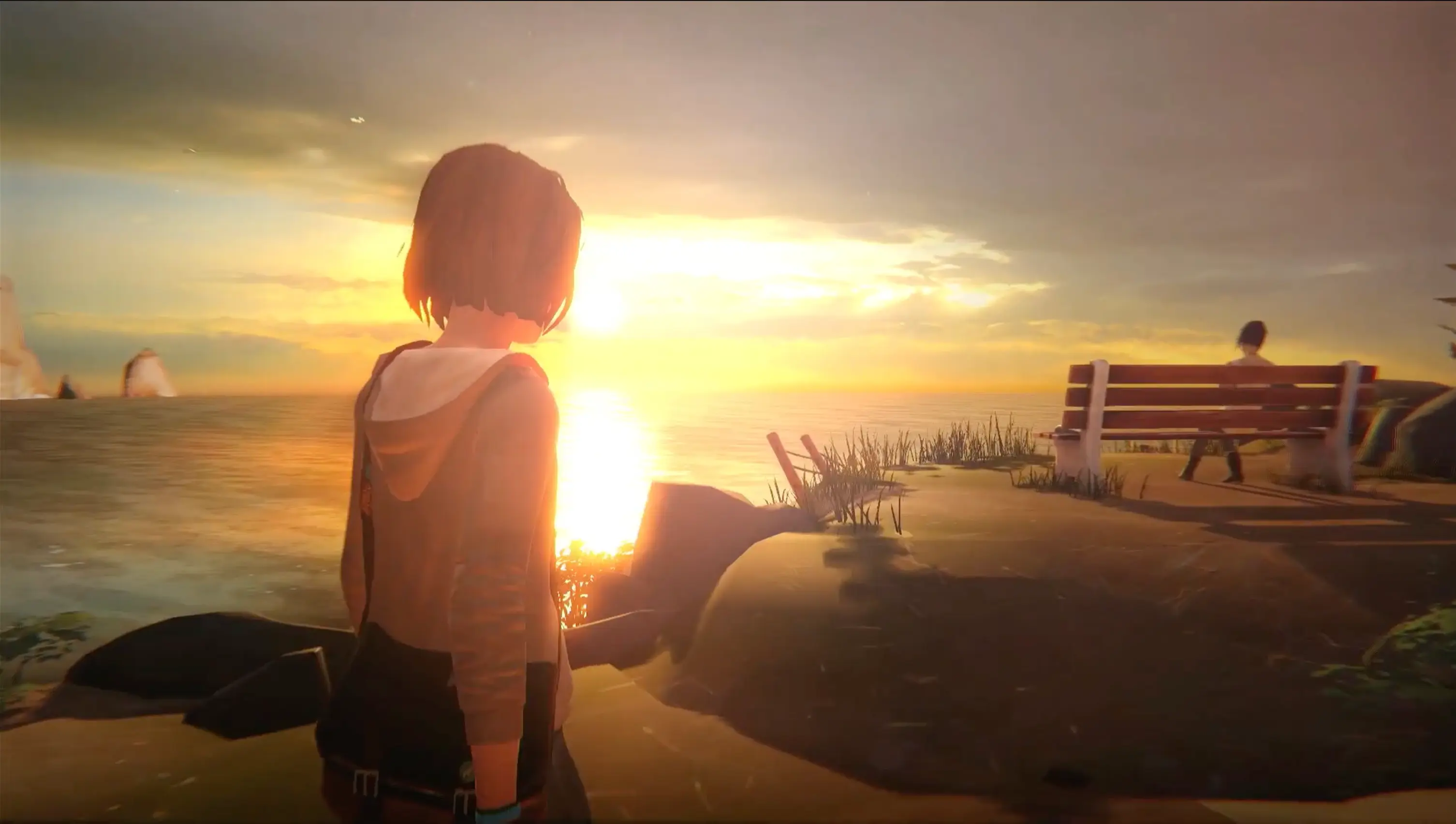
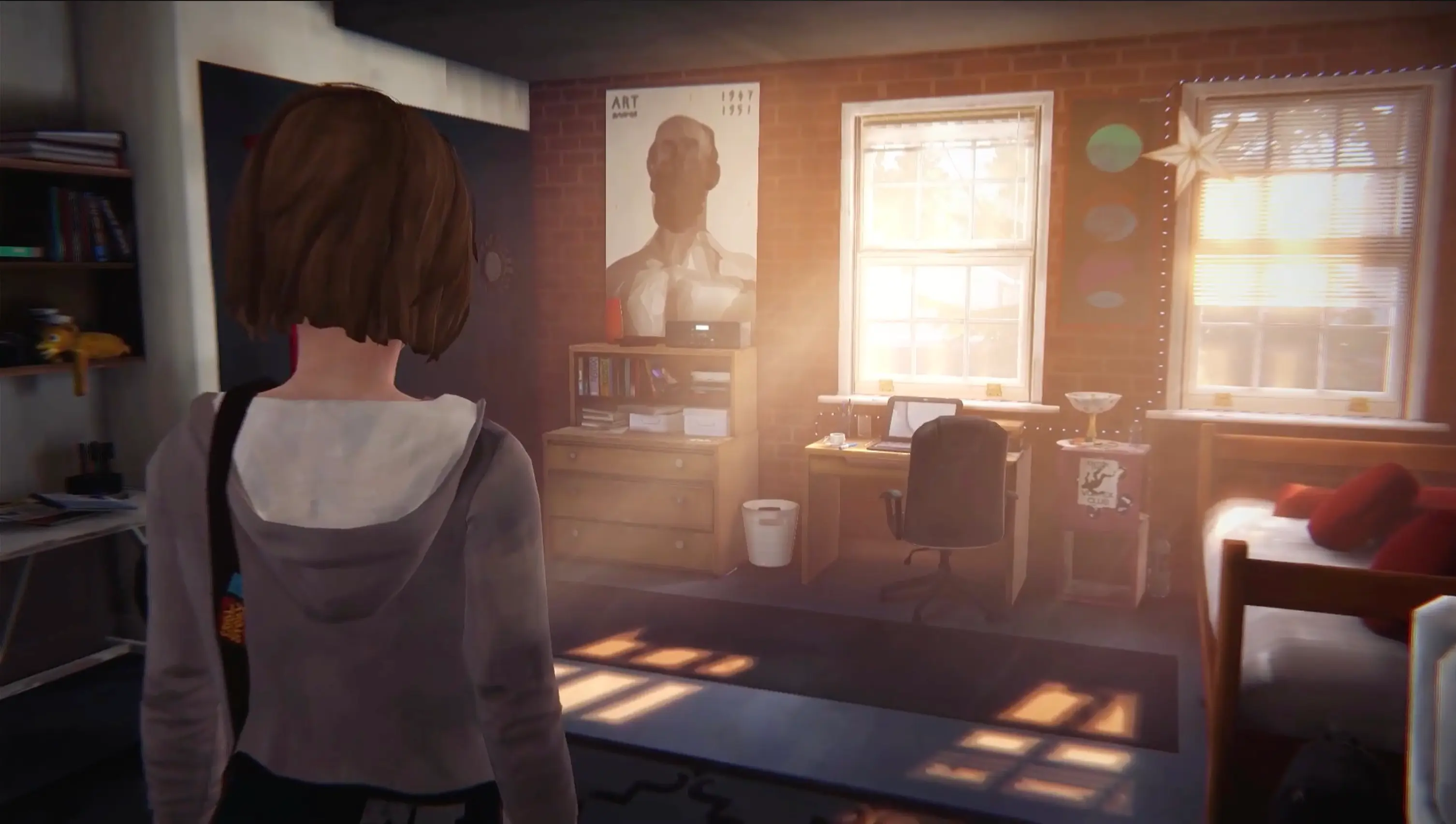
The aesthetic of Life is Strange is entirely its own. It features a beautiful, painterly art style bathed in the warm, melancholic lighting of the Pacific Northwest autumn. The golden hour sunshine filtering through the trees gives the game a nostalgic, almost dreamlike quality that contrasts sharply with the dark themes of the story.
Equally vital to the atmosphere is the soundtrack. Life is Strange features one of the greatest licensed soundtracks in gaming history. The gentle acoustic indie-folk tracks from artists like Syd Matters, alt-J, José González, and Sparklehorse perfectly encapsulate the feeling of teenage yearning and heartbreak. The game frequently offers "Zen moments"—opportunities to just sit on a bed or a log, listen to a song, and watch the world go by. It is a masterclass in using audio and visual direction to evoke a specific, bittersweet emotional state.
Conclusion
Life is Strange is not a perfect game—the lip-syncing in the original release was notoriously janky, and some of the teenage slang feels delightfully awkward. But its flaws are easily overshadowed by its immense, bleeding heart. It is a game that stays with you, sparking intense debates among players about the agonizing final choice.
By grounding a supernatural thriller in the deeply relatable struggles of adolescence, Dontnod Entertainment created a modern classic. It proves that video games do not need explosions or complex combat systems to be completely gripping; sometimes, a quiet conversation in a diner or a walk down a train track can be just as powerful. If you have not yet experienced the story of Max and Chloe, it is time to visit Arcadia Bay.