Introduction: Swallowing the Prescription of Absurdity
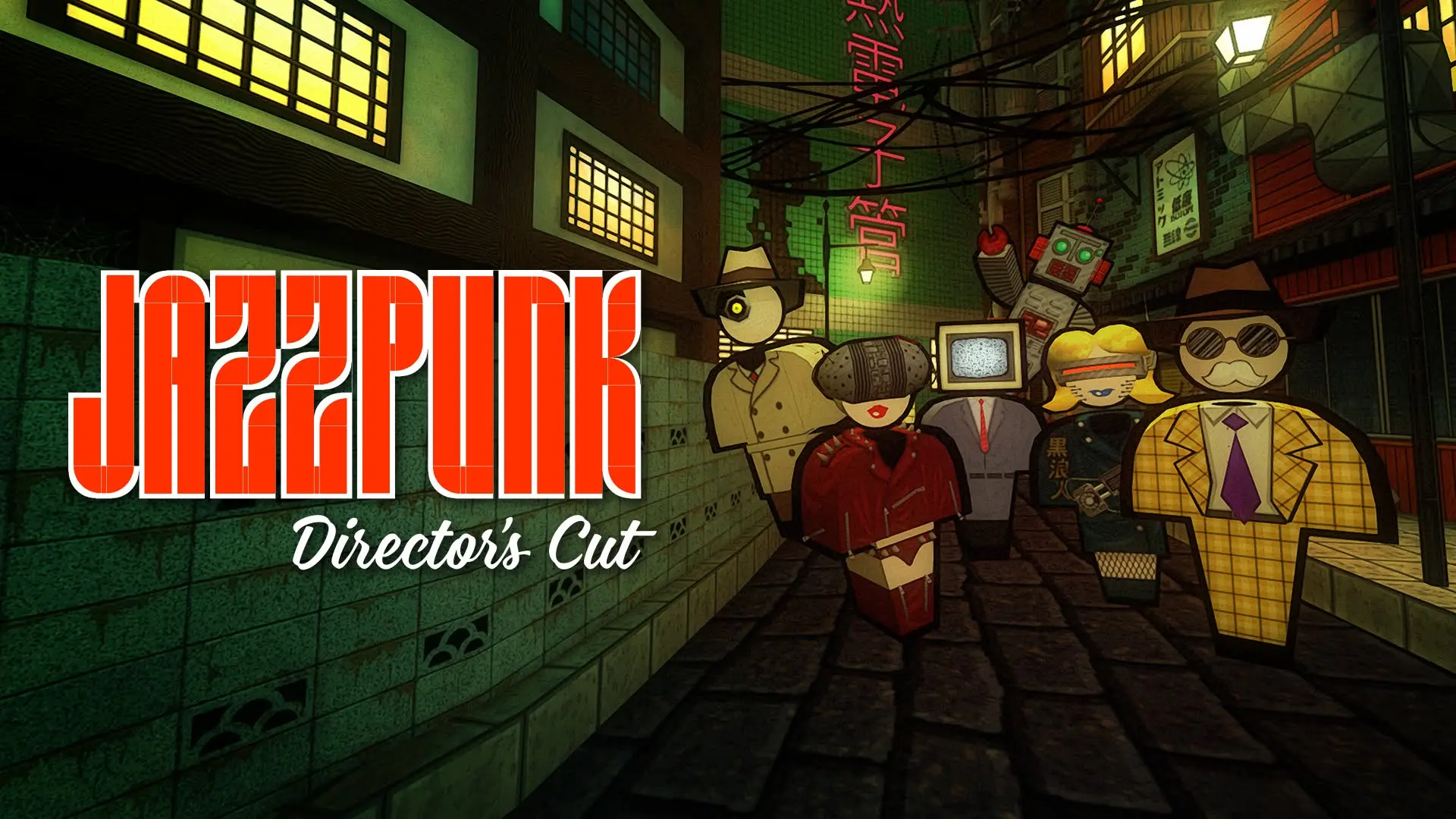
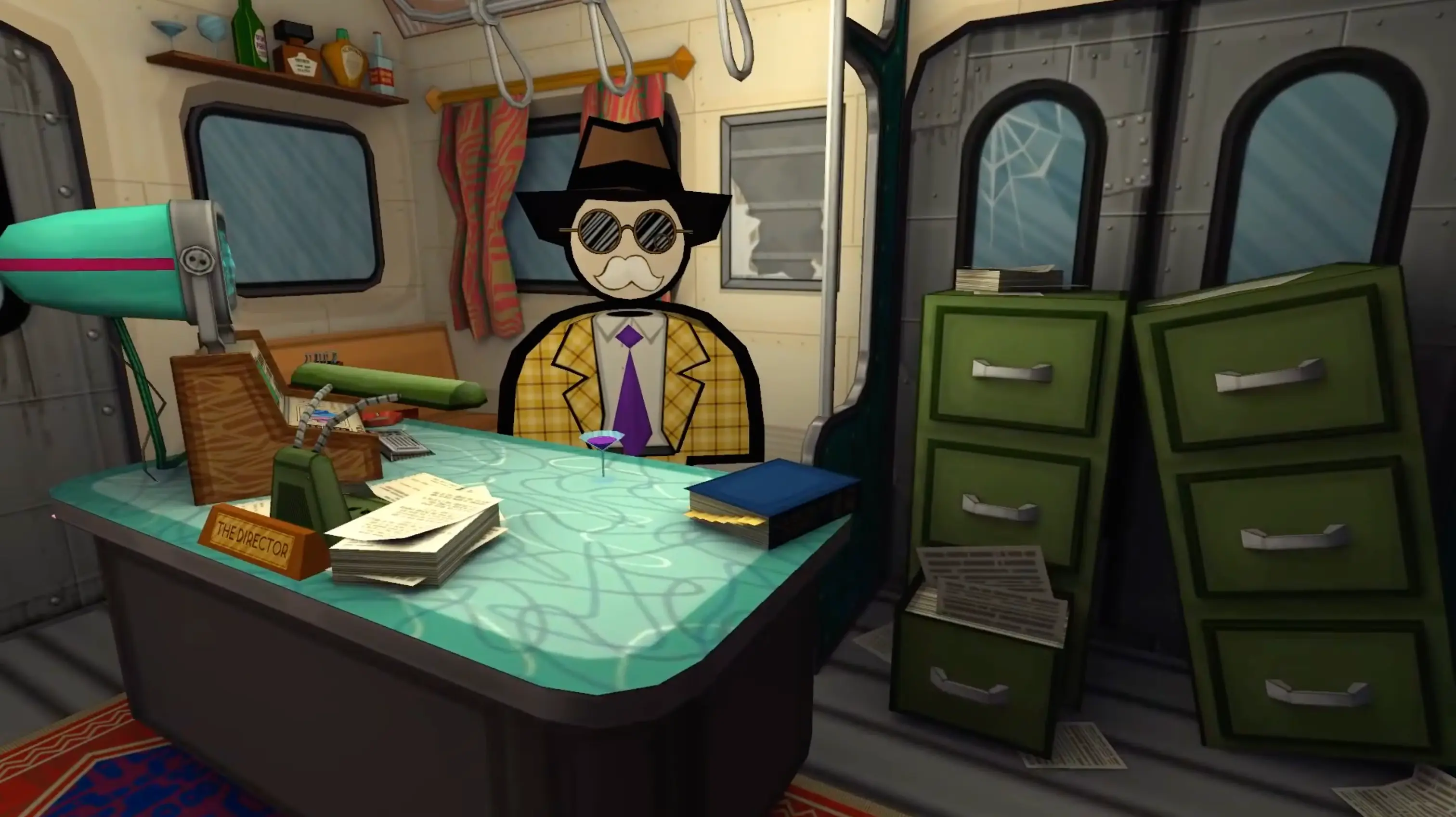
Jazzpunk operates on a frequency entirely its own, broadcasting a manic, retro-futuristic vision of a Cold War that never quite happened. Set in the fictional, neon-soaked metropolis of 'Japanada' in an alternate 1959, the game wastes no time letting you know exactly what kind of unhinged experience you are in for. You step into the trench coat of Polyblank, a silent, blocky secret agent working for an underground espionage organization operating out of an abandoned subway station. Your commanding officer, simply known as The Director, dispatches your missions not through dossiers or debriefing files, but by handing you prescription pill bottles. Swallowing these oversized, geometrically shaped pills instantly teleports you into your assignments, cementing the game’s surrealist logic from the very first minute.
From there, the world unfurls as a staggering homage to the mid-century modern aesthetic, heavily filtered through the lens of cyberpunk tropes and 1950s pulp spy magazines. The opening credits alone are a masterpiece of design, directly spoofing the iconic title sequences of Saul Bass with bold silhouettes, shifting primary colors, and a brassy, bombastic musical score. Jazzpunk does not merely parody these elements; it weaponizes them for relentless comedic effect. You are immediately thrust into a world where trench-coated spies lurk behind newspapers with eye-holes cut out, briefcases contain bizarre contraptions, and absolutely nothing is meant to be taken seriously. It is an invitation to step away from traditional gaming objectives and surrender to a deeply weird, endlessly fascinating digital funhouse.
About the Game: The Architecture of the Punchline
The holy grail of video game comedy is an elusive prize. Most games rely heavily on scripted dialogue to deliver humor, which often clashes with the player's agency. Jazzpunk solves this notorious problem by making the interactive mechanics themselves the punchline. Necrophone Games approached the level design with a philosophy heavily inspired by legendary spoof films like Airplane! and The Naked Gun. The environment is incredibly dense, packed to the absolute brim with background gags, visual puns, and interactive slapstick comedy that rewards the most curious and easily distracted players.
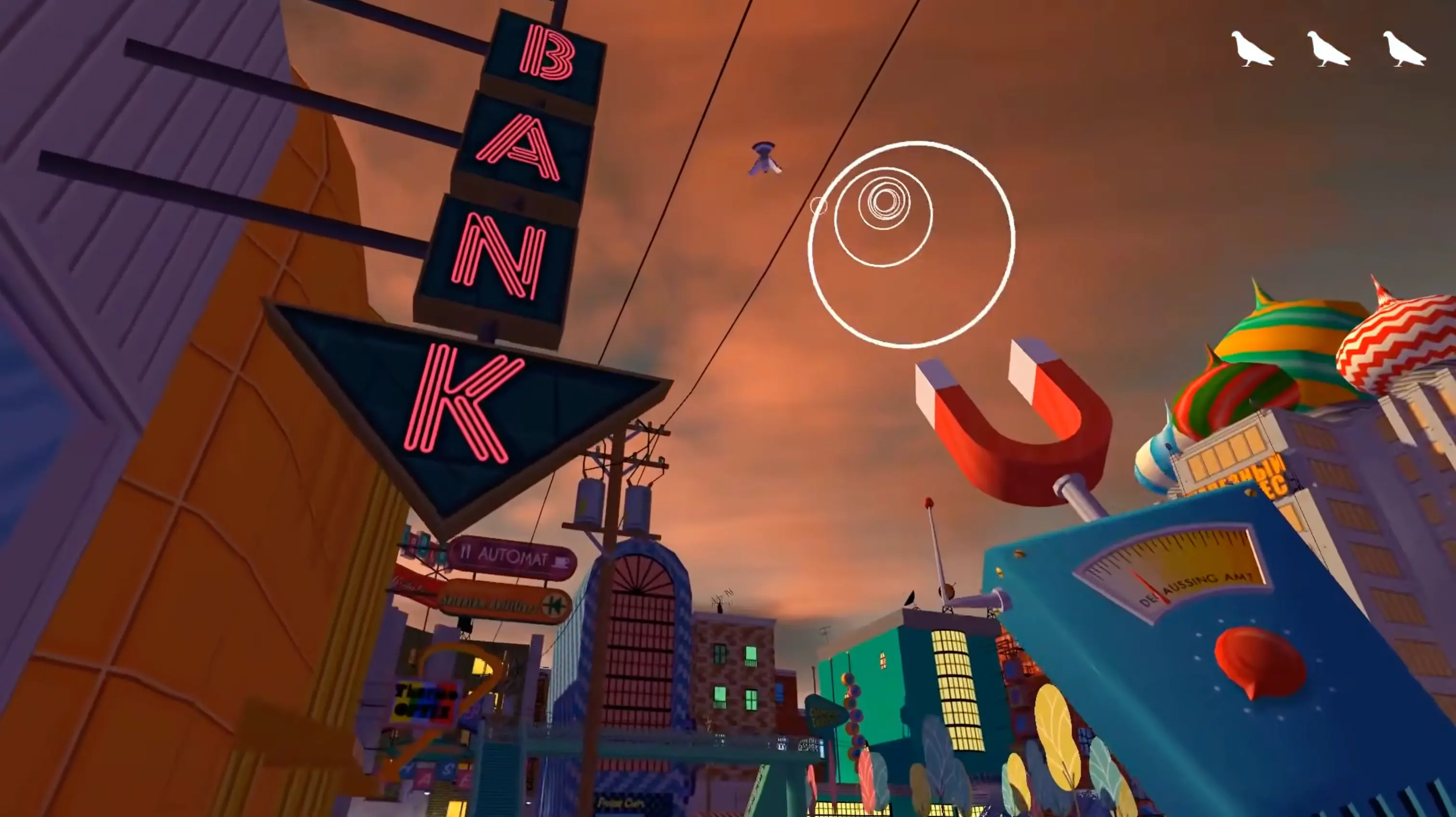
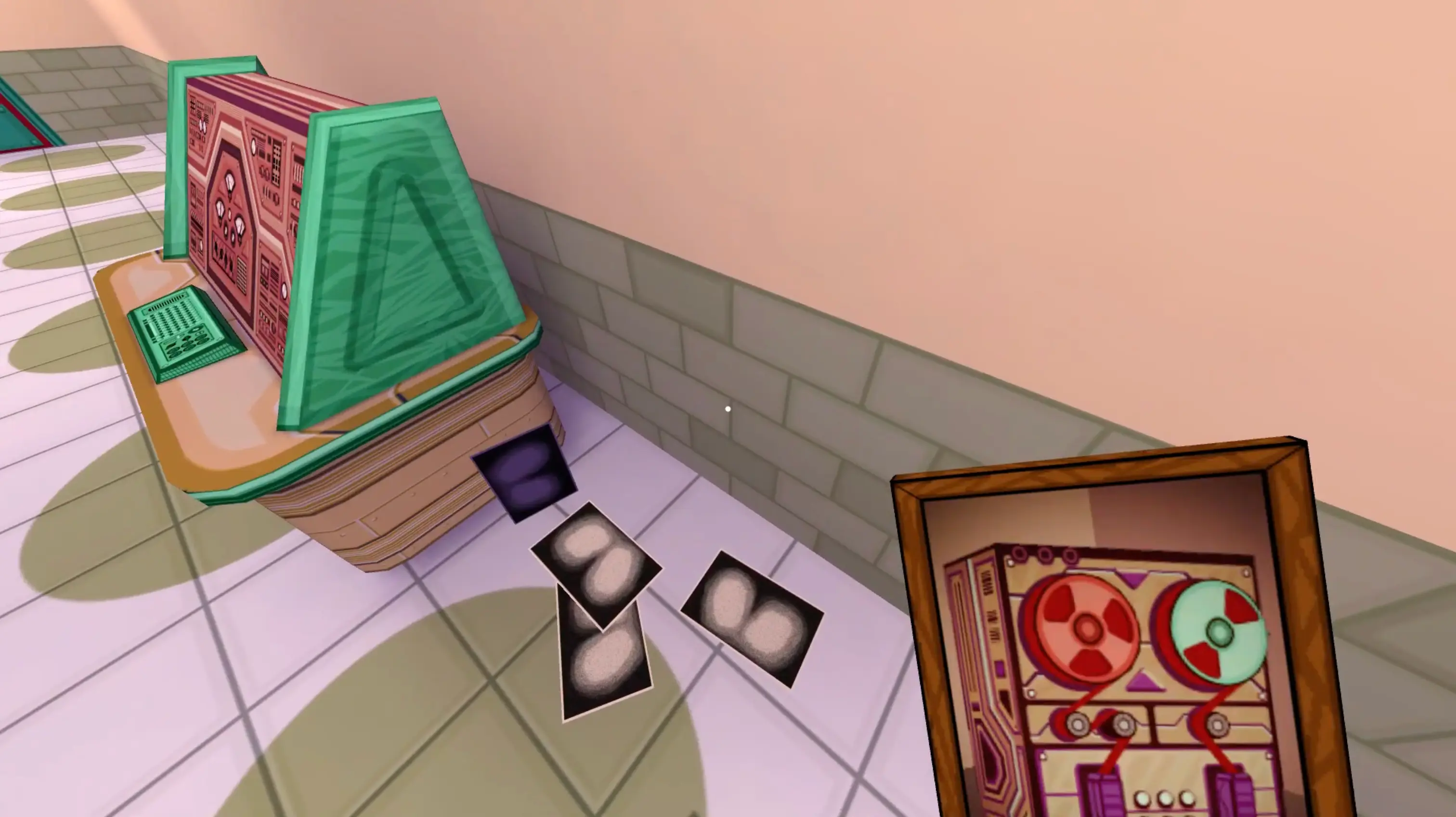
There are no health bars, no fail states, and no ways to "die" in any traditional sense. The game fundamentally understands that punishment stifles experimentation, and experimentation is the core engine of its comedy. When you pick up a degausser, you aren't using it to solve a complex electronic puzzle; you are using it to scramble the mechanical brains of robotic pigeons walking on the sidewalk. When you find a photocopier, the game intuitively expects you to sit on it and print out pictures of Polyblank's blocky rear end. Every button press, every item pickup, and every interaction with the absurd cast of non-playable characters is designed to elicit a laugh. It transforms the player from a passive consumer of a joke into an active participant in a relentless, slapstick routine. The genius of Jazzpunk lies in its pacing; it throws jokes at you with such ferocious speed that if one visual gag doesn't land, three more will have immediately taken its place.
Story: A Nonsensical Web of Espionage
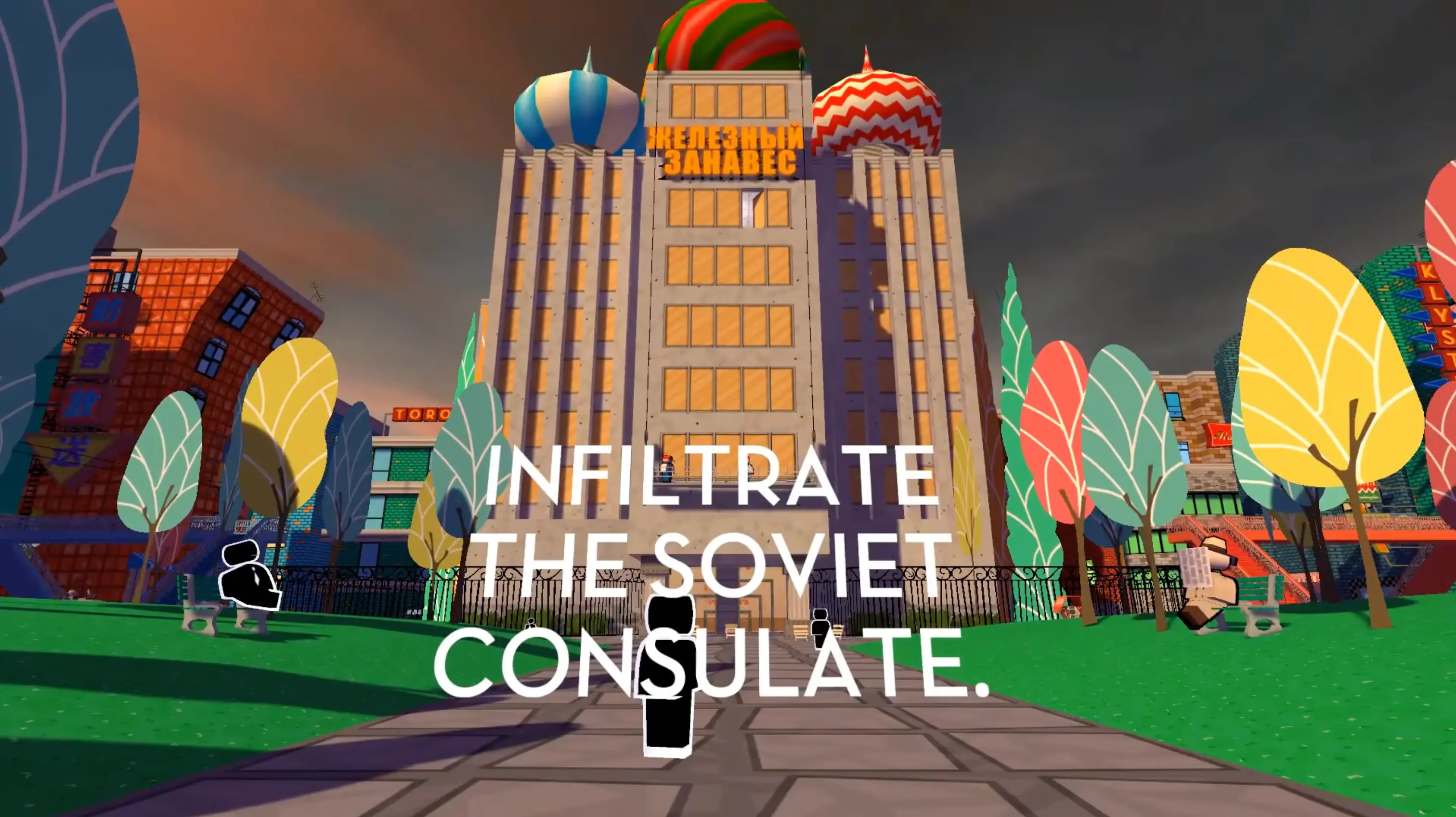
The overarching narrative of Jazzpunk is a glorious, nonsensical excuse to shuttle the player from one surreal set piece to the next. The core plot follows Polyblank as he attempts to infiltrate a Soviet consulate, recover stolen artificial kidneys, and stop the nefarious plans of a rival espionage ring. However, explaining the plot of Jazzpunk is much like trying to explain the plot of a fever dream upon waking up; the connections make sense in the moment, but the joy is in the sheer unpredictability of the events.
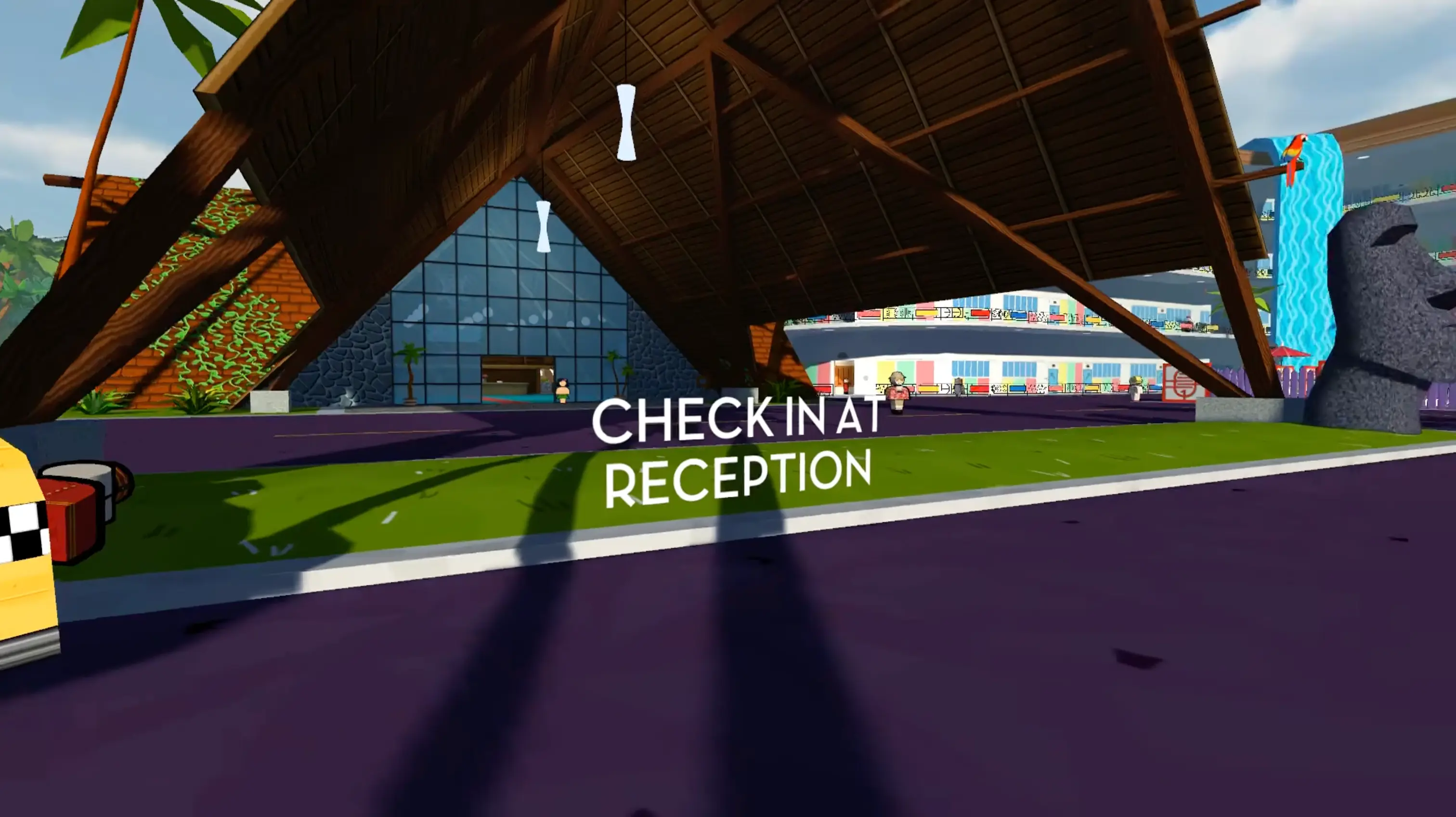
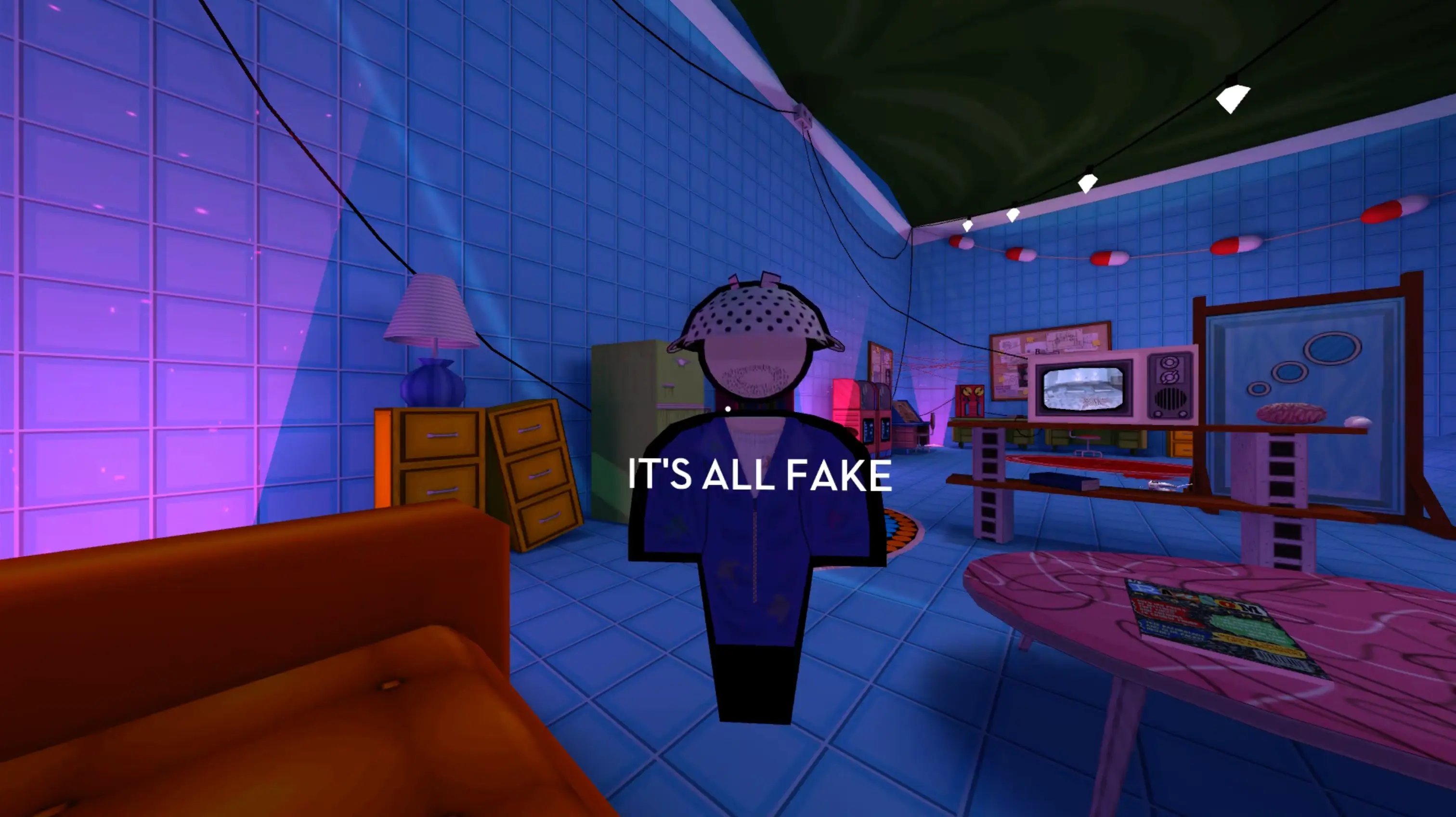
One moment, you are trying to smuggle a highly classified artificial organ out of a sushi restaurant, and the next, you are spraying aggressive tourists with a highly potent bottle of perfume in a luxurious, cloud-grazing resort. The game constantly subverts espionage tropes, turning tense infiltration missions into absurd errands. A stealth mission might require you to hide in a cardboard box, but the box is shaped like a giant, wobbling slice of pizza. The characters you meet are equally bizarre: a robotic prostitute, a man obsessed with his collection of exotic unicycles, and enemy agents who speak in a garbled, synthesized language that sounds like an old modem dialing up. The narrative is a masterclass in non-sequiturs, weaving together disparate pop culture references, technological anxieties, and pure Dadaist absurdity into a cohesive, laugh-out-loud espionage romp.
Gameplay: A Digital Toybox of Distractions
Mechanically, Jazzpunk is a first-person explorer, but to call it a 'walking simulator' would be a disservice to the sheer volume of interactive chaos hidden within its levels. While each mission has a critical path that can technically be completed in a few minutes, rushing to the objective is the entirely wrong way to play. The true gameplay of Jazzpunk is found in its meticulously crafted distractions and secret mini-games. The developers went to extraordinary lengths to hide fully playable, entirely optional games within the game, serving as deep-cut parodies of gaming history.
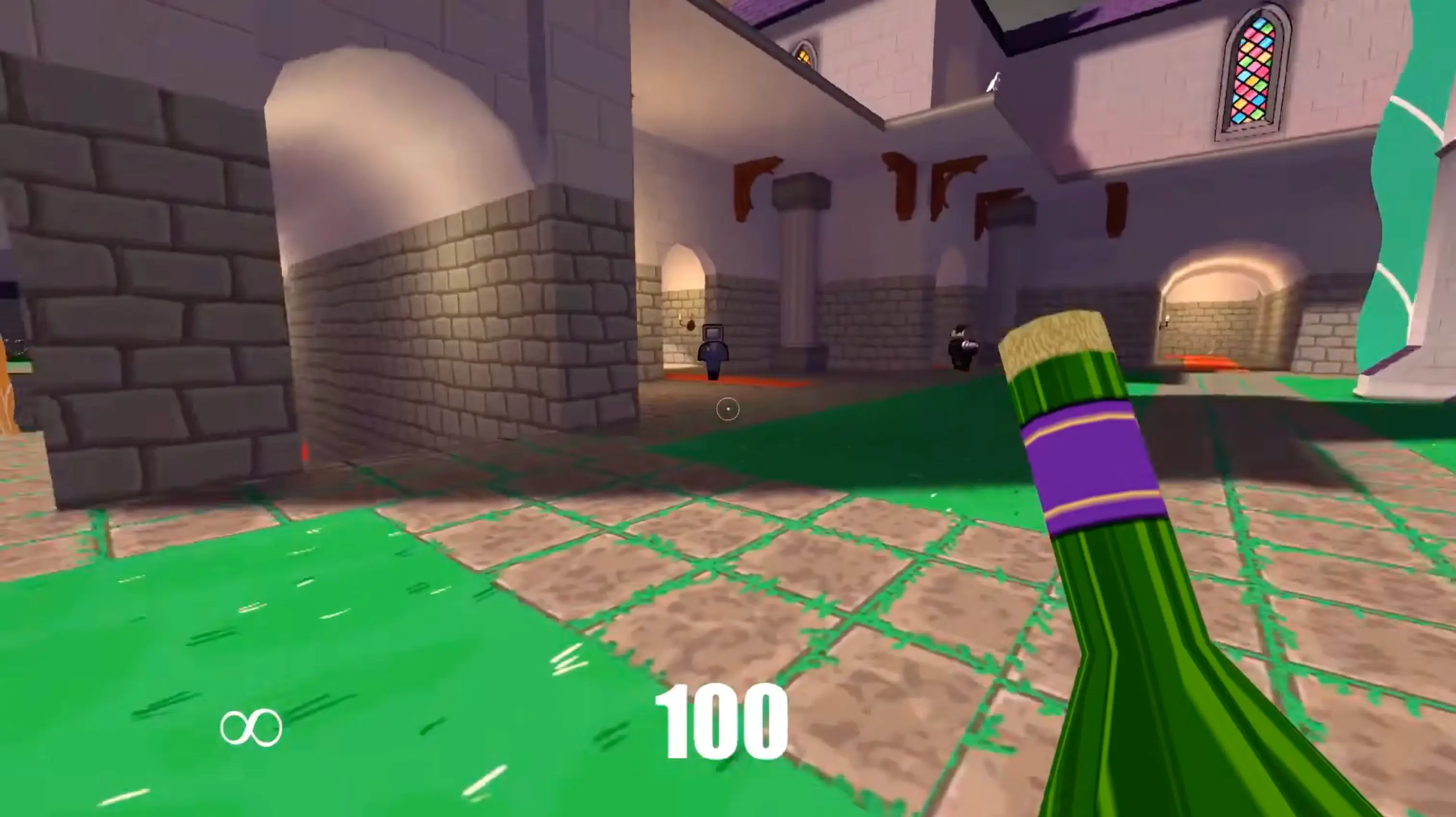
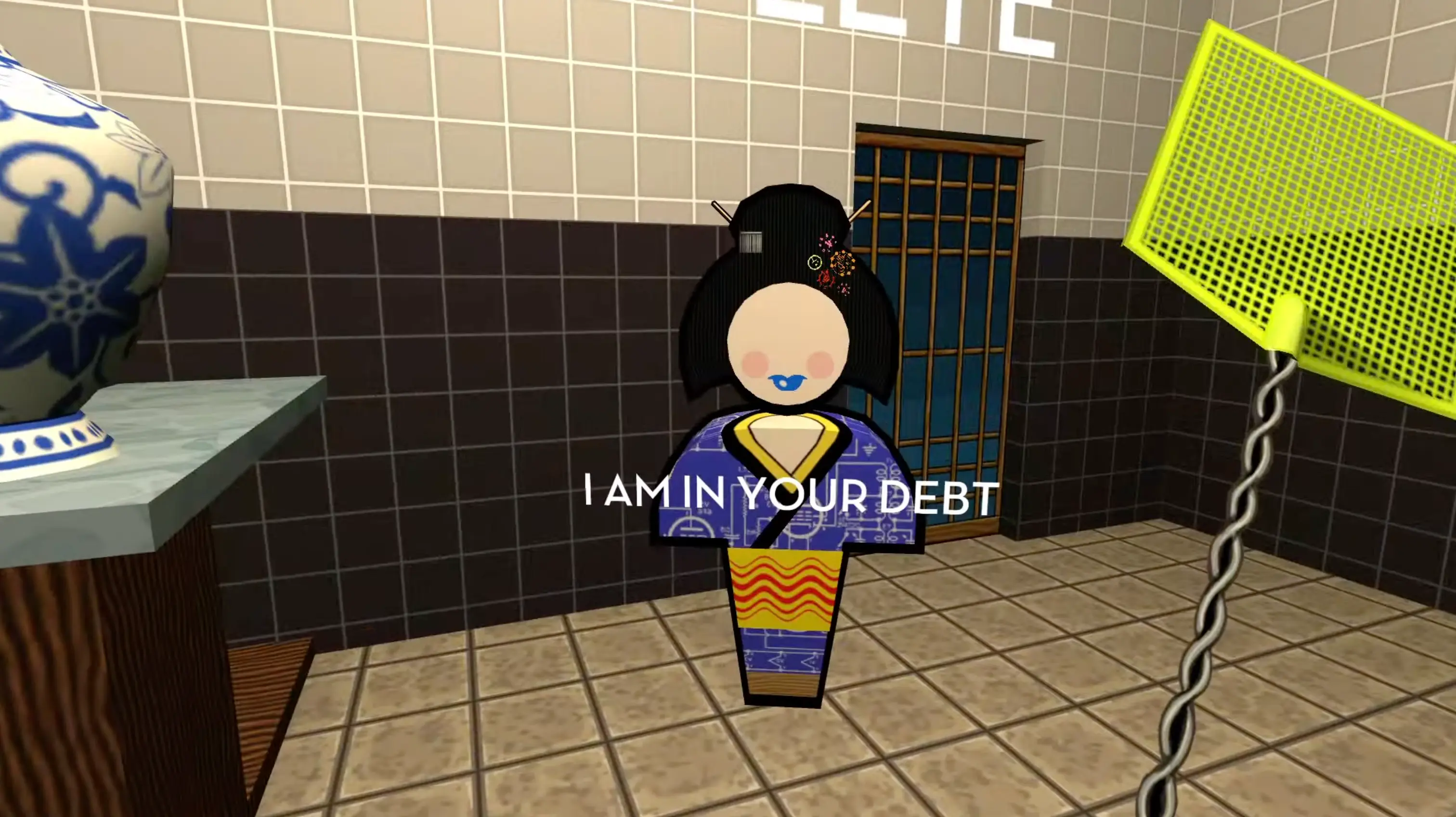
Perhaps the most famous of these is 'Wedding Qake,' a brilliant, fully functional multiplayer-style deathmatch game hidden inside a wedding cake, where players shoot each other with cork-popping champagne bottles and slice each other with cake knives. Another arcade cabinet hidden in a corner might let you play 'Pizza Zombie,' a frenetic mini-game parody of horror shooters. These diversions aren't just lazy throwaways; they are crafted with an astonishing level of detail and mechanical polish. The tactile nature of the main gameplay also shines through its inventory system. You can pick up a flyswatter and spend twenty minutes slapping the environments, triggering unique sound effects and reactions from NPCs. You can feed a spider a slice of pizza to mutate it, or play a game of mini-golf with a highly volatile explosive. The gameplay is essentially a sandbox of pure comedic cause-and-effect.
Atmosphere & Themes: Pop Art Meets Cyberpunk
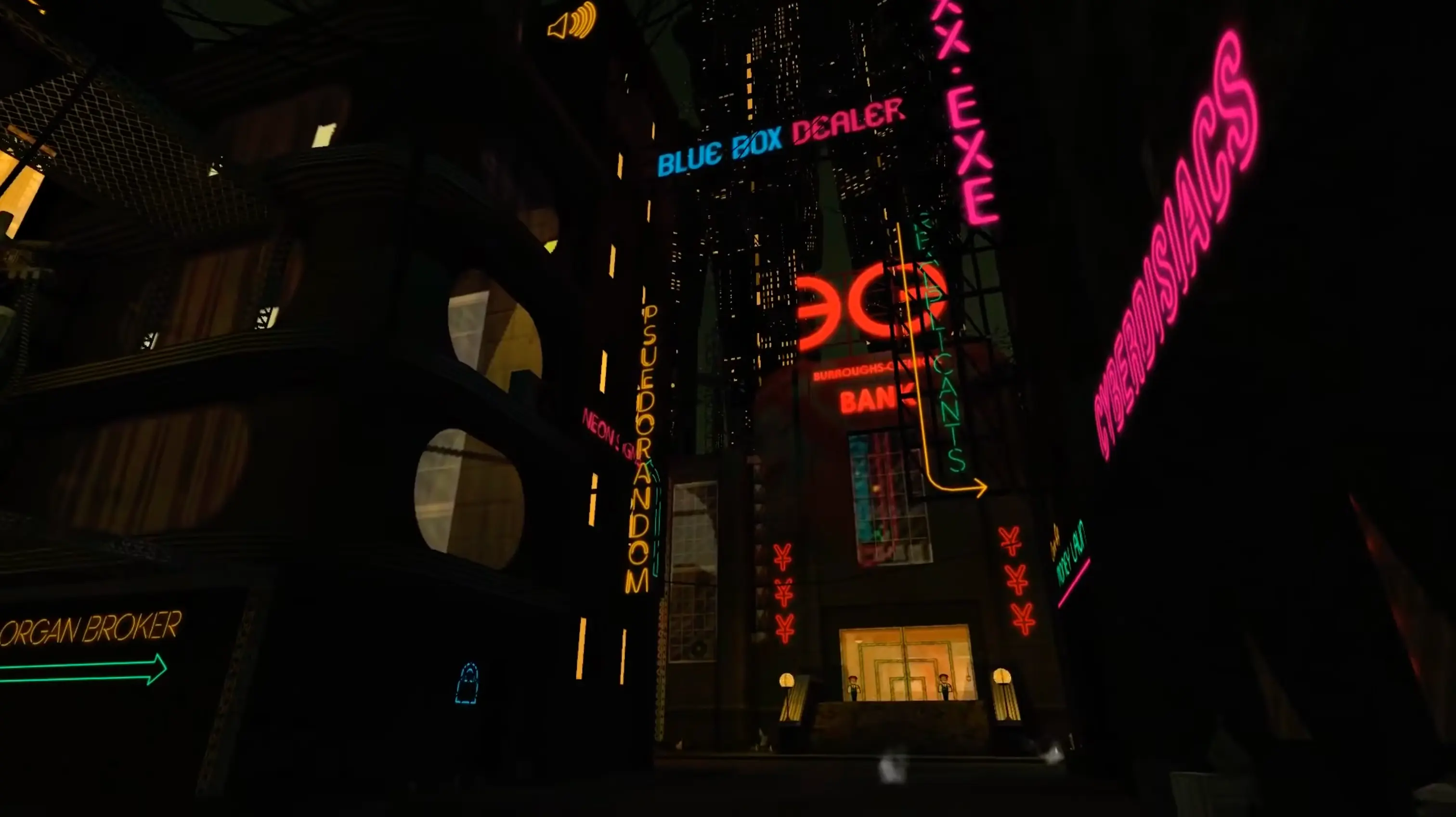
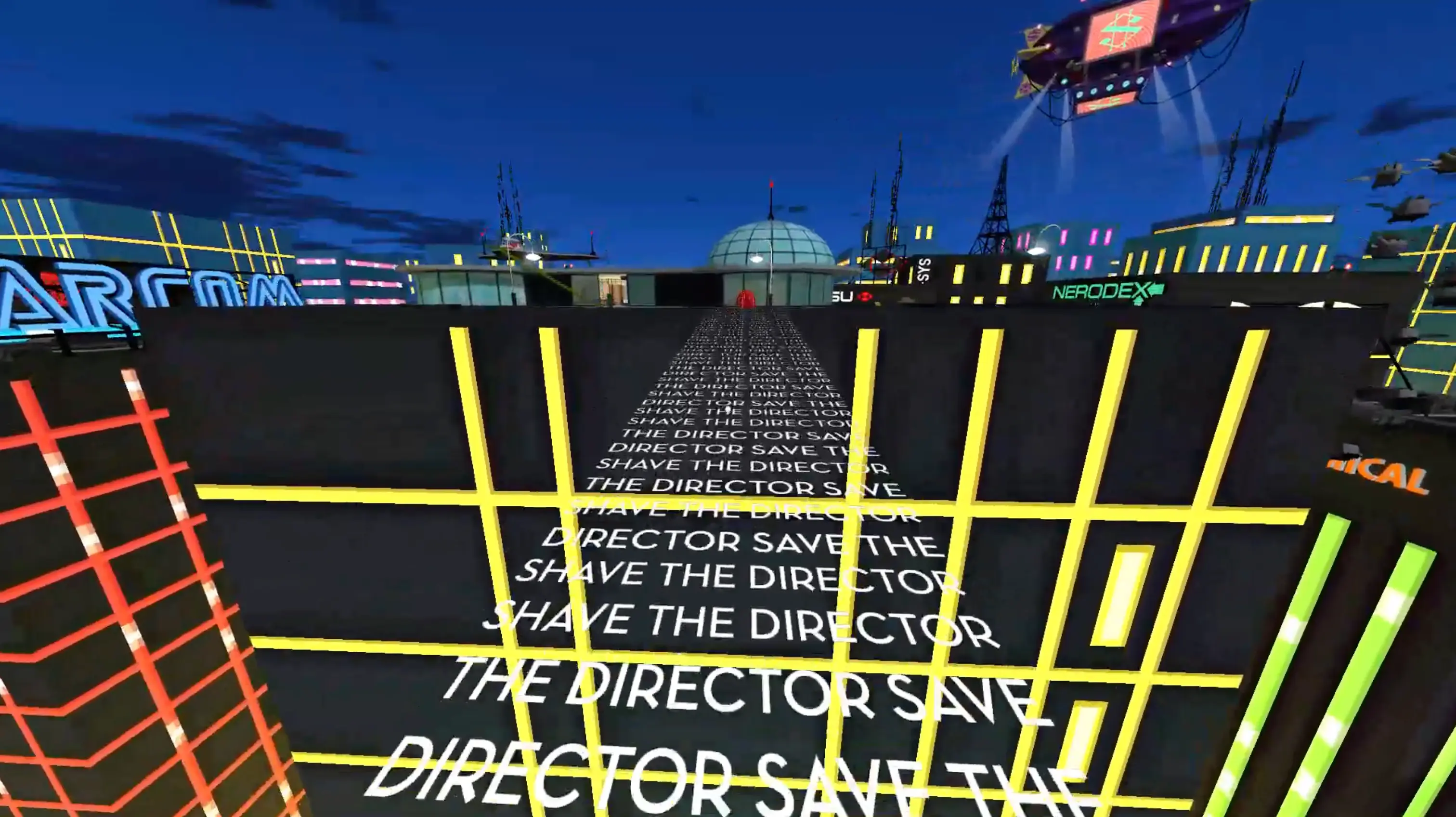
Visually and aurally, Jazzpunk is a triumph of stylized art direction. The game utilizes a vibrant, cel-shaded graphical style that looks like a 1960s pop-art painting brought to vivid life. The character models are intentionally blocky and low-poly, which perfectly complements the physical, slapstick nature of the comedy. This minimalist approach to detailing allows the game's bold color palette—deep neon pinks, bright cerulean blues, and harsh Soviet reds—to completely dominate the screen, creating a world that feels both retro and undeniably futuristic. It is a cyberpunk world, but not the rainy, depressing cyberpunk of Blade Runner; it is a sunny, upbeat, consumerist cyberpunk where the technology is as ridiculous as it is advanced.
Equally important to the game's atmosphere is the phenomenal soundtrack composed by Luis Hernandez. The music perfectly captures the frantic energy of the game, blending smooth, upright-bass jazz with aggressive, squelching electronic synthesizers and exotic lounge music. The sound design acts as the final punchline to almost every joke. The game relies heavily on classic foley effects—slide whistles, popping corks, bongos, and cartoonish bonks—to punctuate the physical comedy. The juxtaposition of a sleek, high-tech espionage scenario paired with the sound of a literal clown horn when you hit someone over the head is a testament to the game's brilliant understanding of audio-comedic timing. It creates an atmosphere of pure, unadulterated joy, making it impossible to traverse the world without a persistent grin on your face.
Conclusion: A Masterclass in Interactive Comedy
Comedy in video games ages notoriously poorly, often relying on dated pop-culture references or memes that lose their luster within months of release. Yet, Jazzpunk remains as fresh, startling, and laugh-out-loud funny today as it was upon its initial release. By anchoring its humor in the mechanics of the game itself, in physical slapstick, and in a completely distinct, timeless visual identity, Necrophone Games created a comedy title that transcends the era it was released in. It is a game that deeply respects the player's intelligence by offering no guidance on how to find its best jokes, trusting that sheer curiosity will lead to the best punchlines.
Though the main campaign is relatively short, clocking in at around three to four hours, the density of the experience ensures that not a single minute is wasted. It is a distilled, concentrated dose of absurdity that never overstays its welcome. Jazzpunk is more than just a funny game; it is an essential text on how to design comedy in an interactive medium. It stands as a brilliant reminder that video games do not always need to be epic, dramatic, or endlessly sprawling to be masterpieces. Sometimes, all you need is a neon-lit city, a pocket full of bizarre gadgets, and the freedom to cause absolute, hilarious chaos.
Review Score
Based on overall narrative, gameplay, and experience.