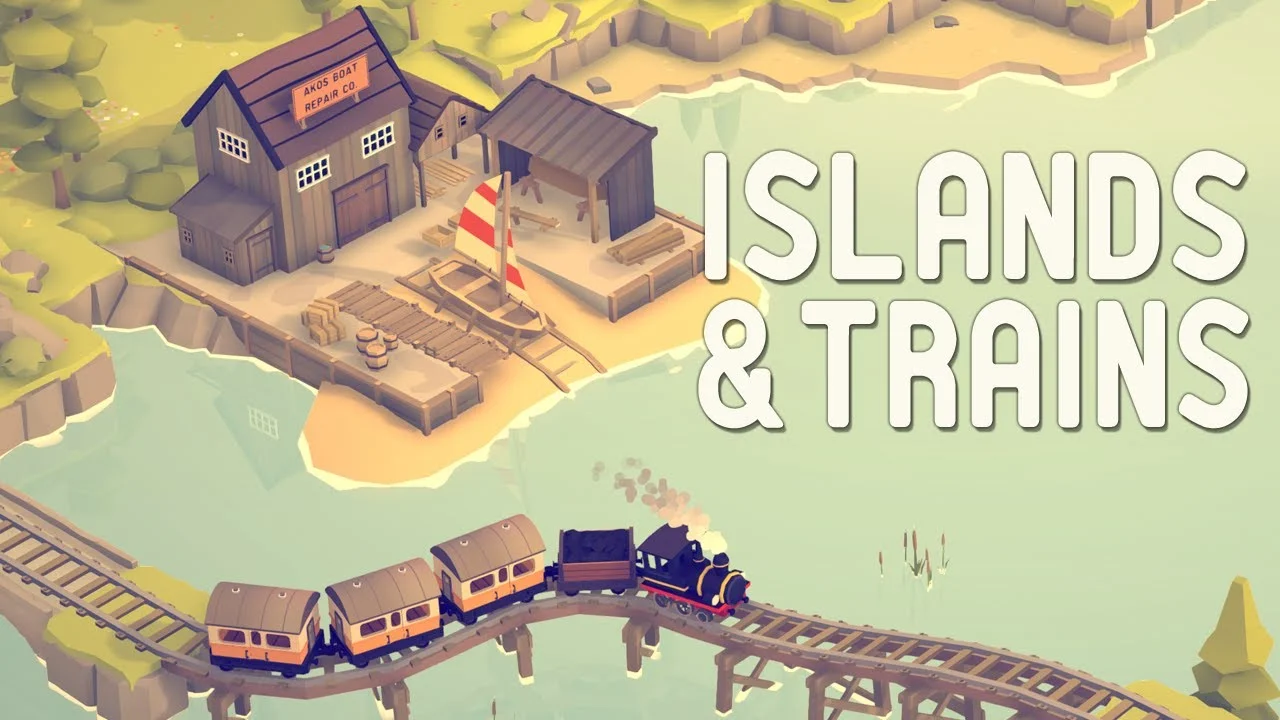
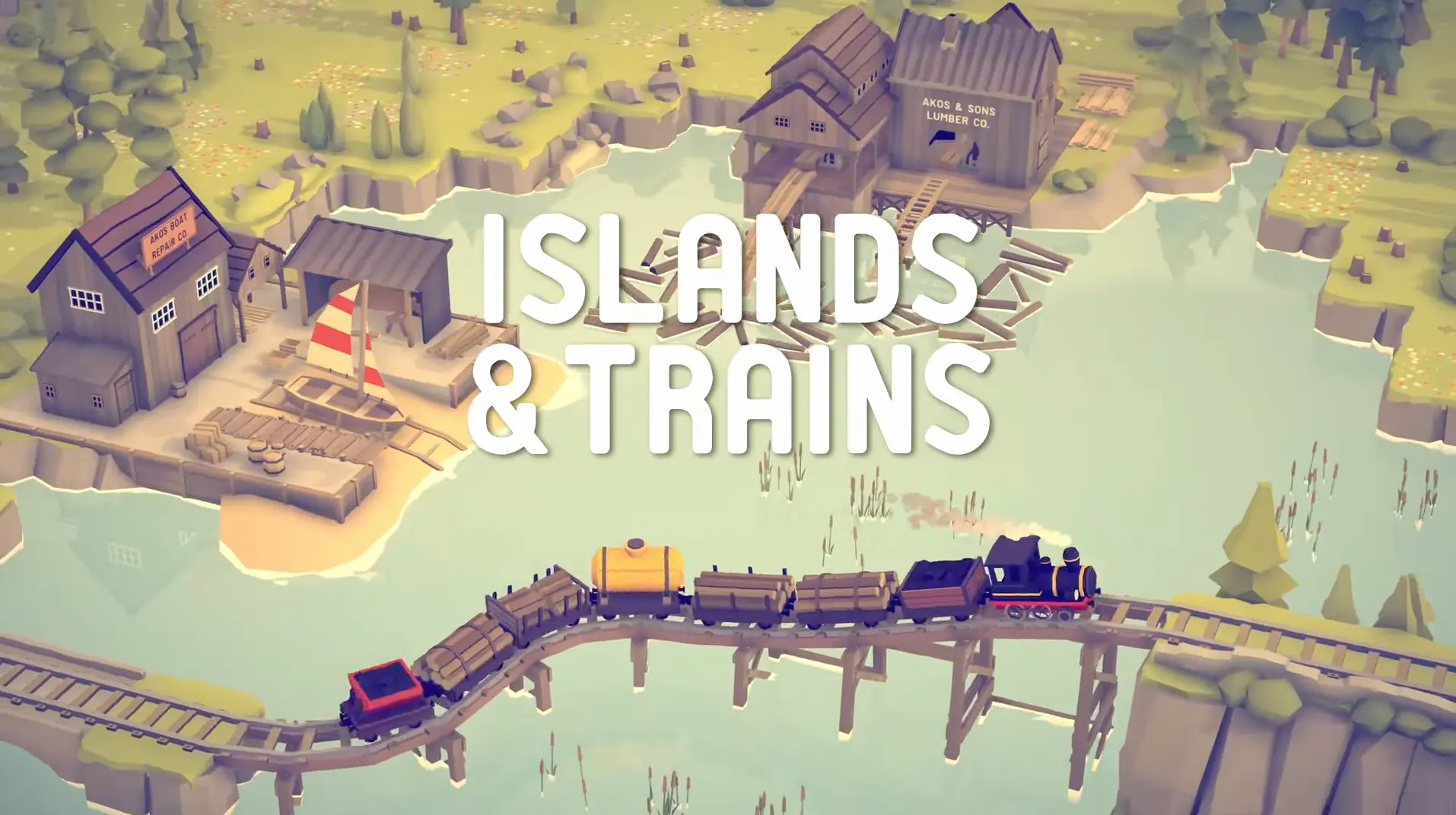
In an industry obsessed with adrenaline, 100-hour campaigns, and aggressive monetization, there is a distinct courage in silence. We often talk about games that demand your attention; rarely do we celebrate games that simply ask for your presence. Islands & Trains is the antithesis of the modern AAA blockbuster. It does not care about your reflexes. It has no interest in your competitive rank. It is a digital toy in the purest sense of the word. Following in the footsteps of minimalist darlings like Townscaper and Dorfromantik, this title strips away the gamification of creativity to leave behind something raw, tactile, and beautifully simple. It is not a game you beat; it is a mood you inhabit. For the player looking to cleanse their palate after a heavy narrative RPG or a stressful competitive shooter, this is less of a video game and more of a deep exhale.
About The Game: The Art of the Diorama
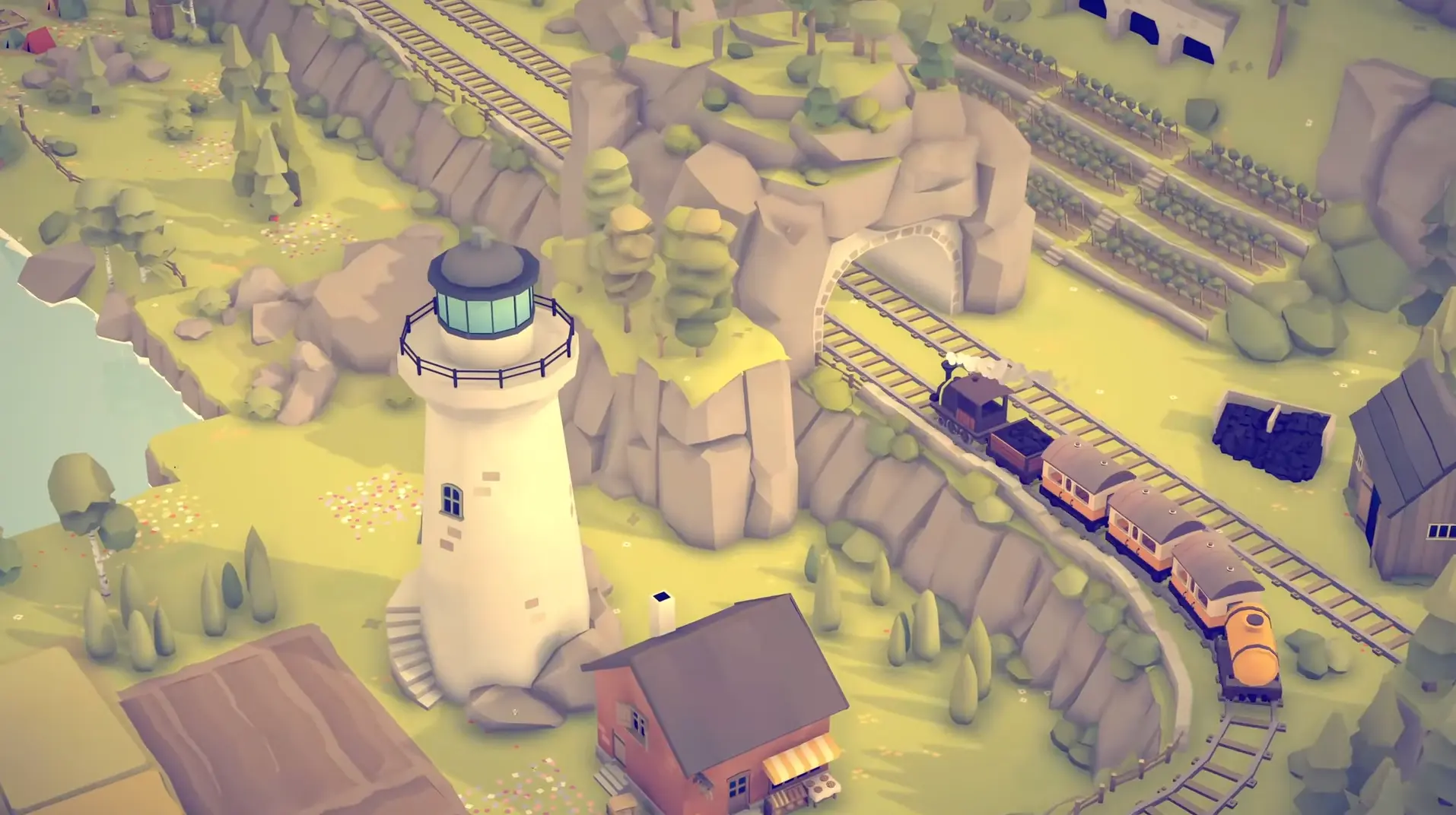
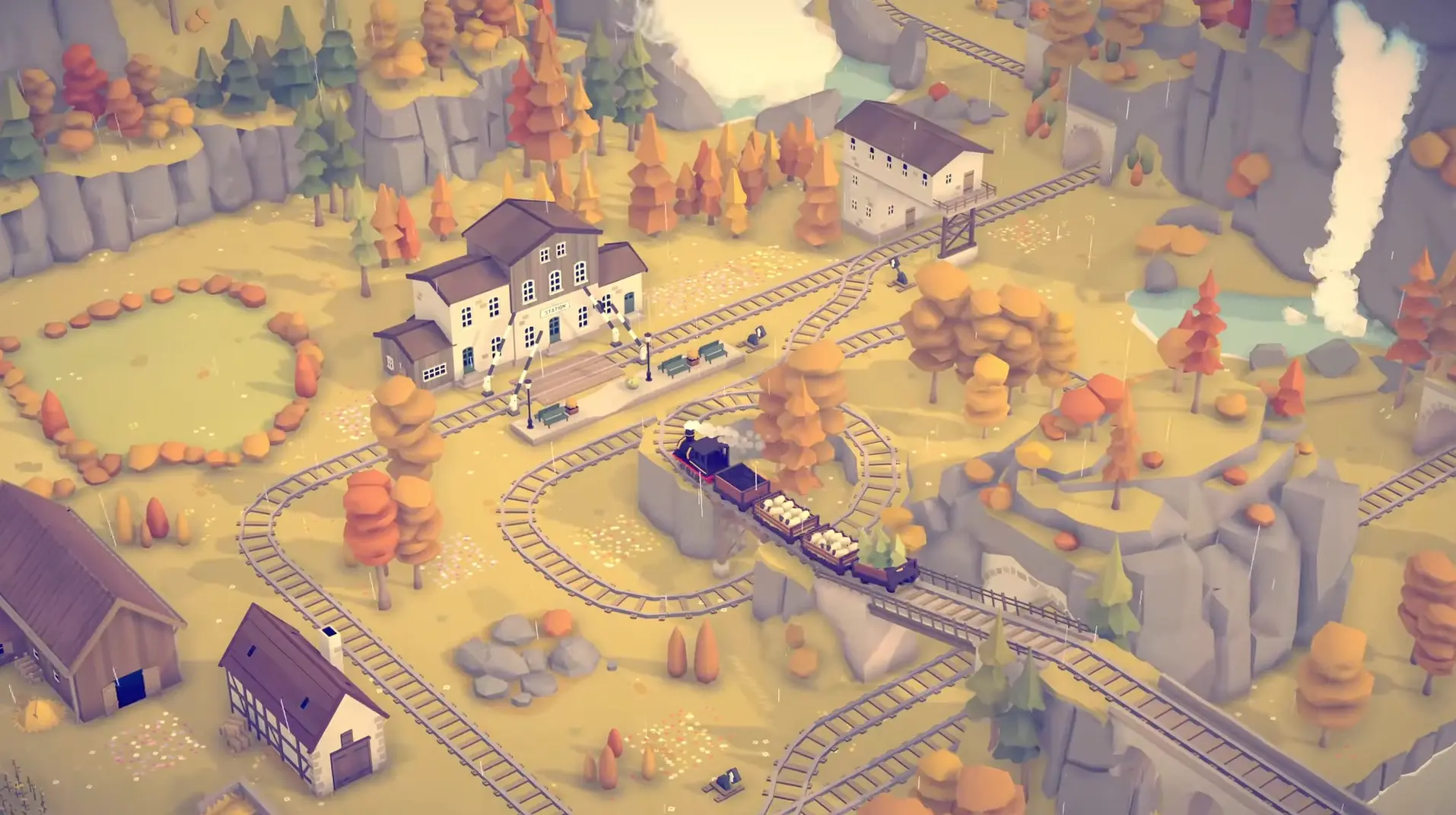
At its core, Islands & Trains is a sandbox building experience focused on the creation of aesthetic dioramas. There are no resources to manage, no currency to earn, and no citizens to keep happy. You are given a small, grid-based plot of land floating in a pastel void, and a toolbox of charmingly low-poly assets. The philosophy here is instant gratification through aesthetics.Every click places an object. Every object fits. The game handles the complex logic of how fences connect or how terrain shifts, leaving the player to act as the director of the scene. It is a virtual model train set without the glue fumes or the exorbitant cost. The scope is intentionally limited. You aren't building a sprawling metropolis; you are curating a moment in time—a sleepy fishing village, a dense forest tunnel, or a lonely farmstead. It is a celebration of the small scale, proving that you don't need a massive open world to feel immersed.
Story: The Narrative of Silence
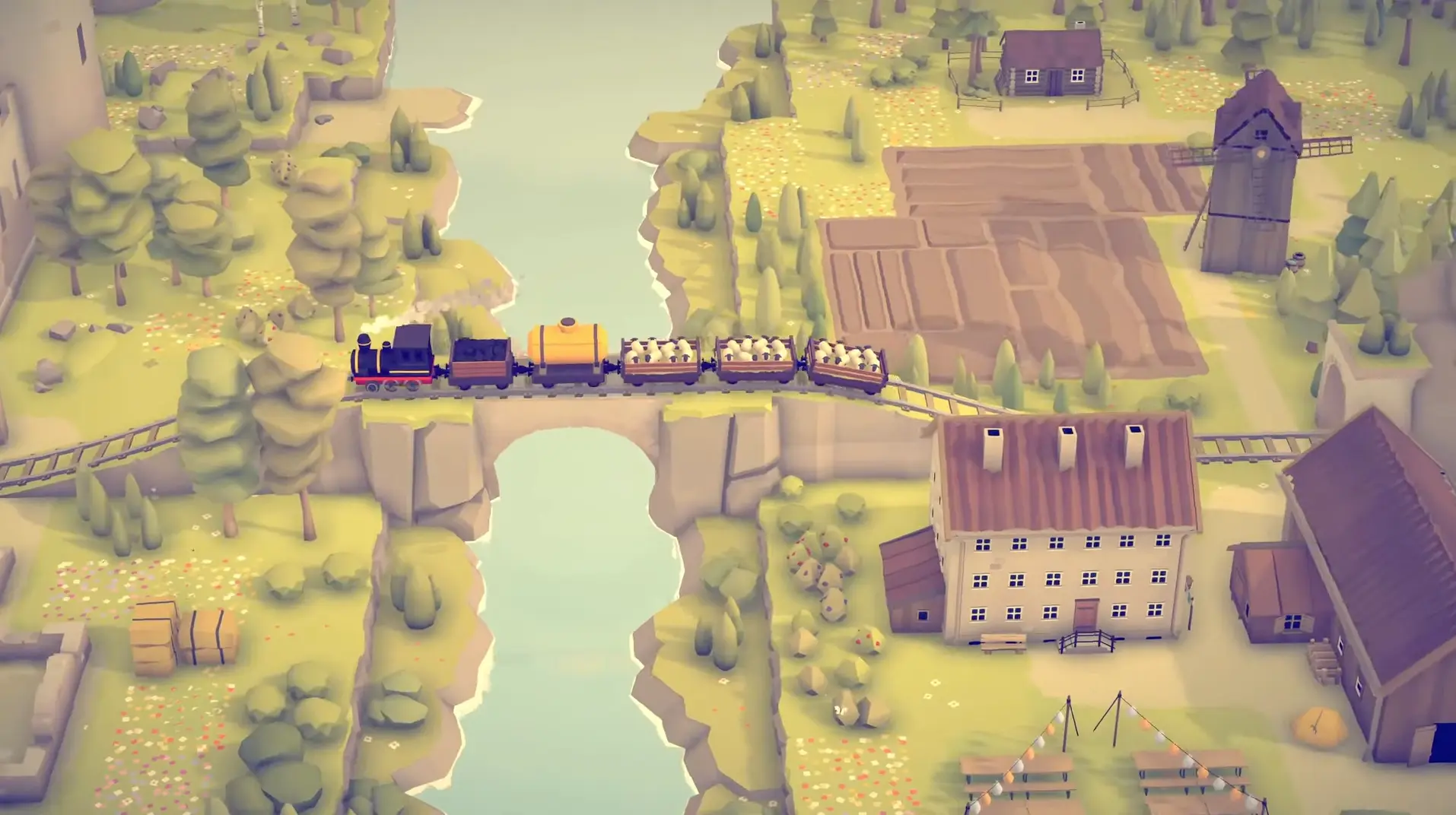
If you are looking for lore, cutscenes, or dialogue trees, you will not find them here. However, to say Islands & Trains has "no story" would be a disservice to environmental storytelling. The story is implicit. It is found in the placement of a bench overlooking the ocean, suggesting a favorite spot for a nonexistent character to watch the sunset. It is in the lonely sheep grazing near the tracks.Because the game provides no context, the player projects their own nostalgia onto the screen. That house on the hill becomes your grandfather's house. That winding track through the pine trees becomes a memory of a childhood trip. The lack of explicit narrative text allows the atmosphere to do the heavy lifting, turning simple geometry into evocative memories. It creates a space for the player to drift away in their own thoughts, using the game as a visual anchor for their own imagination.
Gameplay: The Tactile Loop
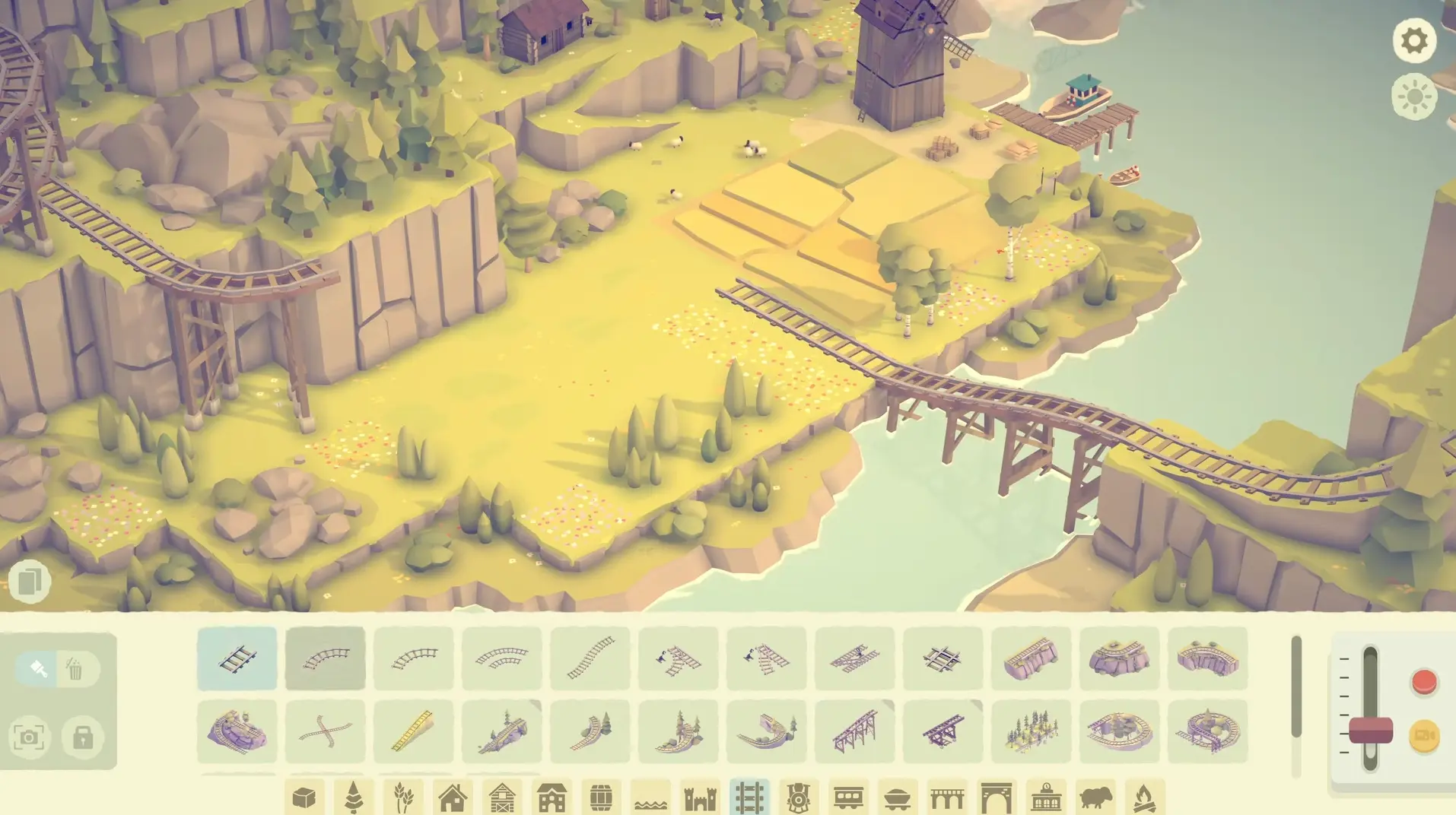
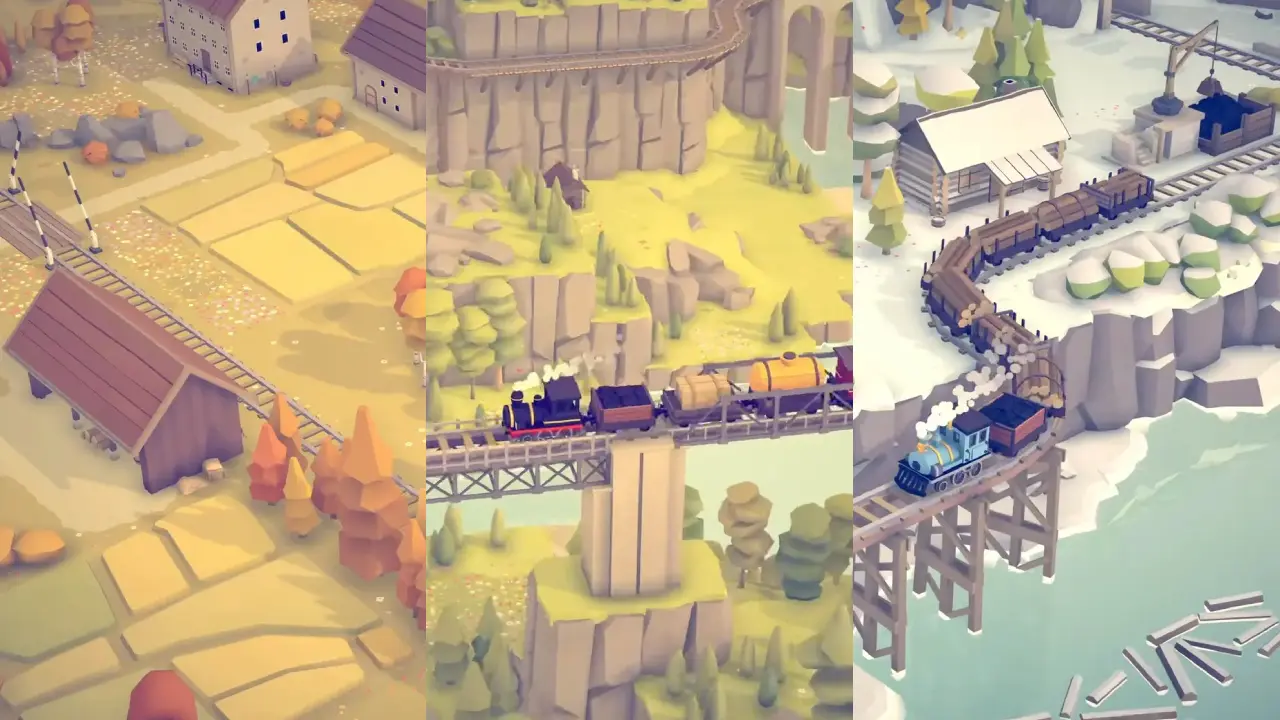
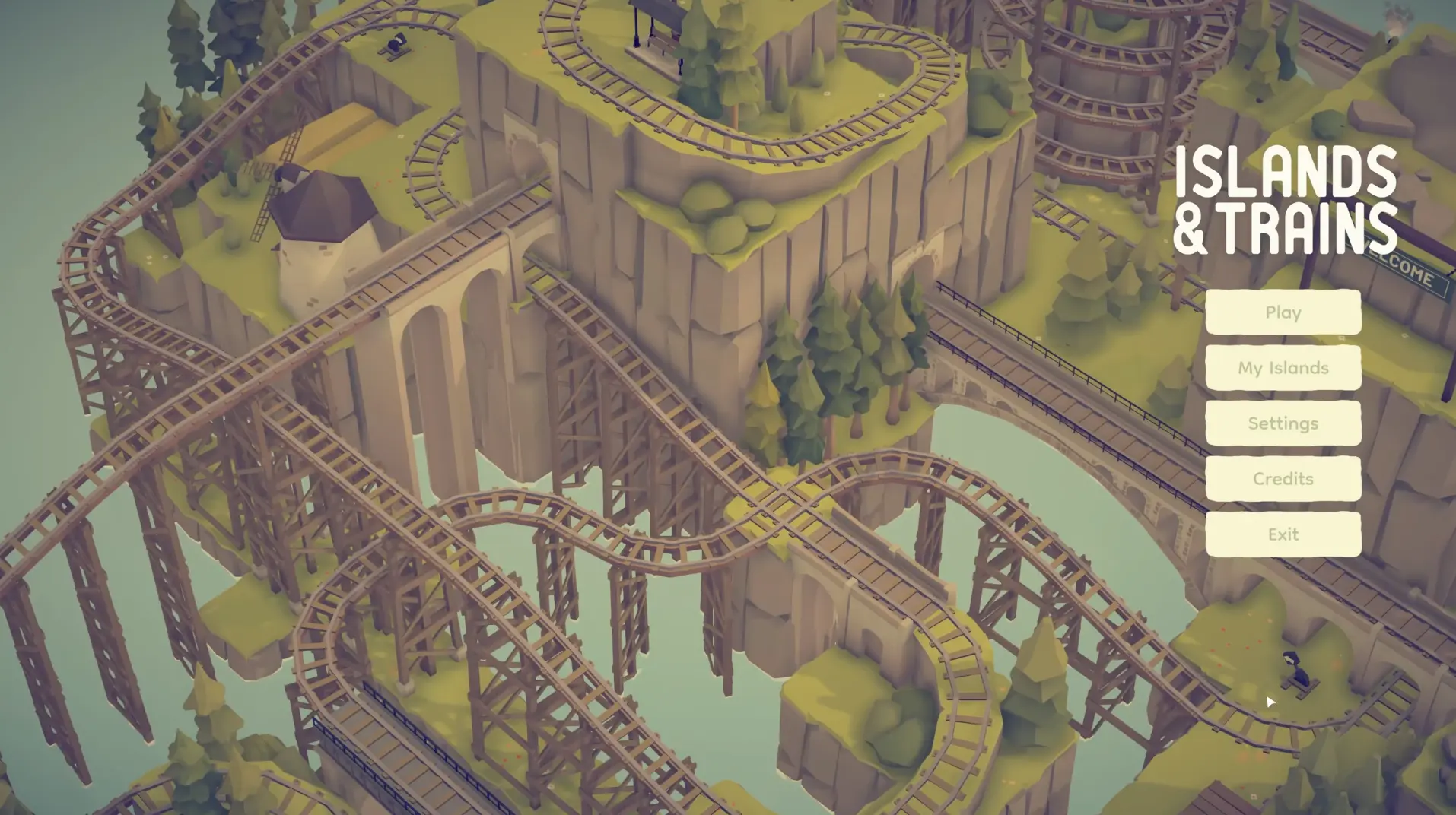
The gameplay loop is defined by its "pop" and "click." The developer, Kantor, has clearly obsessed over the game feel. Placing a tile isn't just a visual change; it is an auditory satisfaction. Objects drop into place with a pleasing, tactile bounce that makes the act of creation feel physical. You begin by manipulating the terrain—expanding your island or digging rivers. From there, the star of the show appears: the tracks. The track-laying system is intuitive, snapping together effortlessly. Once the loop is closed, a small train automatically spawns and begins its eternal journey. You then populate the world with foliage, animals, buildings, and decorations.
However, the game is not without its limitations. The grid is small. The asset library, while charming, is not exhaustive. Players looking for the complexity of Cities: Skylines will feel stifled here. But Islands & Trains argues that restriction breeds creativity. By limiting your space and your tools, it forces you to be intentional with every square inch of the grid. It is about composition, not expansion.
Atmosphere & Themes: Pastel Melancholy
Visually, the game creates a distinct "soft" reality. The color palette is vibrant yet soothing—teals, soft greens, and warm oranges. The lighting engine shifts through different times of day, allowing you to see your creation bathed in the golden hour or settled under a cool, blue night. The low-poly art style is timeless, favoring readable shapes over high-fidelity textures.
The sound design deserves a specific mention. It is the glue that holds the experience together. The music is a collection of lo-fi, acoustic strums and soft synth pads that never intrude but always support. Combined with the rhythmic chug-chug-chug of the train and the ambient sounds of waves and wind, the game induces a trance-like state. The theme here is tranquility in isolation. In a digital world where we are constantly connected, Islands & Trains offers a private island where the only noise is the one you choose to place there.
Conclusion: A Necessary Pause
Islands & Trains is not a game that tries to be everything to everyone. It is a specialized tool for relaxation. It creates a safe harbor in the stormy sea of the gaming industry. It captures the childhood joy of playing with toys on the living room rug, translating that tactile wonder into a digital format. It is short. You can see everything it has to offer in a few hours. But to judge it on length is to miss the point. You don't judge a meditation session by how many enemies you killed; you judge it by how you feel when it's over. If you are seeking a high-octane challenge, skip this. But if you need to disconnect, to create something beautiful for the sake of beauty alone, and to listen to the rhythmic comfort of a train on a track, Islands & Trains is a 10/10 experience in mindfulness.