Introduction: The Awakening in the Ruins
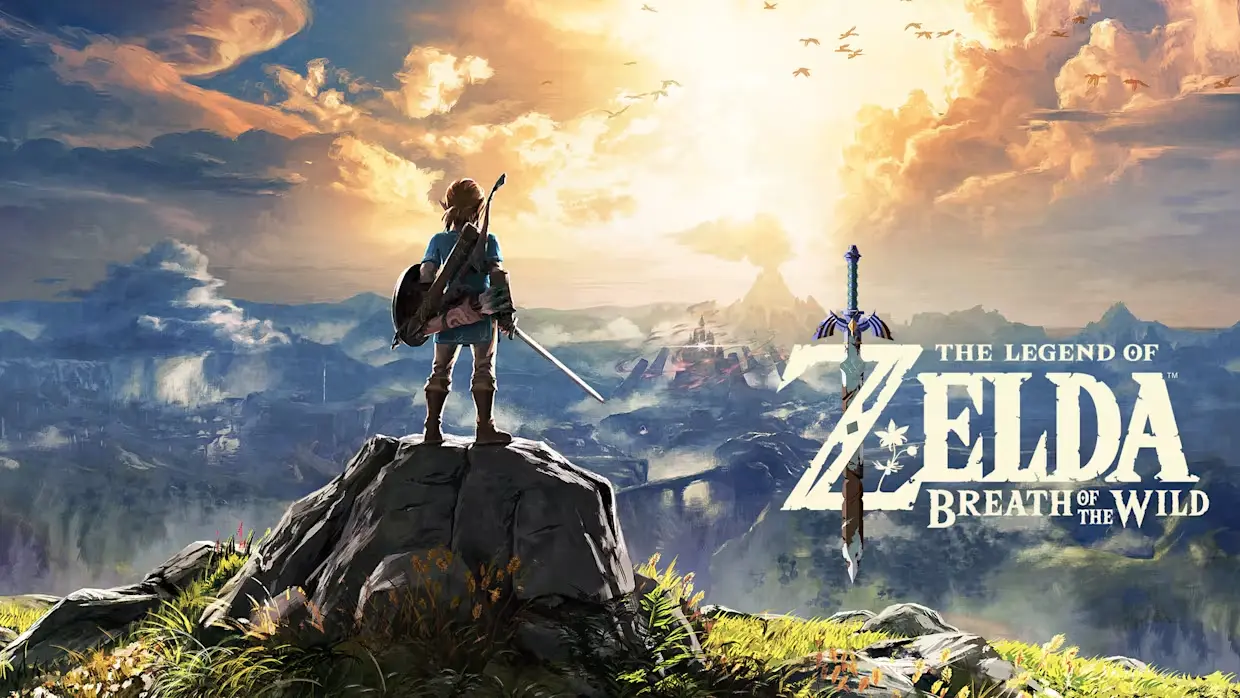
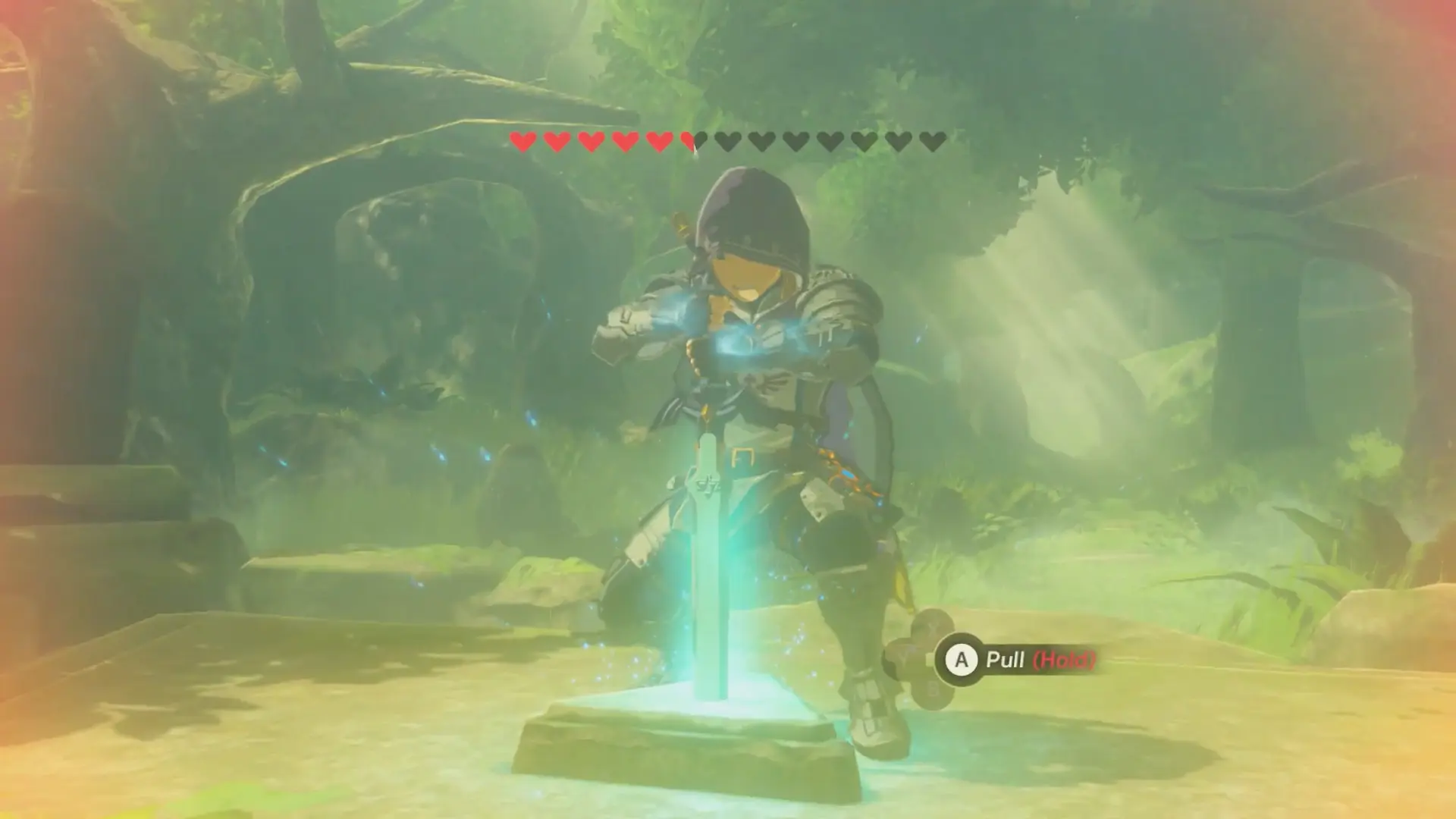
Nintendo has always been the architect of modern gaming conventions, but Breath of the Wild stands as their most radical act of destruction. It isn’t a game about following a golden path; it’s a game about tearing up the map and running toward the horizon. We awaken as Link, a hero stripped of his memories and his strength, stepping out of a stasis pod into a world that failed a century ago.
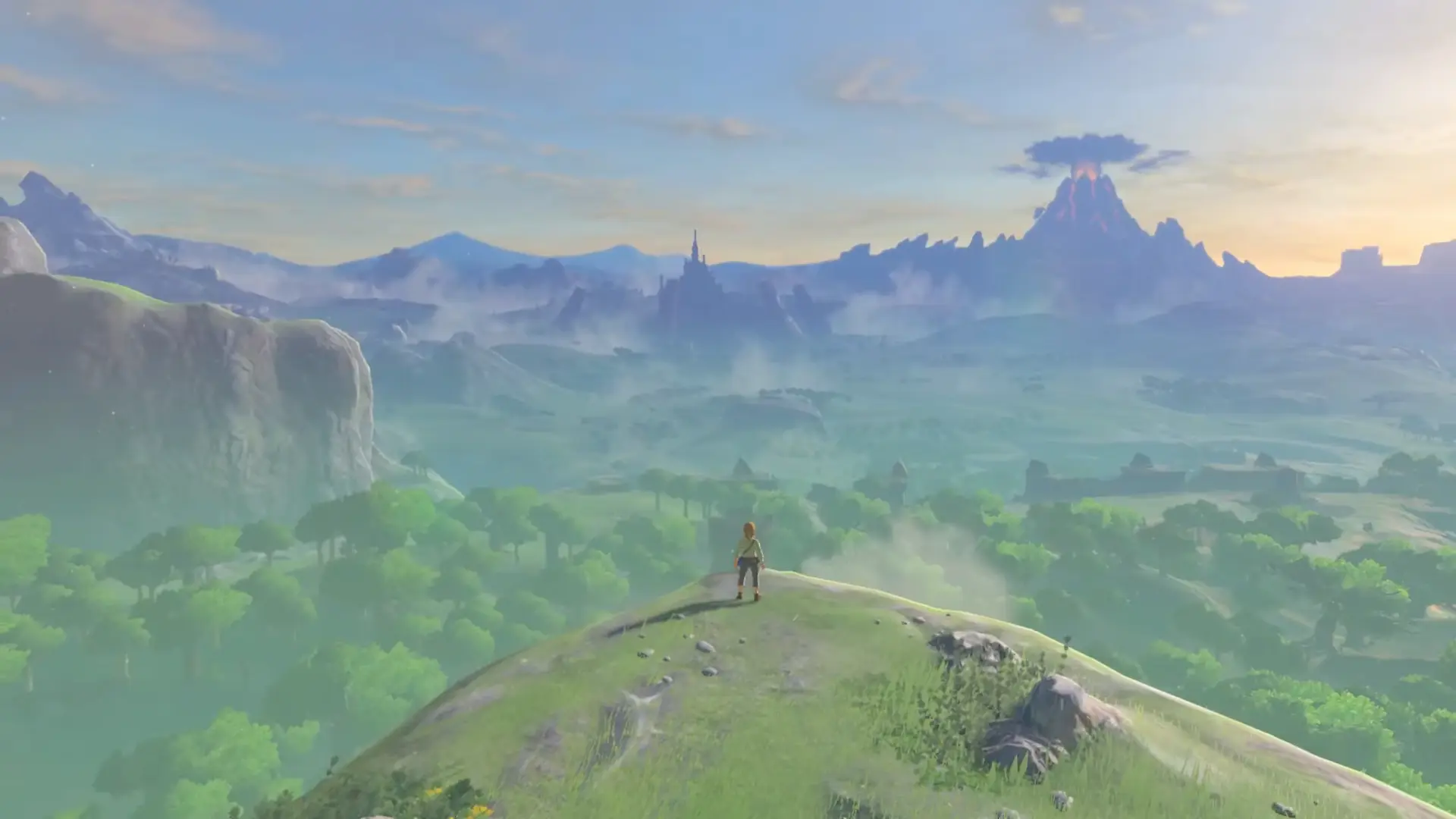
The game introduces us to the Great Plateau, a masterful tutorial disguised as an isolated wilderness. There are no hand-holding fairies or endless text boxes; instead, you are greeted by the sweeping winds of a ruined Hyrule and the distant, glowing menace of Calamity Ganon swirling around Hyrule Castle. It is a vibrant, verdant apocalypse that uses the melancholy of forgotten history to fuel an unparalleled sense of discovery and survival.About the Game: The Architecture of Absolute Freedom
Breath of the Wild is the definitive reimagining of the open-world genre, entirely dismantling the 'checklist' structure that had plagued the industry for years. The game is built entirely around an intrinsic loop: see a landmark, figure out how to get there, and get distracted three times along the way.
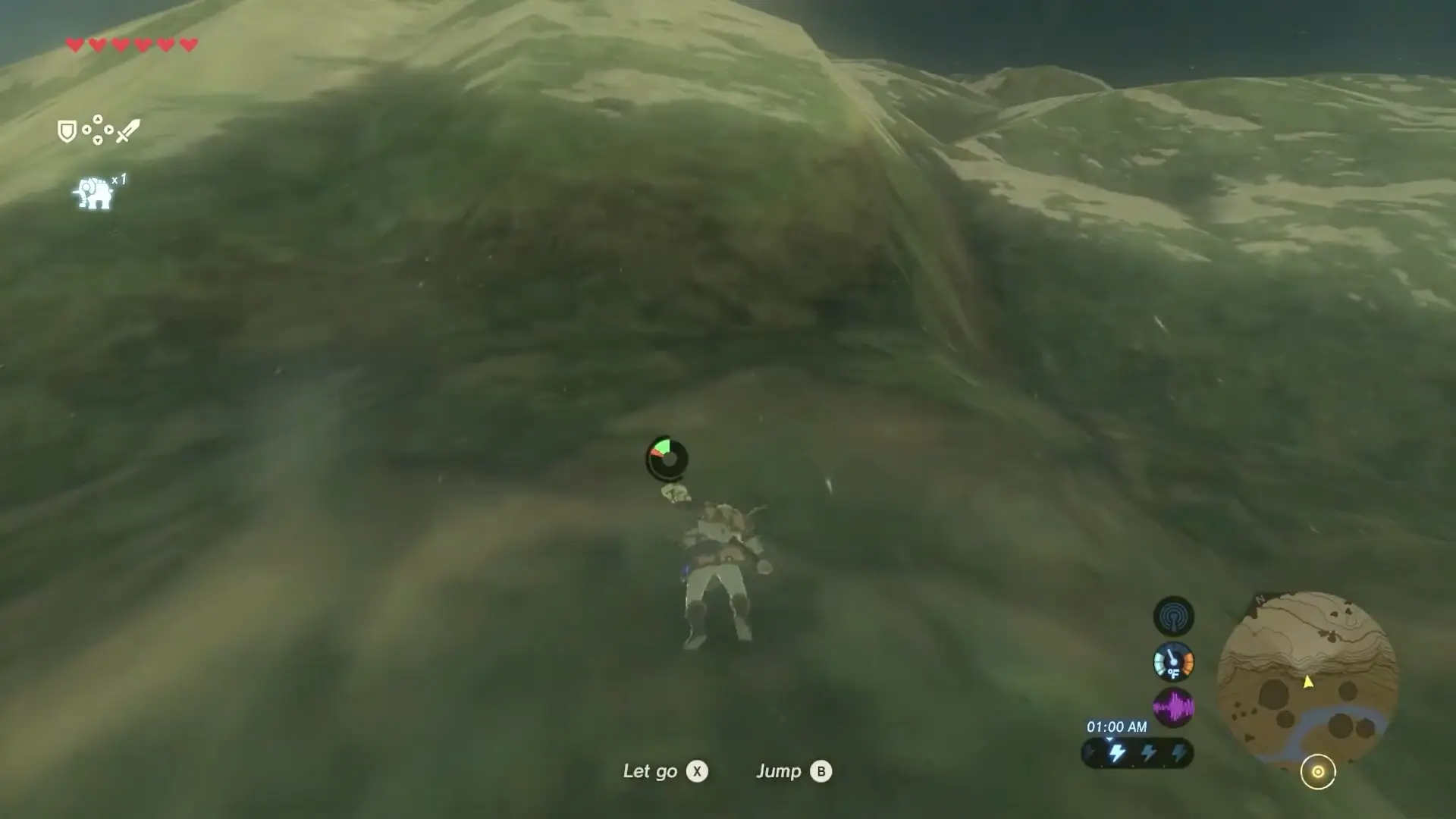
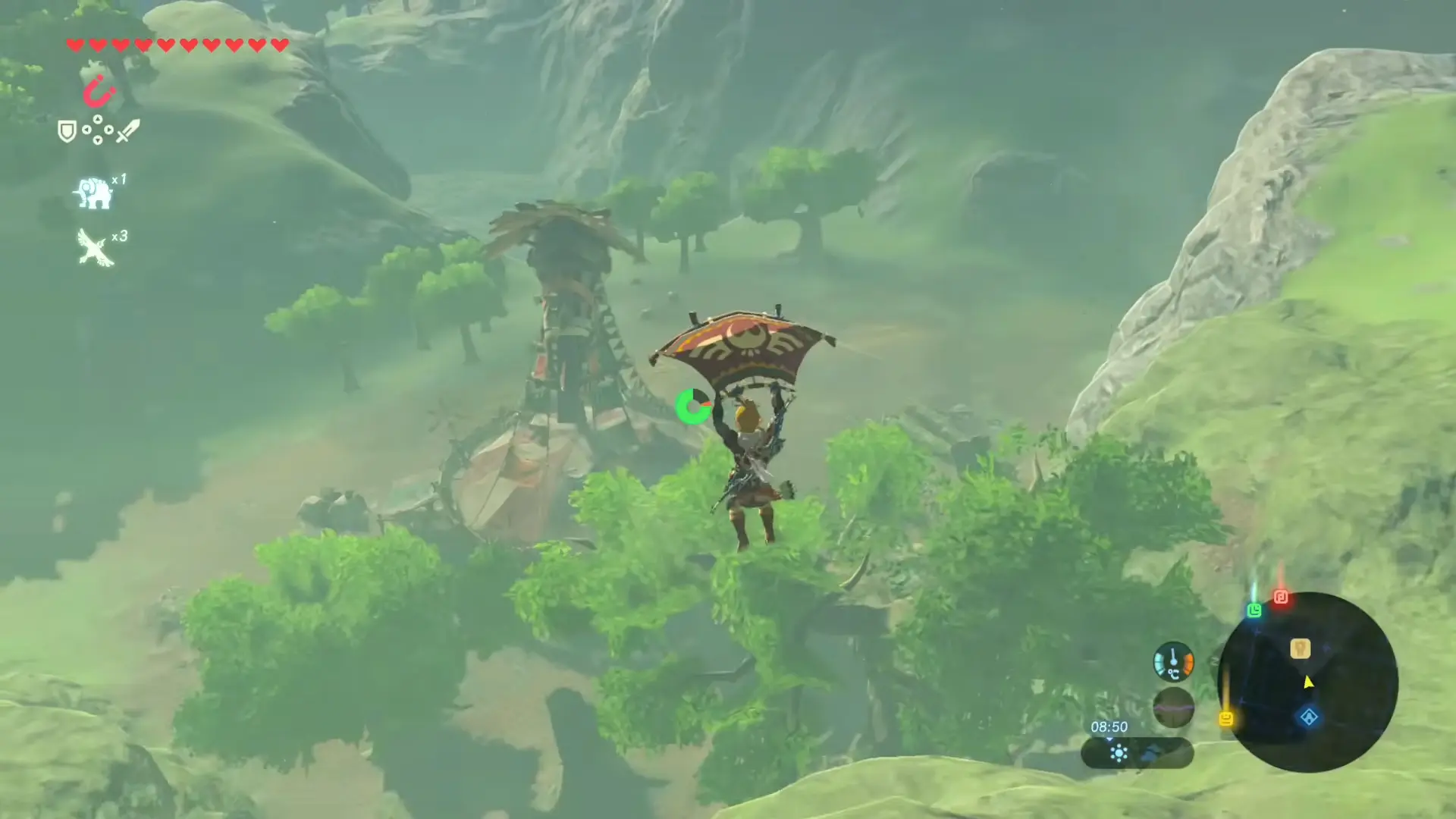
Every surface in the world—from the sheerest cliffs to the tallest trees—is climbable, governed only by a stamina wheel that demands respect. But when you reach the peak, the game gifts you the paraglider, shifting the traversal from an arduous climb into a breathtaking descent. It is a masterclass in 'systemic gameplay,' where the environment isn't just a backdrop, but an active, reactive playground. Every biome, from the blistering sands of the Gerudo Desert to the freezing peaks of Hebra, is an adversary you must prepare for.Story: A Symphony of Echoes
What makes Breath of the Wild’s narrative so compelling is its fragmented, melancholic delivery. This is a story about failure. You are not preventing an apocalypse; you are surviving the aftermath. The narrative is driven by 'Captured Memories'—fleeting, emotional vignettes that you must physically hunt down across the landscape, using only old photographs as your guide.
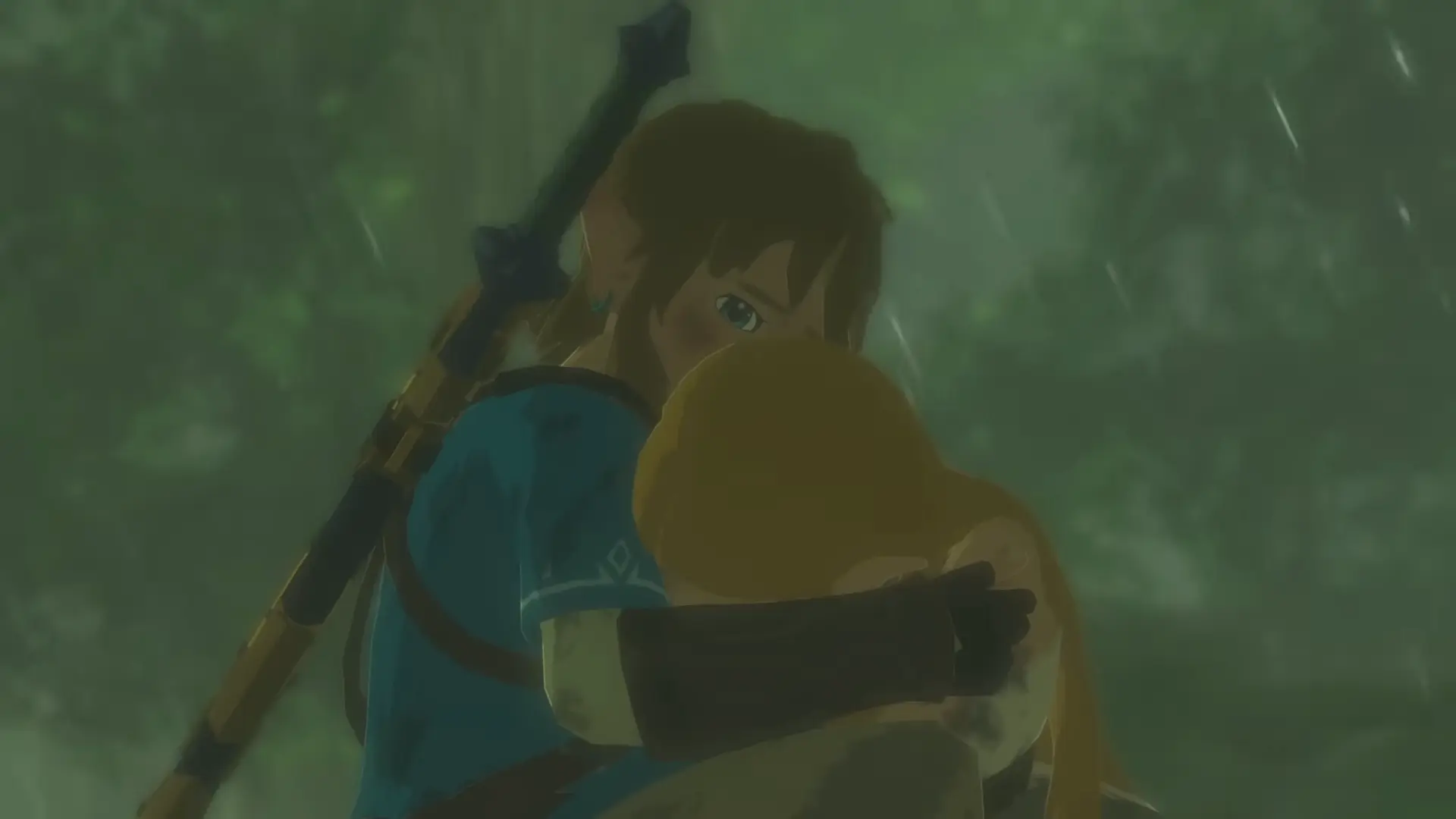
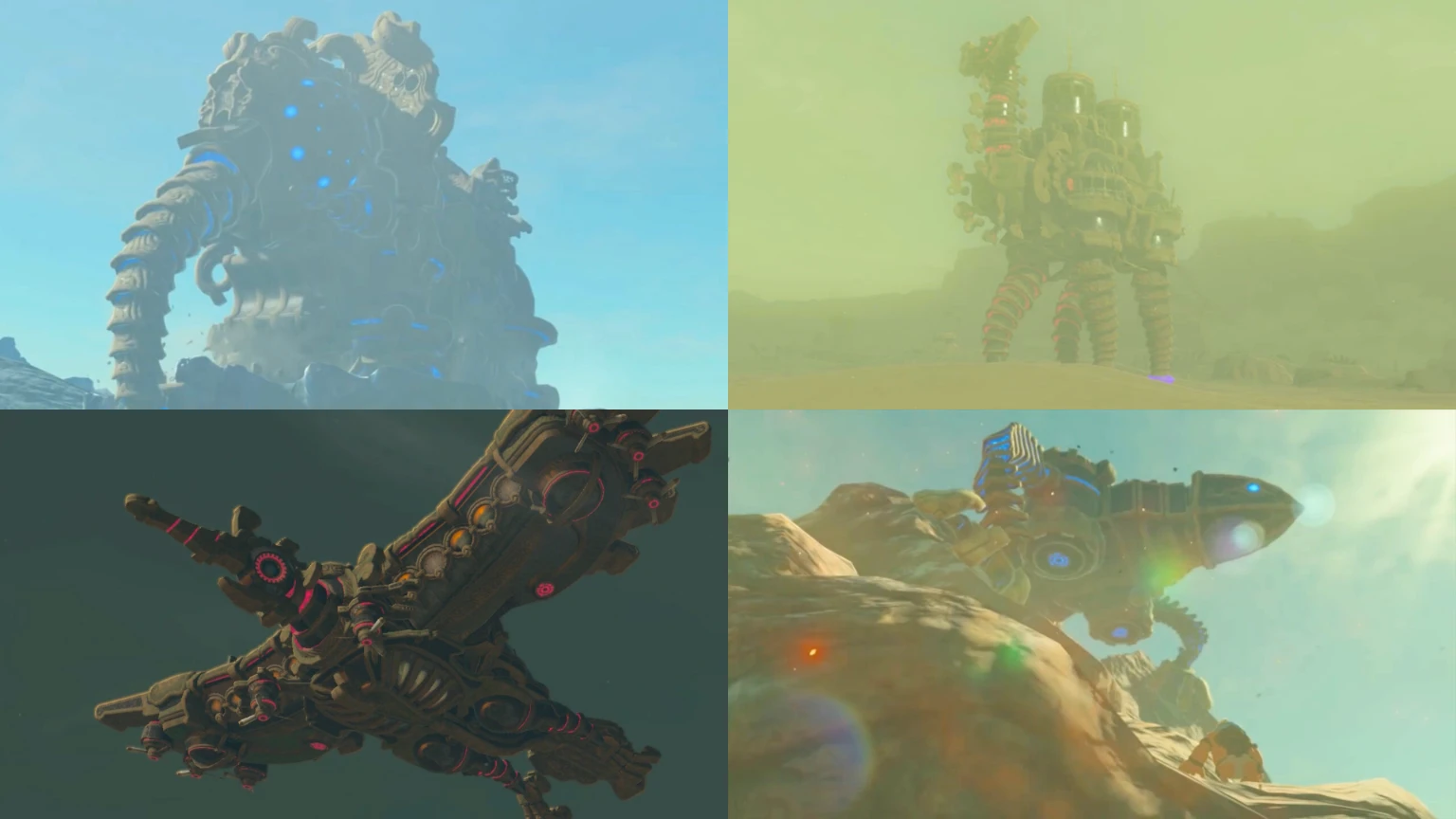
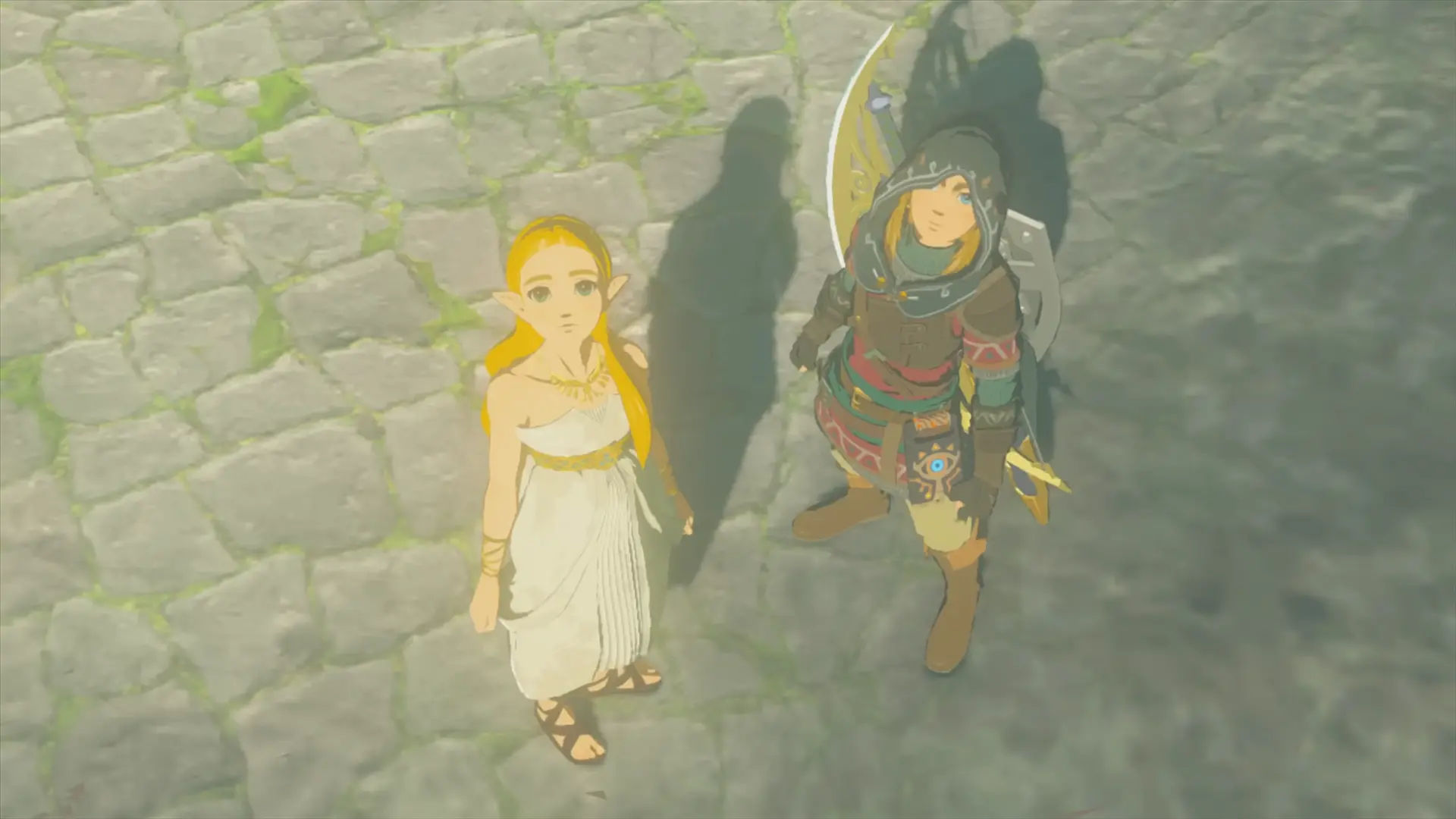
The emotional weight is carried almost entirely by Princess Zelda. Unlike her previous incarnations, this Zelda is deeply flawed, crippled by the pressure of her destiny and resentful of Link's effortless prowess. Her journey from frustration to tragic sacrifice is the heart of the game. With the ghosts of the four Champions haunting the mechanized Divine Beasts, the story is a reactive mirror to the player's lonely journey. Do you rush to the castle to finish the fight, or do you take the time to lay the past to rest?Gameplay: Wood, Fire, and Steel
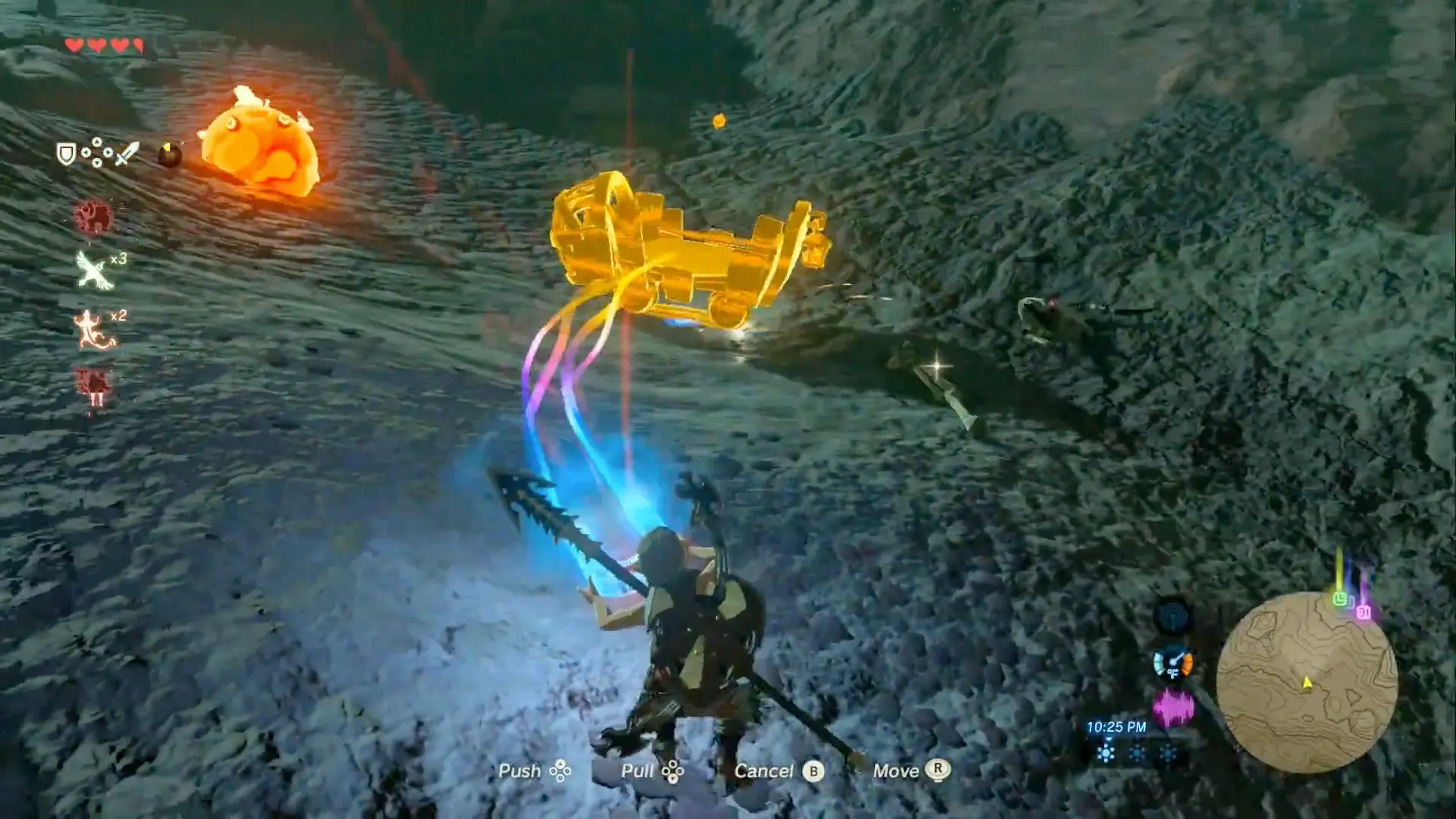
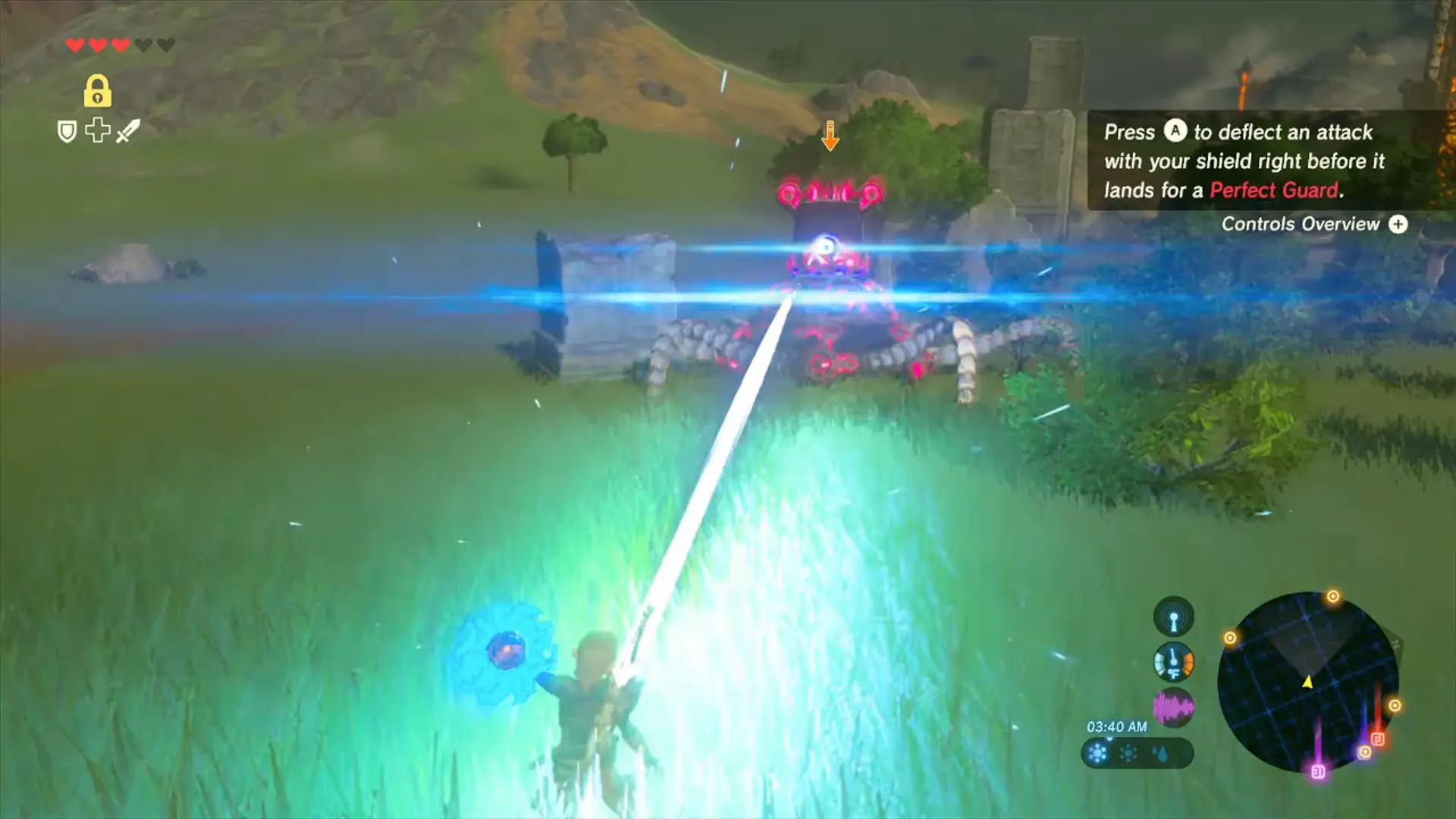
Don’t let the serene landscapes fool you—the mechanical depth in Breath of the Wild is brilliantly chaotic. The game operates on a deeply interconnected 'Chemistry Engine.' Fire creates updrafts you can ride; lightning targets metal weapons; water conducts electricity. You are taught systems, not solutions. On Master Mode, the game becomes a brutal survival simulator where one broken sword can spell disaster against regenerating enemies.
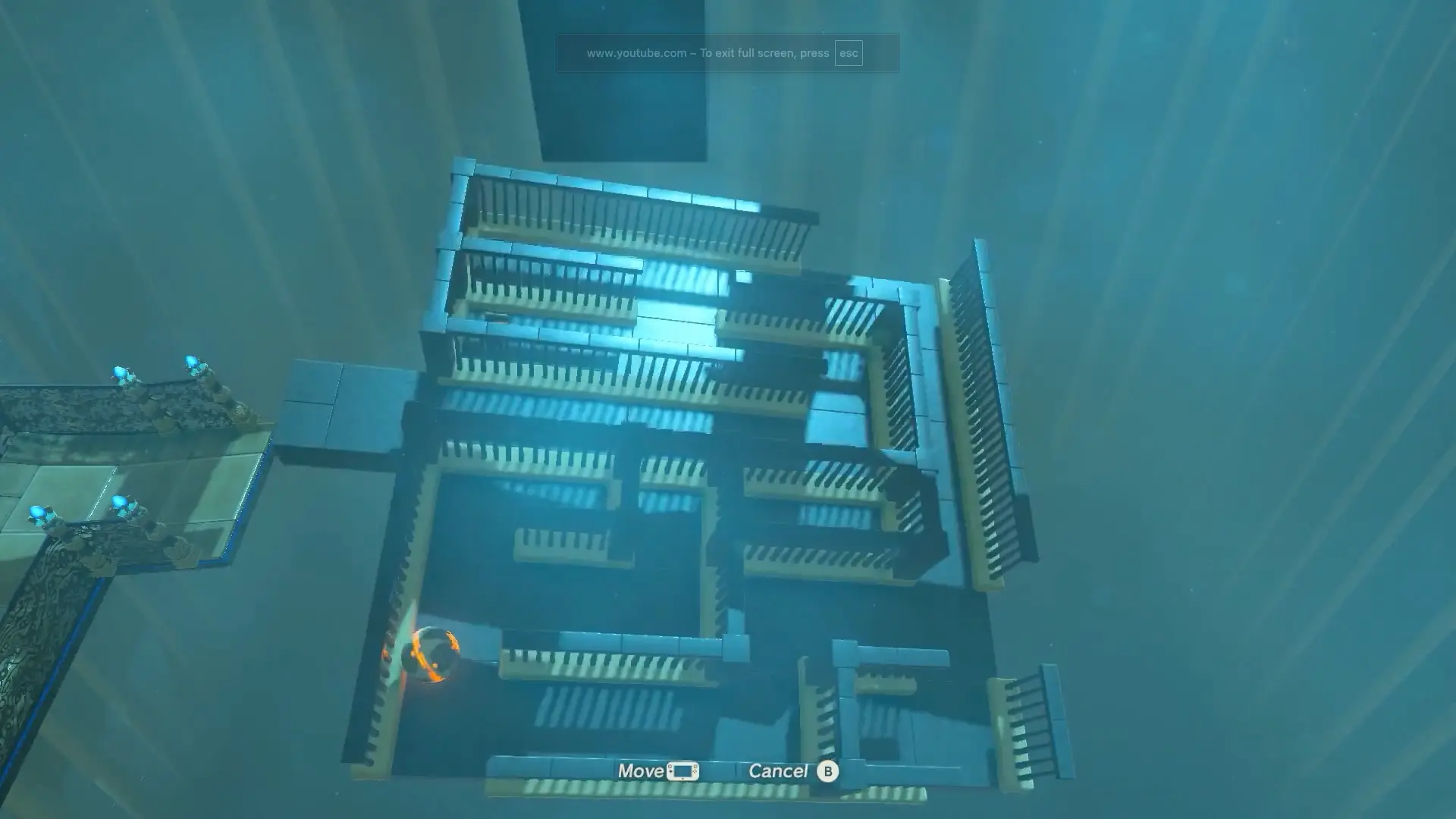
The controversial weapon durability system forces a constant cycle of improvisation, turning you from a hoarder into a desperate scavenger. Beyond the combat, the 120 Shrines offer bite-sized, ingenious physics puzzles, while the Divine Beasts serve as massive, spatially twisting Rubik's Cubes. The feedback loop of 'scavenge, experiment, conquer' creates an intoxicating rhythm that rewards lateral thinking over raw reflexes.Atmosphere: Piano Drops and Whispering Winds
The vibe of Breath of the Wild is unparalleled in its restraint. The soundtrack, composed primarily by Manaka Kataoka, eschews bombastic orchestral anthems for minimalist, solitary piano notes that drift in and out like the breeze. The sound design—the crunch of snow, the crackle of a campfire, and the terrifying, frantic piano trill of an awakening Guardian—creates a world that feels incredibly alive and indifferent to your presence.
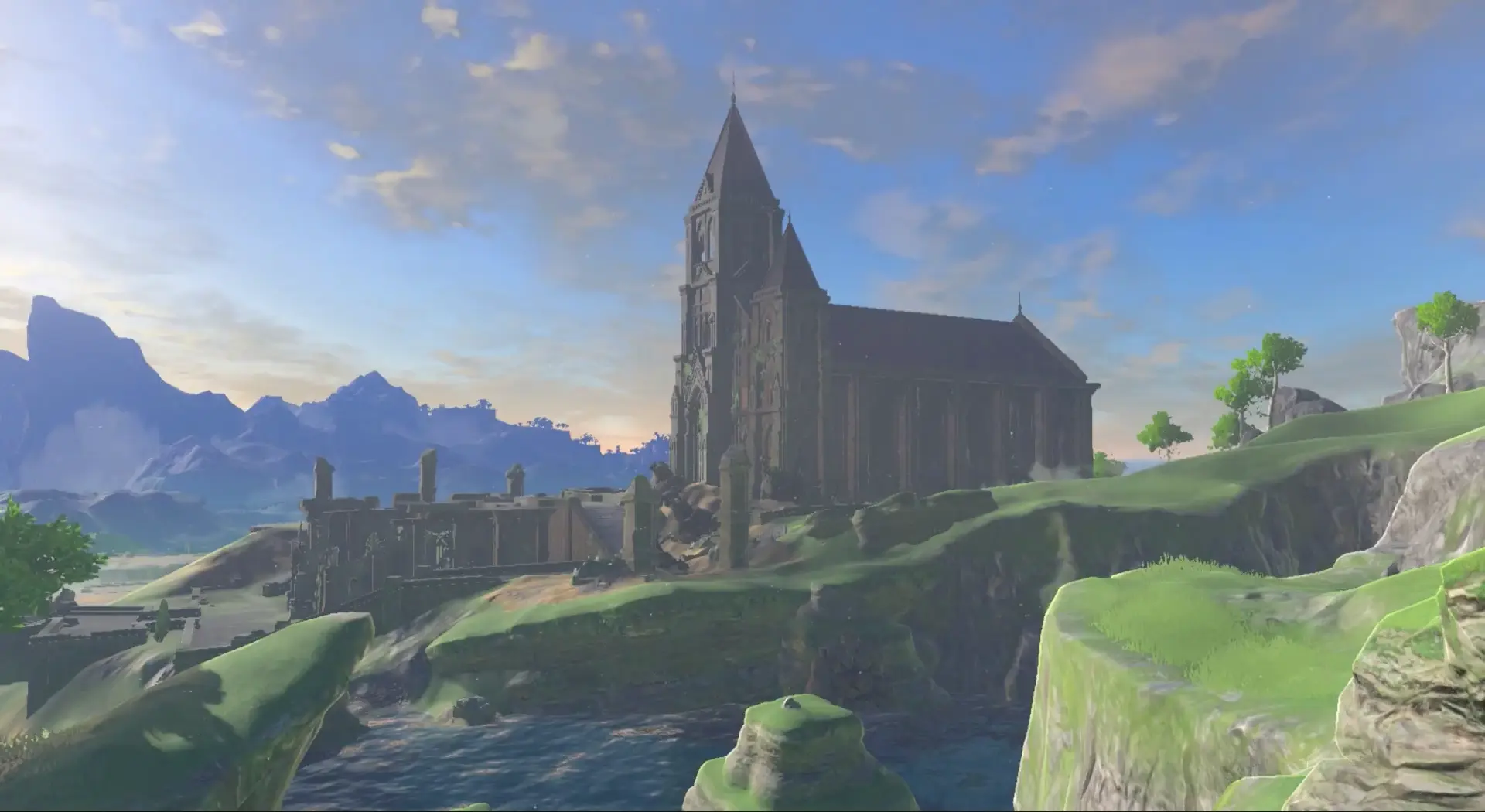
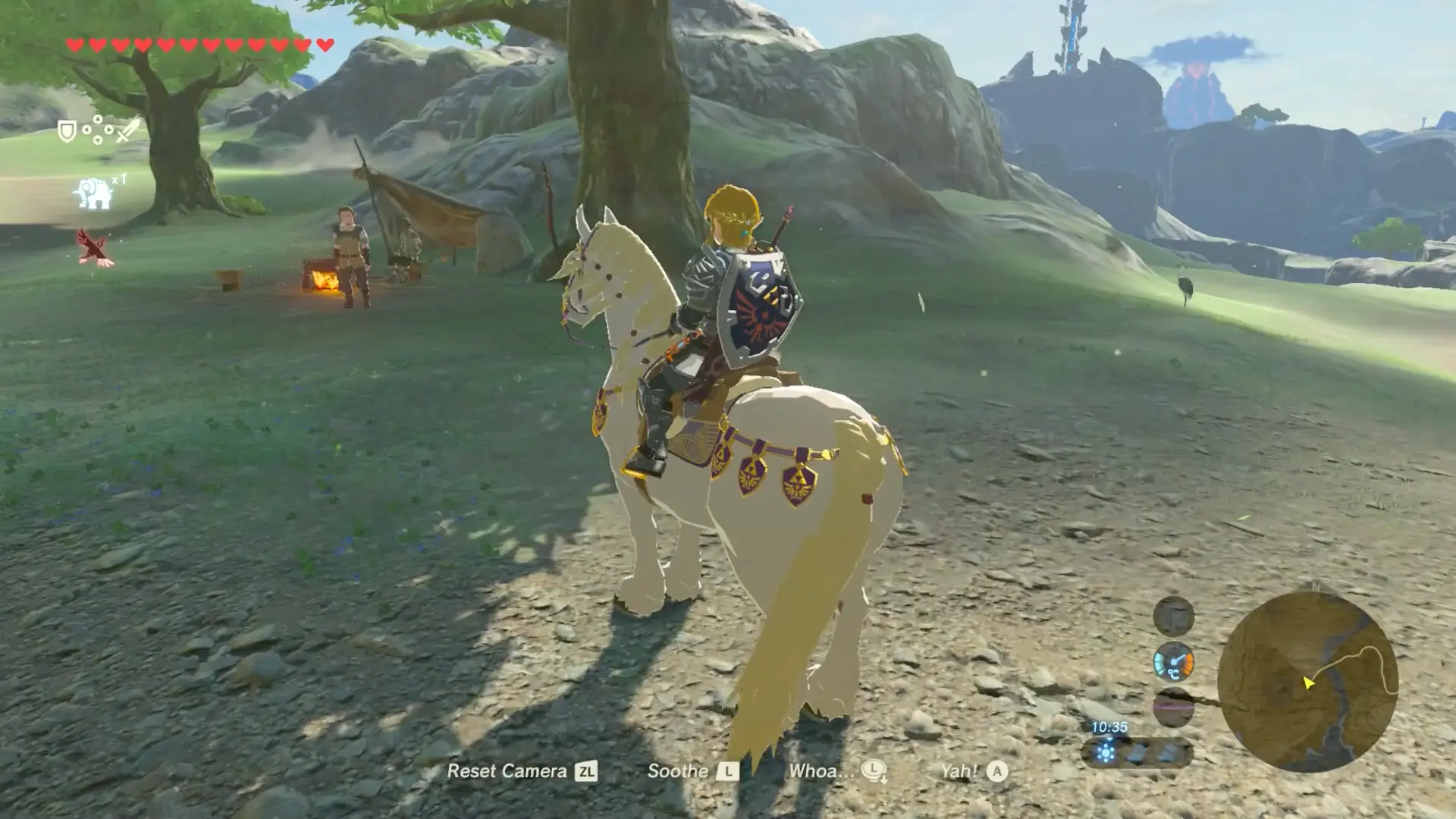
Visually, the game utilizes a gorgeous, Studio Ghibli-inspired cel-shaded style that makes the transition between quiet, sun-dappled forests and neon-lit ancient Sheikah technology almost seamless. The stables scattered across the land feel like warm sanctuaries where you can catch your breath and listen to Kass's accordion, while the ancient ruins feel heavy with loss. It is a symphony of solitude that serves the theme of a forgotten hero perfectly.Conclusion: The Horizon Beckons
The Legend of Zelda: Breath of the Wild is a monumental achievement in the gaming landscape—a title that respects the curiosity of its audience while providing an adventure that is as boundless as it is intimate. It is a dizzying exploration of a broken world, wrapped in a physics sandbox that demands creativity. It asks us to look at a distant mountain and know, with absolute certainty, that we can conquer it.
Whether you’re there to uncover every Korok seed or to experience the tragedy of a fallen kingdom, Breath of the Wild leaves a permanent mark. It is majestic, systemic, and deeply liberating. In a medium filled with waypoints and invisible walls, there is something profoundly radical about a game where your greatest tool is simply your own sense of wonder.