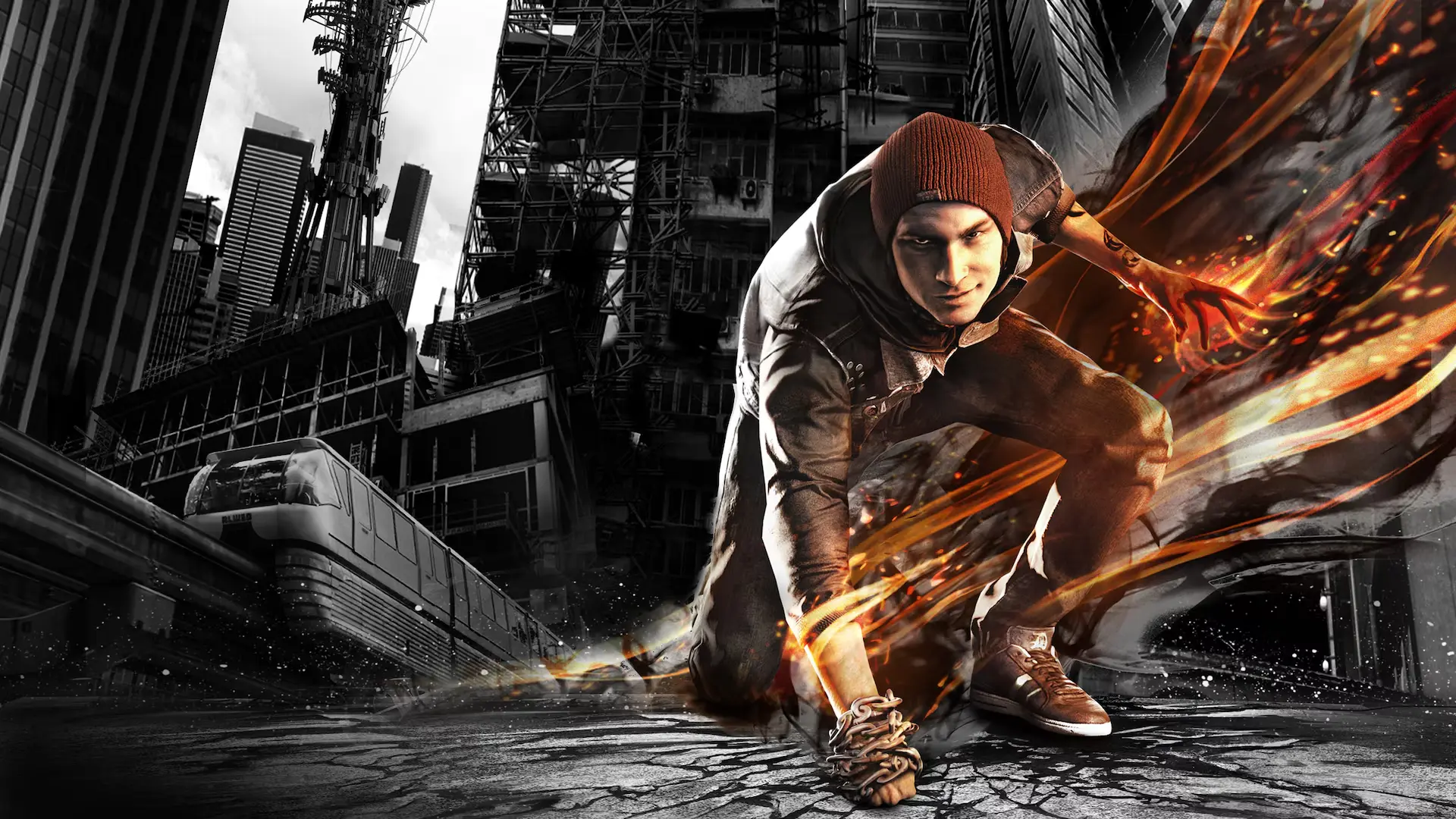
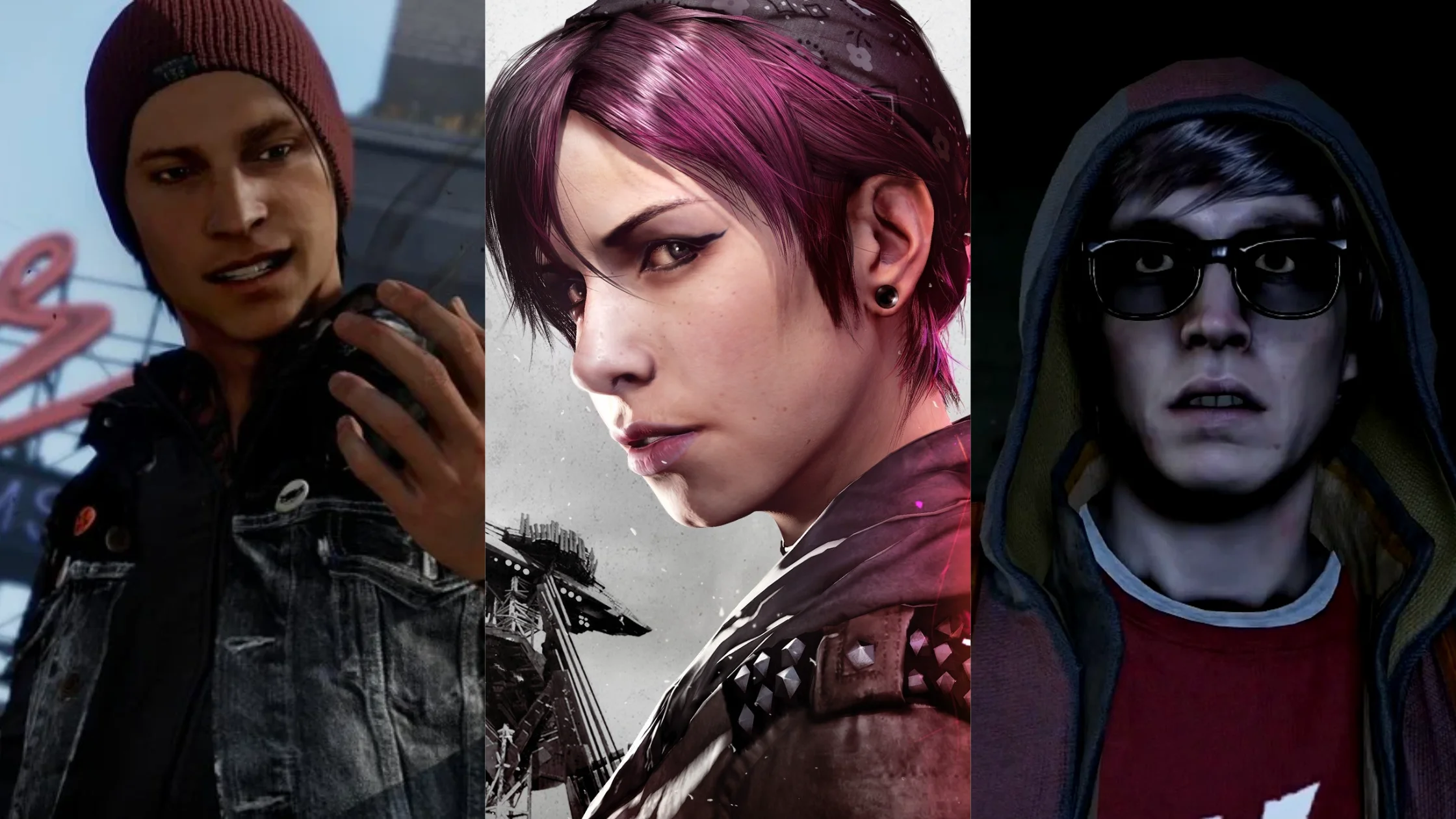
When the PlayStation 4 was still in its infancy, inFAMOUS: Second Son arrived not just as a sequel, but as a manifesto for a new generation of hardware. It took the burden of the superhero genre and stripped away the brooding capes, replacing them with a denim vest, a beanie, and a smirking sense of defiance. Moving on from the legacy of Cole MacGrath, we were introduced to Delsin Rowe—a Native American graffiti artist whose discovery of his Conduit abilities felt less like a curse and more like the ultimate canvas.
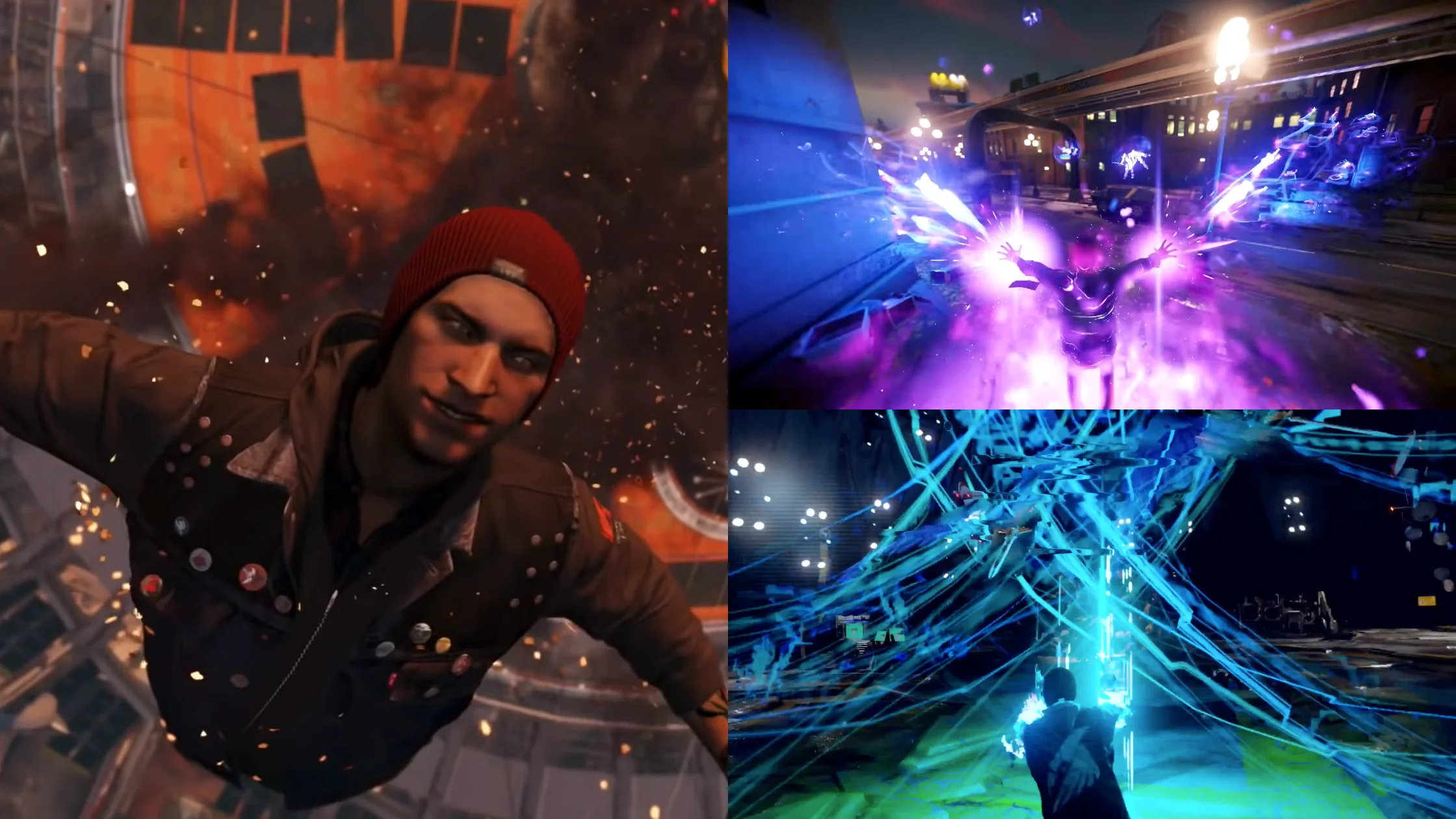
The first time Delsin absorbs the smoke from a burning wreck, the screen erupts in a tectonic display of particle effects that, even years later, remains a benchmark for visual flair. This wasn't just about having powers; it was about the tactile sensation of becoming elements. The game’s depiction of Seattle is a love letter to the Pacific Northwest, captured in the perpetual shimmer of rain-slicked asphalt and the oppressive, watchful eye of the Department of Unified Protection (D.U.P.). It is an introduction that pulses with the energy of a riot, demanding that the player stop being a spectator and start being a catalyst for change.
About the Game: The Anatomy of a Superhuman
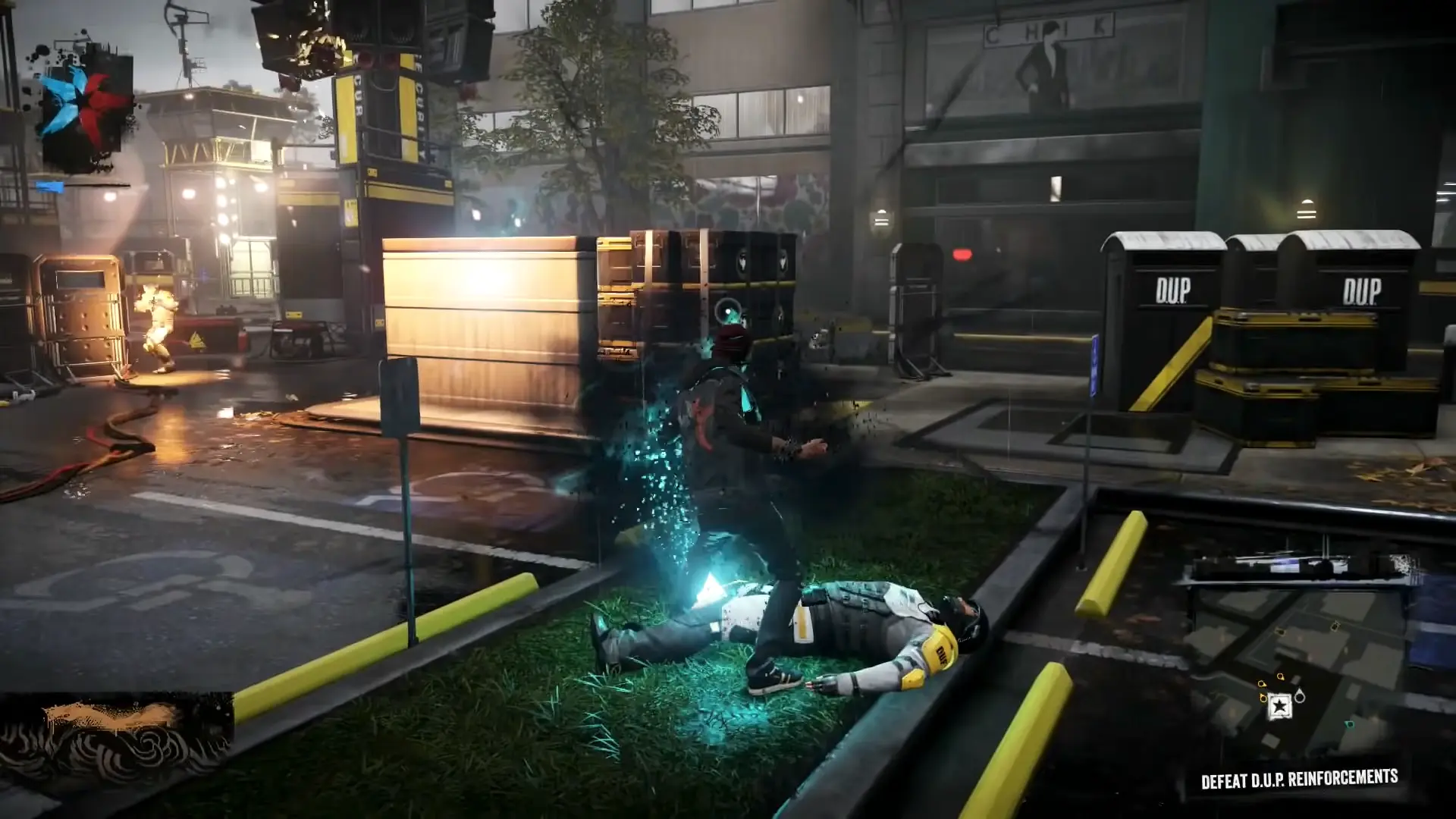
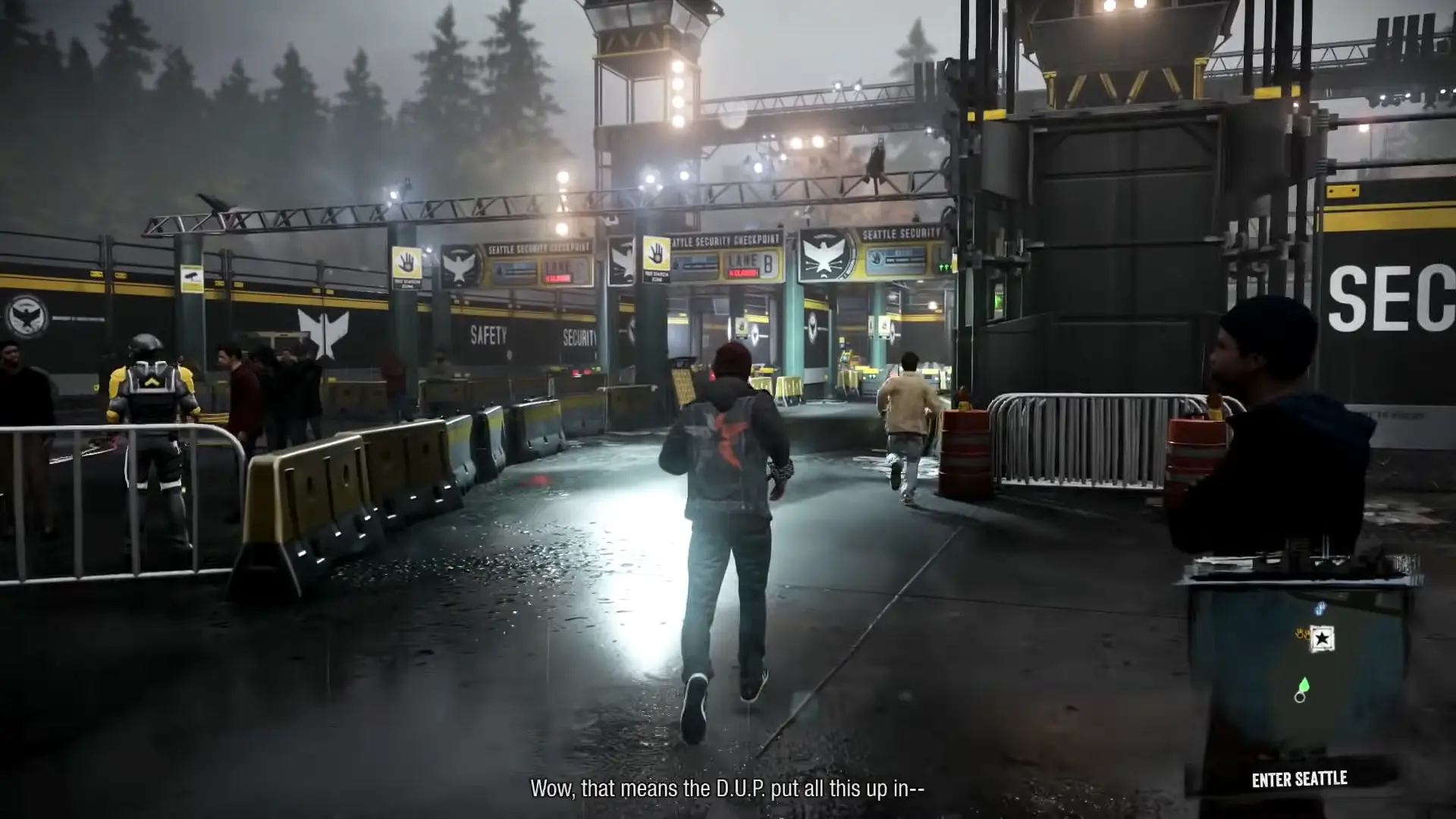
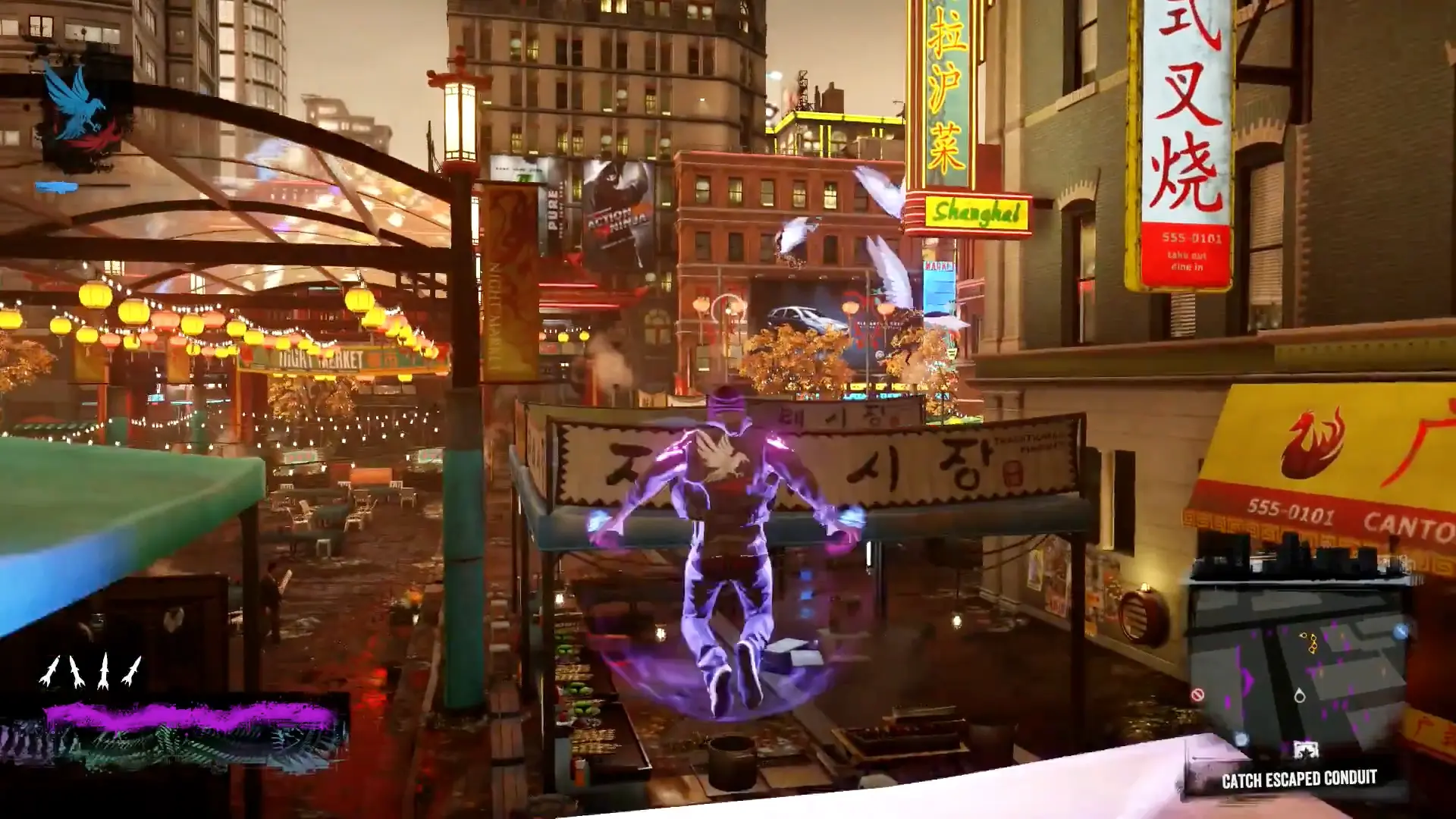
Sucker Punch Productions utilized the early power of the PS4 to create a world that felt fundamentally more reactive than its predecessors. Seattle is reconstructed not just as a map, but as an occupied territory. The 'Architecture of Control' is everywhere—D.U.P. checkpoints, scanning stations, and mobile command centers choke the city’s natural beauty, creating a constant friction between the player’s freedom and the state’s security.
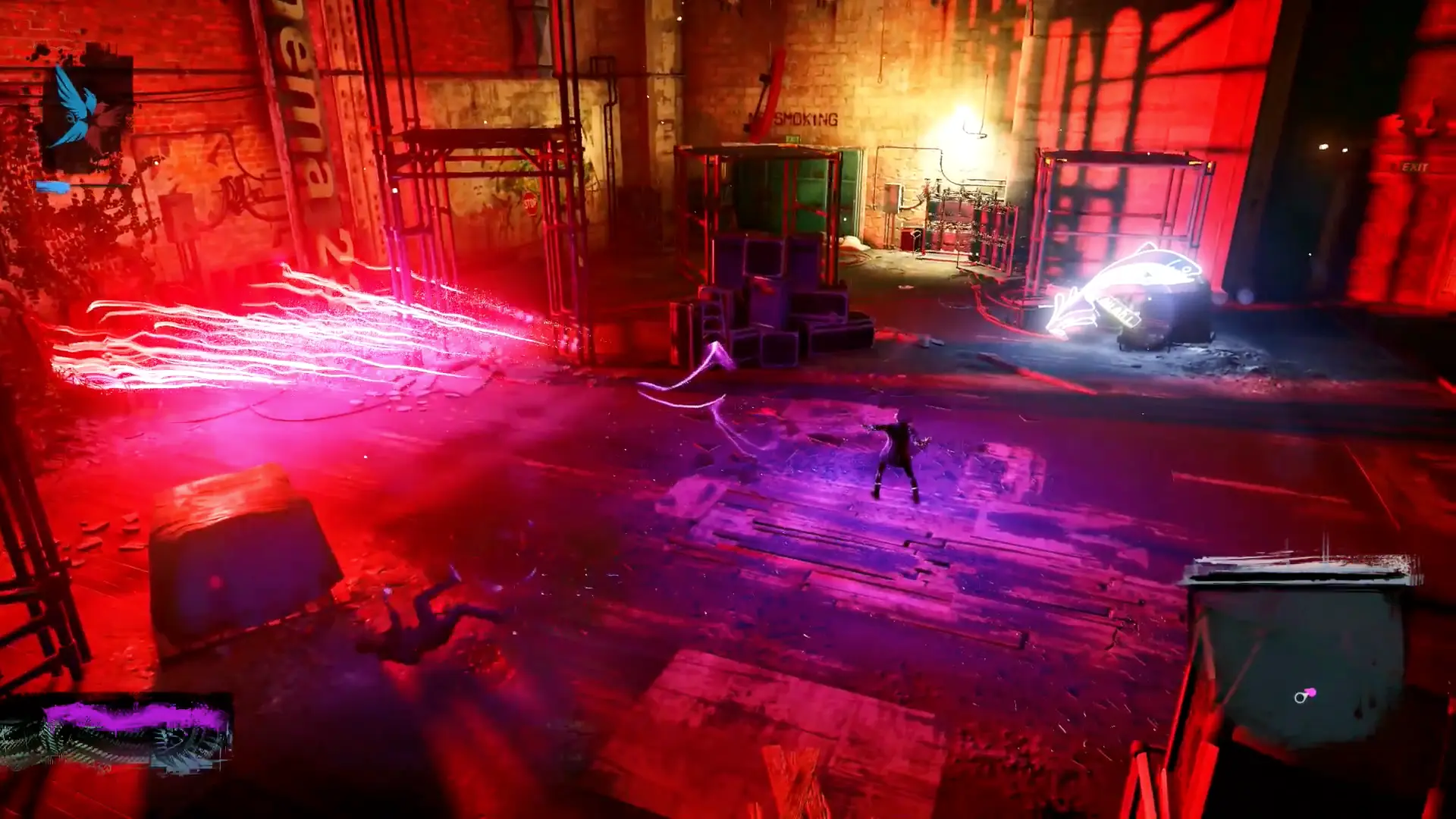
This reimagining of the open-world formula focused on verticality and momentum. Every alleyway vent is an invitation to launch into the sky; every neon sign is a battery waiting to be drained. The technical fidelity was used to sell the 'physicality' of light and shadow. When the sun sets and the city lights flicker on, the game transforms into a kaleidoscopic dream. The decision to focus on unconventional powers—Smoke, Neon, Video, and Concrete—rather than the standard elemental tropes, allowed the developers to flex their creative muscles, making each ability feel like a distinct personality trait of Delsin himself.
Story: The Friction of Choice
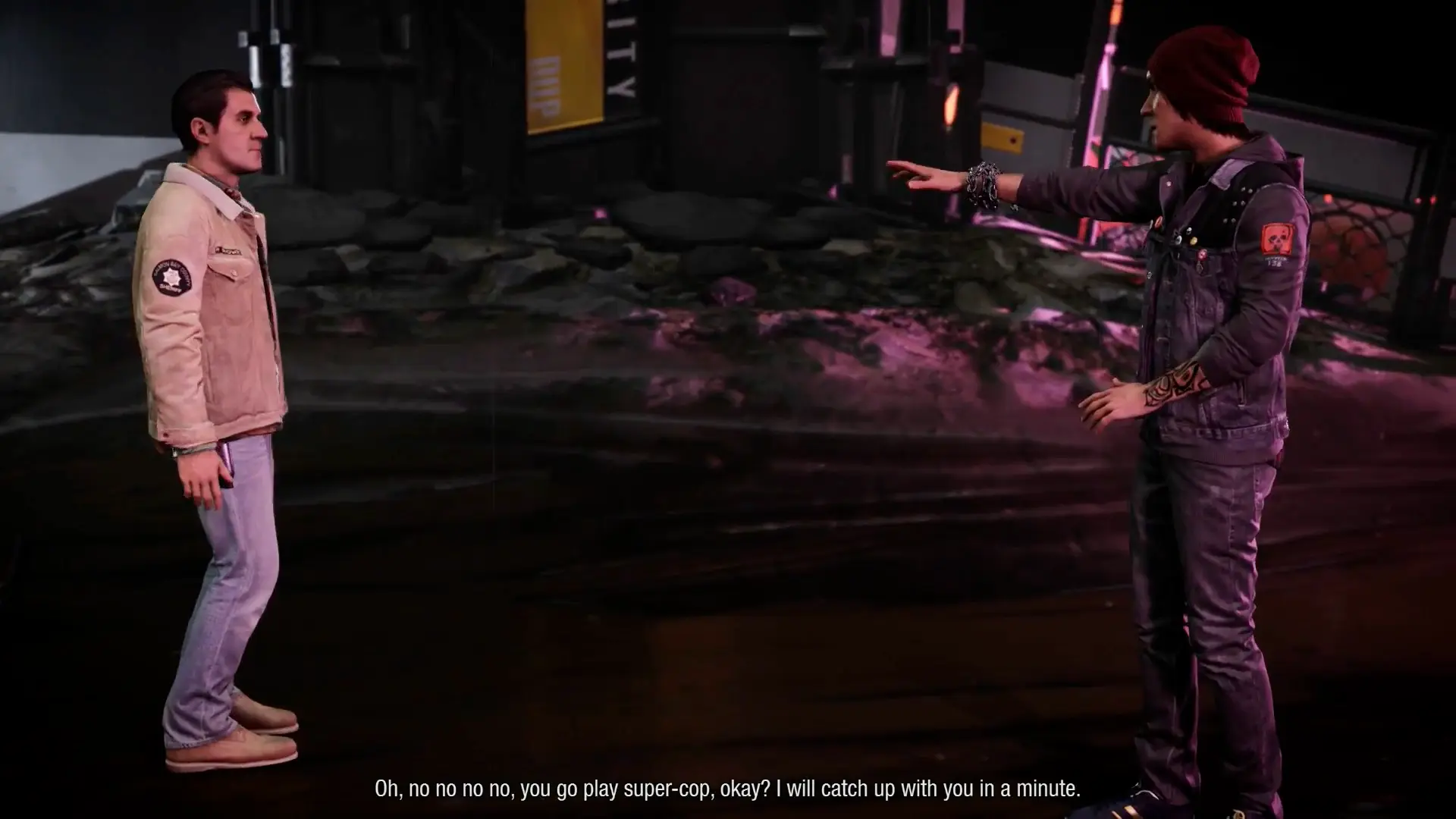
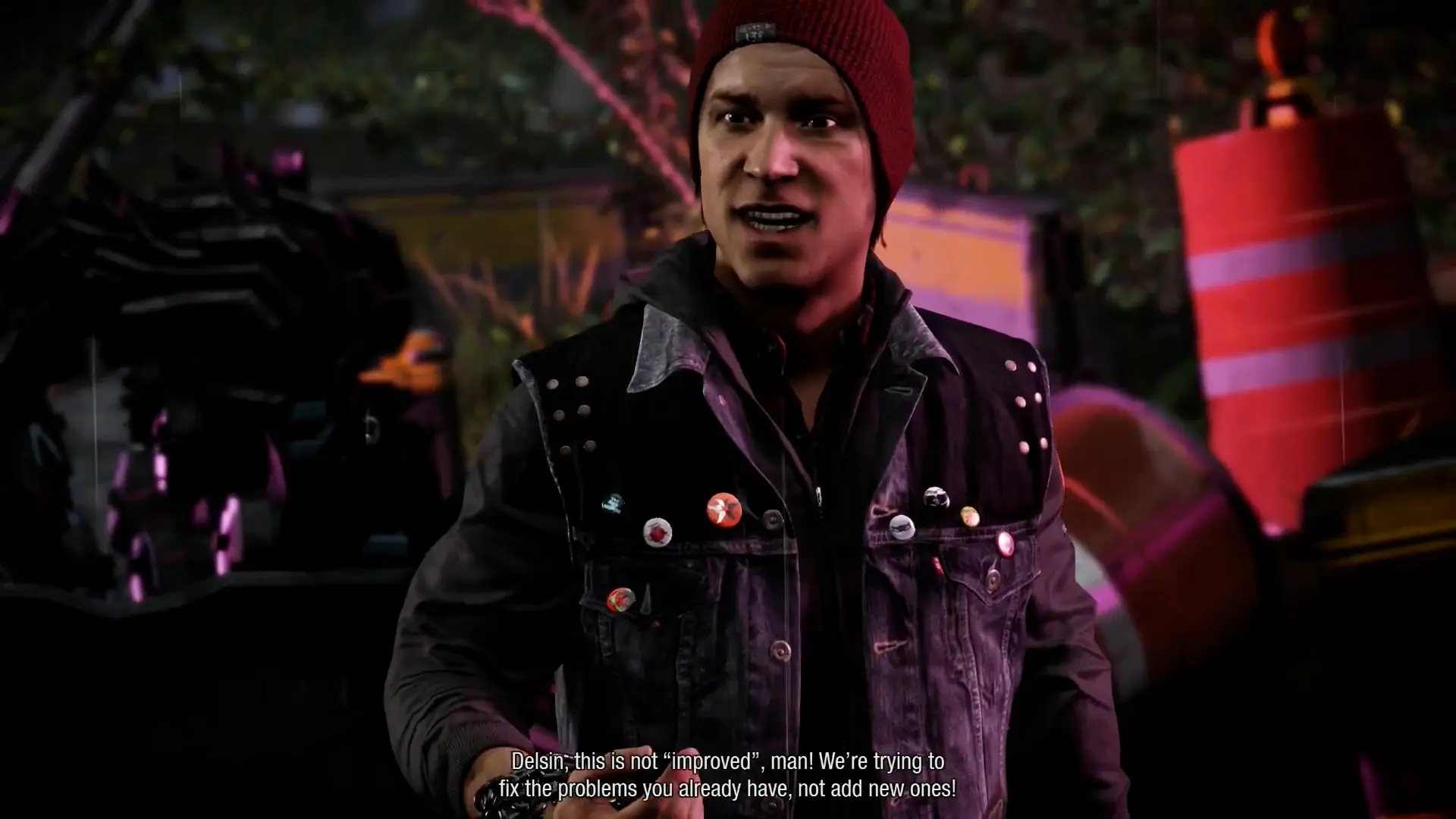
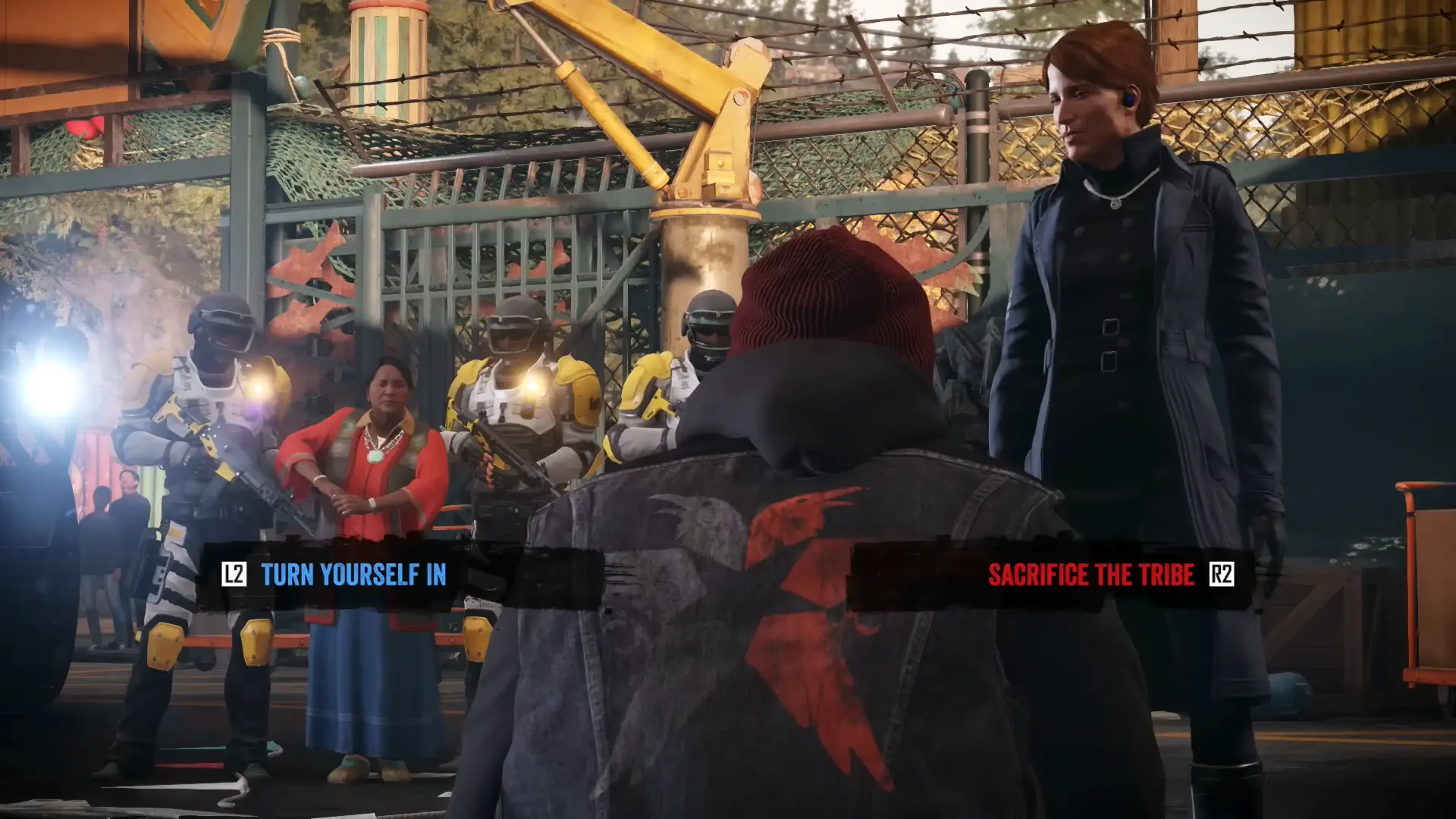
At its core, Second Son is a story about the fear of the 'Other' and the weight of family loyalty. The relationship between Delsin and his brother Reggie, a straight-laced cop, provides the emotional spine of the narrative. Their banter and occasional heartbreak are captured through performance tech that brought a new level of humanity to the series. Reggie acts as the moral compass in a world that is rapidly losing its North Star.
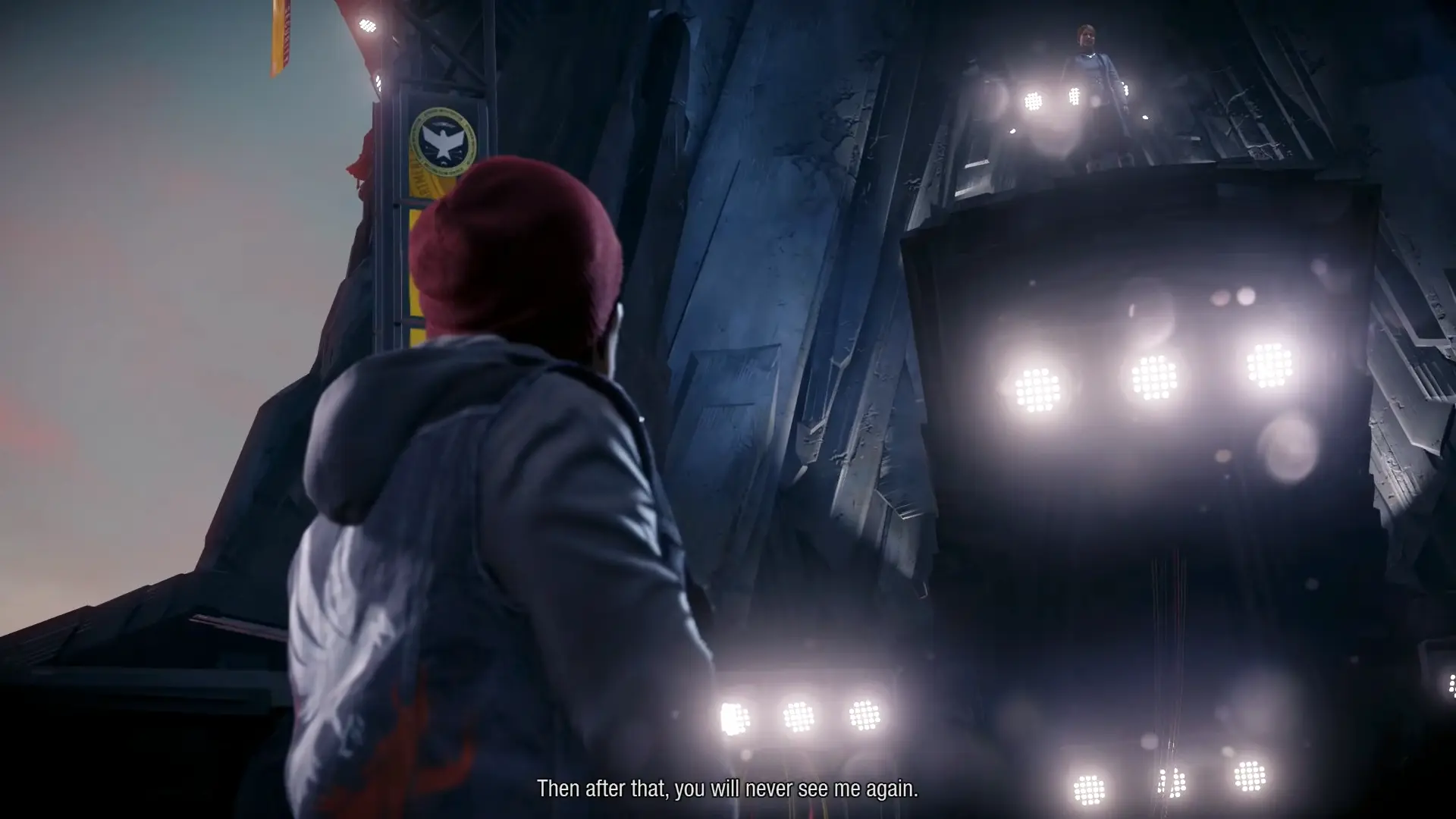
The Karma system returns, but here it feels more like a struggle for Delsin’s soul. Do you become the savior of the oppressed, or do you lean into the resentment and become the monster the government claims you are? This dichotomy is reflected in the world itself; citizens will either cheer for you and paint murals in your honor, or cower in terror as you pass. The antagonist, Brooke Augustine, serves as a chilling mirror to Delsin—a woman who believes that the only way to save her kind is to imprison them. It’s a narrative of hard truths and flashy rebellions, where the final confrontation feels like a desperate collision of two different versions of the future.
Gameplay: The Fluidity of Power
Combat in Second Son is a frantic, improvisational dance. Delsin is glass-cannon; he is immensely powerful but incredibly vulnerable, forcing the player to move constantly. The shift between power sets is seamless, encouraging a playstyle that feels like a rhythmic exchange of energy. As Smoke, you are a brawler, dashing through enemies and suffocating them with sulfur. As Neon, you become a surgical sniper, slowing down time to pick off enemy weak points with pinpoint accuracy.
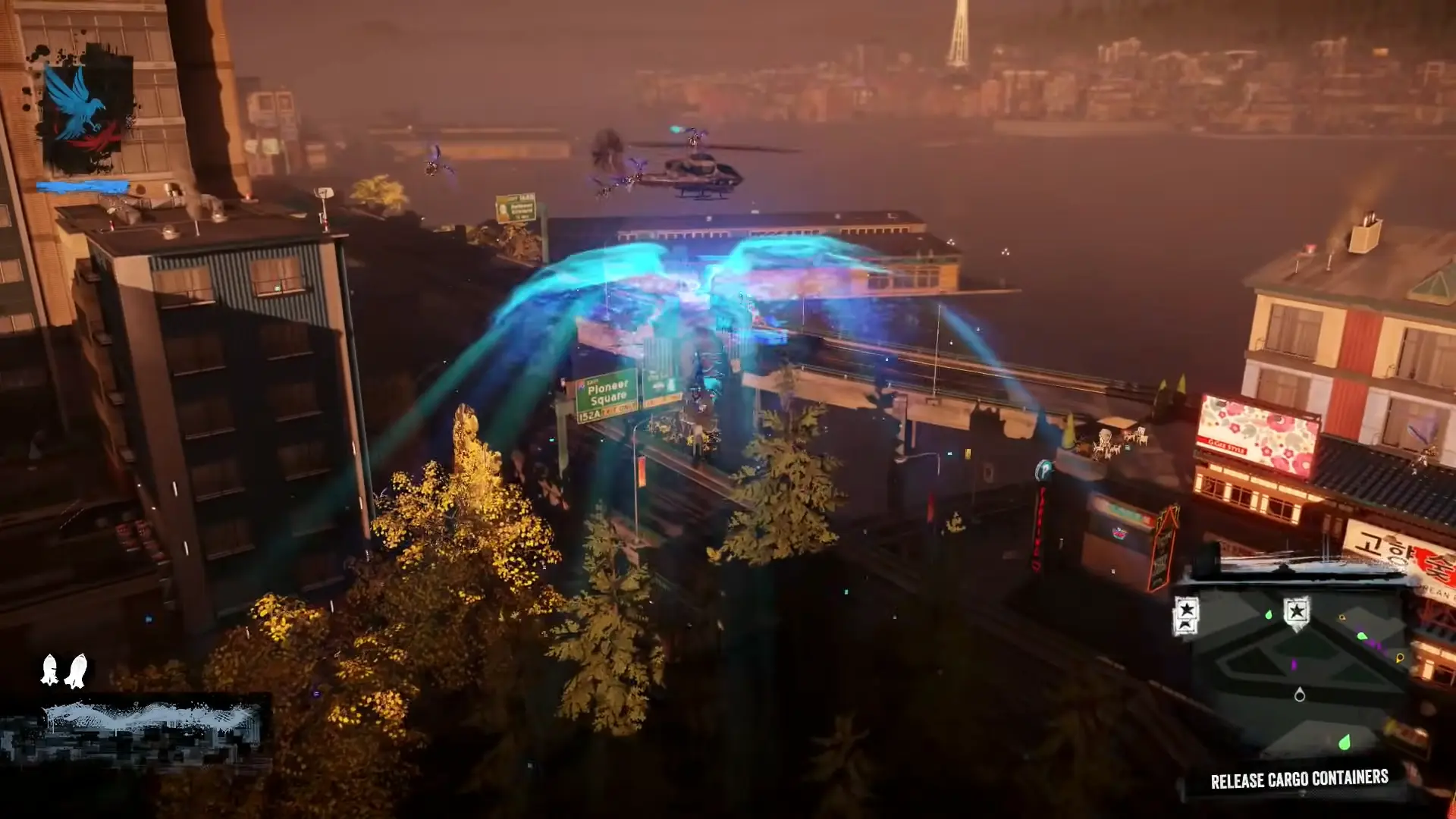
The 'Video' power set remains one of the most inventive mechanics in the genre, allowing Delsin to summon digital angels or turn invisible in a shimmer of pixels. The feedback loop—destroying D.U.P. infrastructure to liberate districts—is incredibly satisfying, providing a tangible sense of progress as the oppressive grey of the occupation is replaced by the vibrant colors of freedom. Every Orbital Drop, Delsin’s ultimate 'super' move, is a cinematic crescendo that serves as a reminder of the sheer, unadulterated scale of his potential.
Atmosphere & Themes: A Symphony of Particles
One cannot discuss Second Son without acknowledging the auditory and visual synergy of its world. The sound of a neon sign humming as you drain its life, or the muffled 'thud' of a concrete projectile hitting a riot shield, creates a world that feels incredibly dense. The soundtrack, a mix of grunge-inspired rock and industrial beats, perfectly captures the 'Seattle Sound' and the angst of a disenfranchised youth.
The game weaponizes its lighting engine to create an atmosphere that feels heavy with humidity and history. Whether it’s the way light refracts through the rain on Delsin’s jacket or the volumetric fog that rolls off the bay, the city feels alive. The themes of surveillance, propaganda, and the sacrifice of liberty for security are woven into the very environment. It’s an aesthetic of high-tech tyranny versus low-tech street art, a paradox that is as beautiful to look at as it is stressful to navigate.
Conclusion: The Legacy of the Spark
inFAMOUS: Second Son is a staggering achievement of style and substance that helped define the early identity of the PlayStation 4. It is a work of kinetic energy and emotional sincerity, a project that understood how to make the player feel 'super' without losing the human element. By grounding its fantastical powers in a meticulously realized version of our own world, Sucker Punch delivered a journey that remains a high-water mark for the genre.
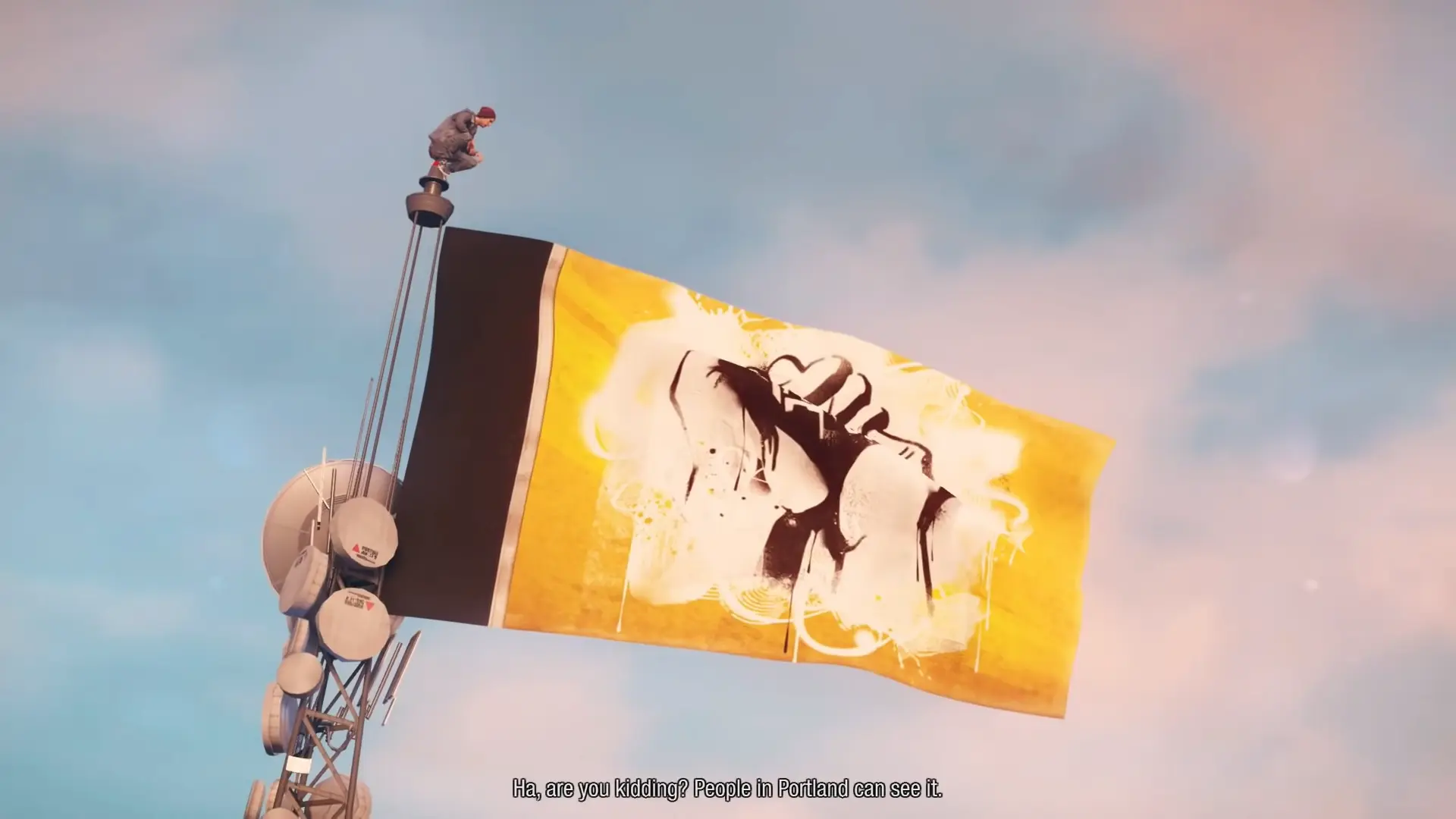
This is not just a game about shooting beams from your hands; it is an experience of self-discovery and the consequences of power. It honors the legacy of the original series while carving out a distinct, neon-lit path of its own. Even years after the credits roll, the image of Delsin standing atop the Space Needle, staring out at a city he either saved or subjugated, lingers in the mind. It is a beautiful, loud, and perfect testament to the rebel in all of us.