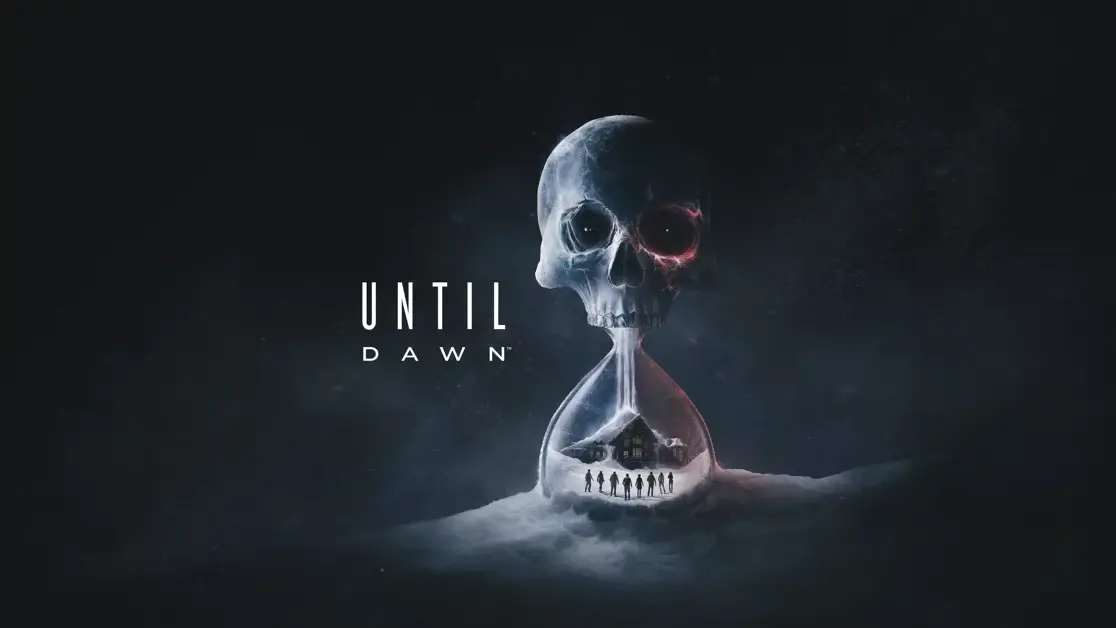
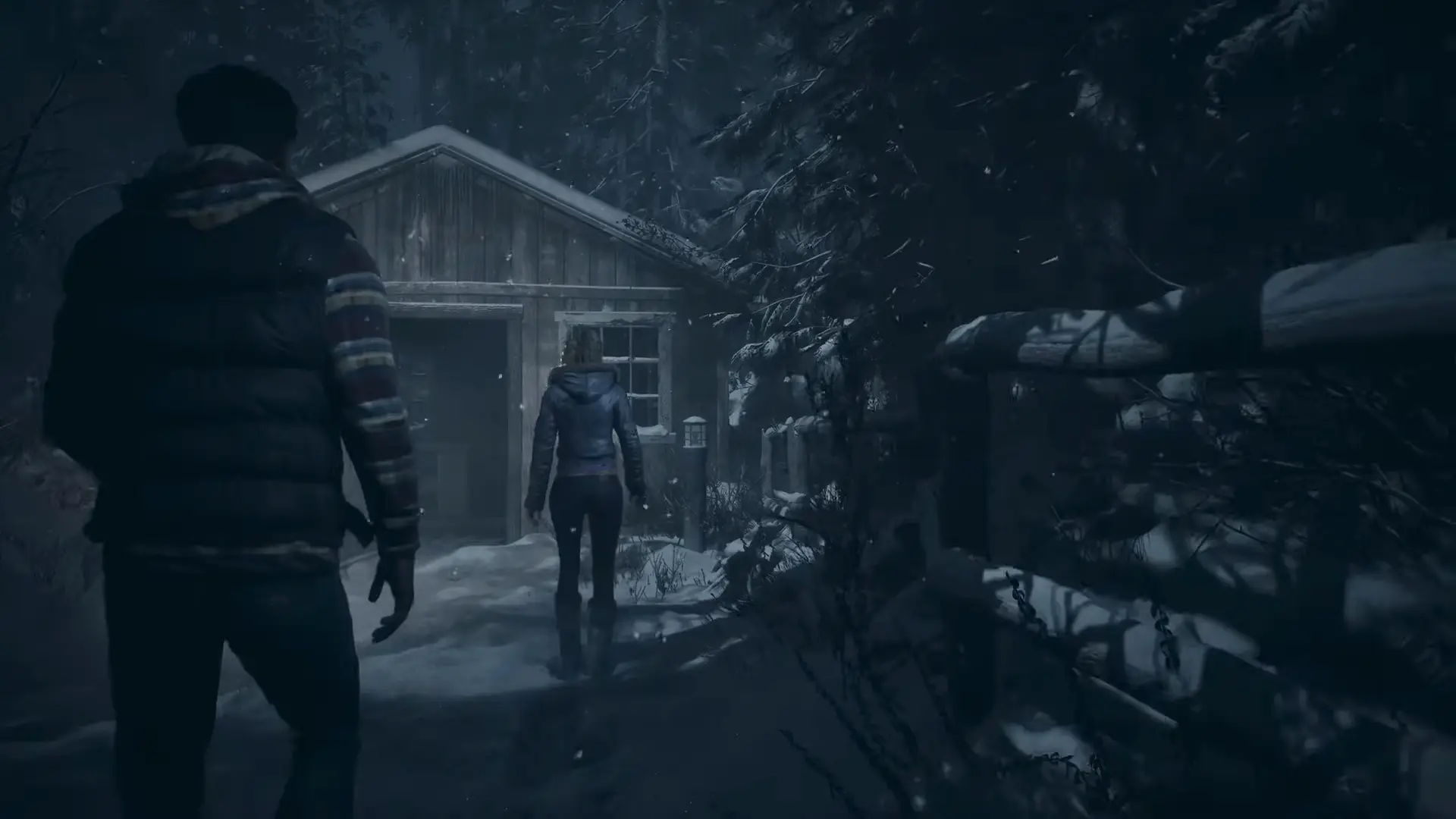
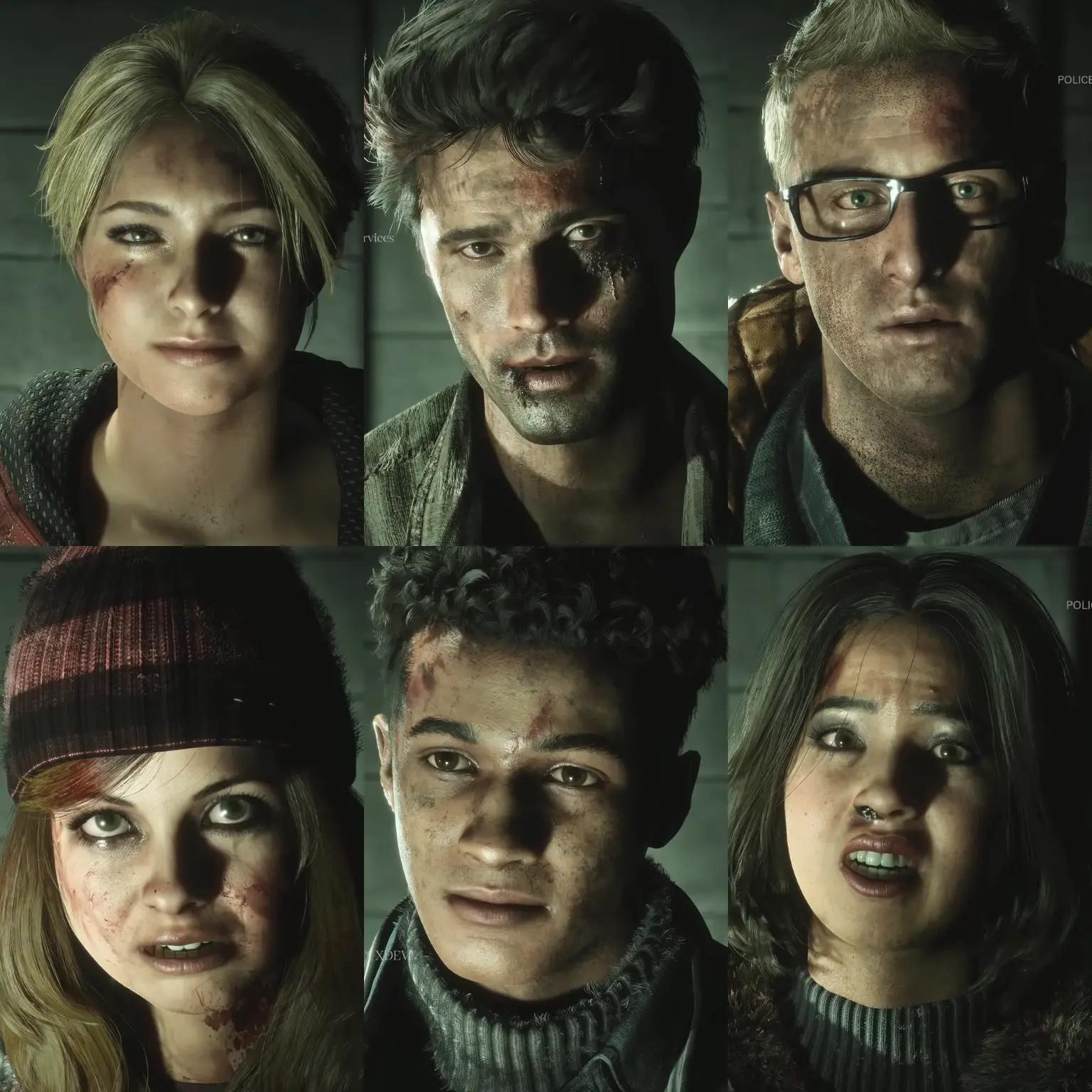
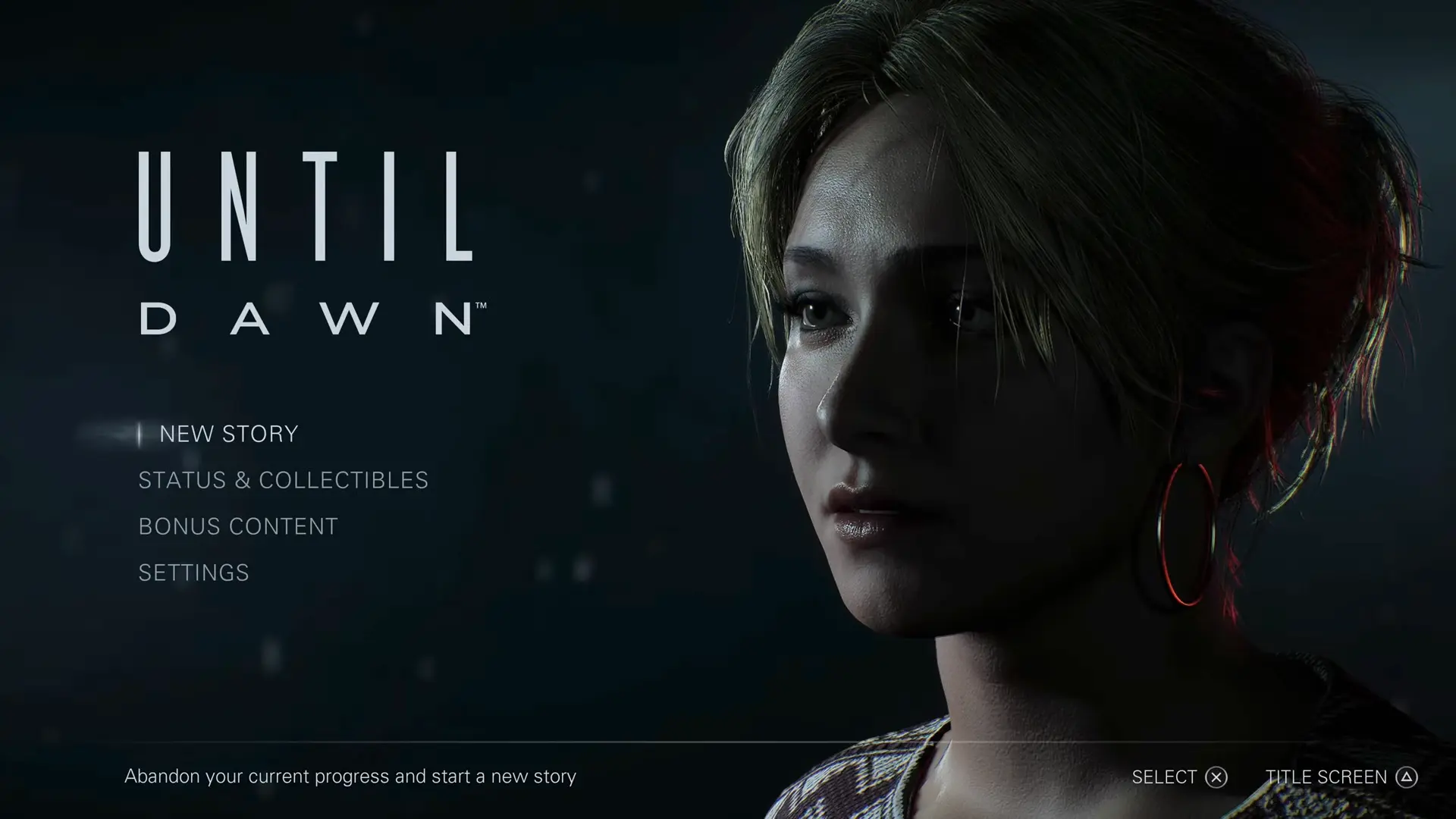
Video games often let us play the hero, but Until Dawn invites us to play something far more sinister: the voyeur. It isn't just a game about surviving a horror movie; it’s a meticulously crafted interactive nightmare that preys on our obsession with consequence. We follow eight teenagers trapped in the frozen, isolated luxury of the Washington Lodge on Blackwood Mountain, drawn back exactly one year after a cruel prank resulted in the disappearance of two of their own.
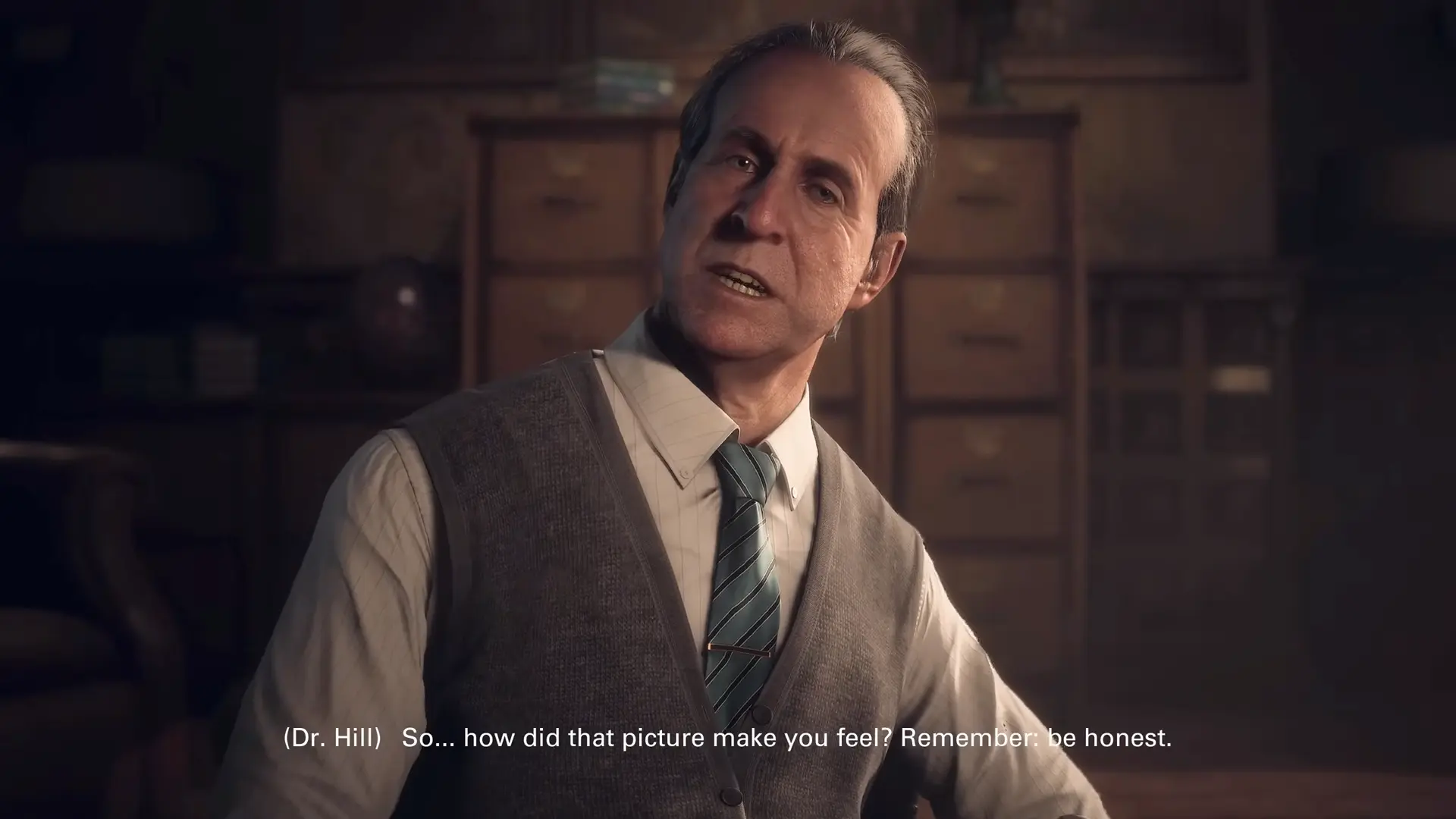
The game introduces us to a world built on familiar genre tropes—the jock, the final girl, the nerd, the mean girl—only to ruthlessly deconstruct them. Framed by interstitial sessions with a menacing psychiatrist named Dr. Hill, the narrative treats the player not just as an actor, but as an active psychological subject. It is a terrifying, blood-soaked love letter to B-movie horror that uses the illusion of control to explore the very real terrors of isolation, vengeance, and the haunting weight of the past.
About the Game: The Architecture of Consequence
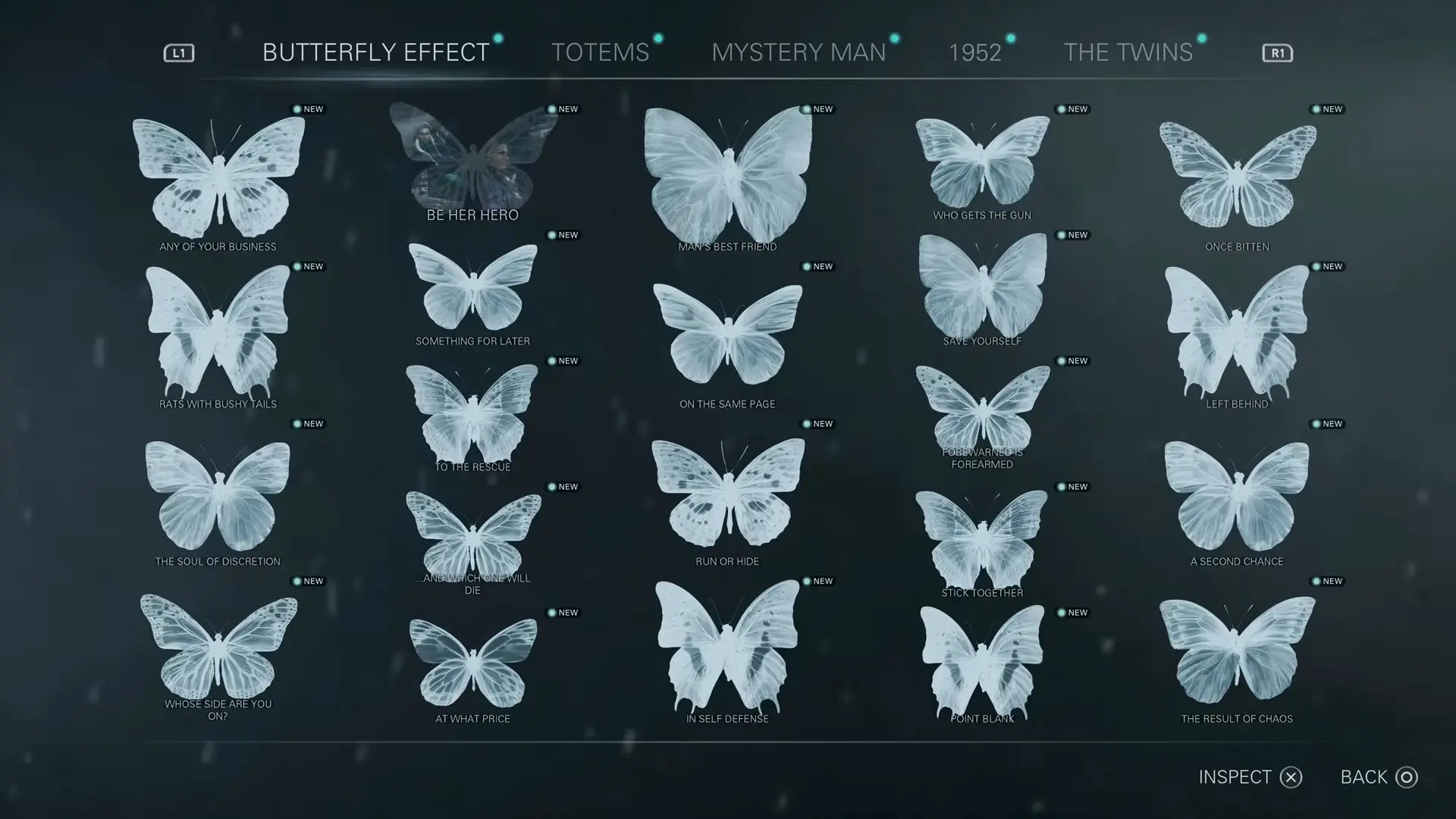
Until Dawn is a masterclass in the 'Butterfly Effect.' It expands the binary moral choices of traditional adventure games into a sprawling, unpredictable web of cause and effect. The game loop is deceptively simple: explore the environment, uncover clues, and make decisions under immense pressure.
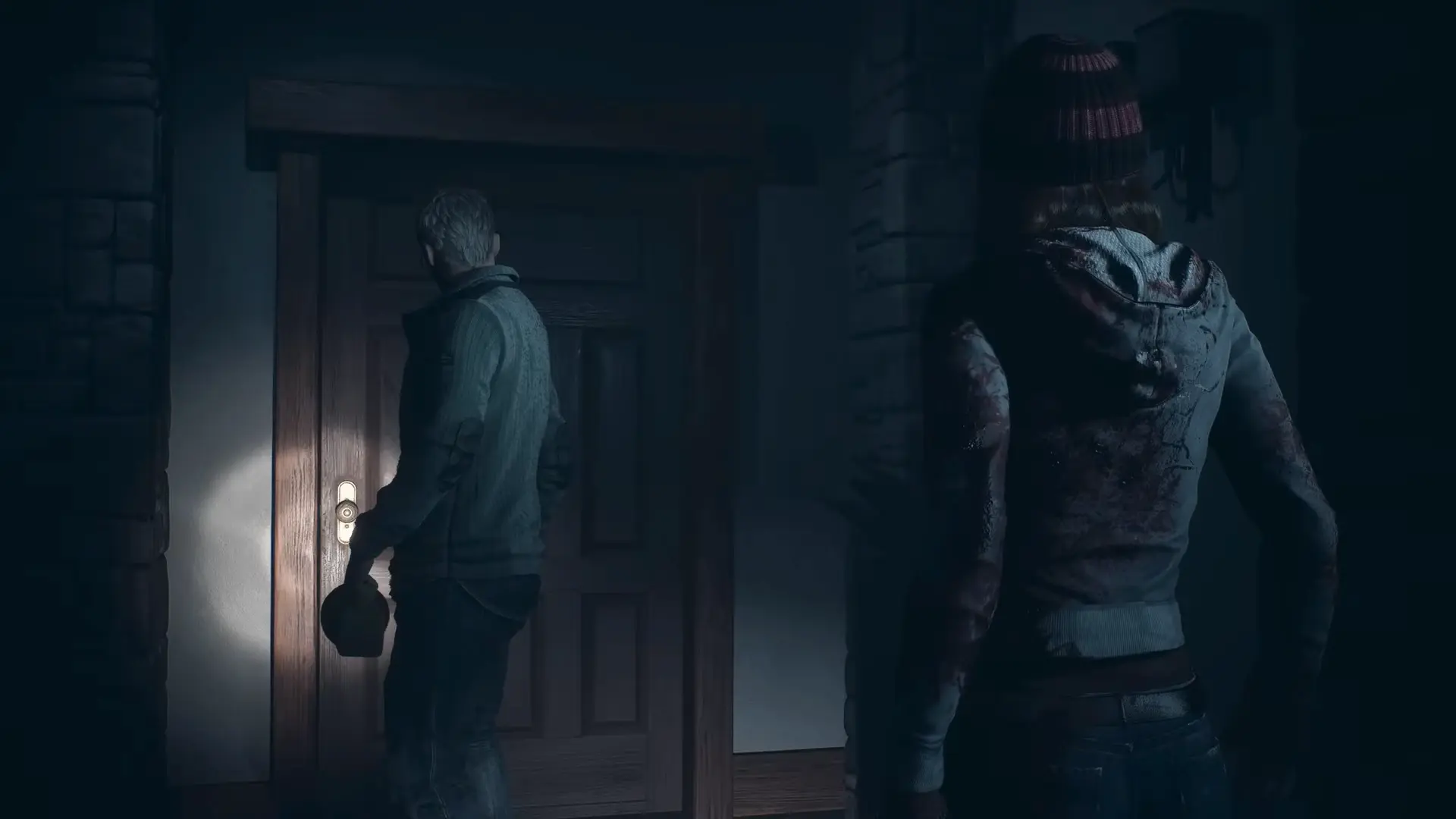
However, the core mechanic is the unyielding permanence of your choices. Picking up a baseball bat in chapter two might be the only thing that saves a character from decapitation in chapter eight. Ignoring a ringing phone might alter the romantic dynamic between two characters, deciding whether one opens a locked door for the other when a killer is on their heels. It is a masterclass in 'paranoia gameplay,' where the claustrophobia of the mountain is manifested as a desperate scramble to map out the future before it brutally catches up to you.
Story: The Prison of Paranoia
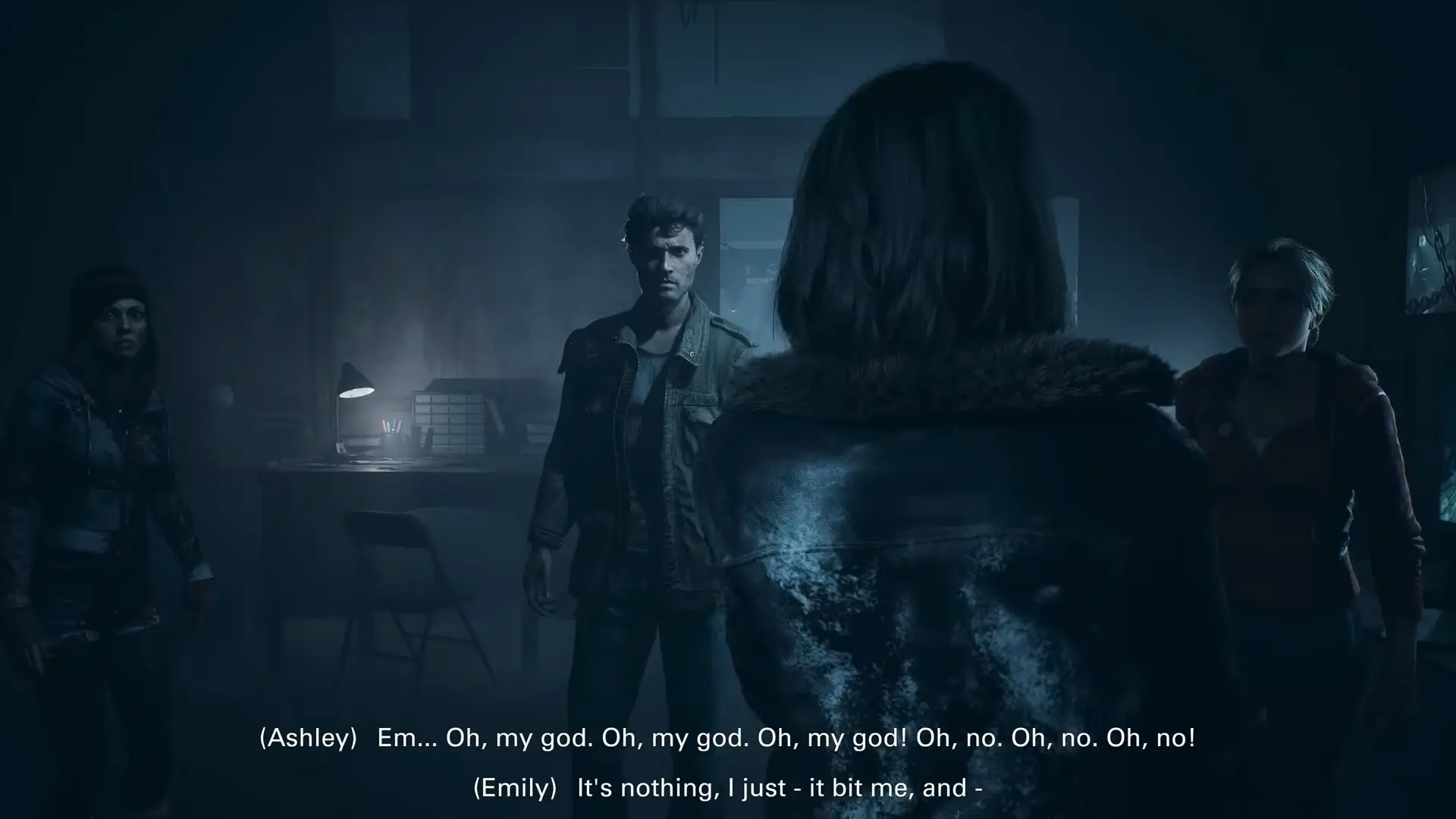
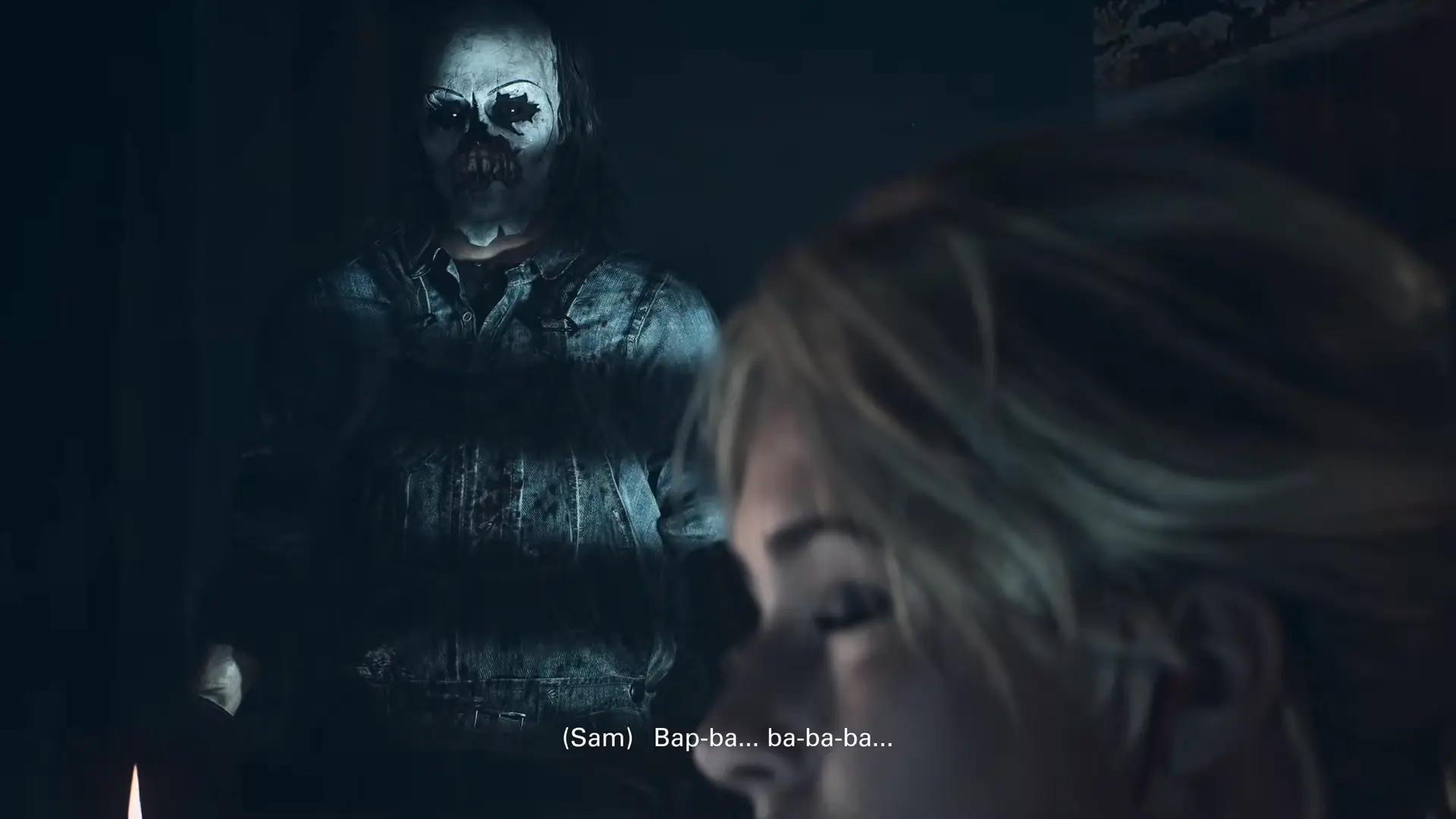
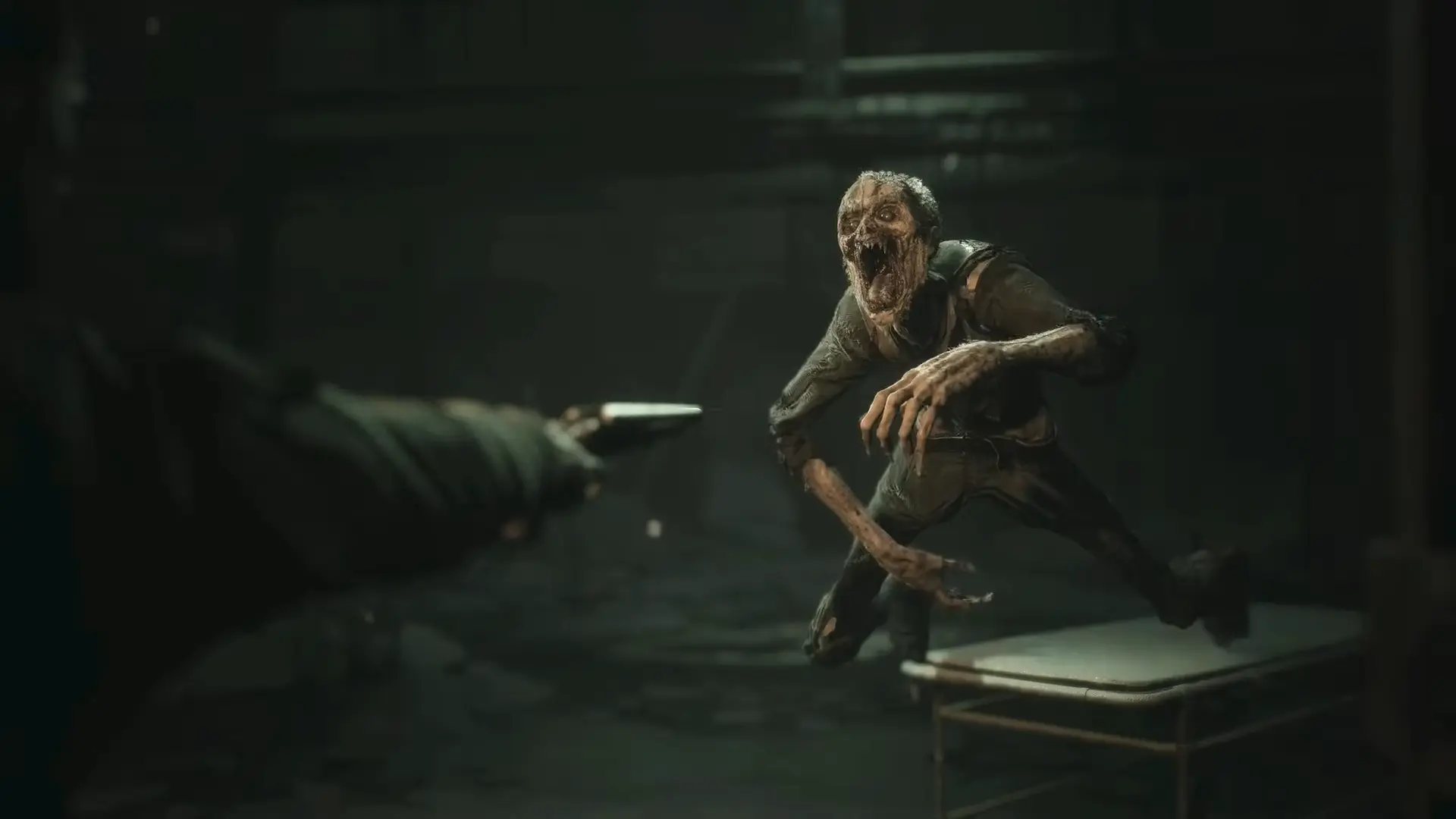
What makes Until Dawn so utterly compelling is its exploration of our obsession with survival and the macabre. The narrative is driven by a series of shifting threats. You begin believing you are dodging a masked psycho seeking revenge for a prank gone wrong, but the game slowly peels back layers of Native American curses, cannibalistic Wendigos, and the fracturing sanity of the protagonists themselves.
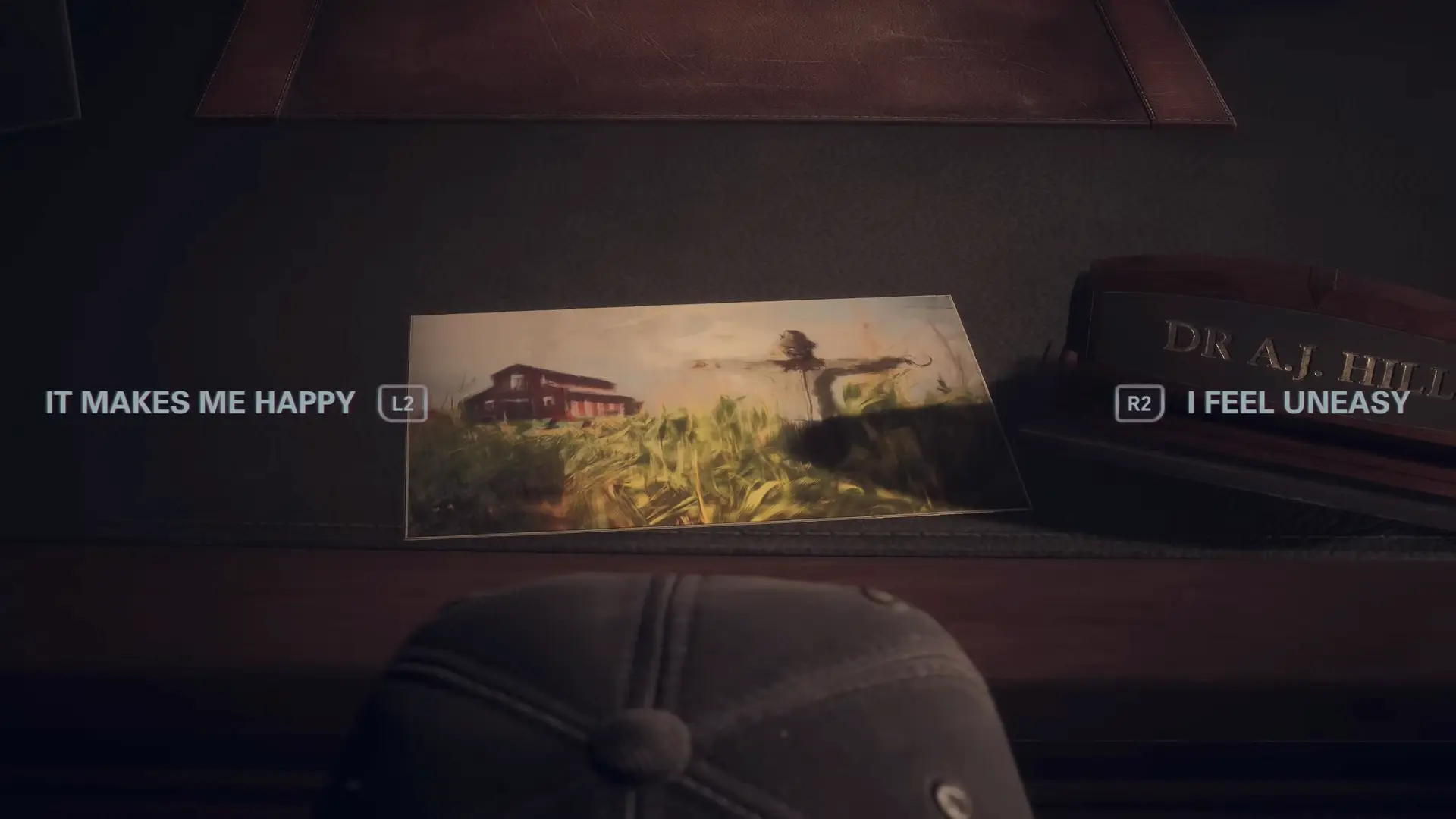
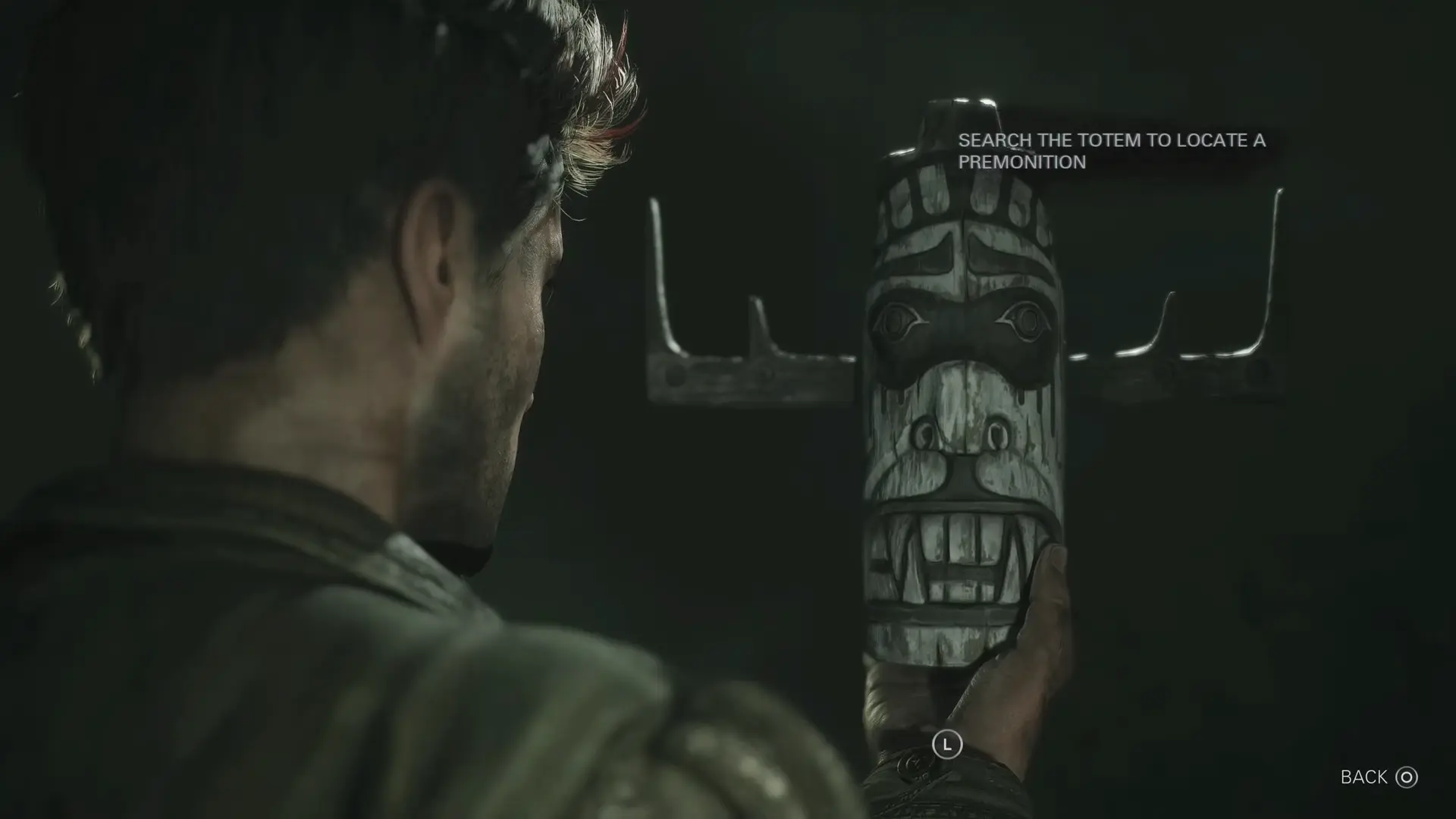
The horror elements are visceral and deeply psychological. The game uses Dr. Hill to actively poll you on your own fears—scarecrows, needles, gore, or ghosts—and then weaponizes those specific fears against you in later chapters. The narrative functions as a reactive mirror to the player's own sadism and empathy. Are you obsessed with keeping everyone alive, painstakingly searching for every totem and clue? Or are you a chaotic god, deliberately choosing the selfish options just to see the spectacular, gruesome ways these teenagers can meet their end?
Gameplay: Freeze, React, and Pray
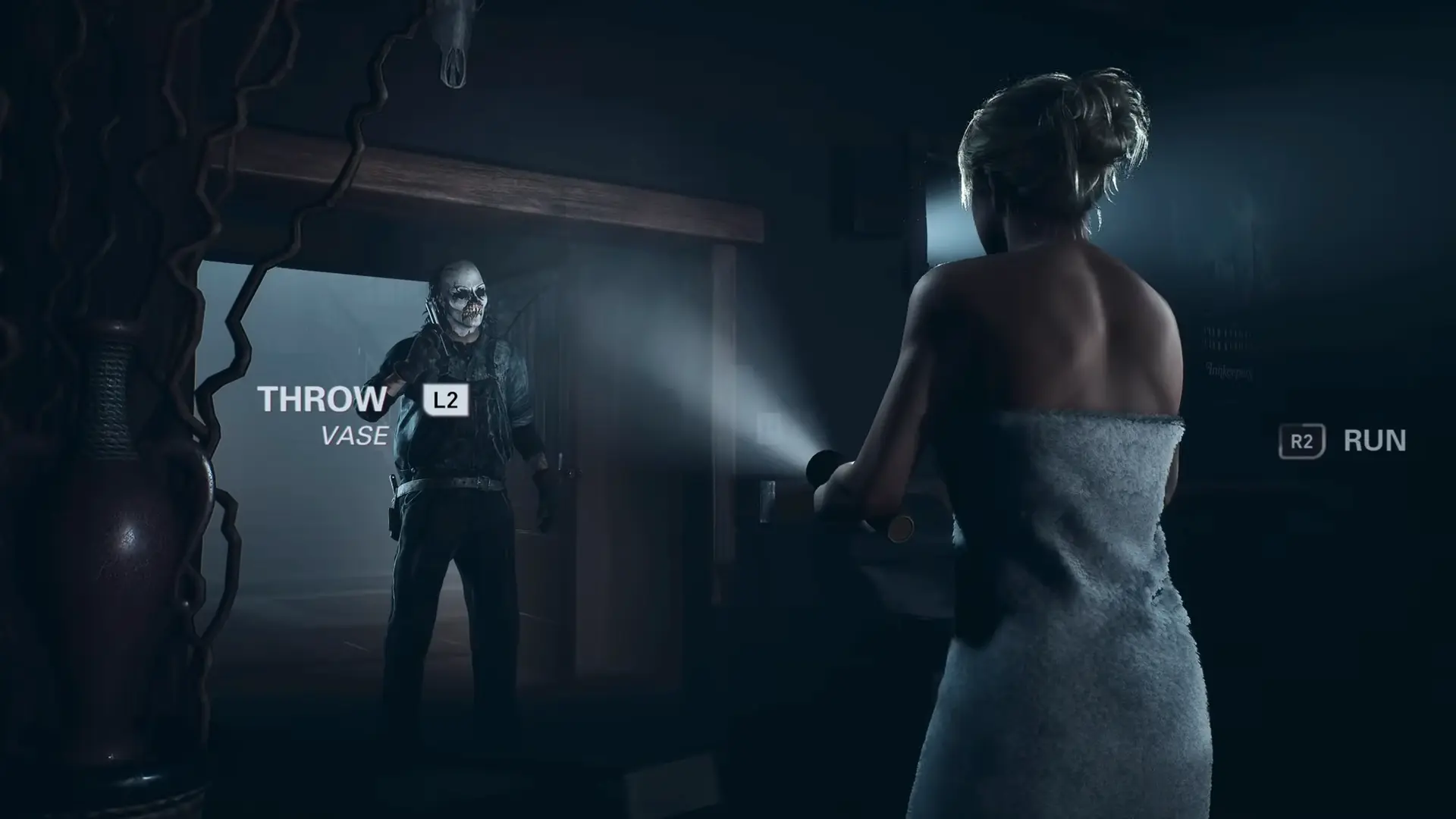
Don’t let the cinematic presentation fool you—the mechanics in Until Dawn are brutally tense. The game strips away complex combat in favor of terrifying Quick Time Events (QTEs) and split-second directional choices. When you are being chased, tripping over a branch isn't just a loss of health; it is the permanent, irreversible death of a beloved character.
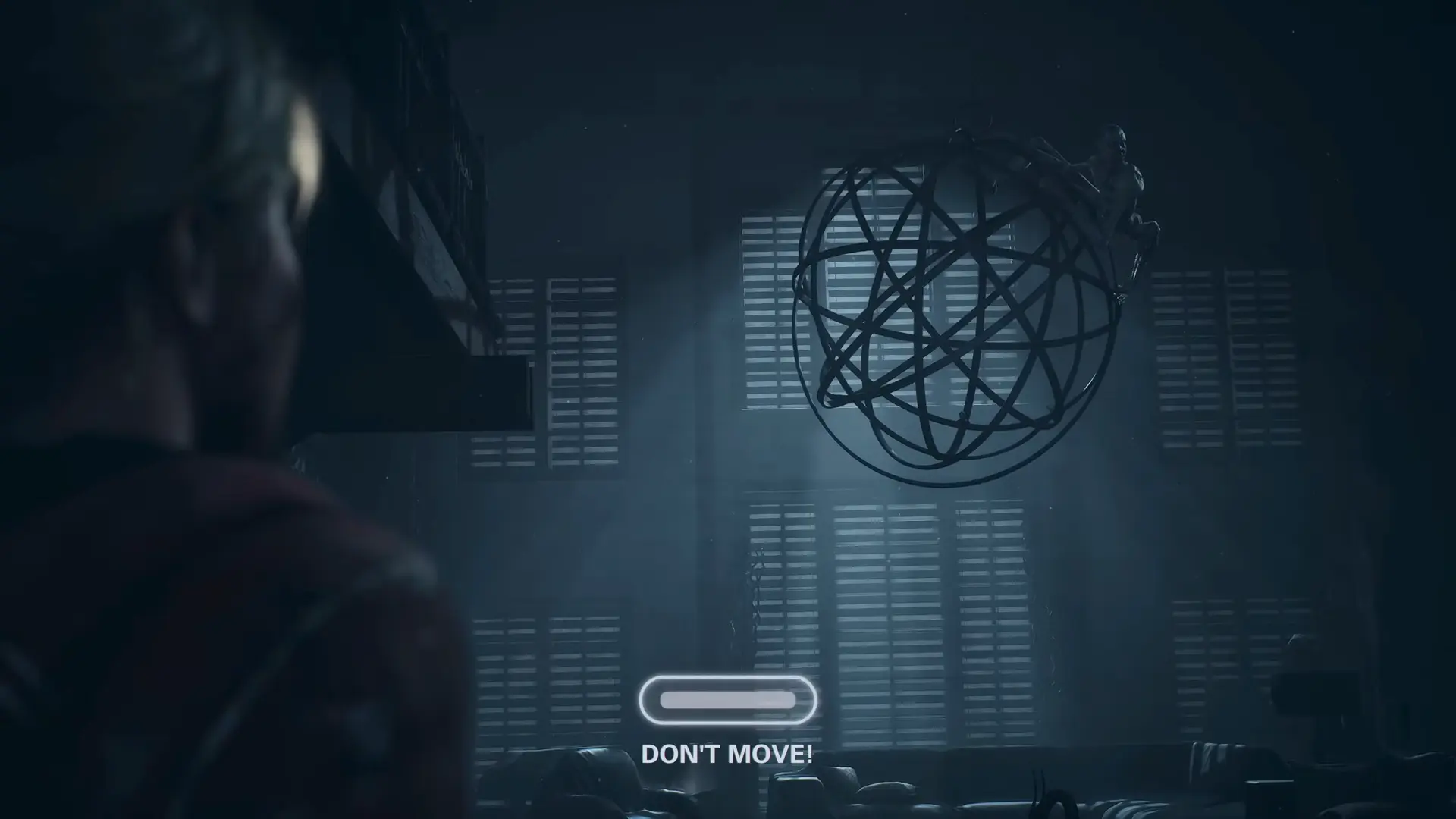
But the true stroke of genius is the 'Don't Move' mechanic. In the presence of blind monsters that hunt by motion, the game requires you to hold your controller perfectly still. The lightbar tracking your trembling hands perfectly bridges the gap between the character's terror and the player's physical anxiety. Paired with 'Totems' hidden throughout the snow that offer cryptic, two-second visions of possible futures, the feedback loop of 'predict, panic, and survive' creates an exhausting rhythm that keeps you hyper-ventilating until the credits roll.
Atmosphere: Frostbite and Fear Restored
The vibe of Until Dawn is oppressively cold and undeniably cinematic. The soundtrack, composed by Jason Graves, is a chilling mix of orchestral strings and primal, screaming audio cues that ramp up the tension in the dark. The sound design—the crunch of boots on fresh snow, the howling wind tearing through the mountain passes, and the clicking sounds of the Wendigos—creates a world that feels genuinely hostile.
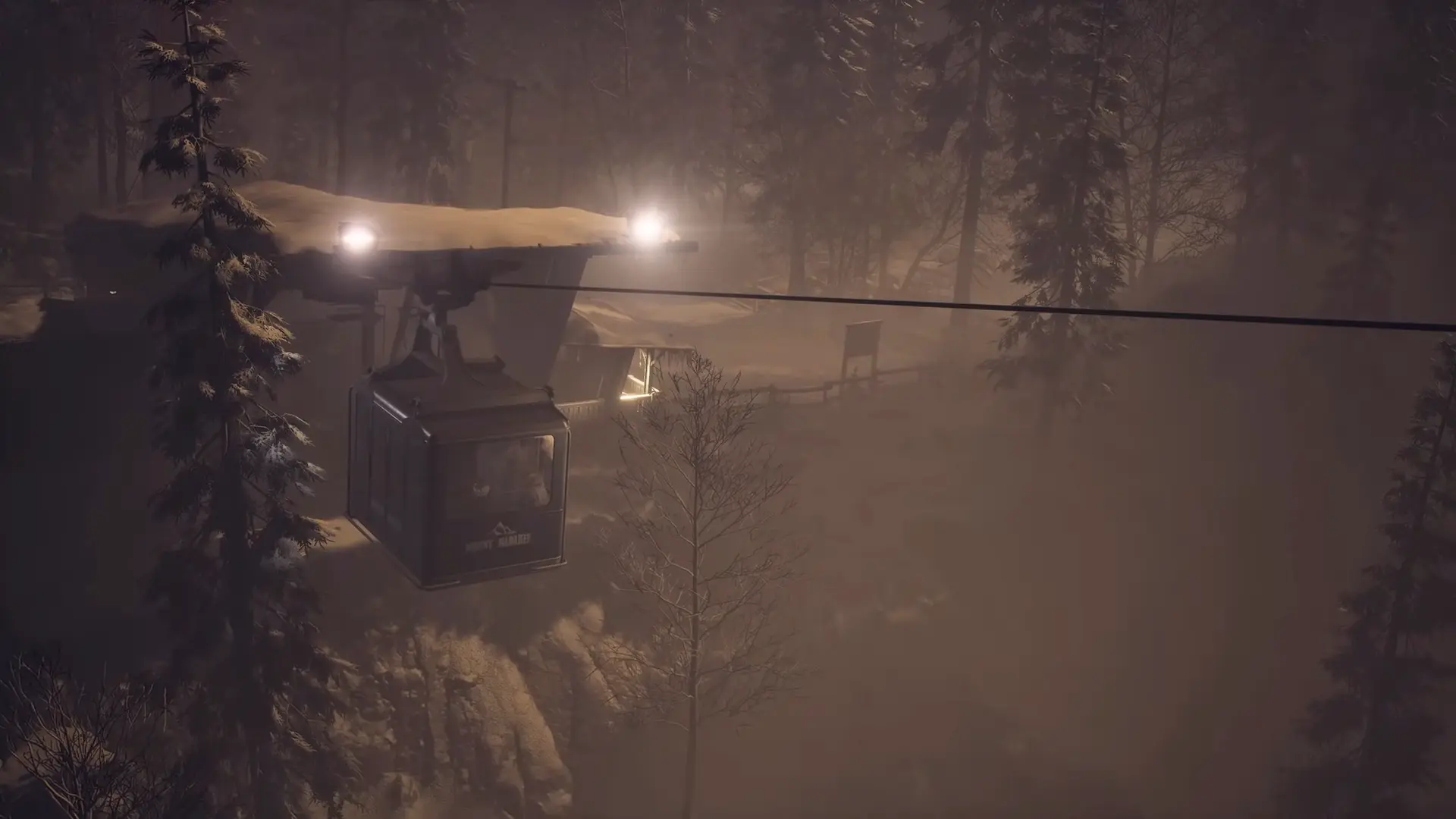
In 2024, this symphony of shadow and ice was painstakingly resurrected with a massive graphical overhaul built in Unreal Engine 5. The mountain now feels like a hyper-realistic frozen tomb, utilizing ray-traced lighting and enhanced volumetric fogs that make the nightmare more suffocating than ever before. The actors' meticulously updated character models convey micro-expressions of pure terror with agonizing fidelity, while new third-person camera dynamics bridge the gap between classic horror cinema and modern interactive paranoia. The cold is no longer just a backdrop; in this breathtaking visual update, it is a living, breathing threat that amplifies your visceral obsession with keeping the cast alive.
Conclusion: The Dawn of the Survivors
Until Dawn is a rare gem in the gaming landscape—a title that takes the cheapest thrills of a teen slasher and elevates them into a demanding, high-stakes psychological experiment. It is a dizzying exploration of human panic, wrapped in an interactive movie that demands absolute focus and steady hands. It asks us to look in the mirror and decide who lives, who dies, and whether we have the nerve to live with the consequences.
Whether you’re there for the brilliantly tactile tension of the 'Don't Move' segments, the gorgeous and horrifying 2024 graphical enhancements, or the messy, complicated drama of the group's shifting allegiances, Until Dawn leaves a mark. It is provocative, terrifying, and deeply replayable. In a medium filled with respawns and second chances, there is something profoundly radical about a game where death is absolute, and the greatest challenge is simply keeping your friends breathing until the sun comes up.