The Anatomy of a Cult Classic: A Check-In to Chaos
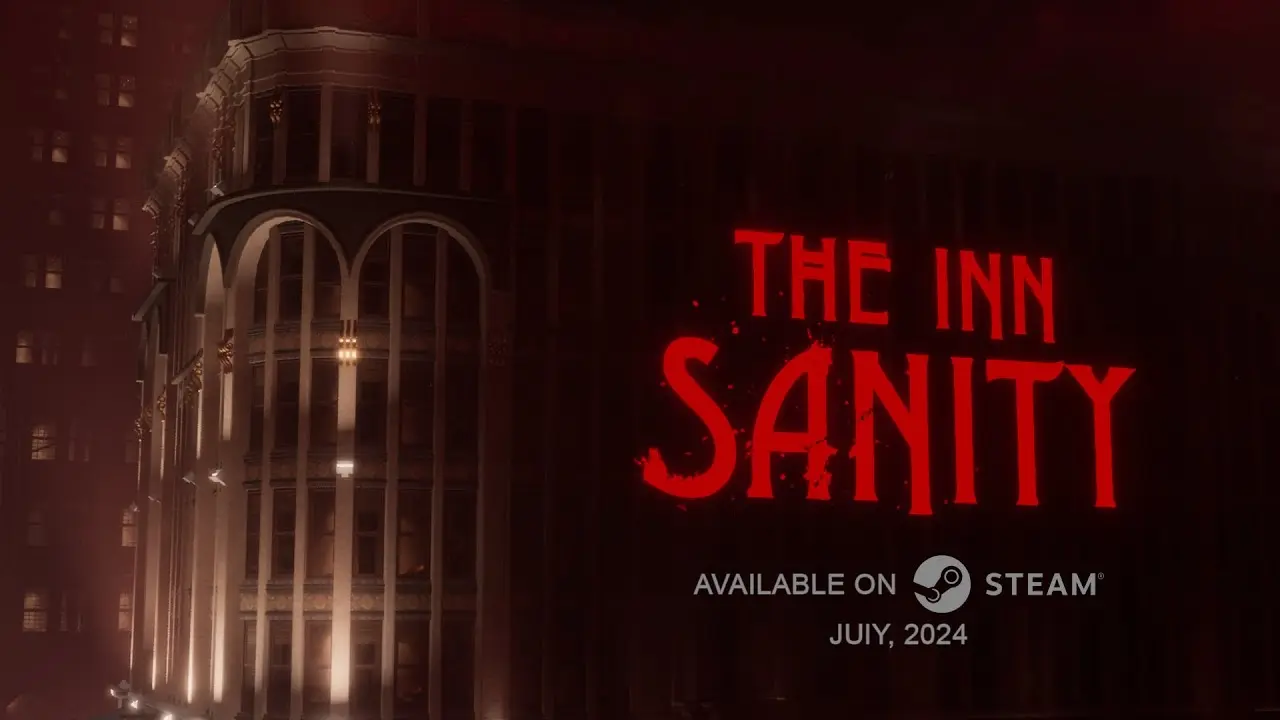
Steppe Hare Studio has undergone a radical evolution since the release of Crimson Snow, culminating in the architectural and psychological dread of The Inn-Sanity. This is not merely a game; it is a meticulously constructed descent into the fragility of human connection. Set against a bleak, early-90s backdrop, the experience transforms a once-luxurious hotel into a claustrophobic microcosm of a world in its final, agonizing hours. It bypasses the tired tropes of jump-scare-heavy 'mascot horror' to focus on a deeper, more primal fear: the total erosion of human recognition and the terrifying speed at which society dissolves when the lights go out.
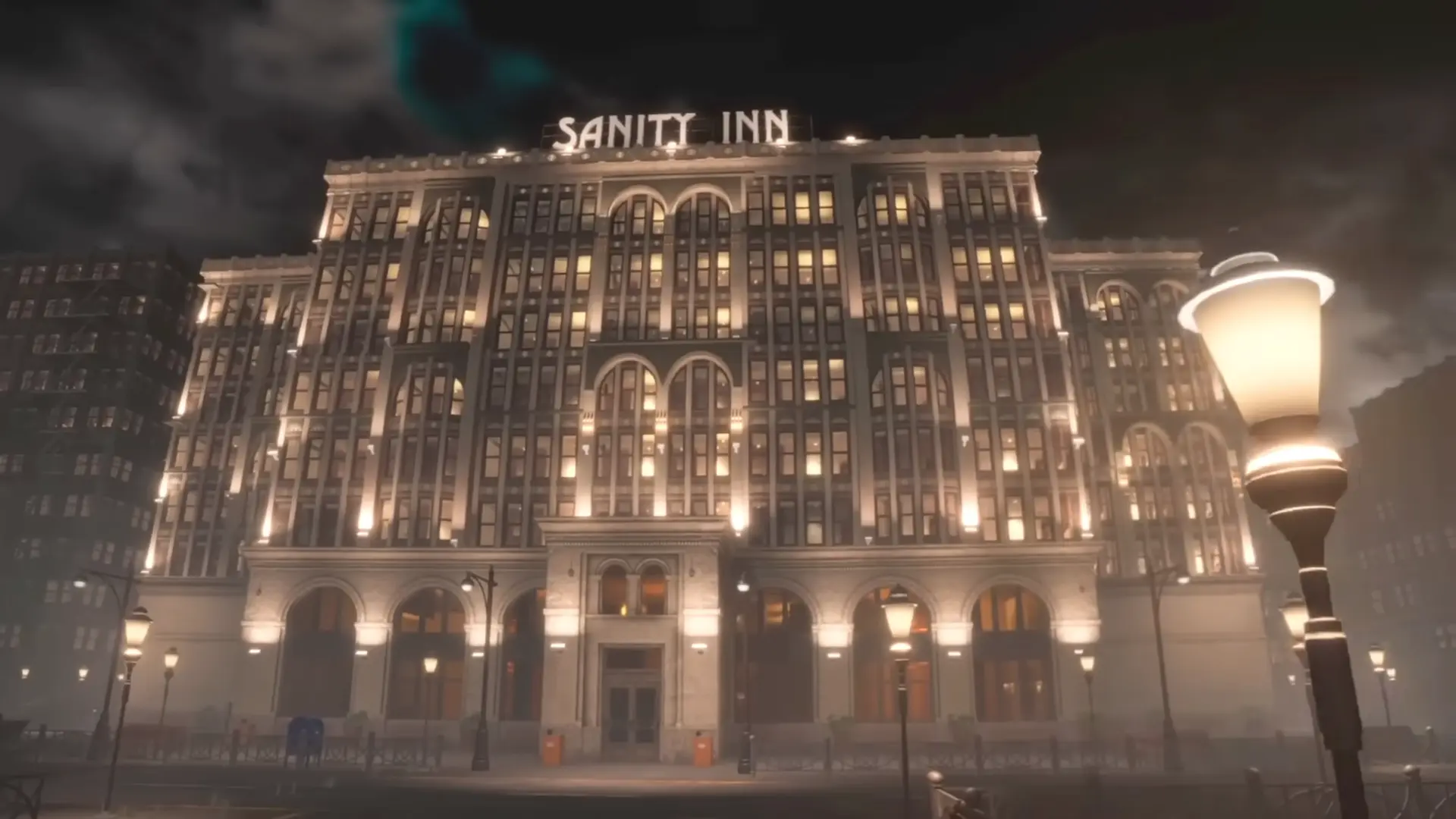
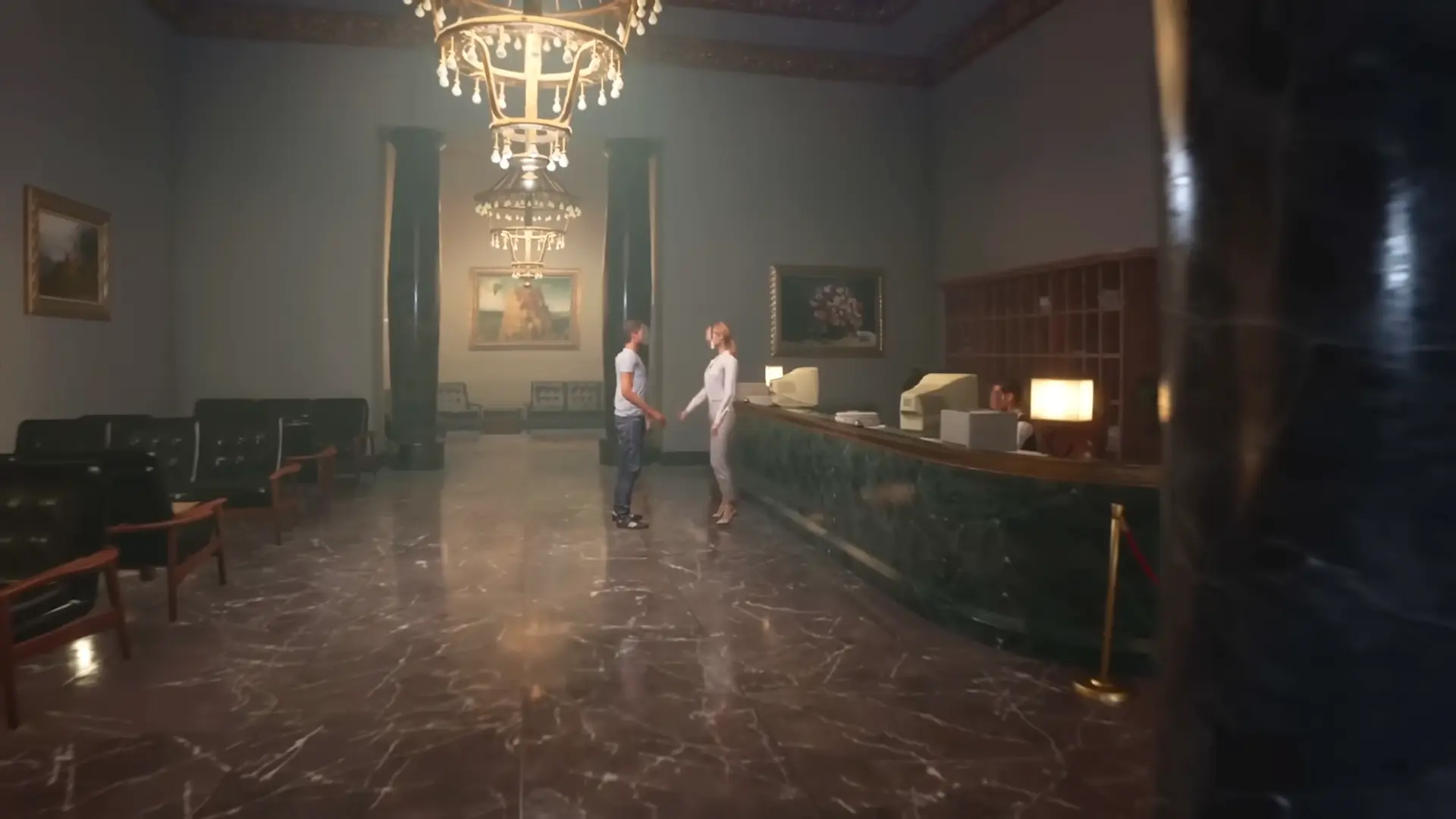
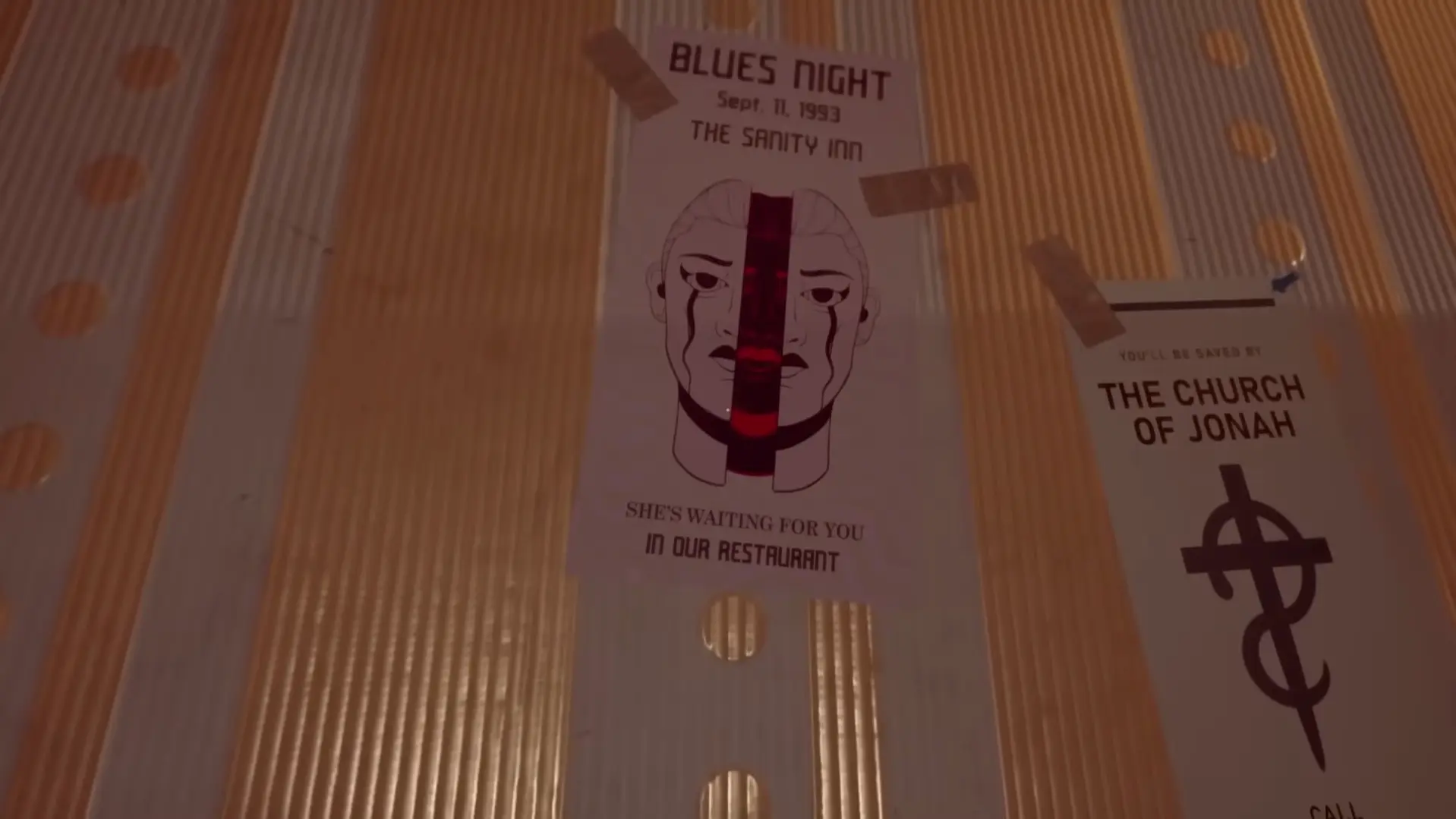
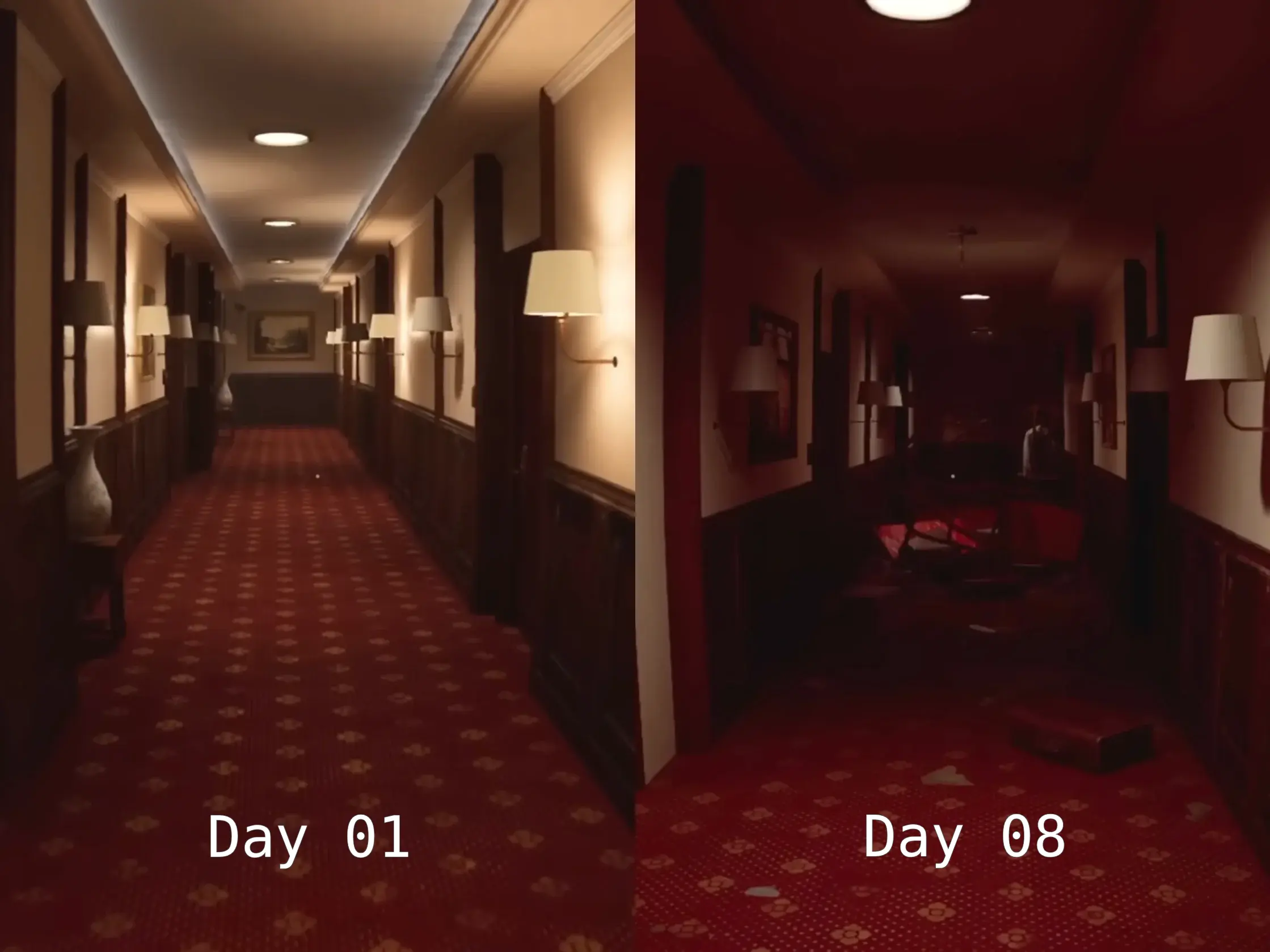
The title constructs a prison where the walls are as much psychological as they are physical. Every corner of the Sanity Inn—from the patterned, heavy-duty carpets of the hallways to the flickering neon of the lobby—feels intentionally designed to provoke a sense of 'incommunicability.' The red sky bleeding through the windows serves as a constant, silent reminder that the world outside has vanished, leaving only a handful of strangers to navigate a nightmare they cannot comprehend. It is one of the most cohesive and emotionally draining horror experiences of the decade, demanding that the player confront the darkness not just in the shadows, but in the blurred faces of those standing right in front of them.
Sensory Isolation: The Agnosia Pillar
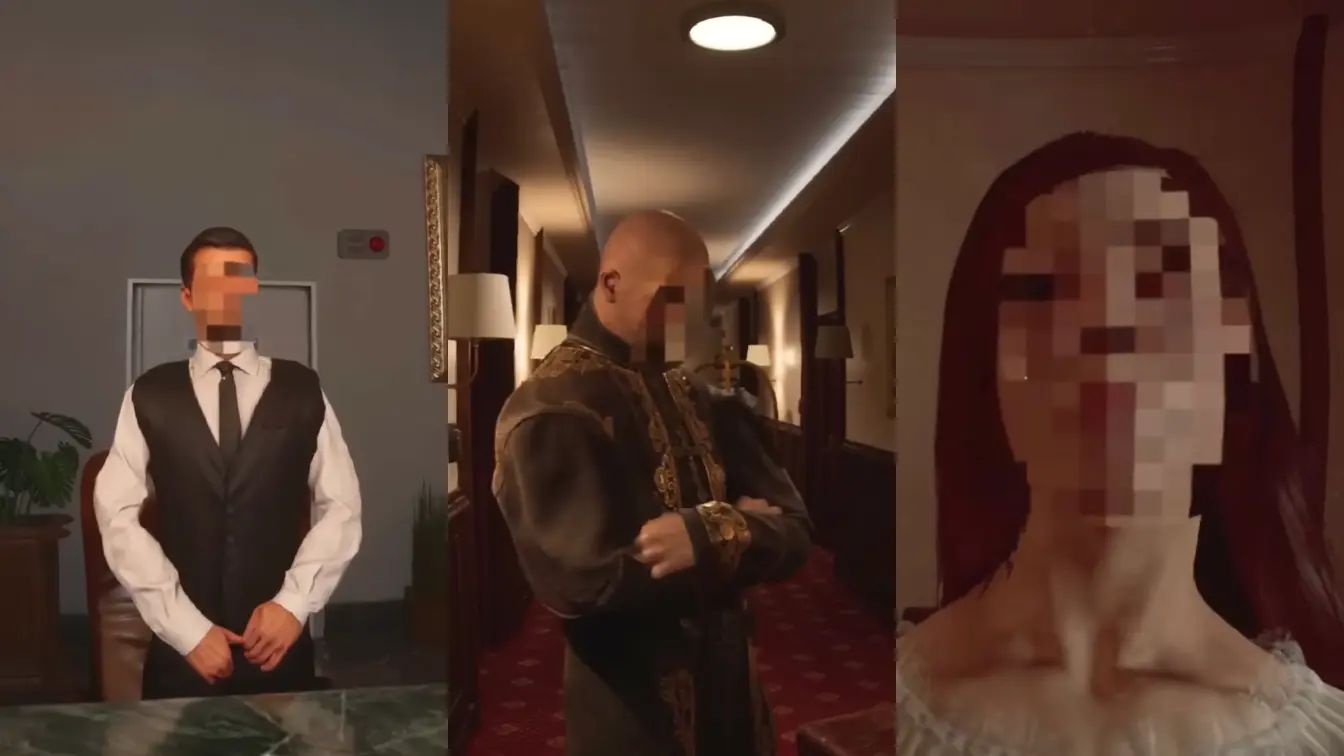
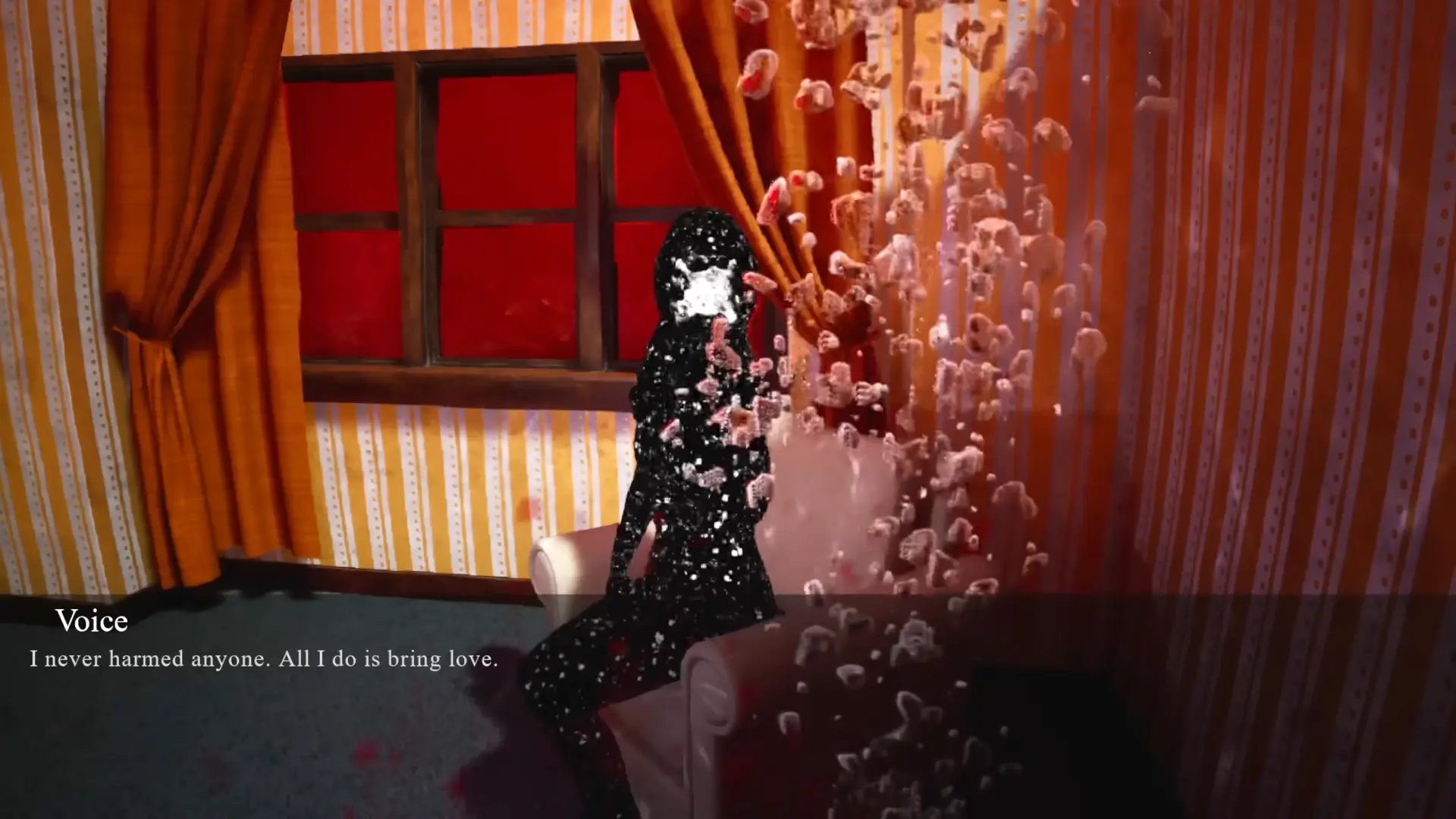
The stroke of genius in The Inn-Sanity lies in the implementation of the protagonist’s agnosia. Because the lead character, John, cannot recognize faces, every NPC is rendered with a shifting, pixelated void where their features should be. This is far from a mere artistic flourish; it is a core gameplay pillar that forces a total reliance on tone, body language, and the few clear sensory anchors available. It creates a profound sense of isolation; even when surrounded by fellow survivors, John is fundamentally alone, unable to find comfort in a familiar smile or a reassuring glance.
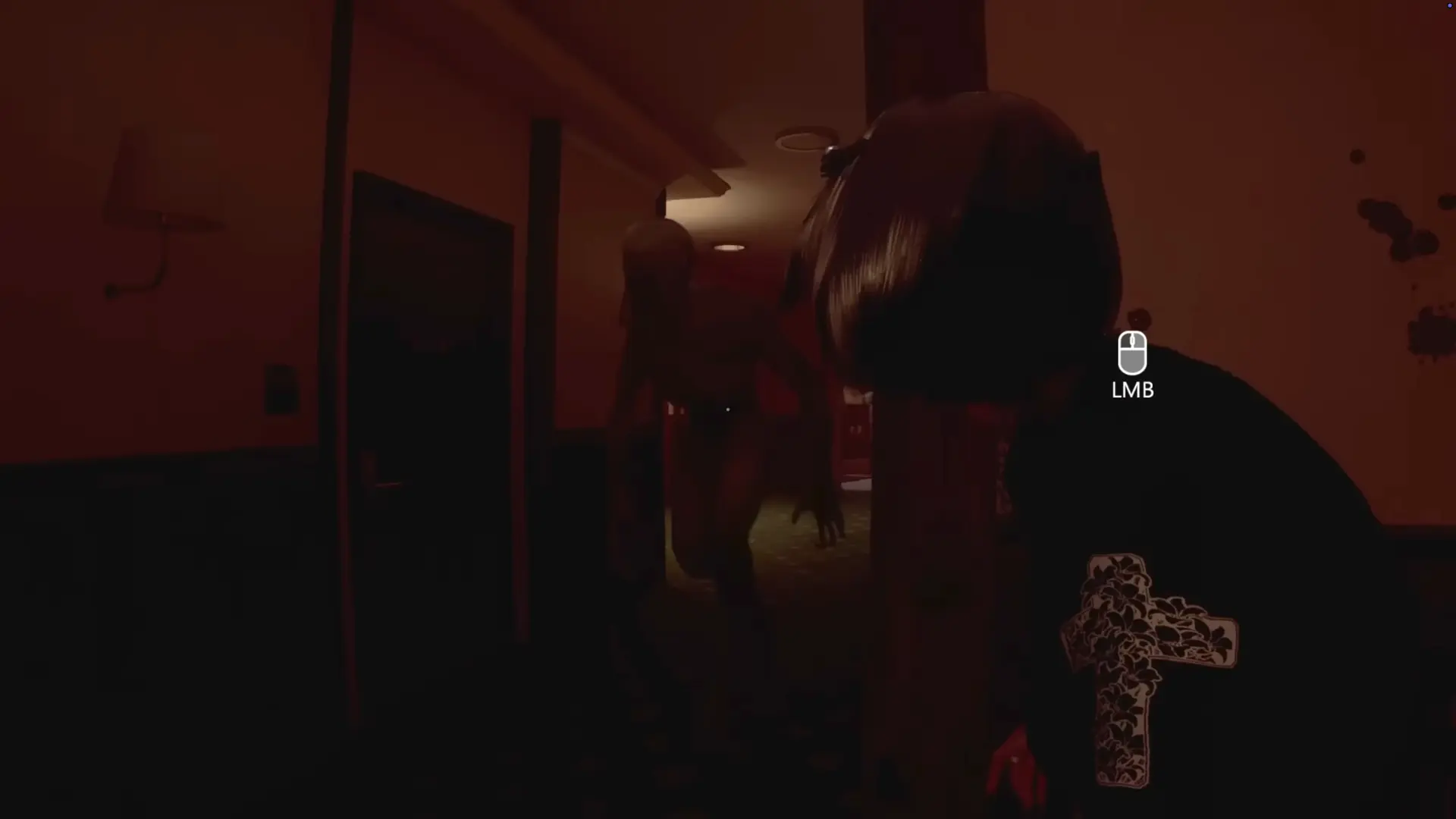
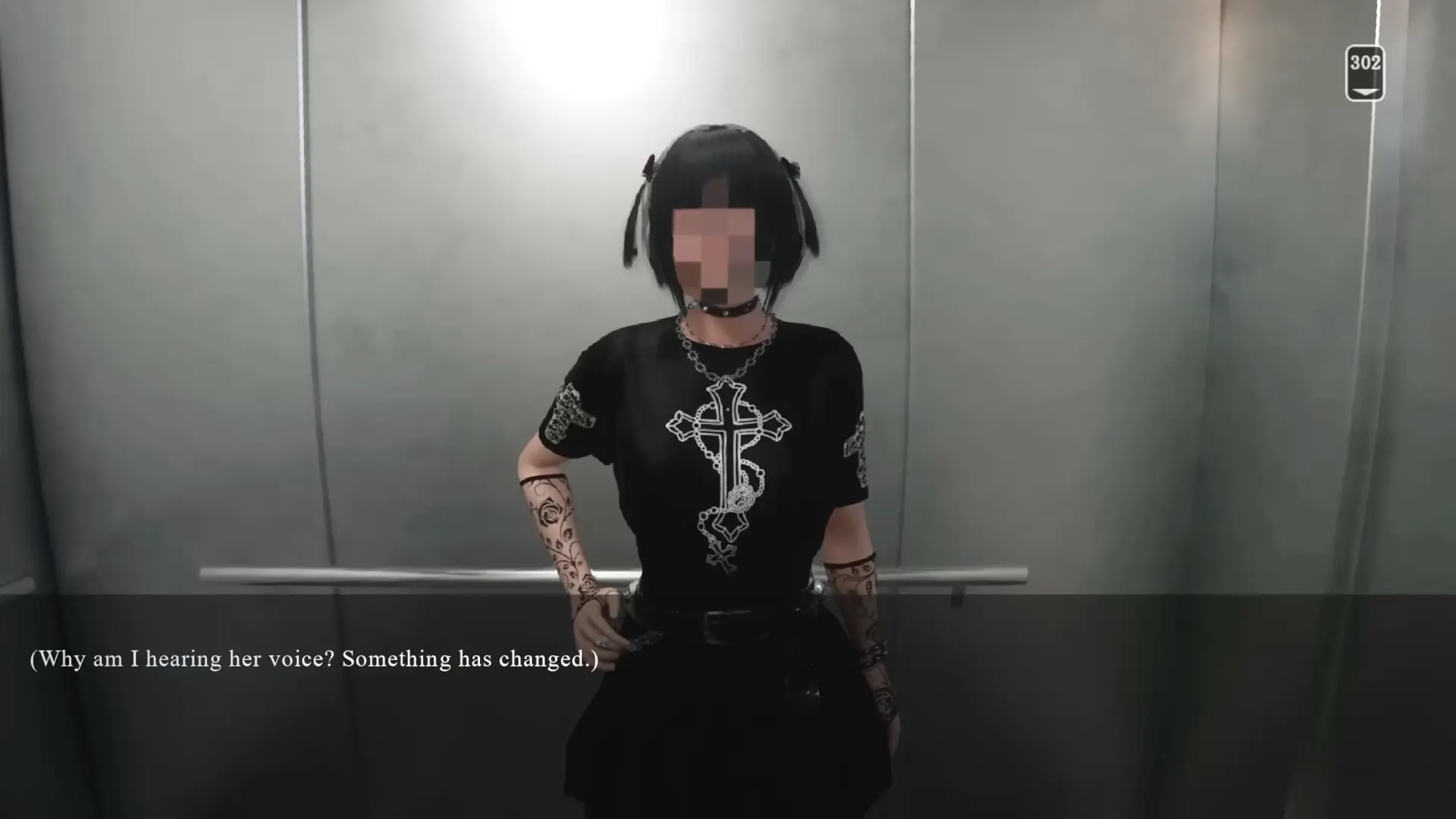
This sensory contrast is sharpened by Robin, the goth survivor whose voice is the only one not muffled by the game's intentional audio distortion. While other characters speak through a thick layer of auditory static—symbolizing John’s mental disconnect—Robin’s clarity creates an immediate, desperate bond. She becomes the 'Voice,' the only tether to a recognizable reality in a world rapidly dissolving into visual and auditory noise. This hierarchy of sound and sight forces a hyper-fixation on the few things that make sense, making the moments of sudden distortion or silence feel like a physical blow to the player's composure.
Narrative Depth: The Monster Within
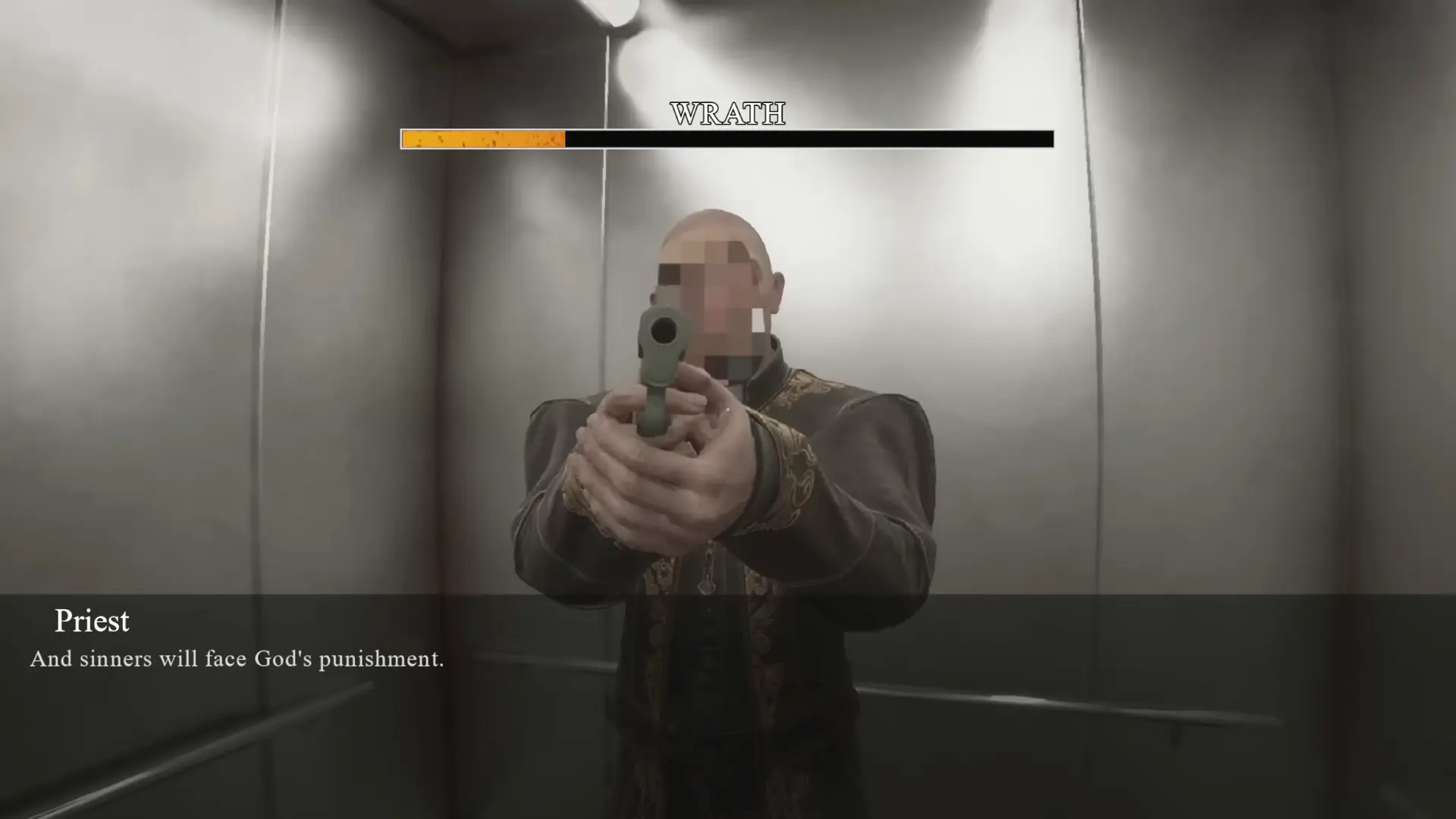
Drawing heavy inspiration from the Sweet Home manhwa, the story explores how extreme crisis manifests a person's inner darkness into physical monstrosity. The narrative brilliance is found in the hotel’s smaller, fractured stories—the cryptic phone calls from the 'Watcher' in the security room, the frantic notes left by the Professor in Room 311, and the escalating, violent fanaticism of the Mad Priest. The game refuses to hold hands, requiring a meticulous, almost obsessive investigation of the environment to unlock the true depth of its lore.
The horror here is social. It is the dread of realizing that the person in the next room is more dangerous than the creature in the vents. As the 'inn-sanity' takes hold, the hotel guests begin to warp, both mentally and physically, reflecting their deepest flaws and fears. The weight of every dialogue choice feels immense; a single dismissive comment or a moment of selfishness can ripple through the hotel, determining the moral preservation of the entire group. It is a narrative of survival where the goal isn't just to stay alive, but to stay human in a place that rewards the monstrous.
Gameplay: The High Stakes of Silence
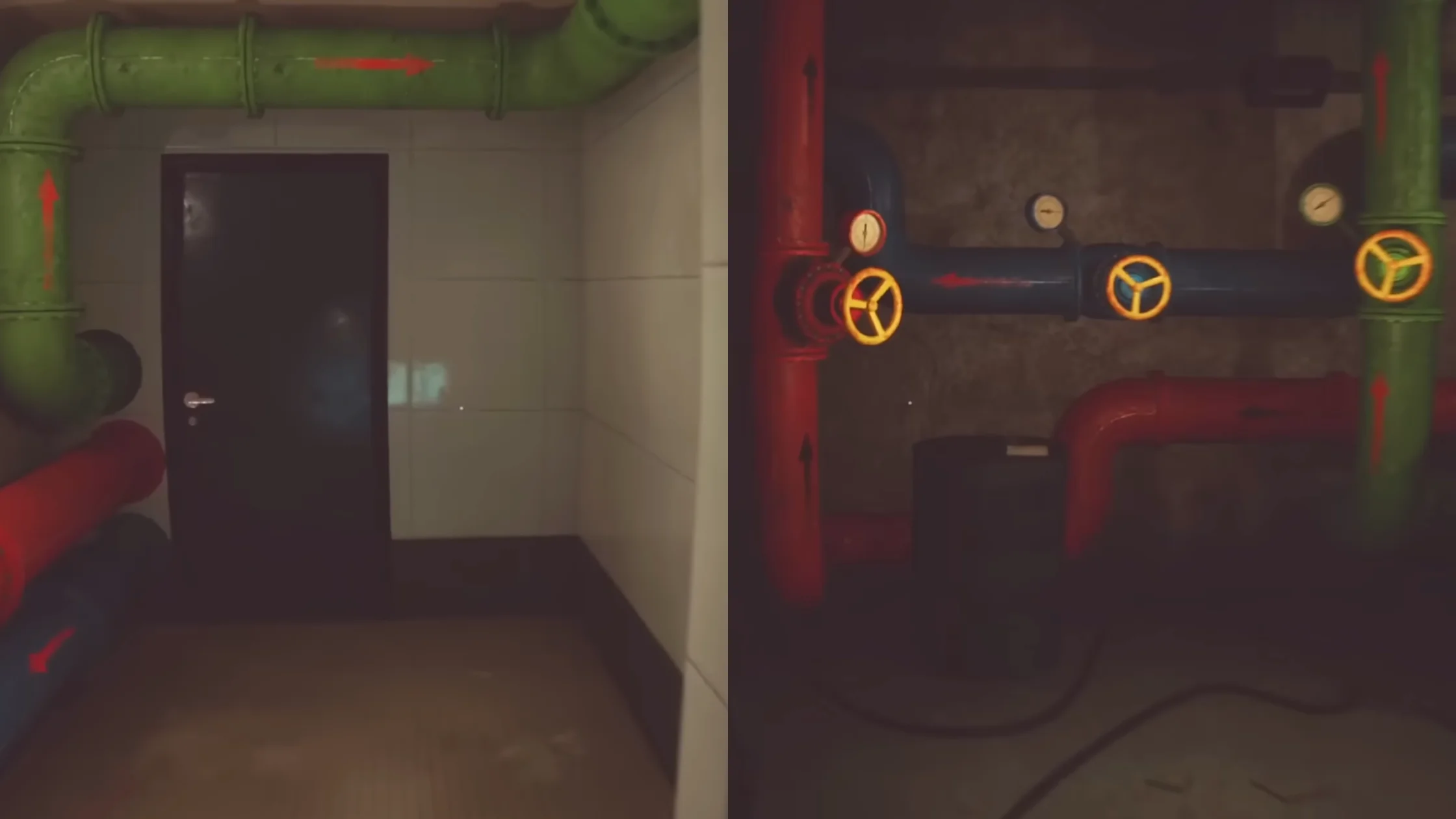
Combat is non-existent in The Inn-Sanity, replaced by a high-stakes dance of stealth and social engineering. The game excels in its 'mundane' objectives—fixing water valves in the pool area, gathering fuel in the pitch-black parking garage, or navigating the labyrinthine laundry rooms. These sequences are masterclasses in pacing, where the AI for the hotel’s prowling monsters is erratic and predatory. Avoidance often requires a total, breath-holding standstill, listening for the wet slap of footsteps on tile or the metallic screech of something dragging itself through the ductwork.
The puzzles, such as the color-coded PSI valve challenge, add a layer of intellectual friction that heightens the panic when a creature is audibly scratching at a nearby door. There is no 'fight' button to bail the player out of a mistake. If a conversation goes south or a stealth route is botched, the consequences are final. It is a game that respects the intelligence of its audience, rewarding patience and observation over twitch reflexes. The tension comes from the knowledge that the protagonist is completely vulnerable; his only weapons are a flashlight with a dying battery and his own ability to interpret a world he can barely see.
Atmosphere: The Sound of Terminal Decay
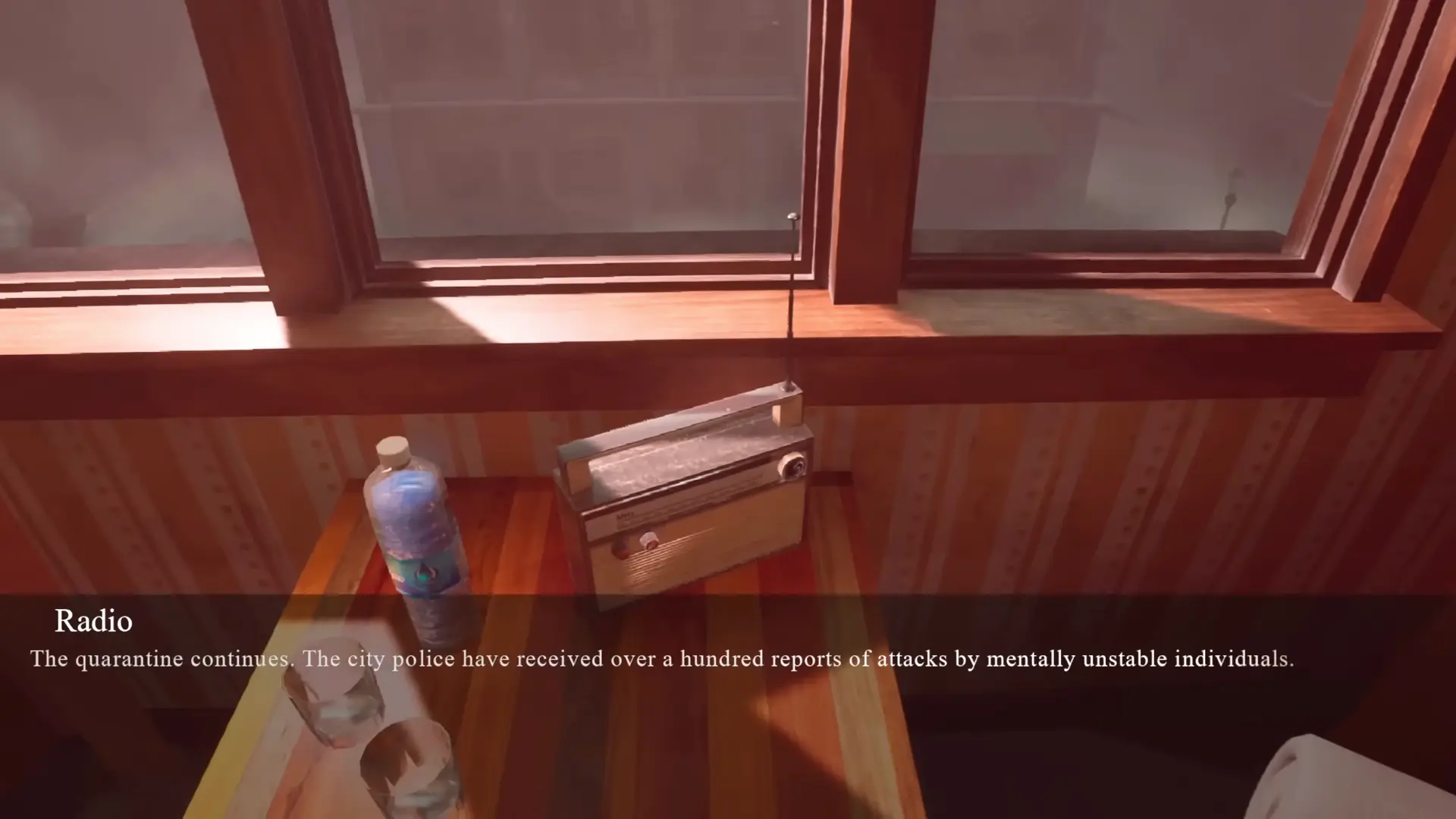
The visual and auditory landscape is one of unrelenting, rhythmic decay. The sound design—composed of low-frequency hums, distant muffled screams, and the eerie, warped static of 90s radio broadcasts—ensures the tension never fully dissipates. Visually, the mix of high-fidelity lighting with low-poly, pixel-grit textures creates an 'uncanny valley' effect that perfectly suits the agnosia theme. The hotel itself functions as a character, shifting from a place of former opulence to a rotting, biological tomb as the days progress.
The atmosphere is thick with a sense of terminality. As the sky grows darker and the hotel's infrastructure fails, the biological growth taking over the hallways feels like the earth reclaiming a space that no longer belongs to the living. It is a rare example of environmental storytelling where the rot feels earned—a visual representation of the guests' deteriorating mental states. The player isn't just walking through a haunted house; they are witnessing the slow-motion death of a civilization within the four walls of a luxury resort.
Conclusion: The Last Resort
The Inn-Sanity stands as a definitive achievement for Steppe Hare Studio and a benchmark for the psychological horror genre. By centering the experience on a specific sensory disability and the collapse of social empathy, it creates a unique kind of terror that lingers long after the power is cut. It is a compact, high-intensity experience that values theme and character over bloated runtime, proving that a single, well-realized location can contain an entire universe of horror.
For those who seek horror that challenges the mind as much as the nerves, the Sanity Inn is a mandatory destination. It is a journey that asks difficult questions about what we owe to strangers when the world is ending, and whether we can truly know anyone if we cannot even recognize their face. The hotel is open, and while the stay is far from relaxing, it is an essential descent for anyone who believes that the most terrifying thing in the world is the silence between two people. Prepare to check in, but do not expect to leave the same person you were when you arrived.