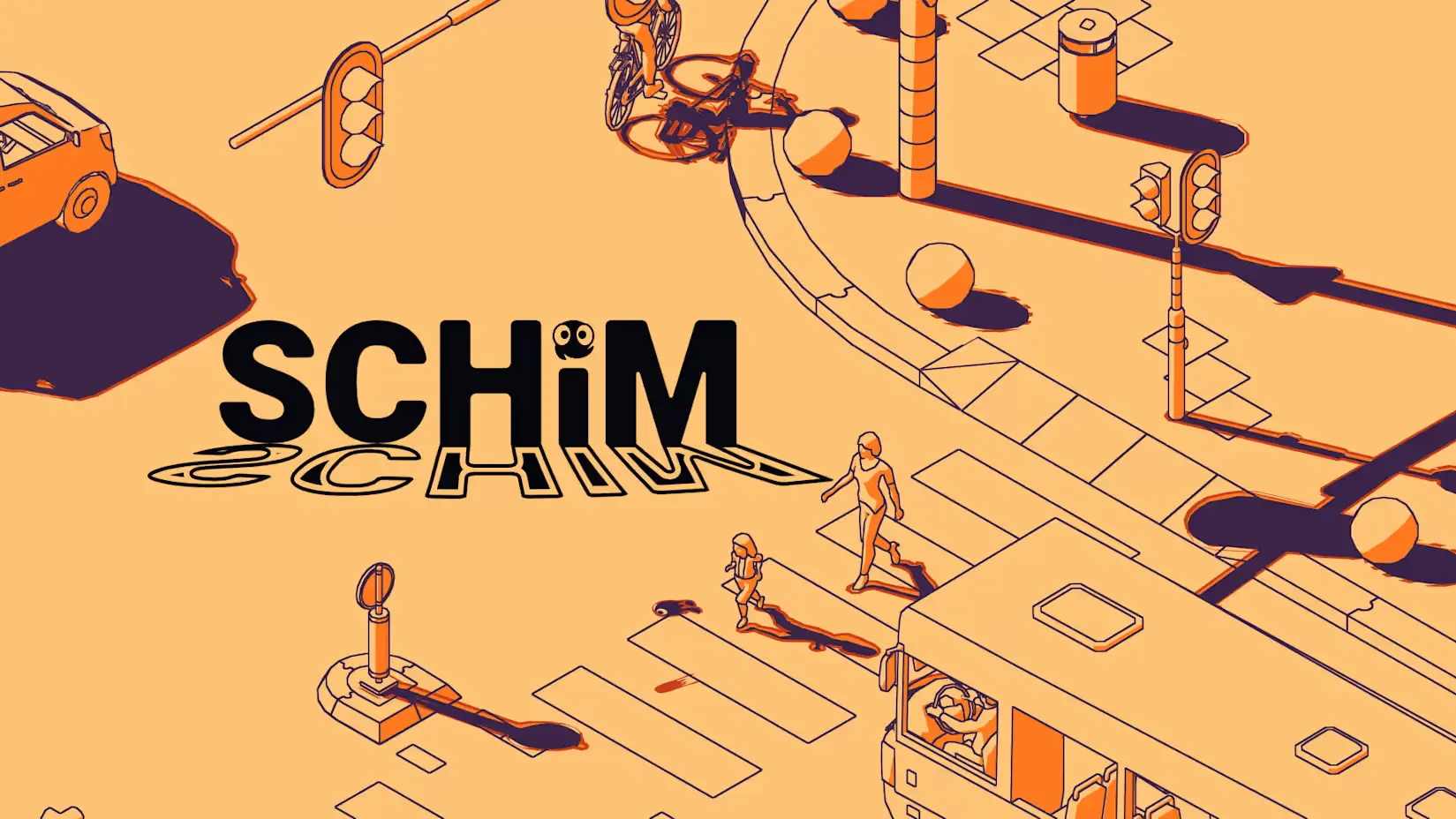
At first glance, the indie landscape is filled with cozy, relaxing puzzle-platformers, but SCHiM disguises a deeply anxious premise beneath its pristine Dutch design. It isn't just a game about jumping across a city; it’s a game about the terrifying vulnerability of being disconnected from your own purpose. We play as a 'schim'—the soul and vital essence of an object or person. After a traumatic separation from your human host, you are cast adrift in a sprawling, indifferent metropolis, forced to watch his life slowly unravel from afar.
The game introduces a ruthless, claustrophobic framing device: you absolutely cannot exist in the light. By design, it takes the childhood imagination of 'the floor is lava' and elevates it into a literal, life-or-death psychological tether. It is a striking, duotone nightmare that uses the stark, isometric geometry of urban environments to explore the very real terrors of depression, lost momentum, and the obsessive compulsion to find safety in the dark.
About the Game: The Architecture of the Unseen
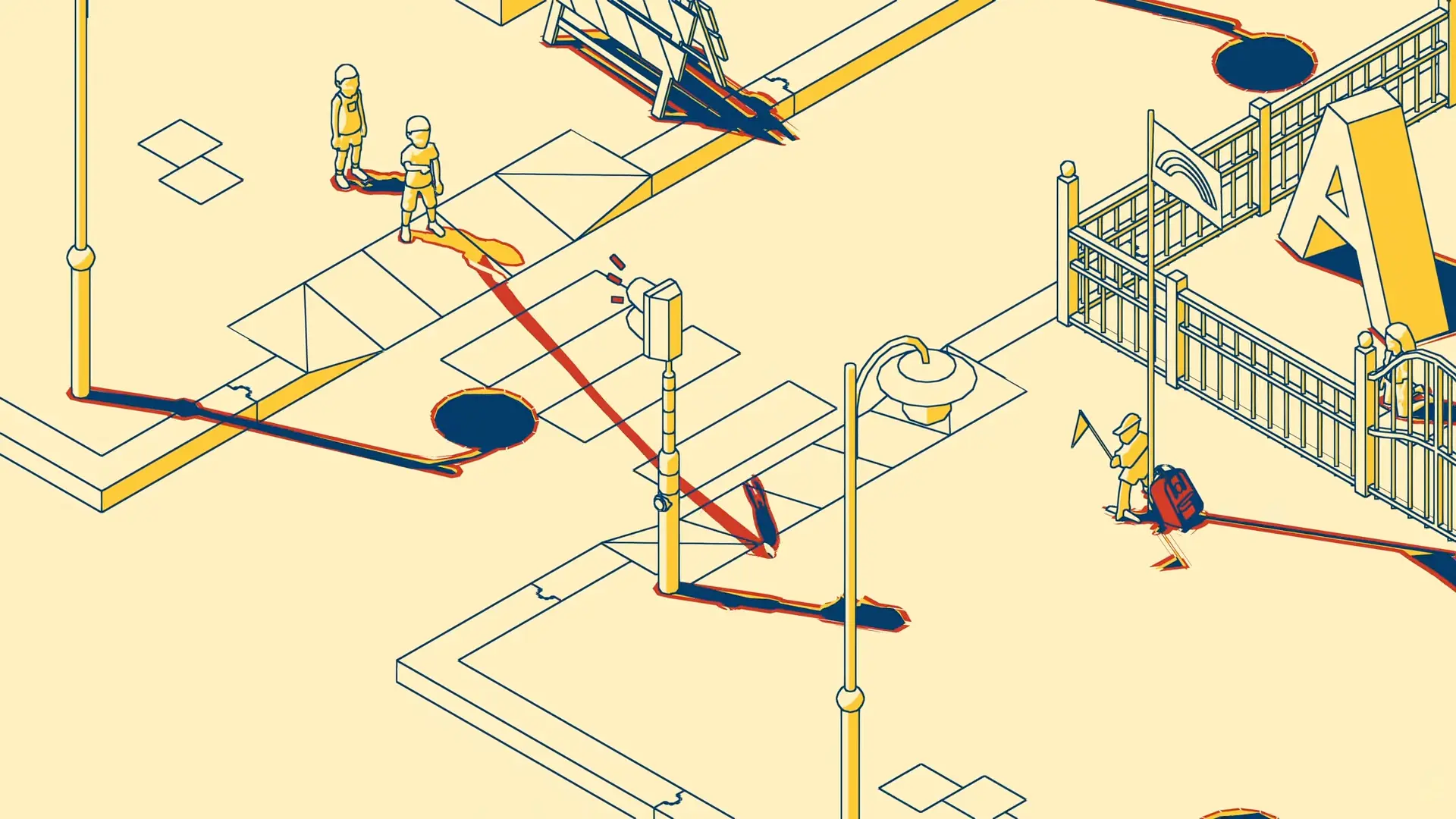
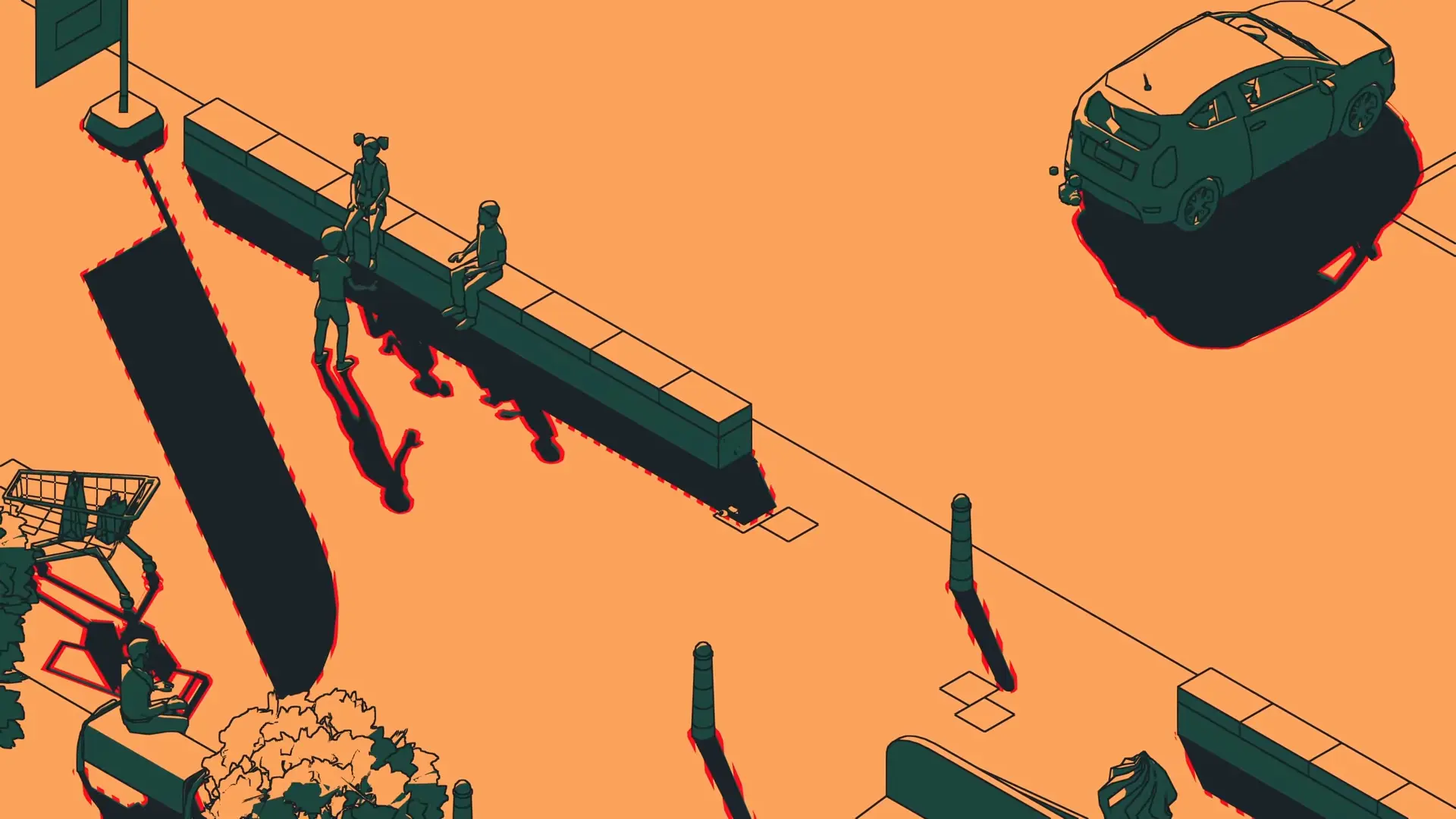
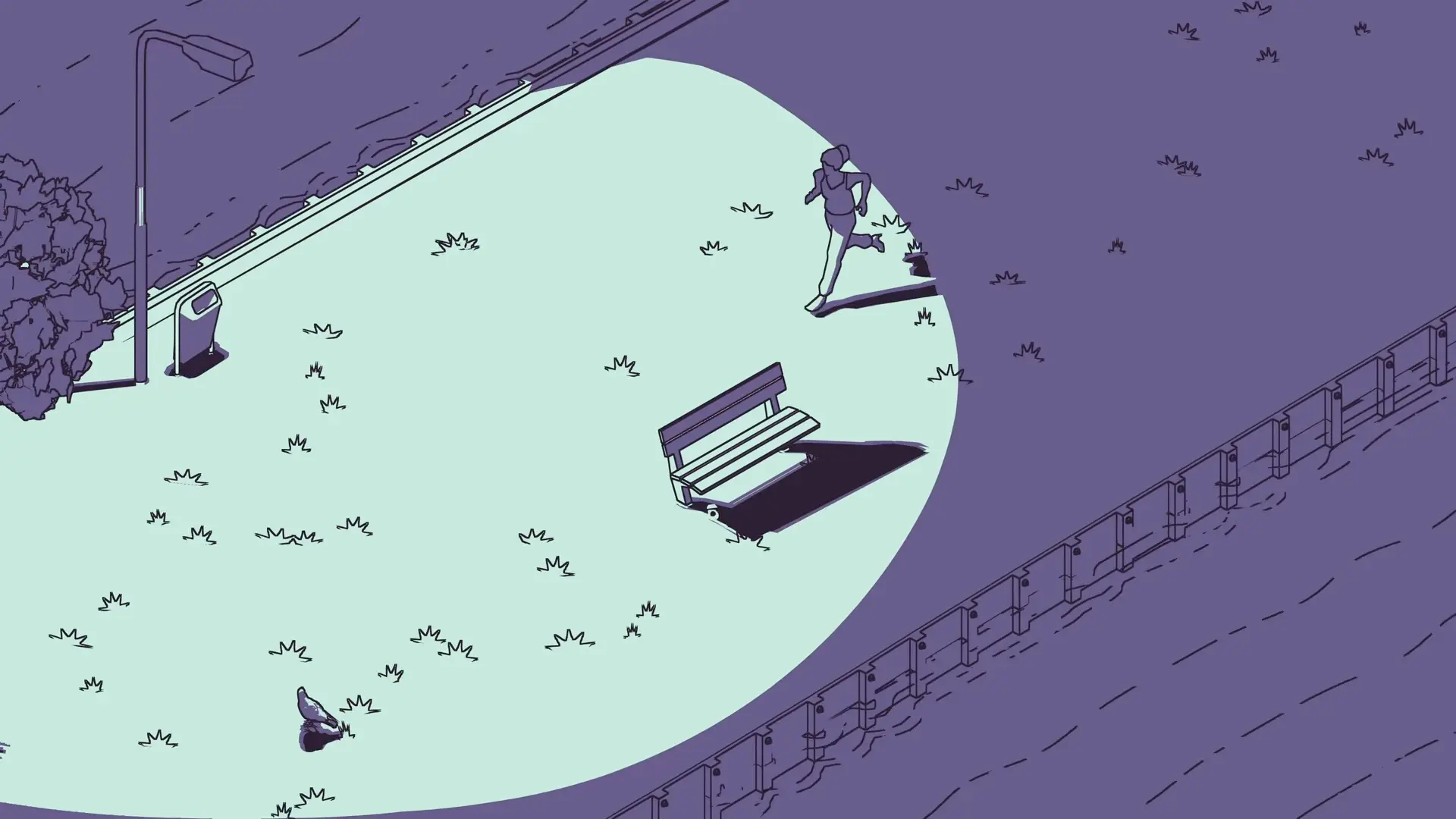
SCHiM represents a complete mechanical devotion to a single, uncompromising rule. The game operates on a brutal binary loop: the shadow is survival, and the light is the abyss. Your primary antagonist isn't a boss or a ticking clock; it is the physical architecture of the city itself, bathed in a sun that wants to eradicate you.
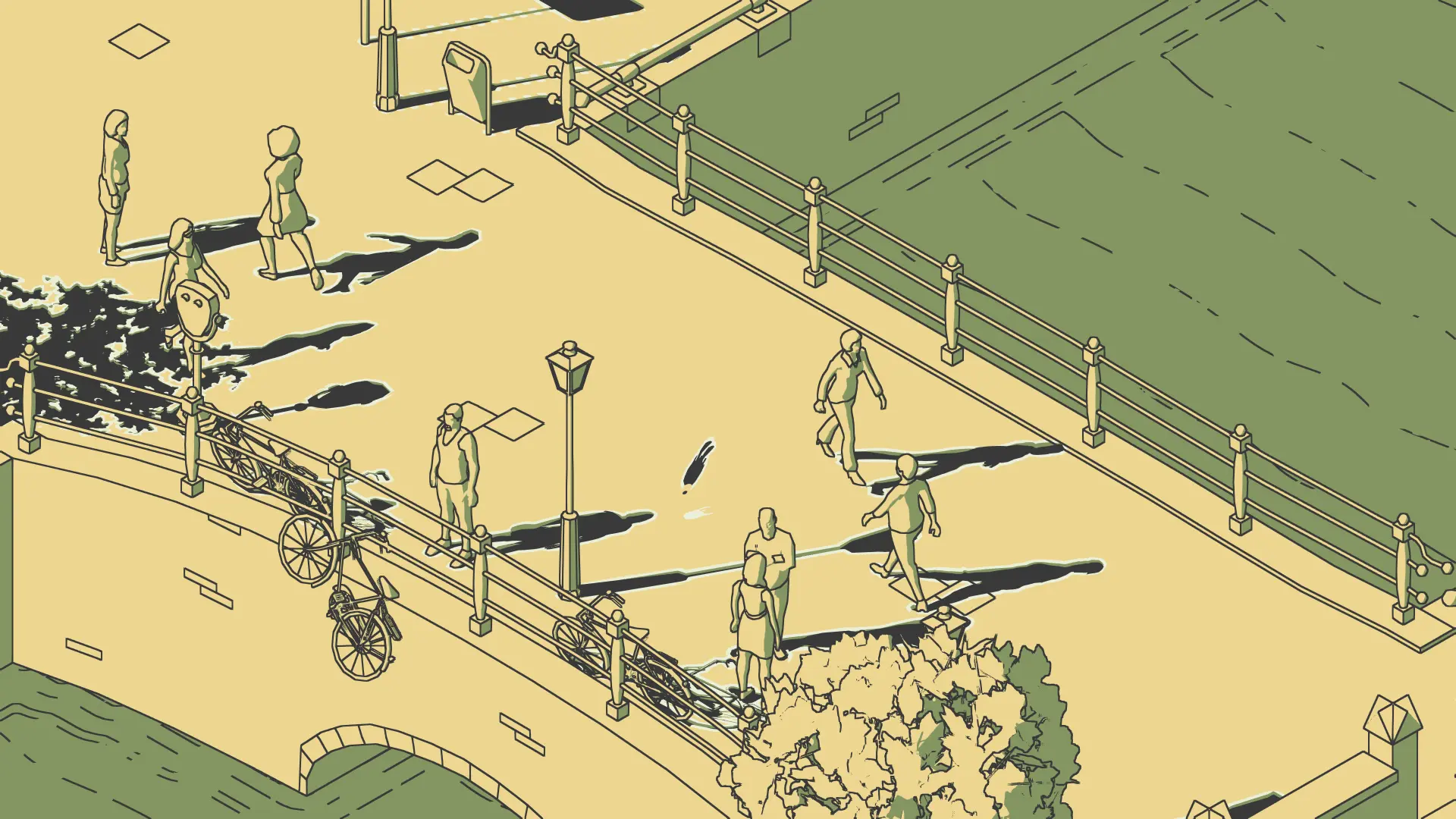
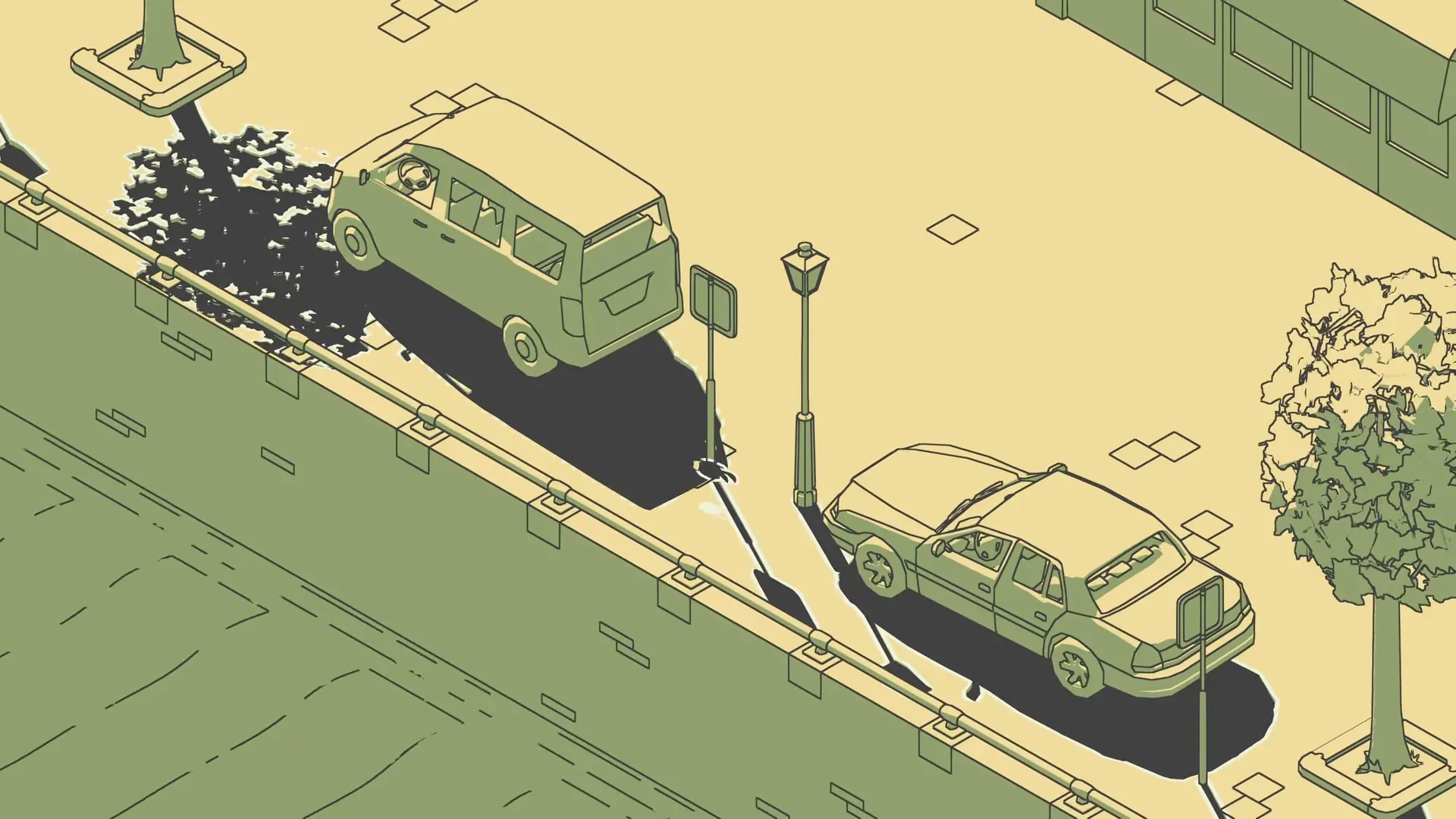
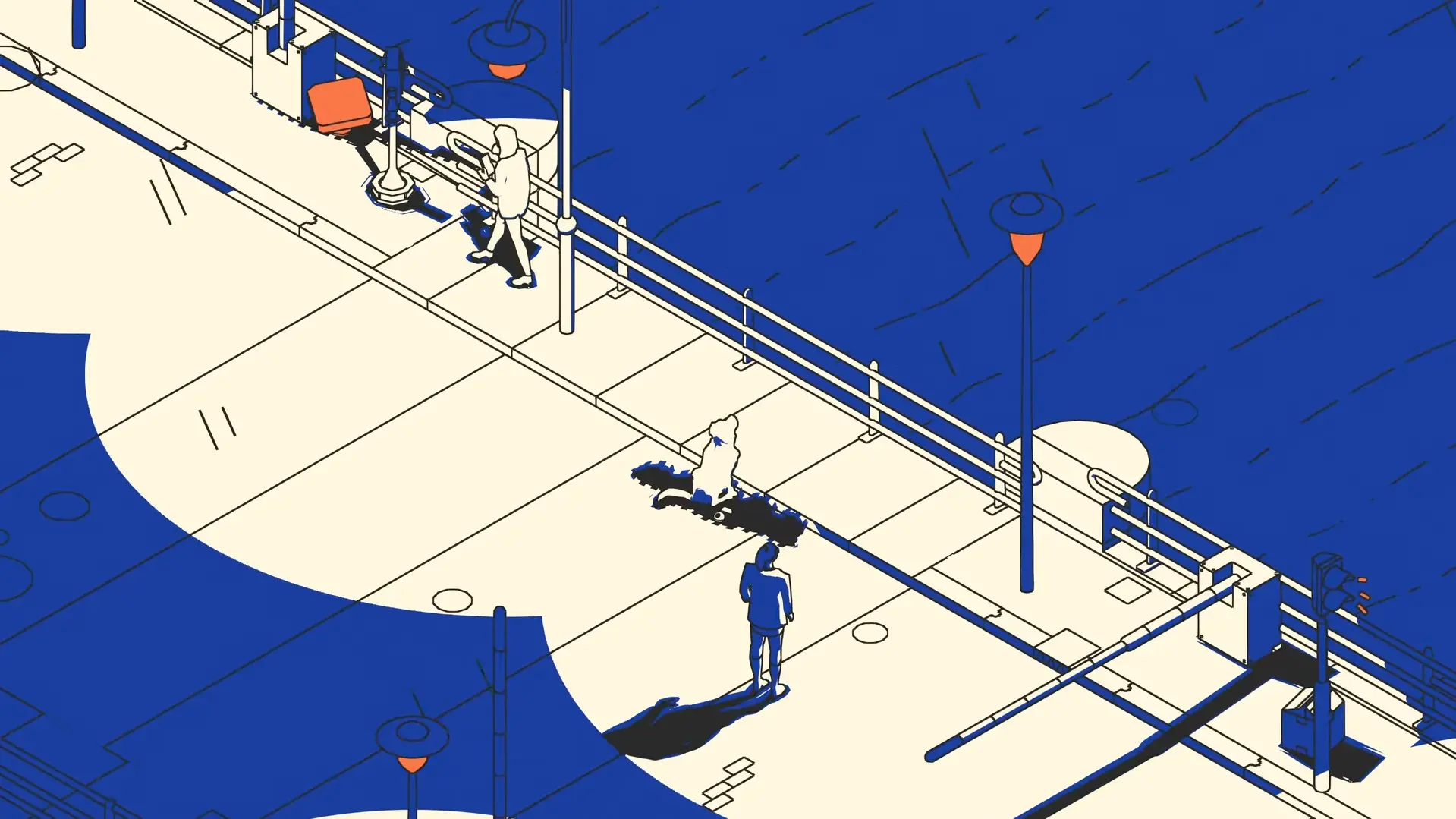
You must navigate public parks, bustling traffic intersections, and quiet suburban nights strictly by diving from one cast shadow to the next. But the world is not static. A shadow is only as permanent as the object casting it. Every leap you take into the silhouette of a passing bicycle, every desperate dive into the shade of an opening door, is a heartbeat in a race against a constantly shifting environment. It is a masterclass in 'environmental obsession,' where the safety of your existence is dictated by the mundane routines of the city around you.
Story: A Trial of the Tether
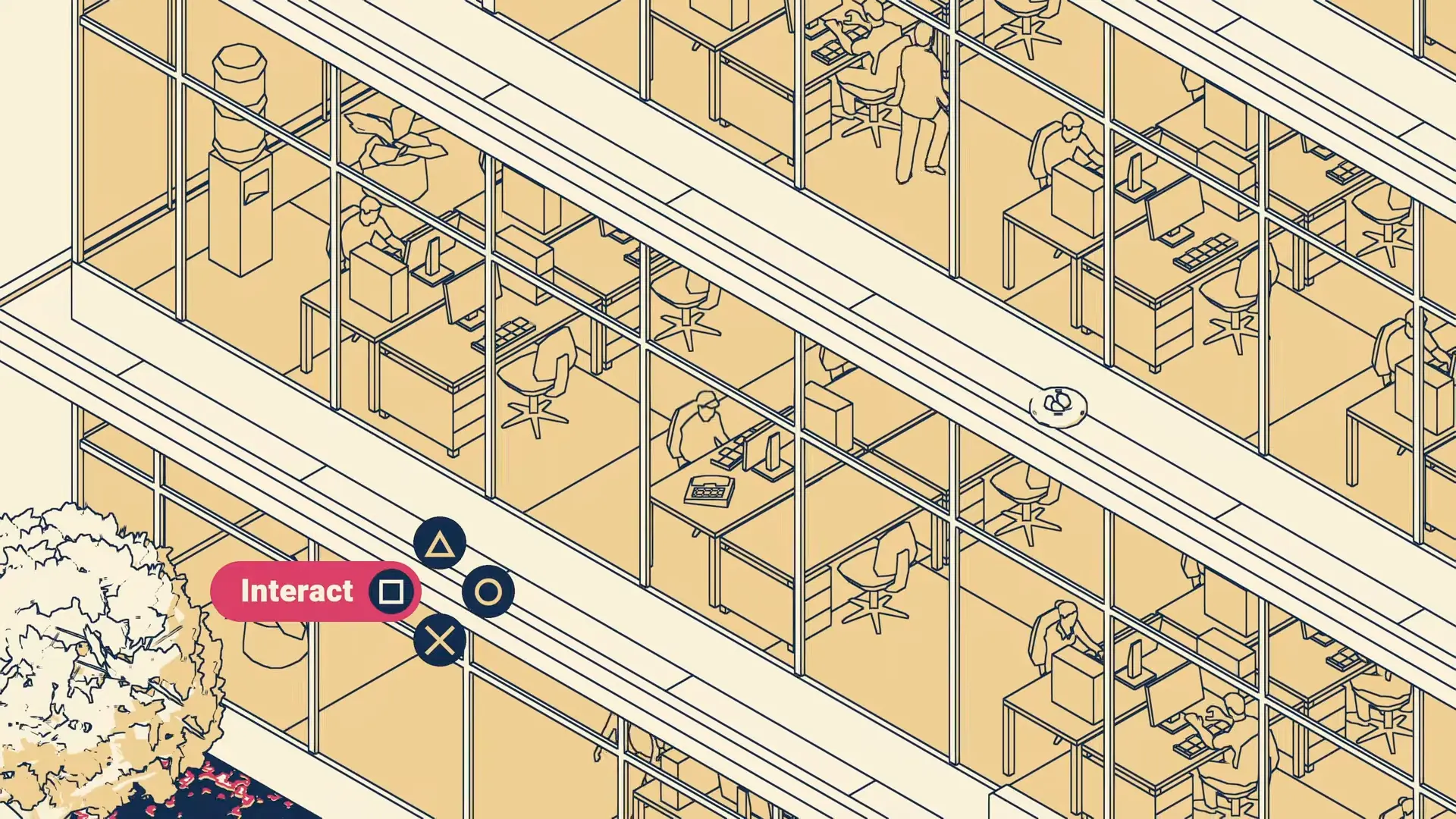
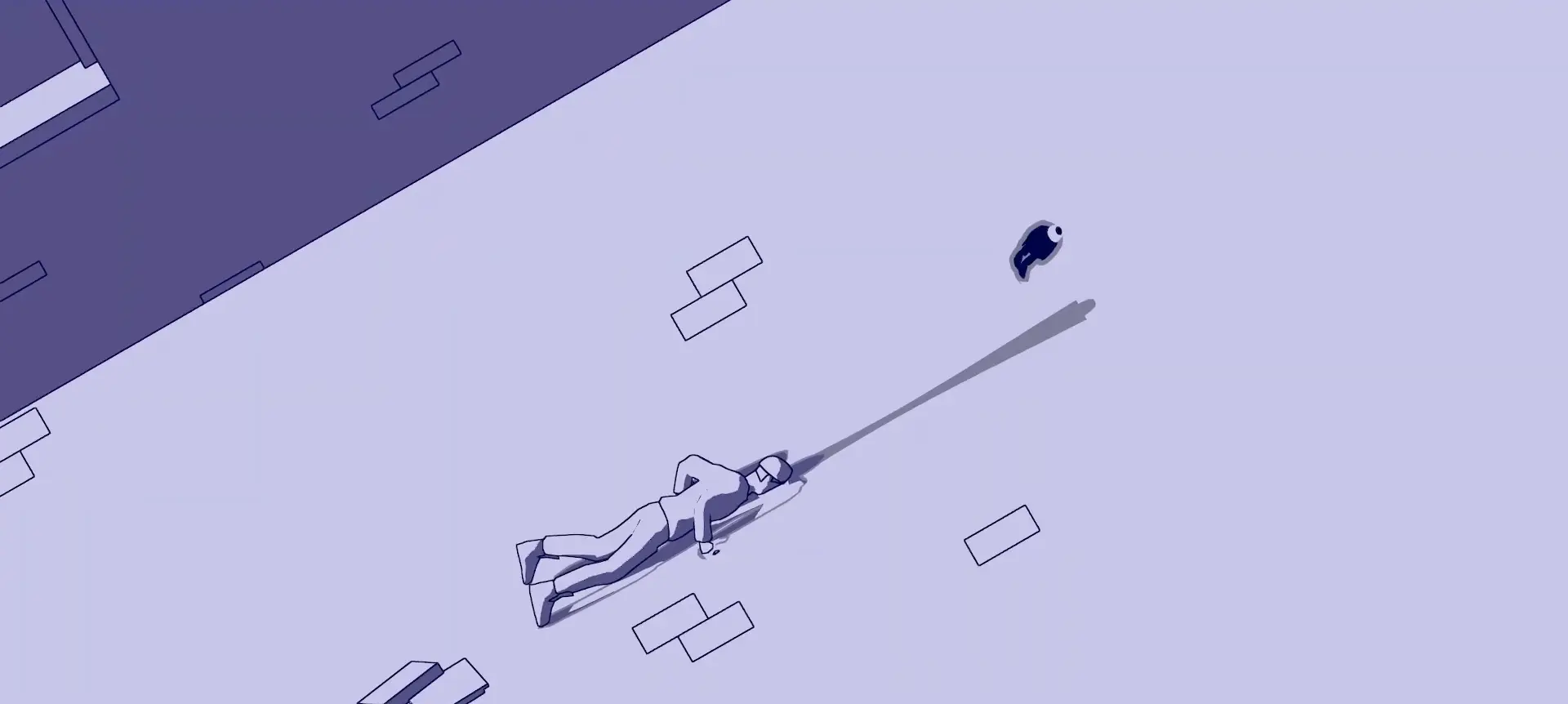
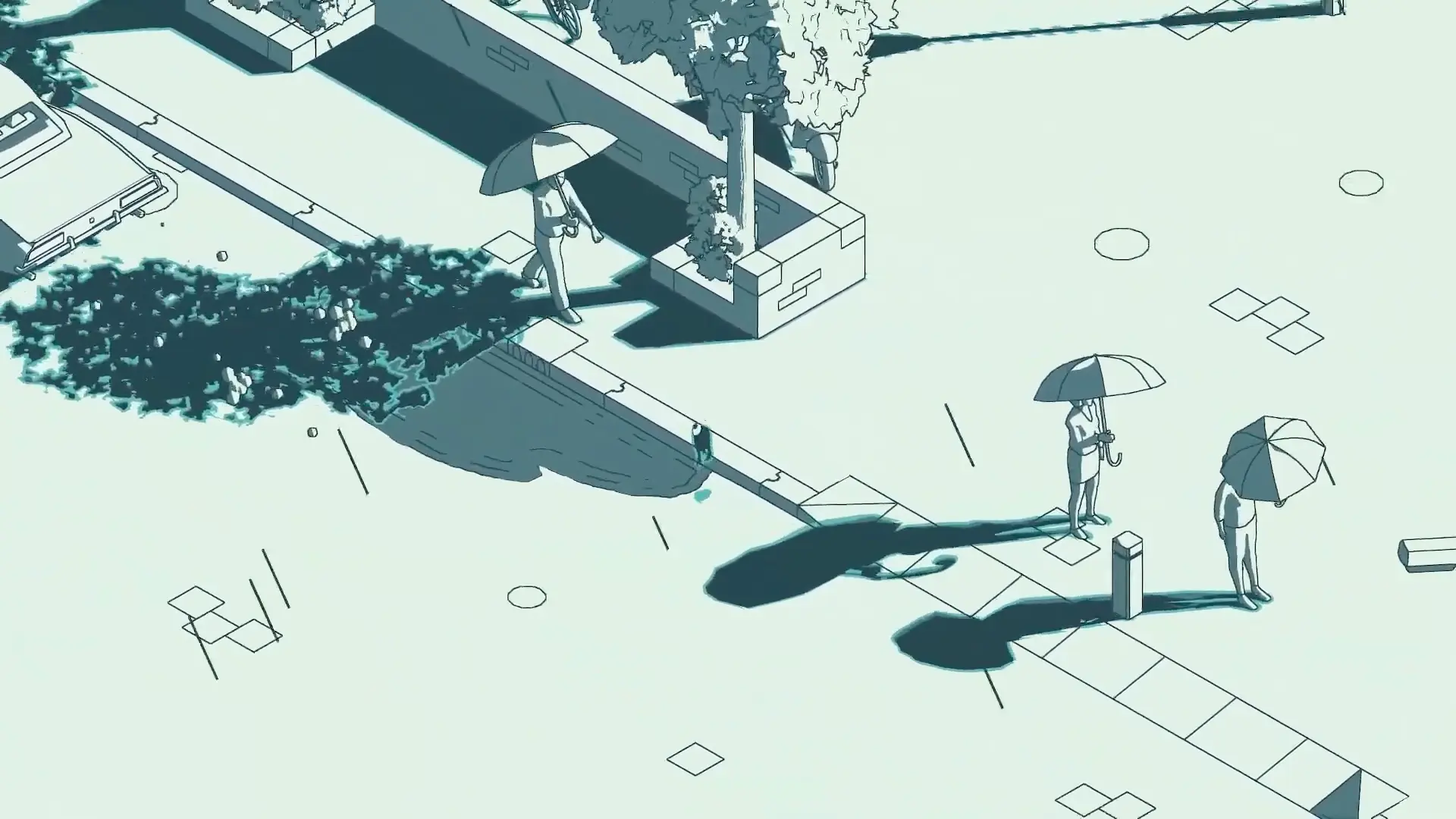
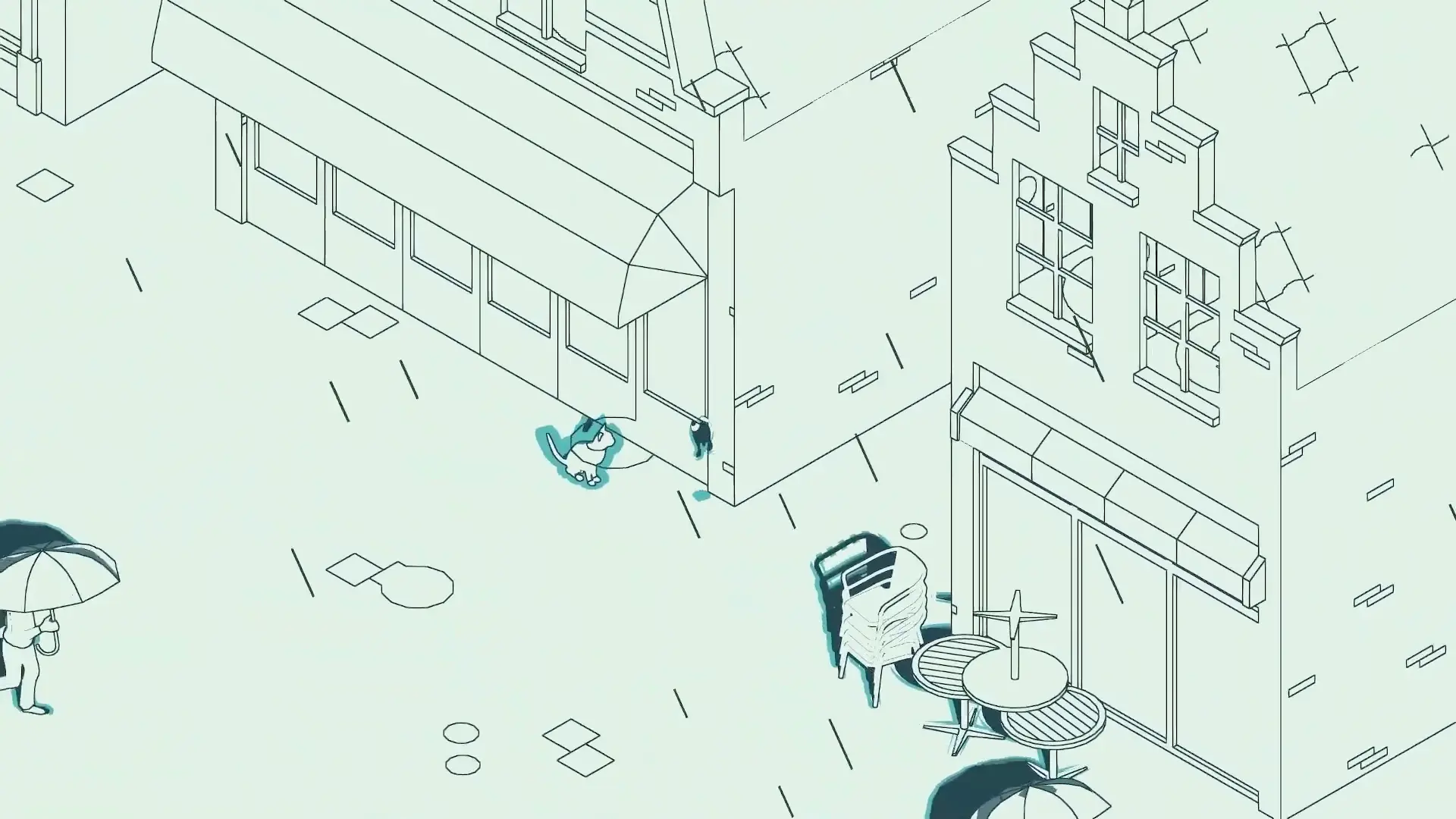
What makes SCHiM so profoundly compelling is its commitment to silent, observational tragedy. This isn't a hero's journey to save the world; it is an agonizing, voyeuristic struggle to save one profoundly lost man. As you frantically chase your host across the days and weeks, you witness his downward spiral—he loses his childhood bicycle, he gets fired from his grueling office job, he drops his groceries in the rain.
The psychological horror is entirely ambient. You are the man's lost spark, his missing motivation, and you are trapped behind a pane of glass, unable to comfort him. You can only interact with the world by slightly 'nudging' the objects whose shadows you inhabit—honking a car horn, making a trash can rattle, or turning on a sign. The narrative becomes an internal struggle against your own helplessness. Do you possess the mechanical perfection to cross the blinding concrete desert and reunite with him, or will he succumb to the apathy of a soulless life?
Gameplay: Leap, Wait, and Sink
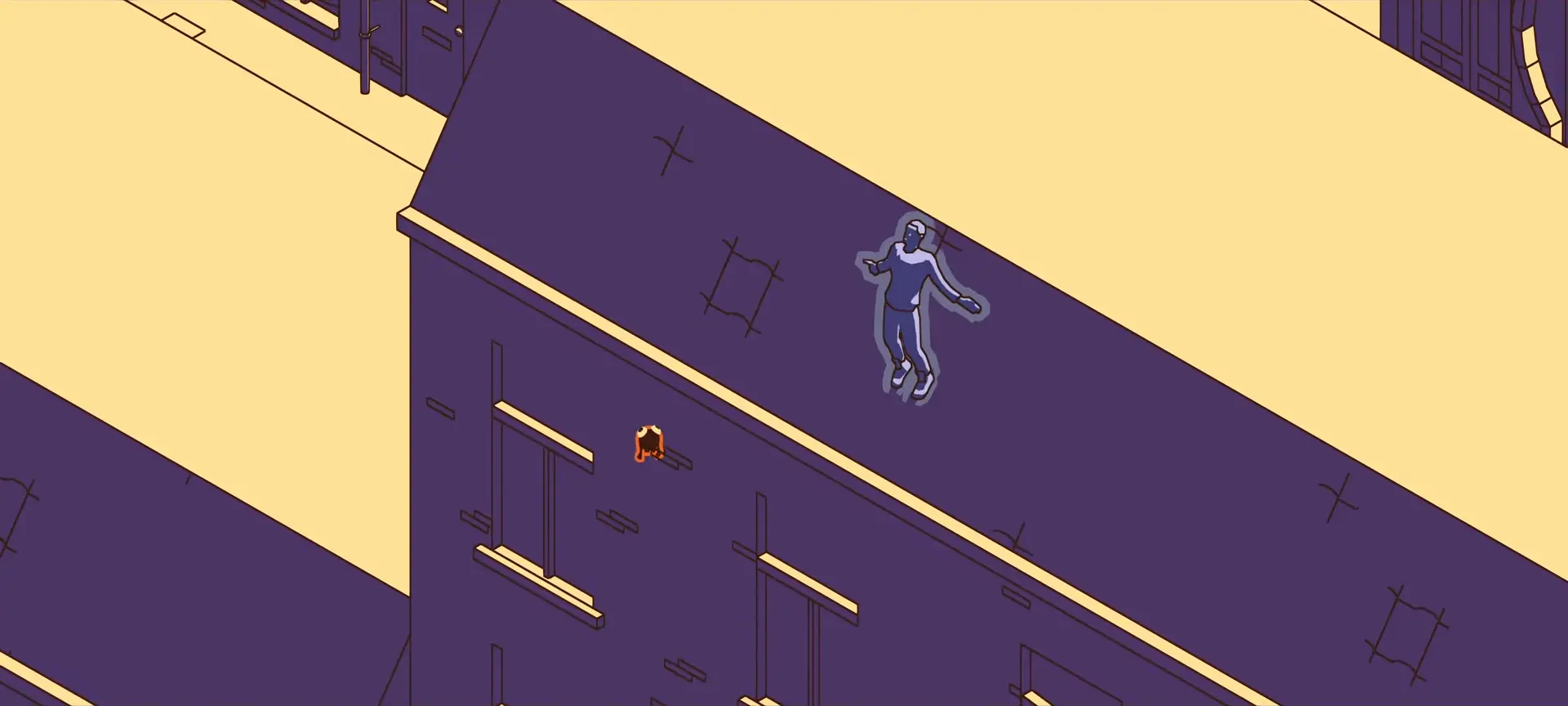
Don’t let the minimalist aesthetic fool you—the spatial mechanics in SCHiM demand a predatory, obsessive patience. The game forces you into a state of hyper-awareness where you stop seeing the city as buildings and cars, and start seeing it purely as shifting geometry. You must learn the exact timing of a pedestrian's stride, or risk stranding yourself in a tiny, shrinking puddle of shade as the sun moves.
The game thrives on momentum. You can 'store' your leaps, bouncing out of a shadow the moment you touch it to cover massive, blinding gaps of sunlight. If you miscalculate and hit the light, you are granted one agonizing, slow-motion extra jump to frantically find safety before you evaporate. It creates an addictive, hypnotic rhythm of 'wait, observe, strike' that commands total focus, turning a simple walk through a park into a high-stakes game of 3D chess.
Atmosphere: Duotone, Concrete, and Silence
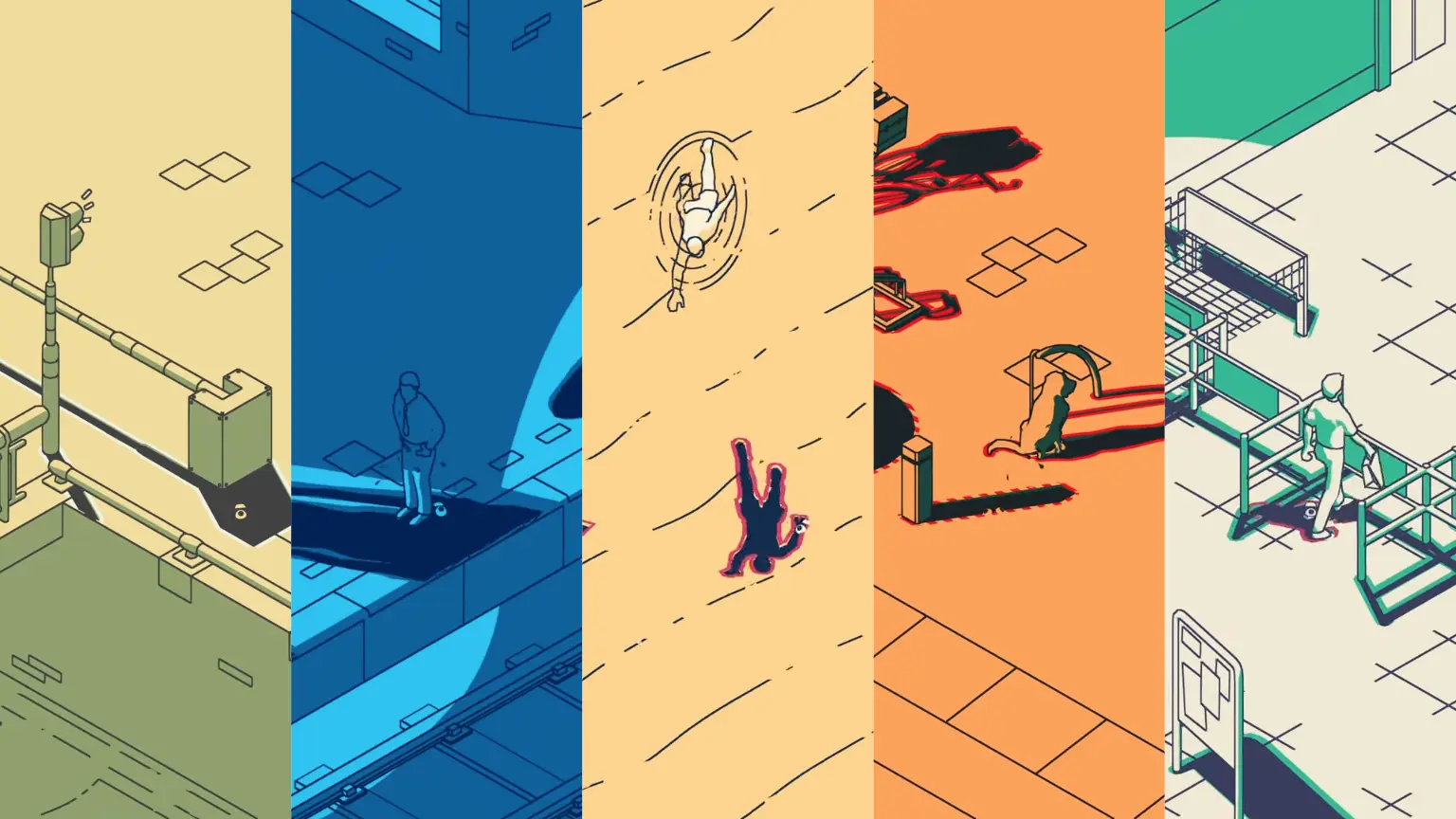
The aesthetic vibe of SCHiM is utterly unparalleled in its ability to evoke the feeling of being completely alone in a crowded room. The game abandons complex textures for flat, beautifully curated duotone color palettes that shift with the time of day and the mood of the host. A nostalgic childhood memory is bathed in warm oranges, while a rainy, miserable commute is choked in oppressive blues and grays.
The audio design is equally brilliant, relying on the diegetic, rhythmic sounds of the city rather than a sweeping orchestral score. The hum of an engine, the distant chatter of a cafe, and the sharp, satisfying 'plop' of your schim diving into a shadow creates a sensory feedback loop you can feel in your chest. It is a symphony of liminal space that serves to contrast, and heighten, the existential crisis of a soul trying to find its way home.
Conclusion: The Shadow’s Awakening
SCHiM is a rare artifact in the modern gaming landscape—a title that strips away all excess to focus obsessively on a single, flawless mechanic. It is a dizzying exploration of urban isolation, wrapped in a puzzle-platformer that demands a complete rewiring of how you perceive 3D space. It asks us to look at the mundane world around us and recognize the hidden, moving architecture that connects everything.
Whether you are playing for the serene satisfaction of its fluid momentum or the deeply emotional, wordless narrative of a broken man finding his spark, SCHiM leaves an indelible mark. It is provocative, stylish, and profoundly intimate. In a medium filled with bombastic noise and infinite freedom, there is something incredibly radical about a game where your greatest triumph is simply never seeing the light.