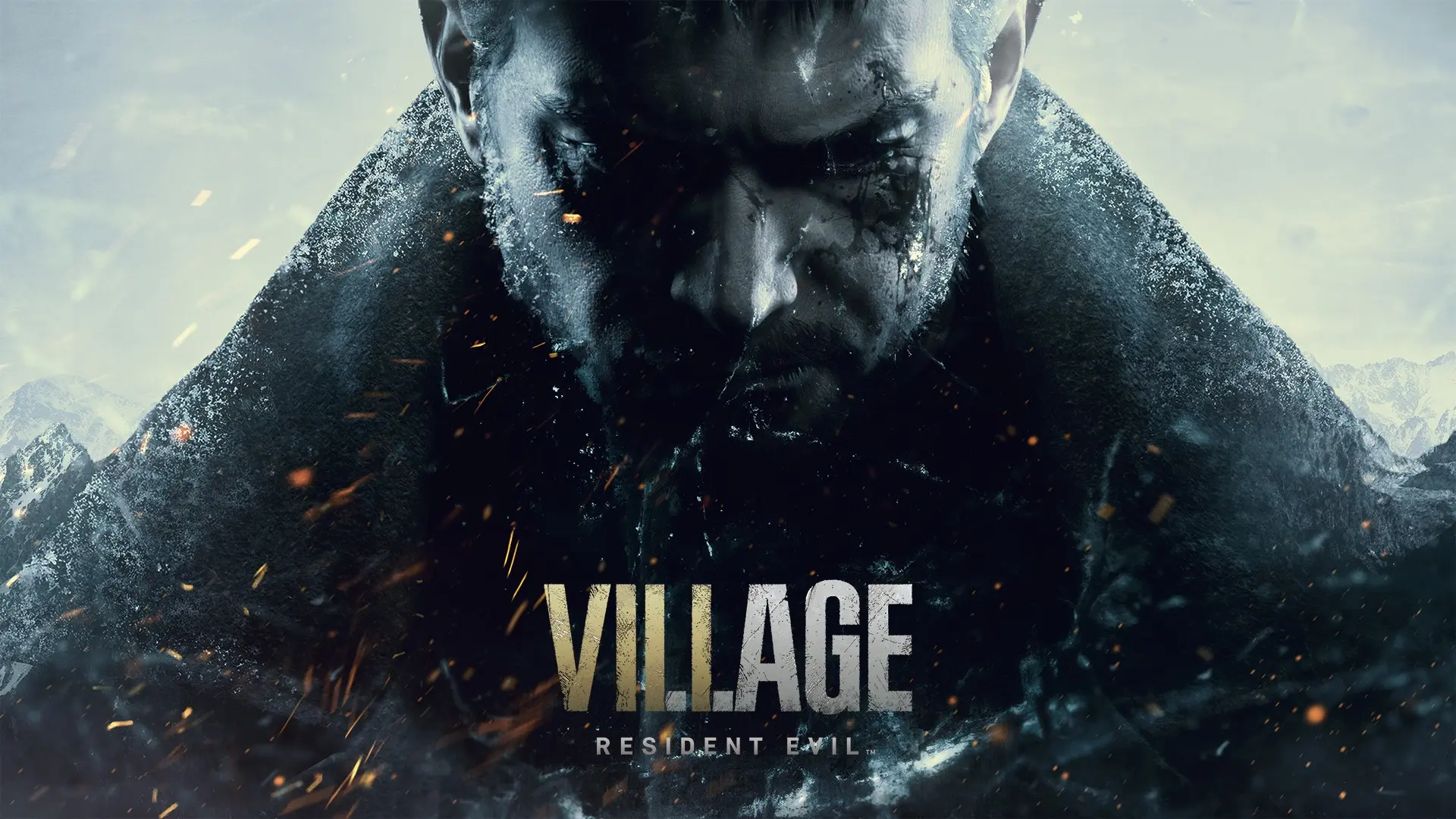
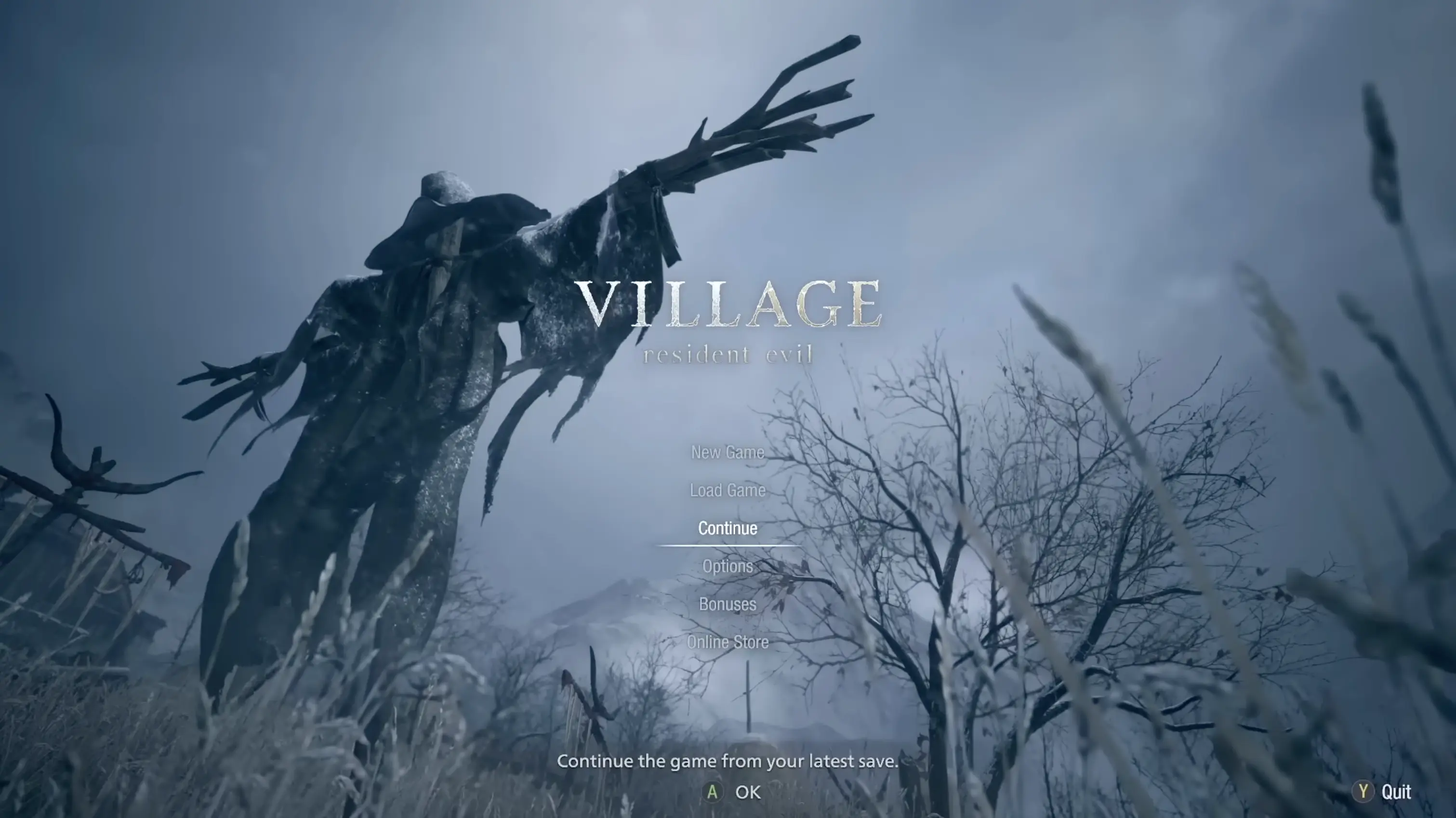
I didn't think Capcom could possibly escalate the trauma Ethan Winters endured in the Baker family plantation, but Resident Evil Village proves that things can always get worse. Much worse. From the terrifying, disorienting opening sequence where you are dragged through the freezing snow into a dilapidated, Lycan-infested European village, I knew this game was going to consume me. It trades the rotting, confined hallways of a single house for a sprawling, gothic playground that feels like a heavy metal album cover brought to horrifying life.
I am utterly obsessed with how this game balances its tone. It sits perfectly in the sweet spot between the sheer, pants-wetting terror of Resident Evil 7 and the campy, high-octane action of Resident Evil 4. Ethan is no longer just a terrified cameraman; he is an exhausted, furious father on a violent crusade to save his kidnapped daughter, Rose. The shift in his demeanor is incredibly satisfying. When he gets his hand mutilated (yet again), he just sighs, pours some magic green liquid on it, and racks a shotgun. The game immediately conditions you to expect the unexpected, dragging you into a terrifyingly beautiful world where every shadow hides a snarling werewolf and every gothic spire looms with malicious intent.
Gameplay: Inventory Tetris and The Duke
The combat loop in Resident Evil Village is a masterclass in tension and resource management. The first-person shooting is weightier and more satisfying than ever. I have spent hours obsessively mastering the new block-and-push mechanic, allowing Ethan to guard against a Lycan bite, kick them away to create space, and instantly follow up with a point-blank shotgun blast to the chest. It is a kinetic, desperate dance of violence. But my true, unrelenting obsession lies in the pause menu.
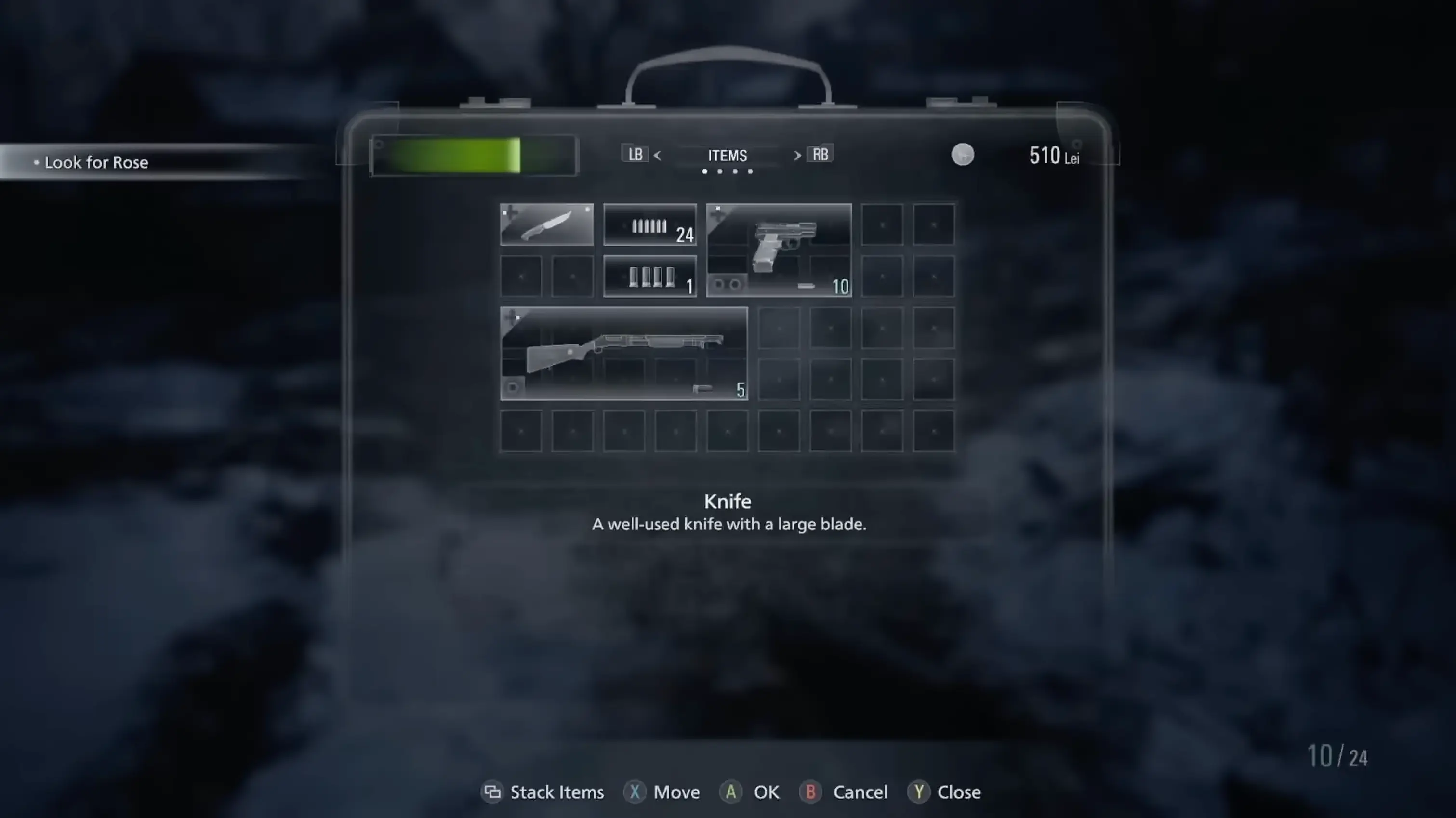
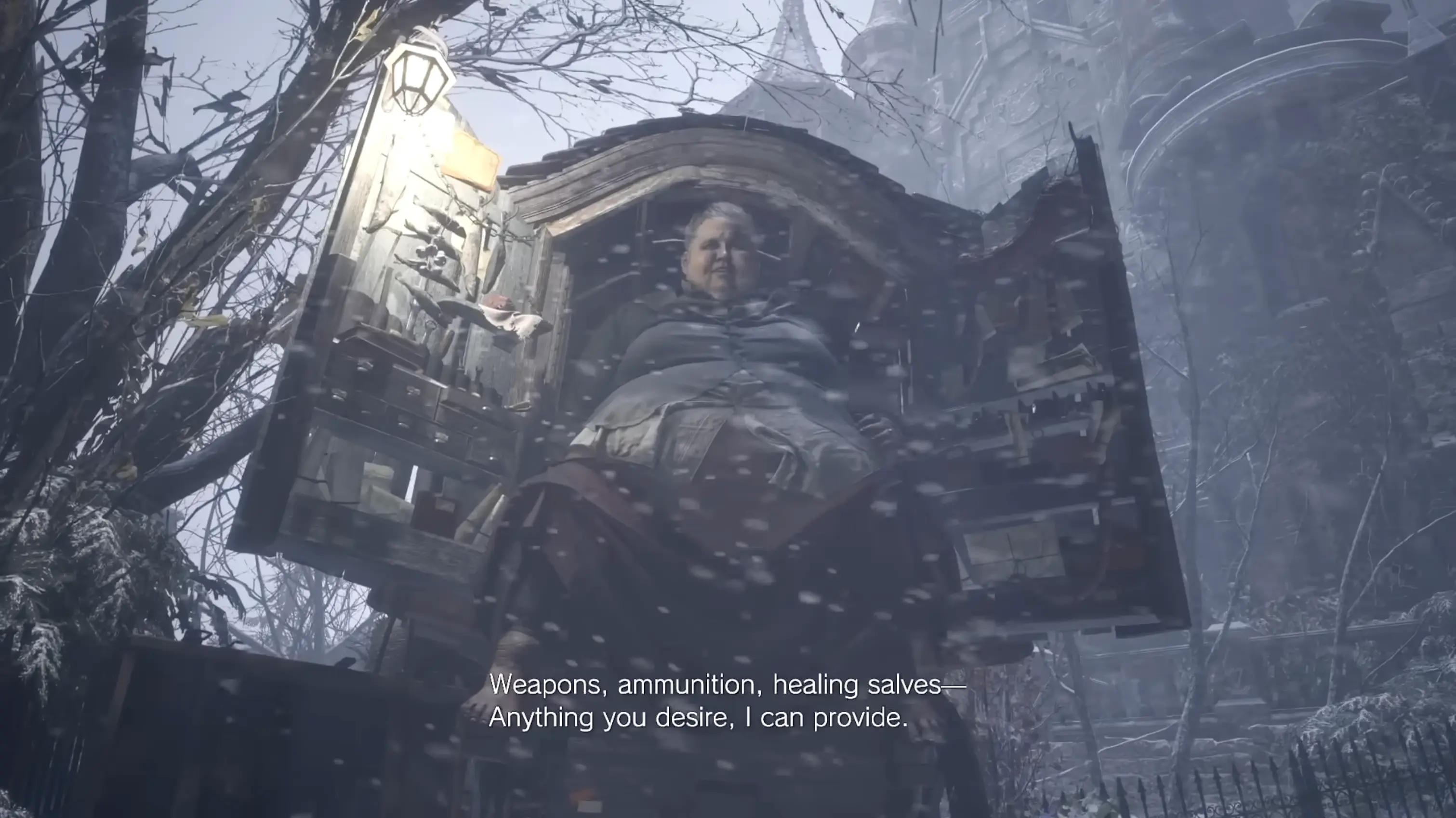
Capcom brought back the attache case inventory system, and I could not be happier. I have spent literal hours meticulously organizing my inventory—rotating boxes of sniper ammo, placing herbs in perfectly aligned rows, and admiring the modular upgrades on my weapons. It soothes a very specific, obsessive part of my brain. And facilitating this addiction is The Duke, a massive, jovial merchant who operates out of a carriage. He is a phenomenal character who provides a much-needed psychological safe room. Hunting down local wildlife—chickens, pigs, and rare blue birds—just so The Duke can cook stat-boosting meals for me became a game within the game. I found myself ignoring the terrifying vampire lords just so I could track down a specific fish to increase my maximum health.
The Lords: A Theme Park of Horrors
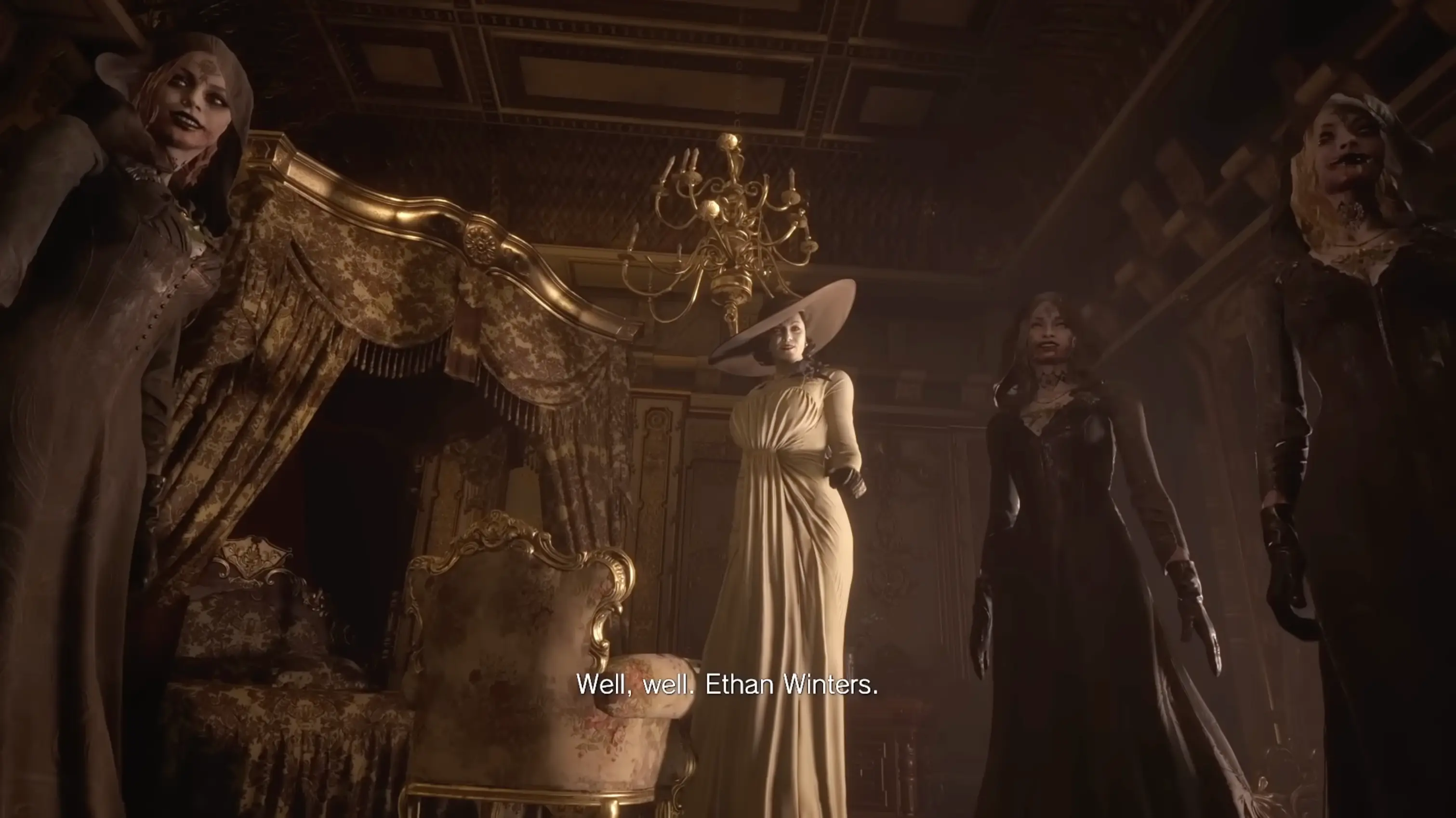
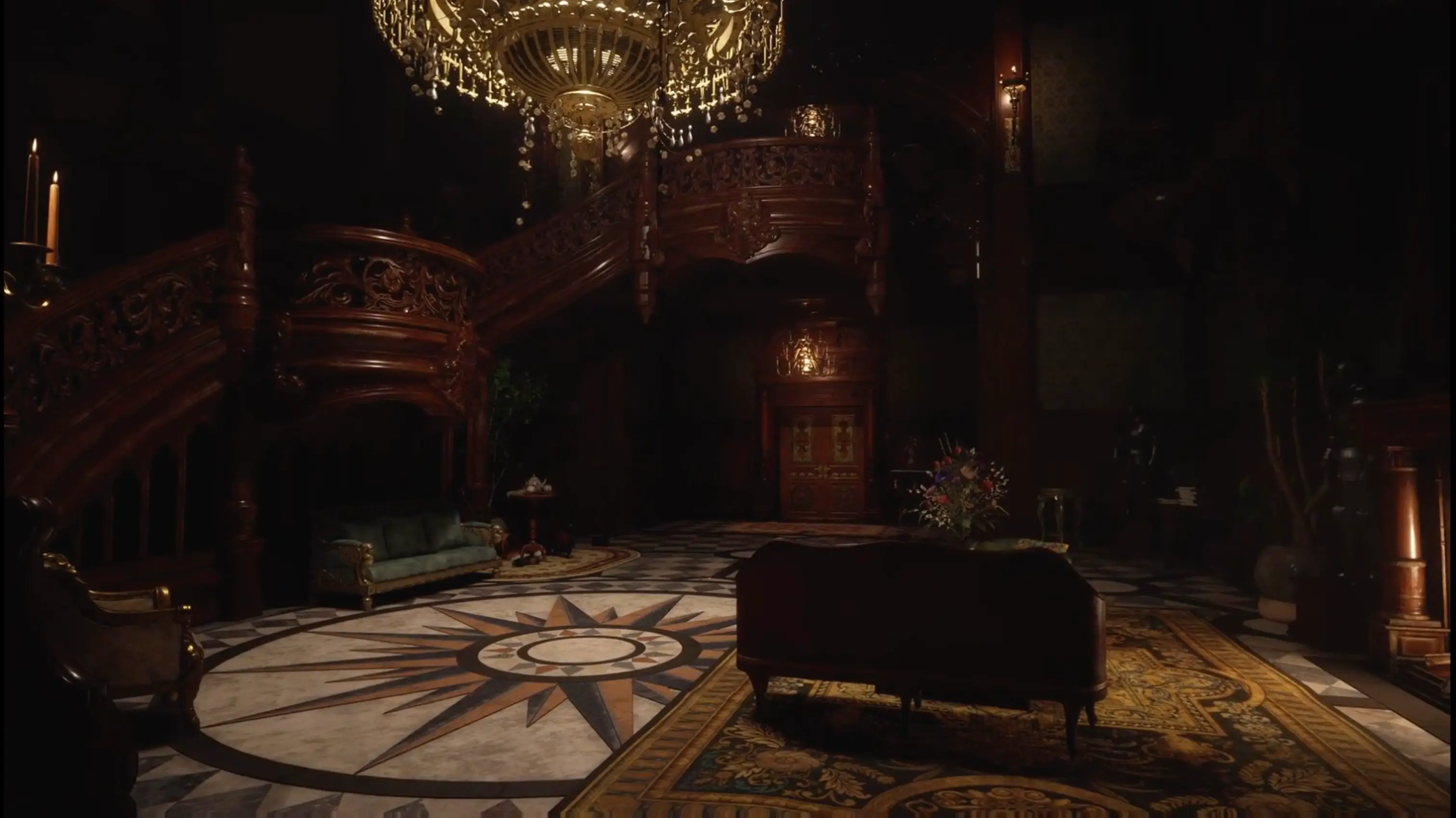
The structural brilliance of Village is how it divides its map into four distinct territories, each ruled by one of Mother Miranda's terrifying Lords. It essentially gives you four completely different sub-genres of horror in a single game. Castle Dimitrescu is a gorgeous, gothic stalker-horror sequence where you are hunted by the internet-breaking, nine-foot-tall Lady Dimitrescu and her sadistic vampire daughters. The opulence of the castle, contrasted with the sheer panic of hearing her heavy footsteps echoing down the halls, is incredible.
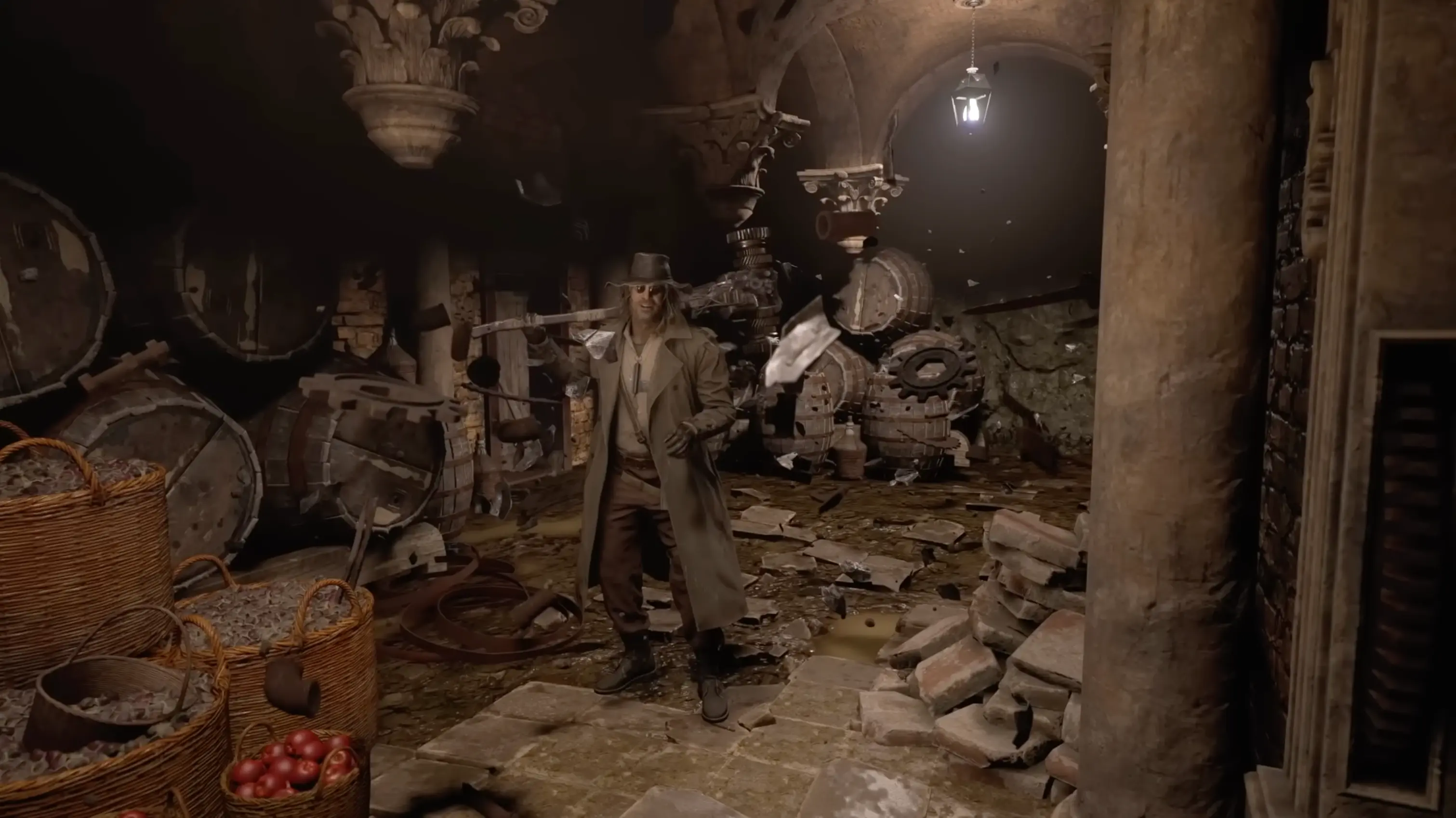
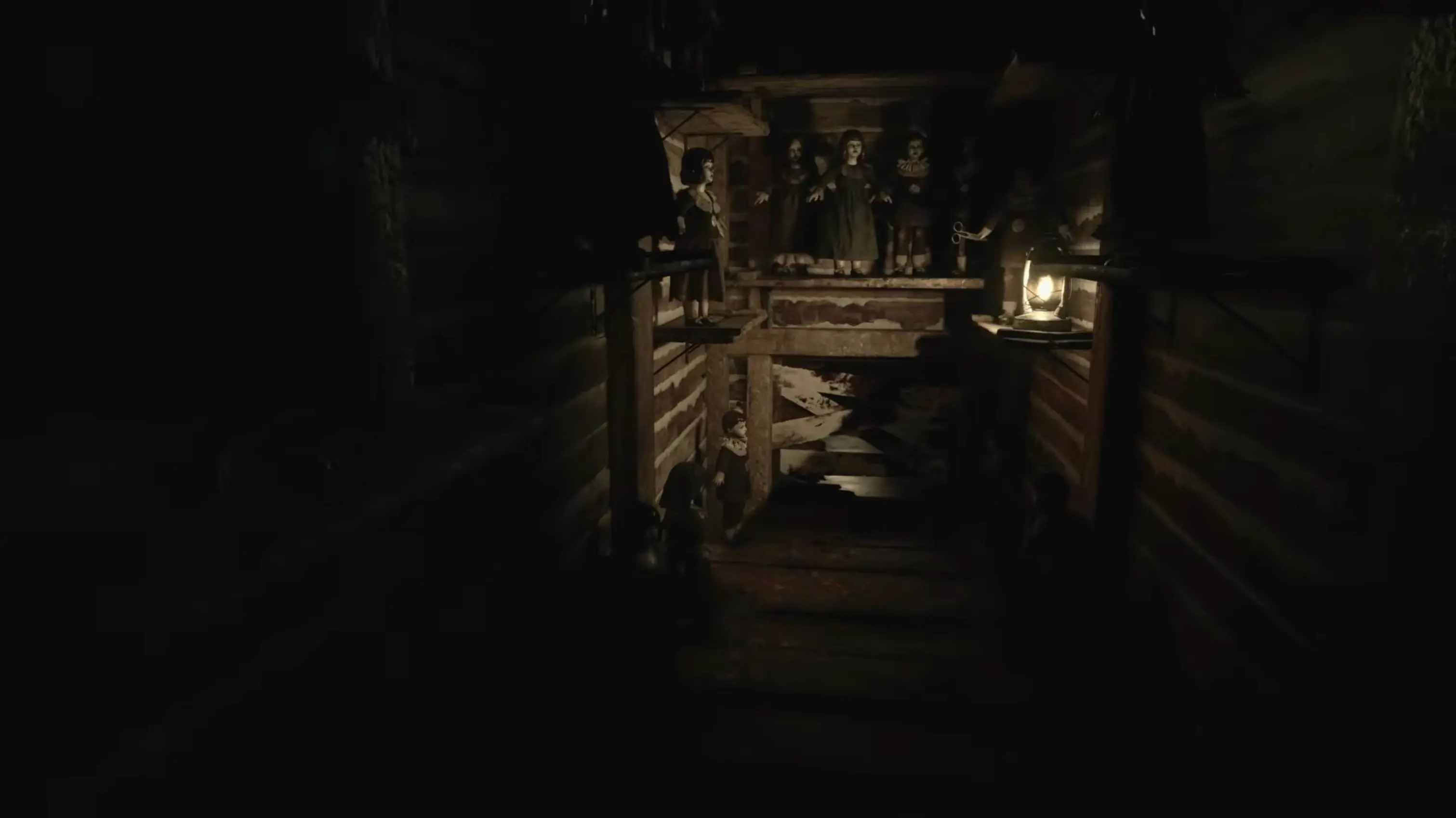
But the true psychological terror lies in House Beneviento. I am still emotionally recovering from this section. The game strips away all your weapons and plunges you into a dark, silent dollhouse filled with mind-bending hallucinations. The encounter in the basement is, without hyperbole, one of the most terrifying, heart-stopping sequences in survival horror history. I had to pause the game and walk away from my console just to catch my breath. After that, you are thrown into the gross, amphibious body-horror of Moreau's reservoir, and finally the explosive, mechanical Frankenstein-esque nightmare of Heisenberg's factory. Each Lord has a distinct personality, a unique environmental puzzle box, and a memorable boss fight, making the pacing of the game absolutely flawless.
Atmosphere & Art Direction: Gothic Grandeur
The RE Engine continues to be a dark magic tool for Capcom. The visual fidelity of Resident Evil Village is staggering. The way the light filters through the stained glass windows of the Castle, the gritty, realistic textures of the rotting wood in the village, and the visceral, sickening detail of the gore system is a feast for the eyes. I am obsessed with the interior design of this game. I have stood in Lady Dimitrescu's chambers just looking at the wallpaper patterns and the physics of the velvet curtains.
The audio design elevates this atmosphere into pure nightmare fuel. The sound of wind howling through the dead trees, the guttural snarls of Lycans communicating across rooftops, and the heavy, metallic clanking of soldat enemies in the factory create a constant state of paranoia. The game knows exactly when to blast you with an orchestral, bombastic combat track and when to leave you in absolute, suffocating silence. It is a world that feels ancient, cursed, and completely isolated from the modern world.
Conclusion: The Father's Story Ends
Resident Evil Village is a magnificent, wildly entertaining thrill ride. It takes the best elements of the franchise's rich history and blends them into a cohesive, perfectly paced masterpiece. It is a game I have replayed four times just to unlock the infinite ammo weapons and speedrun the campaign with a fully upgraded magnum. The Mercenaries mode provides hours of arcade-style combat loops that perfectly scratch the itch left behind after the credits roll.
But beyond the horror and the action, the game actually delivers a surprisingly emotional core. Ethan Winters goes from being a generic, faceless protagonist in RE7 to a genuinely tragic, fiercely dedicated father whose sheer force of will drives the entire narrative. The final act is an explosive, satisfying crescendo that beautifully caps off the Winters saga. Whether you are frantically barricading a door against a horde of werewolves or solving a puzzle in a blood-soaked dungeon, Village is a triumphant, obsessive experience that solidifies Capcom's mastery of the genre.
Review Score
Based on overall narrative, gameplay, and experience.