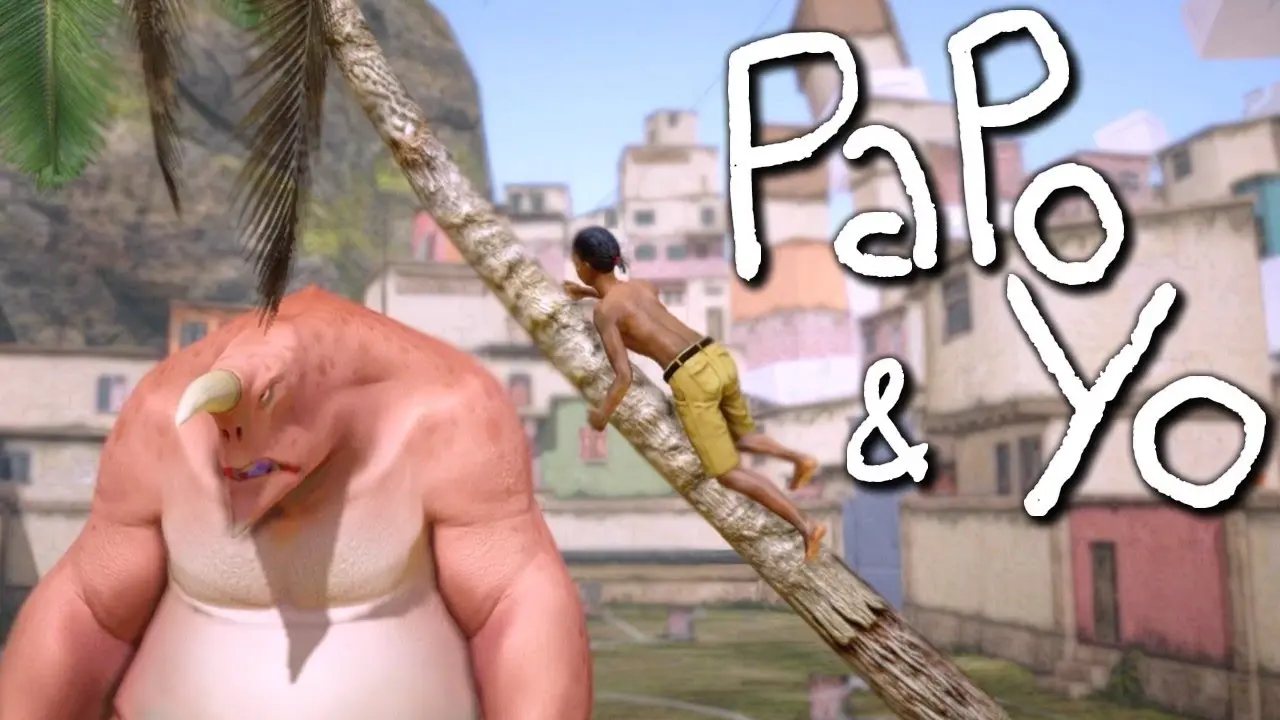
Video games often transport us to worlds of pure escapism, but Papo & Yo stands apart as a deeply intimate, surreal dive into the agonizing gravity of childhood trauma. It isn't a game about saving a kingdom; it’s a game about surviving the devastating orbit of a loved one's destructive obsession. We follow Quico, a young boy trapped in an endless loop of hope and heartbreak, navigating a magical, sun-drenched South American favela. By his side is Monster, a hulking, horned behemoth who is simultaneously his best friend and his greatest terror.
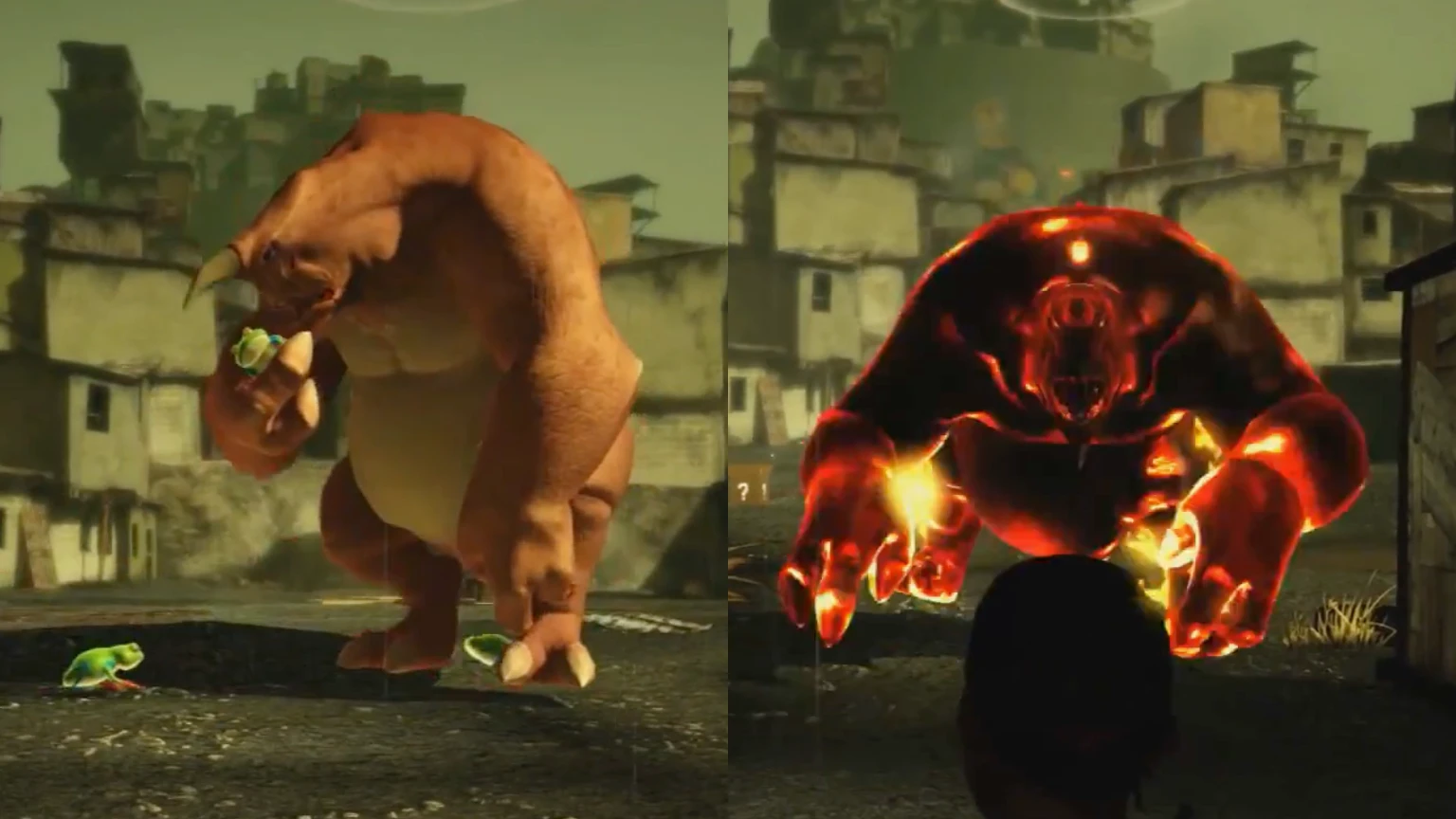
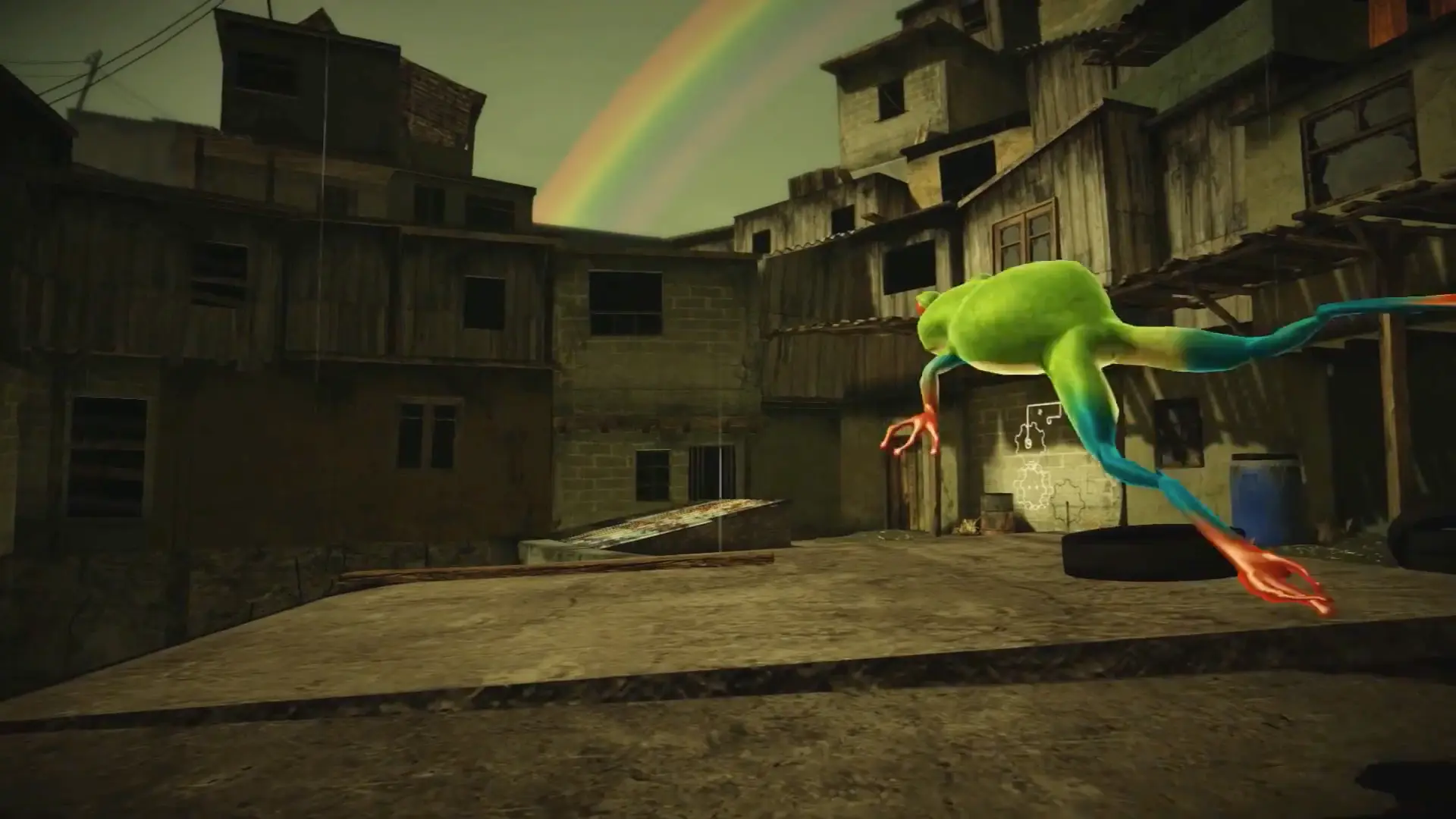
The game introduces us to this dreamscape as a coping mechanism—a framing device that treats Quico’s shattering domestic life as a vibrant puzzle waiting to be solved. By day, you explore beautiful, bending architecture; but the moment Monster spots a venomous, brightly colored frog, the dream violently collapses into a fiery nightmare. It is a masterful, heartbreaking allegory that uses the surrealism of a child's imagination to explore the very real terrors of addiction, co-dependency, and the terrifying realization that love cannot cure an all-consuming obsession.
About the Game: The Architecture of Co-dependency
Papo & Yo is a definitive, autobiographical masterpiece by creator Vander Caballero, transforming the mechanics of a puzzle-platformer into a profound psychological simulator of domestic abuse. The game is split into two distinct emotional loops: the calm exploration alongside a docile companion, and the frantic, terrifying evasion of a raging beast.
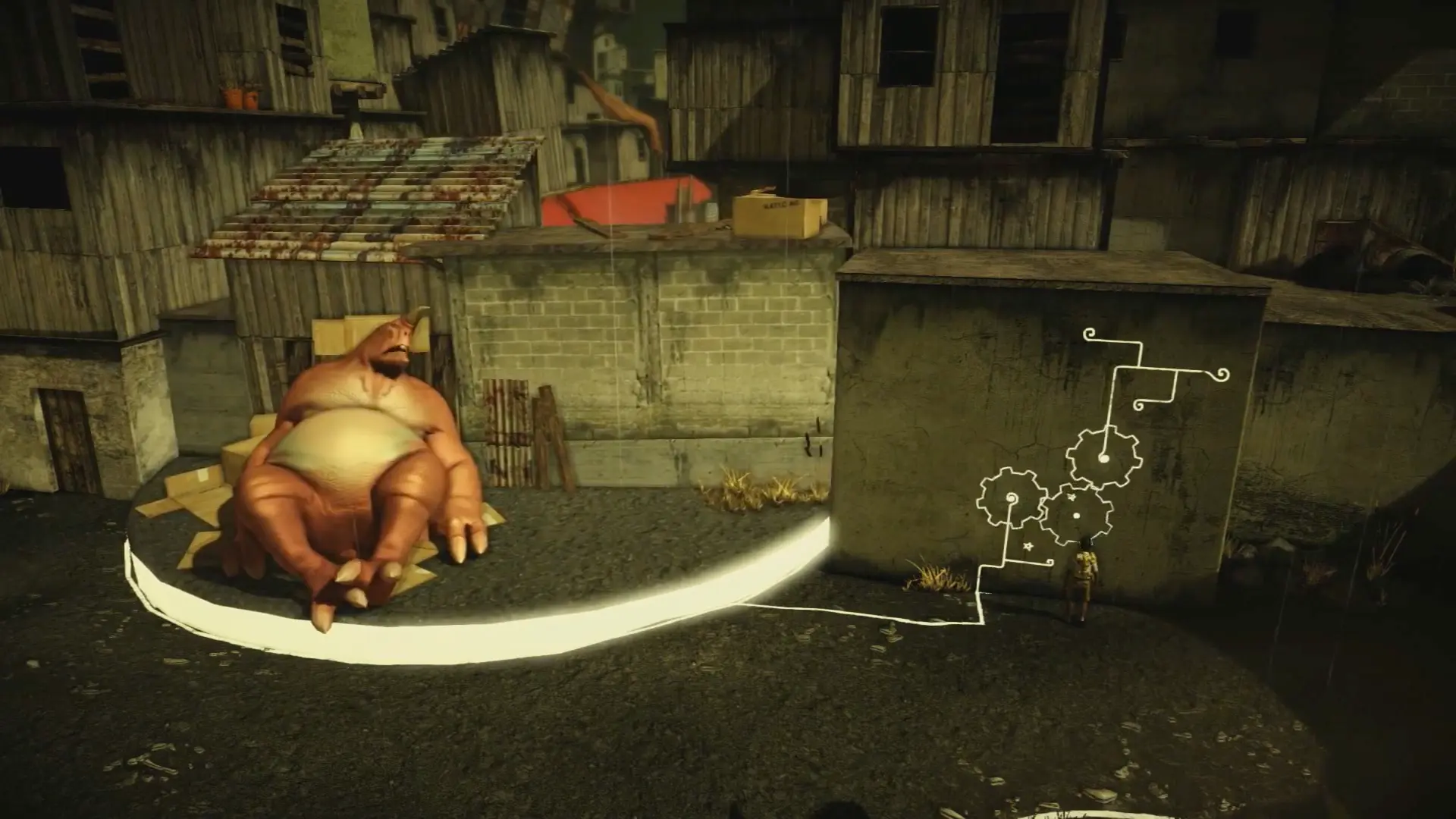
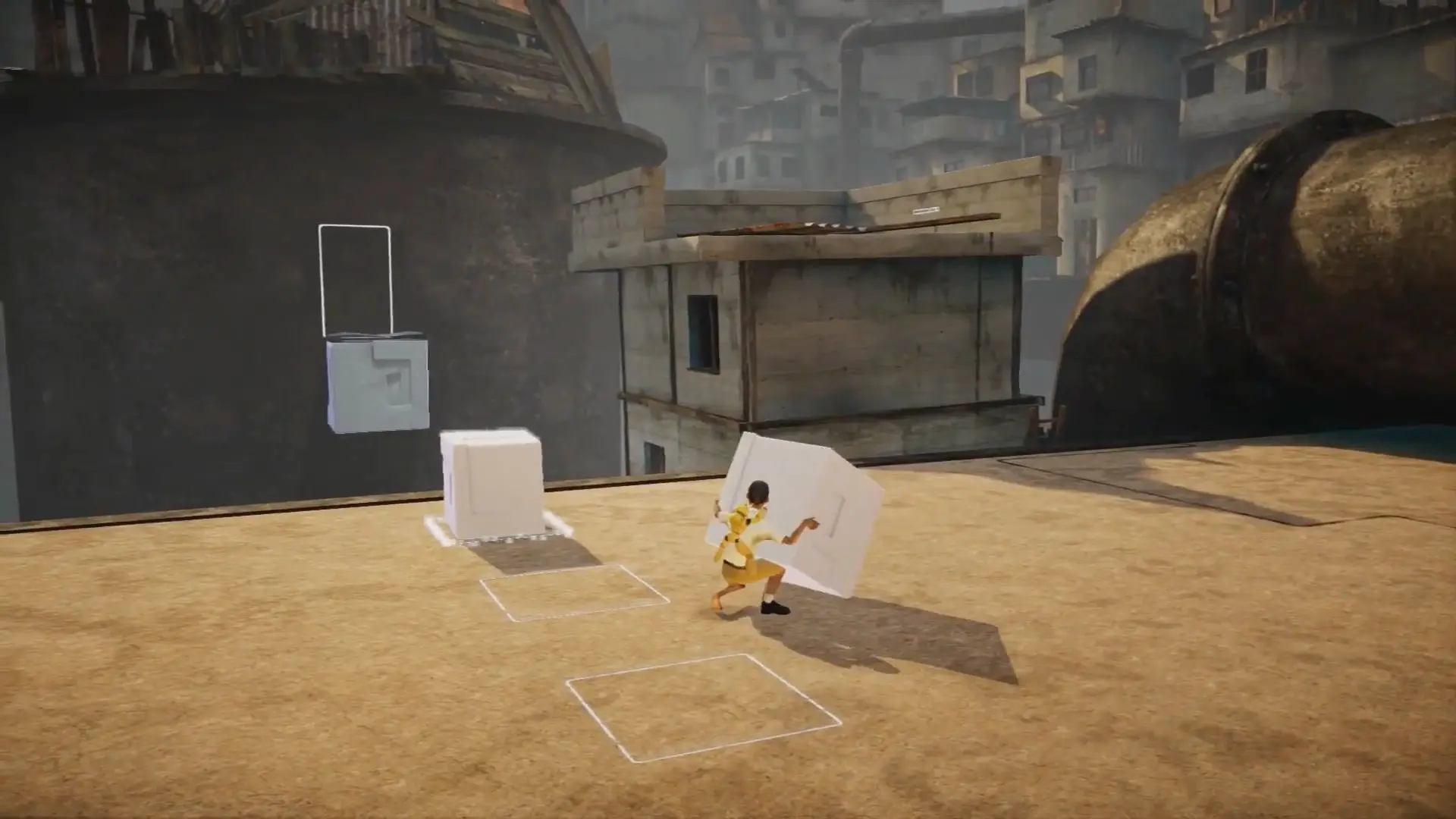
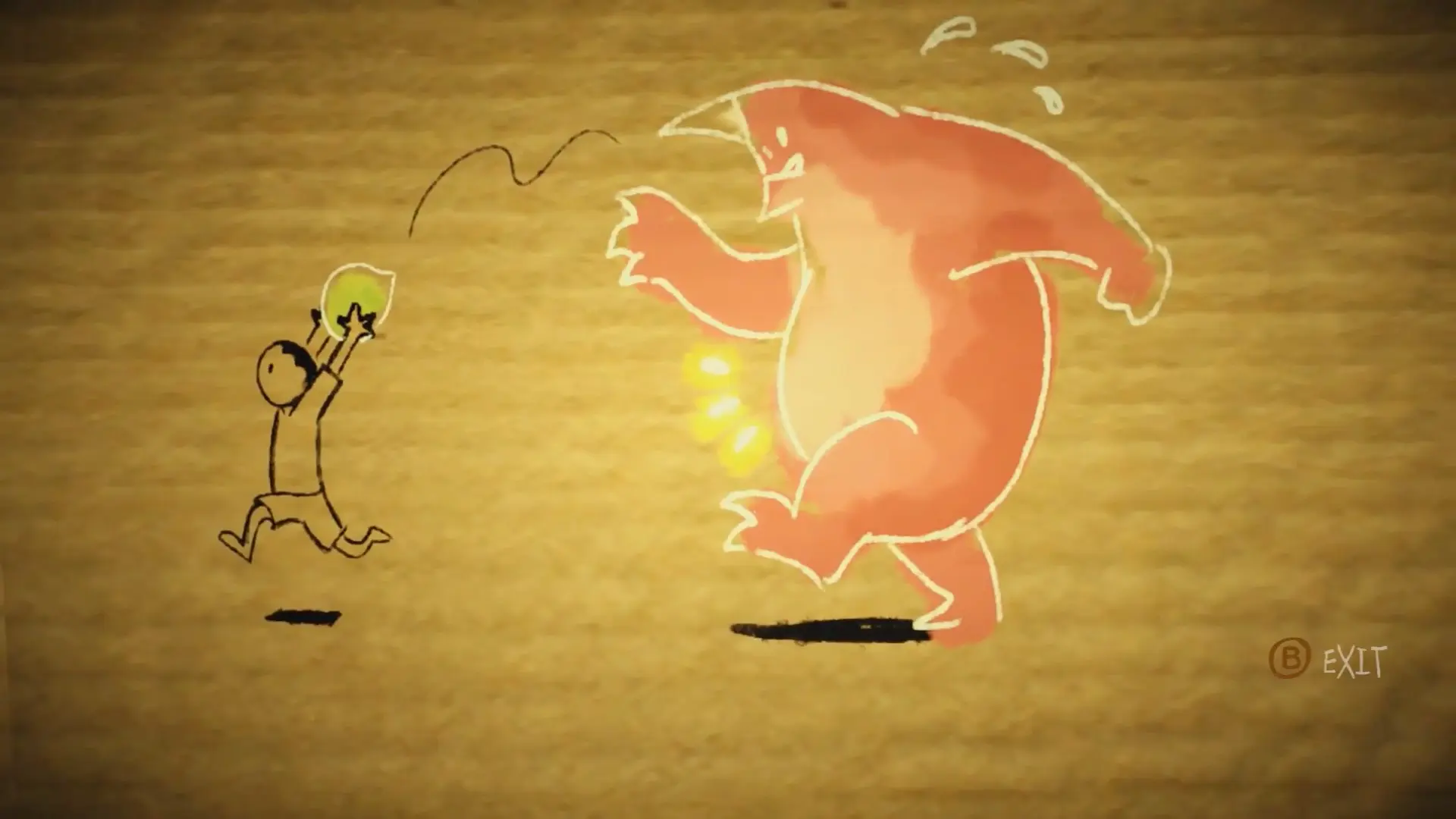
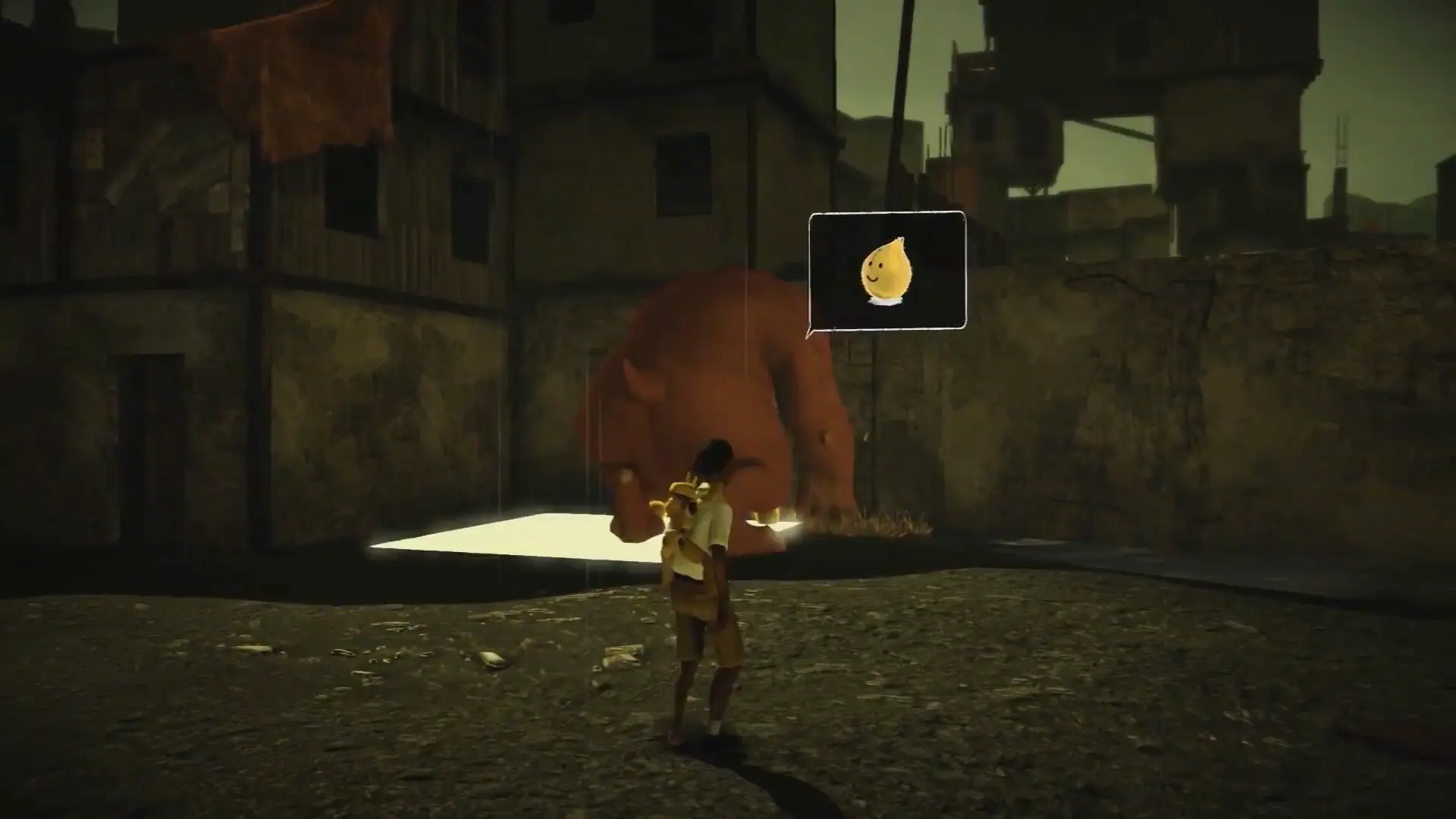
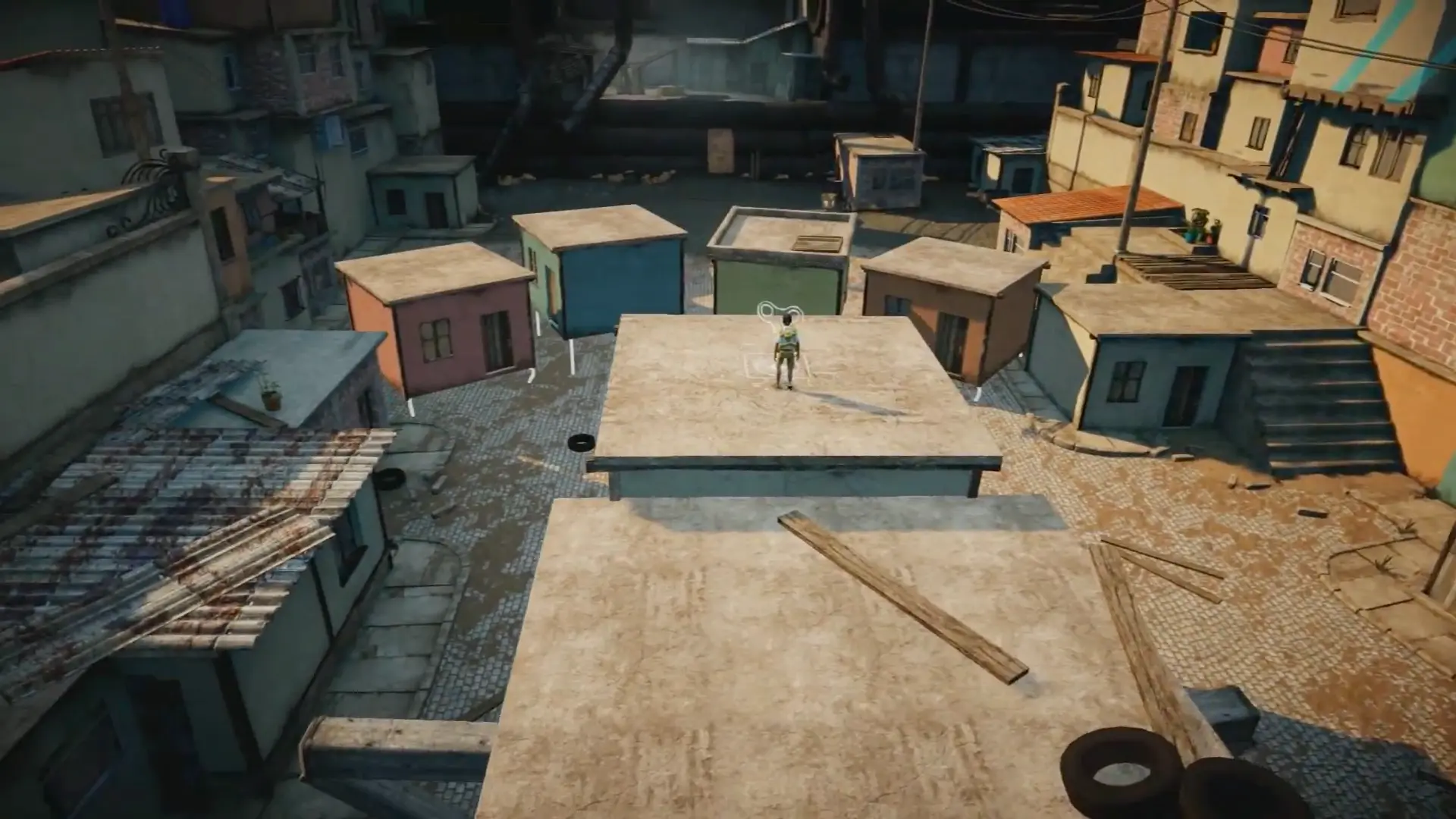
In the quiet moments, you engage with the favela through magical realism—pulling chalk outlines to manifest solid stairs, twisting literal gears to bend entire city blocks, and using your trusty robot sidekick, Lula, to bridge impossible gaps. Monster is essential to this progress; you must lure him with coconuts to hold down switches or bounce off his massive belly to reach new heights. But this utility is built on a razor's edge. The true horror begins when the object of Monster's obsession—the frogs—appear. Every interaction, every puzzle solved, is a heartbeat in a race against the inevitable relapse. It is a masterclass in 'pressure gameplay,' where the claustrophobia of Quico's domestic reality is manifested as a desperate scramble to find rotten fruit to purge the poison from his abuser's system, a temporary fix in a permanent cycle of violence.
Story: A Trial of Enduring Hope
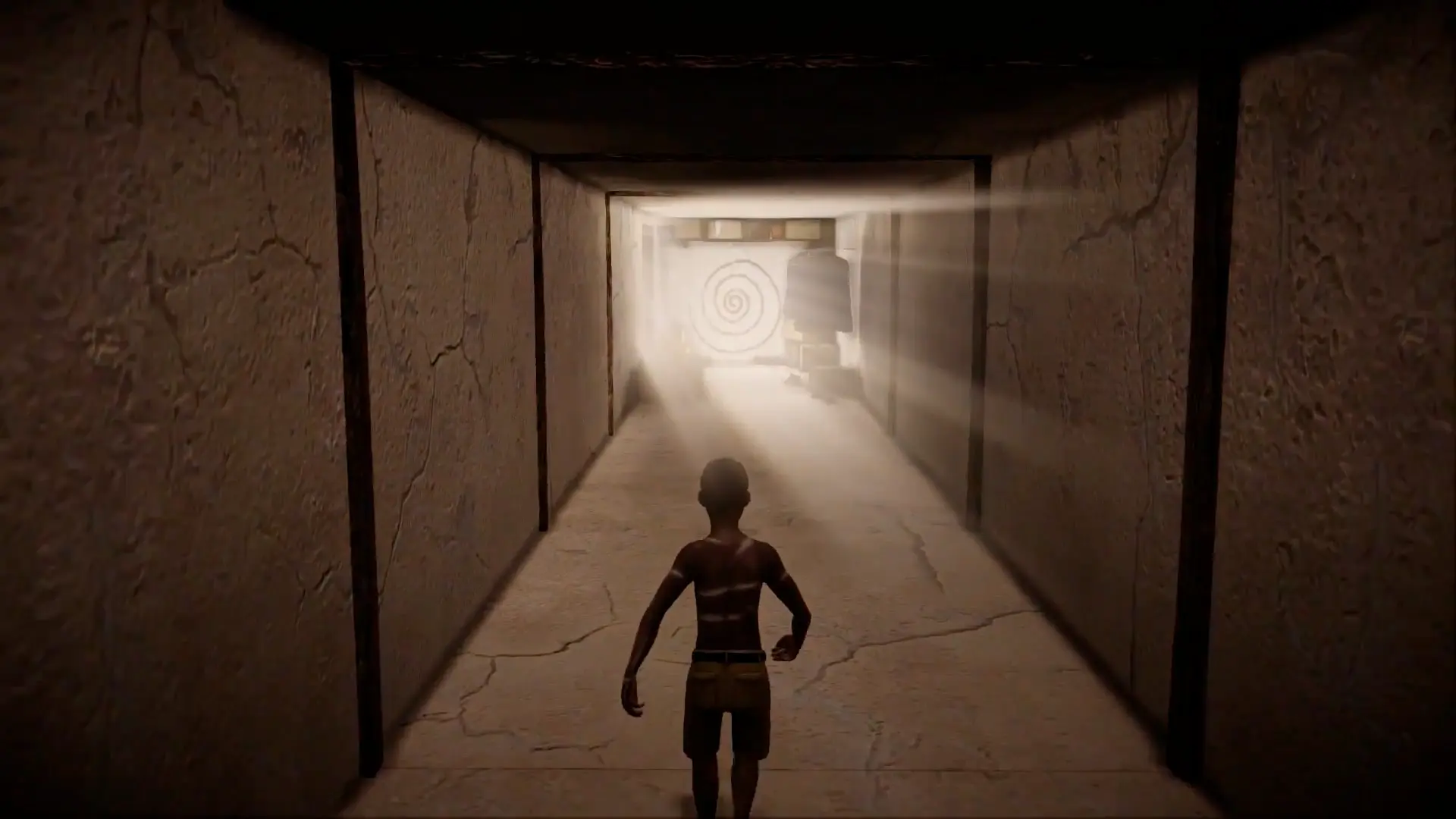
What makes Papo & Yo so profoundly compelling is its refusal to sanitize the reality of its subject matter. This is a story about the absolute futility of trying to save someone from their own obsession. The narrative is driven by Quico’s internal monologue and his single-minded obsession: reaching the mysterious Shaman who can supposedly 'cure' Monster.
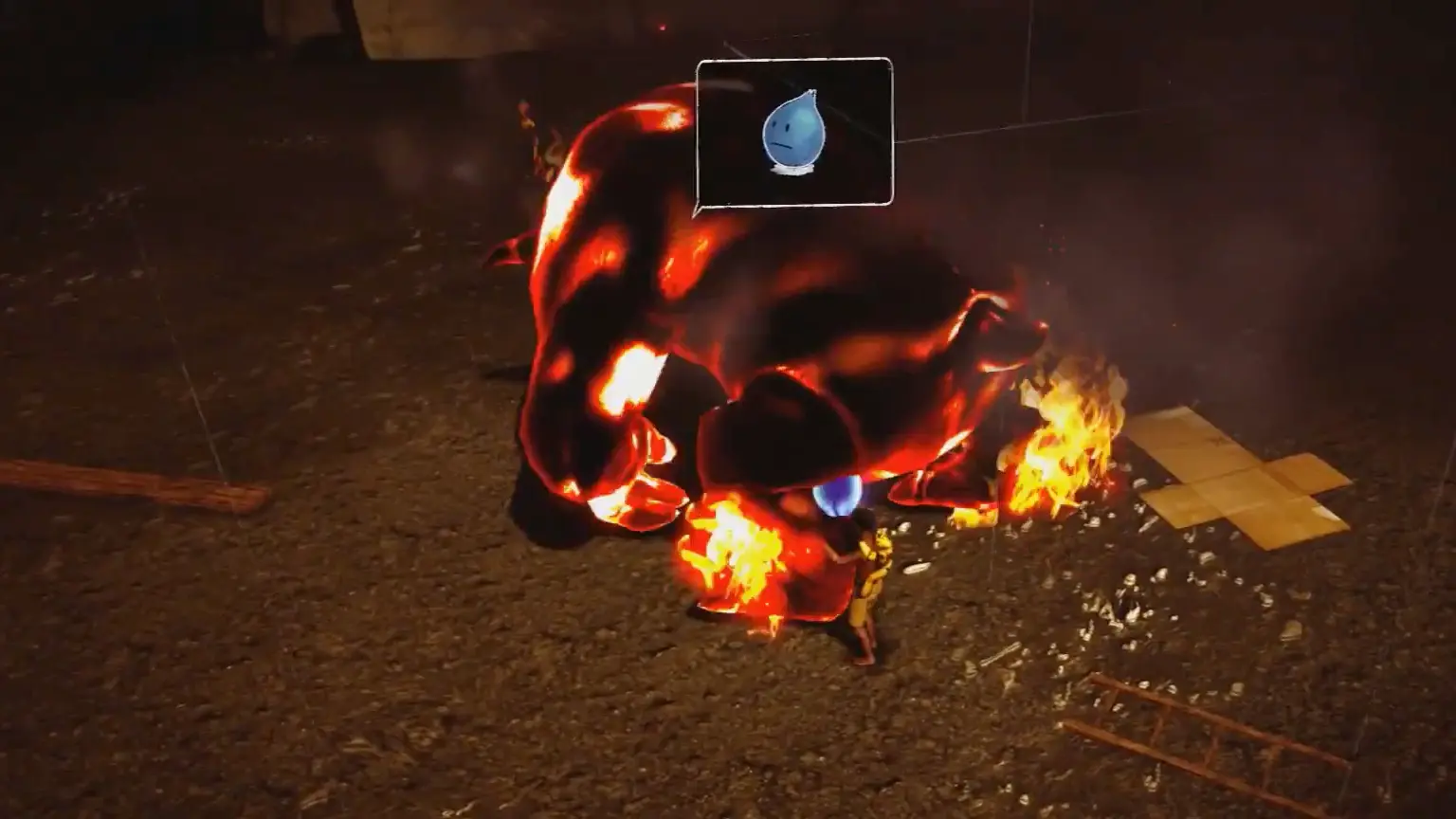
The horror elements are not derived from ghouls or ghosts, but from the visceral, unpredictable mood swings of a parental figure. The frog represents the alcohol, the addiction, the inescapable obsession that strips away the father and leaves only the monster. When Monster eats a frog, he bursts into flames, his eyes glowing with blind rage, and he relentlessly hunts the boy he was just playing with. The story is a reactive mirror to the player's own understanding of toxic relationships. Do you hold onto the illusion that the next puzzle, the next obstacle overcome, will be the one that finally fixes him? The tragic brilliance of Papo & Yo is that it forces you to participate in Quico's delusion, fueling his obsession with saving Monster, until the narrative strips away the magical realism and demands you confront the devastating truth.
Gameplay: Lure, Flee, and Survive
Don’t let the charming, vibrant aesthetic fool you—the psychological weight of the puzzle mechanics in Papo & Yo is brutally heavy. The game teaches you 'Techniques' that feel more like survival strategies for a child living in an unpredictable home. You don't defeat enemies; you manage an environment to manipulate a volatile force of nature.
The gameplay loop centers around luring, trapping, and fleeing. You must guide Monster using his hunger for normal food, cleverly locking him in spaces so you can safely solve puzzles while he is distracted. When the frogs appear, the game becomes a high-speed panic attack where one wrong move means being caught, grabbed, and violently thrown by the burning creature. The introduction of Lula, a toy that acts as a jetpack and a companion, adds layers to the platforming, but also serves as a heartbreaking reminder of Quico's fractured innocence. The feedback loop of 'explore, manage, run, purge' creates an addictive, yet deeply exhausting rhythm that perfectly mirrors the emotional toll of living with an addict, keeping you moving forward despite the soul-crushing inevitability of the next outburst.
Atmosphere: Chalk Lines and Shattered Bottles
The vibe of Papo & Yo is a breathtaking contrast between whimsical fantasy and crushing dread. The soundtrack, an evocative mix of South American acoustic guitar, rhythmic percussion, and ambient environmental sounds, swells with wonder during moments of discovery, only to instantly warp into terrifying, dissonant roars when the obsession takes hold.
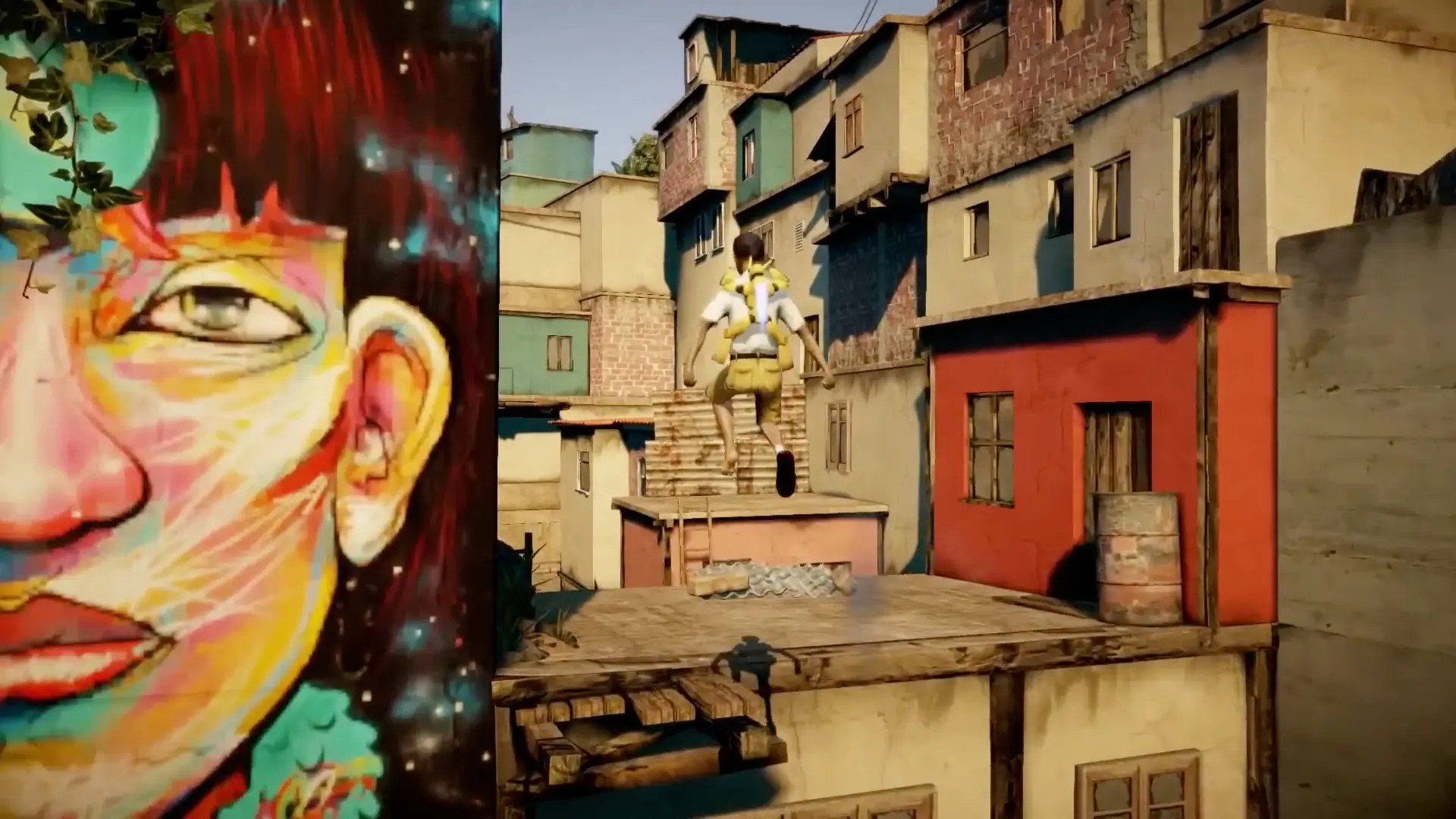
The sound design—the heavy thud of Monster's footsteps, the innocent chirping of the frogs, and the horrifying, animalistic screams of the burning beast—creates a world that feels incredibly alive and dangerous. Visually, the game utilizes a gorgeous, sun-baked style that makes the surreal manipulation of the favela feel almost tactile. Houses sprout legs and walk, brick walls peel back like cardboard, and the world itself folds and bends in a beautiful symphony of magical realism. This vibrant daytime setting serves to make the sudden influx of dark, fiery reds during Monster's rampages even more jarring. It is a symphony of style that serves the theme of childhood escapism perfectly, illustrating how a child might paint their terrifying reality in bright colors just to survive the day.
Conclusion: The Boy’s Awakening
Papo & Yo is a rare gem in the gaming landscape—a title that respects the emotional intelligence of its audience while providing a narrative challenge that is as devastating as it is important. It is a dizzying exploration of a broken heart, wrapped in a puzzle-platformer that demands absolute empathy. It asks us to look at the darkest corners of human fragility and accept that some obsessions cannot be conquered by love alone.
Whether you’re there for the clever environmental manipulation or the messy, complicated drama of Quico's desperate hope, Papo & Yo leaves a permanent mark. It is provocative, poignant, and deeply philosophical. In a medium filled with power fantasies where players can conquer any obstacle, there is something profoundly radical and heartbreaking about a game where the ultimate victory is not saving the monster, but finally learning to let him go.