There are moments in gaming that don't just occupy your time; they occupy your soul. Final Fantasy X is a masterclass in this emotional occupation. We are here for the experience of a world that feels like a beautiful, tragic dream from which you never quite want to wake up. This is a story that doesn't just present a plot—it delivers a gut-punch that redefines your understanding of sacrifice and duty. We are here for the single line of dialogue—"Listen to my story. This may be our last chance"—that sets a heartbreaking journey in motion.
Originally released in 2001, Final Fantasy X was the moment the franchise leapt into a new dimension of cinematic storytelling. It was the first to give our heroes voices, the first to use fully 3D environments, and the first to make a global audience collectively weep. It deserves to be overthought because its themes of religious dogma, the burden of tradition, and the power of love are as relevant today as they were two decades ago. It skips the fluff of generic fantasy tropes to deliver an authoritative, deeply personal narrative. From the blitzball stadiums of Zanarkand to the quiet, mourning shores of Besaid, every step of this pilgrimage is an invitation to feel something profound. As an expert video game critic and senior SEO content strategist, I believe this is the definitive JRPG experience—a game that doesn't just tell a story, but finishes you with its emotional weight.
About the Game
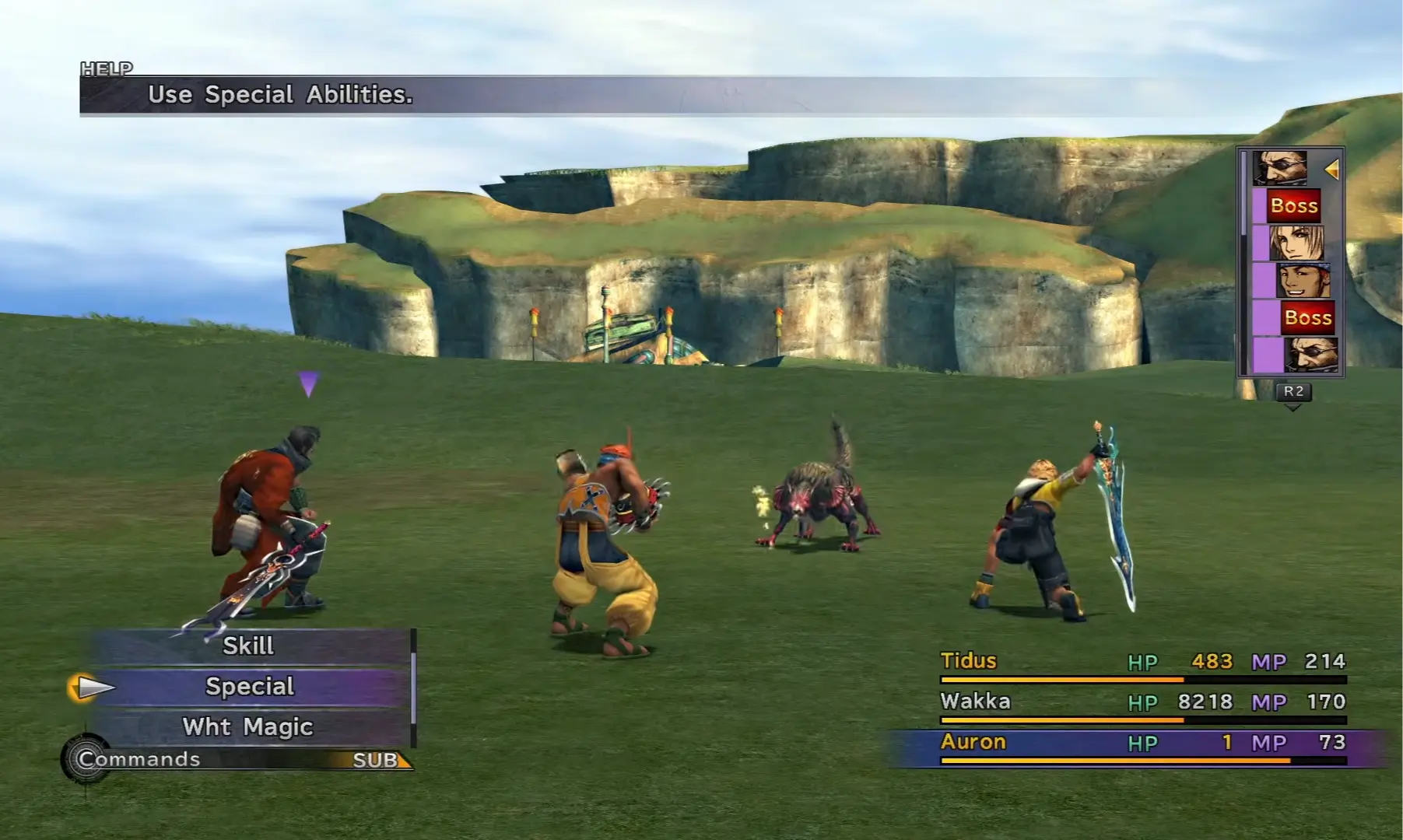
Final Fantasy X represents one of the most significant technological and narrative shifts in the history of Square (now Square Enix). As the first entry on the PlayStation 2, it utilized the hardware to move away from pre-rendered backgrounds toward a vibrant, interconnected 3D world. It introduced the 'Conditional Turn-Based' (CTB) combat system, replacing the series' long-standing Active Time Battle (ATB) mechanic with something more tactical and deliberate. This allowed players to plan several moves ahead, turning every encounter into a cerebral puzzle.
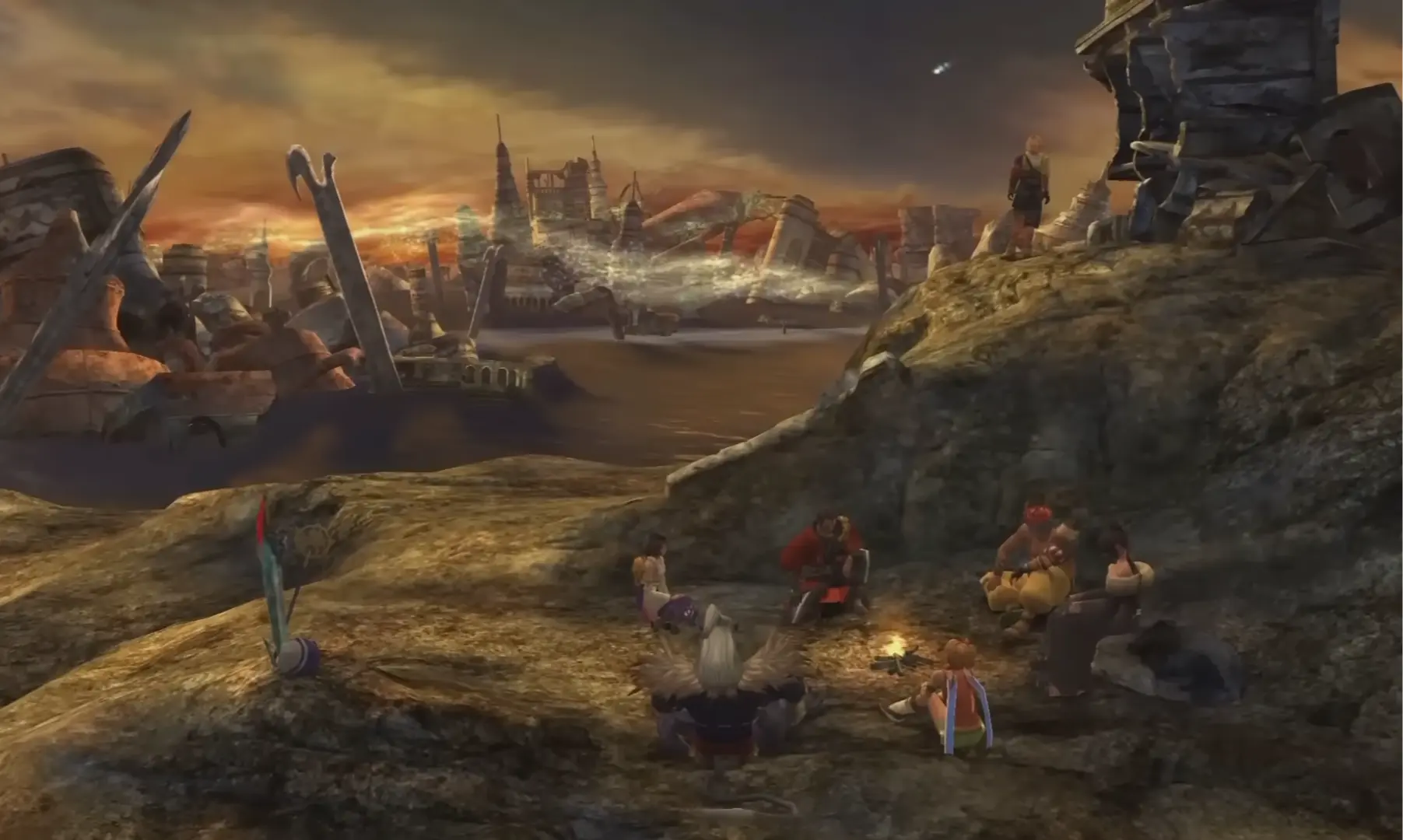
The game is set in the world of Spira, a land haunted by a massive, cyclical engine of destruction known as Sin. Unlike the medieval or steampunk settings of previous titles, Spira is heavily inspired by Southeast Asian and South Pacific cultures, featuring lush tropical islands, coral-like architecture, and a pervasive sense of spirituality. The game was also a pioneer in facial motion capture and voice acting for the series, bringing a level of humanity to the characters that was previously impossible. It isn't just a game; it is a cultural landmark that defined a generation of RPG fans, eventually spawning a direct sequel and a high-definition remaster that remains a bestseller across every modern platform. It is a work of art that balances blockbuster spectacle with intimate, character-driven moments.
Story
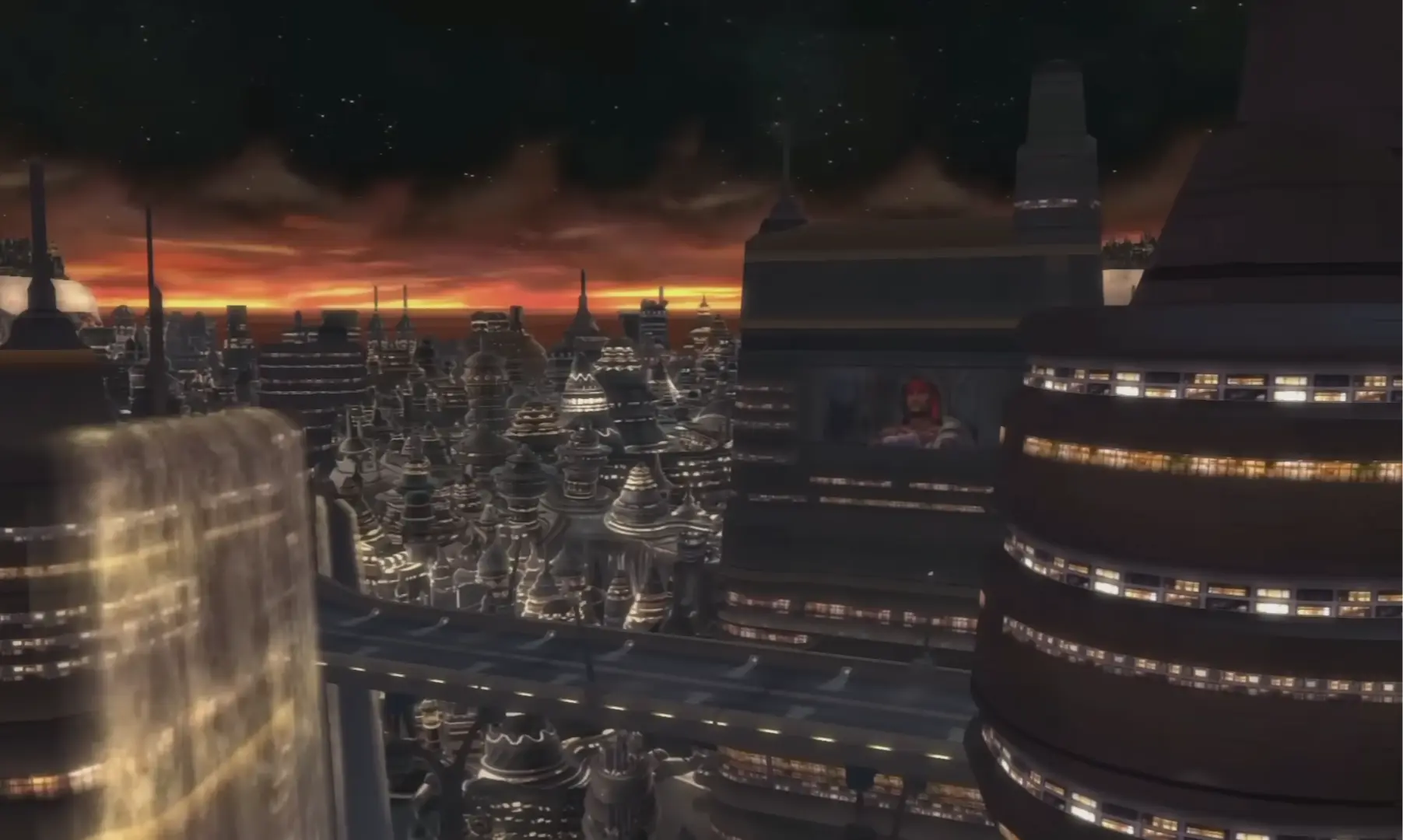
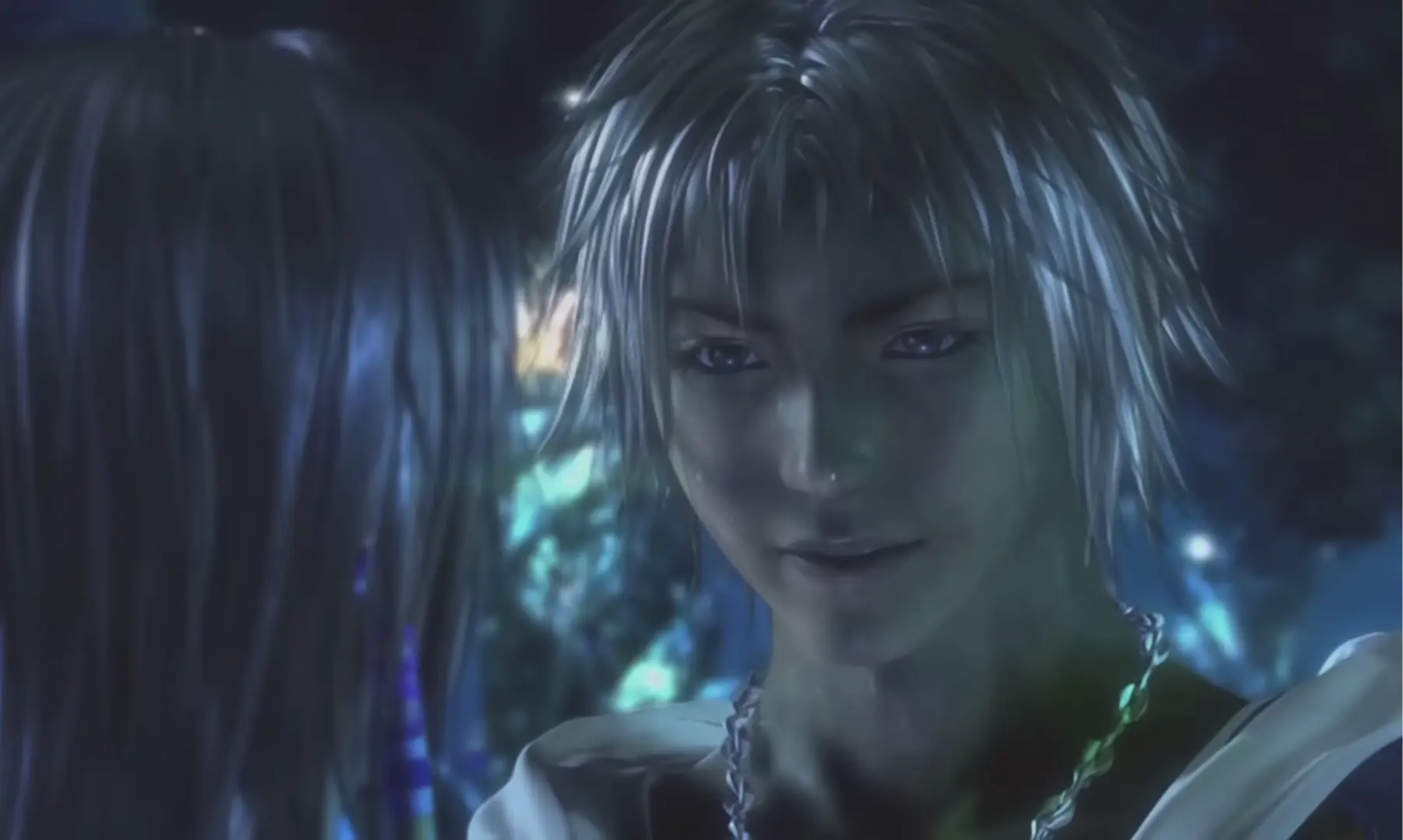
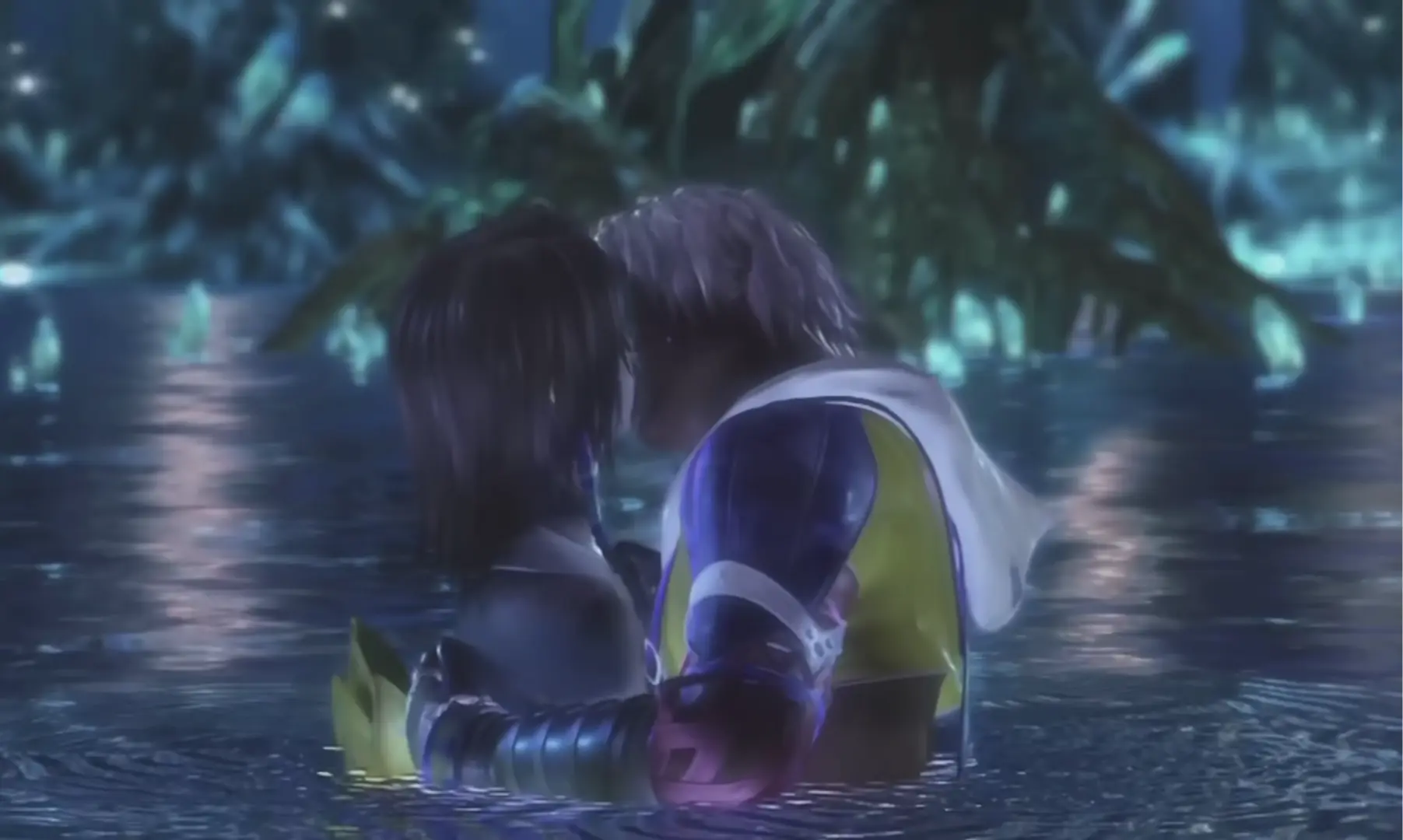
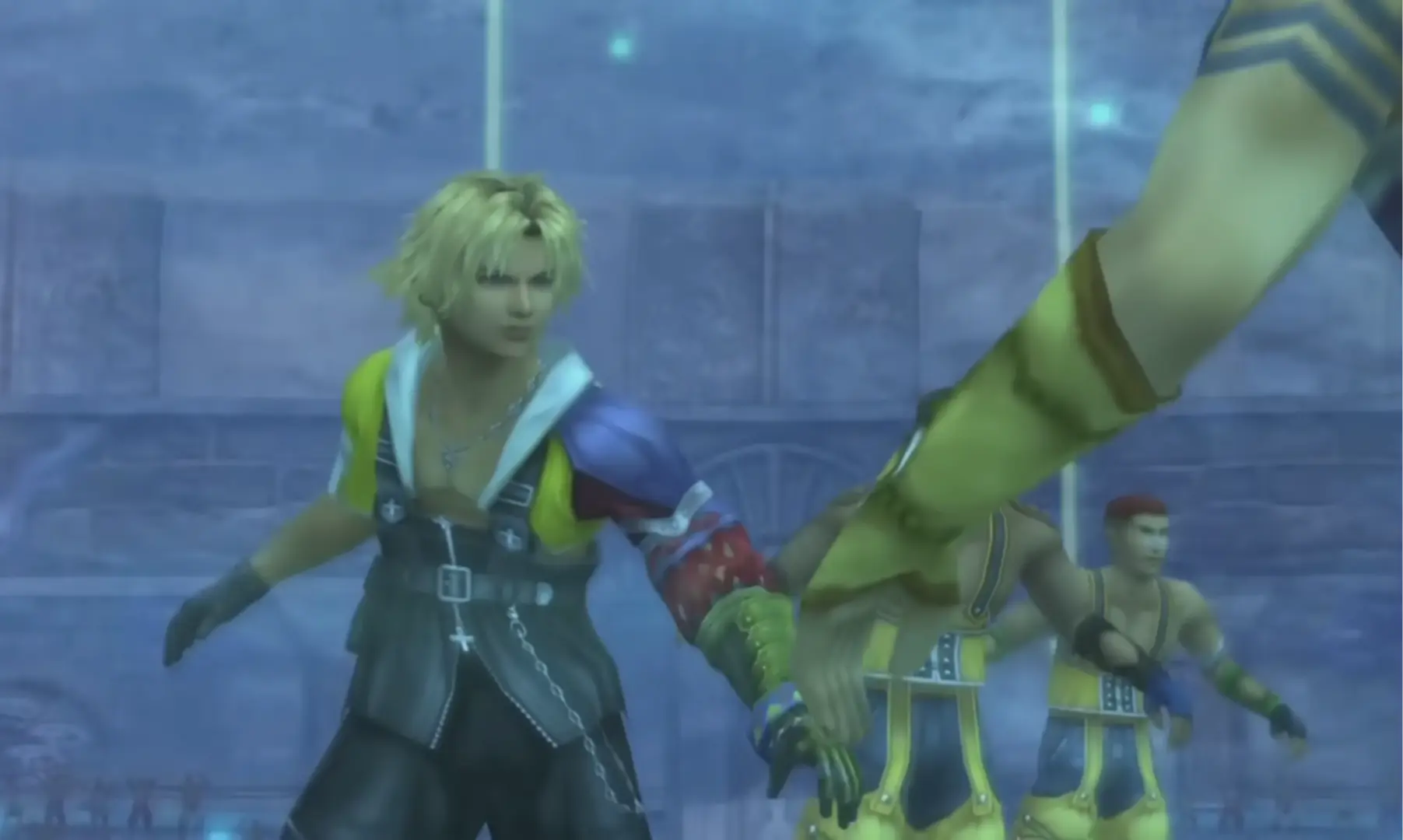
The story follows Tidus, a superstar athlete in the high-tech city of Zanarkand. During a blitzball match, the city is attacked by Sin, and Tidus is transported a thousand years into the future to the world of Spira. He soon discovers that Zanarkand was destroyed long ago and that the survivors of Spira live in constant fear of Sin's return. He joins a young summoner named Yuna, who is embarking on a sacred pilgrimage to obtain the 'Final Summoning'—the only power capable of defeating Sin and bringing a temporary period of peace known as the 'Calm.'
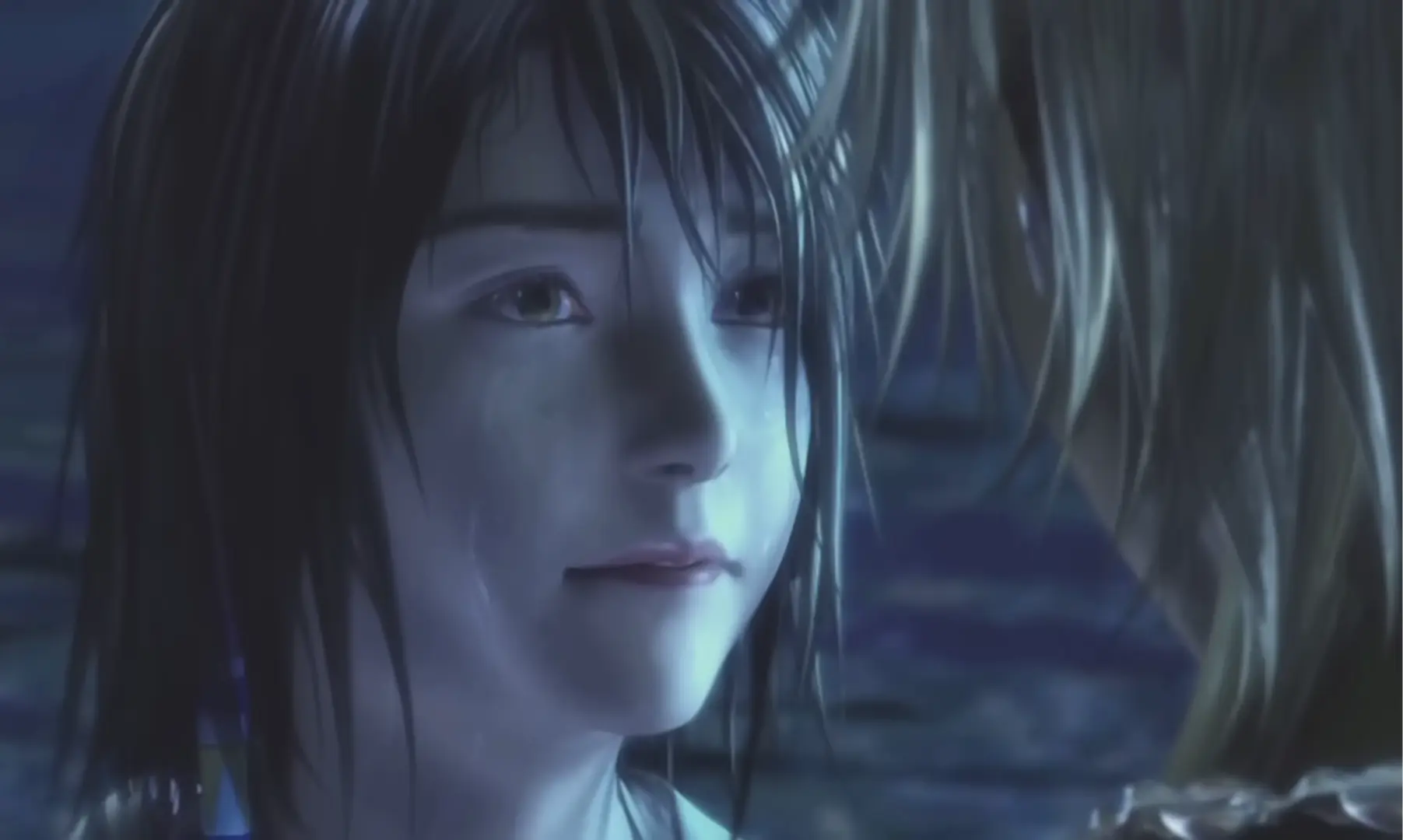
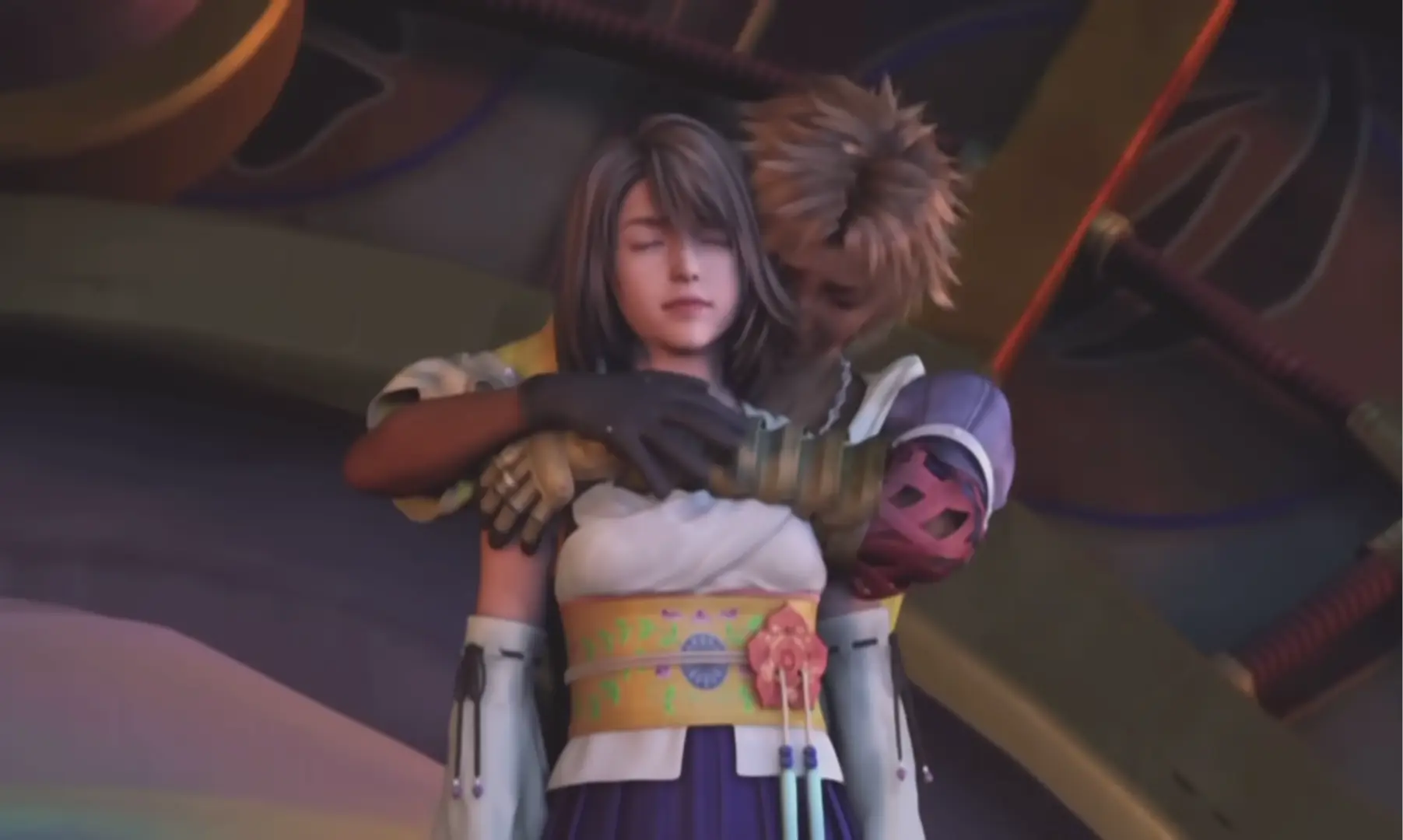
The narrative is a masterclass in character arcs. Tidus begins as an arrogant, confused teenager looking for a way home, but evolves into a selfless protector who realizes his own existence is tied to a tragic mystery. Yuna’s journey is even more profound; she carries the weight of an entire world's expectations, walking a path she knows will end in her own death. The gut-punch story beats come from the realization that the religion of Yevon, which governs Spira, is built on a foundation of lies and infinite cycles of suffering. The chemistry between the group—including the stoic guardian Auron, the protective Wakka, and the mysterious Lulu—creates a sense of family that makes the inevitable conclusion all the more devastating. It is a story about breaking cycles, questioning authority, and finding the courage to say 'no' to a fate that has already been written for you.
Gameplay
Final Fantasy X gameplay is a revolutionary blend of tradition and innovation. The CTB combat system is a highlight, allowing players to swap characters in and out of the active party instantly during battle. This encourages the use of the entire team; Yuna is essential for healing and summoning powerful Aeons, Lulu excels at black magic, and Auron deals massive physical damage to armored foes. Every character feels like a vital tool in your tactical belt.
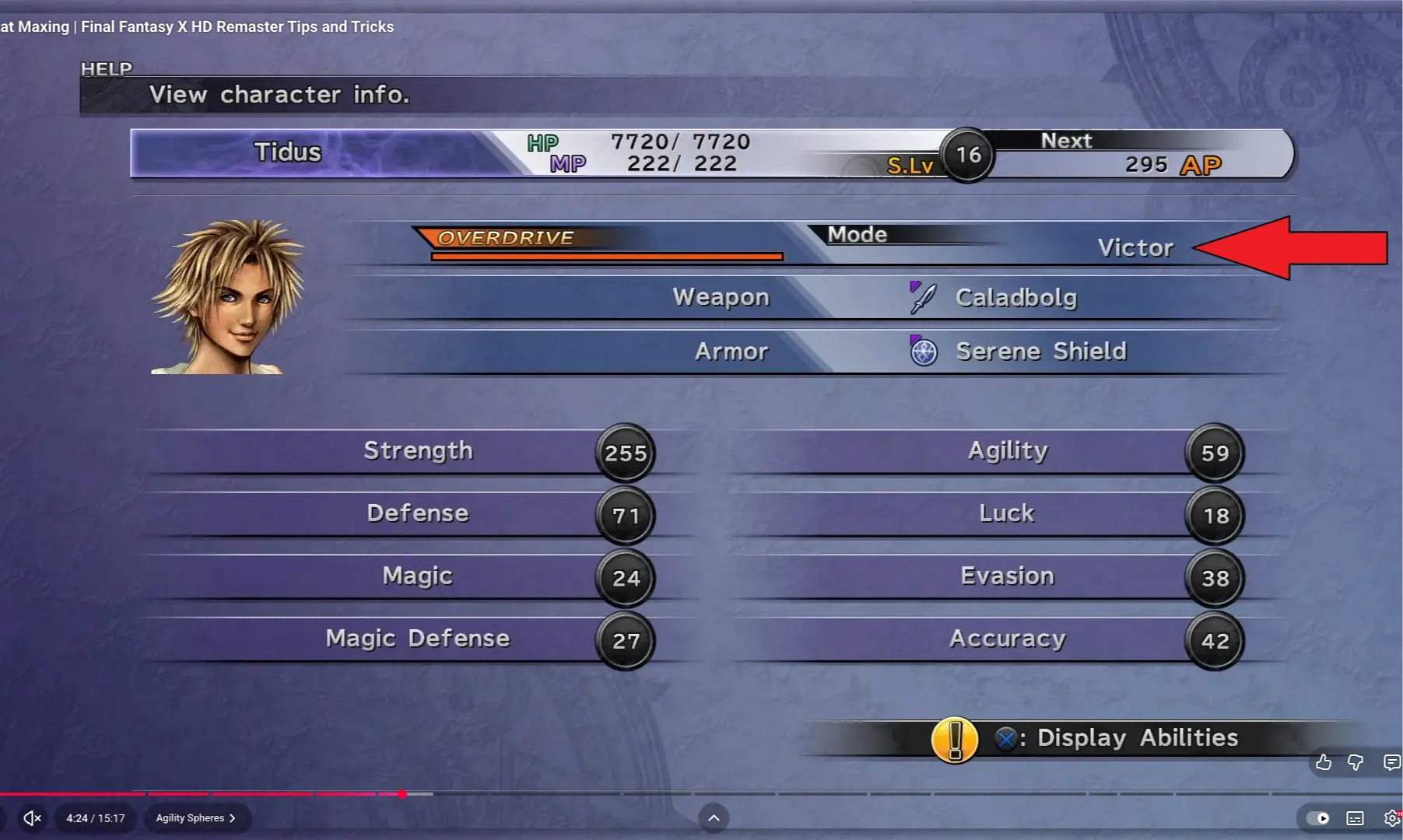
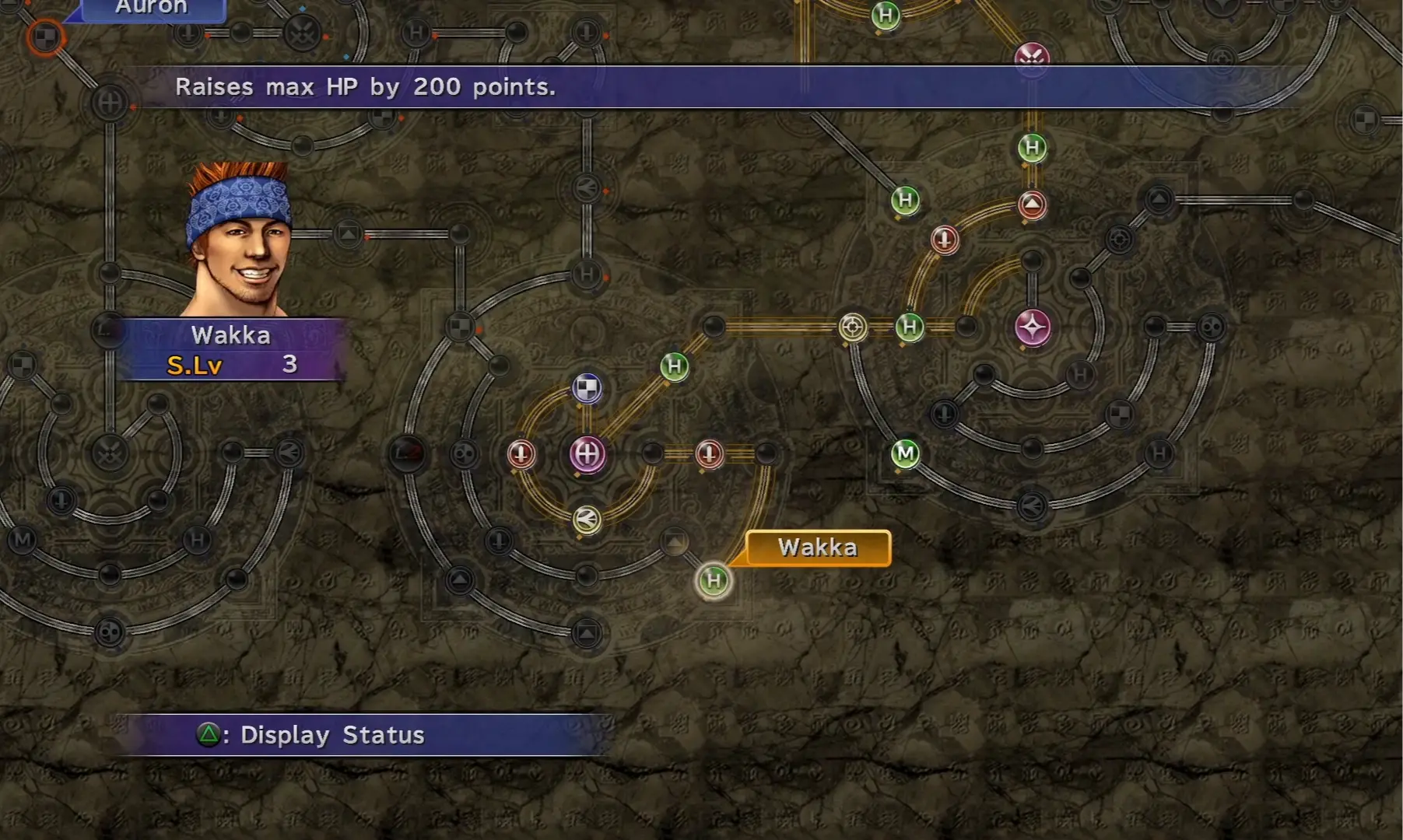
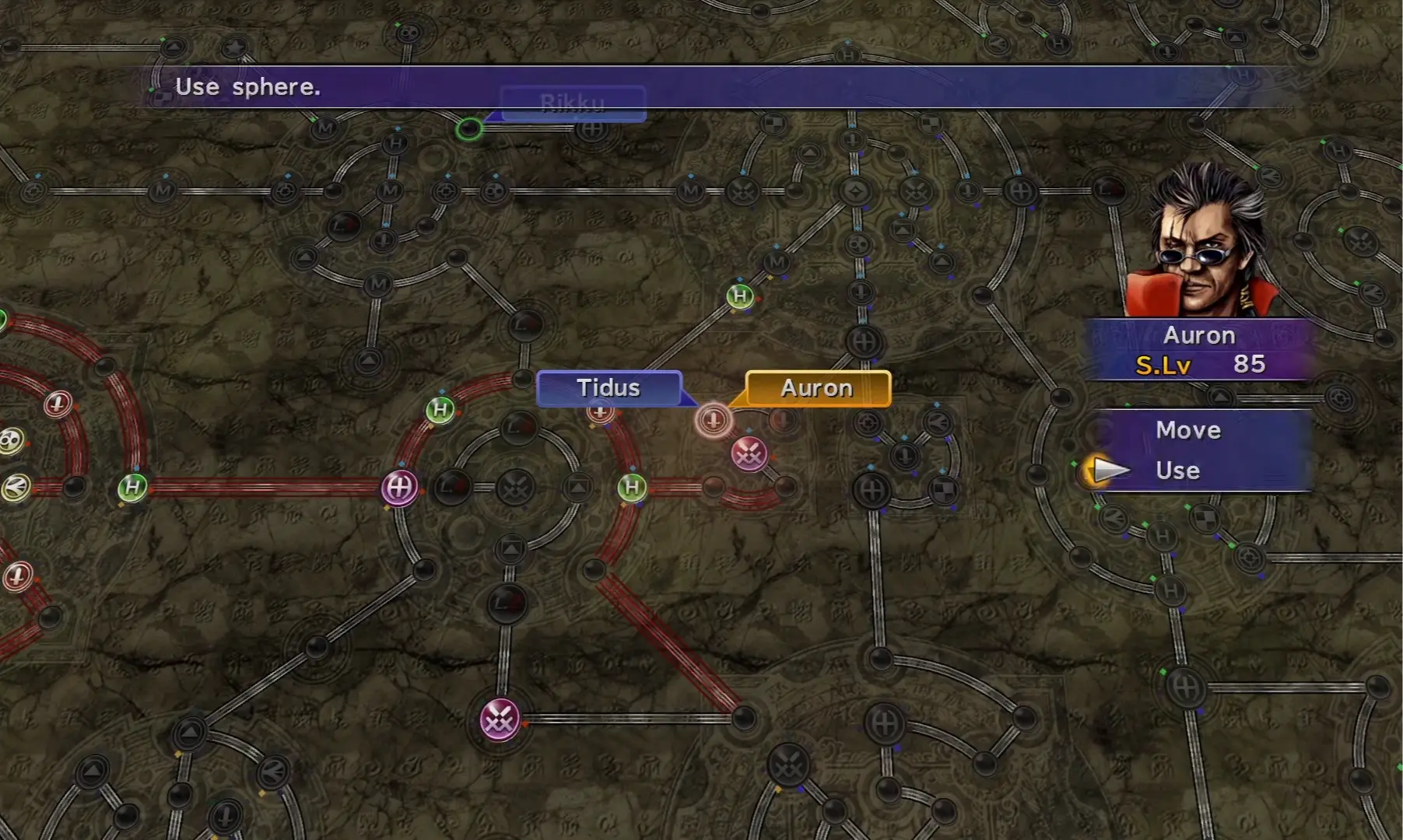
Character progression is handled through the Sphere Grid—a massive, board-game-like map that replaced traditional leveling. Instead of gaining stat points automatically, players earn 'Sphere Levels' to move across the grid, activating nodes to increase strength, agility, or learn new abilities. This system allows for incredible customization; while characters start in specific roles, late-game players can guide them into entirely new classes, making a heavy-hitting mage or a lightning-fast warrior out of anyone.
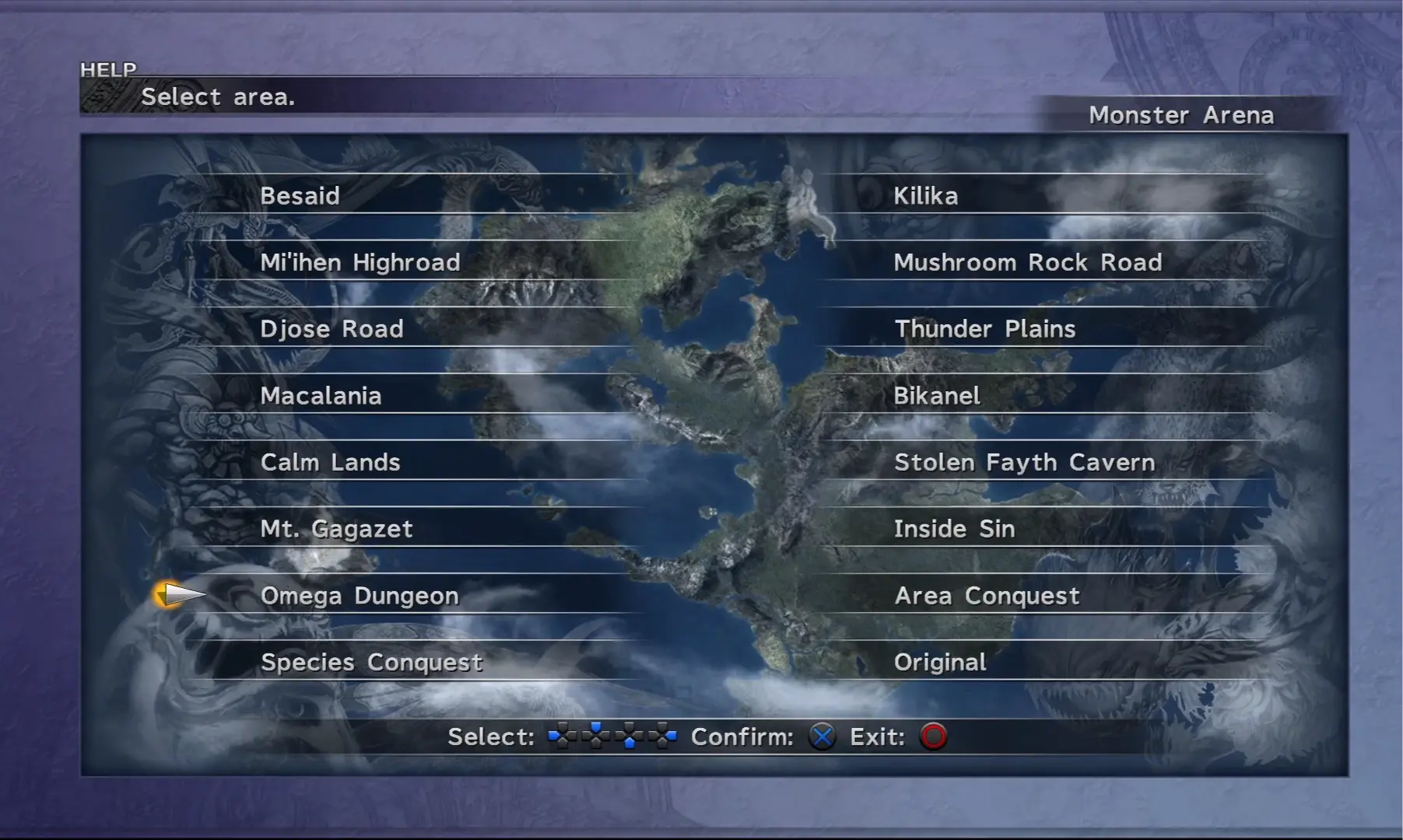
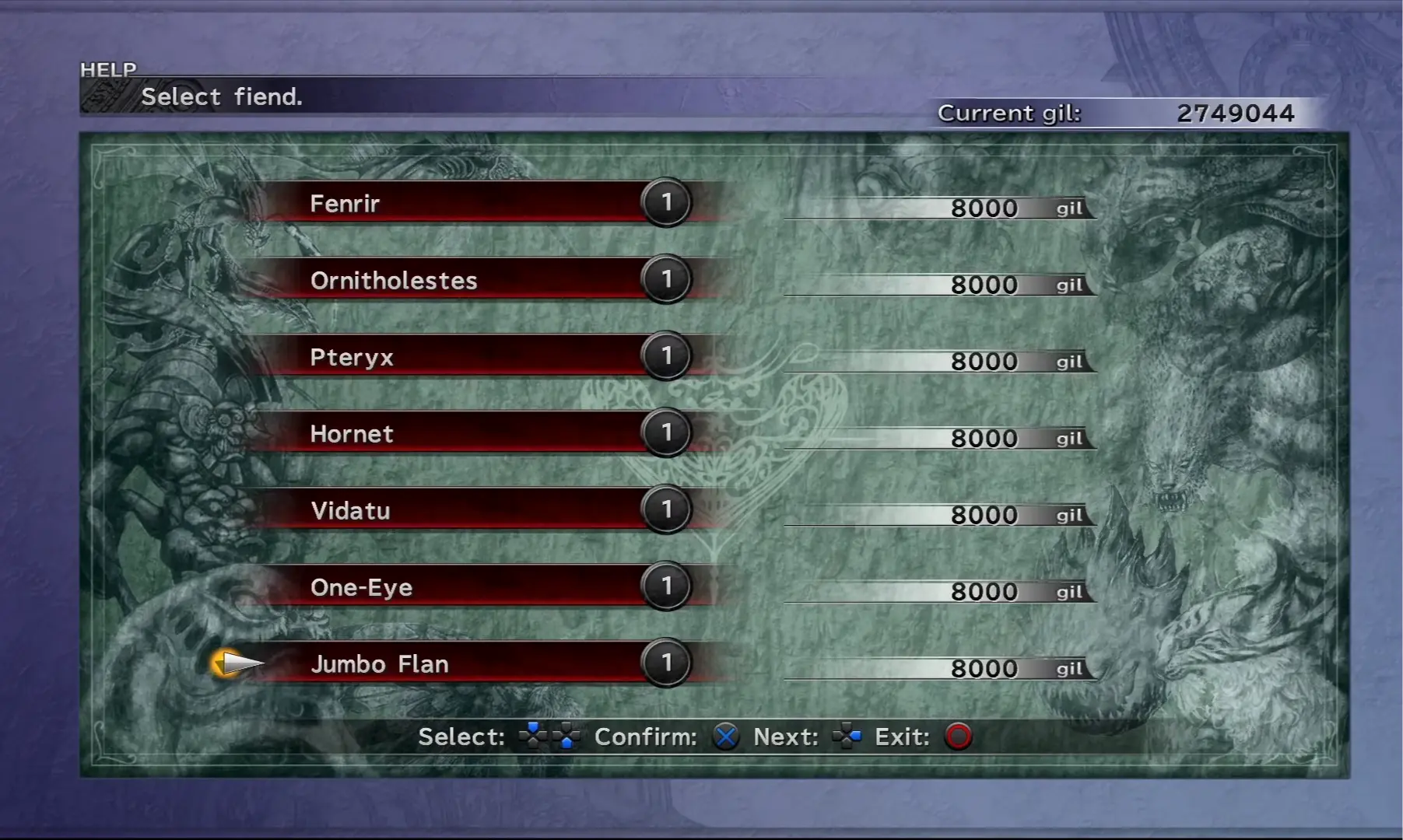
Furthermore, the game features the legendary mini-game Blitzball, an underwater sport that combines elements of soccer and tactical RPGs. It is a deep, fully realized system where you can recruit players from across Spira and compete in tournaments. Traversal is linear but densely packed with secrets, culminating in the 'Monster Arena' and 'Dark Aeons'—end-game challenges that demand absolute mastery of the combat and progression systems. The gameplay loop is satisfying, rewarding, and perfectly paced to match the escalating stakes of the story.
Atmosphere & Themes
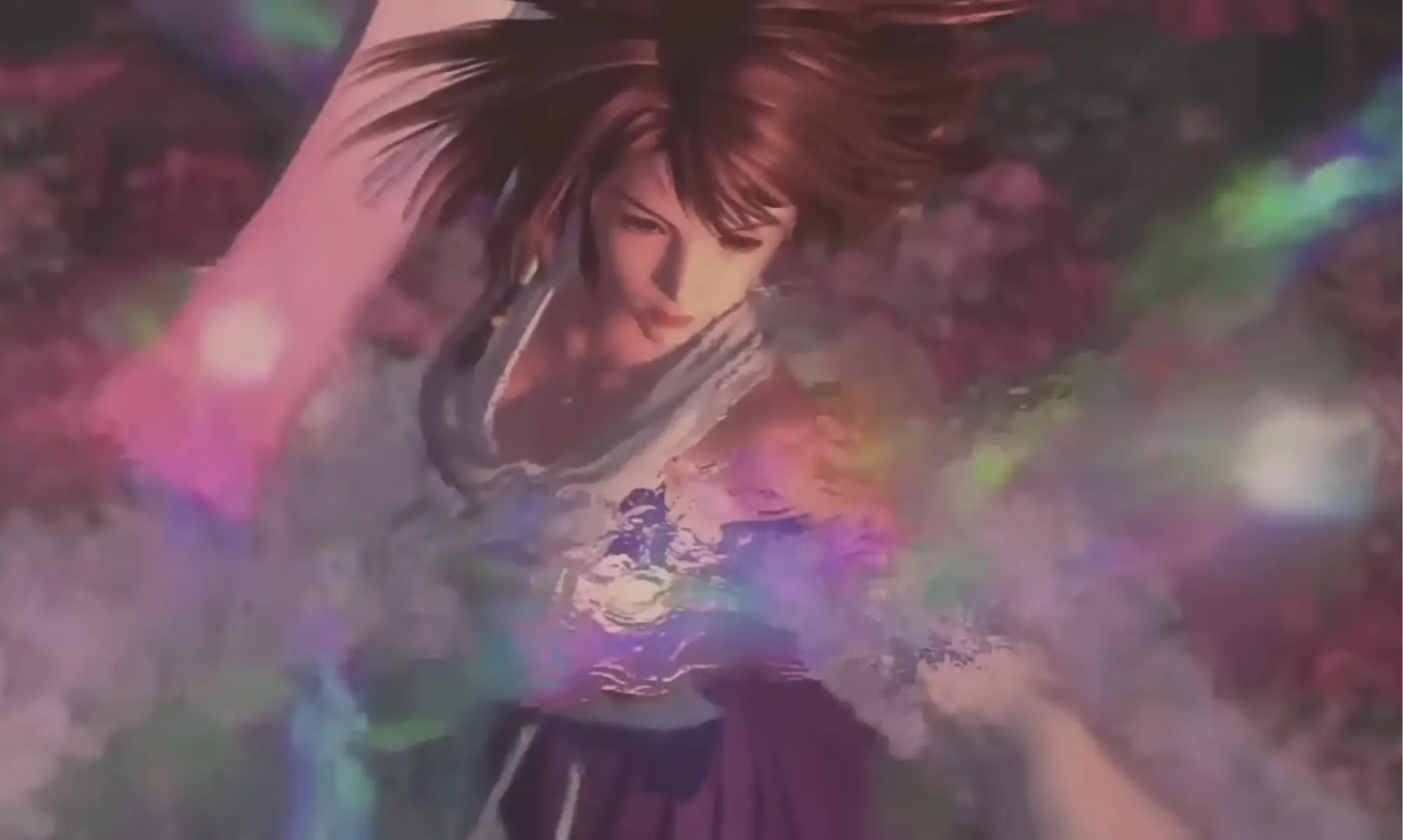
The atmosphere of Final Fantasy X is one of 'melancholic beauty.' There is a pervasive sense of loss in Spira; the ruins of past civilizations are everywhere, and the ritual of 'Sending'—where summoners dance on water to guide the souls of the dead—is one of the most hauntingly beautiful images in gaming history. The music, primarily composed by Nobuo Uematsu, Masashi Hamauzu, and Junya Nakano, is essential to this feeling. 'To Zanarkand' is perhaps the most famous piano piece in the medium, capturing the sadness and hope of the journey in just a few notes.
Thematically, the game is a bold critique of religious corruption and fatalism. It explores how a society can be trapped by its own history and how institutions can use fear (in the form of Sin) to maintain control. It also deals with the burden of parental legacy, specifically the shadow cast by Tidus's father, Jecht, and Yuna's father, Lord Braska. The game asks: can we truly be free if we are just following the footsteps of those who came before us? This depth of theme is why the game deserves to be overthought—it’s not just a journey to kill a monster; it’s a journey to kill a broken system. The atmosphere isn't just a backdrop; it's a reflection of a world that is tired of dying and ready to finally live.
Conclusion
Final Fantasy X is a monumental achievement that stands as a pillar of the JRPG genre. It is a game that proved that high-level cinematic presentation could be used to enhance, rather than replace, deep and challenging gameplay. It is a story that hits you with a gut-punch of emotion and stays with you for a lifetime.
Whether you are playing it for the first time in its HD Remaster form or revisiting Spira for the tenth time, the game’s impact is undiminished. It is a reminder that the best adventures are the ones that change us—that make us question our beliefs and value the people we travel with. Tidus and Yuna’s pilgrimage is a journey of sacrifice, love, and the strength to forge a new path. It is time to listen to their story one more time. Spira is waiting, and the experience is one that will finish you in the most unforgettable way possible.