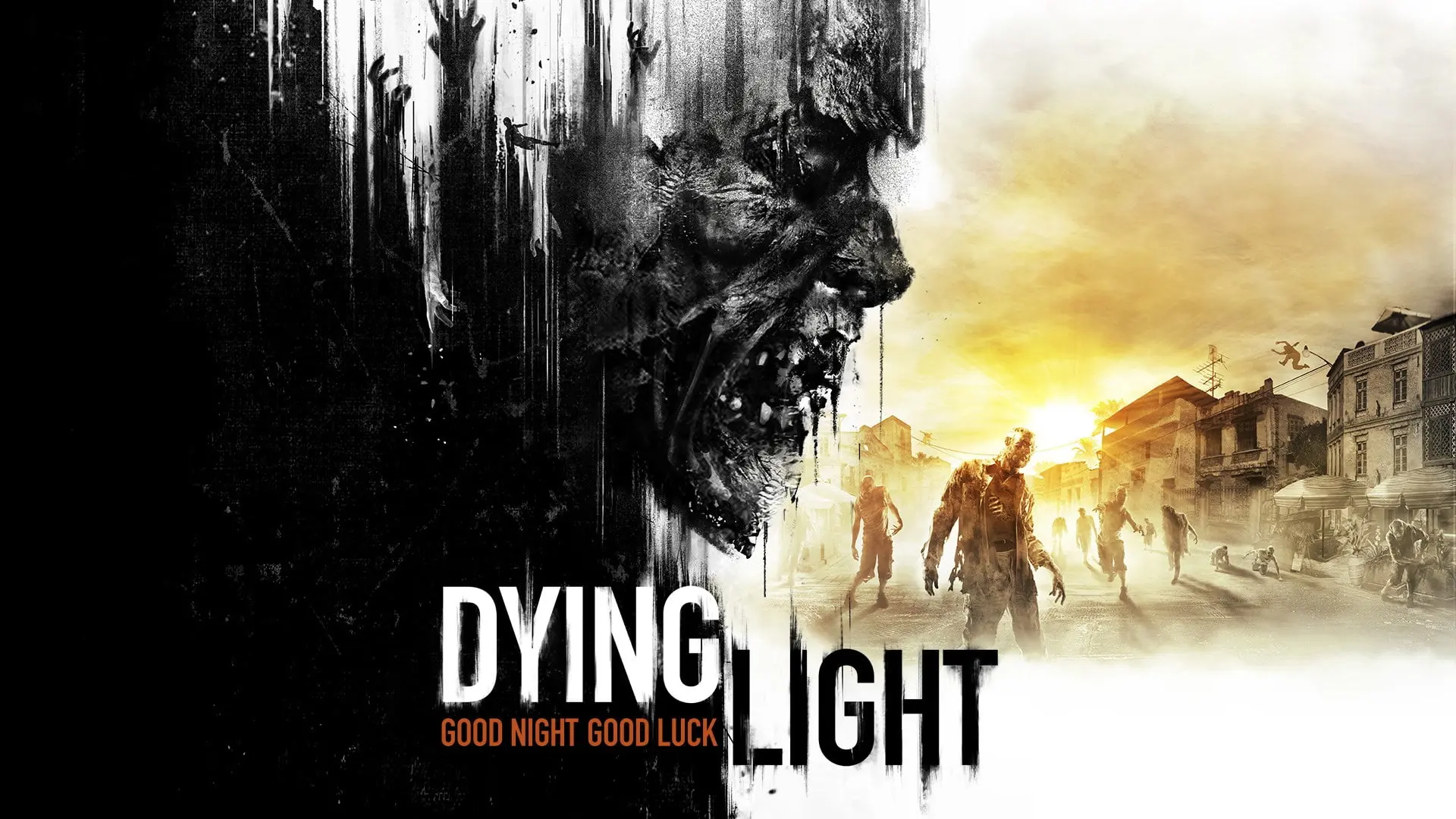
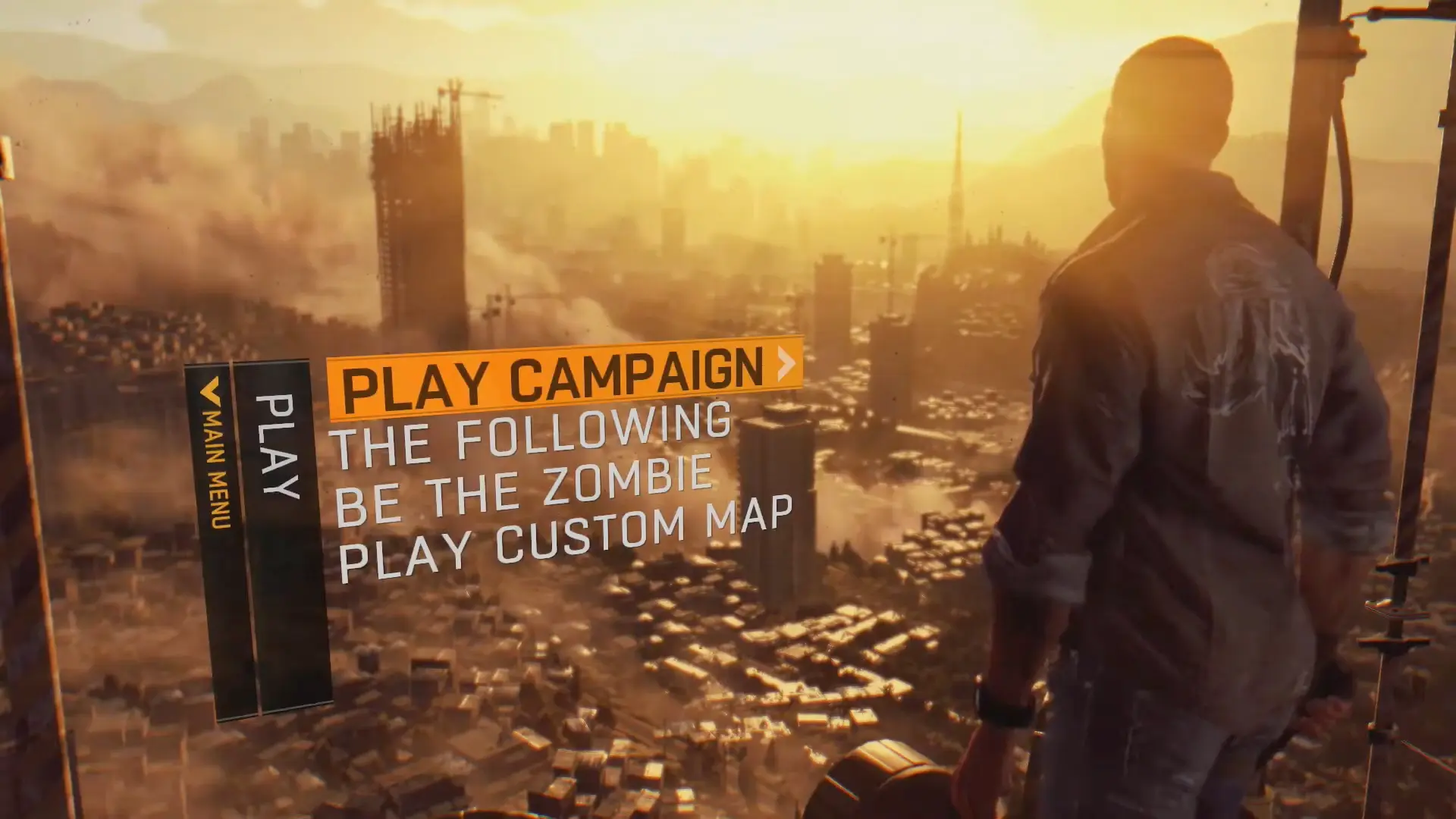
Back in 2015, the gaming community was experiencing massive zombie fatigue. We had seen it all, shot it all, and survived it all. Then Techland dropped Dying Light and absolutely revitalized the entire genre. They took the visceral, first-person melee crunch of Dead Island, strapped it to a hyper-fluid, Mirror's Edge-style parkour system, and dropped us into the sprawling, quarantined city of Harran. The result is an adrenaline-pumping masterpiece that remains the gold standard for open-world survival action.
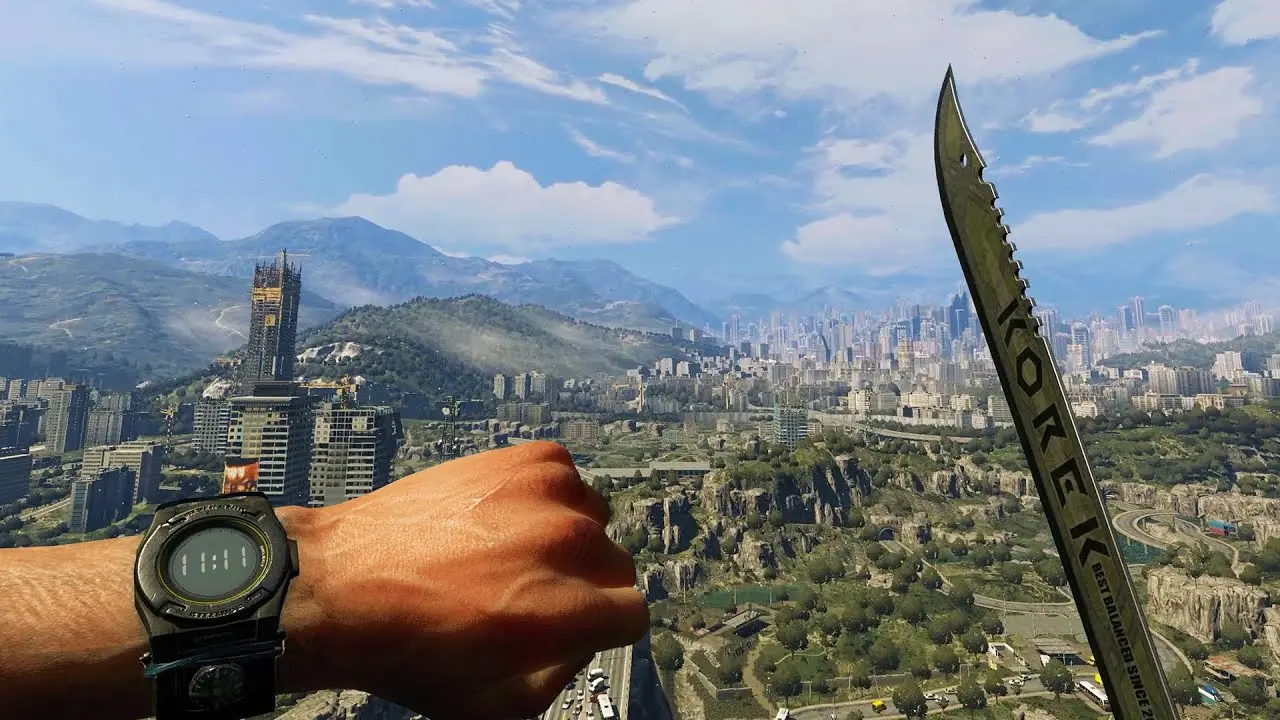
What makes Dying Light so legendary isn't just the movement—it’s the duality of the game. It is literally two different genres packed into one. During the day, it's a massive, violent playground where you scavenge for supplies, rescue survivors, and experiment with incredibly satisfying physics. But the second you hear your watch beep to signal sunset, the entire vibe shifts from an action sandbox to pure, sweat-inducing survival horror. You haven't known true gaming panic until you've missed a jump in the pitch black while a pack of Volatiles is screaming right behind you.
About the Game: Momentum and Machetes
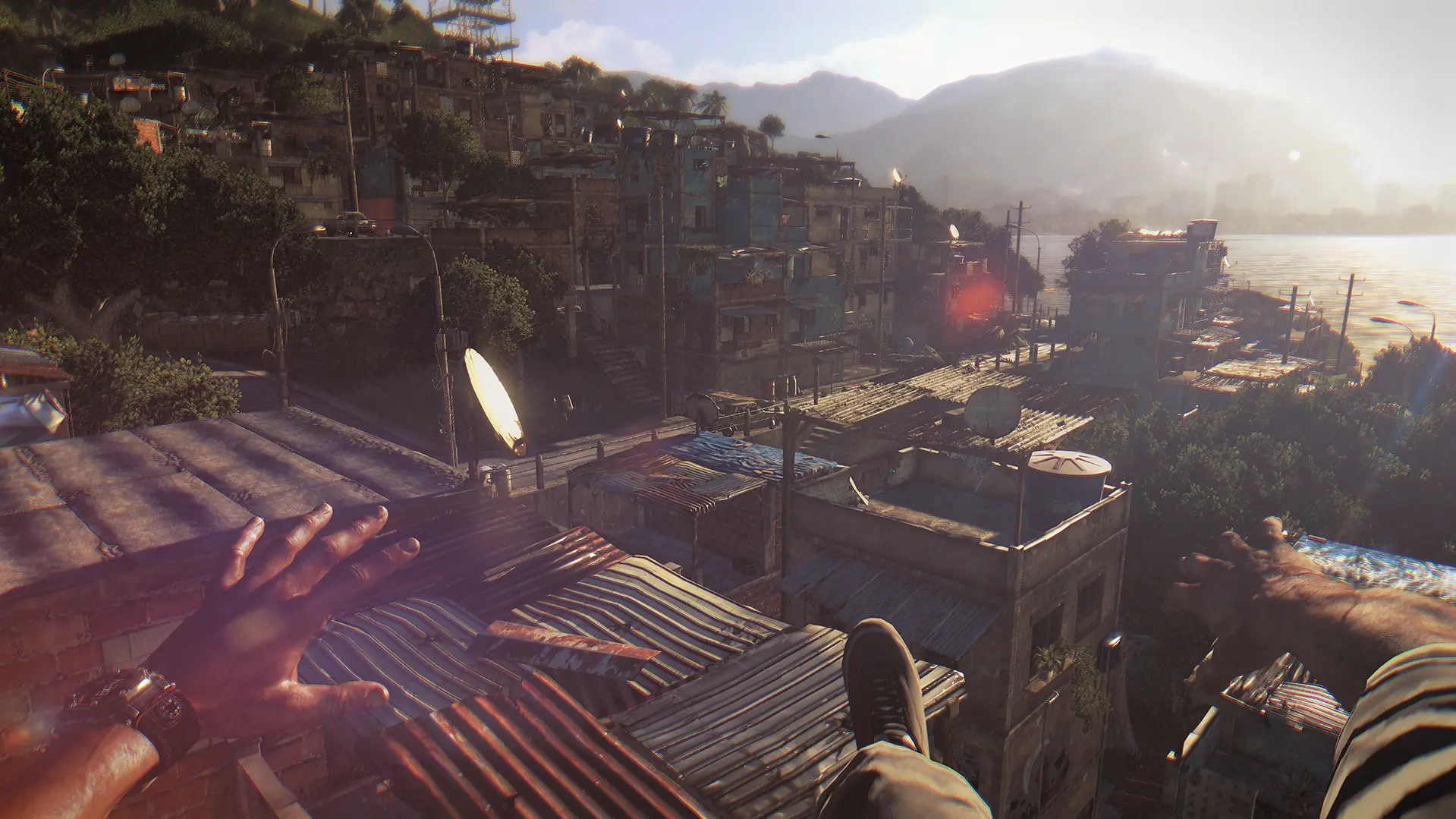
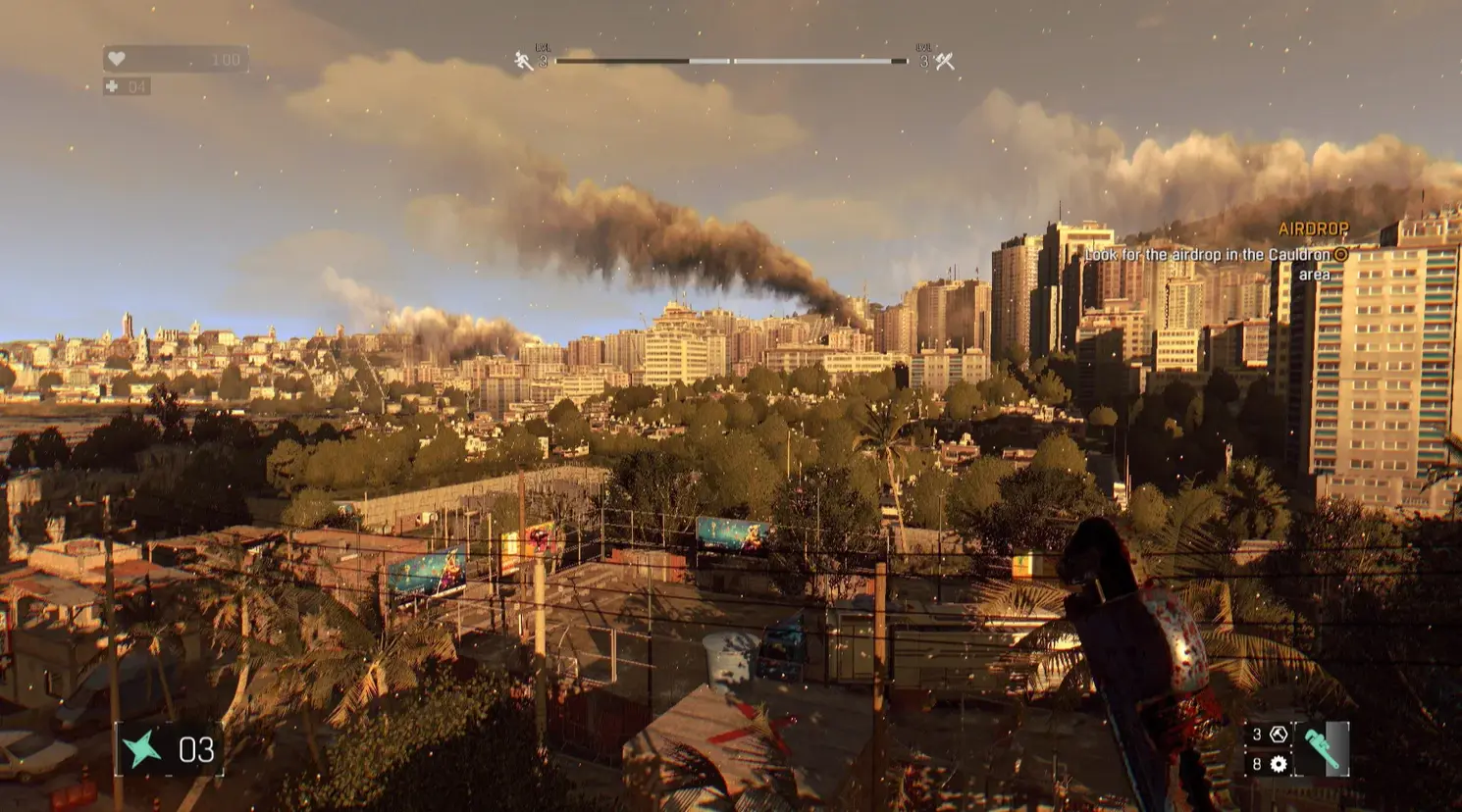
The core loop of Dying Light is built around movement. This isn't just holding down a 'sprint' button and watching an animation play out; you have to actively read the environment, gauge your jumps, and string together vaults, slides, and wall-runs to keep your momentum alive. The skill tree progression is god-tier. You start as a sluggish runner who gets winded swinging a lead pipe, and you slowly evolve into an apex predator armed with a grappling hook.
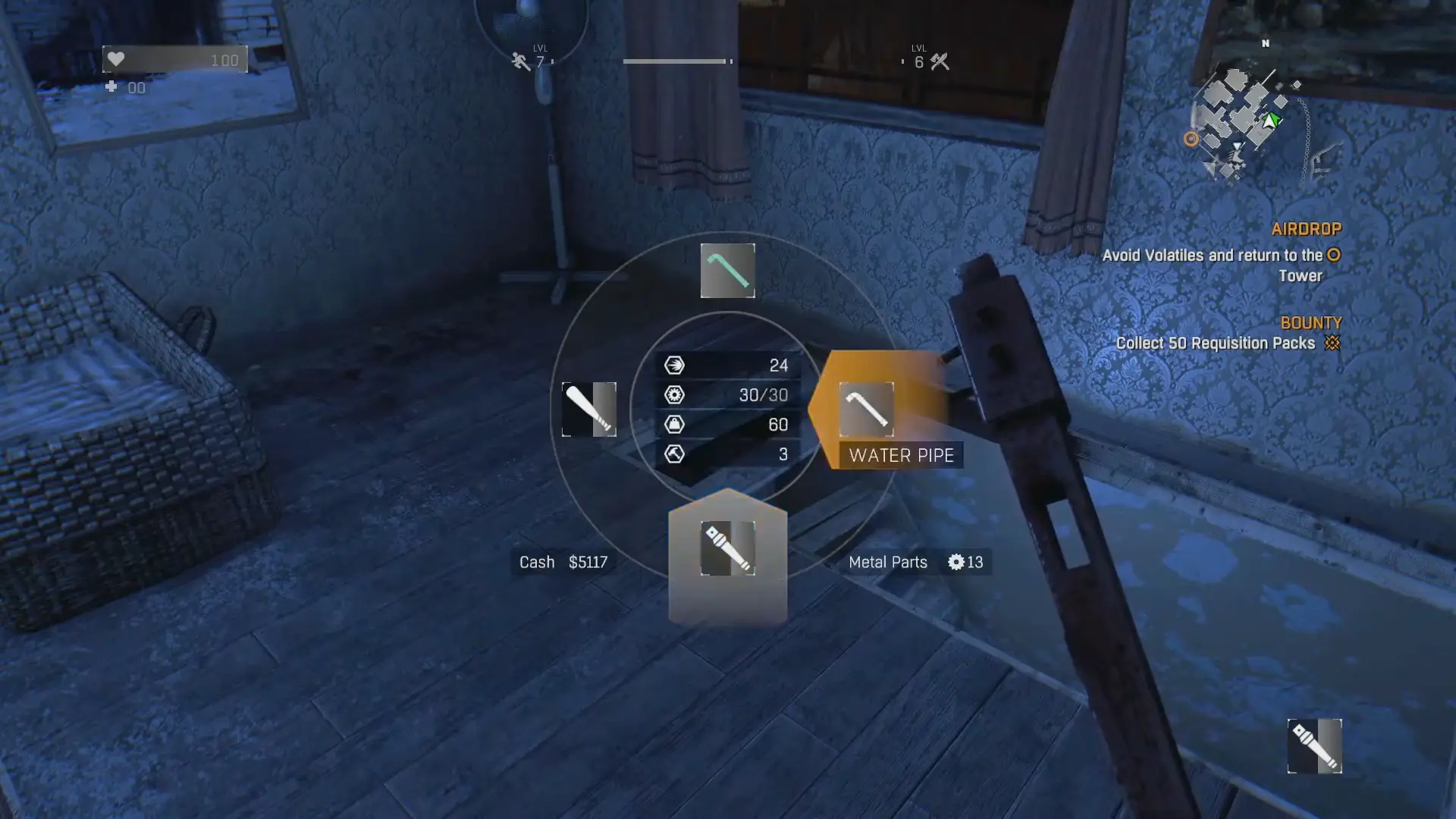
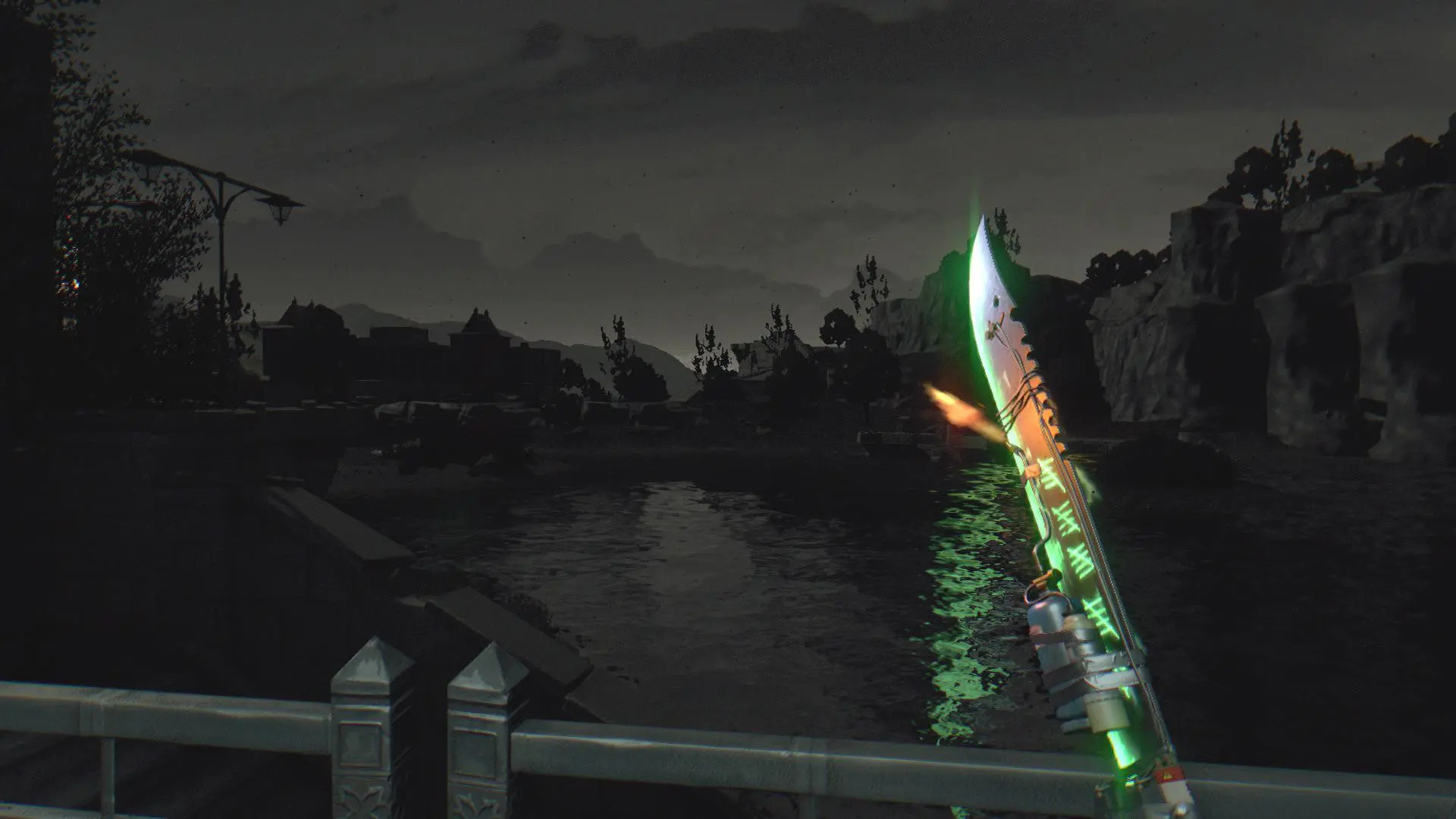
And we have to talk about the combat. The melee physics are incredibly crunchy. Slicing off limbs, shattering kneecaps with a cricket bat, and using the game's legendary momentum-based Dropkick to launch a zombie off a three-story roof into a pile of garbage bags is a dopamine hit that never gets old. The weapon crafting system lets you duct-tape blowtorches and car batteries to machetes, turning basic scavenged junk into ridiculous, sparking weapons of mass destruction. It’s raw, it’s bloody, and it is endlessly entertaining.
Story: Welcome to the Quarantine
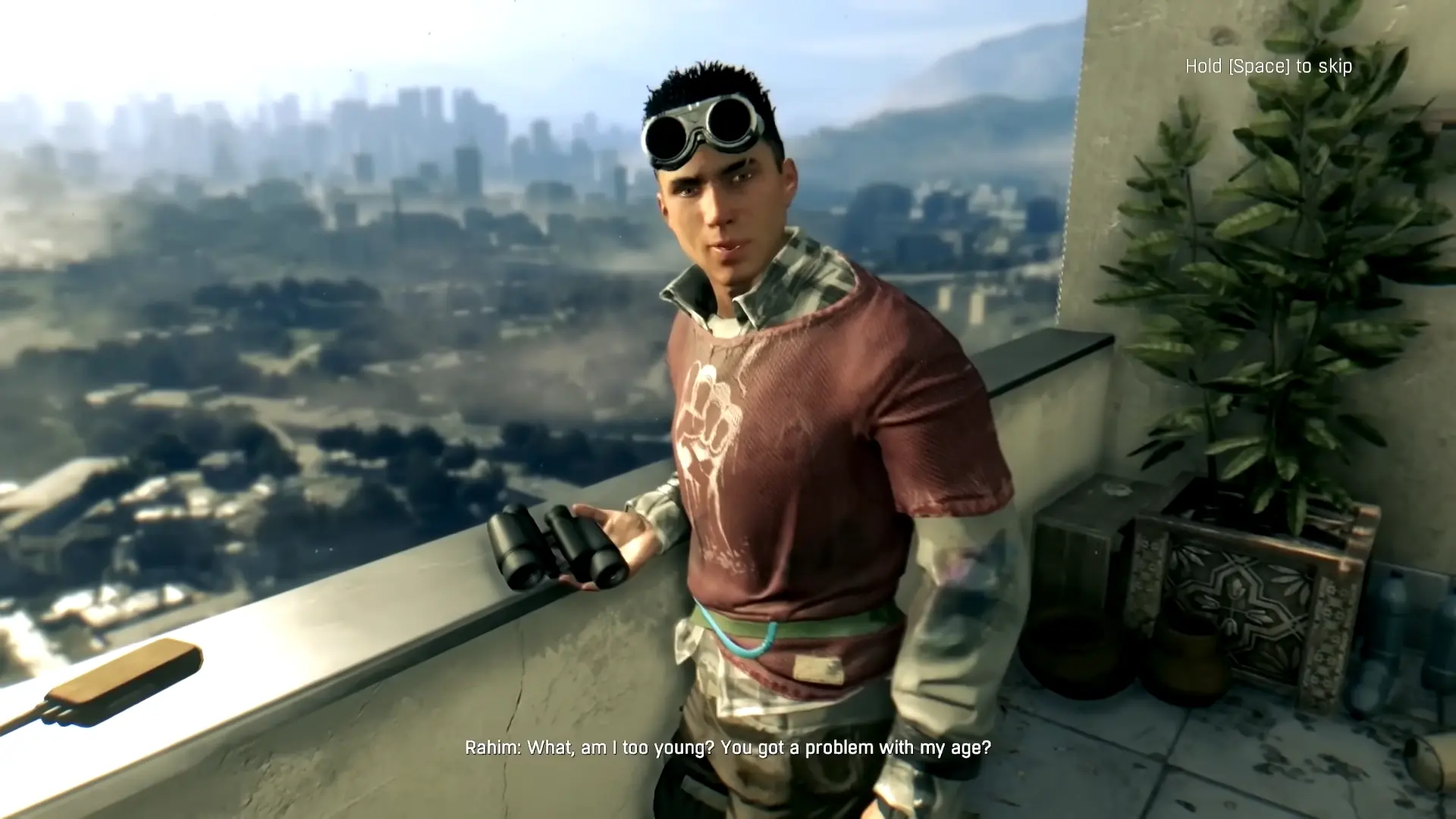
You play as Kyle Crane, an undercover operative dropped into Harran by the Global Relief Effort (GRE) to retrieve a stolen, highly sensitive file. Immediately things go horribly wrong, and Crane is bitten, forcing him to rely on the local survivors in 'The Tower' for Antizin—a drug that suppresses the infection. The narrative is a high-stakes, fast-paced action movie that forces you to balance your shady corporate mission with your growing loyalty to the people of Harran.
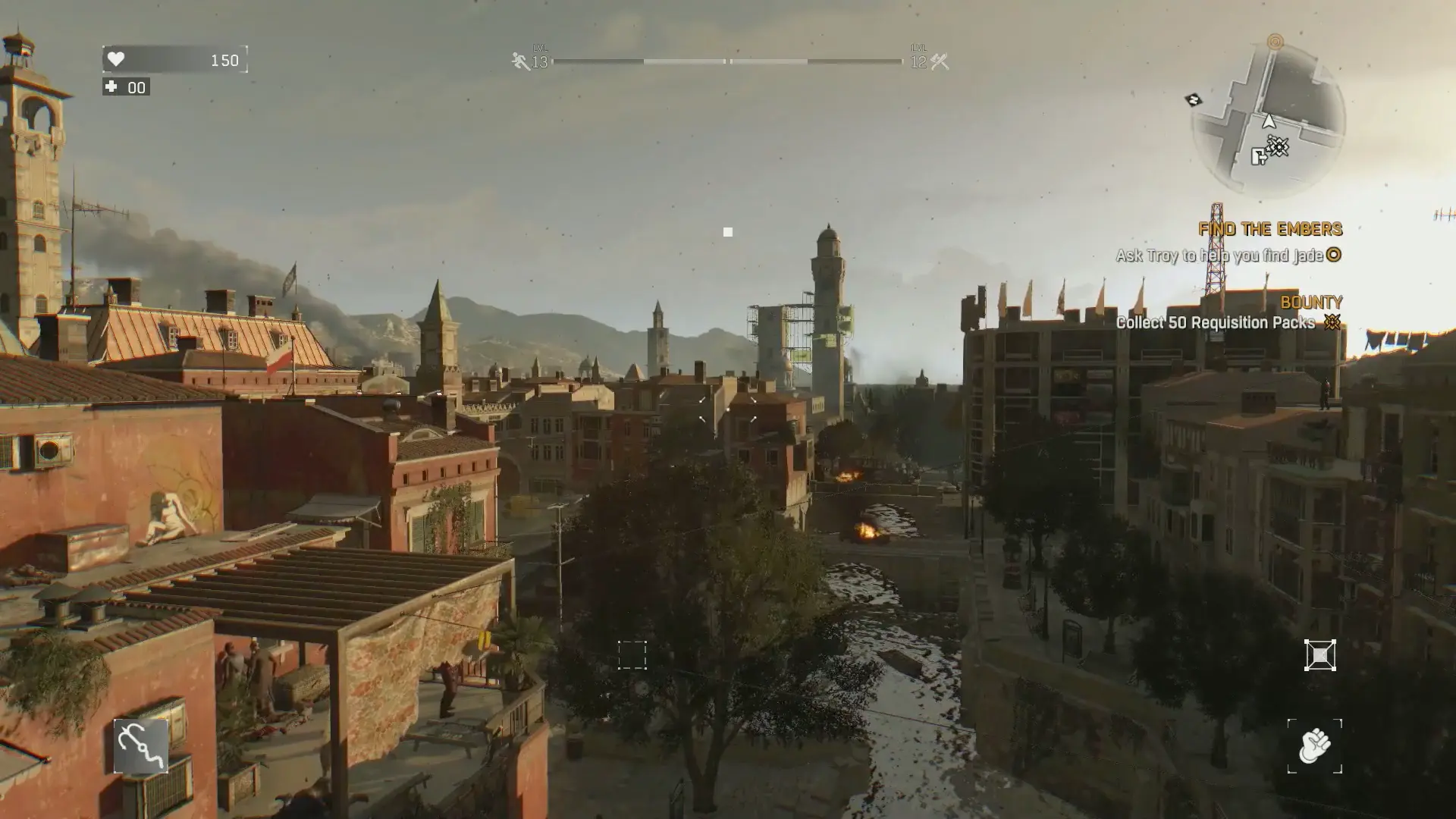
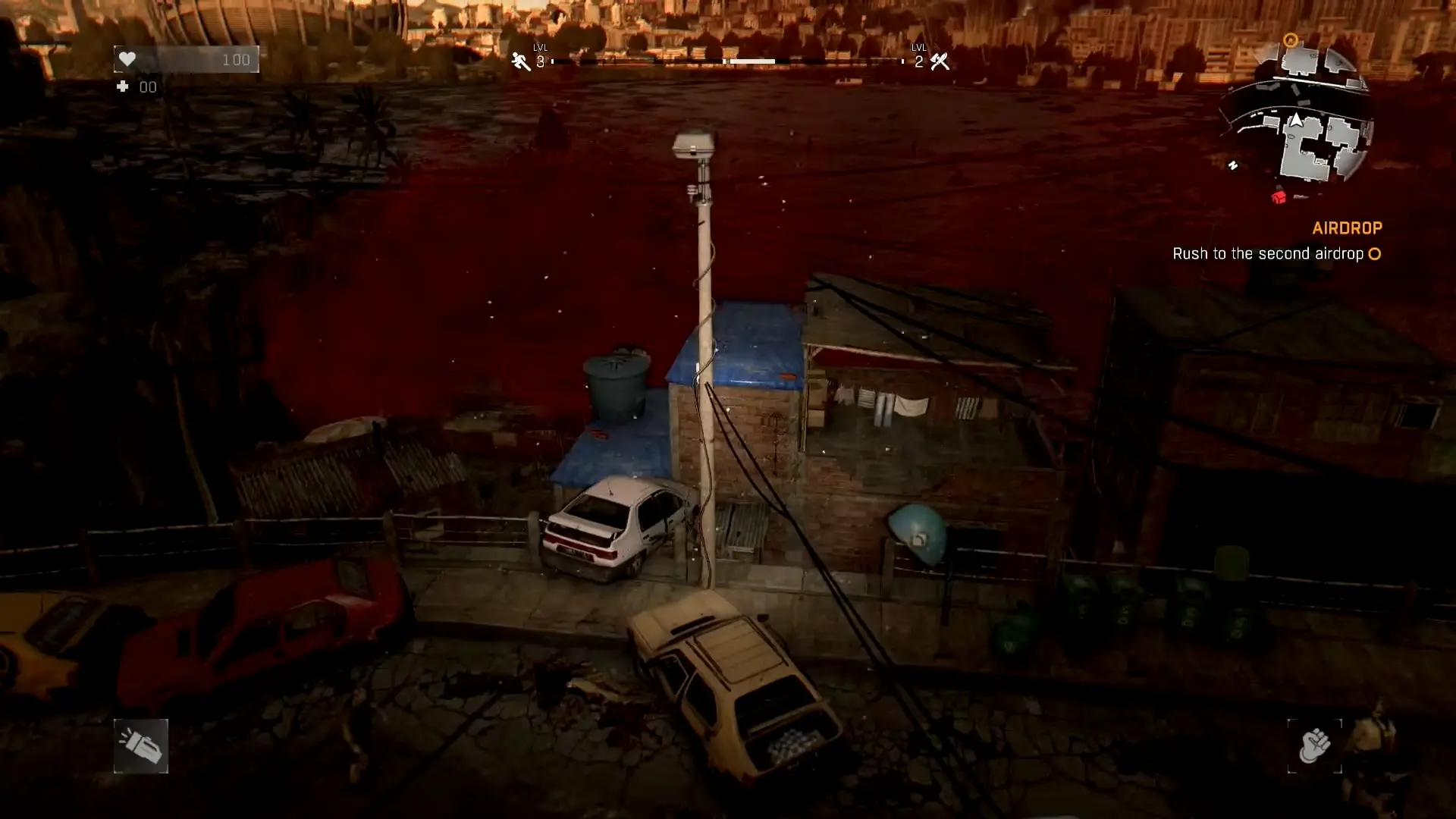
The game brilliantly splits its world into two distinct maps. You spend the first half mastering the favela-style, corrugated-metal rooftops of the Slums, which is a masterclass in horizontal level design. Then, just when you think you’ve mastered the game, it drops you into Sector 0 (Old Town). Suddenly, the architecture shifts to towering European-style buildings, massive vertical drops, and terrifying new enemy variants. It forces you to completely rewire how you navigate the city and utilize your late-game abilities.
Gameplay: The Night Shift
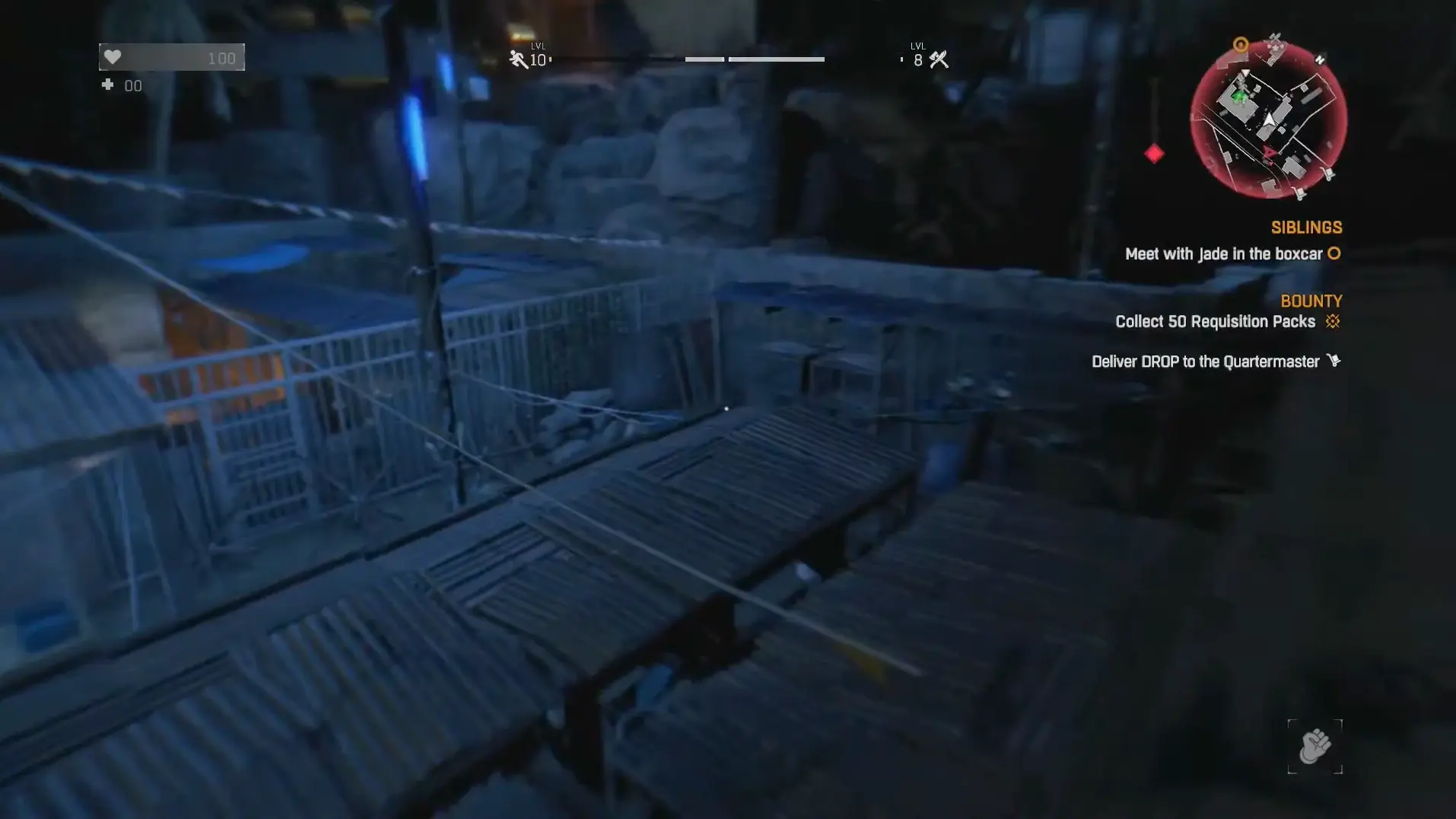
Let's get one thing straight: the night cycle in Dying Light is not just a visual filter. It is an absolute nightmare. When the sun goes down, the standard biters become more aggressive, but the real threat are the Volatiles—massive, heavily armored, hyper-agile predators that can outrun you and climb just as fast as you can. They don't just wander; they actively hunt.
The stealth mechanics suddenly become your best friend. You are forced to navigate using your 'Survivor Sense' to track their cones of vision, relying on UV flares and your flashlight's UV burst to briefly blind them if you are spotted. If a pursuit is triggered, the game turns into a terrifying sprint to the nearest safe zone. The ambient music drops out, replaced by a thumping synth heartbeat and the terrifying screams of the horde chasing you. To make it even better, Techland added a brilliant risk/reward mechanic: all XP gained during the night is doubled. It constantly tempts you to leave the safety of the UV lights and risk it all for a massive level-up.
Atmosphere & Themes: Vertical Decay
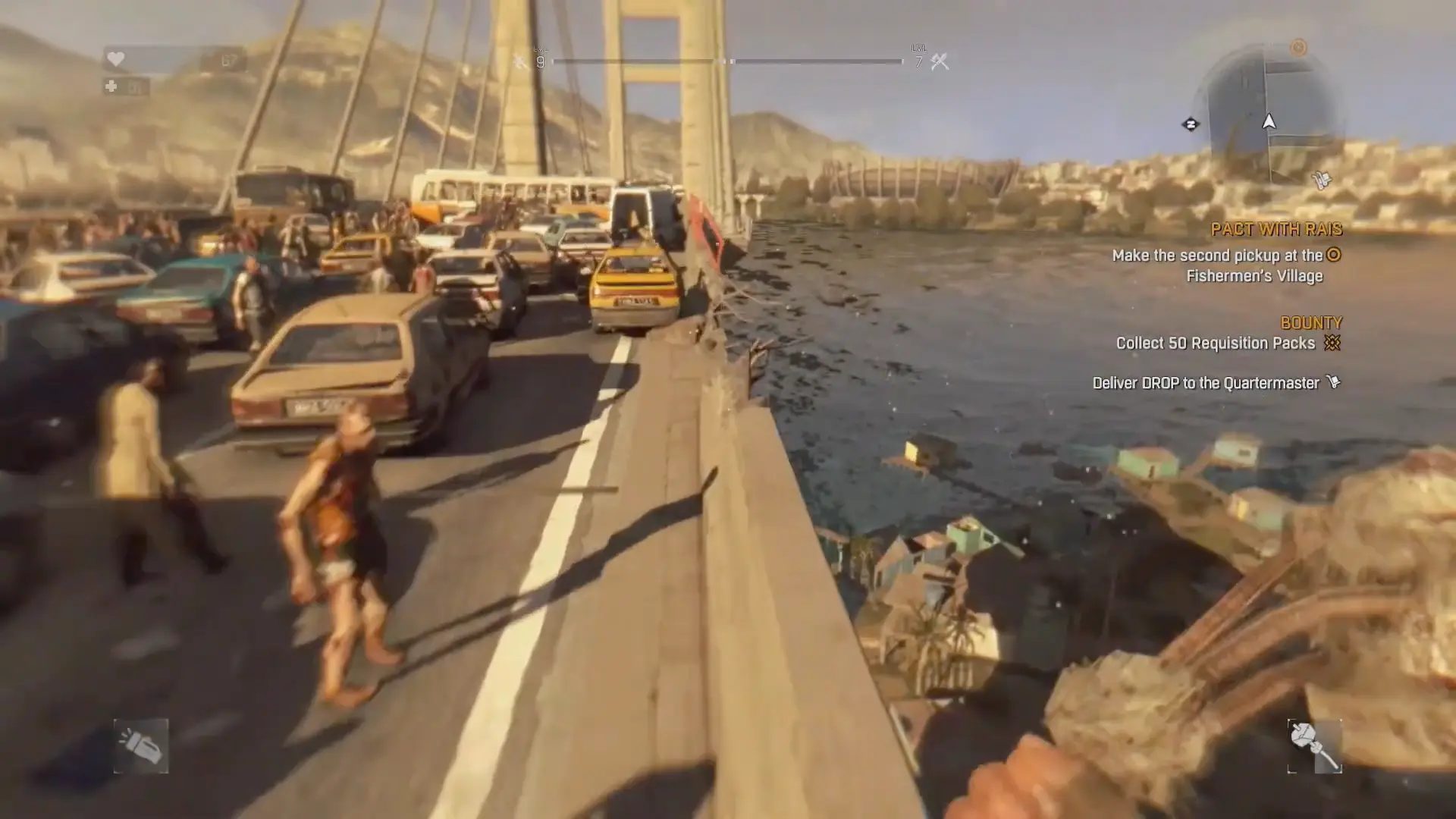
Harran is a character all its own. The environmental storytelling is phenomenal. From the blood-stained quarantine checkpoints and abandoned military convoys to the desperate SOS signs painted on rooftops, you can constantly feel the exact moment the city fell. The audio design is equally crucial. The hollow wind howling between the high-rises, the distant sound of a building collapsing, and the terrifying shriek of a Virial who just spotted you all combine to keep you in a constant state of high alert.
The 80s-inspired, synth-heavy soundtrack by Paweł Błaszczak is an absolute stroke of genius. It perfectly captures the grim, post-apocalyptic desperation of Harran while pumping you up for the high-speed parkour chases. It makes running for your life feel deeply cinematic.
Conclusion: The Ultimate Zombie Sandbox
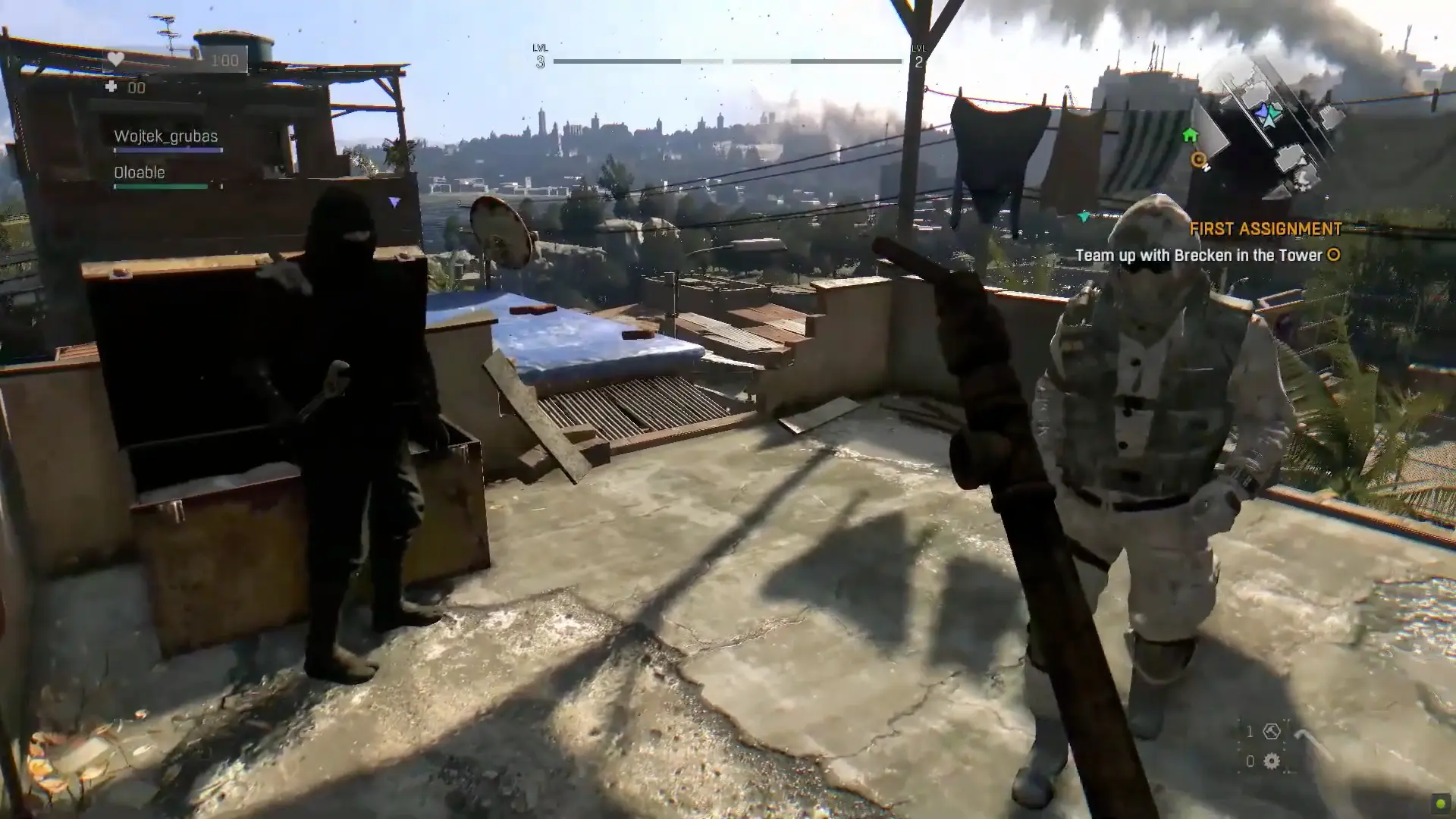
Dying Light is one of those rare games that gets absolutely everything right about its core loop. The transition from a weak, terrified survivor into a literal parkour ninja who uses zombies as stepping stones is one of the most rewarding progression curves in gaming. Add in an incredibly seamless, drop-in/drop-out 4-player co-op mode, and you have an absolute must-play title.
Techland didn't just make a zombie game; they built an incredibly deep, systemic sandbox that still feels vastly superior to most modern releases. Even years later, nothing quite matches the sheer adrenaline spike of barely mantling over a wall into a UV-lit safe zone with a sliver of health left while a Volatile screams in the dark behind you. It is a certified, blood-soaked masterpiece.