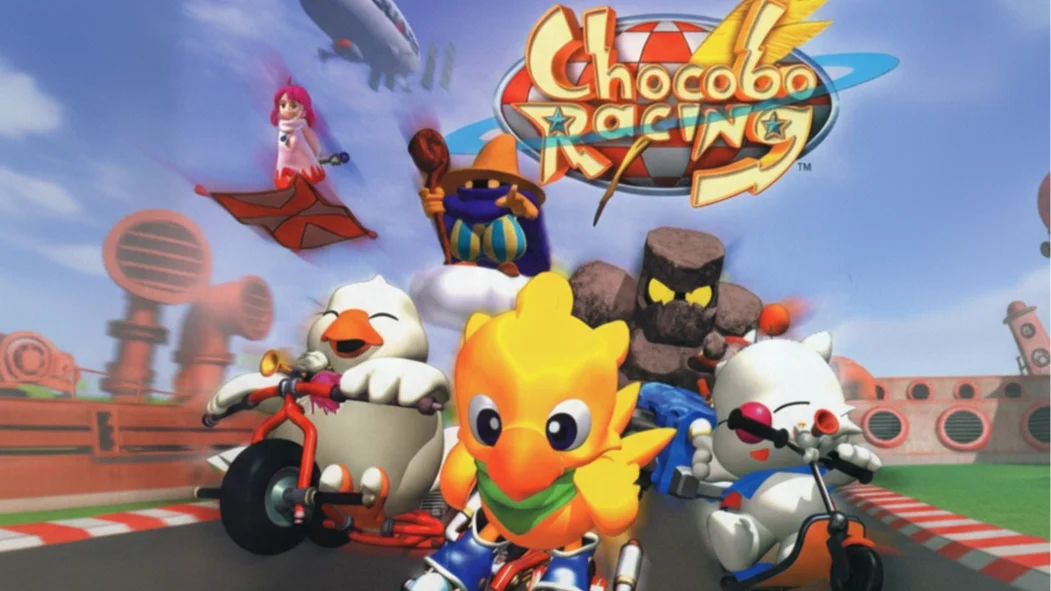
1999 was a year defined by the roar of kart engines. The gaming landscape was saturated with mascots vying for dominance on the track, yet Chocobo Racing arrived not as a mere imitator, but as a vibrant, mechanically dense celebration of the Final Fantasy legacy. It stands as a testament to an era when developers were willing to take massive creative risks, blending the intricate customization of an RPG with the high-speed chaos of a drift-heavy racer. This is not just another spin-off designed to capitalize on a name; it is a joyous, high-octane homecoming for the creatures and characters that lived on the periphery of our favorite epics, finally given the center stage they deserved.
We are here for the experience of a world where the smallest Moogle can outmaneuver a Behemoth. We are here to obsess over the art of a game that dared to bring tactical spell-stacking to the starting line. Chocobo Racing deserves to be overthought because its design philosophy goes deeper than the colorful surface suggests. It skips the fluff and the filler, delivering a concentrated shot of nostalgia and precision gameplay. Whether you are navigating the rain-slicked neon of the FFVIII Circuit or dodging a Firaga spell in the Mythril Mines, the game demands your full attention and rewards your mastery of its unique rhythms. It is an authoritative take on the genre that remains as engaging today as it was at the turn of the millennium.
About the Game
Chocobo Racing marks a unique intersection in PlayStation history—a moment where the Squaresoft Golden Age met the accessibility of the arcade genre. While it presents a family-friendly exterior, the game is built upon a foundation of surprising tactical depth that separates it from its peers. It bridges the gap between the casual party game and the hardcore racer through a Loadout philosophy rarely seen in the genre at the time. Developed internally at SquareSoft, the game utilized the developer's mastery of the 32-bit hardware to create a smooth, responsive racing experience that felt distinctly different from the competition.
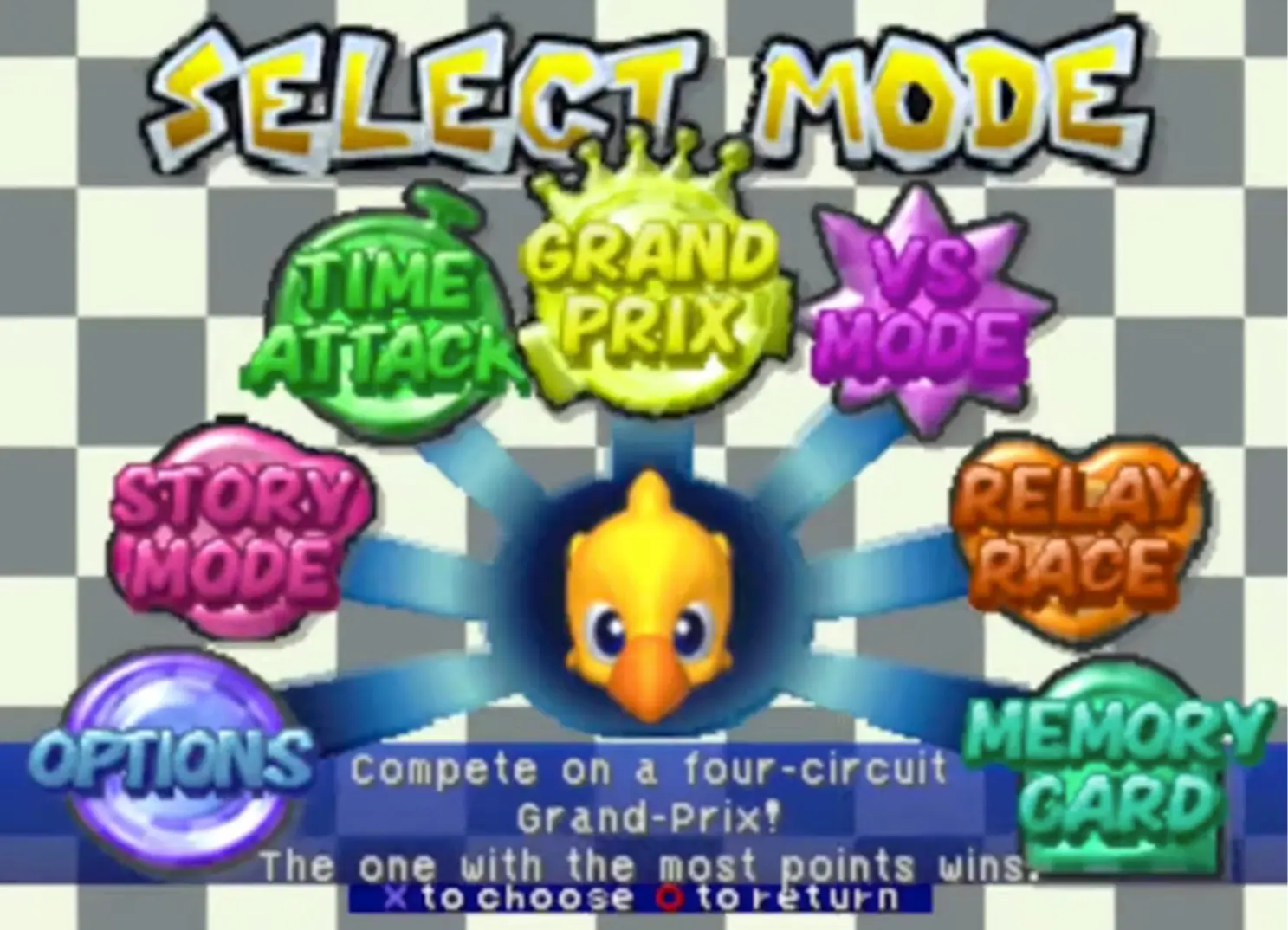
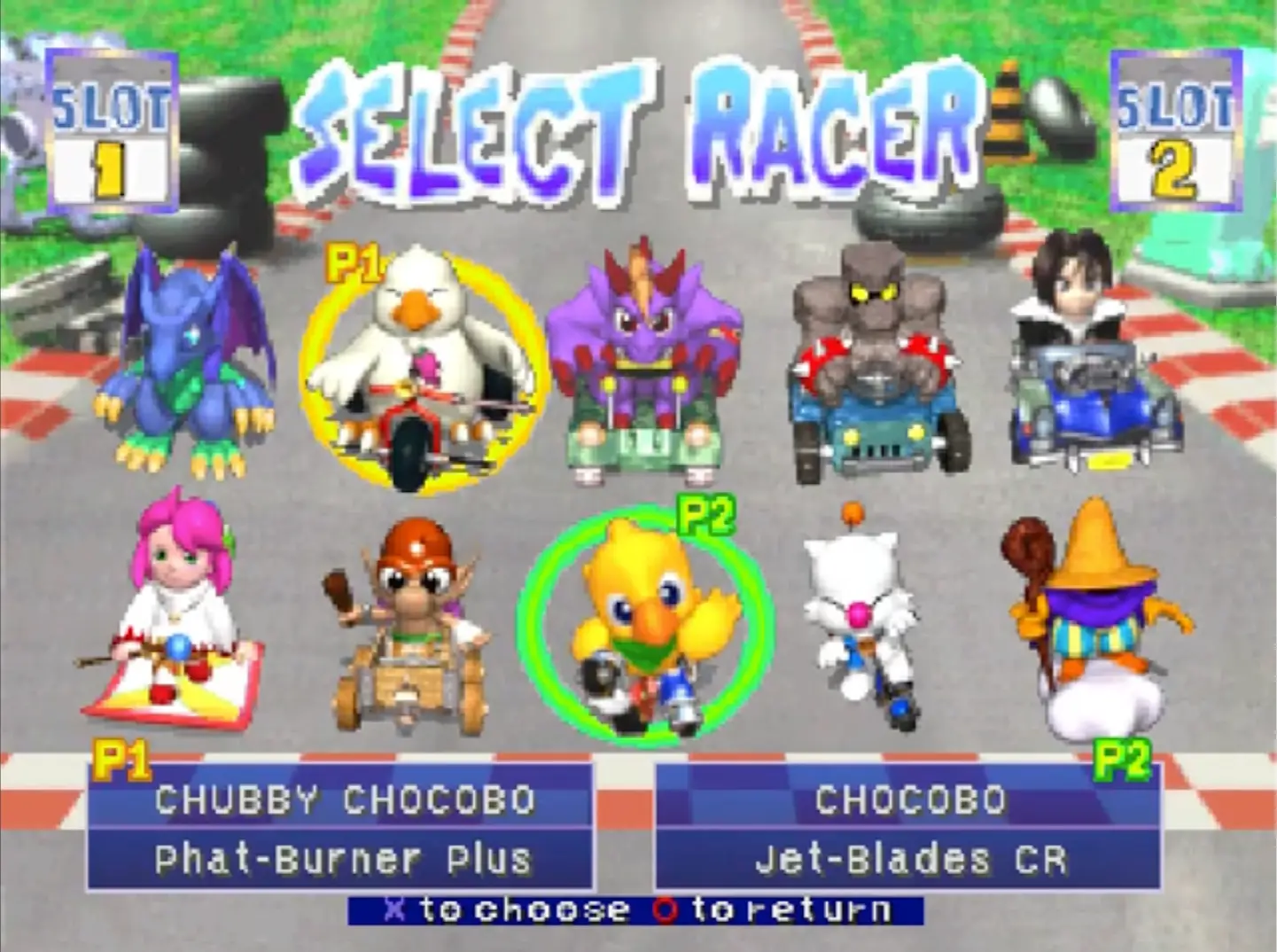
Unlike standard racers where character choice is purely cosmetic or based on simple speed stats, Chocobo Racing introduces a radical separation between the driver and their Ability. This dichotomy allows for a level of strategic planning that mirrors the party-building mechanics of the main Final Fantasy series. Players are not just selecting a cute avatar; they are engineering a machine of war, balancing speed, grip, and magical aptitude. It is a design philosophy that rewards deep game knowledge, ensuring that the experience remains fresh long after the initial novelty of seeing a Moogle on a scooter wears off. The game features a variety of modes, including a robust Story Mode, Grand Prix, and a Versus mode that fueled countless playground rivalries. It is a comprehensive package that captures the whimsy of the Chocobo sub-series while maintaining the high production standards Square was known for in the late 90s.
Story
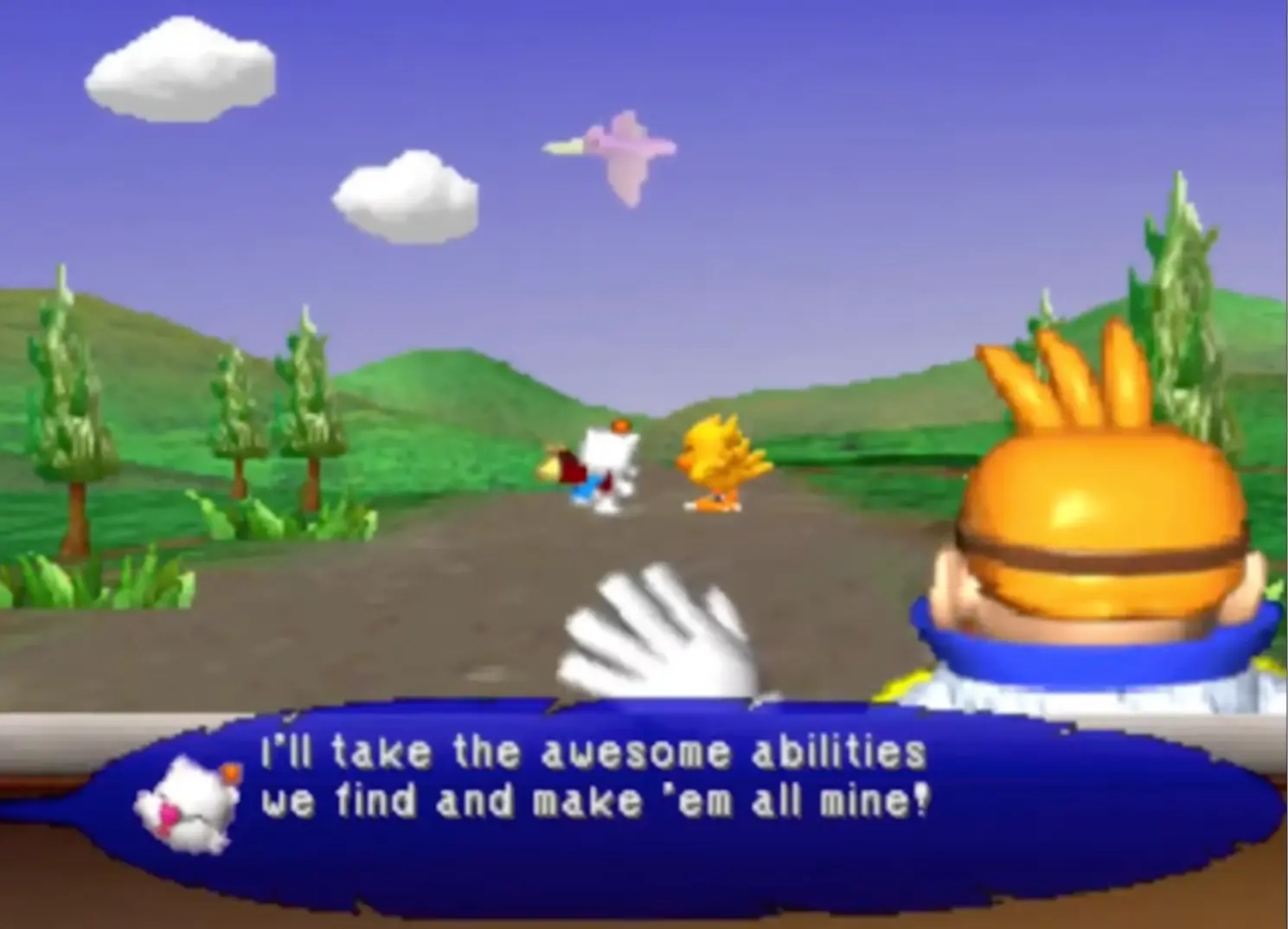
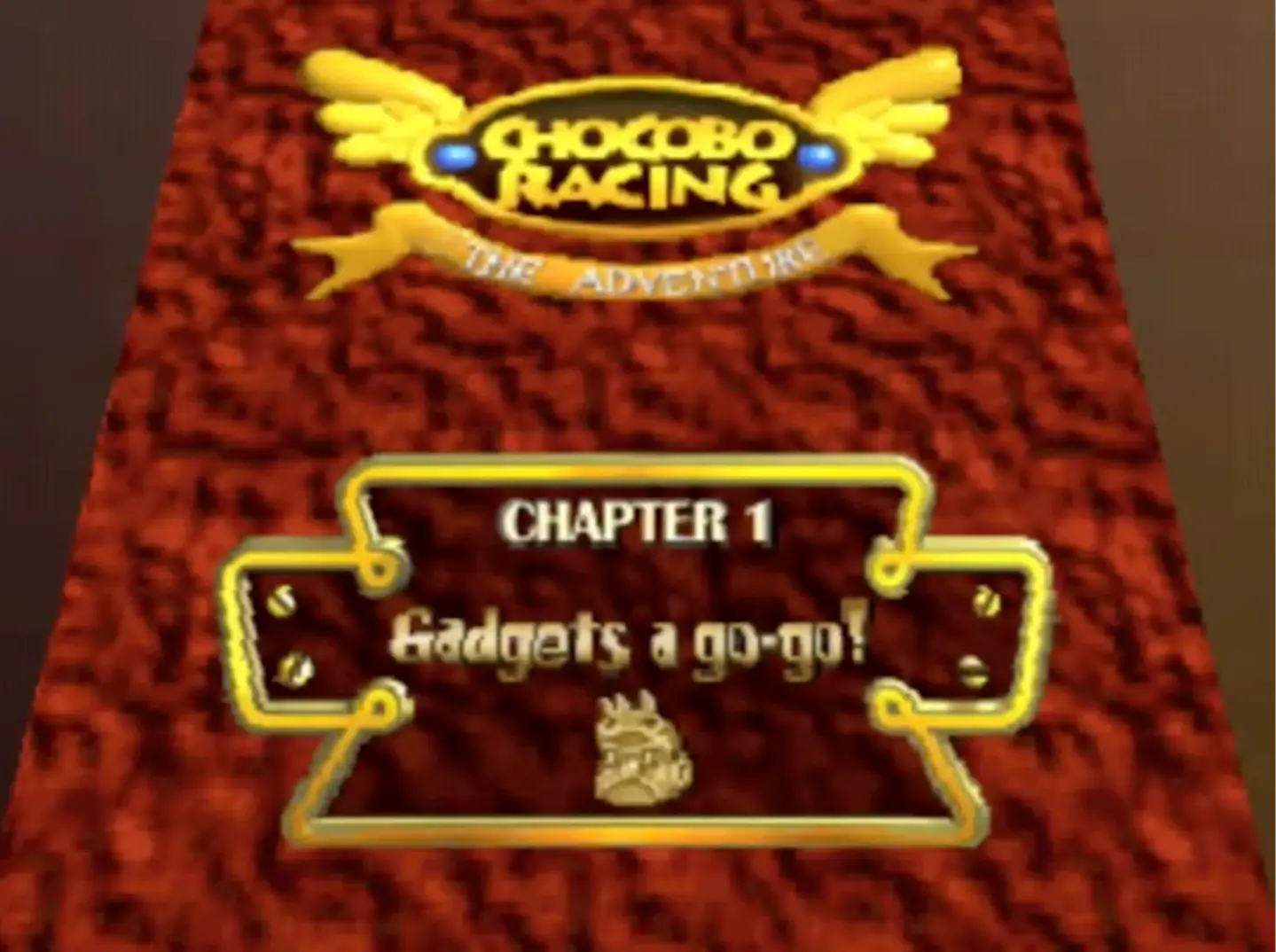
The narrative presentation of Chocobo Racing is a masterclass in charm, eschewing the blocky, low-poly cutscenes typical of the era for a timeless, storybook aesthetic. The tale is recounted by Cid, reimagined here not as a grizzled airship pilot, but as a warm, grandfatherly inventor. His narration frames the entire experience as a bedtime story, lending a sense of whimsy and innocence that contrasts beautifully with the intense competition on the track. The cutscenes use a unique pop-up book style that feels incredibly high-quality, even decades later, proving that strong art direction can overcome hardware limitations.
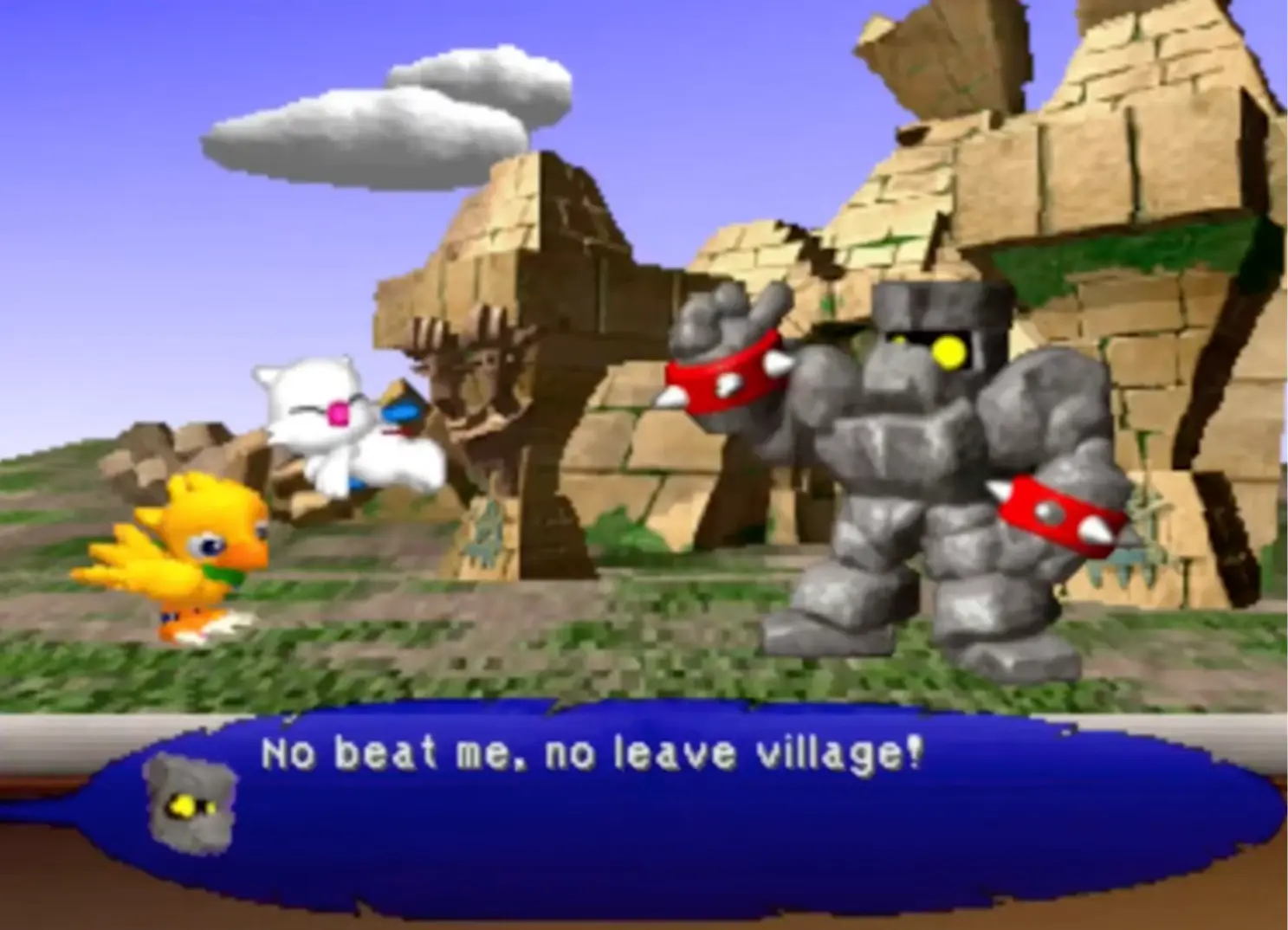
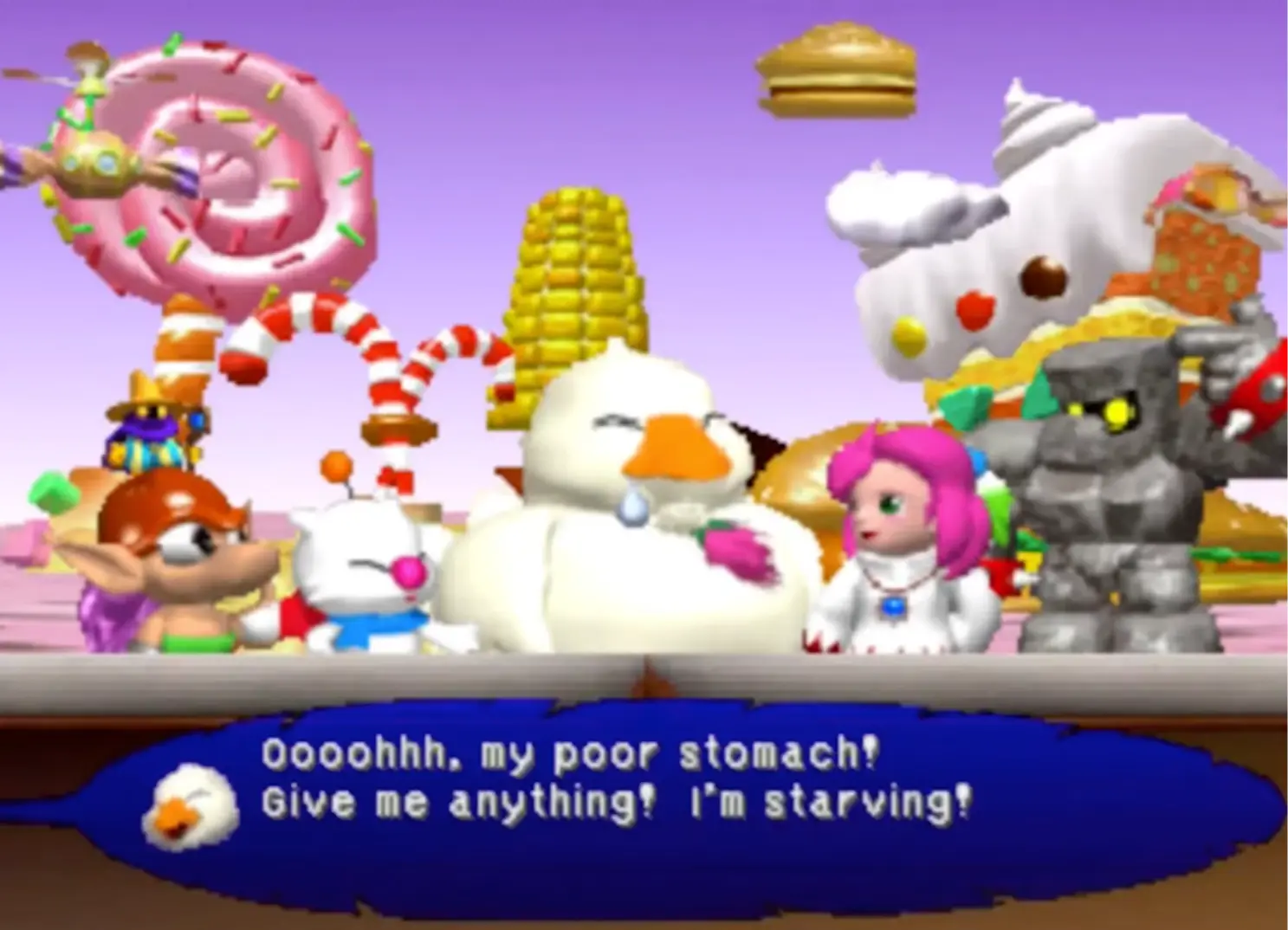
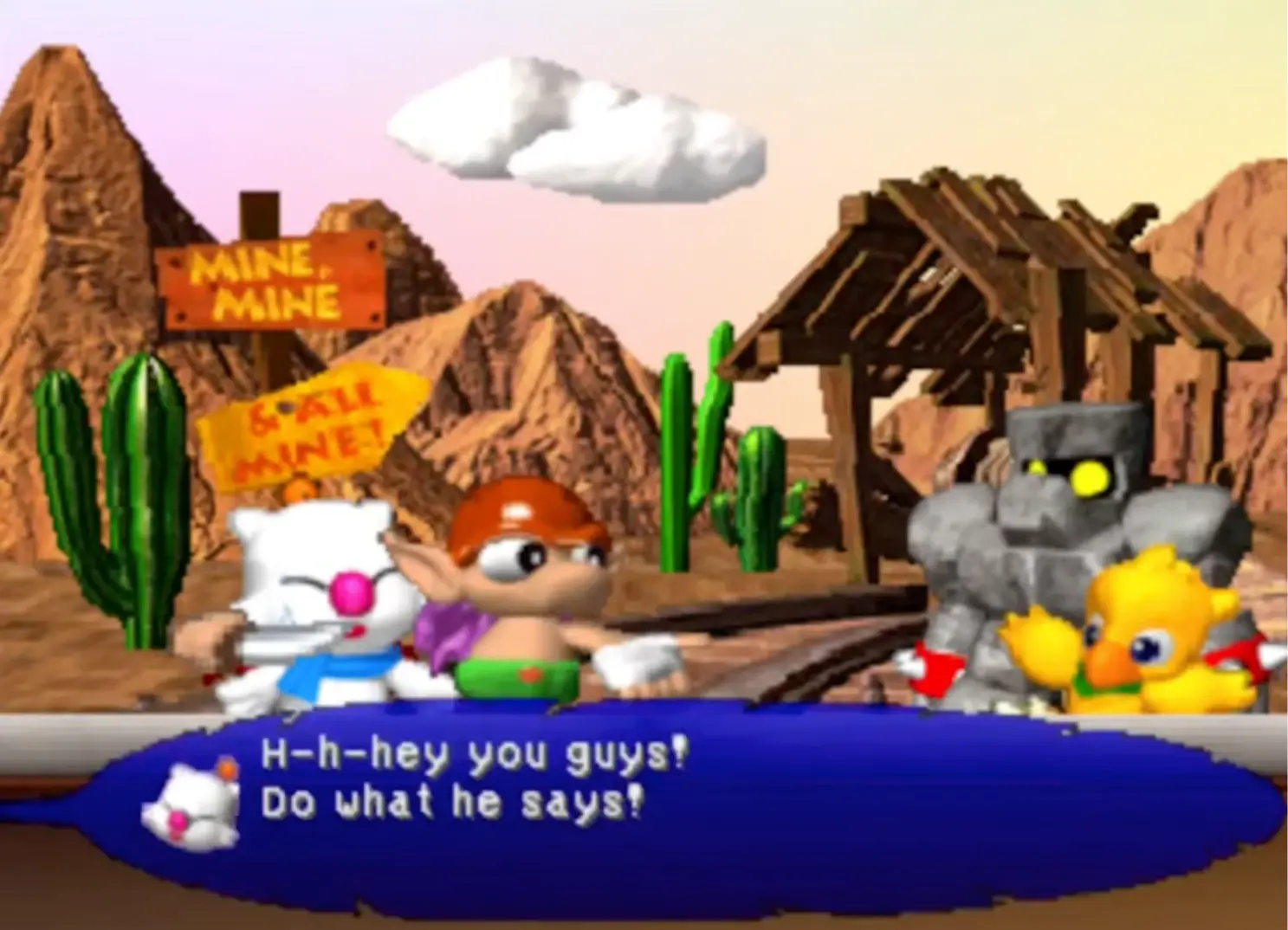
The premise is deceptively simple: the Chocobo, equipped with Cid's experimental Jet-Blades, sets off on a journey to uncover the secrets of the legendary Blue Crystal. However, this journey serves as a vehicle for a Monster Catching narrative arc. As the Chocobo travels from the pastoral Moogle Forest to the haunted gates of the Black Mage’s mansion, he defeats and recruits a roster of iconic Final Fantasy figures. This structure creates a palpable sense of progression and camaraderie; rivals become allies, and the solitary race evolves into a collective adventure. You meet characters like the gluttonous Chubby Chocobo, the elusive Golem, and the mysterious Behemoth, each adding their own flavor to the unfolding mythos. It is a narrative that honors the franchise’s core themes of friendship and unity, packaged in a format that is universally accessible yet deeply rewarding for long-time fans who recognize the deep-cut references hidden in the dialogue and locations.
Gameplay
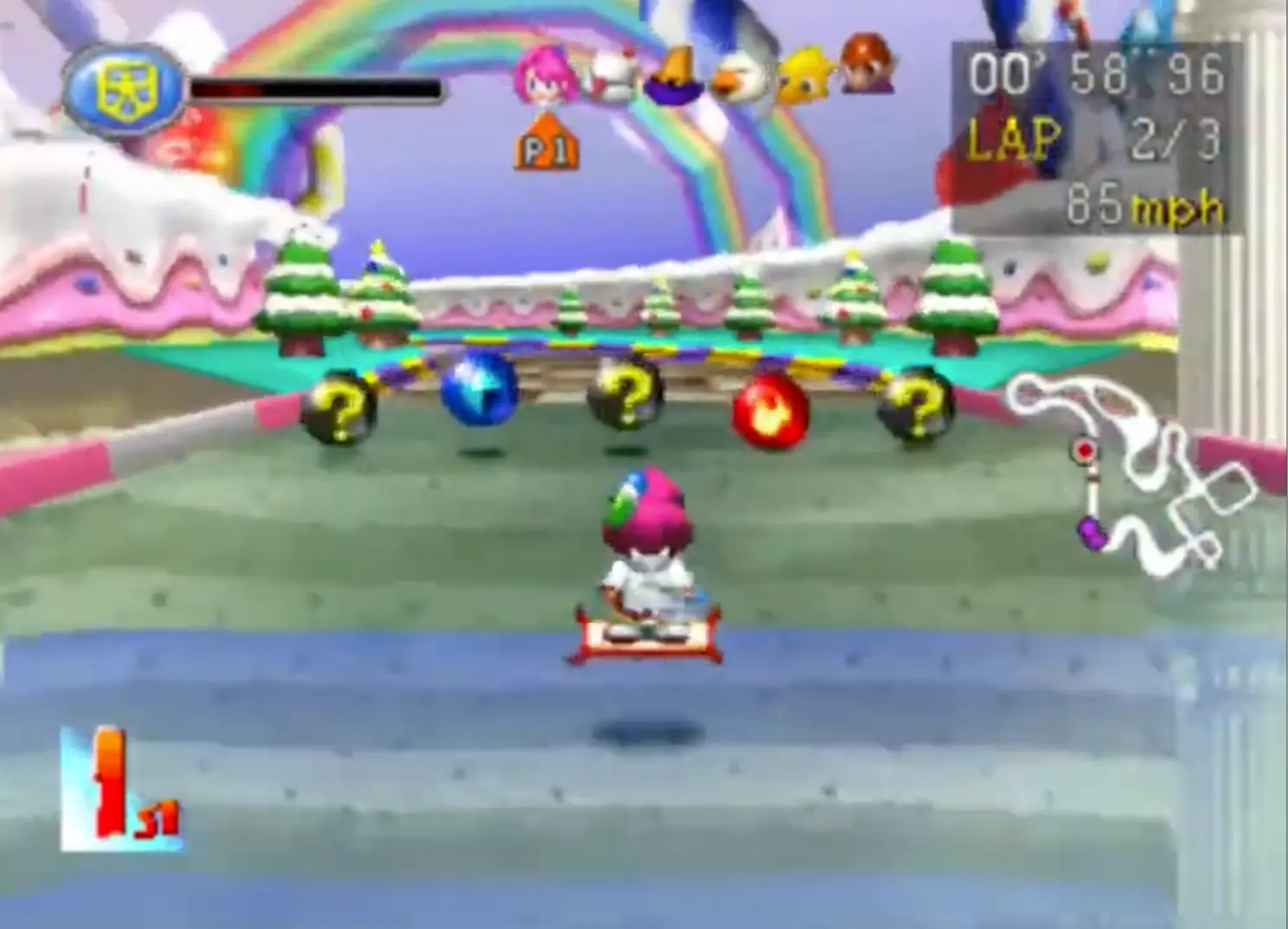
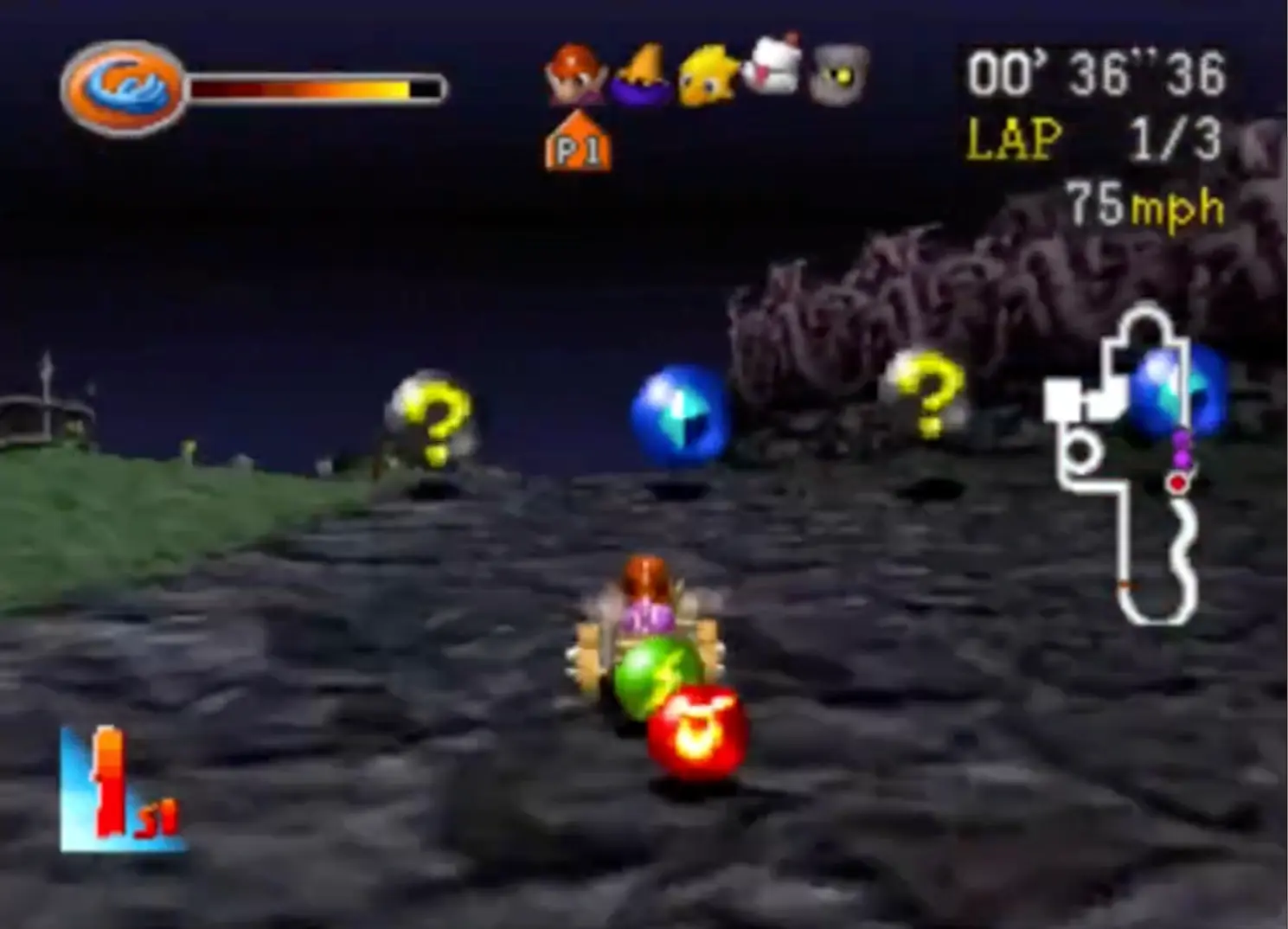
The gameplay loop of Chocobo Racing is defined by two distinct pillars: The Magic Stone System and the Ability Gauge. This is where the game earns its reputation as a strategic powerhouse. The Magic Stone system is a study in risk and reward. Unlike the random item boxes found in other kart racers, this game places specific stones on the track, allowing for calculated pickups. The genius lies in the Spell Stacking mechanic. Collecting a single Fire stone grants a basic projectile, but holding onto it—and surviving the chaos of the race to find a second or third—unlocks the devastating Fira and Firaga spells. This forces players to make split-second tactical decisions: expend a weak resource now for immediate safety, or gamble everything for a catastrophic attack later that can wipe out multiple opponents.
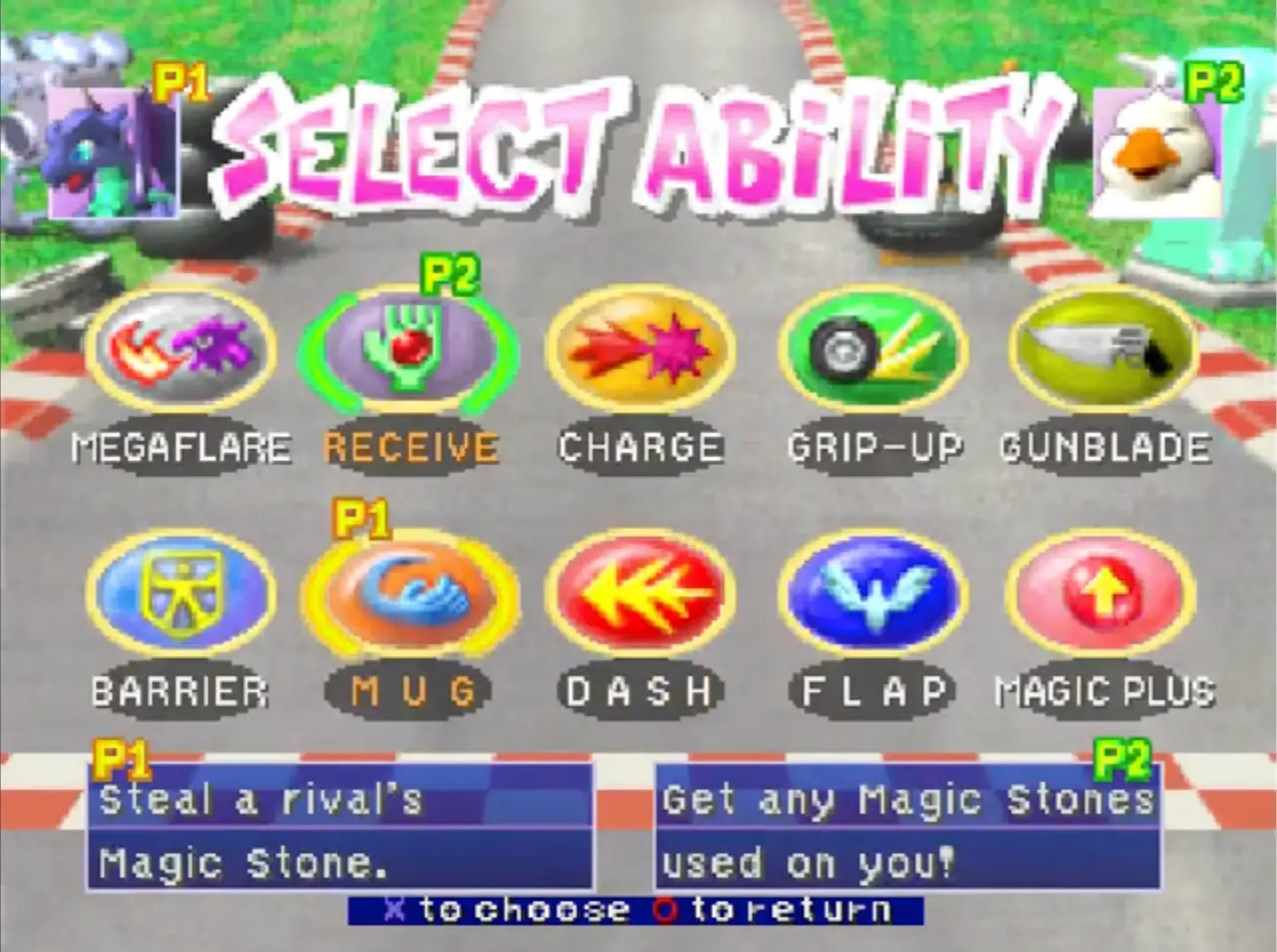
Complementing this is the Ability Gauge. Whether it is the speed-boosting Dash, the defensive Barrier, or the friendship-ruining Mug, these active skills define the meta-game. The driving physics themselves are loose and drift-heavy, requiring players to commit to slides and manage momentum with a rhythm that feels distinct. Furthermore, the post-game Edit Parameter mode is a revelation. It allows for the creation of custom racers with manually distributed stats, a feature that anticipated the deep customization options of modern racing sims. You can take a character you love and fine-tune their top speed, acceleration, and cornering to match your specific playstyle. This level of agency ensures that the player is always in control of their destiny on the track, making every victory feel earned through both skill and preparation.
Atmosphere & Themes
The atmosphere of Chocobo Racing is a vibrant tapestry of nostalgia, remixing the somber tones of the mainline games into an upbeat, electric festival. The visual design, though limited by the 32-bit hardware, bursts with color and personality, rendering iconic locations like the Mythril Mines and Guru's Garden with a playful twist. The game captures the essence of the franchise—epic, emotional, and grand—and compresses it into a three-minute adrenaline rush. Every track feels like a living part of the Final Fantasy world, from the floating platforms of the airships to the dark, magical halls of the mansion.
However, the true heartbeat of the atmosphere is the audio. Composed by the legendary Kenji Ito, the soundtrack is a relentless, high-energy tour de force. It takes the sacred, orchestral themes of Final Fantasy and reimagines them as ska, techno, and high-speed pop. The transition to the F.F. VIII Circuit is a standout moment, where the aesthetic shifts to a rain-slicked, cyberpunk highway accompanied by a driving, intense electronic score. Thematically, the game is a celebration of the Sidekick. It proves that the monsters and mascots—the Chocobos, Moogles, and Goblins—have just as much heart and heroism as the protagonists they usually serve. It is a theme of empowerment, showing that even the smallest creature can achieve greatness if they have the right ability and the courage to stay on the track when the spells start flying.
Conclusion
Chocobo Racing remains a crown jewel of the PlayStation 1 era, a title that successfully translated the complexity of an RPG into the language of an arcade racer. It honors its lineage without being shackled by it, offering a fresh, chaotic perspective on a world usually defined by saving the planet. The game manages to strike a perfect balance between being a charming entry point for younger fans and a deep, competitive experience for veterans. It is a masterclass in fun that has stood the test of time, a reminder that sometimes, the most memorable adventures happen not on a battlefield, but on a race track.
Whether it is the thrill of unleashing a Level 3 Ultima spell, the satisfaction of unlocking the secret roster including Squall Leonhart and Cloud Strife, or simply the joy of the music, this game demands to be remembered. It represents SquareSoft at their most daring and playful, willing to take their most beloved icons and put them in a completely different context without losing the soul of the franchise. It is a high-octane celebration of everything we love about Final Fantasy, and it remains an essential experience for anyone who appreciates the art of the kart racer. The finish line is just the beginning of the obsession.