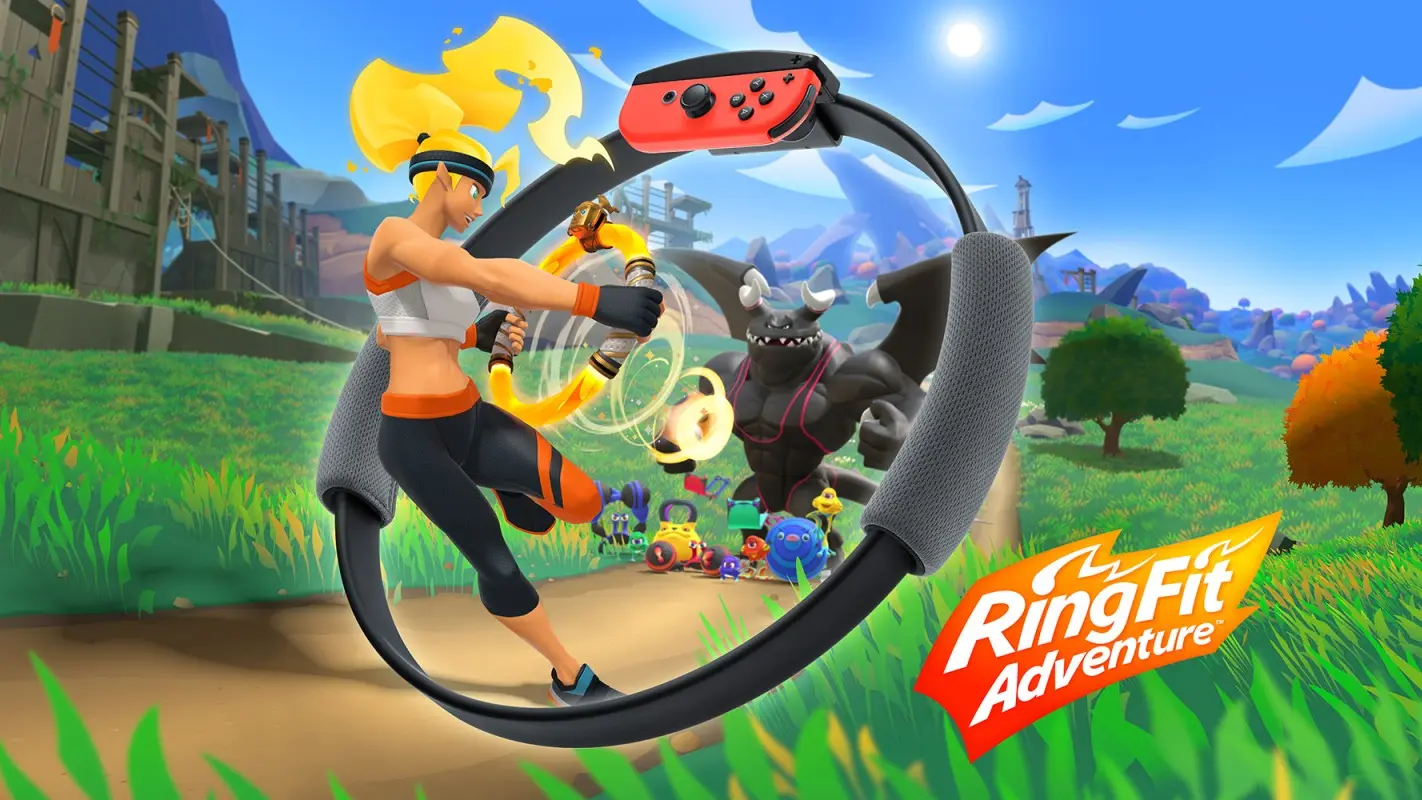
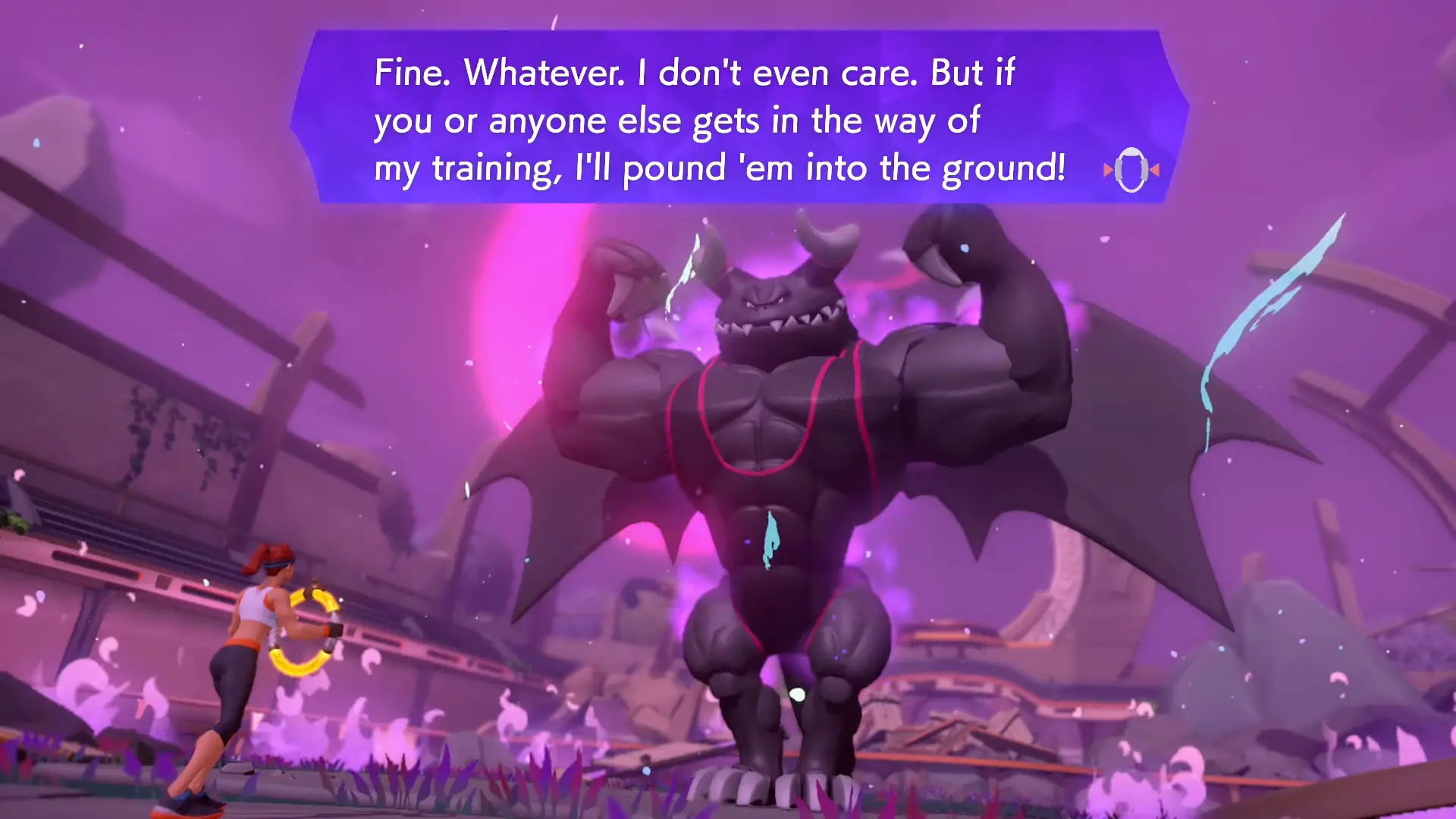
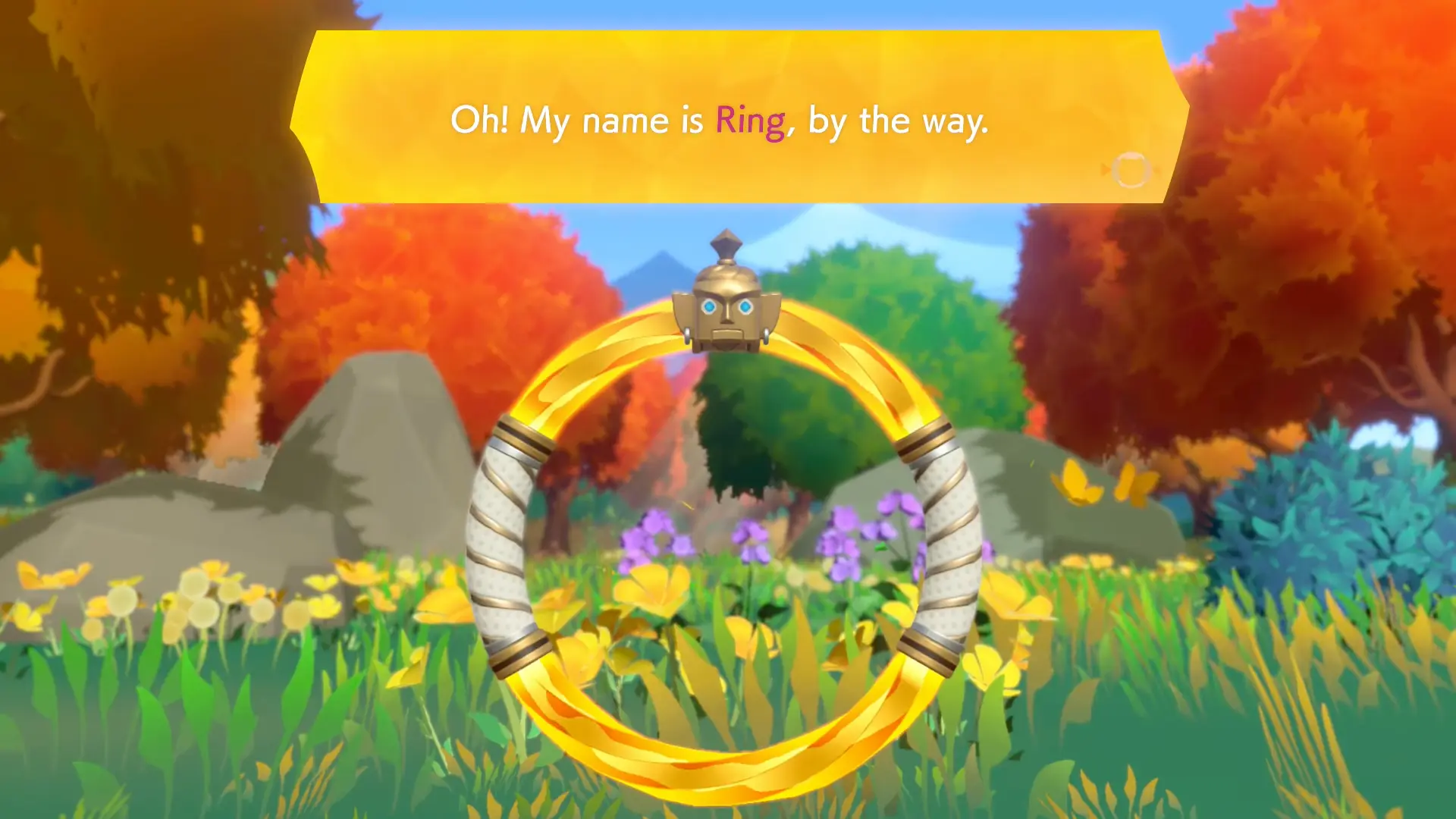
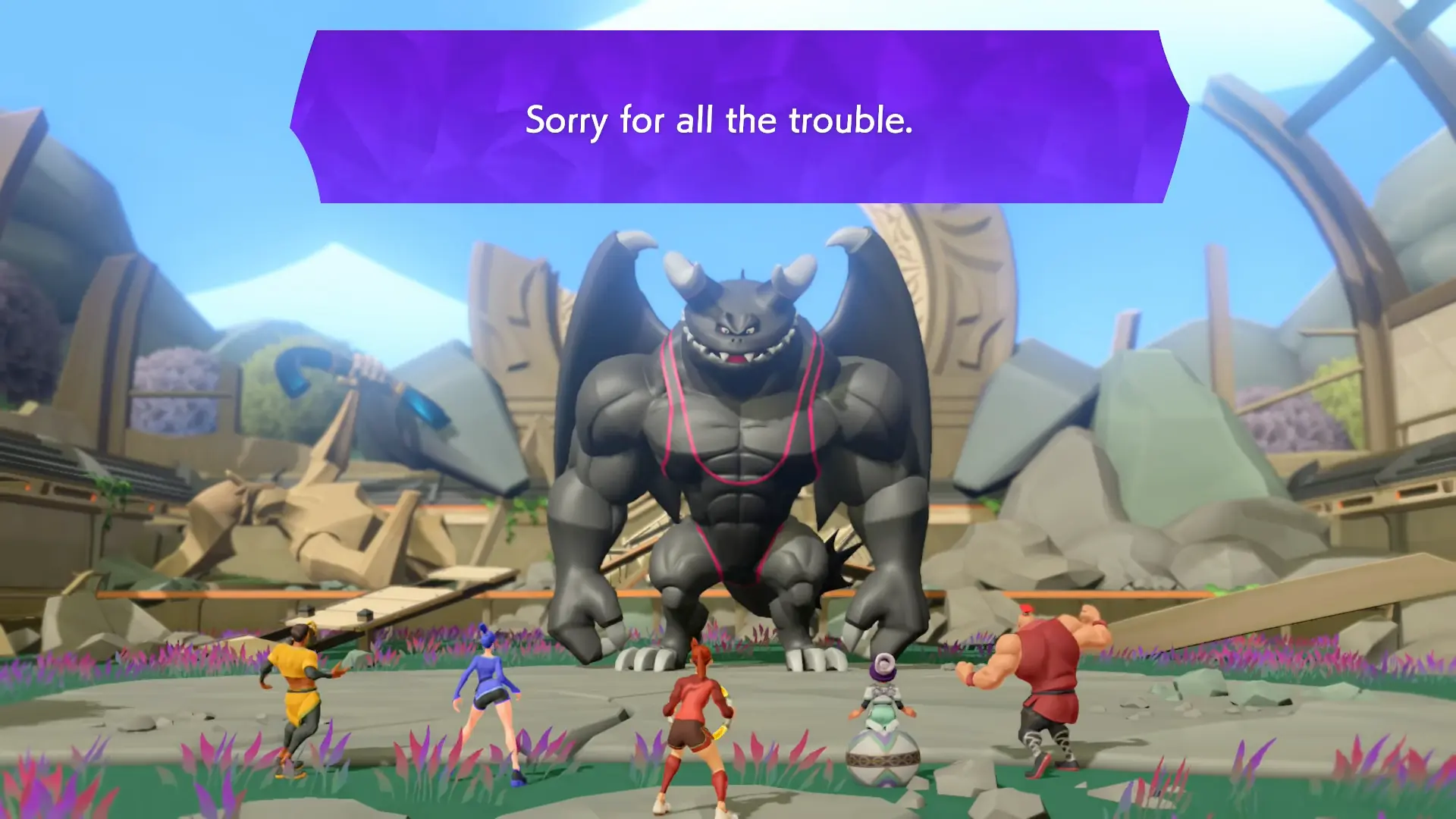
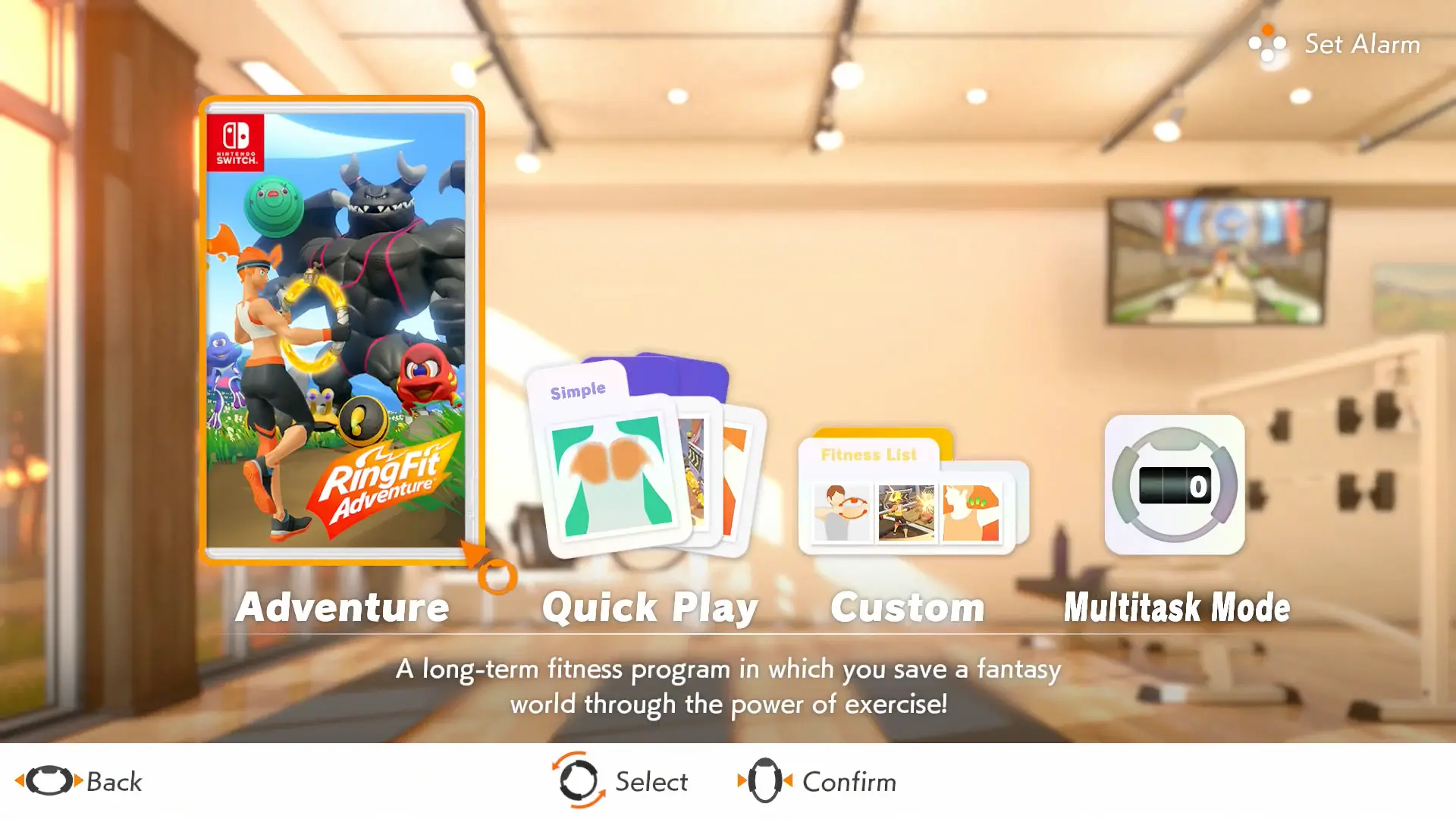
Nintendo has always been the master of 'peripheral magic,' but Ring Fit Adventure stands alone as their most daring assault on the sedentary gamer's body. It isn’t a game about simply saving a fantasy kingdom; it’s a game about saving your own posture, stamina, and cardiovascular health from the crushing weight of modern lethargy. We inhabit an unnamed, silent protagonist who finds themselves bound to a sentient, relentlessly optimistic Pilates ring, caught in an eternal struggle against Dragaux—a spectacularly buff, bodybuilding dragon whose massive lats threaten to eclipse the sun.
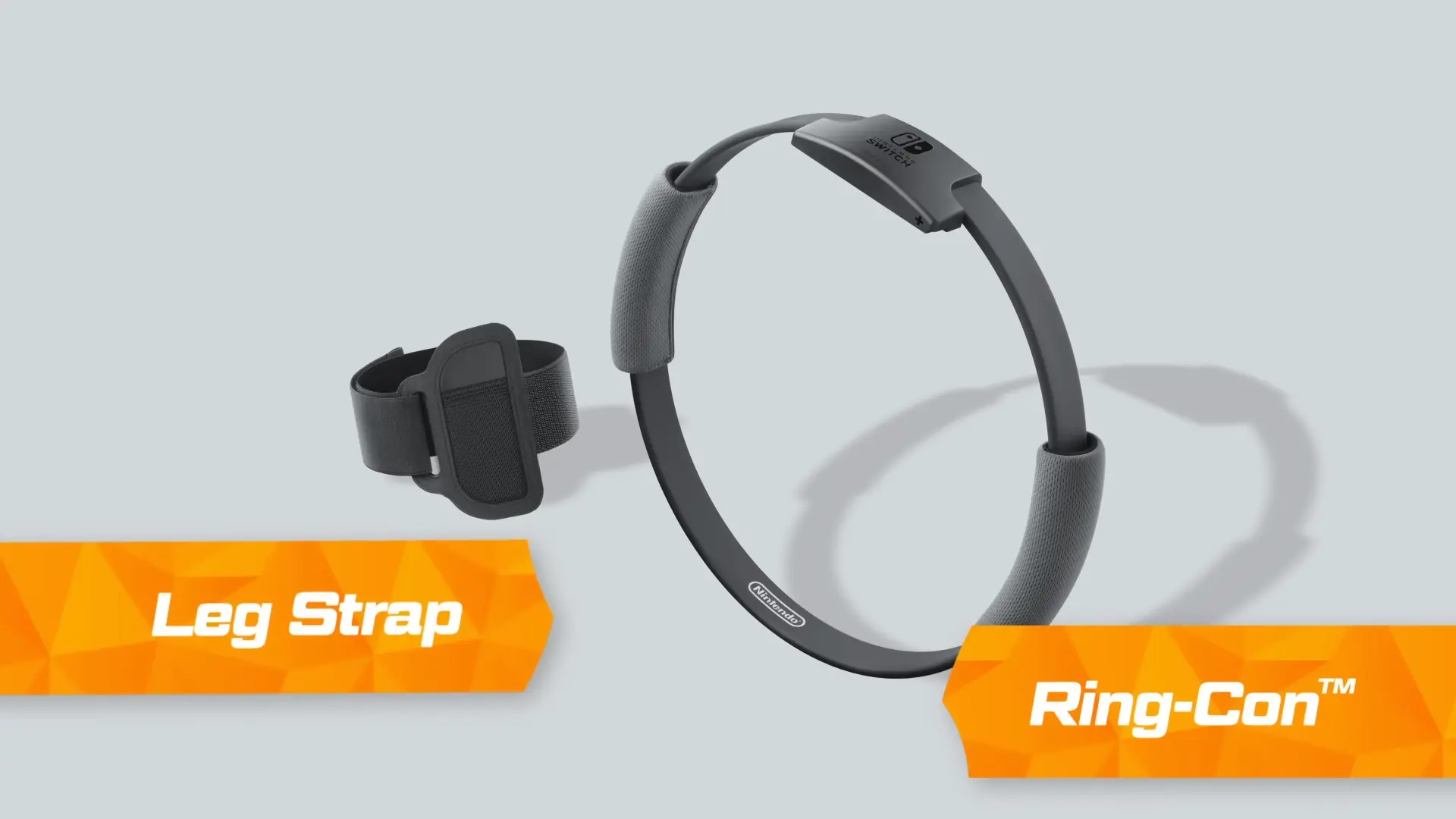
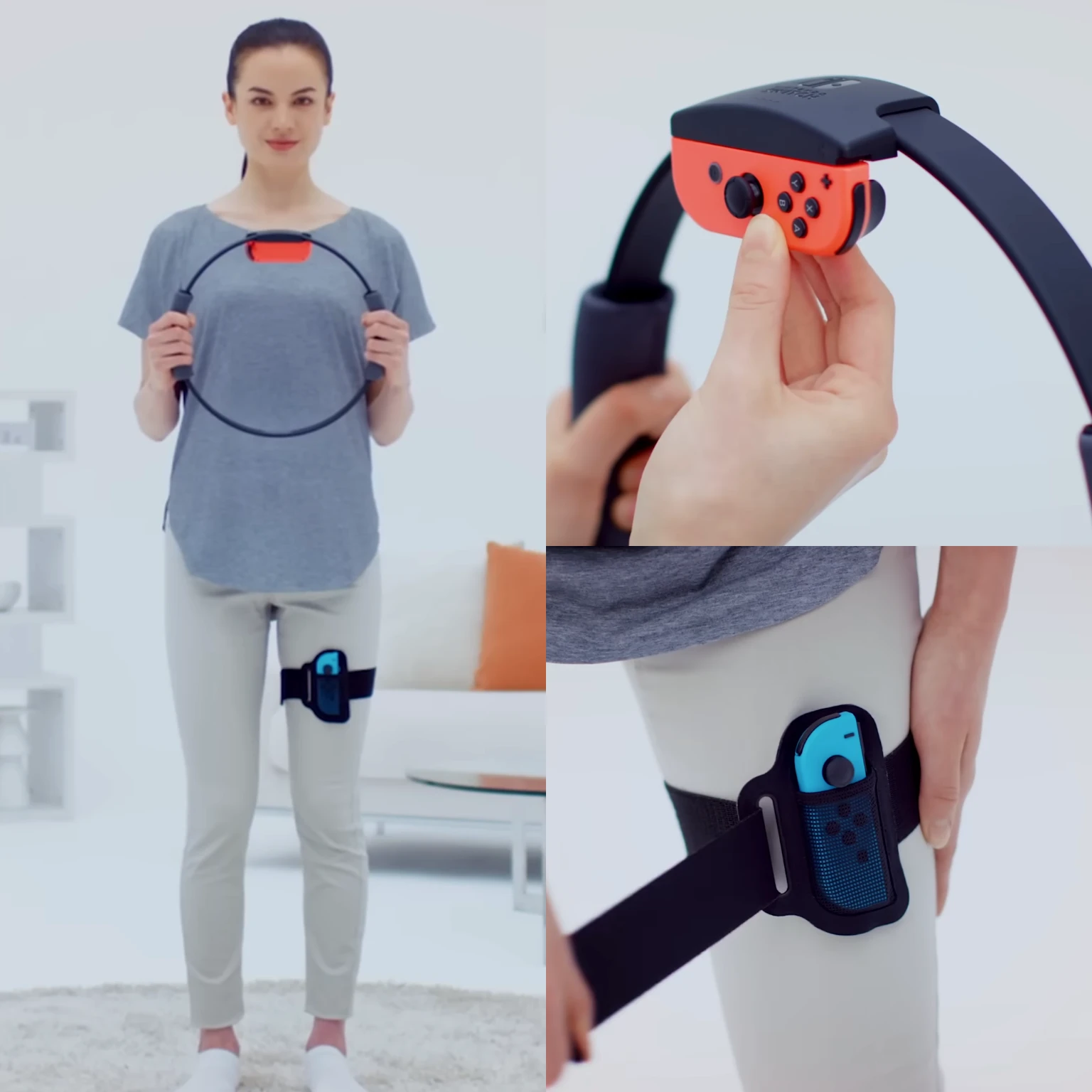
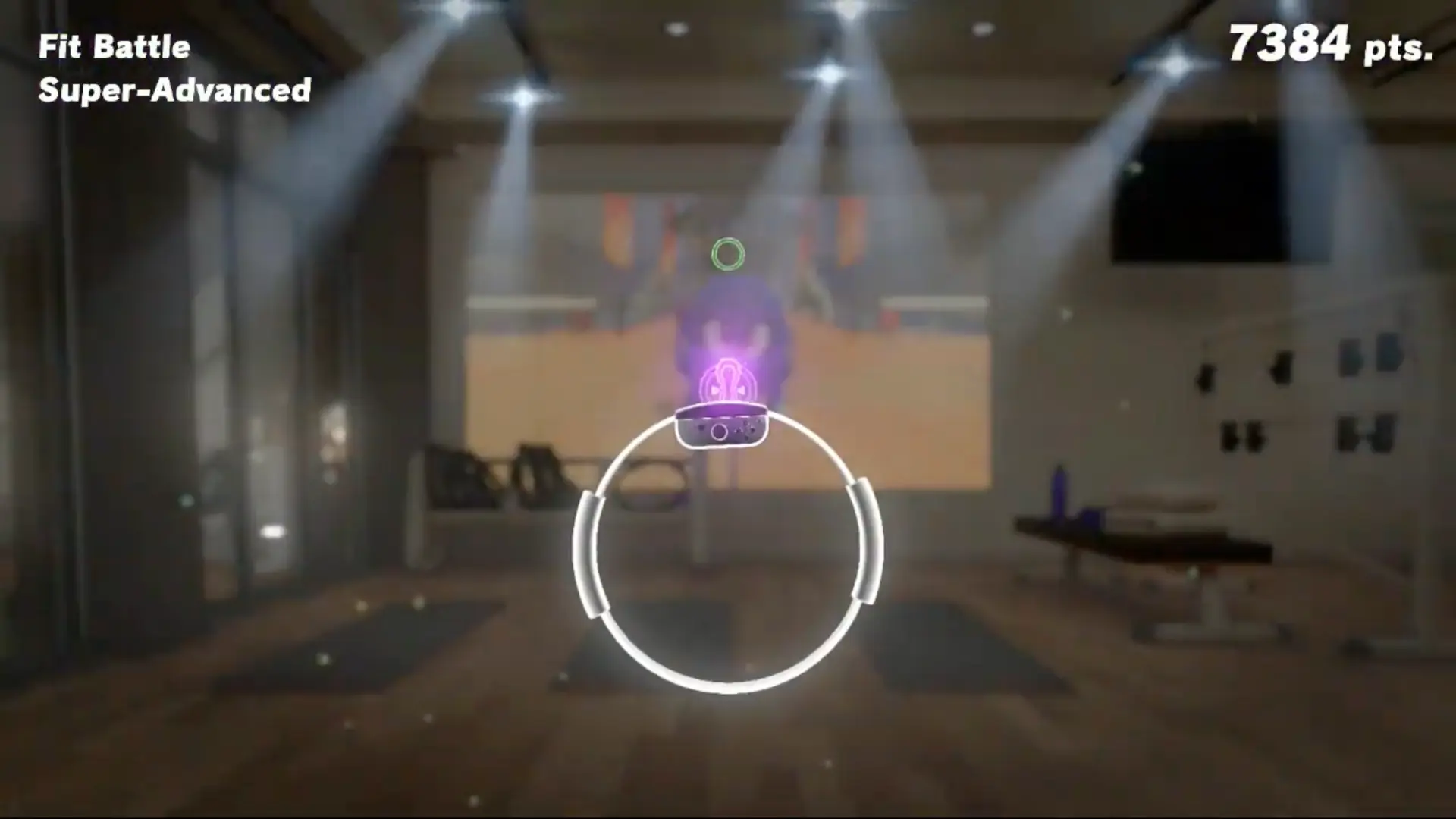
The game introduces us to the 'Ring-Con' and 'Leg Strap,' framing devices that translate your actual, visceral agony into on-screen devastation. By day, you might be a mere mortal sitting on a couch; but when the Joy-Cons click into place, you are cast into a vibrant purgatory of endless jogging and pulsing muscles. It is a pastoral, brightly-colored gauntlet that uses the dopamine drip of RPG progression to mask the very real terrors of lactic acid buildup, respiratory failure, and the fear of the next set of burpees.
About the Game: The Architecture of Agony
Ring Fit Adventure is a masterful reimagining of the fitness genre, expanding the sterile minigames of the Wii Fit era into a complex, sprawling role-playing epic. The game is built entirely around an 'Action-Exercise' loop.
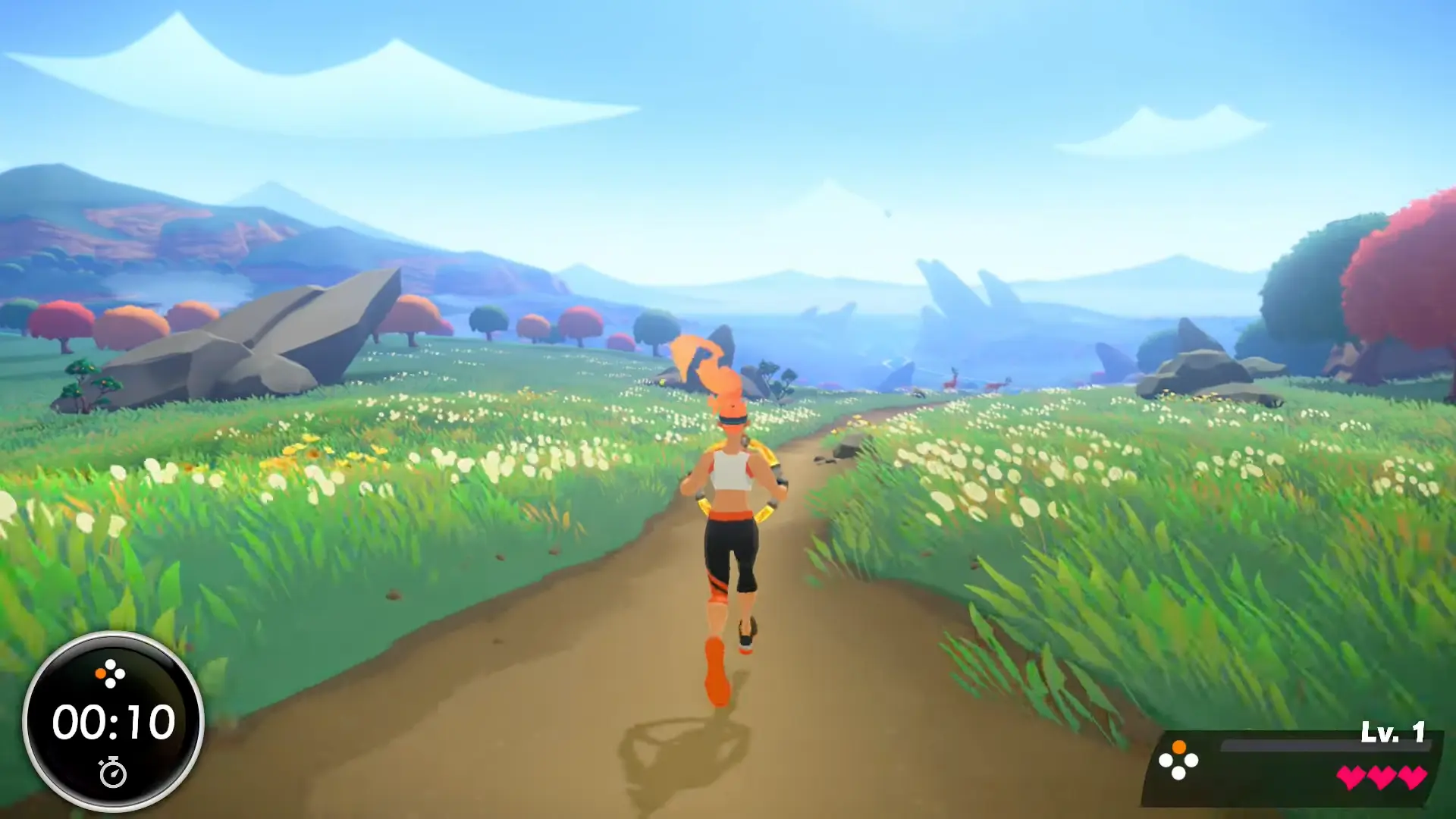
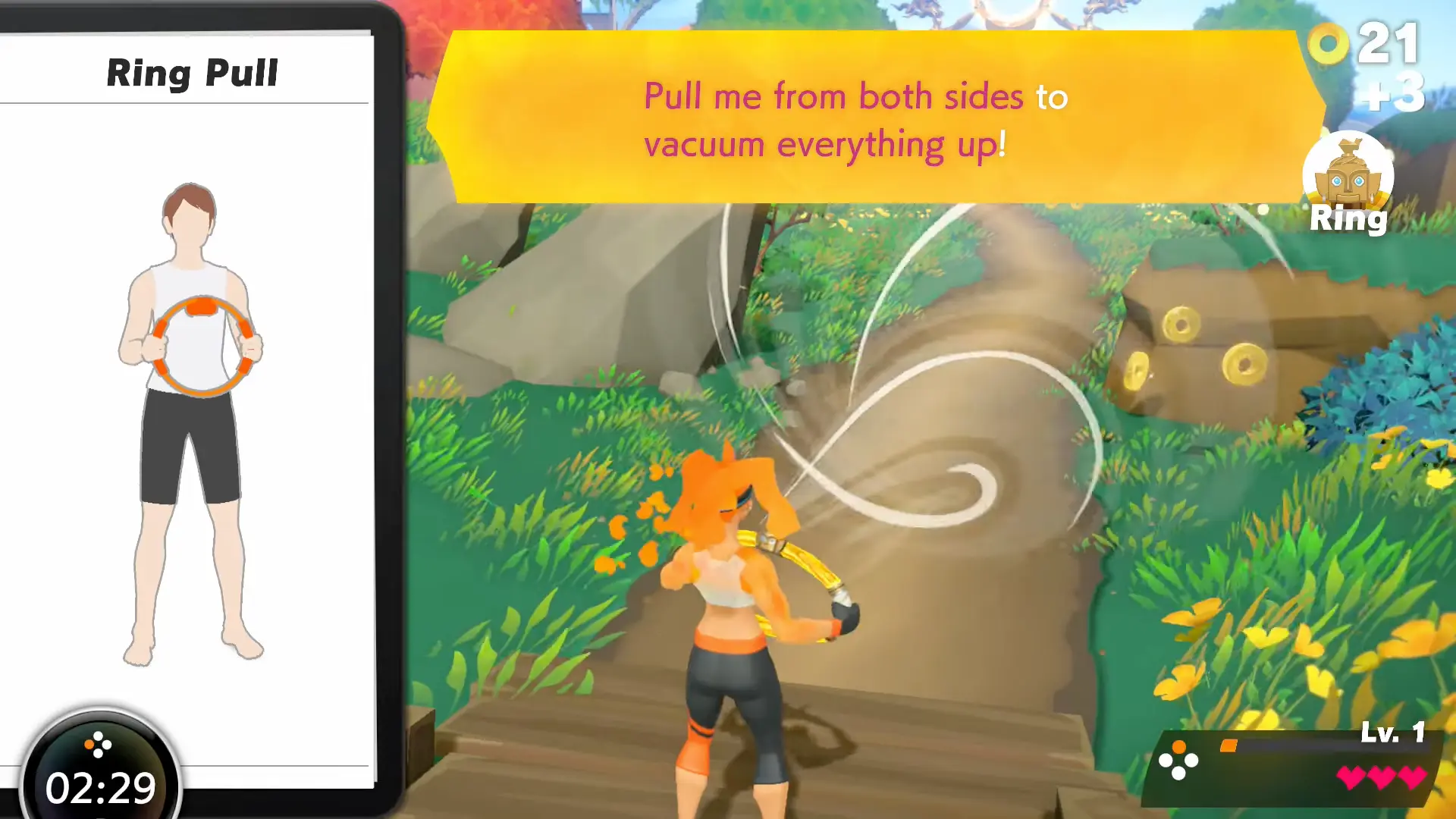
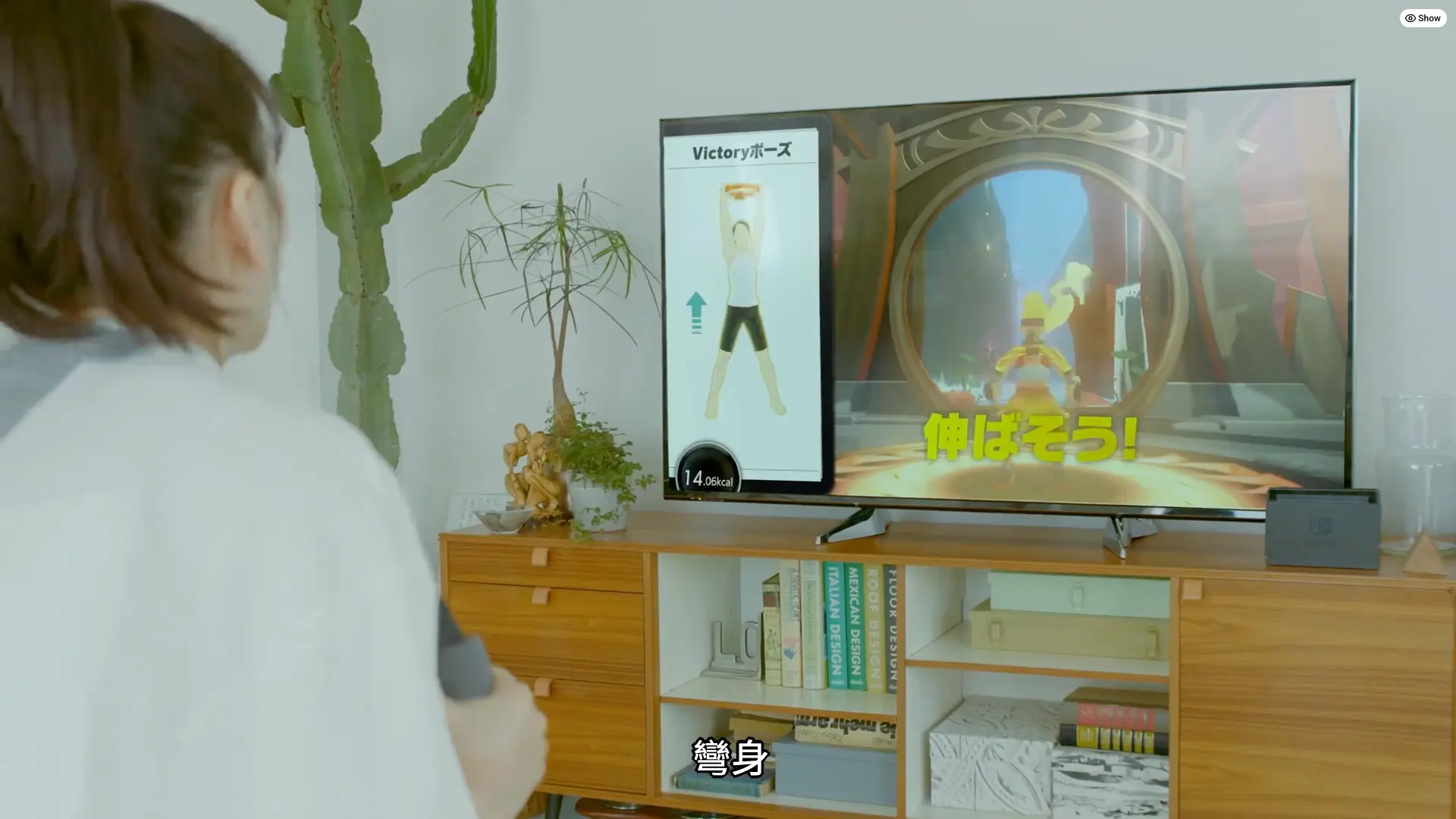
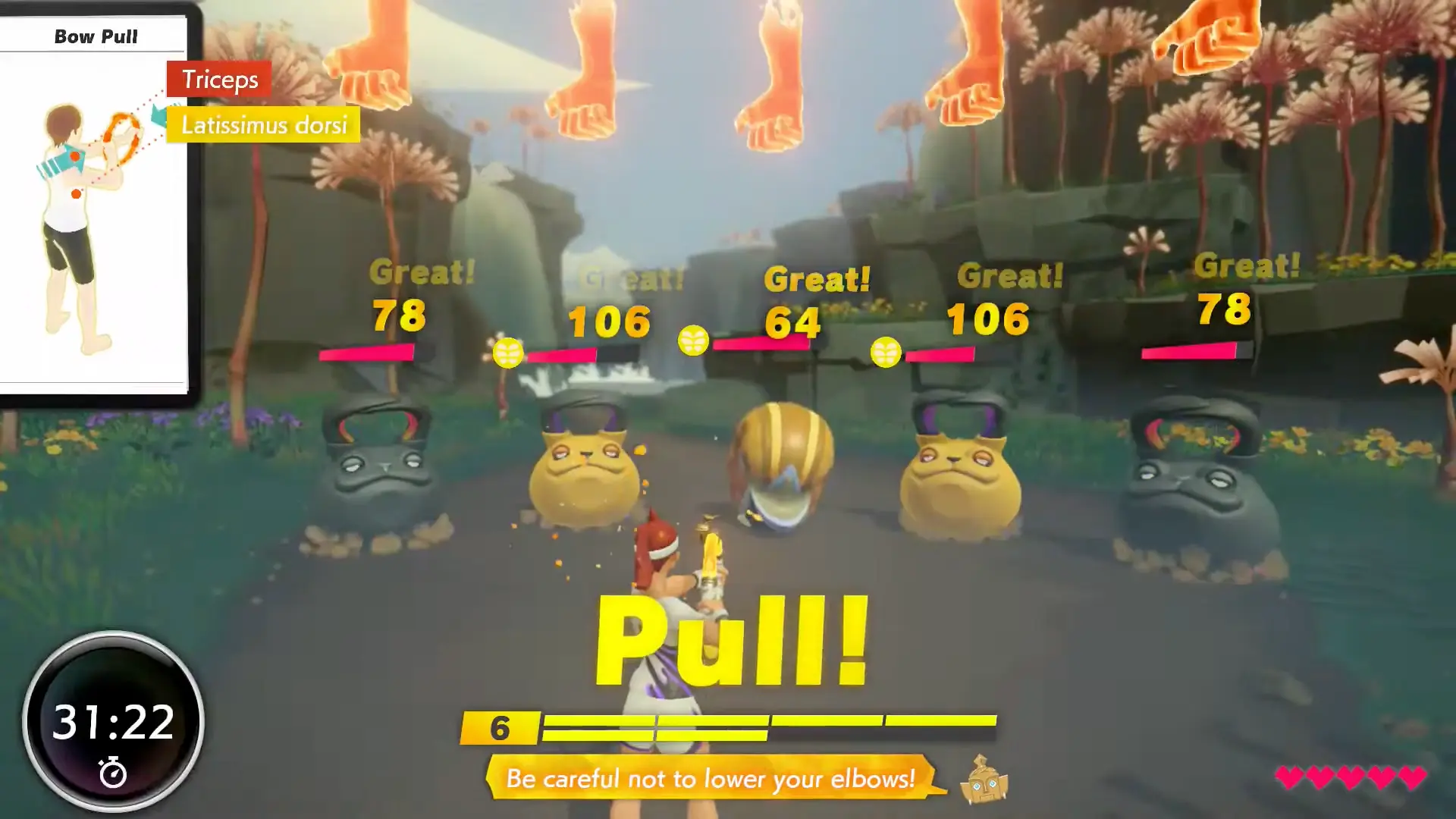
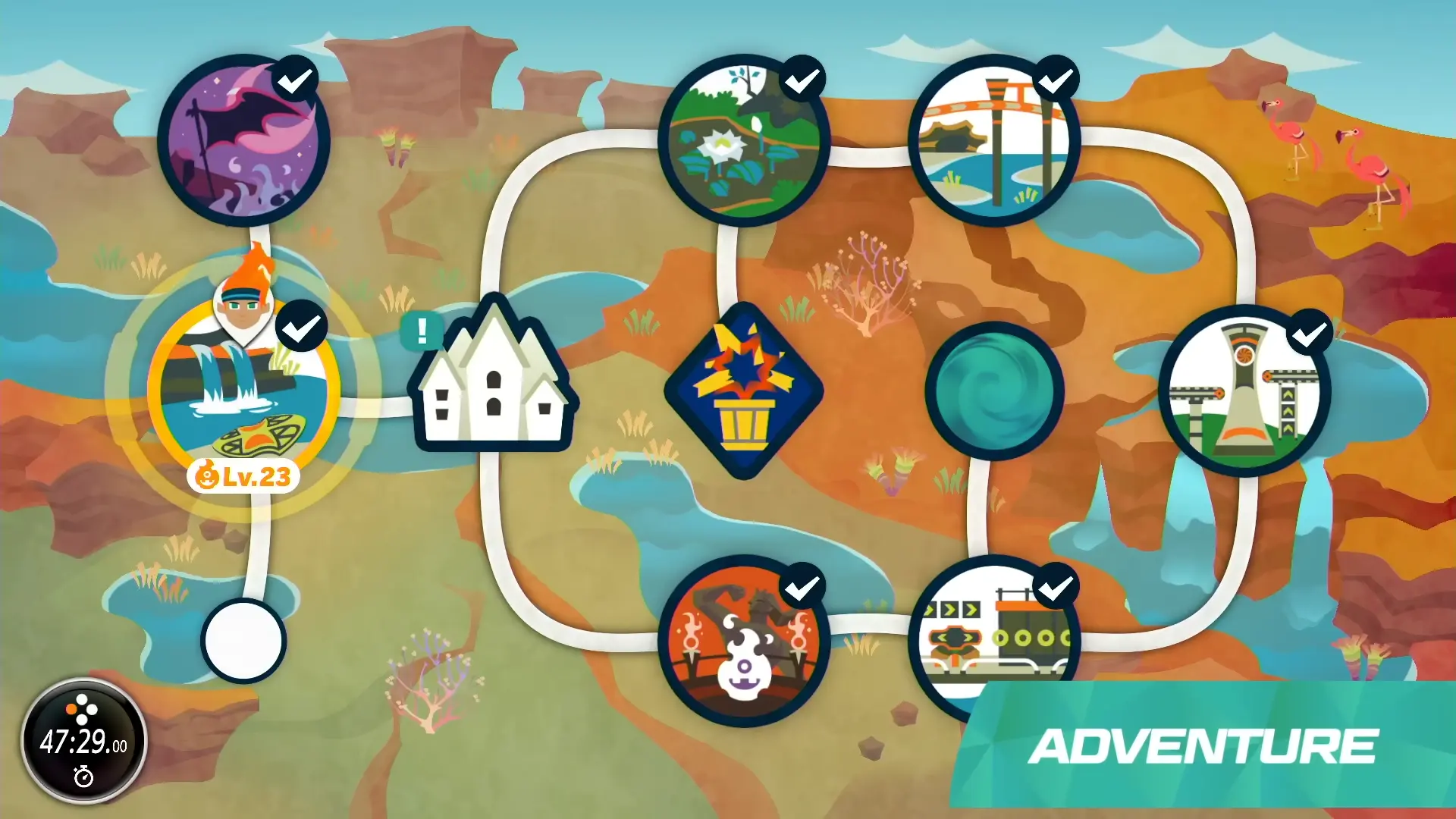
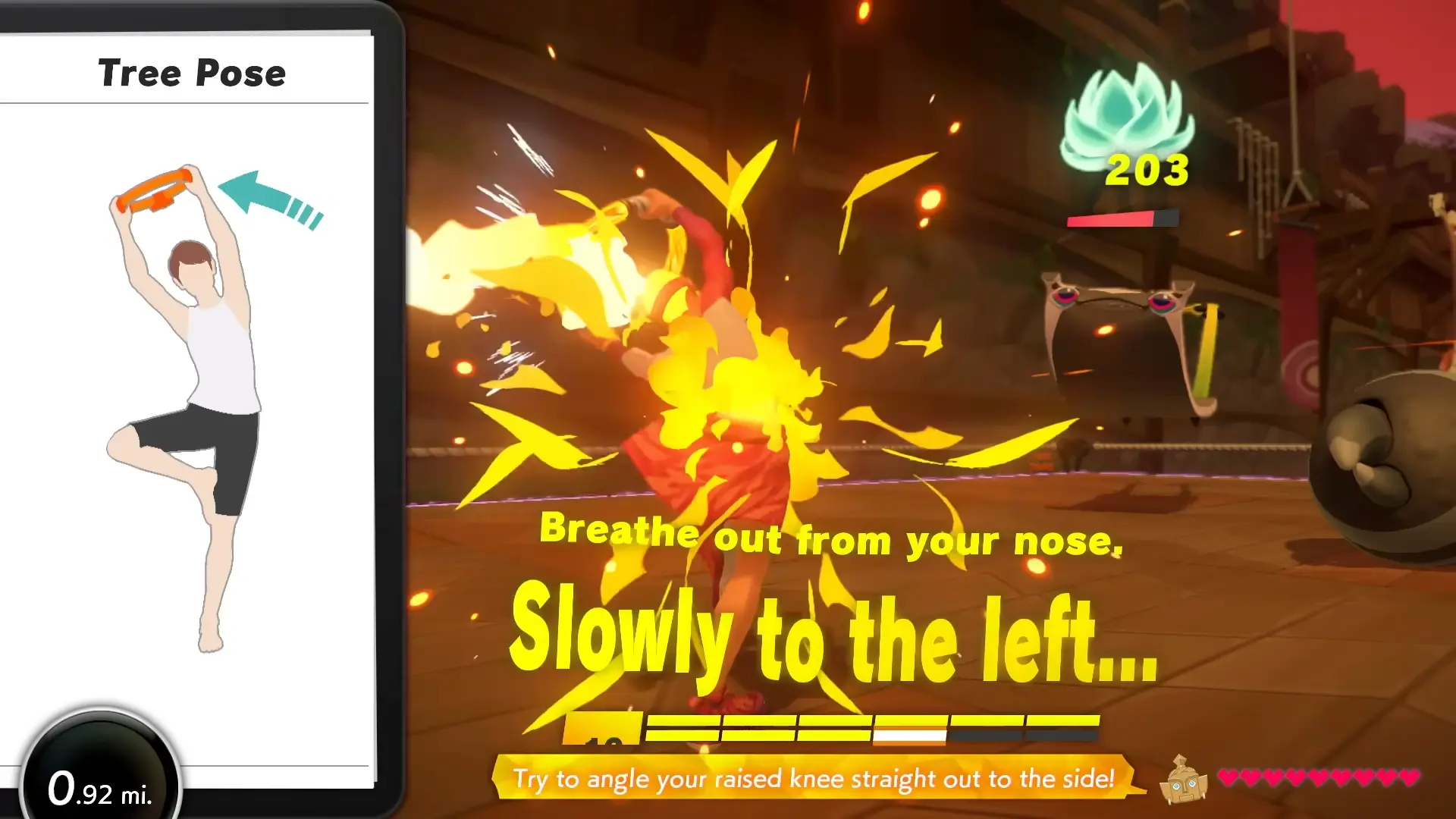
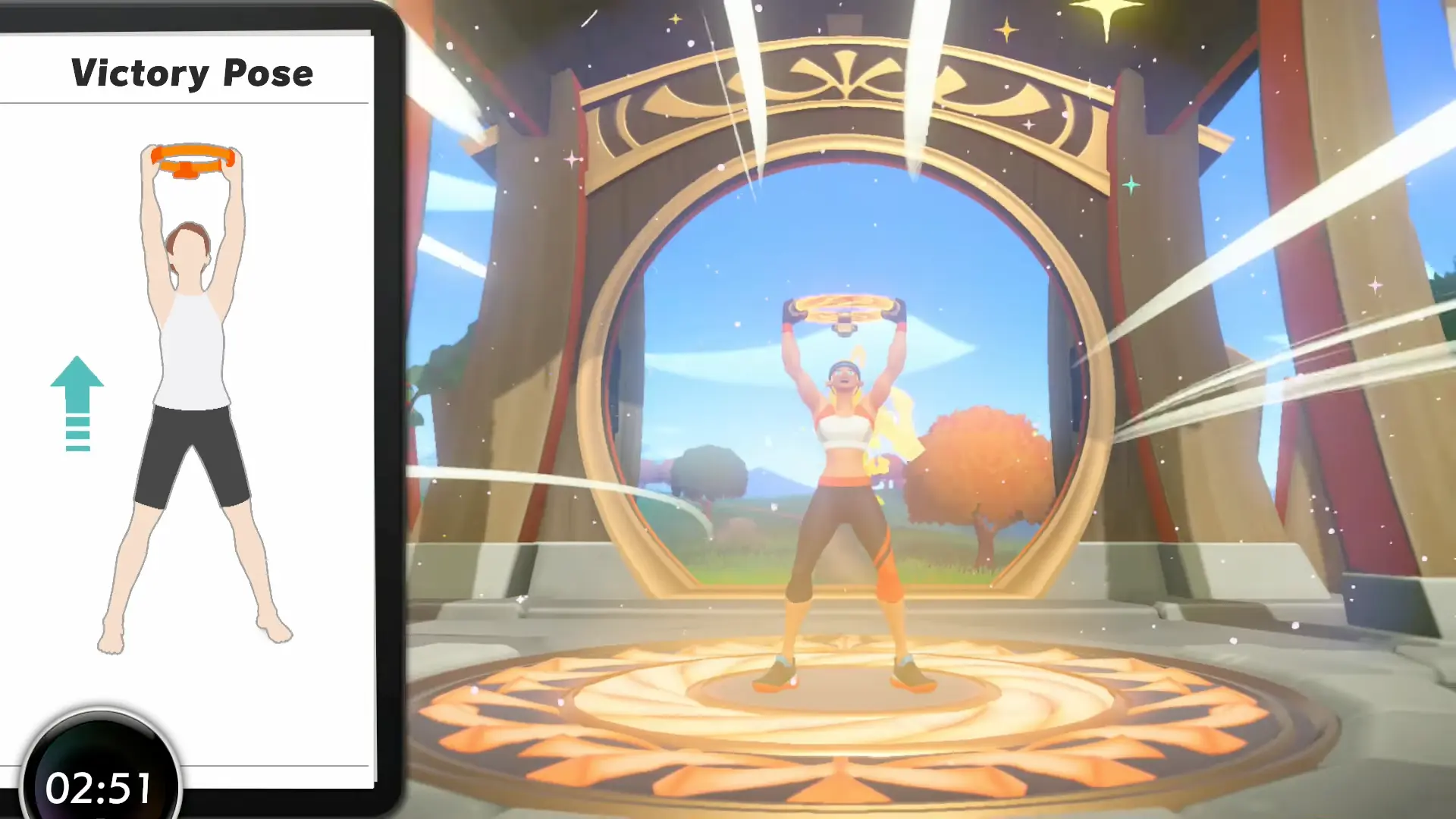
In the overworld, you physically jog in place to traverse lush forests and industrial gyms, squeezing and pulling the Ring-Con to blast obstacles or vacuum up coins. But when a monster appears, the game shifts into one of the most physically demanding turn-based battle systems ever conceived. Every squat you sink into, every overhead press you hold, is a heartbeat in a race against your own failing muscles. It is a masterclass in 'pressure gameplay,' where the claustrophobia of a tough boss fight is manifested as a literal, burning need for oxygen. Your body becomes the controller, and your physical exhaustion is the only currency that matters.
Story: A Trial of the Flesh
What makes Ring Fit so compelling is its sheer earnestness. This is a story about 'Fitness' not as a chore, but as a heroic virtue. Dragaux represents the dark side of workout culture—the ego, the toxic vanity, the isolation of the heavy lifter. Ring, your glowing, circular companion, represents the holistic, supportive side of health. The narrative is driven by Ring's constant encouragement—a frantic, relentlessly positive barrage of 'Your sweat is so shiny and beautiful!'
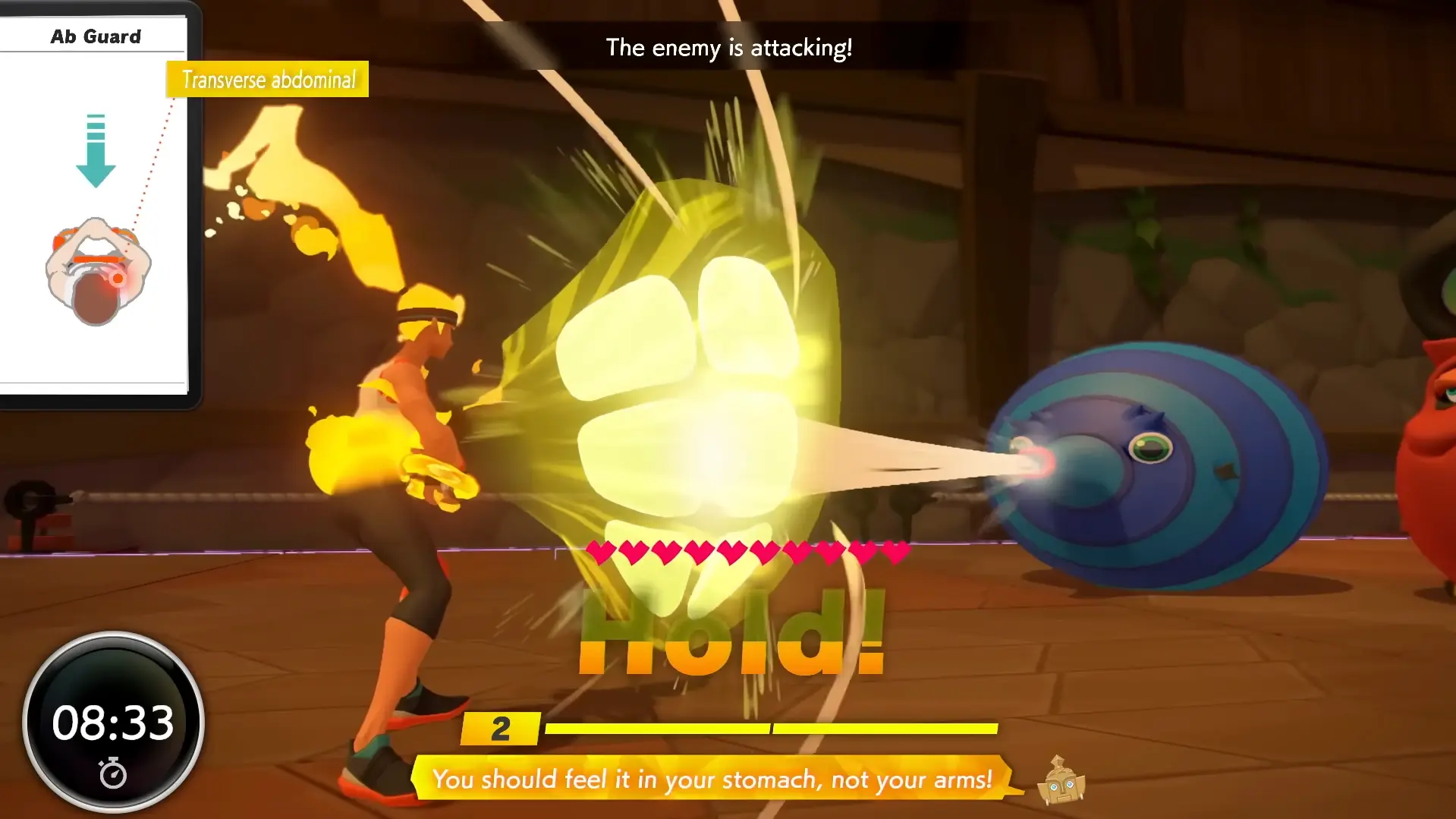
The horror elements here aren't psychological; they are entirely physiological. The bosses are manifestations of your specific weaknesses: a flock of yoga-mat-wielding birds that demand punishing core exercises to defeat, or a terrifying giant kettlebell that requires endless waves of deep squats. The story is a reactive mirror to your own physical limitations. Do you lower the difficulty to seek the comfort of the familiar, or do you crank it up to Level 30, embracing a path that defies your body's screaming protests?
Gameplay: Squeeze, Pull, and Burn
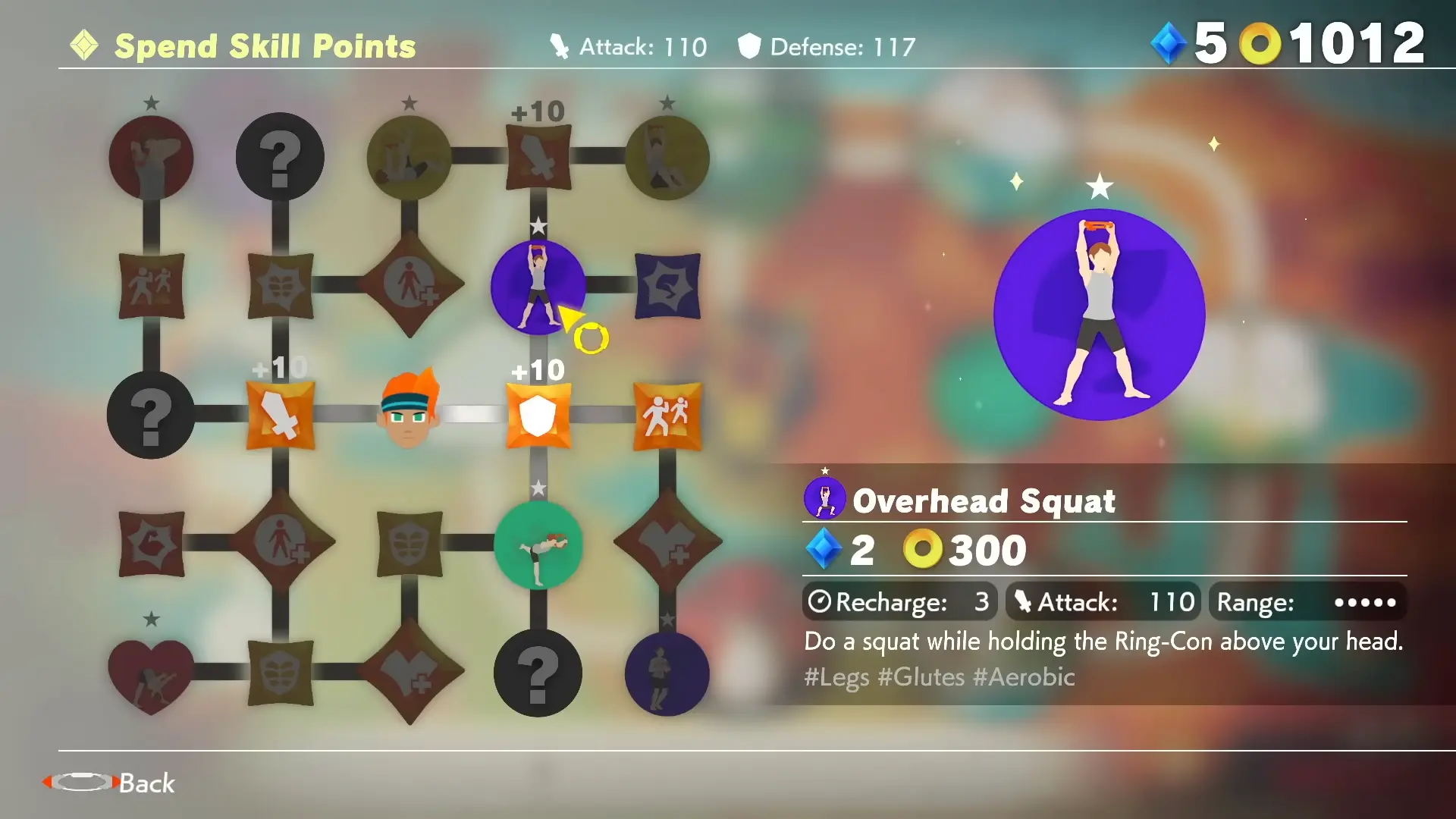
Don’t let the cheerful aesthetic fool you—the combat mechanics in Ring Fit are brutally deep. The game teaches you 'Fit Skills' (categorized by color: Red for Arms, Yellow for Core, Blue for Legs, Green for Yoga) that feel more like high-intensity interval training than traditional JRPG spells. On higher difficulties, the game becomes a desperate tactical match where one sloppy Mountain Climber results in weak damage and a brutal counterattack.
The game introduces 'Smoothies,' which you must physically squeeze the Ring-Con to blend, adding a layer of resource management to your recovery. Beyond the campaign, the 'Custom Workouts' and 'Rhythm Game' modes offer pure, unadulterated fitness challenges. The feedback loop of 'jog, squat, conquer' creates an addictive rhythm that keeps you coming back, convincing you that doing 40 more Overhead Squats to defeat a computerized crab is a perfectly rational life choice.
Atmosphere: Endorphins and Exhaustion
The vibe of Ring Fit is an unparalleled cocktail of adrenaline and agony. The soundtrack is an aggressively upbeat synth-pop masterpiece that seamlessly dynamically scales; as your running pace quickens, the music layers in frantic percussion and driving basslines that ramp up the tension during long stages. The sound design—the satisfying, deep thrum of a fully charged Ring squeeze, the chimes of a perfect stretch, and the explosive sound of an enemy shattering—creates a world that demands momentum.
Visually, the game utilizes a gorgeous, clean, almost Nintendo-magic-infused athletic aesthetic. The world feels like a pristine, endless gymnasium where you can run from your real-world problems. Yet, the final boss arenas feel imposing, dark, and unforgiving. It is a symphony of style that serves the theme of self-improvement perfectly, tricking your brain into thinking it's playing a Zelda game while your body runs a half-marathon.
Conclusion: The Muscle's Awakening
Ring Fit Adventure is a rare gem in the gaming landscape—a title that respects the intelligence of its audience while providing a physical challenge that is as rewarding as it is exhausting. It is a dizzying exploration of human endurance, wrapped in a role-playing game that demands absolute, literal sweat. It asks us to look in the mirror, wipe our brow, and decide who we want to be when the workout ends.
Whether you’re there to optimize your Fit Skill loadout for maximum DPS or simply trying to get off the couch, Ring Fit leaves a mark—usually in the form of delayed onset muscle soreness. It is provocative, exhausting, and deeply transformative. In a medium filled with heroes saving the galaxy with the press of a button, there is something profoundly radical about a game where the greatest challenge is simply pushing your own body past the point of wanting to quit.