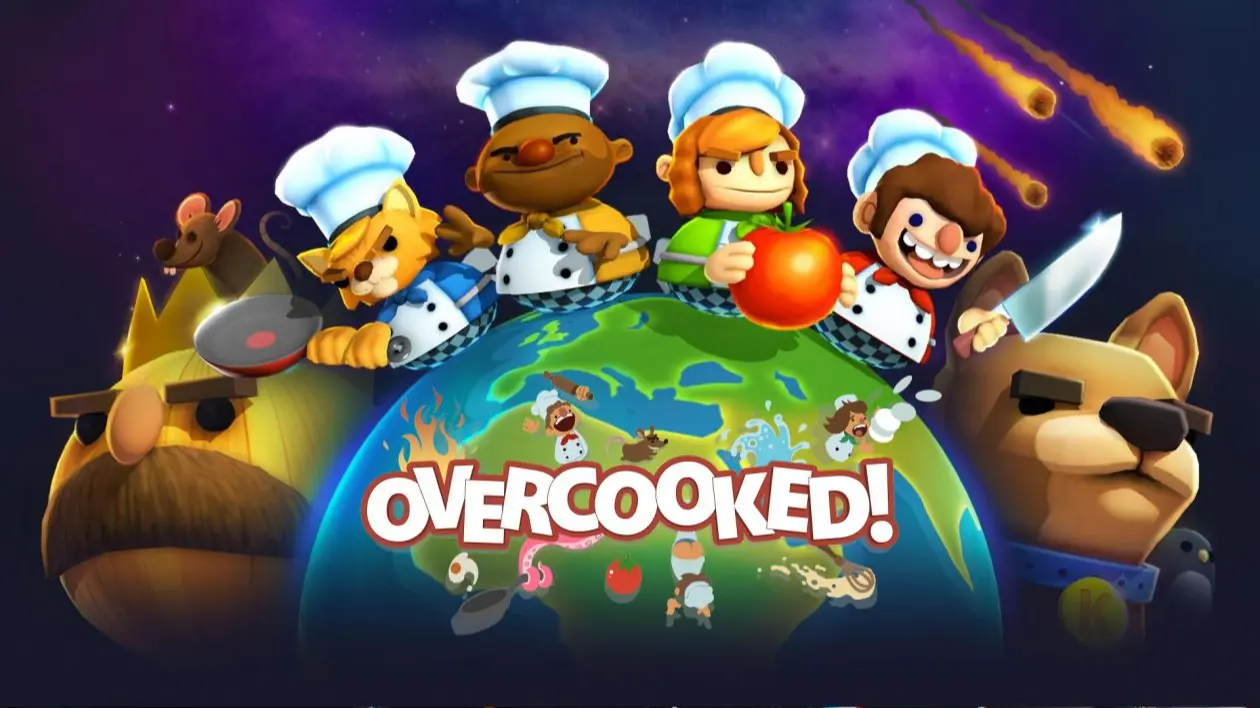
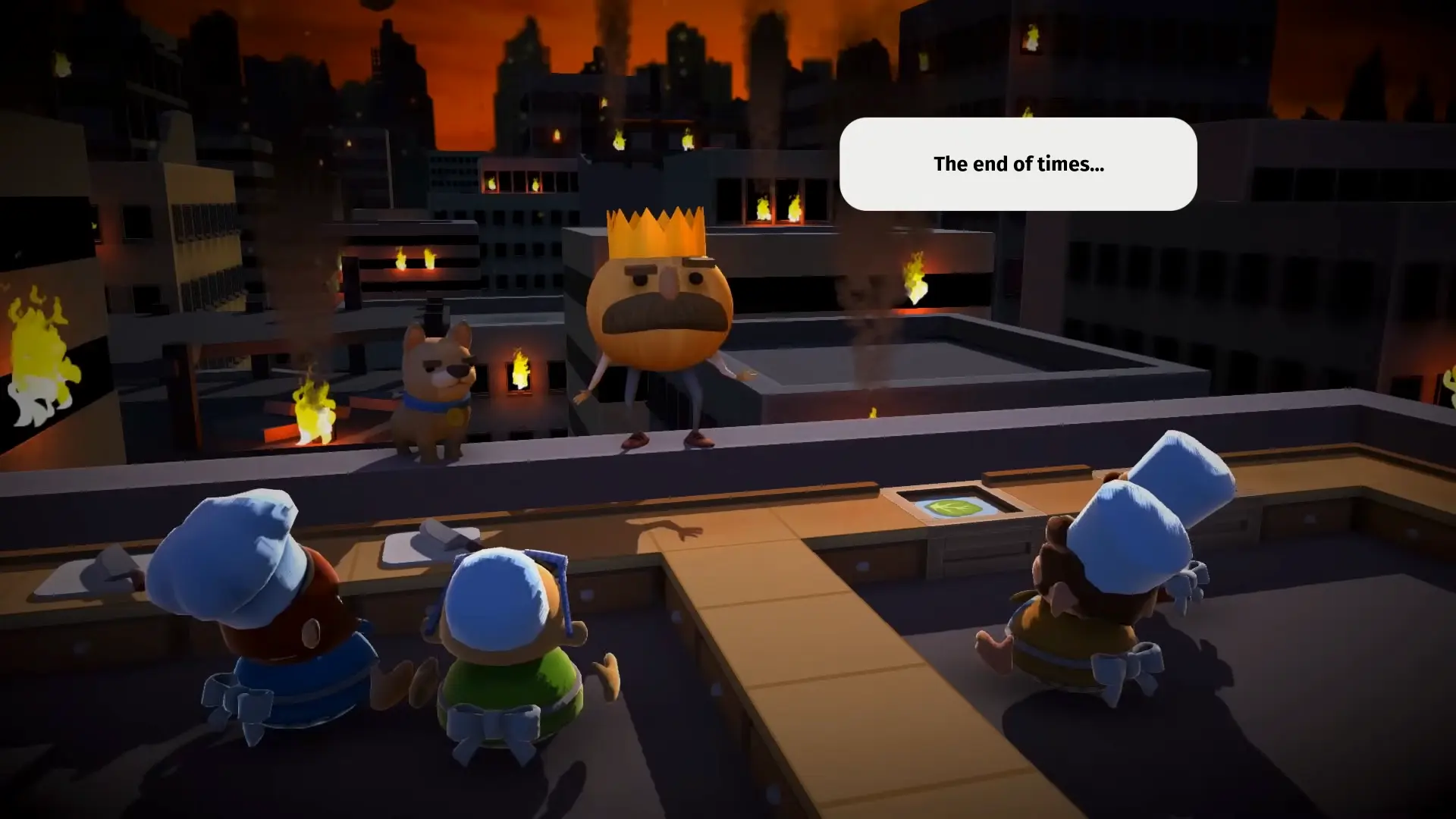
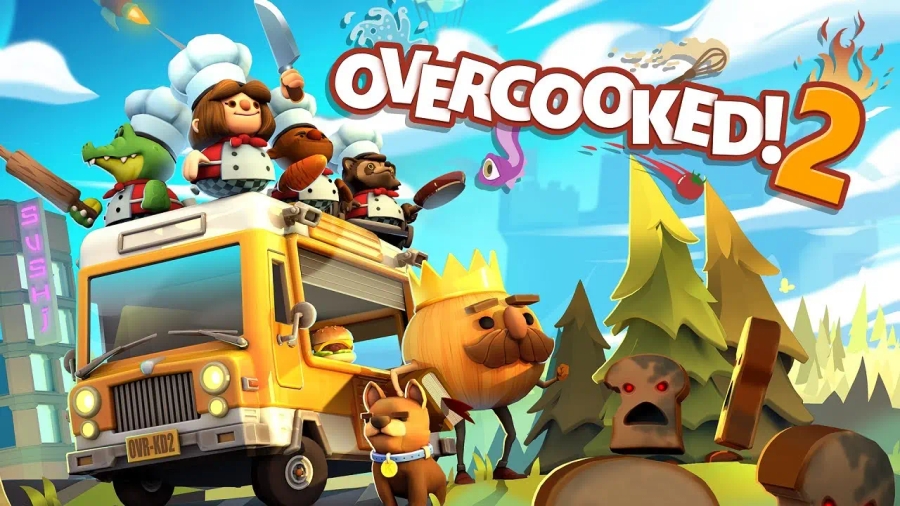
Ghost Town Games built a legacy by masking sheer sadism behind a veneer of whimsical charm, and the original Overcooked! stands alone as their most daring dive into the fragility of human relationships. It isn't a game about preparing food; it’s a game about saving your own sanity from the crushing weight of relentless, synchronized demands. We follow a desperate cadre of chefs, trapped in the apocalyptic visions of the Onion King, who find themselves caught between the stable, demanding necessity of prep work and the chaotic, flame-engulfed reality of the dinner rush.
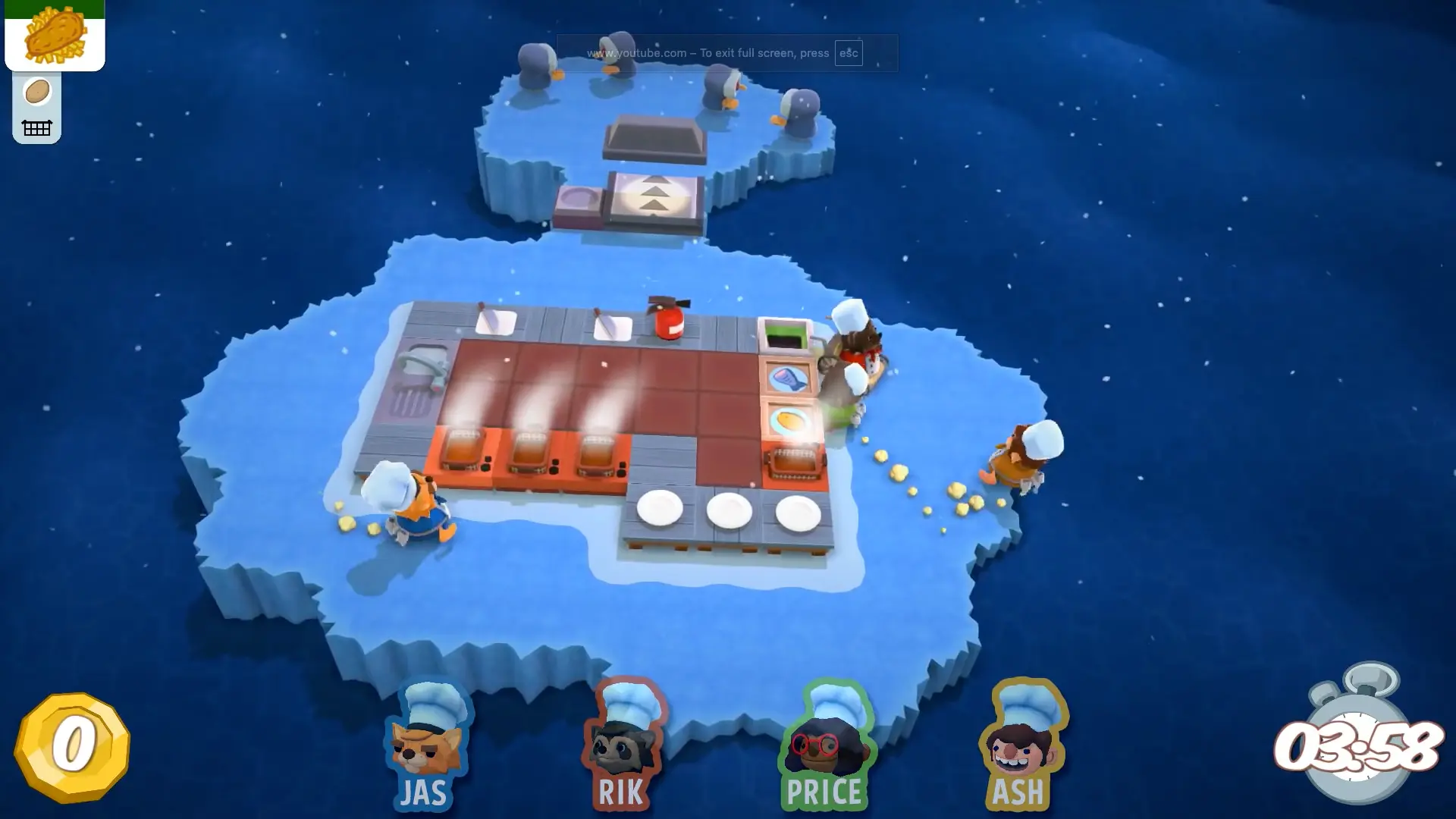
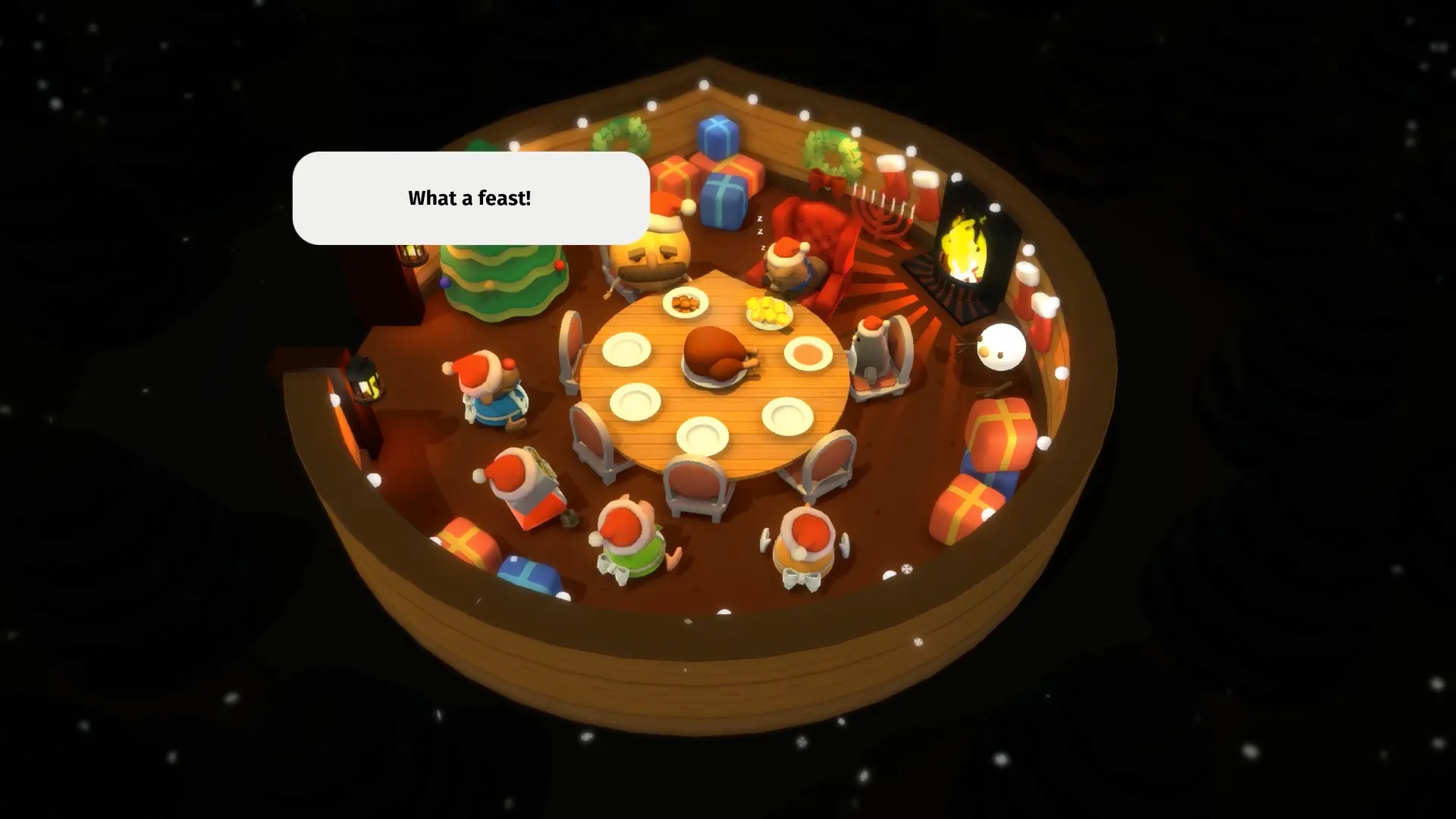
The game introduces us to an escalating series of kitchens that treat your crumbling communication skills as a televised tragicomedy. By menu screen, you are a team of adorable raccoons and snowmen; by service time, you are cast into a literal hell of shifting tectonic plates and burning soup. It is a vibrant, pastel nightmare that uses the surrealism of a frantic restaurant to explore the very real terrors of blame, incompetence, and the fear of an unwashed plate.
About the Game: The Architecture of Panic
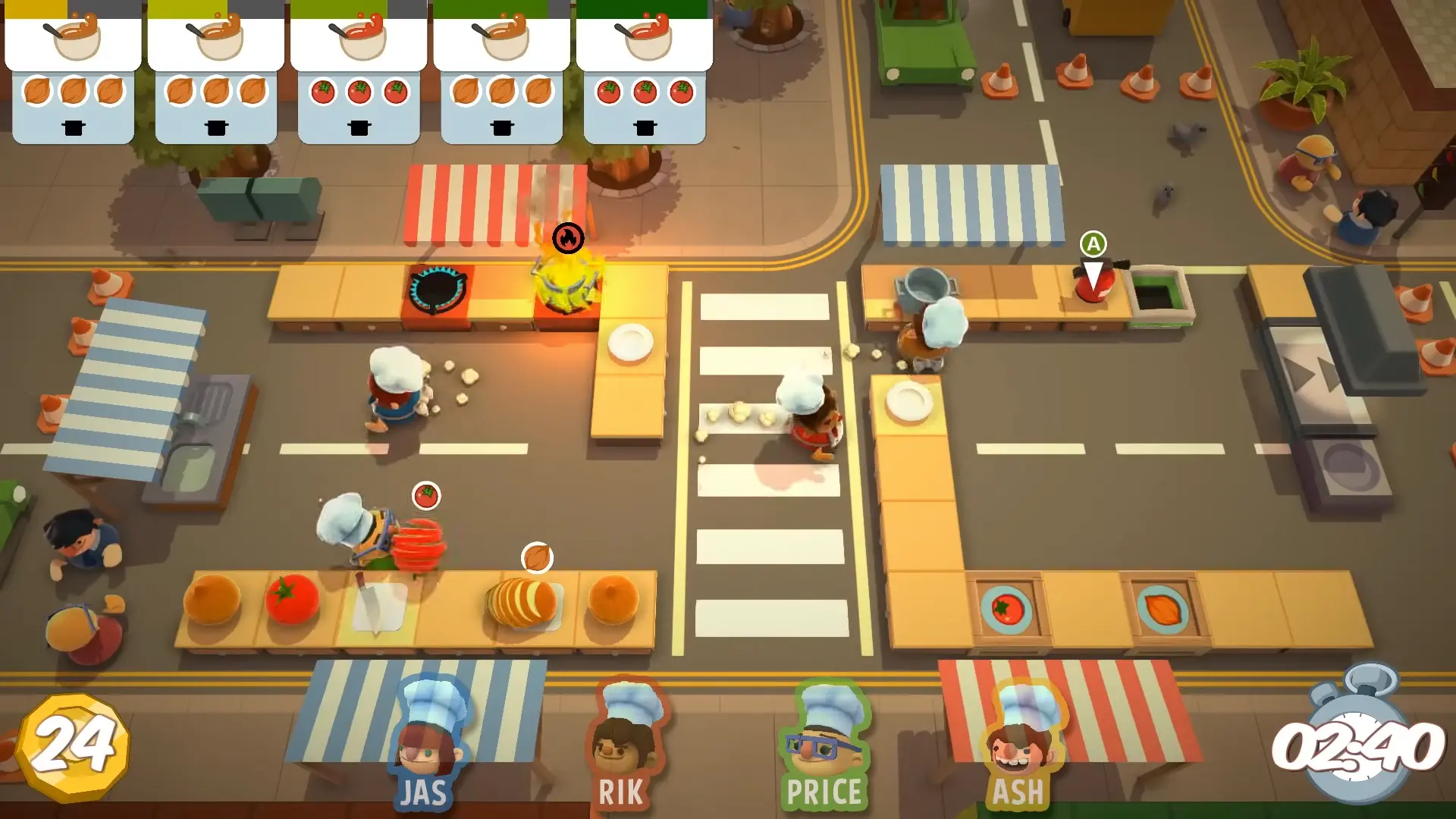
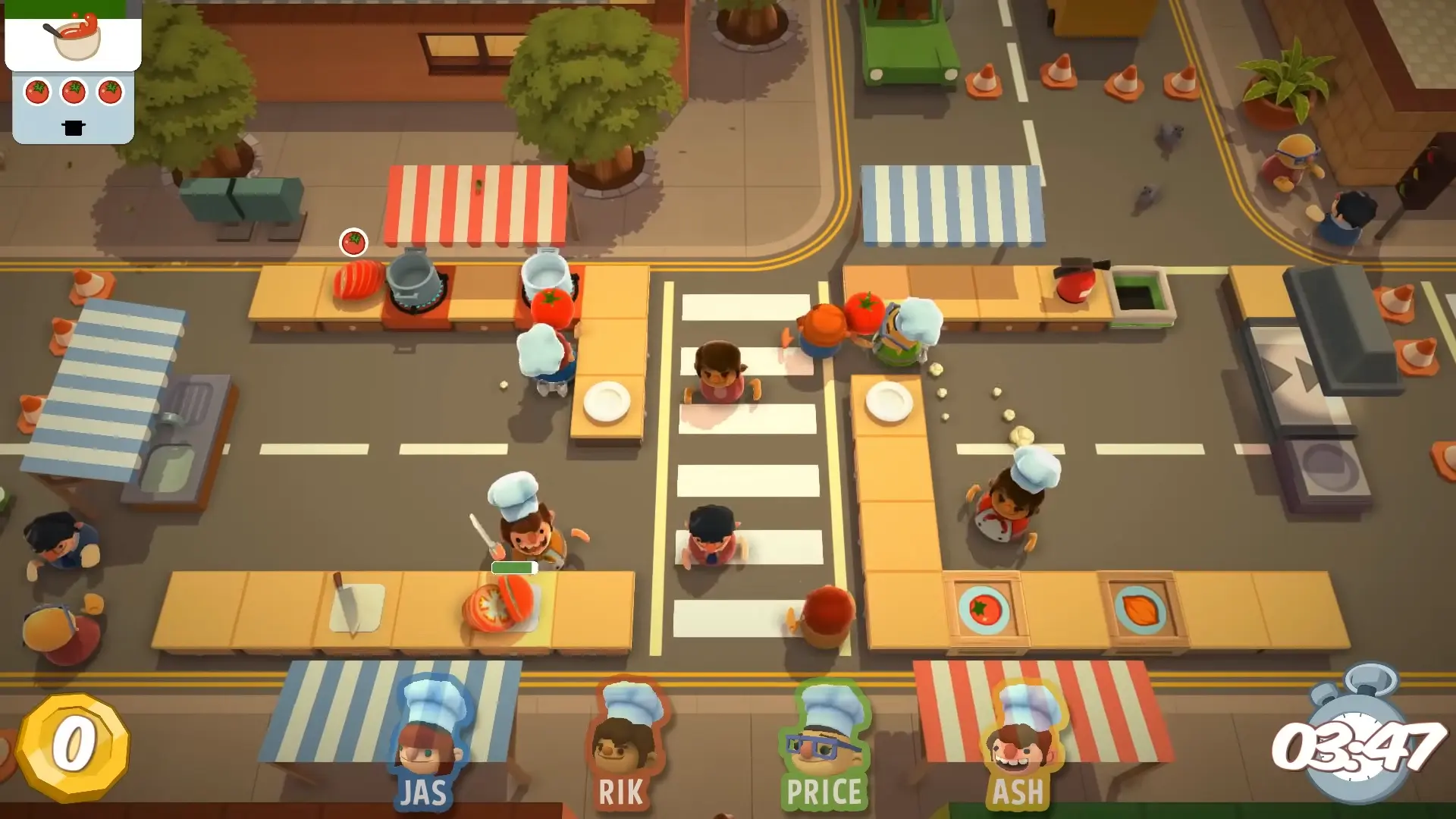
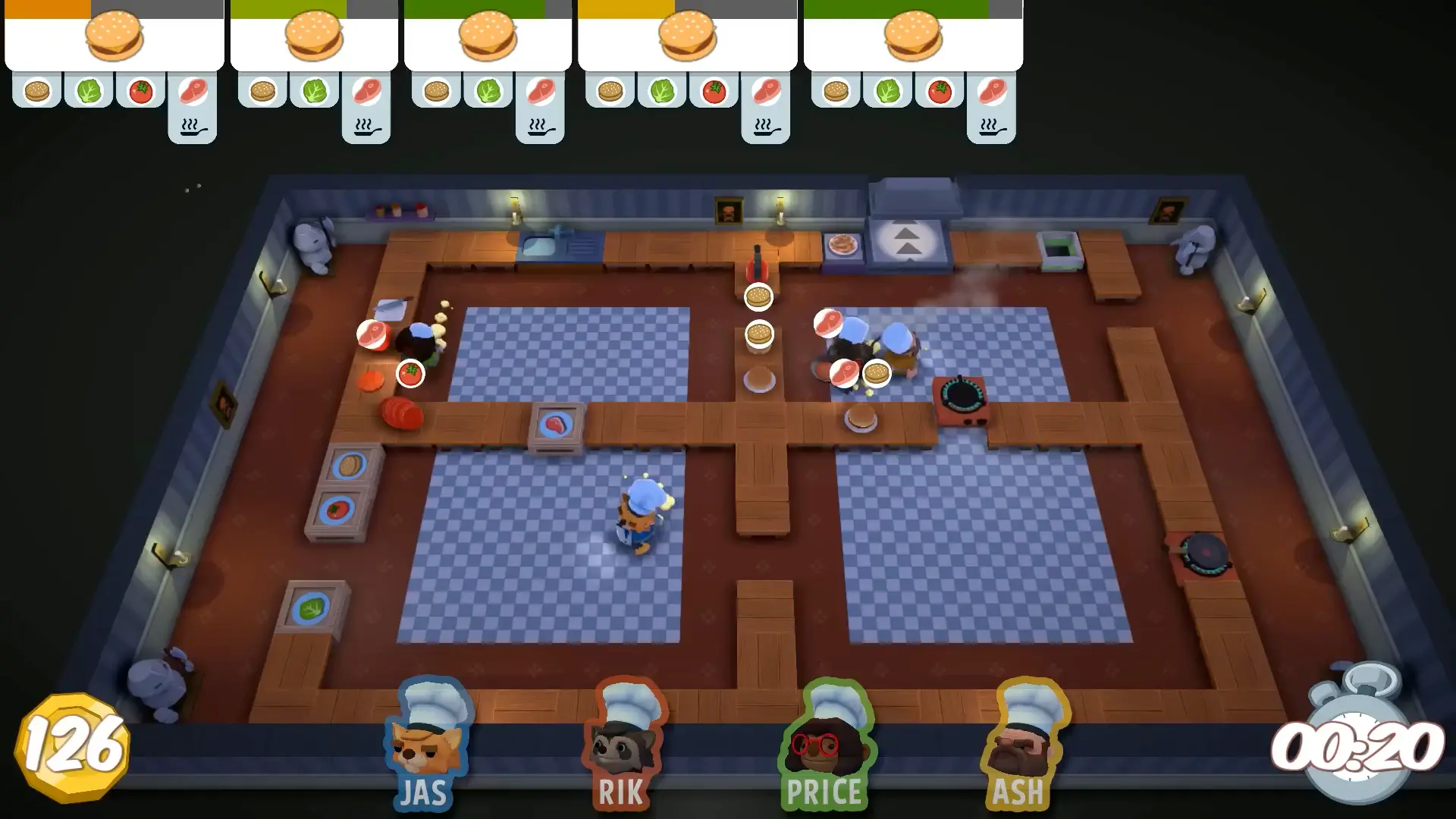
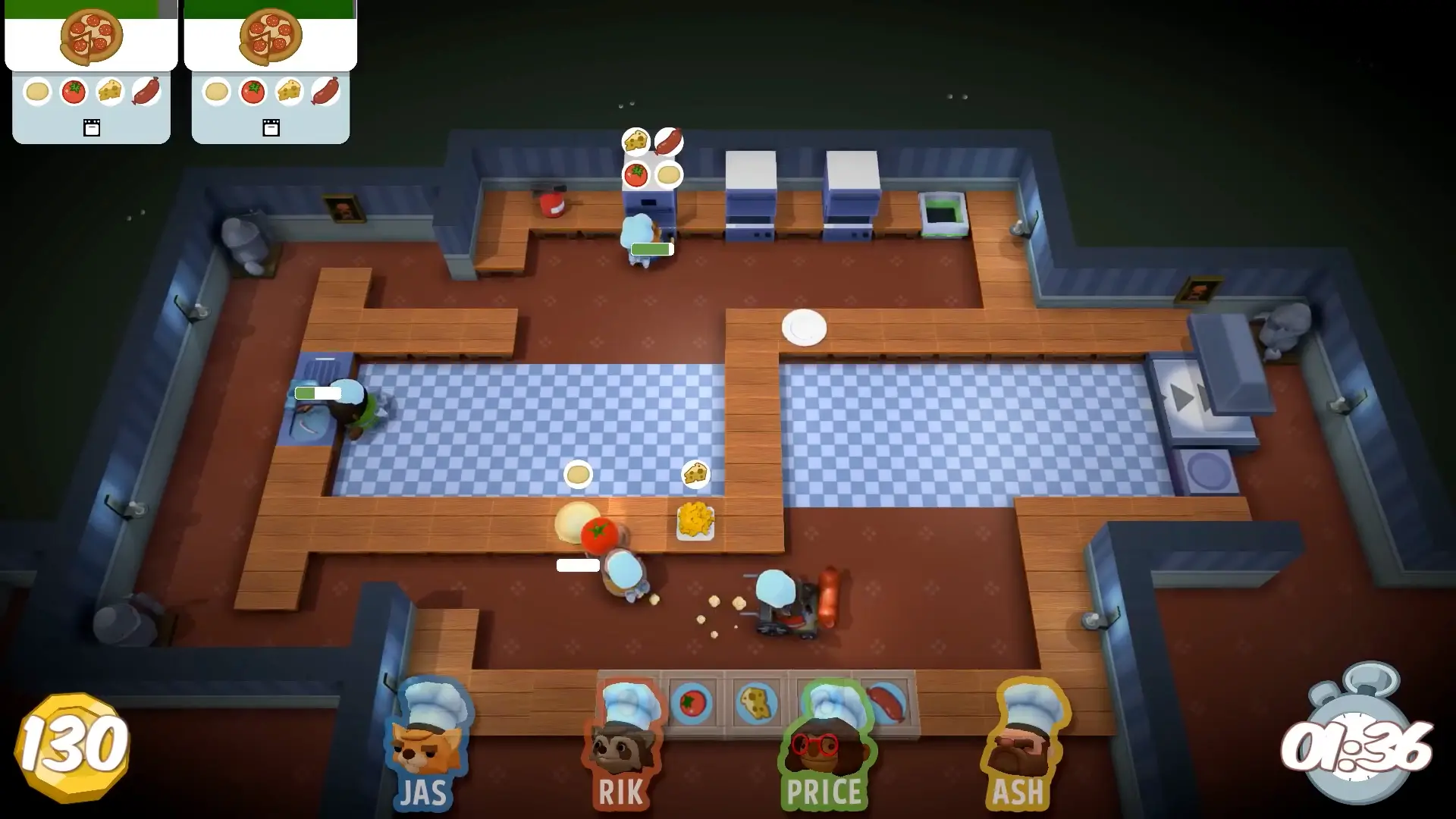
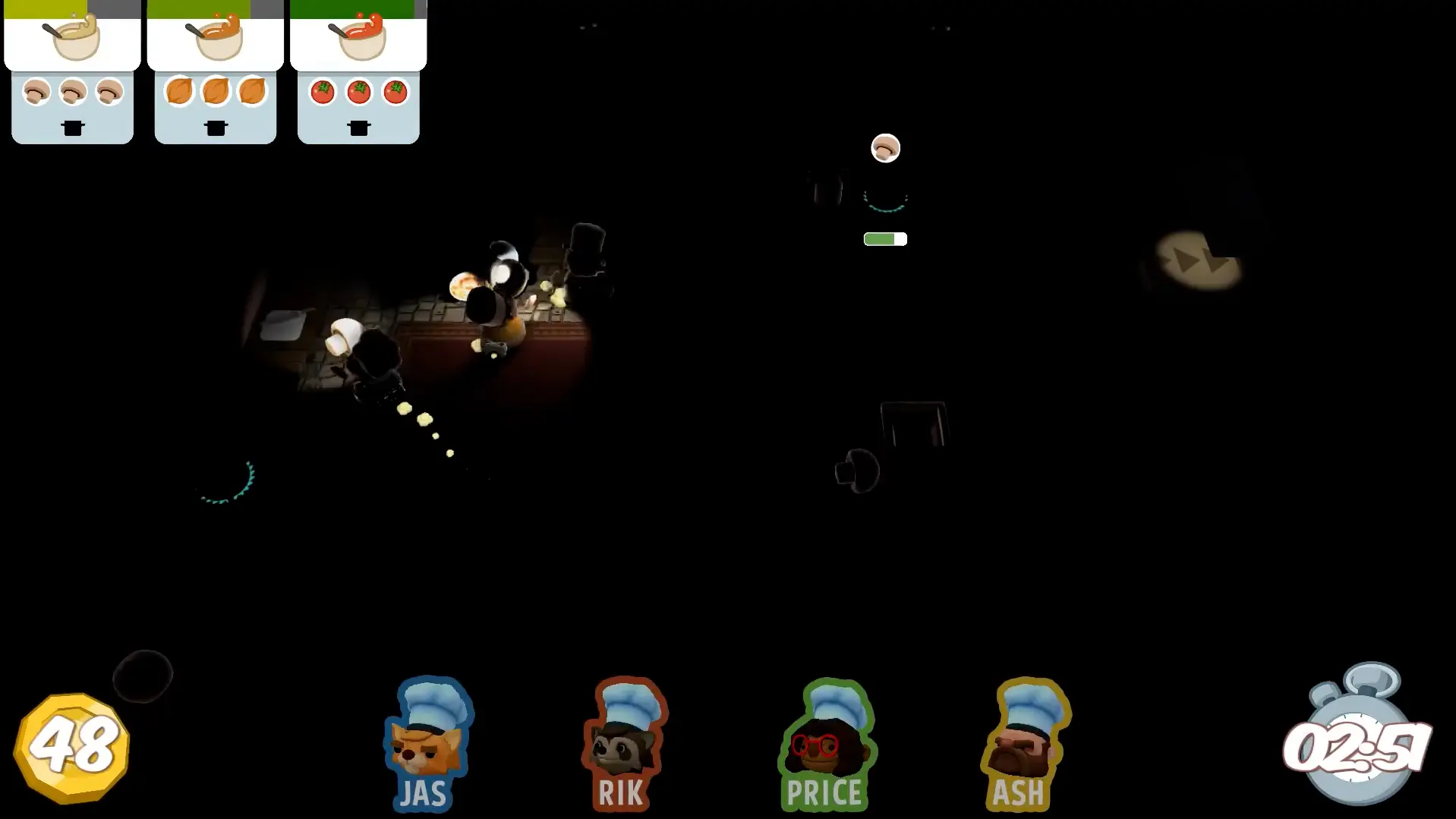
Overcooked! represents a complete mechanical teardown of the traditional co-op experience. The game is split into a relentless binary loop: the desperate acquisition of ingredients and the agonizing spatial puzzle of assembling them. Your primary antagonist isn't the ticking clock; it is the physical architecture of the kitchen itself, which acts as a malicious, living entity determined to separate you from your goals.
Without the luxury of throwing items, every single transaction requires physical proximity. Every onion you carry, every step you take on a swaying pirate ship, is a heartbeat in a race against a conveyor belt that is constantly moving away from you. It is a masterclass in 'pressure gameplay,' where the claustrophobia of a cramped food truck is manifested as a desperate sprint toward survival.
Story: A Trial of the Gluttonous Abyss
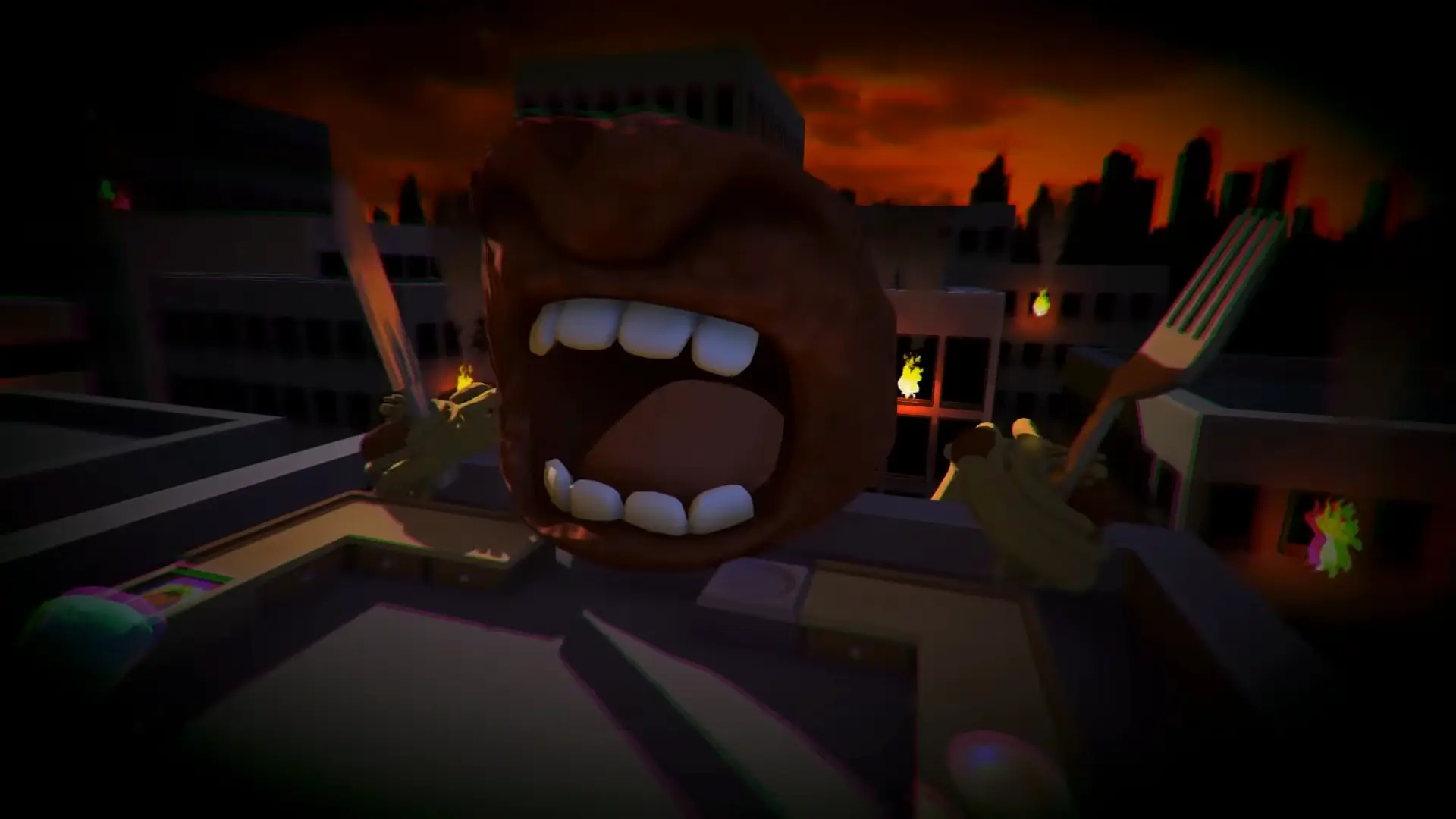
What makes the original Overcooked! so profoundly compelling is its commitment to absurd, high-stakes psychological horror. This isn't a friendly catering gig; it is a desperate stand against cosmic, world-ending gluttony. The narrative centers on an apocalyptic threat—the colossal spaghetti-monster known as 'The Ever Peckish.'
The horror elements are visceral, disguised beneath a thick layer of icing. The final encounters don't feel like cooking exams; they are desperate, existential struggles to satiate a cold, uncaring deity of hunger. The narrative echoes through the players' own frantic, real-world screaming matches. Do you seek the comfort of a dedicated chopping station, the reckless thrill of multi-tasking on the burners, or do you completely abandon your post to put out the fires your partner neglected?
Gameplay: Chop, Dash, and Burn
Don’t let the adorable animal mascots fool you—the cooperative mechanics in Overcooked! are savagely steep and notoriously unforgiving. The game forces players into a high-speed, tactical flow-state where one miscommunicated order creates a cascading 'dead end' of failed dishes and point deductions. You must learn the exact frames of the dash mechanic to weave through your partners, or risk knocking them directly into a hazard.
The dynamic levels demand absolute spatial awareness, creating an addictive, high-octane feedback loop of 'prep, cook, serve, wash' that commands total, uncompromising verbal communication from your couch. The lack of an online multiplayer mode in the original release forced this trauma into the living room, ensuring the screams of 'WE NEED MORE PLATES' were always dealt with face-to-face.
Atmosphere: Bossa Nova, Grease, and Guilt
The aesthetic vibe of Overcooked! is utterly unparalleled in its ability to juxtapose cheerful harmony with absolute, crushing stress. The soundtrack is an upbeat cocktail of bouncy bossa nova, lively acoustic strings, and street festival anthems that wildly ramp up in tempo during the final sixty seconds of a shift. The audio design—the rhythmic thud of a chopping knife, the sizzle of a pan, and the heart-stopping, piercing beep of a failing order—creates a sensory feedback loop that induces pure, unadulterated panic.
Visually, the game utilizes a gorgeous, clean, toy-like style that makes the transition between serene hot air balloons and treacherous underground mines strikingly distinct. The kitchen feels alive, a treacherous puzzle box entirely indifferent to your success. It is a symphony of style that serves to contrast, and heavily mock, the furious, sweat-inducing crisis of a team falling apart at the seams.
Conclusion: The Chef’s Awakening
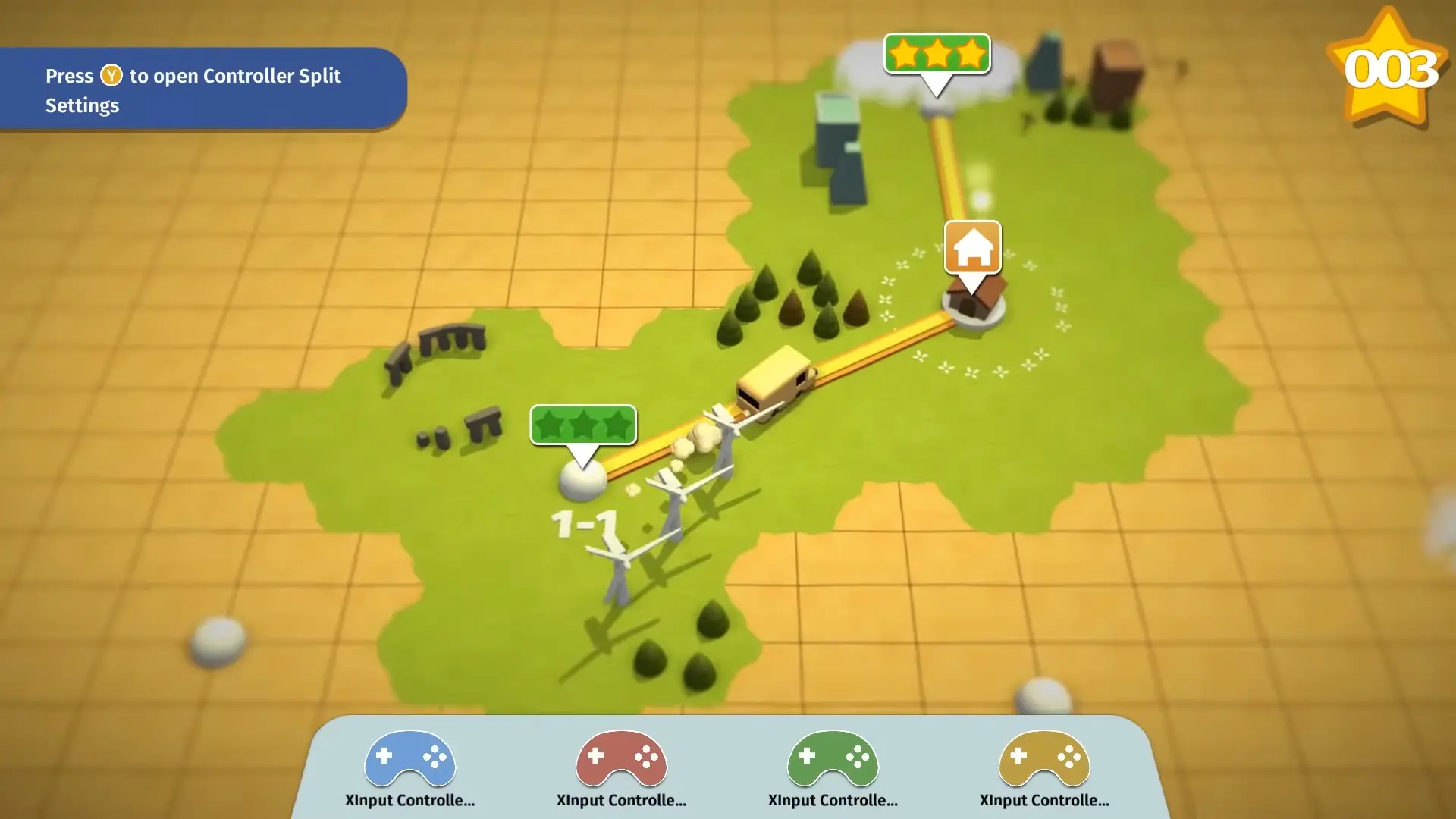
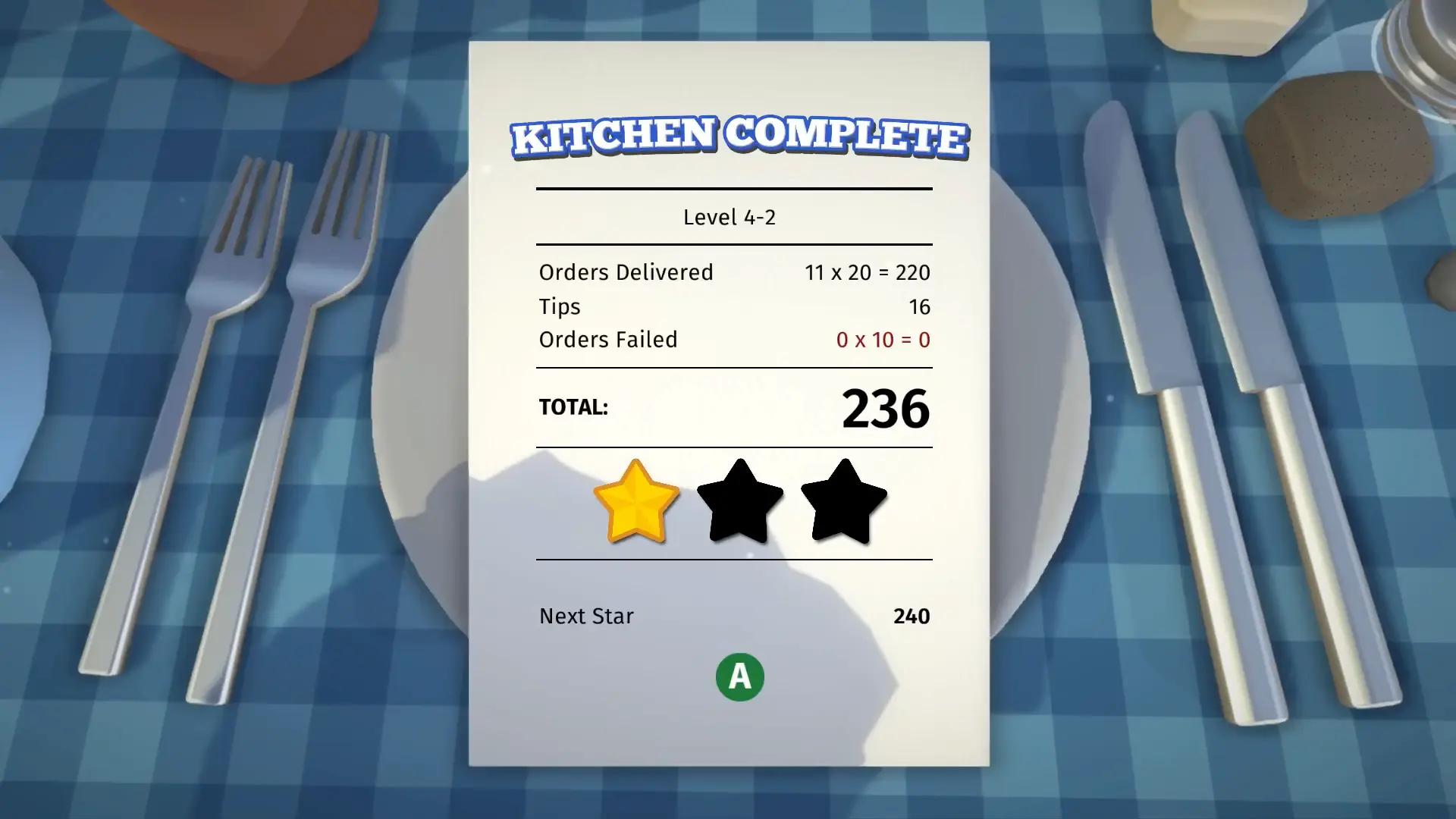
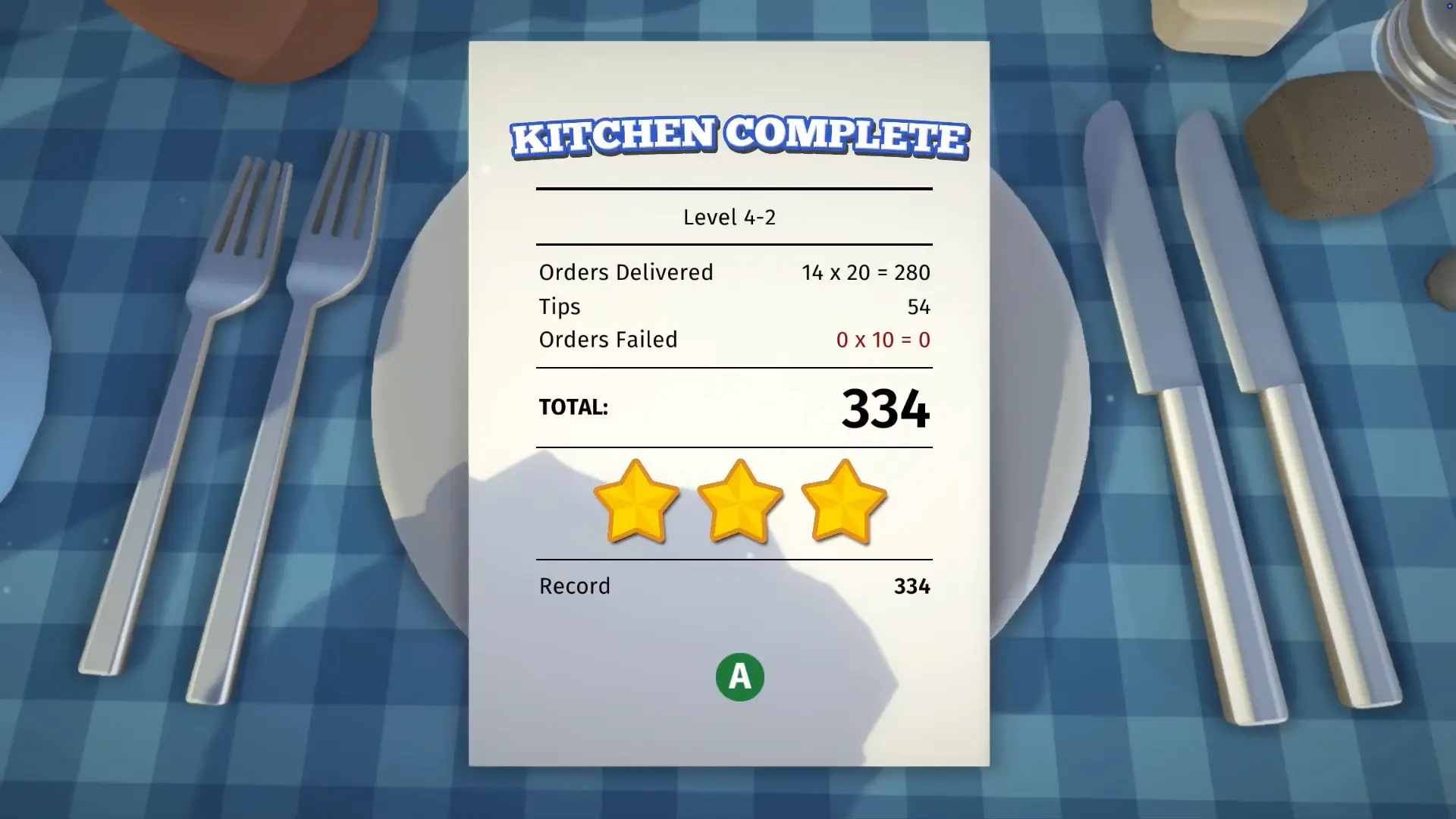
Overcooked! is a monumental milestone in cooperative gaming—a fiercely confident crucible that had the courage to shatter friendships in the pursuit of three elusive golden stars. It is an intoxicating, stylish dance of logistics that demands absolute empathy and punishes the slightest hint of selfishness. It forces you to abandon your ego, look your partner in the eyes, and scream for the tomatoes.
Whether you are drawn to the deep, spatial logic of its shifting arenas or the terrifying thrill of narrowly serving a burger with one second left on the clock, Overcooked! leaves a permanent scar on your psyche. In a medium filled with lone wolves saving the galaxy, there is something profoundly terrifying about a game where the greatest challenge is simply washing a plate so your friend can serve the soup.