Introduction: The Arcade Brought Home
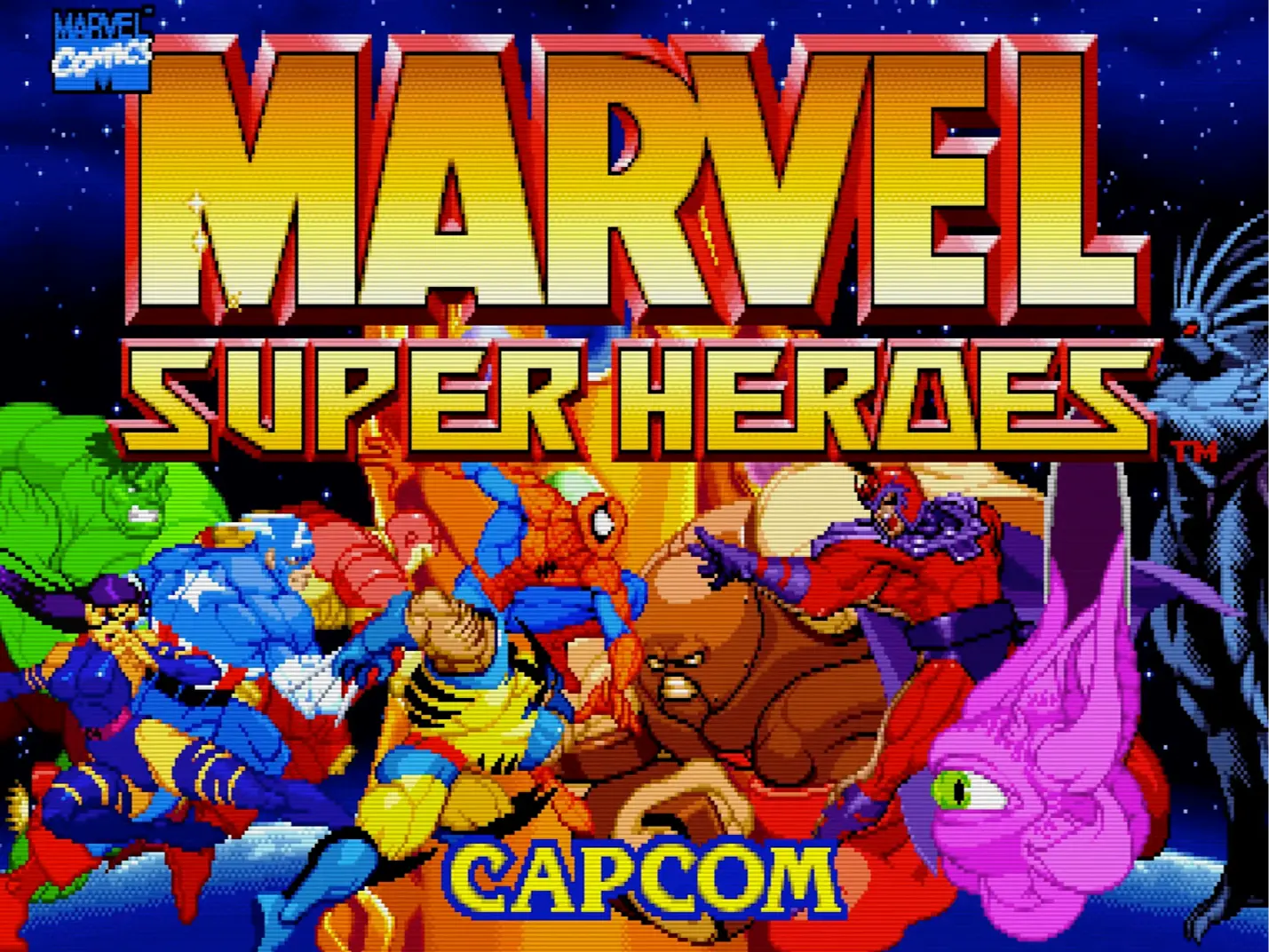
I didn’t expect a fighting game from the 90s to completely hijack my weekend. I was just a simple gamer looking to play as Spider-Man and Iron Man on the original PS1, craving that pure, old-school arcade energy. But the moment I booted up Marvel Super Heroes, I was completely hooked.
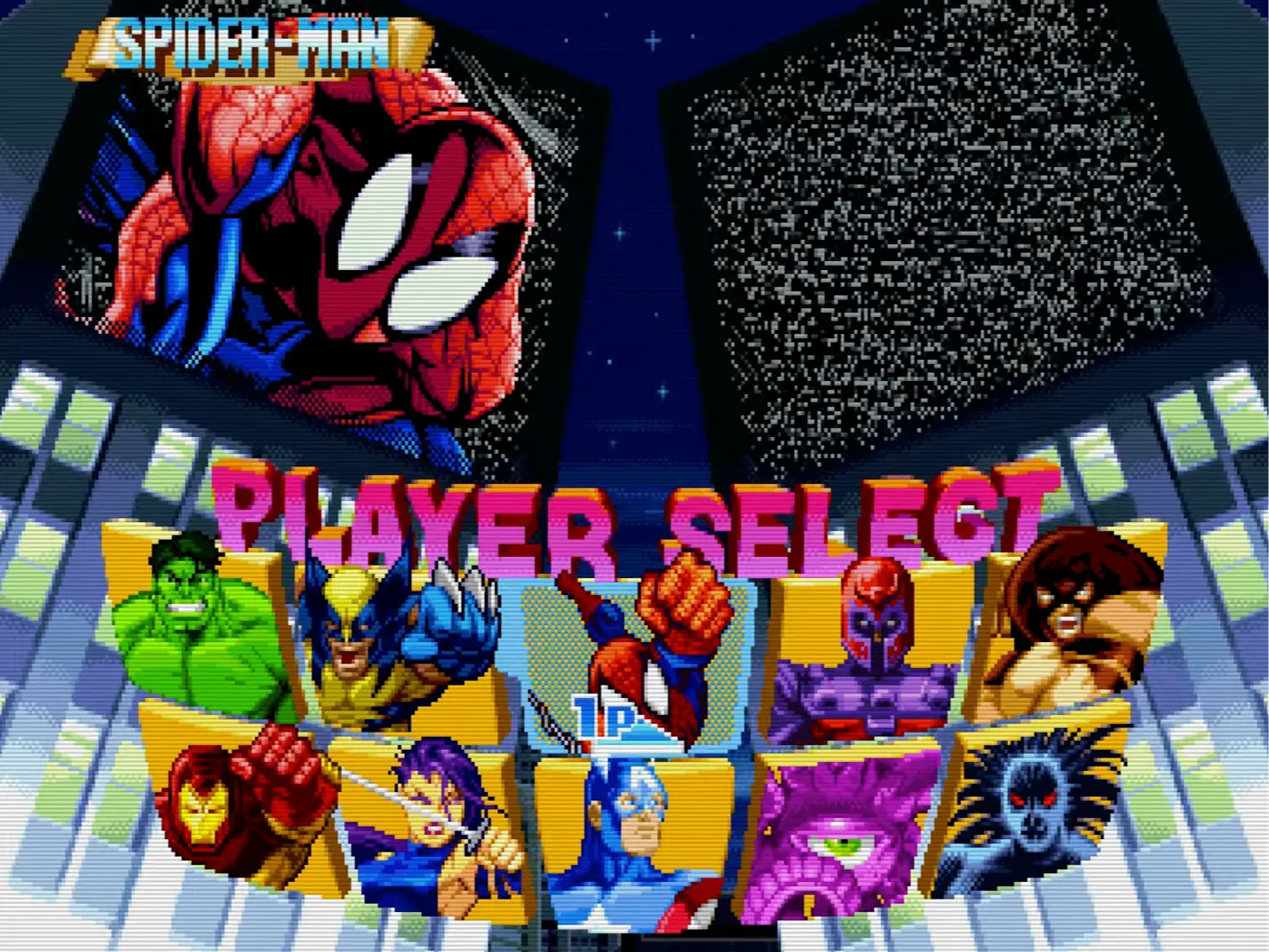
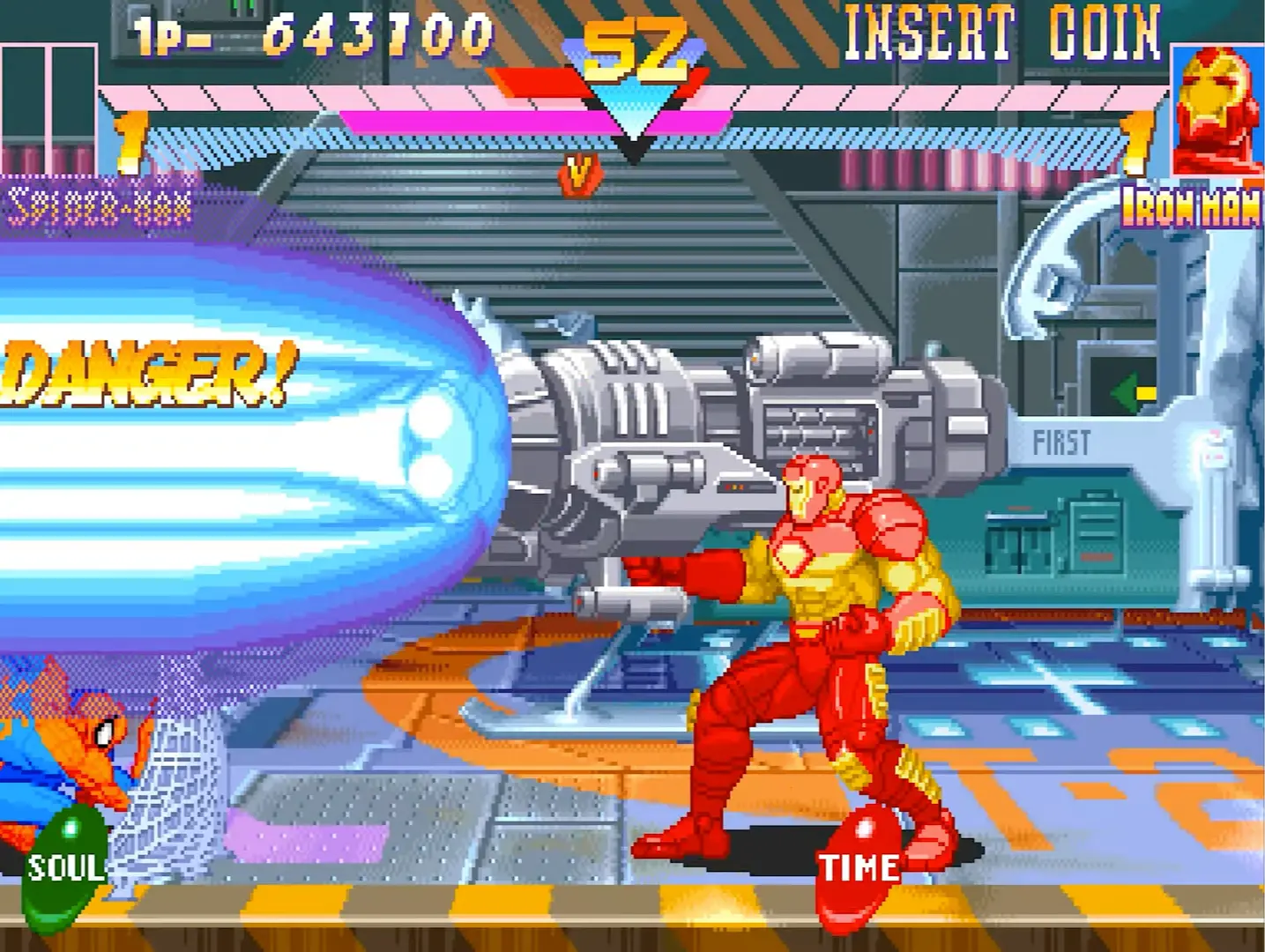
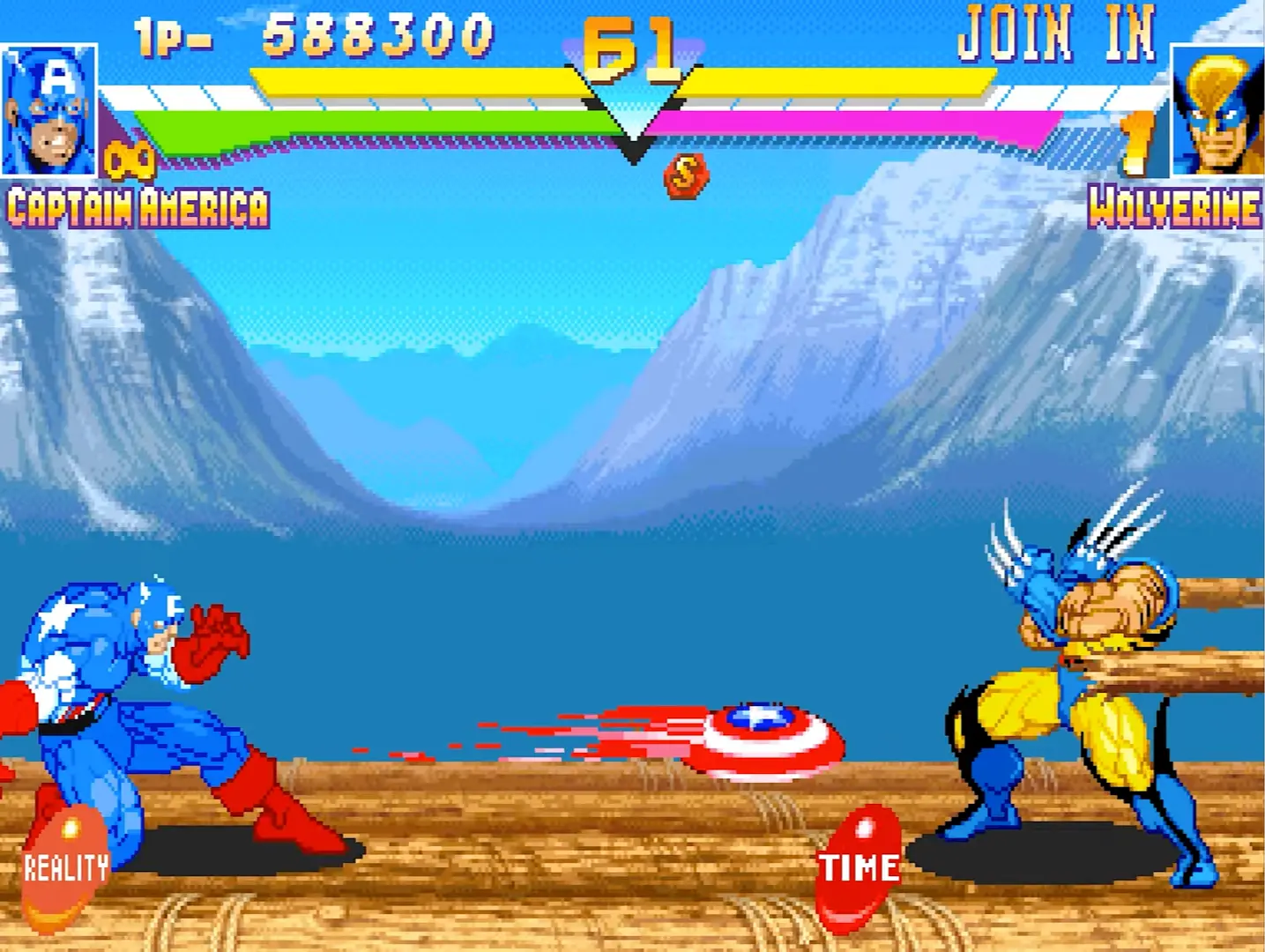
This isn't just a generic fighter with famous faces pasted on; it is an explosion of color, speed, and massive egos. Right from the character select screen, hearing the bombastic announcer shout 'Captain America!' or 'Wolverine!' sets an incredible tone. You are not just fighting to win a tournament; you are clashing in a hyper-stylized comic book world where every single punch feels like it has the weight of a superhero behind it. I found myself sitting too close to the TV, obsessively trying to master Iron Man's Proton Cannon just to wipe the smirk off my opponent's face.About the Game: The Architecture of Infinite Power
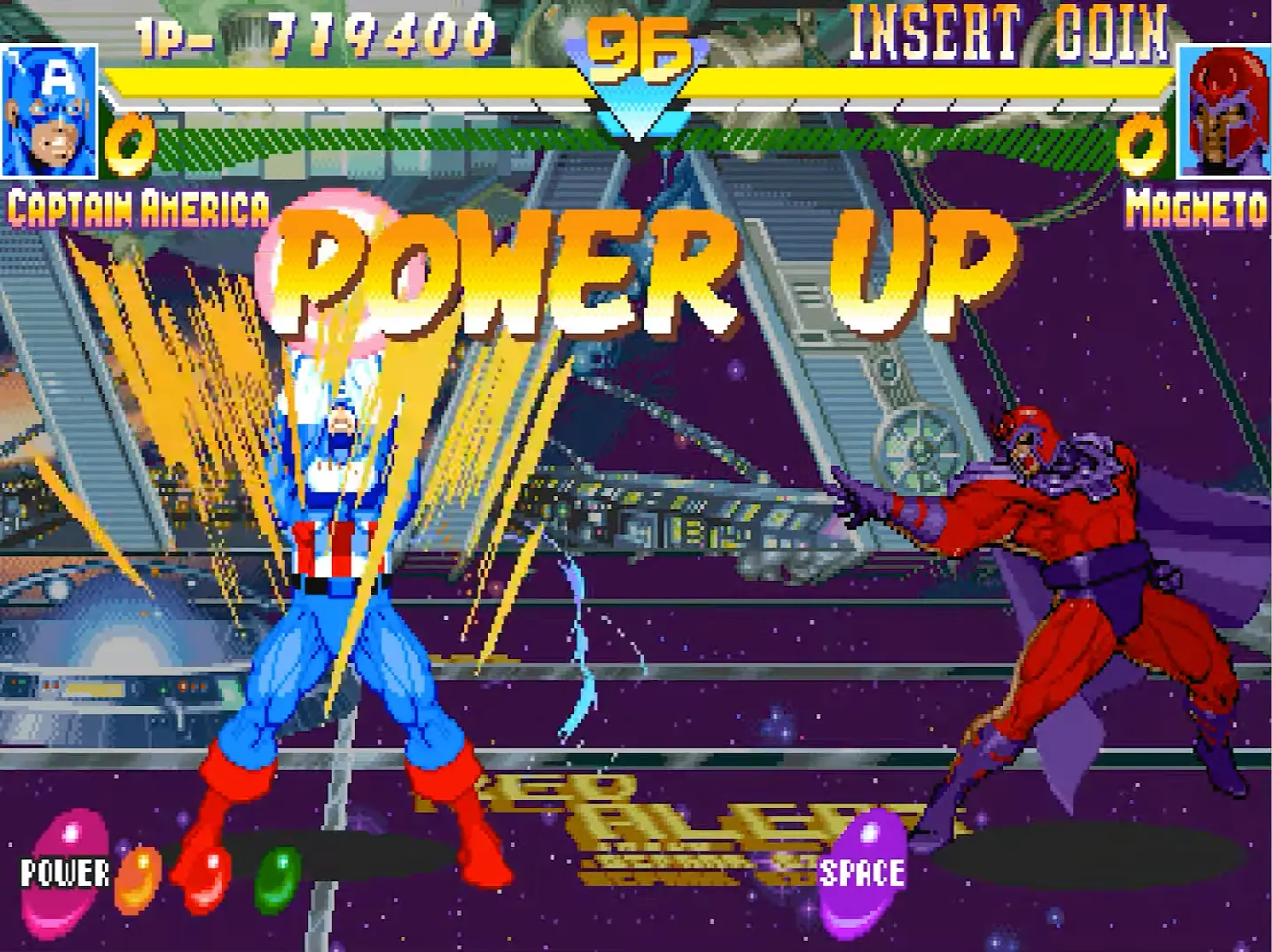
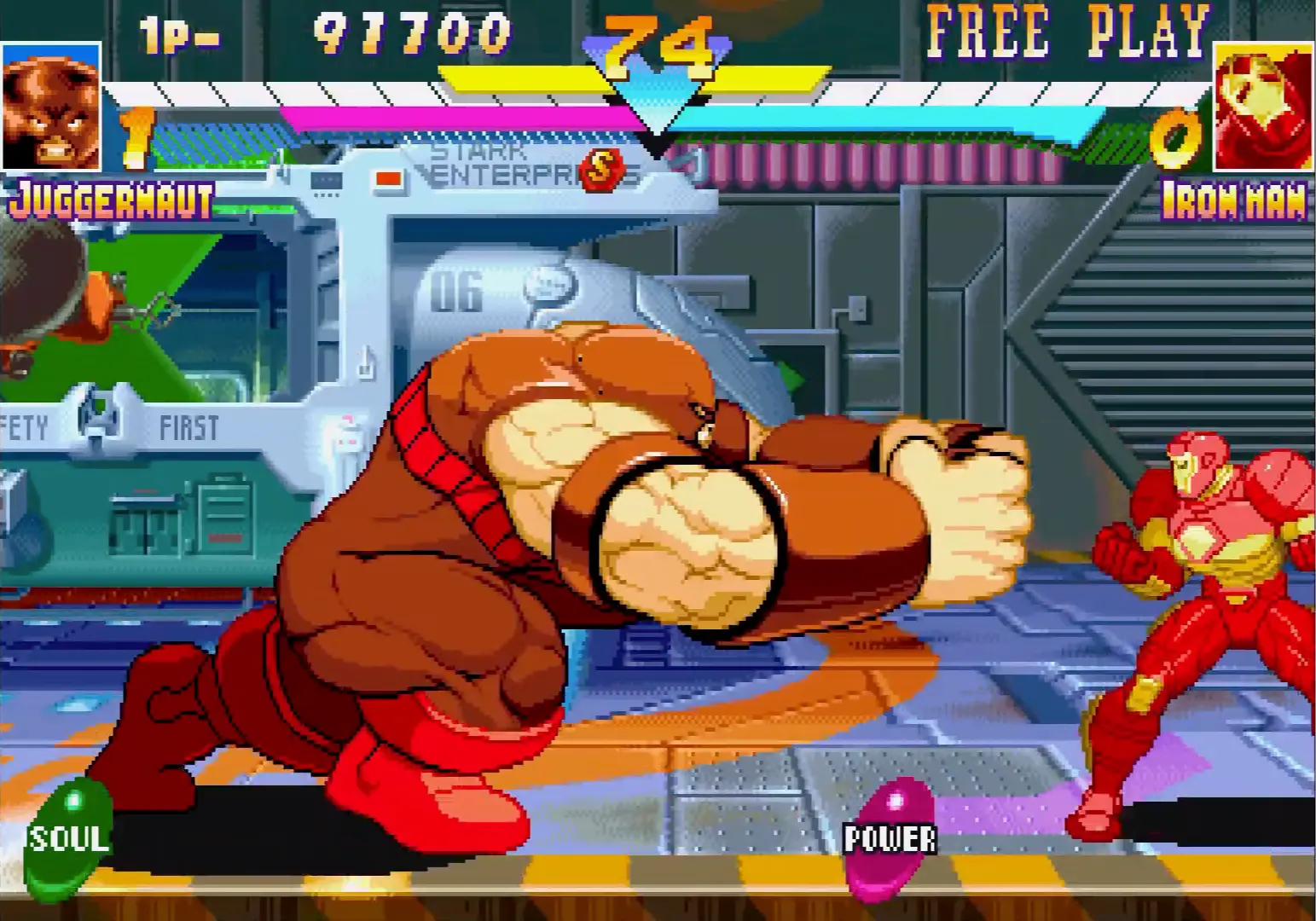
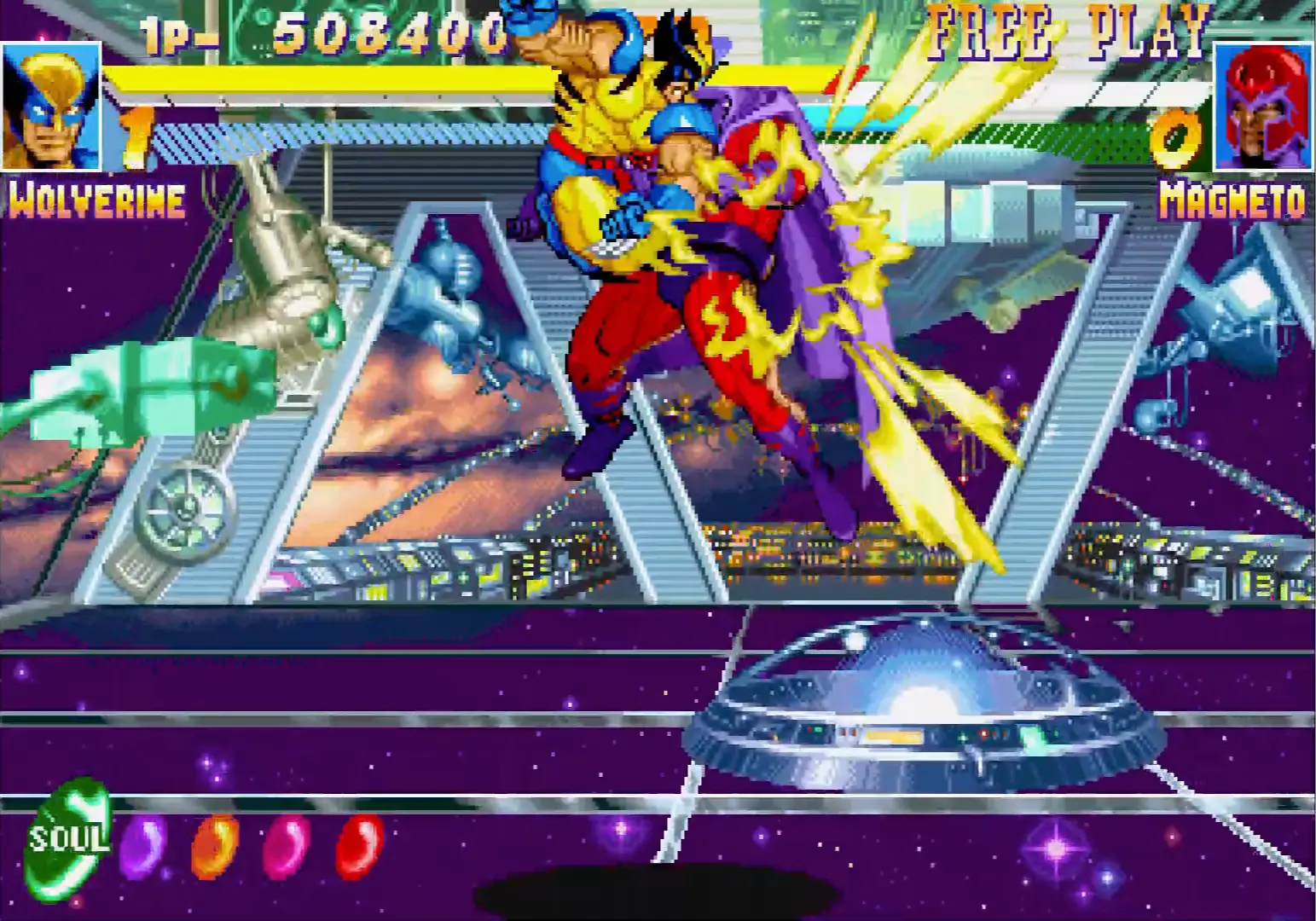
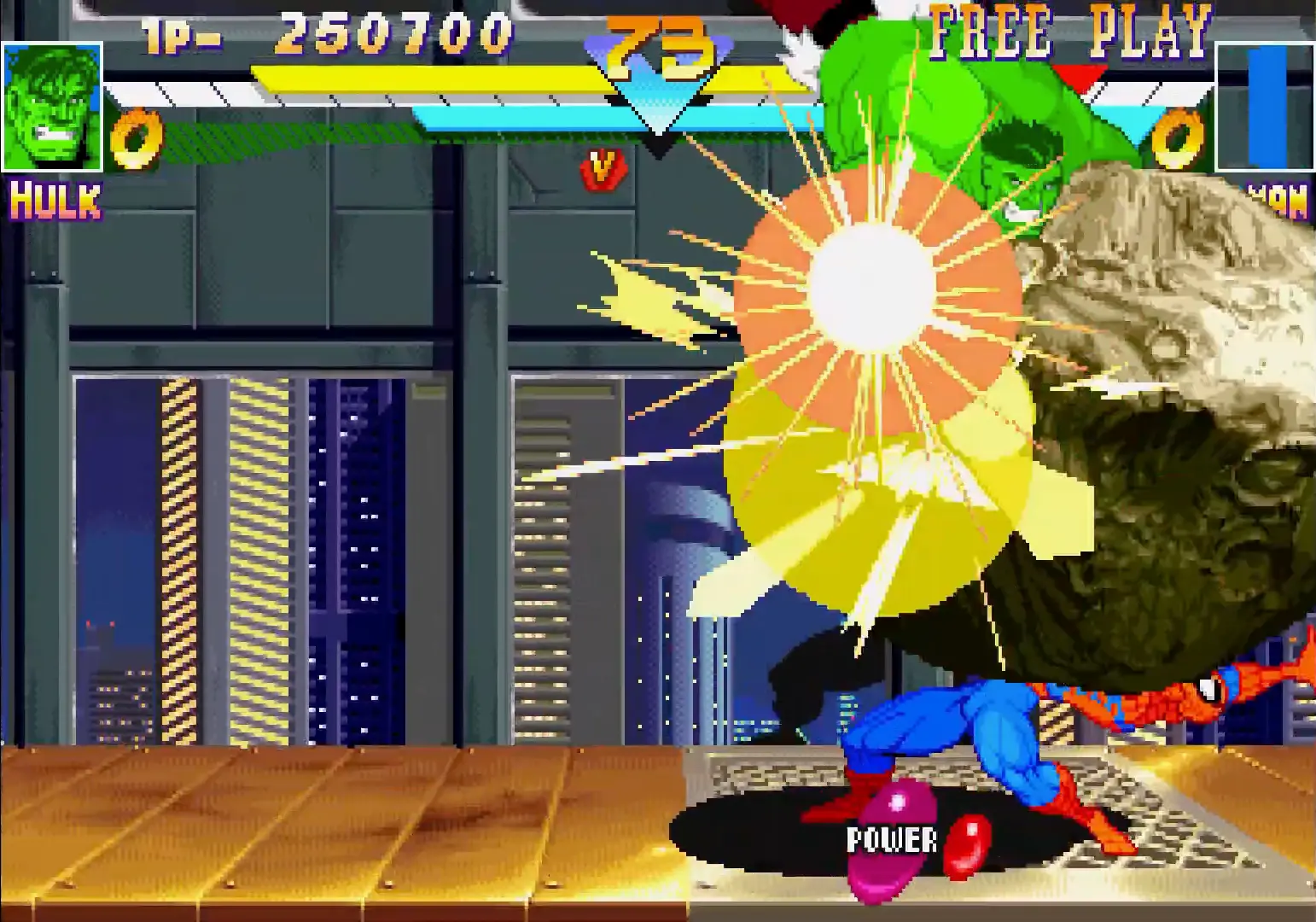
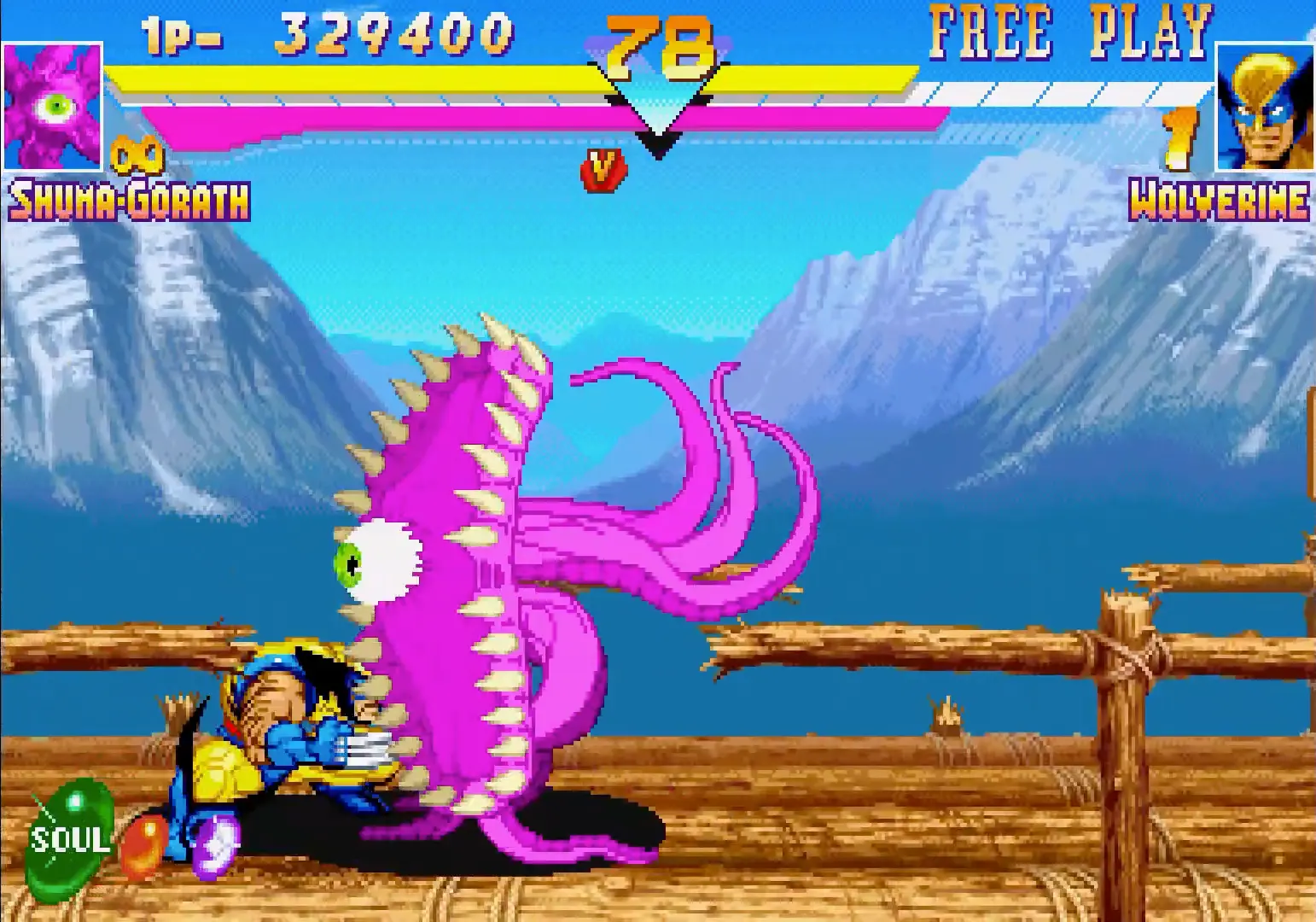
The mechanic that turned this game into my absolute obsession is the inclusion of the Infinity Gems. This isn't just a standard fighting game where you rely only on kicks and punches. During the match, glowing gems drop onto the stage, and whoever grabs them gets a massive, temporary power boost.
This changes the entire architecture of a fight. Suddenly, I wasn't just trying to trap my enemy in the corner; I was desperately scrambling to grab the 'Time' gem to speed up my character, or the 'Power' gem to make my attacks hit like a freight train. It creates a frantic, chaotic tug-of-war. Using a gem at the exact right moment to turn the tide of a losing battle is an addictive rush that kept me saying, 'Okay, just one more match' until it was 2 AM.Story: The Race for the Gauntlet
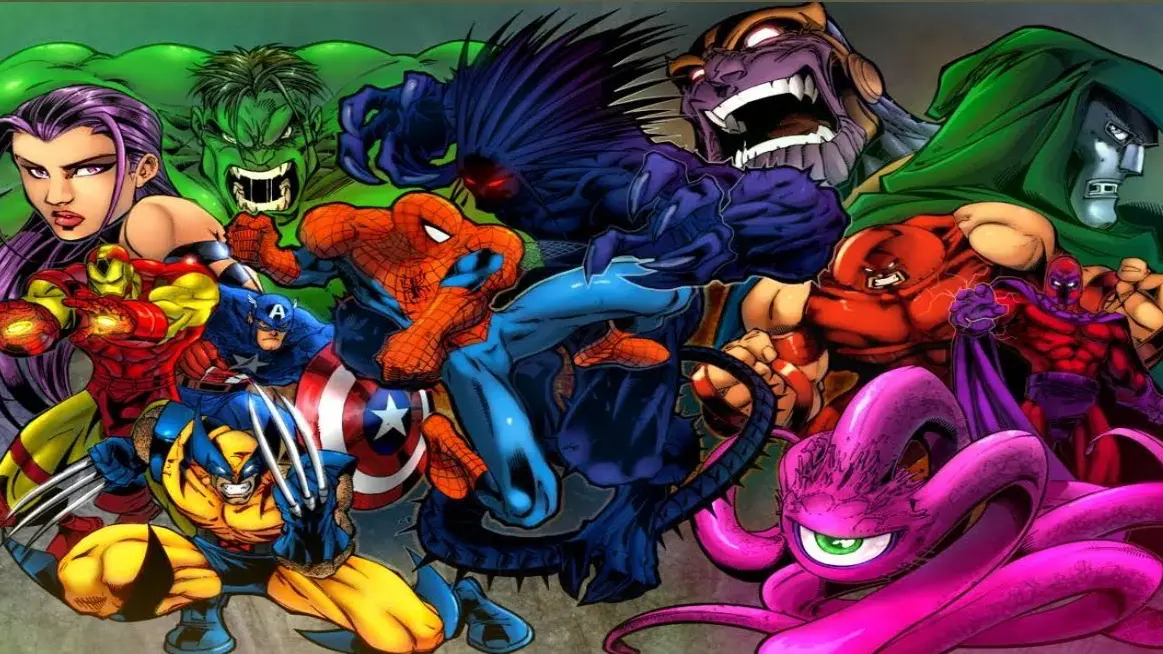
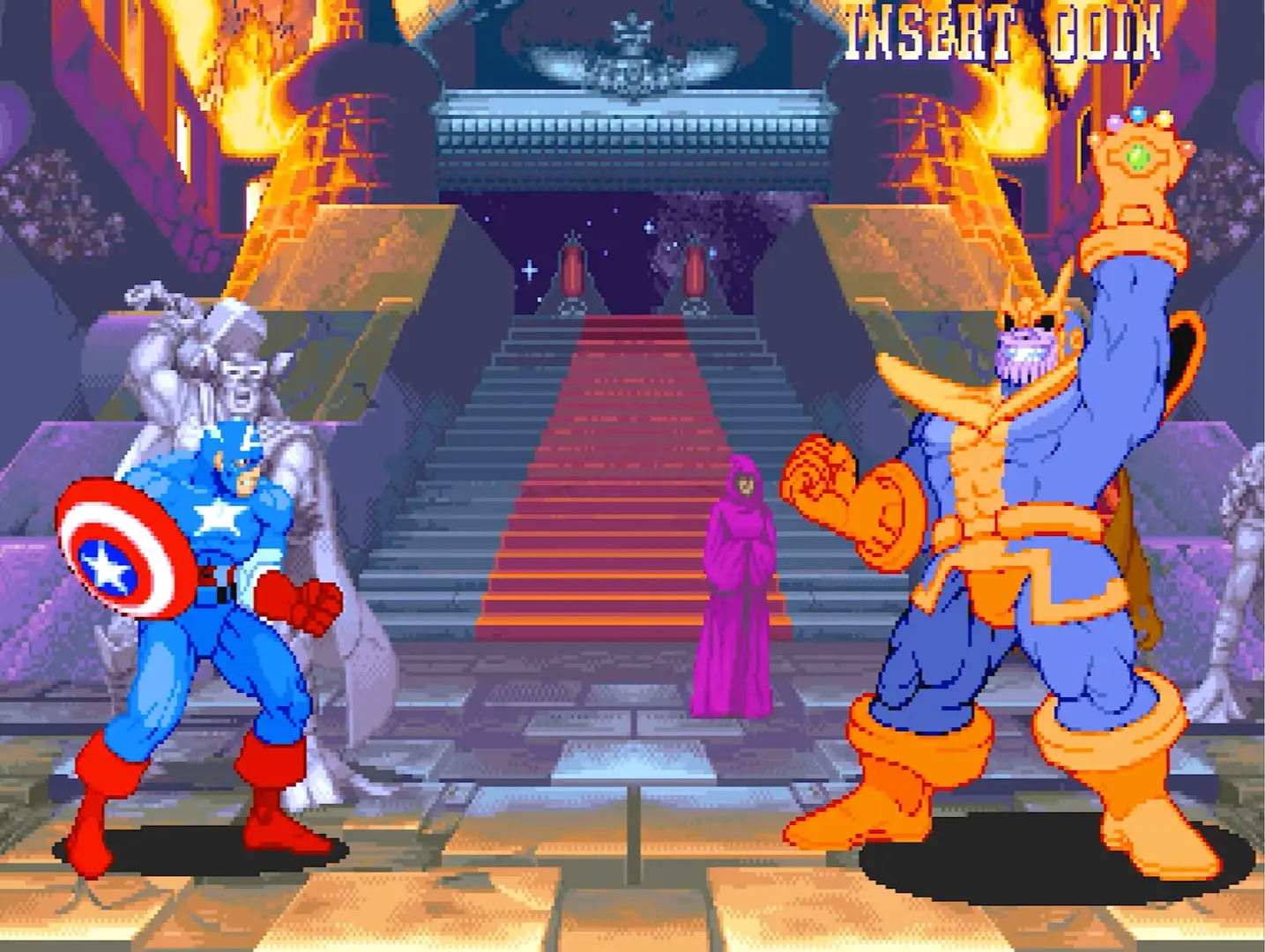
For a fighting game, the premise is simple but incredibly effective. Long before the modern cinematic universes made it mainstream, this game was loosely adapting the classic 'Infinity Gauntlet' comic book storyline. The mad titan Thanos has decided he wants to rule the universe, and the only way to stop him is to beat up everyone in your path and steal the gems back.
As a player who just wants an easy-to-understand hook, it is perfect. You travel across different stages, fighting other heroes who think you are the enemy, and villains like Magneto or Juggernaut who want the power for themselves. It gives you a great excuse to see Captain America and Iron Man beat the living daylights out of each other, building up to a ridiculously difficult, genuinely intimidating final boss fight against Thanos himself.Gameplay: Air Combos and Pure Chaos
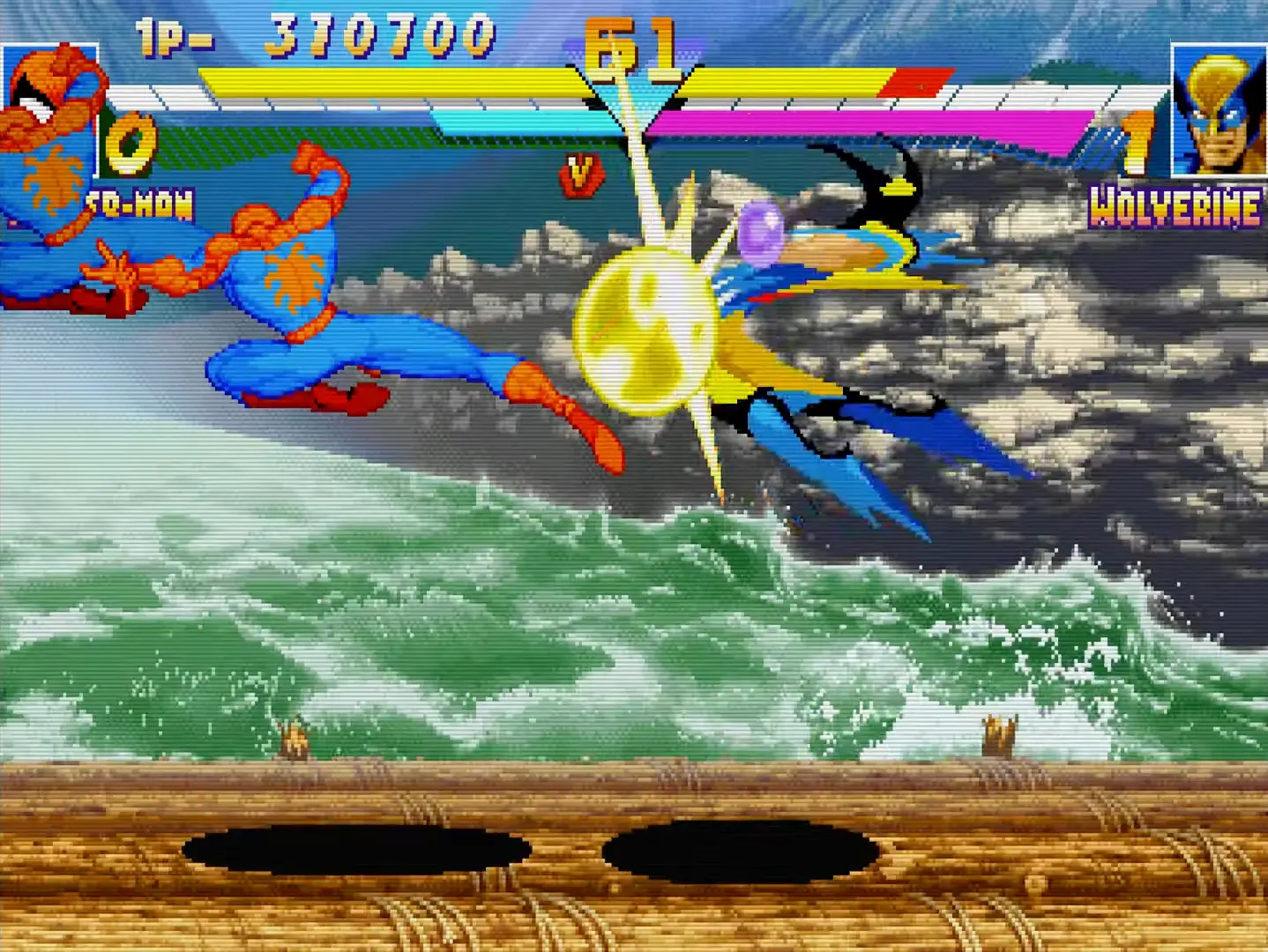
The controls are built on Capcom's legendary fighting game engine, meaning they are incredibly responsive, fast, and highly aggressive. The game actively encourages you to launch your opponent into the sky and follow them up for a massive 'Air Combo.'
I became absolutely obsessed with the flow of combat. It feels incredibly forgiving for beginners who just want to mash buttons and see flashy moves, but it has a massively high ceiling for players who want to master it. Chaining together Spider-Man's web throws into a brutal combo, or timing Captain America's 'Charging Star' perfectly to dodge a fireball, feels incredibly rewarding. The gameplay is loud, chaotic, and relentlessly fun.Atmosphere: Comic Book Pages Come to Life
Visually, Marvel Super Heroes is a gorgeous time capsule of 90s pixel art. The character sprites are huge, incredibly detailed, and animate with a fluid, exaggerated style that looks exactly like a comic book page come to life. When the Hulk slams his fists into the ground, the entire screen shakes violently.
The sound design perfectly matches the visual chaos. The upbeat, driving synth-rock soundtrack keeps your adrenaline pumping, and the loud, echoing voice lines—like Iron Man yelling 'Proton Cannon!'—are permanently burned into my memory. It captures a vibrant, unapologetic era of superheroes before everything got gritty and dark. It is pure, colorful arcade joy.Conclusion: A Timeless Clash
Marvel Super Heroes on the PS1 is a massive dose of nostalgia that still holds up brilliantly today. For a gamer looking for an easy-to-pick-up, impossible-to-put-down fighting game, this is an absolute must-play.
It is the game that paved the way for the legendary Marvel vs. Capcom series, and you can feel that foundational magic in every single punch. Whether you are playing solo trying to defeat Thanos, or sitting on the couch screaming at your friend because they stole the Power gem from you at the last second, it is a glorious, obsession-worthy brawler that proves 2D fighting games will never go out of style.